




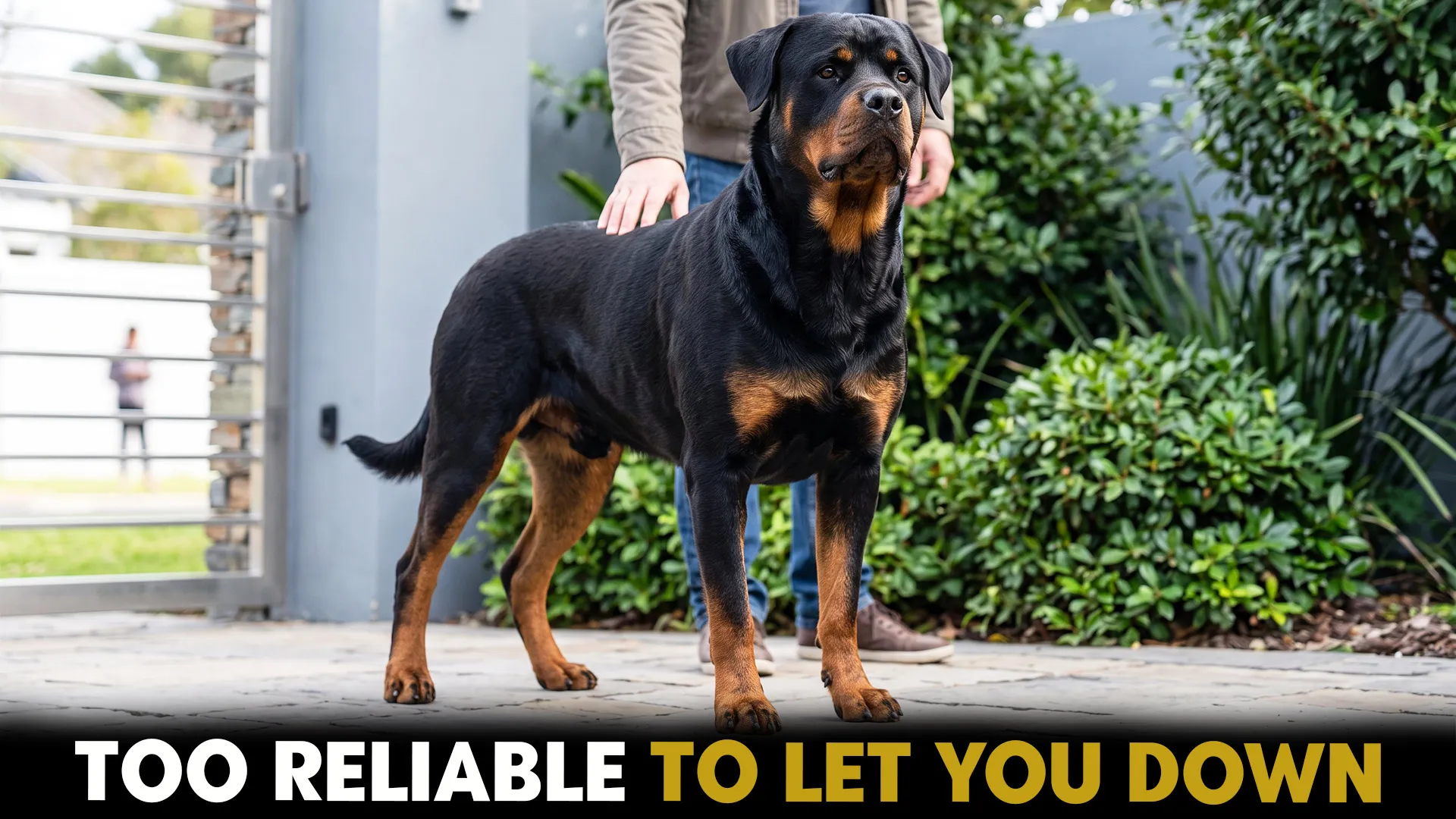
Some dogs have a natural inclination to stay close to the family and keep an eye on their surroundings. They can sense when someone is approaching and are more attuned to anything out of the ordinary. Some will even stand between their owner and something they see as a threat.
Certain breeds are known for these protective instincts. Guardian breeds are usually alert, powerful, fearless, and fiercely loyal to their families.
A protective dog isn’t automatically a good guard dog, though. Proper training, socialization, obedience work, regular exercise, and mental stimulation are what turn a protective dog into a reliable family guardian. The goal is a confident dog that can tell a normal situation from a dangerous one without overreacting.
Let’s look at seven of the best guard dog breeds that are deeply loyal to their pet parents and can also make great family dogs.
Loyal Dog Breeds that Act as Natural Bodyguards
1. German Shepherd
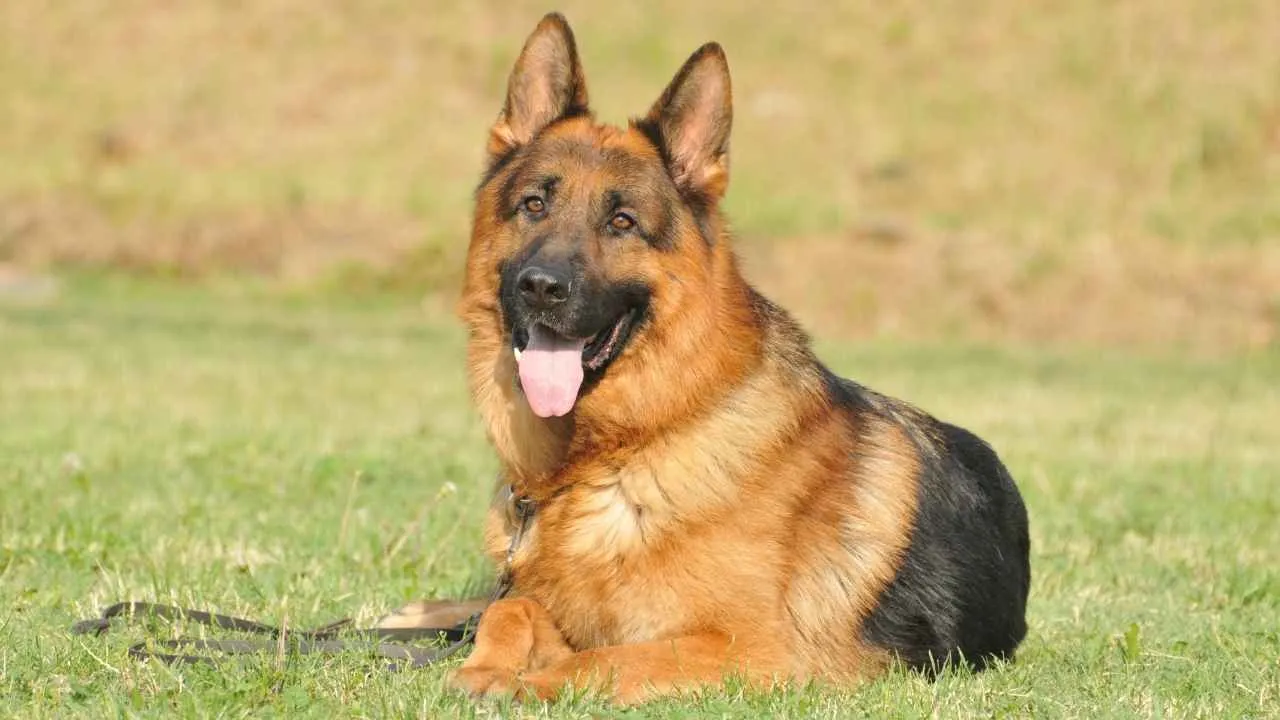
The German Shepherd is one of the most versatile working dogs in the canine world, according to The American Kennel Club. It was originally bred for herding and has since taken on jobs like police work, military work, and search and rescue.
That versatility is one of the main reasons it ranks among the best protective breeds. A German Shepherd can stay focused on its handler while other dogs might lose their concentration, which makes it a dependable natural bodyguard.
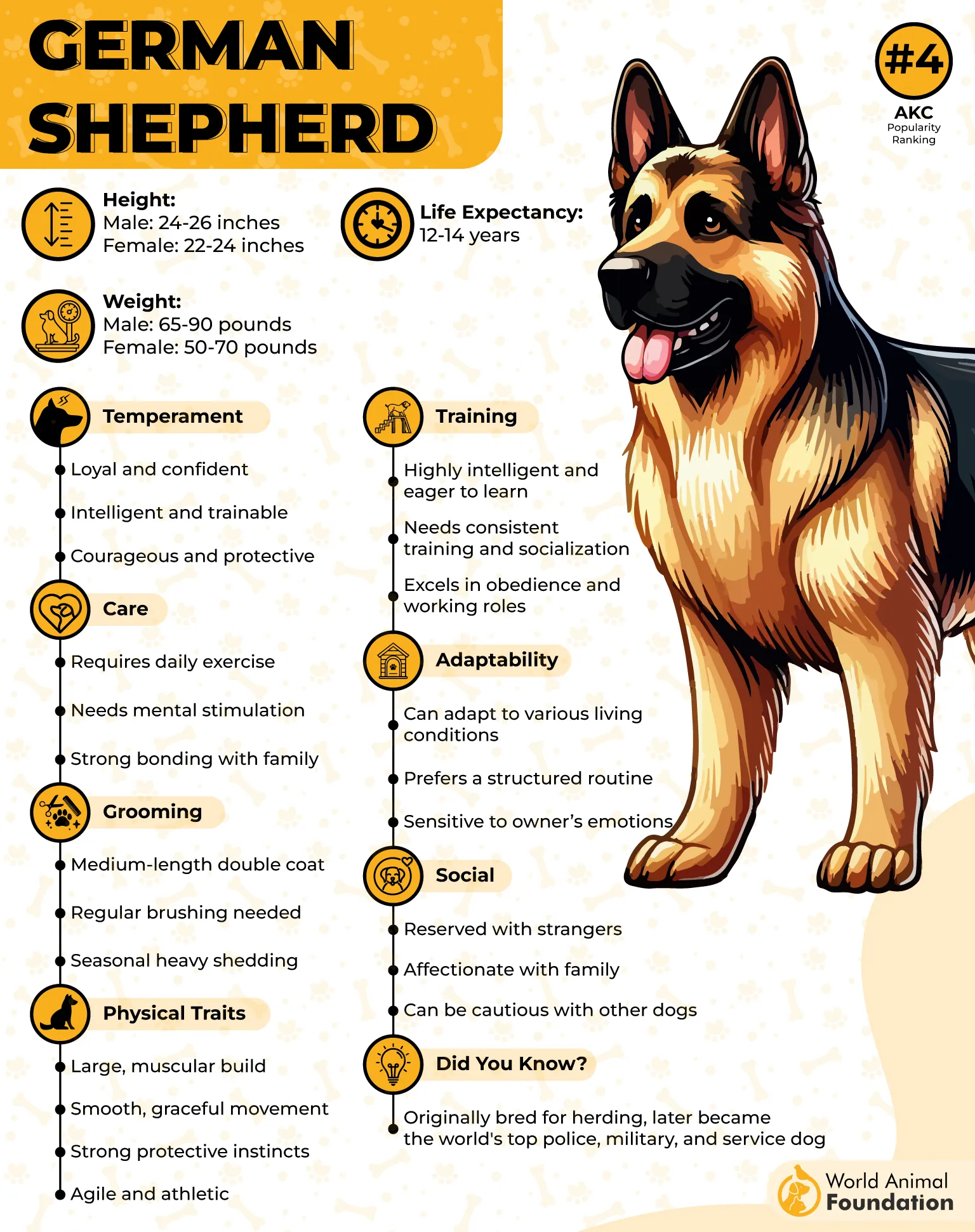
This excellent guard dog can be trained to follow commands and complete tasks, and it’s very aware of its surroundings. A well-trained German Shepherd can tell the difference between a regular visitor and someone who deserves a closer look.
It’s also incredibly loyal and happiest indoors with its people. Rather than just keeping an eye on the property from a distance, it wants to be part of the family.
2. Rottweiler
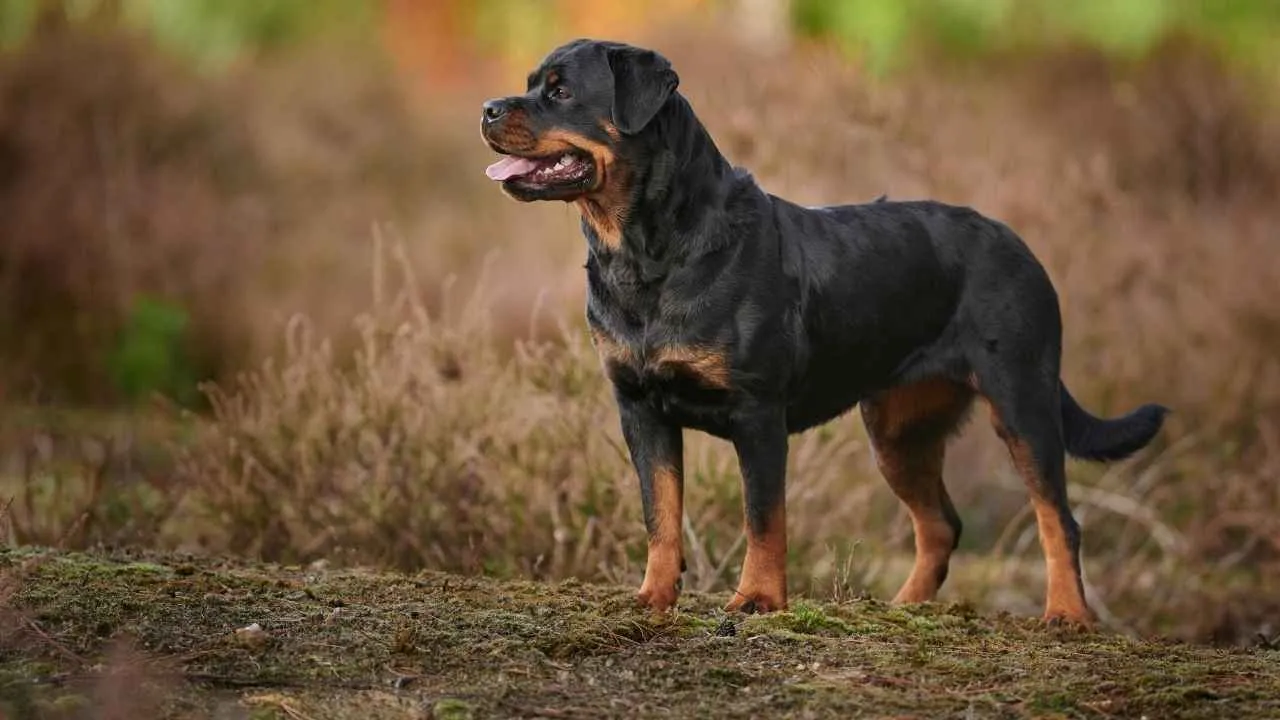
Rottweilers have a long reputation as hard workers, and it’s well-earned. They were used for cattle driving and property protection, and eventually for police and other working roles.
Confidence and awareness are what make them good protective companions. A Rottweiler doesn’t bark at every little noise, and it doesn’t wander around the house without purpose.
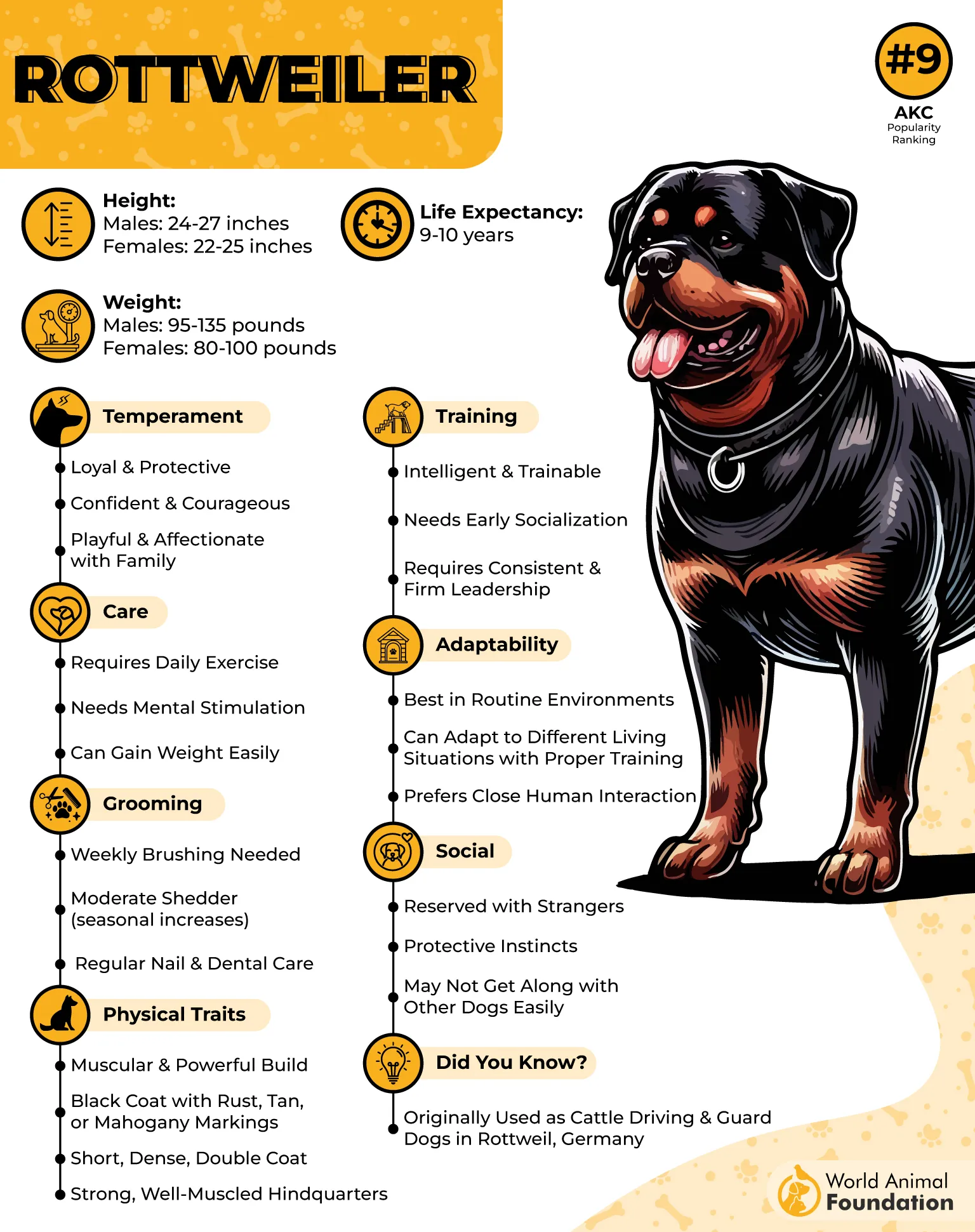
With early socialization and proper training, these loyal dogs can become full members of the family. They’re known for forming close bonds with their owners and can be playful with other pets and children.
Rottweilers are also highly intelligent and do well with positive reinforcement. They don’t respond well to harsh treatment.
3. Akita
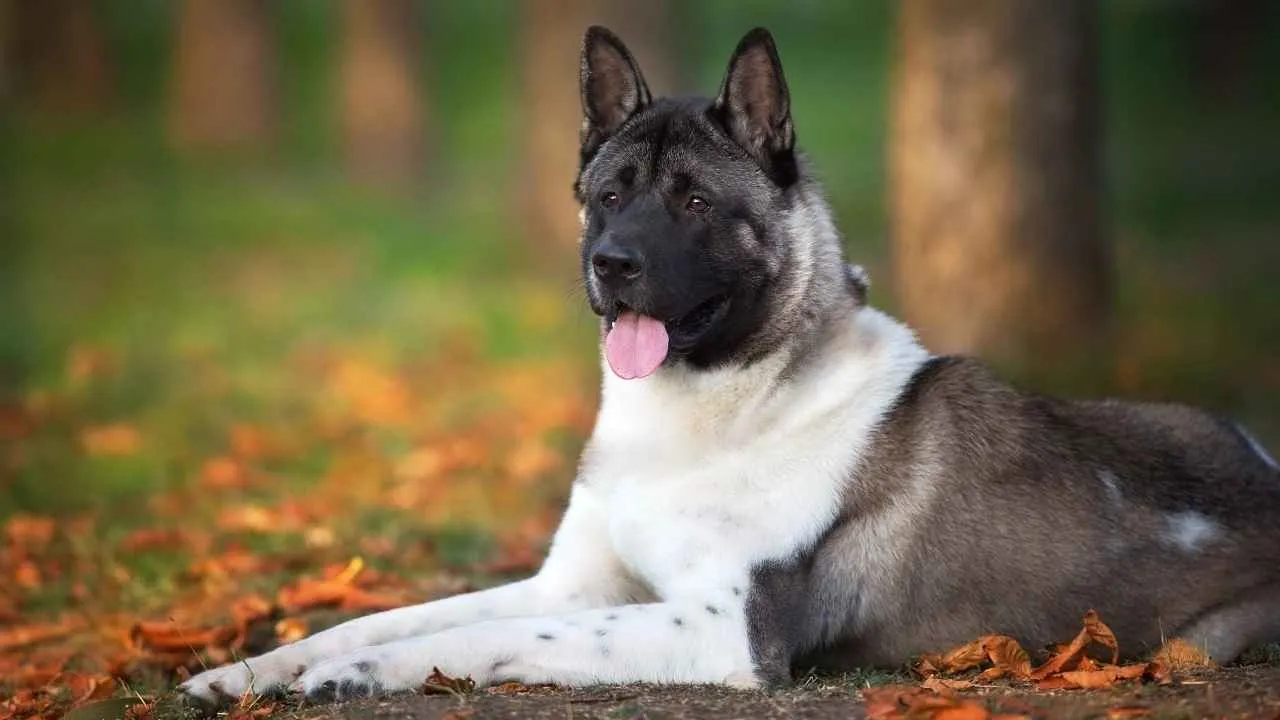
The Akita has a very different style of protection. It isn’t as vocal as other guard breeds and tends to be quiet and watchful instead.
According to Britannica, this is an ancient breed created in Japan for several purposes, including hunting. Today, its protectiveness shows up as devotion to its family and caution around strangers. The Akita isn’t generally fond of people it doesn’t know.
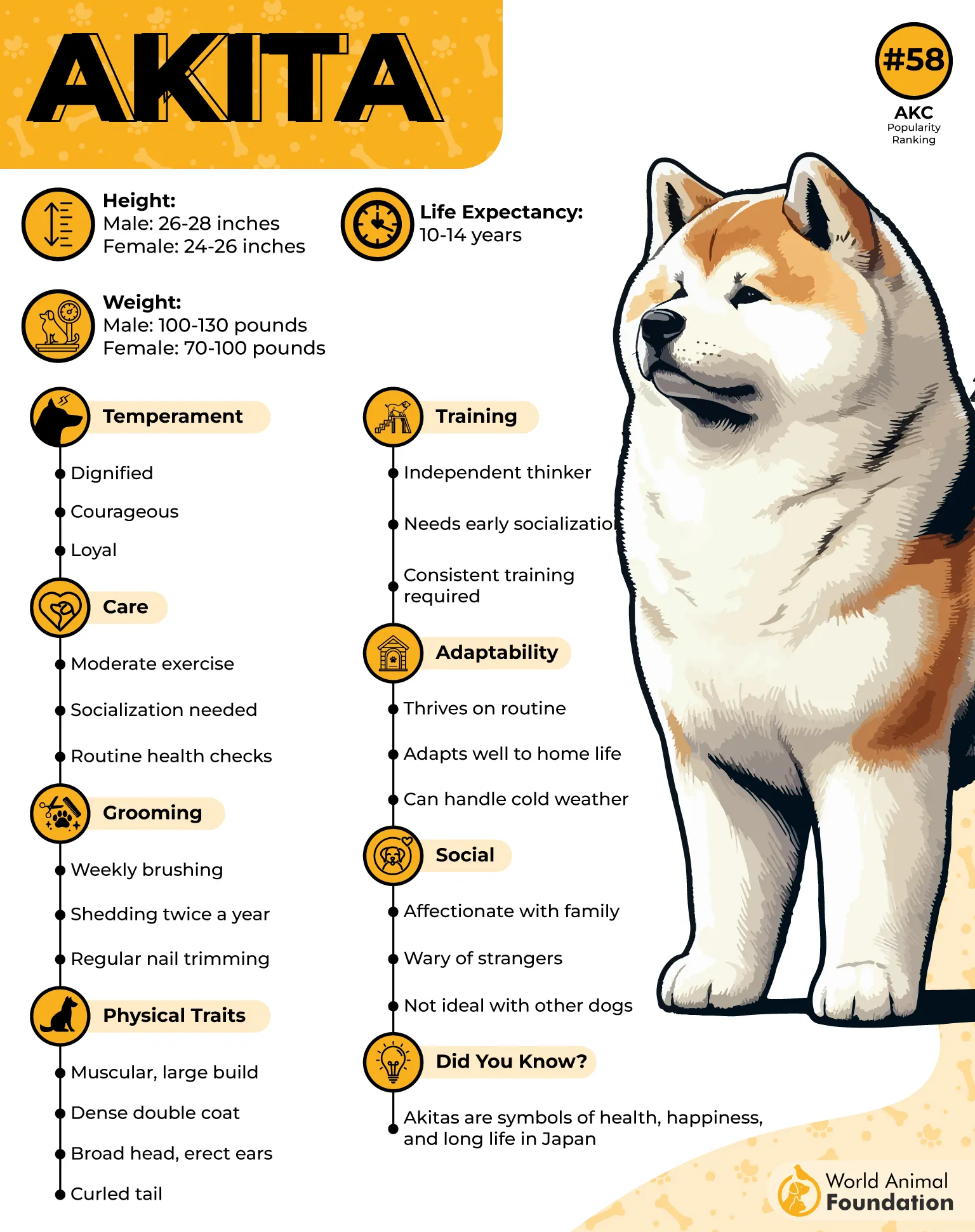
It’s also an independent thinker that likes to do things its own way, so owners should socialize it from a young age and set clear limits. Because of its high prey drive, an Akita shouldn’t be left alone in an open area. It can also be aggressive toward other dogs, especially those of the same sex, so careful consideration is advised.
4. Cane Corso
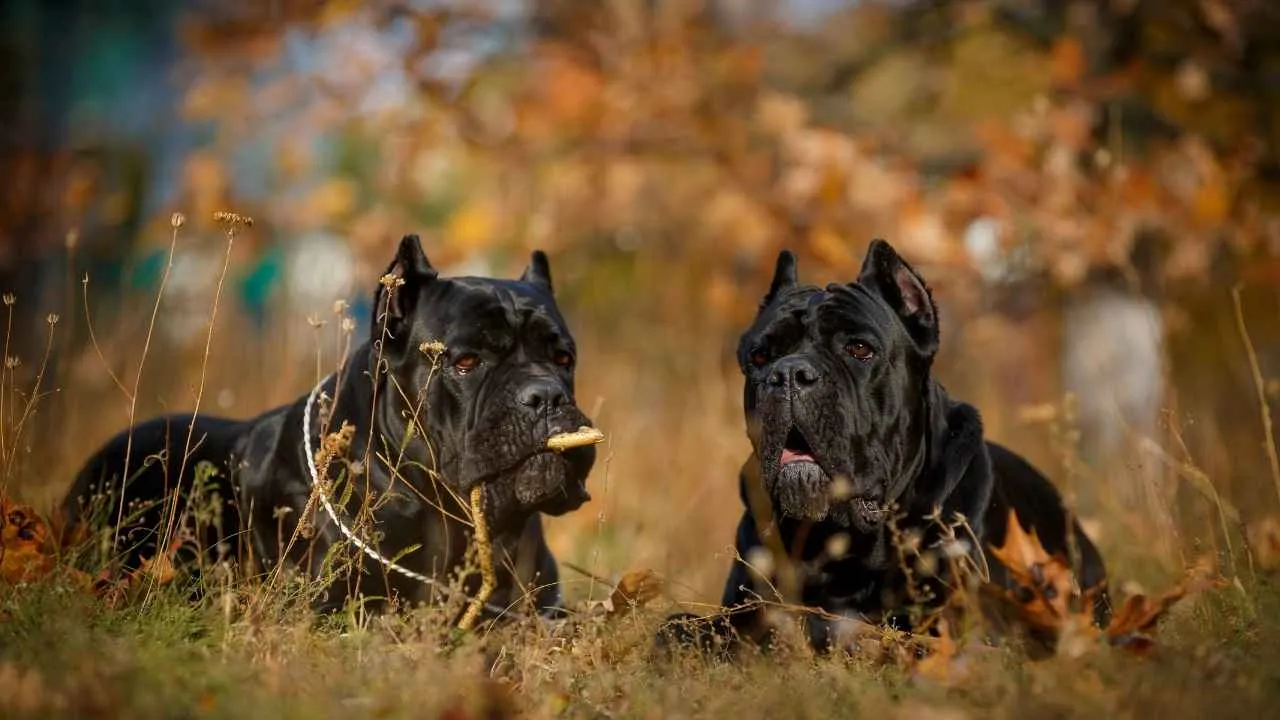
The Cane Corso is a Mastiff-type dog said to descend from the war dogs of ancient Rome, which helps explain why it’s one of the most obvious picks on this list for guarding duties. It has a muscular body and a large head.
Size isn’t all that defines this dog. It’s responsive to its owner and physically very strong. It’s naturally suspicious of unusual situations and can be deeply protective of the people it loves.
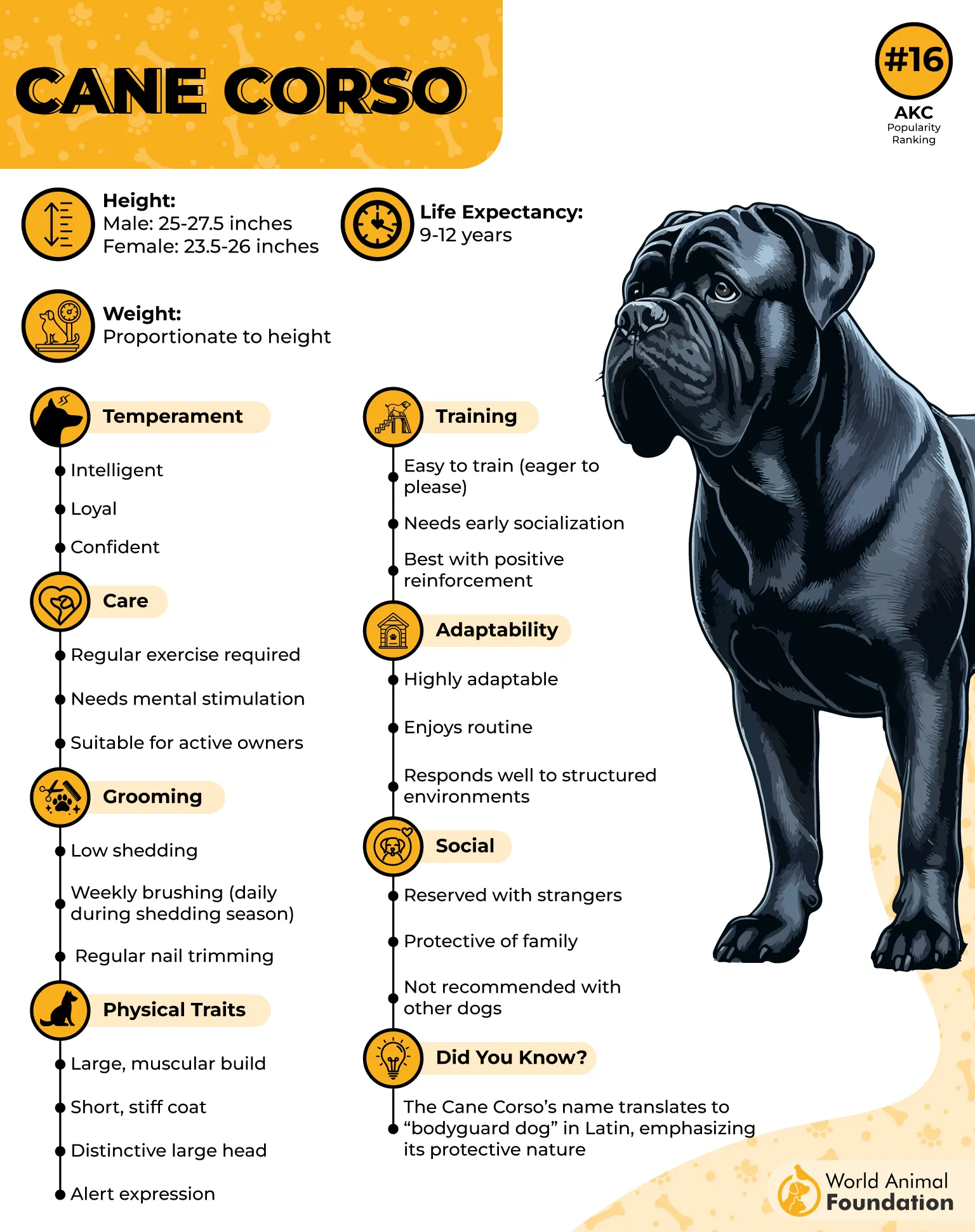
Hill’s Pet describes the Cane Corso as a natural pack leader that isn’t very friendly toward other dogs and animals. It needs consistent training and is best suited to owners willing to invest time and energy in it. Left unsupervised, its protective instincts can become hard to manage. With enough attention, training, and love, though, it can be a wonderful companion for the people it loves.
5. Bullmastiff
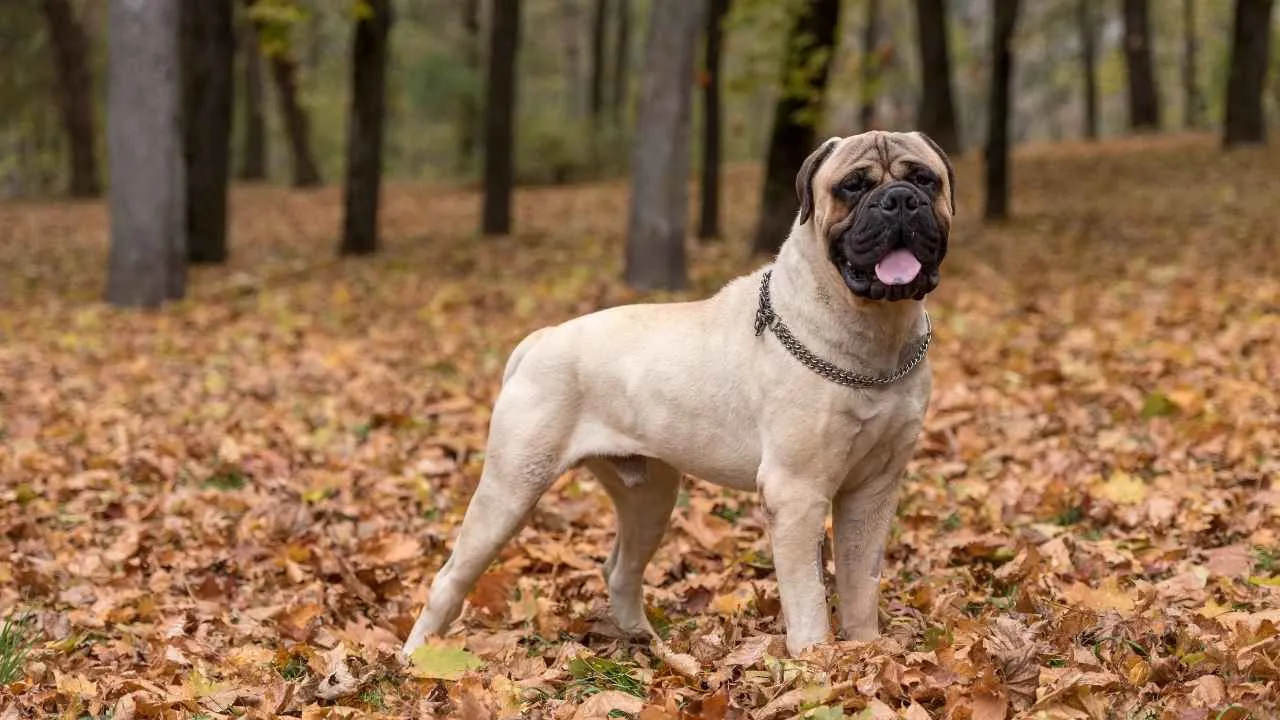
The Bullmastiff is a large but gentle dog. It was developed in Britain to help estate gamekeepers deal with poachers. Rather than chasing intruders away, it was built to track them down and hold them in place with its sheer size.
These dogs are friendly with most people, but their large size means they need supervision around young children, since they can easily knock kids over or hurt them by accident during play.
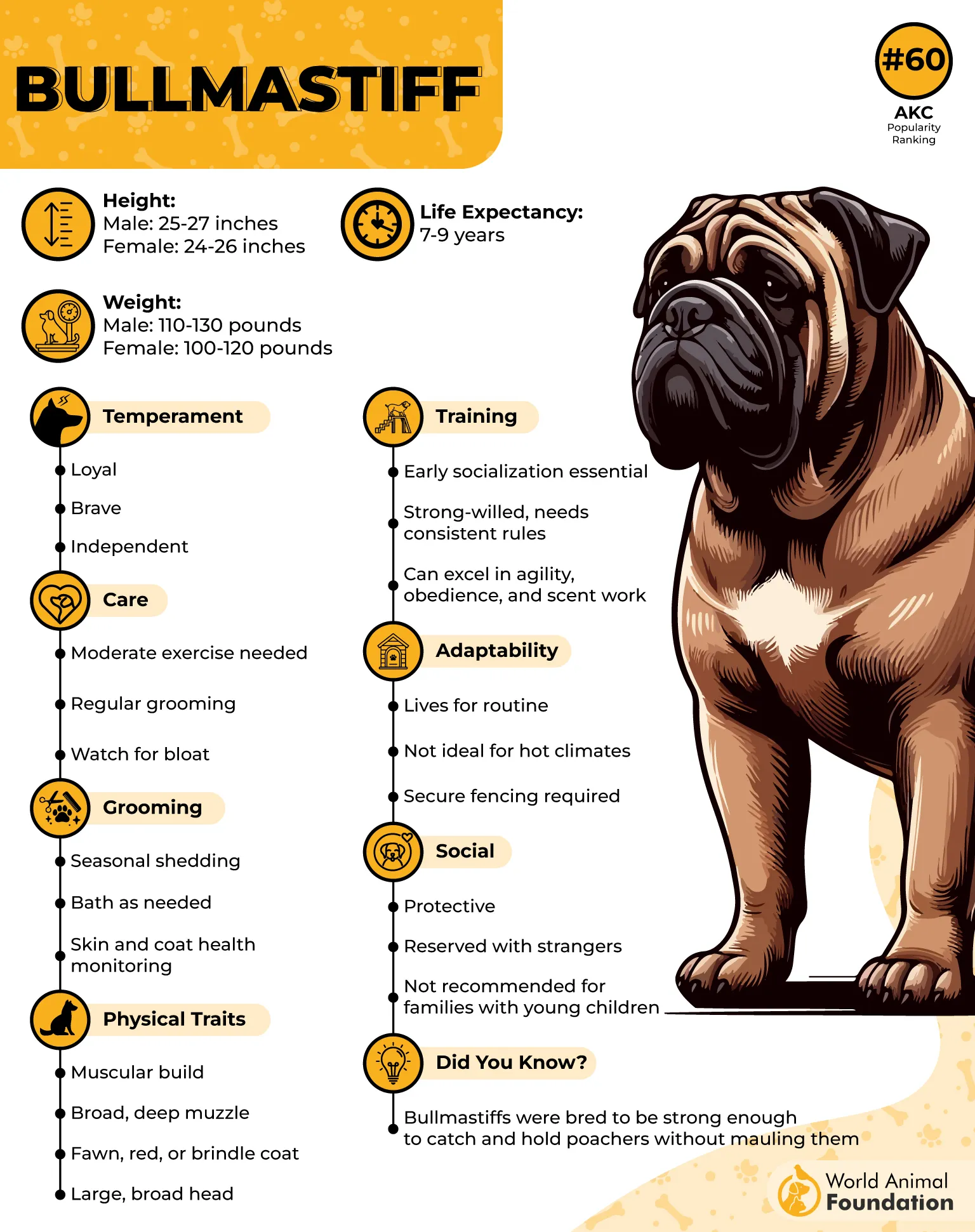
A Bullmastiff doesn’t need to be in constant motion to make its presence known. It’s huge, confident, and alert, which is often enough to discourage unwanted attention. The breed is also brachycephalic, so extreme heat can cause breathing difficulties.
At home, though, these dogs are generally very laid-back, which is quite a contrast to their imposing looks. Feed them nutritious food to keep them happy and healthy.
6. Belgian Malinois
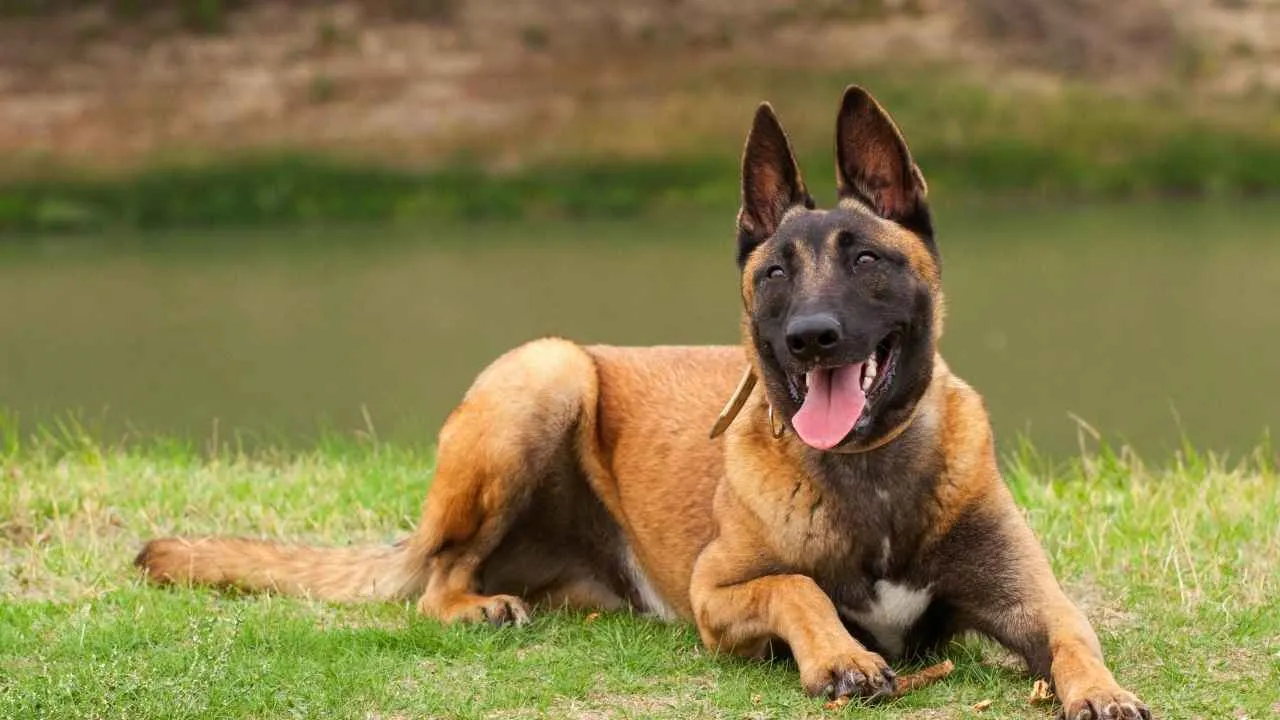
The Belgian Malinois is the most energetic member of the group. It’s closely associated with police, military, detection, and protection work thanks to its high drive, responsiveness, and willingness to work closely with a handler.
Its biggest strength as a natural bodyguard isn’t always its physical power. It’s the breed’s deep devotion to its owner and its eagerness to take on any task.
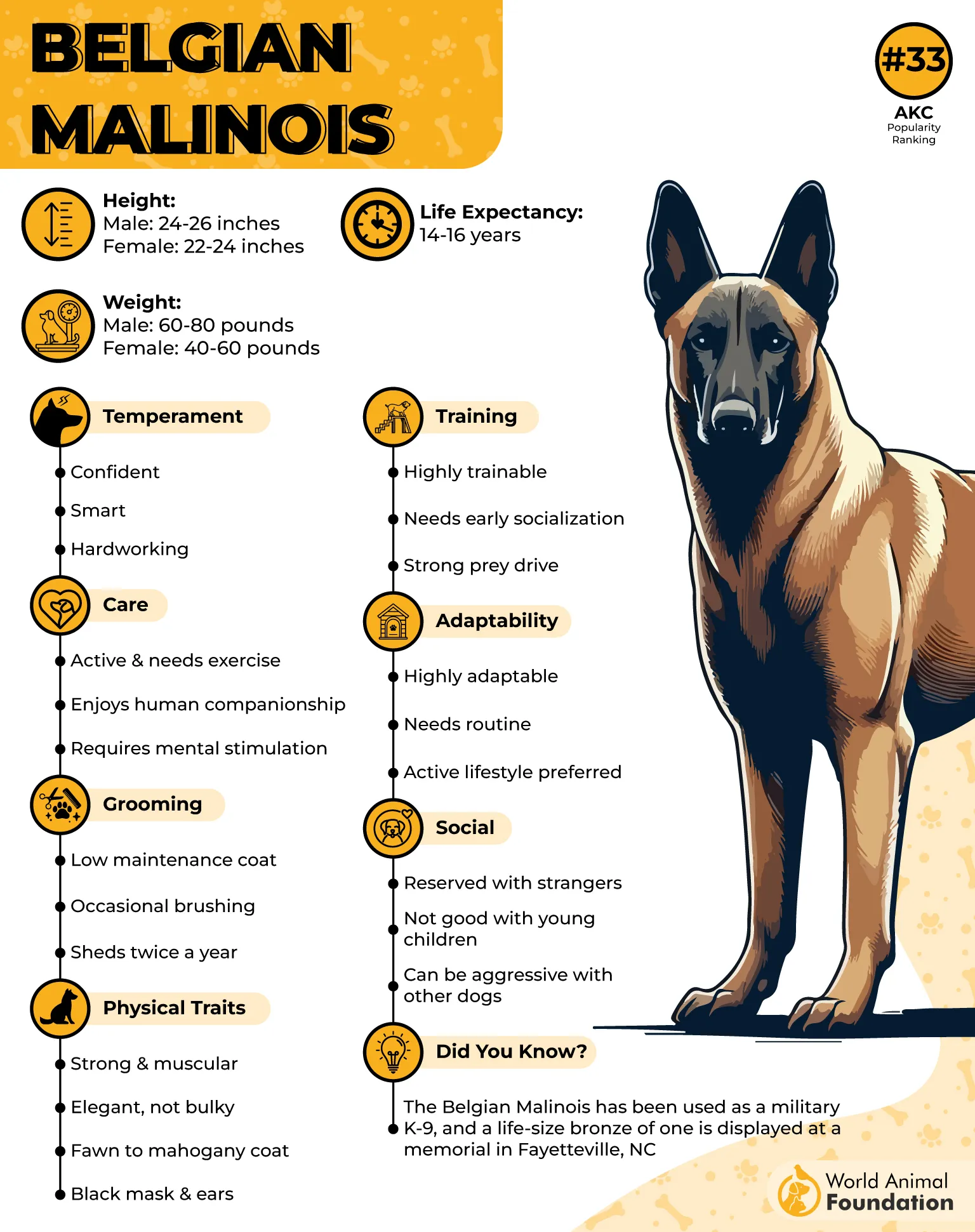
This dog needs a lot of exercise and plenty of room to stay active. If that energy isn’t channeled through work, training, or activities, it can be very hard to control. The Malinois also makes a great hiking and biking partner, but it’s best suited to experienced owners with a strong work ethic.
7. Giant Schnauzer
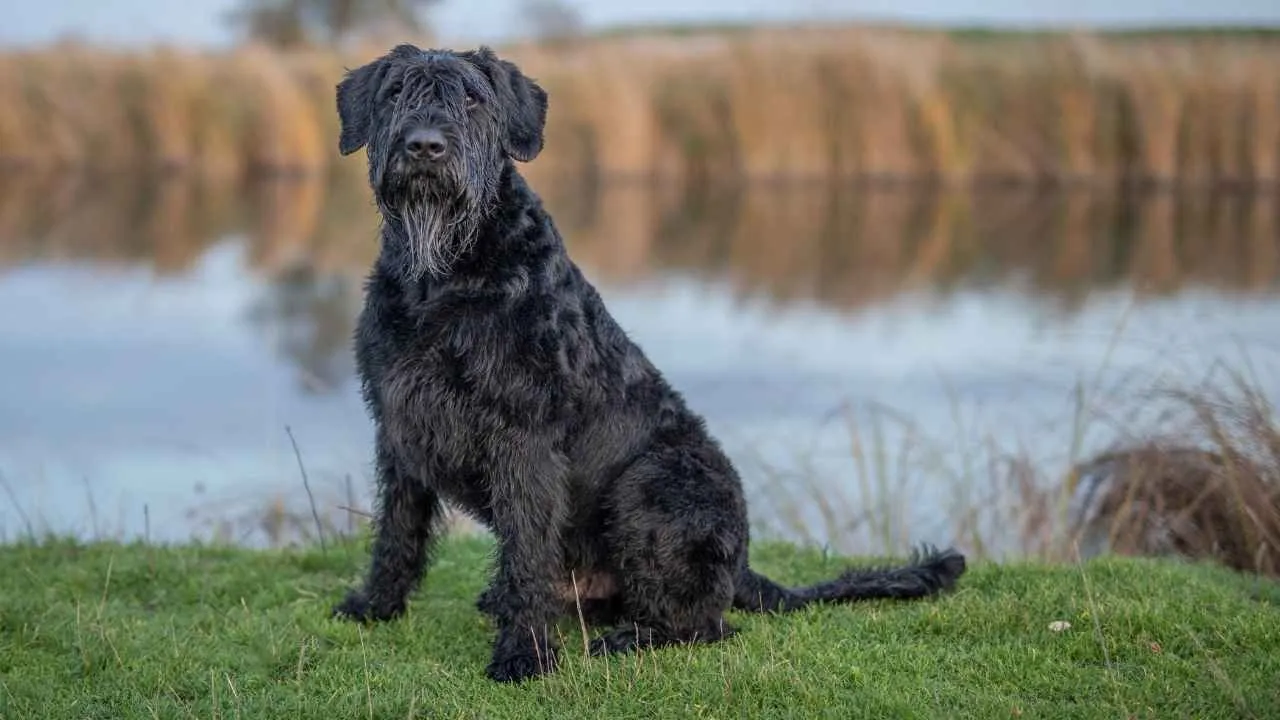
The Giant Schnauzer might not be the first breed that springs to mind when you think of protection, but its working background earns it a spot on this list. It was bred for strength, reliability, and alertness, and it has historically been used for tasks that demand exactly those qualities.
Not only is it a natural working dog, but it’s also especially useful for guarding homes and protecting property. The Giant Schnauzer is sensitive to changes in its environment and tends to meet whatever situation comes its way head-on.
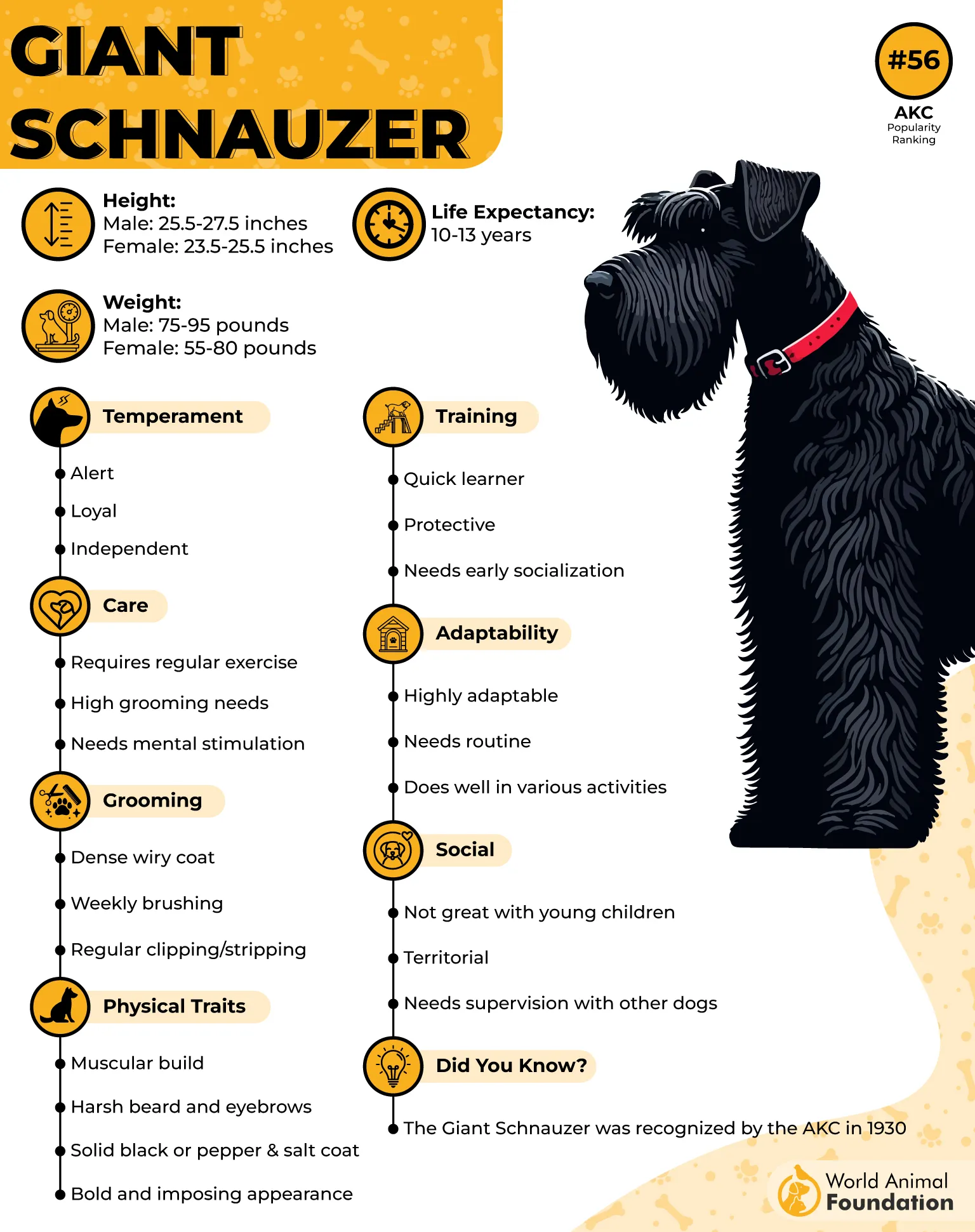
This protection dog also has a distinctive coat that needs regular grooming, so potential owners should be ready to visit a professional groomer whenever needed.
Conclusion
Great guard dogs don’t have to be aggressive. In fact, the best protective dog breed is often a well-trained, self-assured dog that can sense abnormal behavior and respond appropriately.
A strong family bond, keen awareness, trainability, and solid protective instincts are far more useful than unchecked aggression.
The right guard dog depends on the owner’s experience, lifestyle, home environment, and willingness to socialize and train. These breeds can make loyal family guardians, but their physical strength means the responsibility of owning one is greater.
