




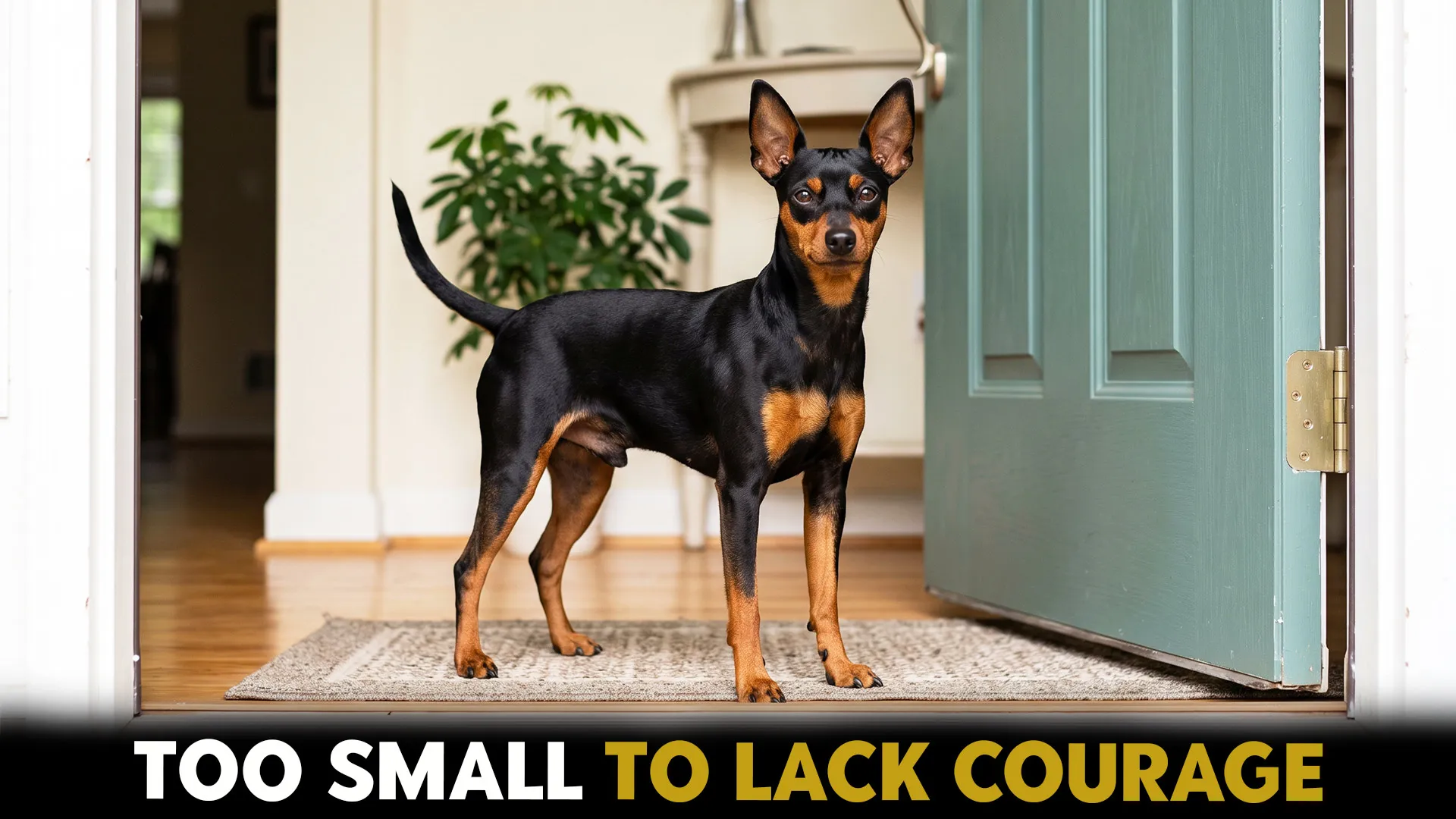
You would assume the biggest dog on the porch makes the best guard dog. A recent study on canine behavior flips that assumption, showing some of the smallest breeds rank among the boldest and most fiercely loyal defenders around.
Researchers from Scientific Reports, tracking thousands of pet dogs, found that body size barely predicts boldness, and several small breeds scored as reactive to strangers as dogs three times their weight.
So what turns a lap-sized pup into an excellent guard dog? The answer has less to do with size and more to do with instinct, history, and confidence.
This article digs into the genetics and training behind brave dogs that happen to be small, so you know exactly what you are getting before choosing a protector.
Curious which small breeds made the list as excellent watchdogs and good guard dogs for your home? Keep reading to find out.
Small and Protective Dog Breeds to Keep You Safe
1. Miniature Schnauzer
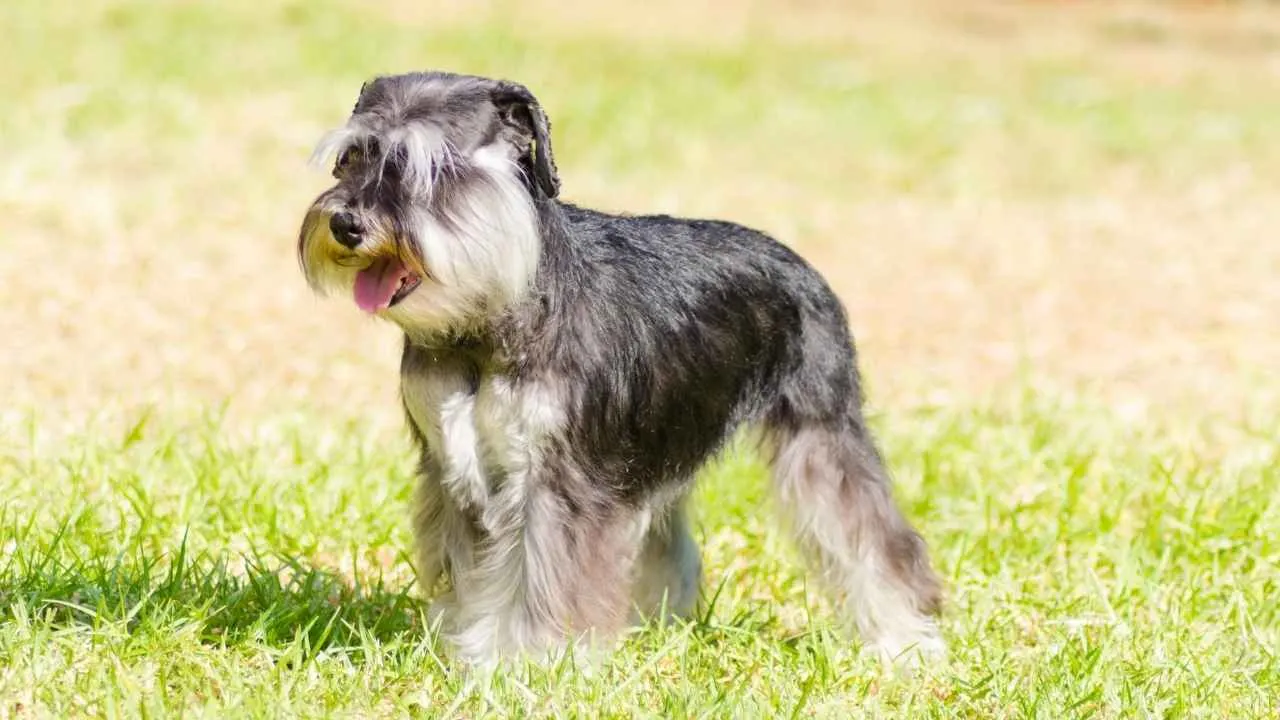
The Miniature Schnauzer’s protective nature isn’t learned overnight; it’s stitched into its genetics. Originally bred in Germany to guard farms and chase off vermin, this pup inherited a built-in sense of territory, according to the AKC. Confidence like that doesn’t come from training alone; it starts in the blood.
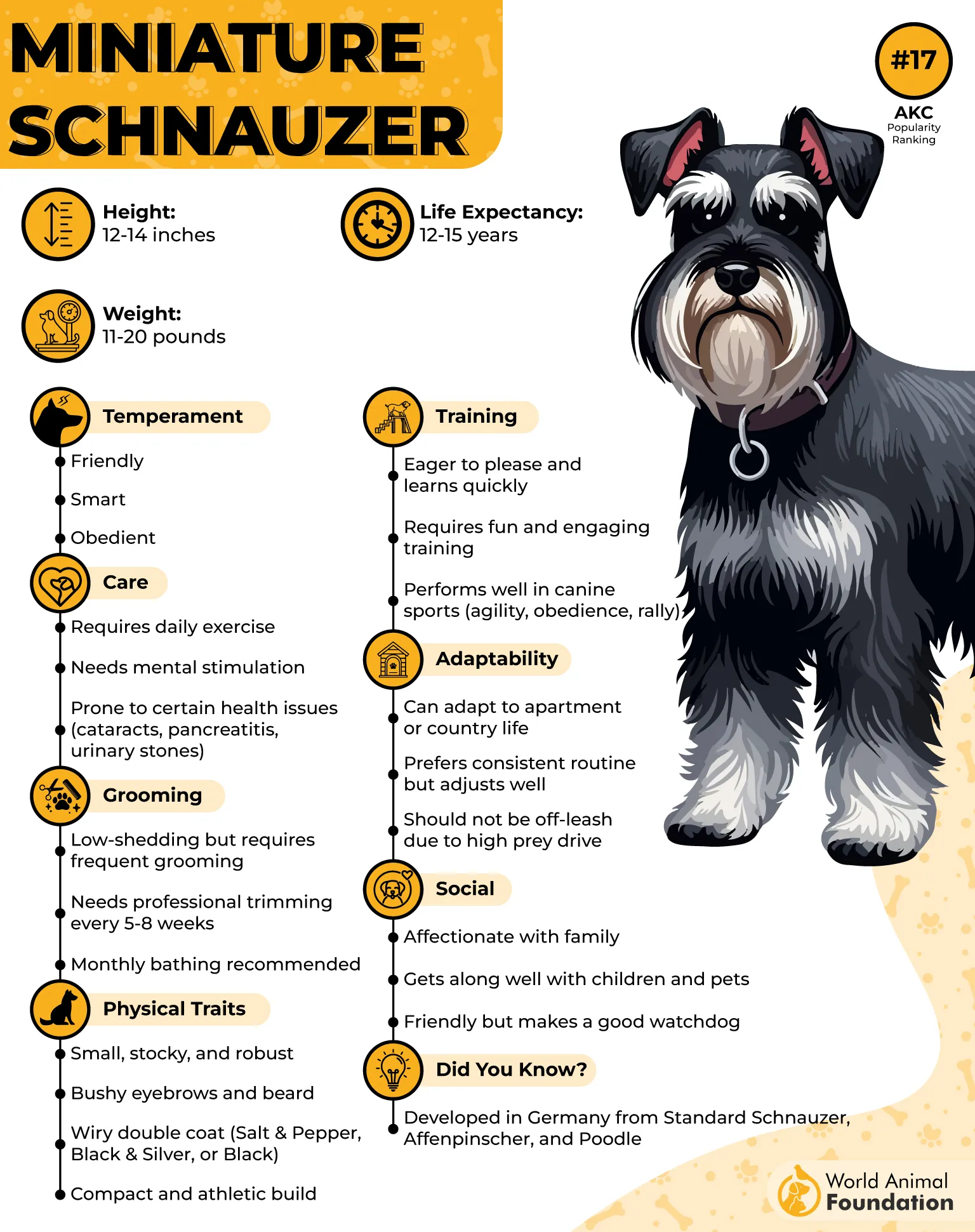
At home, that instinct shows up fast. A knock at the door turns this small dog into a high-alert watchdog, barking before you even reach the handle. Family members get tail wags; strangers get a thorough inspection first.
Training tip: Reward calm responses early so barking stays a warning, not a habit.
Watch for: Territorial instinct can tip into guarding furniture or toys if left unchecked.
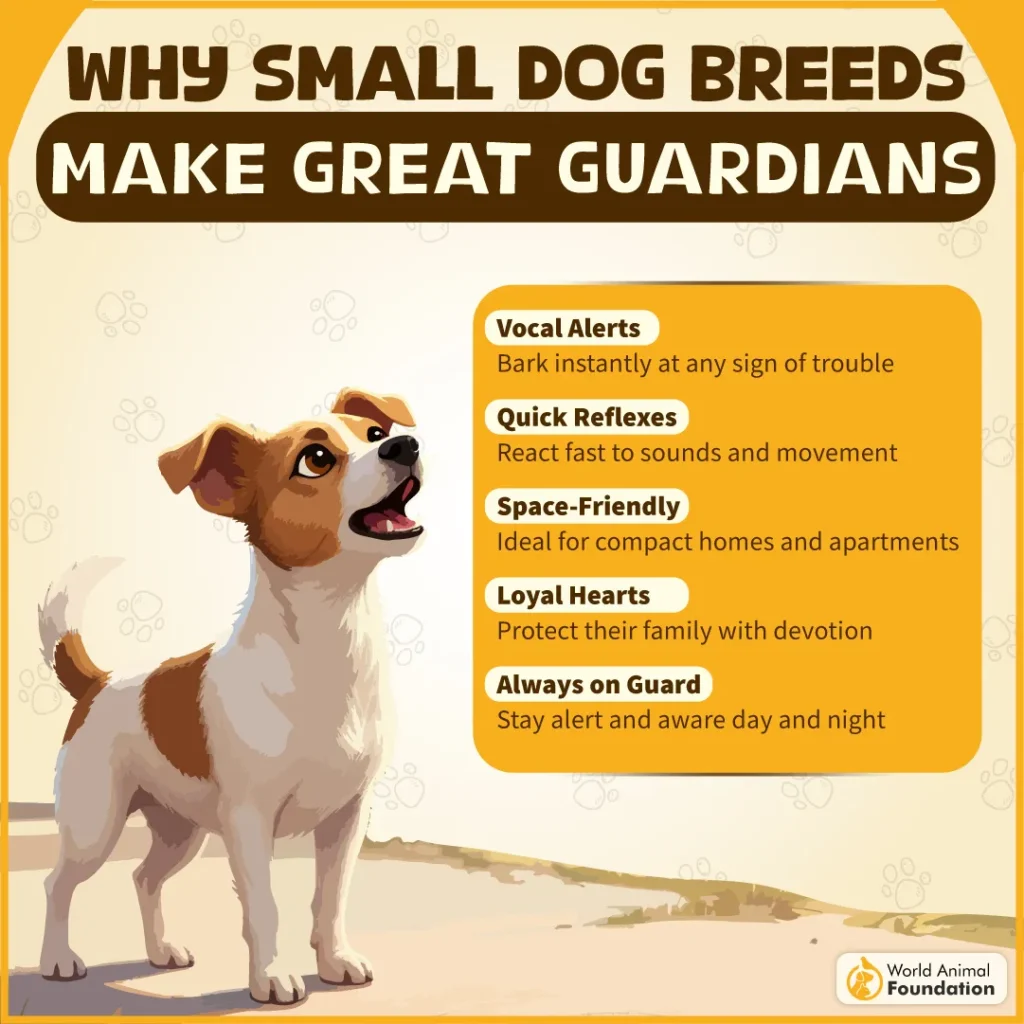
This breed does best with owners who give it a job and a routine; apartments or houses both work fine. Expect a loyal shadow with plenty of energy to spare. Most people find the trade-off- a little extra alertness for a lot of loyalty- more than fair.
2. Pomeranian
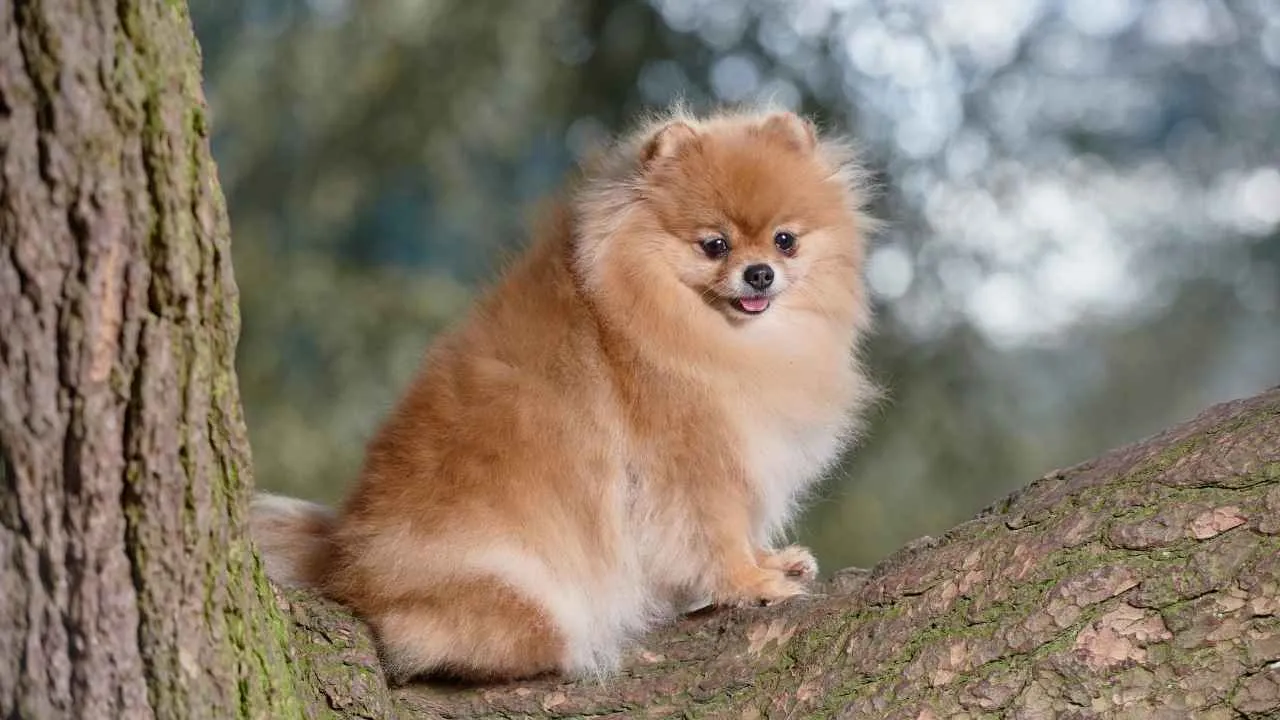
The Pomeranian’s guard dog instincts go back further than its fluffy looks suggest. This breed descended from big, hardy Spitz dogs bred to guard homesteads, and some of that protective nature survived the shrinking. Training can polish it, but the instinct was already there.
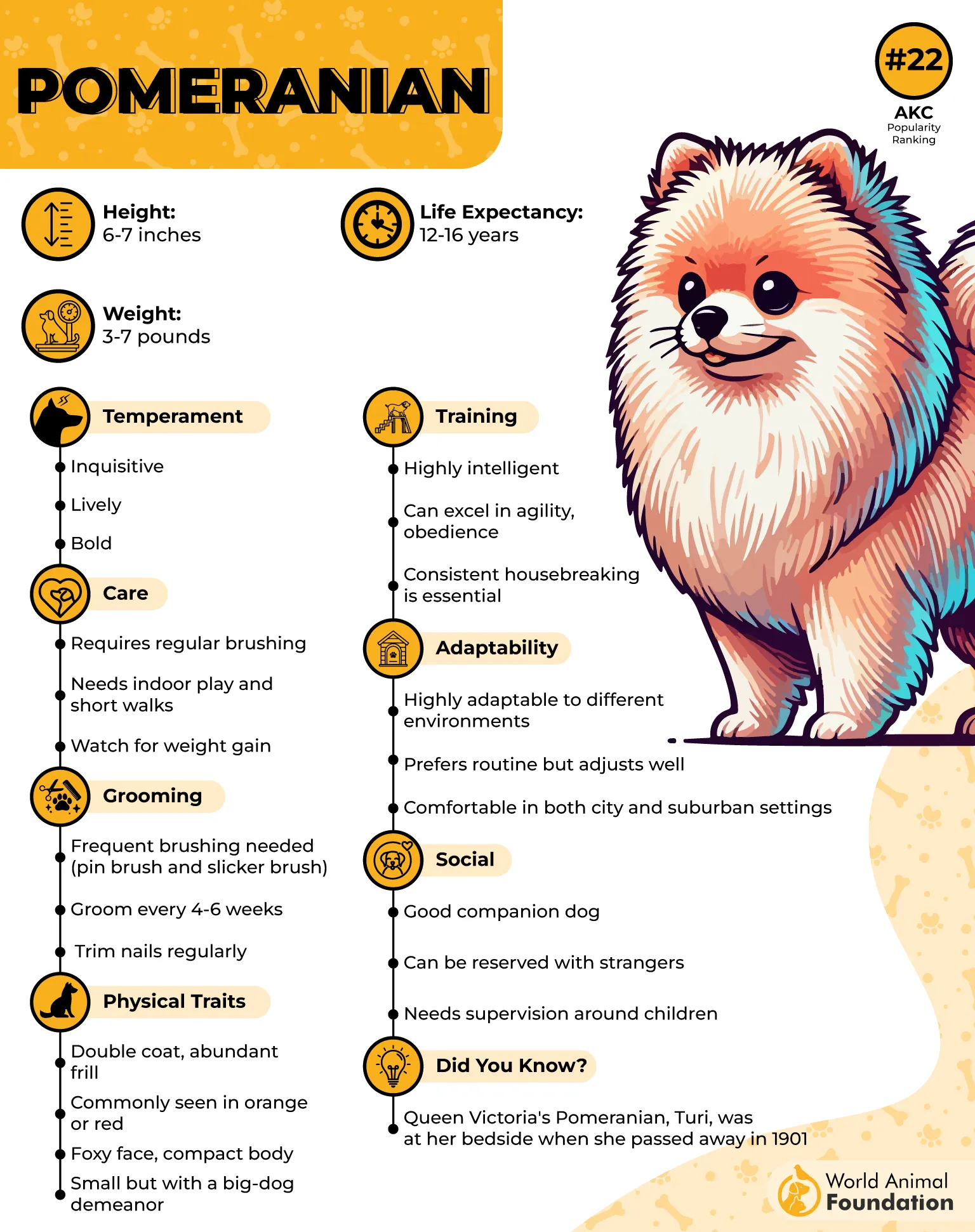
In the house, a Pomeranian acts like it owns the place, and it kind of thinks it does. It barks at anything unfamiliar, from a strange car to a new pair of shoes. Family gets cuddles; everyone else gets scrutiny.
Training tip: Teach a release cue so the bark stops once it did its job.
Watch for: Small size can make its bravery tip into reactivity toward bigger dogs.
This pup suits owners who enjoy a chatty, confident companion and don’t mind a dog with a big personality in a small space. It fits apartments and houses alike. Expect a fearless little guardian that believes it’s much bigger than it is.
3. Yorkshire Terrier
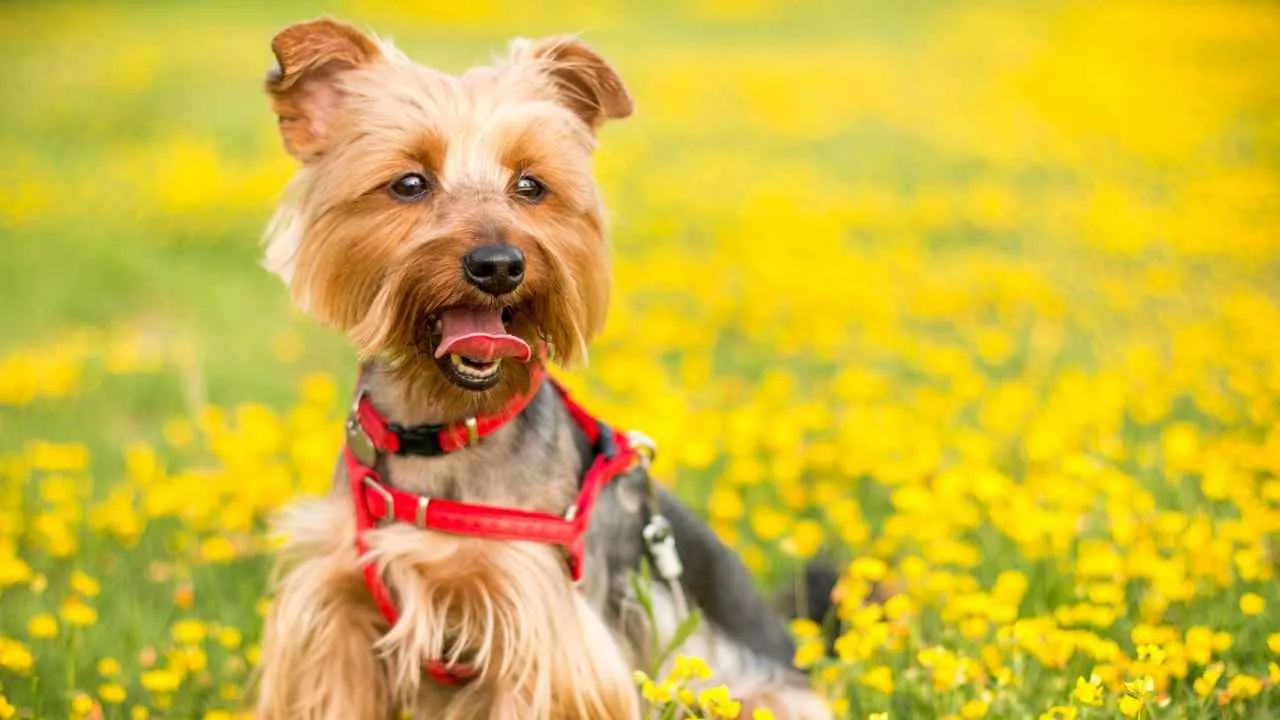
Yorkshire Terriers were originally bred to hunt rats in cramped textile mills, not to sit on laps, as per PetMD. That scrappy job shaped a dog with real bravery packed into a tiny frame. Genetics gave it the grit; time with people gave it the manners.
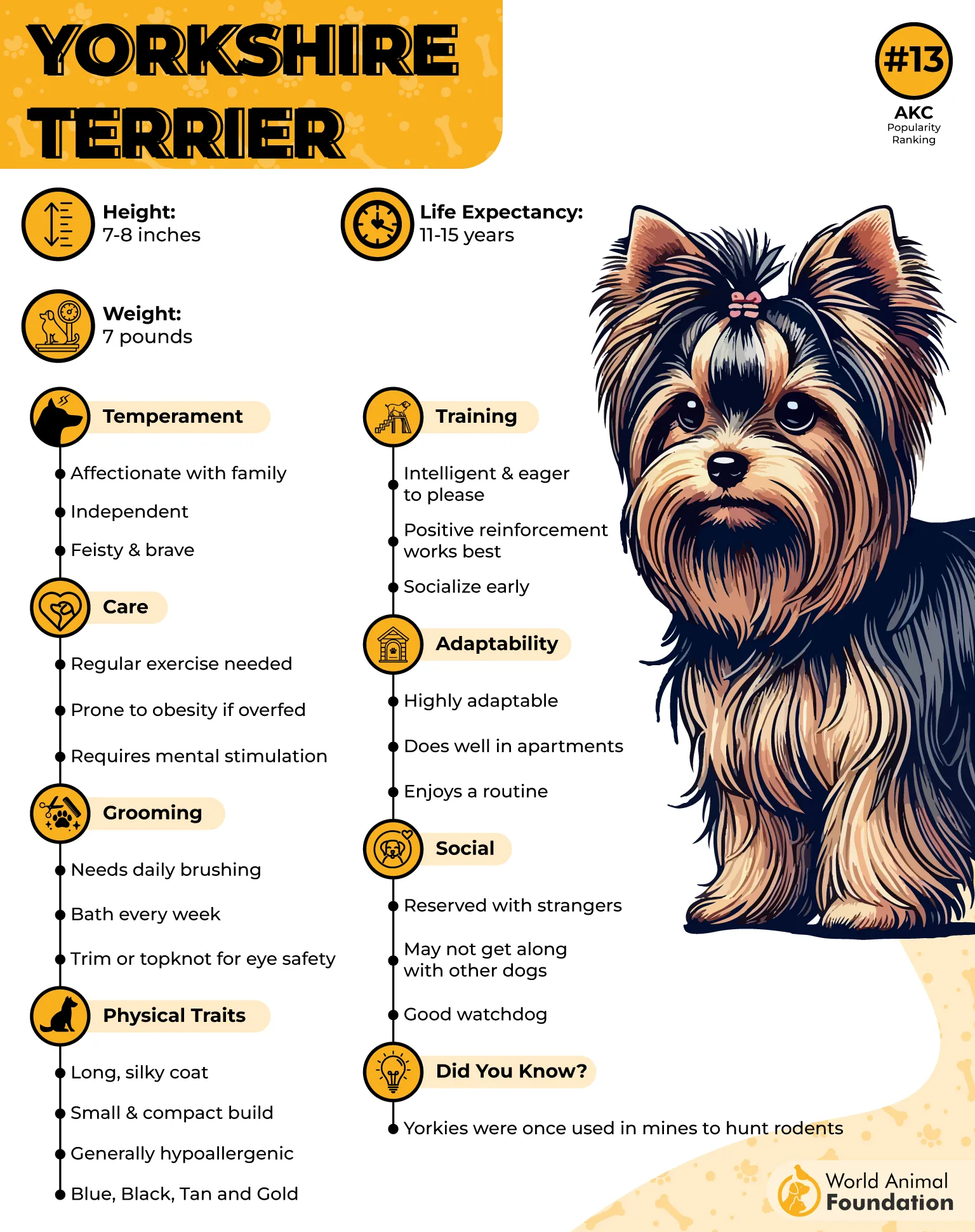
A Yorkie treats its home like a job site worth defending. Strangers at the door get a loud announcement, and sudden sounds get investigated immediately. Its energy shows up as much in guarding as in play.
Training tip: Socialize early so curiosity stays confident instead of nervous.
Watch for: That same grit can turn into territorial barking over trivial things.
Yorkies do well with owners who enjoy a tough, energetic companion and have time for daily attention. Apartments or houses both suit this adaptable breed. Expect a loyal, confident pup that is always ready to sound the alarm.
4. Miniature Pinscher
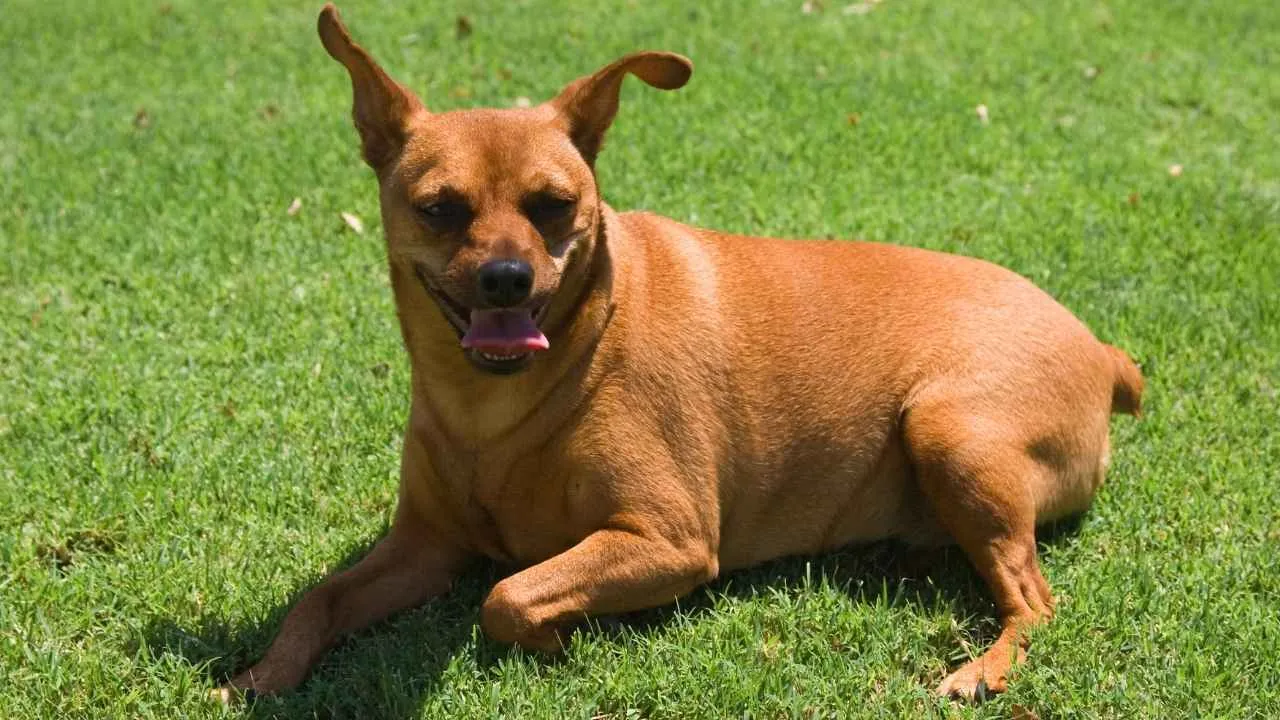
The Miniature Pinscher earned the nickname King of Toys, but its roots are pure working dog. Originally bred as a barnyard ratter in Germany, it developed a fearless, confident streak that still shows today, notes VCA. That history explains why such a small dog carries such big bravery.
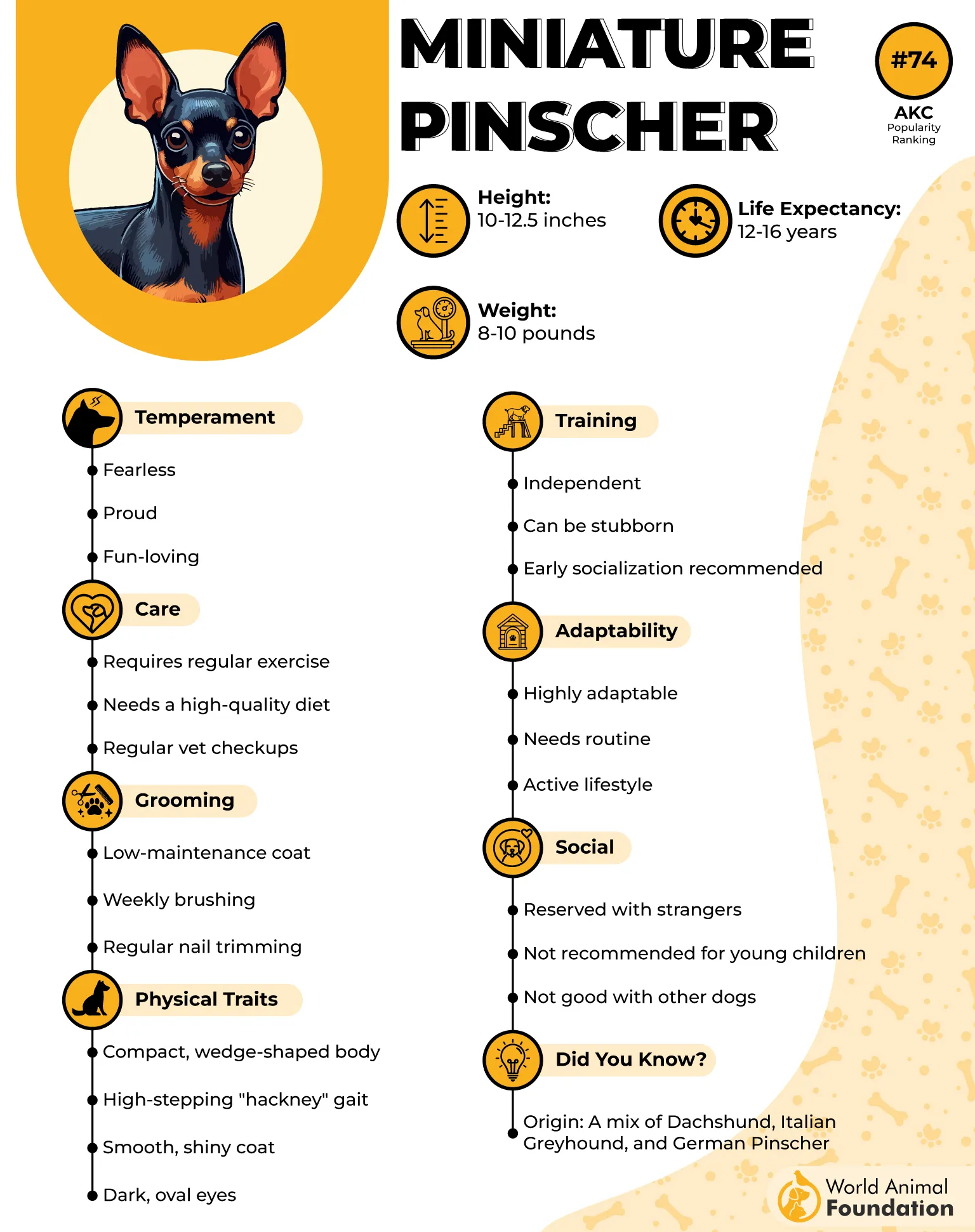
At home, a Min Pin acts like the toughest guard dog in the room, even at ten pounds. It patrols its space with constant energy and reacts fast to anything unfamiliar. Strangers often get a surprised look when this little dog holds its ground.
Training tip: Give it structured exercise so its energy channels into play, not patrolling.
Watch for: Fearless confidence can slide into intimidating behavior toward other pets.
This breed suits owners who want a playful, high-energy companion and appreciate a dog with real personality. It adapts well to apartments if given enough activity. Expect a tough, loyal guardian that never acts small.
5. Cairn Terrier
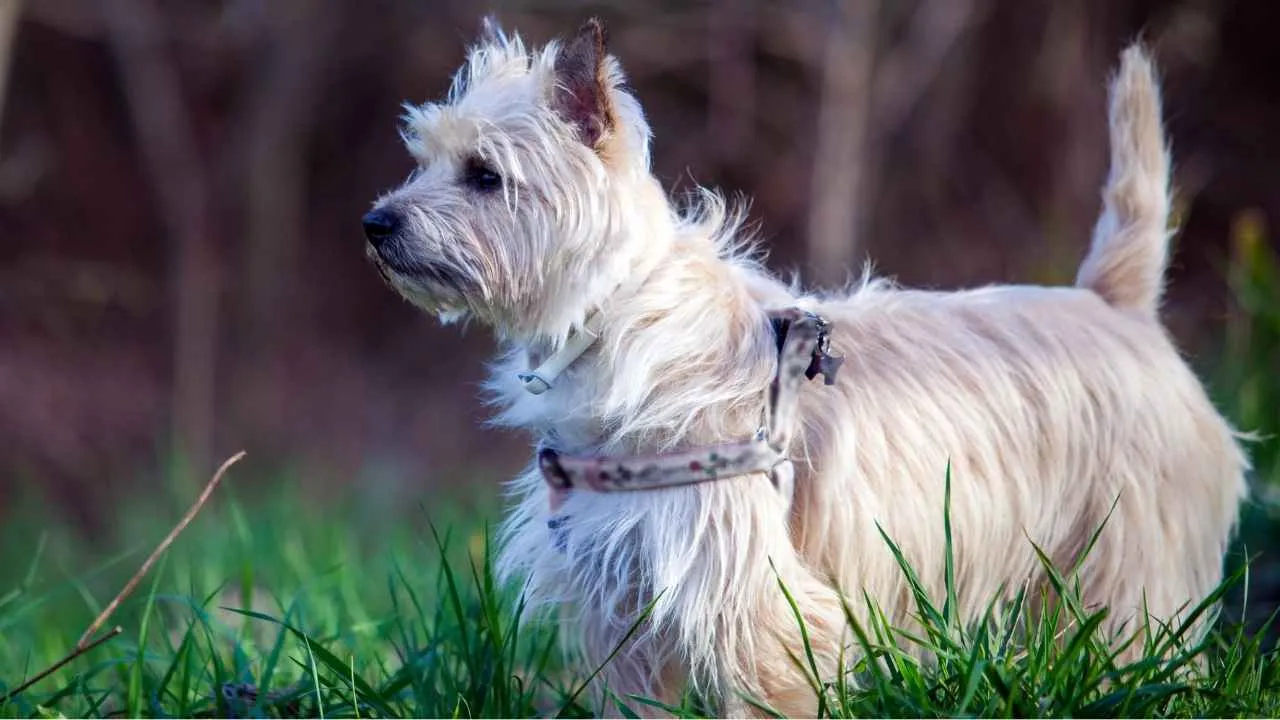
Cairn Terriers were originally bred in Scotland to chase foxes and badgers out of rocky dens, a job that demanded serious grit. That history built a dog with strong instincts for territory and confrontation. Socialization today softens the edge, but the drive is pure genetics.
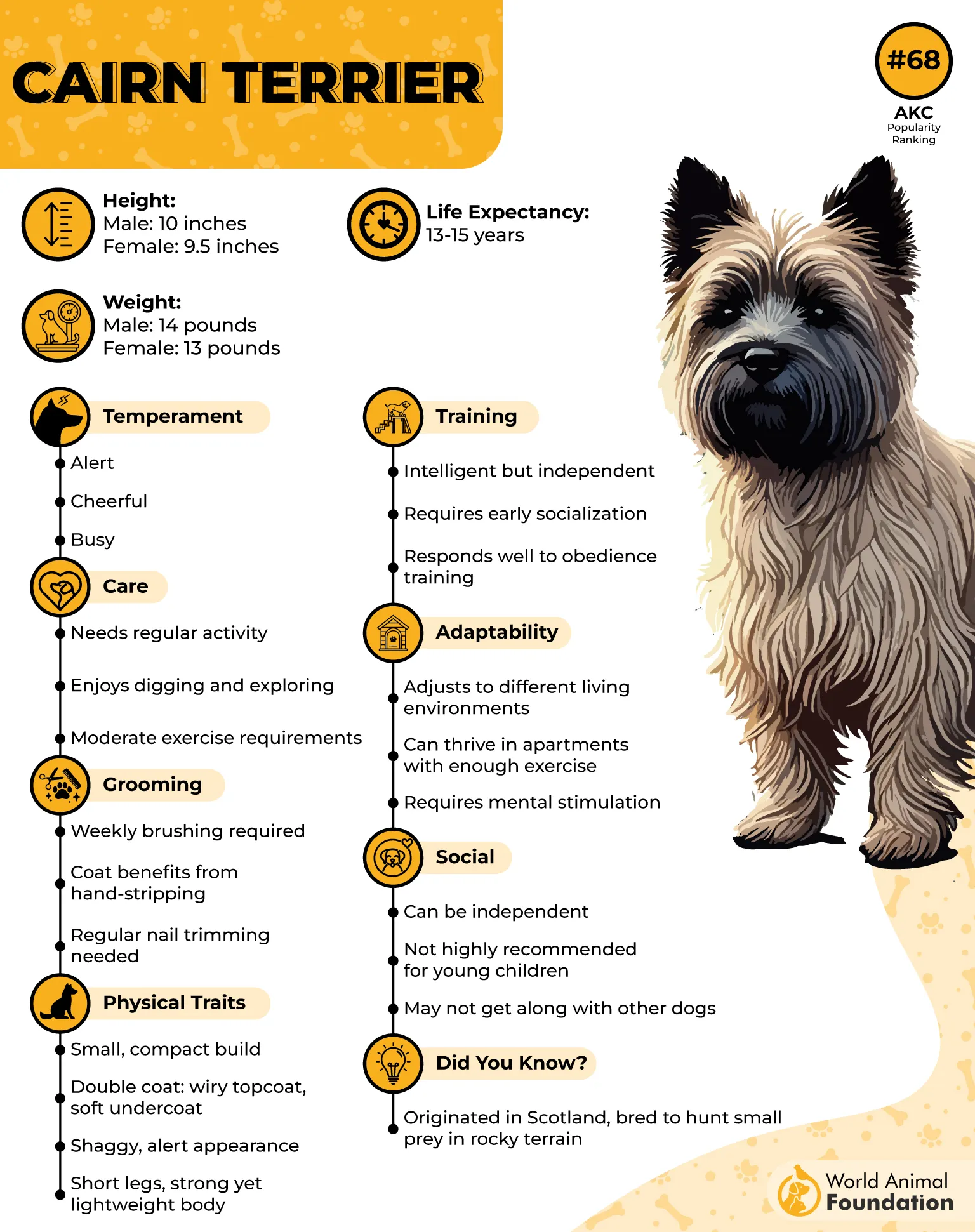
A Cairn treats its yard like its own den to defend. It barks at unfamiliar sounds and keeps a close eye on anyone new. Its loyalty to family shows up as constant watchfulness.
Training tip: Reward quiet alertness so the watchdog instinct stays useful, not nonstop barking.
Watch for: Strong territorial instinct can lead to reactivity with unfamiliar dogs.
Cairn Terriers do best with owners who have a yard or regular outdoor time to burn off energy. They adapt fine to smaller homes too. Expect a brave, strong-willed little watchdog that is always ready for action.
6. Lhasa Apso
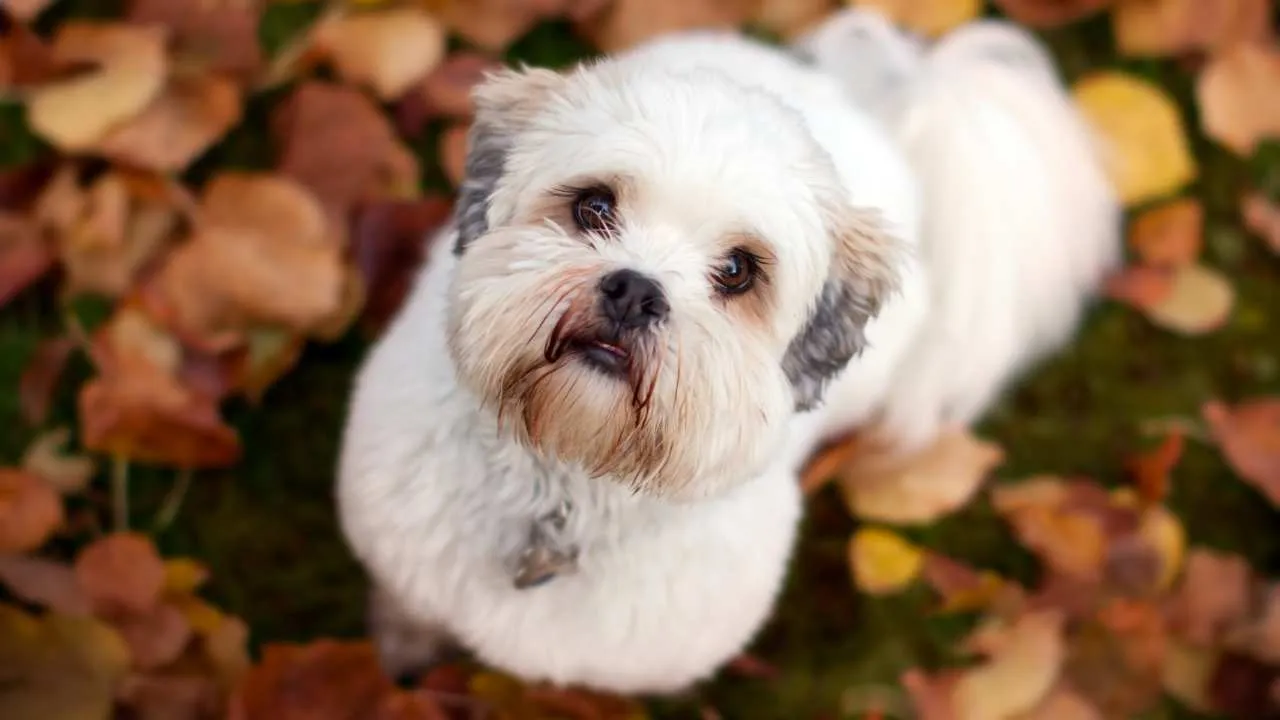
Lhasa Apsos were bred inside Tibetan monasteries with one job in mind: alert the monks to anyone approaching, claims Britannica. That sentinel history is pure genetics, not something trainers invented later. Few small breeds carry such a deliberate, ancient guard dog background.
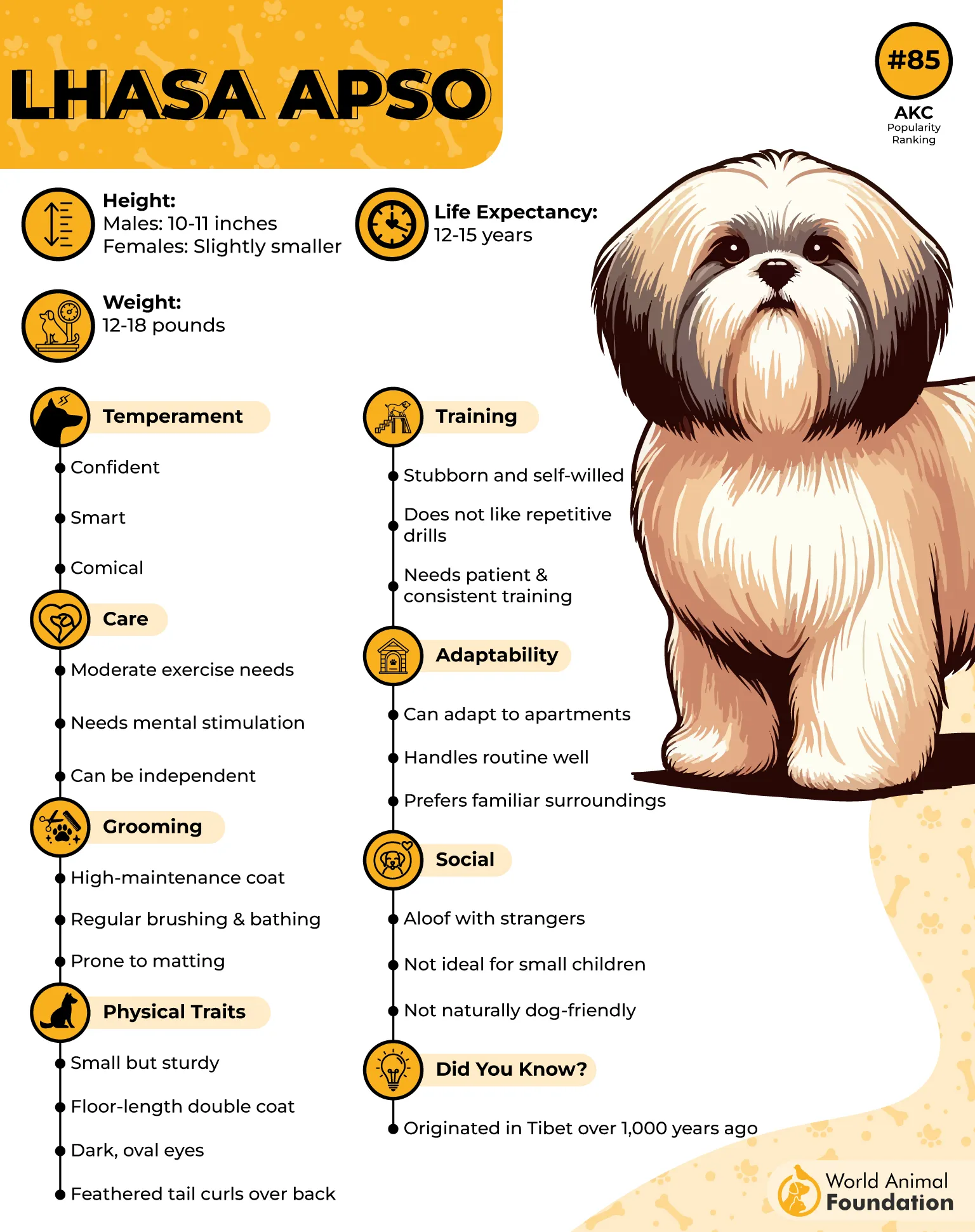
Inside a home, a Lhasa Apso keeps watch with quiet confidence rather than constant noise. It studies strangers carefully before deciding how to react. Family members earn trust fast, but new faces take longer.
Training tip: Build confidence through early socialization so caution does not turn into nervousness.
Watch for: A strong sense of territory can make it standoffish with frequent visitors.
This breed fits owners who want a calm, dignified guardian rather than a noisy one. It suits apartments and houses equally well. Expect a loyal companion with surprising confidence for its size.
7. Scottish Terrier
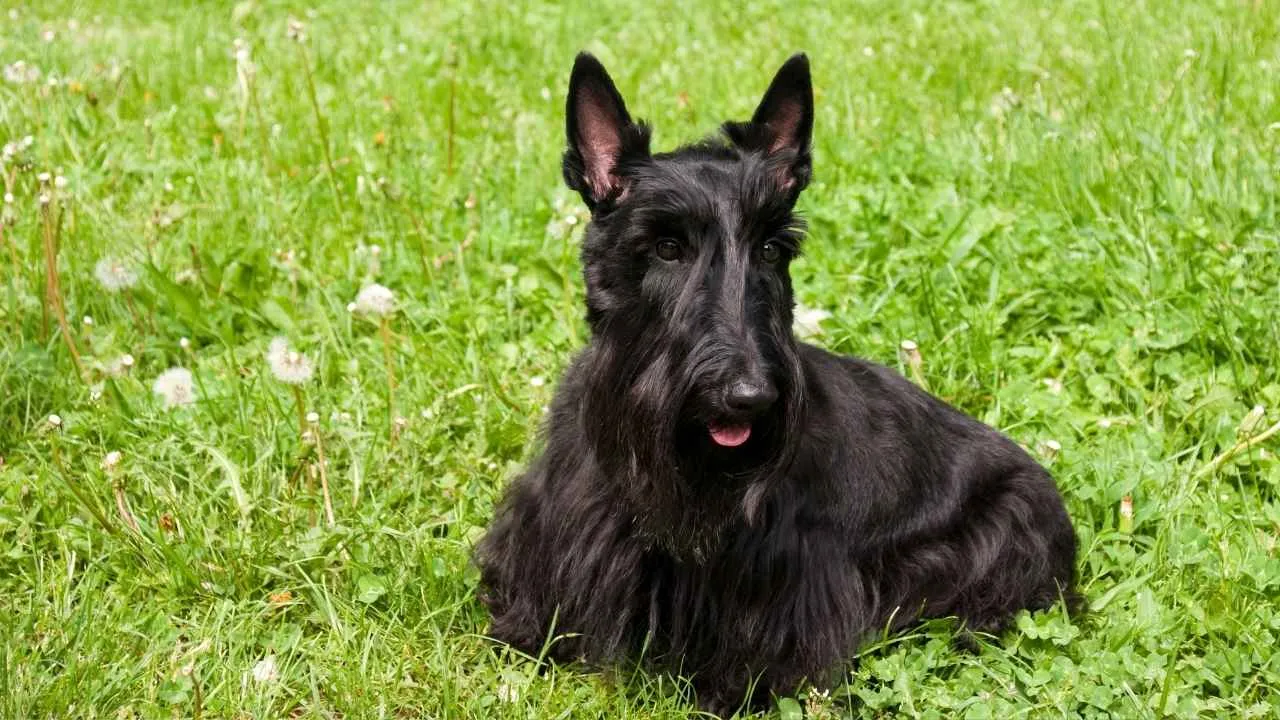
Scottish Terriers were bred to work alone underground, hunting vermin without backup from humans or other dogs. That independence shaped a dog with serious self-reliance and a strong territorial streak. Genetics built the toughness, and good training just points it in the right direction.
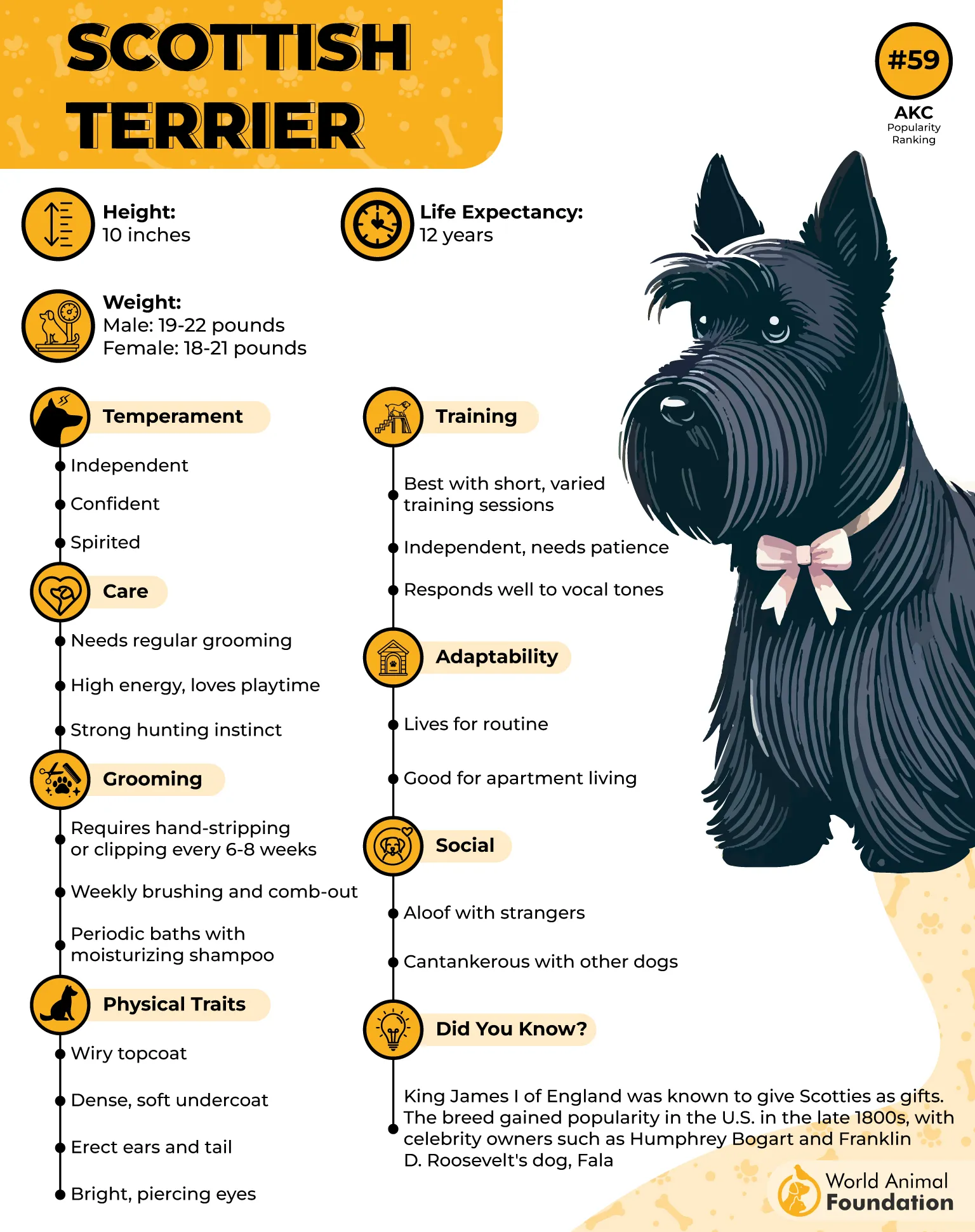
A Scottie guards its home with quiet determination rather than constant fuss. It studies new people with a steady stare before relaxing. This breed rarely backs down once it decides something is worth protecting.
Training tip: Early exposure to new people and places keeps independence from turning into stubbornness.
Watch for: Its tenacious streak can tip into over-guarding specific rooms or objects.
Scotties suit owners who admire a tough, independent personality and don’t need constant affection. They do fine in smaller homes with daily walks. Expect a fearless, strong-willed little guardian with plenty of character.
Conclusion
Small does not mean soft. These seven breeds prove that strong dogs come in every size, and that loyal and protective instincts can live happily inside a tiny frame, needing only the right training to turn that strength into a genuinely excellent guard dog for your household.
Pick the one whose instincts suit your home, and you will have a friendly, good choice of a companion that still keeps things at home safe.
Ready to find your great watchdog? Start getting to know your new pup today.
