




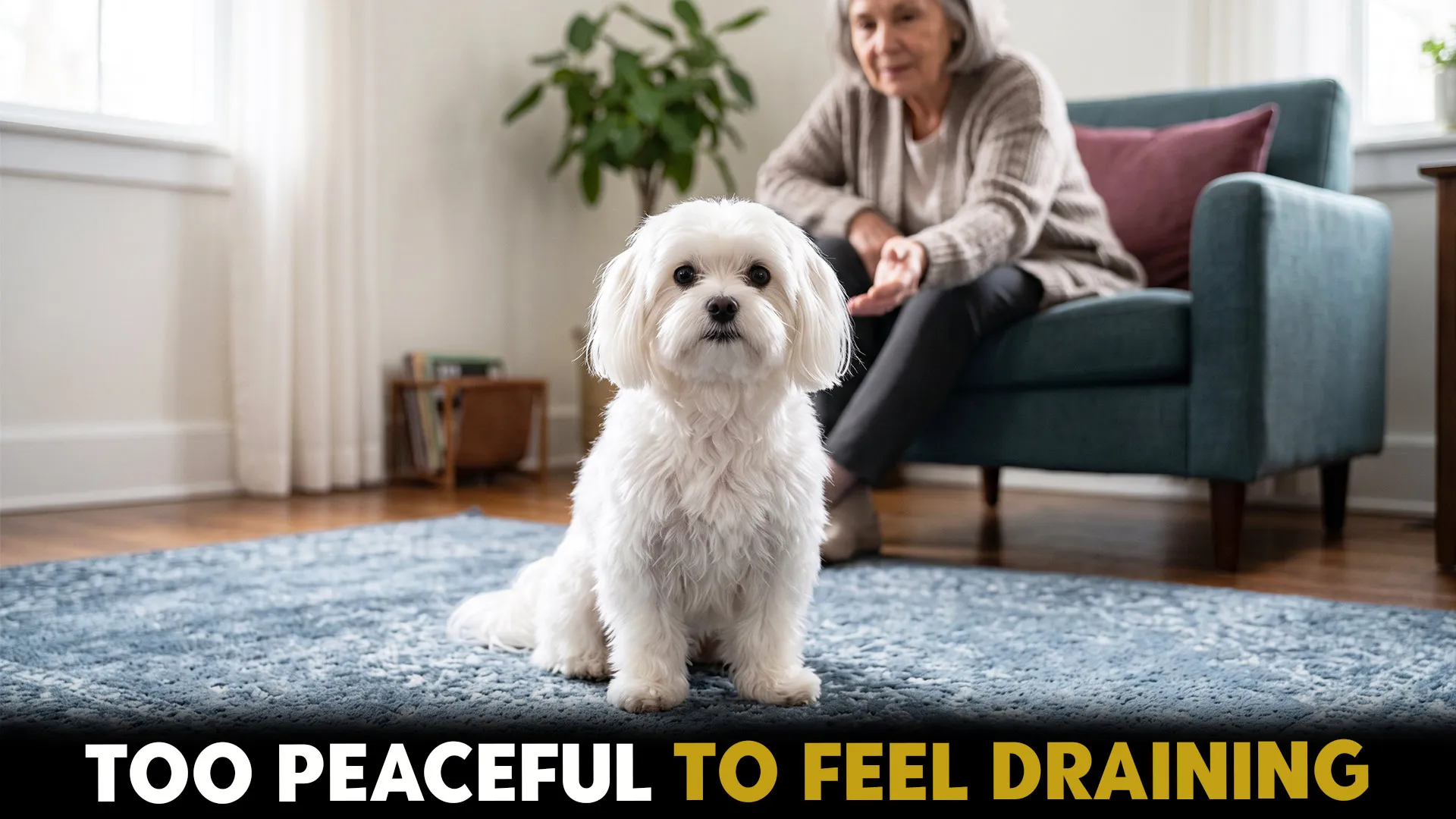
There is something wonderfully comforting about having a dog that is always happy to see you. A wagging tail at breakfast, a familiar face beside you in the evening, or a quiet companion following you from room to room can bring warmth to even the simplest days.
For seniors, that companionship can become a meaningful part of everyday life. A dog offers affection without asking for perfection, turning ordinary routines into moments worth enjoying. But the sweetest friendship is one that feels comfortable for both person and the dog.
Not every breed has the same pace, personality, and care demands, and choosing a companion should take those differences seriously. The right breed fits naturally into a senior’s lifestyle while still receiving the attention, exercise, and care it needs.
Ideal Dog Breeds for Seniors Seeking a Loving Friend
1. Cavalier King Charles Spaniel
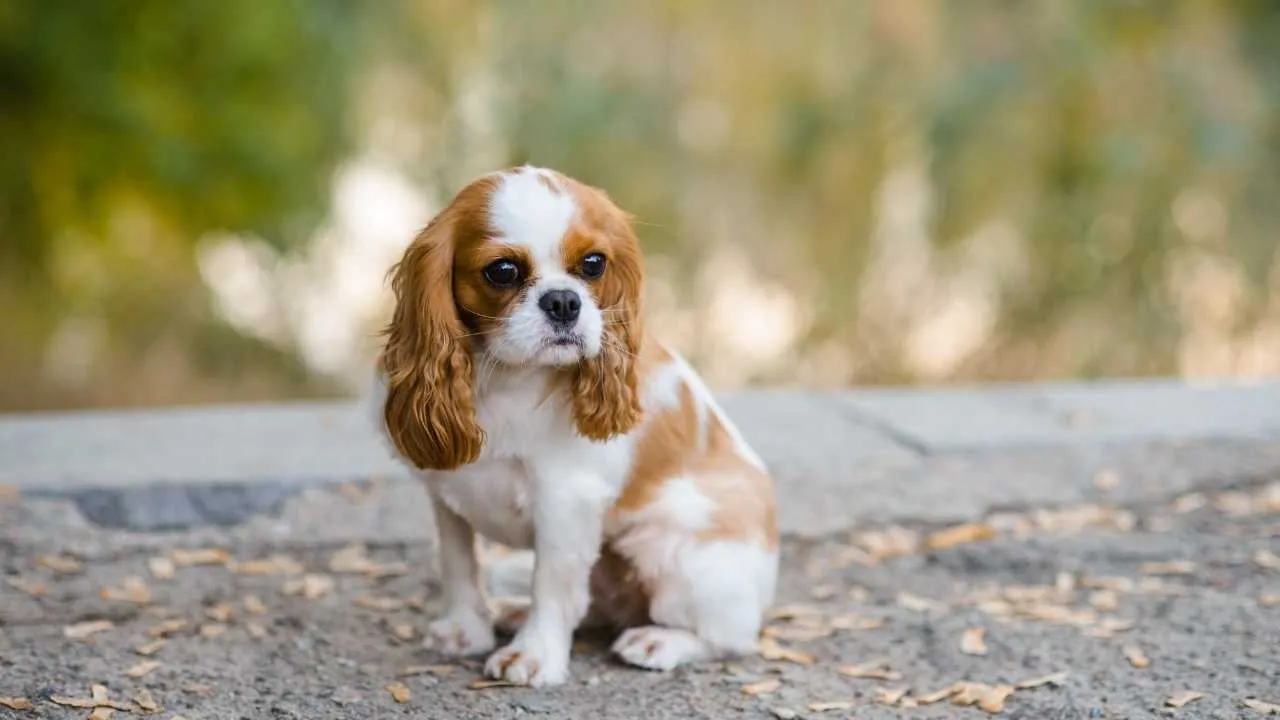
One of the most popular dog breeds in the world, Cavalier King Charles Spaniels have long been adored as companions. Their gentle temperament, easygoing personalities, and moderate exercise needs make them a great match for seniors who have plenty of time to spend with them.
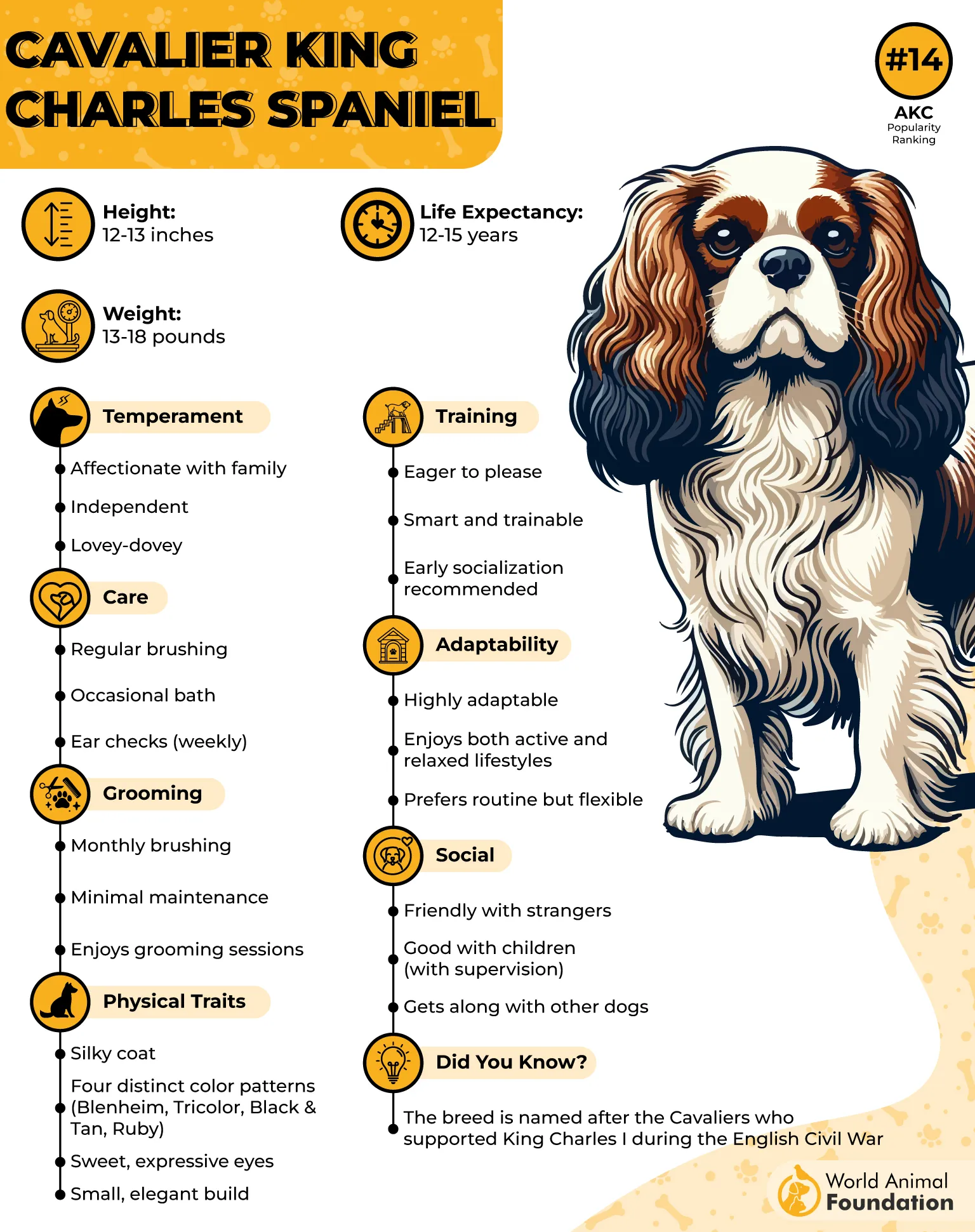
These small dogs do not require big yards and are happily contented in limited spaces. Their smart and eager-to-please nature makes them highly trainable dogs. They are also considered one of the best dog breeds for people who are new to the dog world, thanks to their amiable nature.
Cavalier King Charles Spaniels are happy to lounge with their pet parents, as well as going outside to have some kind of short adventure. Mental stimulation is important for them to channel their instincts well. They tend to form strong bonds with their owners in no time and turn into wonderful companions.
2. Bichon Frise
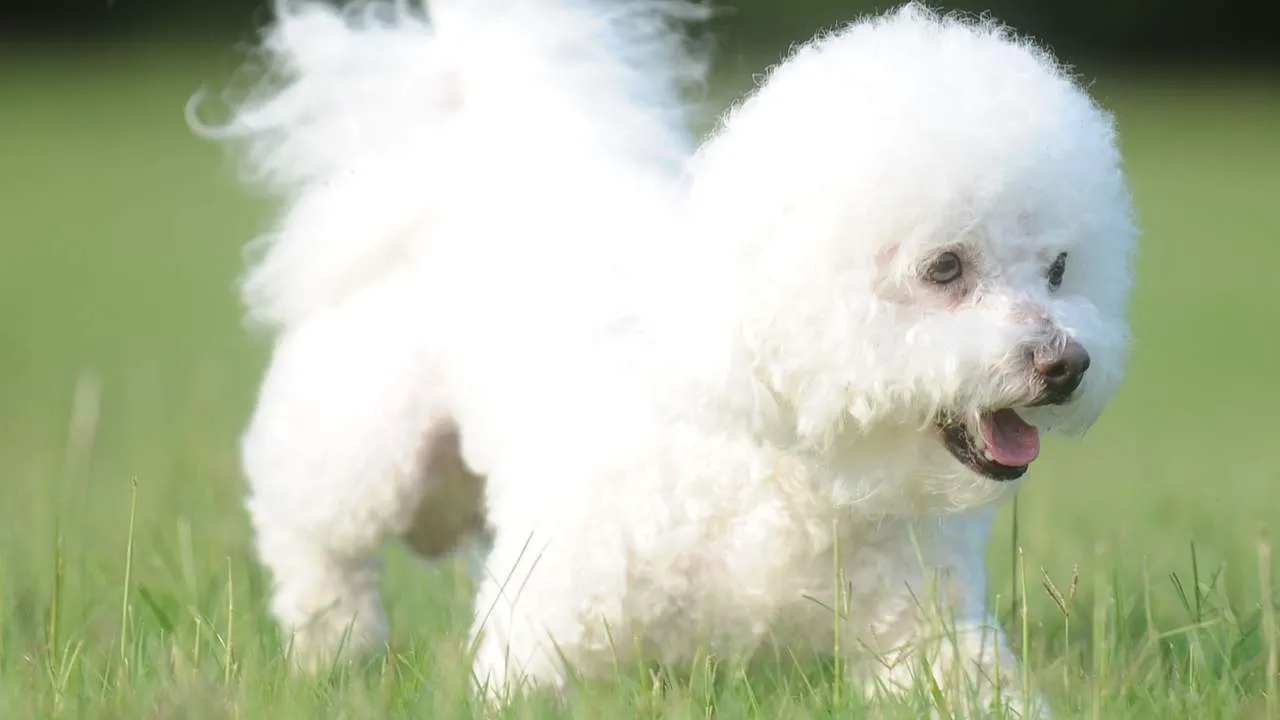
Small white dogs with curly coats, a loving nature, and minimal exercise needs, Bichon Frises definitely make a great fit for senior owners. With cheerful yet low energy levels and naturally gentle disposition these dogs are ultimate cuddle buddies for people of all ages, especially one having laid back routines.
Bichon Frises get along beautifully with kids and other pets with early socialization. Their hypoallergenic coats do not shed much, and one does not need to worry about cleaning and vacuuming their homes, but they require regular grooming to keep their looks at their best.
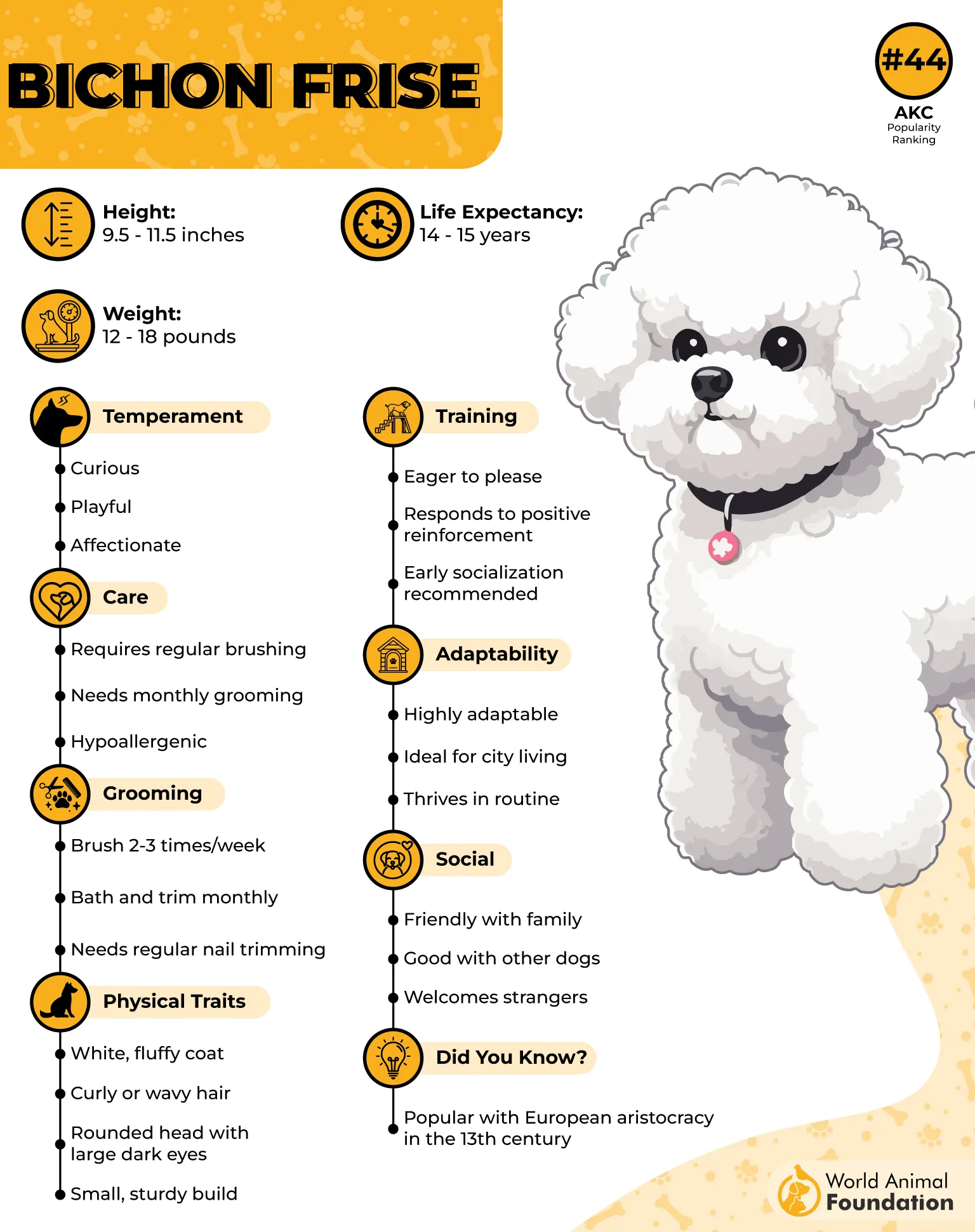
Daily walks to the block and indoor play sessions are enough to keep them healthy and active. With an impression of being sociable, funny, and playful, Bichon Frises are considered relatively low-maintenance dogs. Their tiny stature allows them to thrive in smaller living spaces as long as their needs are met.
3. Shih Tzu
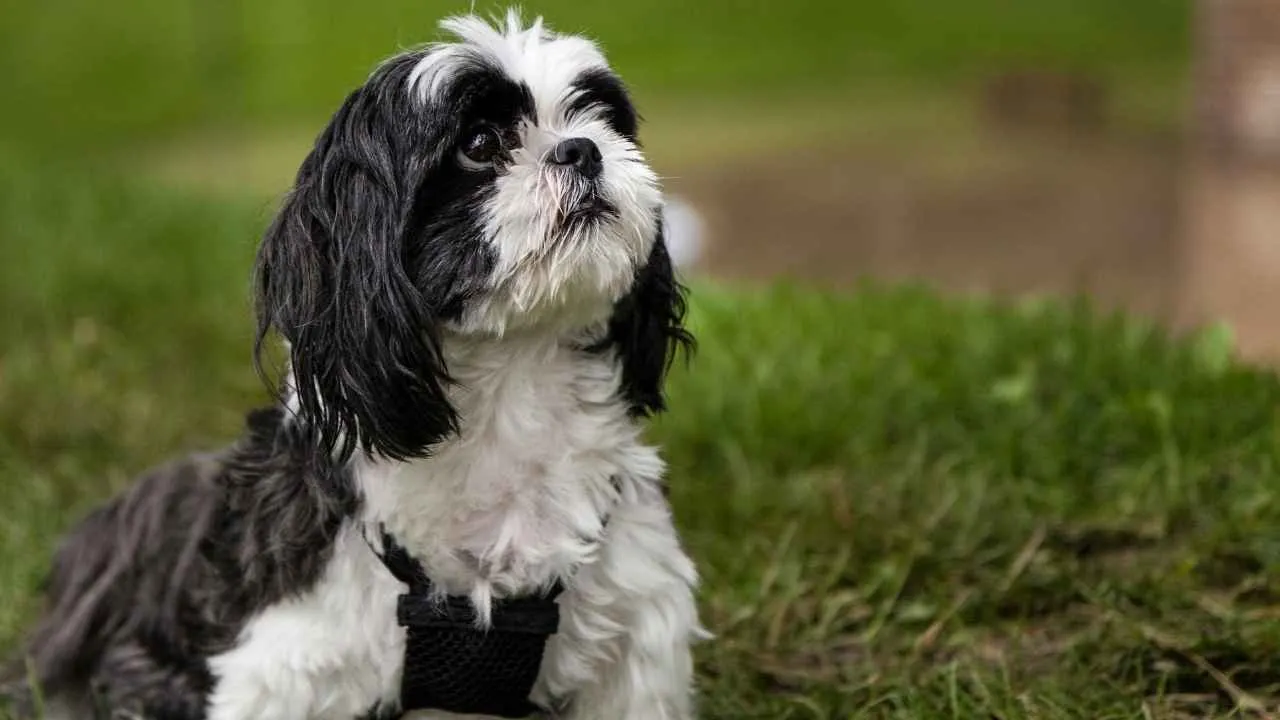
Shih Tzus are recognized as highly adaptable dog breeds whose routine can be adjusted according to the owner’s needs. These small dogs were originally bred to be companion dogs and are associated with the monasteries of Buddhism, and later on cherished by Chinese royalty for a very long time, as noted by the AKC.
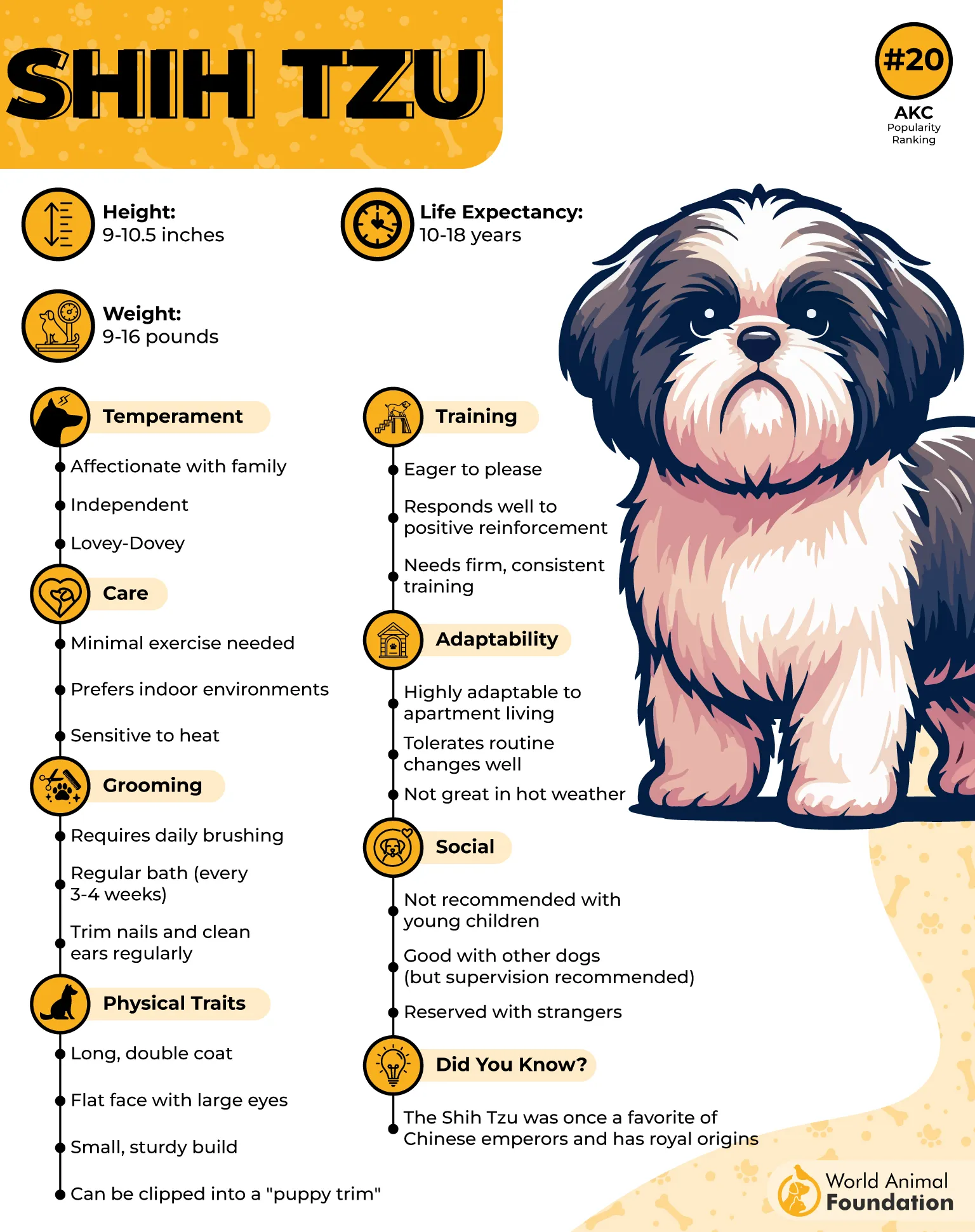
There are many good reasons that make Shih Tzus one of the best dog breeds for seniors. They excel in spending time with their loved ones, either through cuddles or playing with them. Although they have low energy levels, this does not mean daily exercise and playtime are restricted for them.
Shih Tzus have long silky coats that have consistent grooming needs such as regular brushing, monthly baths, and professional grooming. They are family-oriented and affectionate dogs and do well around kids and elderly people. Their sizes allow them to live comfortably in apartment living as well.
4. Maltese
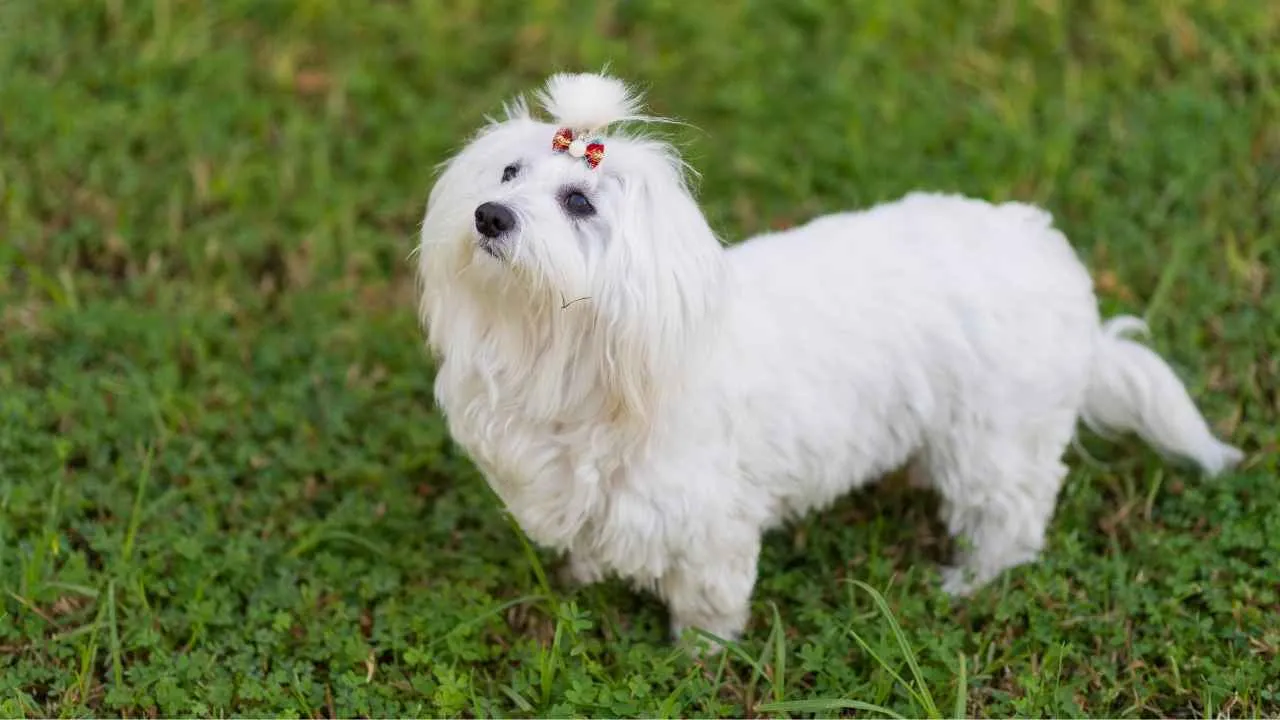
Many seniors and retirees love the adorable looks of Maltese dogs at first sight; then comes their personality, which is quite manageable and charming. There are various perks that owners can enjoy while having Maltese as their companion dogs.
Maltese are tiny white canines that understand the body language of their family members and attune themselves according to the owner’s moods. However, they are prone to small dog syndrome, exhibiting excessive barking, shyness, and a willful nature when overly loved or pampered.
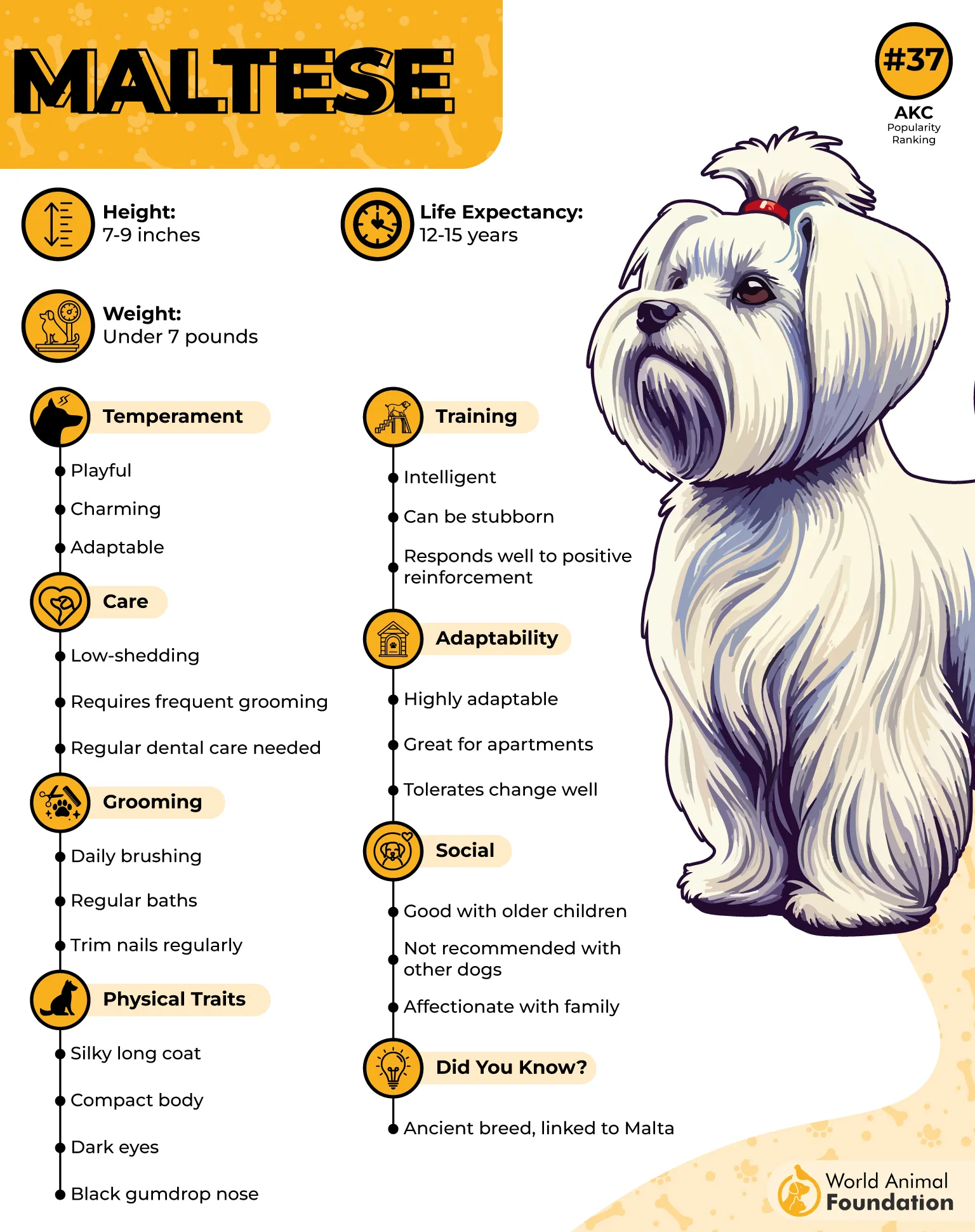
They are easy to carry as their maximum size remains under seven pounds, according to PetMD. Being hypoallergenic dogs, they are well-suited options for allergy sufferers as their hair does not produce any dander causing allergies. They require regular care of their silky coats in the form of daily brushing to avoid tangles and mats.
5. French Bulldog
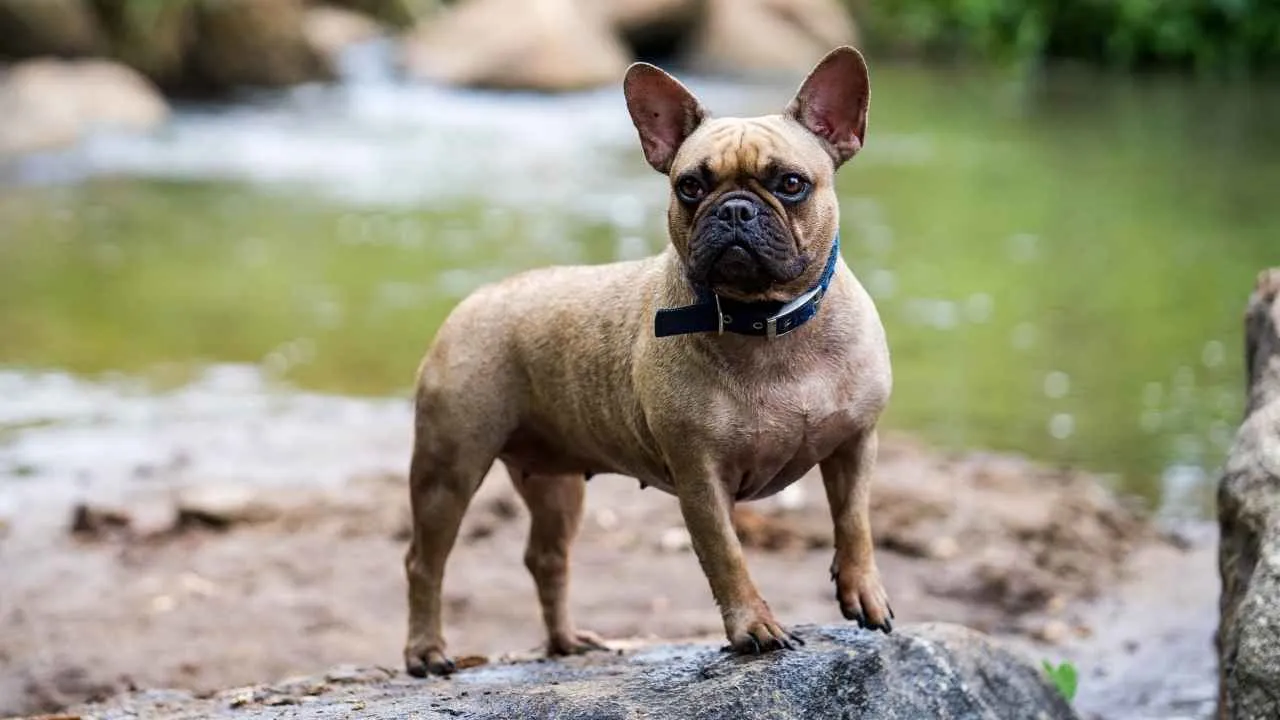
The iconic bat ears, short coats, and insanely entertaining French Bulldogs are ranked among the best dog breeds for older adults. They not only have small sizes but also have low energy levels, due to which they are not overly demanding in both space and exercise requirements.
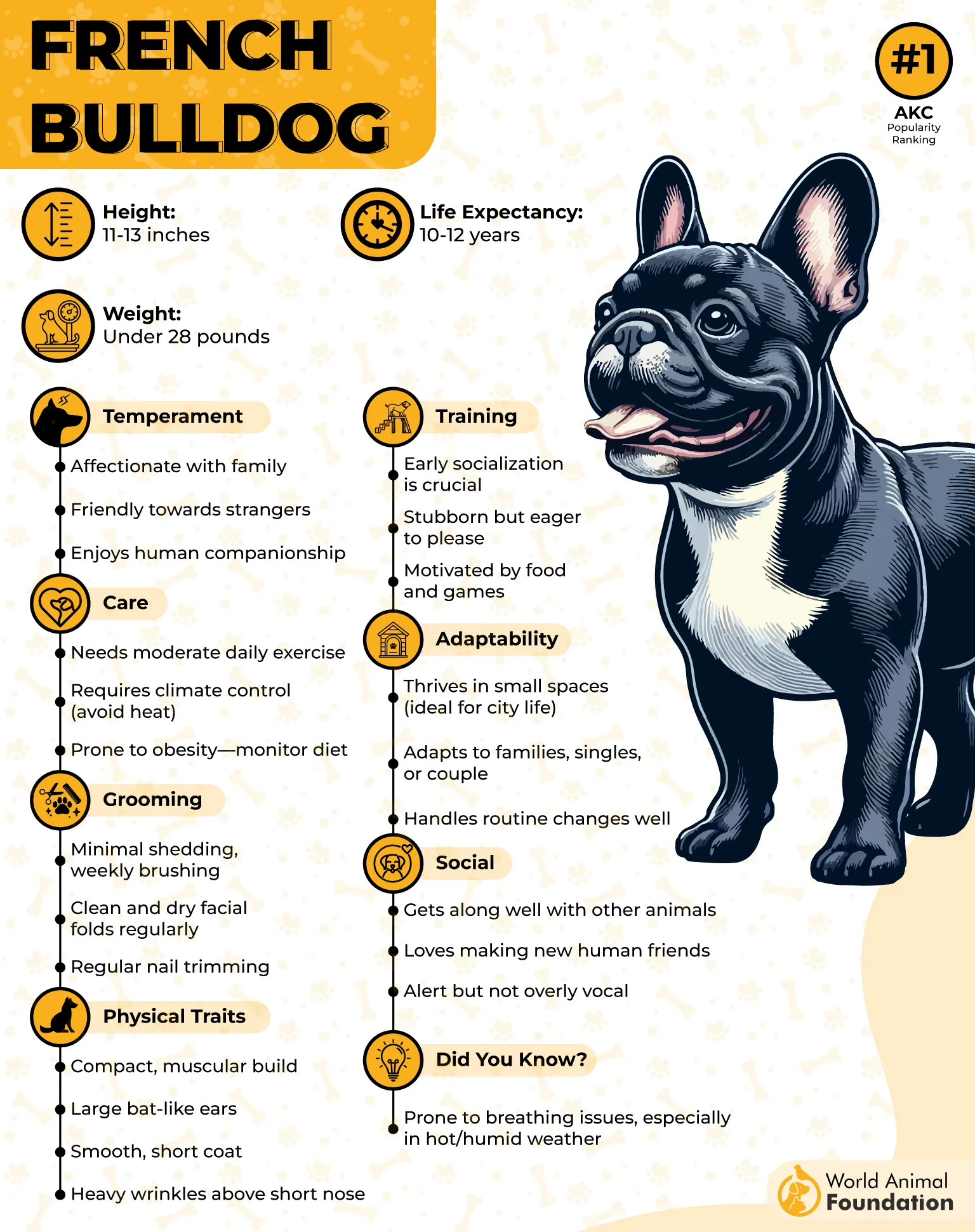
French Bulldogs are not a good choice for active seniors, as they like to be indoors, eating food and lounging with their people. They enjoy meeting new people and being the limelight of every family gathering. They must not be left alone for long periods, or they may develop separation anxiety.

The short coats of French Bulldogs need occasional professional grooming, though they are not into heavy shedding. Owing to their skin folds, there are chances of getting skin dermatitis if not properly taken care of, says PDSA. They do have a high prey drive, especially with cats.
6. Pug
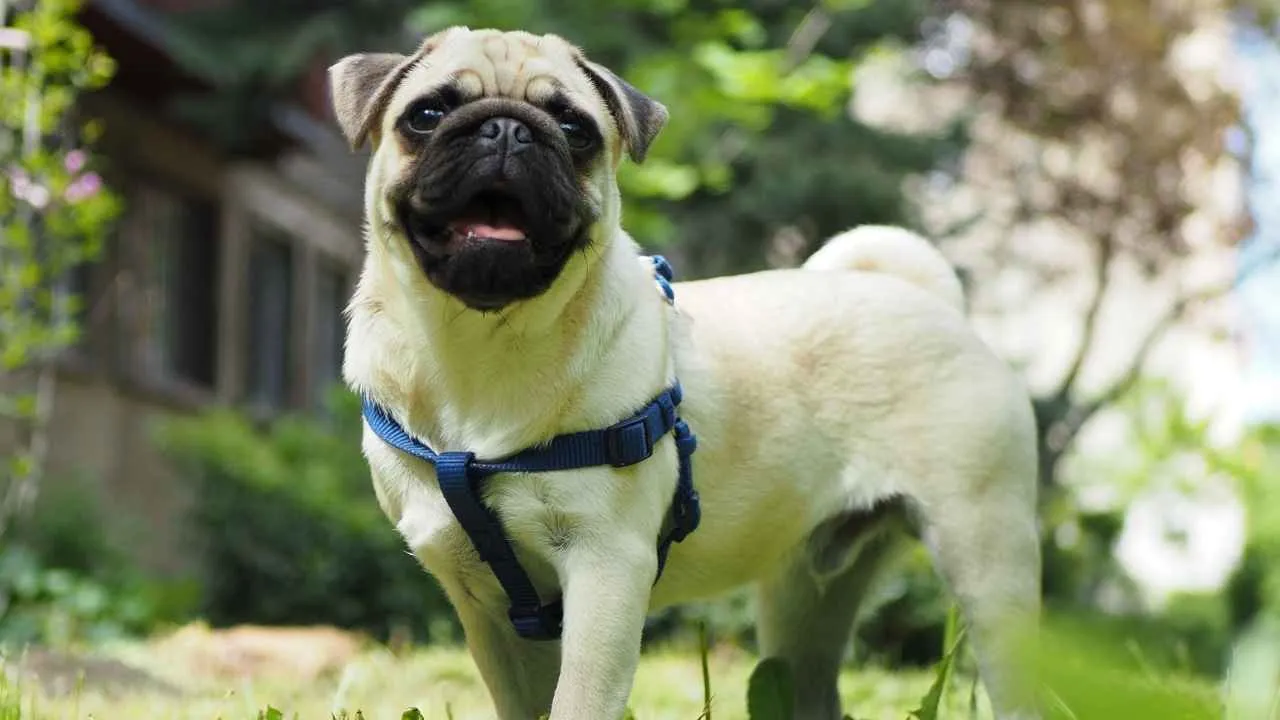
Pugs are low-maintenance dogs that are packed in a small size but with a bold personality. Their low-shedding coats, need for short walks to the neighborhood, and plenty of time to be spent with them – all traits make them favorites of numerous people, including older adults.
They have playful vibes and love their food, but they are not welcoming of strenuous exercise. Because of the flat faces and short snouts, Pugs usually do well in controlled environments, as they may develop heat stress and breathing problems.
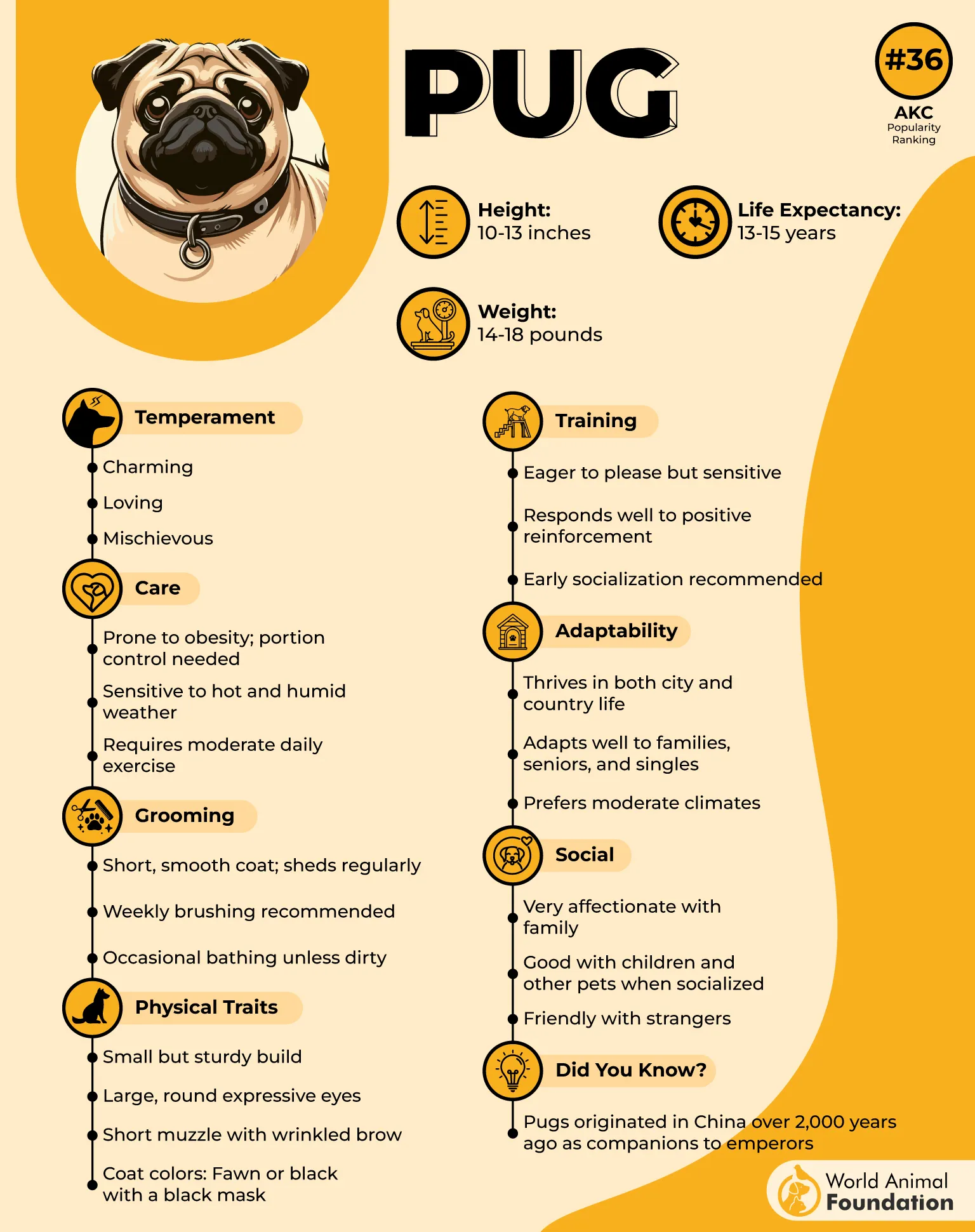
Their grooming requirements include occasional brushing and baths that keep them healthy and fit. Pugs make strong bonds with their families and get along well in multi-pet households, if provided with early socialization. For training, they require positive reinforcement methods in their sessions to respond well.
7. Havanese
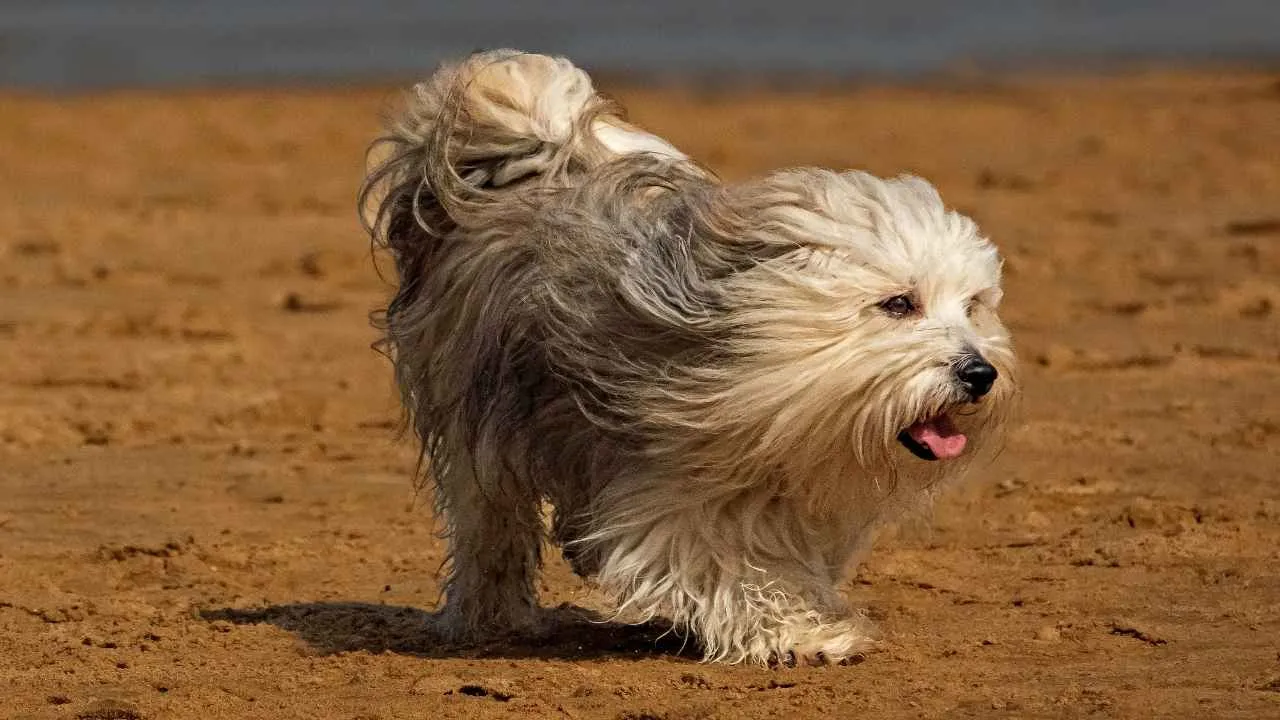
Havanese dogs love to be loved and are ranked among the most sociable dog breeds worldwide – some of the reasons they are being owned by many seniors. Moreover, these dogs are low maintenance in terms of physical stimulation, which makes them a favorite of those who have no energy left for offering significant exercise to their pets.
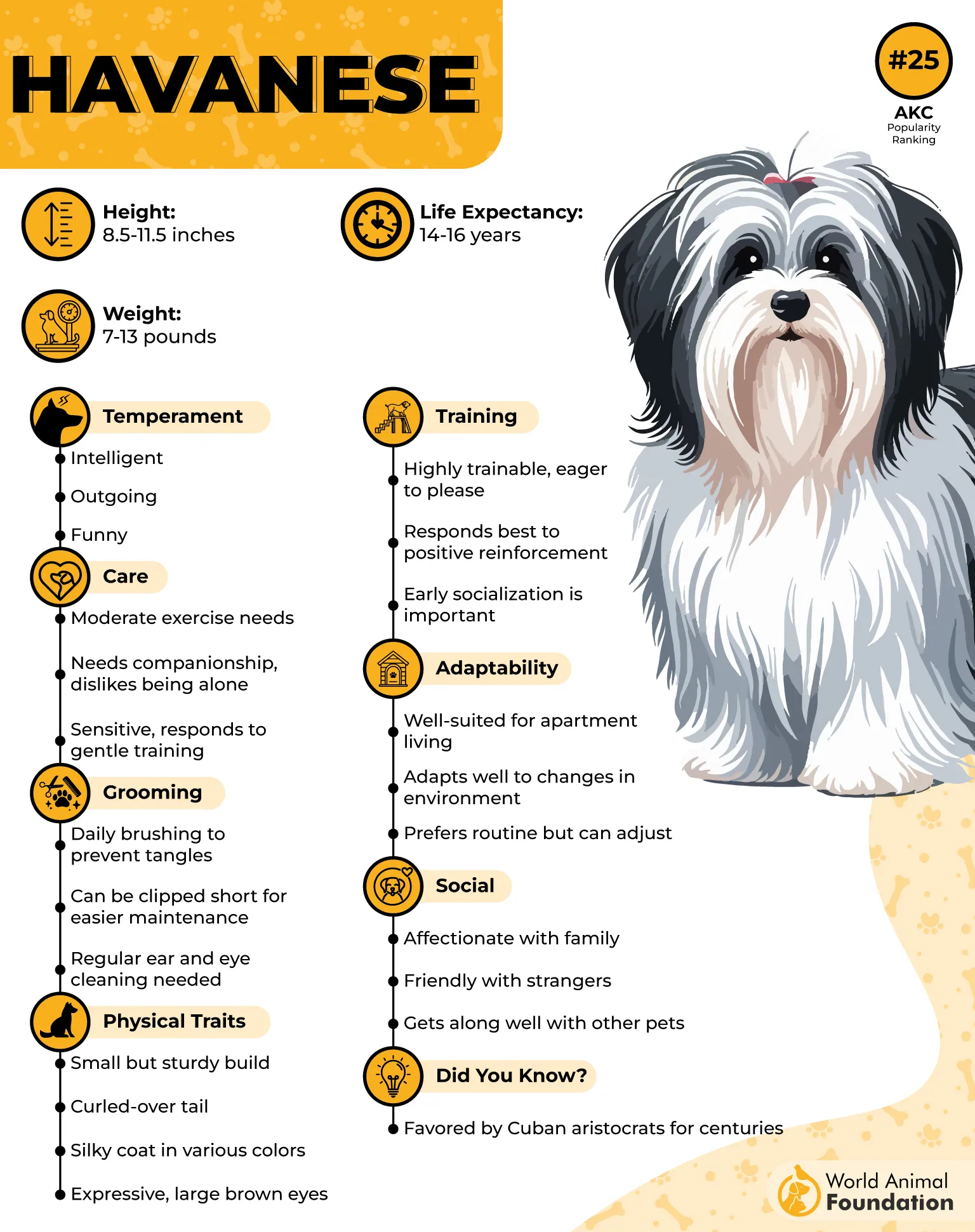
Havanese are lively and highly spirited companions, and with good training, they do not bark excessively. They make perfect companions for any living situation unless not provided with quality time with their dearest. For maintaining their overall well-being, regular vet visits are advised.
As mentioned earlier, Havanese dogs do not need much exercise, but they still require moderate exercise that includes long walks for half an hour. Their irresistible smooth coat requires brushing three to four times a day with monthly trims and baths.
Conclusion
Selecting a dog later in life is about finding companionship that fits naturally into everyday living situations. The right dog breed can bring affection, routine, and plenty of moments to look forward to without making life unnecessarily demanding.
With thoughtful matching and responsible care, senior dog ownership brings happiness to the lives of both owners and pets.
