




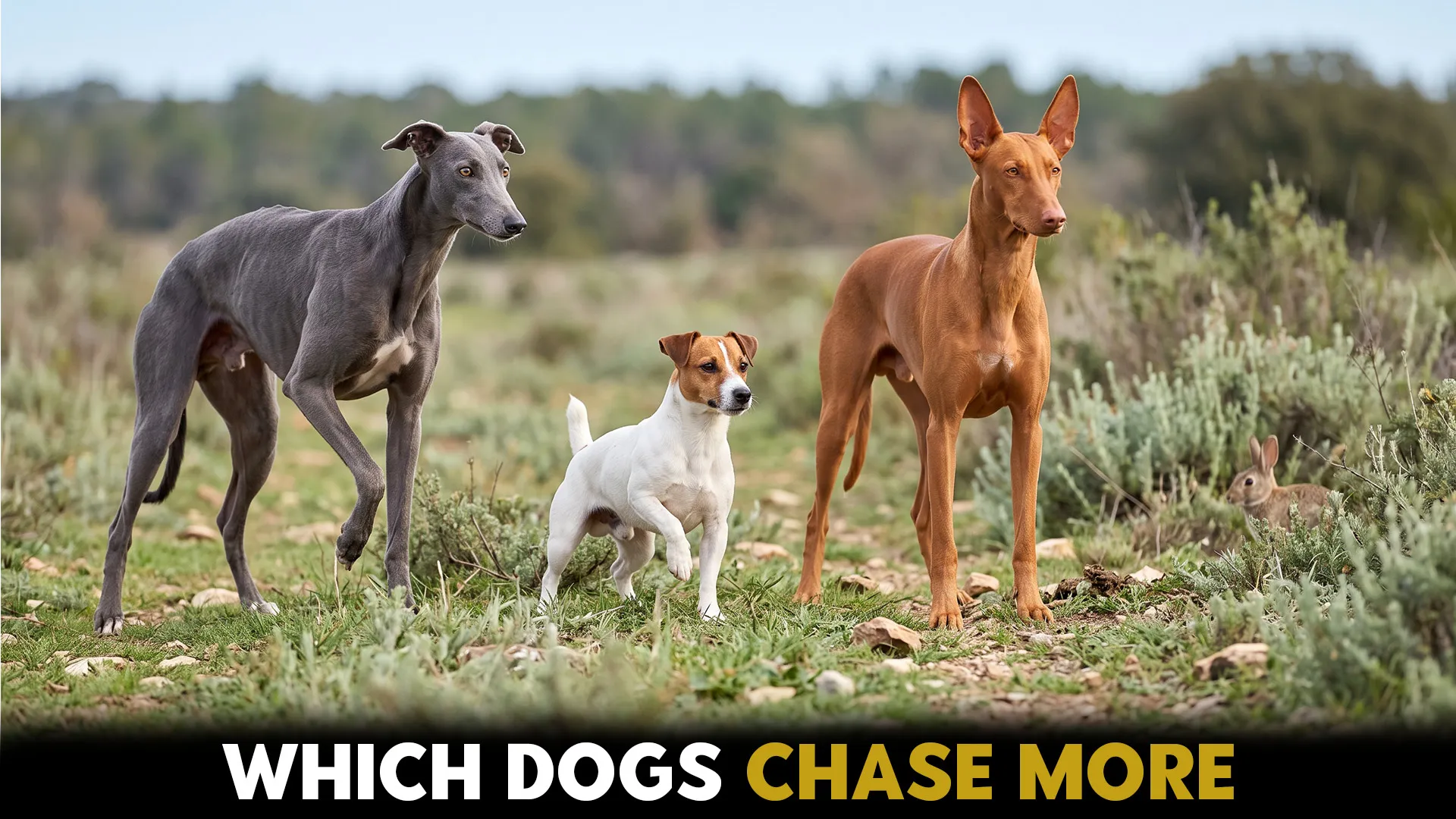
Have you ever watched a dog lock eyes on a squirrel and completely forget you exist? That is prey drive in action. It is not bad behavior or a lack of love. It is instinct. Some dogs were bred to chase, spot, or dig out small animals, while others were developed to stay close to people and work alongside them.
Prey drive can turn a calm couch potato into a four-legged rocket the second a rabbit dashes across the yard. That is why choosing a breed matters, especially if you have cats, small pets, or busy roads nearby.
In this guide, we look at seven breeds with strong chase instincts. You will learn what triggers their prey drive, how to keep them safe, and what kind of home suits each breed best.
Dog Breeds – Which Have High and Low Prey Drive?
1. Greyhound
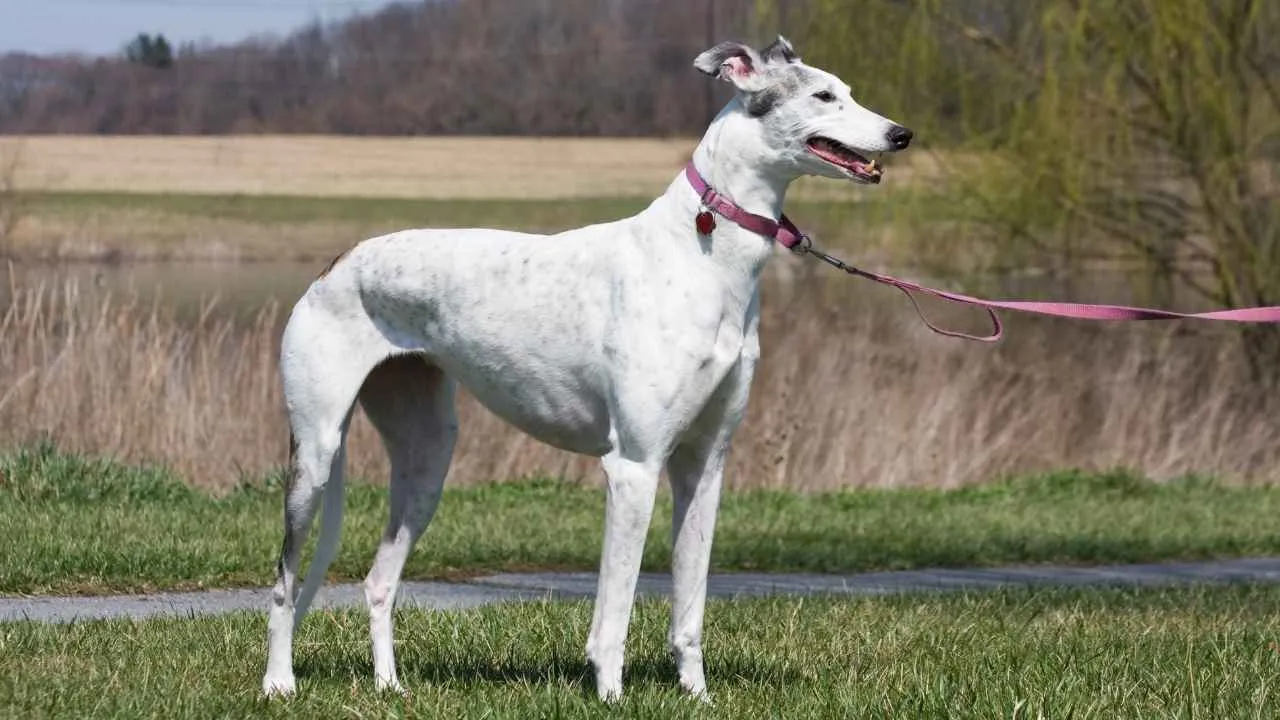
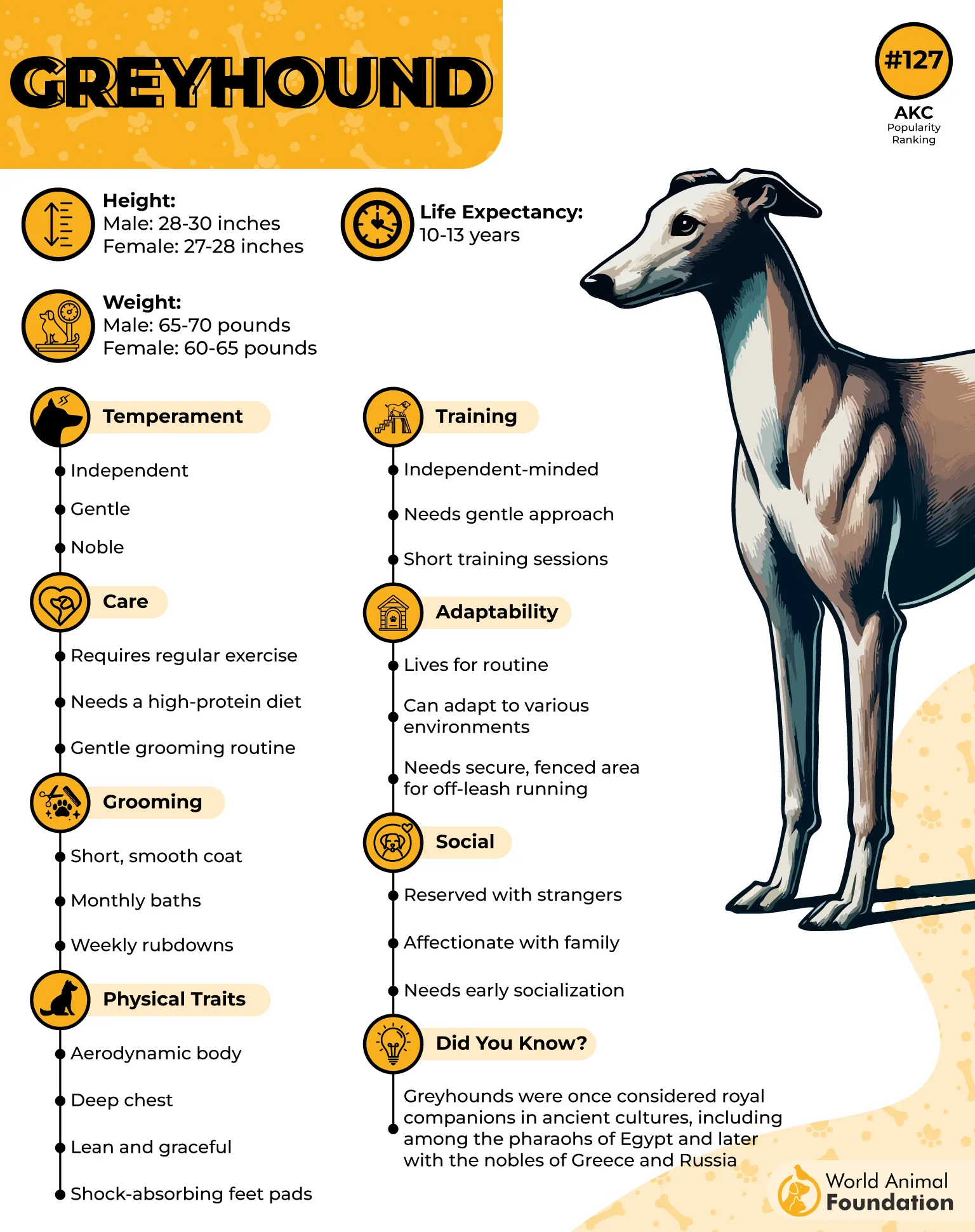
Ancient paintings of the breed have been found in the Great Pyramids, and Pharaohs historically used the breed to hunt large game. Because of its sharp focus, speed, and agility, it actively participated in lure coursing in the 16th century, according to Chewy.
Greyhounds and other sighthounds were specifically bred to orient, stalk, chase, and kill the target. With its panoramic peripheral vision, the high prey drive dog is hyper-sensitive to movement at night. The breed has a low threshold for activation and shows teeth chattering, jaw trembling, and fixed staring.
Early socialization (for up to 16 weeks) is suggested. Watch for the early trigger signs, keep the dog on a secure lead, go for impulse control games, and advanced command training is non-negotiable.
2. Afghan Hound
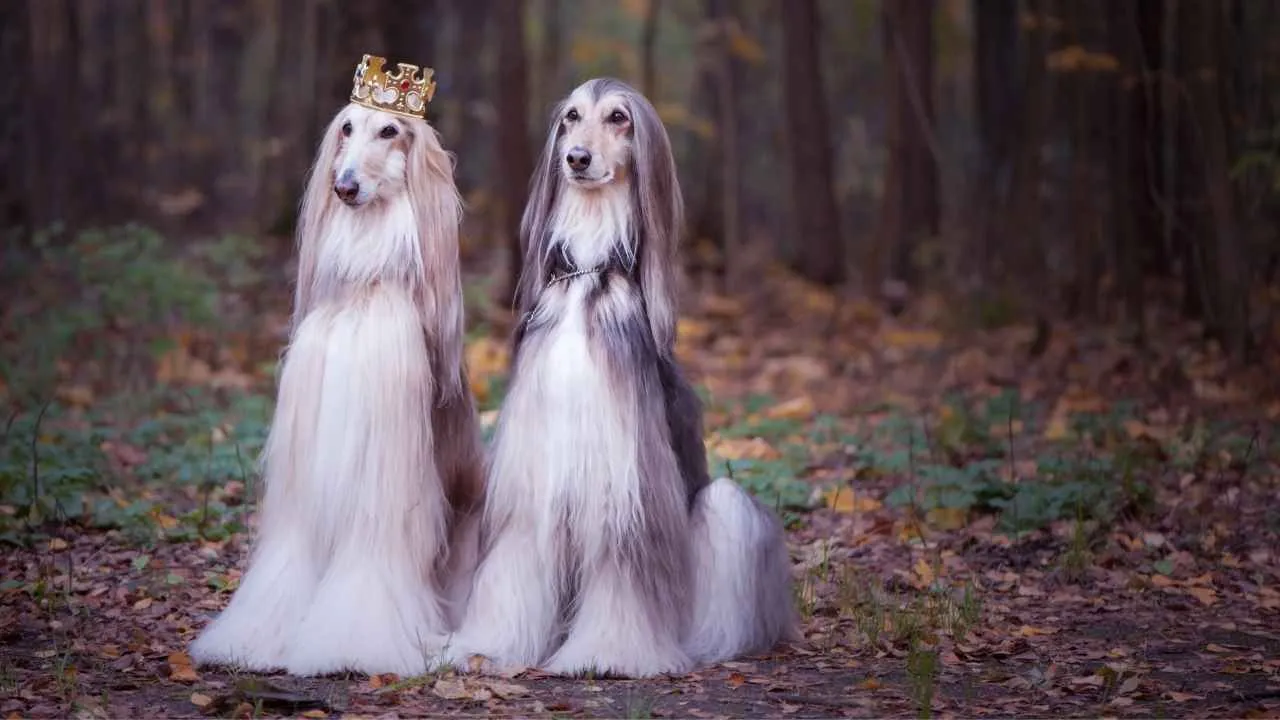
The history of this ancient dog breed dates back to the deserts and rugged mountains of Afghanistan. It was originally developed by the nomadic people for its sight, speed, and agility. It was officially recognized by the American Kennel Club in 1928 and is known for its long and flowing coat.
The specific eye placement gives it a 270-degree field of vision, allowing it to detect micro-movements. Developed to chase its prey in rugged areas, it runs at a high speed of 40 mph. The unique ring on the Afghan’s tail acts as an environmental beacon, carried high and communicating with the handler through dense bushes.
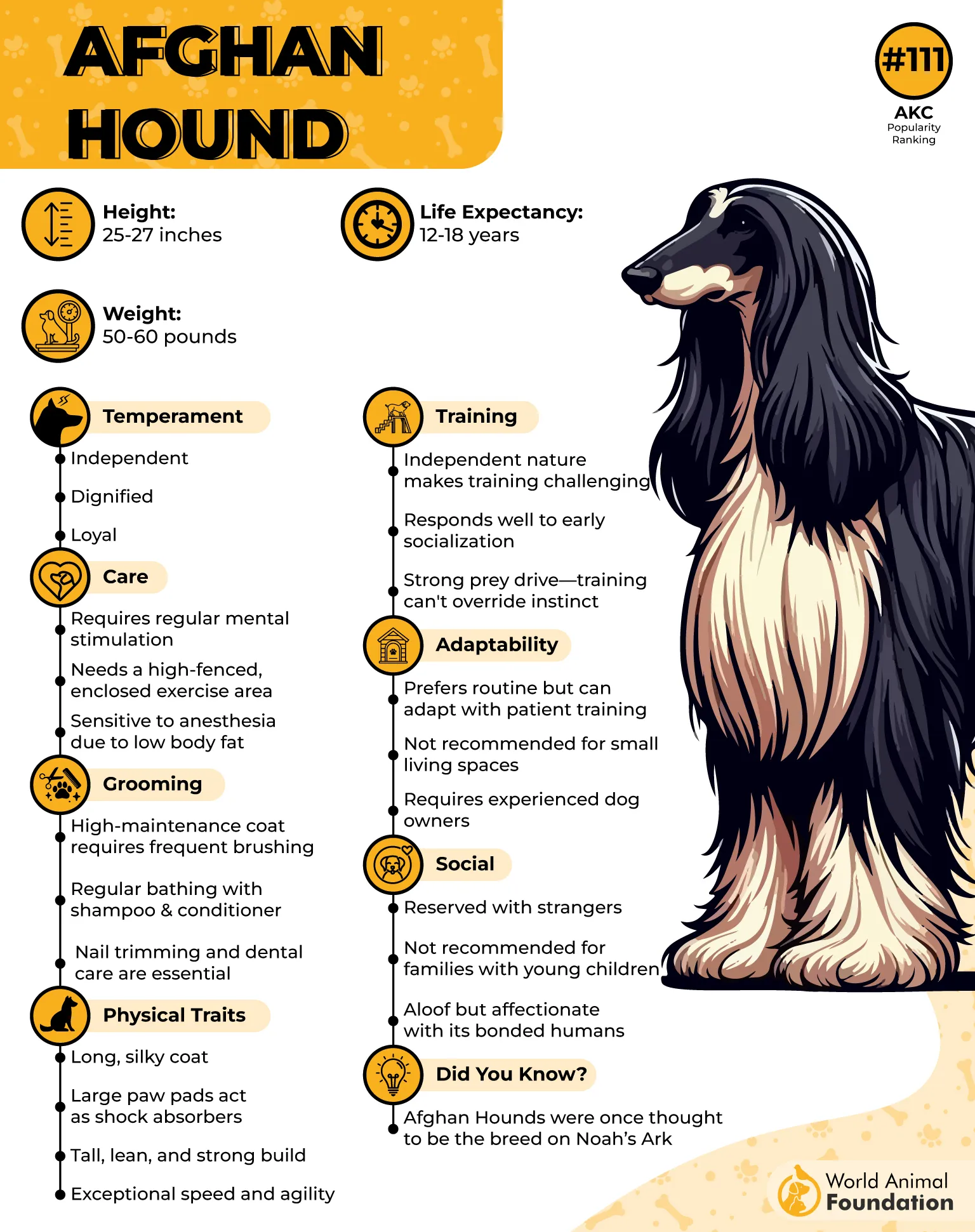
It can jump up to 6 ft high and needs a secure area to prevent it from escaping. Use a 30- to 50-foot-long line and wait until the dog looks away. Teach the breed basic commands, such as sit, stand, and come.
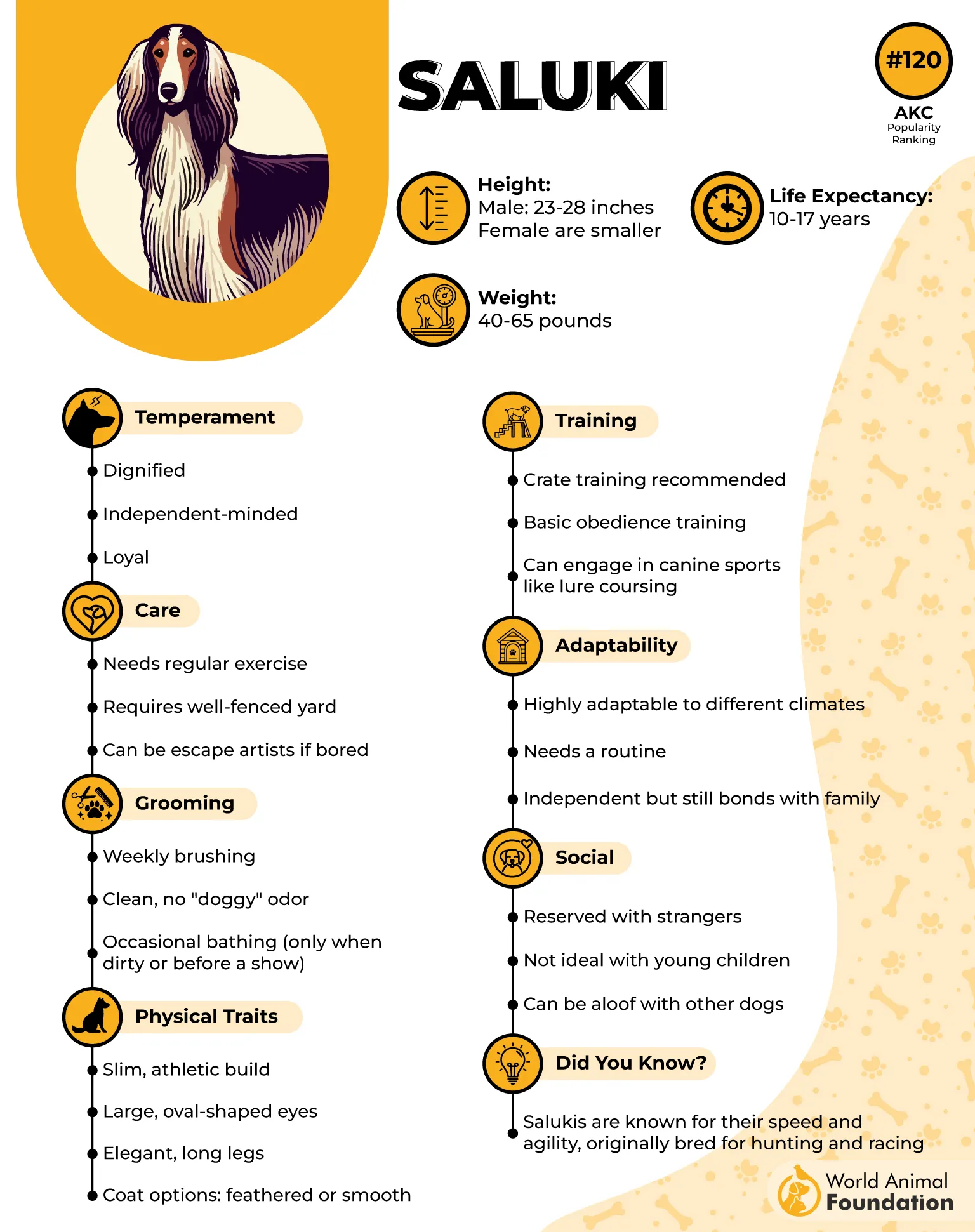
3. Saluki
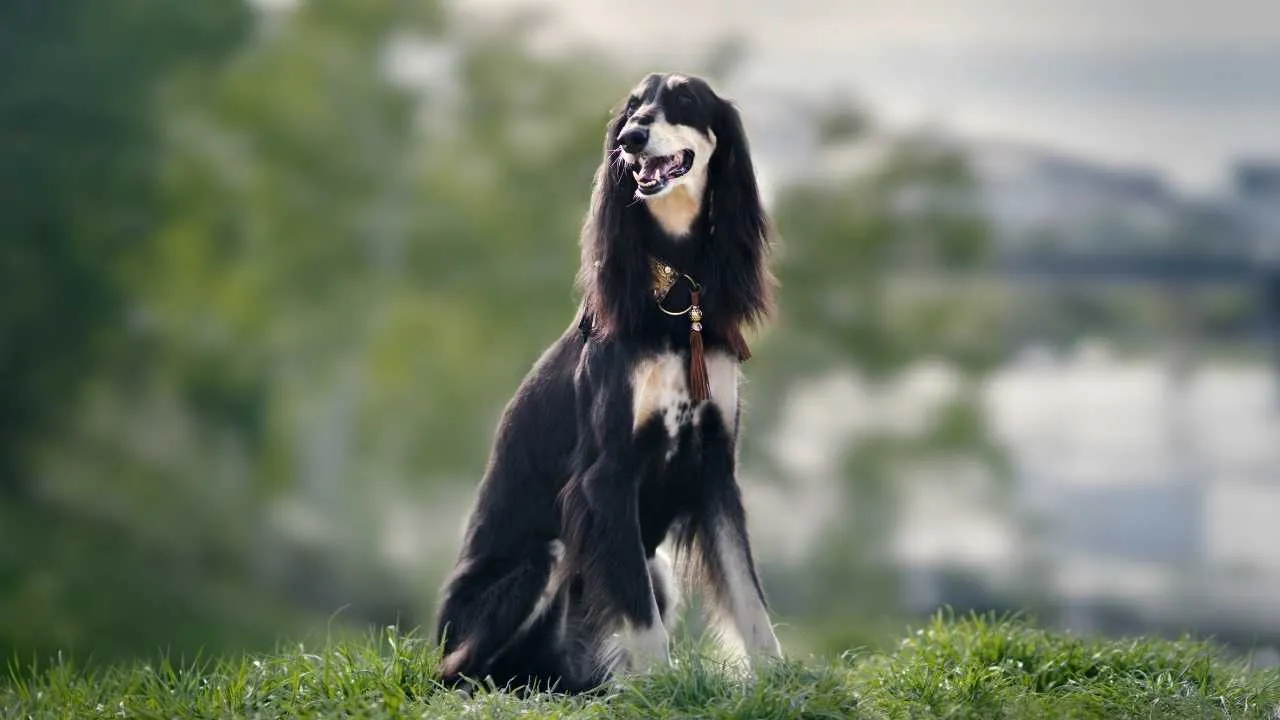
Originally bred in the Fertile Crescent, the dog is known for its long legs, deep chest, and sharp sense of sight. It is closely related to the Afghan Hound and was kept by the royalty of both the Middle East and West. Also known as the gazelle hound, the breed is thought to have descended from the North African Sloughi, says Wikipedia.
The high prey drive is triggered by minimal movement and was bred with an independent streak. This leads to selective hearing. The high-drive dog has rapid neurological shifting into “chase mode.” The hunting dog is aloof towards strangers and other animals; thus, consistent training is non-negotiable.
It may feel unconfident or overwhelmed by a loud environment and shows “low” prey drive due to anxiety. Establish an ‘off-switch’ to control using a flirt pole and food motivation.
4. Pharaoh Hound
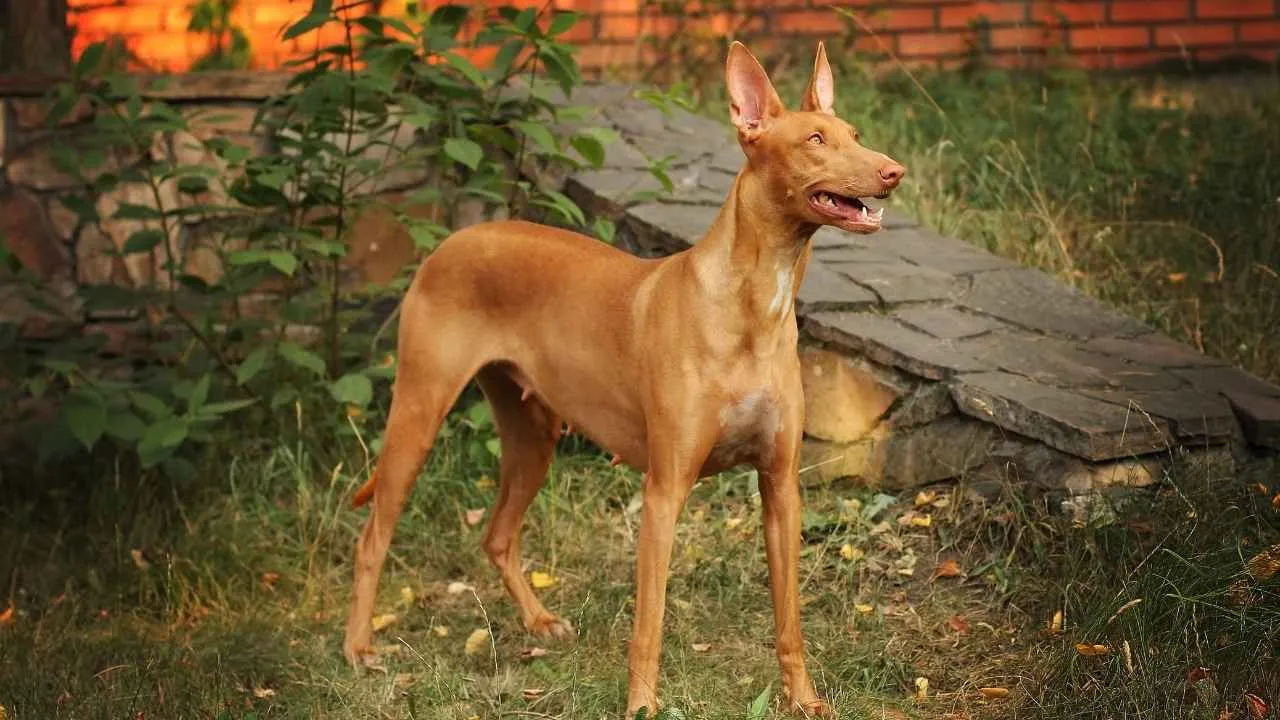
This hunting breed was developed in Egypt centuries ago and was exported to Malta, where it was used to hunt small animals, such as rabbits. It is generally a happy breed and tends to blush when excited and smiles when happy. It makes good friends with kids; however, it may run after pets.
Often classified as a sighthound, the breed has exceptional senses of smell, sight, and hearing. The limbs have moderate angulation and a muscular build, providing high stamina to leap over jagged stone walls without exhaustion. Being vocal while tracking, the individual dog produces a high-pitched bark to notify the handler of the prey’s location.
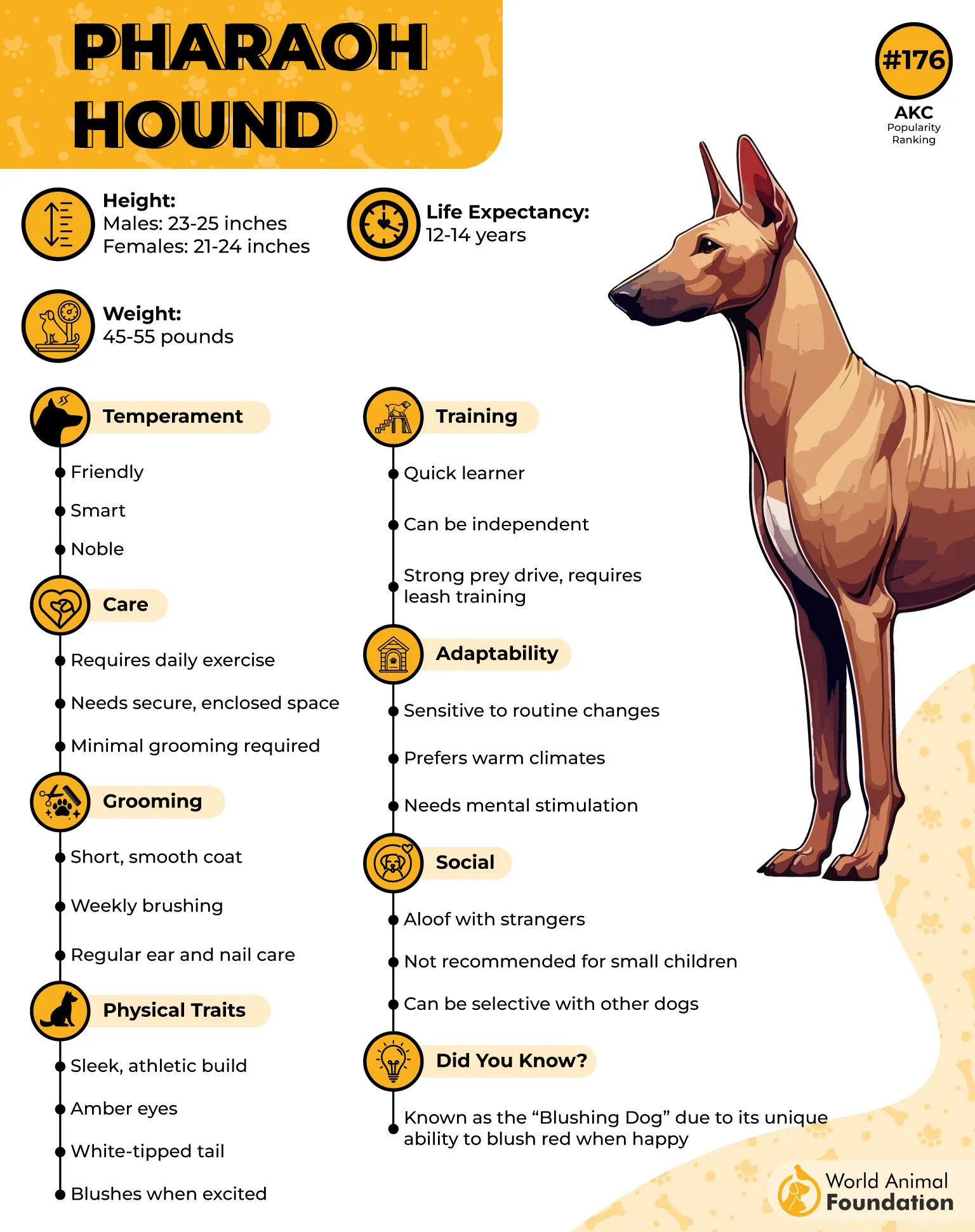
It exhibits low prey drive indoors and excels in lure coursing, flirt pole training, scent work, and hiking. With the “Look at That” (LAT) protocol, reward the breed when the dog does not chase its prey at a distance after your ‘Yes’ command.
5. Irish Setter
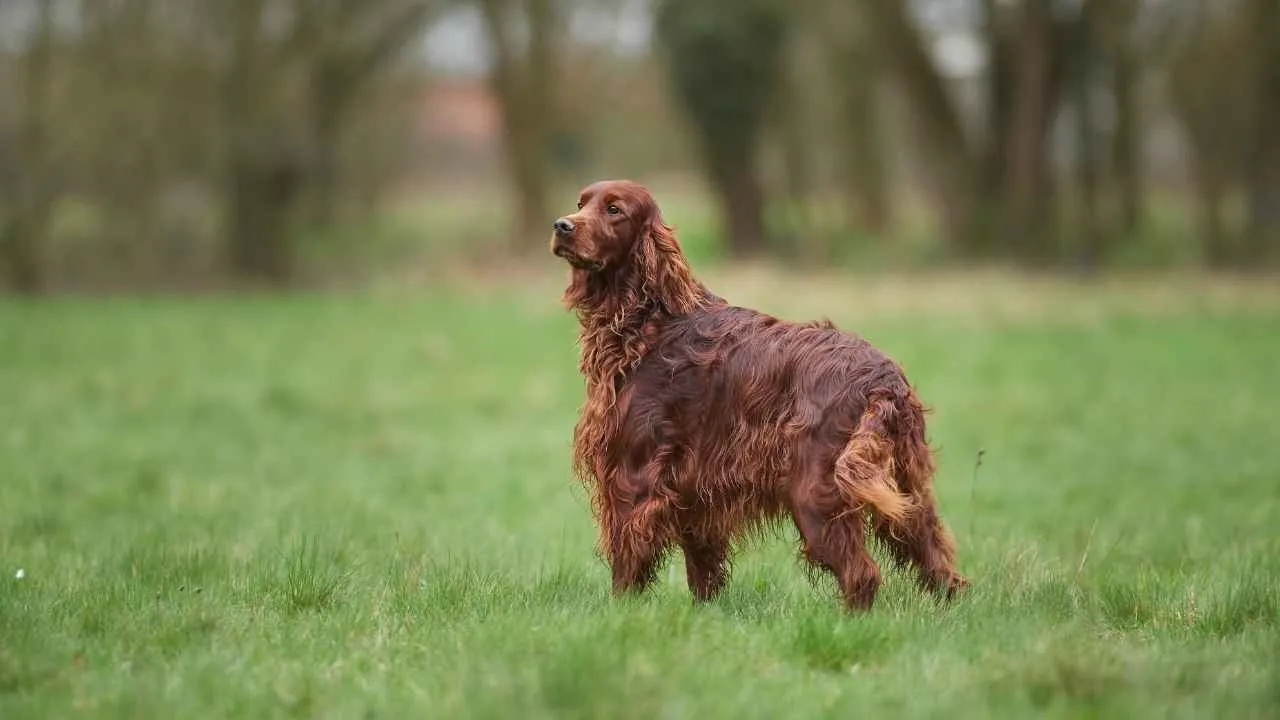
The breed was developed in Ireland in the 18th century, and it is believed to have been bred by crossing the English Setters, Spaniel, Gordon Setter, and the Pointer. The breed arrived in the United States in the late 19th century and was adopted for show rings, as reported by Orvis.
The ‘grab-bite’ and ‘kill-bite’ steps were genetically suppressed, and it primarily hunts by pointing, where it catches a scent, freezes, and points its muzzle in the direction of the prey. Because of its slow maturation, the Irish Setter takes 2-3 years to mature fully. So, the young adult setter has an incredibly high prey drive.
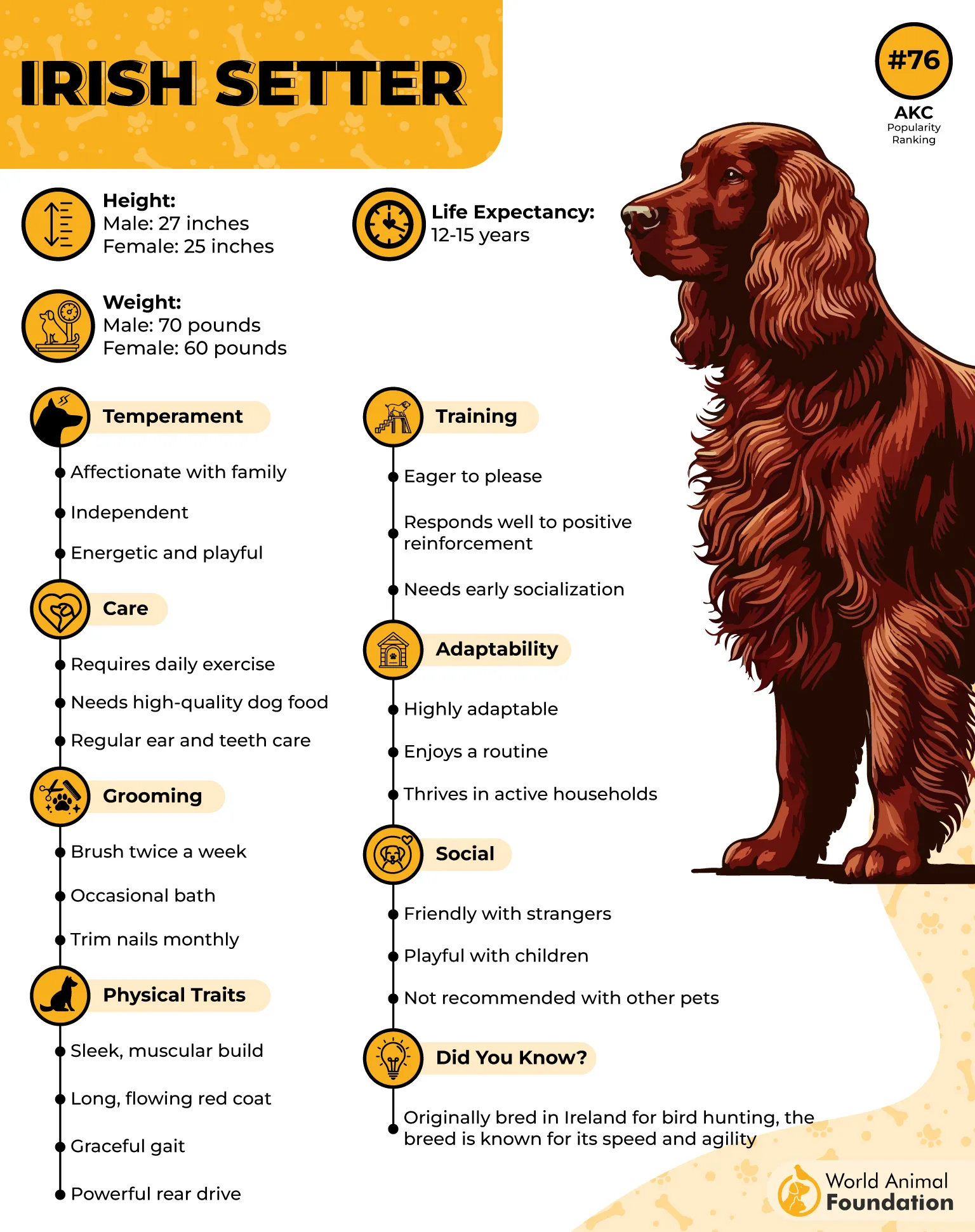
It is highly responsive to positive and reward training. The breed requires 1.5-2 hours of daily exercise. The breed has a soft mouth and tends to retrieve its prey without physically damaging it.
6. Whippet
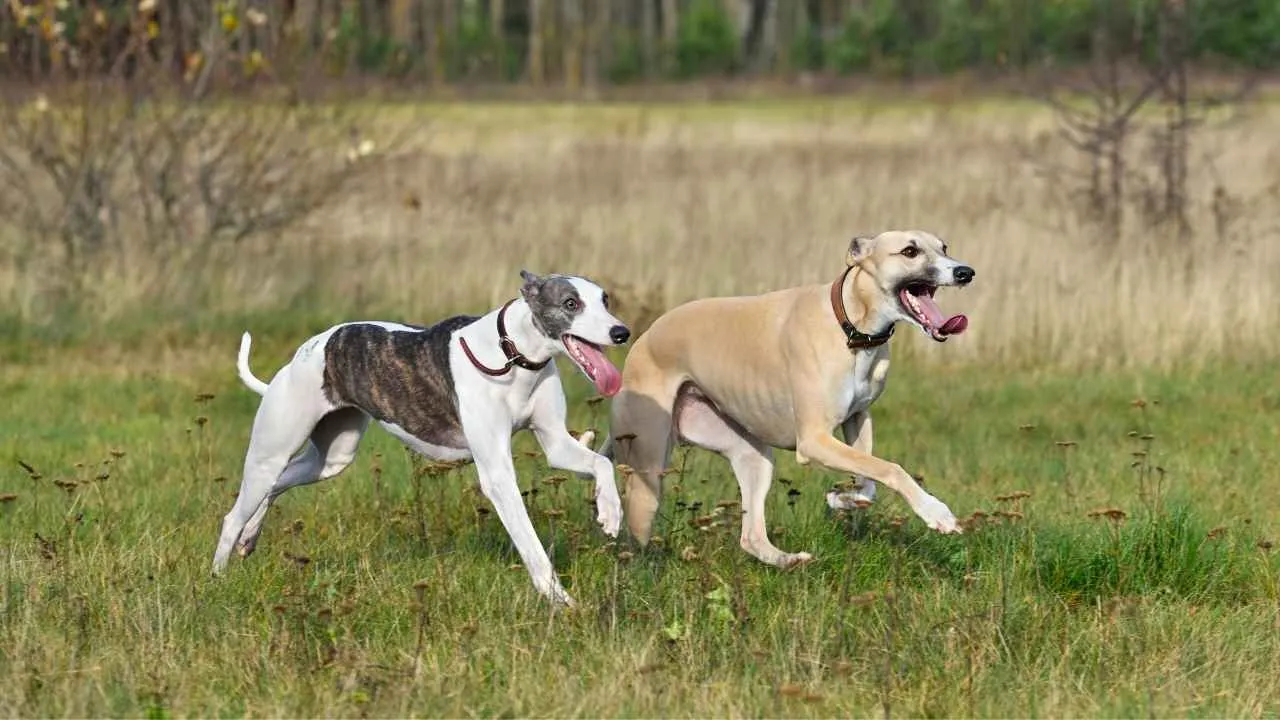
The small dog became popular in the 18th century for snapping up small game, such as rabbits and hares. At some point, it was crossed with terriers to sharpen its hunting instincts. It was also used in ‘snap dog’ hunting contests and was nicknamed ‘ the Poor Man’s Racehorse’ in England.
With its explosive speed and muscular build, the breed runs at a high speed of 35 mph. The dolichocephalic (long-headed) skull provides a 270-degree field of vision. It can detect the minor movement of objects 800 meters away.
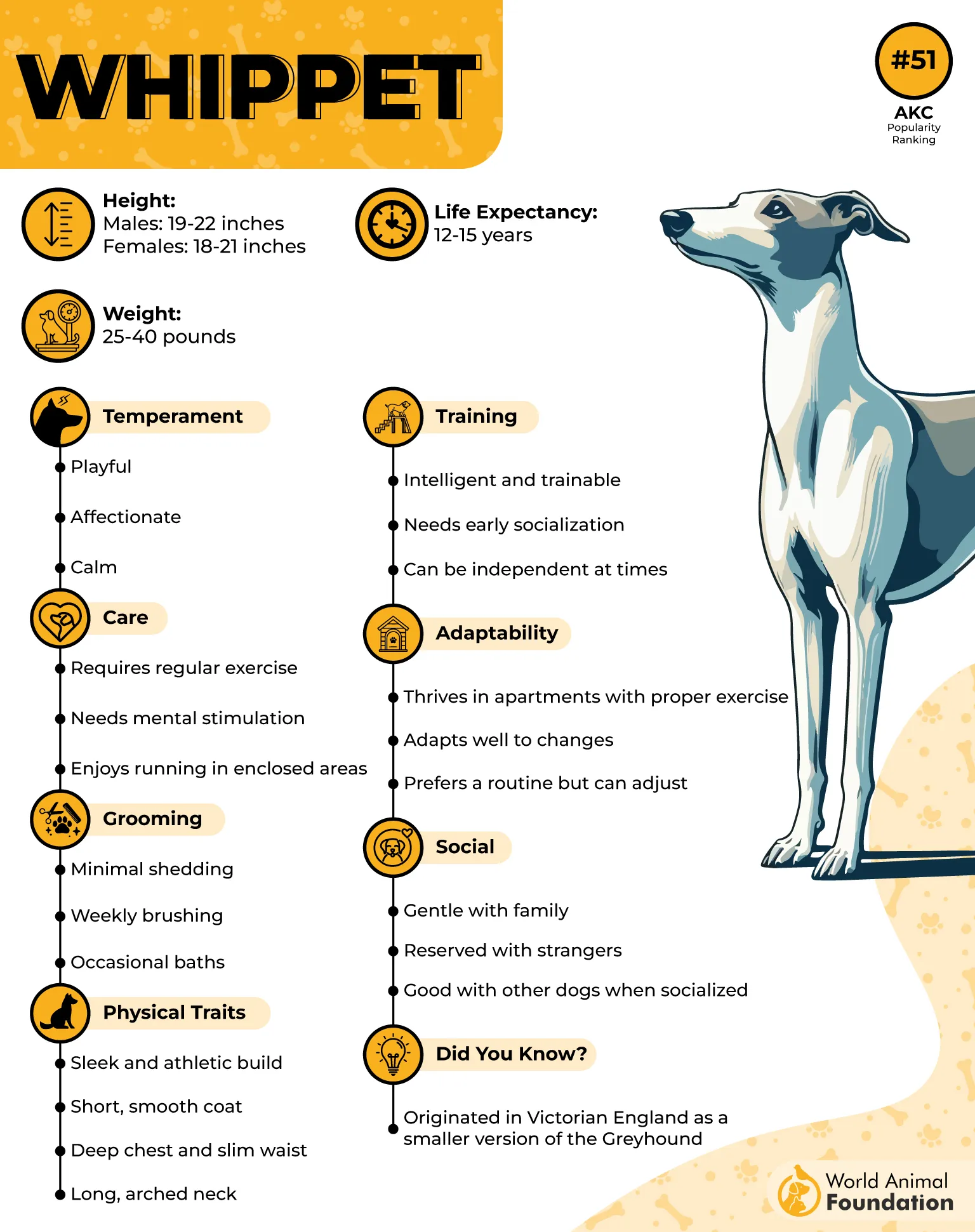
The breed was developed for sprinting rather than endurance. Build neurological habits in the breed before acting. Toss a treat on the floor and let the breed wait for 1-10 seconds before giving a verbal cue.
7. Jack Russell Terrier
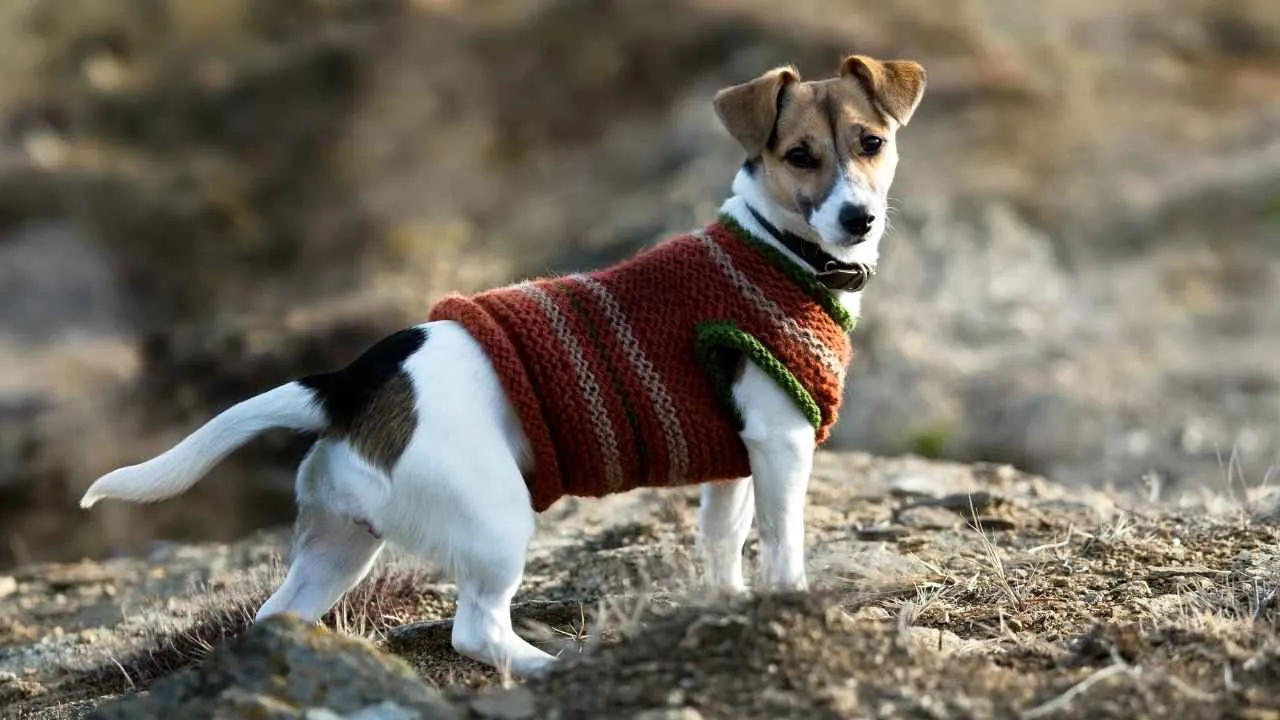
The breed was developed in England in the 19th century from the White Terrier. The breed was developed for fox hunting. The breed comes in two types: rough-coated and smooth-coated. Soon, the breed became a ratting dog.
The JRT has a high pain tolerance, allowing it to disregard physical injury and exhaustion. The sensory processing comes in three modalities: sound, motion, and scent activation. Low-drive JRTs have high cognition, and the high-drive JRT develops ‘prey schemas’ (fast-moving animals).
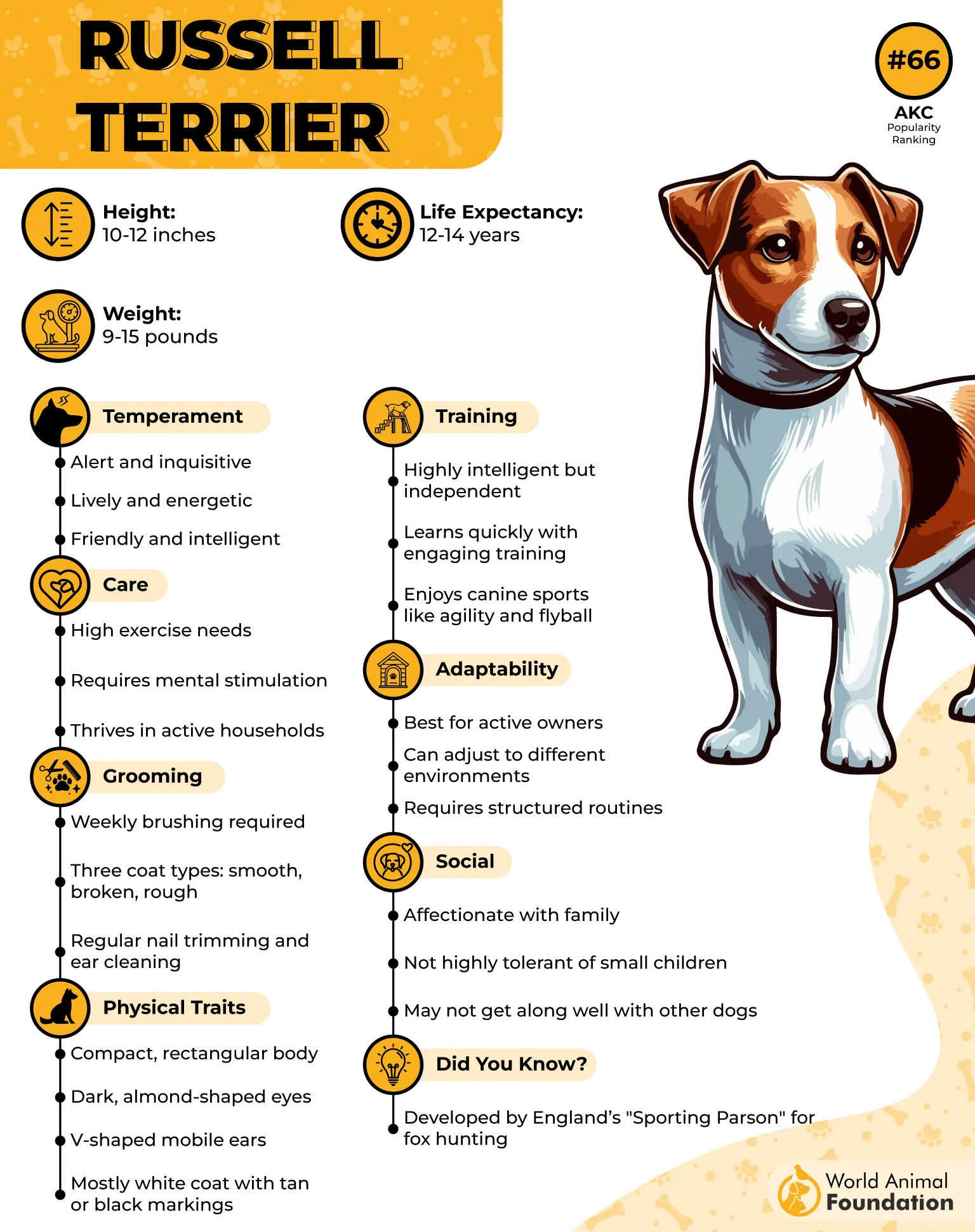
The breed needs 1-2 hours of daily exercise: 2-3 short walks, fetching, agility, nose work, hide-and-seek, and reward training. Use a long training line (10+ ft) to manage off-leash or outdoor settings.
Conclusion
Prey drive is not a flaw. It is an instinct shaped by hundreds of years of breeding and work. Some dogs were created to chase by sight, some to follow scent, and others to dig out hidden animals. When you understand that, their behavior makes much more sense.
If you choose one of these breeds, do it with realistic expectations. You are not just adopting a pet. You are welcoming a dog with history, personality, and a built-in love of the hunt. With patience, structure, and a little humor, that instinct can become part of what makes your dog so special.
