




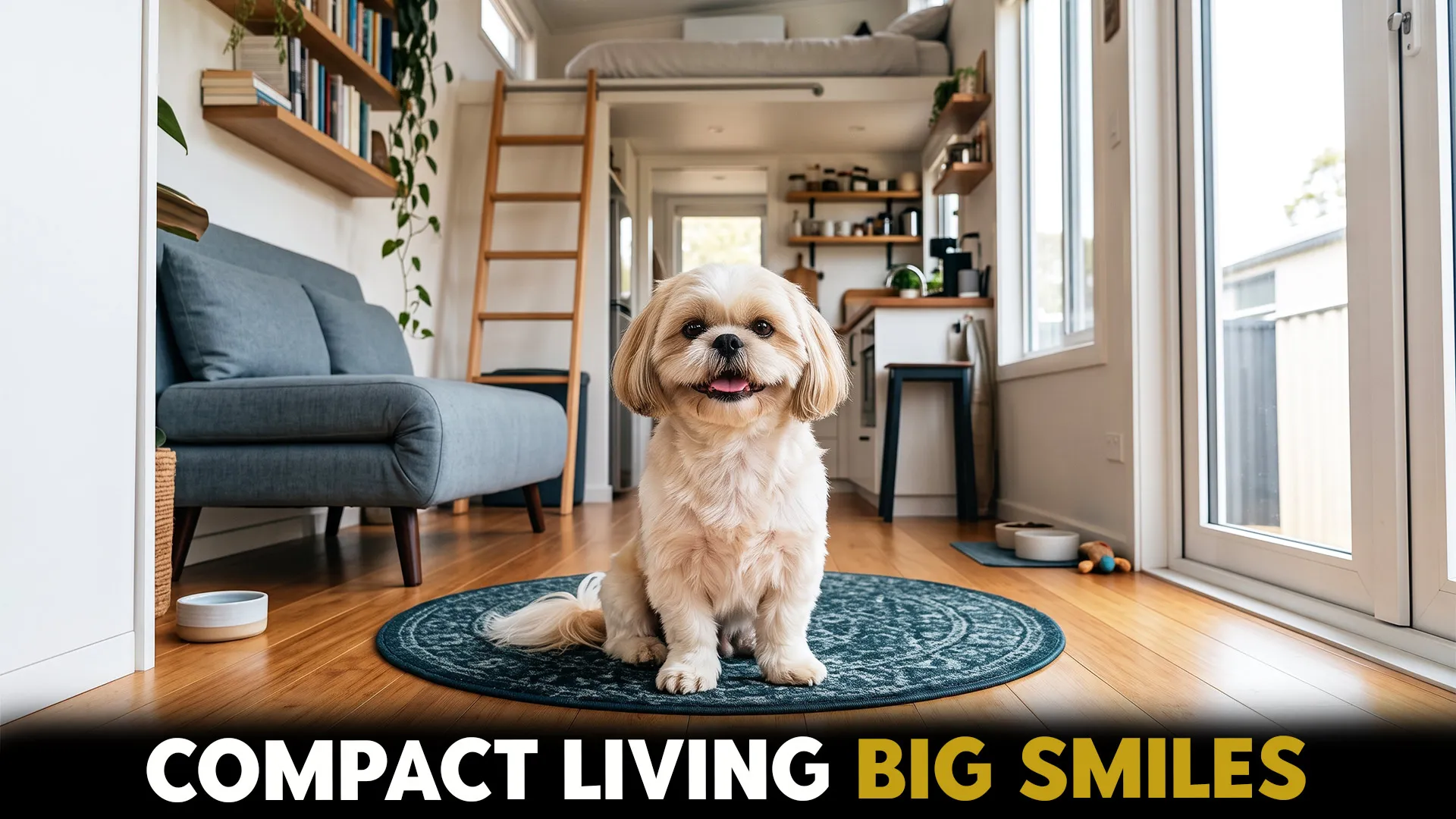
Good things really can come in small packages, and dogs are a perfect example. If you love the idea of having a furry companion but live in a small apartment, condo, or home, limited space doesn’t mean you have to miss out on the joys of dog ownership.
Small dogs can fit comfortably into compact homes while still bringing plenty of personality, affection, and fun to everyday life. The key is finding a dog whose energy level and needs fit naturally into your lifestyle and living space.
The good news is that smaller dogs are often easier to transport and may cost less to feed and care for than larger breeds. Their compact size can also make them a practical choice for people with limited room.
But which dogs can truly settle happily into a smaller home? Let’s look at some wonderful options that can bring big personalities into even the coziest spaces.
Wonderful Dog Breeds Suited for Small Homes
1. Cavalier King Charles Spaniel
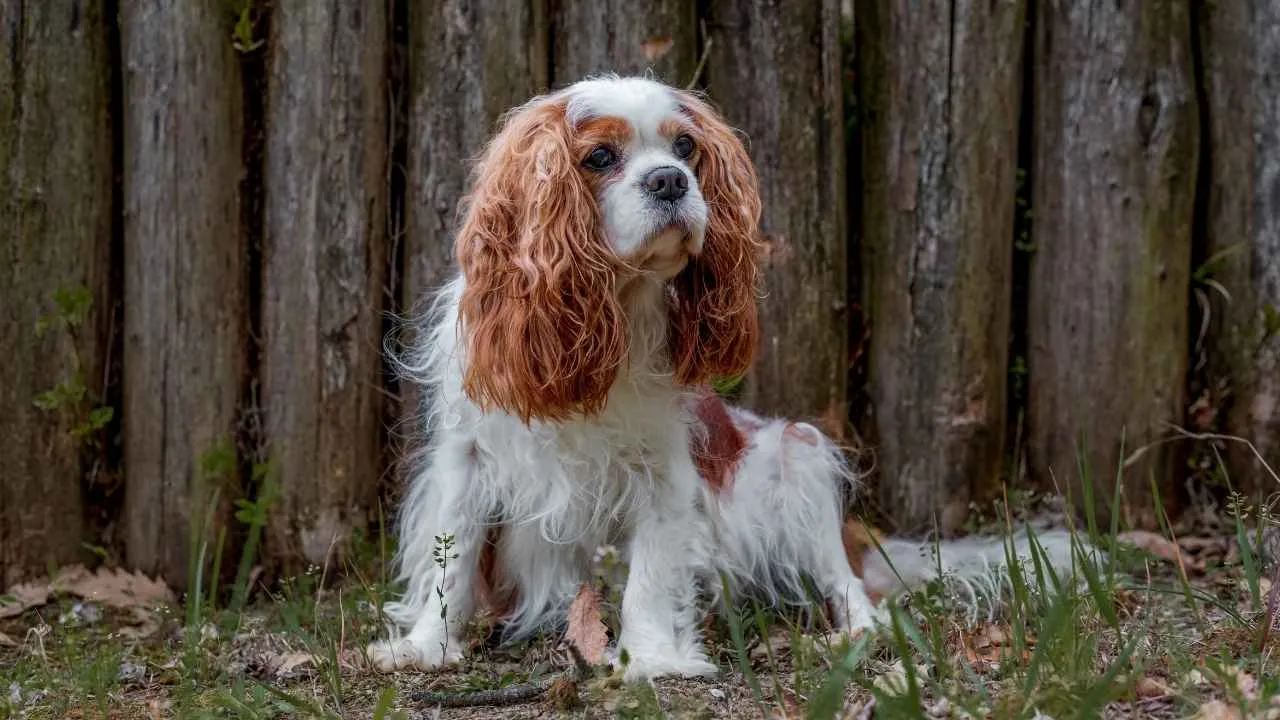
Cavalier King Charles Spaniels are loving companion dogs with a gentle and friendly nature. They were named after British royalty in the 17th century. King Charles I and Charles II were both very fond of these dogs, as mentioned by PetMD.
Cavaliers were bred to warm laps in chilly castles and during cold carriage rides. Today, their affectionate nature makes them popular with families, seniors, and first-time pet parents.
Calm and Adaptable Personalities
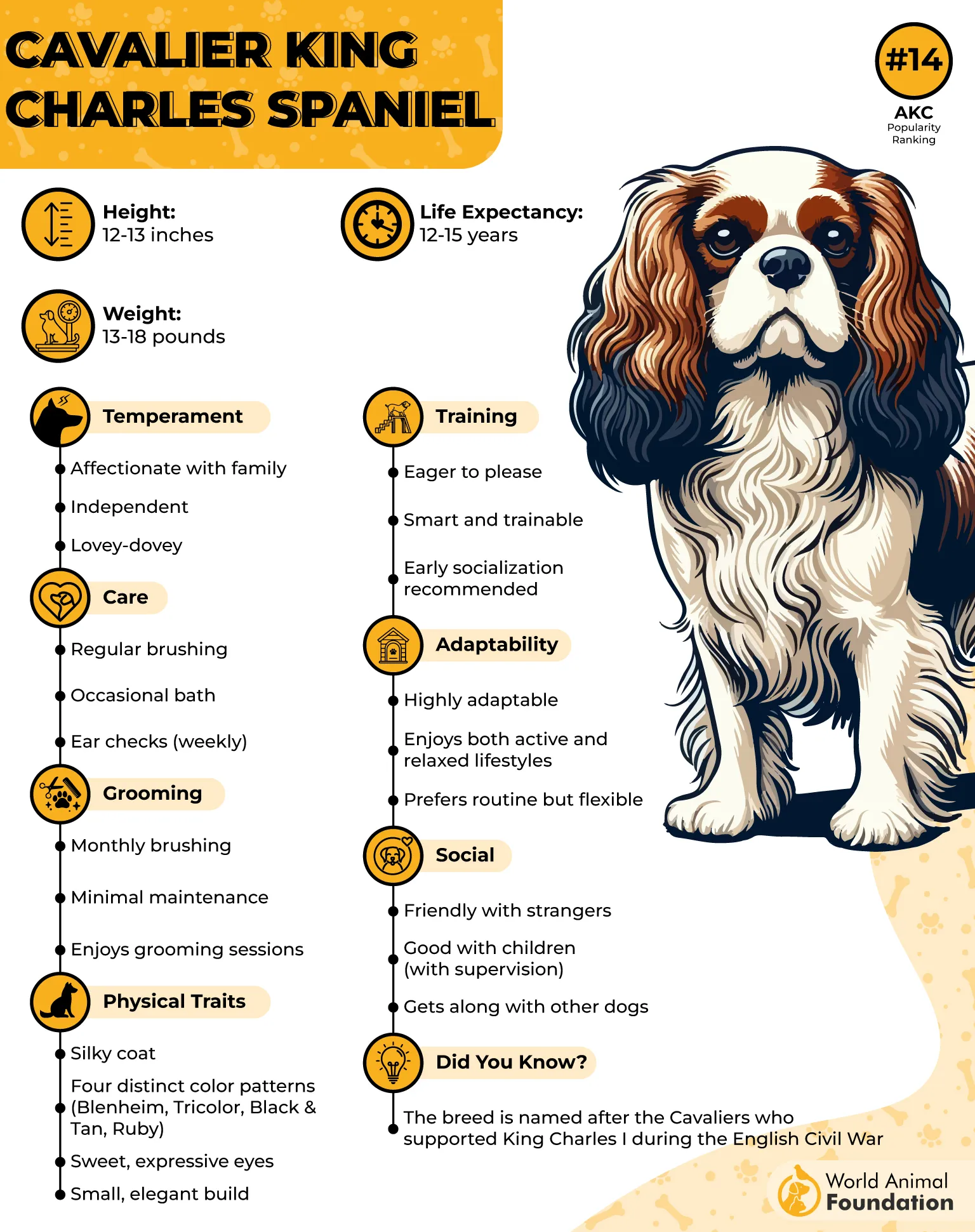
These dogs enjoy staying close to their people and thrive on human companionship. They have moderate exercise needs, with two 20- to 30-minute walks each day being enough for many Cavaliers.
After their daily activity, they are often happy to relax on the sofa. Their patient and friendly nature also helps them get along with children, cats, and other dogs.
Why They Suit Small Homes
Cavalier King Charles Spaniels can adapt to different living situations, making them suitable for smaller homes. They are playful but fairly laid-back and are not known for being big barkers.
They are also eager to please and respond well to training and positive reinforcement. Since they enjoy human company, they should not be left alone for long periods.
2. Bichon Frise
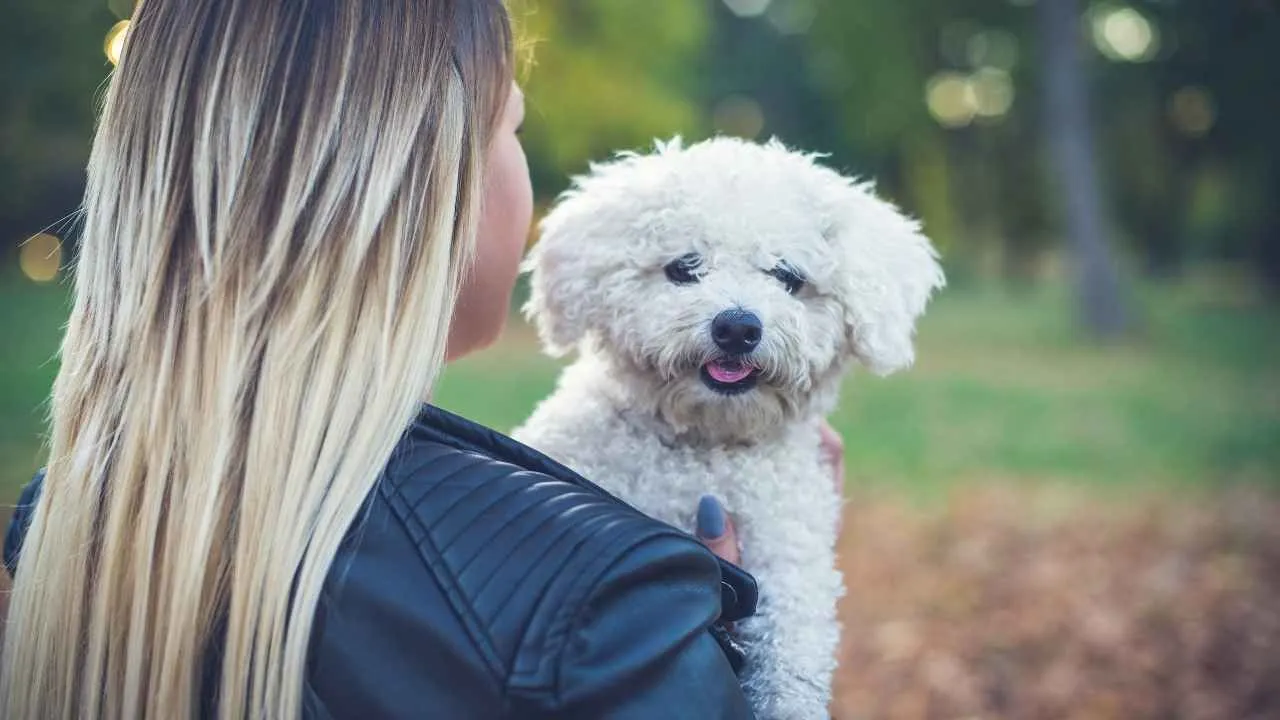
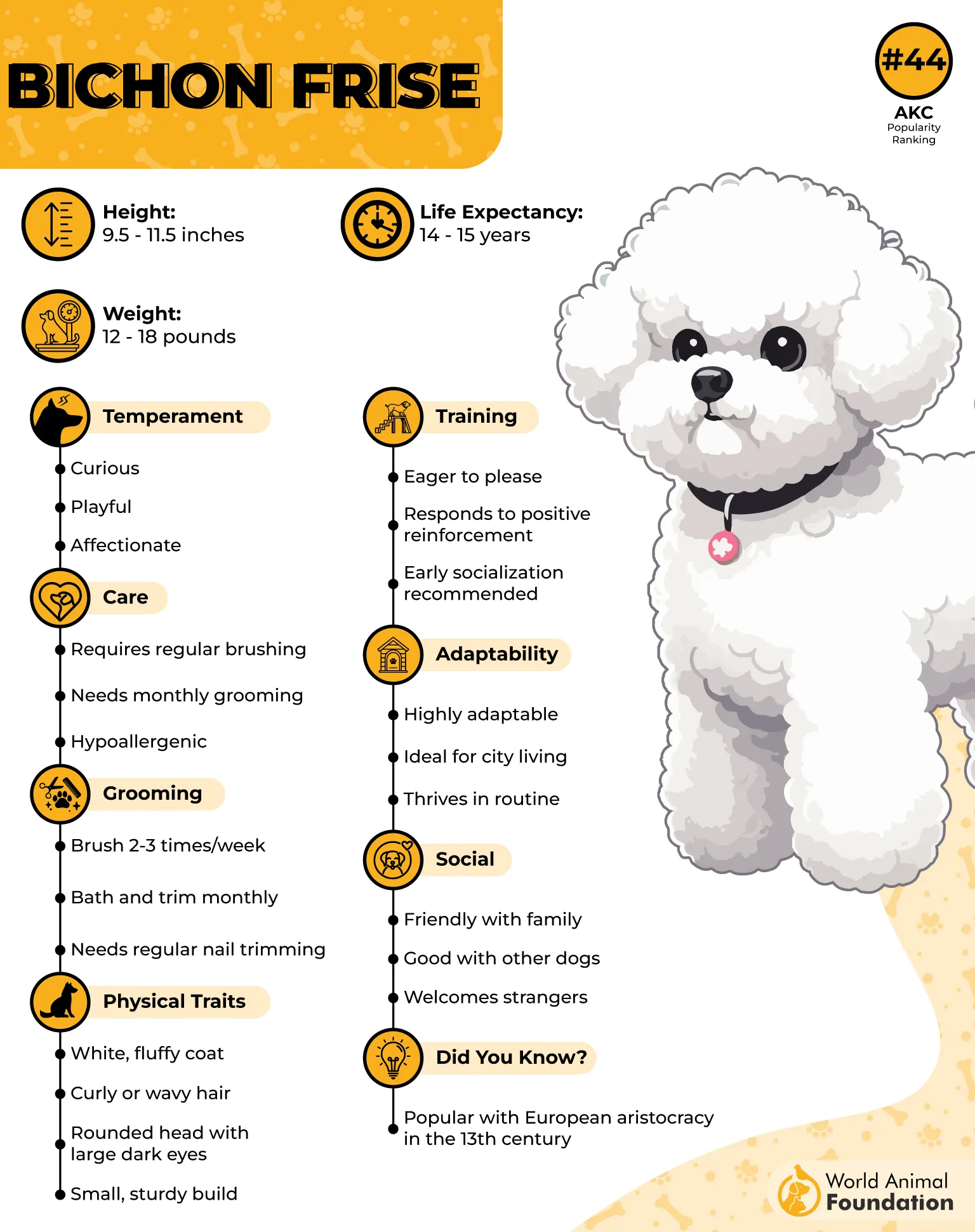
Bichon Frises are small, playful, and affectionate dogs with plenty of personality. They enjoy family life and love spending time with their people.
They are also friendly with children, other dogs, and household pets. Their cheerful nature makes them happy to play, learn tricks, or simply curl up with the family once they have used up their energy.
Playful Yet Apartment-Friendly
Bichon Frises are active, but their small size means they do not need a lot of room to play. This makes them well suited to apartment living and other smaller homes. They enjoy toys, learning new tricks, and joining their families on outings.

They can also be taught to stay alone occasionally. They are eager to please and generally easy to train, although they may bark when alerted by unfamiliar sounds.
Grooming and Allergy Considerations
Bichon Frises need regular coat care, including daily brushing, monthly baths, and professional grooming and trimming.
They are often considered allergy-friendly because they do not shed as much as many other dogs. However, no dog is completely hypoallergenic, as allergens are found in skin, saliva, and urine.
3. Shih Tzu
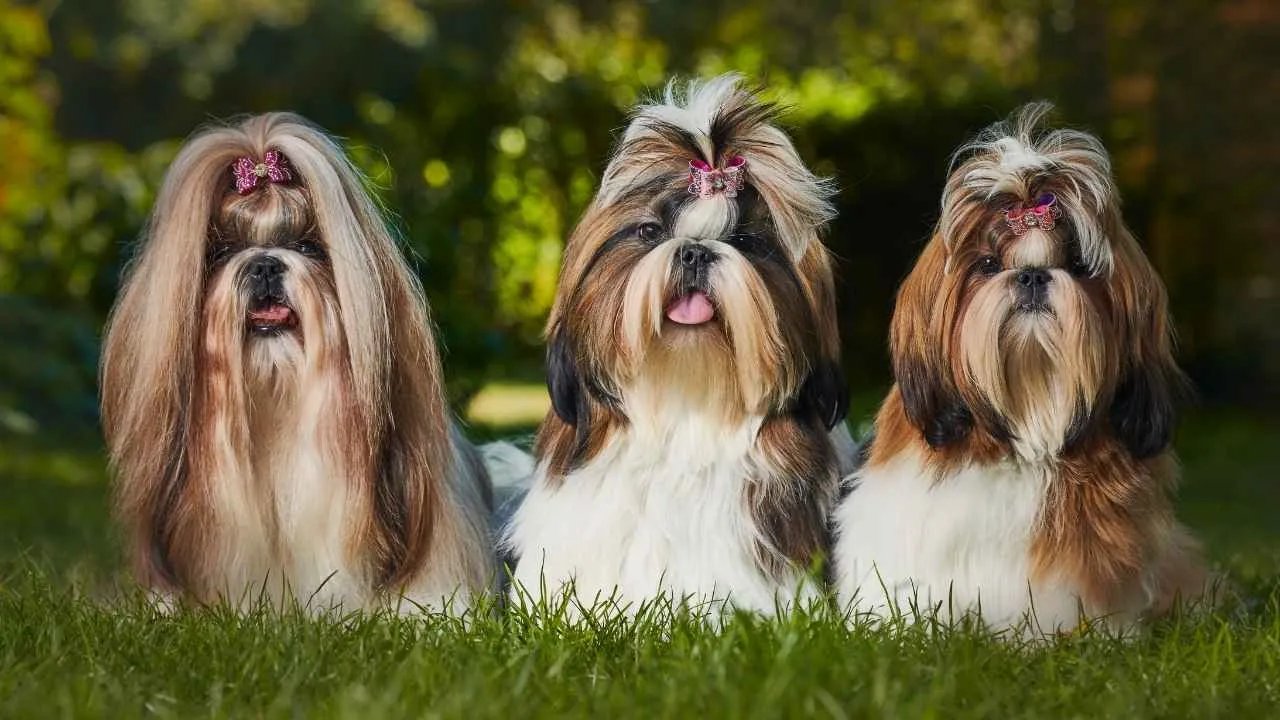
Shih Tzus were bred to be furry companions and have a history that goes back centuries. Their name means “lion dog,” and they were associated with Buddhism and Chinese imperial rulers.
Originally kept as pampered lap dogs, they later became family companions. Their affectionate and friendly nature still makes them well suited to life indoors.
Playful, Friendly, and Adaptable
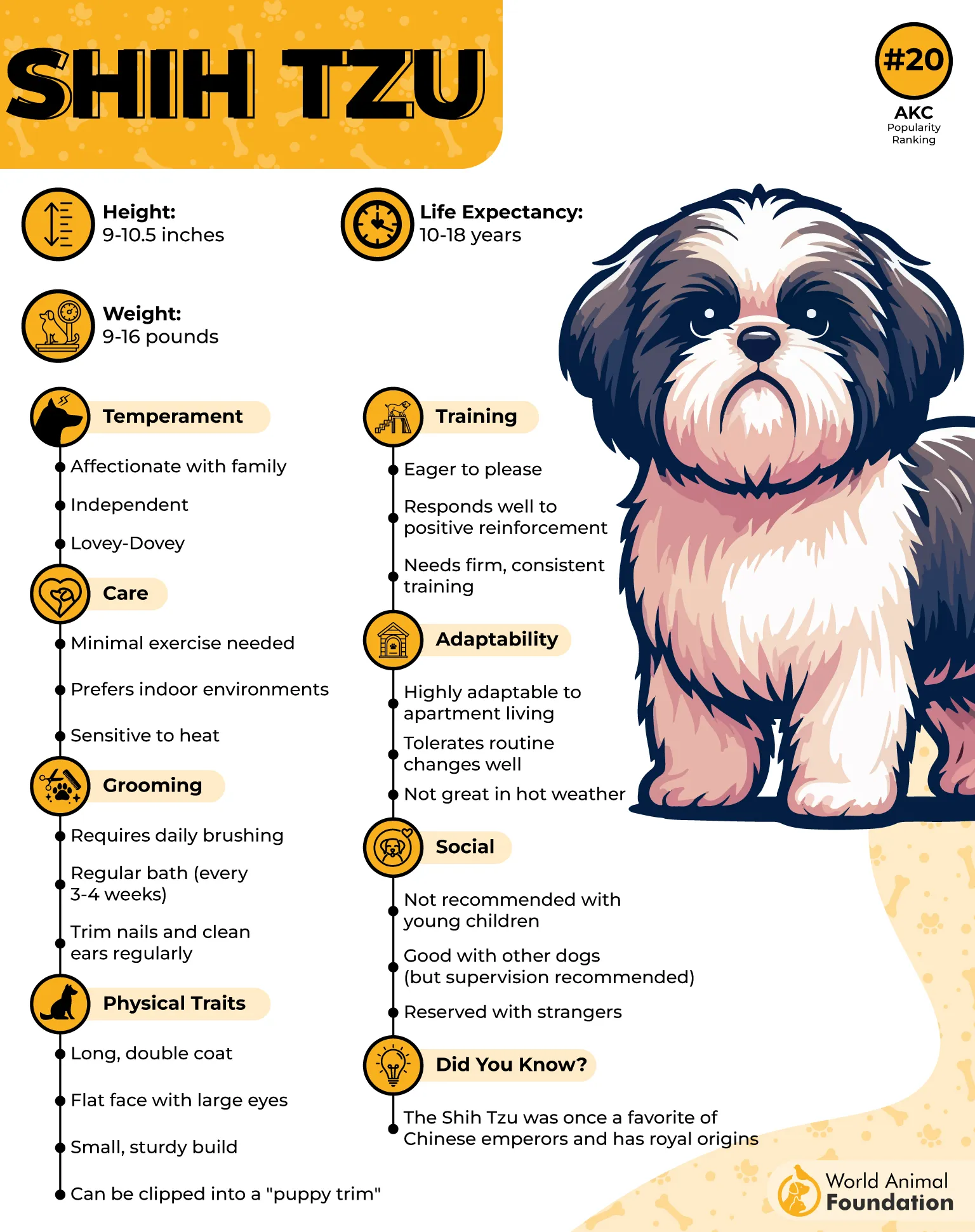
Shih Tzus are happy, outgoing, and sociable with people and other animals. They enjoy playtime but are also content to switch from being playful to relaxing on the sofa. Their size and indoor-friendly nature make them a good fit for apartments or homes without large backyards.
They are especially affectionate with children and can also suit seniors, although their small size means young children should interact with them carefully.
Exercise and Everyday Care
Shih Tzus do not need a large amount of exercise. A 30-minute walk along with some playtime at home can keep them satisfied.
Their long, smooth coat comes in many colors and does not shed, but it requires regular grooming. Early socialization is also important, as it can help prevent unwanted behaviors such as excessive barking or digging.
4. Yorkshire Terrier
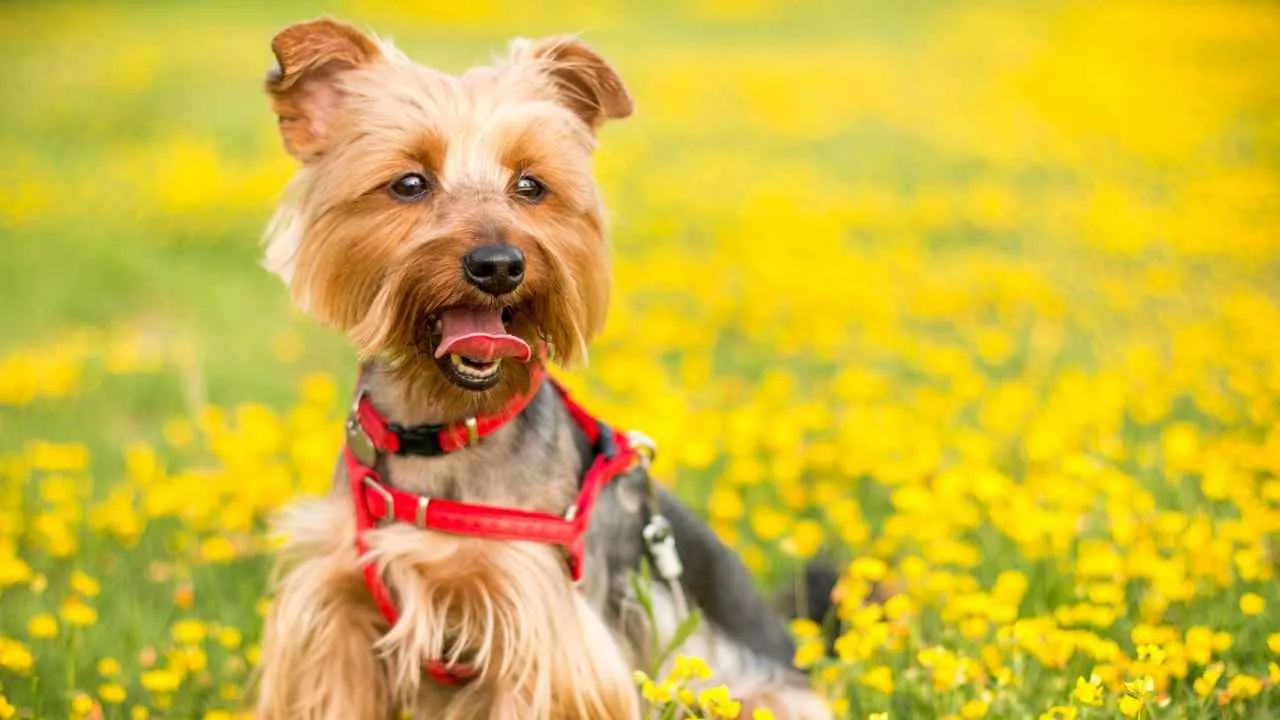
Yorkshire Terriers may be small, but they have plenty of confidence and energy. True to their terrier roots, they are bold, curious, playful, and sometimes feisty. They were bred in 1800s Yorkshire, England, to catch rats in clothing mills.
Today, they are affectionate companions that enjoy being part of family life and can happily snuggle on a lap after some activity.
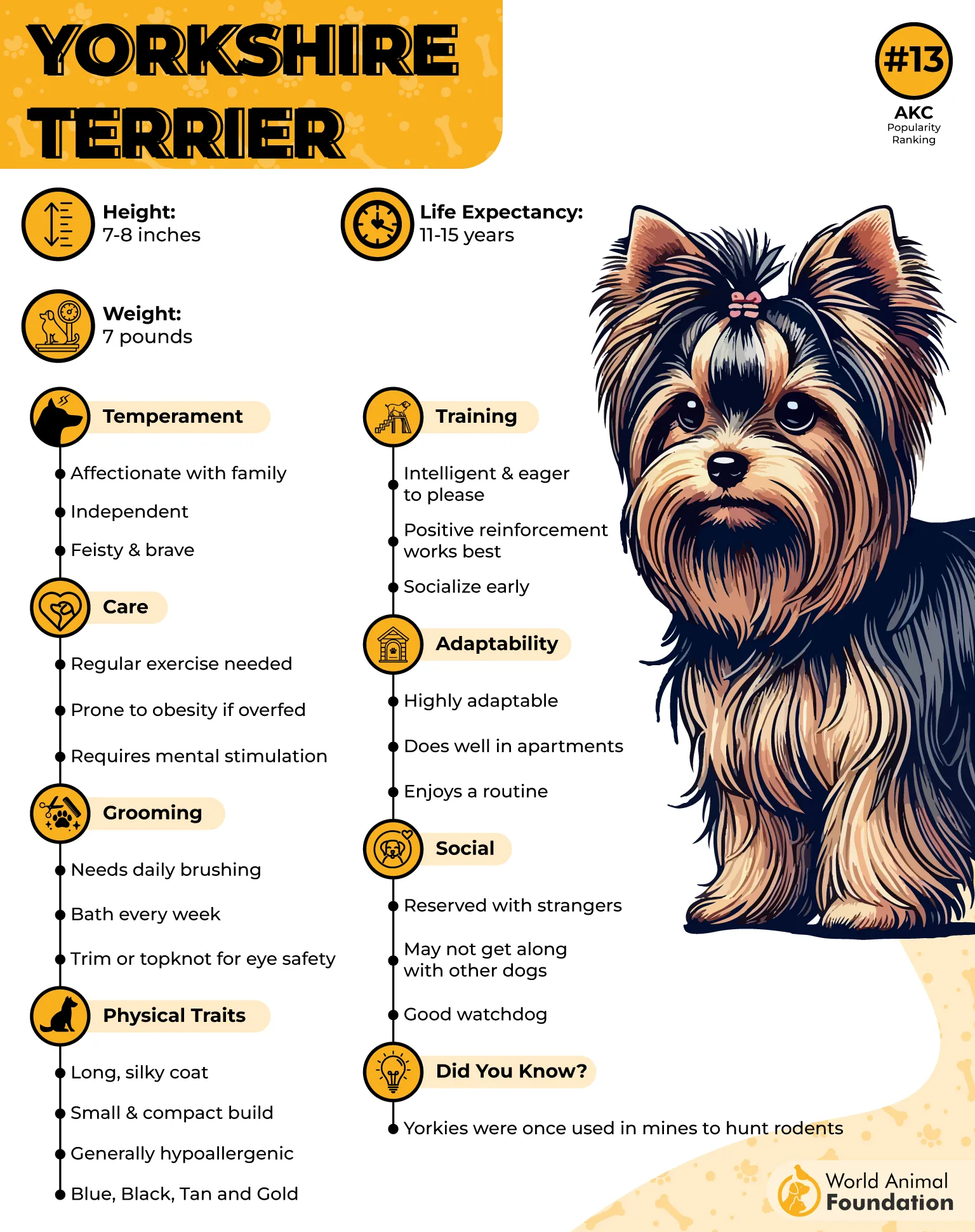
Lively, Alert, and Always Curious
Yorkshire Terriers are busy dogs that enjoy physical and mental stimulation. Short walks, indoor games, and activities such as fetch can help keep them content. They are also quick learners, although they can be stubborn at times.
Training gives them something to focus on and can help prevent destructive behavior. Yorkies are alert watchdogs and may bark when someone approaches the home, so their lively nature can be quite noticeable in a small home.
Socialization Matters
Yorkshire Terriers thrive on company and do not like being left alone for long periods. Early socialization is important, especially around strangers and other dogs. With proper socialization, they can make good family pets and suit respectful children and seniors.
However, their strong hunting background means they may not be trustworthy around small furry pets such as hamsters and gerbils, as Omlet notes.
5. Havanese
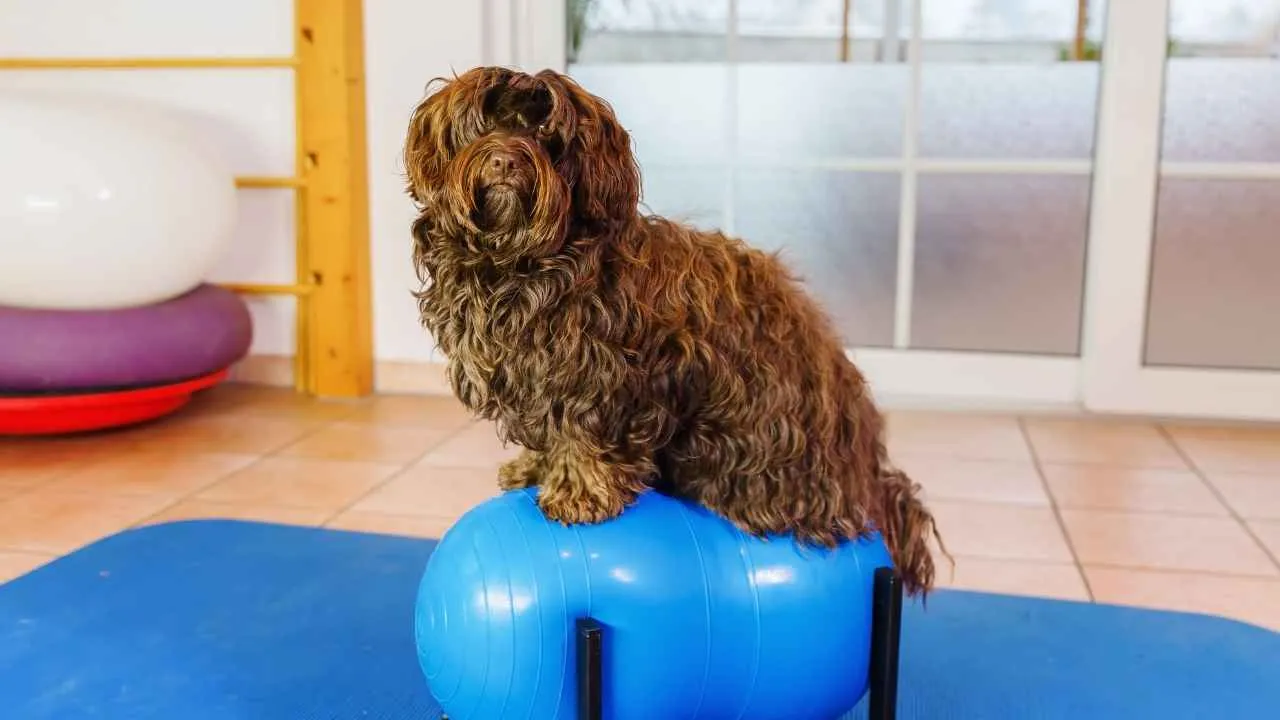
Havanese are happy, outgoing, and friendly dogs with big personalities. They are the only dog breed native to Cuba and were once known as the Havana Silk Dog or Spanish Silk Poodle.
Their ancestors were brought from Spain to Cuba in the 1600s. During the Cuban Revolution, some families brought these little dogs to the U.S., helping preserve the breed.
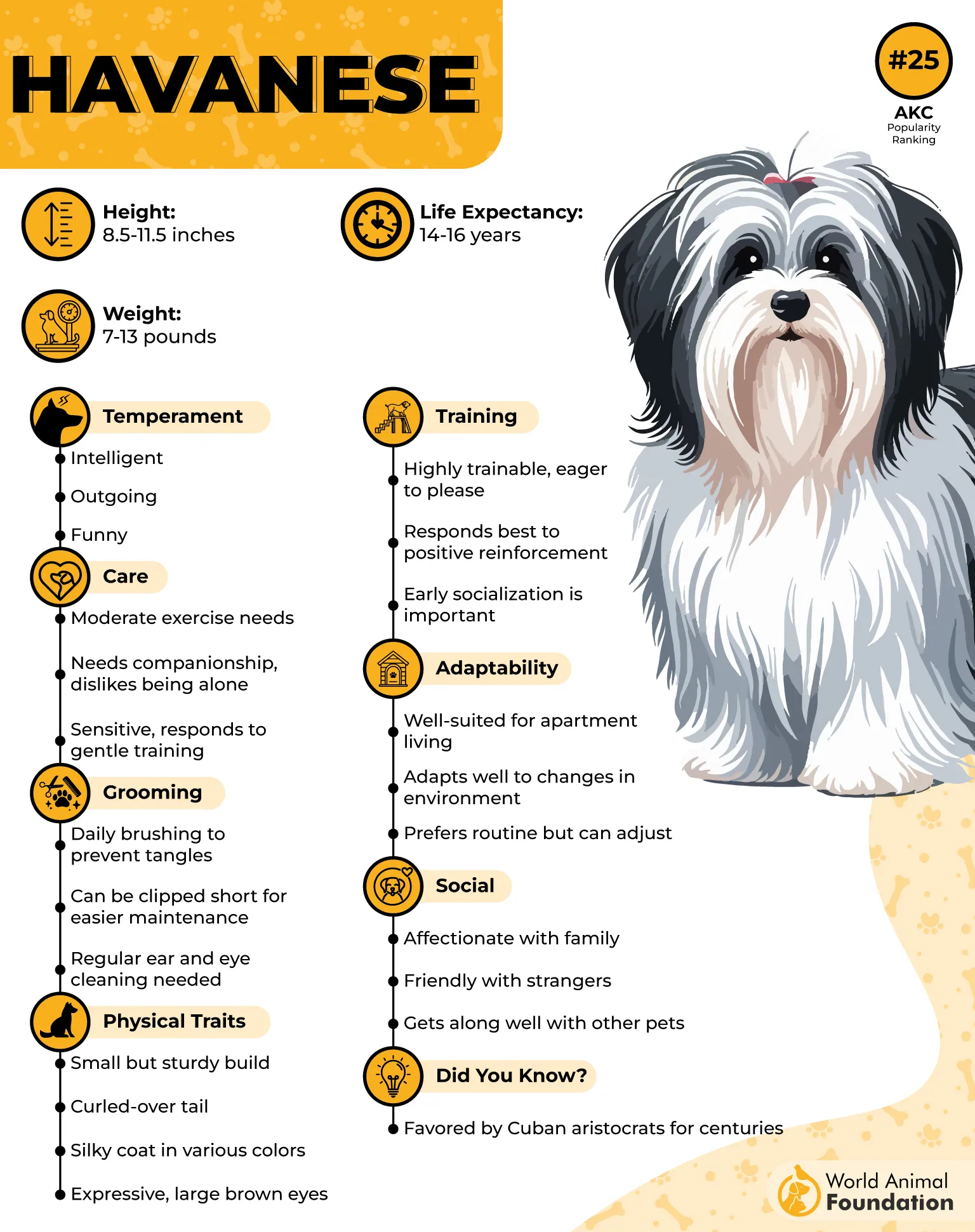
Playful, Social, and Eager to Please
Havanese love being around people and are often called “velcro dogs” because they like to stay close to their owners. They usually get along well with children, cats, dogs, and strangers. They are also intelligent and highly trainable.
They enjoy learning tricks and can do well in activities such as agility. Their keen awareness can also make them good watchdogs, although they may bark for attention without proper training.
Exercise and Grooming Needs
Despite their small size, Havanese are active and need regular exercise. Daily walks and playtime help keep them happy and physically active. Their long coat can be straight or wavy and needs frequent brushing to prevent tangles. Shorter haircuts can make grooming easier.
Havanese crave attention and do not enjoy being ignored, but they can learn to stay alone for short periods when trained from an early age.
6. Maltese
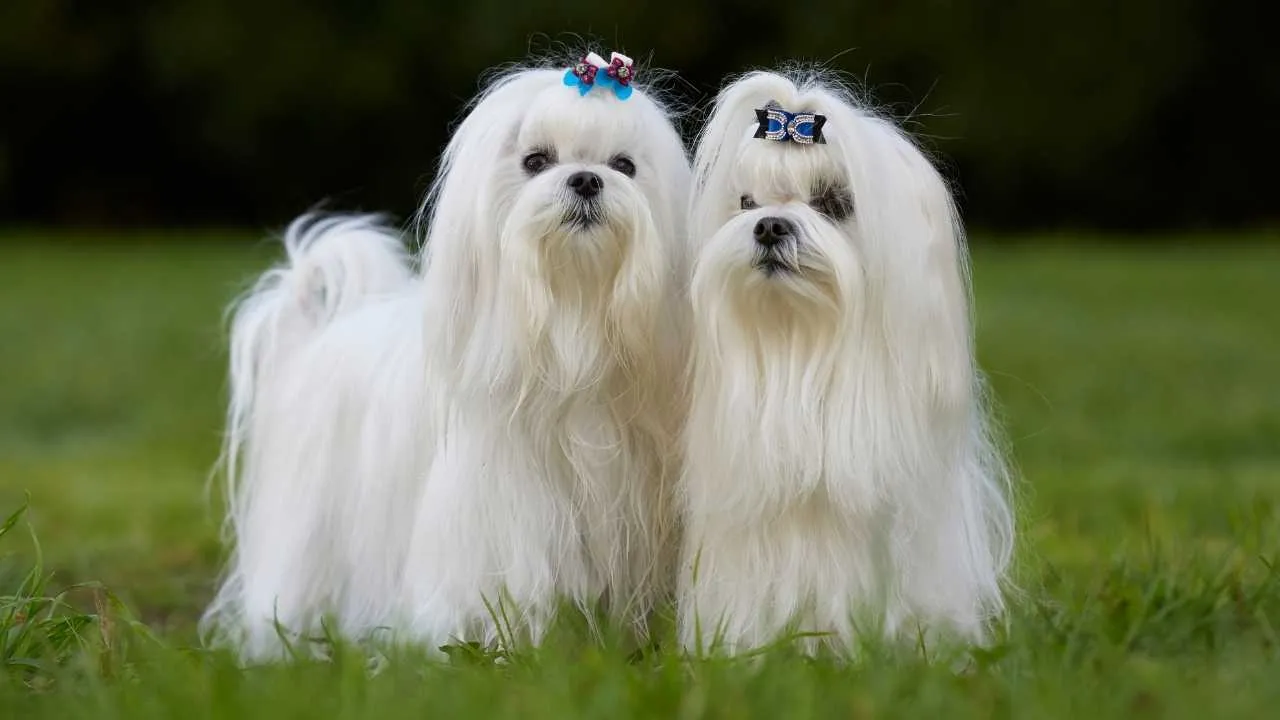
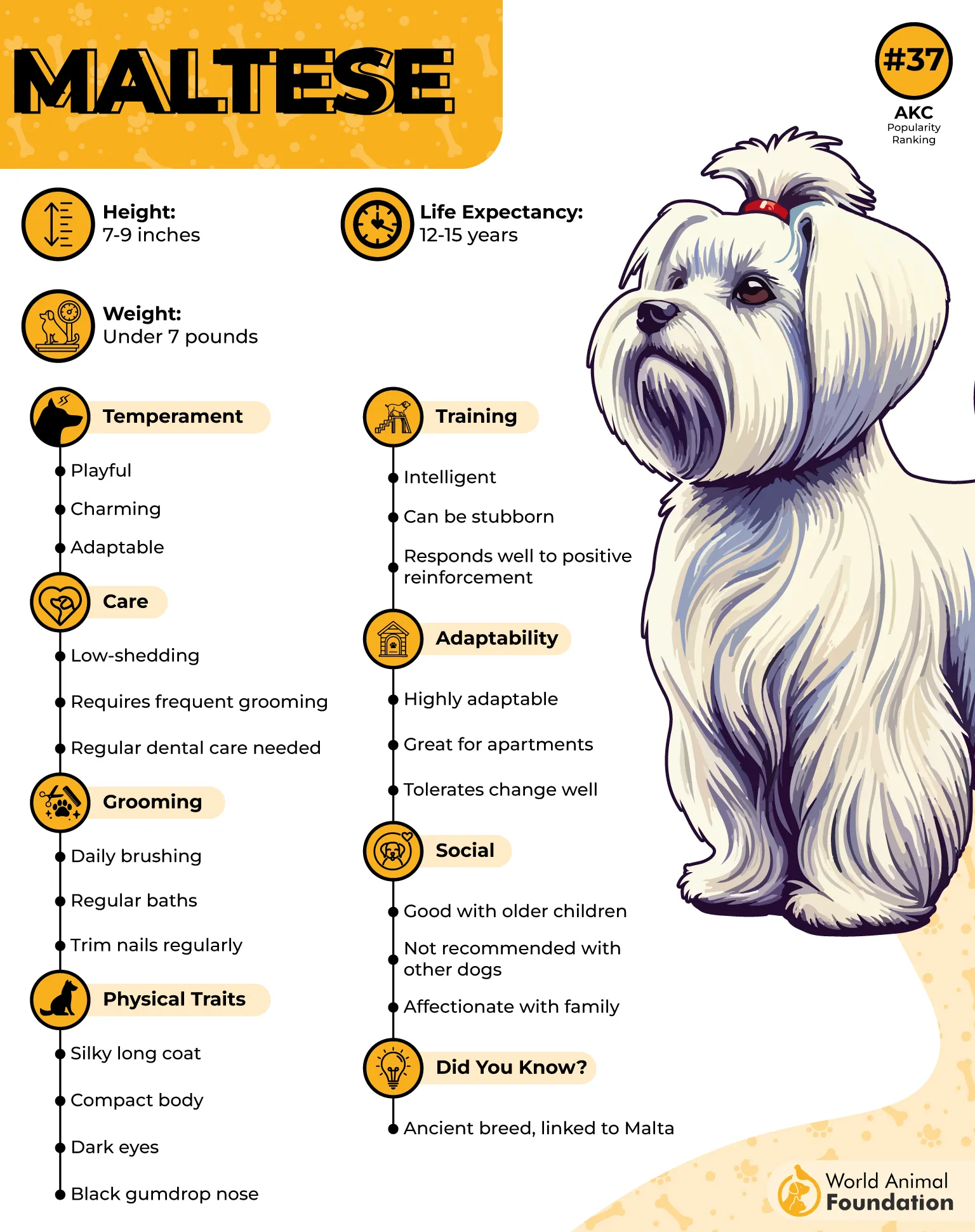
Maltese are tiny, affectionate toy dogs known for their luxurious white coats and playful personalities. They originated on the Mediterranean island of Malta and have been loyal companions for centuries.
Their history can even be traced through Ancient Greek and Roman literature. Today, they are adaptable, friendly, and devoted dogs that love staying close to their people.
Playful, Affectionate, and Alert
Maltese love human attention and are happiest sitting on their owners’ laps. They are lively, playful, and seem to keep their puppy-like spirit for years.
They enjoy playing with family members and generally get along well with other dogs and pets. Their small size also means they can happily run around the house or garden and usually only need short walks. AKC says they also make alert watchdogs and will bark when someone comes to the door.
Grooming and Companionship Needs
The Maltese coat is long, straight, silky, and low-shedding, but it needs plenty of care. Daily brushing and frequent bathing help prevent matting and keep the coat in good condition. Maltese are sometimes described as hypoallergenic, although no dog is completely allergen-free.
Maltese can also struggle when left alone and may become destructive, so they are best suited to homes where they can receive plenty of companionship and attention.
7. Pug
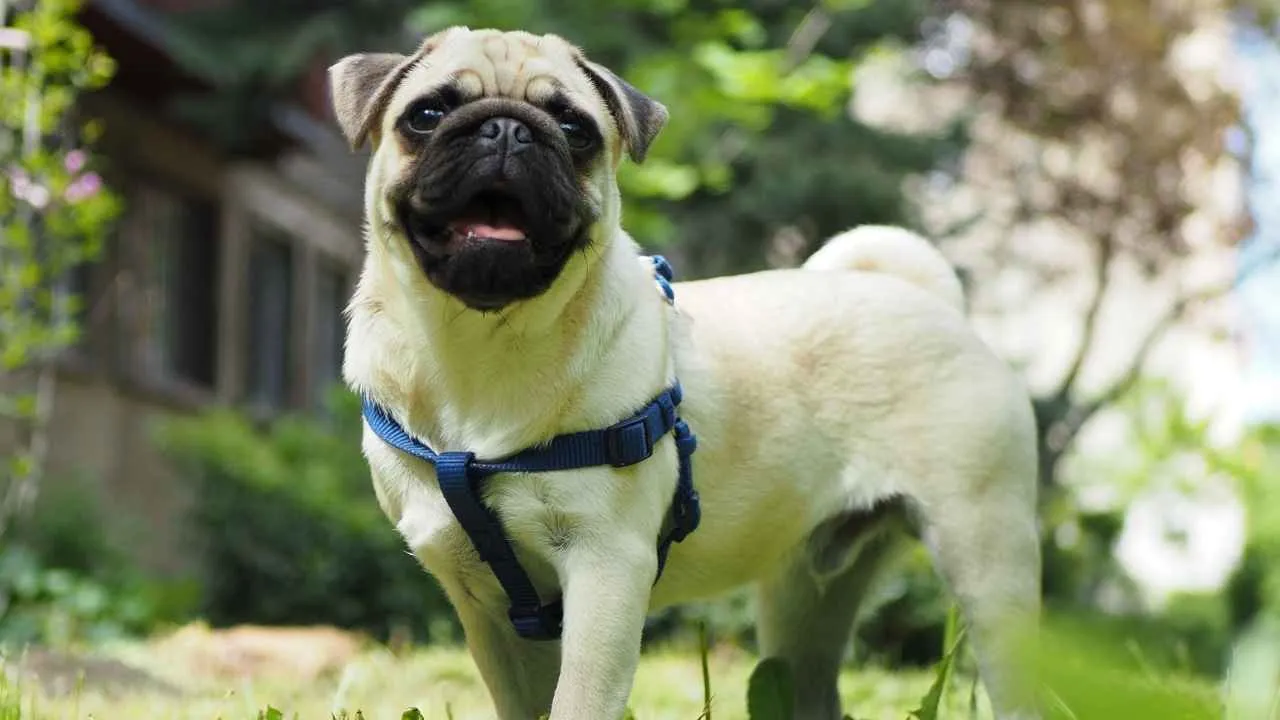
Pugs are ancient companion dogs that originated in China around 2,000 years ago. They were once favored by royals and have remained popular family pets.
Known for their flat, wrinkly faces, curled tails, and cheerful personalities, Pugs are affectionate, playful, and full of character. They enjoy being close to their people and love feeling involved in everyday family life.
Playful Yet Calm Personalities
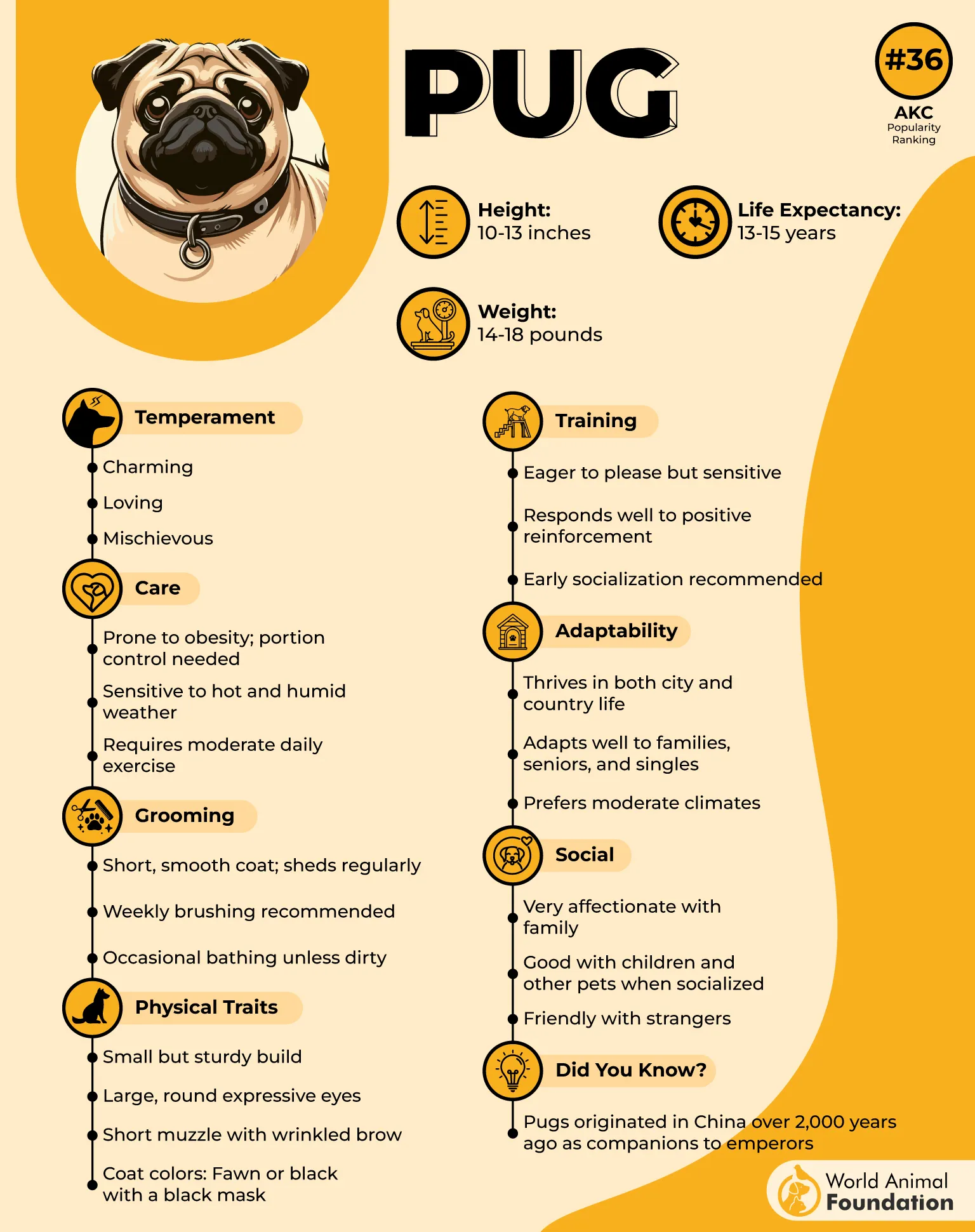
Pugs are friendly, affectionate, and confident dogs that enjoy attention from their families. They are good with children, other dogs, pets, and strangers, and are rarely aggressive.
They love playing and can be quite mischievous, but they also have a calm side and are happy to spend plenty of time sleeping on their favorite chair. Their moderate barking can also make some Pugs good watchdogs.
Exercise and Indoor Living Needs
Pugs do not need intense exercise and are not suited to high-energy activities such as running or agility. Several short walks of around 15–20 minutes can provide a suitable routine, along with low-key activities such as casual walks or a quick game of fetch.
Because of their flat faces and narrow airways, Pugs can have loud breathing and snoring and may struggle with extreme exercise or hot climates. They do best as primarily indoor dogs with controlled outings.
Conclusion
Living in a small home does not mean you have to miss out on having a loving canine companion. From affectionate lap dogs to playful and adaptable breeds, the right dog can enjoy a cozy space while still getting the exercise, attention, training, and care they need.
Before bringing one home, think about the breed’s energy level, grooming needs, exercise routine, and need for companionship.
A smaller home can be a happy place for a dog when its everyday needs are understood and met. Sometimes, the best companion is the one that simply wants to share your space and be part of your daily life.
