




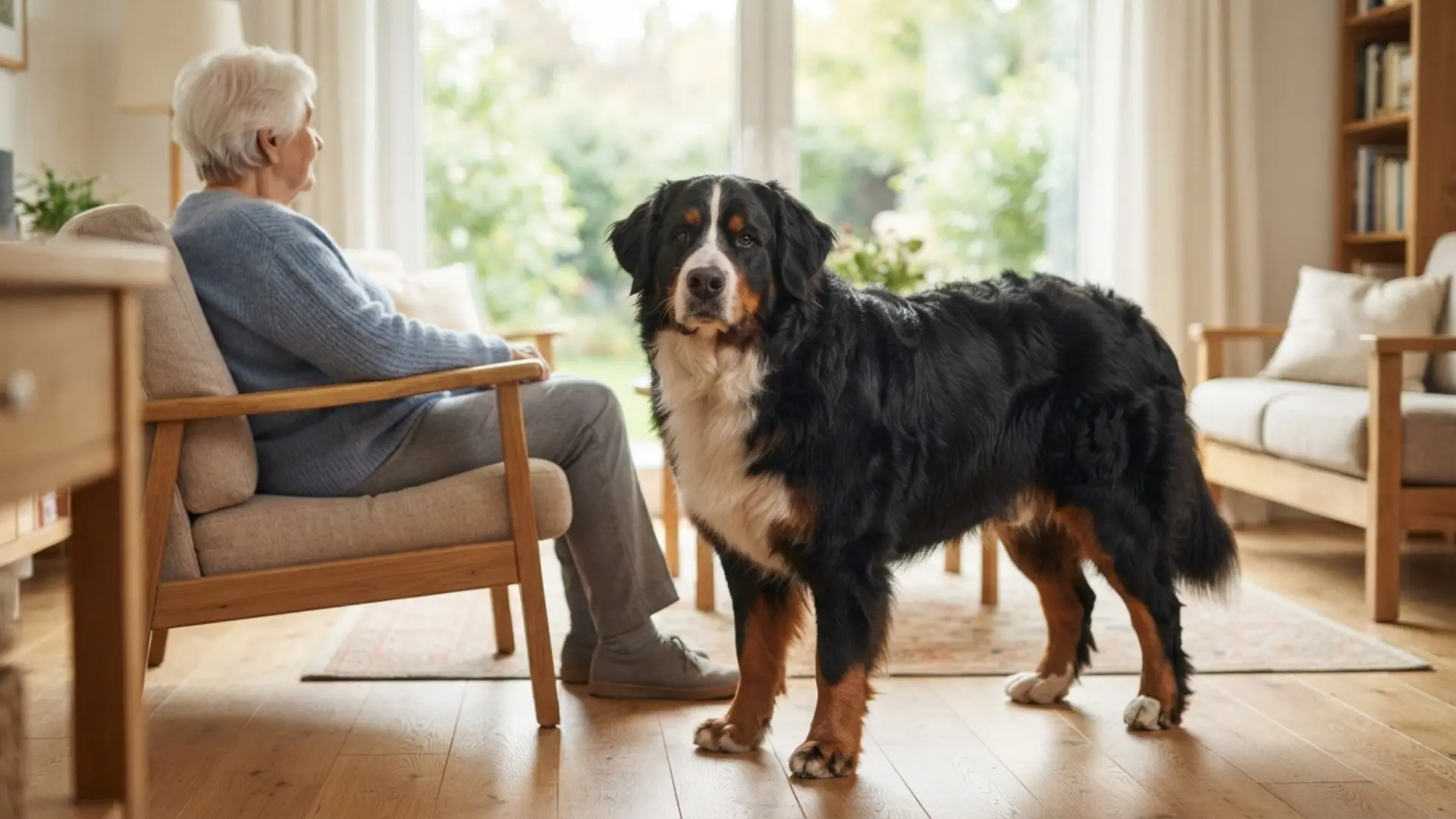
A dog can offer an older adult companionship, structure, and a sense of security. Another plus with these breeds is that they don’t need to act aggressive to make their owners feel safe, since their imposing presence is often enough.
A good dog for a senior doesn’t have to chase strangers, react to every noise, or patrol the property nonstop. A larger dog that is alert, notices unusual behavior, stays close to its owner, and has a naturally watchful demeanor can be plenty.
That said, the needs of guard breeds deserve some thought, too. They require consistent training, regular grooming, and mental stimulation. Seniors should prioritize early puppy training and look for a protective dog with a steady temperament.
The breeds below were originally bred to be deeply loyal protectors. Some are extremely vigilant, some have a commanding presence, and some have a proven track record when properly trained.
Reliable Dog Breeds That Protect Seniors with Gentle Guarding
1. Newfoundland
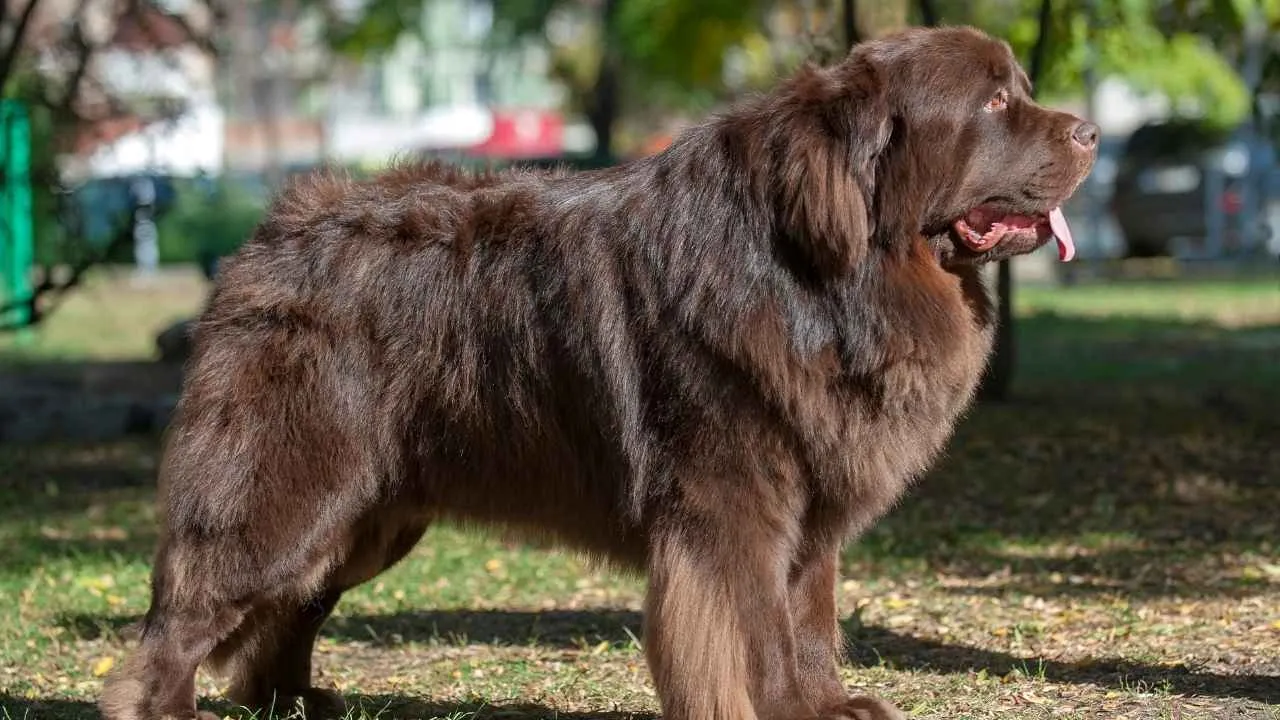
The Newfoundland isn’t a traditional guardian dog, but its rescue skills and love of water give it a protective style all its own.
These dogs have a long history of working alongside fishermen and helping with difficult water tasks. They’re strong, capable swimmers who were always ready to lend a hand, which earned them a reputation as reliable working partners.
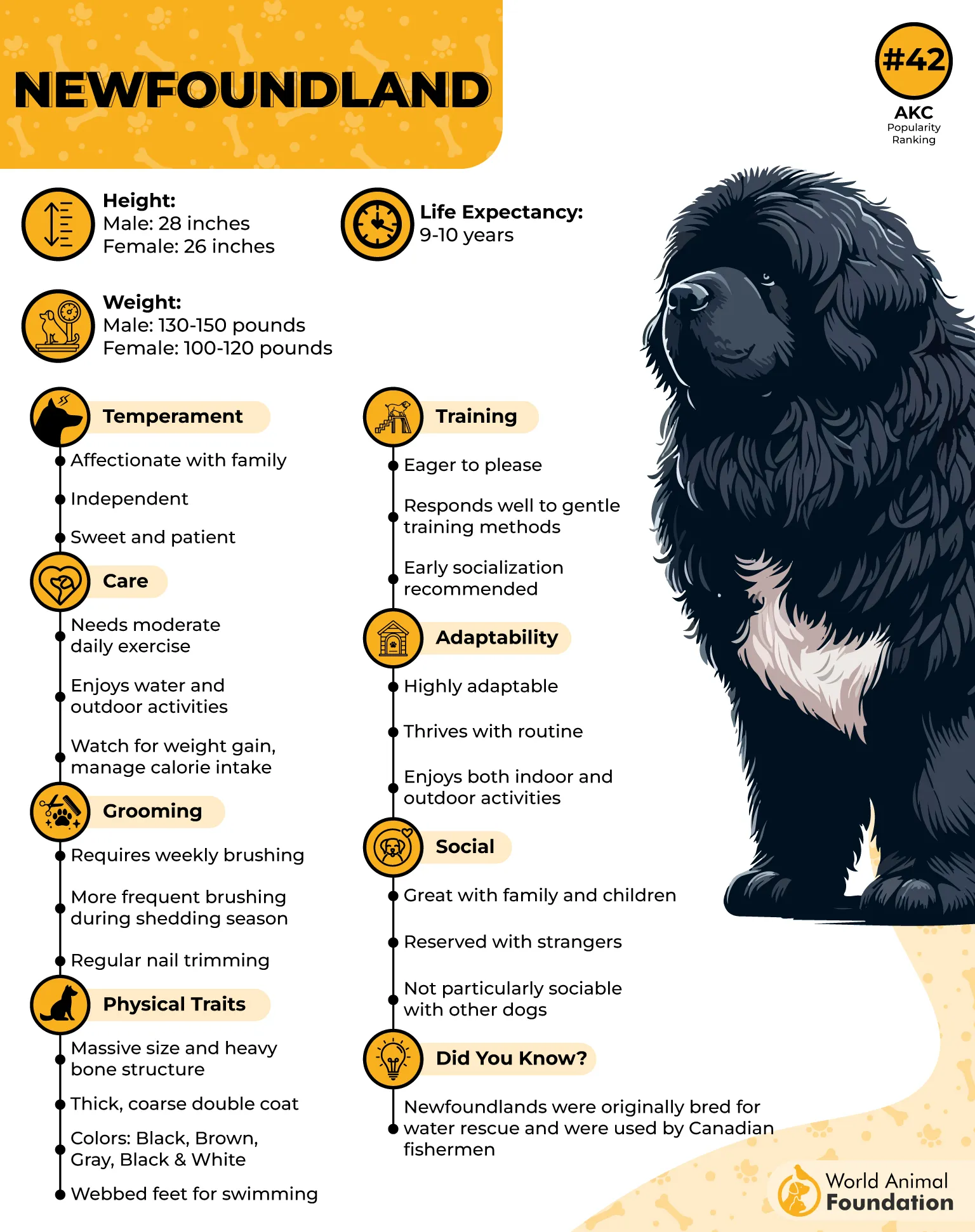
A Newfoundland can also make a big physical impression around the house without a bad temper to match. It’s naturally attentive, which can help an owner feel less alone. It’s generally friendly, too, so it’s unlikely to cause conflict with visitors and often prefers spending time with them.
The breed’s most practical challenge is its size. Start training early so your dog learns to walk nicely on a leash, wait at doors, and respond reliably to basic commands. Newfoundlands also benefit from regular exercise, including a few long walks throughout the day. Their dense coat is better suited to cooler weather, so they need extra care when it’s hot.
2. Leonberger
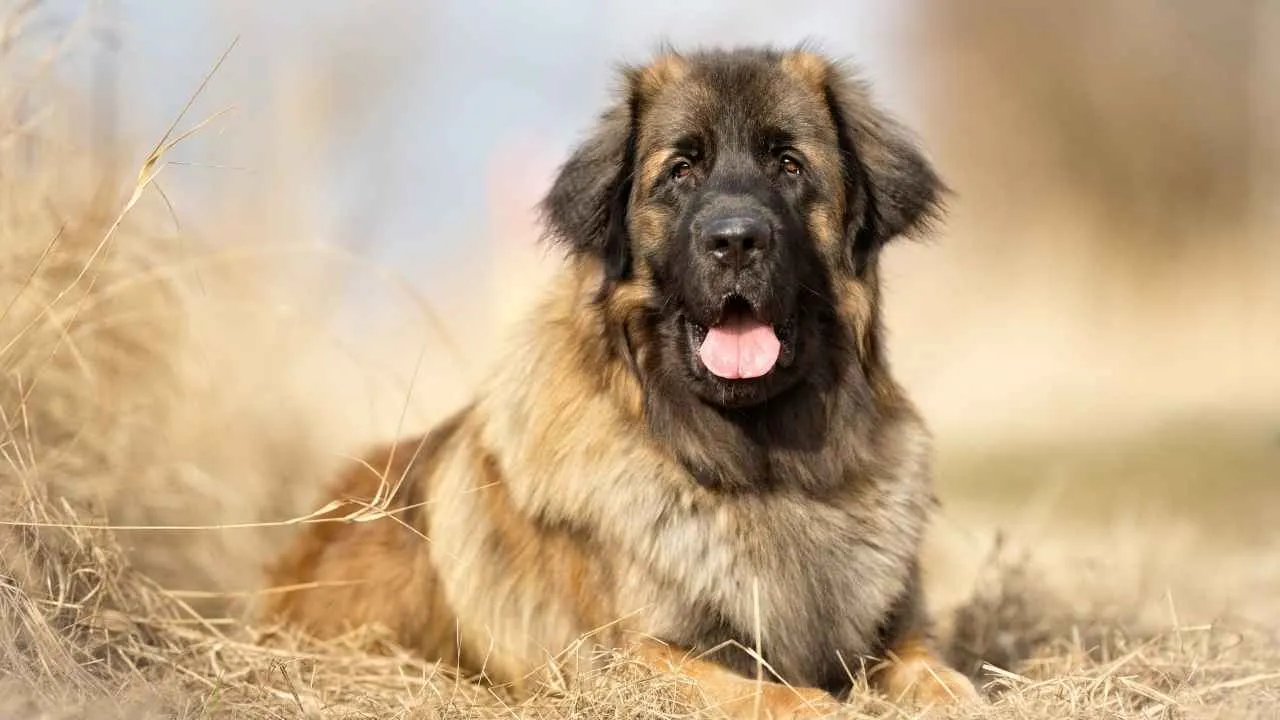
Described as a strong, muscular dog by PetMD, the Leonberger can be a good match for an older household, since it has an imposing appearance and is generally quiet.
The breed is gentle, friendly, affectionate, and patient. Leonbergers can also work as therapy dogs and tend to be calm indoors. They like to keep their family close, and they’re often more easygoing than many other breeds in the guardian group.
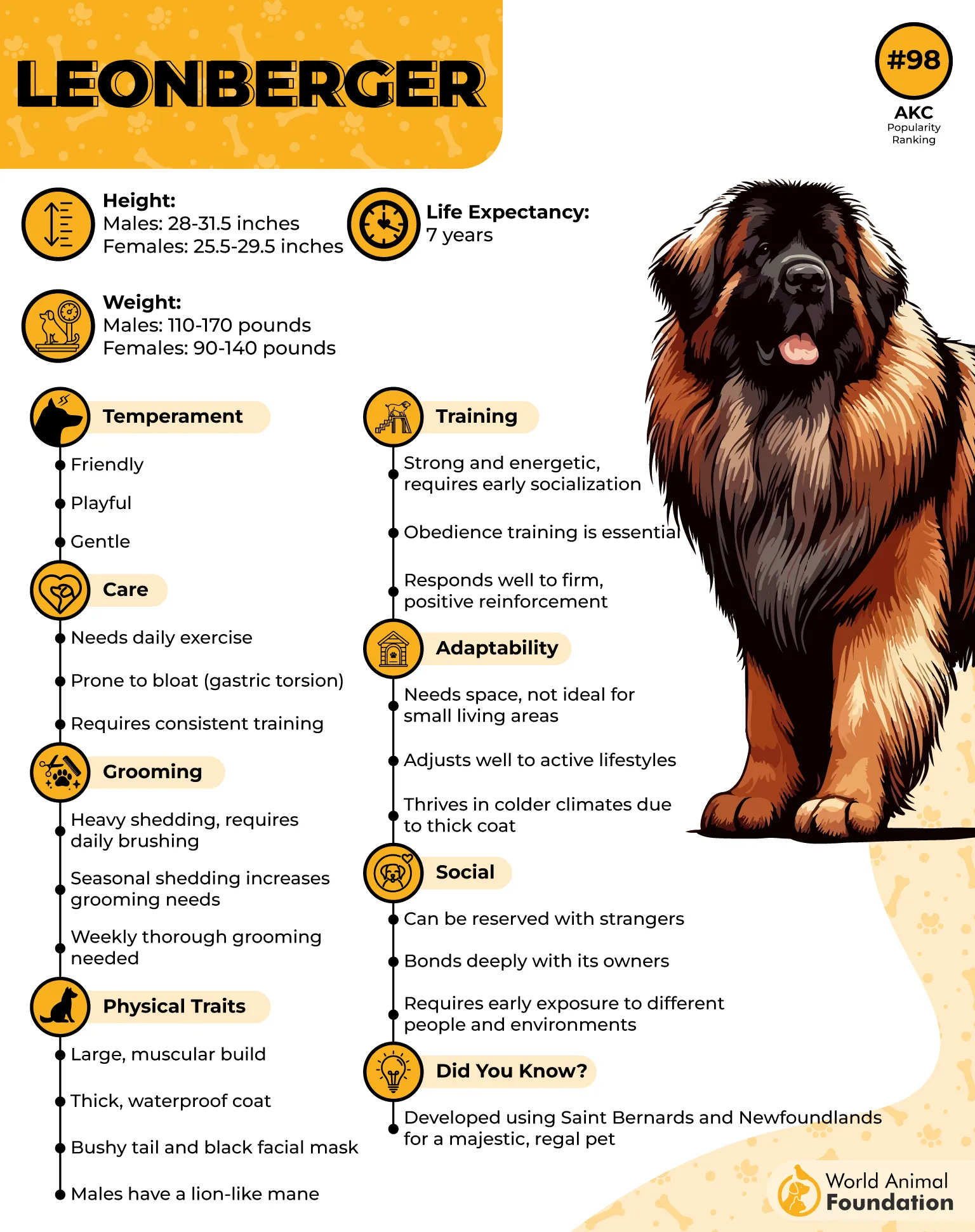
Unlike a smaller dog, this large breed can be a strong visual deterrent to a potential intruder without being aggressive. Its friendly attitude toward strangers means it will usually be curious and alert when meeting someone new, while its warm nature keeps the household relaxed.
Another plus is that a Leonberger doesn’t need an intense workout every day. Regular walks, family activities, and time with its owner can provide plenty of stimulation.
3. Bernese Mountain Dog
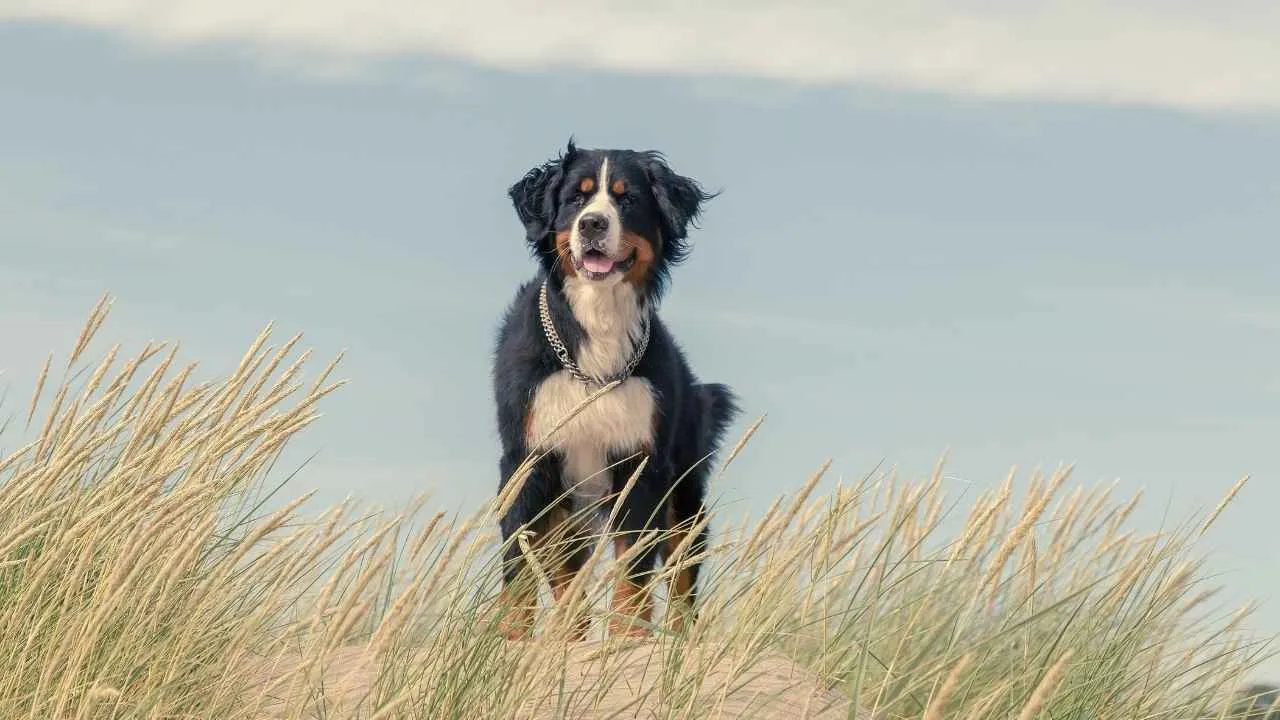
This gentle giant looks after the security of the home in a quieter way.
The Bernese Mountain Dog was developed in Switzerland as a farm dog and handled a variety of jobs, including guarding, pulling carts, and moving stock. Modern Berners are family-oriented, loving, calm, and loyal.
They’re a little reserved with strangers but deeply devoted to the people at home. That makes them a good fit for a senior who wants a dog that will give a heads-up about visitors and stay wary of strangers.
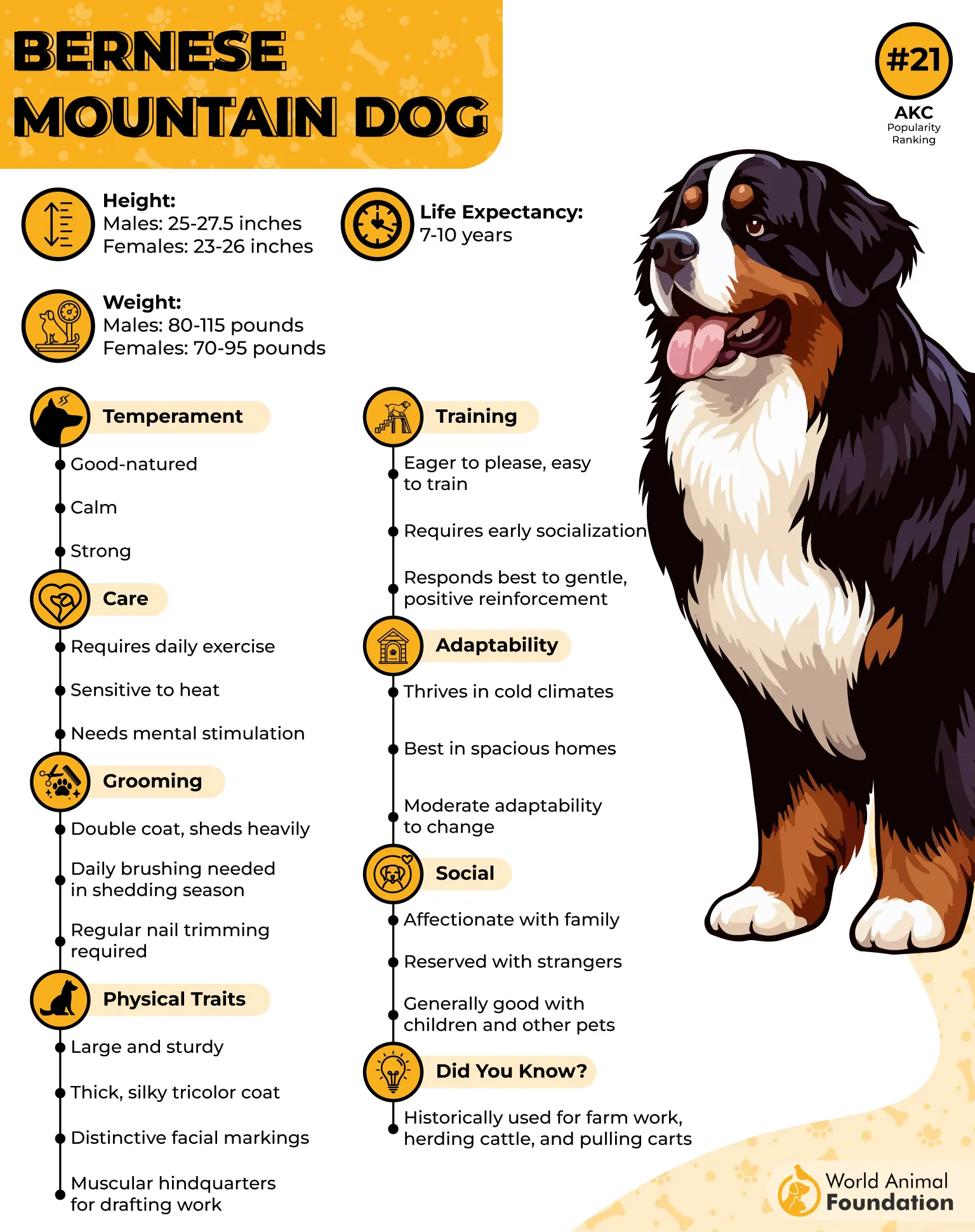
They aren’t ideal for warm climates, according to Britannica. The thick coat that protects them from the cold can be a problem in hot weather. If you live somewhere warm, make sure your dog has shade and water, and save exercise for the cooler parts of the day.
Their exercise needs are fairly balanced. Many adult Bernese Mountain Dogs do well with moderate daily exercise, though individual needs vary. Overall, this isn’t a true guard dog but an alert, quiet, family-loving breed.
4. Great Dane
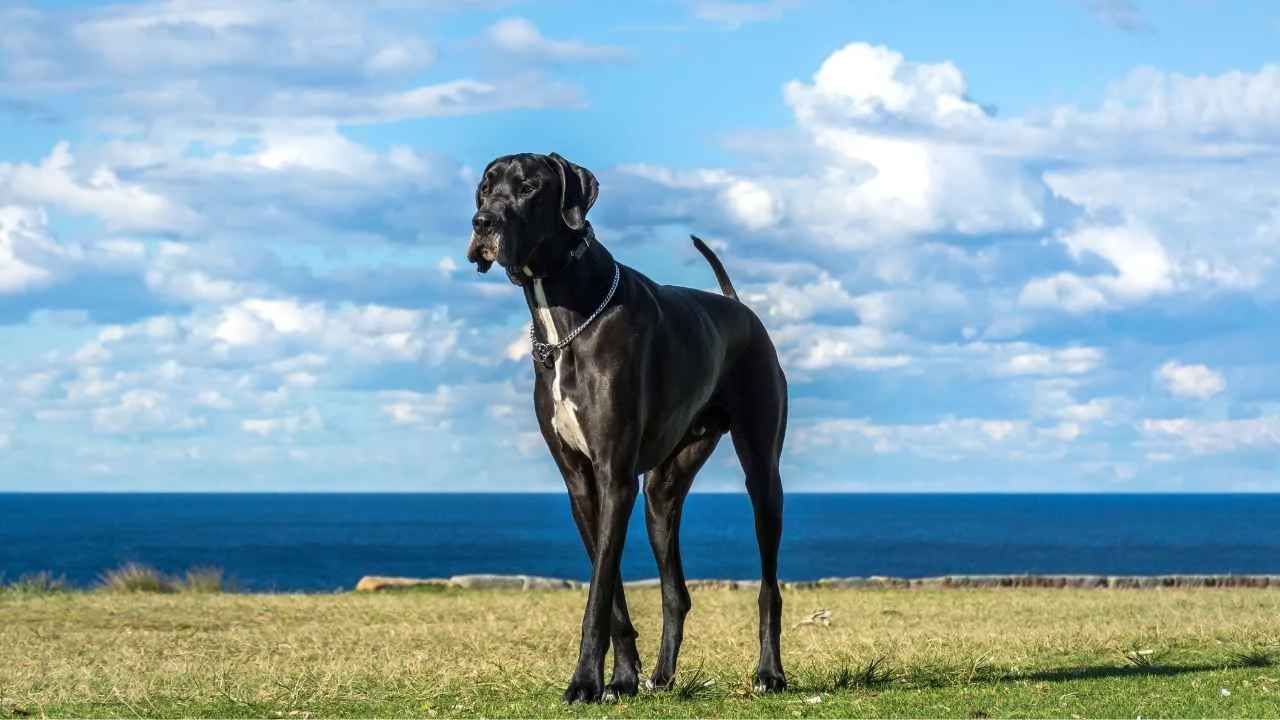
Called “a total joy to live with” by the American Kennel Club, the Great Dane is a protective breed that doesn’t need to be territorial.
Its impressive size can intimidate strangers, but the breed is generally friendly, patient, and reliable. Great Danes don’t have the strong territorial instincts of some other guardian breeds, though they can still make good watchdogs.
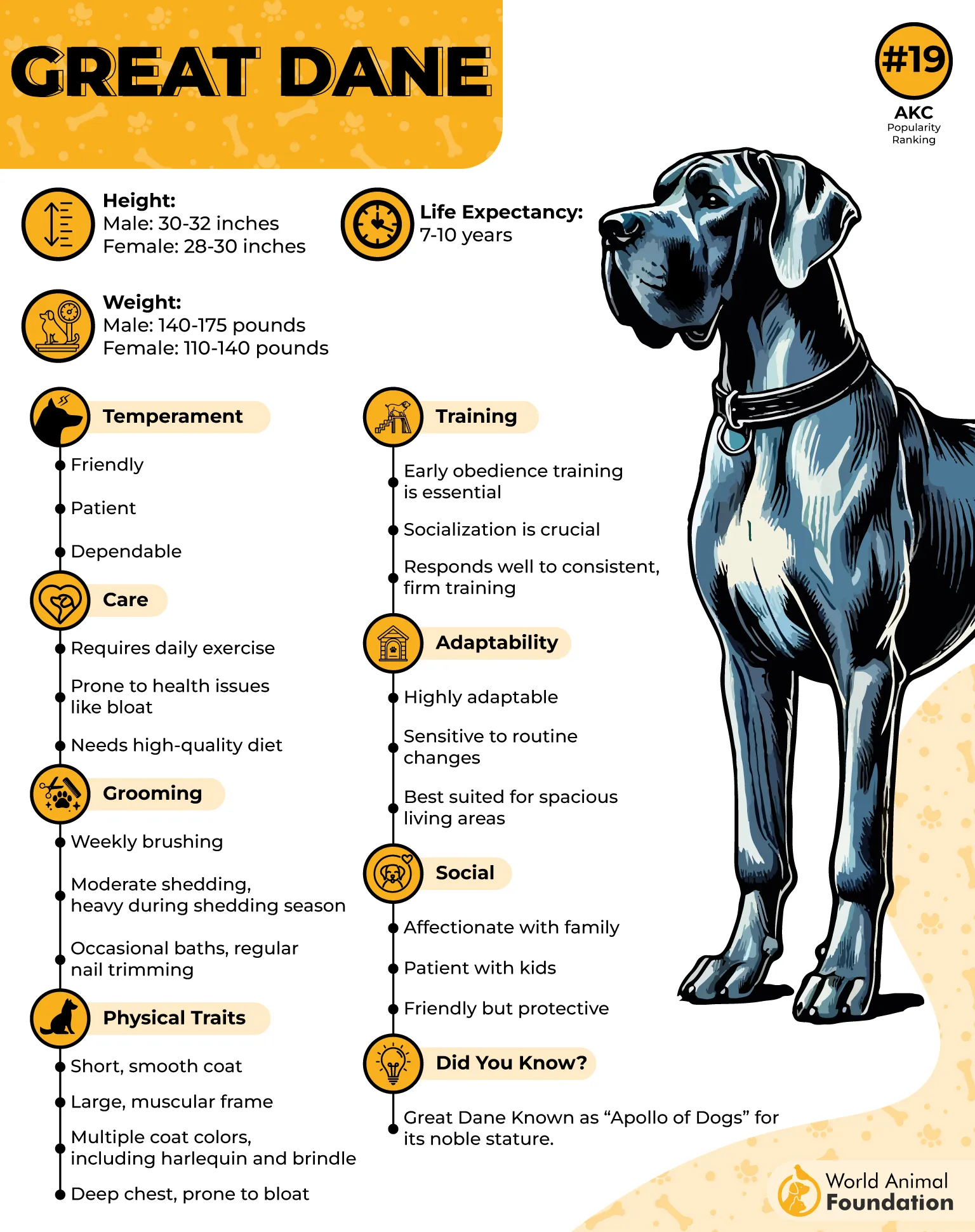
They also form close bonds with their families and would rather be with their people than spend long stretches outdoors. They have good indoor manners and make fine house pets as long as they get enough daily exercise.
Training is a must, because even a friendly Great Dane has tremendous strength. An older owner may struggle to manage the breed if it pulls toward another animal or rushes the door. On the plus side, its short coat makes grooming much easier than it is with thick or long-haired breeds.
5. Great Pyrenees
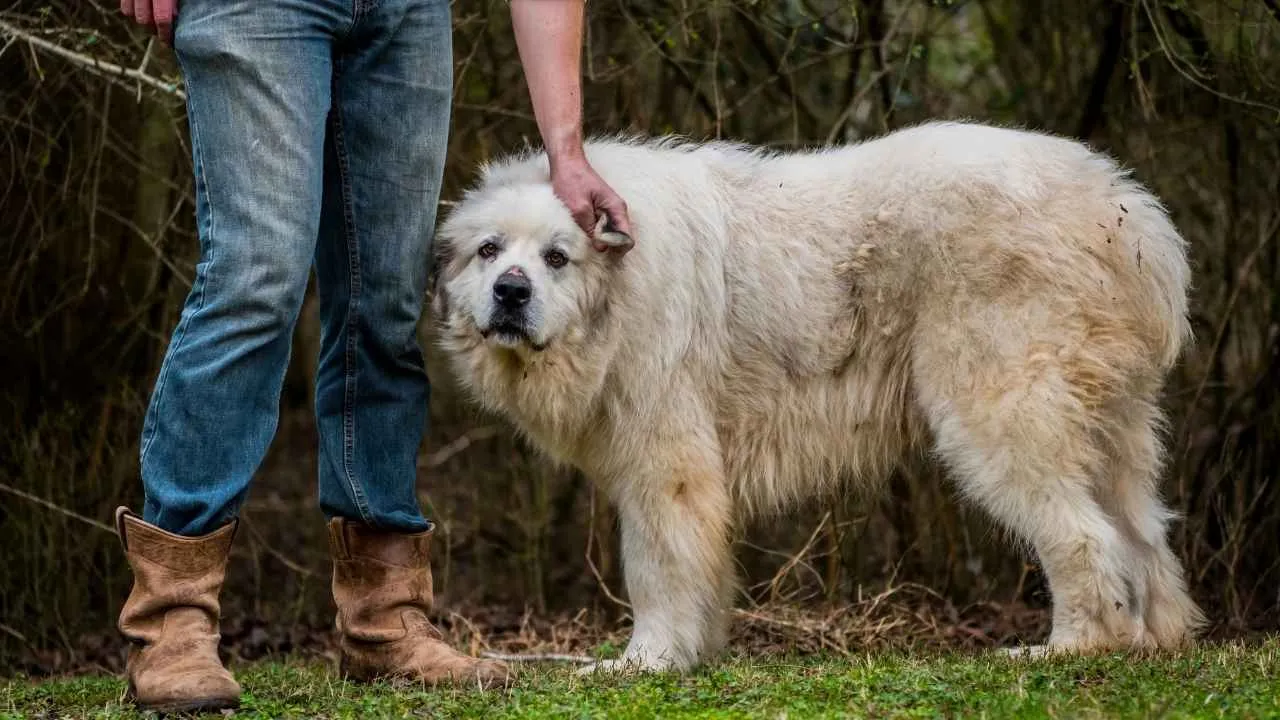
If you’re in the market for a new dog, the Great Pyrenees is one of the best examples of a breed developed to protect other animals, especially the vulnerable ones.
These dogs have been used for centuries for livestock protection, often working without human supervision. That background has produced a dog that watches the world calmly and knows when something deserves attention.
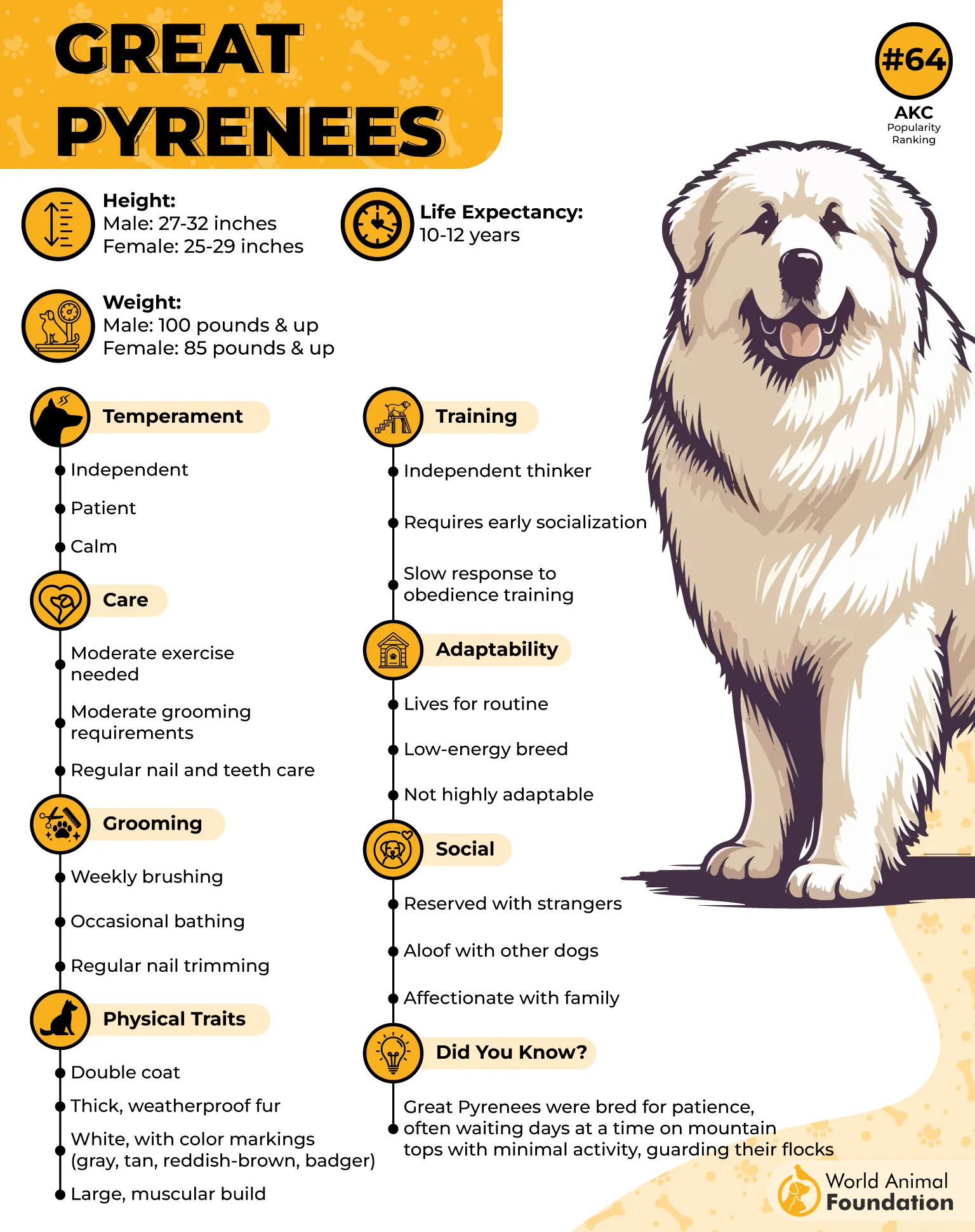
Pyrs may spend much of their day resting and observing. When something unusual happens, though, their instincts kick in. The breed is also known as a watchdog and will sound the alarm when strangers are nearby or something seems off.
Seniors should also consider whether they can handle such a strong dog. The Great Pyrenees is a better choice for an owner who can teach good manners early.
6. Saint Bernard
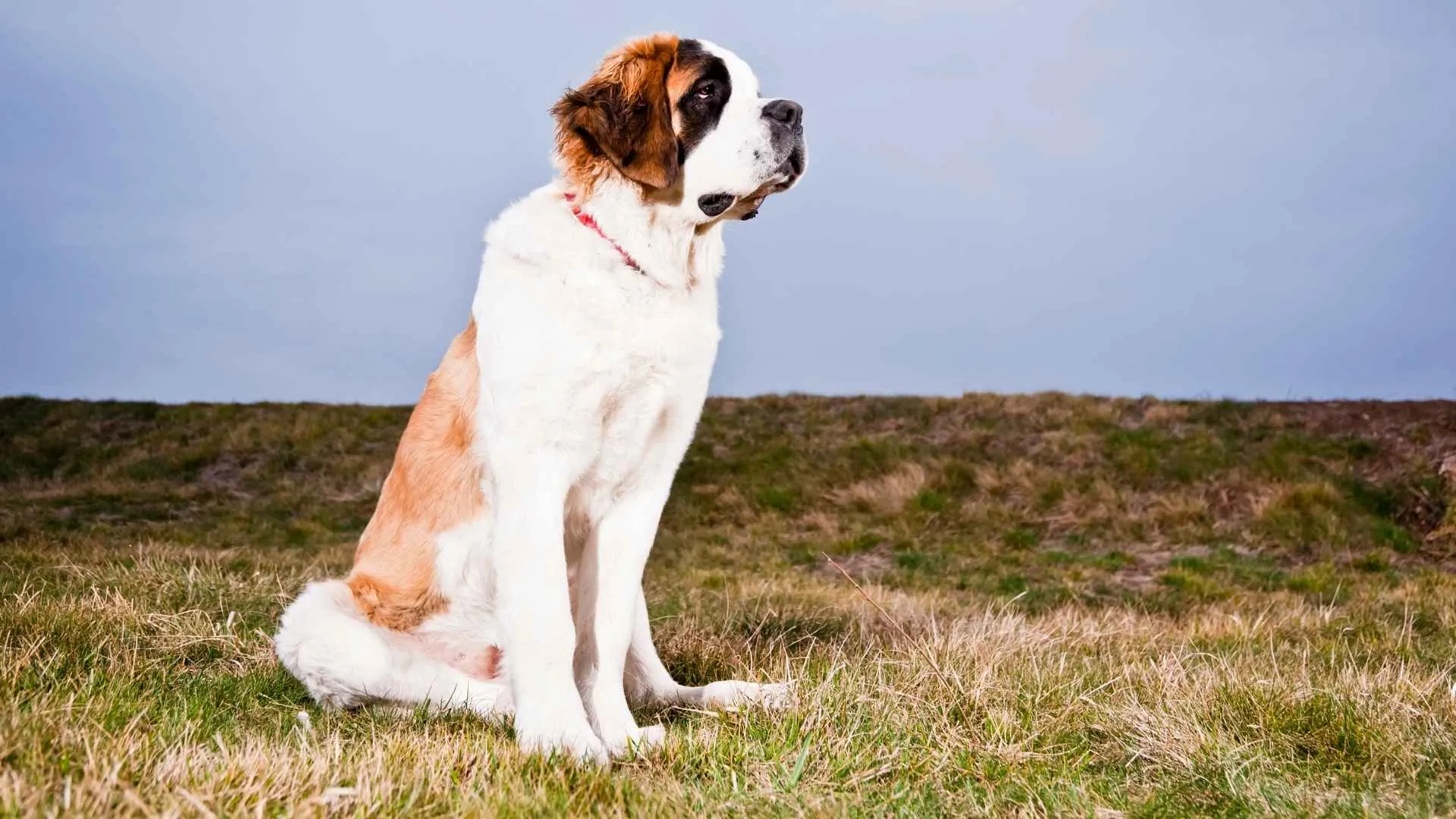
The Saint Bernard has some of the deepest historical roots in protection and assistance.
The breed was made famous by the monks and rescuers at the Great St. Bernard Pass in the Alps. These affectionate dogs were used to search for travelers lost in the snow and could even work without their handlers.
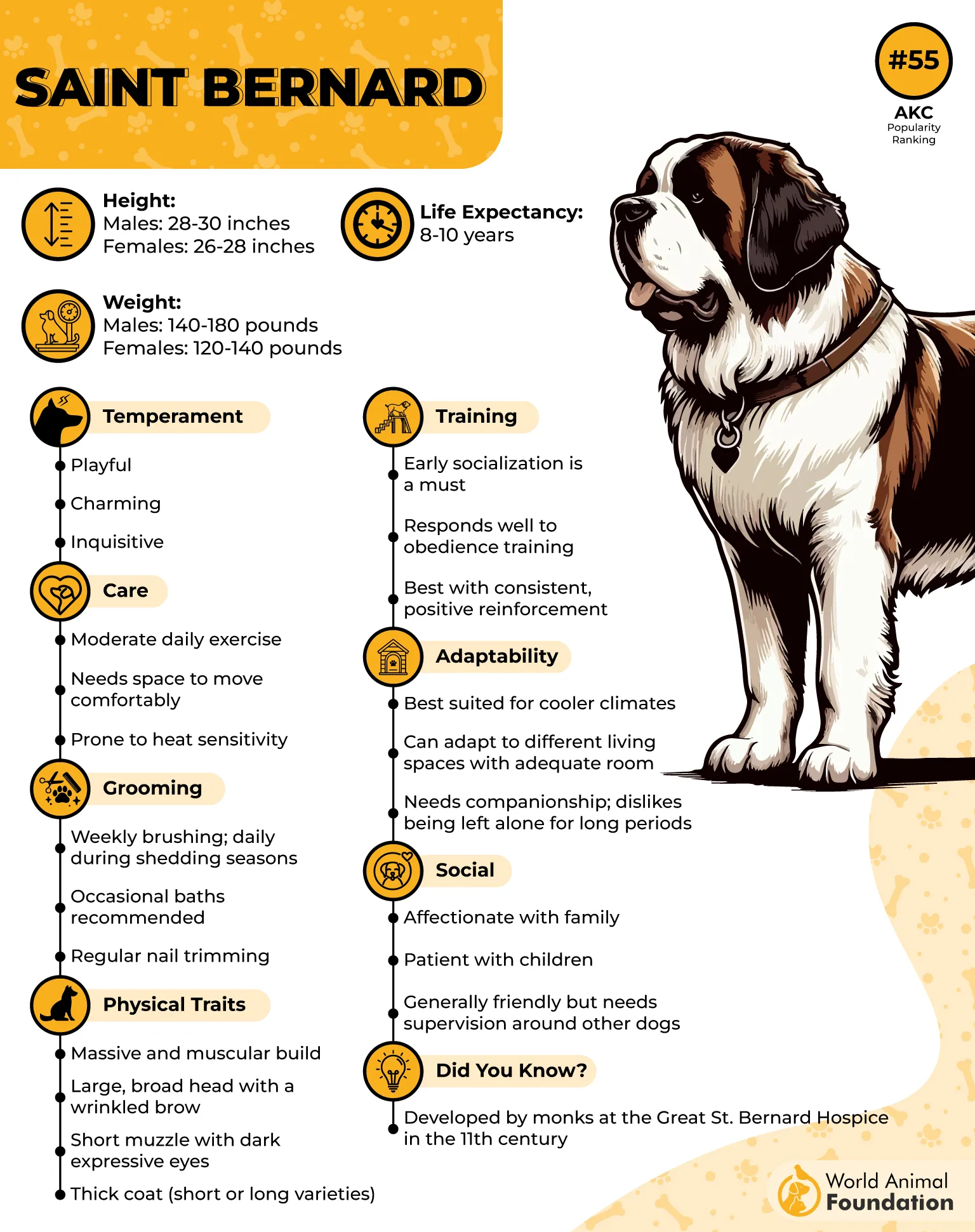
Saint Bernards tend to be quiet family dogs. They’re watchful, patient, loyal, and protective. Proper training matters, though, because a Saint Bernard with poor manners is much harder to handle. They have moderate exercise needs and do best with regular activity to stay healthy and content.
Heat is another factor. This is a cold-weather breed, so owners in hot climates need to be careful, especially seniors, who may be less inclined to head outside in extreme heat. Grooming is also part of the deal, since shedding and drooling come with the territory.
7. Bullmastiff
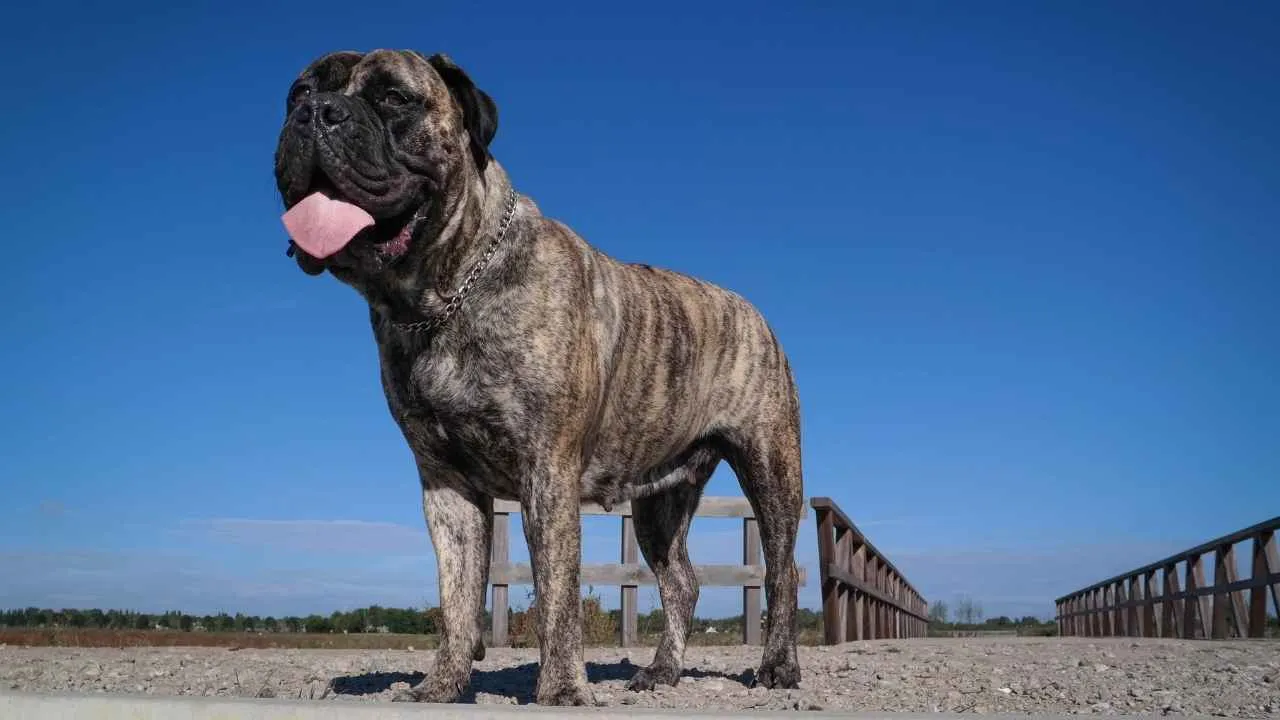
The Bullmastiff is one of the clearest examples of a breed developed for controlled guarding.
It was bred in England to help gamekeepers protect game estates from poachers. Its job was not to chase intruders over long distances but to find them and hold them in place.
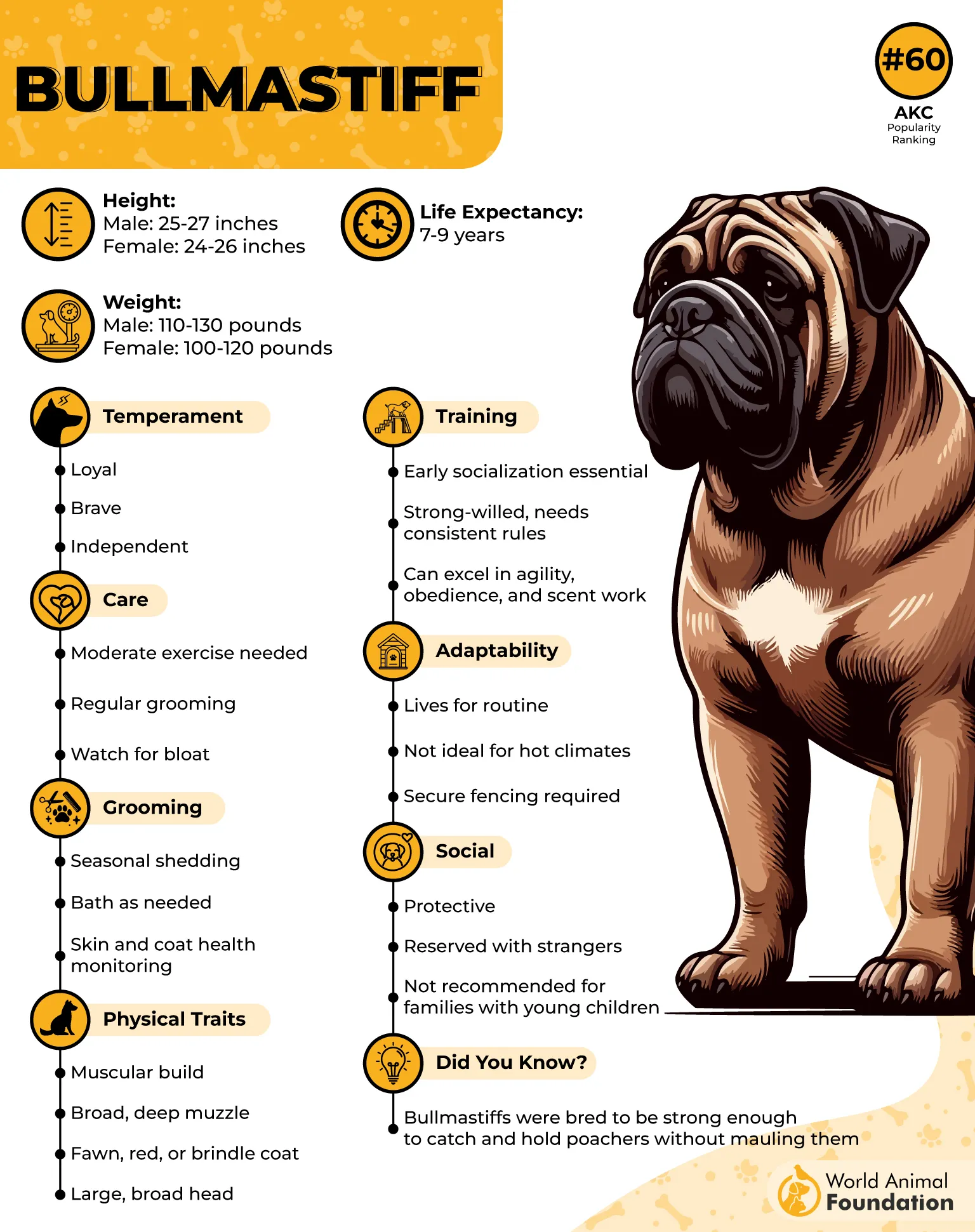
Bullmastiffs can be suspicious of strangers, which makes early socialization a must. Still, that trait can suit a senior who wants a formidable dog with a genuine protective instinct rather than one that simply looks intimidating.
They don’t need intensive exercise, either. Most adults do well with moderate stimulation, and regular walks usually provide it. Their short coats keep grooming fairly simple, though the facial wrinkles need occasional cleaning, and drooling is part of the package.
Conclusion
Choosing the right guard dog breed depends on the senior’s abilities and lifestyle. Don’t pick a large dog just because it looks protective. Leash control, getting outside, exercise plans, grooming, vet bills, and the ability to manage a strong dog all matter.
Large and giant breeds can reach their senior years earlier, and mobility issues often become a bigger concern as they age. Regular vet care and sensible exercise help keep them comfortable and maintain their quality of life.
The right breed is the one that fits your lifestyle and becomes a friend rather than a burden.
