




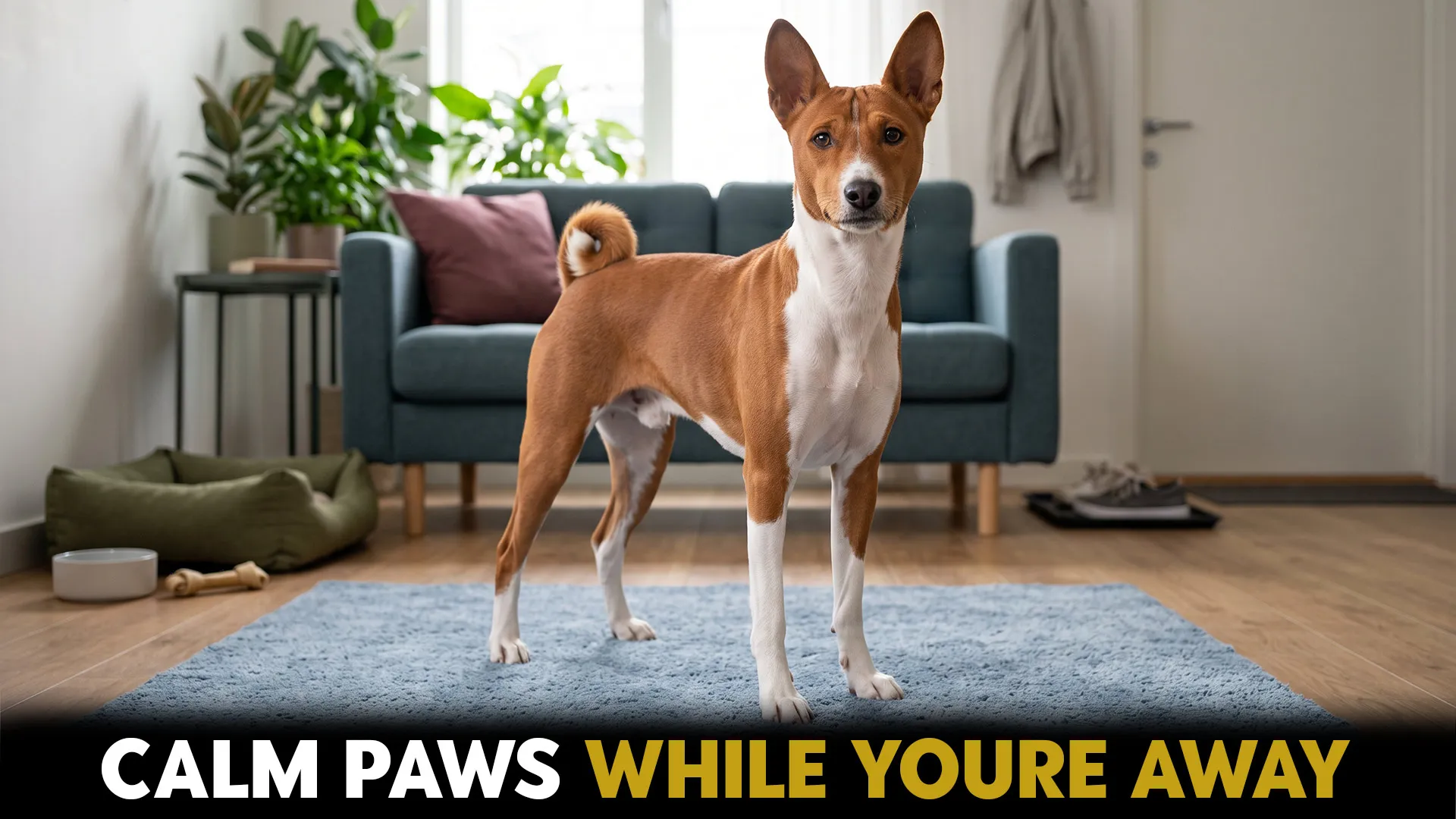
Busy days can make it harder to pick the right dog. Between work, errands, family plans, and long hours away, daily pet care can slip. There is a bright side, though. Some breeds handle a slower routine better than others. A breed labled as easy to care for may ask for less grooming, a fair amount of exercise, and straightforward daily attention.
Still, you should not expect any dog to be alone for long stretches every day. Puppies usually need more hands-on time. Many adult dogs can do well for a few hours on their own when the day has a steady routine.
The goal is to match the breed to your home, your energy level, and your schedule. With the right walks, toys, training, and kindness, several dogs can settle well in busy homes.
Some dogs seem like they are made for sports. Then they end up napping at home. Greyhounds are a clear example of that flip.
Other small breeds may need less grooming. They still want good mental games. Low maintenance does not mean no care. It just means the day-to-day part can feel simpler.
Low-Maintenance Dog Breeds Perfect for Home Alone
1. Greyhound
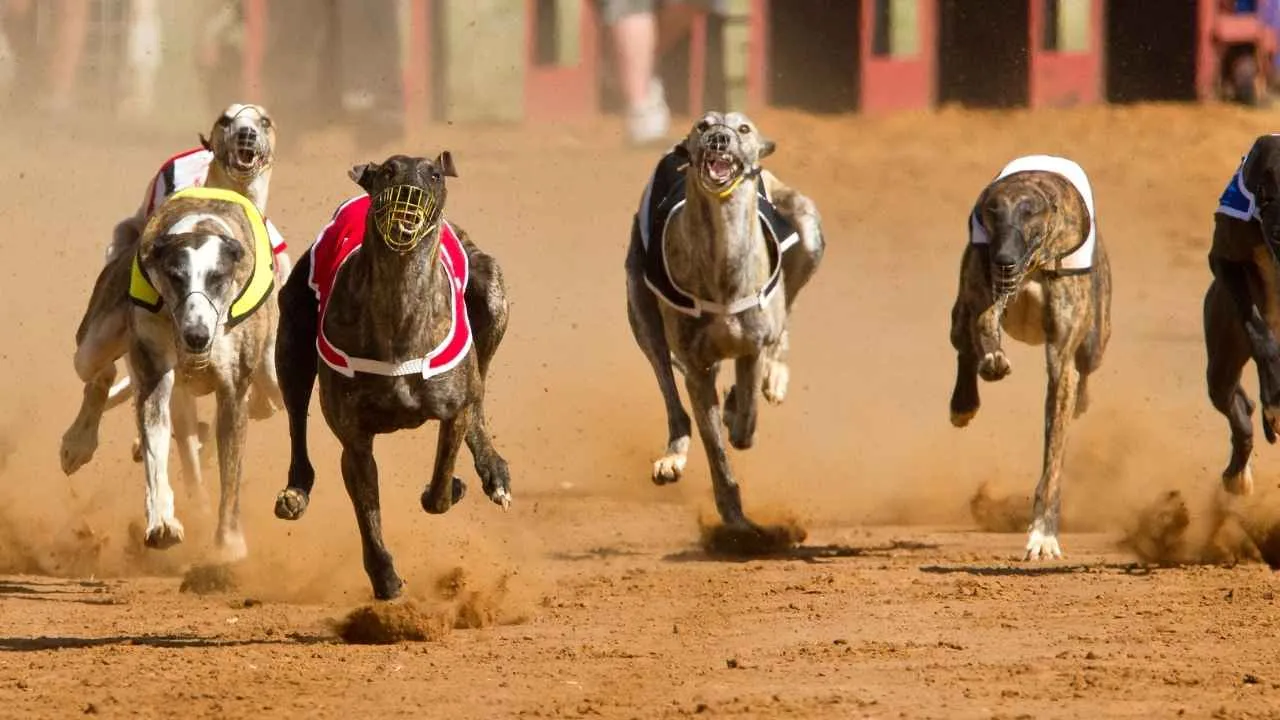
A Greyhound can look like a pure speed machine. Yet life indoors is often more relaxed. This breed has long legs, a lean shape, a deep chest, and a short coat. The result is a very bold look. After enough exercise, many Greyhounds choose a soft bed and quiet time at home.
Grooming is also fairly simple. The coat is short, so it does not take much work. A regular walk helps meet daily activity needs. A safe place to run can also help. Since the prey drive stays strong, outdoor time should be on a leash unless the yard is secure.
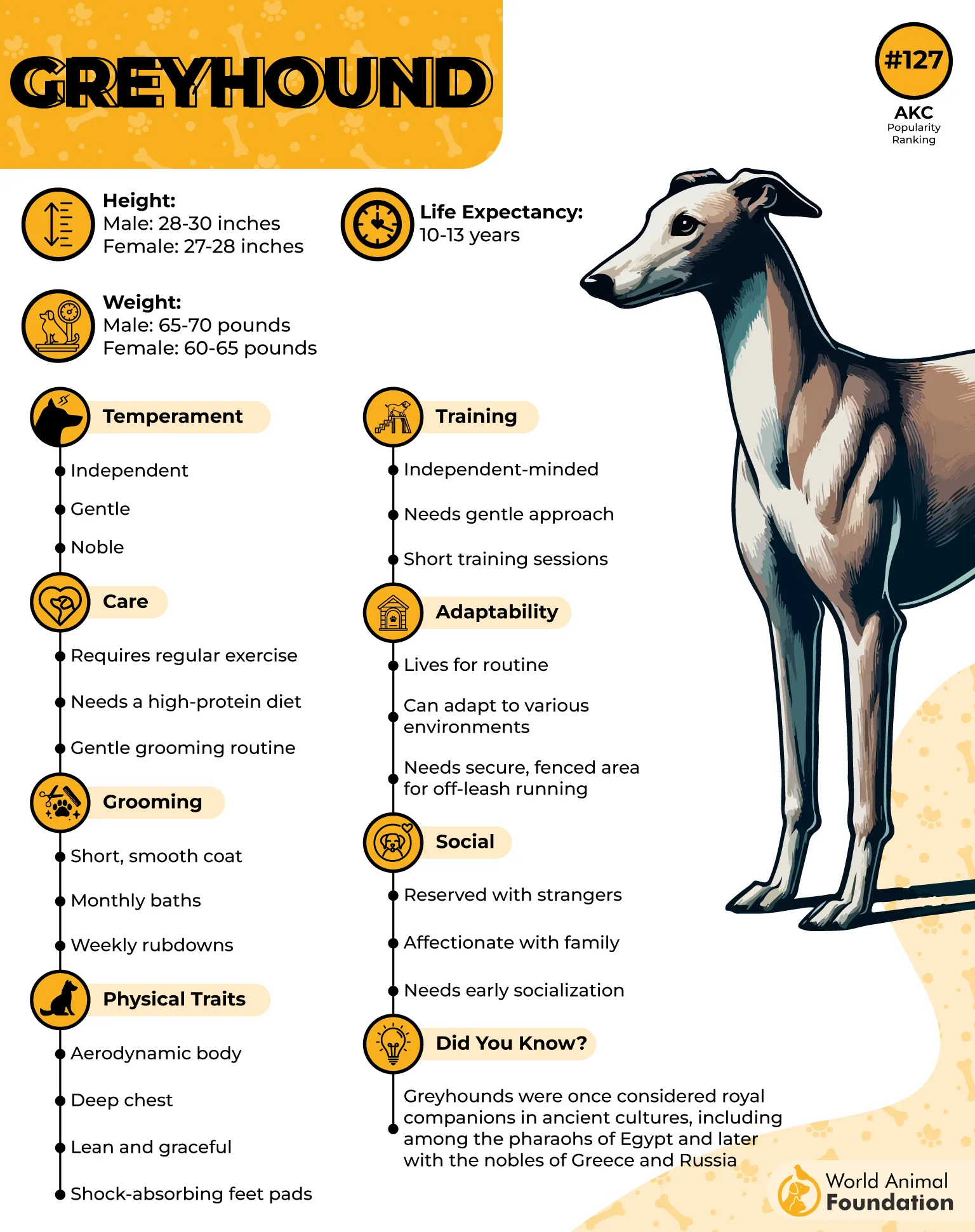
The Greyhound has a narrow frame, fast pace, calm temperament, and easy coat routine. Because of that, the breed can suit people who like an active-looking dog but do not want to manage a lot of grooming steps.
2. Chinese Crested

The Chinese Crested can add a lot of charm to an apartment or small home. It has two coat types. One is called Hairless. The other is called Powderpuff. Hair is mostly on the head, tail, and feet for Hairless dogs. Powderpuff dogs have a soft coat across the body.
Even if the word “Hairless” sounds like a total no-care plan, some work is still required. Hairless dogs need skin support and gentle protection. Powderpuff dogs do better with regular brushing to keep the coat tidy and smooth.
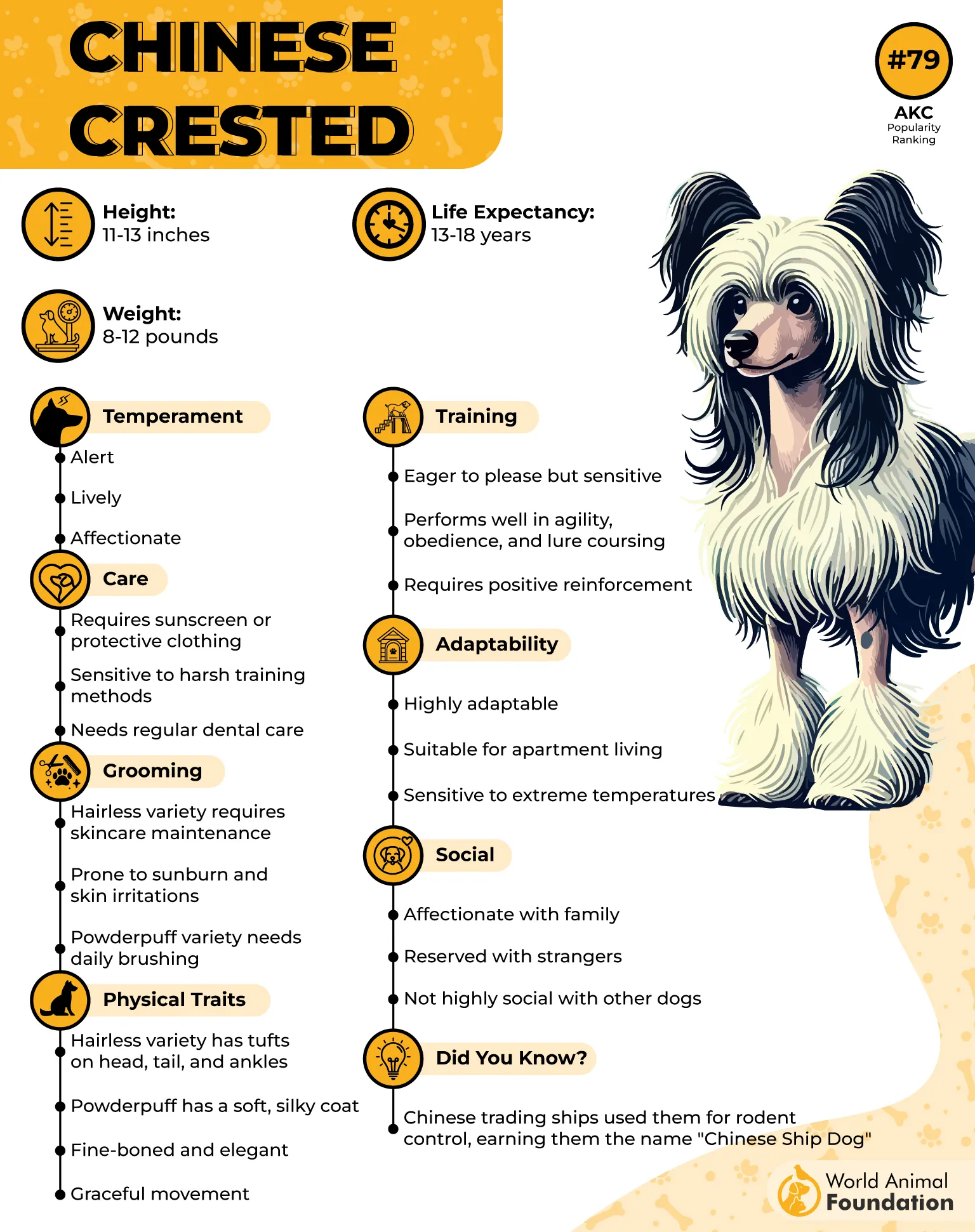
This breed also values time with people, so a pet owner should plan for play, kind contact, and a cozy spot to rest when the day is done. Hill’s Pet calls the Chinese Crested lively and loving. It also says both coat types still need routine care, even though they look quite different.
3. Basenji
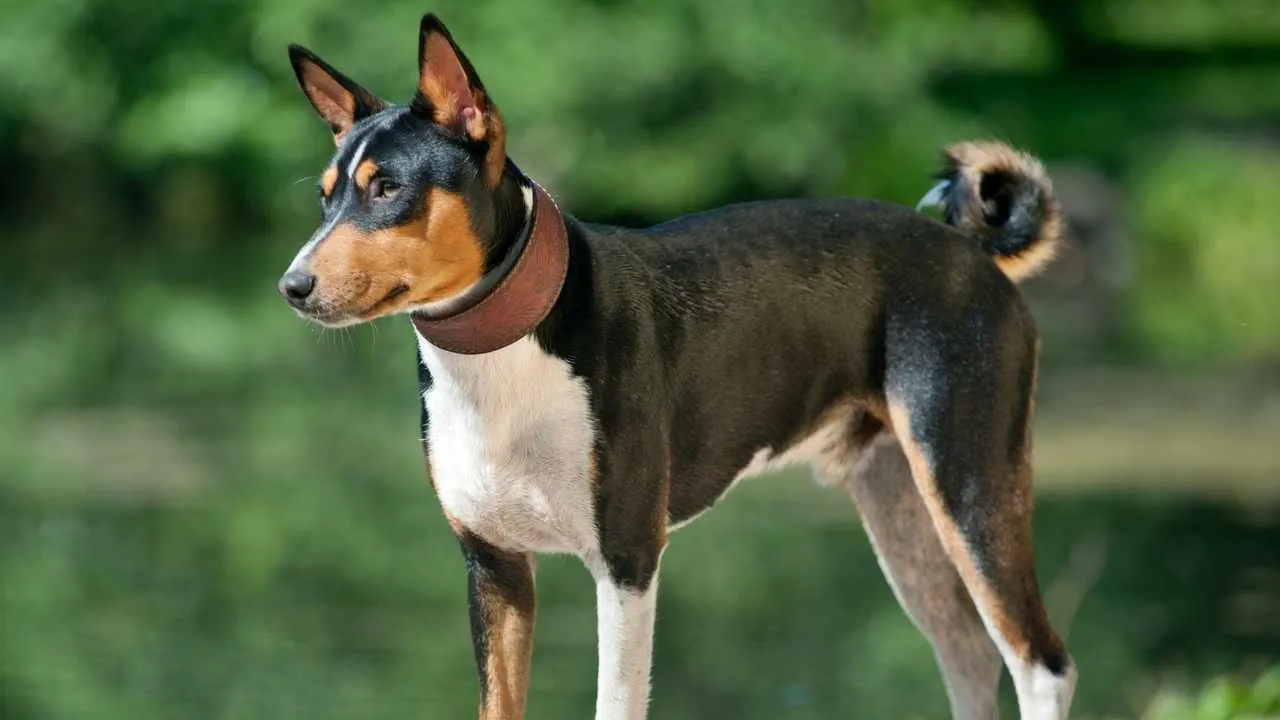
The Basenji stands out as a dog that can be self-driven, yet it is known for staying neat. This small hound has a short coat that usually needs less grooming. Many Basenjis keep themselves clean in a cat-like manner. For some homes, that can mean fewer coat chores on busy days.
For busy households, one key point matters: a Basenji still needs something to do each day. Simple walks help, and short play sessions work well too. Puzzle toys can keep them busy when you are away. Small training games also help them focus. If they do not get enough to occupy their mind, they may get into trouble.
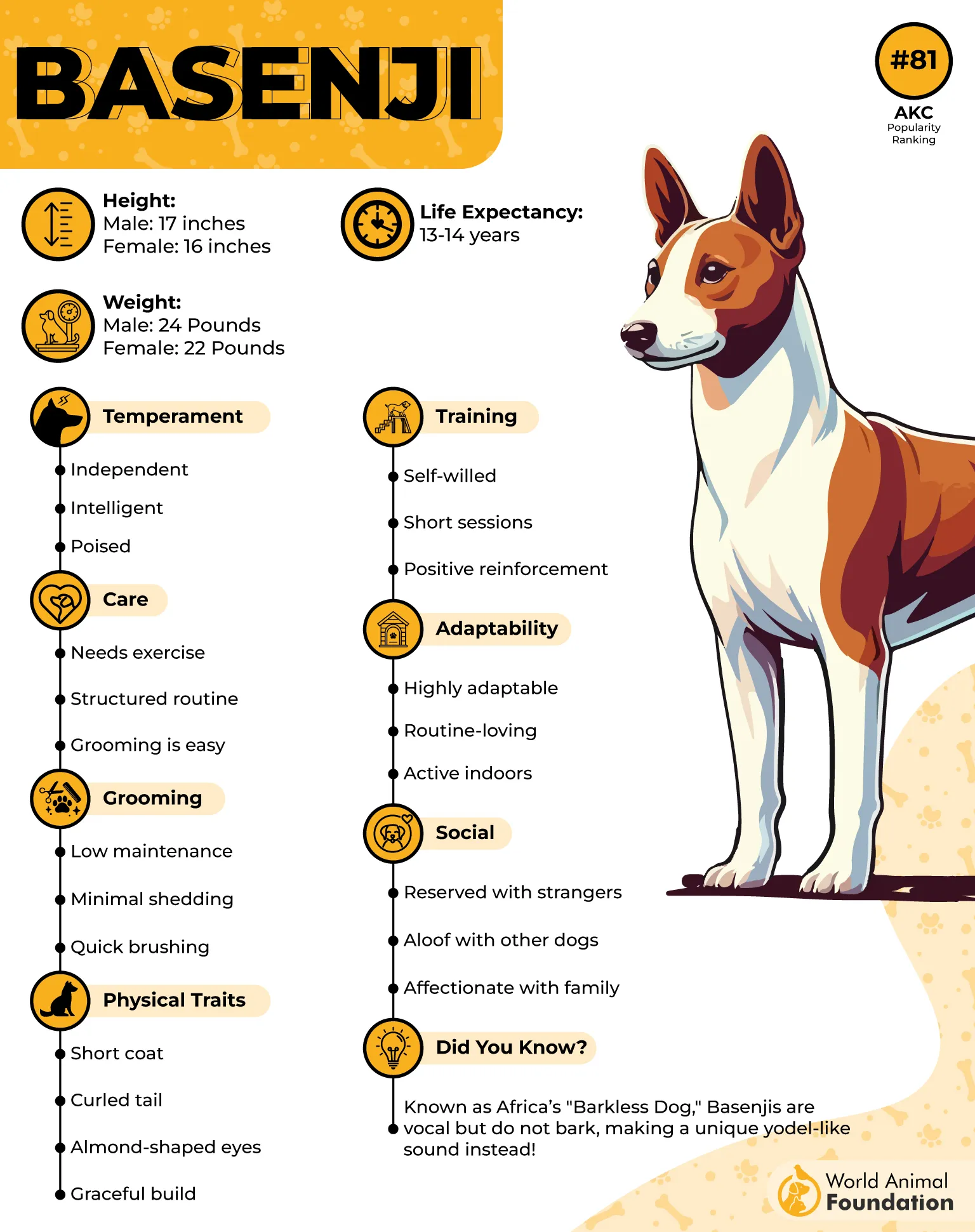
They can chew things or act out in other ways. A solid fence is important as well. The American Kennel Club says a Basenji needs steady exercise and mental work. The coat stays manageable too. It does not call for heavy grooming since it is short.
4. Pug
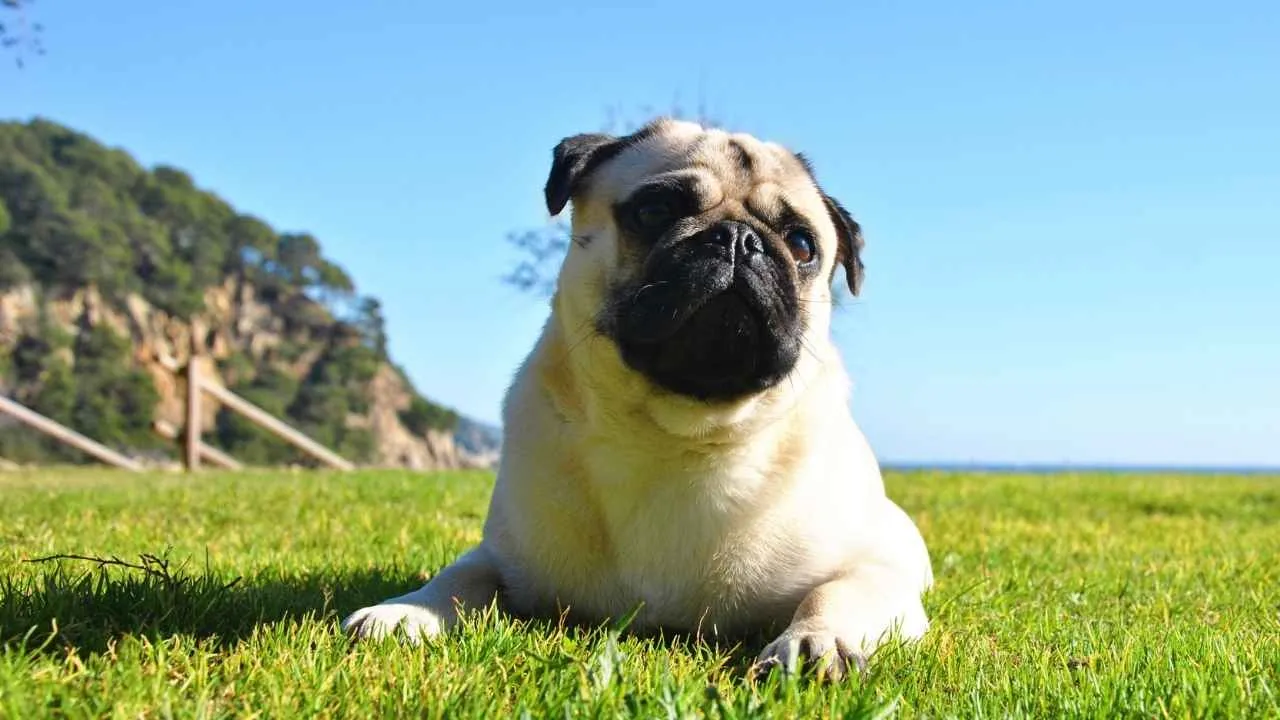
A Pug can add a bright, friendly feel to many homes. This breed has a stocky body, a big head, and a short muzzle. The curled tail and wide eyes make the look stand out right away. Usually, a Pug likes short walks. They also tend to enjoy easy play and more calm time inside.
Grooming is not hard, but it is not zero. Regular brushing helps with loose hair. The skin folds around the face need attention too. They should be cleaned and dried often, or they can cause issues. Because the face is flat, heat and hard workouts can be tough. In hot weather, it is safer to keep things mild.
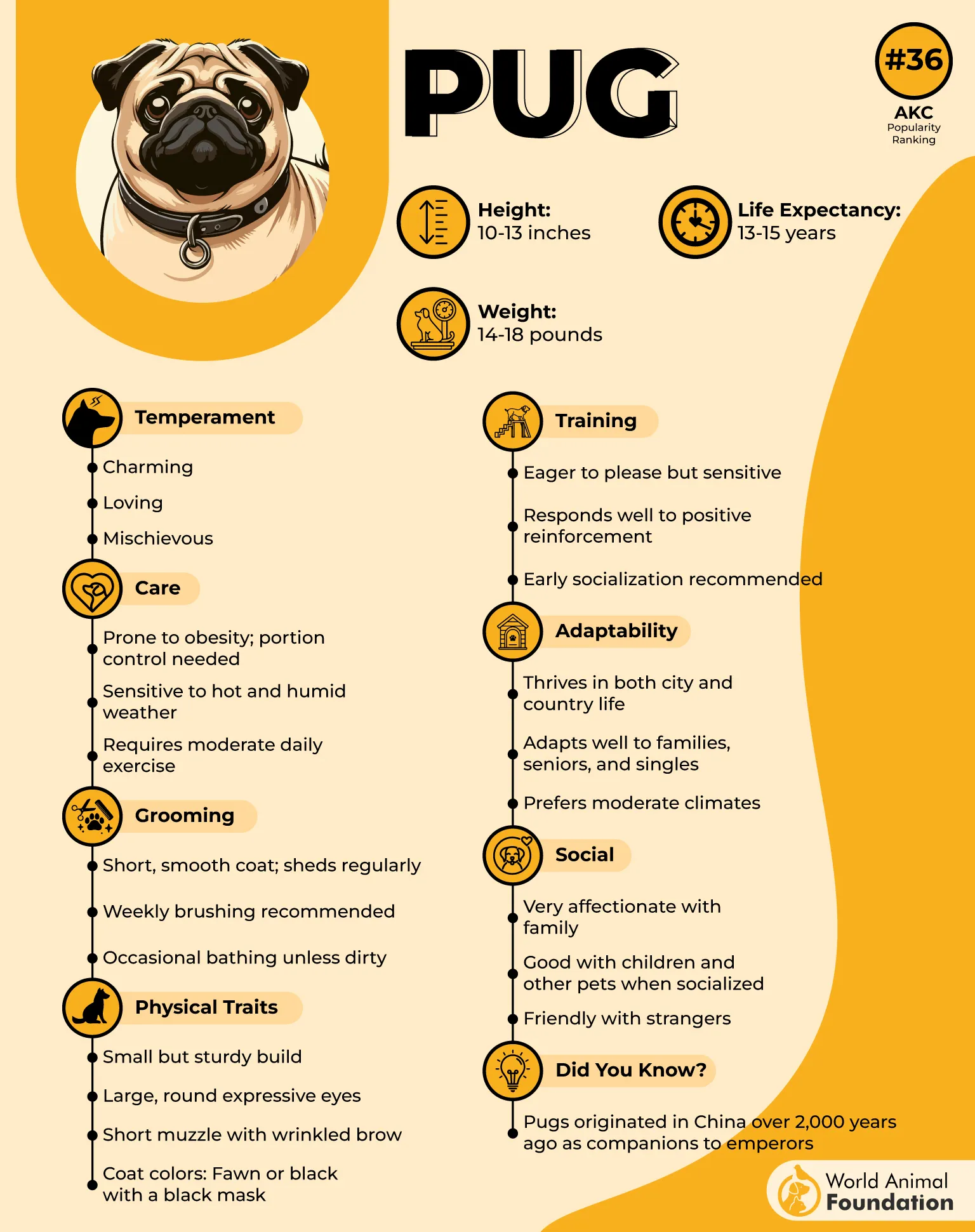
Pugs are loving companions. They also list grooming needs as low to moderate, and exercise needs as moderate. They stress that heat and time alone should be handled with care.
5. French Bulldog
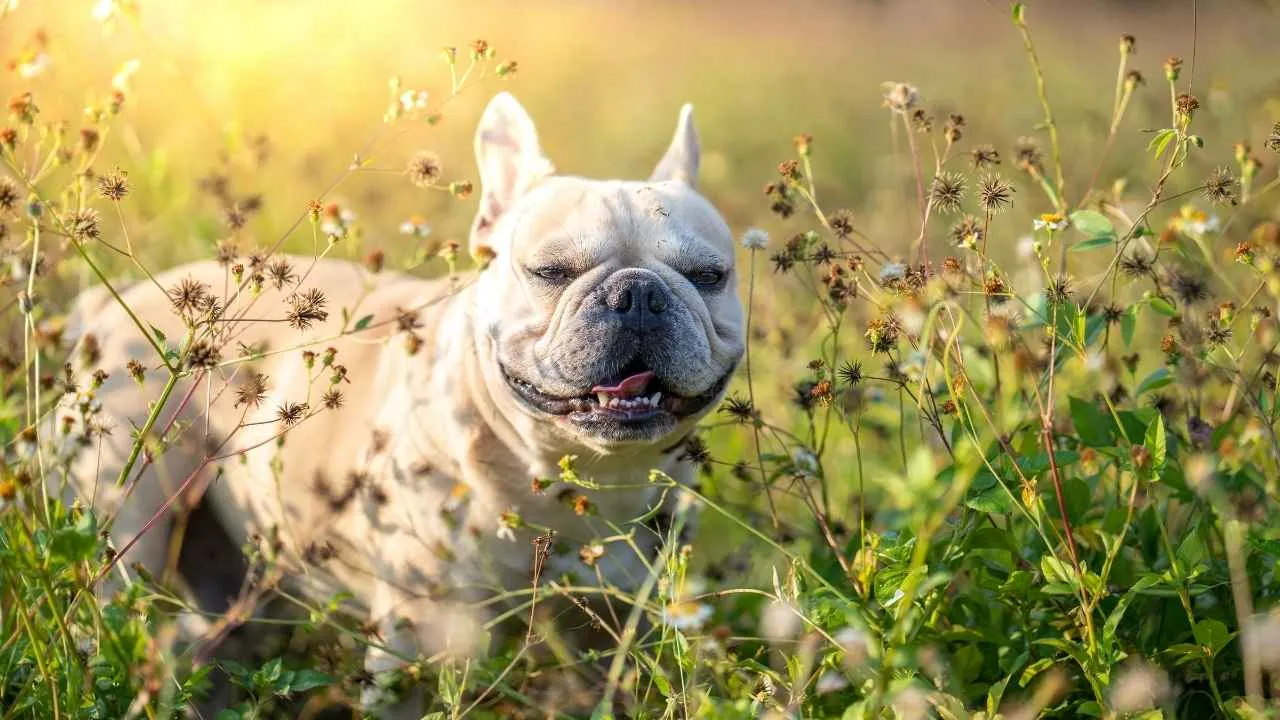
French Bulldogs are small, but they do not act small. You often notice the upright ears first. Then there is the compact frame and the playful face. It is a breed people recognize quickly. A French Bulldog can fit well in an apartment or a smaller home. They usually feel fine without very long trips outside.
Short walks plus indoor games are often enough for many adult dogs. With a short coat, grooming is also usually easy. A French Bulldog may get unhappy if it is left by itself for too long. It does not need someone hovering all day, but it does need regular contact.
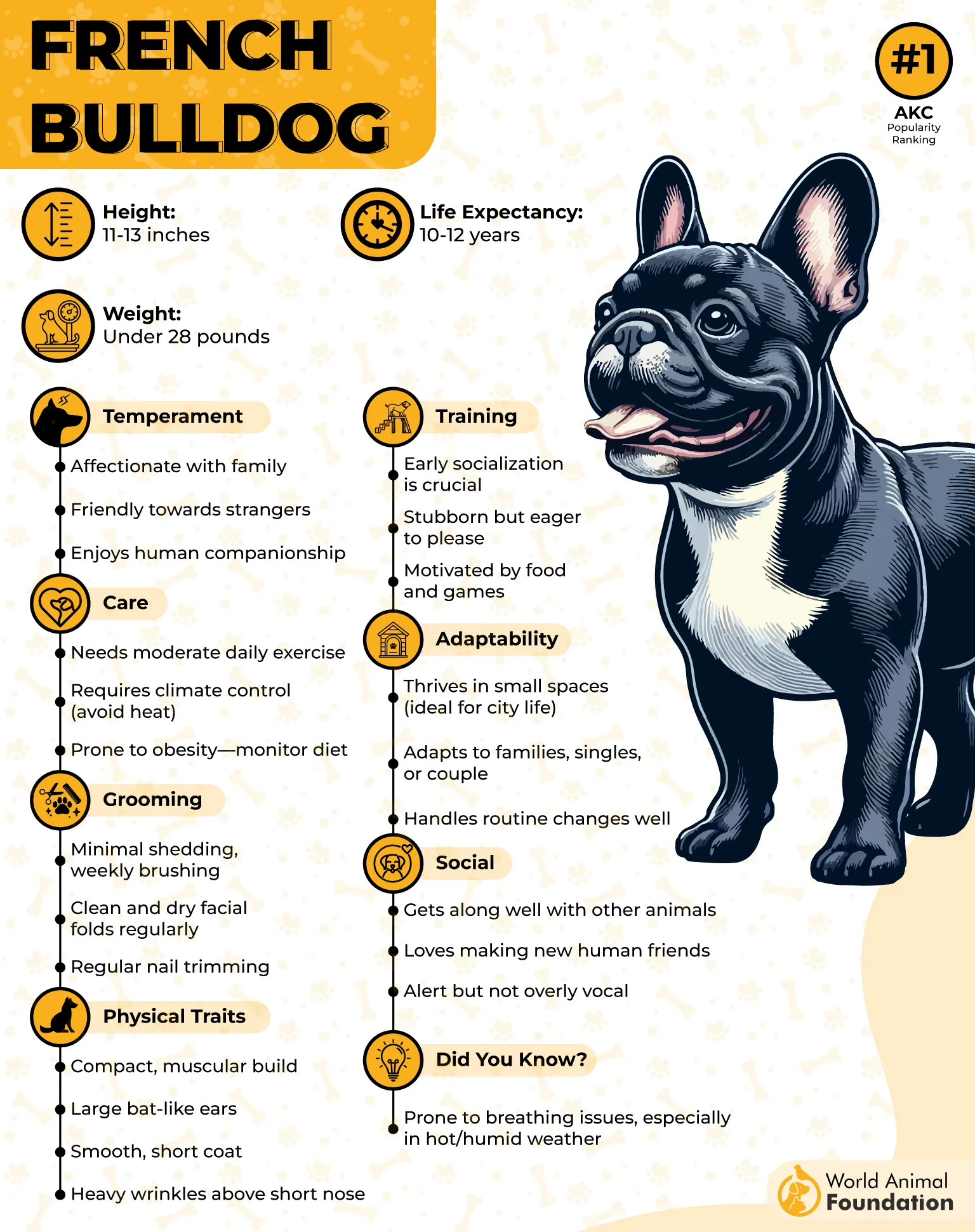
PDSA notes that French Bulldogs are strongly tied to people. It says they may develop separation anxiety if left alone. It also advises exercise in shorter blocks and mental games.
6. Boston Terrier
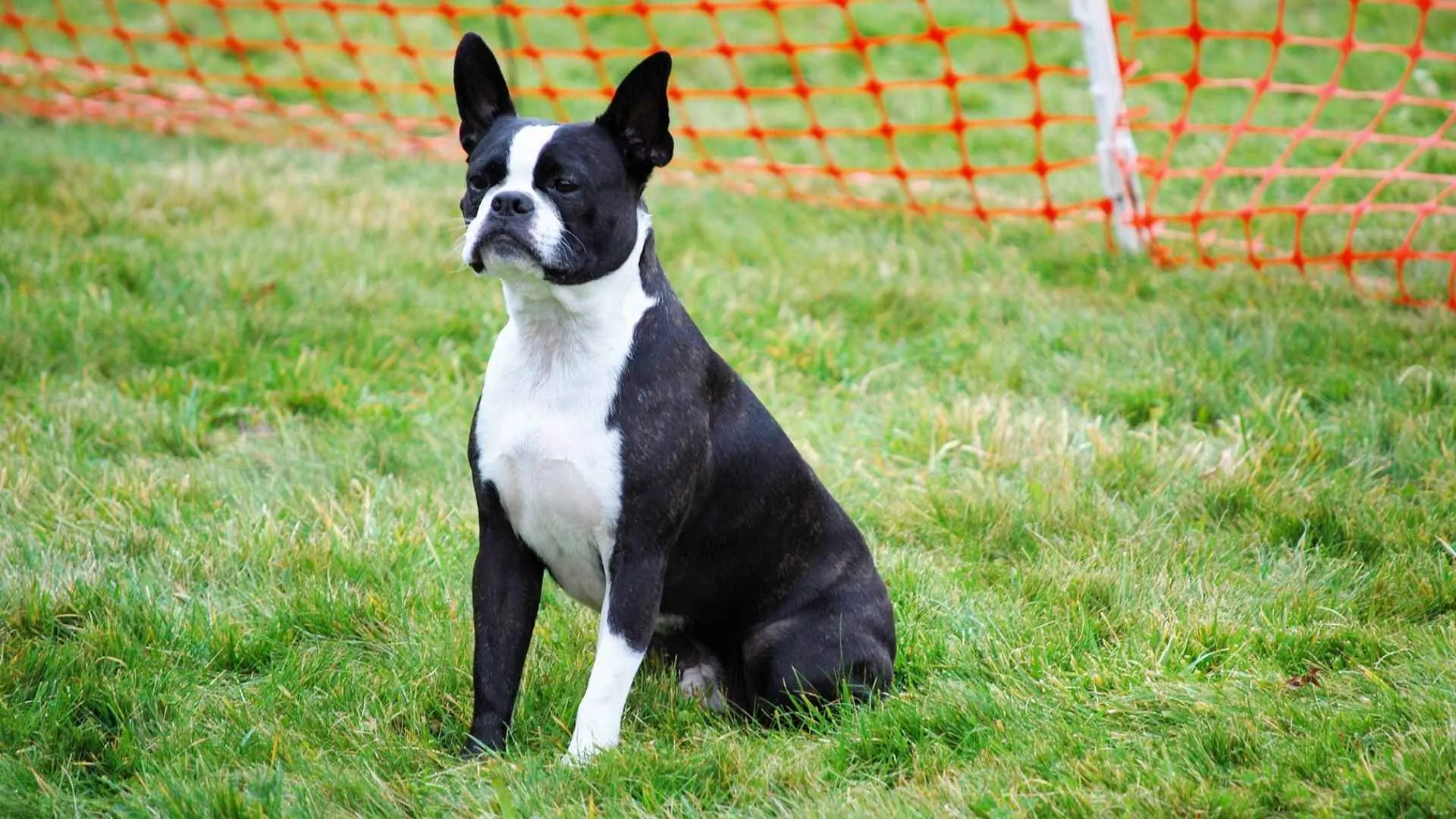
The Boston Terrier is a small dog with a happy mood. It can work well in many busy homes. Its shape stands out. You often see a square body, a short muzzle, upright ears, and a tidy coat. Many Boston Terriers like family life. They may be fine with indoor play or a quick walk outside.
The coat is smooth, so you do not need a hard routine. Brushing once a week can help with loose hair. Nail care matters too, since it can affect comfort while walking. A few active walks or play sessions can meet its exercise needs.
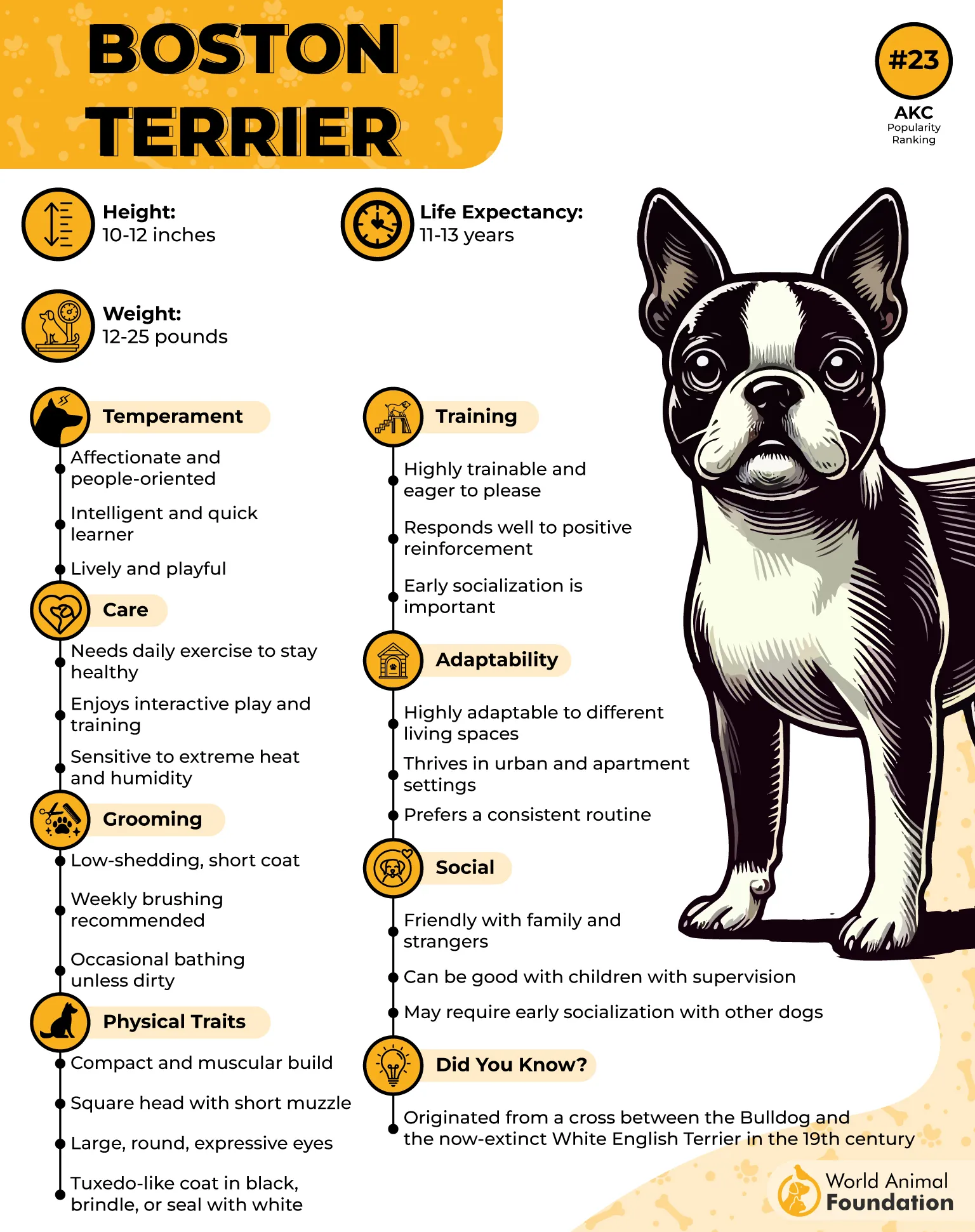
Even then, this dog usually prefers being around people. So a long stretch alone should not turn into a daily pattern without planning. PetMD describes the Boston Terrier as high-spirited but flexible. It can do well with steady, moderate exercise and with different types of homes.
7. Great Pyrenees
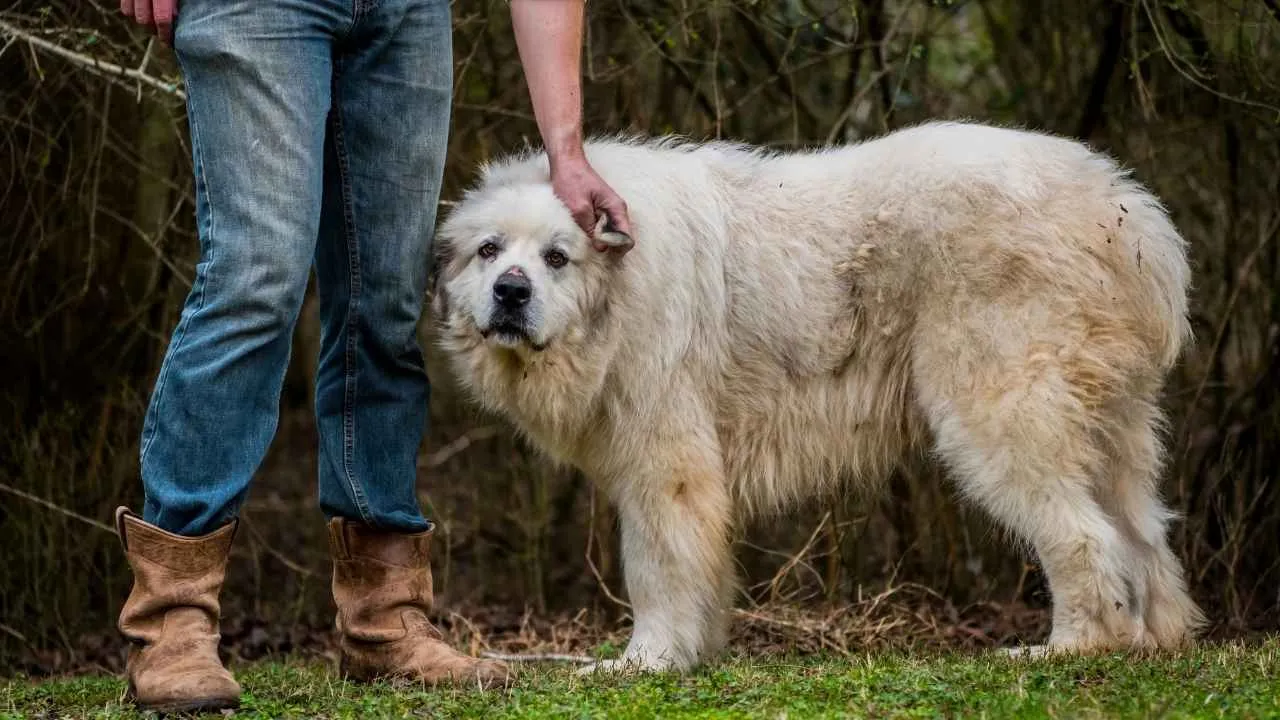
The Great Pyrenees might sound odd on a “low care” list at first. It is big, and it has a thick coat. Still, many dogs of this breed stay calm inside. They do not require nonstop movement all day. Part of that laid-back way of life comes from their past job as livestock guardians. In the role, the dog often worked on its own, not with nonstop instructions from people.
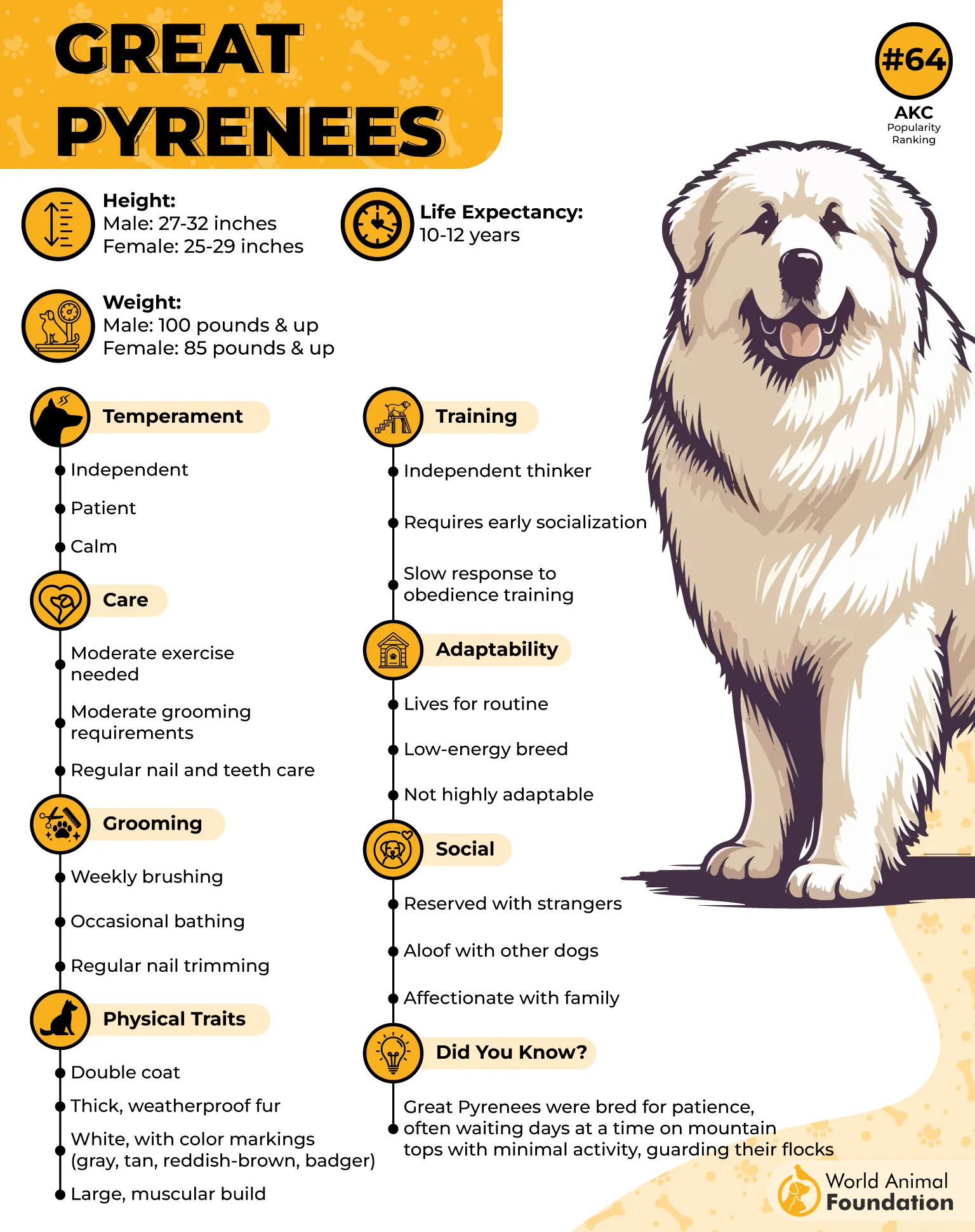
A normal daily walk can help. Short, safe outdoor play can help too. The dog also benefits from early social time with new people and other dogs. This matters because the guardian instincts can make the Great Pyrenees slow to trust strangers. You should also plan for coat care.
Grooming is not optional for this breed, so it is not a good fit for someone who wants almost no brushing. A roomy, cooler place is usually a better setting than a small, tight apartment. Purina calls the Great Pyrenees an independent guardian. It also notes a calm mood and a steady, moderate level of energy.
Conclusion
A good dog choice for a busy schedule is not only about picking the breeds with the smallest workload. It is more about finding a match you can actually handle.
After time outside, Greyhounds often like quiet indoor hours. Basenjis can also fit in well, since they tend to be independent and have an easier coat. Small dogs like Pugs, French Bulldogs, Boston Terriers, and Chinese Cresteds can do well in many homes.
The Great Pyrenees is another type of independent companion. But its size and grooming needs mean you must plan. No matter what breed you choose, time alone needs thought and preparation. A home that feels safe helps. Regular movement matters. Mental tasks, training, and real care can make a big difference.
