





What should a first-time dog owner look for before bringing a dog home? A friendly personality helps, but it is only one part of the decision. You also need to consider trainability, exercise, grooming, barking, health care, and how comfortably the dog fits your daily schedule.
Companion breeds can appeal to beginners because some are easier to carry, travel with, and accommodate in apartments or modest homes. They can also have lower feeding costs, although veterinary bills, grooming, training, and other expenses still vary by individual needs.
Appearance never guarantees a quiet or easygoing temperament, either. Some can be active, alert, independent, or sensitive and may need plenty of guidance every day. First-time ownership becomes much easier when expectations match reality and your routine at home.
The ten dogs discussed ahead cover a range of personalities and care requirements, giving you a look at companions for a first-time owner consistently.
Key Takeaways
A small dog may seem easier at first, but its energy, grooming, and personality still matter when you are new to dog ownership.
Löwchen makes an interesting start with its lion-style haircut, centuries-old history, and surprisingly sharp mind.
Havanese enjoys people and activities, while Cavalier King Charles Spaniel can settle into a gentler family routine with ease.
The list gets even more interesting from there, especially when you reach the breeds with working roots and some rather unexpected habits.
Top Small Dog Breeds Ideal for First‑Time Dog Owners
1. Lowchen
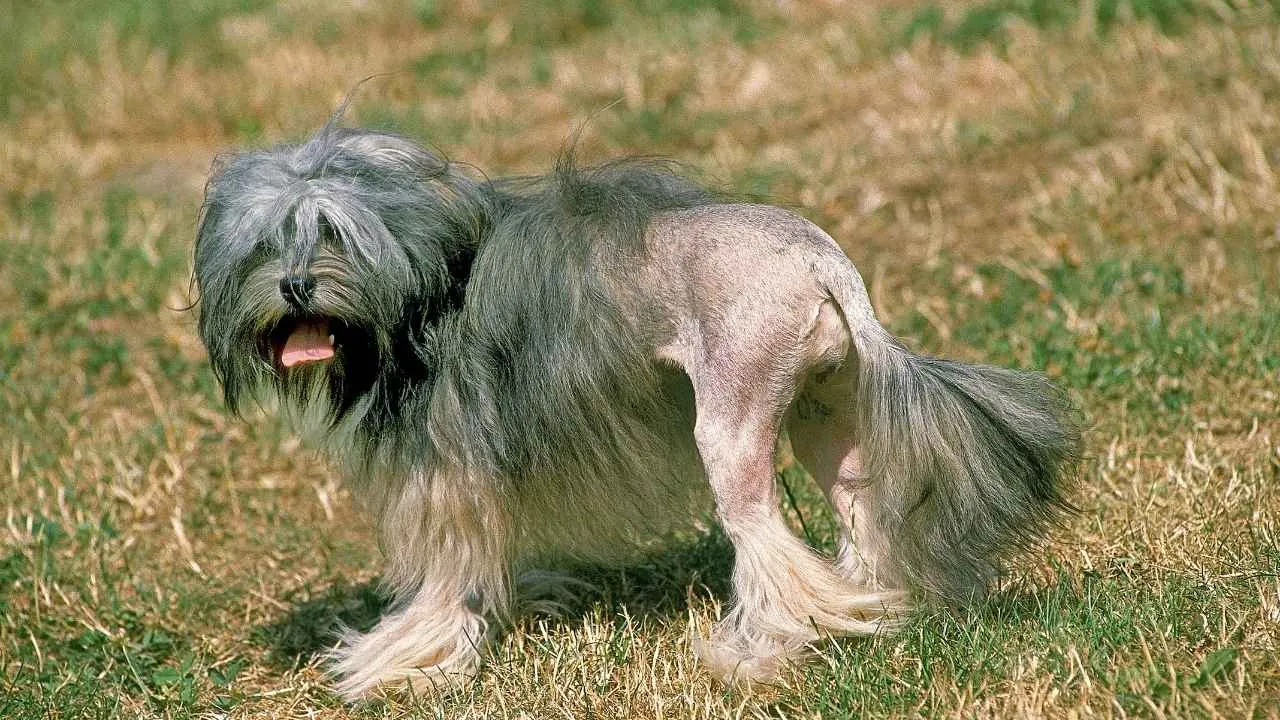
Löwchen’s story carries a curious naming trail, with “little lion” becoming its German name in the 1970s after earlier references to Little Lion Dogs across Germany, France, and the Netherlands. Its famous lion-style haircut also appeared on companion dogs as far back as the 1400s.
A Smart Little Companion
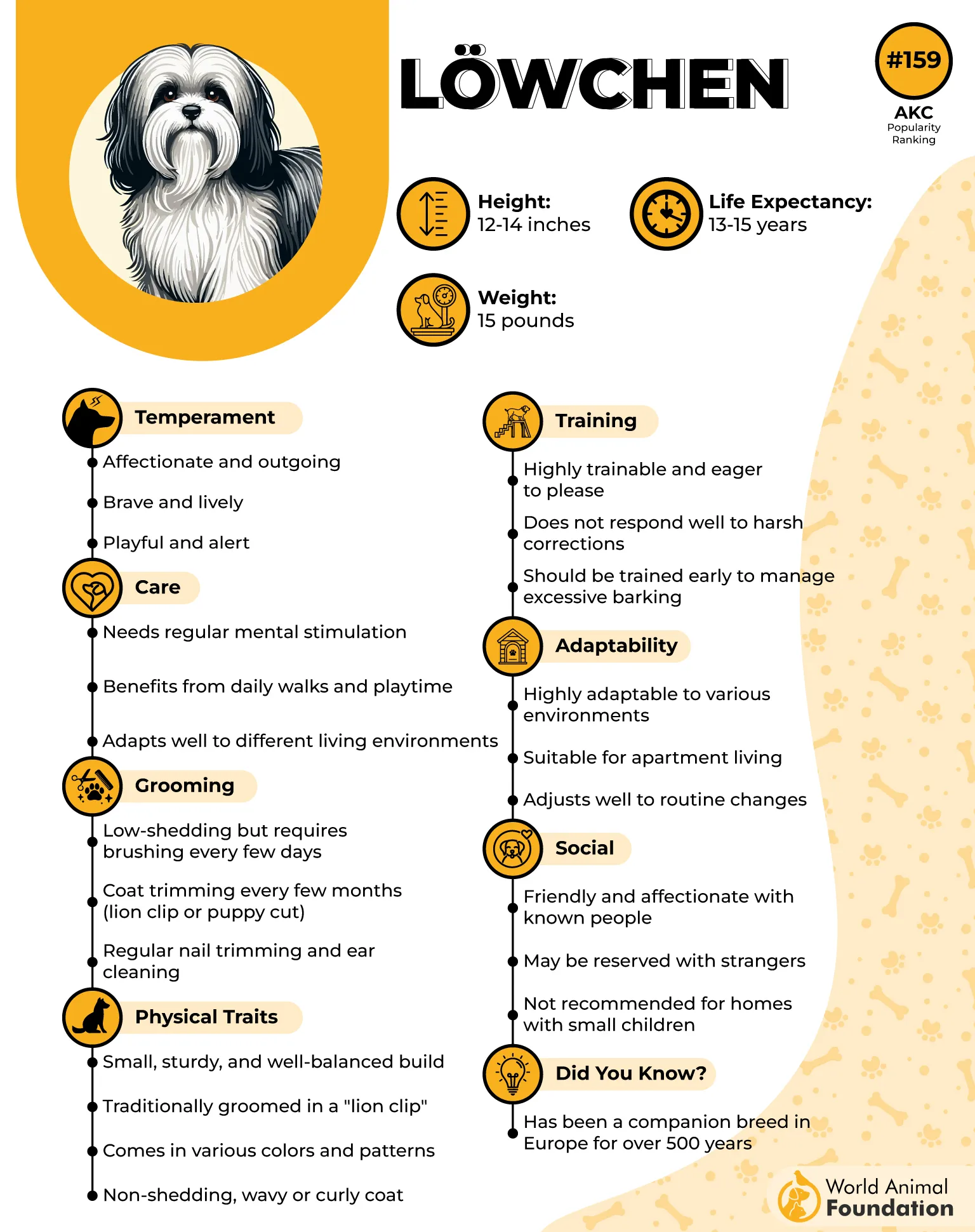
Löwchen brings a surprisingly capable mind to a small body, picking up tricks and training exercises often associated with much larger dogs. Regular walks of around half an hour or longer, varied routes, games, and short training sessions can keep it engaged.
These points reflect their daily routine:
Alert enough to bark at unusual activity
Enjoys agility and fetching games
Low-maintenance coat is best for allergy sufferers
Clever With Opinions
Löwchen is quick-witted and affectionate with family and close friends, but it may need patient introductions to warm up to unfamiliar people, as Purina describes. Its intelligence can also make it somewhat strong-willed during training, so treats and praise can help keep lessons productive.
2. Havanese
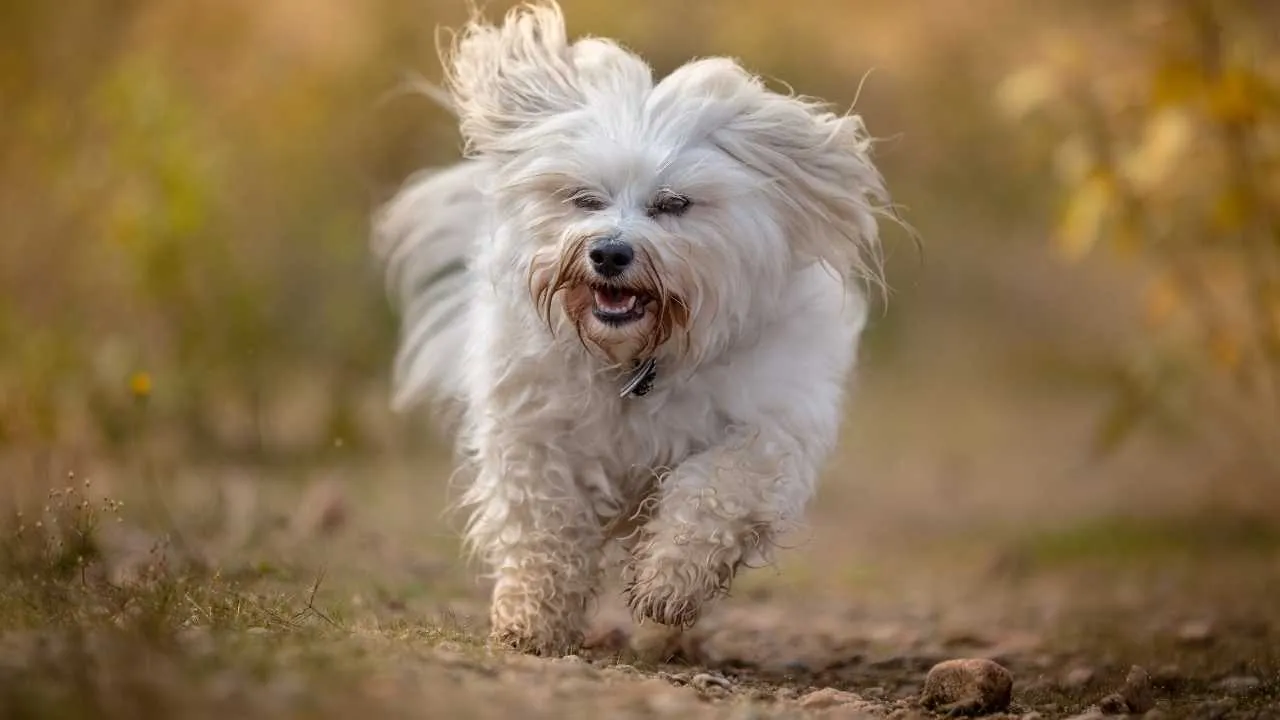
Havanese began in the Mediterranean and reached Cuba with Spanish traders, who gave these small dogs as gifts during trading arrangements. They became favorites among wealthy Cuban families before returning to Europe, where some found work as circus performers.
Easy for Beginners
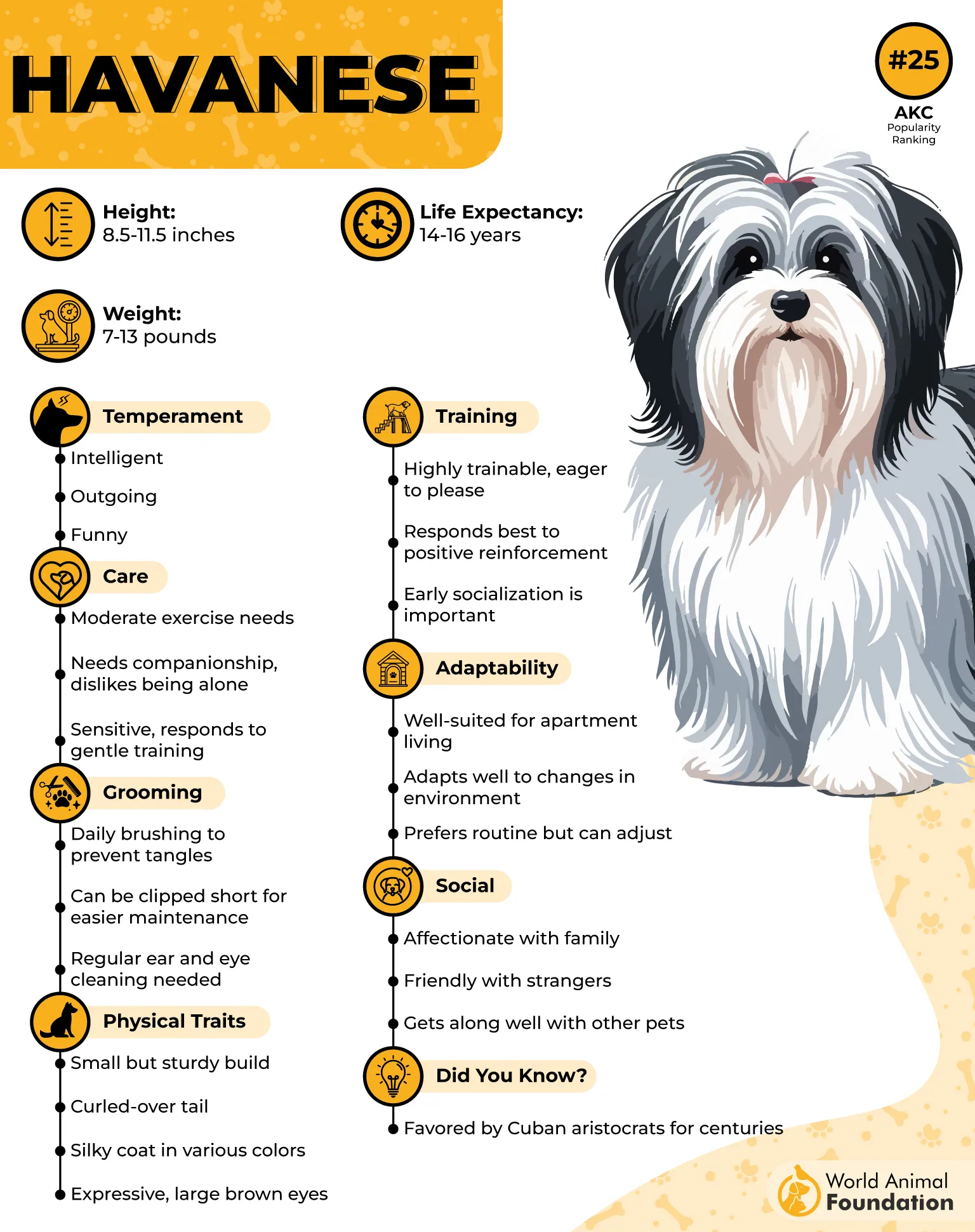
This little breed brings a useful mix of intelligence and eagerness to learn, making basic cues easier for a first-time dog parent to teach. Their cheerful nature also gives them plenty of interest in games, interactive toys, and simple nose-work activities.
These characteristics make daily life with them easier:
At least 30 minutes of daily exercise
Fetch and neighborhood walks suit their energy
Agility and flyball can add extra activity
Social by Nature
Havanese enjoys meeting people and often turns an ordinary walk into an opportunity to greet new two- and four-legged companions, as Orvis reported. Their friendly temperament also works well with dogs, cats, and other household pets when introductions and socialization are handled properly.
3. Cavalier King Charles Spaniel
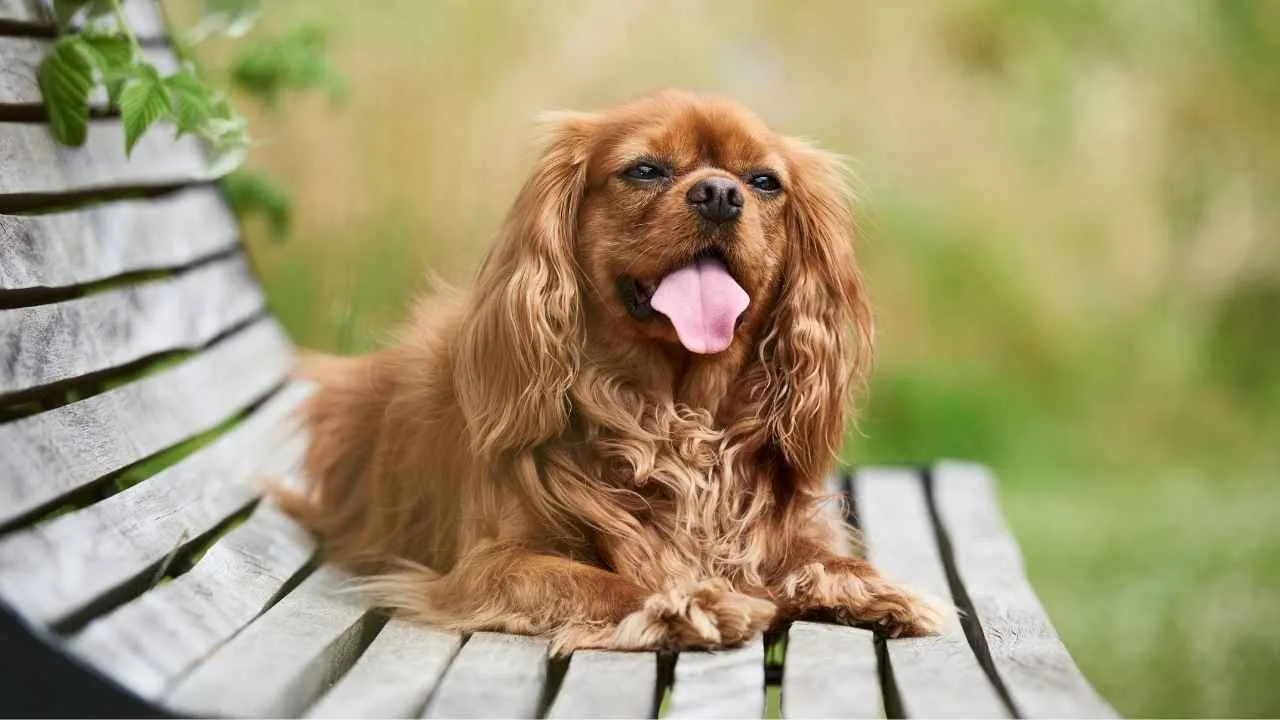
Cavalier King Charles Spaniel has roots in Tudor-era England, where these little dogs served as lap companions, feet warmers, and even portable sources of warmth.
During the 1700s, King Charles II took such an interest in them that the breed became associated with his name, while later breeding shifted its muzzle shape before returning to the more pointed look familiar today.
Easy Daily Rhythm
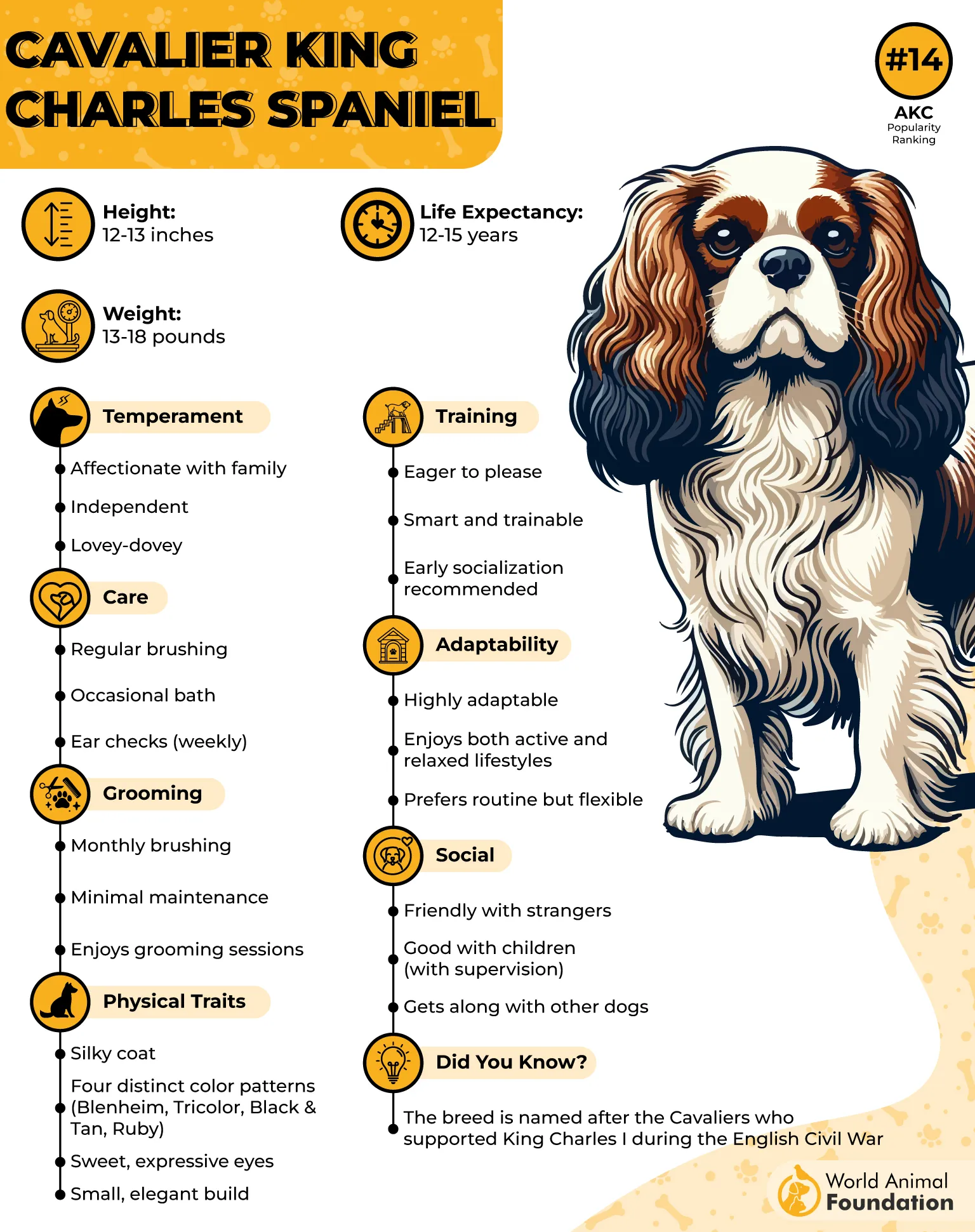
These spaniels have low exercise needs, with two 20- to 30-minute walks plus regular play often fitting their daily needs. Their sporting ancestry also makes scent work, gentle longer walks, and games that involve exploring more appealing than activities built around speed.
You can predict their daily life temperament from this:
Enjoys flyball and agility trials
Can happily play with dogs of different sizes
Lives well with familiar cats
Gentle With Families
Cavalier King Charles Spaniel is friendly, playful, and sensitive to harsh correction, so positive reinforcement works better during training. It often enjoys children’s attention and games of fetch, while young children still need supervision because their enthusiasm can accidentally become too rough.
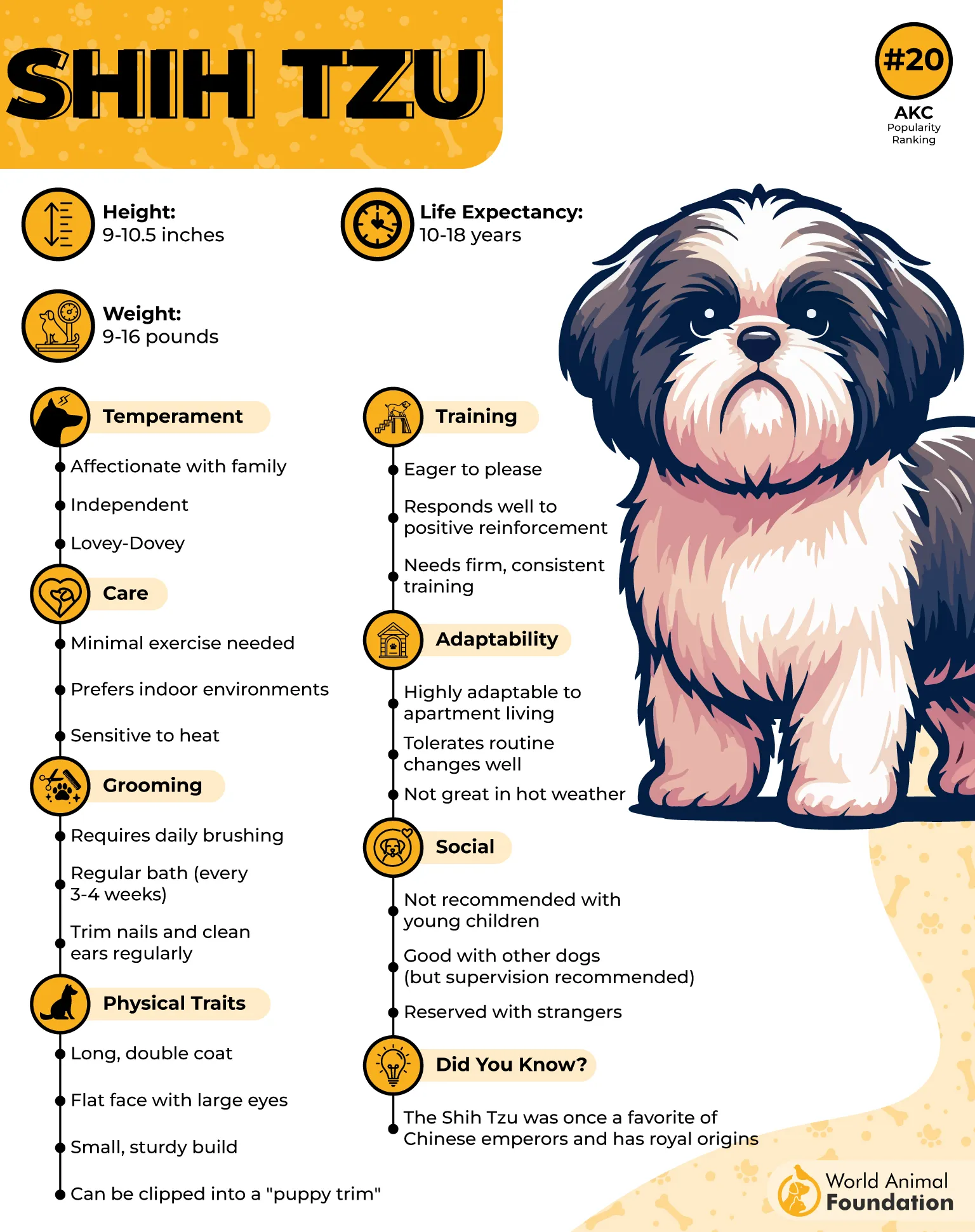
4. Shih Tzu
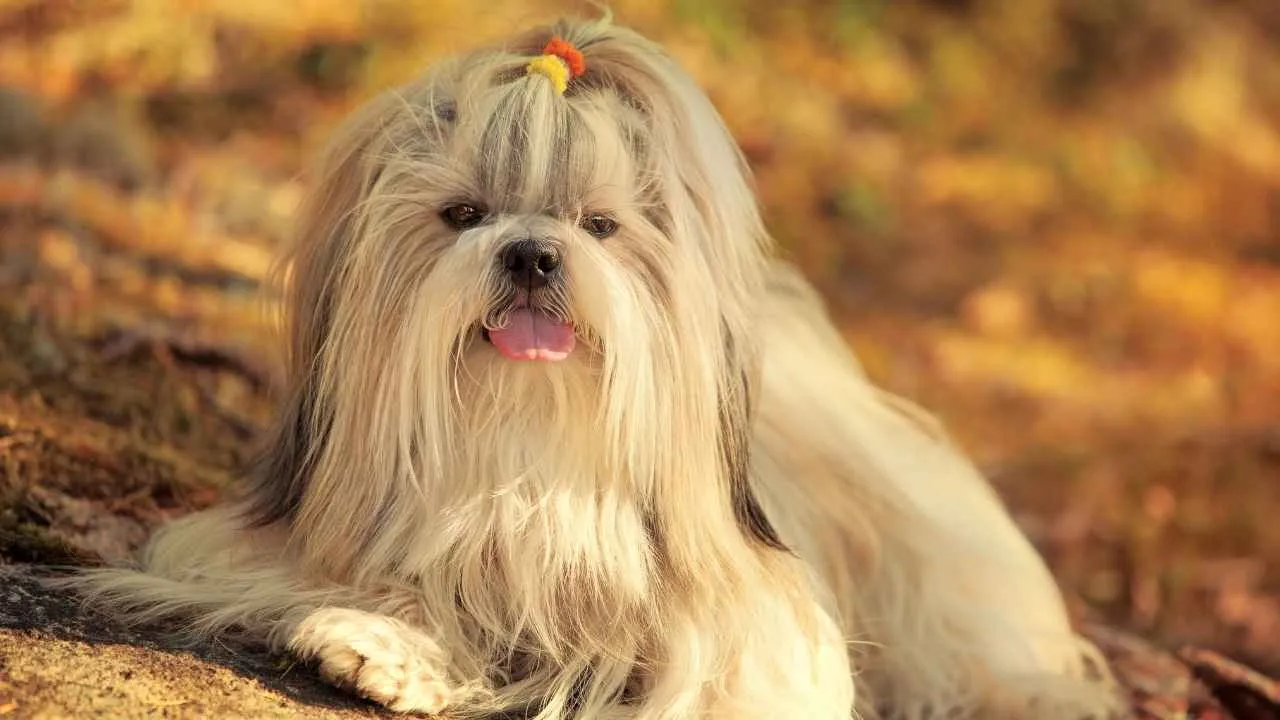
Shih Tzu is closely linked with Chinese imperial life and Buddhist traditions, with its name referring to the “little lion” in Mandarin. Its earlier roots are associated with Tibet, and one theory connects the breed to Pekingese and Lhasa Apso ancestry, adding to its long and fascinating history, as Omlet claims.
Made for Small Homes
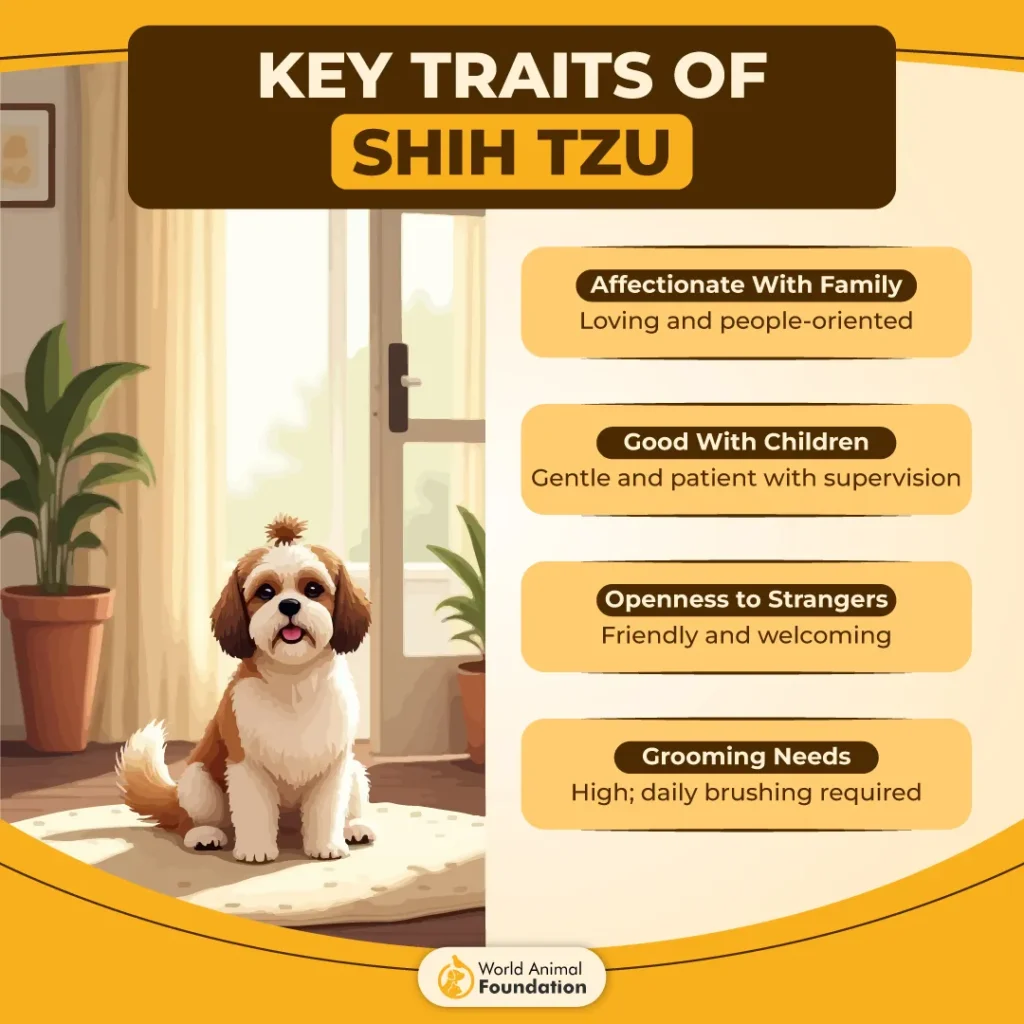
Shih Tzu can handle different living situations without needing a demanding exercise routine, which may appeal to first-time owners with limited space. Two or three 20-minute walks are usually enough, as its short legs can make longer outings tiring.
The following traits make that routine easier to understand:
Quick to notice activity around the home
Calm and loyal enough for support work
Training needs a patient approach
Plenty of Personality
Shih Tzu enjoys time beside its people and can happily switch between couch cuddles and a relaxed stroll through the park. It also tends to get along well with other pets and enjoys playing with older children who understand how to handle a small dog gently and respectfully.
5. Australian Terrier
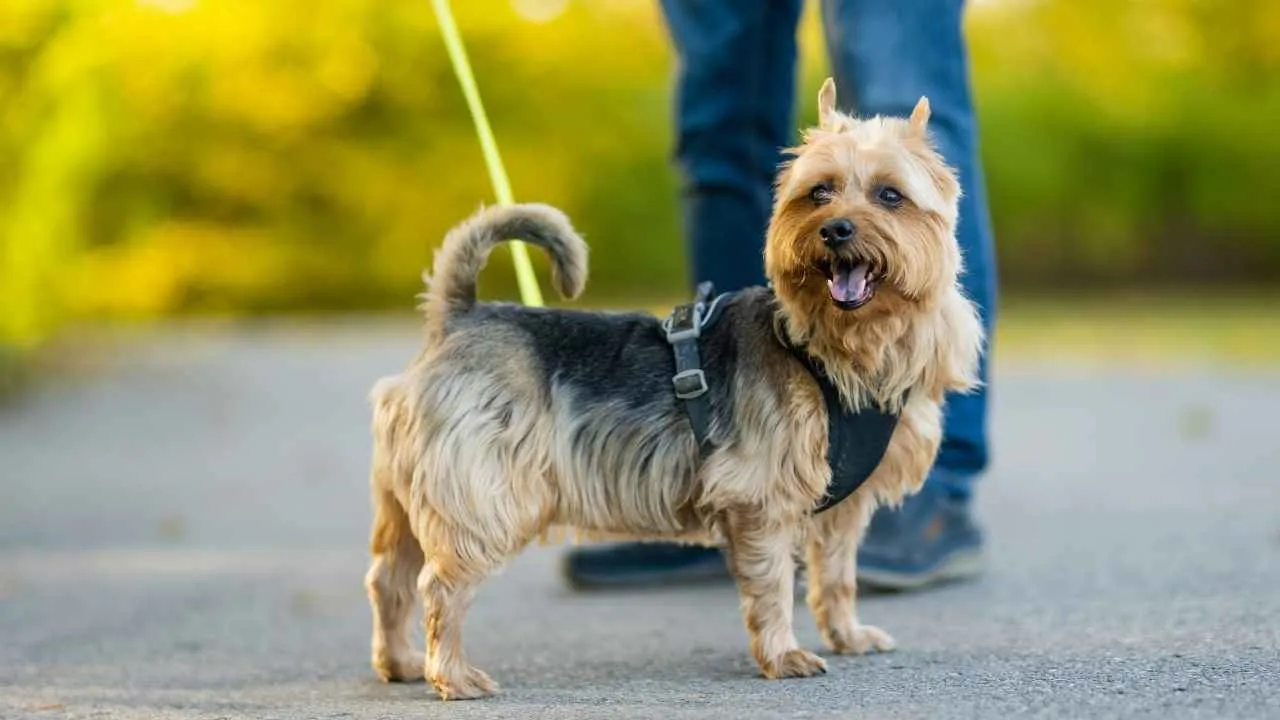
Australian Terrier began taking shape around 1820 after British settlers brought working terriers to Australia, where the breed was first called the Rough Coated Terrier. By 1892, the name Australian Terrier had become established, with Norwich, Scottish, and Yorkshire Terriers among its ancestors.
A Coat Built for the Outback
This terrier has a double coat that handles both heat and cold climates, while the longer hair around its neck offers protection when the dog noses through brush where snakes may be present.
Three practical details make its coat especially useful:
Needs weekly brushing to remove dead hair
A stripping comb helps prevent matting
Does not need regular haircuts
A Selective Social Side
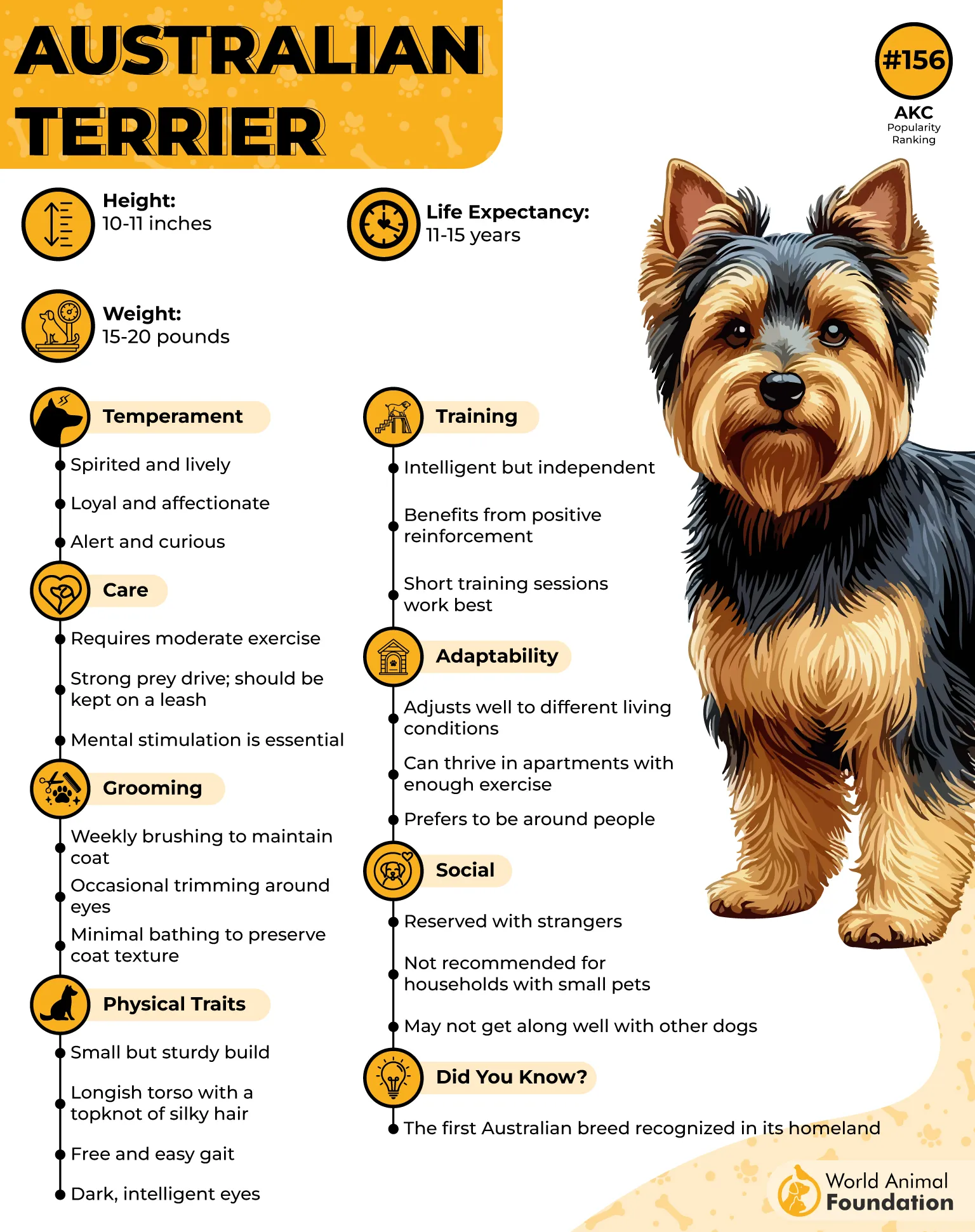
Australian Terrier is affectionate with familiar people and enjoys joining family activities, yet unfamiliar children, neighbors, or visitors may receive a more reserved response. Early puppy socialization can help the dog become more comfortable with new people and situations.
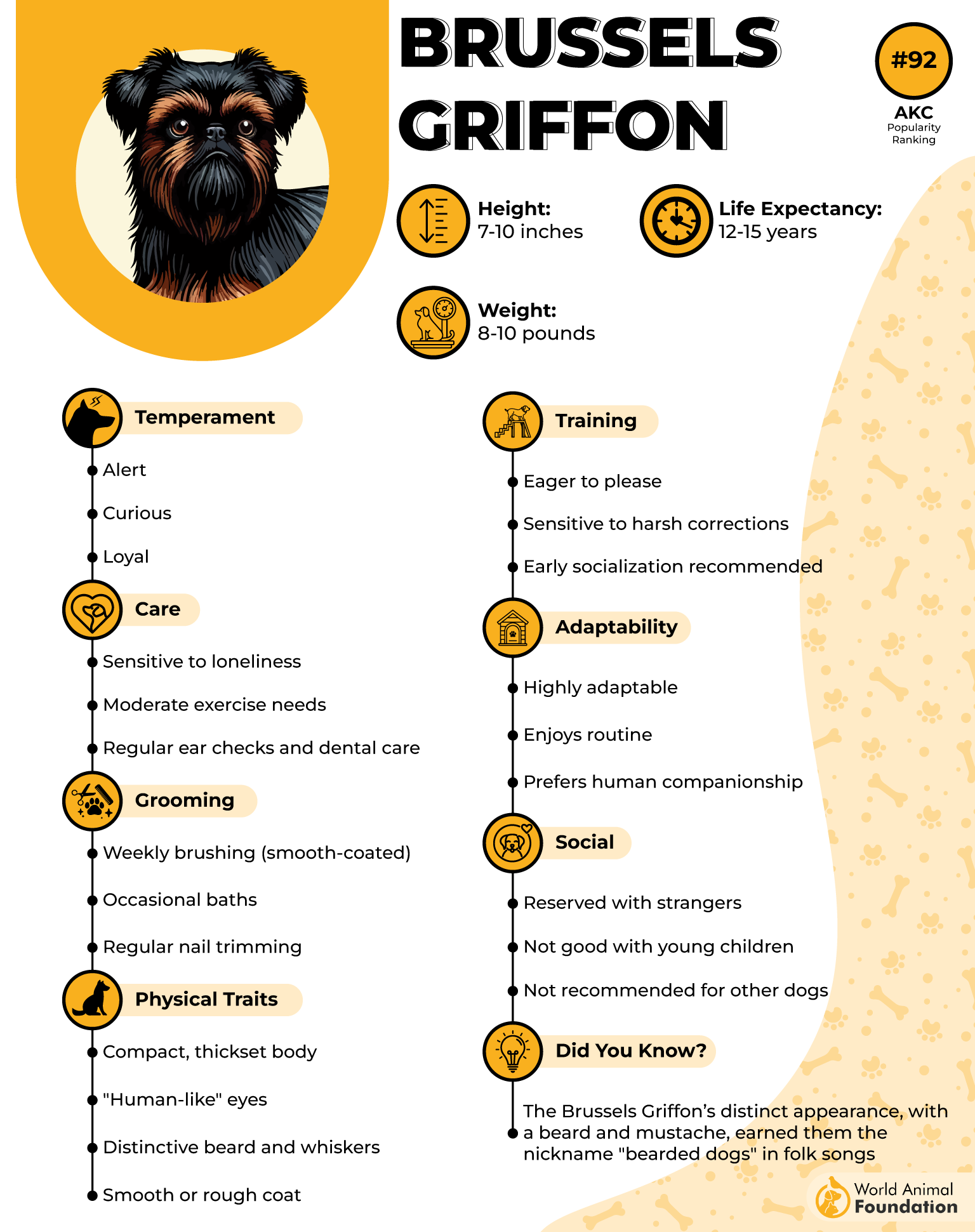
6. Brussels Griffon
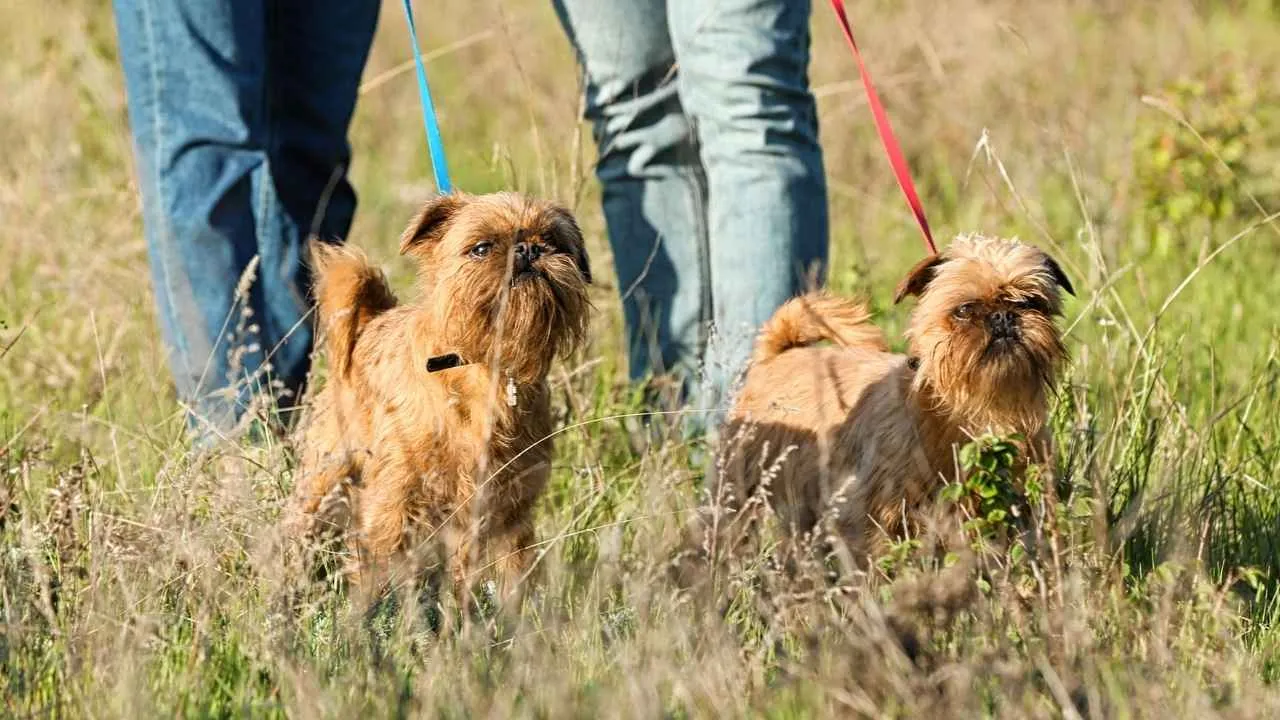
Brussels Griffon was originally bred in Belgium from the old Smousje, a terrier-like dog used to catch rats around stables. Later crosses with the Affenpinscher and Griffon d’Ecurie shaped the breed, while Pug breeding in the late 1800s helped create its distinctive face.
Small-Space Energy
Brussels Griffon needs daily activity even though its small frame makes indoor games especially practical. About 30 minutes of exercise can include a mix of relaxed and brisk walks, while hide-and-seek or plush-toy fetch can use up energy indoors.
The original work behind this little breed still appears in activities such as:
Nose work for scent-based games
Agility courses for quick physical challenges
Tracking classes using natural scent skills
A Constant Companion
Brussels Griffon often follows its favorite person from room to room and may even claim a place beside them at bedtime. Its playful personality also makes games with other dogs enjoyable, provided introductions and interactions are handled appropriately.
7. Border Terrier
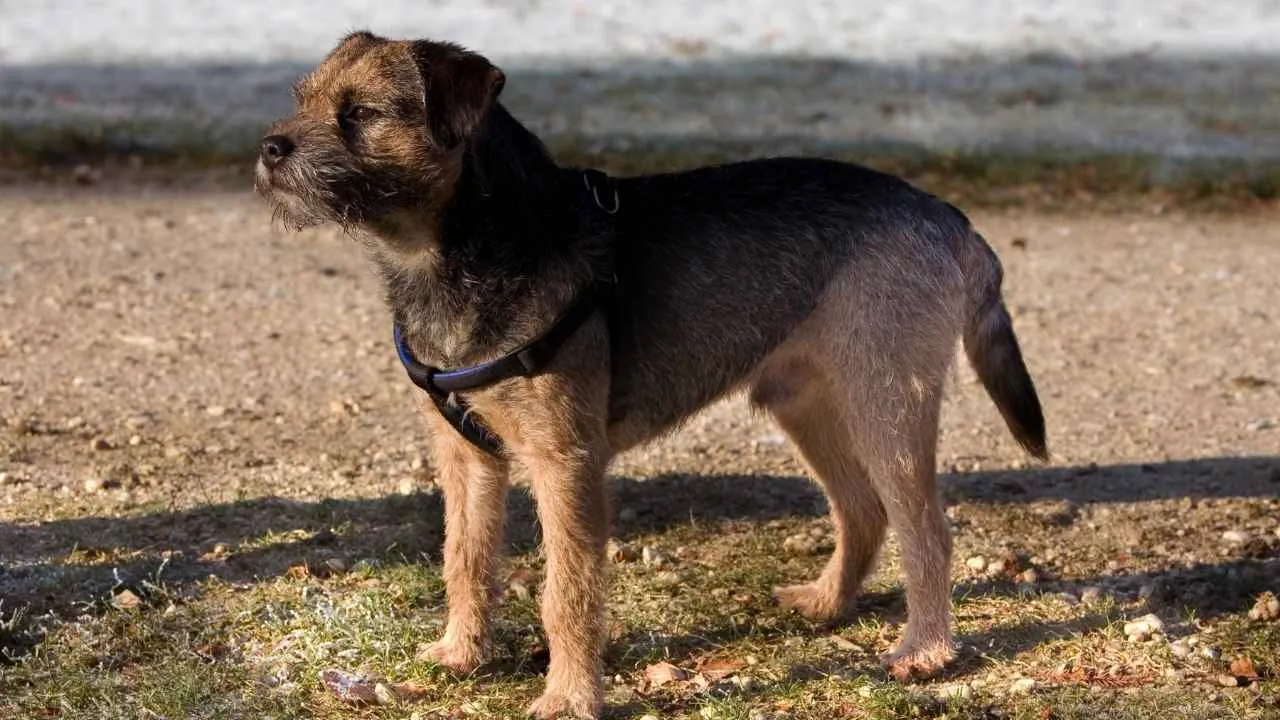
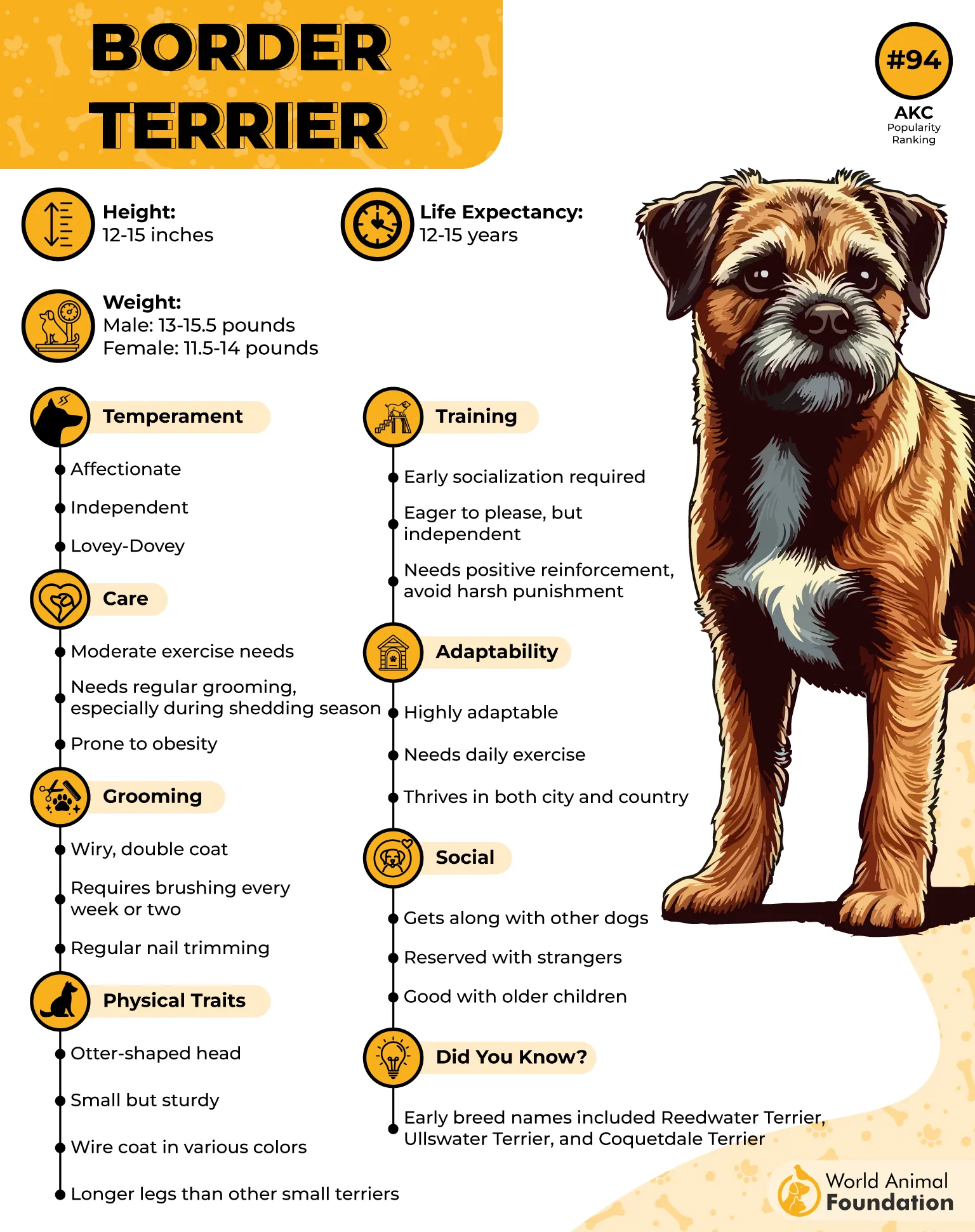
Border Terrier comes from the country along the Scotland-England border and ranks among the oldest terrier breeds. Once called the Coquetdale Terrier, it was bred small enough to follow foxes underground, with the modern name appearing by 1870.
A Manageable Routine
Border Terriers have plenty of energy, yet about 30 minutes of daily exercise can be enough, with an hour giving this lively dog more room to burn it off. Fetch and tug-of-war indoors can also turn spare time into useful activity and keep boredom at bay.
These options add variety for first-time owners:
Scent work that lets them follow trails
Agility sessions that test speed and focus
Tracking classes built around their nose
A Dog With Opinions
Border Terrier is affectionate, intelligent, and willing to learn, while its independent streak means it can have its own agenda. It enjoys family time without demanding constant attention and often takes an interest in whatever is happening around the house.
8. Russian Tsvetnaya Bolonka
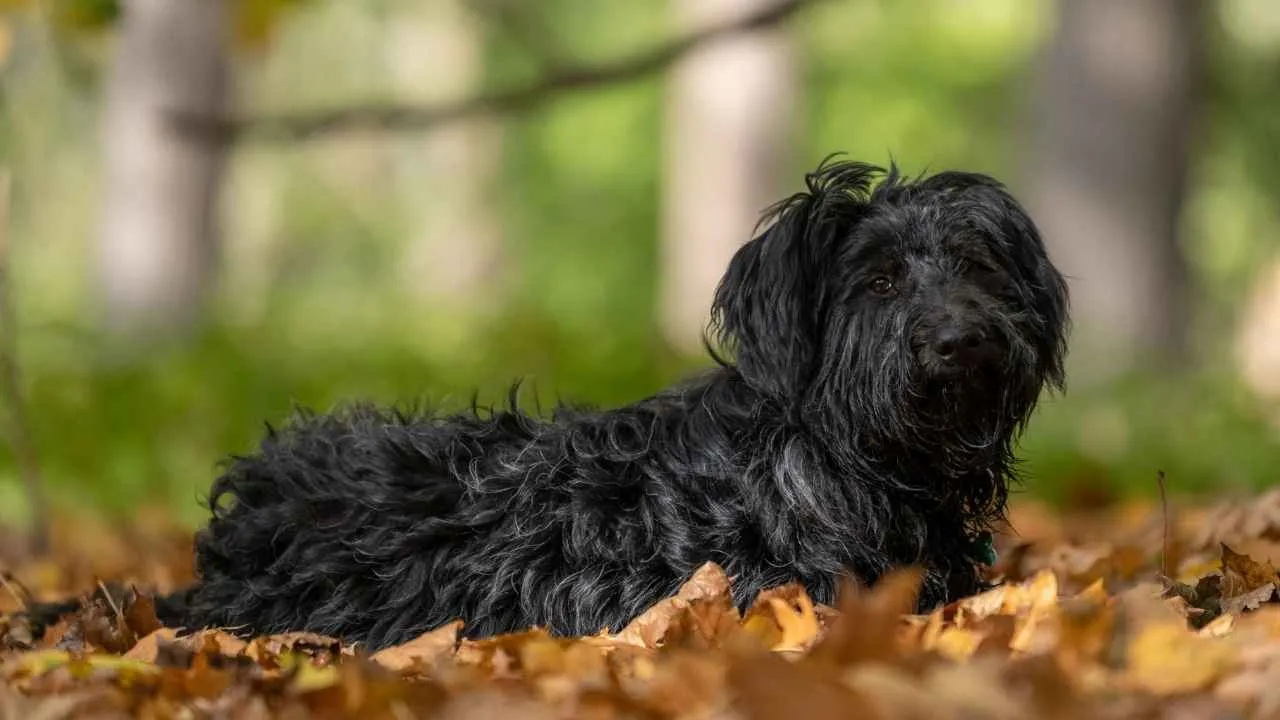
Russian Tsvetnaya Bolonka traces its early roots to Saint Petersburg and Moscow, with ancestors reportedly gifted to Russian nobles by Louis XIV during the 1700s.
Later breeding involved Bichon Frise, Pekingese, French Bolognese, and Russian street dogs, producing the curly-coated companion now called Bolonka.
Made for Apartments
Russian Tsvetnaya Bolonka adapts well to apartment life because it was bred for companionship rather than demanding work. A busy exercise schedule is unnecessary for this breed, as two brisk leash walks can cover much of what it needs on an ordinary day.
The following considerations make apartment life easier:
Not prone to constant barking with training
Indoor games can use up extra energy
Puzzle toys provide quiet mental activity
Easy Company
Russian Tsvetnaya Bolonka has a cheerful, even temperament and readily accepts attention from unfamiliar people. Its social nature can extend to other household animals, with some Bolonki even happily curling up beside cats or rabbits for a shared nap.
9. Bolognese
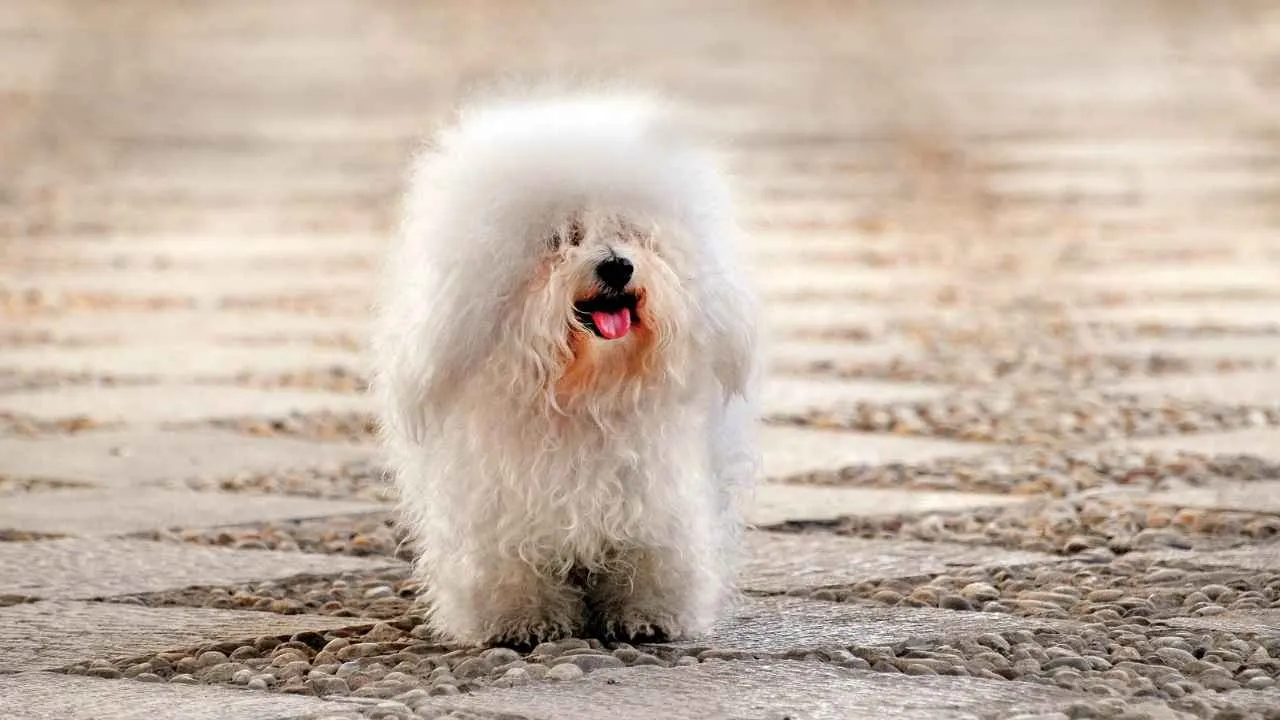
Bolognese developed from Bologna, Italy, and belongs to the old Barbichon family created around the Mediterranean from larger water dogs and small white dogs. It was bred as a lap companion for wealthy women and was often exchanged as a prized gift among affluent families.
Easy on the Schedule
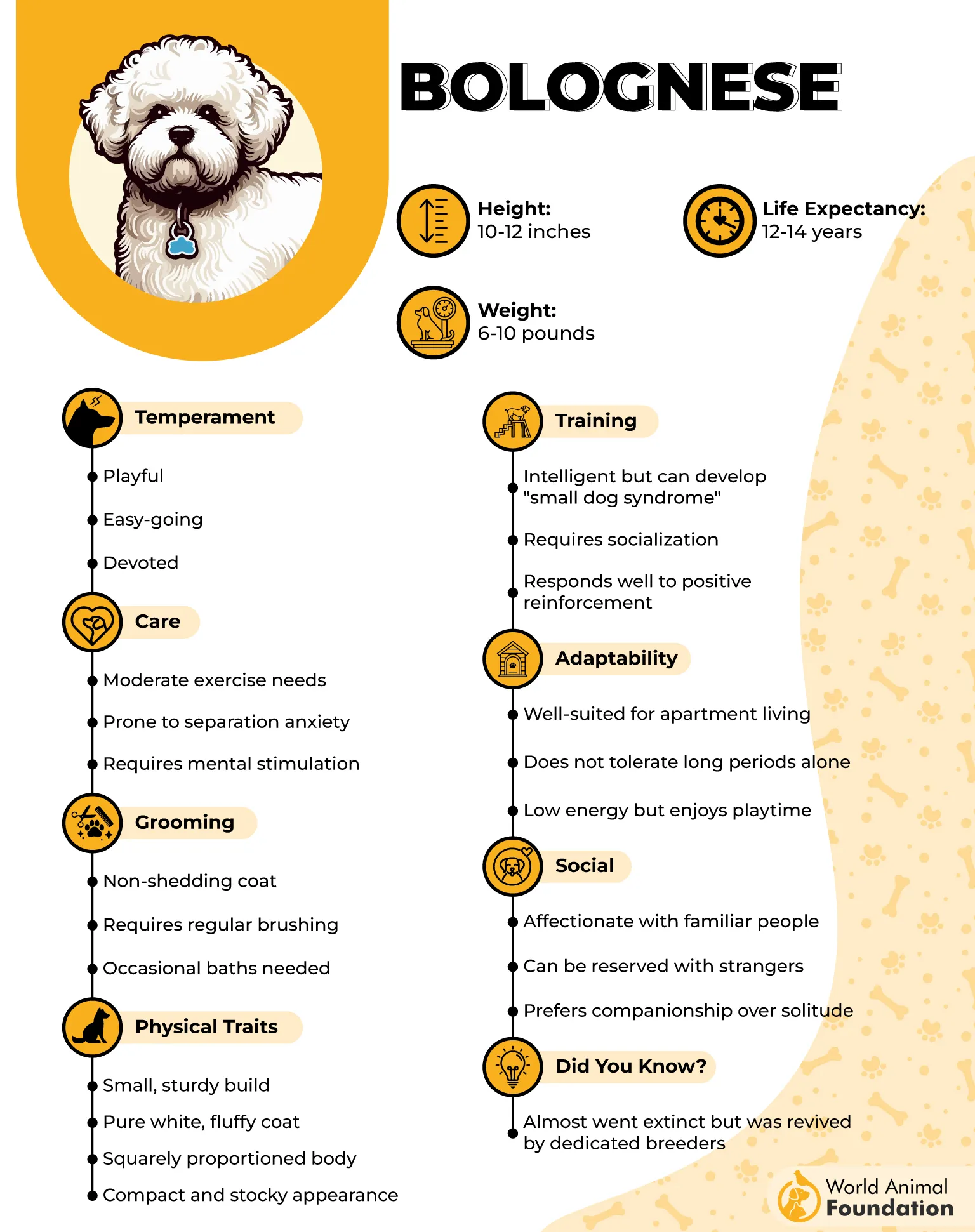
For first-time households with modest activity needs, they need two 20-minute walks and some playtime, generally enough for their daily exercise.
Indoor games such as hide-and-seek, rolling a ball across the floor, or learning tricks can add activity without demanding long outings.
Its easygoing schedule also shapes life around the home:
Can adapt to apartment living
Pet parents choose to trim their coat for easy grooming
Needs daily brushing to prevent mats
Lap Comes First
Bolognese is affectionate, patient, and especially fond of curling up beside its favorite people, often choosing the softest available spot for a nap. Its playful side works well with children who handle dogs gently, and its low shedding can be appealing to people concerned about loose fur.
10. American Hairless Terrier
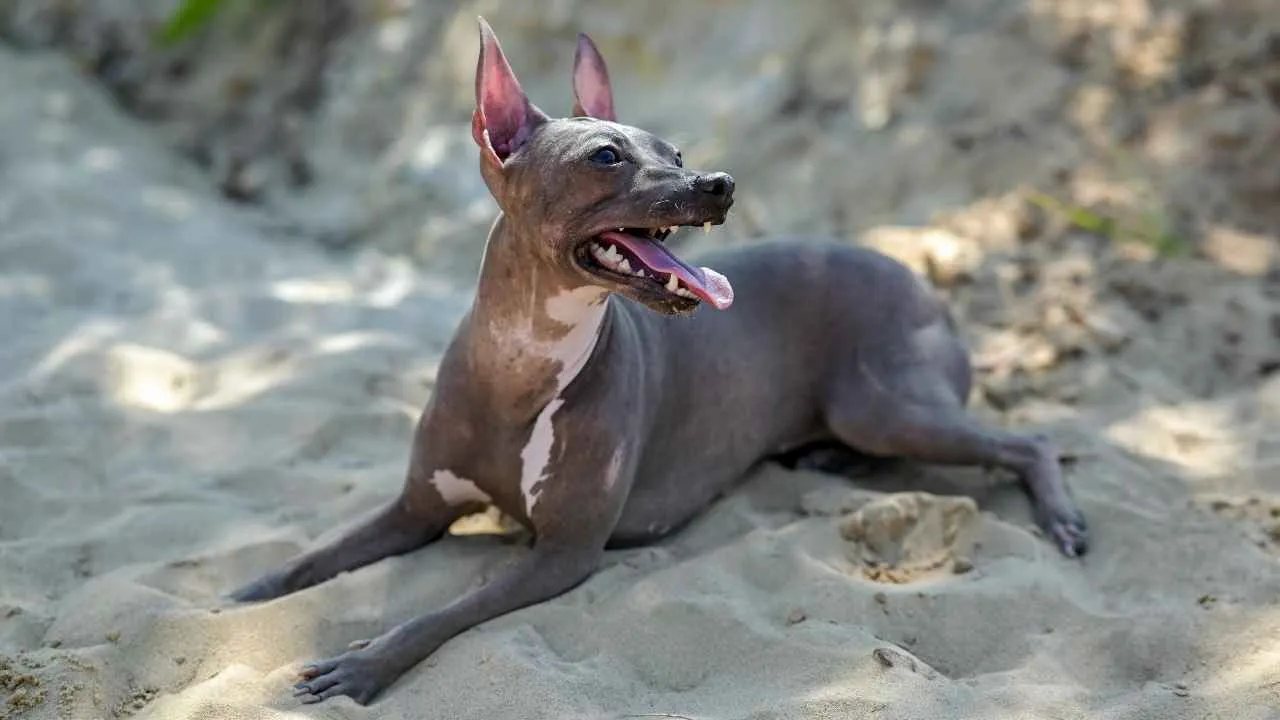
American Hairless Terrier is a relatively recent breed with roots reaching back to rat-catching terriers bred in England during the early 1800s. Its direct story began with Josephine, a hairless Rat Terrier puppy whose unusual coat became the foundation for this distinctive breed.
Apartment-Friendly Size
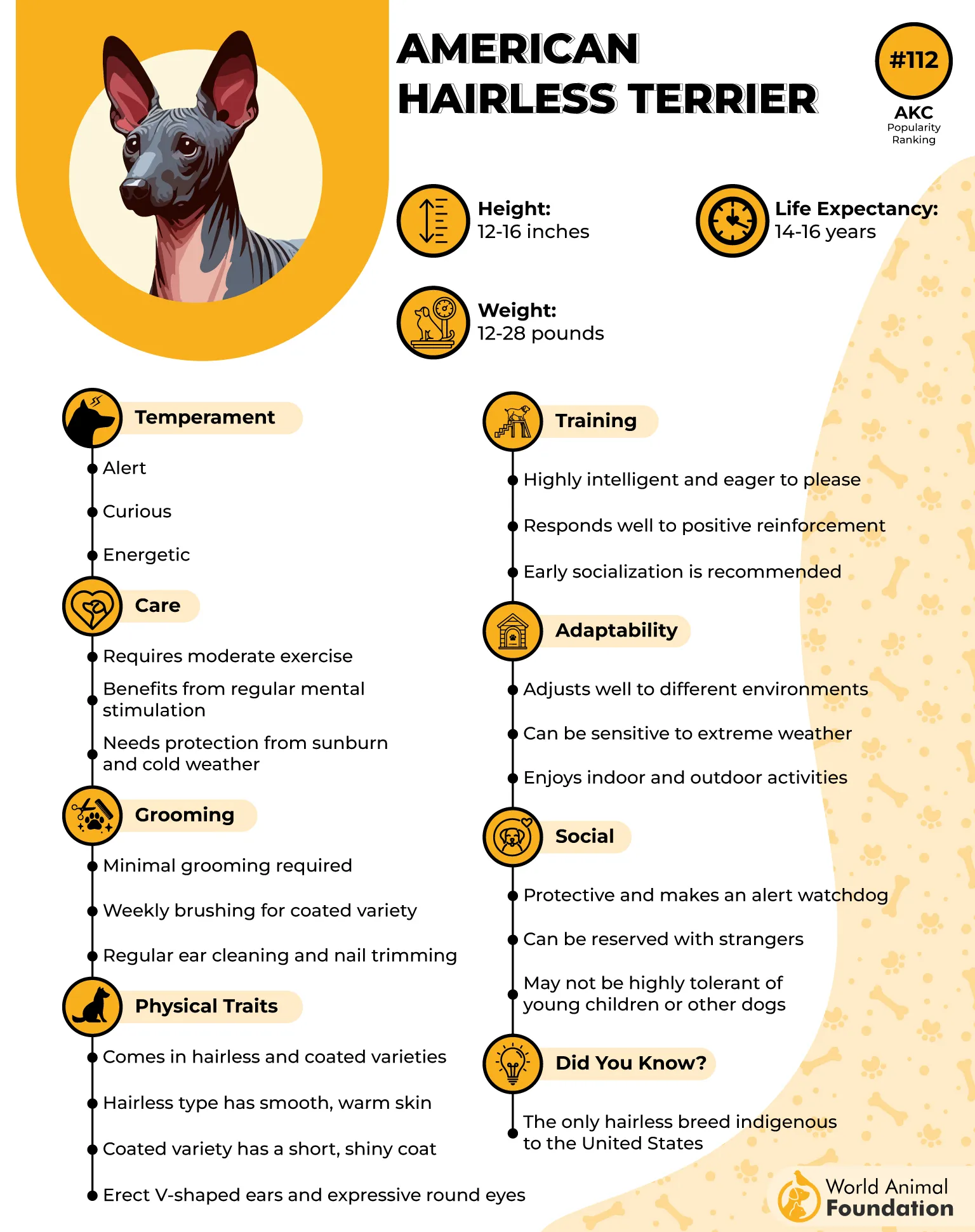
American Hairless Terriers can manage well without a spacious yard, using short walks and everyday play to get enough movement in a smaller home. Several brief outings, regular walks, or a fenced-yard session can provide enough daily activity without demanding a huge amount of space.
Their manageable home care traits are mentioned here:
Enjoys indoor play between outings
Can participate in agility and rally
Puzzle toys provide extra engagement
Simple Coat Care
American Hairless Terrier comes in both hairless and coated varieties, with grooming needs remaining fairly light for either type. Hairless dogs need clean ears and protection from sunburn, while the short-coated variety can be brushed weekly and bathed occasionally.
Conclusion
A first small dog can make everyday ownership feel manageable when its needs fit naturally into your routine. Some companions need only modest exercise and adapt easily to apartment life, while others bring more energy, stronger instincts, or grooming demands. Training and socialization remain important even when a dog is friendly and highly trainable, especially in active households.
First-time owners should also think about time alone, children, other pets, barking, secure fencing, and how much daily care they can provide. The right match can make those first lessons easier while giving you plenty of opportunities to enjoy walks, games, training, affection, and companionship throughout everyday life at home together.
