




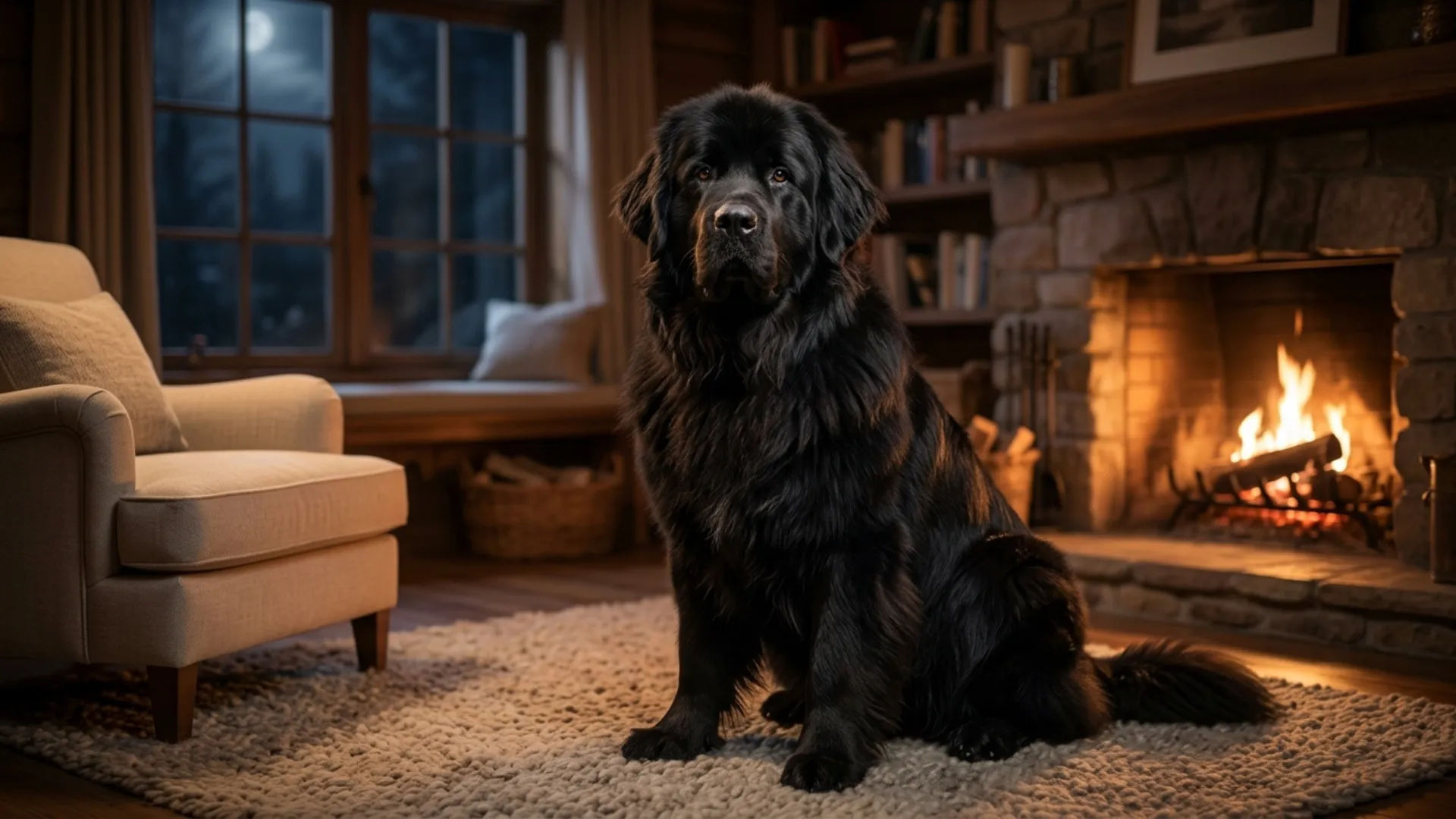
Could your ideal dog be one that settles beside you at night instead of breaking the peaceful hush with constant barking? For apartment dwellers, light sleepers, or anyone who treasures quiet evenings, a naturally less vocal companion can make home feel even more relaxing.
Some dog breeds tend to be quieter than others, making them appealing for households where nighttime calm matters. A cozy routine, gentle and easygoing nature, and enough physical exercise can create the peaceful environment both you and your dog enjoy.
While no dog is completely silent, understanding breed tendencies can help you choose a better match for your lifestyle. Proper socialization, training, moderate exercise, and mental stimulation can also help reduce unnecessary vocalization.
FACT: Dogs bark to communicate for many reasons, including excitement, anxiety, boredom, pain, or alertness, so even generally quiet breeds may vocalize when something needs attention.
Serene Dog Breeds That Won’t Bark During Quiet Nights
1. Cavalier King Charles Spaniel

With its gentle demeanor and affectionate nature, the Cavalier King Charles Spaniel is naturally suited to peaceful companionship. This charming toy breed often prefers staying close to its people, making it an especially appealing lapdog for quieter households.
Cavaliers generally aren’t excessive barkers, particularly when their social and emotional needs are met. They may vocalize when seeking attention, feeling frightened, or reacting to something unfamiliar, but their surprisingly calm temperament usually makes them less noisy than many other small breeds.
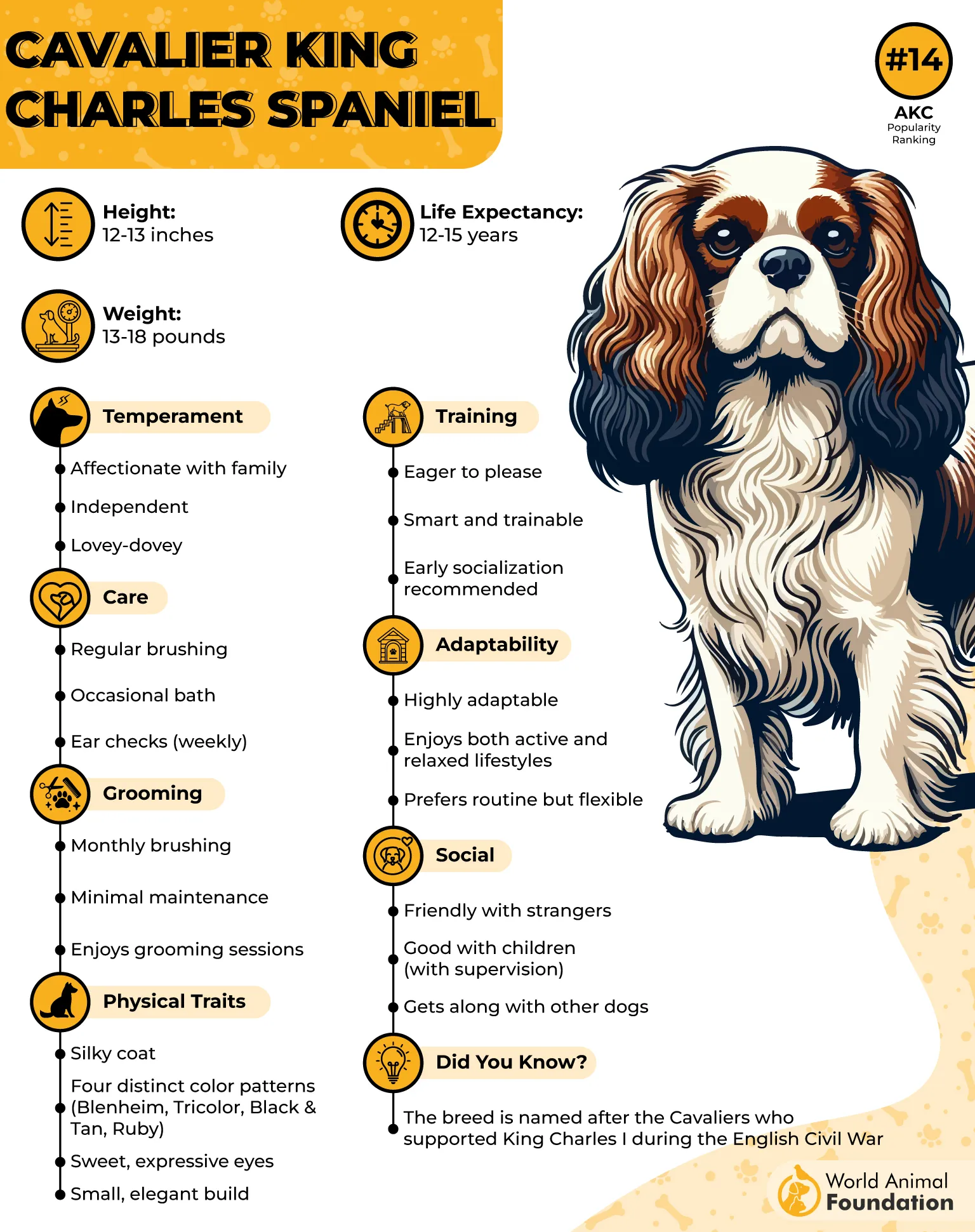
Their friendly disposition also means they are more likely to welcome visitors than aggressively guard the home. Rather than constantly sounding an alarm, a Cavalier may simply approach a stranger with curiosity or settle beside its owner.
For apartment living and relaxed homes, this breed can be a comfortable companion. Cavaliers enjoy spending time with their families and are happiest when they can share quiet moments, cuddles, and plenty of affection with the people they love.
2. Newfoundland

The Newfoundland is a gentle giant with a calm demeanor and a reassuring presence that can make a home feel more secure. Despite its imposing size, this affectionate dog is typically quiet and does not bark without a clear reason.
Rather than being constantly vocal, Newfoundlands tend to stay watchful and alert. They may give a deep, powerful bark when something concerns them, but boredom or anxiety can also trigger occasional vocalization.
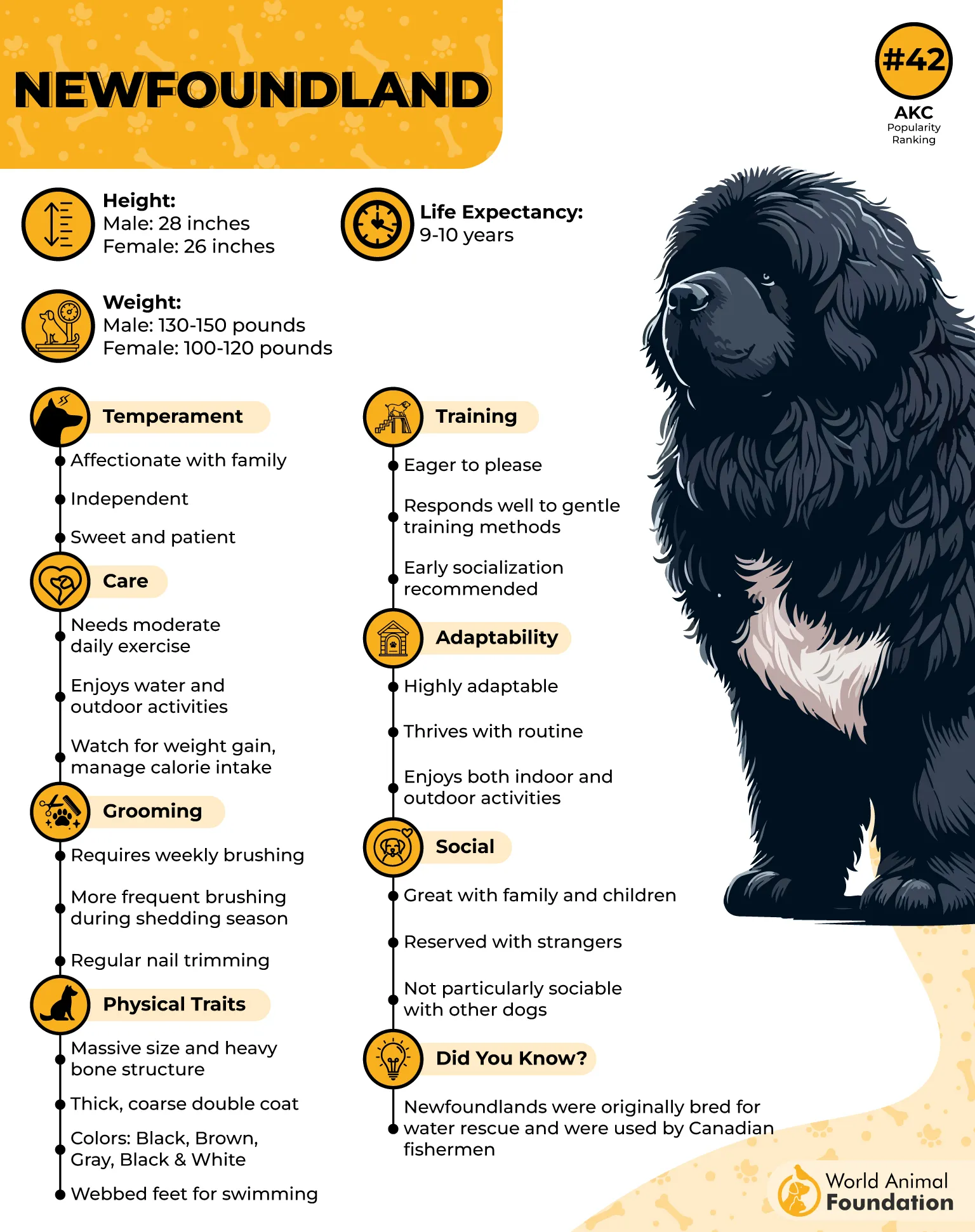
Their affectionate nature and strong loyalty make them devoted companions. With appropriate training, they are generally responsive and can learn to channel their protective instincts without becoming unnecessarily noisy.
Newfoundlands also have a strong bond with water, having historically worked aboard ships and helped rescue people from the water. Their love of swimming provides an enjoyable outlet for their energy and working instincts.
3. Bulldog

Bulldogs are content to spend much of their time relaxing at home rather than reacting to every sound around them. Their laid-back attitude makes them a natural fit for households where peaceful evenings are preferred.
Despite their easygoing nature, Bulldogs have a surprisingly stubborn side. They may not be eager to follow every instruction, but their strong-willed personality gives them plenty of character and makes them entertaining companions.

Barking is rarely their main way of communicating. Instead, their flat facial structure can produce an assortment of snorts, grunts, and throaty noises, with snoring often becoming part of the nighttime soundtrack.
This calm dog lifestyle does not mean they are completely low-maintenance. Bulldogs need attention to their skin folds and should be protected from excessive heat, while regular care helps support their overall well-being.
4. Pekingese

The Pekingese is a small, dignified companion known for its independent yet devoted nature. Rather than demanding constant activity, this breed is often happiest enjoying a peaceful home environment beside its favorite people.
Its relaxed-paced personality makes it well suited to a quiet home. Although affectionate and deeply loyal, the Pekingese can be somewhat selective about its household and may prefer calm surroundings over a busy family setting. According to Purina, Pekingese need less than an hour of daily walks.

At night, this breed is generally not a persistent barker. It may vocalize when it notices a stranger or something unusual, acting more like an alert companion than a dog that barks without reason.
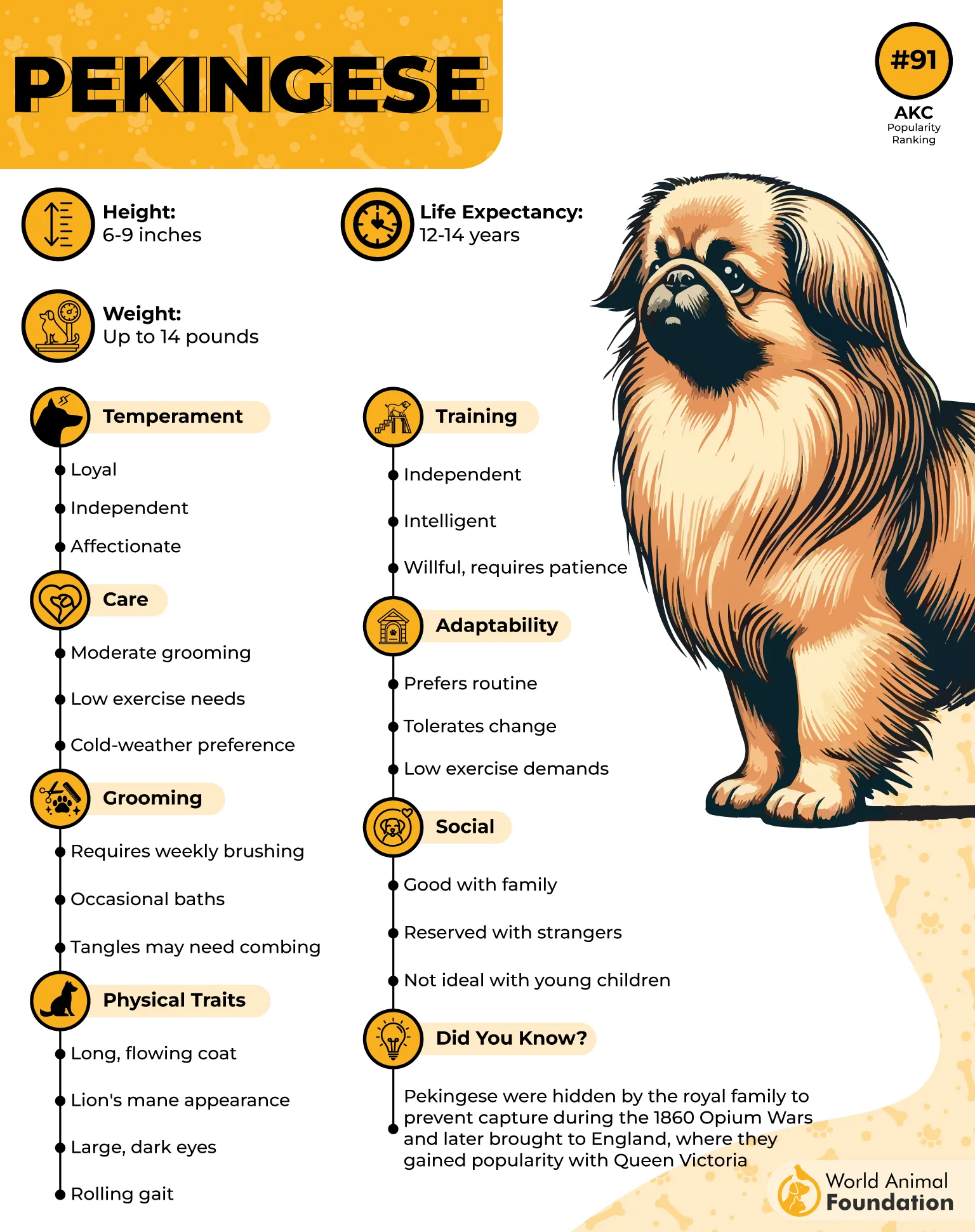
Because of its flat facial structure, however, nighttime sounds may come in the form of snorting, heavy breathing, or loud snoring
5. Basset Hound

With soulful eyes, long ears, and a low-slung build, the Basset Hound has an unmistakable appearance. Despite its ability to produce a powerful howl, this scent hound is generally calm and quiet.
Rather than constantly barking, a Basset Hound is more likely to settle into a comfortable spot and observe the family members. Its easygoing temperament makes it well suited to homes where a peaceful atmosphere matters.

These dogs are famously relaxed and can happily spend hours lounging beside their people. Their affectionate nature also means they often enjoy curling up on the couch for plenty of downtime. According to Hill’s Pet, Basset Hounds have low energy levels.
Training may require patience, however, because the Basset Hound can have a stubborn streak. Its occasional vocal outburst can certainly be impressive, but everyday life with this breed is usually much more serene than its booming voice suggests.
6. Saint Bernard

The Saint Bernard, famously associated with Beethoven, is a legendary mountain companion with a remarkably gentle presence at home. Despite its imposing stature, this breed is typically calm in nature and patient rather than persistently vocal.
Barking is usually limited to situations that seem important, such as sensing a potential threat. However, separation anxiety can sometimes lead to increased vocalization, making companionship and a settled routine especially valuable.

Affectionate and devoted, Saint Bernards generally enjoy staying close to their families and are eager to please. Their quiet temperament can make them a soothing presence during peaceful evenings.
Early, consistent training is particularly important because their enormous size requires reliable manners and control. Owners should also be prepared for heavy shedding, drooling, and the considerable space this gentle giant needs.
7. Pug

Pugs are little homebodies that are happiest when they can relax close to their favorite people. Their compact, round bodies and signature wrinkles add to their charming, laid-back personality.
Unlike many small dogs known for frequent barking, Pugs are generally not excessive barkers. They may vocalize when excited or bored, but they tend to be better suited to peaceful households where quiet companionship is valued. According to the AKC, they are normally easy to train.

Their short, narrow airways can make them surprisingly expressive without relying on loud barking. Instead, owners may hear plenty of snorts, snuffles, and amusing little grunts as these dogs go about their day.
Because they enjoy lounging, keeping a Pug at a healthy weight is important. Their facial wrinkles also need regular cleaning to keep the folds fresh, while their preference for staying close makes them content with plenty of cozy indoor time.
Conclusion
Finding a dog that fits a peaceful nighttime routine can make home life more relaxing. Some breeds naturally tend to be quieter, making them well suited to households where calm evenings matter.
From affectionate homebodies to incredibly gentle companions, these dogs can bring plenty of warmth without constantly filling the house with barking. Their personalities and energy levels can also make quiet time more enjoyable.
However, even naturally quieter dogs may vocalize when they are excited, bored, anxious, or trying to communicate. A comfortable environment, regular exercise, and appropriate training can help encourage peaceful behavior.
Choosing the right dog ultimately comes down to more than barking habits. Consider temperament, lifestyle, regular grooming needs, and companionship style to find a dog that can settle comfortably into your home and enjoy those tranquil nights by your side.
