




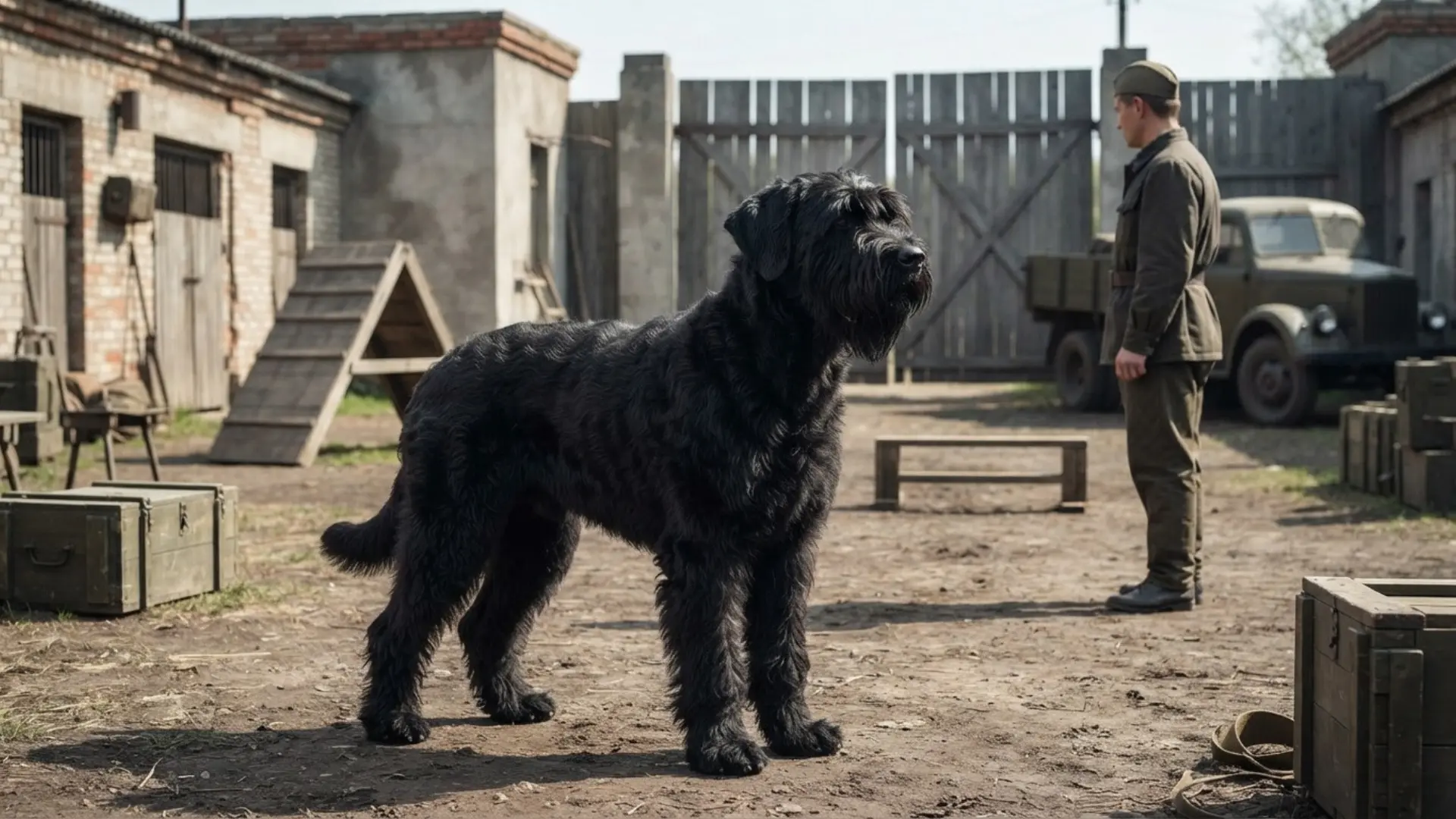
Imagine opening an old history book and discovering a towering dog that once guarded estates, traveled with working communities, or served a purpose almost forgotten today. Some giant breeds carry stories that are just as remarkable as their impressive size, yet they remain unfamiliar to many dog lovers.
Their histories reveal how people shaped these powerful canines for specific environments, duties, and lifestyles. From unusual origins to distinctive traits, each breed offers a glimpse into the diverse relationship humans have shared with dogs across generations.
If you’re curious about extraordinary companions beyond the familiar giant breeds, these ten little-known dogs offer plenty of fascinating details to uncover—and their stories may surprise you.
FACT: Giant dog breeds generally have shorter lifespans than smaller breeds, often averaging around 6 to 10 years.
Little-Known Giant Dog Breeds With Unique Histories
1. Leonberger
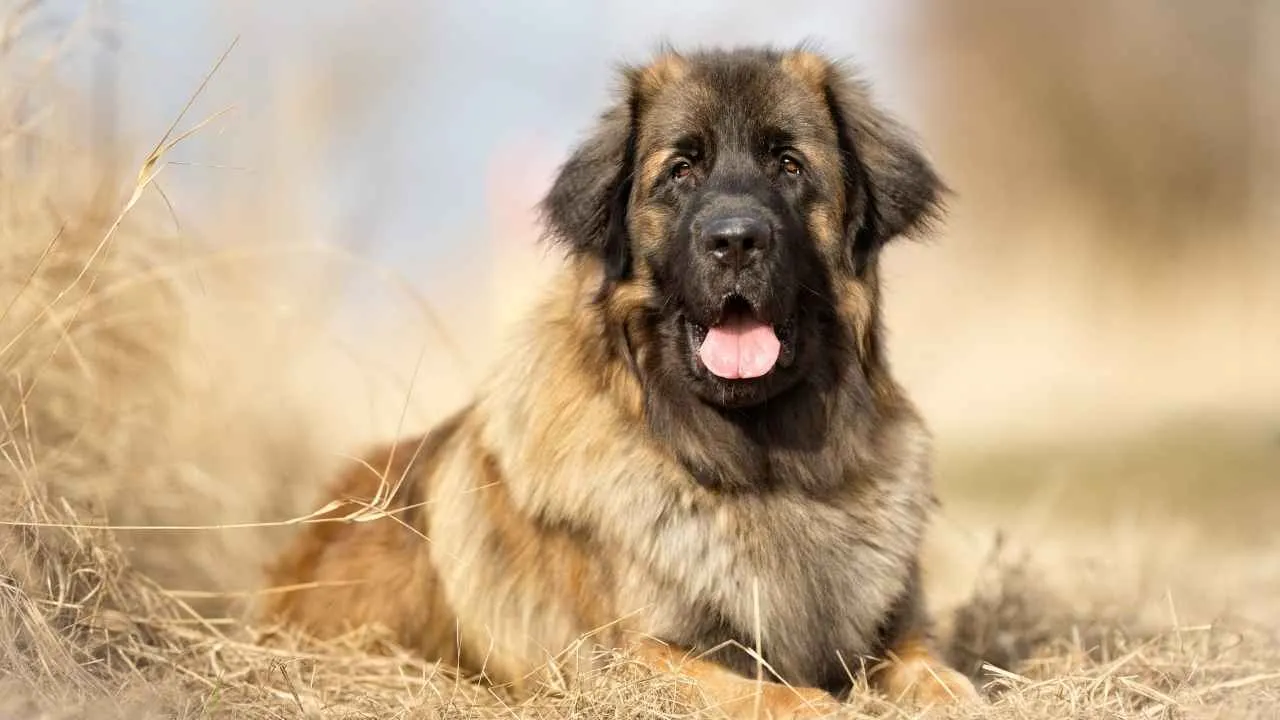
The Leonberger is a striking German giant created to evoke the majestic appearance of a lion. Its abundant mane, powerful frame, and thick double coat give this breed an unmistakably regal silhouette.
Leonberger originated in Germany in 1846, where Heinrich Essig developed the breed through generations of crosses involving the Newfoundland, Saint Bernard, and Pyrenean Mountain Dog. The result was a formidable yet gentle companion.
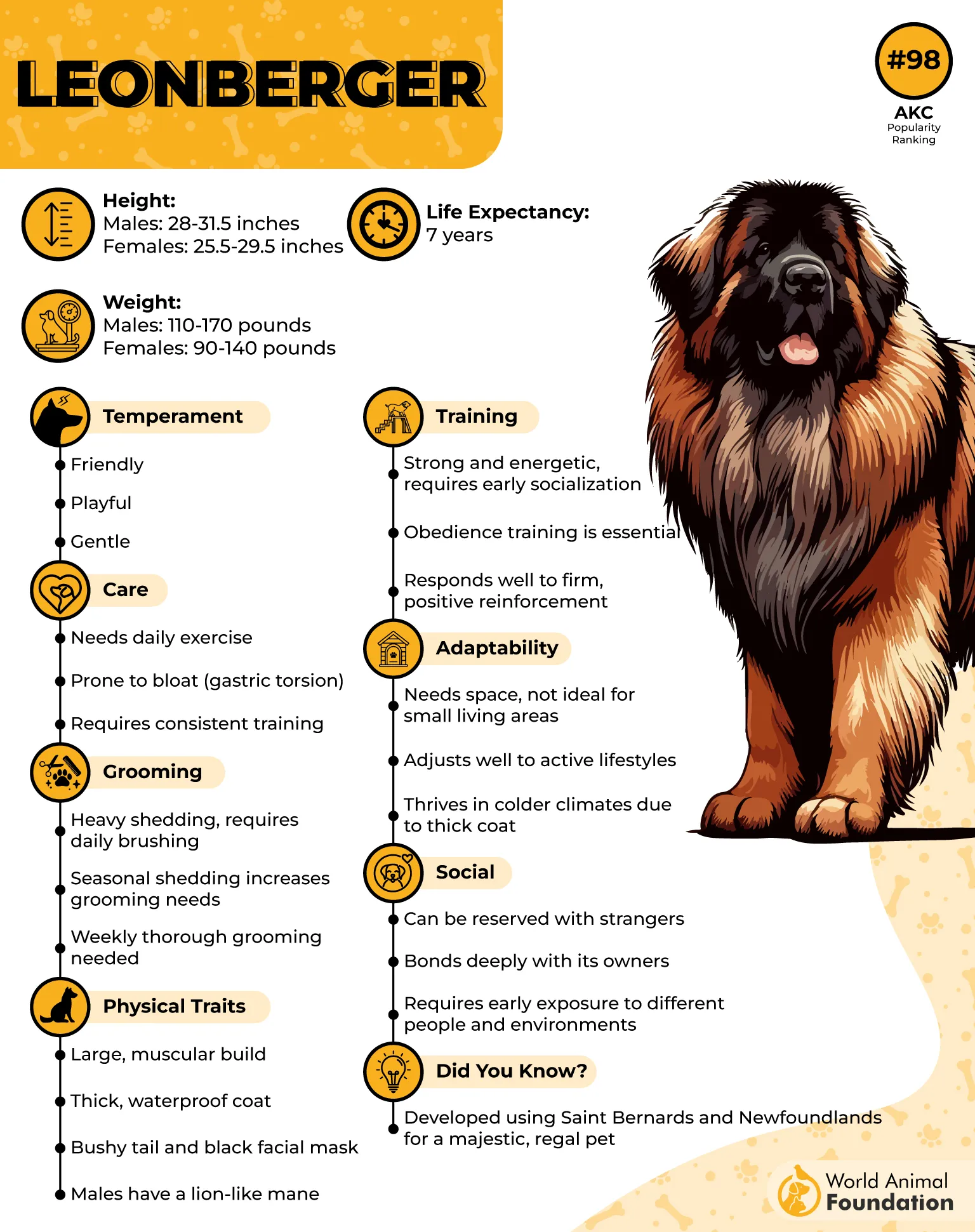
Despite its imposing size, the Leonberger is known for its affectionate, sociable nature and close connection with its family. It can also excel in activities such as water rescue, tracking, and herding, combining strength with intelligence. According to Omlet, they are excellent with other pets, animals, and children and tend to be submissive with their human family.
This giant requires plenty of room and regular grooming. Its heavy coat also helps regulate body temperature and should never be shaved.
2. Black Russian Terrier
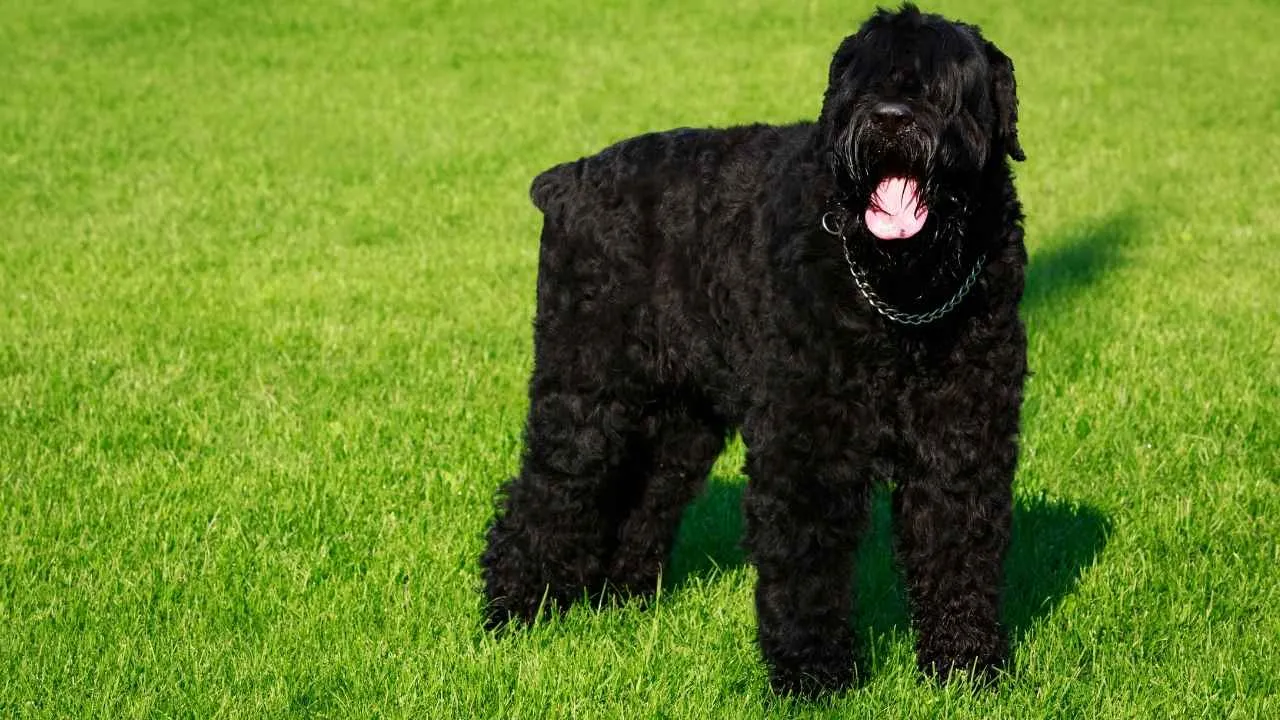
The Black Russian Terrier was developed in the Soviet Union during the mid-twentieth century as a purpose-built military working dog. Its creators combined more than a dozen breeds, including the Giant Schnauzer, Airedale Terrier, and Newfoundland, to produce a powerful, trainable dog suited to harsh conditions.
Reaching up to 130 pounds and standing as tall as 30 inches, this imposing breed was designed for strength and endurance. Its dense black coat also provided protection against the severe Russian climate.
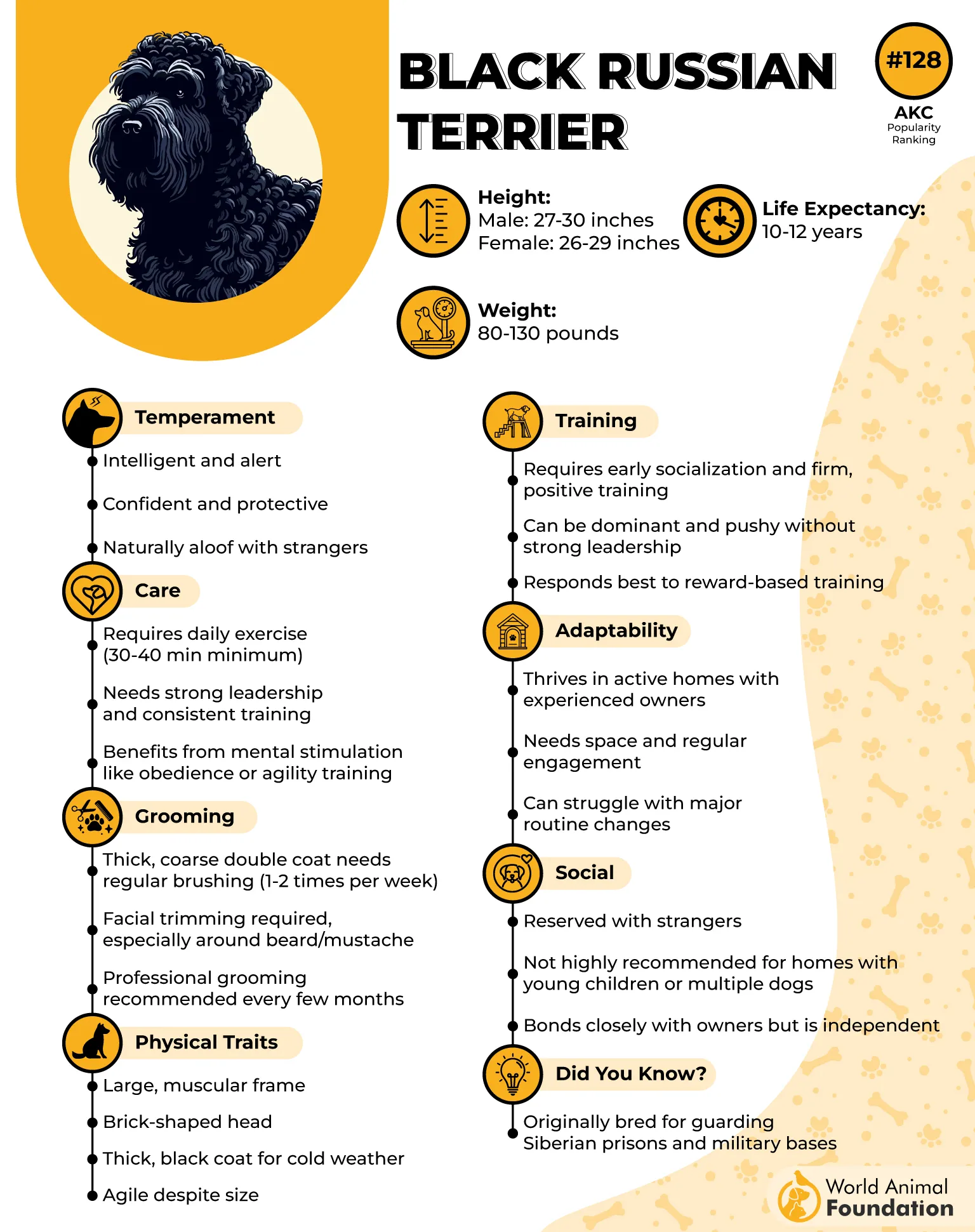
Despite its formidable appearance, the Black Russian Terrier is intelligent and devoted to its family. Its strong-willed nature calls for an experienced owner who can provide firm, consistent training.
Regular exercise helps channel its energy productively, while early socialization supports its protective instincts. With enough room to move and purposeful activities, it can adapt surprisingly well to different living environments. According to WebMD, they may become highly aggressive without proper training.
3. Broholmer
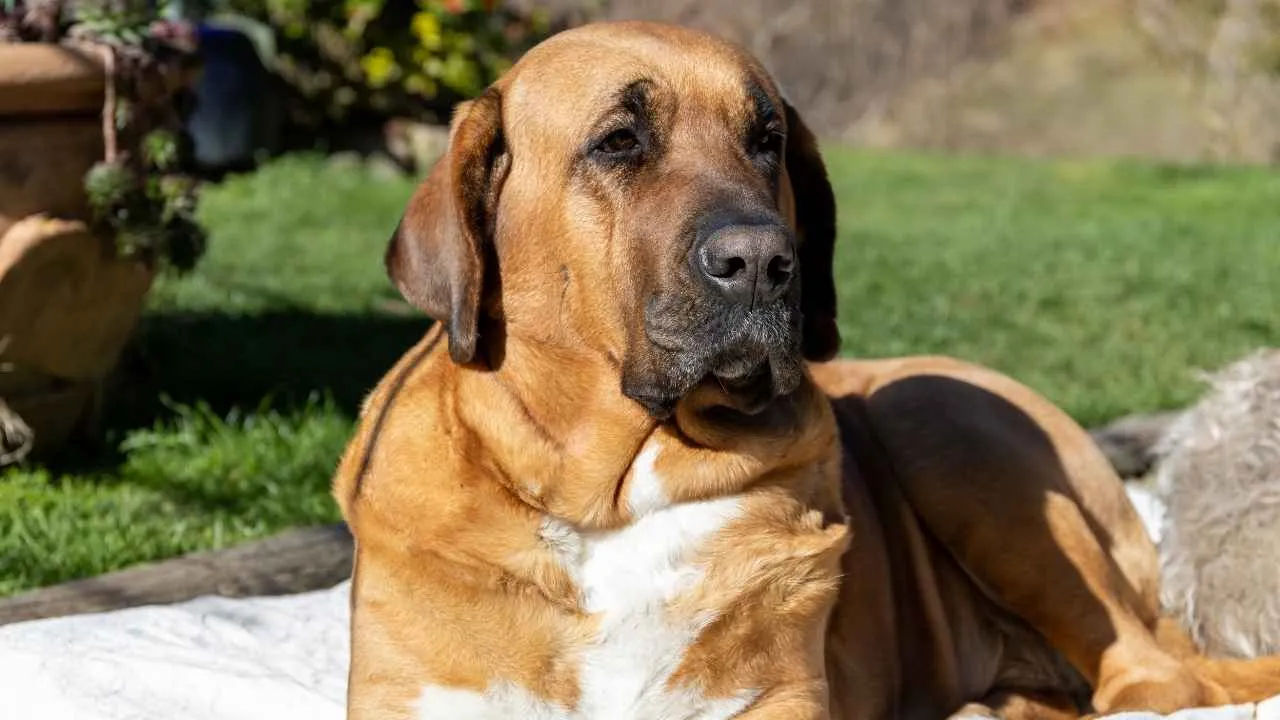
The Broholmer is a commanding Danish mastiff with roots reaching back to the Middle Ages. Once valued for staghunting, it later became a trusted guardian of grand estates, farms, and manors.
Its aristocratic connection grew in the late eighteenth century when Chamberlain Sehested of Broholm helped establish the breed. The Broholmer eventually took its name, linking this imposing dog to Denmark’s estate-owning heritage.

By the nineteenth century, these dogs were also familiar around Copenhagen, where they earned the nickname “butcher’s dog.” They guarded homes, watched livestock, and stood outside butcher shops as imposing protectors.
Despite its formidable presence, the Broholmer has a gentle, composed nature. Its massive head, powerful build, and confident demeanor can discourage unwanted visitors, while its calm temperament makes it a devoted family companion.
4. Neapolitan Mastiff
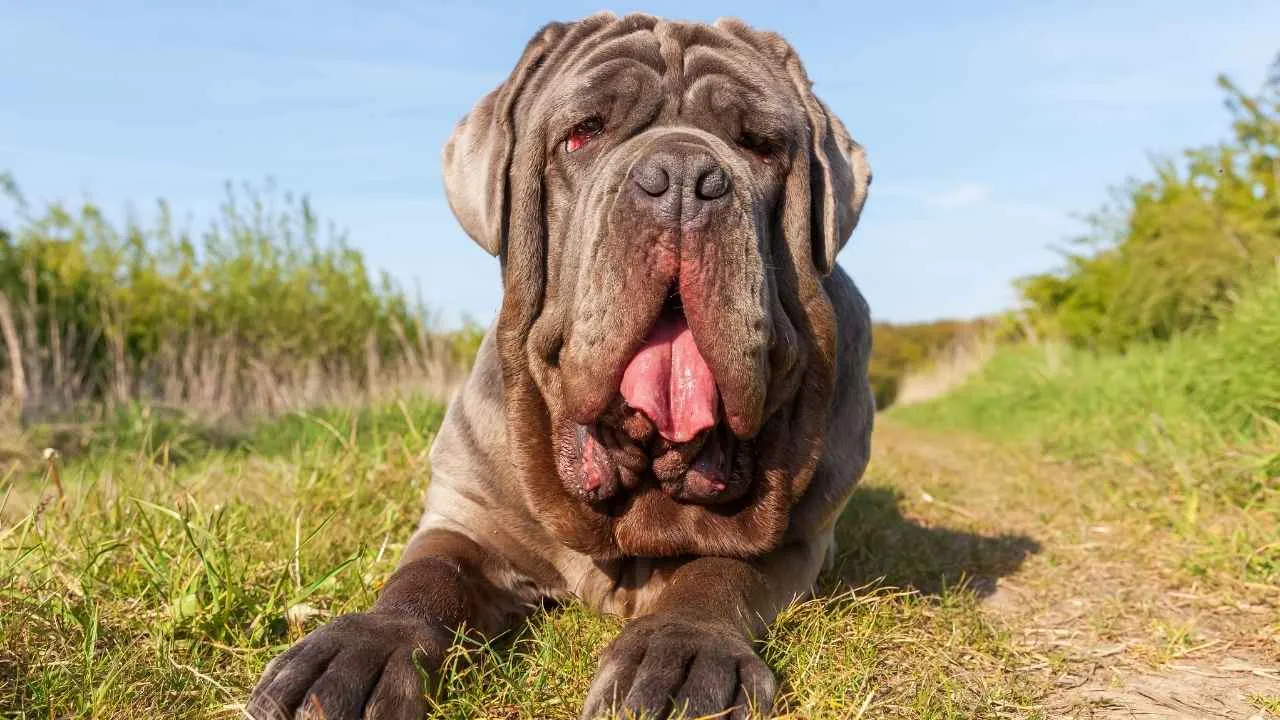
The Neapolitan Mastiff carries an extraordinary history rooted in southern Italy, with ancestry linked to the massive dogs used by Roman armies. Centuries later, these imposing dogs became devoted guardians of homes and estates.
Its unmistakable appearance comes from heavy bones, abundant loose skin, and deep folds covering the head and body. A mature male can stand between 26 and 31 inches and weigh around 150 pounds, giving this ancient breed its formidable presence.
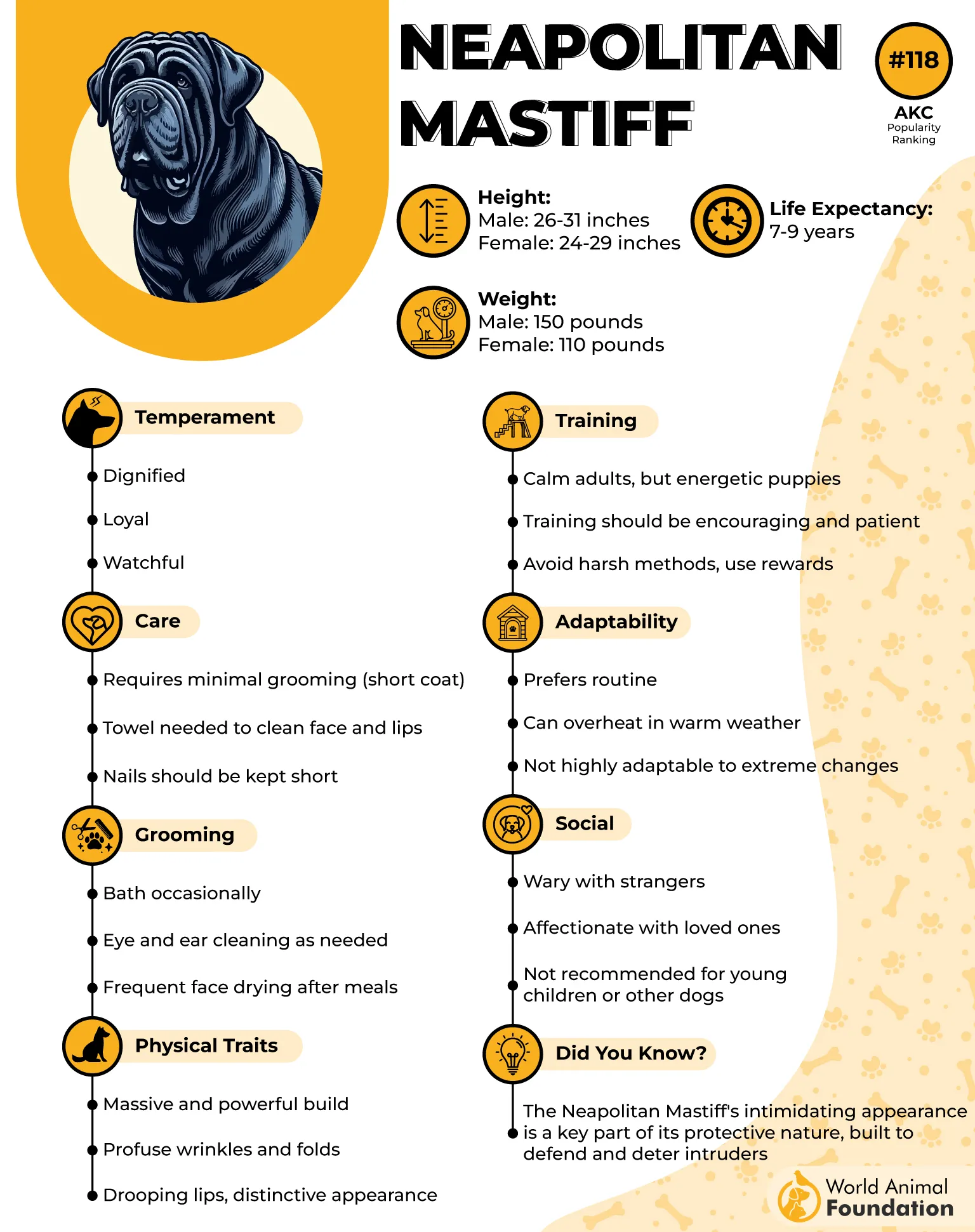
Despite its intimidating exterior, the Mastino is generally calm and steady with its family. It tends to remain reserved around unfamiliar people, relying more on quiet vigilance than constant barking when protecting its territory.
The breed’s rolling gait and pendulous lips add to its unusual character, while its protective instincts reflect its long history as a defender. Extensive socialization and experienced handling are important for managing such a powerful guardian.
5. Scottish Deerhound

Known as the “Royal Dog of Scotland,” the Scottish Deerhound has a history steeped in the Scottish Highlands. This towering coursing hound was developed to pursue red deer, relying on speed, stamina, and an instinctive hunting drive.
Its imposing frame reflects its original purpose. Males can reach about 32 inches at the shoulder and weigh up to 110 pounds, while females typically weigh between 75 and 95 pounds.
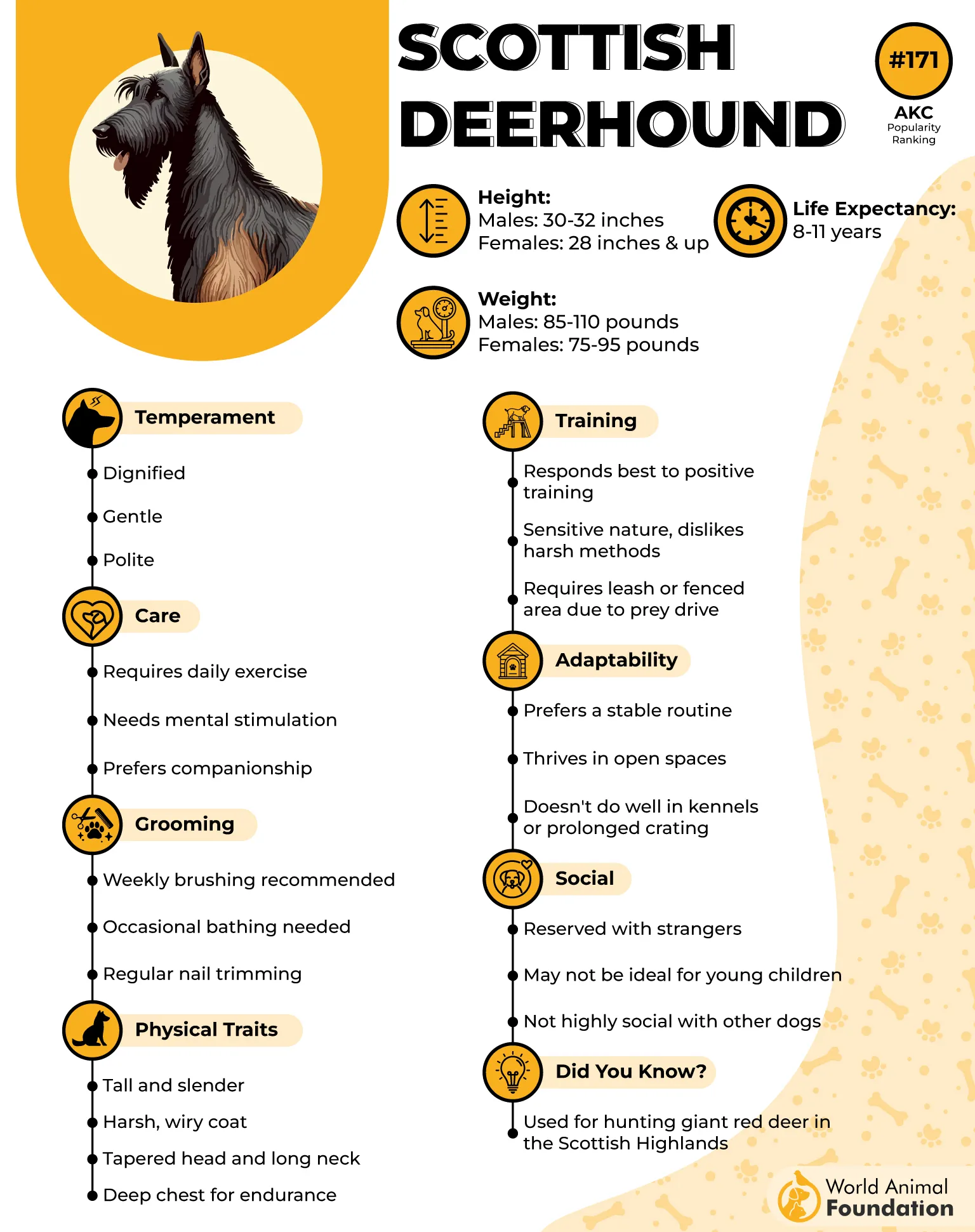
Despite their formidable stature, Deerhounds are notably gentle and sociable. Their long legs, narrow build, and crisp coat give them an unmistakably regal appearance, while their calm nature makes them surprisingly pleasant companions.
For centuries, ownership was associated with the Scottish nobility and powerful families. Their ability to chase large game across rugged terrain made them valuable hunting partners long before they became cherished household dogs.
6. Greater Swiss Mountain Dog
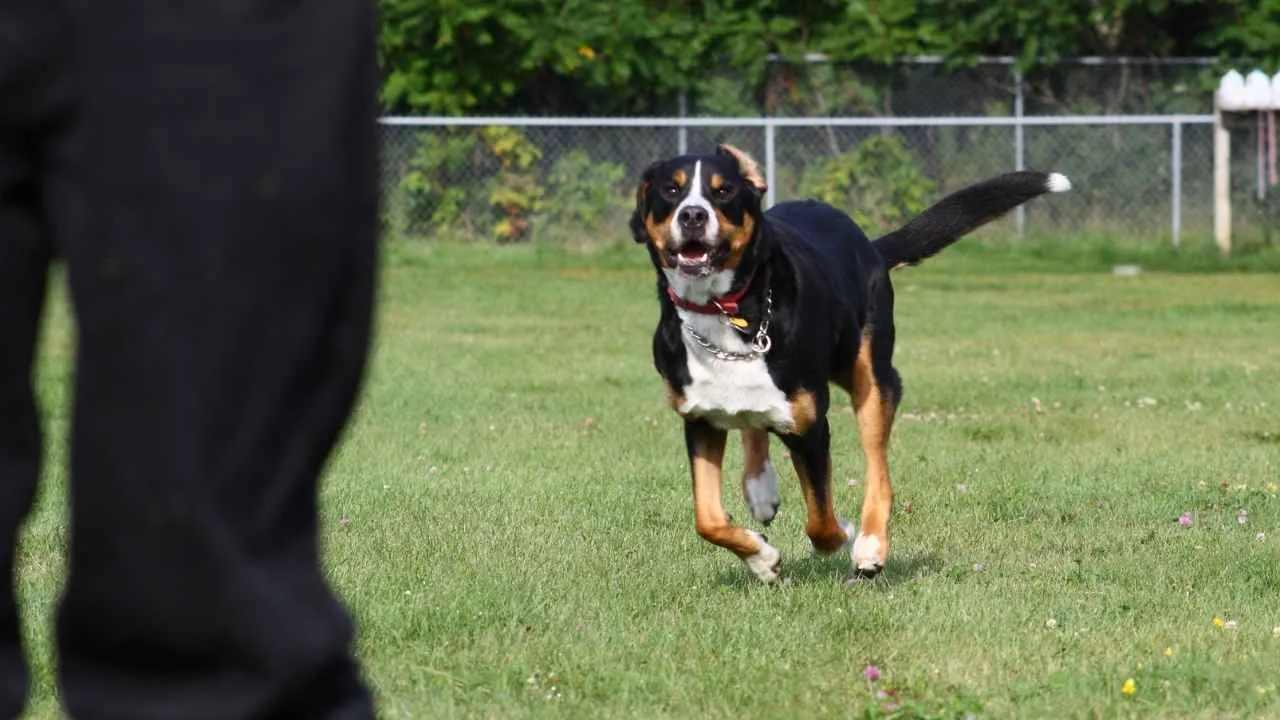
The Greater Swiss Mountain Dog, or Swissy, is a powerful farm dog with roots stretching back to the Middle Ages. Built for demanding work, it helped herd cattle, guard livestock, and manage pasture duties.
Its remarkable strength was especially useful for drafting and other jobs requiring steady effort. Despite its imposing size, the breed is agile enough to navigate rugged, sloping terrain while working alongside farmers.
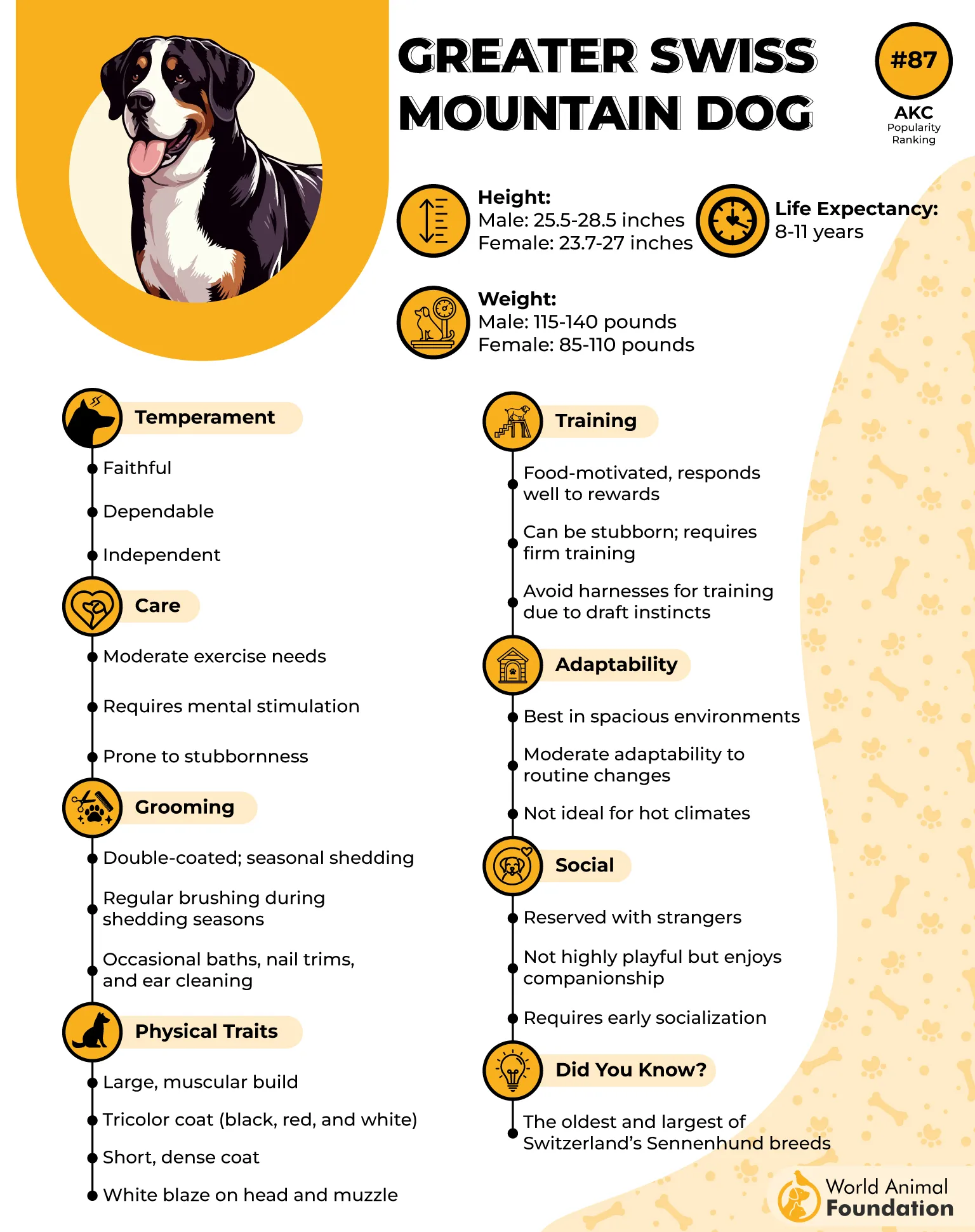
Swissies have a strong work ethic and enjoy having a purpose throughout the day. Their deep, commanding bark also makes them attentive watchdogs, quickly alerting their families when something unusual catches their notice.
Food rewards can make training especially engaging for this motivated breed, although a stubborn streak may test an inexperienced owner. Early socialization is important, particularly because some Swissies may be wary or confrontational around unfamiliar dogs.
7. Estrela Mountain Dog
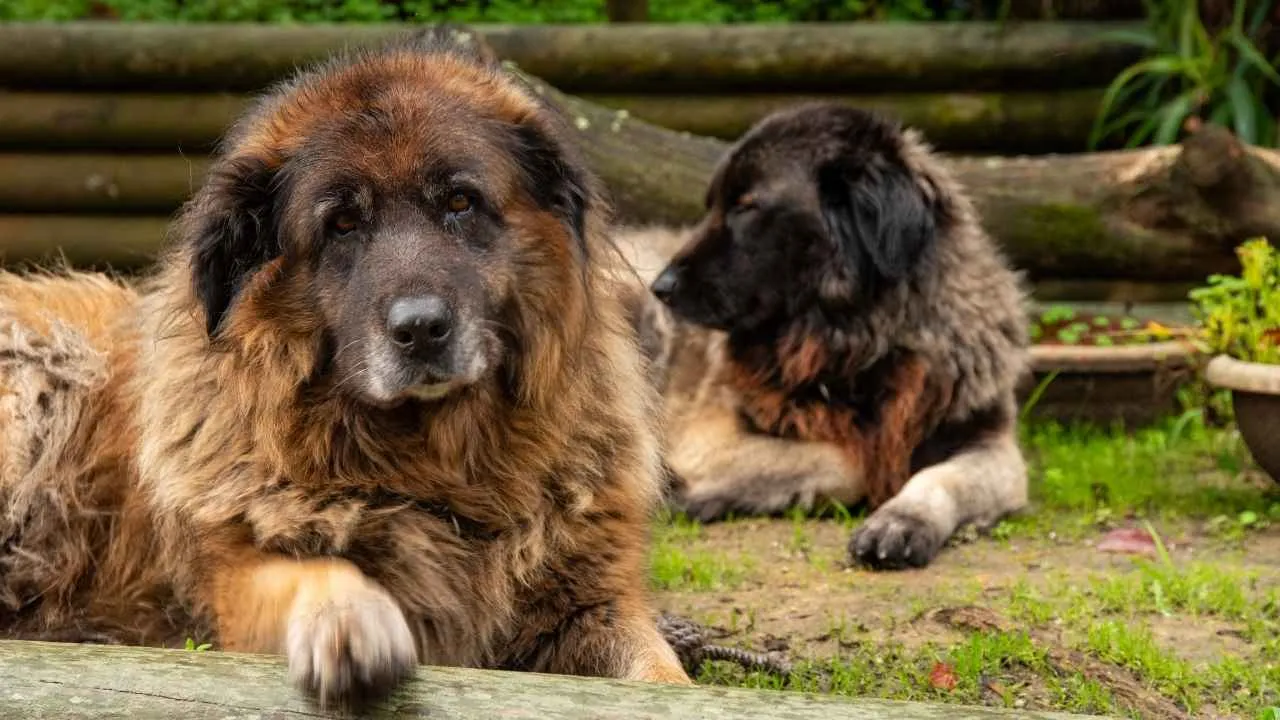
From Portugal’s rugged Estrela Mountains comes a giant guardian with a history deeply tied to remote pastoral life. The Estrela Mountain Dog is among the region’s oldest breeds, developed to protect livestock rather than simply follow a shepherd’s commands.
For generations, these powerful dogs stood watch over sheep and goats, confronting predators such as wolves and bears. Working independently in isolated terrain shaped their ability to assess danger and make protective decisions without constant human direction.
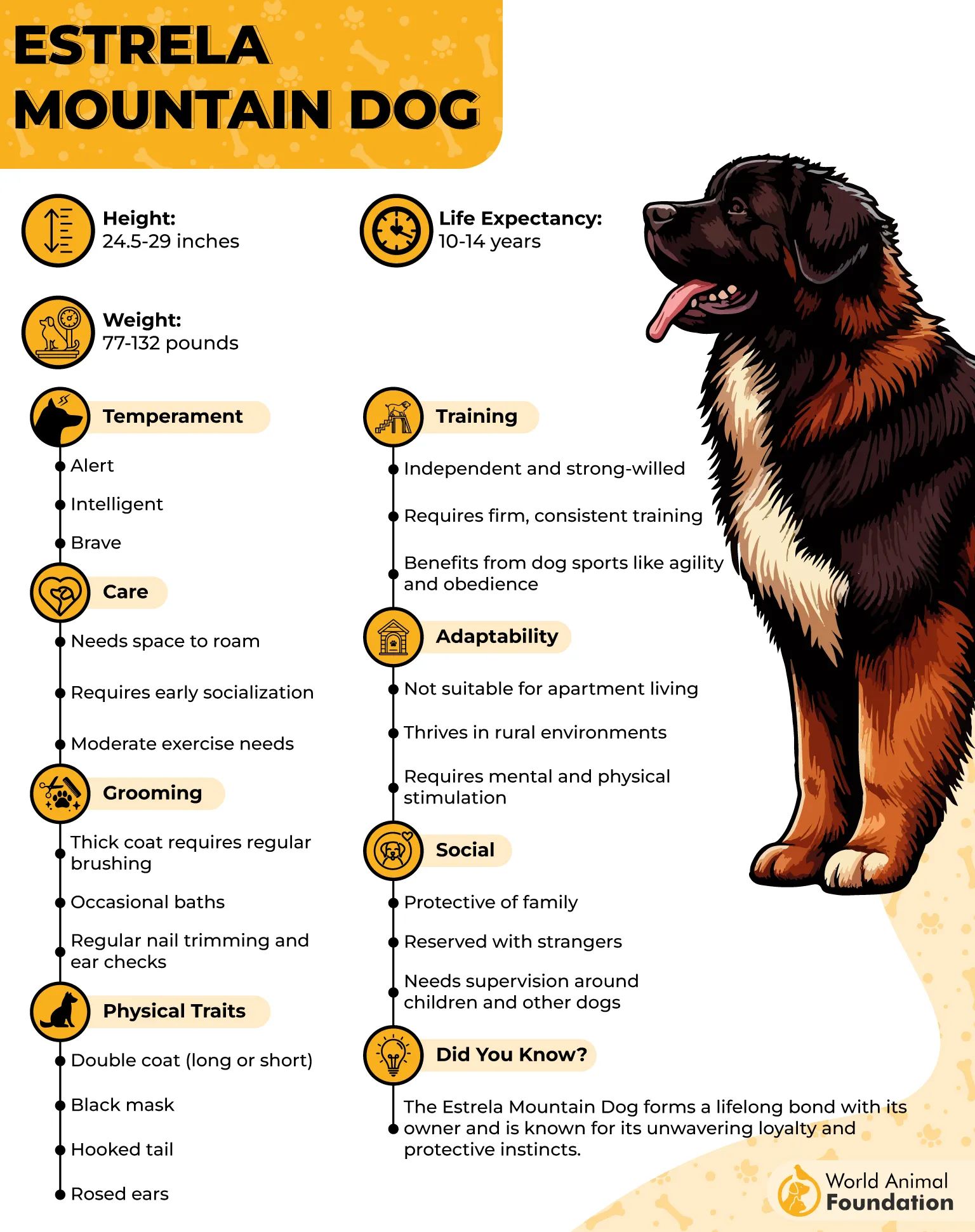
Their imposing Mastiff-like build is complemented by distinctive features, including a dark facial mask, folded ears, and a curved tail. Available in long- and short-coated varieties, they have a sturdy, rustic appearance suited to demanding mountain conditions.
At home, the Estrela forms deep bonds with its family while remaining naturally reserved around unfamiliar people. Early socialization and training help channel its independent temperament into reliable guardianship.
8. Tibetan Mastiff
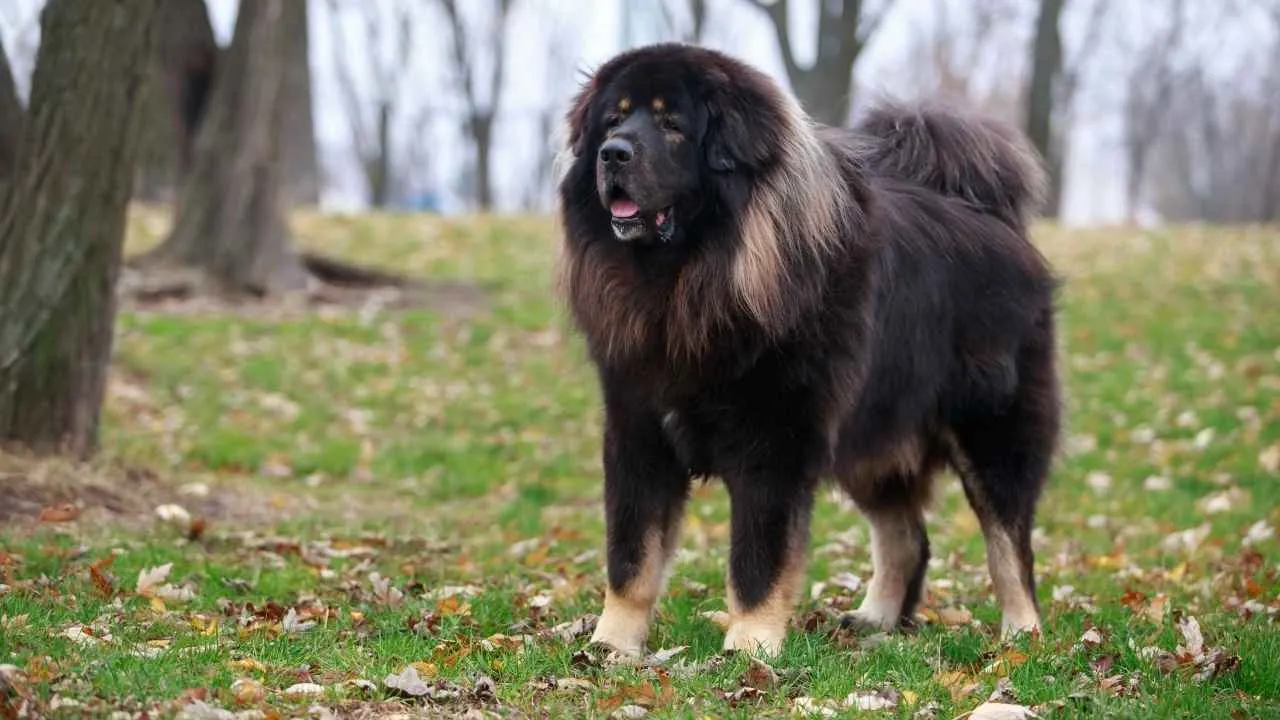
The Tibetan Mastiff carries an air of mystery shaped by thousands of years in the Himalayan mountains. This imposing guardian was developed to protect nomadic camps, villages, and monasteries from formidable predators.
Its history stretches back more than five millennia, with the breed becoming closely associated with Tibetan herders and Asian nobility. Historical accounts even mention these powerful dogs, while Western attention grew after one was presented to Queen Victoria.
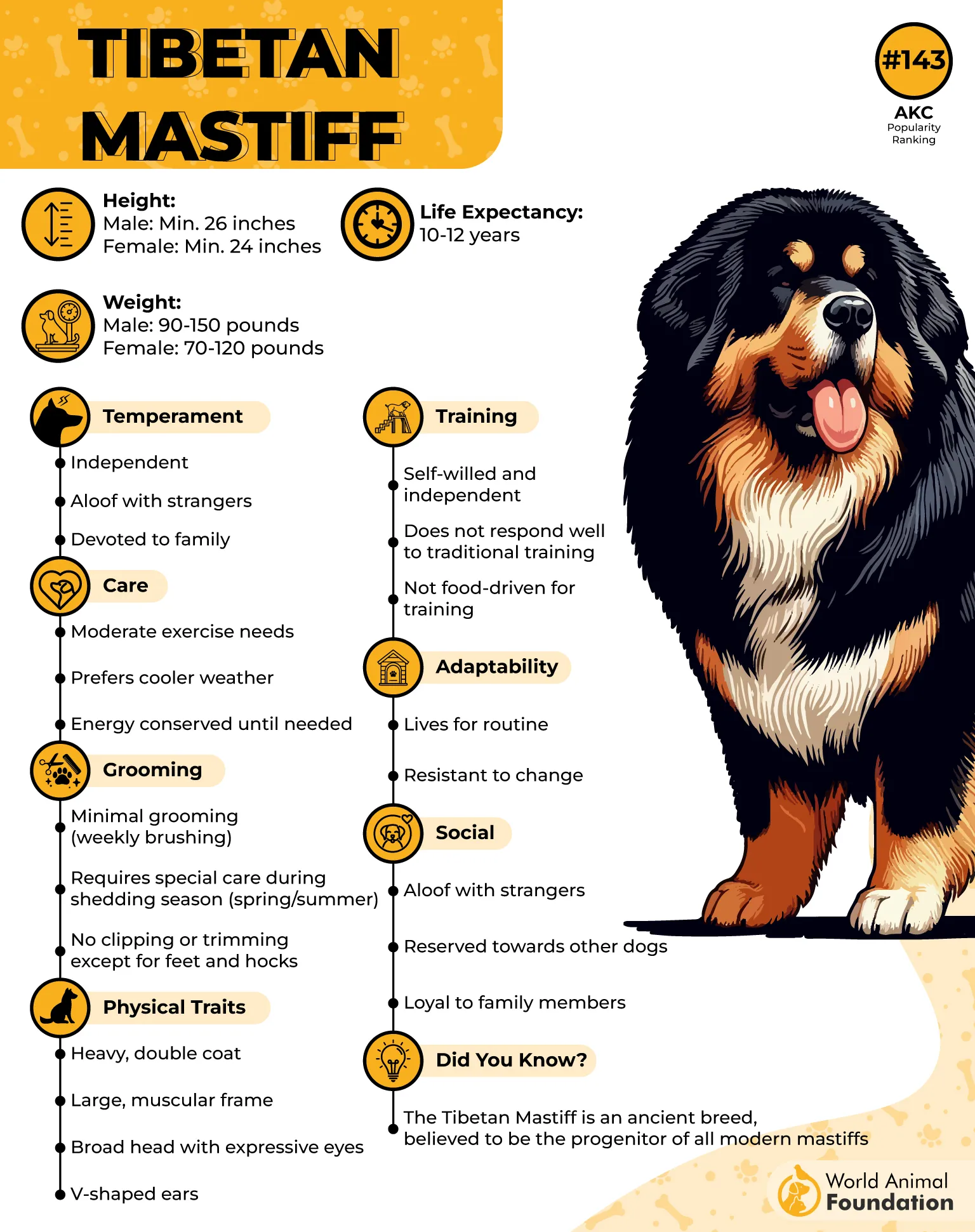
Wrapped in a thick double coat and crowned with a distinctive mane, the Tibetan Mastiff has a striking, lion-like appearance. Its broad head, feathered tail, and watchful expression add to its ancient character.
At home, this breed can be calm and deeply devoted to its family, yet it remains naturally reserved and territorial around unfamiliar people. Its deep bark and imposing presence make it a formidable property guardian. According to Orvis, Tibetan Mastiffs have moderate energy levels.
9. Anatolian Shepherd
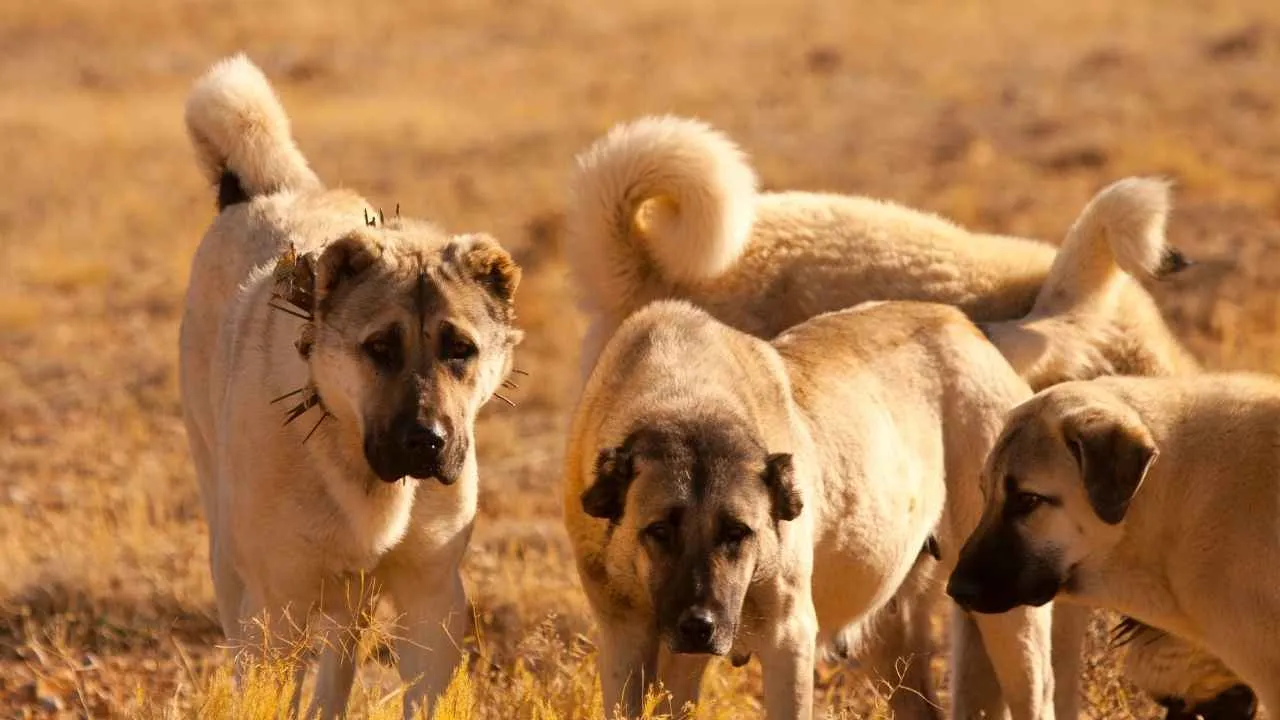
The Anatolian Shepherd traces its roots to Turkey’s Anatolia region, with a lineage stretching back thousands of years. These imposing guardians were shaped by rugged terrain and demanding conditions.
Nomadic shepherds relied on them to accompany flocks across the Central Anatolian Plateau, where they faced harsh weather and predators such as wolves and bears. Their endurance was essential to the work.
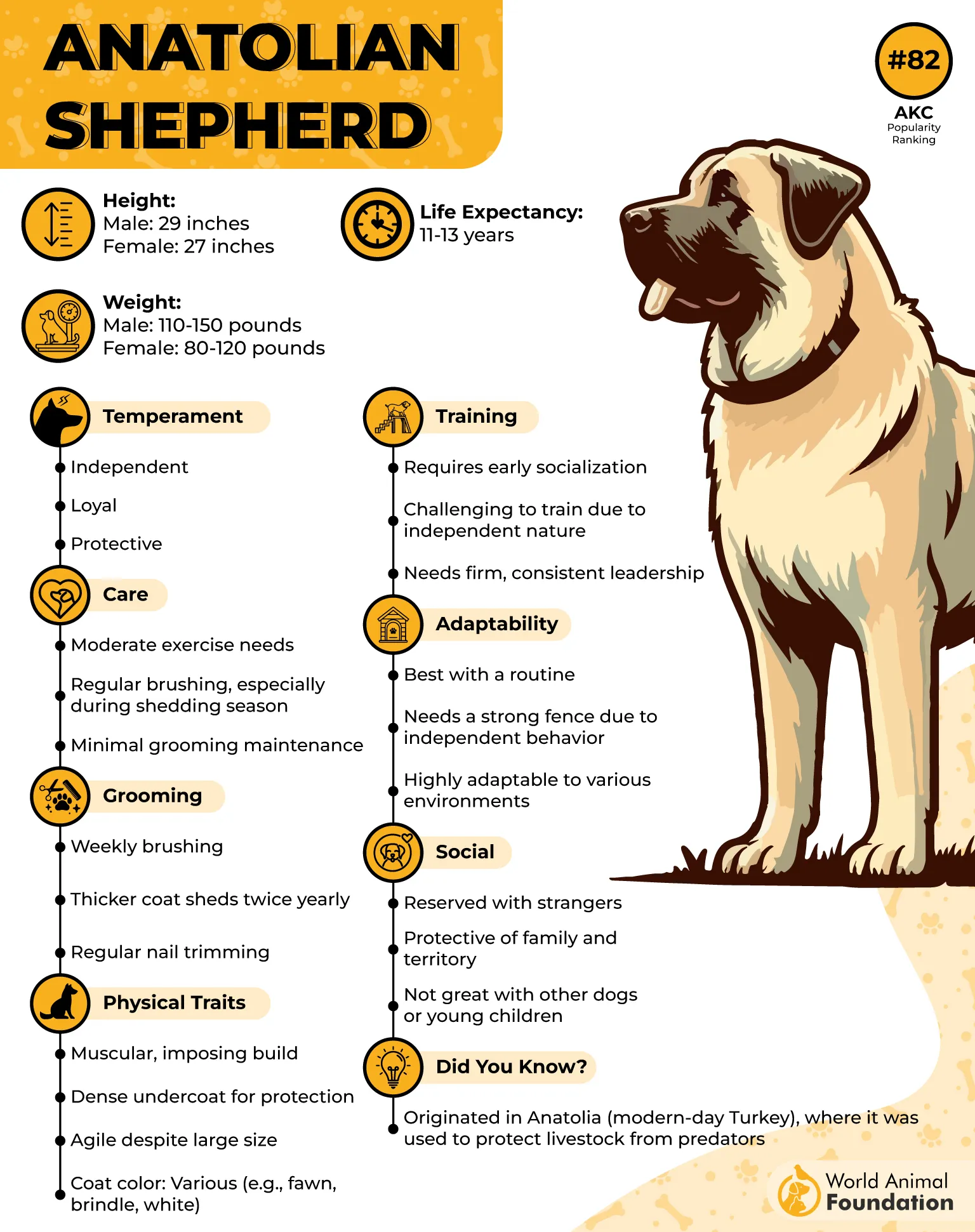
Standing 27 to 29 inches tall and weighing up to 150 pounds, the breed combines substantial strength with surprising agility. Its protective instincts remain deeply embedded in its working character.
Despite its imposing presence, the Anatolian Shepherd is intelligent, patient, and devoted. It can independently assess threats and protect livestock without constant direction, reflecting the resourcefulness developed through centuries of guarding work.
10. Irish Wolfhound
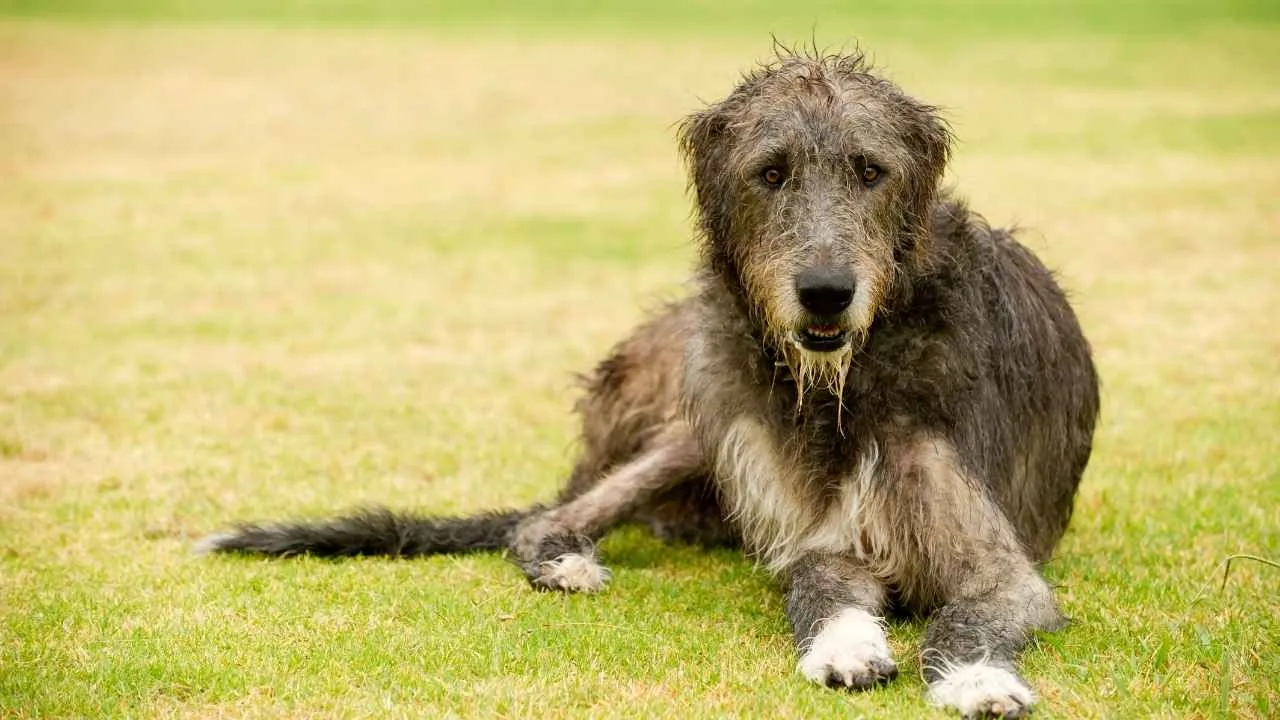
Few breeds carry a history as deeply woven into Ireland as the Irish Wolfhound. Once valued as formidable hunting and war companions, these towering hounds were used to pursue wolves, deer, and wild boar across rugged terrain.
Their immense stature is one of their defining features, with males standing at least thirty-two inches tall. A rough, wiry coat, long legs, broad head, and sweeping tail further reinforce their unmistakable appearance.
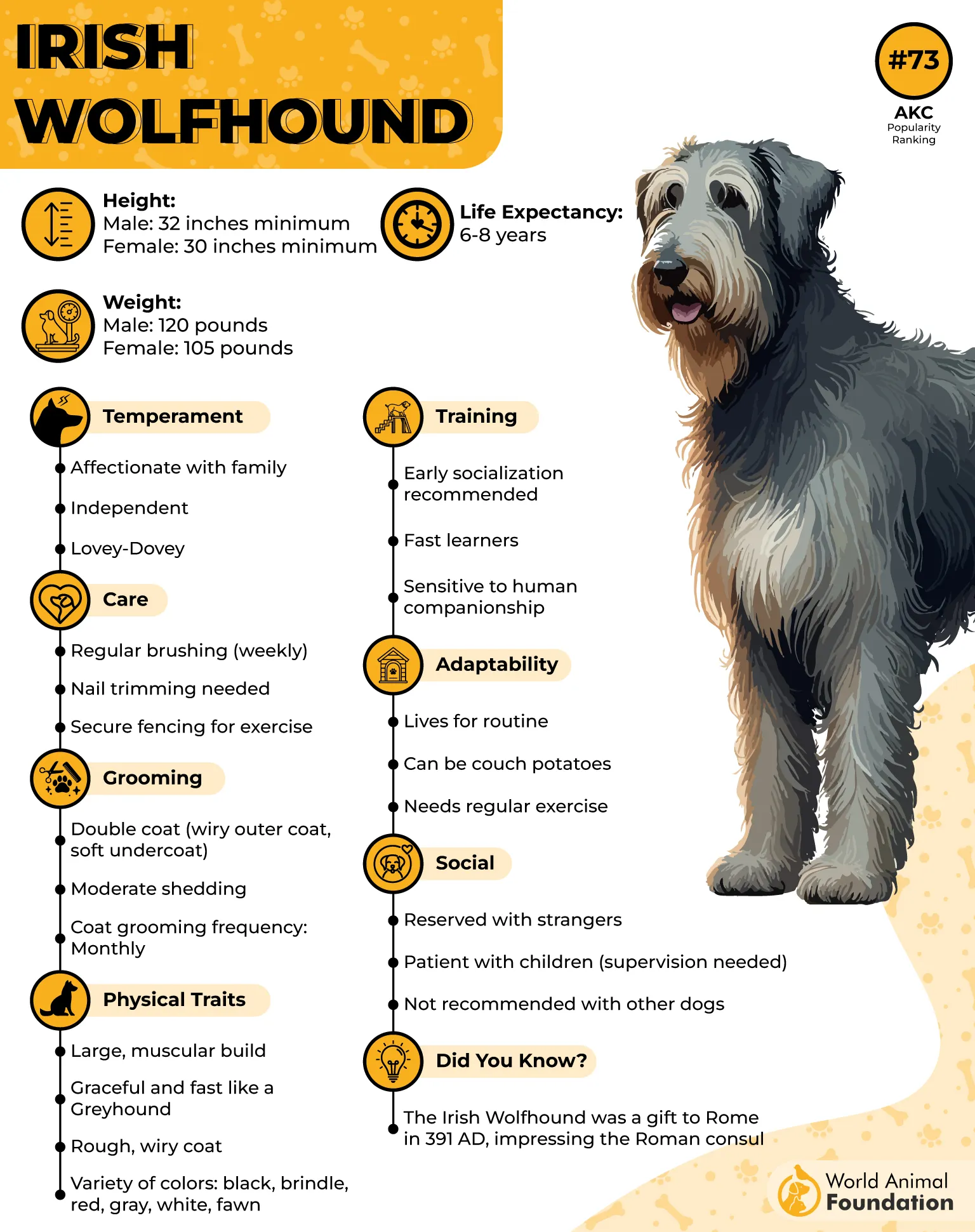
Despite their formidable past, modern Irish Wolfhounds are generally gentle, patient, and easygoing. They often form strong bonds with their families and can be particularly tolerant around children and other dogs.
Their earlier role as wolf hunters gradually disappeared as wolves vanished from Ireland, transforming the breed’s purpose over time. Today, they retain traces of their ancient hunting and guarding instincts while living primarily as devoted household companions.
Conclusion
These giant dog breeds are more than impressive in size; their histories reveal remarkable connections to hunting, guarding, warfare, farming, and companionship. Each breed carries a legacy shaped by the roles people once depended on them to perform.
From ancient Irish hunters to powerful working dogs, their development reflects the environments and challenges of their origins. Many were bred for demanding tasks that required strength, endurance, courage, or specialized instincts.
Although their traditional roles have changed, many of these breeds still display characteristics inherited from their ancestors. Their imposing presence, distinctive appearances, and unique temperaments continue to make them fascinating companions.
Learning about these lesser-known giants offers a glimpse into canine history while showing how dramatically a breed’s purpose can evolve. Their stories make them memorable not simply because they are enormous, but because each carries a distinctive piece of the past.
