




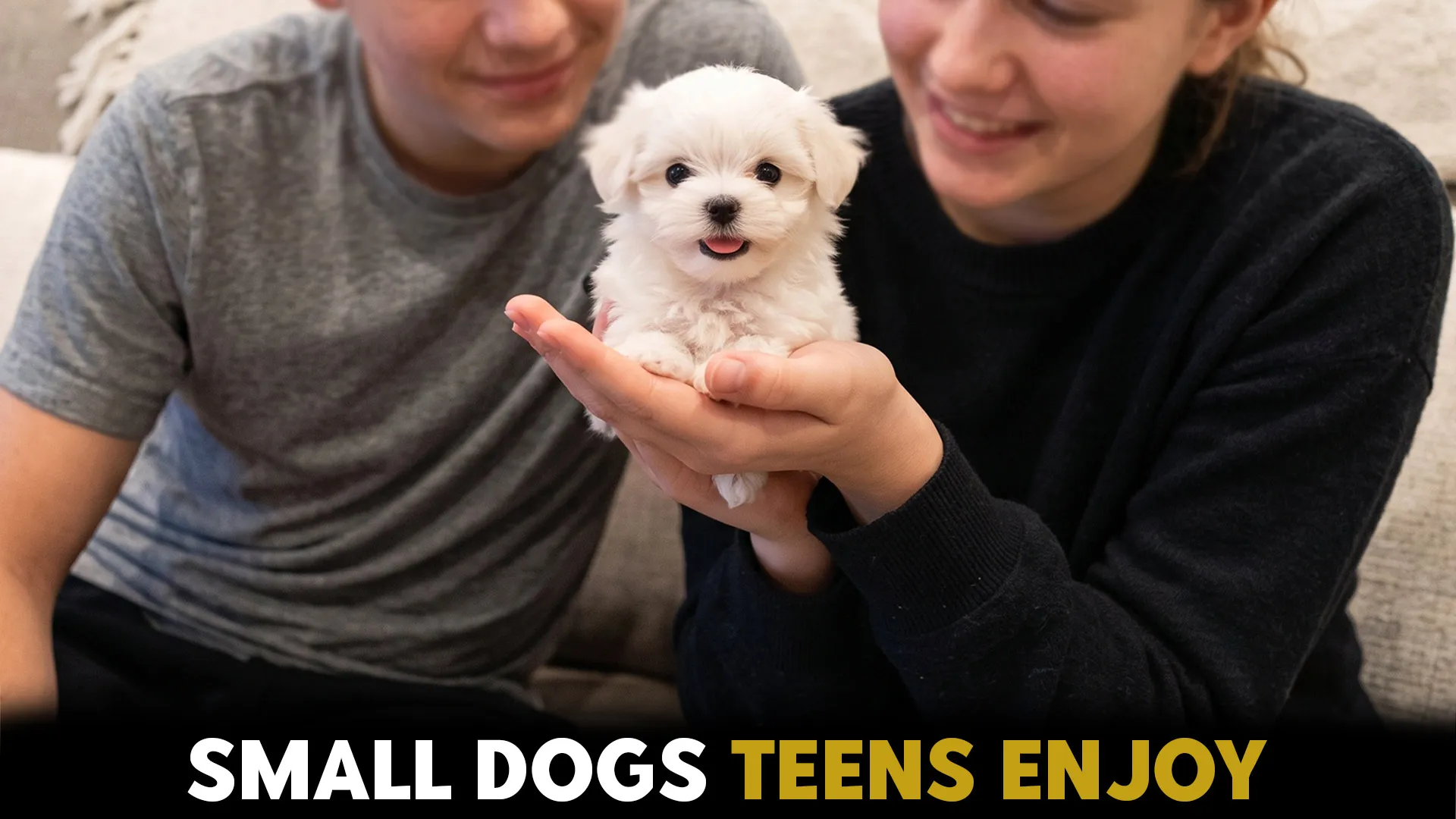
Teen years bring homework, hobbies, sports, friendships, and plenty of time spent at home. Adding a furry friend to that mix gives family life another source of affection, laughter, and companionship. The right dog breeds also give teens meaningful ways to learn patience, responsibility, training, and respectful care.
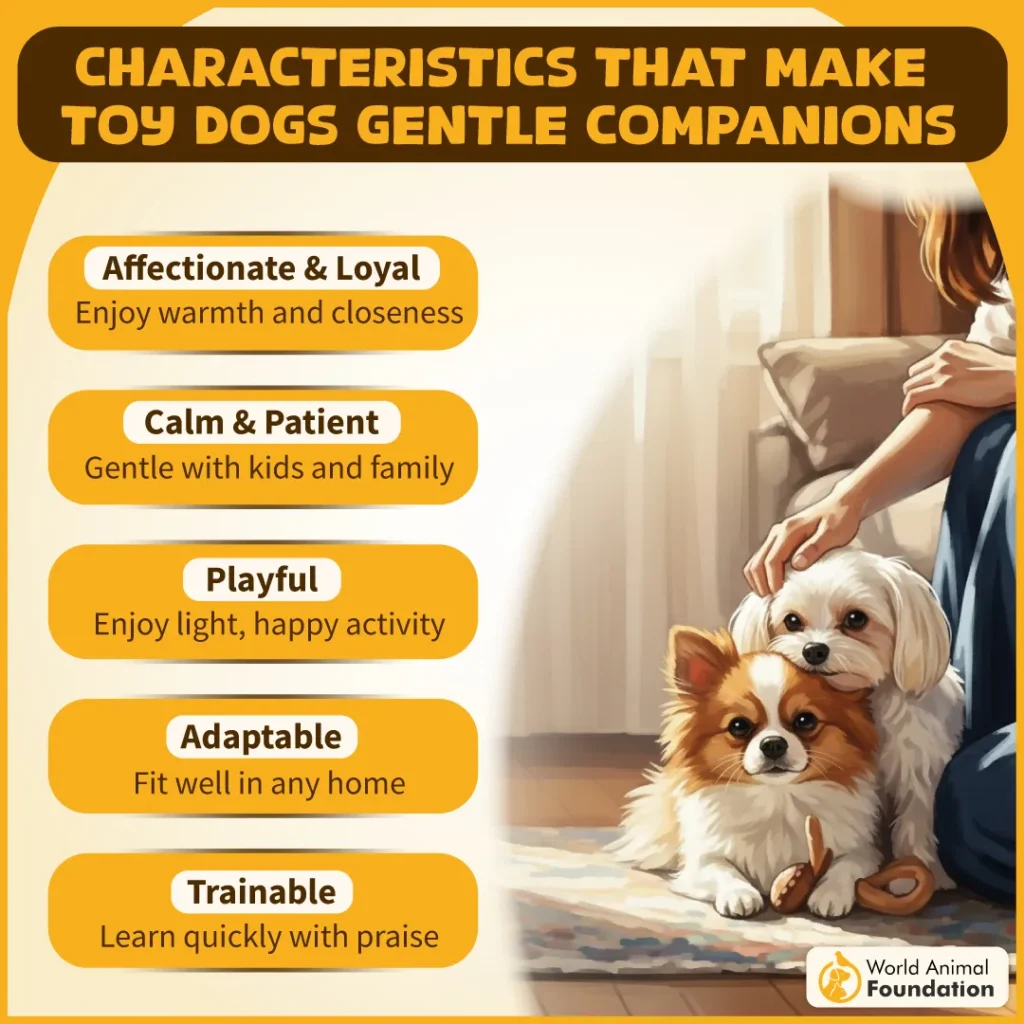
For families considering a family dog, toy breeds offer plenty of personality in compact packages. Some love energetic games, others prefer indoor snuggles, and several happily switch between the two. Temperament, exercise needs, grooming, and safe interactions all deserve attention before choosing a companion.
These seven adorable toy dog breeds ideal for families with teens each bring something different to the household, from the clever Papillon to the affectionate Maltese.
Adorable Toy Dog Breeds Ideal For Families With Teens
1. Papillon
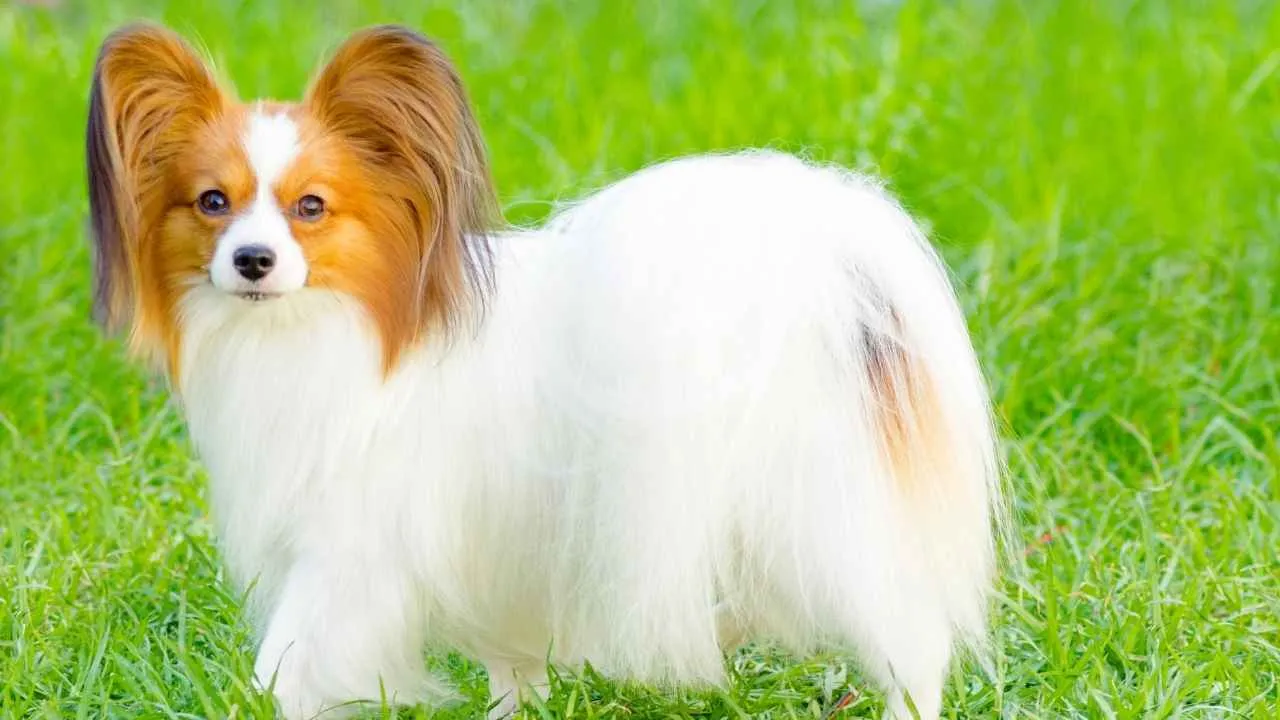
Papillon combines the brainpower of a top-tier athlete with the whimsical look of a storybook creature. Sporting those signature bat-like ears, the Papillon glides into family routines with remarkable ease. Behind that delicate frame and those ears sits a wickedly sharp mind eager to steal the show.
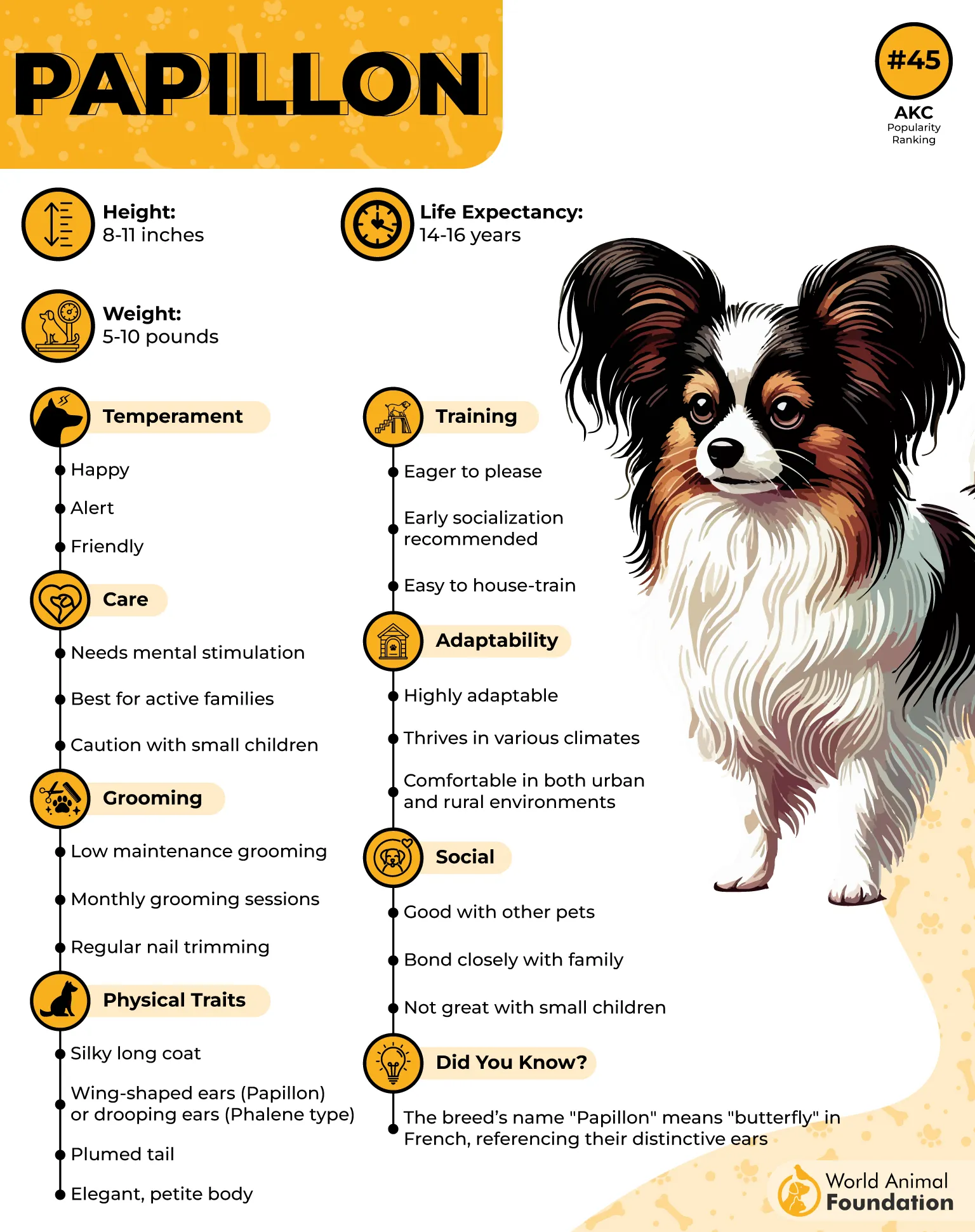
Papillons are lively, affectionate, alert, and eager to participate, making them wonderful companions for teens who like games, tricks, walks, and training challenges. Their fast learning keeps every session interesting, injecting a fresh spark of energy into quiet afternoons.
They fit comfortably into apartments or homes when their need for activity and attention gets space. A teen who loves teaching new skills gets a willing pupil, provided lessons stay upbeat and consistent.
What to Expect?
AKC mentions expecting regular playtime, short walks, and plenty of mental stimulation to keep this intelligent companion content. Their tiny frame deserves careful handling, especially around furniture, stairs, larger pets, and younger children.
Positive training, dental care, nail trims, and socialization belong on the family checklist. With care, this adorable companion adds gentle energy without overwhelming family life.
2. Yorkshire Terrier
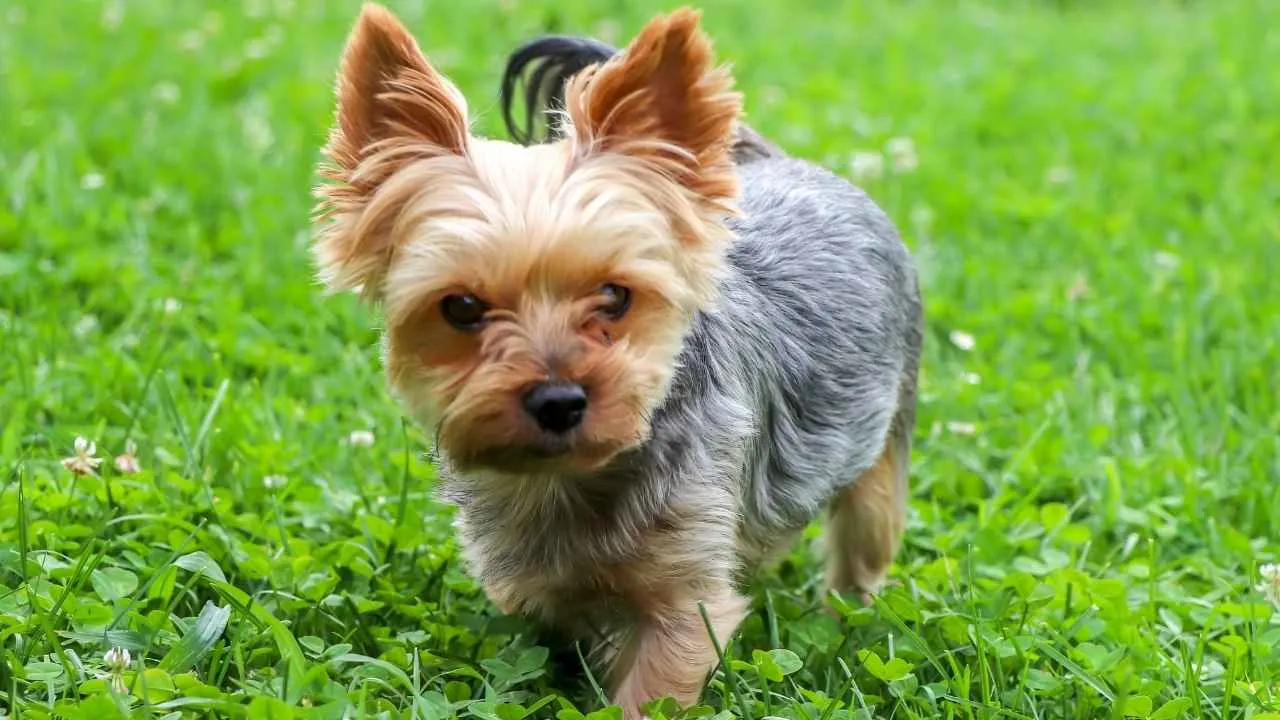
If you packed pure, unfiltered moxie into a compact frame, you’d end up with the Yorkshire Terrier. Brimming with personality, the Yorkie adds a cheeky pulse to homes with teens. This confident small terrier loves attention, play, and being involved with family members.
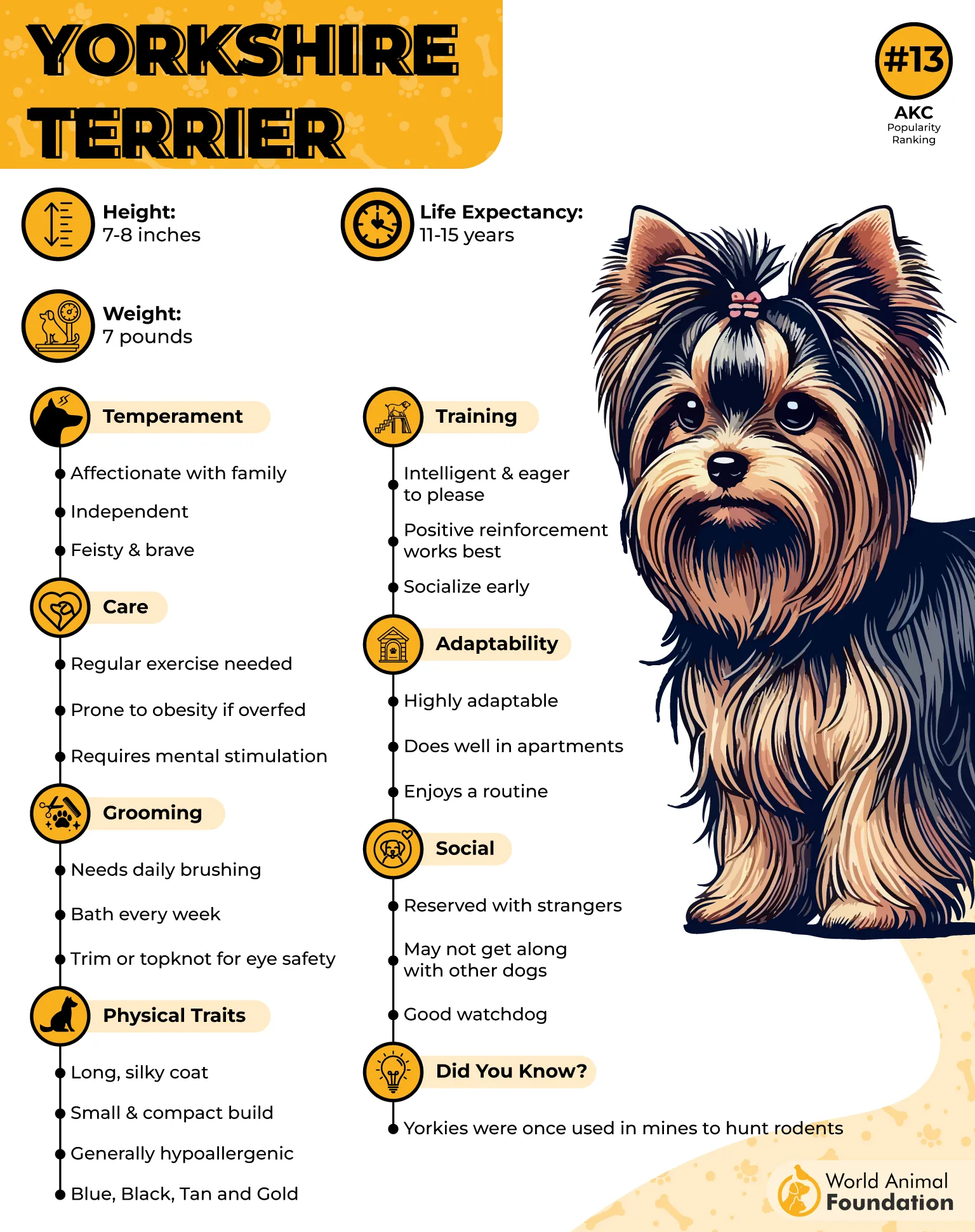
While its flowing, silky coat gives the breed a polished look, its spunky character truly steals the spotlight. Yorkies bring curiosity, affection, alertness, and a dash of independence, giving teenagers plenty to learn during care.
Short games, neighborhood walks, and obedience exercises keep their minds occupied and routines engaging. PetMD states that their size suits apartments, although terrier instincts still call for activity and boundaries. Teens who value a loyal furry friend get a dog with character and charm.
What to Expect?
Expect regular grooming, patient handling, and consistent training. A long coat needs brushing, with ear, nail, and dental care added to the routine. Yorkies have delicate bodies, so rough play, jumping from furniture, and careless handling deserve limits.
Positive reinforcement works well because this clever small breed responds best to rewards and patient guidance. Supervise interactions with younger children and larger pets, giving everyone space to feel comfortable.
3. Cavalier King Charles Spaniel
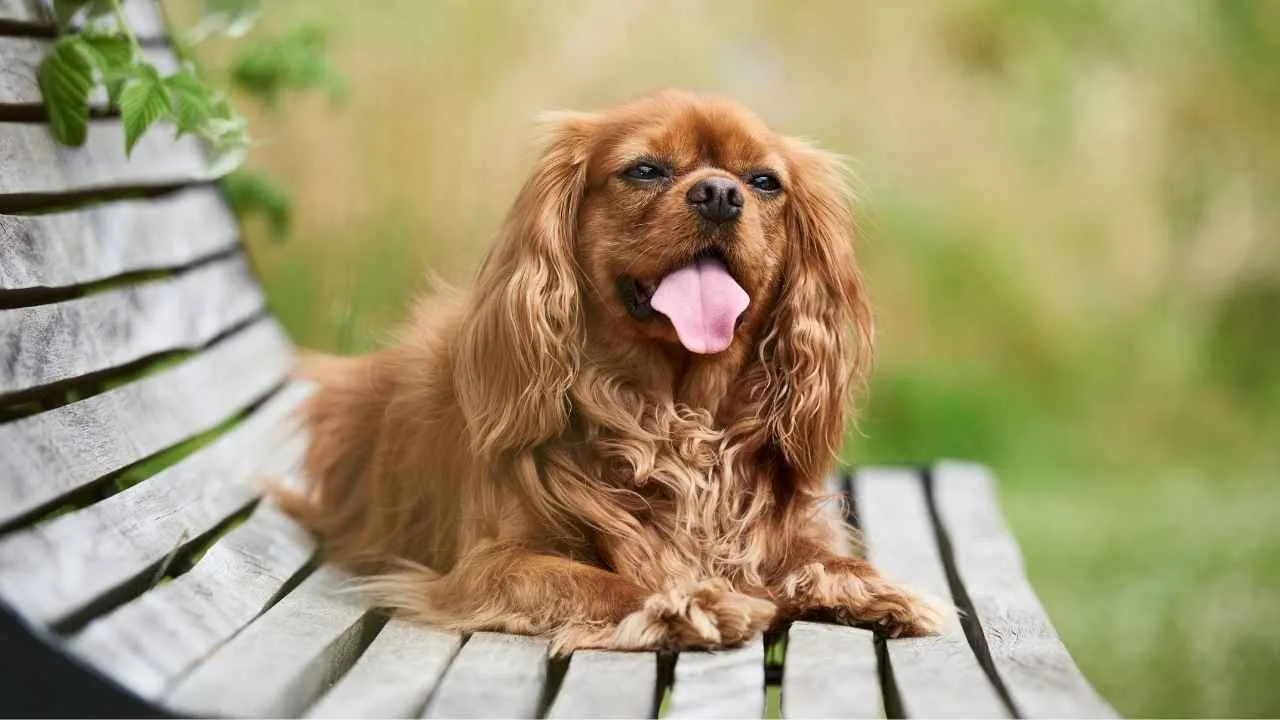
Cavalier King Charles Spaniel feels like a cozy fireside nap wrapped up in the spirit of a curious park explorer. With soft eyes, floppy ears, and a heart built for companionship, this tiny dog naturally wins over teenagers.
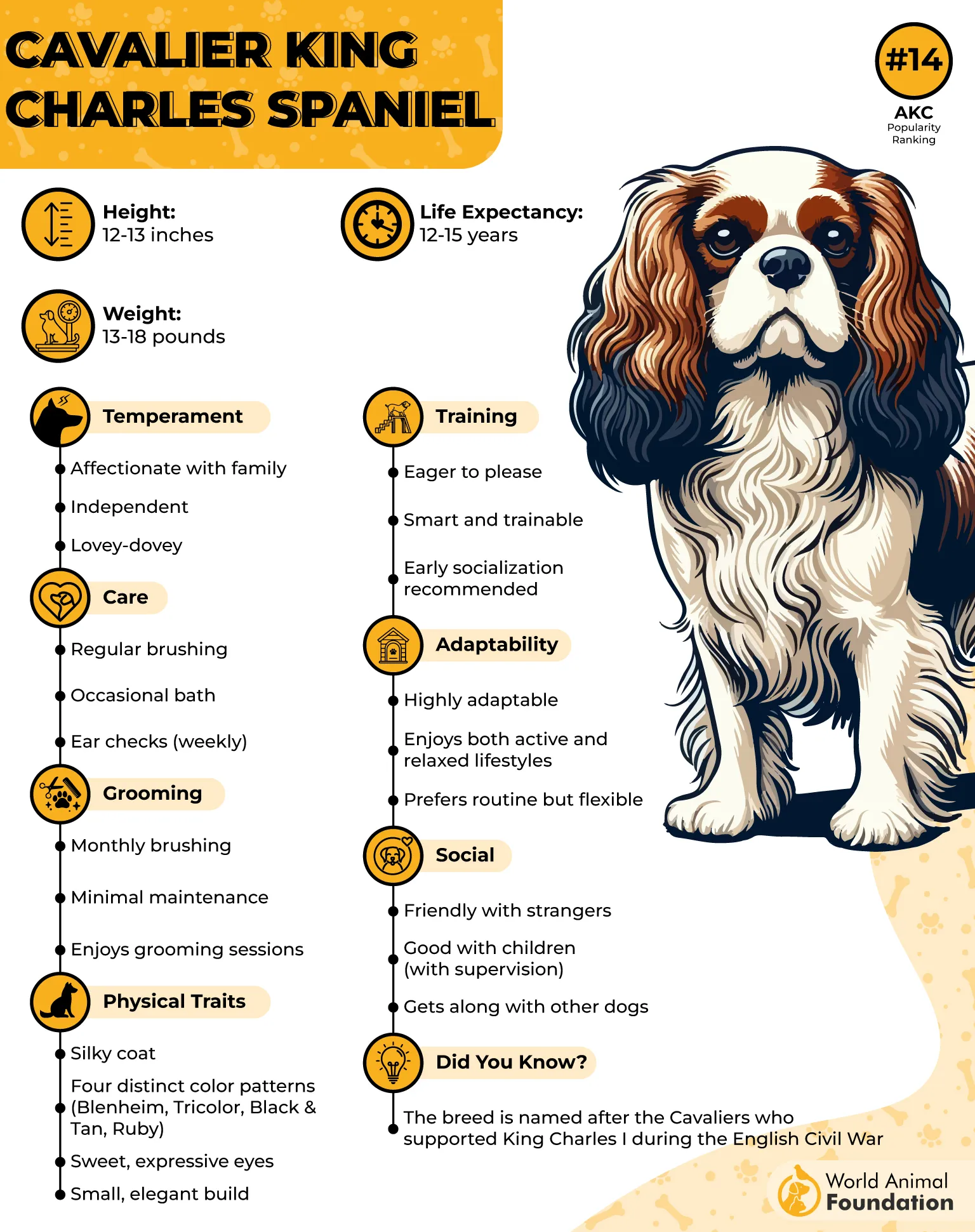
This gentle small dog breed blends affection with a sporting streak, happily moving from a family walk to indoor snuggles. Its adaptable temperament suits active families and quieter homes alike. Cavaliers excel at forming strong bonds with family and respond well to positive, consistent training.
Teens who want a dog during homework breaks or walks get a sociable partner with a sweet personality. Early socialization builds confidence around visitors and animals. Their gentle temperament fits busy family life beautifully and naturally.
What to Expect?
Expect a small dog that prefers to spend time with family rather than long stretches alone. Regular walks, playtime, obedience practice, and affection help meet social and physical needs.
Their silky coat needs routine brushing, with extra care around feathered areas and ears. Their loving nature makes companionship a part of everyday family happiness.
4. Pug
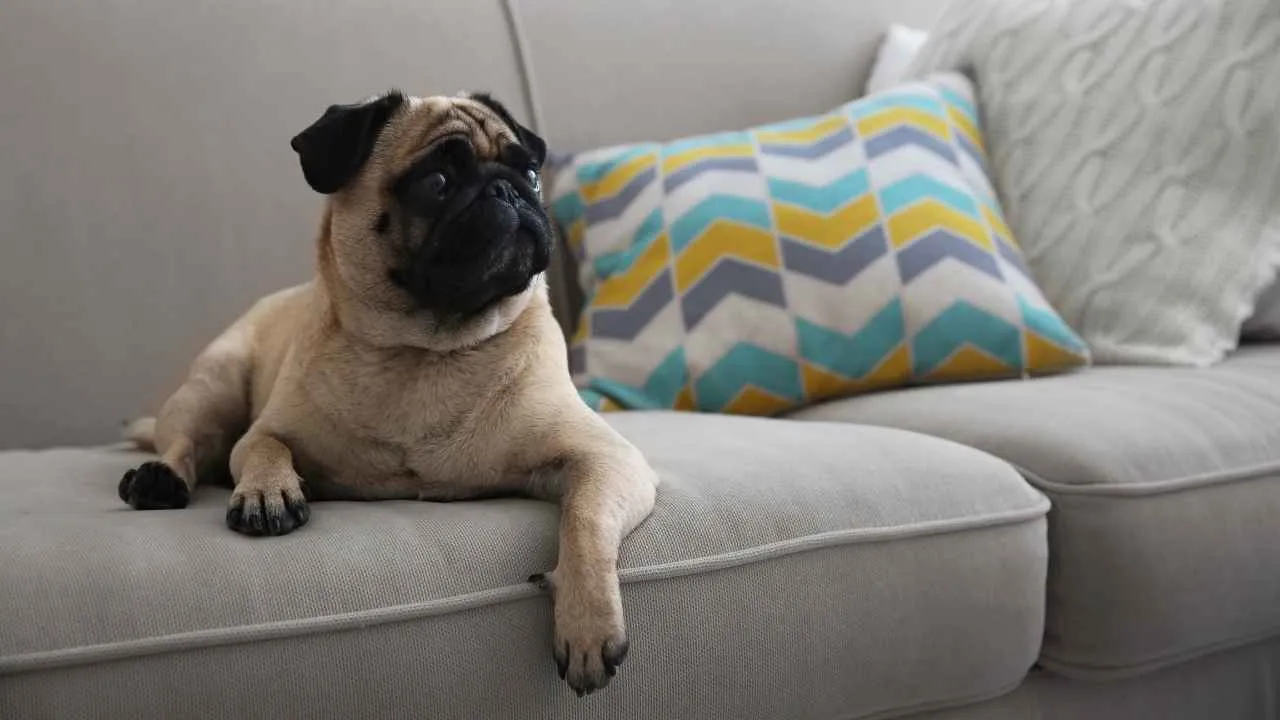
Pugs are designed to be a living, breathing comedy act. Those expressive eyes, curly tail, and wrinkled face pair with an outgoing personality that keeps teenagers smiling. Pugs are affectionate, adaptable, playful, and people-oriented, making them companion dogs that relish being included in family activities.
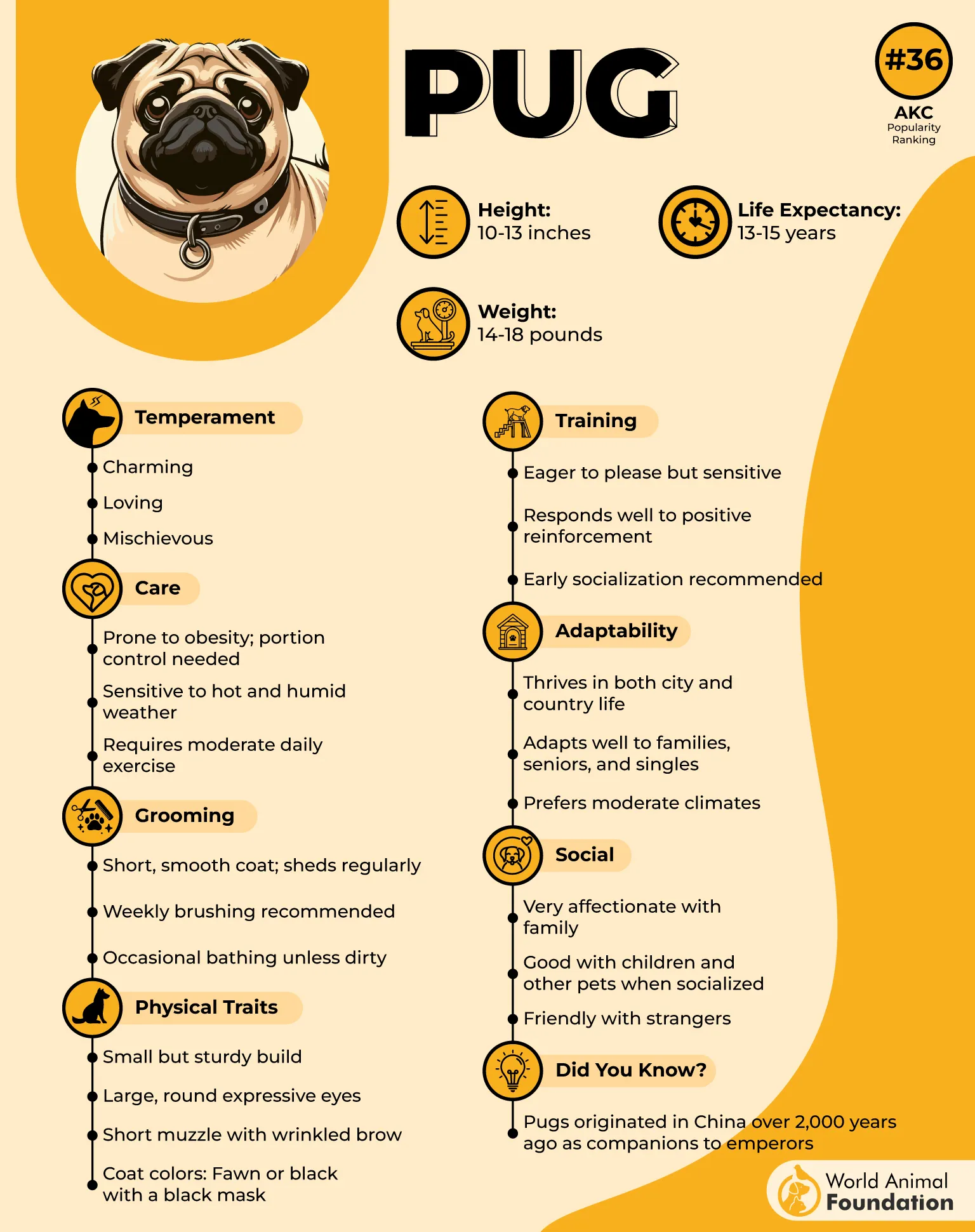
Their sturdy build suits games and short outings, though their physical structure calls for moderate activity rather than high energy output. Teens get chances to practice feeding routines, basic obedience, calm handling, and respectful play.
Pugs form deep bonds with their people, so close company matters. Their sweetness suits close-knit families and active households that value affection and closeness.
What to Expect?
Expect moderate activity, indoor snuggles, and a dog that prefers staying close to family members. Weekly brushing helps manage shedding, and nail, ear, dental, and skin-fold care supports overall health.
They have flat faces, so hot, humid conditions are not suitable for them. So, provide fresh water bowls, shade, and sensible exercise choices.
Early socialization and consistent positive training help shape polite interactions. Supervise play with younger children and teach teens to handle this companion gently at home.
5. Poodle
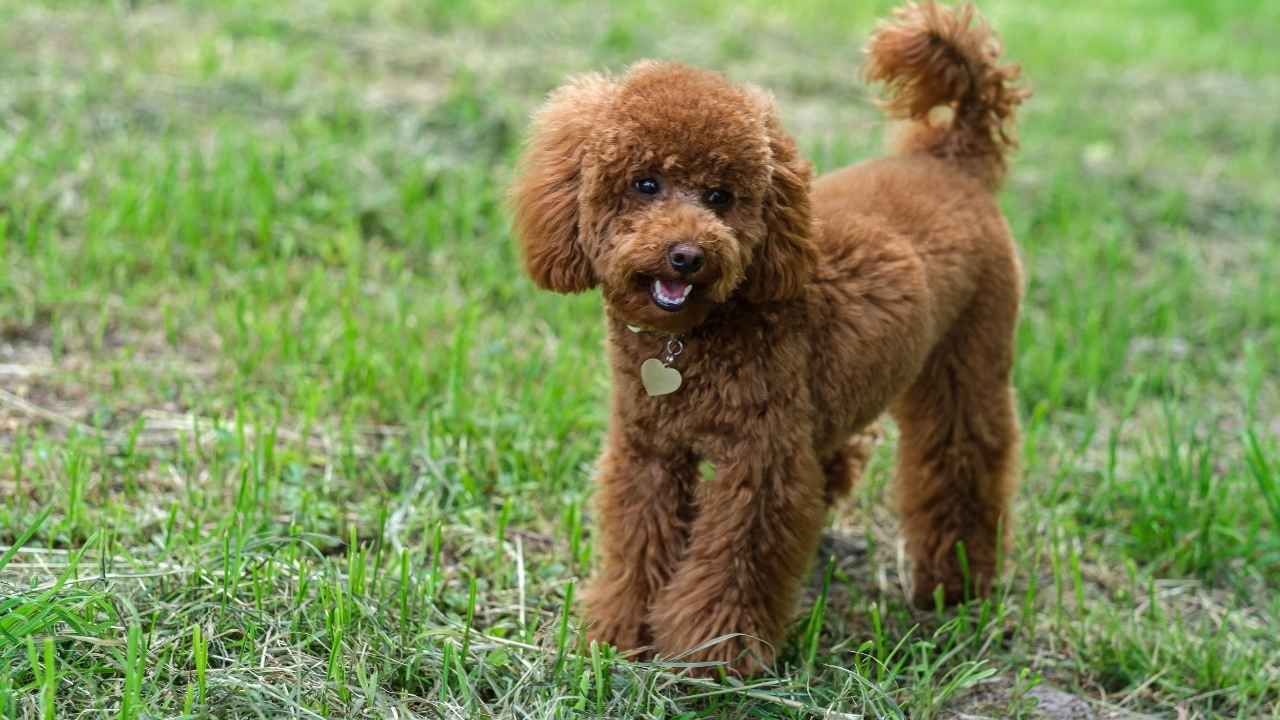
Think of the Toy Poodle as the valedictorian of the small dog world, always ready to leap into the next challenge. Brains, bounce, and an expressive personality make the Toy Poodle a lively companion for families with teens.
This intelligent breed loves learning, interactive games, and activities that challenge the mind. Teens who enjoy teaching tricks, practicing obedience, or creating playful routines get an eager training partner with personality.
Toy Poodles bring high energy levels without needing a huge living space, although activity and mental stimulation matter. Their people-focused nature helps them become closely connected with family members, especially when teens take part in feeding, training, grooming, and play. A busy teen gets a bright partner for learning, training, and play.
What to Expect?
Expect exercise, engaging training, varied games, and coat care. Britannica mentions that their curly, low-shedding coat is often considered hypoallergenic and needs consistent brushing to prevent mats, plus professional grooming or careful clipping.
Their intelligence deserves variety, so puzzle toys, retrieval games, trick sessions, and obedience work add enrichment. Families should teach respectful handling because Toy Poodles have a small frame.
Positive methods, socialization, and steady routines help build confident behavior. Their lively minds and affectionate nature make everyday learning feel like a game, giving teens a rewarding role in responsible pet care routines.
6. Pekingese

Pekingese looks like somebody decided to shrink down and take up residence on your living room rug. Regal attitude arrives in a compact package with the Pekingese. This confident toy companion carries an independent streak and affectionate heart that give home life extra character.
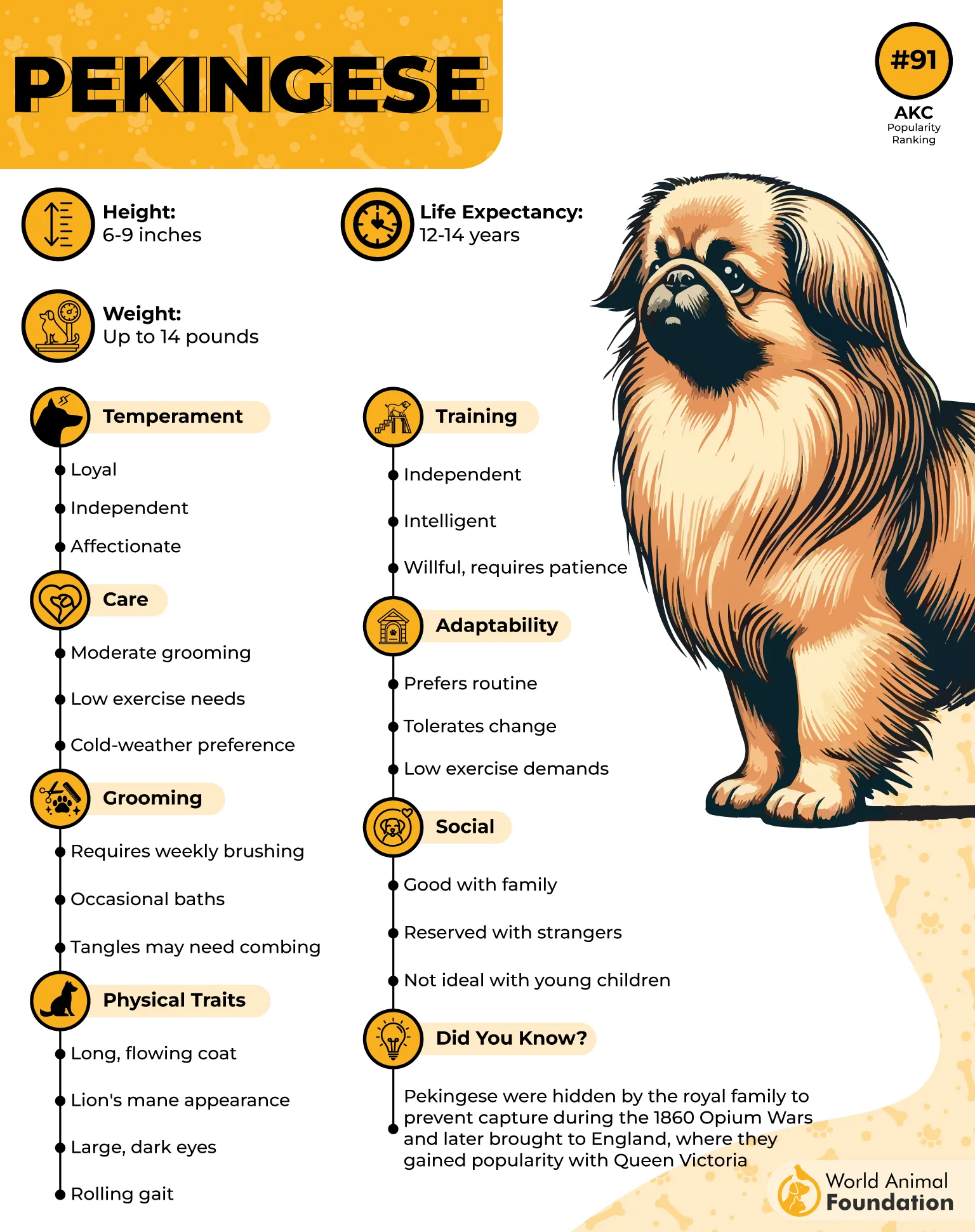
Pekingese form bonds with their people and prefer companionship over nonstop action, making them ideal for families seeking calm routines. Teens get opportunities to build trust through gentle brushing, play, short walks, and training.
Their alert nature also gives the household a tiny watchdog with plenty of opinions. Respect matters with this breed because rough handling or rowdy games do not suit its temperament. Their loyal presence rewards patient, attentive families seeking close companionship.
What to Expect?
Expect fluffy coats that need regular grooming, including brushing each week to reduce tangles. Moderate exercise suits their lifestyle, with comfortable daily walks and indoor activity providing movement. Fresh water, nail care, and veterinary attention belong on the care list.
Pekingese handle warm weather poorly, so families should watch for signs of distress like excessive panting or lip licking, taking care to choose cooler times and shaded spots for outdoor activity. Supervise interactions with younger children and larger pets. This calm breed offers a memorable presence daily at home.
7. Maltese
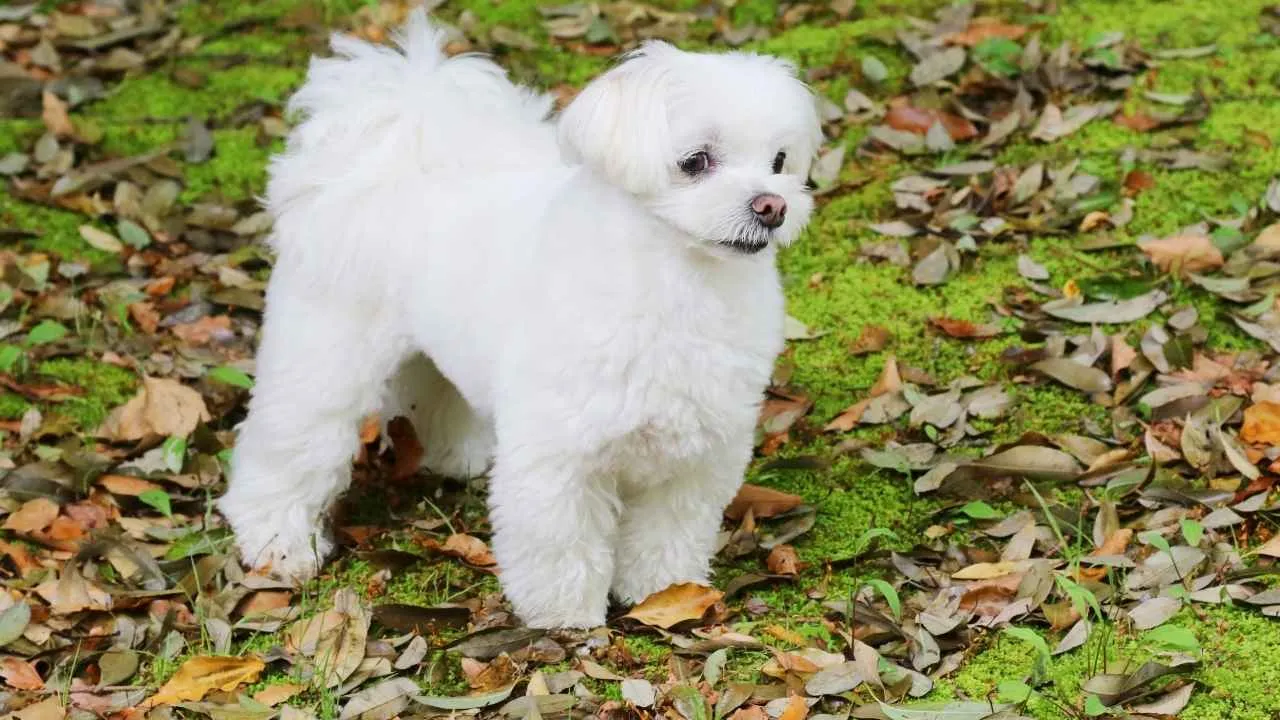
Unrolling like a soft cloud of non-stop devotion, the Maltese is a pure, unfiltered heart. Deeply people-focused, this canine adds a sweet, warm presence to homes with teenagers. These affectionate dogs enjoy companionship, gentle play, and family routines.
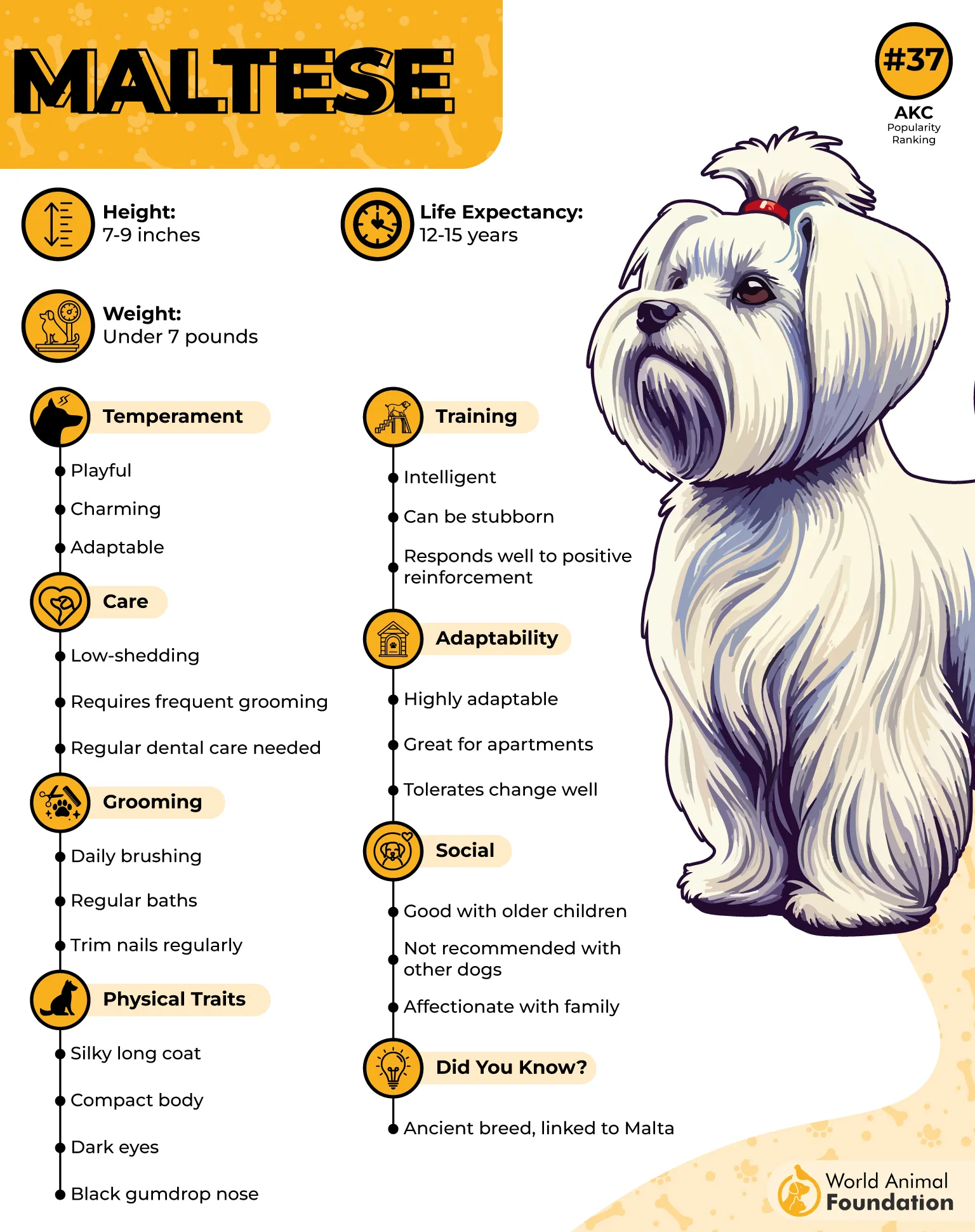
Its small size suits indoor living, and its playful spirit keeps the household from feeling sleepy. Teens build responsibility through feeding, brushing, training, and calm playtime. Maltese are friendly dogs and open to people of different school age groups, making early socialization a part of growing up together.
Their people-oriented nature means they appreciate attention. That gentle companionship makes them a wonderful addition to busy afternoons after school and during quiet family evenings together.
What to Expect?
Expect grooming, with brushing and combing helping prevent mats in the long white coat. Ear checks, nail trims, dental care, baths, and veterinary visits belong on the schedule.
Positive reinforcement supports patient, positive learning because Maltese sometimes show a stubborn streak, as Purina adds. Keep routines consistent and upbeat, and give this companion plenty of human interaction.
Conclusion
The best match for a teenage household depends on more than a cute face or tiny size. Think about daily schedules, grooming commitments, activity needs, training time, and how much interaction your family realistically provides.
Whichever companion enters your home, teach teens that pet ownership means more than playtime. Feeding, grooming, training, veterinary care, respectful handling, and patience all become part of the bond. Done thoughtfully, those everyday moments turn a small companion into a treasured family member.
