




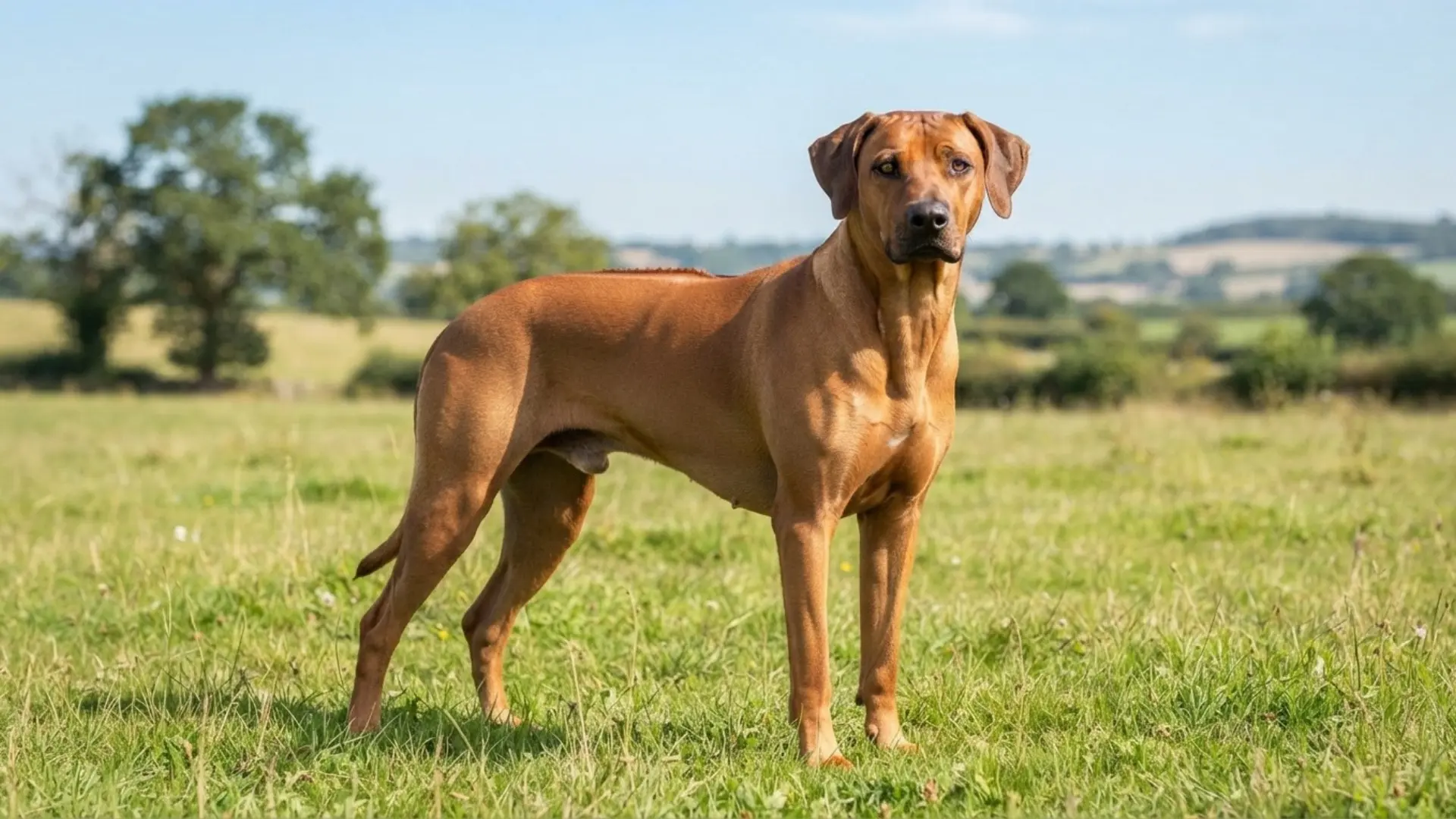
What makes a short-coated dog so appealing? For many people, it starts with the simple look of a clean, close-fitting coat that gives the dog a crisp, well-defined appearance.
It can also make routine grooming less involved than caring for a long- or heavily coated companion, although regular brushing and skin checks are still important. Then there is the variety. Short-coated dogs can be playful, devoted, watchful, athletic, gentle, or intensely focused, depending on the breed.
Some were shaped for demanding work, while others became cherished household companions. Their coat may be similar, but their needs can be completely different. That is why choosing one based on appearance alone can leave out the details that matter most.
If you want a dog that combines an appealing look with a manageable coat, the options are far more varied than you might expect. The breeds ahead make that variety easy to appreciate.
Key Takeaways
Short-coated dogs can look wonderfully low-maintenance, but their personalities can take you in completely different directions.
The Anatolian Shepherd has a history of standing against wolves and bears, while the Rhodesian Ridgeback was developed for the chase.
Great Dane and Doberman Pinscher bring their own mix of size, intelligence, and affection, showing how much variety exists beneath that sleek coat.
Further down the list, the Greyhound brings a gentler side, while the Boston Terrier and Miniature Pinscher prove that small dogs can have plenty of personality too.
Charming Short-Coated Dog Breeds You’ll Adore
1. Anatolian Shepherd
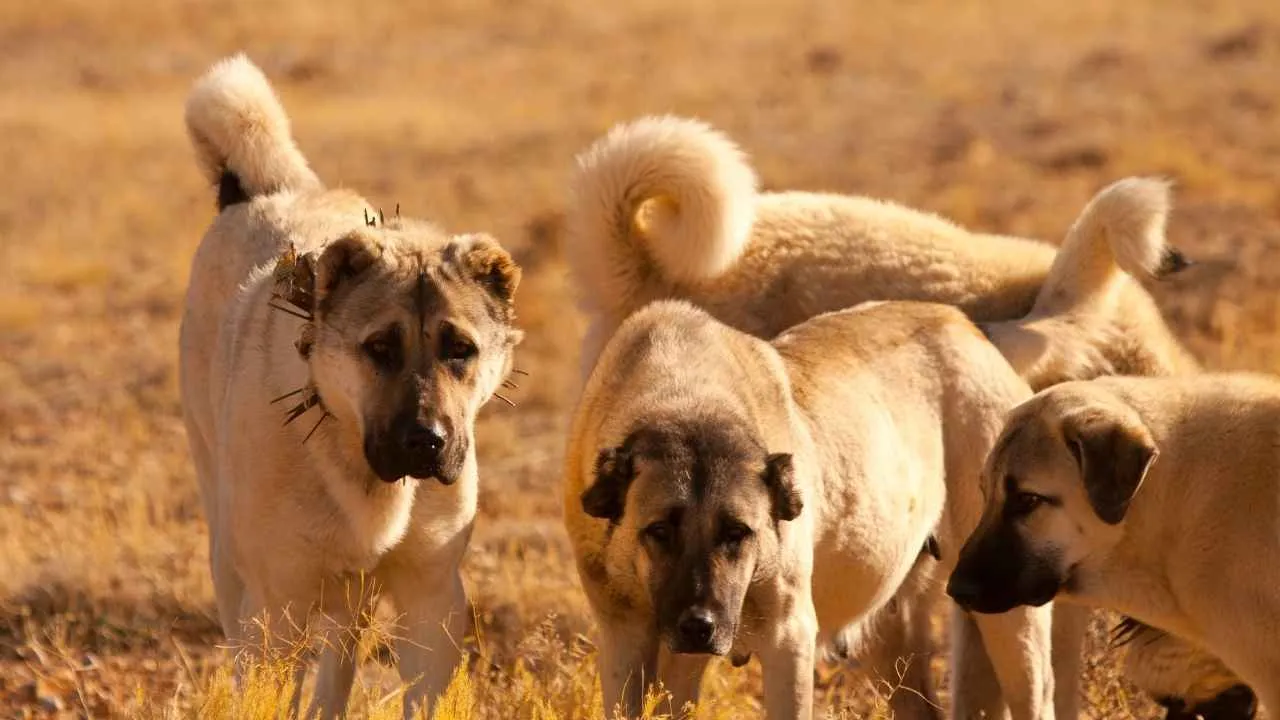
Anatolian Shepherd dates back more than 4,000 years to central Turkey, where it accompanied nomadic communities toward distant grazing grounds. It was used to guard livestock from wolves and bears, even being left to face these predators on its own without constant human direction.
A Coat for Extremes
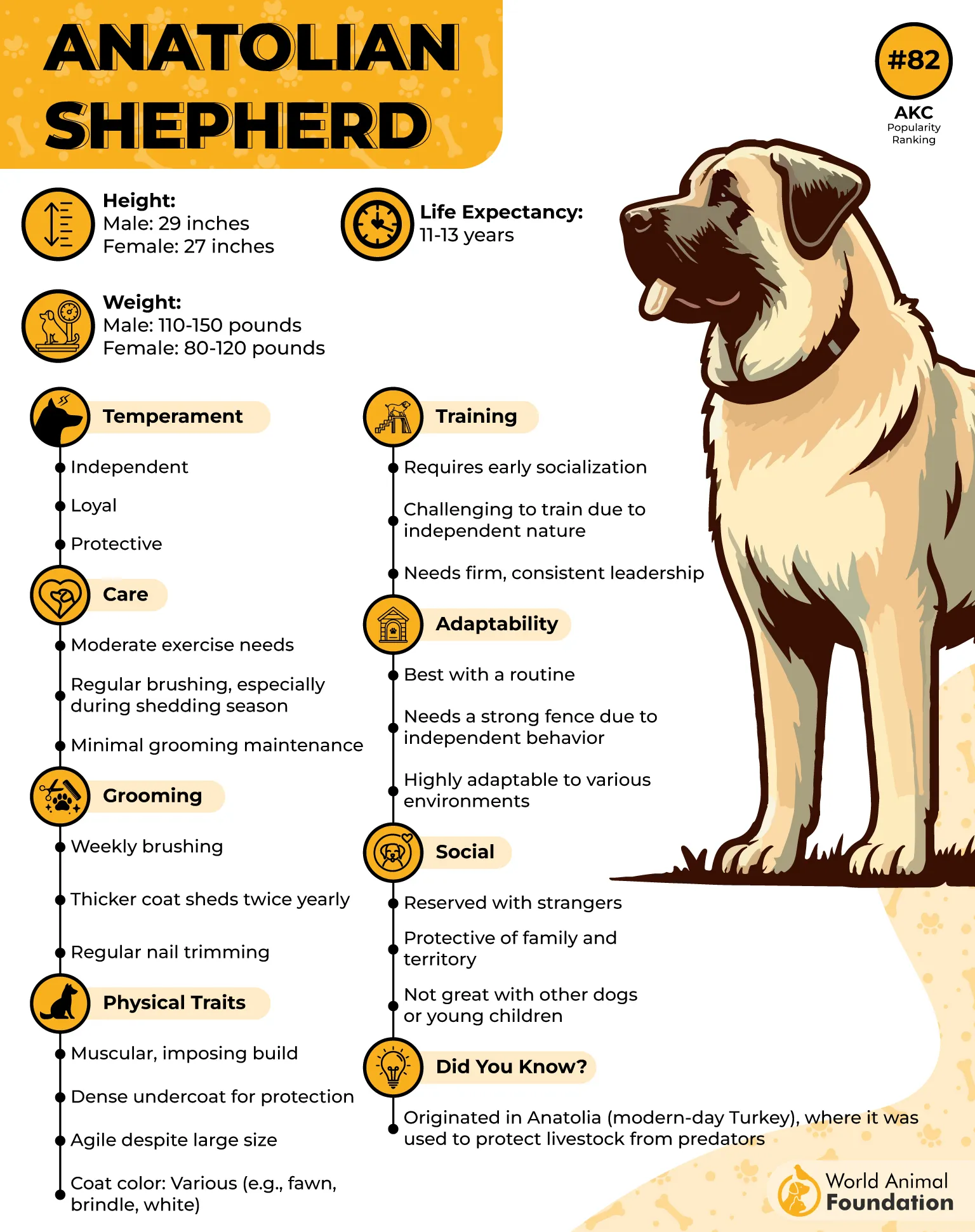
This short-haired dog breed has a dense double coat built around a short-to-medium outer layer, usually about one inch long. The coat can handle Turkey’s cold winters and hot, dry summers while remaining practical for an active outdoor dog.
A closer look reveals a few less obvious details:
Rough-coated varieties can reach four inches
Feathering may appear on the neck and tail
Spring and fall shedding calls for extra brushing
Quietly Protective
Anatolian Shepherd tends to be reserved around unfamiliar people and may bark when someone approaches its territory. Early exposure to visitors can help it become more comfortable with different people, while its family usually receives a gentler and more affectionate side.
2. Rhodesian Ridgeback
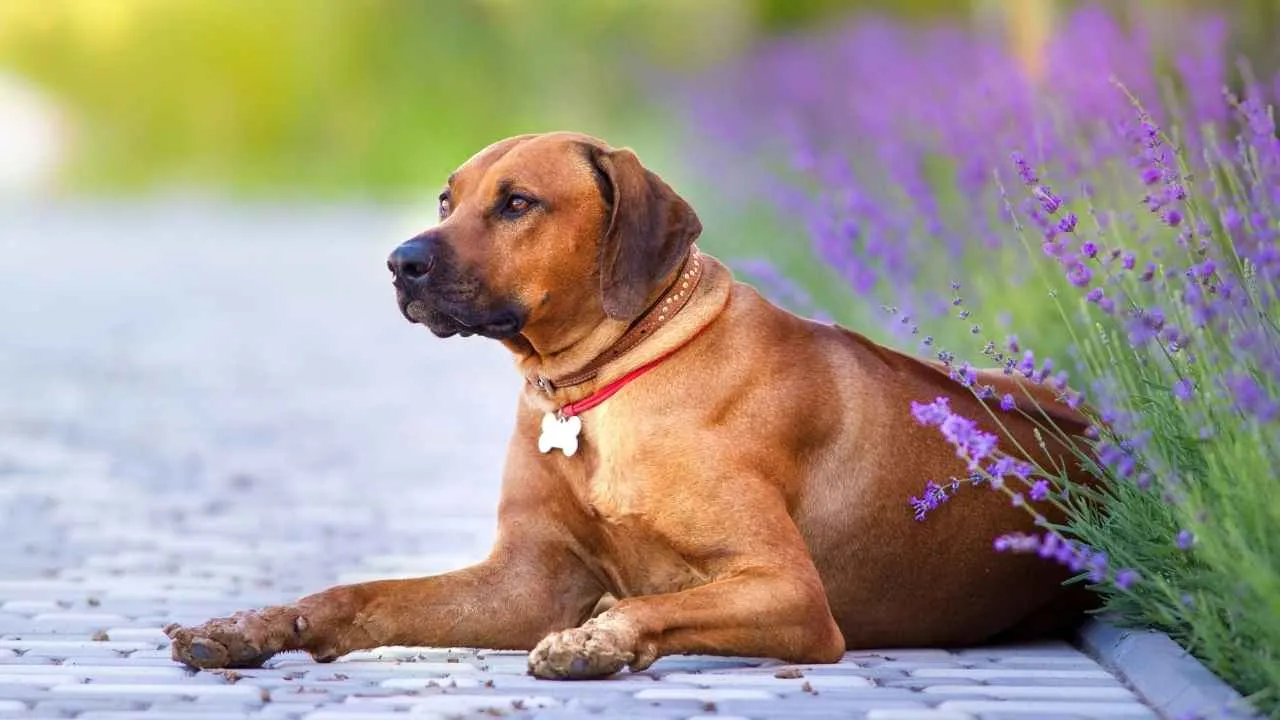
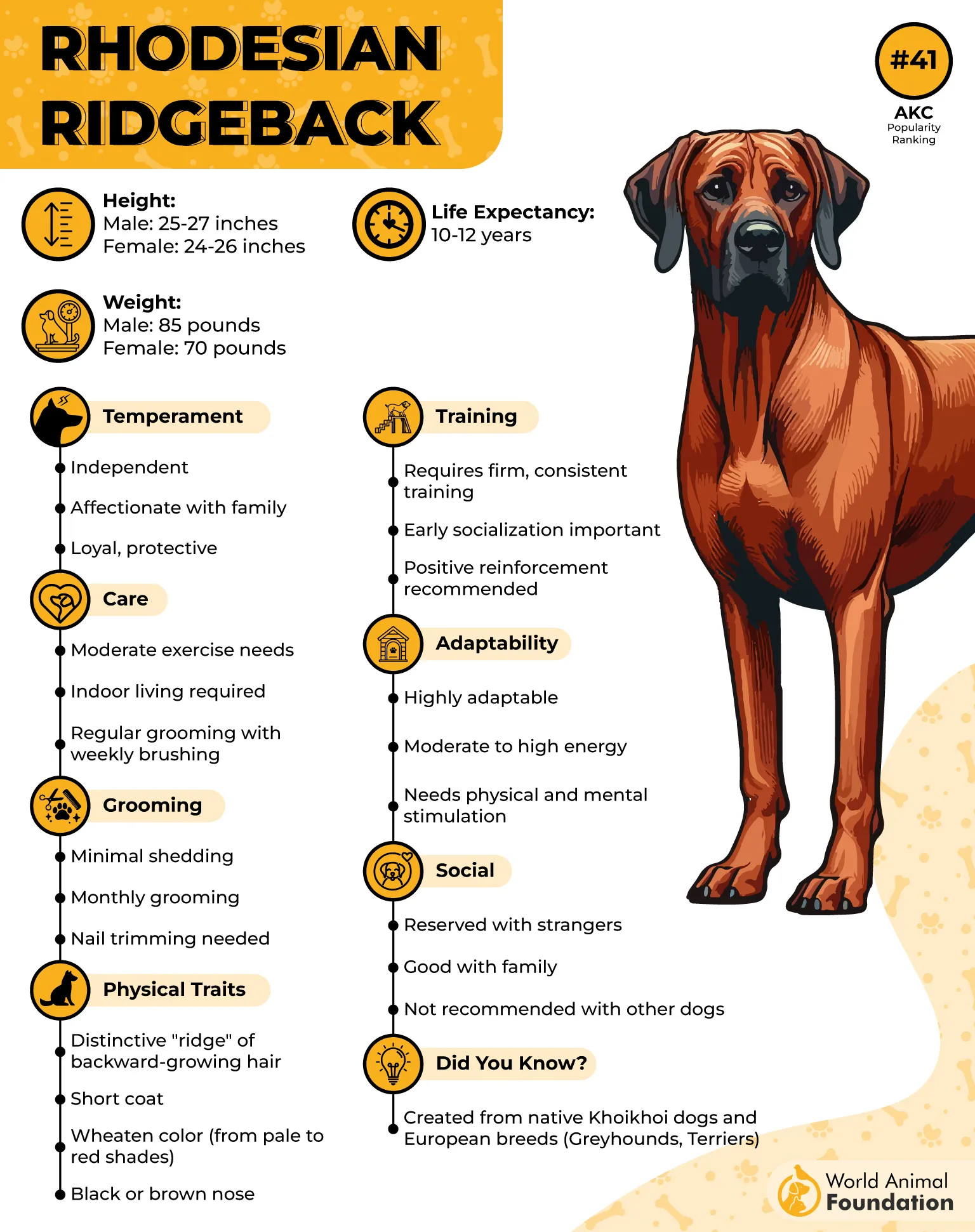
Rhodesian Ridgeback traces its roots to dogs brought to southern Africa by European settlers during the 16th and 17th centuries. Mastiffs, Bloodhounds, Great Danes, Pointers, and Greyhounds were crossed with native hunting dogs, producing a powerful hunter with its signature ridge.
Built for the Chase
This loyal dog has a short, dense coat that lies flat against the body, making routine grooming fairly simple for an active household. Its wheaten coloring ranges from light to red, while the backward-growing strip along its spine gives the coat its unmistakable detail.
A closer look at its coat reveals these details:
Weekly brushing removes loose fur
Monthly baths suit its short coat
Towel wiping works between baths
Quietly Watchful
Rhodesian Ridgeback brings plenty of energy to hikes, runs, and other active outings, while its intelligence can make new challenges especially engaging, as per Britannica. Around familiar people, its playful side comes through more freely, while strangers may receive a reserved response.
3. Great Dane
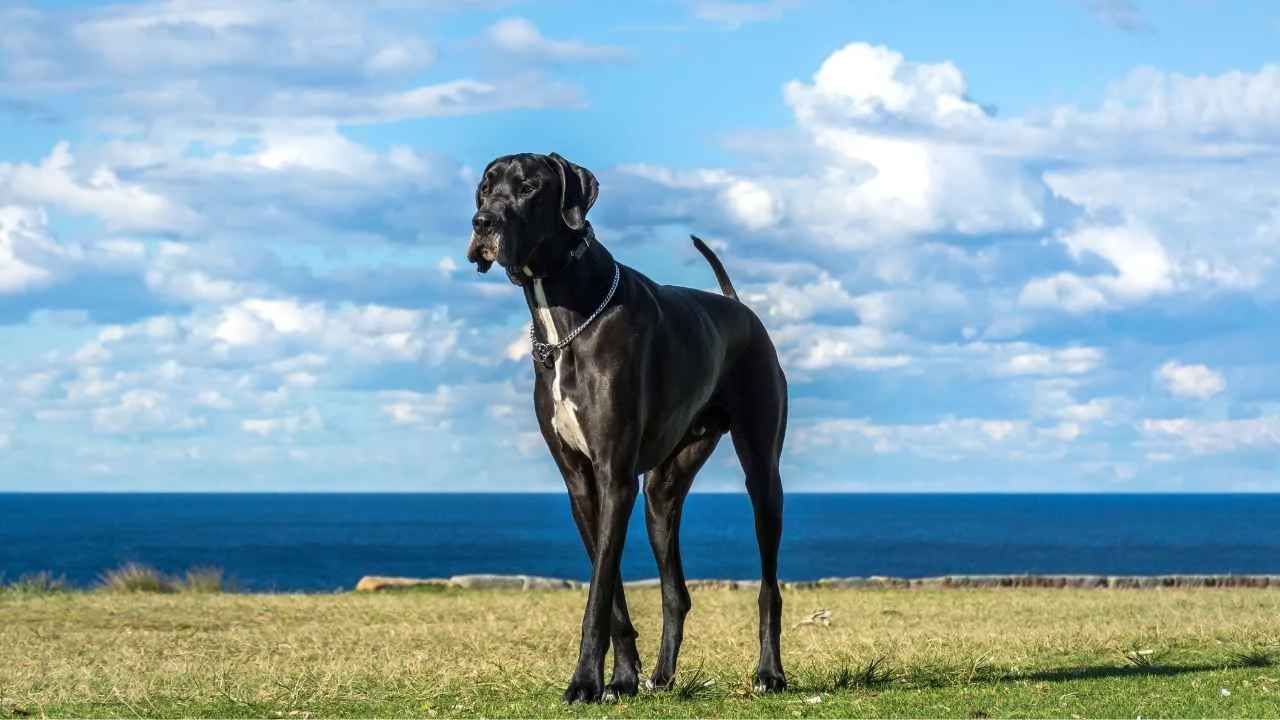
Great Dane originated in Germany, with the Irish Wolfhound and English Mastiff among the breeds believed to have shaped its lineage. Early dogs of similar appearance also appear in ancient Egyptian and Babylonian artwork, adding an intriguing layer to its long past.
Less Grooming Fuss
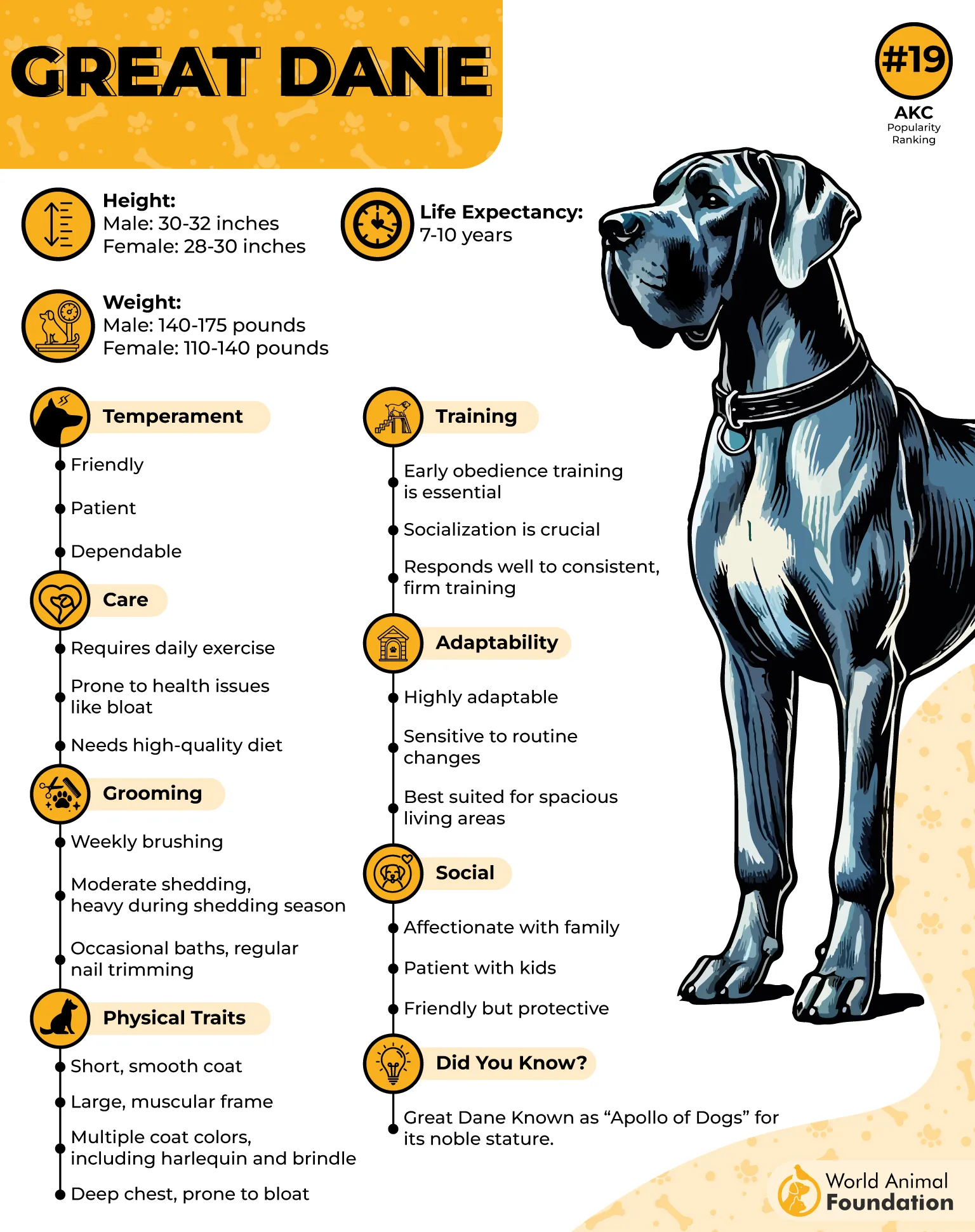
Great Dane’s coat leaves little to manage, with short, smooth hair covering its enormous body in a neat, close layer. Since there is no heavy undercoat underneath, brushing stays straightforward and does not demand much of your time, as noted by the AKC.
Its simple coat comes with a few practical care needs:
Weekly brushing helps control shedding
Baths are generally needed every couple of months
A towel can help with occasional drooling
A Gentle Giant
This excellent family dog is highly people-oriented and often wants to remain close to the household action, even following family members from room to room throughout the day. Its affectionate nature can even lead to an oversized attempt at sitting on a lap for extra attention, despite its considerable size.
4. Doberman Pinscher
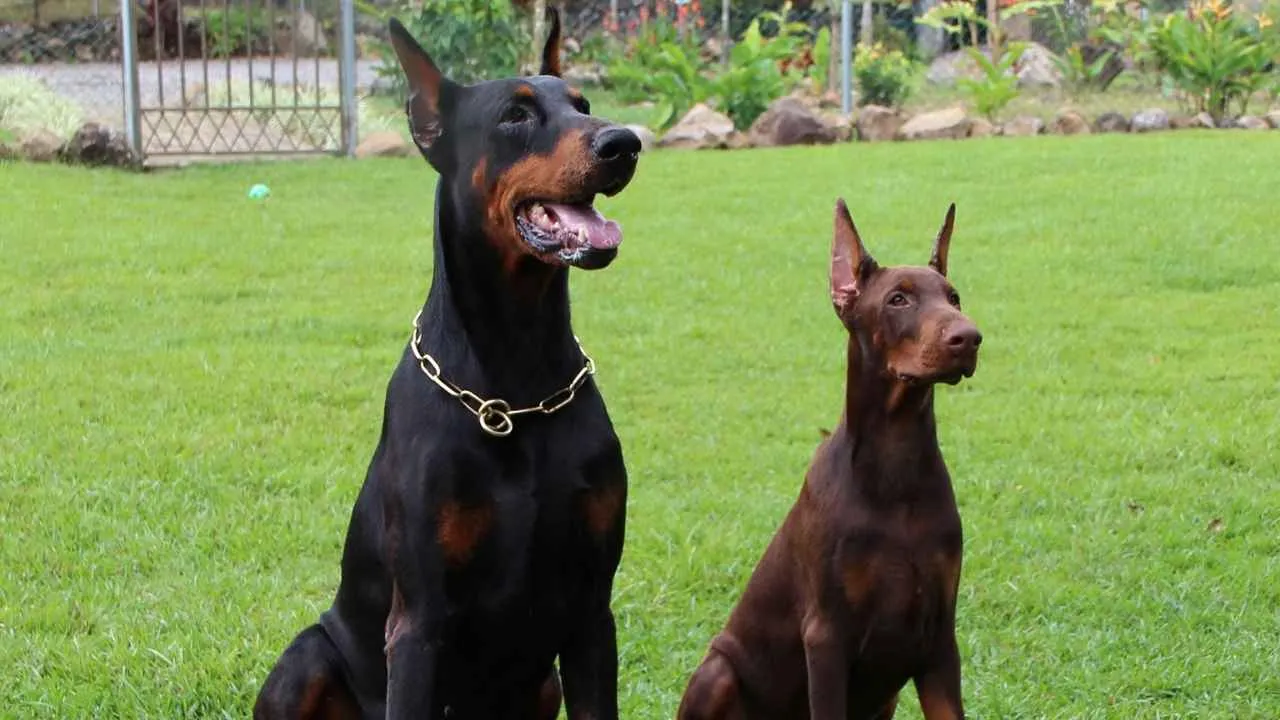
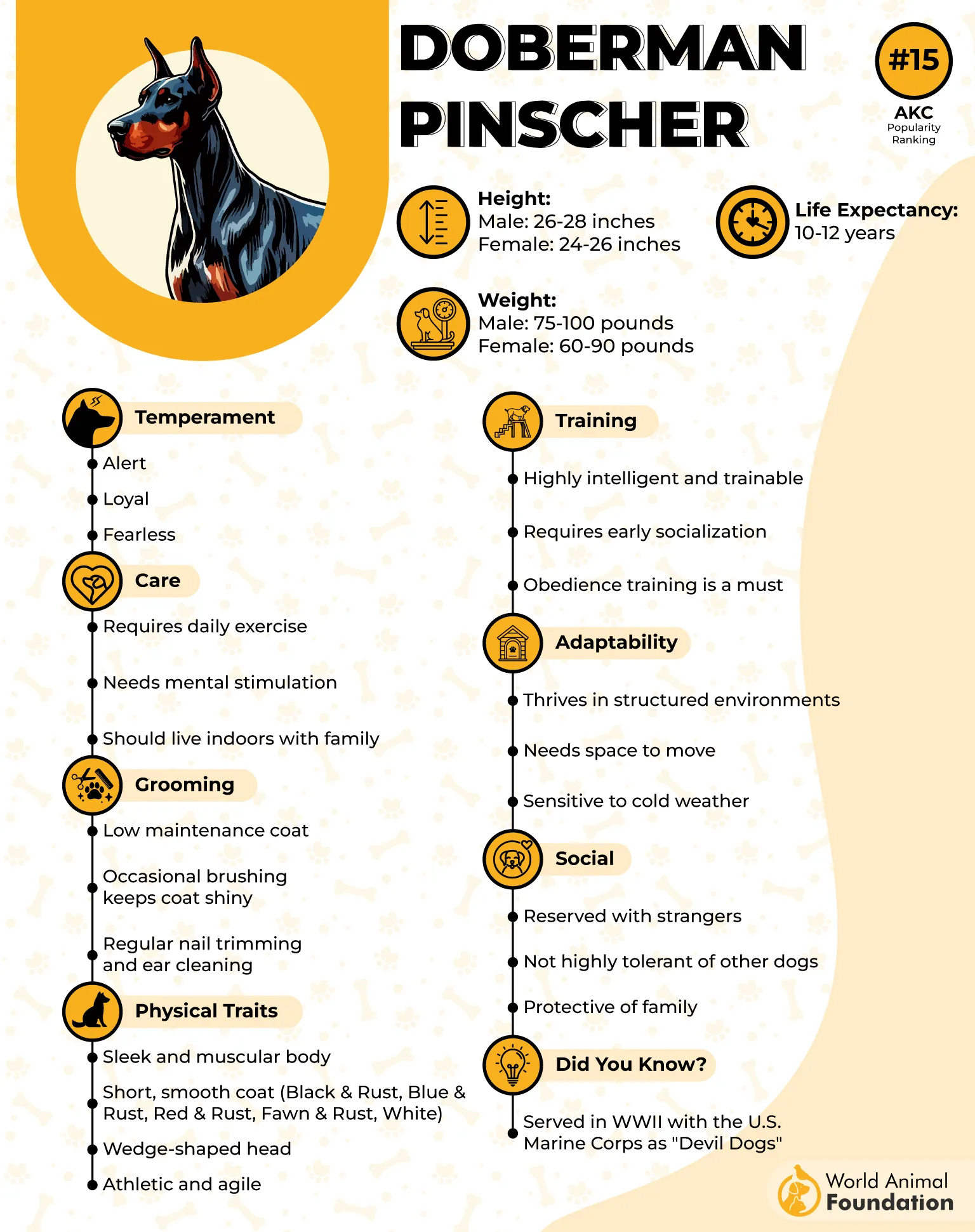
Doberman Pinscher was originally bred in Thuringia, Germany, where Louis Dobermann wanted a reliable guardian while working as a door-to-door tax collector. Early breeding likely involved the Old German Shepherd, German Pinscher, Weimaraner, and Manchester Terrier.
Sleek and Easy-Care
Doberman Pinscher has a smooth, short, thick coat that lies close to the body, giving its athletic frame a clean, streamlined appearance. The hard, sleek texture also makes its grooming routine fairly simple compared with breeds carrying heavier coats.
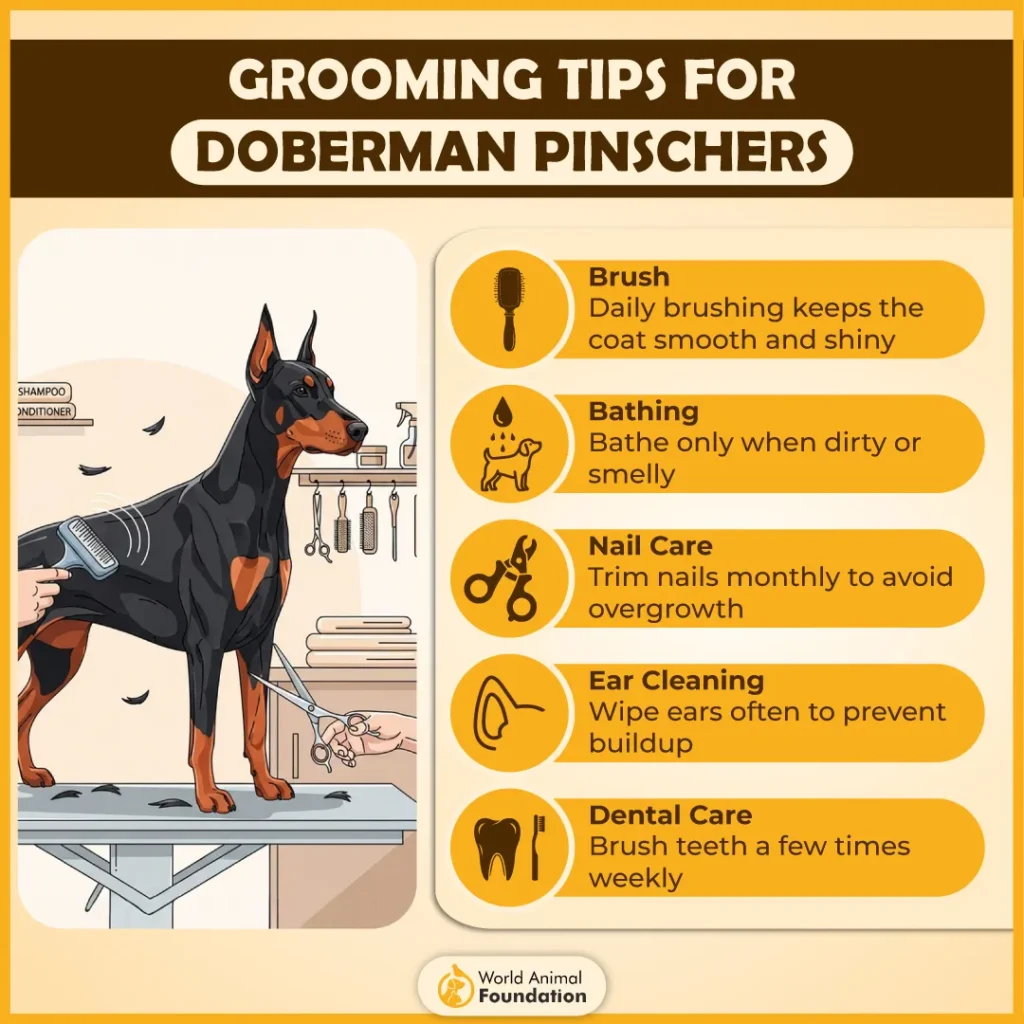
The following grooming details are useful to know:
Bristle brushing a couple of times weekly
Monthly baths under normal conditions
Loose hair can collect on furniture
Serious About Work
Doberman Pinscher brings sharp intelligence and athletic ability to tasks such as obedience, agility, police work, and military service. Its need for regular mental engagement makes structured training especially important for keeping that focused mind occupied.
5. Weimaraner
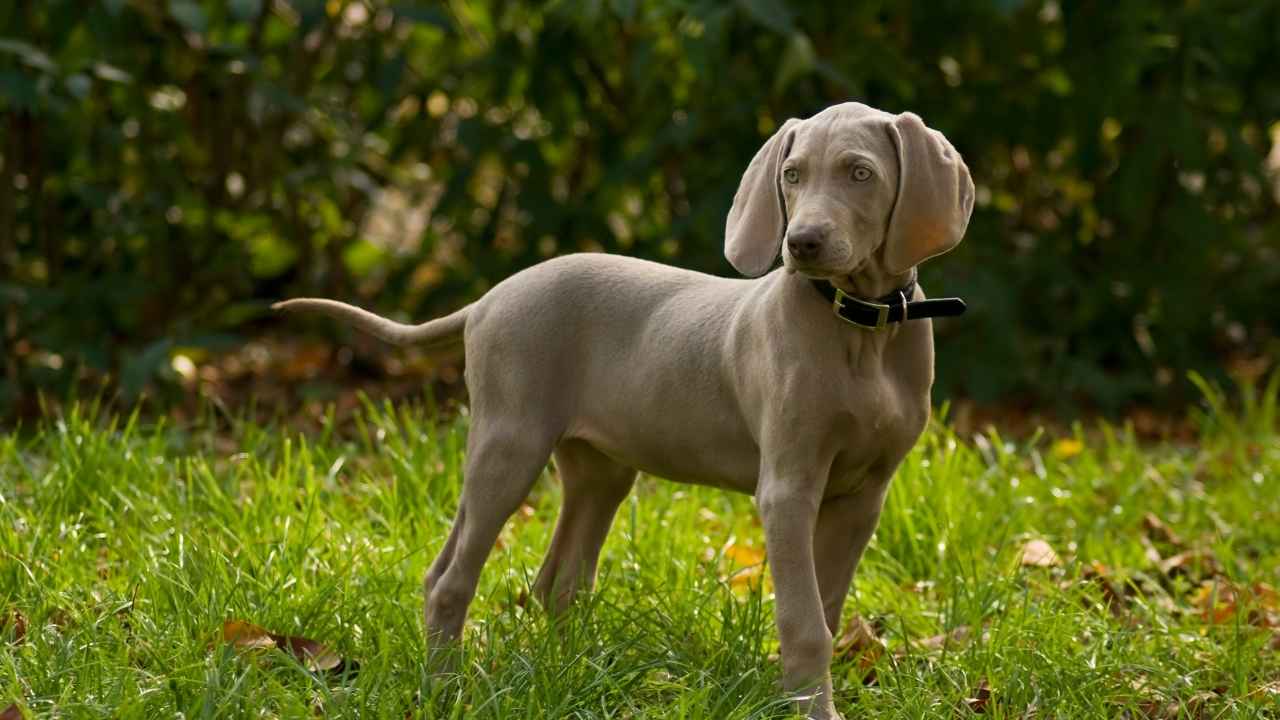
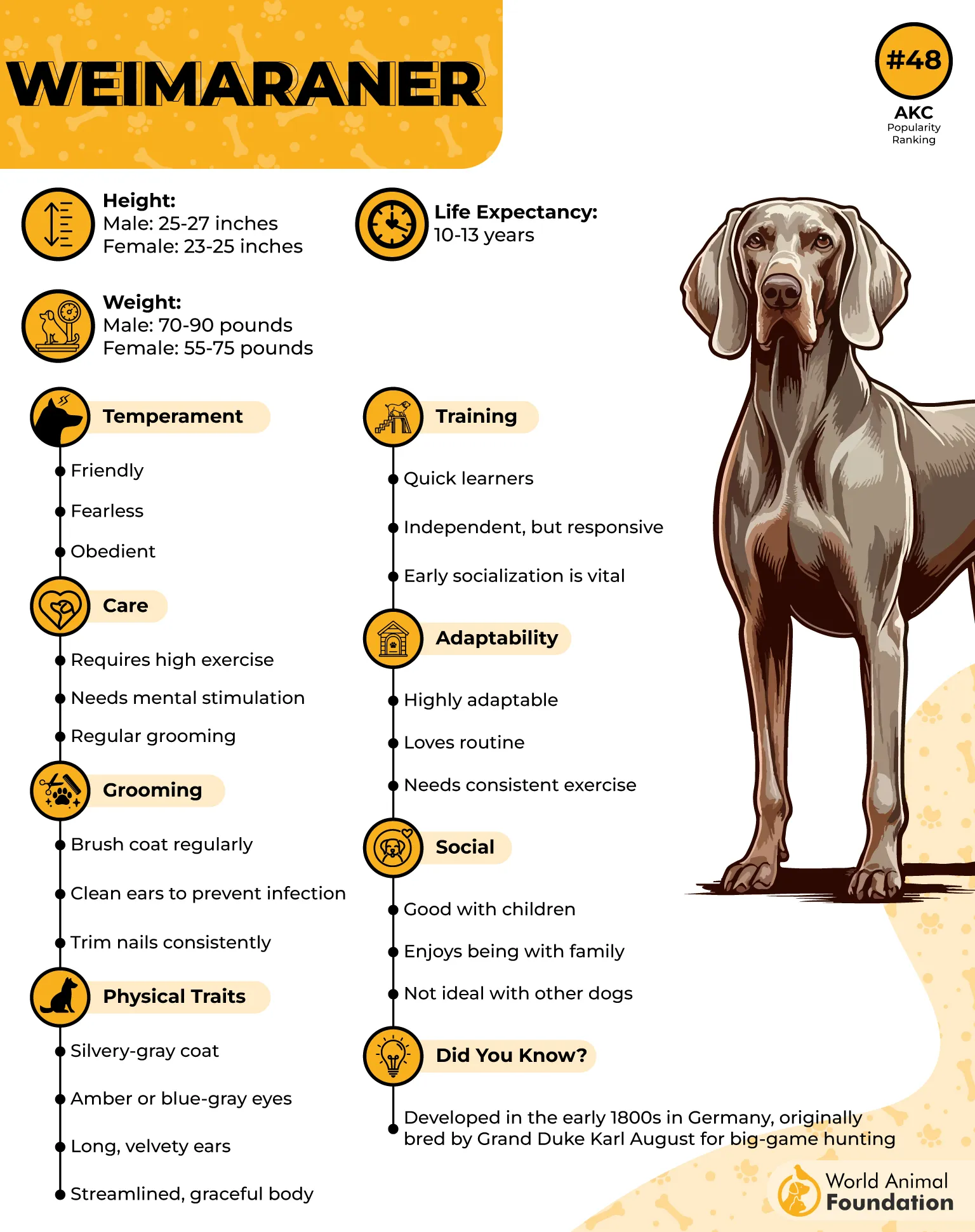
Weimaraner emerged in 19th-century Germany as an all-purpose gun dog capable of pursuing demanding game such as deer and bear. Bloodhounds, Schweisshunds, and pointer breeds contributed to the type recognized today, giving this dog a strong hunting heritage.
Sleek and Simple
That short, sleek coat gives the Weimaraner a distinctly polished appearance, ranging from mouse-gray to silver-gray and paired with amber or blue-gray eyes. Weekly brushing helps clear loose hair, while bathing is generally needed no more than once a month.
A closer look at its appearance reveals:
Enjoys long walks, jogging, and bike runs
May chase smaller animals outdoors
Needs gradual introductions to cats and birds
A Busy Working Mind
This wonderful companion learns quickly and responds best to patient, consistent training that keeps its sharp mind occupied. Initial training requires time and firmness because an unchallenged dog can become destructive or attempt to take control of situations.
6. Cane Corso
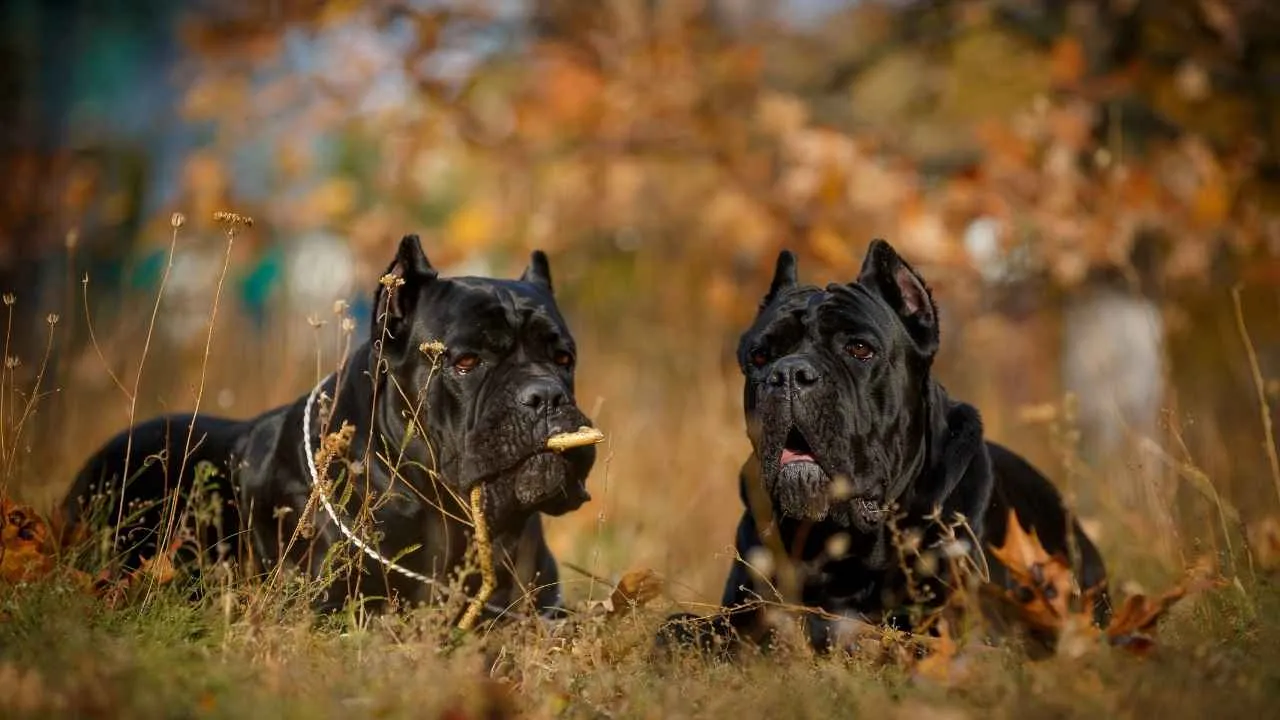
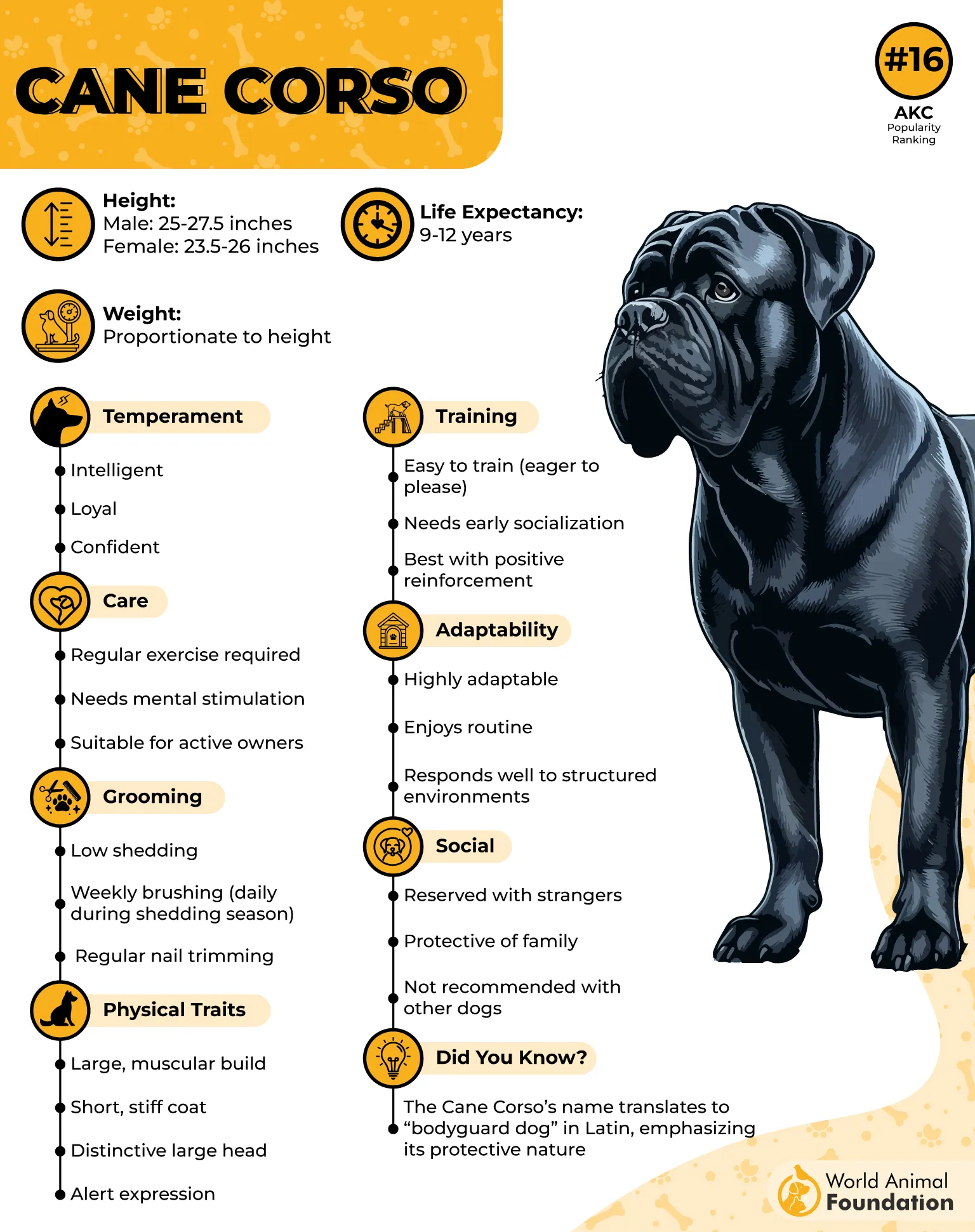
Cane Corso developed in Italy and is believed to descend from Roman war dogs used for demanding work. This mastiff-type breed later served as a hunter, farm worker, and property guardian. Its name combines the Italian cane, meaning dog, with the Latin cohors, meaning guardian or protector.
A Coat Made for Work
This guard dog breed has a short, coarse coat with a dense texture and natural water resistance, giving its sleek appearance a practical edge. The hair resembles cowhide in texture and needs little fuss between occasional baths and routine brushing.
The following coat-care details are easy to miss:
Weekly brushing suits normal shedding
Seasonal shedding peaks around spring
Pet wipes can freshen the coat between baths
Serious and Sharp
Cane Corso learns quickly and responds well to consistent training, but its independent nature calls for an owner willing to devote real time to socialization. The American Temperament Test Society recorded an 88.1% pass rate among Cane Corsos tested, as Pawlicy Advisor mentioned.
7. Greyhound
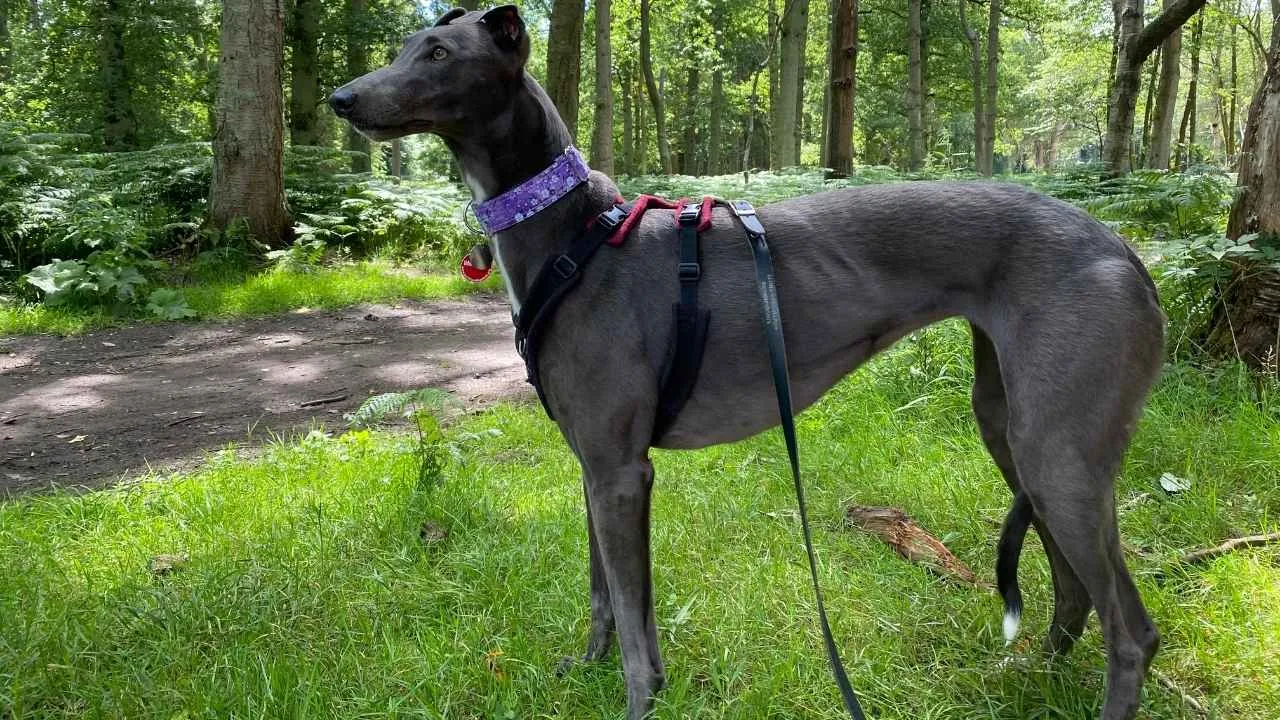
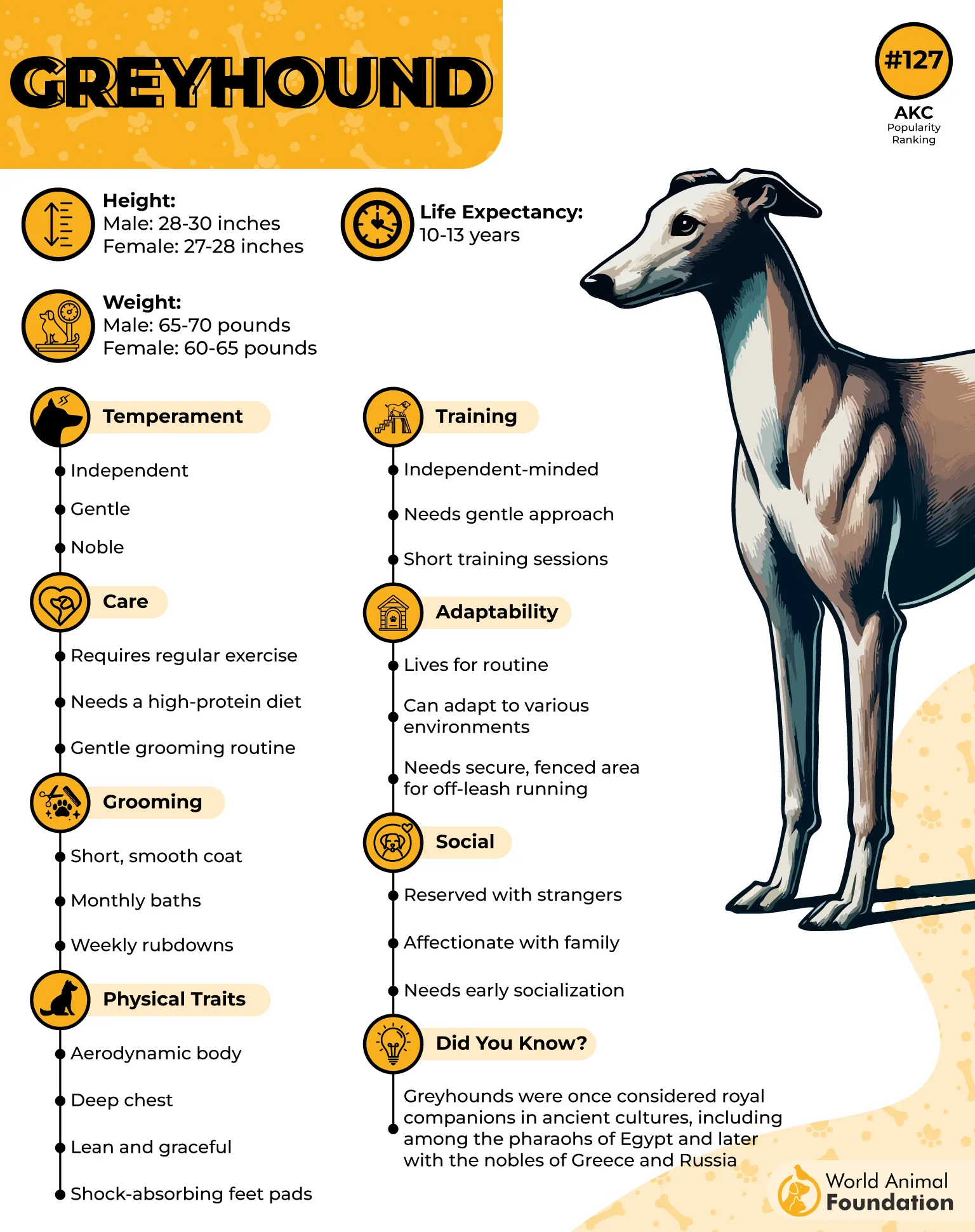
Greyhound is an ancient European sighthound, originally bred to spot and chase game by sight rather than scent. Its slim frame, long legs, and flexible spine later made it famous in racing, which became popular in Britain and America during the early 1920s.
Easy Coat Care
It has a short, firm, smooth coat that needs very little grooming, making daily coat care pleasantly simple. A few minutes with a curry brush or grooming glove can help keep the coat clean, while bathing is generally needed only every couple of months.
A few practical details make its care routine even simpler:
Pet wipes can freshen the coat between baths
Grooming gloves work well for quick brushing
Thin body fat increases sensitivity to cold
Gentle Afterward
Greyhounds are generally gentle and friendly with family members and often enjoy quiet affection once their daily activity is finished. Their independent sighthound nature can make them seem reserved at times, while their relaxed evening mood can be surprisingly cuddly.
8. Rottweiler
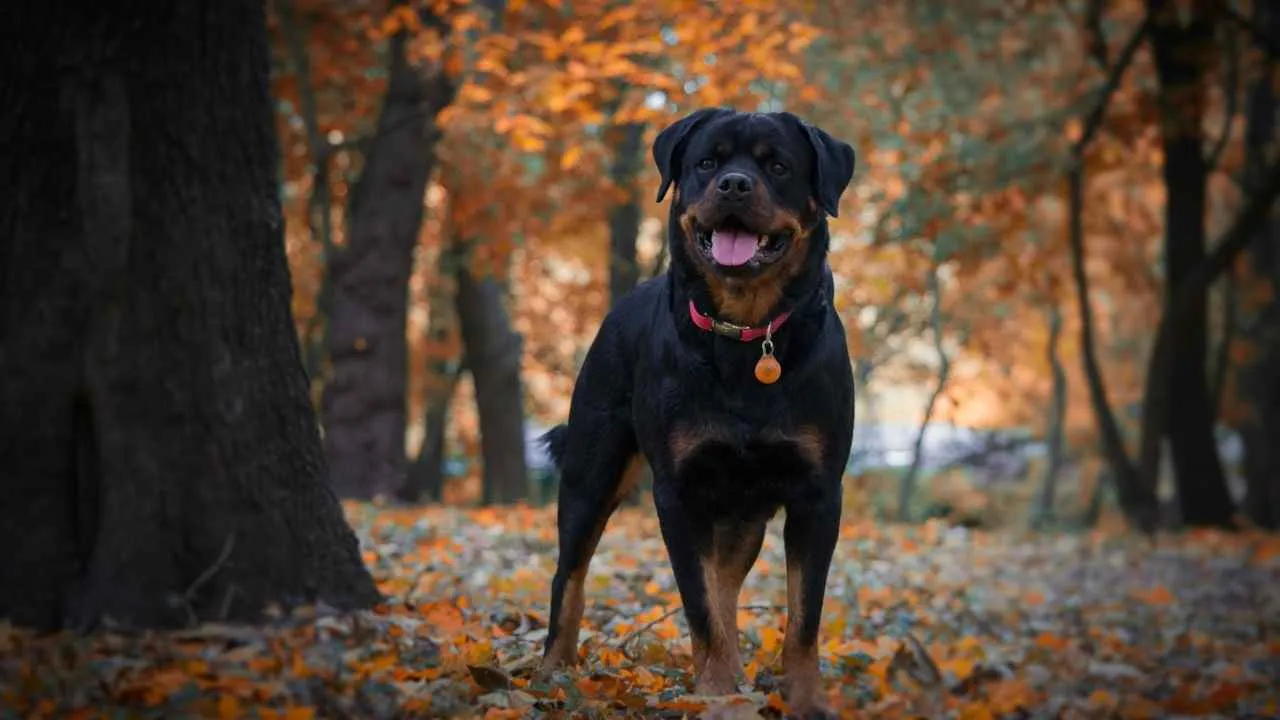
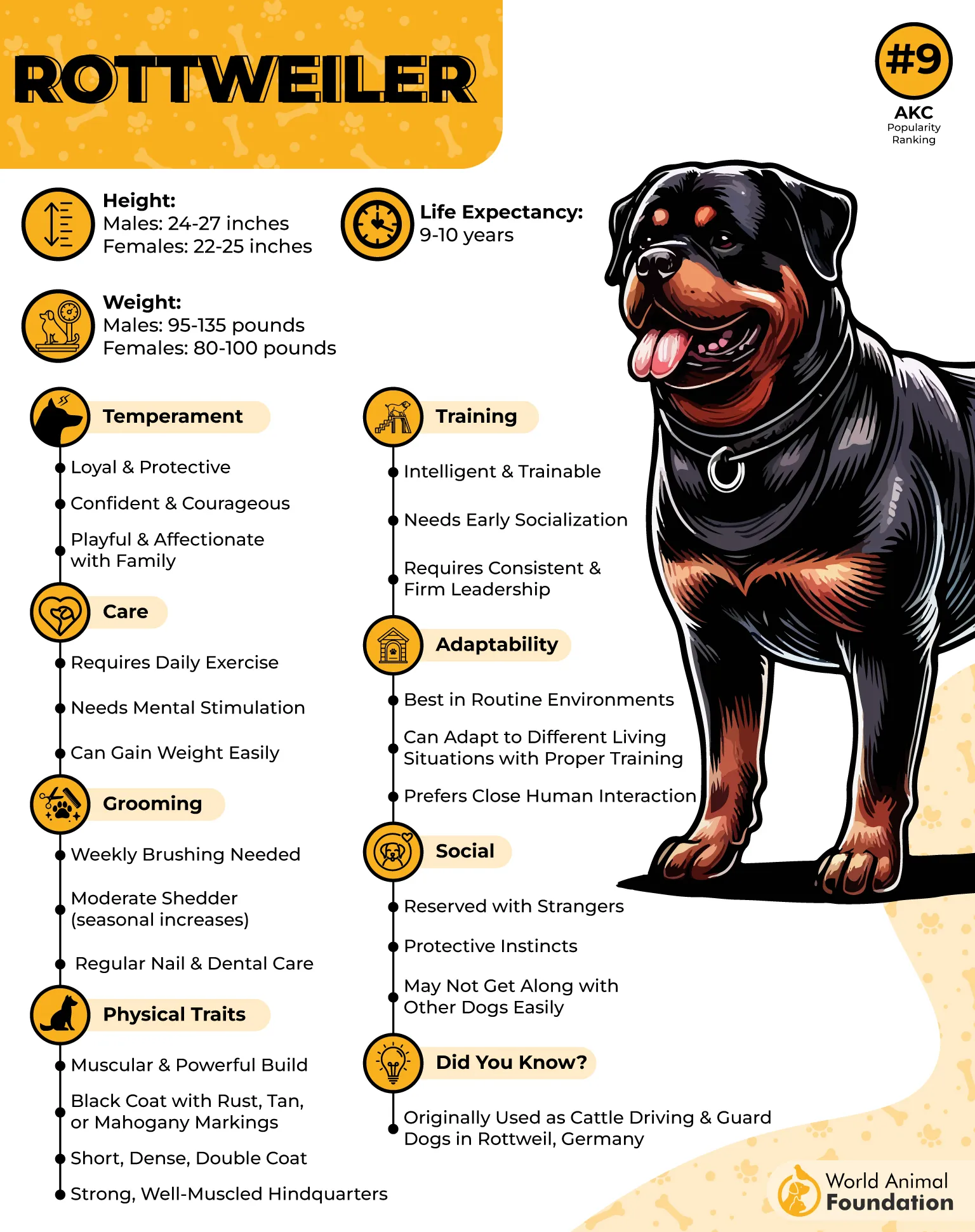
Rottweiler began as a cattle-driving and butcher’s dog in Rottweil, southern Germany, with roots linked to the Mastiffs of Roman legions. Along with herding cattle to market, these dogs pulled meat carts and guarded valuables, including money fastened around their necks after sales.
A Practical Coat
Rotties have a straight, coarse, medium-length outer coat that lies flat against the body, giving this powerful breed a neat, uncomplicated appearance.
A concealed undercoat grows around the neck and thighs, while shedding generally remains moderate through most of the year.
Its low-fuss coat still calls for seasonal attention:
Weekly brushing helps remove loose hair
Spring and fall bring heavier shedding
Regular baths are part of routine grooming
A Soft Spot for People
This gentle companion can be deeply attached to its favorite person and may struggle when left alone for extended periods. Early training and socialization are especially important with a male that can weigh 130 pounds or more, particularly around children and other dogs.
9. Boston Terrier
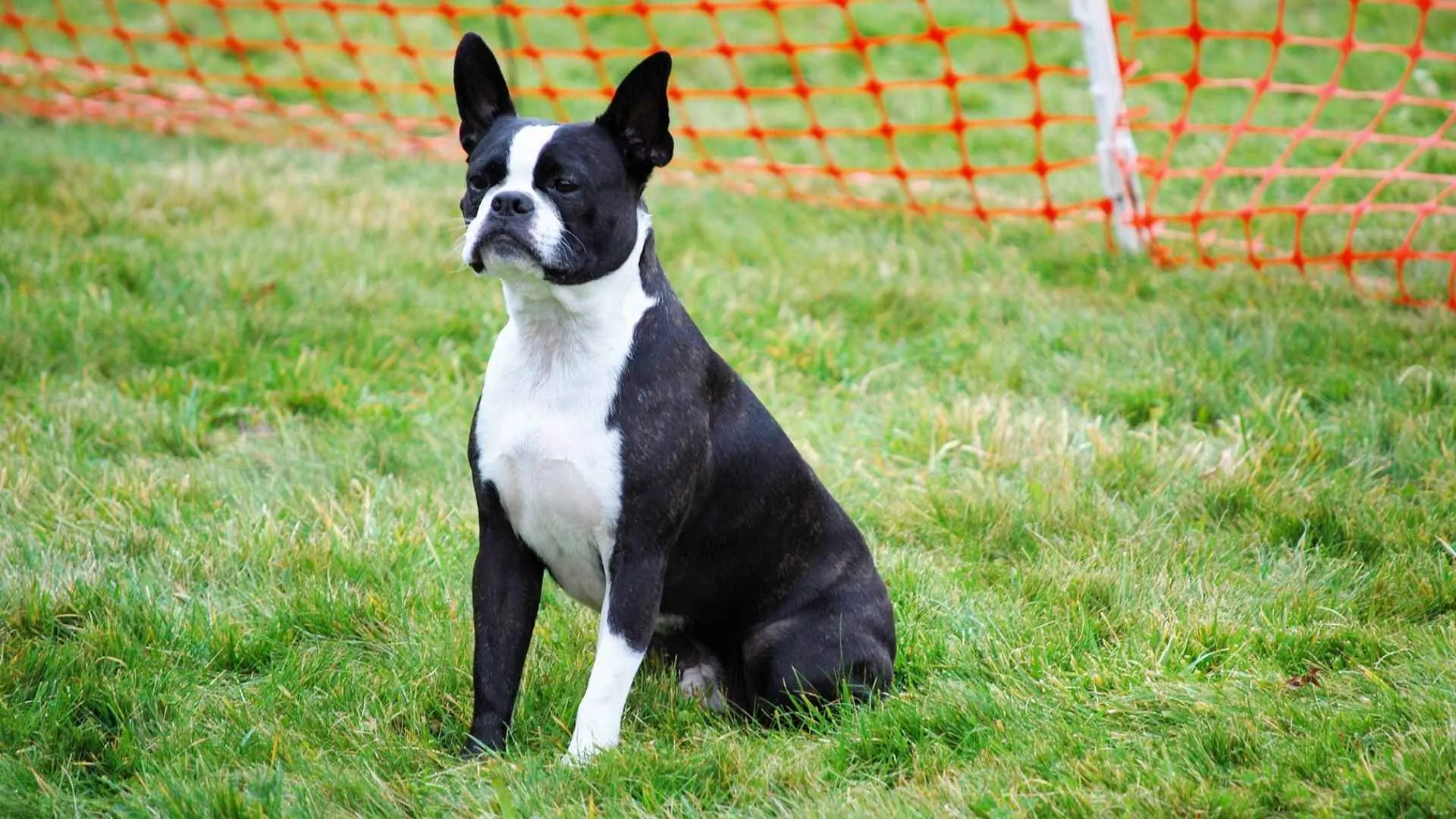
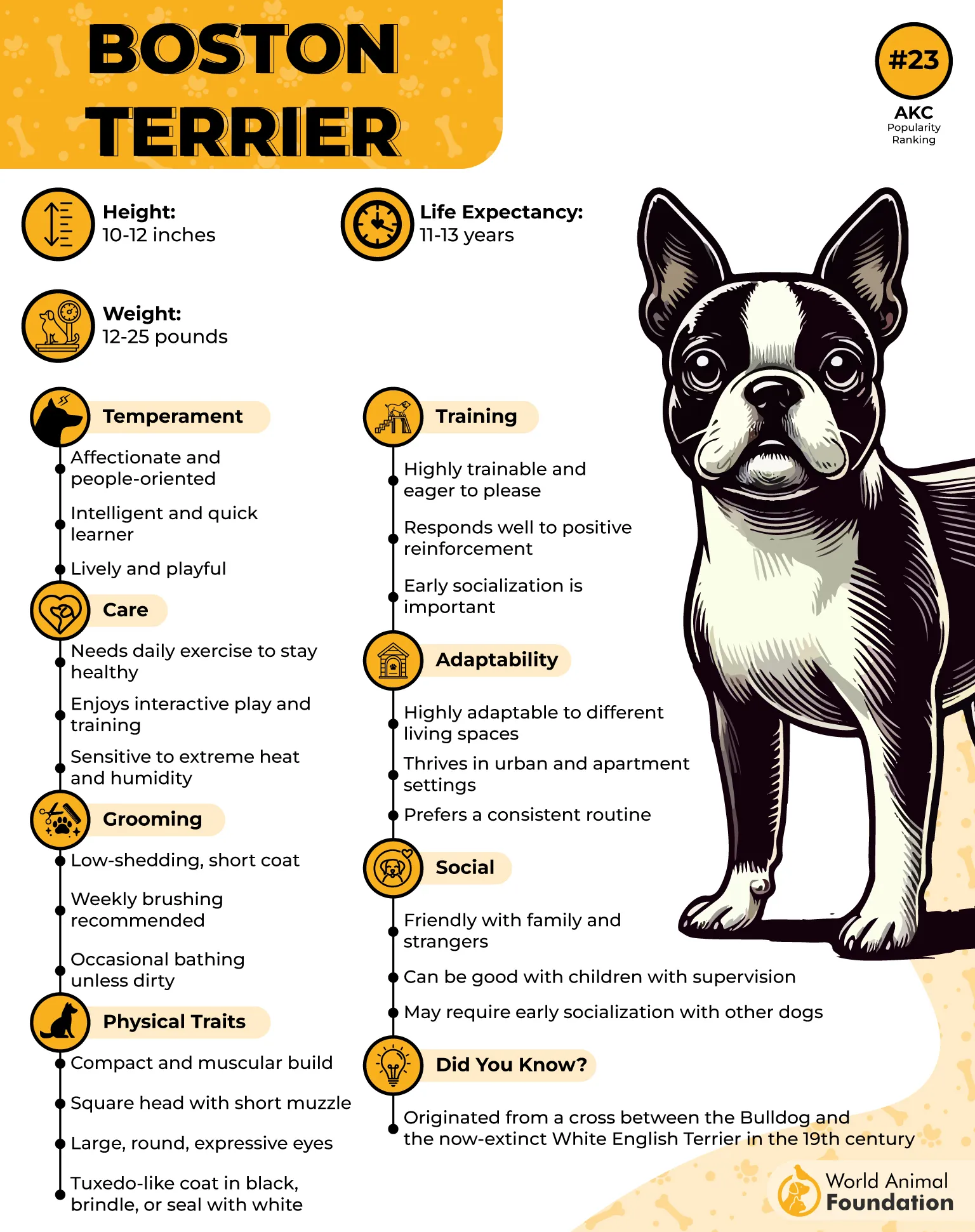
During the late 1800s, American breeders developed the Boston Terrier by crossing a Bull and Terrier type dog with a French Bulldog. It gained official AKC recognition in 1893 and is now grouped with non-sporting breeds, despite its terrier-influenced beginnings.
Tuxedo Coat
Boston Terrier has a smooth, short coat with minimal shedding, so a soft-bristle brush or grooming glove once a week is usually enough. Its lack of a dense undercoat also means cold weather can hit harder, making a sweater or jacket useful during winter walks.
Its simple grooming routine also changes with the seasons:
Monthly bathing is generally enough
Spring and fall bring slightly more shedding
A flat face increases overheating risk in hot weather
Big Personality
This small dog breed has an upbeat, playful nature and can spend hours with favorite toys before heading to the sofa for a nap. Intelligent and eager to learn, it responds well to training, while early socialization helps channel its enthusiasm around quieter dogs.
10. Miniature Pinscher
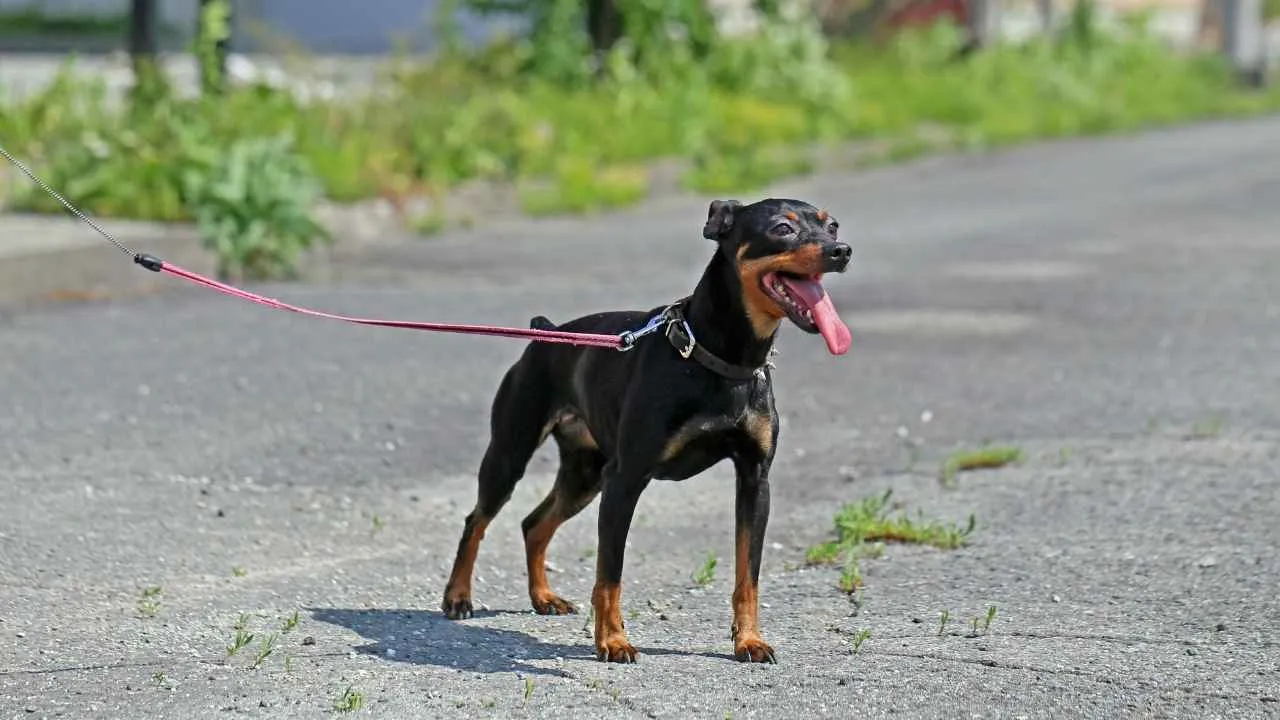
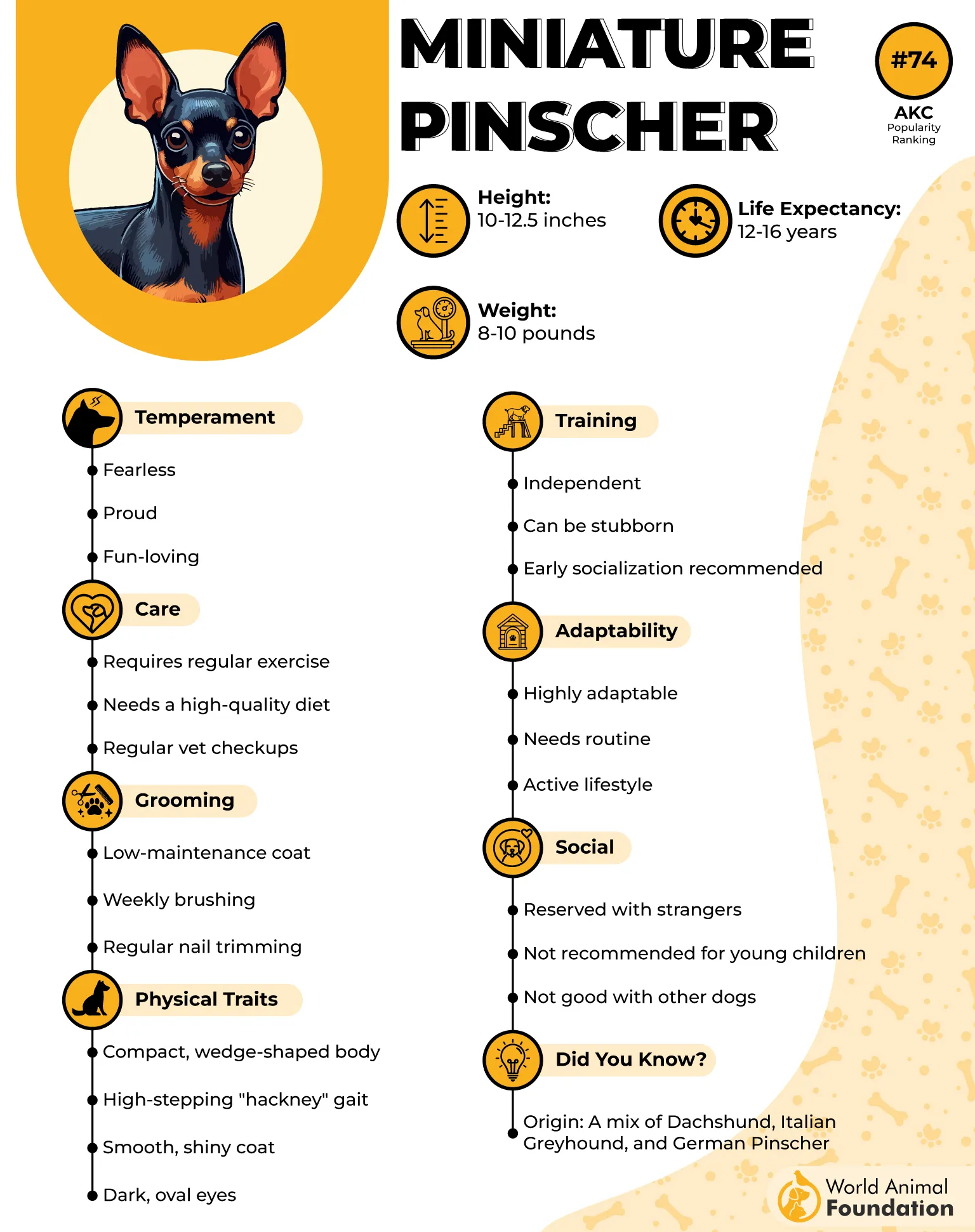
Miniature Pinscher originated in Germany and dates back several hundred years, with written records reaching roughly two centuries. It was bred to hunt rats and control vermin around homes and farms, later becoming popular in Germany after World War I before gaining attention elsewhere.
Made for a Short Coat
Min Pin has a sleek coat that needs surprisingly little grooming compared with breeds requiring extensive coat care. A soft-bristle brush or grooming glove once a week helps keep the coat glossy, while bathing every six weeks is generally sufficient.
Its coat needs little care, while weather needs more attention:
Weekly brushing helps reduce loose hair
Dog-safe shampoo is recommended for bathing
Extra baths are suitable after getting dirty or smelly
Tiny Body, Big Attitude
This short-haired breed is playful, quick to learn, and famous for acting as though its small frame belongs to a much larger dog. That bold personality can turn simple play sessions into energetic bursts throughout the day, keeping this lively little dog busy and entertained.
Conclusion
A sleek coat can be easy to brush, with occasional brushing often enough for some dogs, but every dog still brings its own personality and routine into the home. Some need long walks, active games, and regular training, while others prefer shorter outings followed by quiet time with their families. Shedding can still occur, and a fluffy coat offers more protection from cold weather than short hair for certain dogs.
Pet owners should think about exercise, temperament, grooming, space, energy level, and social needs before choosing a companion based on appearance. Regular grooming may be needed for some dogs, but many can still be great family pets when their practical needs fit your lifestyle. A short-coated dog can offer an appealing look without making everyday care unnecessarily complicated for your household.
