




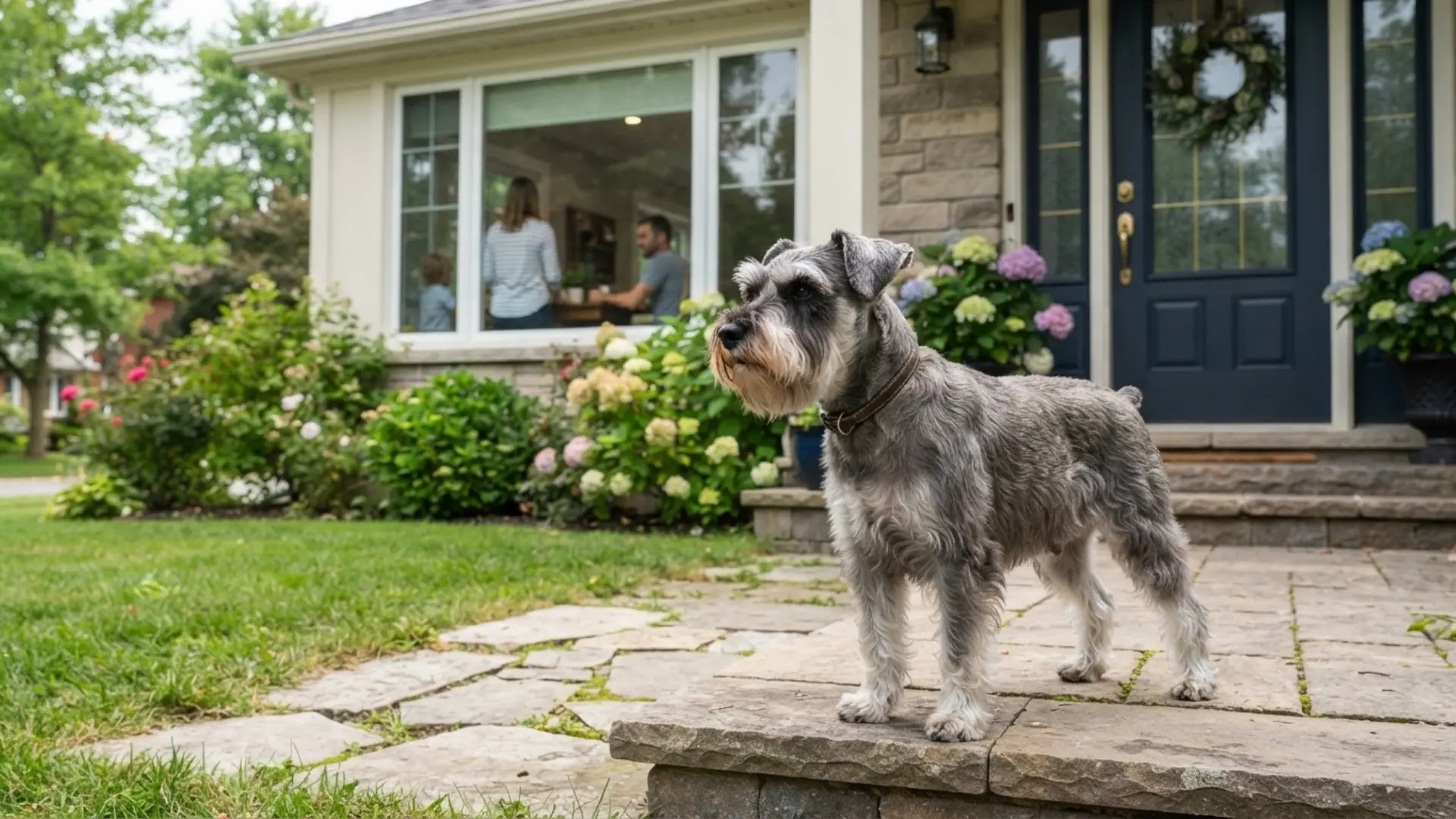
A protective dog does not have to be large to be attentive to its household. Many small breeds are naturally observant and quick to notice unfamiliar people, unusual sounds, or changes around the home. Their alertness can make them effective little watchdogs while still providing the companionship expected from a family pet.
Small watchdog breeds often rely on barking, vigilance, and a strong attachment to their owners rather than physical strength. Some were developed specifically for guarding homes, while others inherited watchful tendencies from their backgrounds as terriers or working companions.
The breeds below can be particularly attentive to their surroundings, but individual temperament varies. Early socialization and reward-based training are important for teaching a naturally alert dog when to investigate, when to bark, and when to settle.
Best Small Dog Breeds That Watch Over Their Families
1. Miniature Pinscher
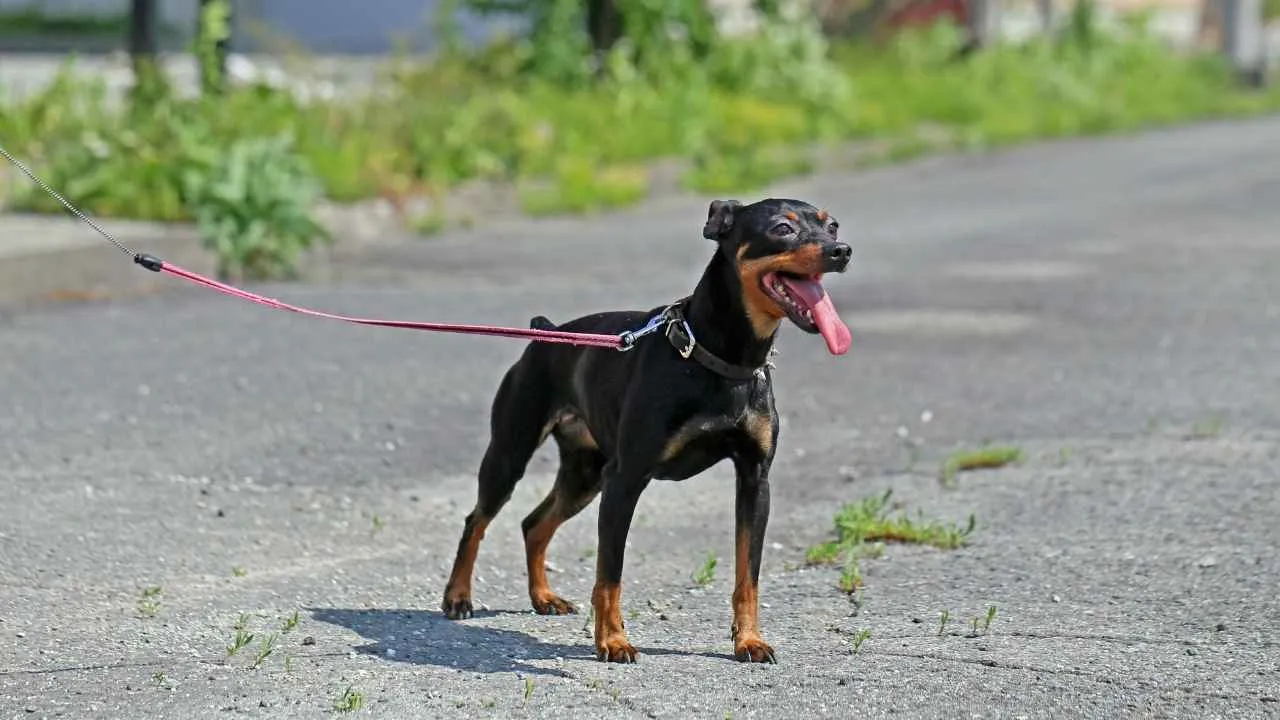
The Miniature Pinscher originated in Germany and has a history that predates the modern development of many toy breeds. Although its exact ancestry is debated, it was developed as a small, active household dog with terrier-like vermin-hunting abilities, as PDSA noted.
Its resemblance to the Doberman Pinscher is largely superficial, as the two breeds are not simply smaller and larger versions of one another.
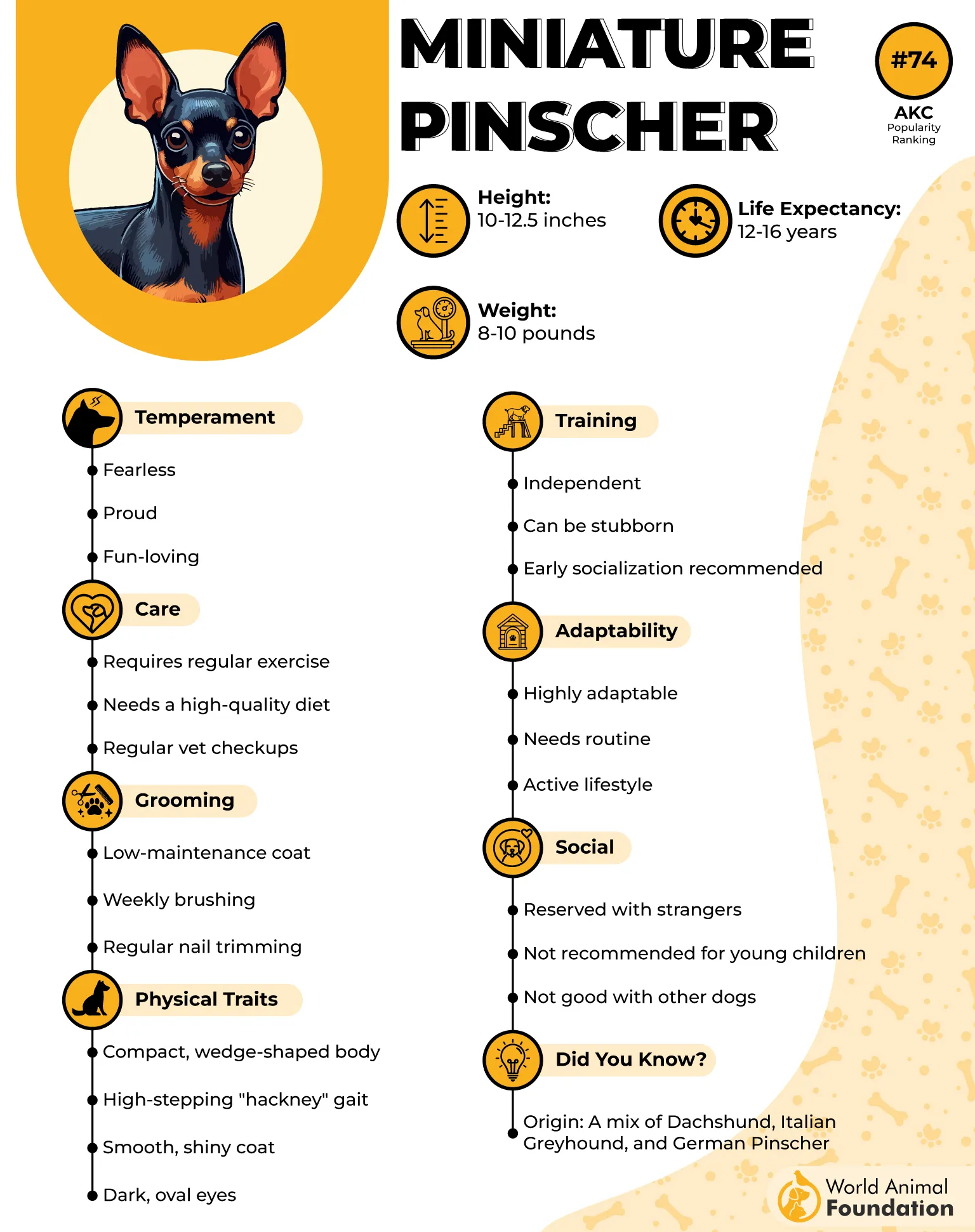
Bold, Energetic, and Constantly Aware
The Miniature Pinscher often carries itself with remarkable confidence for such a small dog. It can be curious, spirited, and highly attentive to movement around the home. This energetic personality means it tends to notice things quickly, although its enthusiasm needs to be guided through consistent training.
A Tiny Dog With a Big Watchdog Attitude
Min Pins can be particularly vocal when they notice something unfamiliar. Their alert nature can make them quick to announce visitors or unusual activity, giving owners an early warning without requiring a large guard dog.

Their protective behavior should be shaped through socialization so that normal household activity does not constantly become a perceived threat.
2. Scottish Terrier
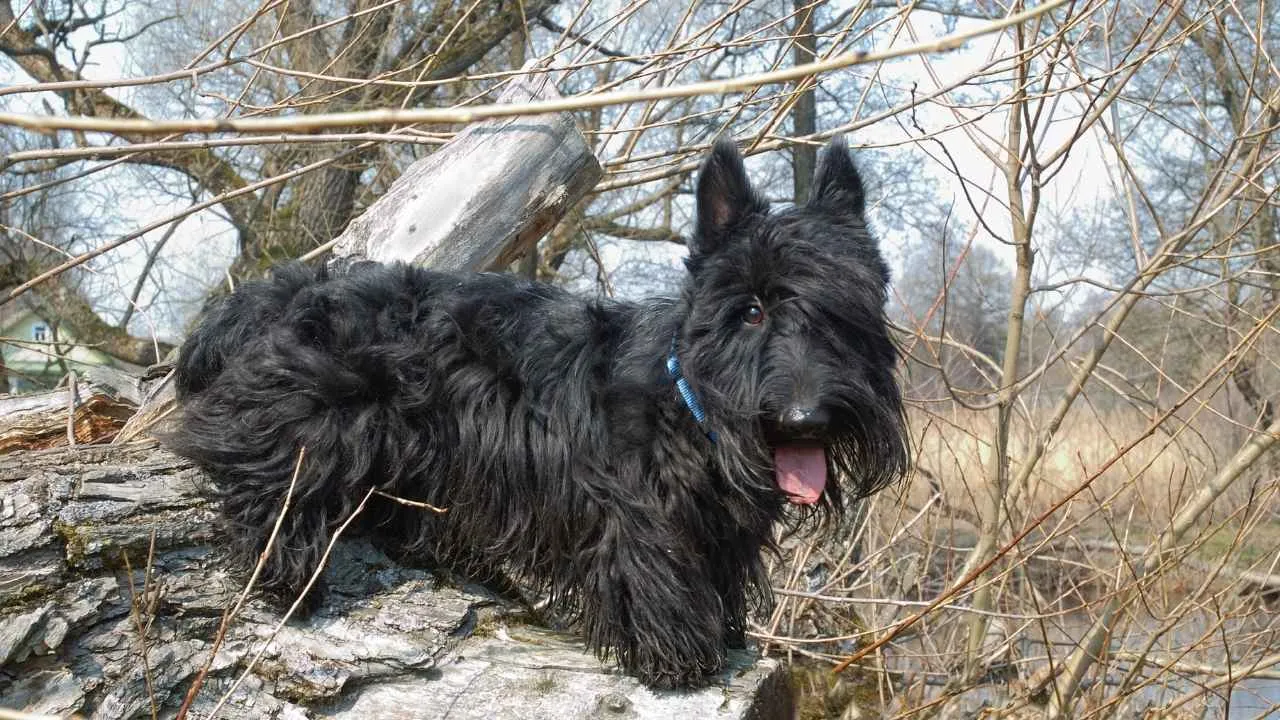
The Scottish Terrier developed in Scotland, where small terriers were used to hunt vermin and other animals around farms and homes, as per Purina.
The breed’s ancestors were valued for their determination and ability to work independently in difficult terrain. Over time, the distinctive Scottish Terrier became both a working terrier and a fashionable companion.
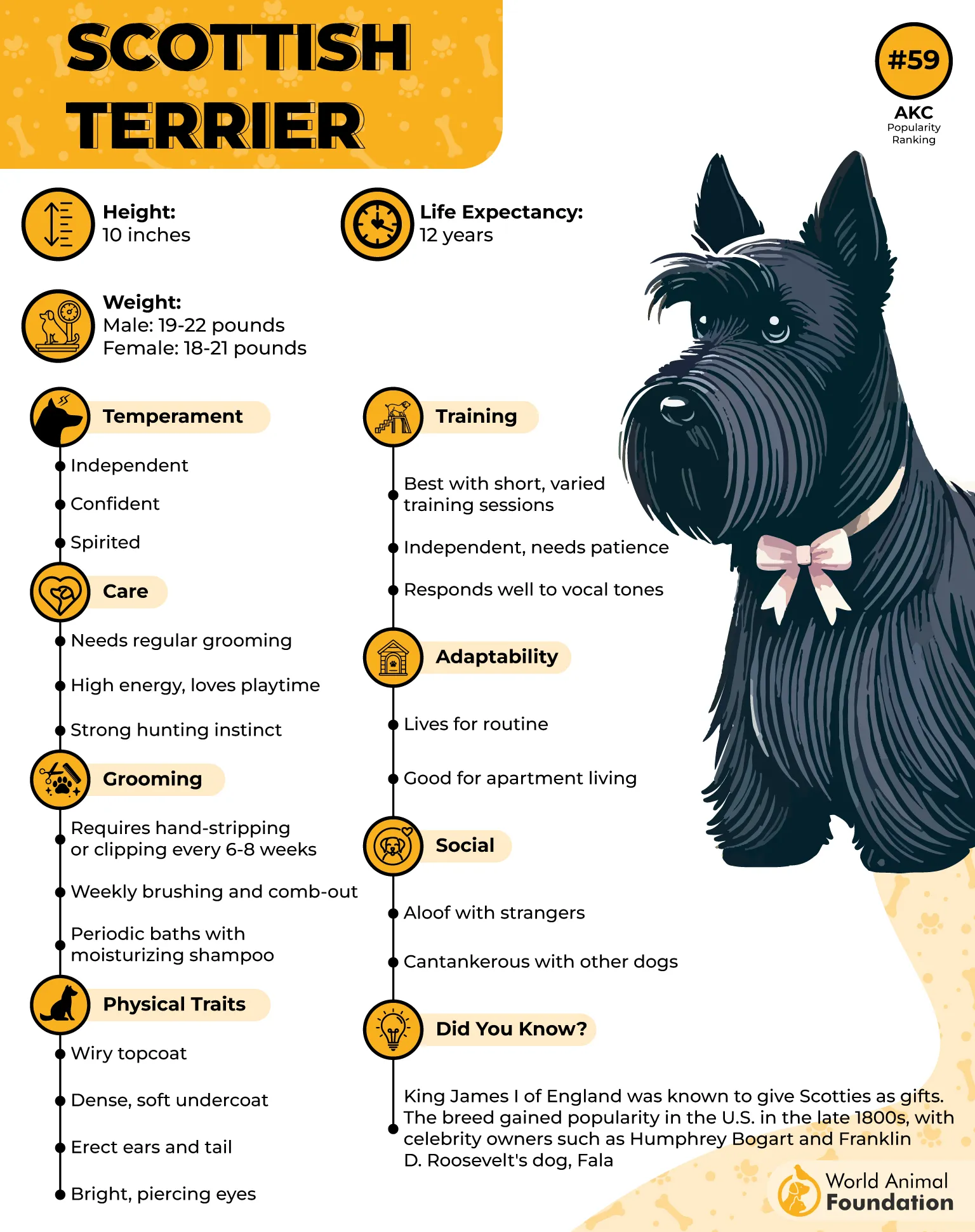
Independent, Serious, and Devoted
Scottish Terriers often have a self-assured personality and may not immediately welcome every unfamiliar person.
They tend to form strong attachments to their families while maintaining some of the independence associated with their terrier heritage. Their confidence can be appealing, but patient training is important because they may not always cooperate simply to please their owner.
Naturally Suspicious of Unfamiliar Activity
A Scottish Terrier’s tendency to observe its surroundings can make it an effective little household sentinel. Strange sounds or unfamiliar visitors may attract its attention, and the dog may respond vocally. Its compact body limits what it can physically do as a protector, but its willingness to alert its family can be considerable.
3. Miniature Schnauzer
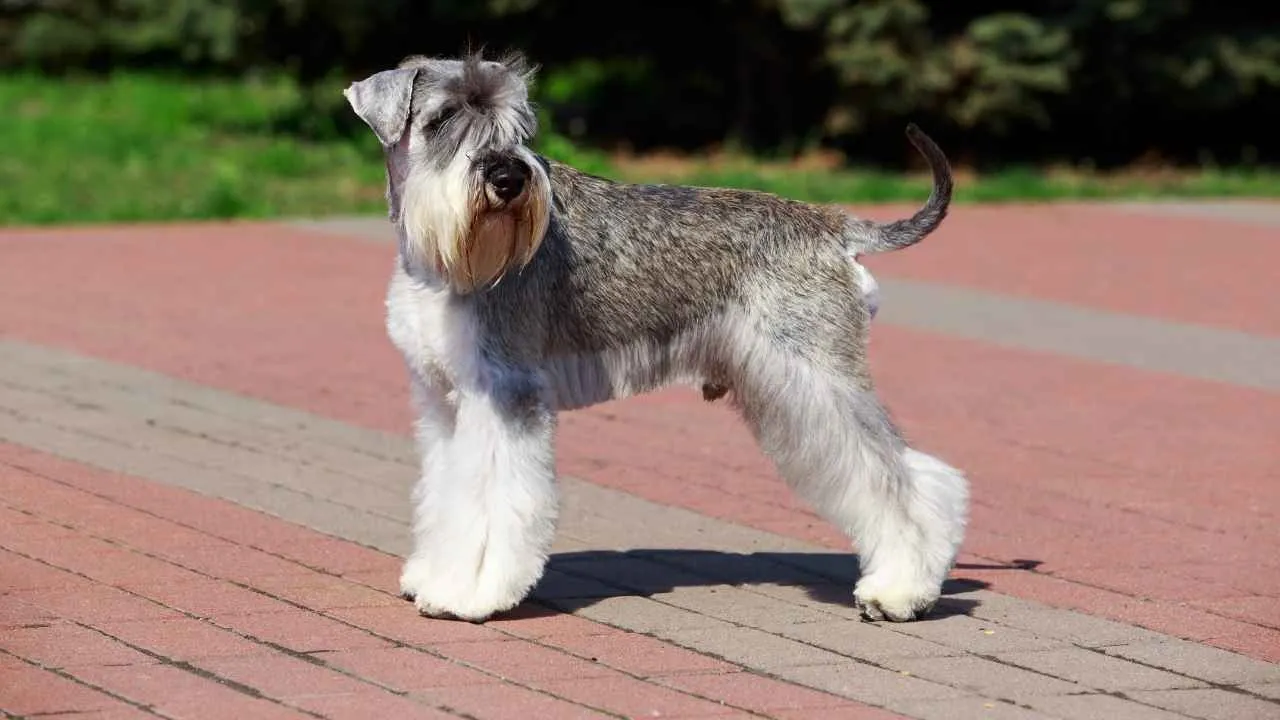
The Miniature Schnauzer originated in Germany and was developed from the Standard Schnauzer along with smaller breeds. Farmers valued these dogs for their ability to control vermin while also serving as useful companions around the property. Their distinctive beard and eyebrows eventually became defining features of the breed.
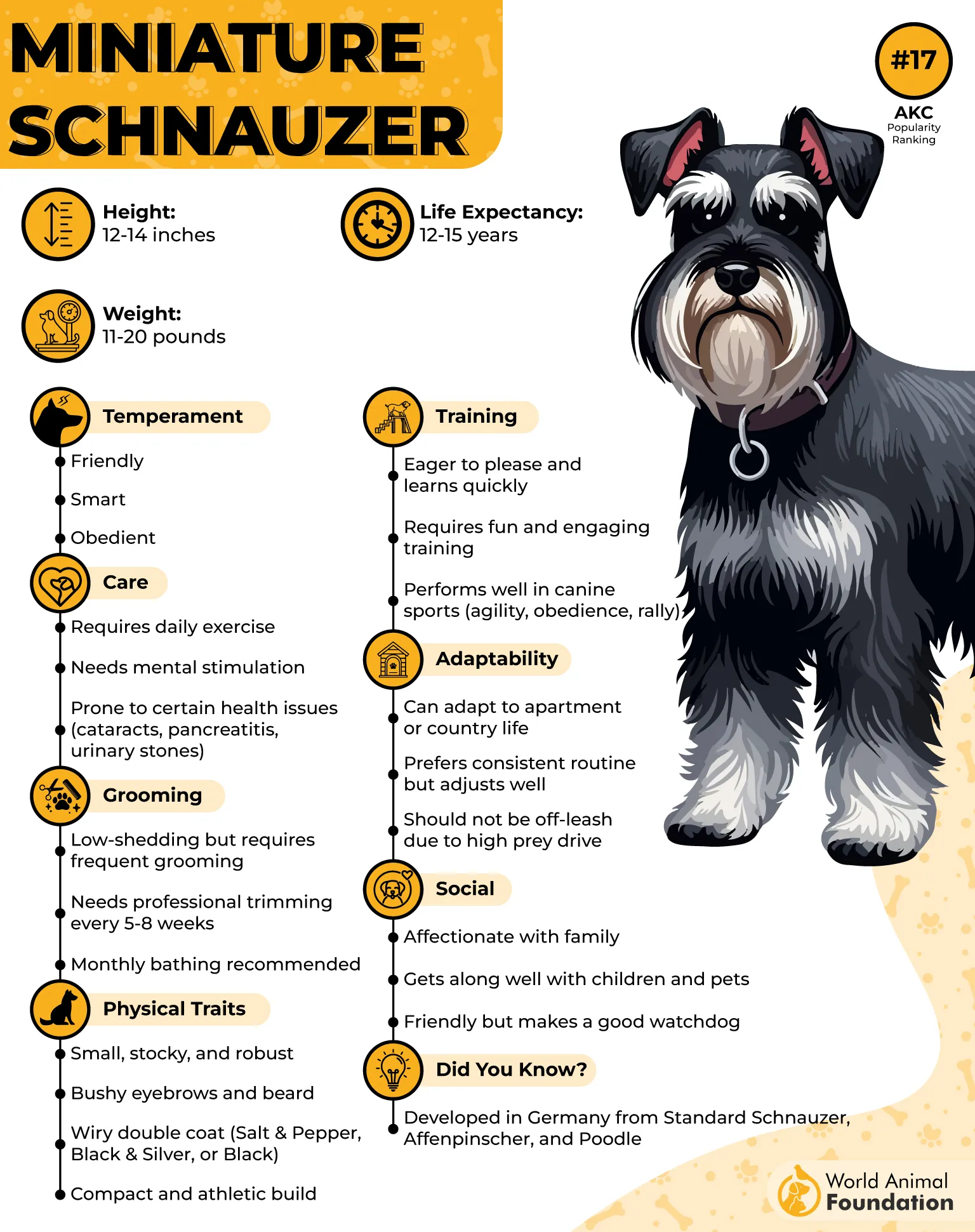
Intelligent, Social, and Exceptionally Observant
Miniature Schnauzers are often bright dogs that enjoy learning and participating in family activities. They can be outgoing with familiar people while remaining attentive to what is happening around them. Their intelligence gives them a strong capacity for training, making it possible to channel their natural alertness into appropriate behavior.
A Family Watchdog With Plenty to Say
Few things escape the attention of an alert Miniature Schnauzer for long. These dogs can quickly respond to knocks, unfamiliar sounds, or people approaching the home. Their tendency to bark can be useful when controlled, but owners should teach a reliable “quiet” cue so their watchdog instincts do not turn into excessive noise.
4. Lhasa Apso
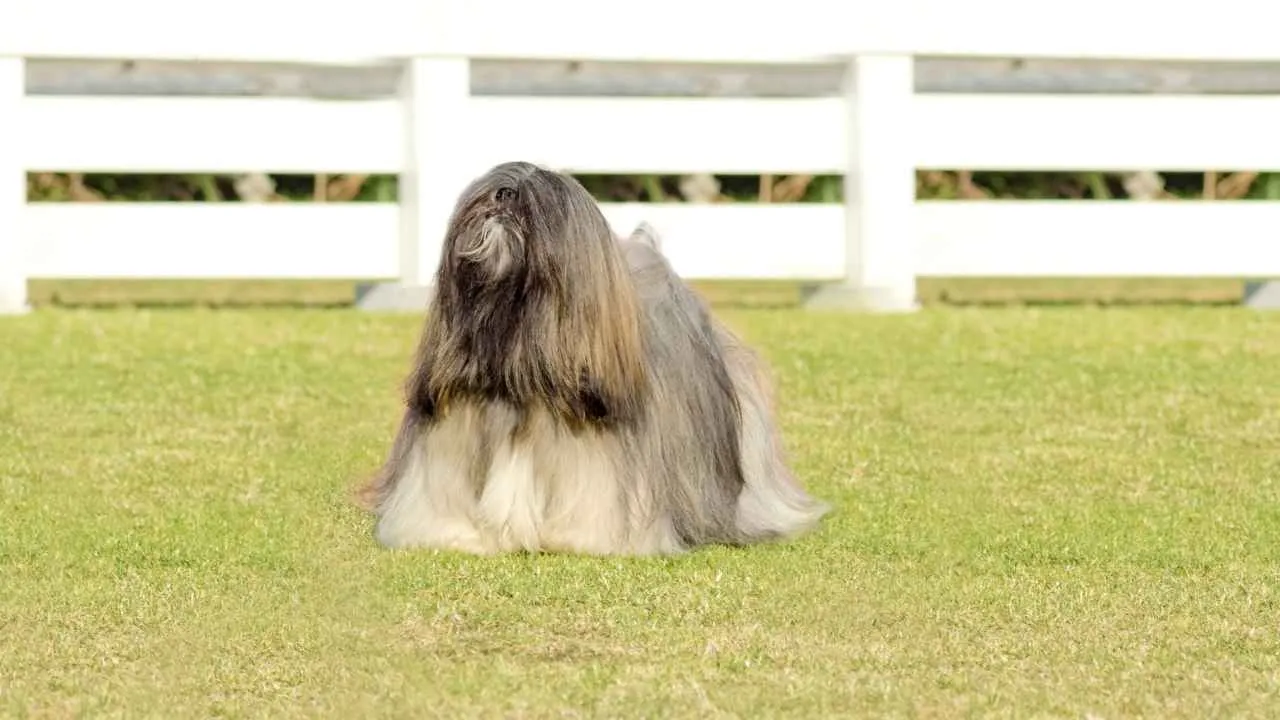
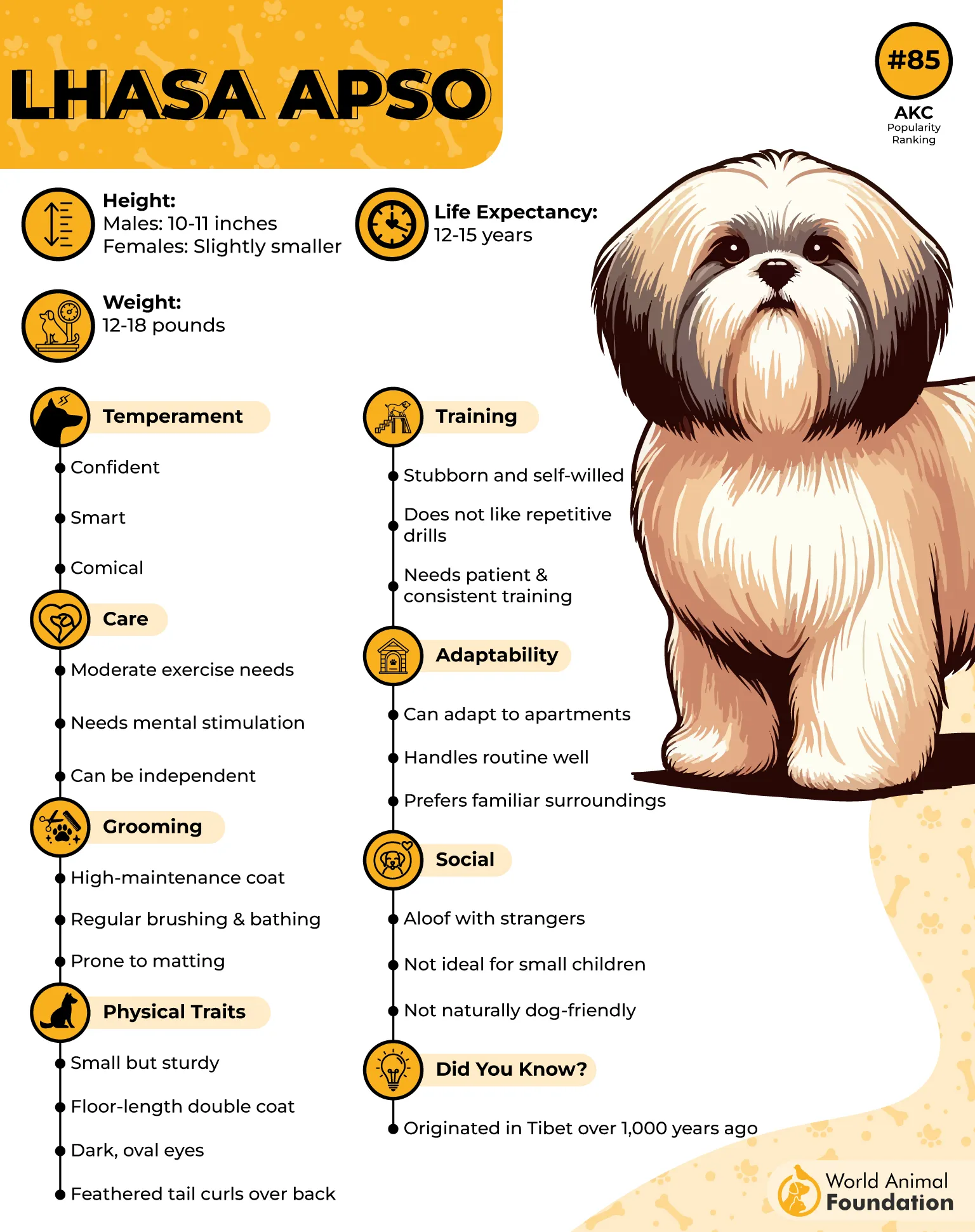
The Lhasa Apso originated in Tibet, where it was traditionally kept in monasteries and homes, as per the AKC. Its sharp hearing and observant nature made it useful as an indoor sentinel that could alert people to unfamiliar visitors. The breed was later introduced to other parts of the world and became valued primarily as a companion.
Reserved, Self-Assured, and Discerning
Lhasa Apsos can be affectionate with their families without being universally friendly toward strangers. They often observe unfamiliar people before deciding how comfortable they are. This reserved temperament is part of what makes the breed different from small dogs that enthusiastically greet almost everyone.
A Watchdog Heritage in a Compact Body
The Lhasa Apso’s historical role as an indoor alert dog remains relevant to its modern personality. It may respond quickly to footsteps, visitors, or unfamiliar noises around the home. Rather than physically confronting a perceived intruder, its strength lies in noticing something unusual and making sure its family knows about it.
5. Cairn Terrier
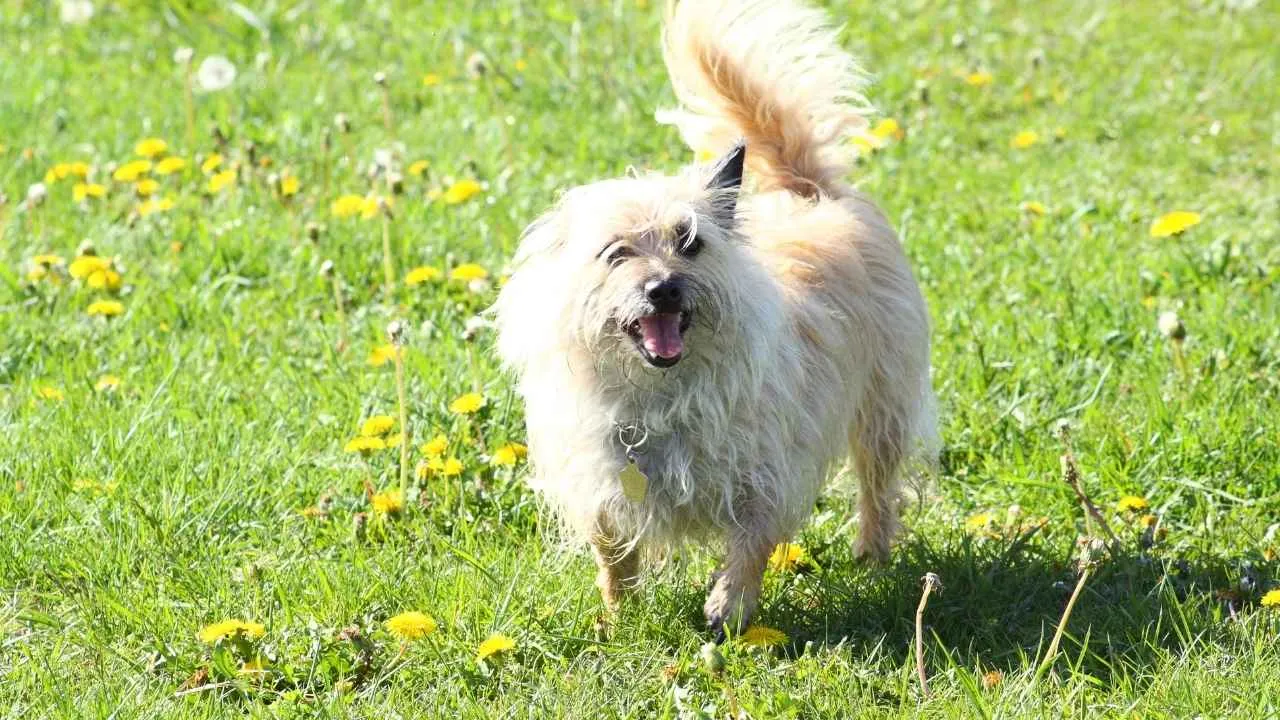
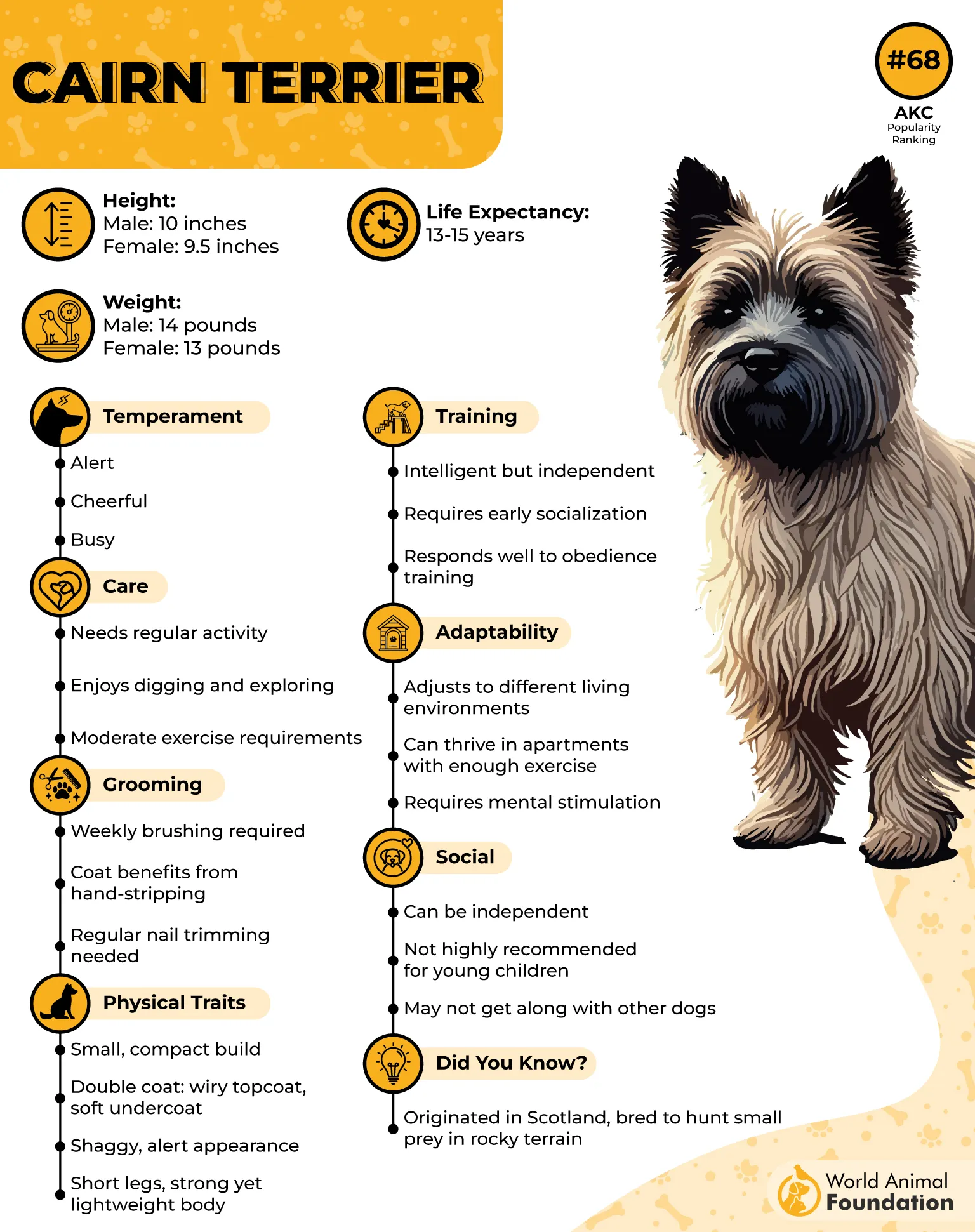
The Cairn Terrier developed in the Scottish Highlands and was bred to hunt vermin among piles of stones, known as cairns. These small terriers needed courage, persistence, and enough independence to pursue prey into narrow spaces. Their working background helped create the lively and determined companion seen today.
Curious, Fearless, and Always Ready to Investigate
Cairn Terriers tend to approach life with enthusiasm. They can be playful and affectionate with their families while retaining the independent instincts of a working terrier. Their curiosity can make them keen explorers, and their confidence often exceeds what their small size might suggest.
An Alert Little Explorer
A Cairn Terrier may investigate unfamiliar sounds or activity rather than simply ignoring them. Its natural curiosity can make it attentive to changes around the house, while its tendency to vocalize can provide an additional warning. Owners should balance this vigilance with training that teaches the dog when an investigation is actually necessary.
6. Toy Fox Terrier
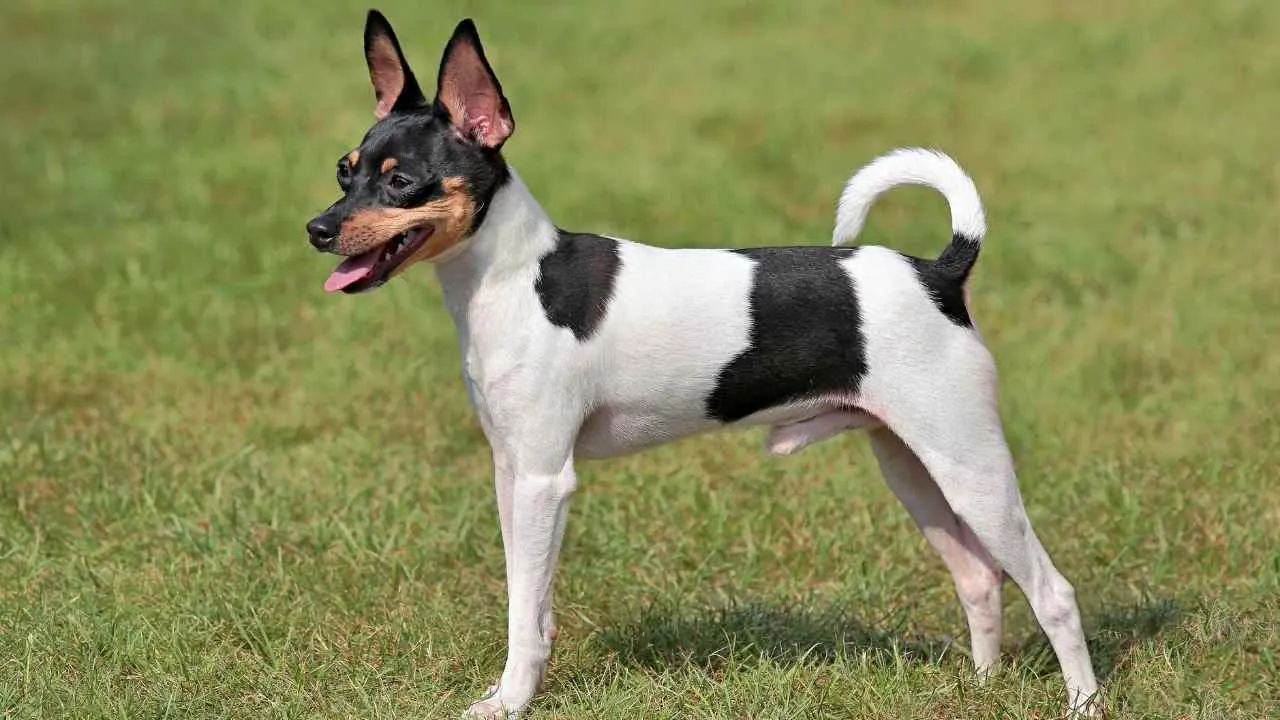
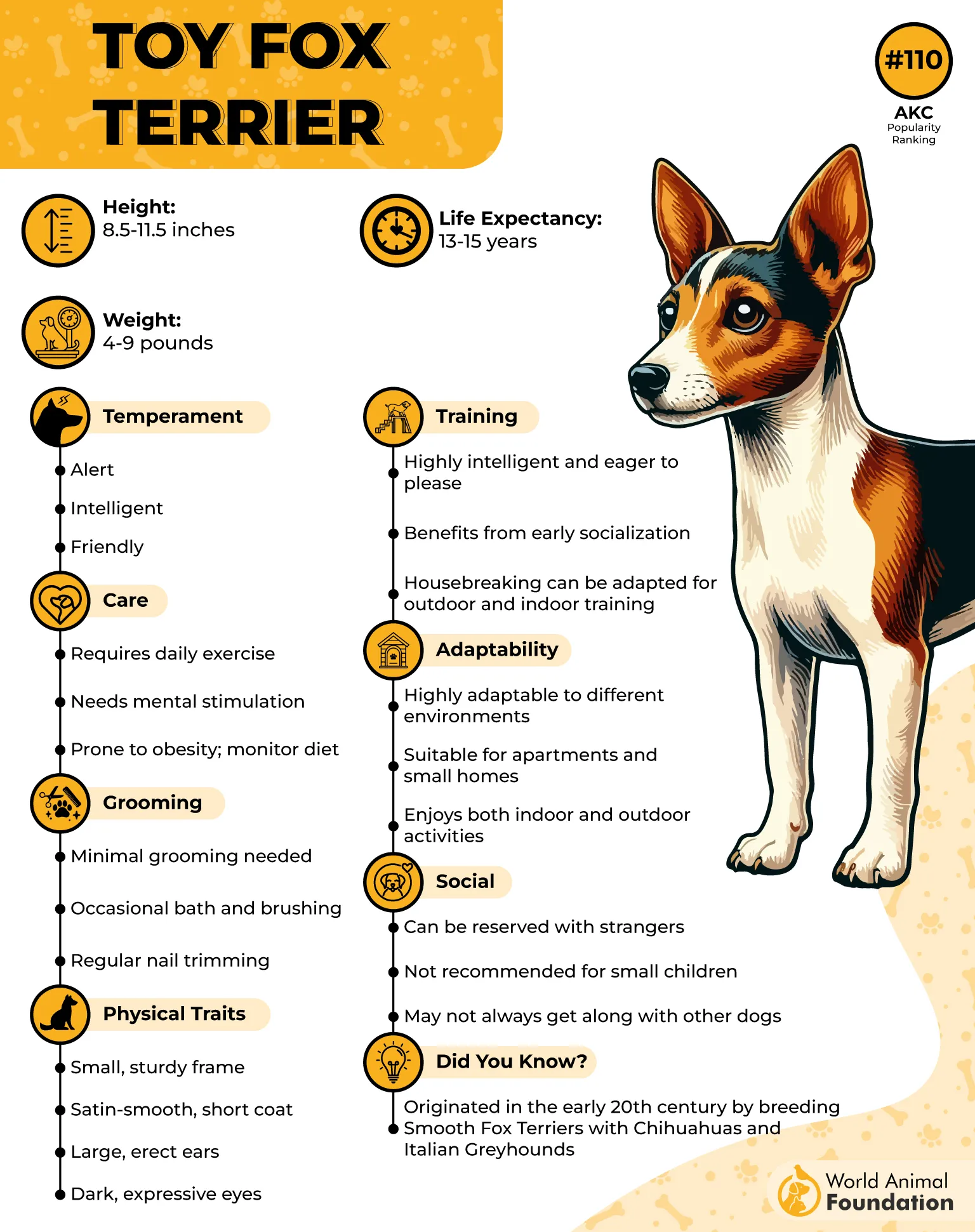
The Toy Fox Terrier was developed in the United States from larger Fox Terriers and smaller friendly dogs. Its early roles included controlling rodents and performing as a circus dog, where intelligence and responsiveness were valuable. The breed eventually became established as a distinct small terrier known for its lively temperament.
Spirited, Clever, and Highly Responsive
Toy Fox Terriers can be energetic dogs that form close relationships with their owners. They often enjoy learning tricks and commands and can be remarkably attentive to human direction. At the same time, their terrier instincts may make them quick to react to movement, sounds, and small animals.
Quick to Notice What Is Happening
The Toy Fox Terrier’s alertness can be useful around the household. A new noise outside the door or an unfamiliar person approaching may quickly attract its attention. Although its physical size makes it unsuitable for confronting a genuine threat, its speed and willingness to sound the alarm can make it a surprisingly effective watchdog.
7. Pomeranian
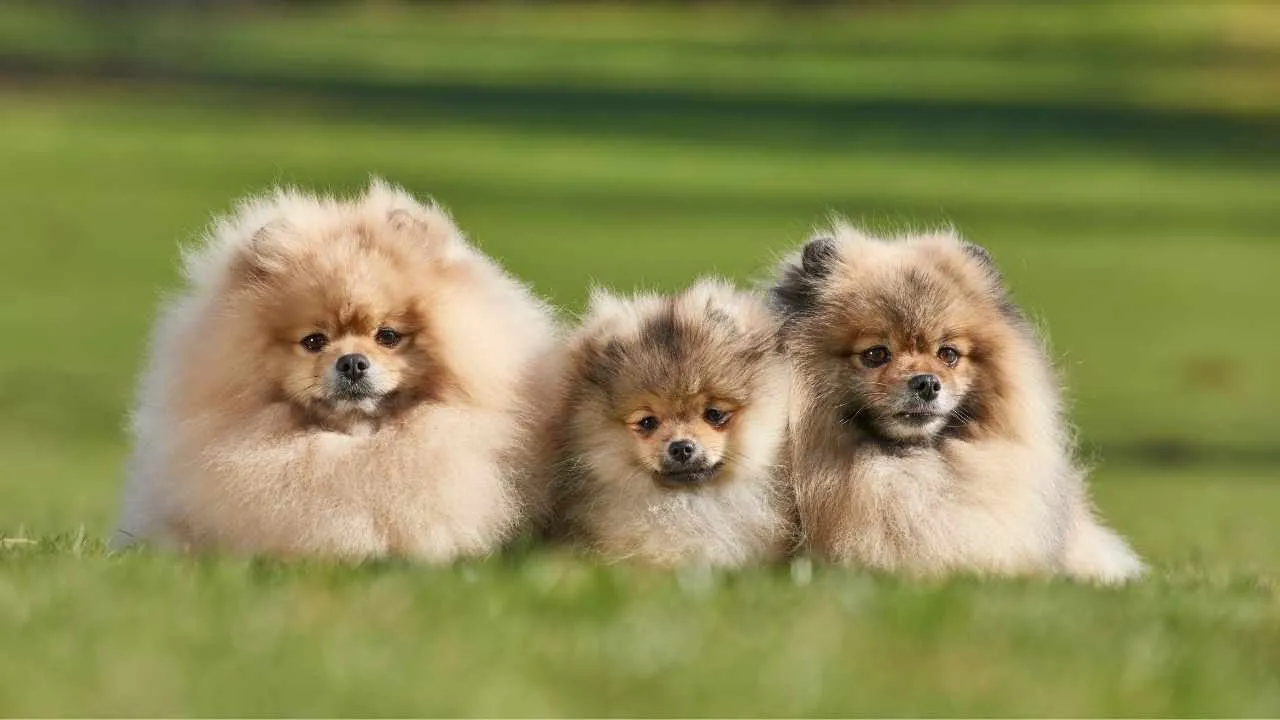
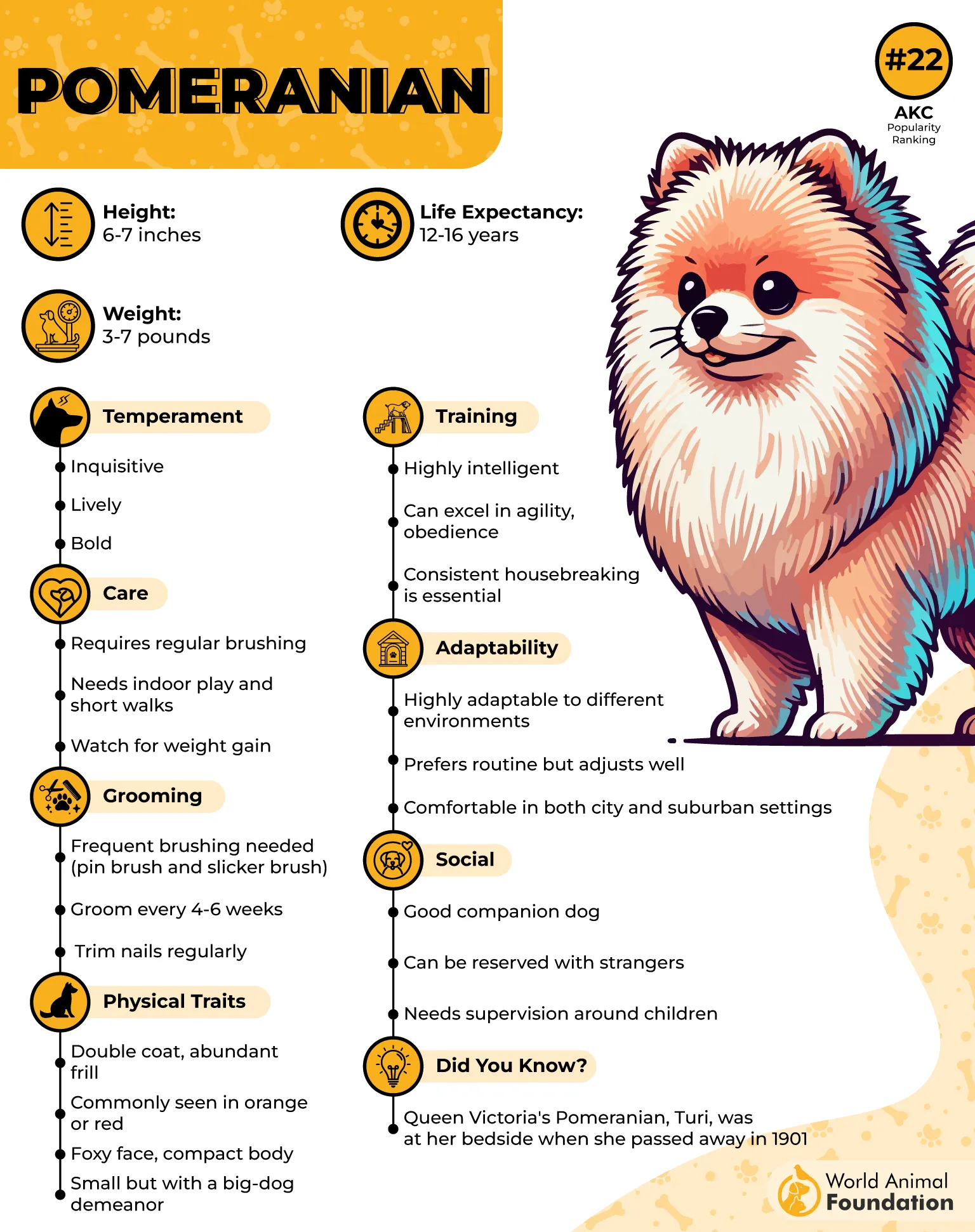
The Pomeranian descends from larger Spitz-type dogs associated with the Pomerania region of Central Europe. Earlier ancestors were working dogs considerably larger than the modern breed, while selective breeding gradually produced the small companion dog known today. Its popularity grew substantially in Britain and elsewhere during the 19th century.
Confident, Lively, and Highly Attentive
Pomeranians are often energetic little dogs with strong opinions about what happens around them. They can be affectionate toward their families while remaining suspicious or vocal when something unfamiliar catches their attention. Their intelligence makes them capable of learning household rules, although consistency is important.
A Fluffy Alarm System for the Home
The Pomeranian’s small size does little to diminish its willingness to announce visitors or unexpected sounds.
Many individuals are naturally vocal and can become highly attentive when they hear activity outside the home. With appropriate training, that tendency can be shaped into useful alert behavior without allowing constant barking to take over the household.
Conclusion
Small dogs can be surprisingly effective at keeping watch over their families. Miniature Pinschers, Scottish Terriers, Miniature Schnauzers, Lhasa Apsos, Cairn Terriers, Toy Fox Terriers, and Pomeranians all possess qualities that can make them attentive household companions.
Their protective styles are not identical. Some, such as the Lhasa Apso, have a history closely connected to indoor alerting, while terriers often combine vigilance with the instinct to investigate and respond to movement. Others, including the Miniature Schnauzer and Pomeranian, may be particularly vocal when something catches their attention.
It is important to distinguish watchdog behavior from true guard-dog capability. A small breed may be excellent at detecting and announcing unfamiliar activity, but it cannot provide the physical protection of a large working guardian. Socialization, obedience training, and appropriate boundaries can help ensure that a naturally watchful dog remains confident and manageable while still looking out for its family.
