




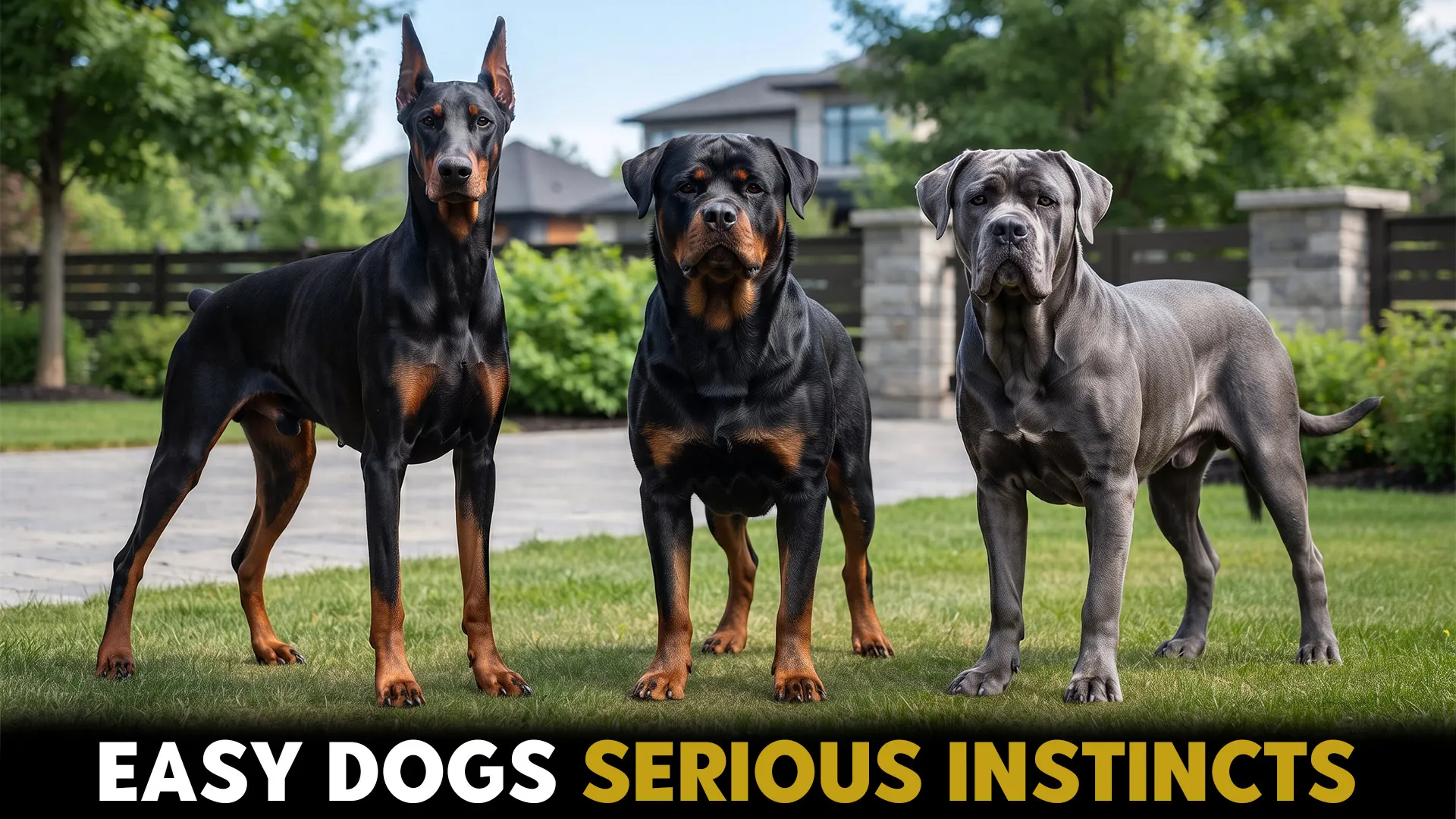
A dog can be more than a loving companion. For many people, having a dog around also brings an extra sense of security. Guard dogs have been trusted to protect people, homes, and property for centuries, thanks to their natural alertness, loyalty, and protective instincts.
But if you want that added layer of security without taking on a dog that needs constant grooming, exercise, or complicated care, a low-maintenance guard dog may be worth considering.
The key is understanding that a good guard dog doesn’t have to be aggressive or constantly on high alert. The right dog can be calm and affectionate at home while still paying attention to unfamiliar people or unusual activity.
In this article, we’ll look at dogs that can offer loyalty and protection while keeping everyday care more manageable. If you want a devoted companion that can help you feel safer at home without turning your daily routine upside down, keep reading.
Low-Maintenance Guard Dog Breeds: The Ultimate Guide
1. Doberman Pinscher
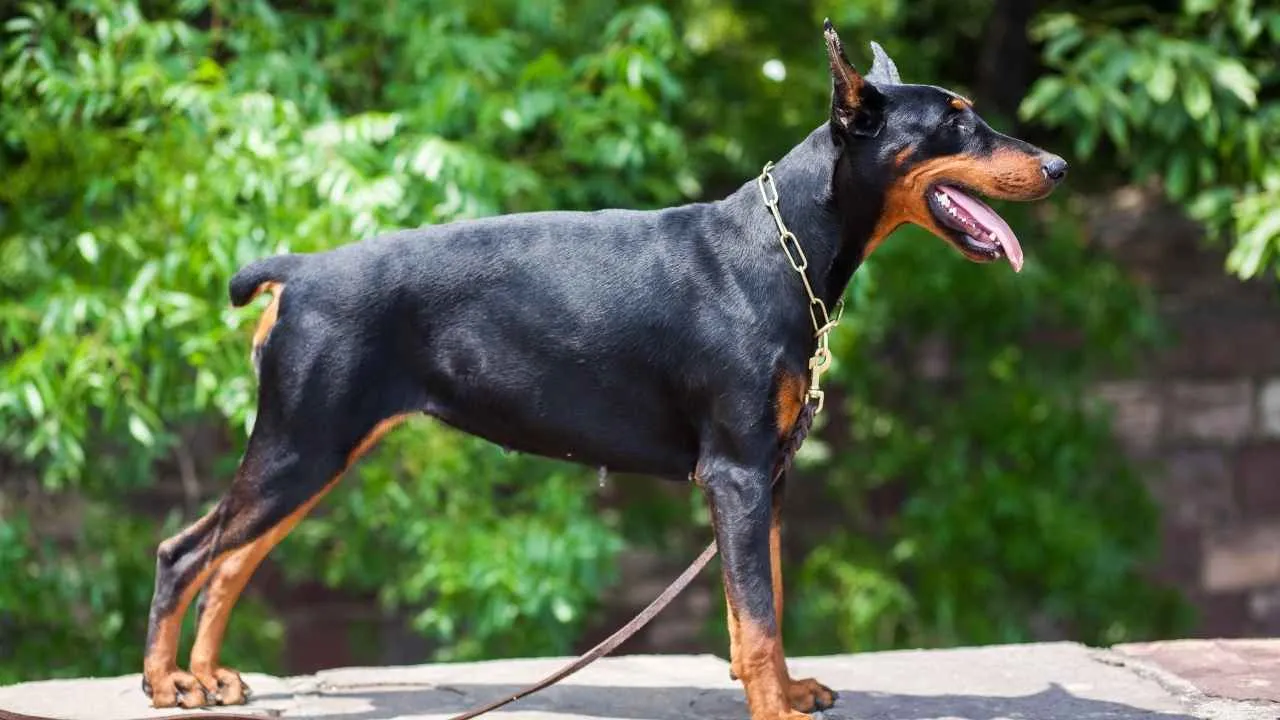
Developed in Germany in the late 1800s, Doberman Pinschers were bred as guard dogs and companions.
They are thought to have been developed by Louis Dobermann, a German tax collector, using Old German Shepherds, German Pinschers, Black and Tan Manchester Terriers, and Greyhounds. Today, they are known for their sleek appearance, intelligence, loyalty, and alert nature.
Protective Nature and Temperament
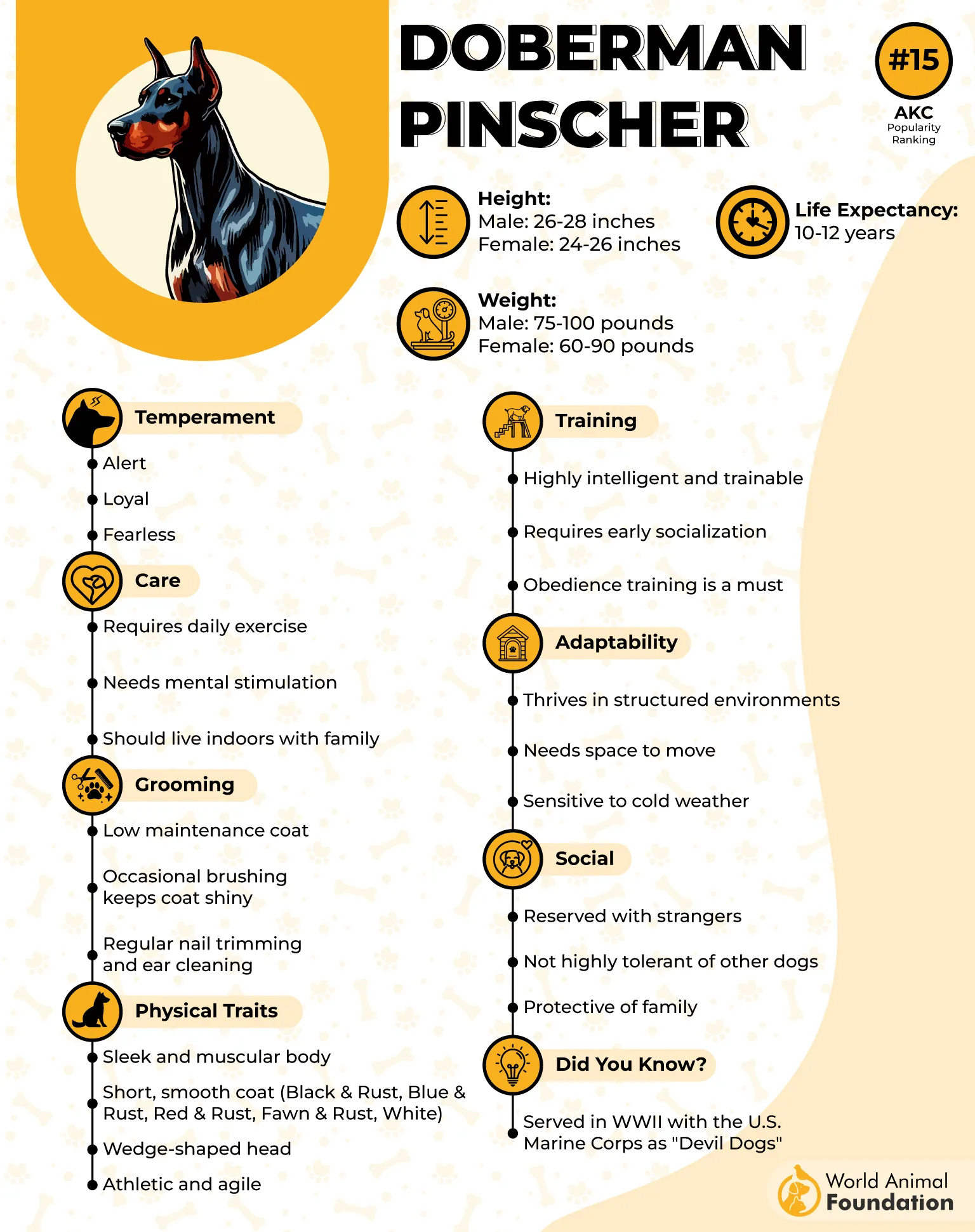
Dobermans are fearless, protective, and naturally watchful. They are often used for security, police, military, and search-and-rescue work. They can be wary of strangers but are affectionate, playful, and eager to please with their families. Early socialization helps them become well-balanced companions.
Exercise and Care
Dobermans are energetic and need regular exercise and mental stimulation. They enjoy walks, runs, hikes, and playtime in a fenced yard. They learn quickly but can become bored with repetitive training, so sessions should stay interesting.
Their sleek coats are relatively easy to maintain. Their strong prey drive also means they may chase smaller animals, so secure fencing and leashes are important, as mentioned by PetMD.
2. Rottweiler
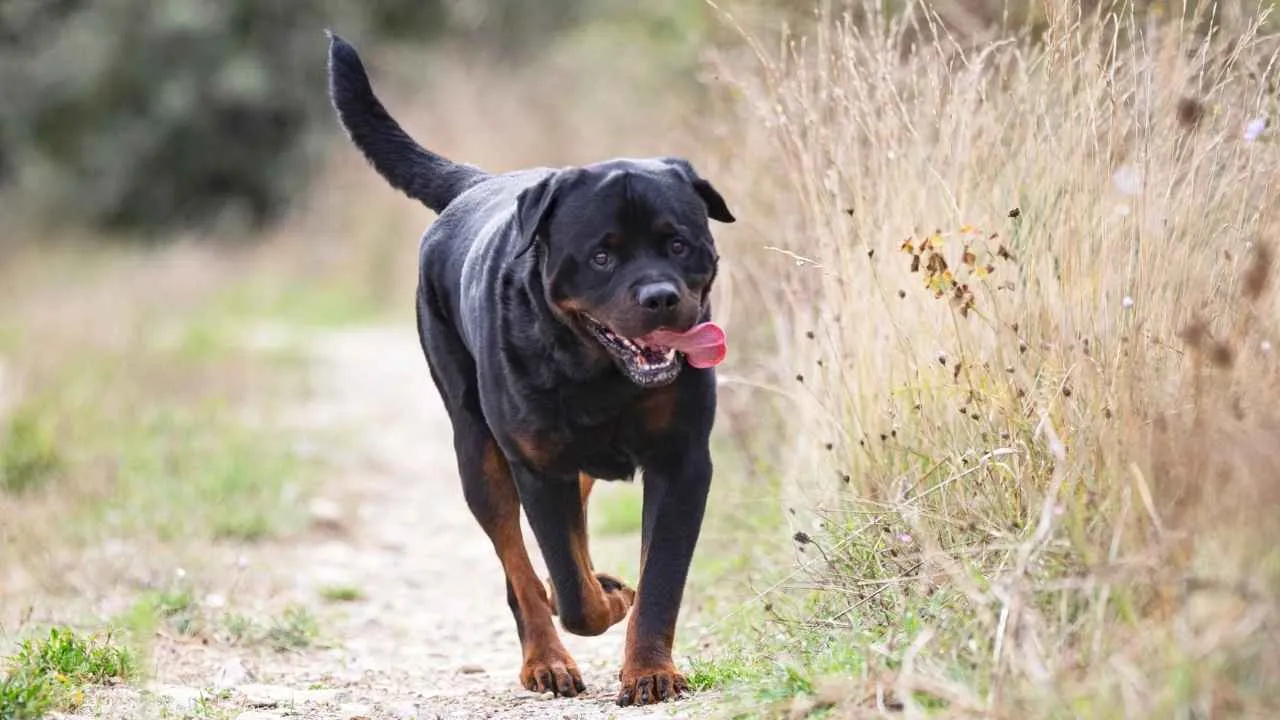
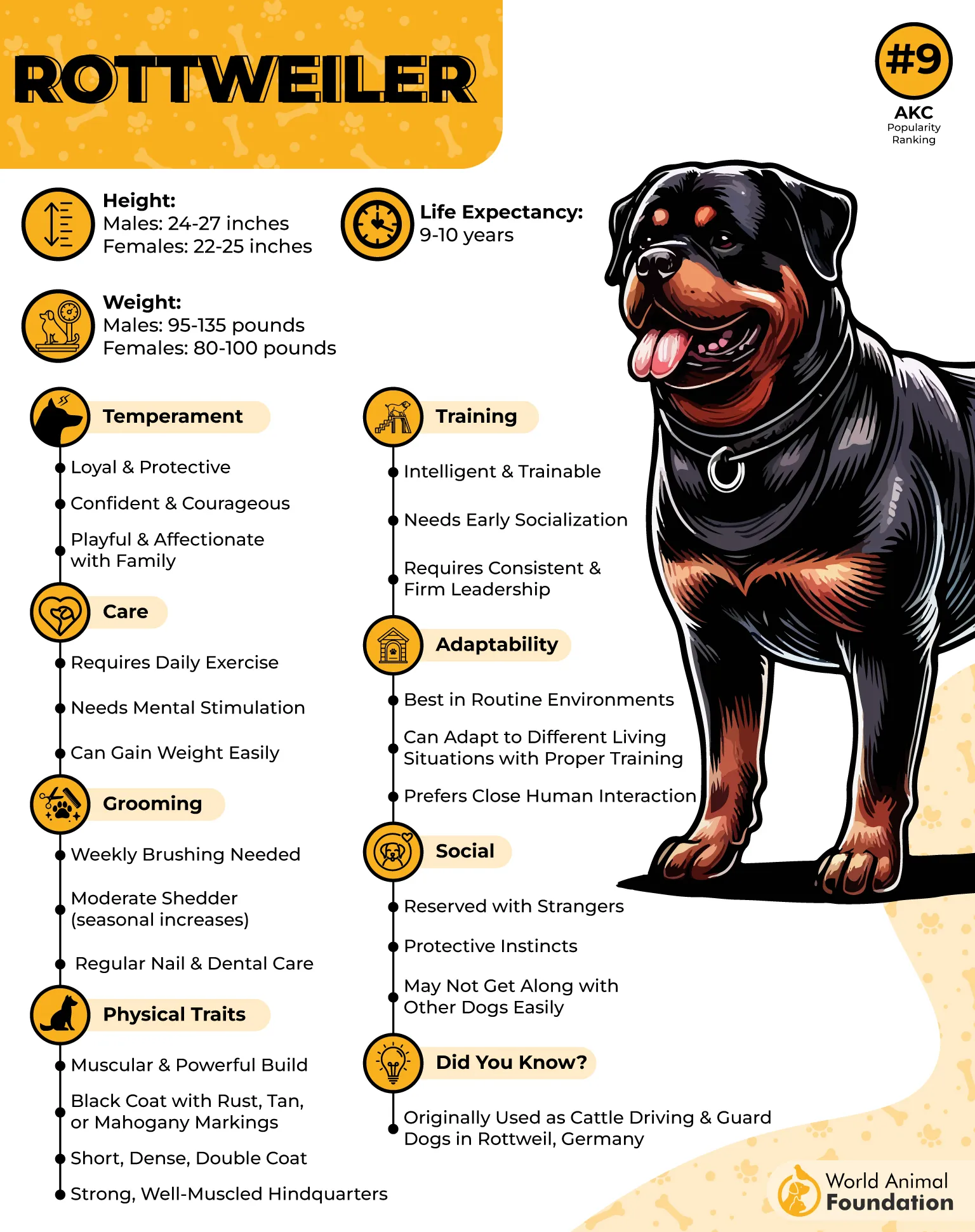
Rottweilers are large working dogs thought to descend from mastiffs used in ancient Rome. They were developed for jobs such as controlling livestock, pulling carts, and protecting their owners from robbers.
These duties required strength, courage, intelligence, and obedience. Today, they remain dependable, alert, and hardworking dogs.
Protective Nature and Temperament
Rottweilers are loyal, confident, and courageous. They can be reserved around strangers and may become protective or territorial toward their families. They are not known for excessive barking but may bark in unfamiliar situations.
They learn quickly but can also be stubborn, so early training and socialization are important. Their headstrong nature can make them challenging for inexperienced owners.
Exercise and Grooming
Rottweilers need at least 60 minutes of exercise each day. Walks, hikes, dog sports, and backyard play can help keep them active and mentally engaged.
Without enough stimulation, they may become bored and develop unwanted behaviors. Their short black-and-tan coat sheds heavily throughout the year, so regular grooming is needed to manage loose fur.
3. Cane Corso
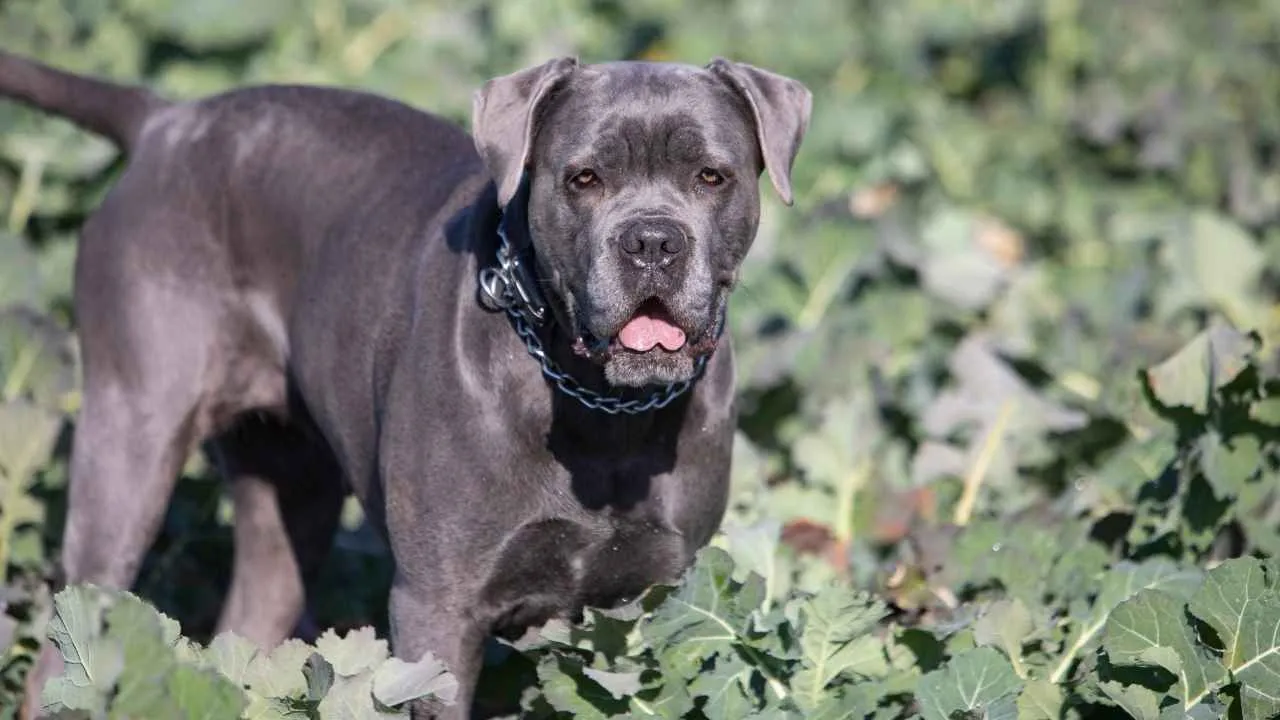
Cane Corsos, also known as Italian Mastiffs, are large working dogs with a history that goes back to ancient Greece and Rome. They served as watchdogs, farm workers, and even canine soldiers.
Their name can be translated from Latin as “guard dog of the courtyard.” Today, these muscular dogs are known for their intelligence, loyalty, and affectionate nature.
Protective Nature and Temperament
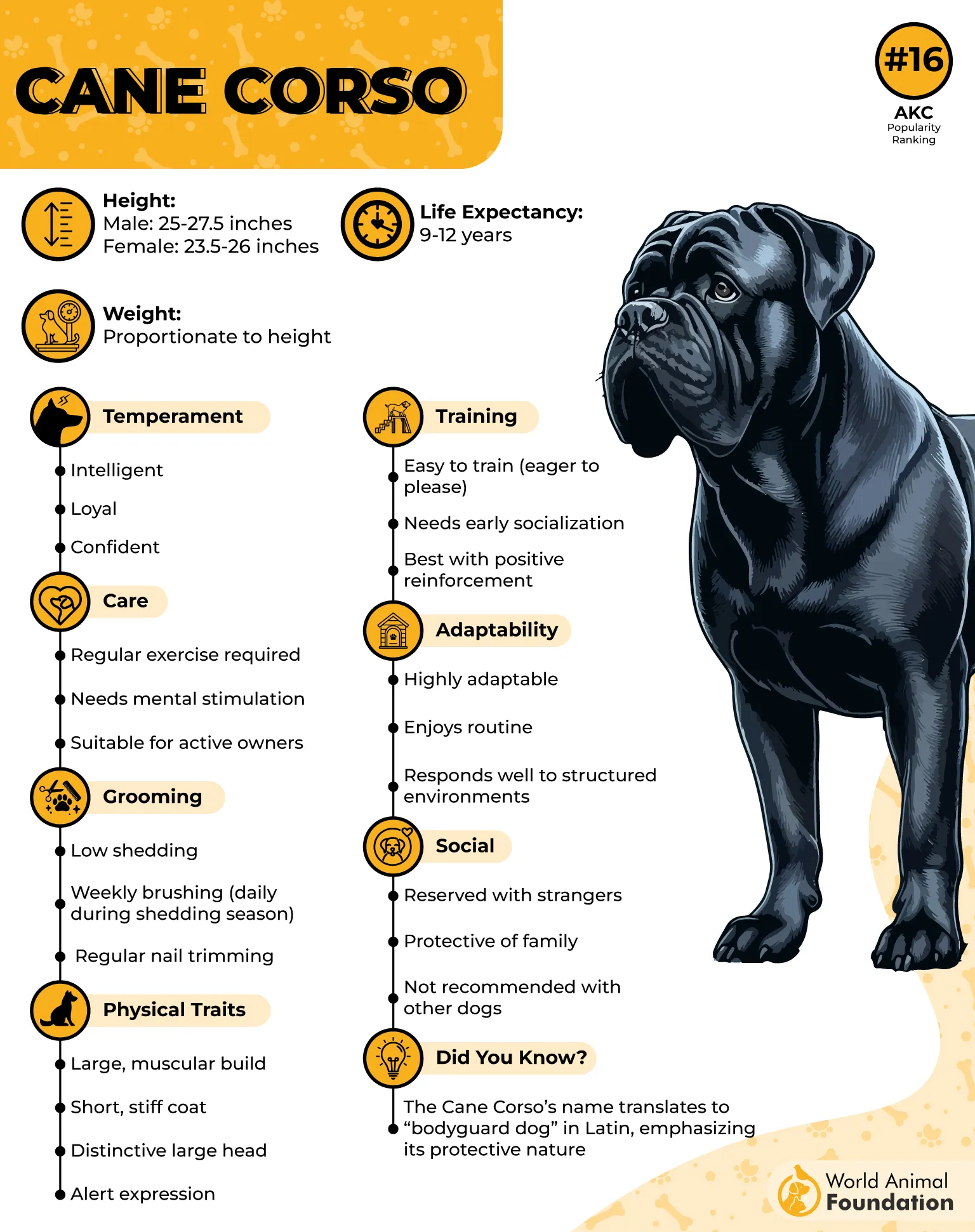
Cane Corsos are intensely loyal and protective of their families. They can be serious and cautious around unfamiliar people, but they are affectionate with those they trust. They respond well to love and rewards and can be eager to please.
Early socialization with people, children, and other dogs is important. These strong-willed dogs are best suited to experienced owners who can provide consistent training.
Exercise and Grooming
Cane Corsos are active working dogs that need plenty of daily exercise. According to Royal Canin, two walks a day are recommended, while running and activities such as tracking, agility, and obedience can provide extra stimulation.
They are happiest when they have a job to do. Their short, smooth coats require minimal grooming, although they shed moderately throughout the year.
4. Bullmastiff
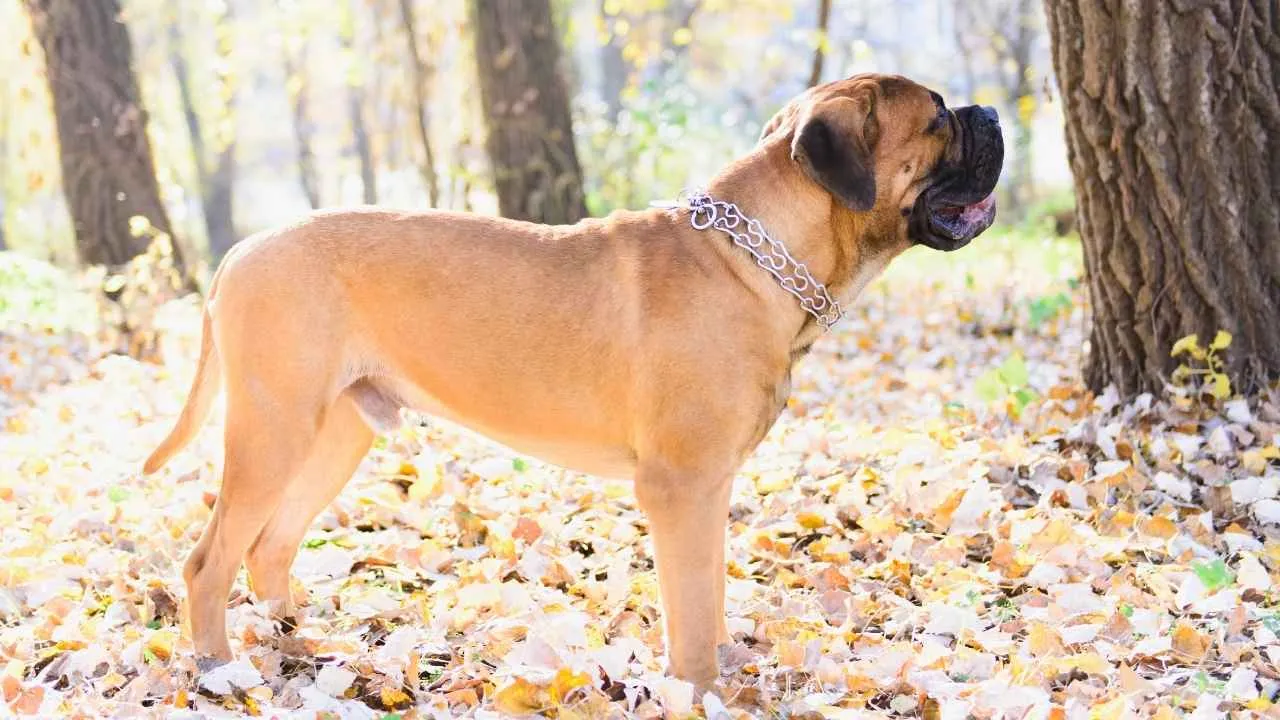
Bullmastiffs were developed in 19th-century England by crossing Bulldogs with Mastiffs. British gamekeepers created them to guard estates and hold poachers.
Today, they remain dependable guard dogs and affectionate family companions. Their large, muscular build and confident expression give them an imposing presence.
Protective Nature and Temperament
Bullmastiffs are devoted and docile with their families but naturally protective of them. They can be suspicious of unfamiliar people and may only accept strangers after a trusted person introduces them.
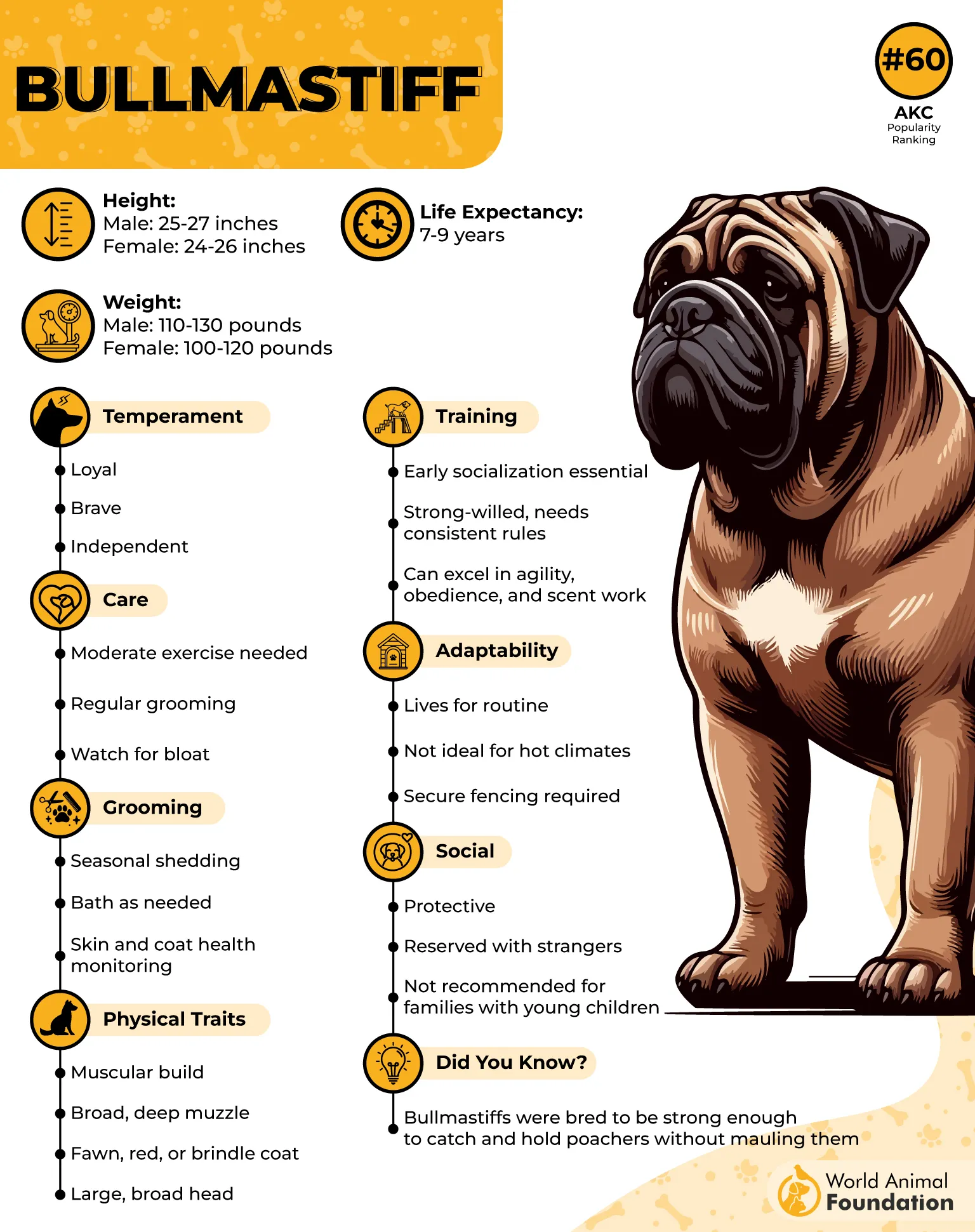
They are intelligent and learn quickly, but their strength and stubbornness make early training and socialization important. They are not usually suited to inexperienced owners.
Exercise and Care
Bullmastiffs need daily exercise, such as long walks and playtime in a fenced yard. However, they do not have the stamina for long-distance running.
Their short, dense coats come in fawn, red, or brindle and require relatively simple grooming. Because they are a very large breed, good nutrition and avoiding obesity are important.
5. Boxer
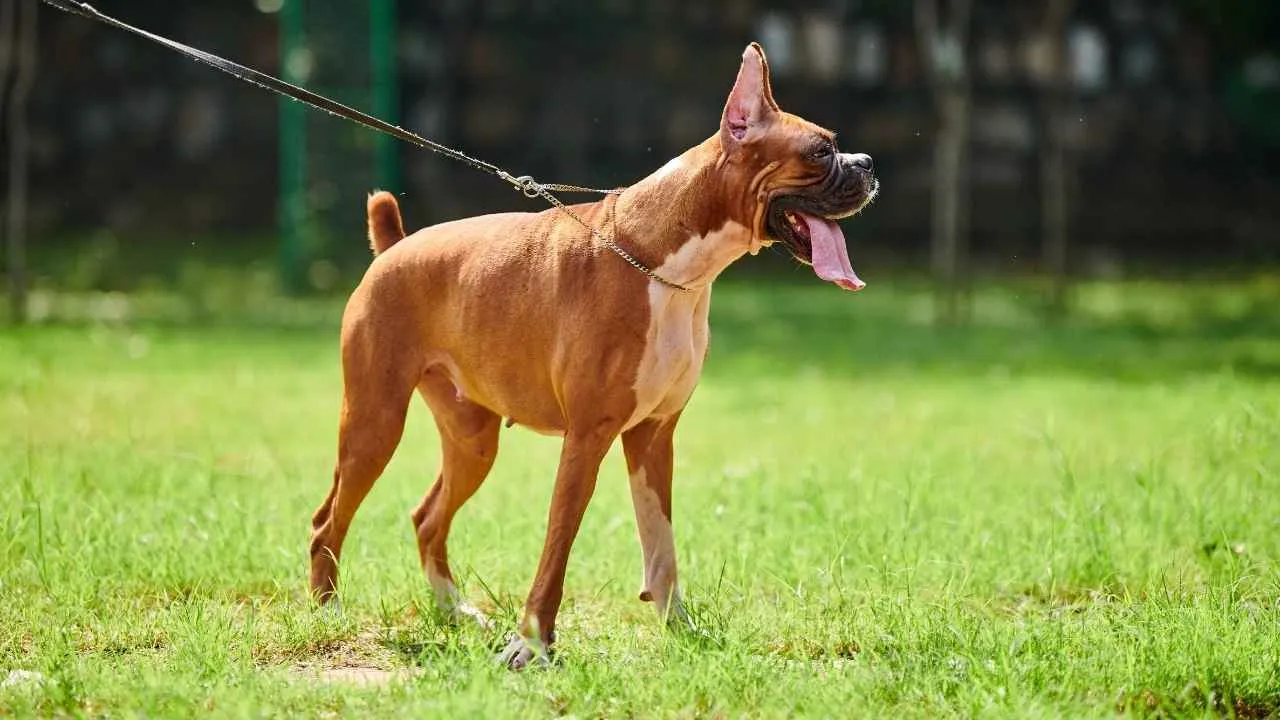
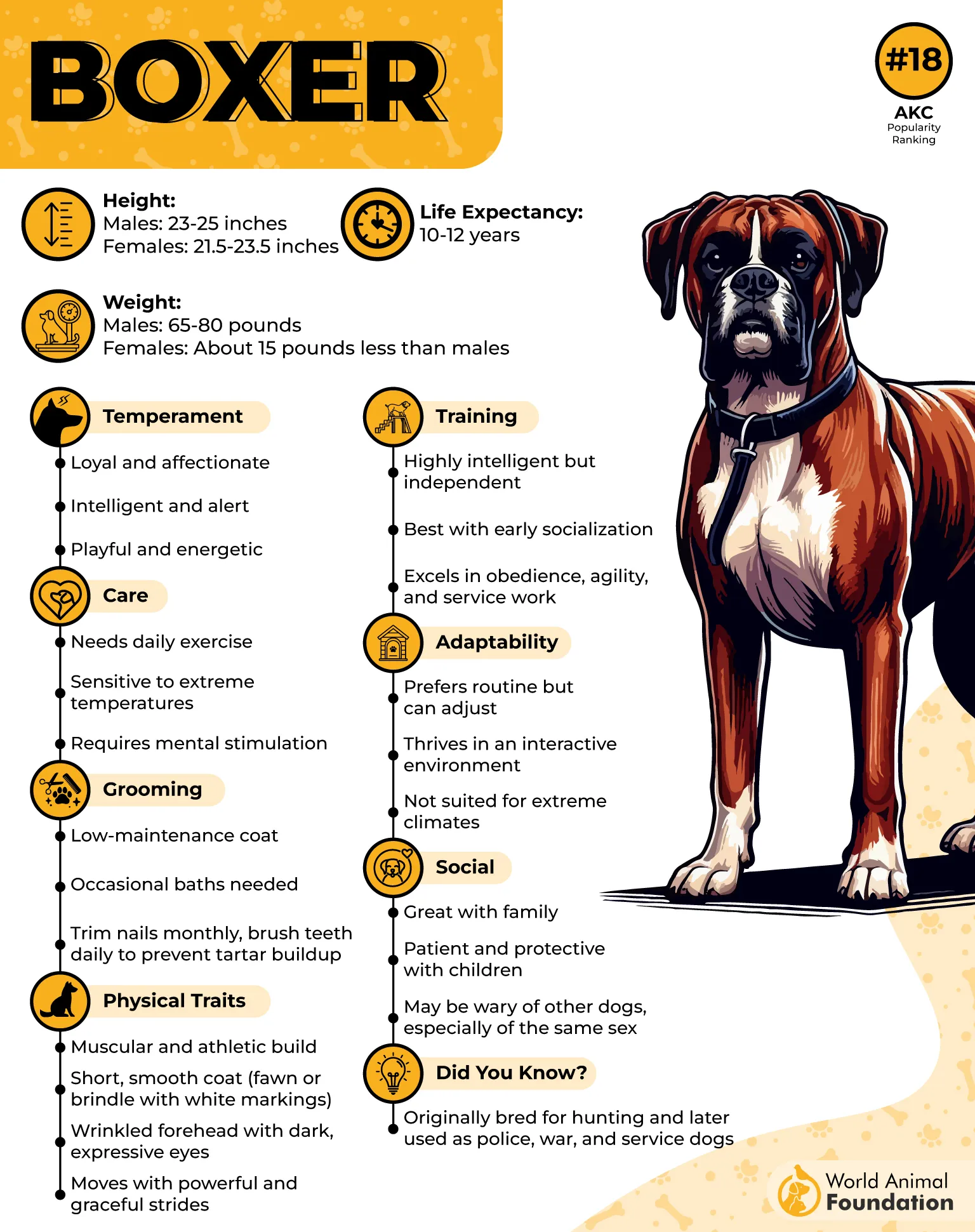
Boxers were imported to the United States from Germany in the 1930s, where they were used for hunting. Their athletic background helps explain their love of running, jumping, and active play.
Today, they are known for their smooth coats, strong builds, and lively personalities. They are also good watchdogs and protection dogs.
Protective Nature and Temperament
Despite their serious-looking faces, Boxers are playful, loving, and highly affectionate with their families. They are loyal and protective without being quick to pick fights. Boxers are intelligent and learn quickly, although they can be stubborn.
Their energetic and boisterous nature may be too much for very young children or older people. They also do not enjoy being left alone and may become distressed or destructive.
Exercise and Grooming
Boxers need plenty of daily activity, usually around 30 minutes to two hours of exercise. Running, games, and activities such as agility and rally can help keep them busy. Mental stimulation is also important because they can become bored easily.
In contrast, their short coats require very little grooming. Common coat colors include brindle, fawn, and white, with various white and black markings.
6. Great Dane
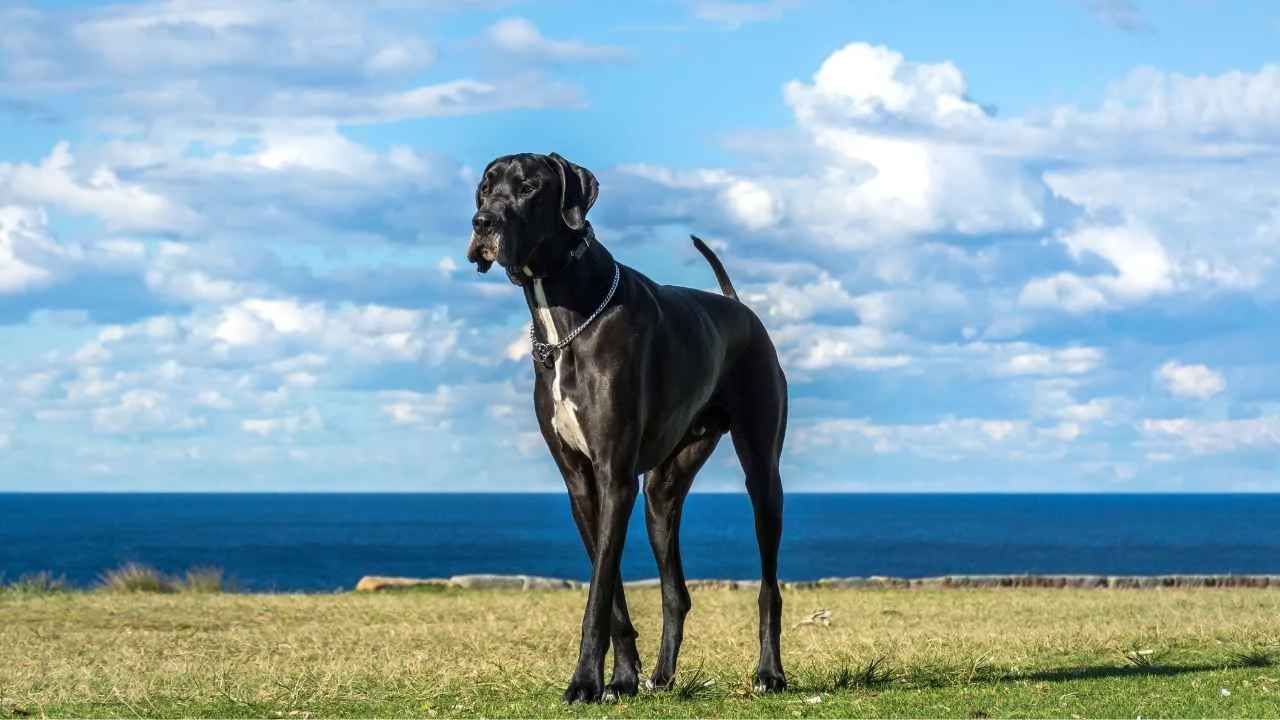
Great Danes are gentle giants from Germany, where they were originally bred in the 1800s to hunt wild boar and guard estates.
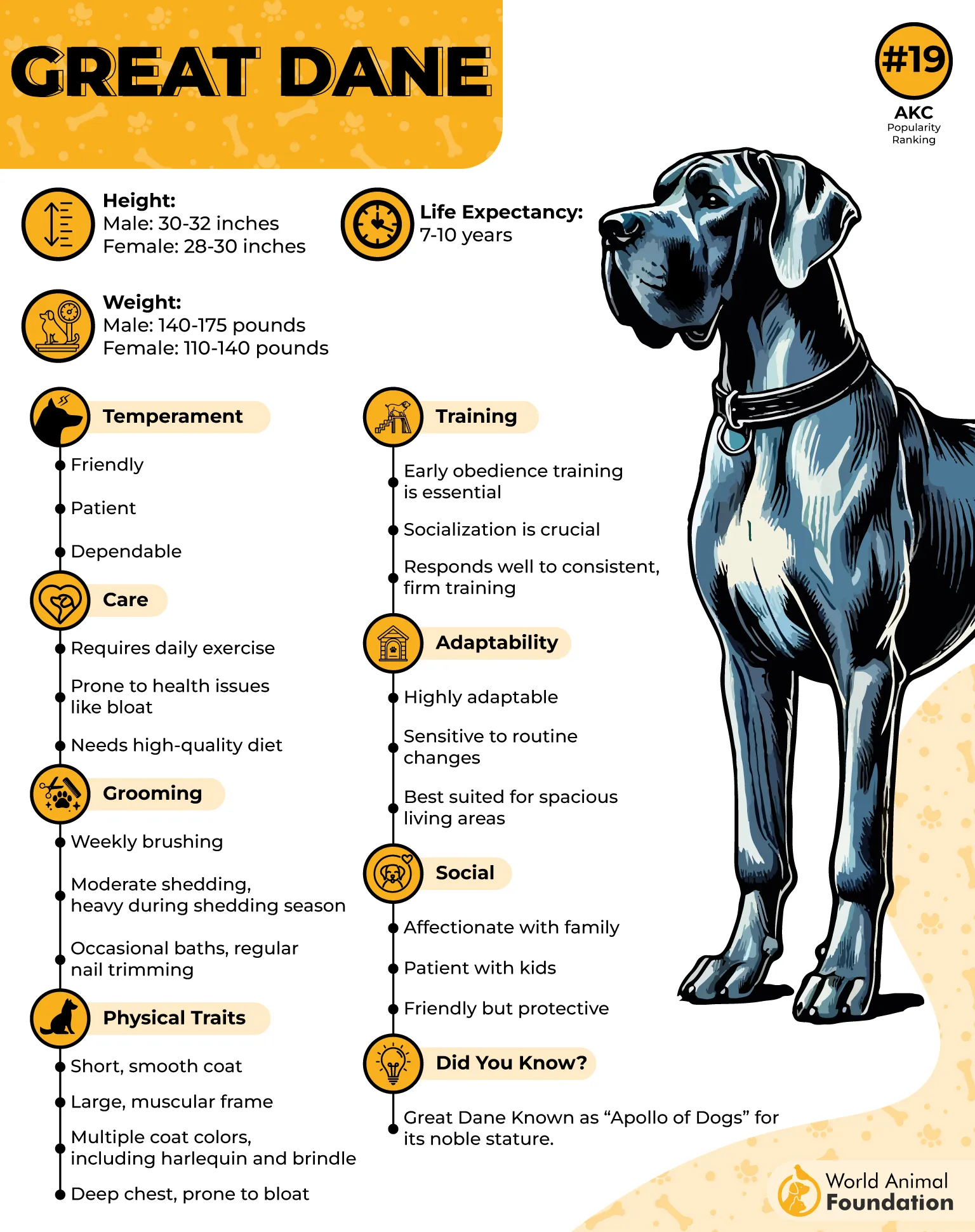
Often called the “Apollo of Dogs,” they are among the largest dog breeds in the world. Despite their size and guardian background, Great Danes are known for their calm, affectionate, and friendly nature.
Protective Nature and Temperament
Great Danes can be impressive watchdogs without being overly aggressive. Their size alone can make intruders think twice. Britannica mentions they are generally friendly with family, strangers, and unfamiliar dogs.
They are also loyal, intelligent, and eager to please. Great Danes usually bark only when there is a reason. Their size and strength, however, can be difficult for children or older adults to manage.
Exercise and Grooming
Great Danes have fairly low energy levels and usually need moderate activity rather than intense exercise. They enjoy playtime but are often happy to relax afterward.
Their short coats need only a weekly brushing, making grooming relatively simple. Because of their enormous size, they also need plenty of space to live comfortably.
7. Rhodesian Ridgeback
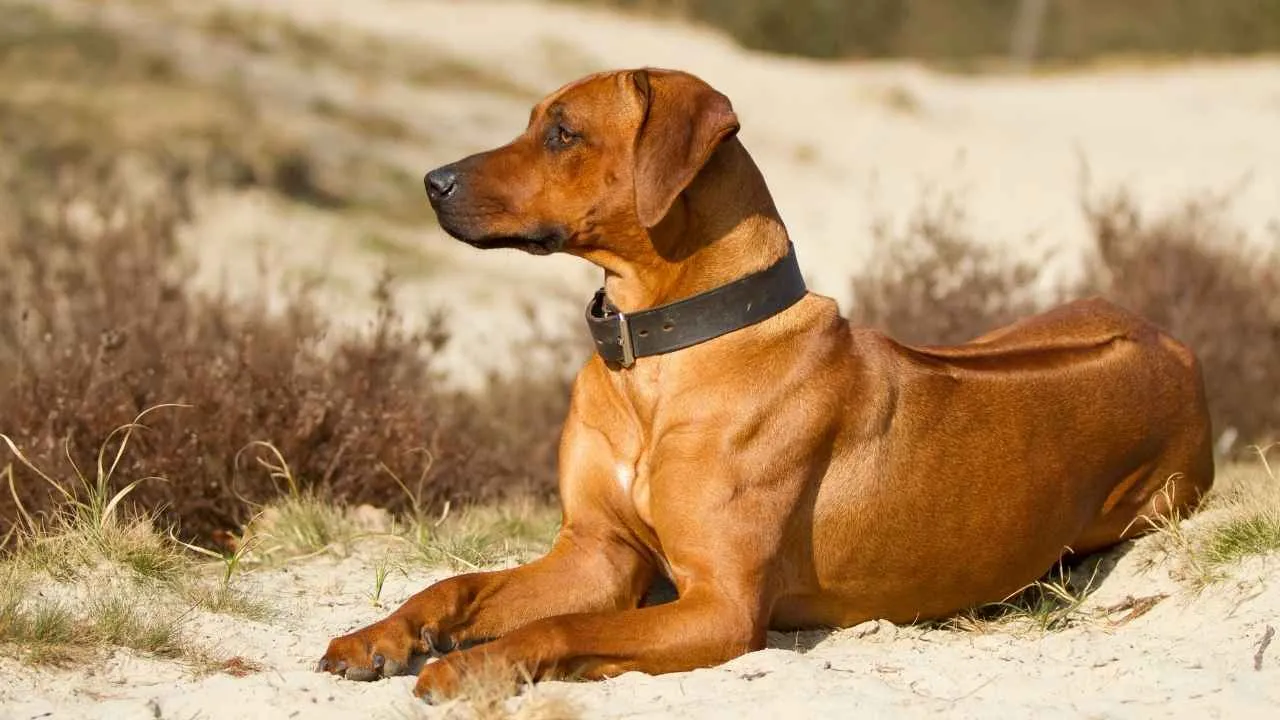
Rhodesian Ridgebacks are powerful, athletic dogs with a history of hunting lions in South Africa. This earned them the name African Lion Hound. They were also used to guard remote farms.
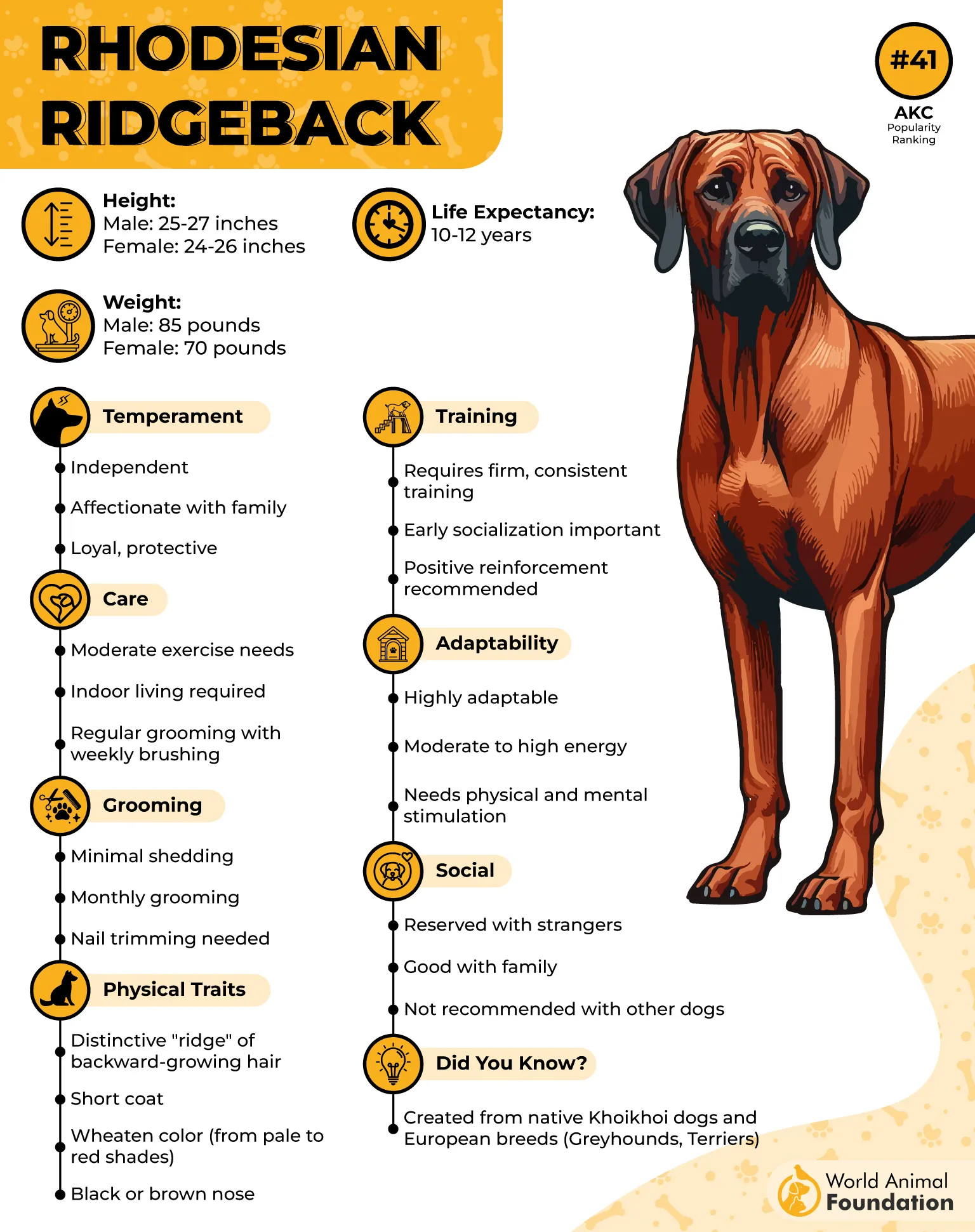
Today, they are valued for their courage, intelligence, and loyalty. Their most recognizable feature is the ridge of hair running along their back in the opposite direction of the rest of their coat.
Protective Nature and Temperament
Ridgebacks are devoted to their families and naturally wary of strangers. They are excellent watchdogs and may bark when something seems wrong. They are usually affectionate with their people and can get along with household pets when raised with them.
However, their strong prey drive can make them chase smaller animals. They are intelligent but can be stubborn, so early socialization and firm, consistent training are important.
Exercise and Grooming
Ridgebacks have plenty of energy, especially when young. They need regular walks and safe opportunities to run, and they can make good running or jogging partners. Activities such as agility, obedience, and tracking can also keep them engaged.
Their sleek coat sheds lightly and needs minimal grooming. Without enough activity or mental stimulation, they can become bored and destructive.
8. American Bulldog
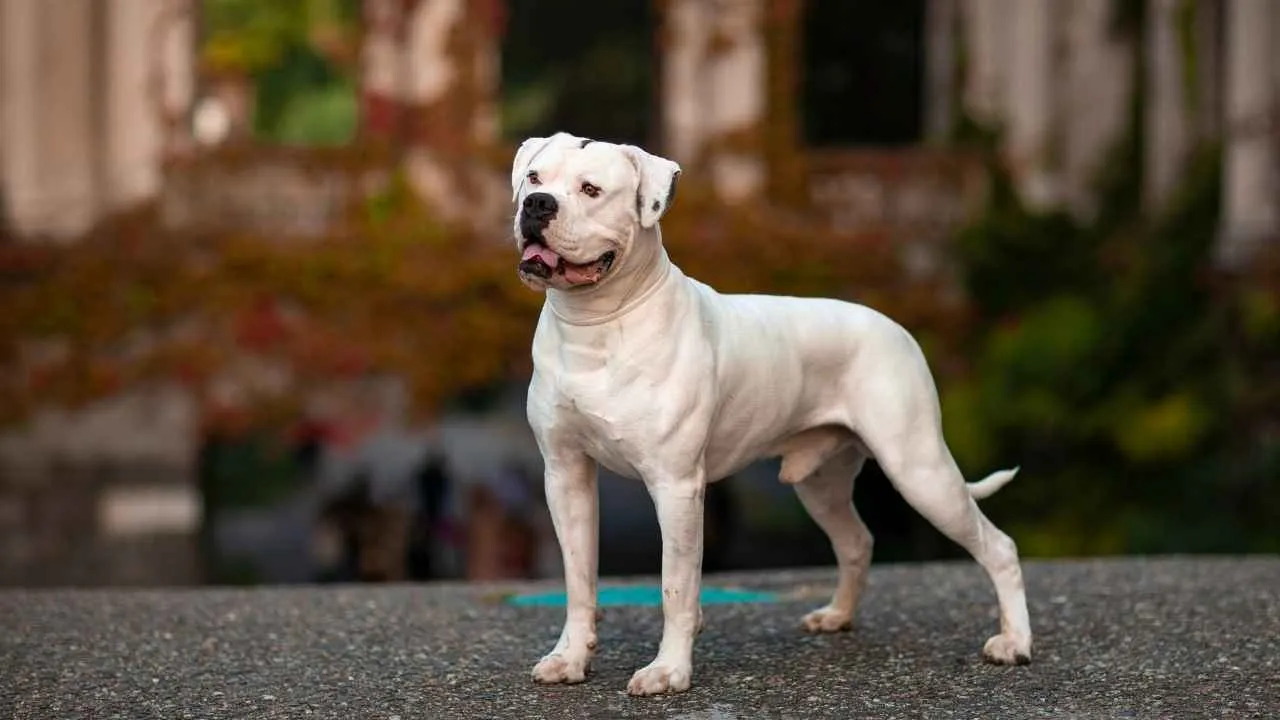
American Bulldogs are athletic, strong, and energetic working dogs. Descended from English Bulldogs, they were brought to the United States by immigrants in the 1800s.
Farmers and ranchers used them as farm guardians, stock dogs, cattle chasers, and hunting partners. They also helped catch feral pigs and were known by several names before “American Bulldog” became standard.
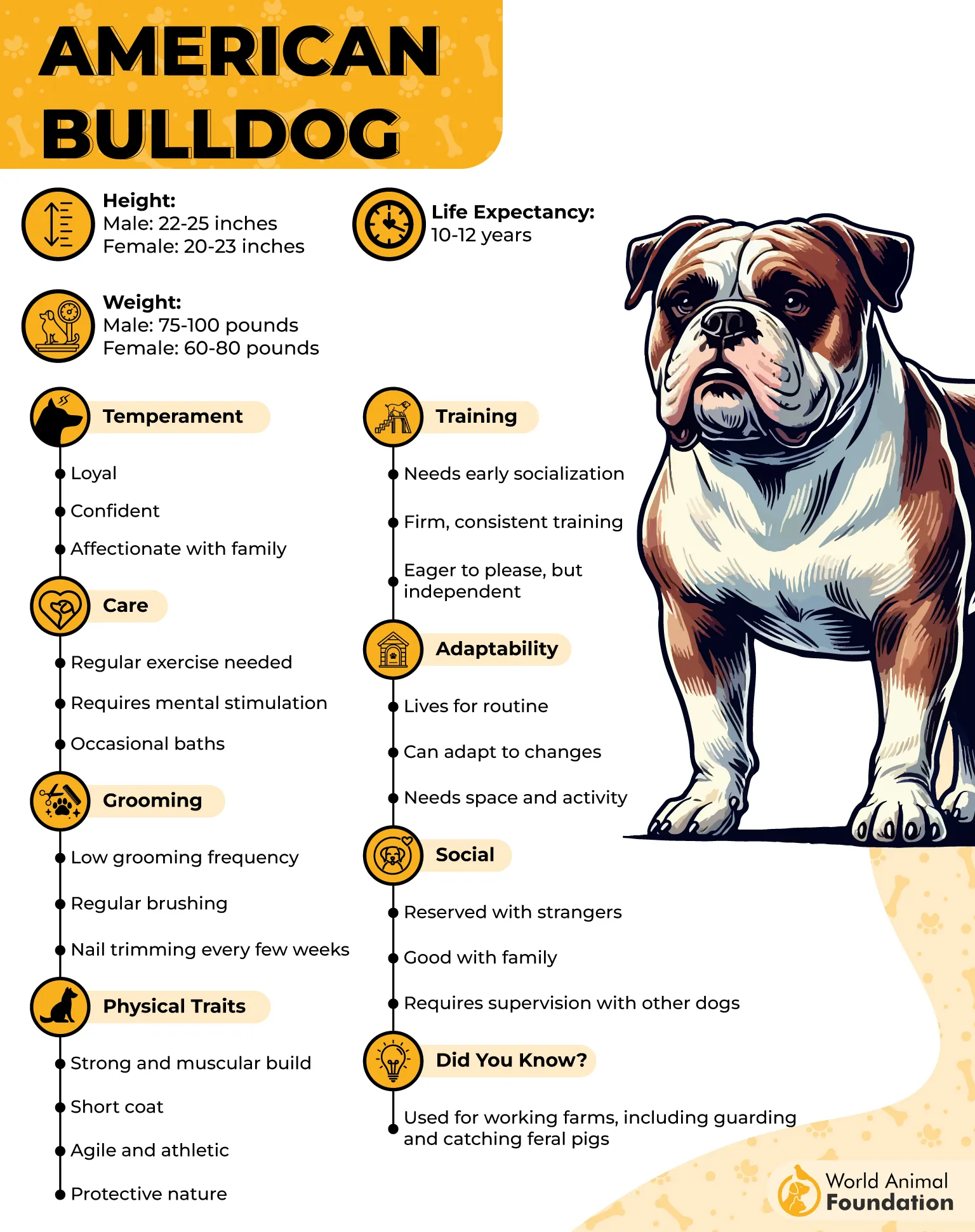
Protective Nature and Temperament
American Bulldogs are brave, loyal, intelligent, and alert. They can be wary of strangers at first but are generally affectionate with their families. With proper training and socialization, they can do well with children and other pets.
They learn quickly and enjoy obedience training and games. Socialization is especially important around other dogs, as they may be less easygoing with them.
Exercise and Grooming
American Bulldogs need plenty of daily activity, usually around one to two hours. Long walks, running, fetch, tug-of-war, and agility can help keep them engaged.
Their short coat is low-maintenance and does not shed heavily. However, their skin needs extra care. Early training is also important because their large, bouncy nature can make them clumsy, especially as puppies.
9. Dogo Argentino
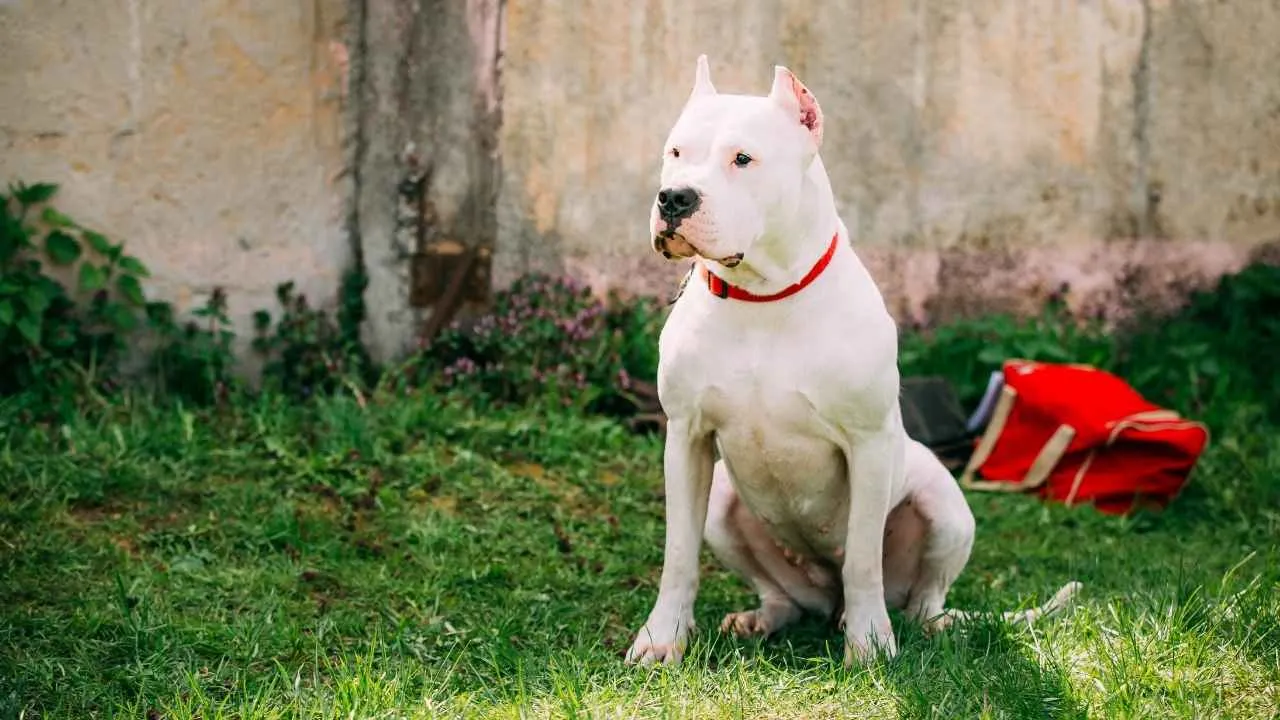
The Dogo Argentino was developed in Argentina by Dr. Antonio Nores Martinez. He crossbred large, hardworking dogs to create a strong partner for big-game hunting.
The breed was first developed in the 1920s and became known for its courage, athleticism, intelligence, and loyalty. Today, Dogo Argentinos are also known for their devotion to their families.
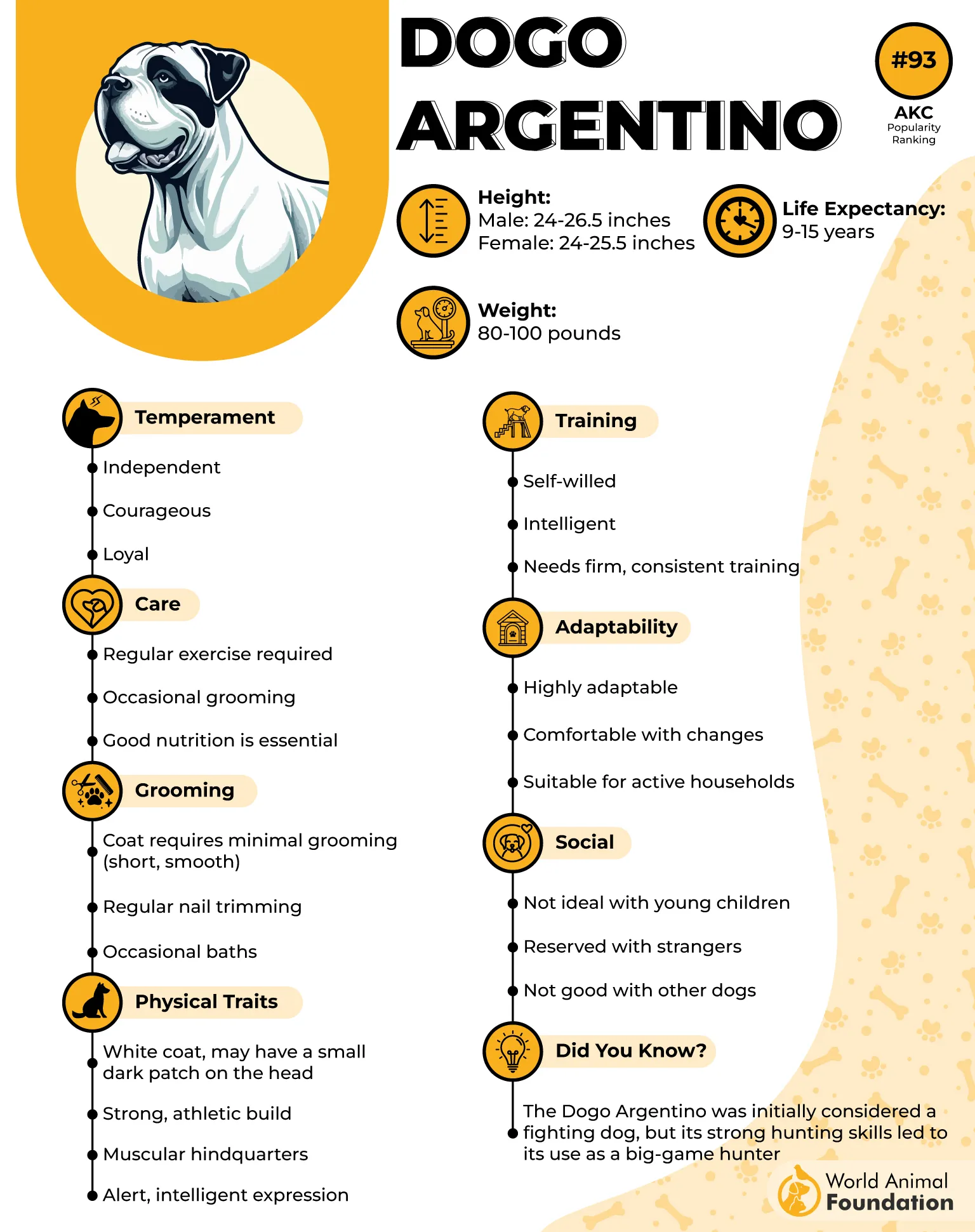
Protective Nature and Temperament
Dogo Argentinos are watchful guardians with a natural wariness of strangers. They have heightened senses, especially a strong sense of smell, and enjoy learning, which can make them highly trainable.
Despite their powerful appearance, they can be gentle, affectionate, and sweet-natured with their families. However, they are independent-minded and strong-willed, so they are generally not ideal for first-time owners and need careful, consistent training and socialization.
Exercise and Grooming
Dogo Argentinos are energetic and require plenty of daily exercise. Long walks, running, and playing fetch can help keep them physically and mentally engaged. Without enough activity, they may become bored and destructive.
Their short, smooth white coat does not need intensive grooming, although they shed regularly and benefit from brushing. Occasional bathing is also recommended.
10. Boerboel
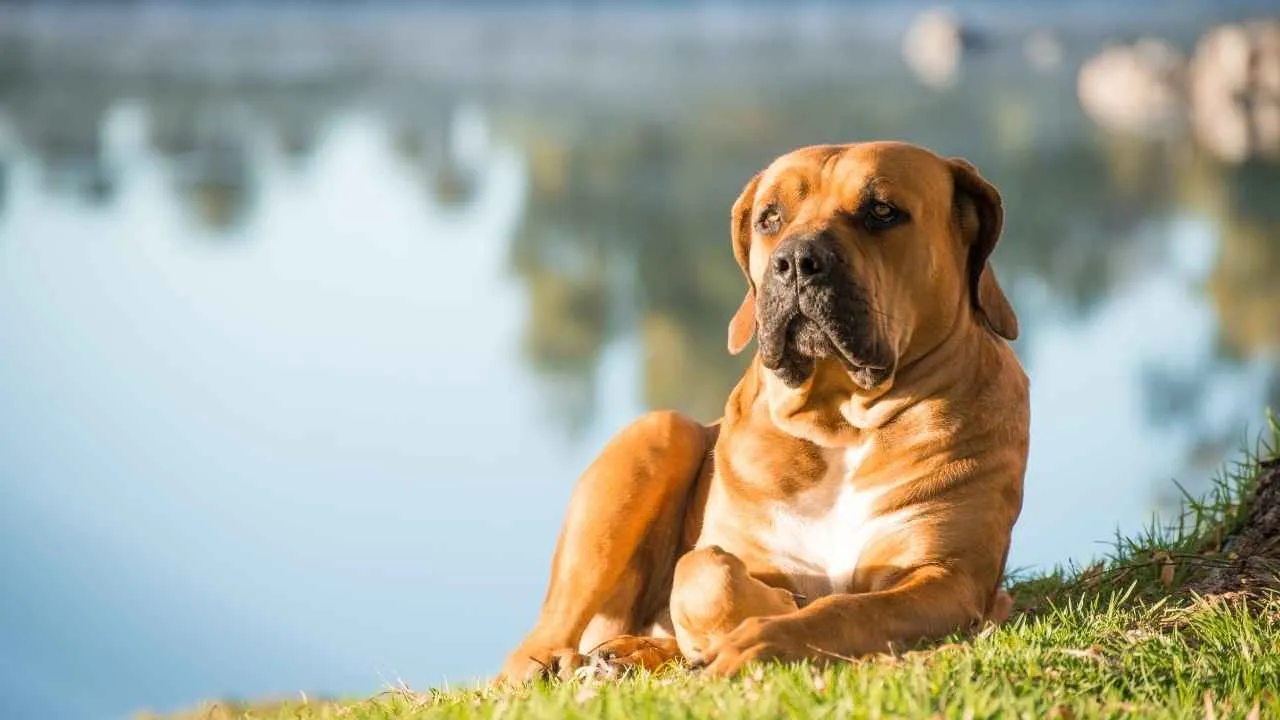
The Boerboel, also known as the South African Mastiff, is a large working breed from South Africa. It was originally bred to protect farms and families from large predators, including hyenas and lions.
Although the breed had worked alongside people for centuries, efforts to preserve and develop the Boerboel began in the 1980s. Their powerful build reflects their history as dedicated guardian dogs.
Protective Nature and Temperament
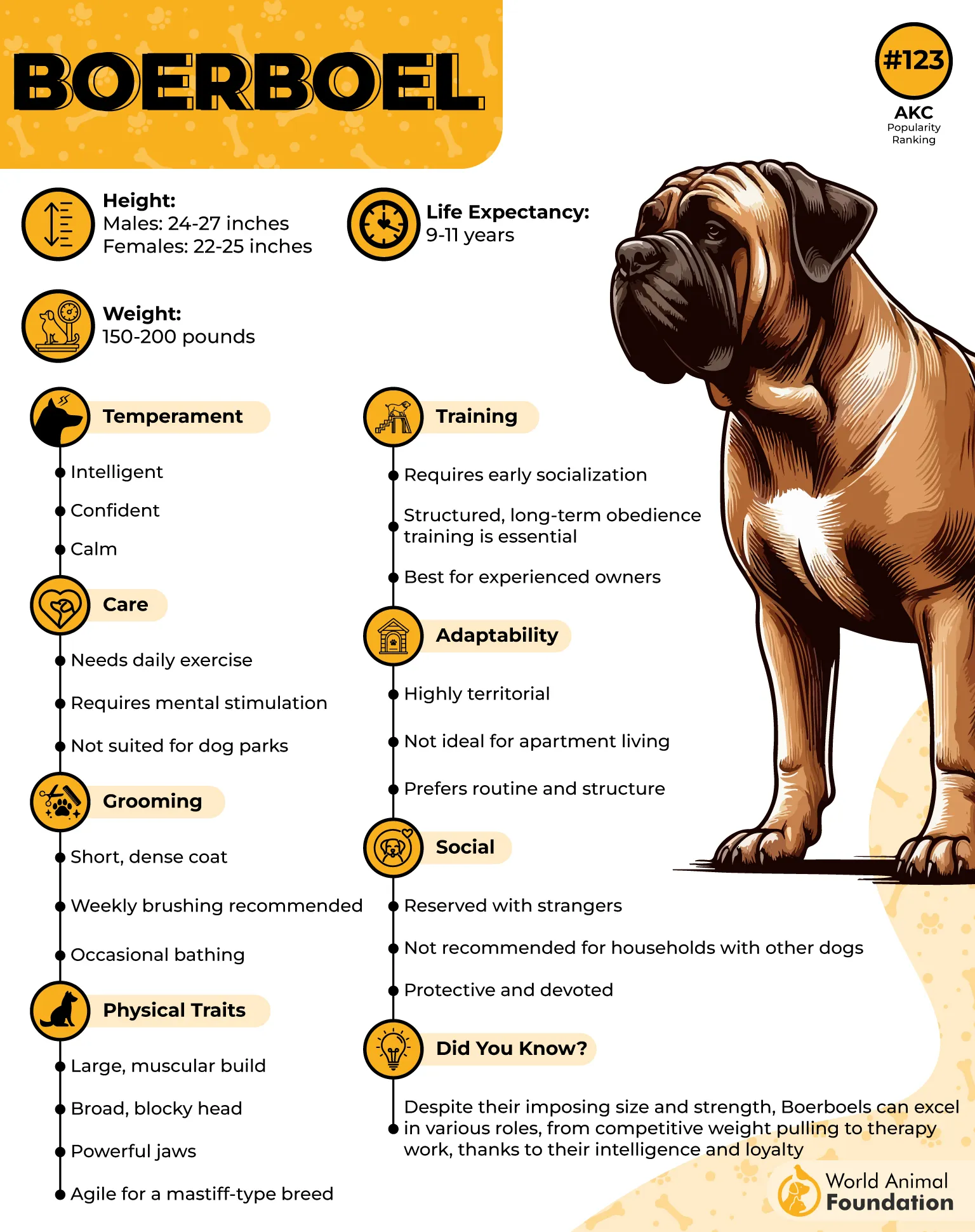
Boerboels are deeply loyal and devoted to their families. They are often reserved around unfamiliar people and may see strangers as a threat. However, they can be playful, affectionate, and gentle with their families and children.
Proper introductions can help them become comfortable with guests and other pets. Their confident and independent nature means they need early socialization and consistent training, and they are generally not ideal for inexperienced owners.
Exercise and Grooming
Boerboels have a smooth, short coat that requires relatively little grooming. However, their low-maintenance coat does not mean they are easy to manage. They need physical and mental stimulation and can be challenging because of their size, confidence, and independent thinking.
Their playful nature can also make supervision important around smaller children, as their large size may cause accidental knocks during play.
Conclusion
Low-maintenance guard dogs can offer loyalty, protection, and companionship without requiring complicated grooming routines. From their protective instincts and family devotion to their exercise and training needs, each breed comes with its own balance of care and responsibility.
Before bringing one home, consider the dog’s temperament, activity needs, grooming requirements, and your own experience level. A low-maintenance coat may make daily care easier, but these powerful guardians still need time, training, socialization, and plenty of attention to thrive.
