




What does it take for a dog to work beside a farmer, pull heavy loads, guard livestock, or confront conditions without losing focus? The answer begins with a body built for purpose.
Working breeds were shaped through generations of selective breeding for jobs that required strength, stamina, agility, and control. Their muscular frames helped them handle tasks ranging from drafting and cart pulling to livestock protection and hunting.
Some also entered police and military service, where physical ability had to work alongside discipline and responsiveness. Their bodies were never simply a matter of appearance. Every strong back, broad chest, and powerful leg served a practical role in the work expected from them.
In the tough breeds ahead, you will see how different jobs produced different expressions of canine strength, from raw power to athletic working ability.
Key Takeaways
A muscular dog can look impressive, but the real story begins with what that body was built to do.
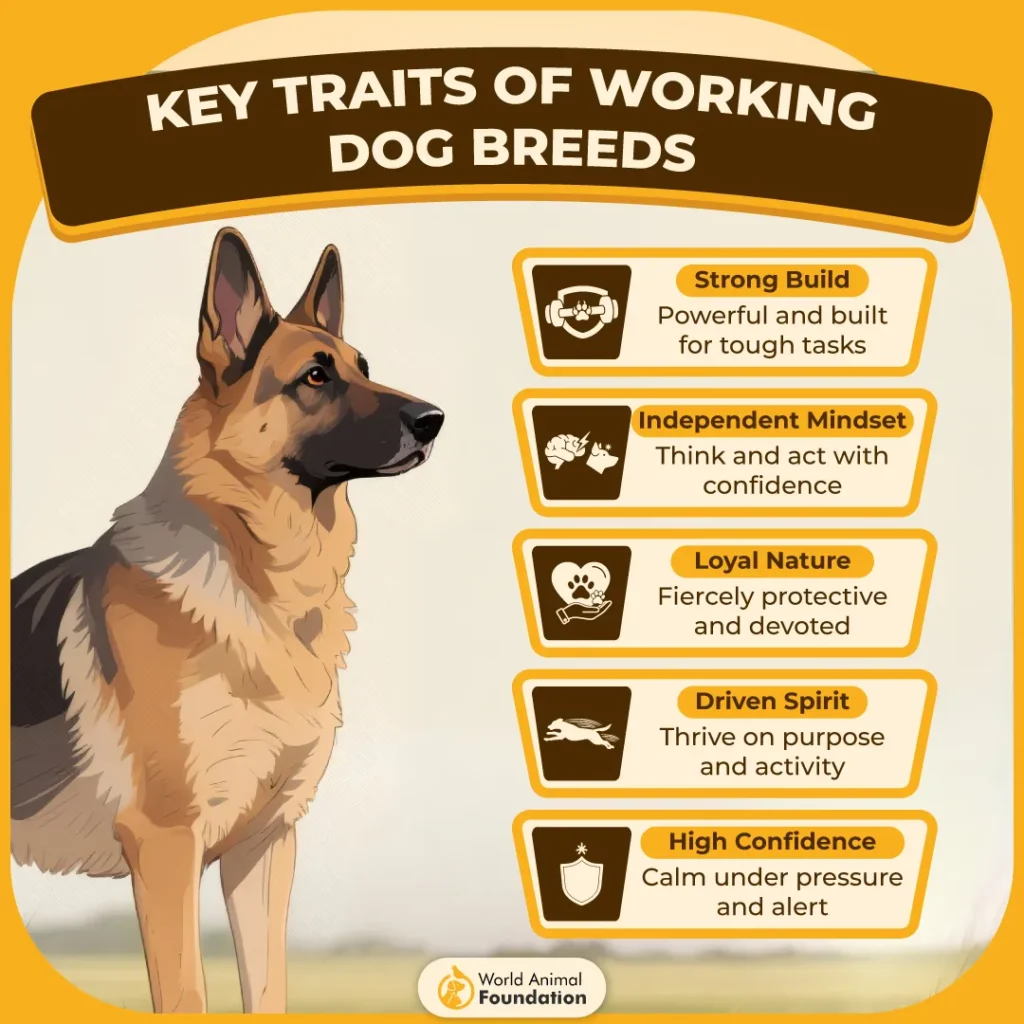
The Anatolian Shepherd Dog spent long hours guarding livestock from predators, while the Great Pyrenees learned to watch over flocks without chasing every threat.
The Leonberger took its strength into pulling and water rescue, while the Boxer brought speed, jumping ability, and power into demanding working roles.
There are eight more powerful breeds to uncover, each showing a different side of strength shaped by generations of work.
Legendary Working Dog Breeds with Massive Muscularity
1. Anatolian Shepherd Dog
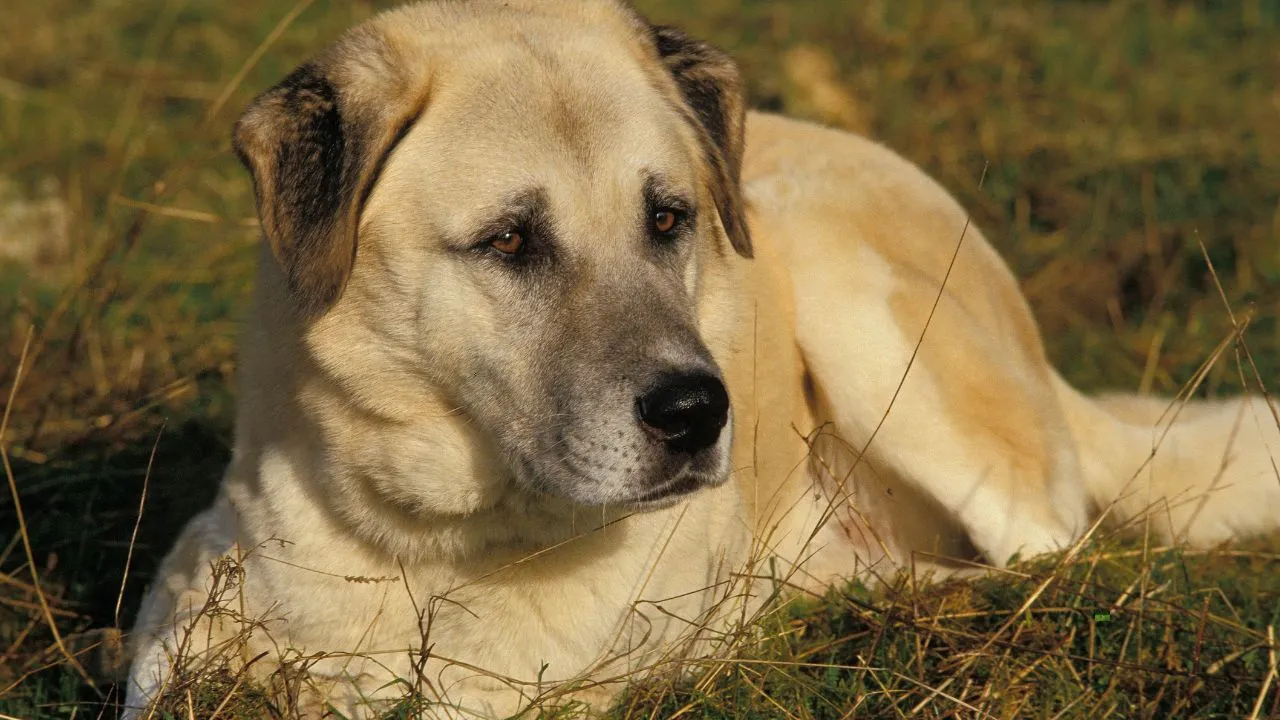
Anatolian Shepherd Dog comes from central Turkey, with roots reaching back more than 4,000 years. Nomadic shepherds brought these dogs to grazing areas and left them to face wolves and bears on their own while protecting livestock from approaching predators.
Built for Power
Its muscular frame combines substantial bone with an athletic build, giving the breed strength without the heavy bulk seen in some mastiff types. A deep chest, powerful neck and shoulders, and an efficient ground-covering trot support long patrols across rugged territory.
A closer look at its physical makeup reveals:
Broad head with a strong muzzle
Triangular dropped ears
Long tail with an alert curl
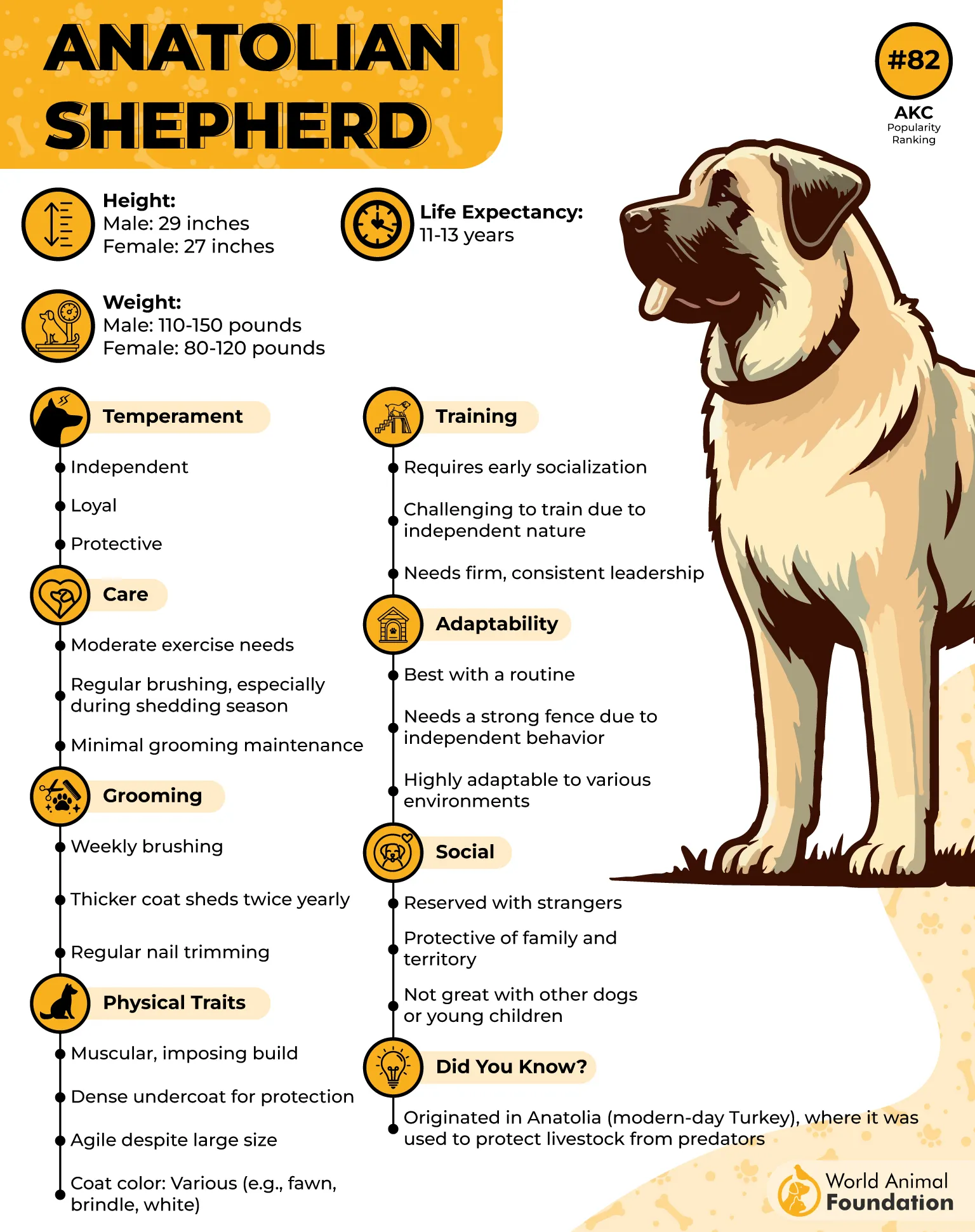
Independent Mind
Anatolian Shepherd Dog can be gentle with children and compatible with cats or other pets when introduced early, while its independent streak can test an inexperienced handler.
Firm, consistent training helps establish boundaries with a dog that may decide for itself when a situation deserves attention, as noted by Omlet.
2. Dogue De Bordeaux
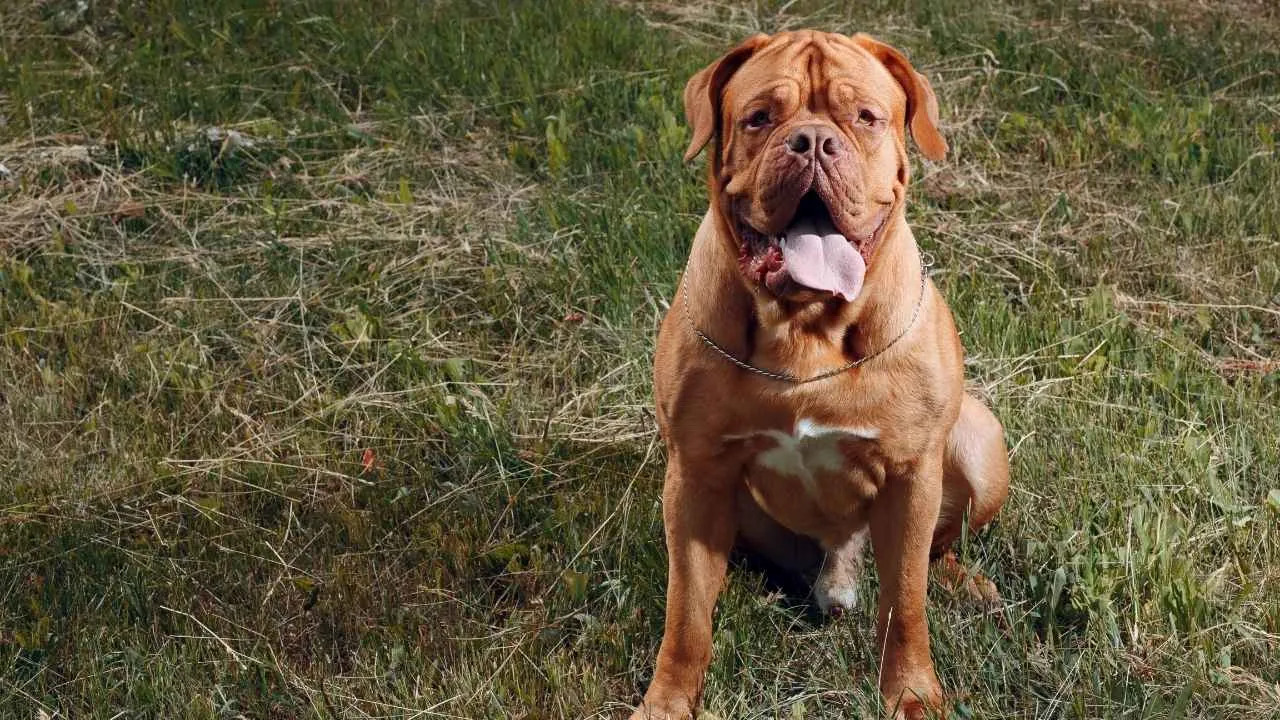
Dogue de Bordeaux was originally bred in France’s Bordeaux region, with dogs of this type recorded as far back as the 1300s. By around 1920, breeders had established a more uniform form of the breed, while earlier dogs worked at guarding property and livestock and pulling carts and other loads.
Built Like a Powerhouse
Dogue de Bordeaux has the kind of muscular frame that makes its working strength easy to picture, with substantial bone, a broad chest, and a low-set, thick tail.
Its compact build gives the breed a heavy, grounded appearance suited to physically demanding work rather than speed over long distances.
Here’s what the structure of this breed reveals:
Massive, broad skull
Short, wide muzzle
Deep facial wrinkles
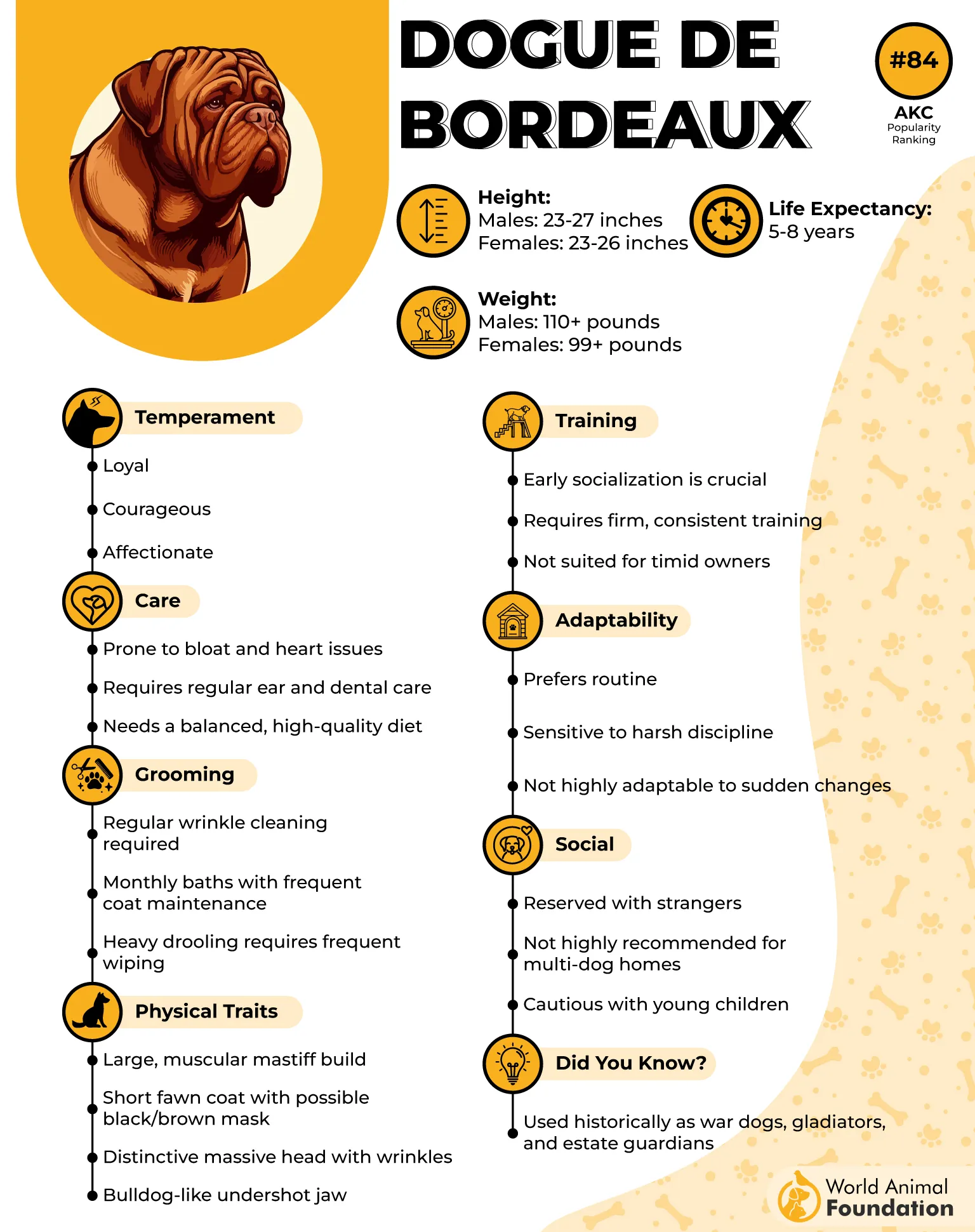
Calm With Real Power
Dogue de Bordeaux is gentle and patient with its family, including children, although its sheer size can accidentally knock over a small child, as mentioned by Orvis.
Its heavy gait can appear rolling because of the powerful forequarters and deep chest, while obedience training and early socialization help manage such a formidable body around people and other dogs.
3. Boxer
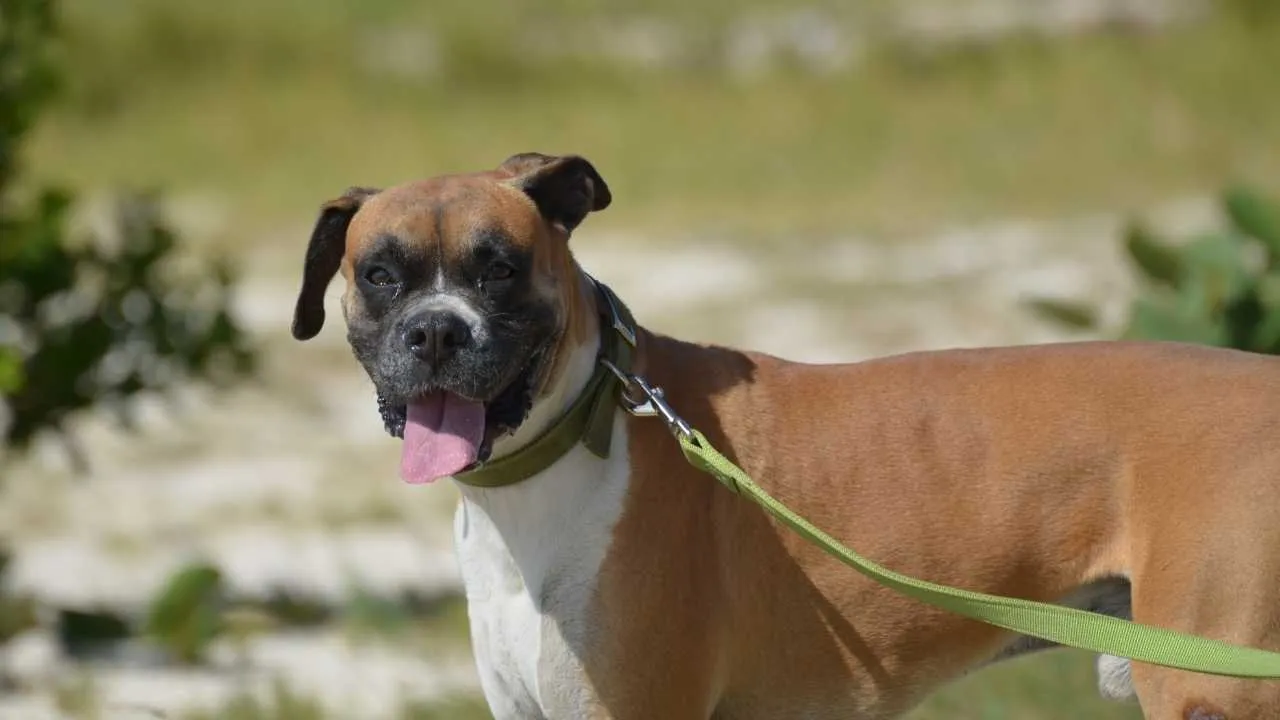
Boxer developed in Germany through crosses involving the German Bullenbeisser and Bulldog, with its early work centered on controlling cattle at slaughterhouses. By 1903, the breed had reached America, and its wartime roles later included guarding, messenger work, and transporting packs.
Built for Power
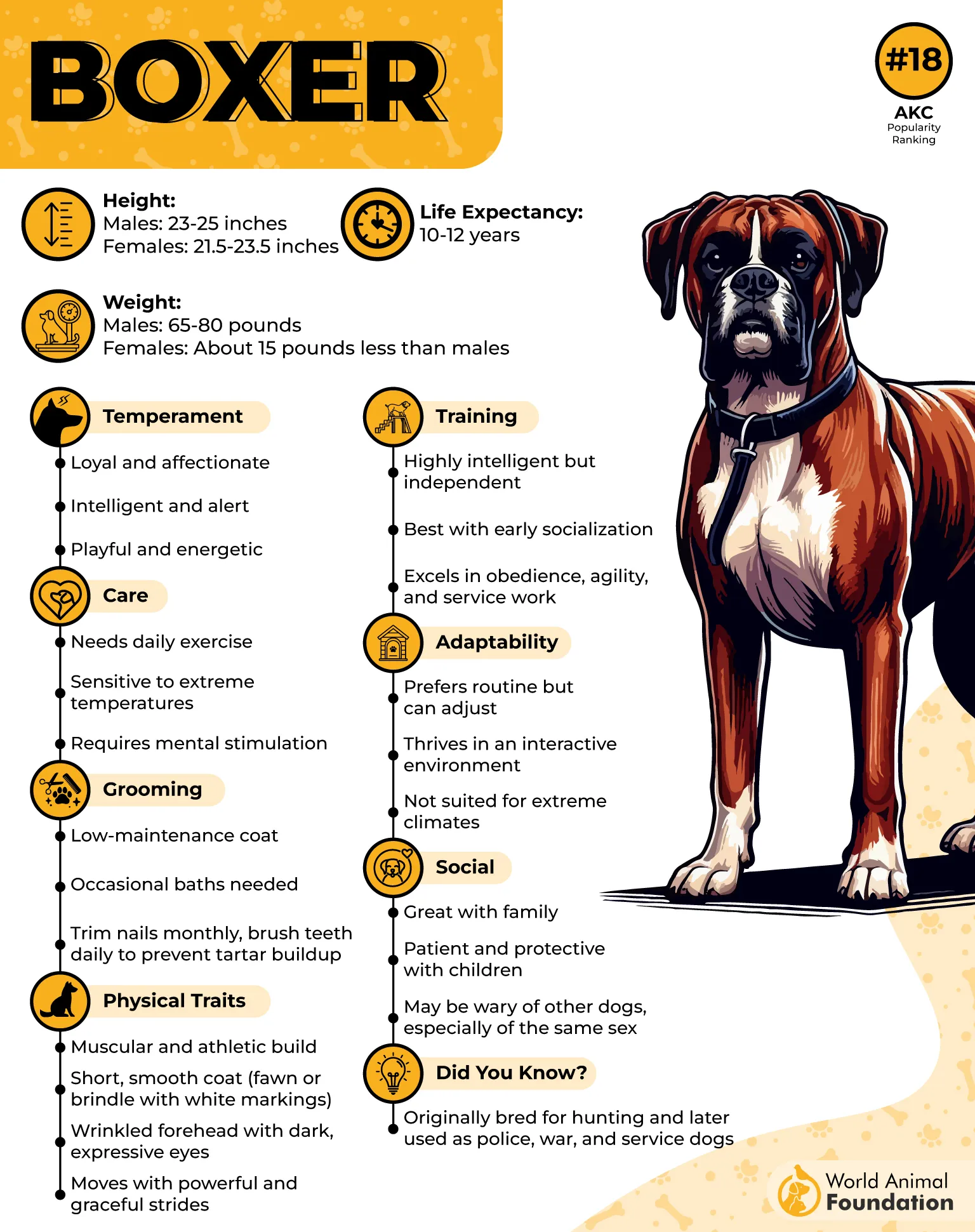
Boxer has a broad, square head, powerful shoulders, deep chest, and heavily muscled hindquarters that support sprinting, jumping, and strength-based work. Its athletic build gives this breed a springy gait and the physical power expected from a versatile working dog, as per the AKC.
These physical details give that strength a distinctive look:
Shortened muzzle with a pronounced stop
Strong undershot bite
Dark, expressive eyes
A Dog That “Boxes”
Boxer gets its name-like reputation from a playful habit of sparring with its front paws, often while bouncing around with lively, spring-loaded movements. That unusual combination of strength and playful motion gives its physical presence plenty of personality.
4. American Pit Bull Terrier
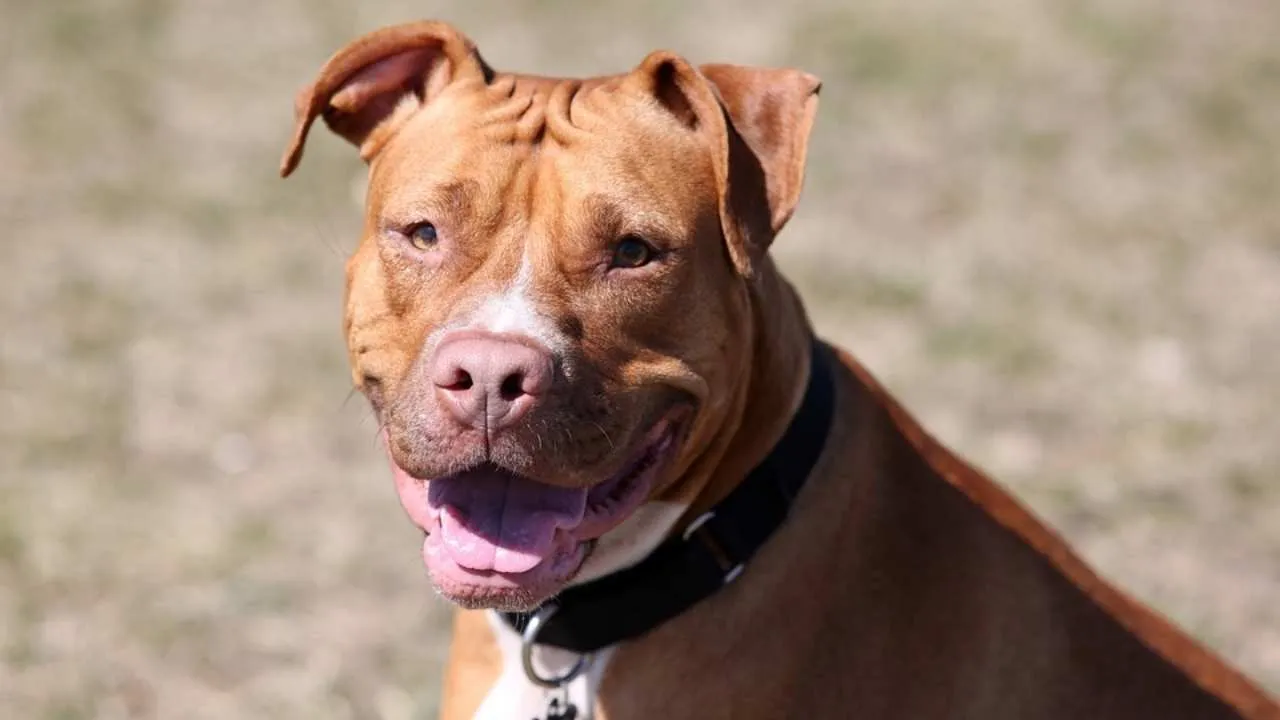
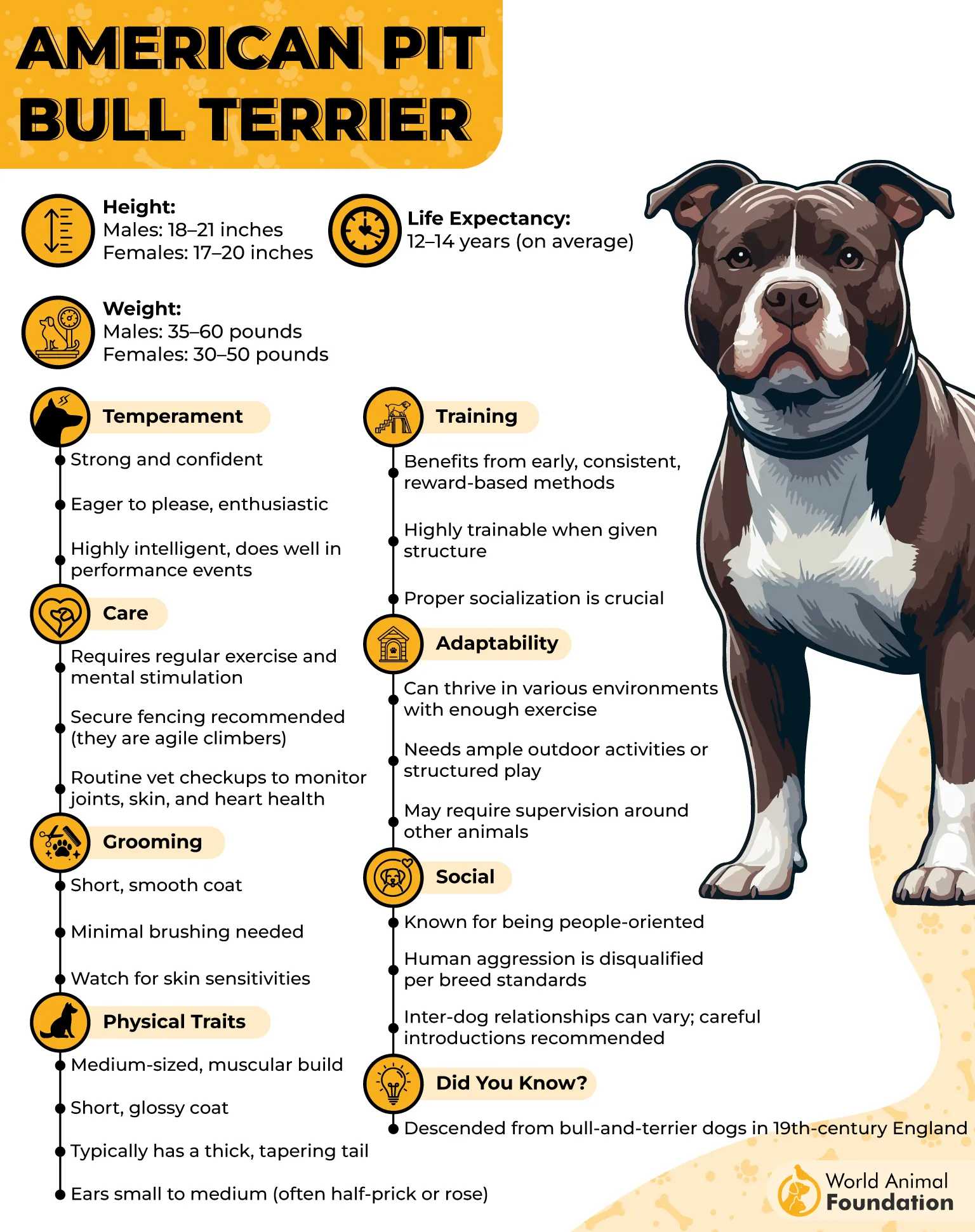
American Pit Bull Terrier emerged from Bull and Terrier types in the early 1800s in what is now the United Kingdom, where it served as an all-around farm dog. Its work included handling cattle and hogs, while some people later used the breed in pit-fighting.
Built With Purpose
This terrier has the muscular structure expected from a powerful working dog, with a broad wedge-shaped head and pronounced cheek muscles. Its medium-length muzzle and strong jaw structure add to the compact, athletic appearance associated with the breed.
These physical details sharpen that picture further:
Thick base with a tapered pump-handle tail
Strong rear propulsion during movement
Natural ears may be rose or semi-pricked
People-Oriented Nature
American Pit Bull Terrier has a strong desire to please and is described as affectionate, intelligent, courageous, and eager to cooperate with its handler.
The source also notes that its natural aggressive tendencies are directed toward other dogs and animals rather than people, with socialization and consistent handling influencing behavior.
5. Tibetan Mastiff
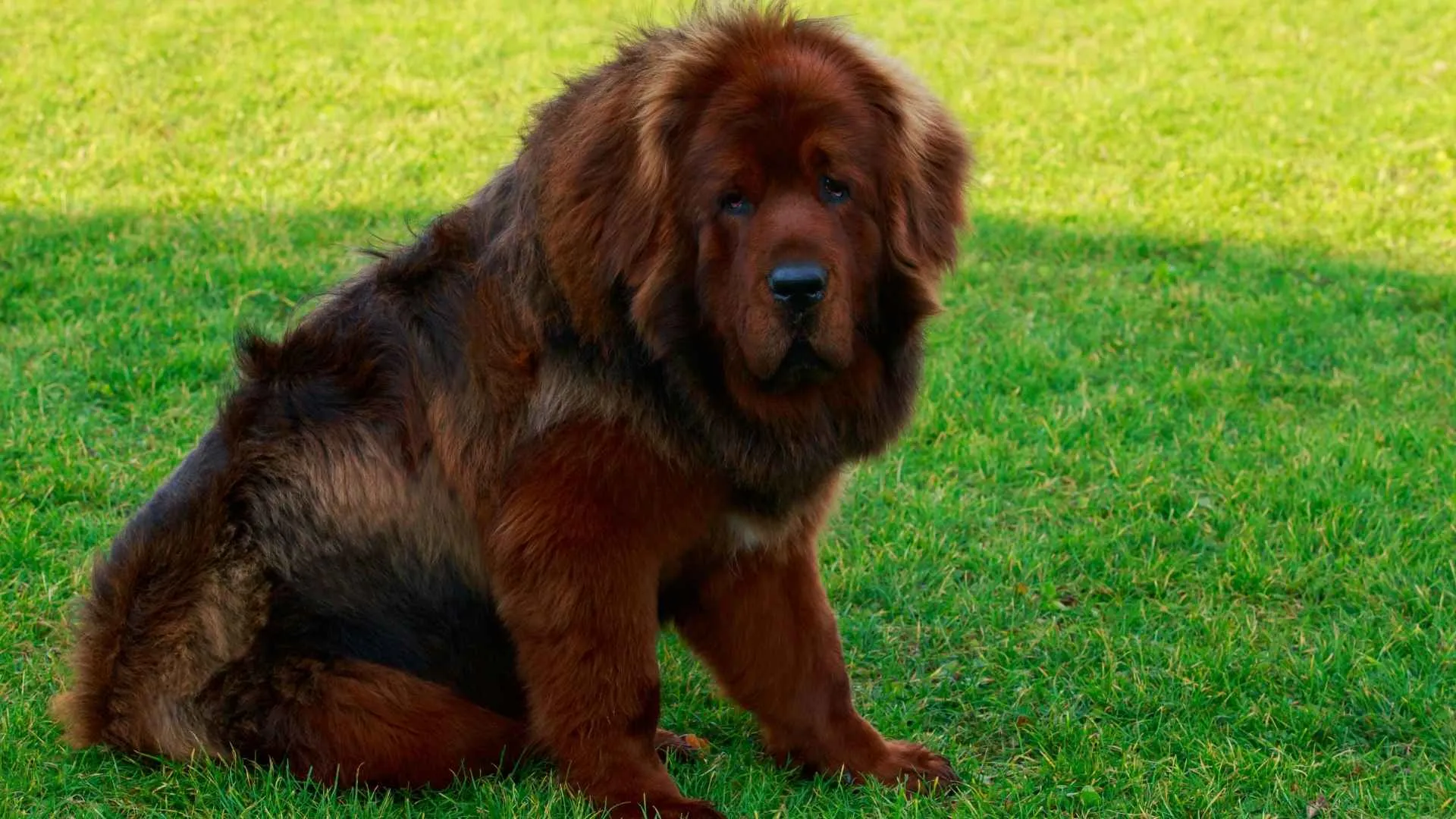
Tibetan Mastiff has watched over people, livestock, temples, monasteries, and nomadic communities across Tibet for thousands of years.
Because these dogs traveled widely with their people, they interbred freely for generations before the breed received formal recognition from the American Kennel Club in 2005.
Built for the Job
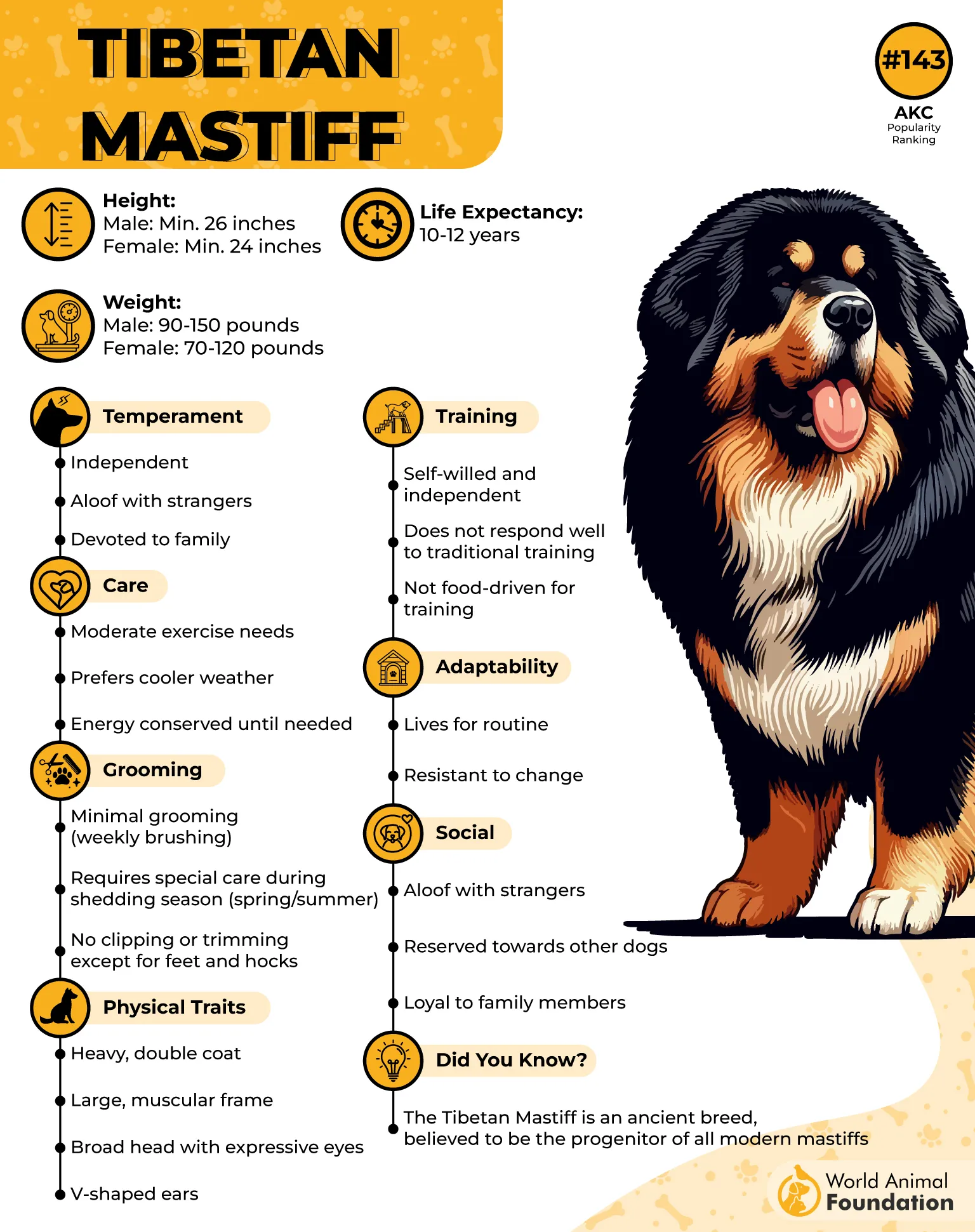
These Mastiffs have the heavy bone, deep chest, powerful neck, and substantial musculature expected from a dog assigned to demanding guarding duties. Its dense double coat includes a pronounced mane-like ruff, with the effect especially noticeable in males.
These traits make that imposing frame even more distinctive:
Plumed tail curled over the back
Heavily feathered rear legs
Males generally larger and heavier
A Serious Watchdog
Tibetan Mastiff is naturally territorial and particularly alert at night, with enough independence to make its own decisions when guarding its surroundings. Its weather-resistant coat also suits the severe cold associated with the Tibetan Plateau and Himalayan regions.
6. Great Pyrenees
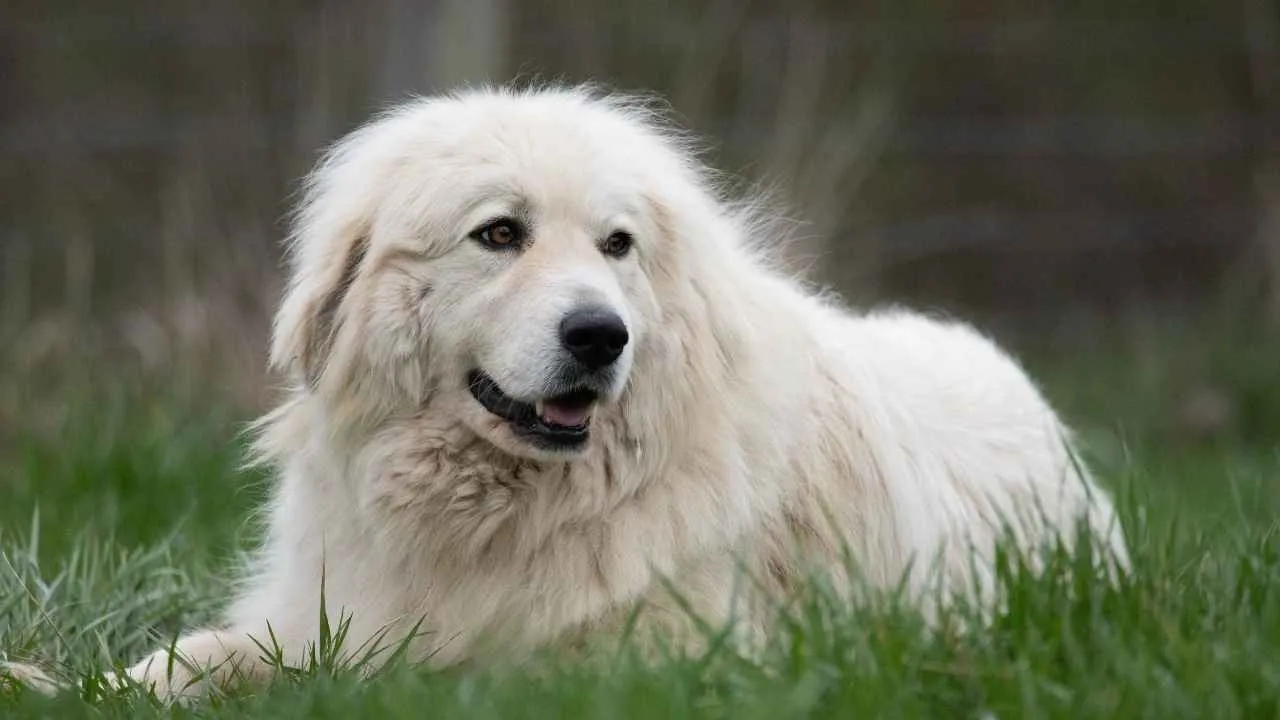
Great Pyrenees, also called the Pyrenean Mountain Dog in the UK, has guarded sheep and goats for hundreds, possibly thousands, of years. In 1675, Louis XIV named it the royal dog of France, bringing a breed once associated with peasants onto grand estates and royal grounds.
Built for the Mountains
This large breed has a substantial frame, deep chest, and strong bone suited to long patrols across mountainous terrain. Its working style favors watching, warning, and conserving energy rather than chasing every disturbance across the hills.
Three traits reveal how this guardian handles threats:
Squares up to discourage an approaching threat
Uses body blocking without chasing
Can escalate its deep alarm bark when danger persists
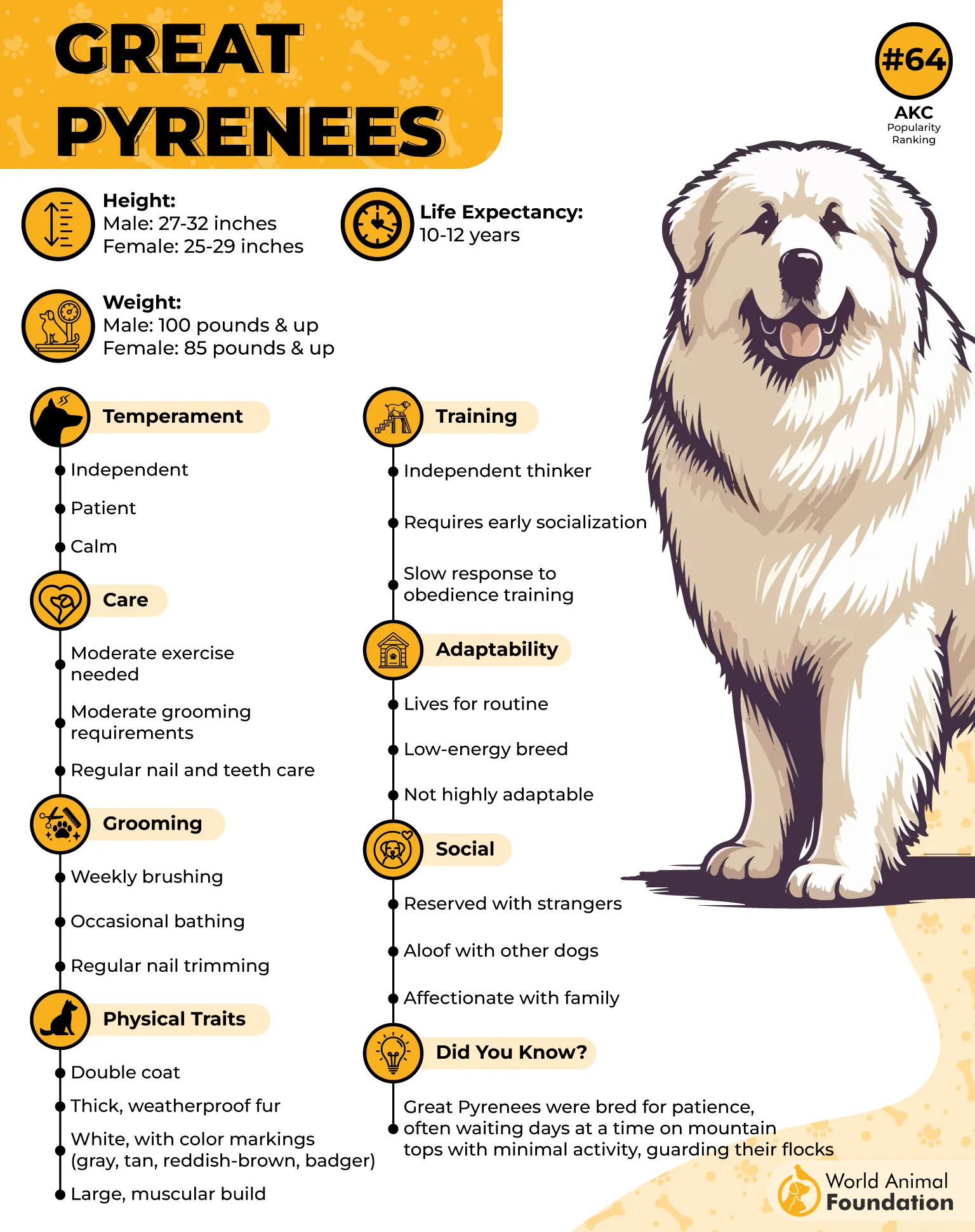
A Serious Alarm System
Great Pyrenees has exceptionally sharp hearing and a deep, booming bark that can announce activity from a considerable distance. Its independent nature comes from working without constant direction, so calm, patient, reward-based training is important when teaching responses to barking and other commands.
7. Leonberger
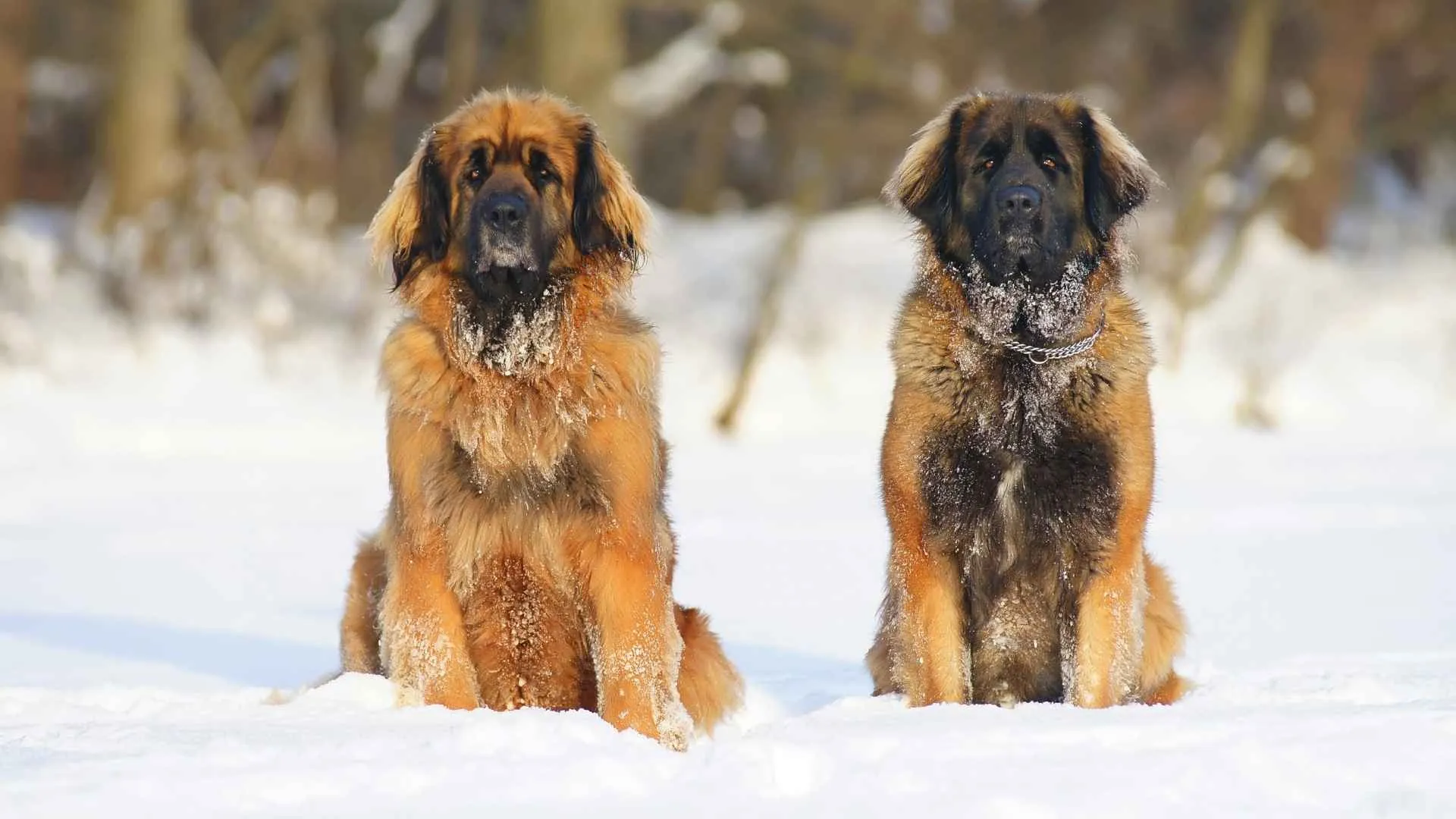
Leonberger was officially registered as a breed in 1846 by Heinrich Essig of Leonberg, Germany, although dogs with a similar description had been documented as early as 1585.
Its true origin remains uncertain, with Newfoundland, Saint Bernard, and Pyrenean Mountain Dog among the breeds linked to its development.
Built for Serious Work
Leonberger has the heavy bone, powerful musculature, and broad structure expected from a giant working dog, giving it the physical foundation for pulling and hauling. Its large, efficient stride covers ground with purpose, while strong rear drive adds force behind each step.
This is where that strength comes from:
Large oval feet for firm footing
Strong rear quarters for forward drive
Heavy bone suited to drafting work
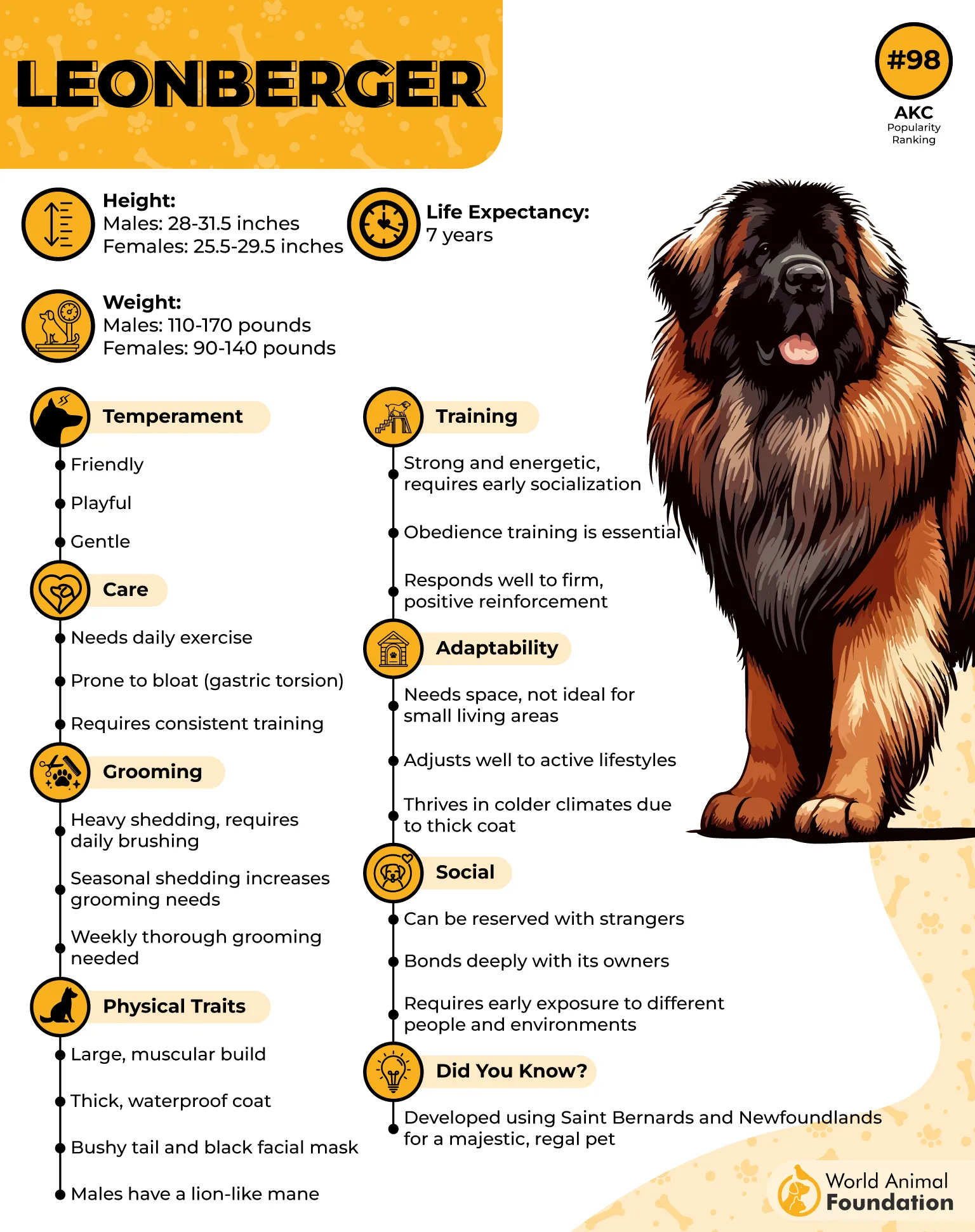
Power Meets Water
Leonberger has also found work as a water rescue dog, thanks to its powerful swimming ability and natural attraction to water. In parts of the world, the breed still pulls carts, while its confident, playful nature fits comfortably into family life with children, dogs, and other pets.
8. American Bully
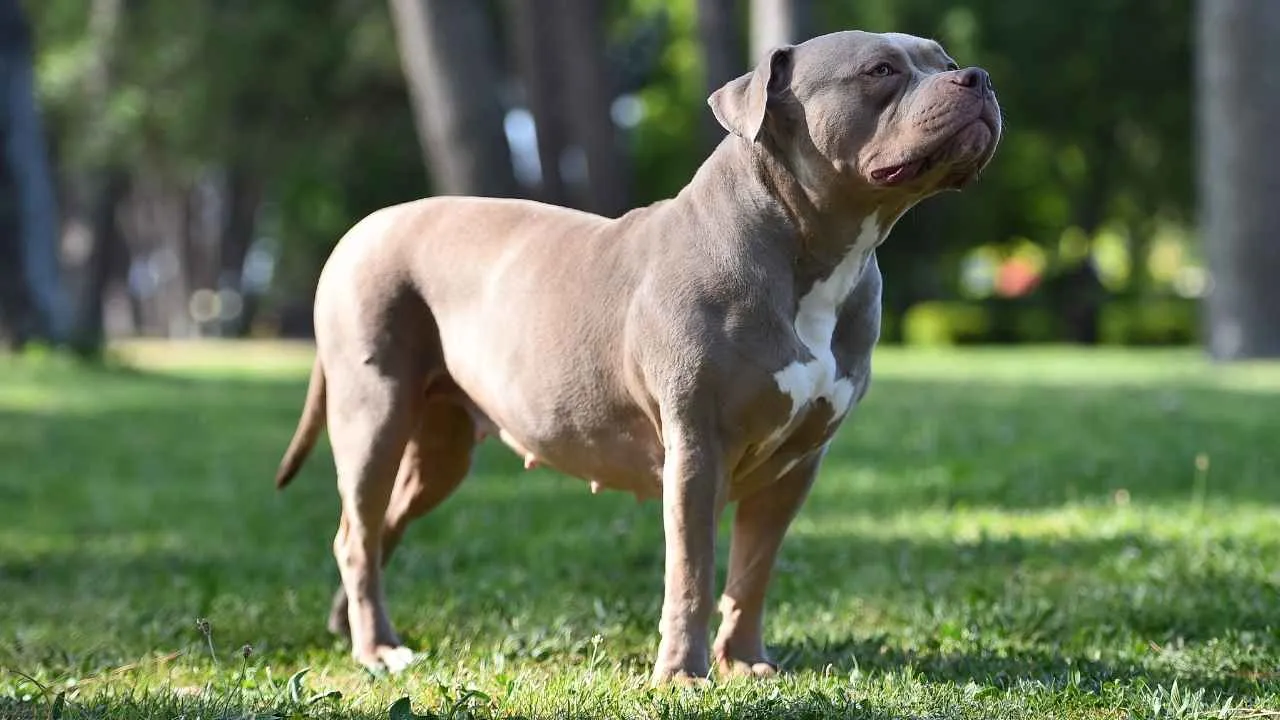
American Bully emerged in the mid-1990s as a companion breed, with its early formation centered on selected traits from the UKC American Pit Bull Terrier and AKC American Staffordshire Terrier.
Its roots developed on both U.S. coasts, particularly around Virginia and Los Angeles, before spreading across the country and abroad.
Built for Muscularity
Its compact proportions and heavy bone give it such a powerful physical presence. A broad chest, thick neck, wide stance, pronounced cheek muscles, and substantial forequarters create the muscular outline associated with this breed.
When looking at its build, this is what becomes especially useful:
Shorter-to-moderate muzzle
Broad, blocky head
Compact-to-moderate body length
Different Size Classes
American Bully comes in several recognized size types, including Pocket, Standard, Classic, and XL, so height, mass, and proportions can differ considerably. Across these varieties, the broad chest and heavy structure remain central to the breed’s recognizable bully-type silhouette.
9. Mastiff
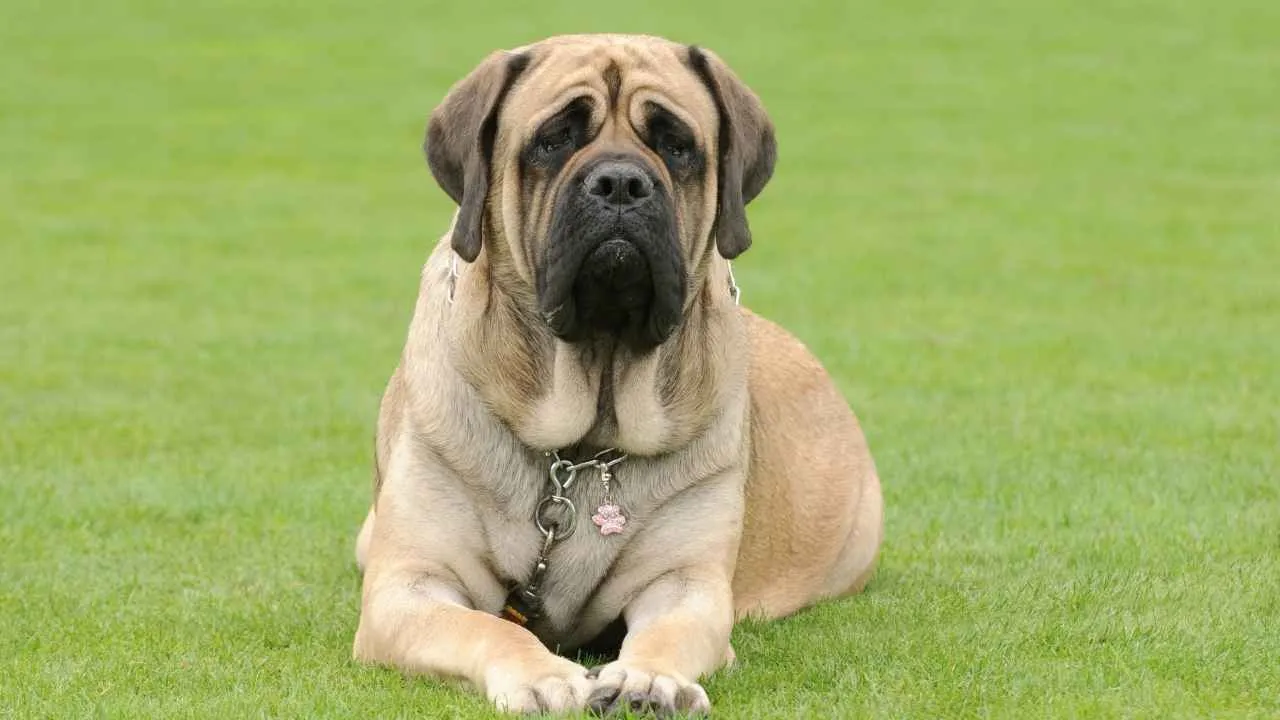
Mastiff belongs to an ancient Molosser line with roots reaching back thousands of years, while the modern form emerged in England centuries ago. Known as the Old English Mastiff, it was used for guarding, warfare, bull and bear baiting, and even lion fighting.
Built Like a Fortress
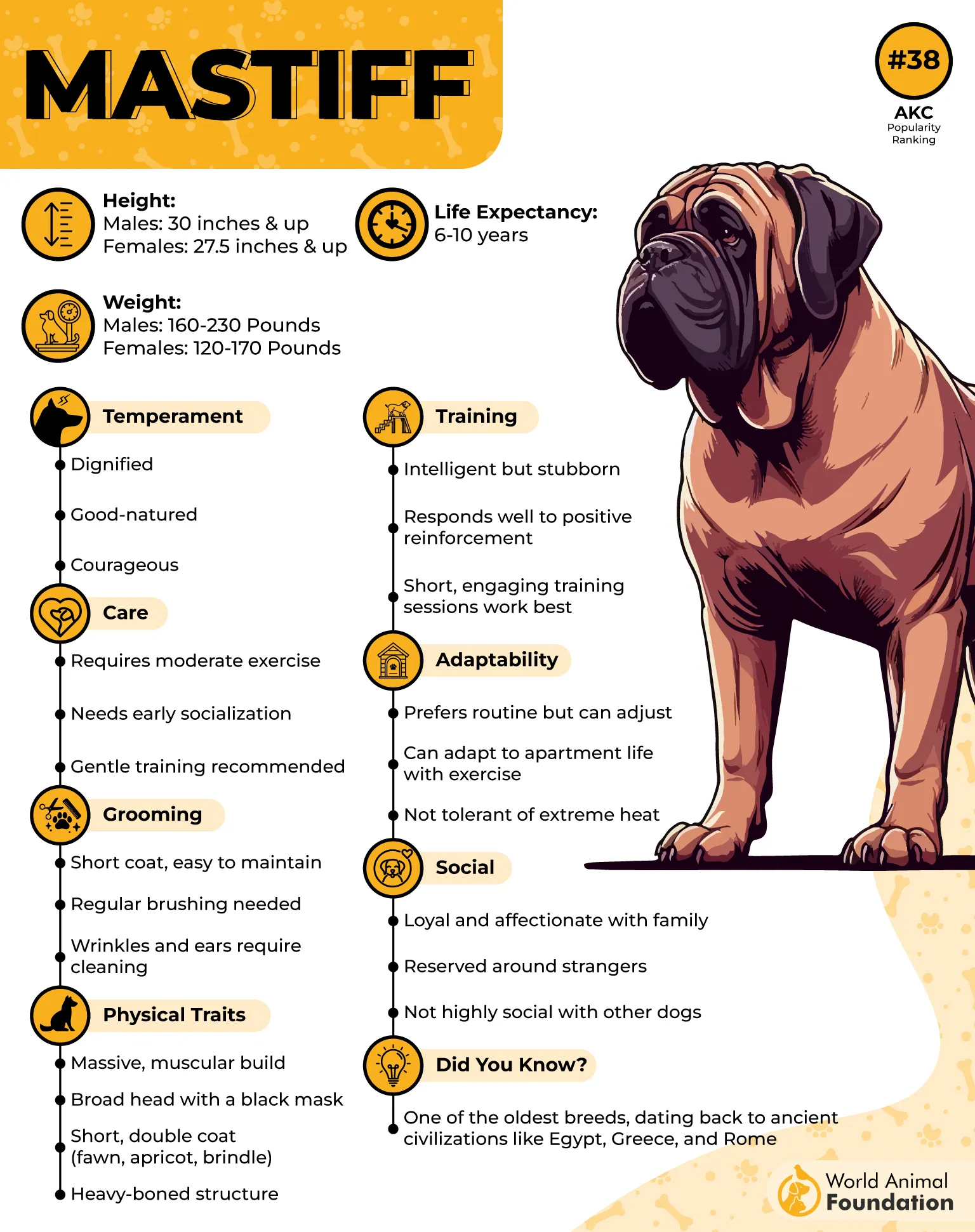
Mastiff has the massive frame expected from a dog bred for serious physical work, with heavy bones, a broad back, and an enormous chest. Its huge square head, short muzzle, black mask, thick neck, and powerful forequarters give it a formidable physical profile.
A closer look reveals some striking structural details:
Heavy dewlap beneath the thick neck
Deep forehead wrinkles and loose facial skin
Heavy lips that can lead to noticeable drooling
Quiet Protection
As a guard dog breed, they often watches unfamiliar people from a reserved distance, while its protective instincts can become more direct when someone in the household appears threatened. Inside the home, its sheer size can be enough to corner an intruder until help arrives.
10. Boerboel
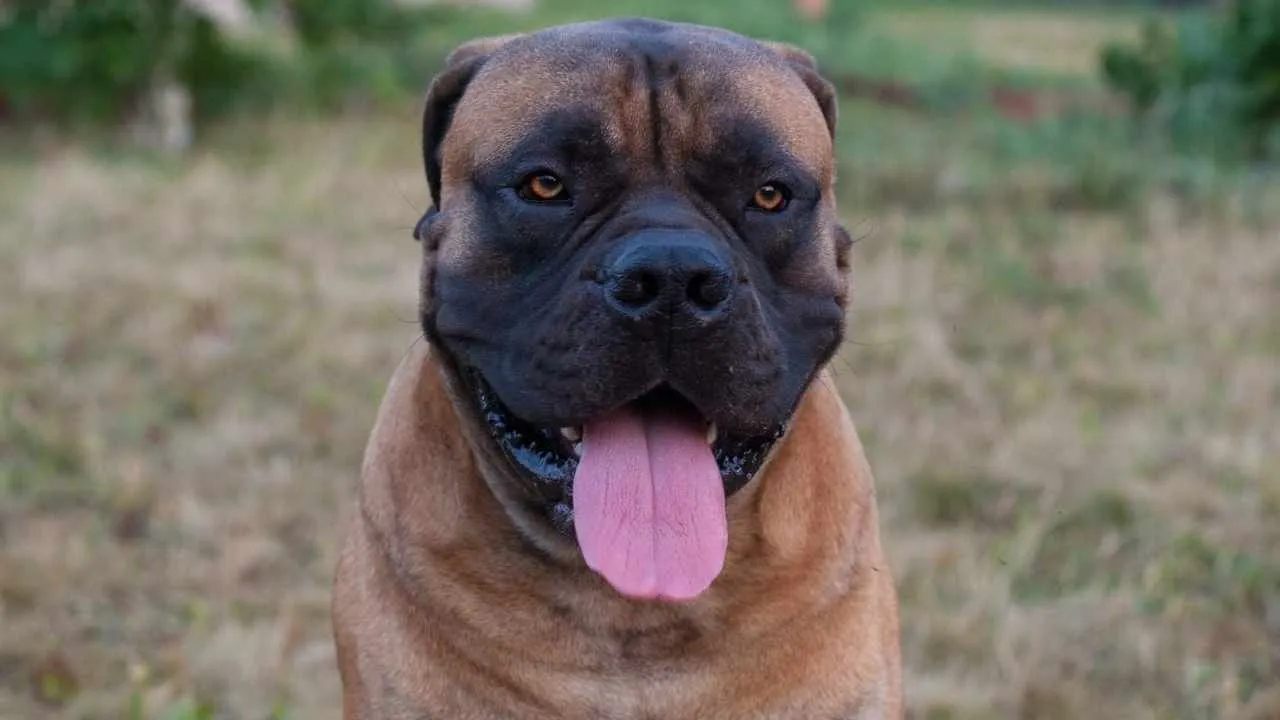
Boerboel traces its early story to 1652, when Jan van Riebeeck brought a Bullenbijter to the Cape region. Dutch and British settlers later brought Mastiffs and other European dogs, which were gradually crossed with local dogs for reliable property and livestock protection.
Built for Protection
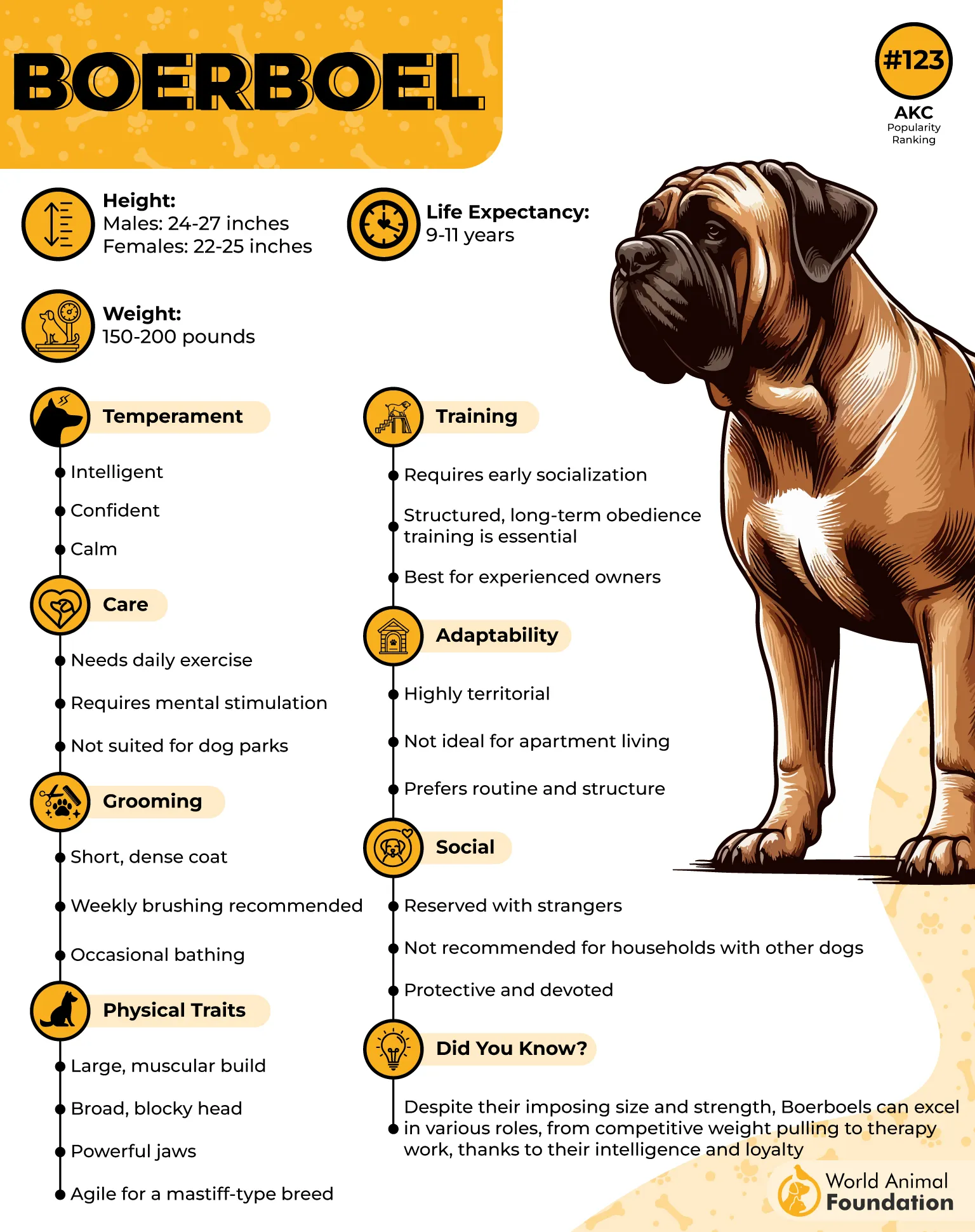
Their heavy bones, deep chest, broad shoulders, and powerful hindquarters are expected of a large Mastiff-type working dog. Its broad, blocky head, wide muzzle, and pronounced cheeks add to the formidable physical structure needed around farms and homesteads.
A closer look at its build reveals these specific features:
Rectangular, muscular frame
Broad skull with strong cheeks
Deep chest and powerful rear
Sharp at the Perimeter
Boerboel has a keen eye and strong sense of smell, allowing it to notice people or animals approaching the family. Its response can also reflect the owner’s reaction, with a calm response toward welcomed visitors and a more protective stance when uncertainty is sensed.
Conclusion
Massive muscle can make a working dog look impressive, but the value of that strength appears when a task demands stamina, control, and reliable effort. Different working roles shaped different bodies, from dogs built for hauling and drafting to guardians designed to patrol large areas, handle big game hunting, and respond to threats with powerful jaws.
Pet parents should remember that a powerful frame comes with practical needs, including proper training, safe handling, suitable exercise, and enough space. The right companion depends on more than appearance. It should fit the work, routine, experience, and immense strength an owner can realistically manage responsibly every day at home or in the field.
