




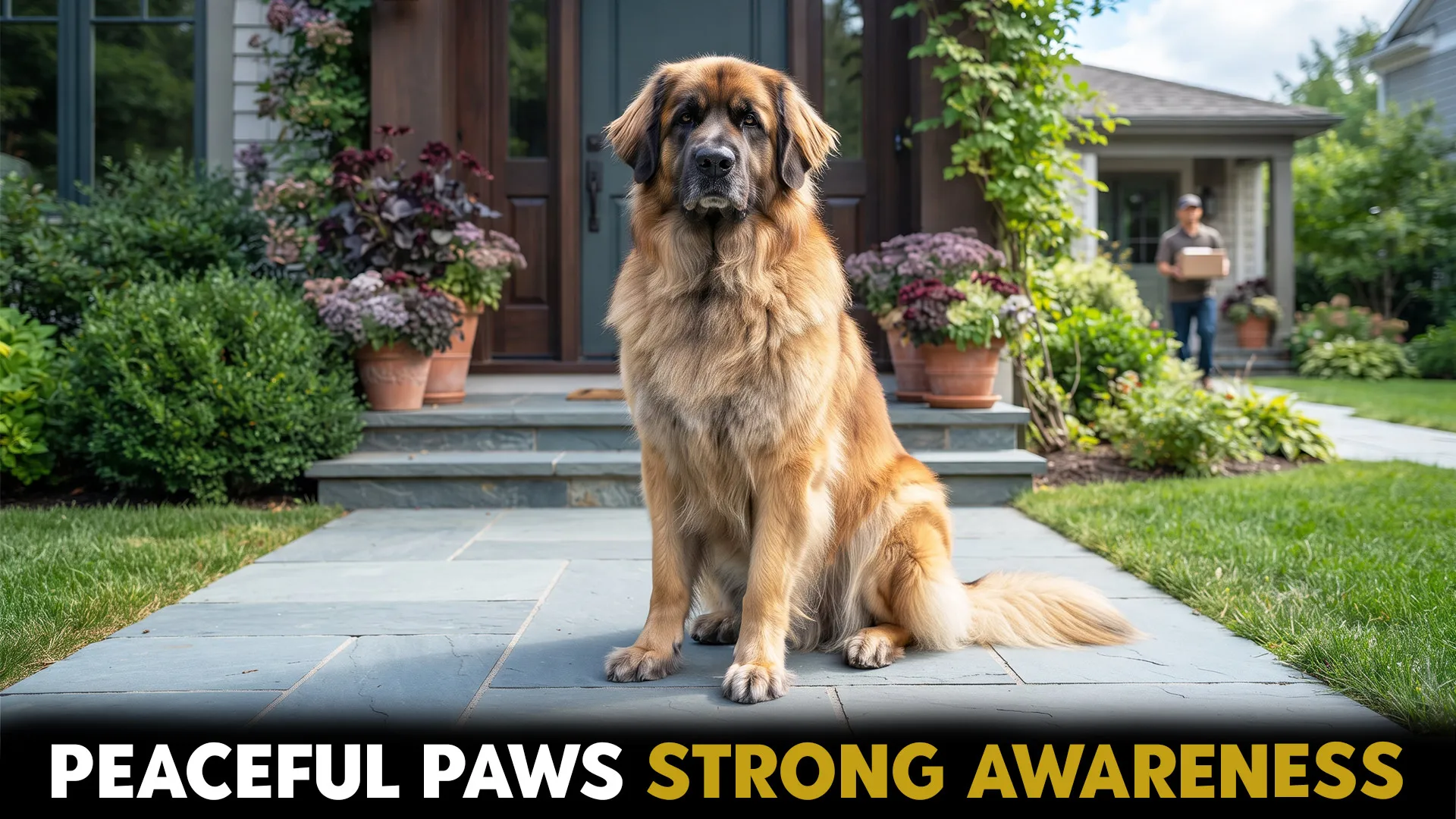
A dog’s role in protection has evolved dramatically, from ancient guardians of homes and livestock to highly trained partners in modern security work. Their sharp senses, loyalty, intelligence, and ability to alert people to unusual activity have made them valuable across centuries.
However, a reliable security dog is not simply one that looks intimidating or reacts aggressively. Temperament, obedience, socialisation, training, and the ability to remain under control are equally important.
Today, dogs may assist with guarding, detection, tracking, police work, and personal protection, with different breeds suited to different tasks.
At the same time, responsible ownership requires attention to animal welfare, public safety, and local regulations. Understanding how these remarkable animals developed from early working companions into specialised security partners offers a fascinating look at their changing relationship with humans.
Key Takeaways
Calm guard dogs can provide a sense of security without relying on unnecessary aggression.
Large, gentle breeds can combine an imposing appearance with affectionate and patient personalities.
A deep, commanding bark can help alert families to unusual activity without encouraging constant confrontation.
Strong bonds with family members can make protective dogs both loyal guardians and loving companions.
Natural watchfulness allows some breeds to notice unfamiliar people or unusual situations around the home.
Top Calm and Trustworthy Guard Dog Breeds
1. Newfoundland
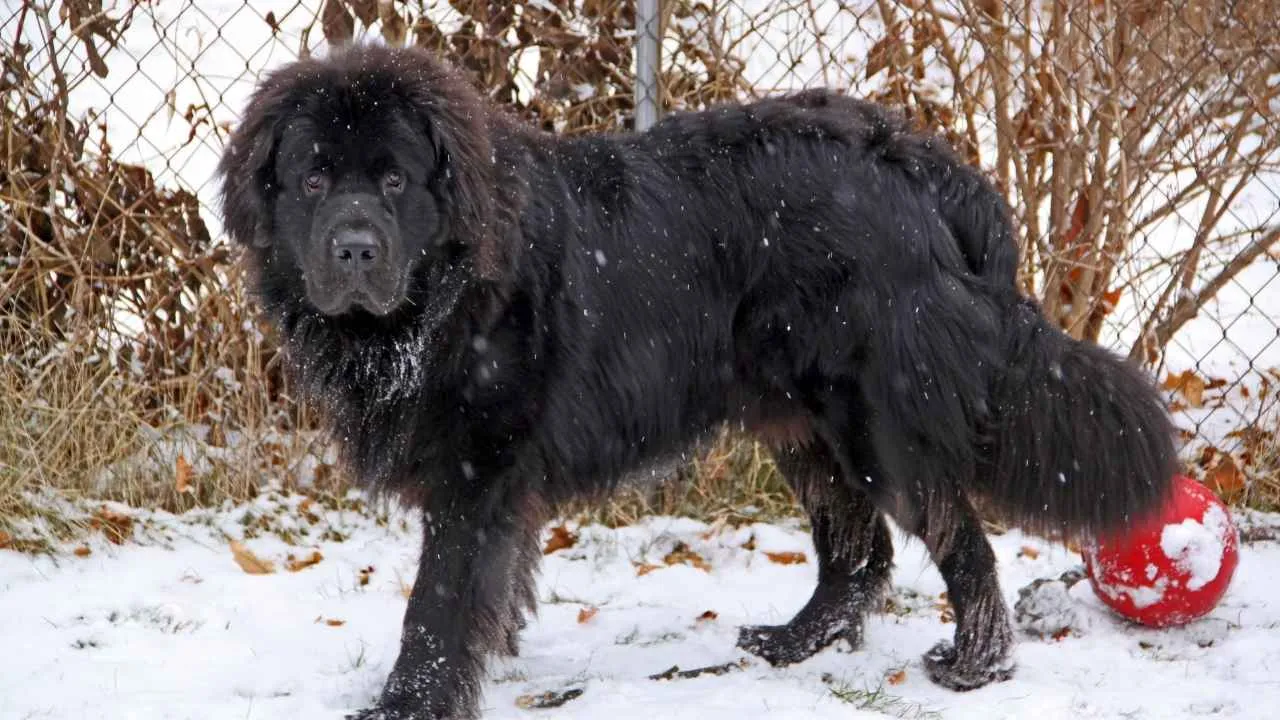
Imagine having a dog whose enormous size commands attention but whose gentle heart makes everyone feel safe and loved.
The Newfoundland is a true gentle giant, combining impressive strength, natural guarding instincts, and unwavering affection for its family.
Originally bred to work alongside fishermen and perform water rescues, this intelligent breed is known for its loyalty, patience, and calm disposition.
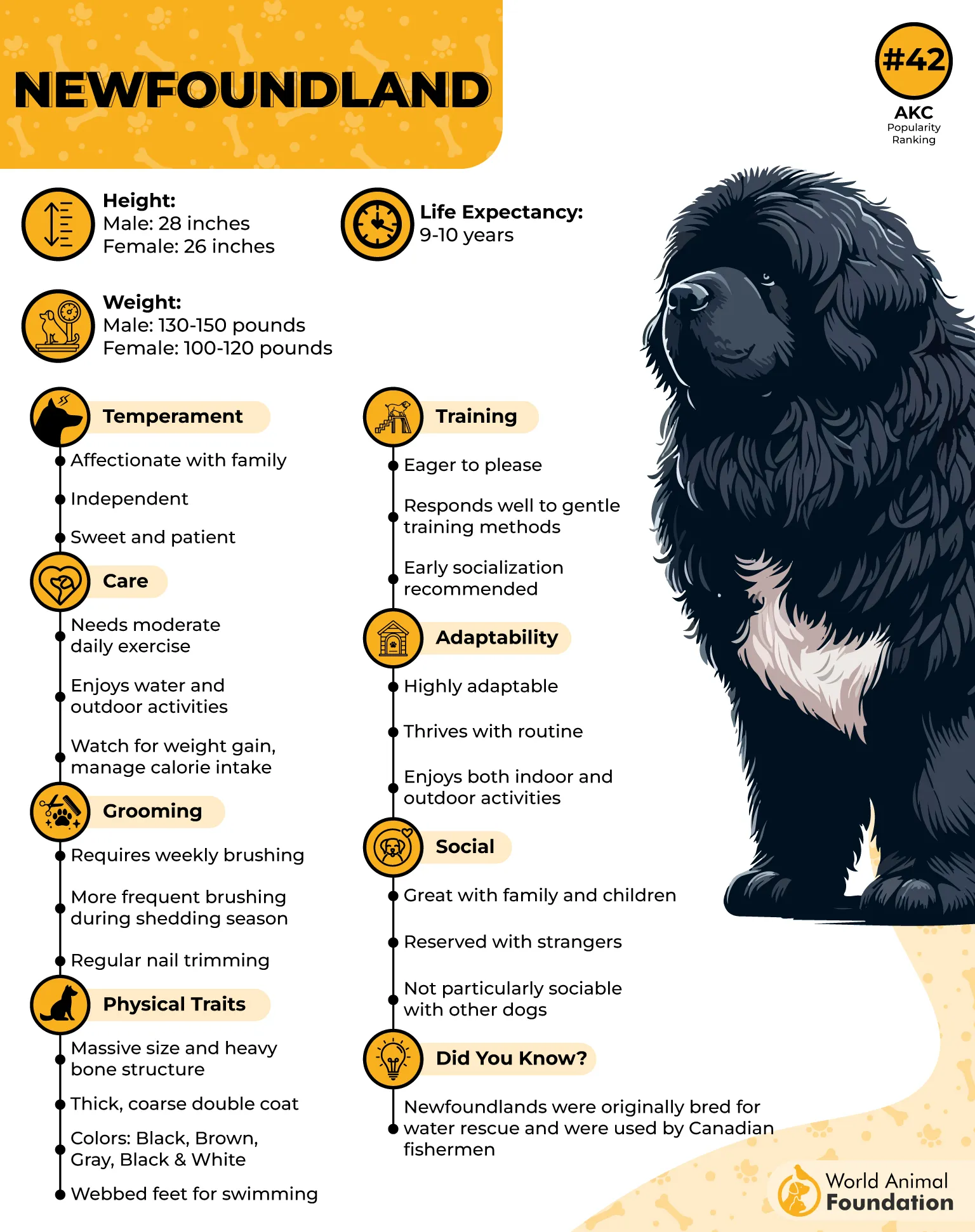
Beneath its massive frame, dignified appearance, and thick coat lies a sweet-tempered companion that thrives on human interaction. Newfoundlands are particularly devoted to their families and are renowned for their gentle behaviour around children and other pets, according to the American Kennel Club.
Although they are not typically aggressive or excessive barkers, their imposing stature and alert nature can help deter potential intruders. Their eagerness to please makes them responsive to gentle, consistent training and early socialisation.
However, these large dogs need ample space, regular exercise, frequent grooming, and plenty of attention.
For families seeking an incredibly loyal, watchful guardian with a loving heart, the Newfoundland offers a remarkable balance of protection and companionship.
2. Leonberger
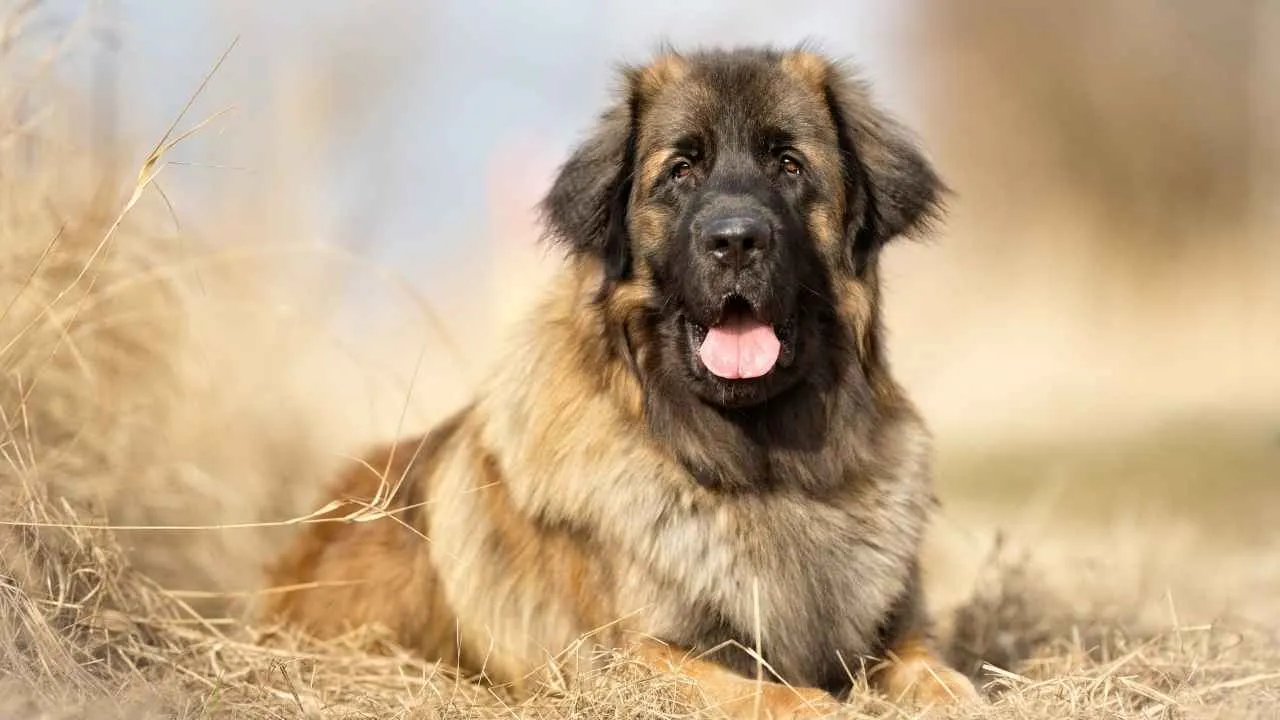
With their majestic lion-like appearance and gentle temperament, Leonbergers offer a remarkable combination of strength, loyalty, and affection.
These impressive dogs may look intimidating, but beneath their muscular build and striking black masks lies a calm, affectionate companion with a strong protective instinct.
Known for their intelligence and sound judgment, Leonbergers form deep bonds with their families and are particularly gentle with children when properly trained and socialised.
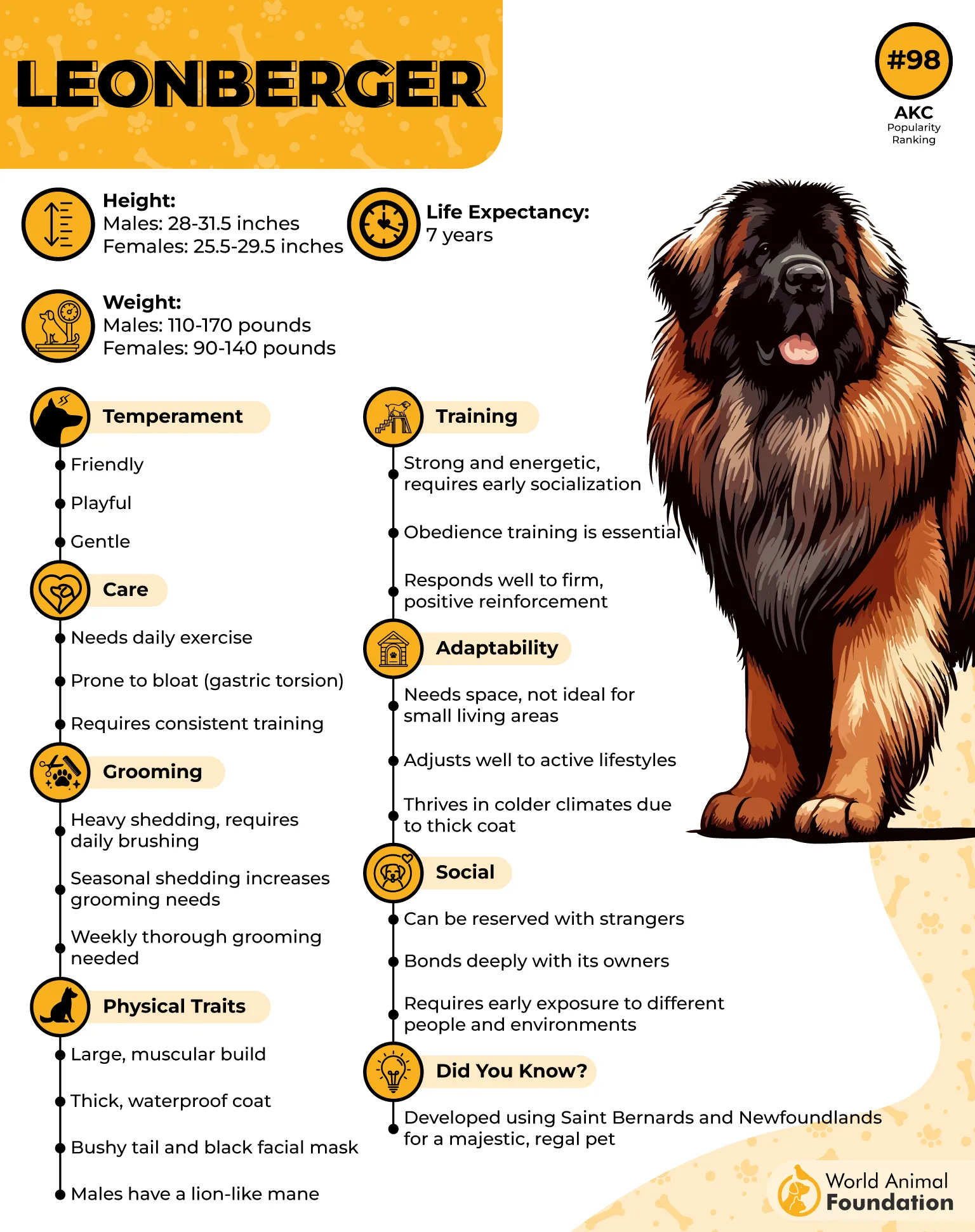
Their confident nature and deep, imposing bark can also help deter unwanted visitors, making them reassuring household guardians. Unlike dogs that thrive in isolation, Leonbergers prefer staying close to their loved ones and are intuitive to human emotions.
They generally tolerate strangers and get along well with familiar pets, although they may be wary of unfamiliar dogs. Their eagerness to please makes them responsive to training, while their high energy levels require daily exercise, ample space, and regular attention.
For families seeking a devoted, watchful, and trustworthy companion, Leonbergers are an appealing choice.
3. Saint Bernard
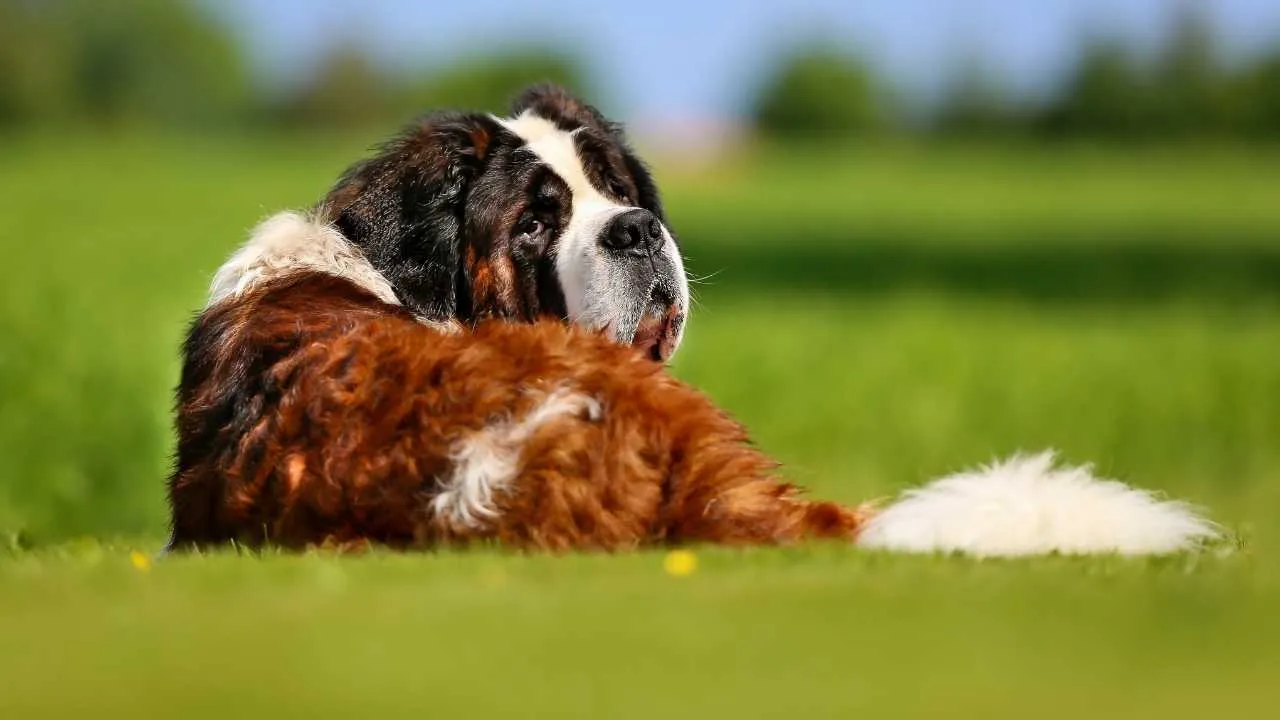
With their towering stature and warm, expressive eyes, Saint Bernards have a remarkable way of making their families feel both loved and protected.
Originally bred by monks in the Swiss Alps to guard and rescue stranded travellers, these gentle giants combine a rich working history with a naturally patient and affectionate temperament.
Their calm demeanour, loyalty, and strong protective instincts make these large dogs dependable family companions.
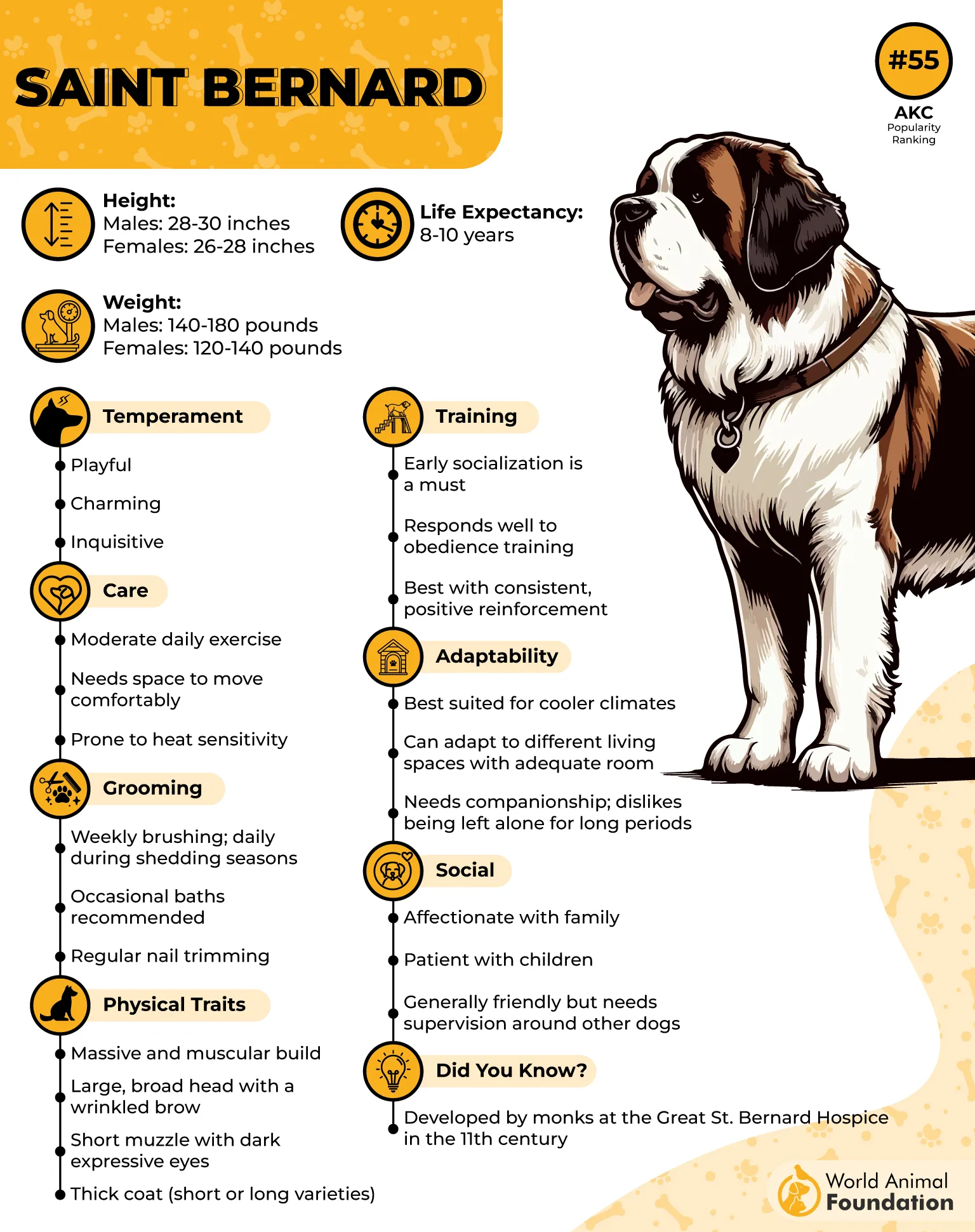
Despite their imposing appearance, Saint Bernards are generally friendly toward children, familiar pets, and strangers, although their size and strength require proper training and supervision.
Their deep bond with family members and natural awareness of their surroundings also make them reassuring household guardians without relying on aggression.
Intelligent and eager to please, they respond well to consistent, positive reinforcement and early socialisation, as stated by Vetslovepets. While they enjoy daily walks and relaxed family time, they also need regular grooming, moderate exercise, and plenty of space.
For families seeking a calm, trustworthy protector with a loving nature, the Saint Bernard is an excellent consideration.
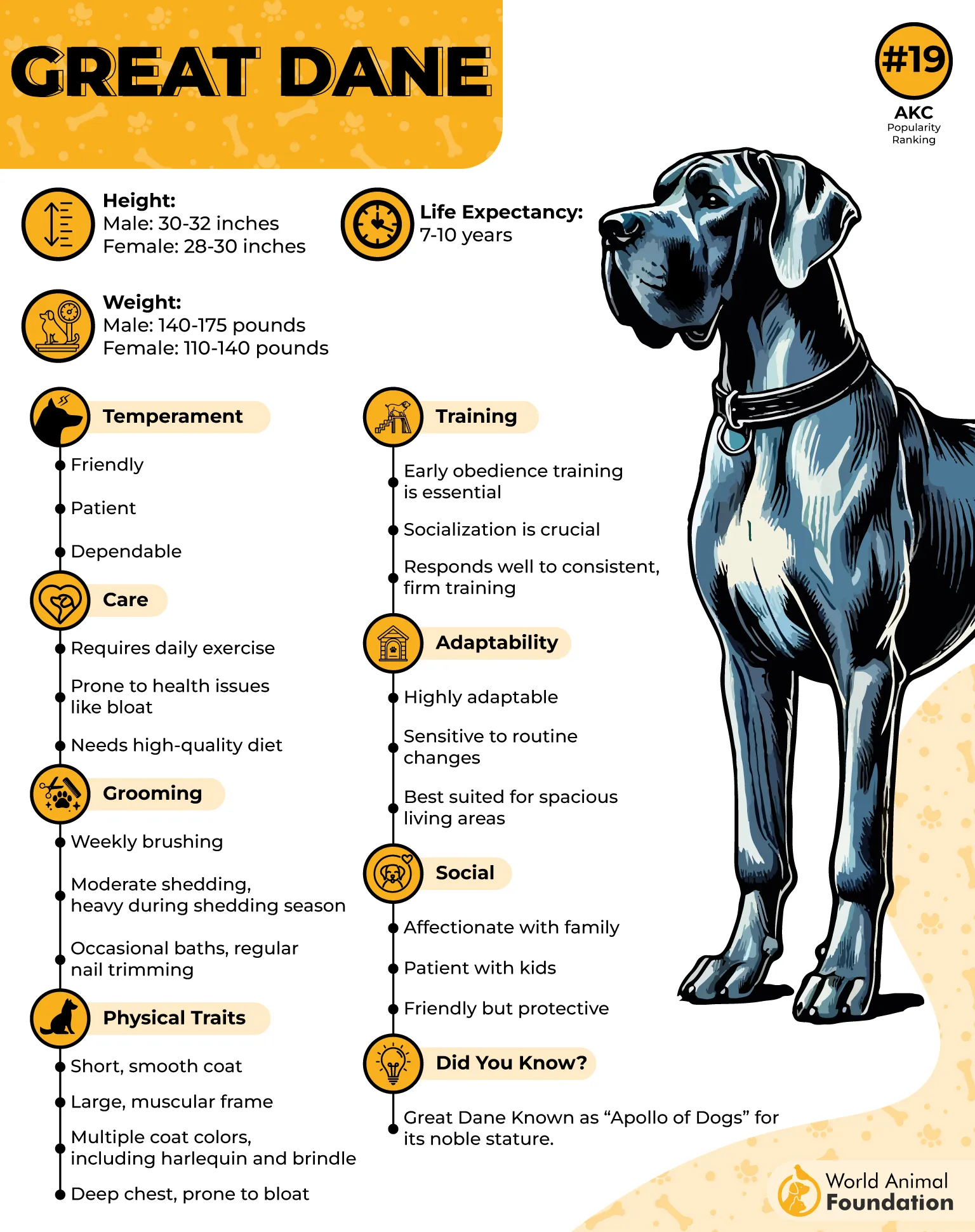
4. Great Dane
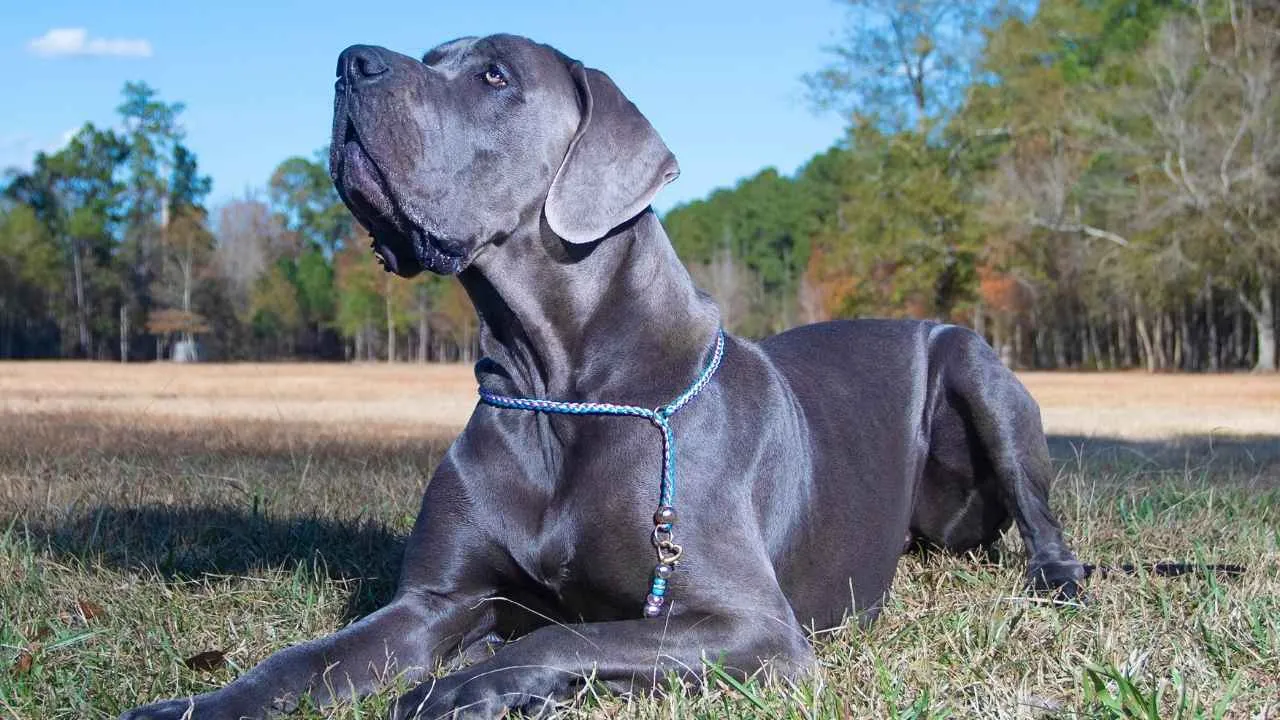
With their majestic lion-like appearance and gentle temperament, Leonbergers offer a remarkable combination of strength, loyalty, and affection.
These muscular dogs are naturally protective. They may look intimidating, but beneath their muscular build and striking black masks lies a calm, affectionate companion with a strong protective instinct.
Known for their intelligence and sound judgment, Leonbergers form deep bonds with their families and are particularly gentle with children when properly trained and socialised.
Their confident nature and deep, imposing bark can also help deter unwanted visitors, making them reassuring household guardians.
Unlike dogs that thrive in isolation, Leonbergers prefer staying close to their loved ones and are intuitive to human emotions. They generally tolerate strangers and get along well with familiar pets, although they may be wary of unfamiliar dogs.
Their eagerness to please makes them responsive to training, while their high energy levels require daily exercise, ample space, and regular attention. For families seeking a devoted, watchful, and trustworthy companion, Leonbergers are an appealing choice.
5. Bernese Mountain Dog
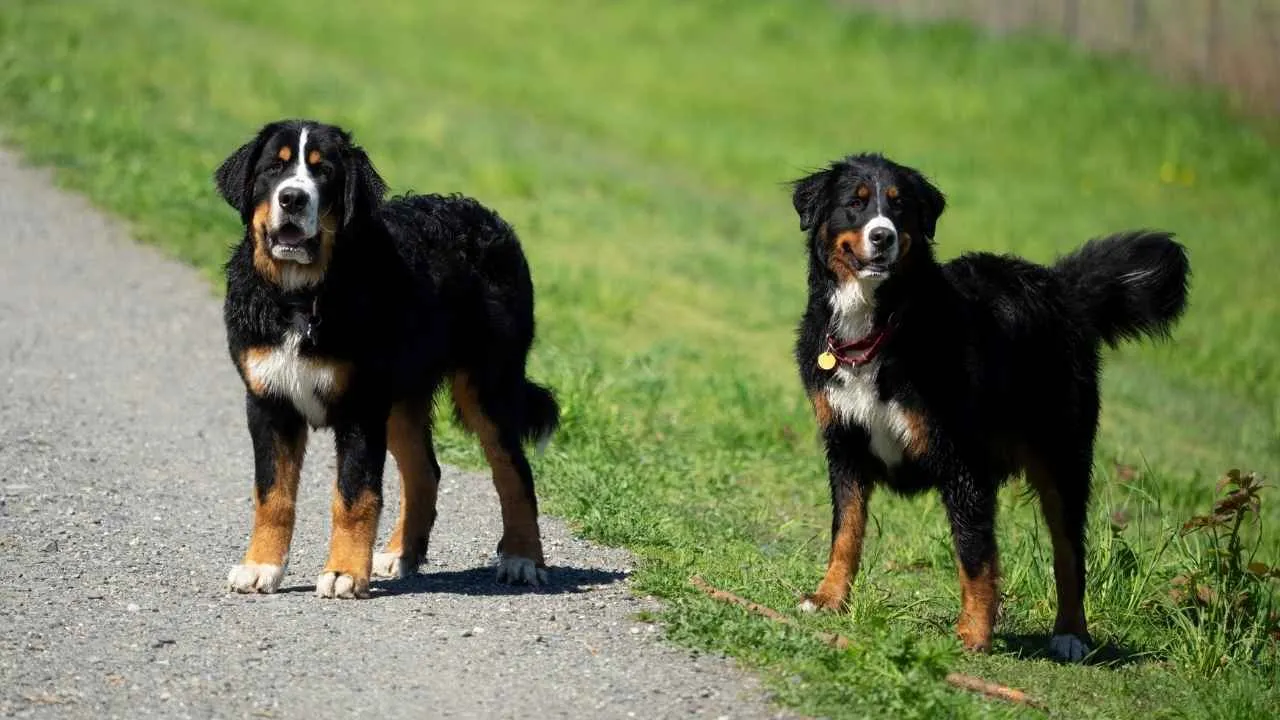
The Bernese Mountain Dog may look imposing, but beneath that striking appearance is a gentle, affectionate companion with a natural watchdog instinct.
Originally valued as a working dog, the breed combines strength with a calm and devoted personality, making it well suited to families seeking a trustworthy guardian.
Berners love being involved in family life and are known for their patience and affection, including toward children, whom they may protect when necessary.
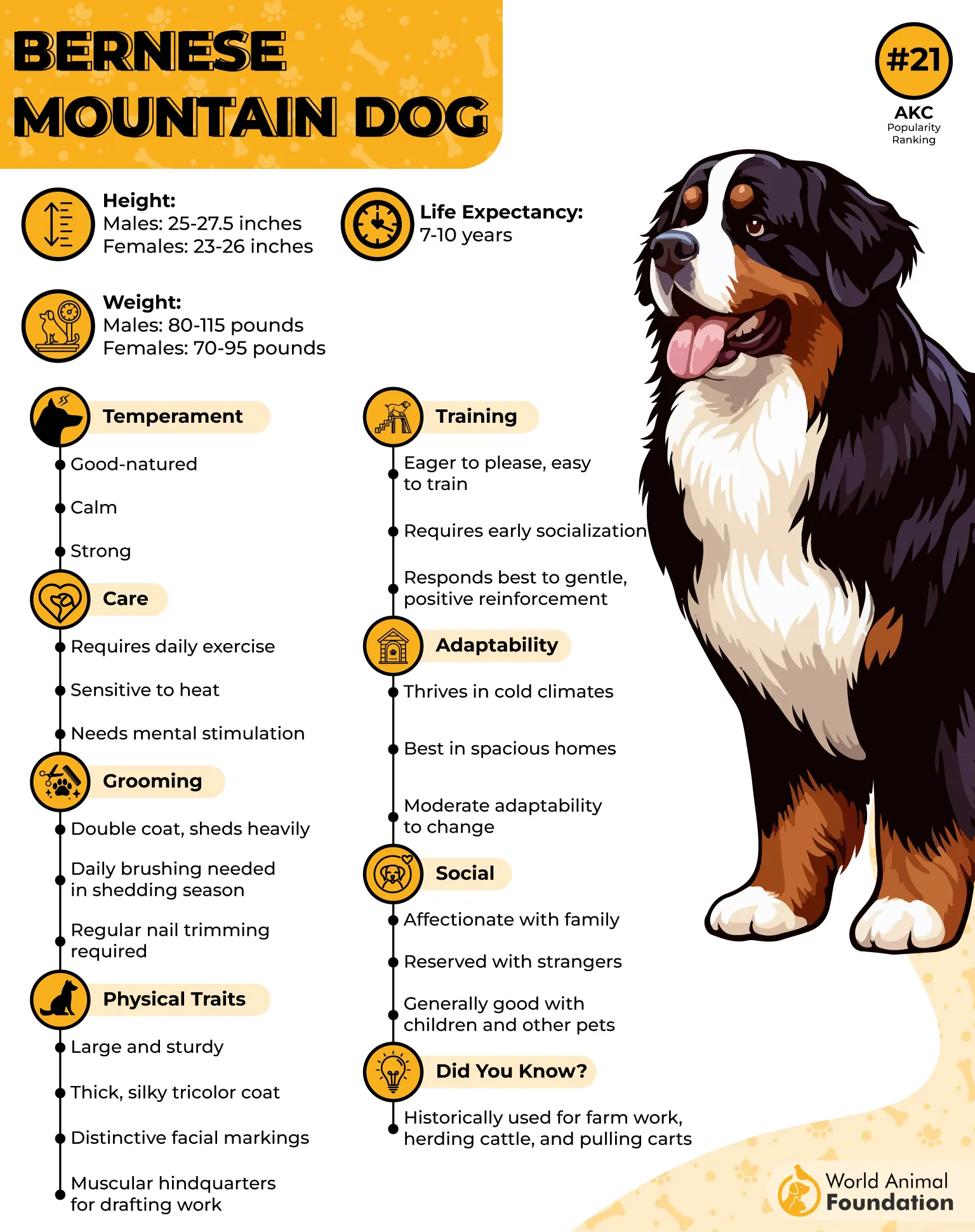
Their tendency to bark when visitors or something unusual arrives can provide an alert without turning every moment into a confrontation. Once they recognise that everything is fine, they generally settle down again.
Their social nature also means they thrive on human companionship and affection. With their large size, strong build, and need for space, they are best suited to homes that can accommodate them comfortably, according to Purina.
For owners wanting a loving family dog that can also watch over the household, the Bernese Mountain Dog offers a reassuring balance of sweetness, loyalty, and vigilance.
6. Tibetan Mastiff
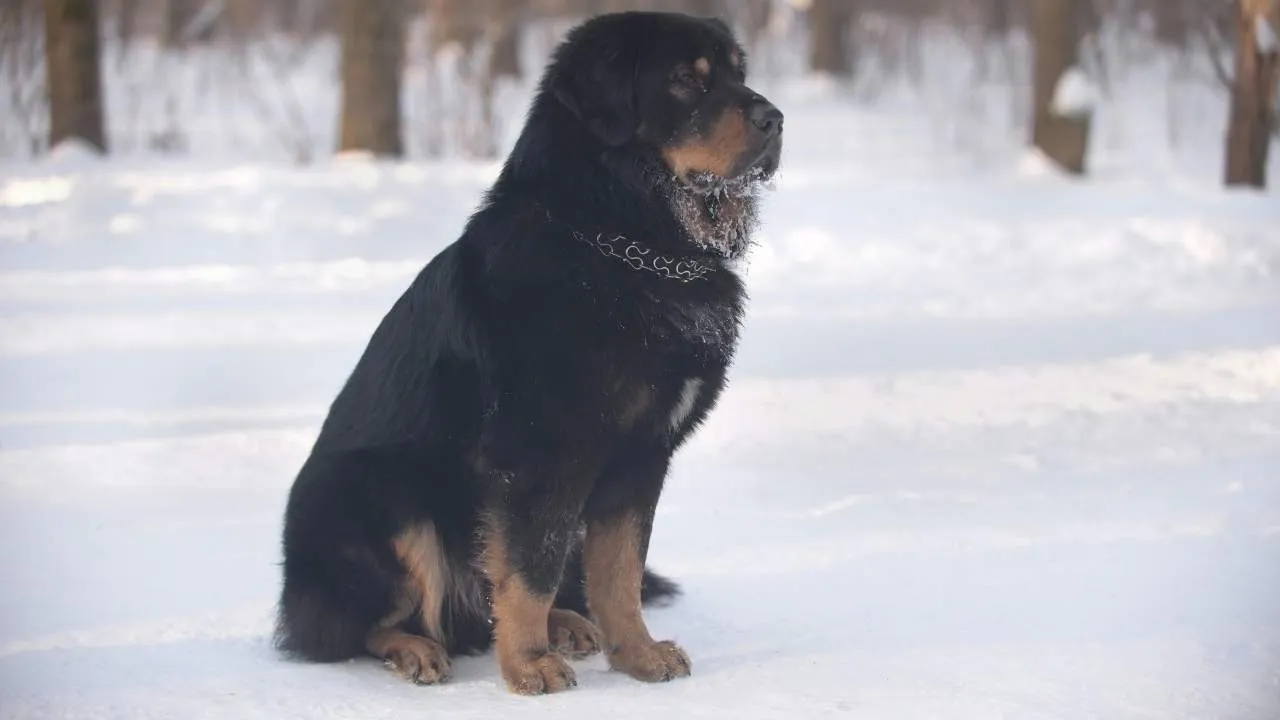
Few dogs carry the quiet authority of the Tibetan Mastiff. This ancient Himalayan breed is one of the best guard dog breeds. It was traditionally bred to guard livestock, homes, and monasteries, making protection deeply connected to its nature.
Despite its enormous size, lion-like mane, and powerful presence, this excellent guard dog can be deeply loyal and gentle with the people it considers family.
Known locally as “Do-Khyi,” meaning “dog tied at the gate,” it has long served as a watchful guardian, particularly at night when its sharp senses and deep bark help alert families to unusual activity.
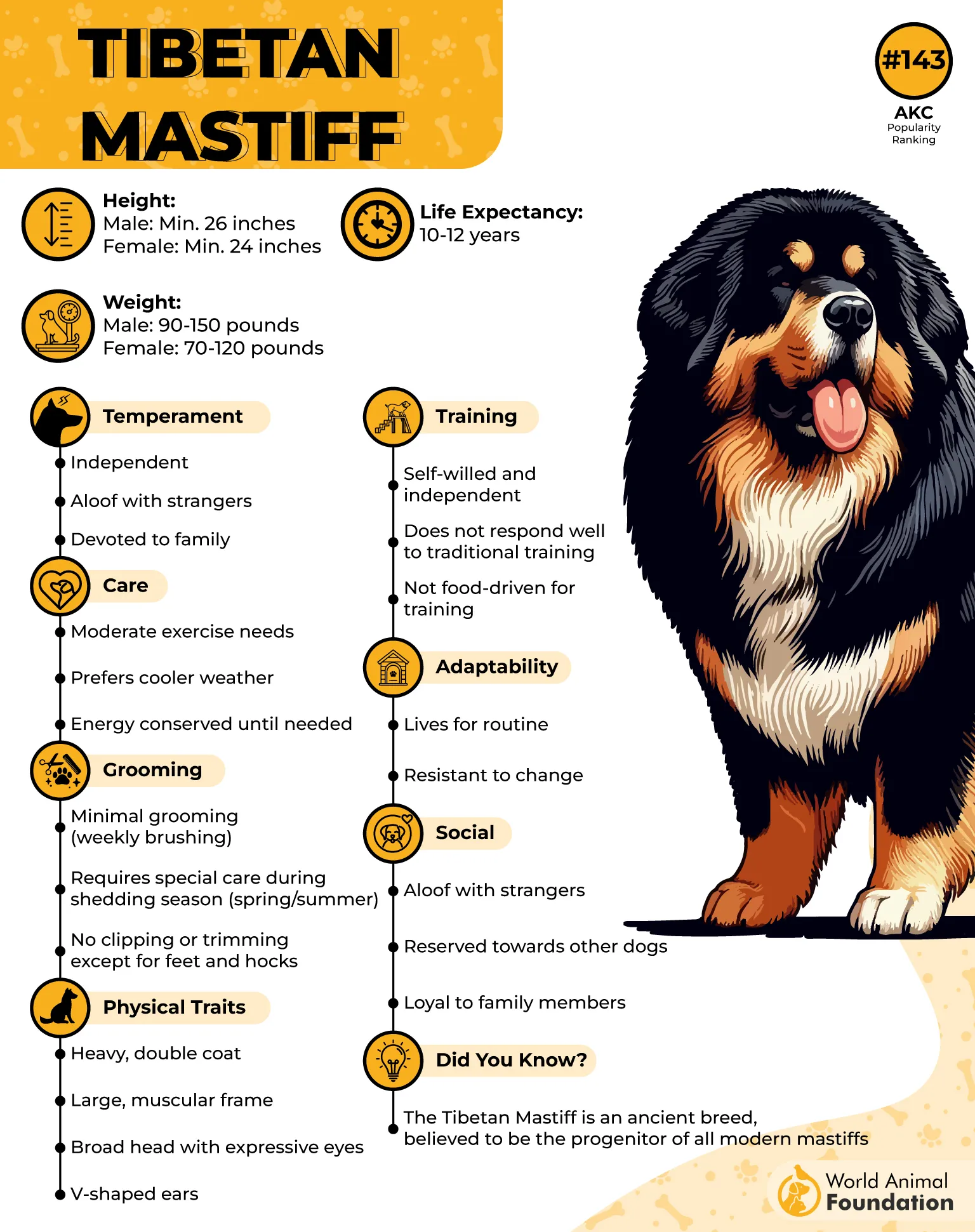
Its highly territorial nature means it requires respectful handling and appropriate socialisation, but that same instinct makes it a dependable watchdog.
Unlike dogs that constantly seek direction, the Tibetan Mastiff is notably independent and observant.
For families seeking a calm yet vigilant guardian, its combination of devotion, courage, independence, and strong protective instincts makes this majestic breed a compelling choice for those prepared to understand its nature.
7. Broholmer

A Broholmer may look imposing, but beneath that powerful build is a calm, affectionate dog with an even temperament.
Originally bred in Denmark as a watchdog and guard dog, the breed has an instinct to stay alert and protect the people it loves.
Broholmers form strong bonds with their families and are known for being loyal, gentle, and courageous without being unnecessarily aggressive.
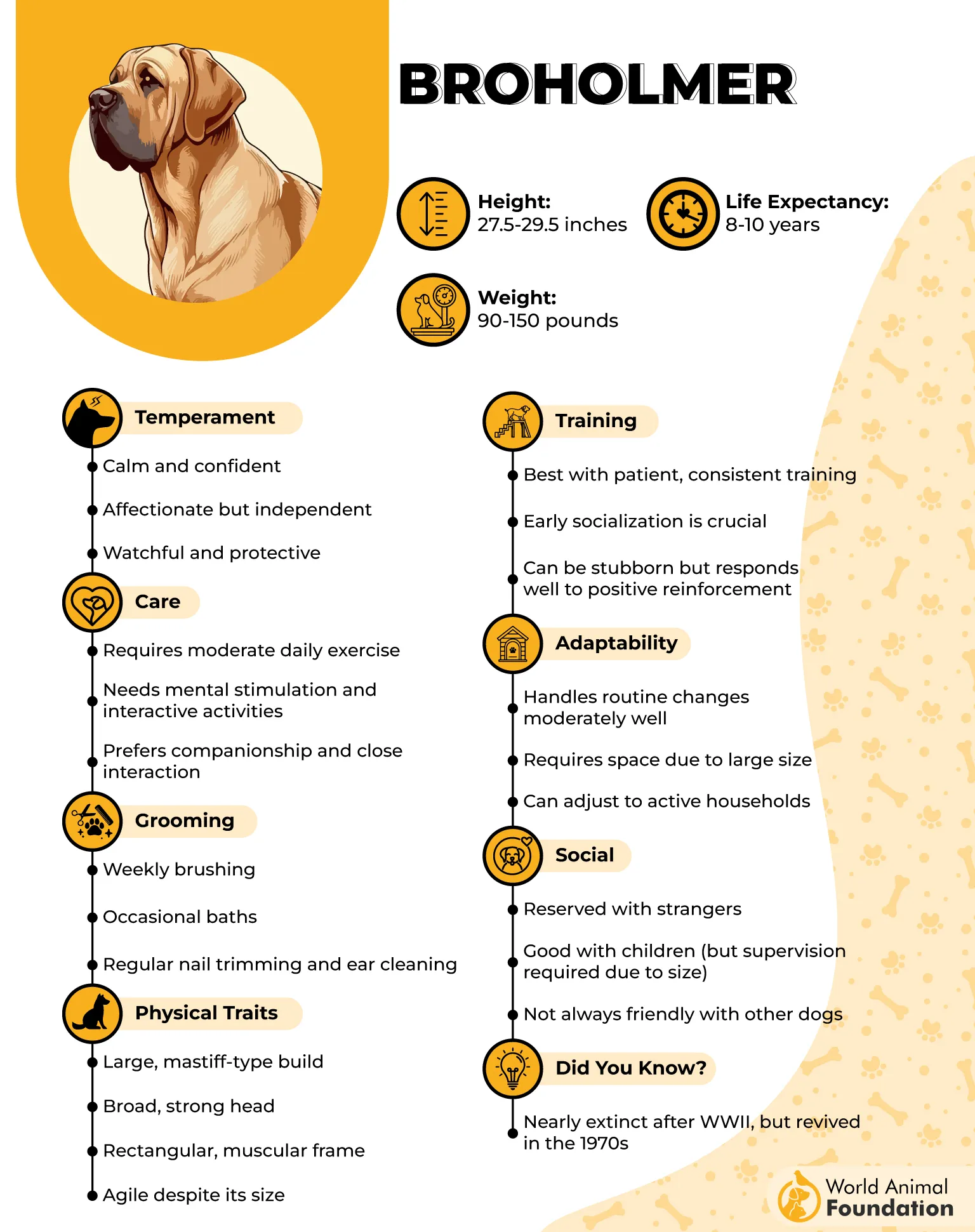
Their ability to recognise friends from potential threats adds to their value as dependable watchdogs, while their loud, commanding bark can draw attention when something seems unusual.
Just as importantly, Broholmers are intelligent and easy to train, making them a choice even for first-time owners.
Their calm nature also allows them to relax and enjoy family life rather than constantly remaining on edge. For those seeking a large guardian with a steady temperament, loyalty, and protective instincts, the Broholmer offers a reassuring balance of strength and gentleness.
Conclusion
A dependable protective dog breed does not have to be aggressive or intimidating to keep a household safe. The breeds featured in this article demonstrate how loyalty, calmness, courage, and protective instincts can come together in a devoted family companion.
From the gentle Newfoundland and affectionate Saint Bernard to the watchful Tibetan Mastiff and powerful Broholmer, each has distinctive qualities that may suit different homes and lifestyles.
Their imposing size, alert nature, or deep bond with their families can make them reassuring guardians, while their gentle temperaments help them remain loving companions. However, choosing the right dog involves more than appearance or guarding ability.
Early training, socialisation, daily exercise, mental stimulation, sufficient space, and consistent care all play an important role in helping a dog become a well-mannered member of the household.
By understanding each breed’s temperament and needs, prospective owners can find a companion that offers both a sense of security and the warmth of a loyal family friend.
