




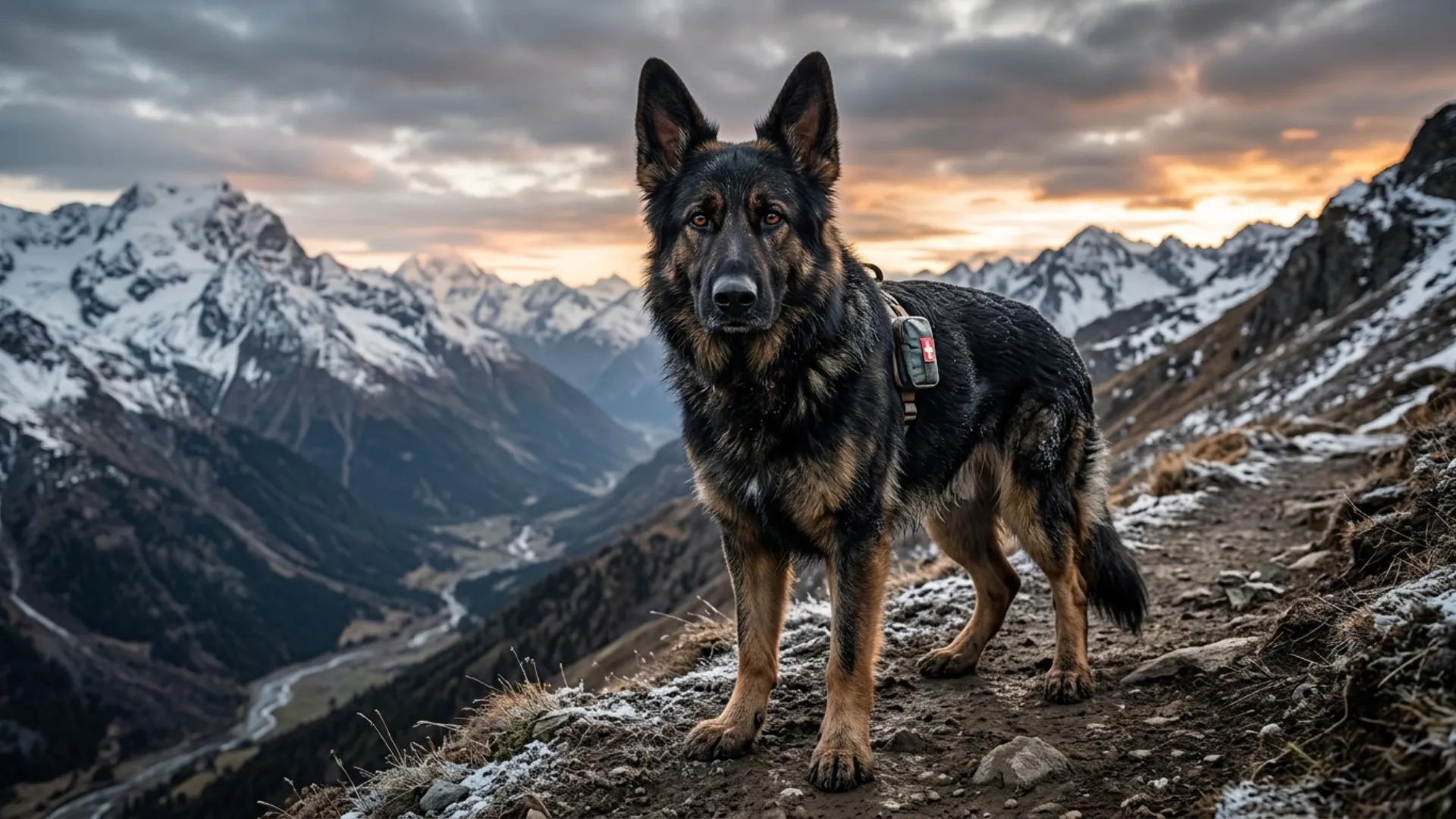
Picture a trail disappearing into rugged wilderness, temperatures shifting without warning, and every step demanding resilience. While most dogs are happiest with familiar comforts, certain breeds possess physical abilities and instincts shaped by generations of demanding work in challenging environments.
Survival-oriented dogs can bring more than stamina to difficult conditions. Their endurance, intelligence, alertness, and adaptability may help them navigate demanding terrain, withstand harsh weather, detect potential threats, and stay focused when circumstances become unpredictable.
From remote landscapes to grueling outdoor challenges, these remarkable breeds demonstrate what canine resilience can look like when nature puts their abilities to the test.
FACT: Many working breeds developed their endurance and resilience through generations of selective breeding for demanding jobs in challenging environments.
Top Dog Breeds That Excel at Extreme Survival Challenges
1. Siberian Husky
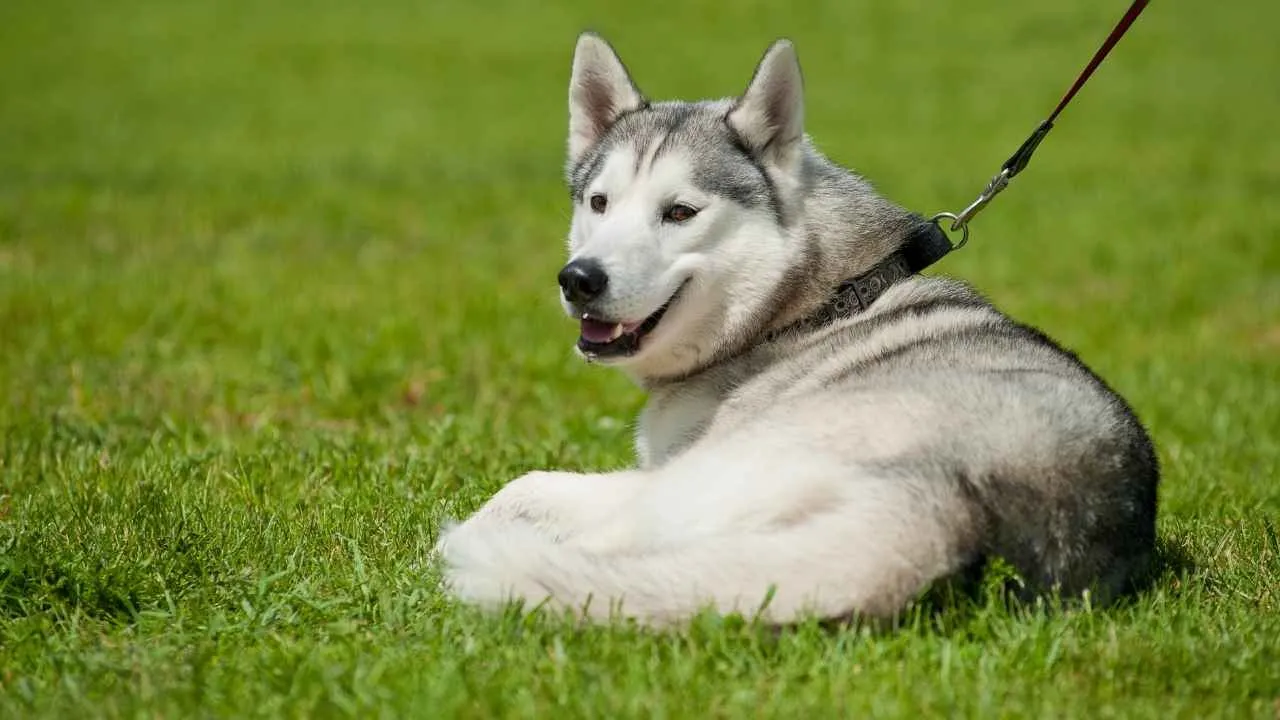
The Siberian Husky was built for survival in some of the world’s harshest environments. Developed by the Chukchi people to pull sleds across frozen landscapes, it combines remarkable stamina with an instinctive ability to handle demanding terrain.
Its dense double coat provides insulation against bitter cold, allowing this breed to remain active when temperatures plunge. Few dogs are as naturally suited to snowy wilderness, where endurance and resilience are essential for getting through long, difficult journeys.
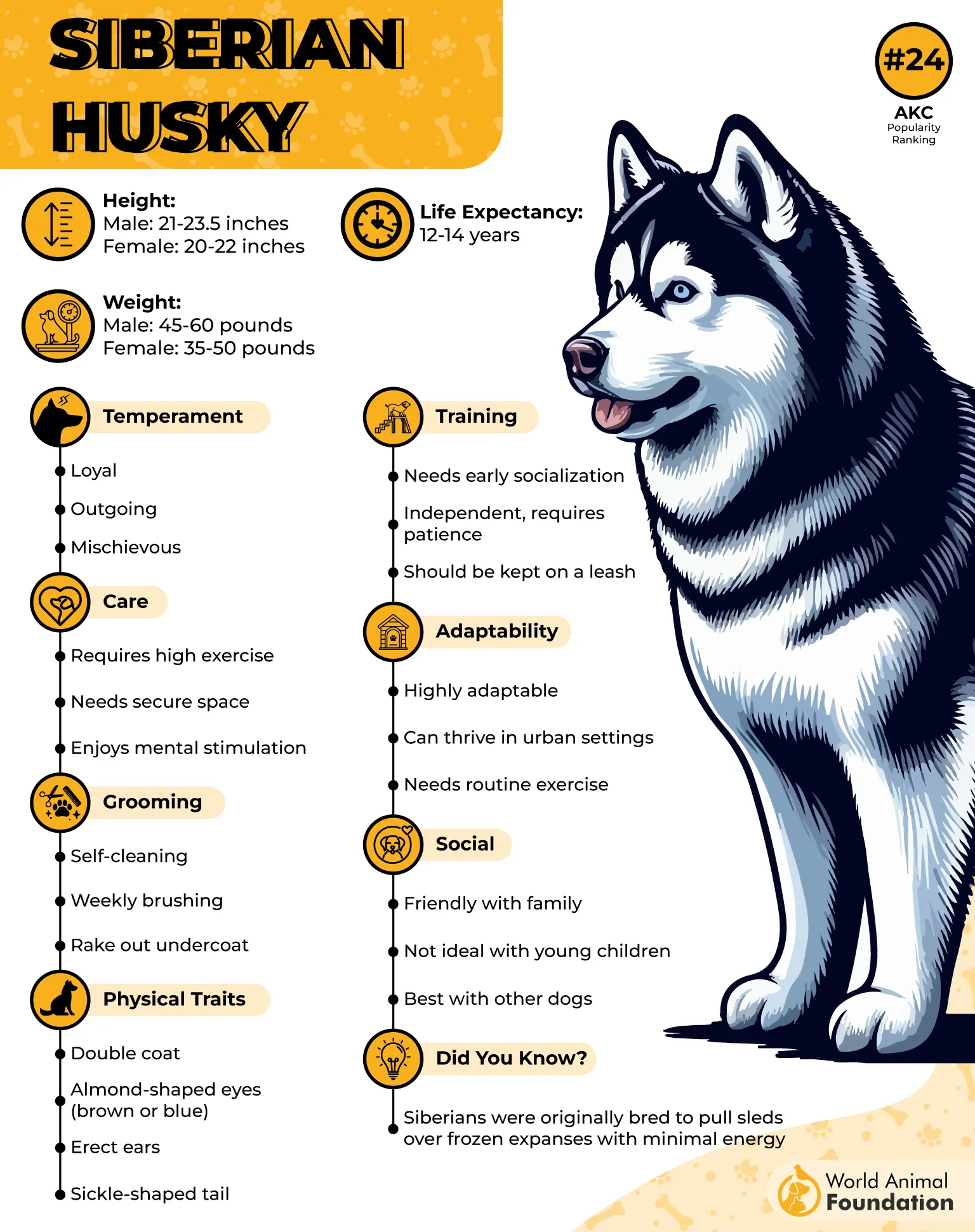
Huskies are also exceptional team players, working alongside other breeds to maintain steady movement across challenging routes. Their strength is matched by impressive speed, helping them cover considerable distances without quickly tiring.
Independent thinking further enhances their survival abilities. A Husky can assess its surroundings and navigate difficult conditions with confidence, although that self-reliance can make training more challenging for inexperienced owners. According to PetMD, Siberian Huskies can make good family dogs.
2. Border Collie
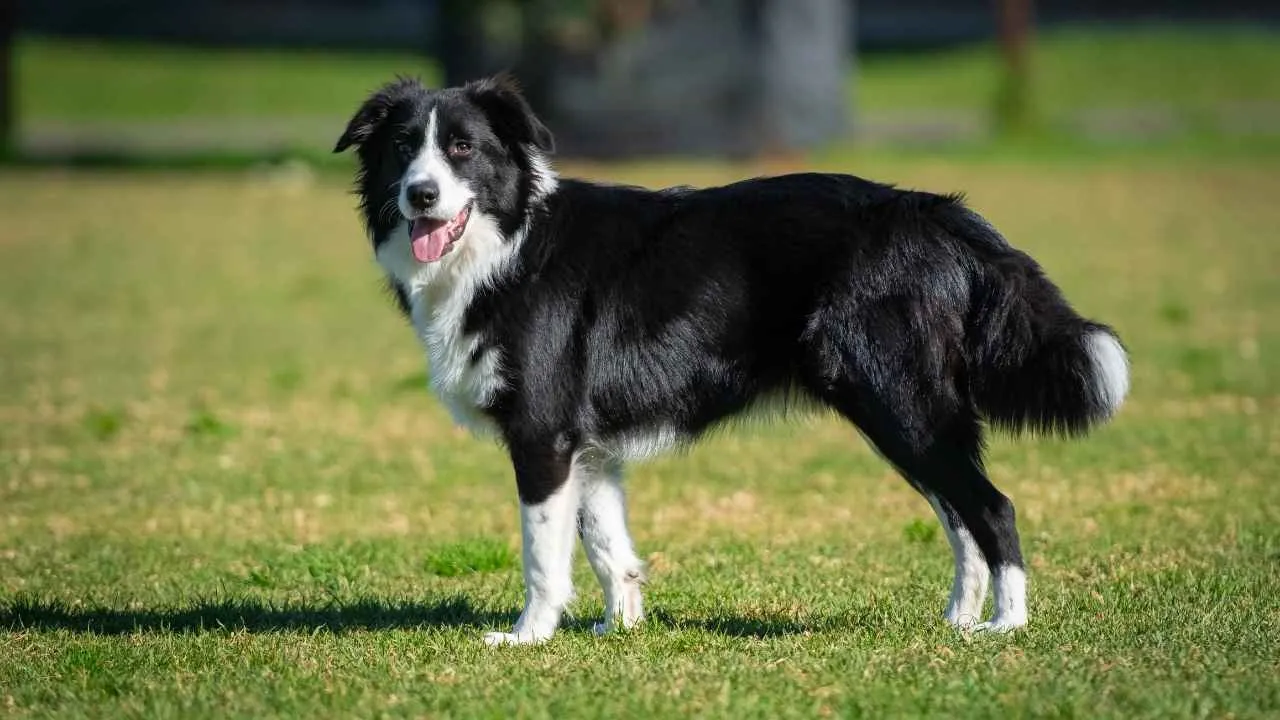
Border Collies are remarkably capable when survival depends on quick thinking and physical agility. Their exceptional intelligence allows them to learn commands rapidly and adjust their behavior when circumstances change.
Built for demanding herding work, they possess impressive stamina and can remain active through challenging outdoor conditions. Their speed and endurance help them navigate rugged terrain without easily tiring.
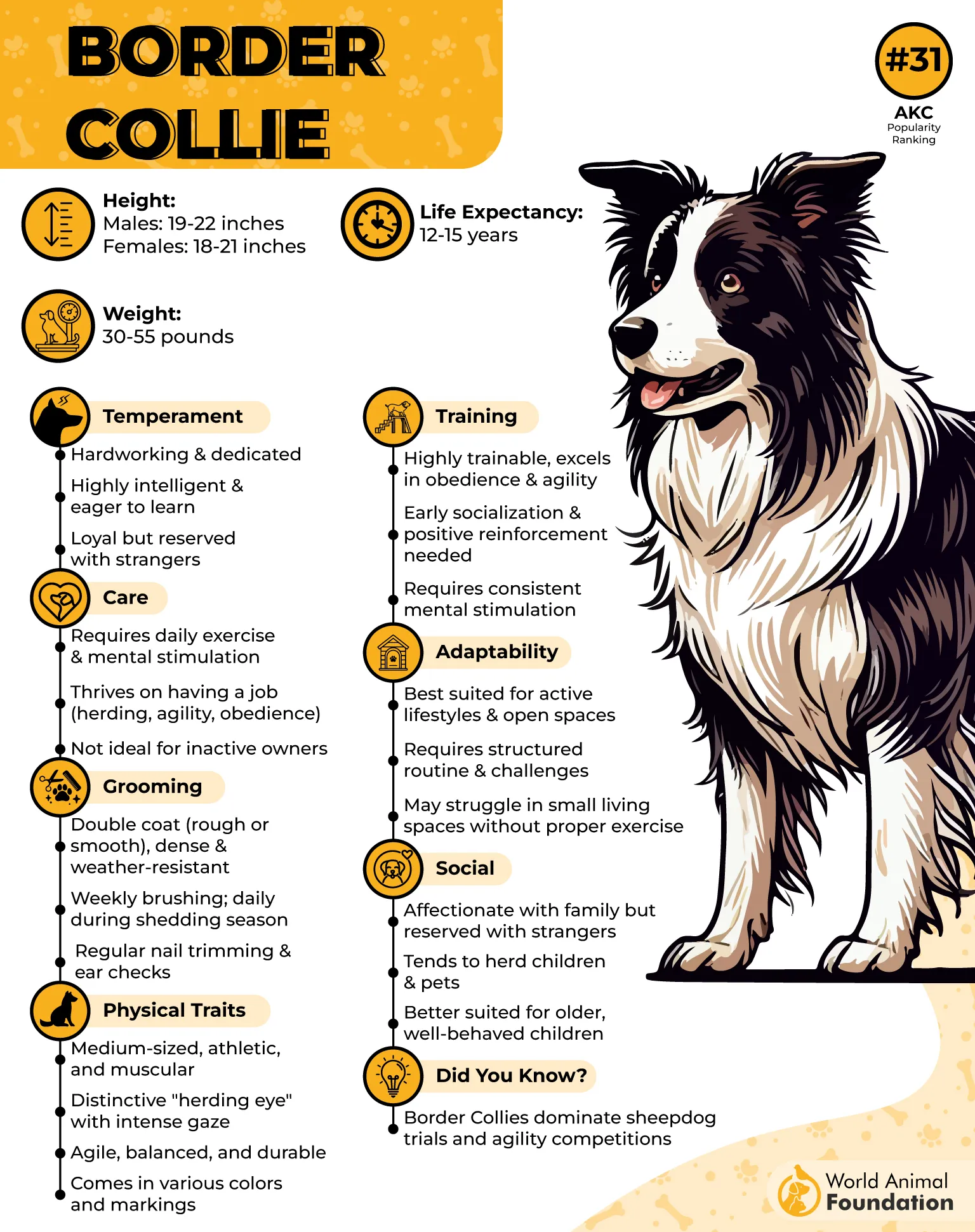
What truly sets them apart is their ability to assess unfamiliar situations and react accordingly. Rather than relying solely on instinct, they can use their problem-solving skills to work through obstacles and find practical solutions.
These herding dogs’ instincts can also help keep a group organized, while their responsiveness makes them highly trainable for various wilderness tasks. With appropriate preparation, a Border Collie can tackle demanding environments with remarkable adaptability.
3. Vizsla

Built for demanding fieldwork, the Vizsla is an energetic canine sport breed that thrives when the trail gets challenging. Its speed, stamina, and enthusiasm make it well-suited to long outdoor adventures and physically demanding tasks.
This tireless companion dog stays closely connected to its handler, rarely wanting to venture far ahead. That strong partnership can be valuable during survival challenges, where responsiveness and cooperation matter in unfamiliar surroundings.
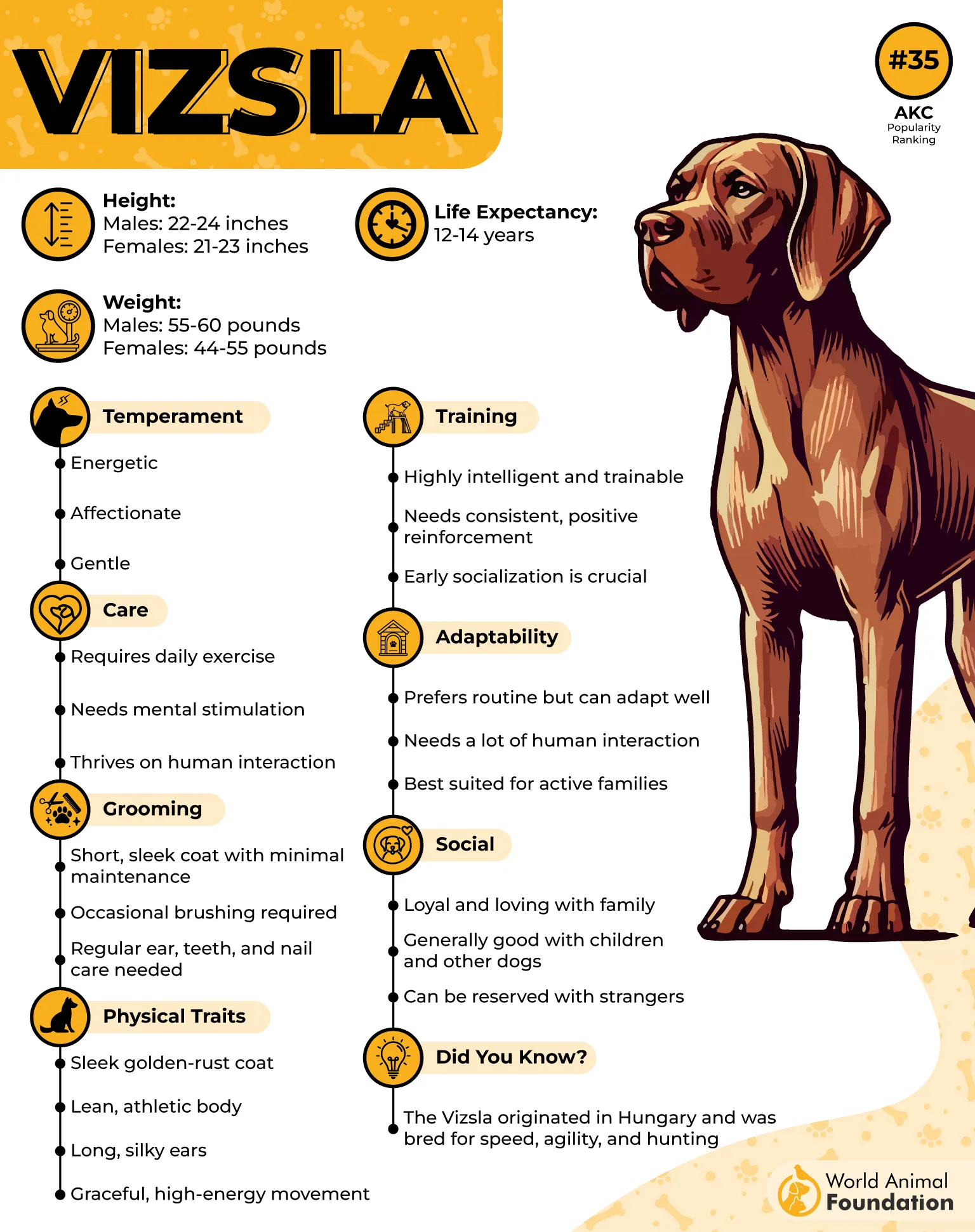
The Vizsla’s intelligence also supports its performance in tracking, scent work, and search-and-rescue activities. It learns quickly and responds well to positive, consistent training that keeps its sharp mind engaged.
With its athletic build and seemingly endless drive, this breed can handle active days filled with running, hiking, tracking, and exploration. Regular mental challenges alongside physical exercise help channel its remarkable working energy.
4. Alaskan Malamute
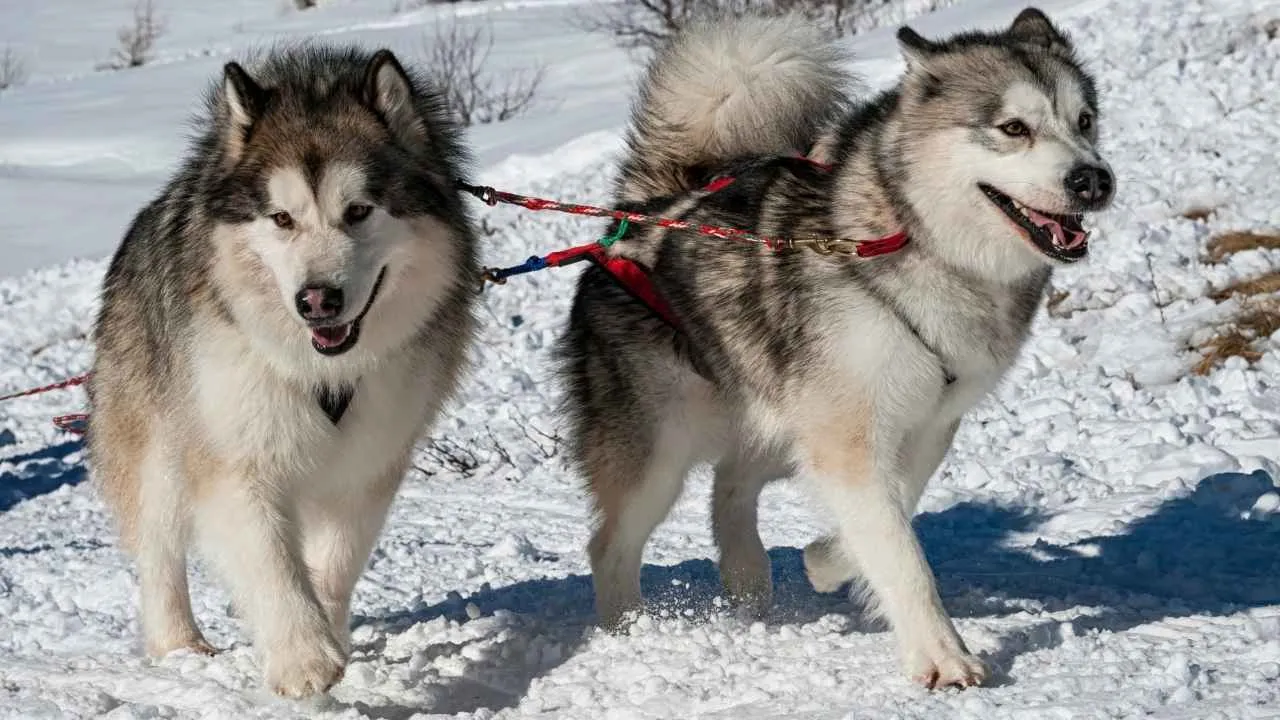
The Alaskan Malamute was engineered for survival in brutal Arctic conditions, with immense strength and stamina suited to hauling heavy loads across snow-covered terrain. Its powerful frame and deep chest support demanding work for long periods.
A dense, weather-resistant double coat shields this breed from frigid temperatures, while sturdy paws help it navigate difficult, uneven ground. Few conditions are too harsh for a dog developed for life in the wilderness.
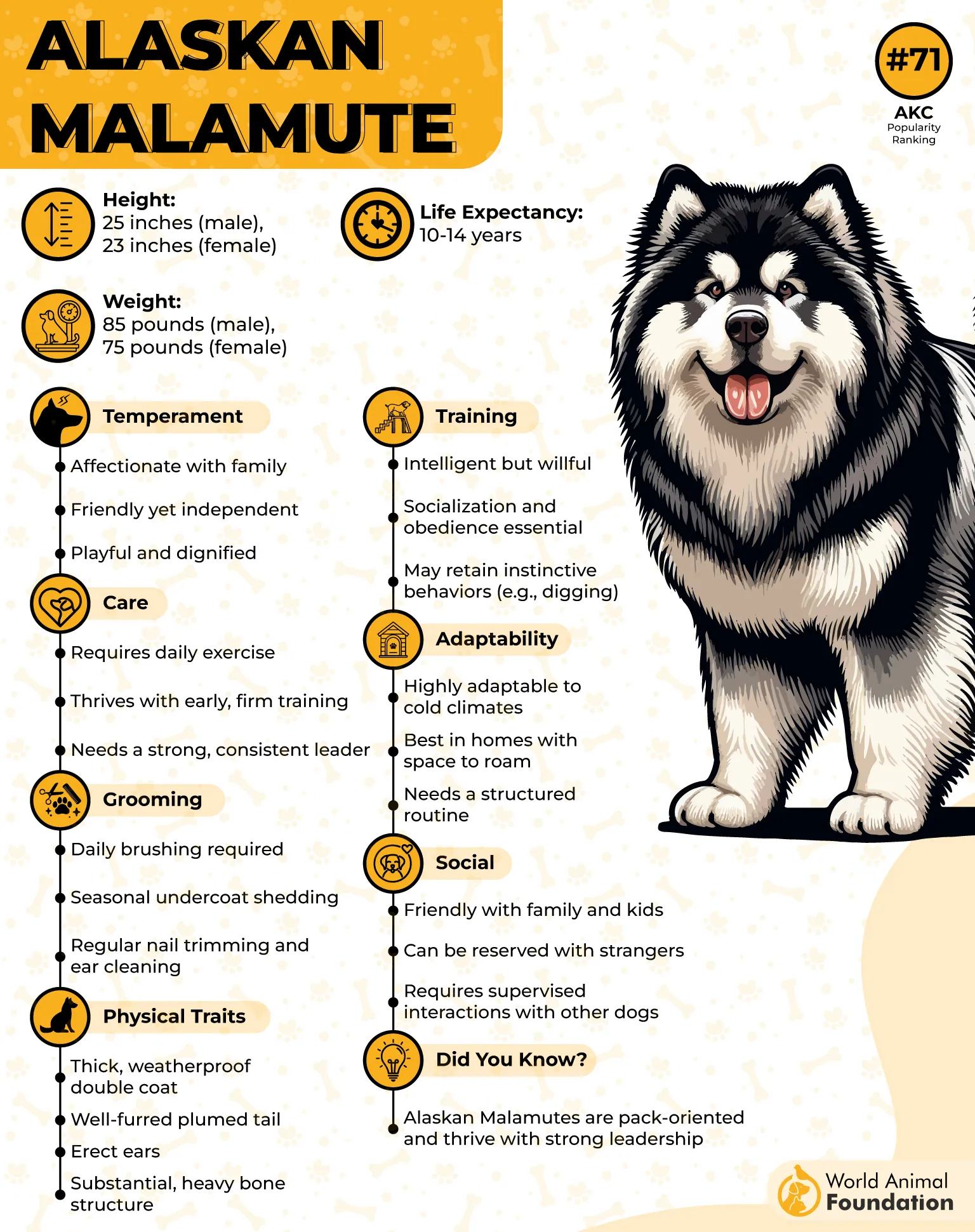
Malamutes are more than strong sled dogs; they are persistent workers with impressive endurance. Their pack-oriented nature allows them to cooperate effectively, while their intelligence and independence help them handle challenging environments.
Their heritage also includes hunting Arctic wildlife, giving them a strong prey drive and determined instincts. For outdoor adventures in severe winter conditions, this rugged breed has the physical resilience needed to keep moving when the environment becomes unforgiving.
5. Weimaraner
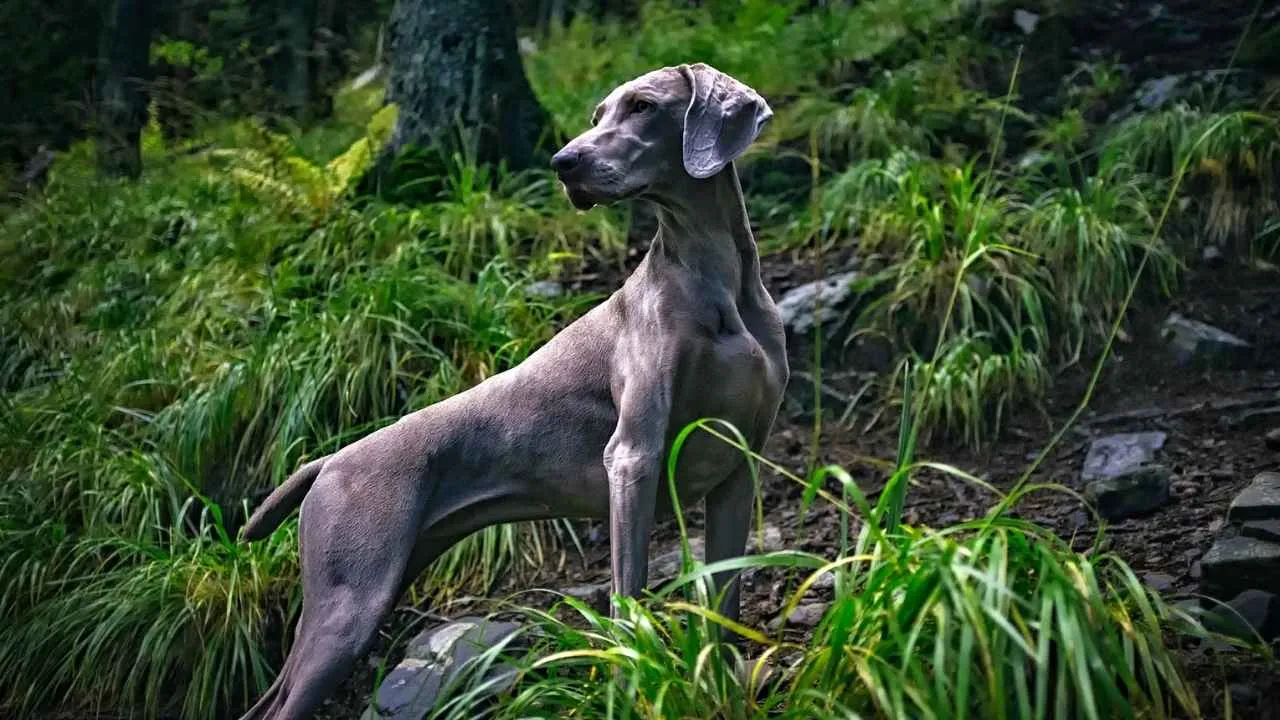
The Weimaraner is built for demanding outdoor pursuits, combining speed, stamina, and athleticism in one sleek package. Originally bred for hunting, this energetic dog is comfortable covering rugged terrain and chasing challenging trails.
Few activities are too strenuous for this canine athlete. Hiking, swimming, running, and extended games provide excellent outlets for its seemingly endless energy, while enclosed outdoor spaces allow it to stretch its legs safely.
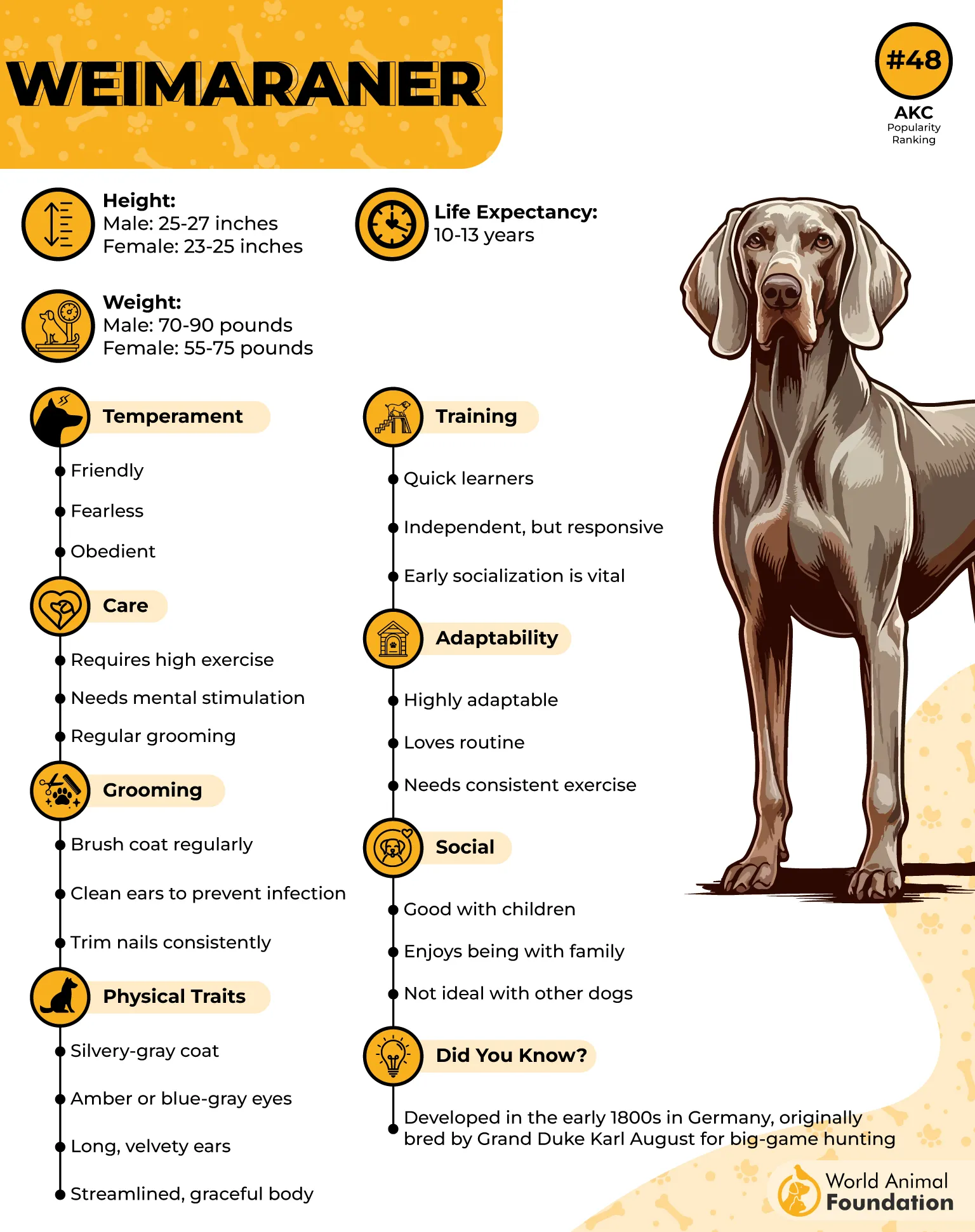
Its intelligence adds another advantage in unpredictable environments. This hunting dog can learn quickly, respond well to positive training, and enjoy activities that challenge both their bodies and minds, including agility trials and other dog sports.
Social and adventurous, they prefer being involved rather than left behind. With proper training and early socialization, a Weimaraner can accompany an active owner through camping trips, wilderness adventures, and other demanding outdoor experiences. According to Orvis, Weimaraners have historically been used as guard dogs to protect homes.
6. Labrador Retriever
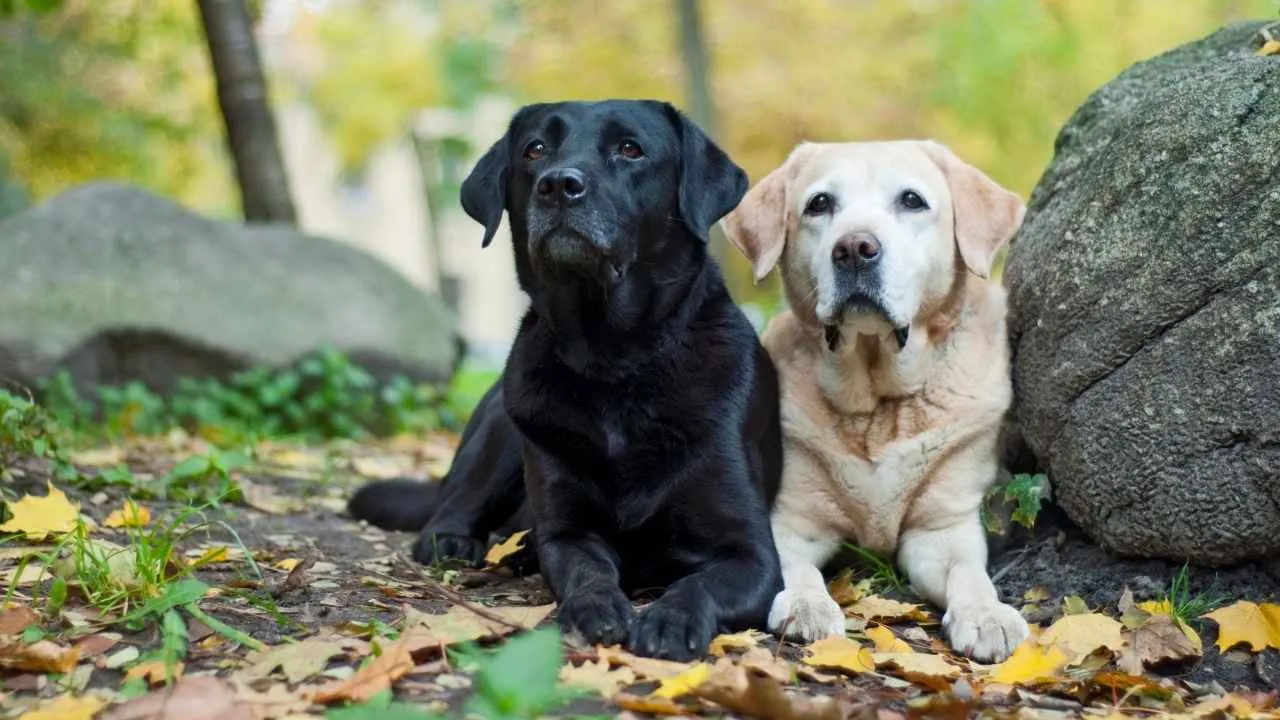
The Labrador Retriever is a remarkably adaptable working dog, originally bred to assist fishermen and hunters. Its athletic build, endurance, and dependable retrieving instincts help it remain useful across demanding environments.
Water is where this breed truly shines. Labs are powerful swimmers and can navigate aquatic conditions with confidence, while their keen sense of smell supports tracking and finding objects or people when visibility is limited.
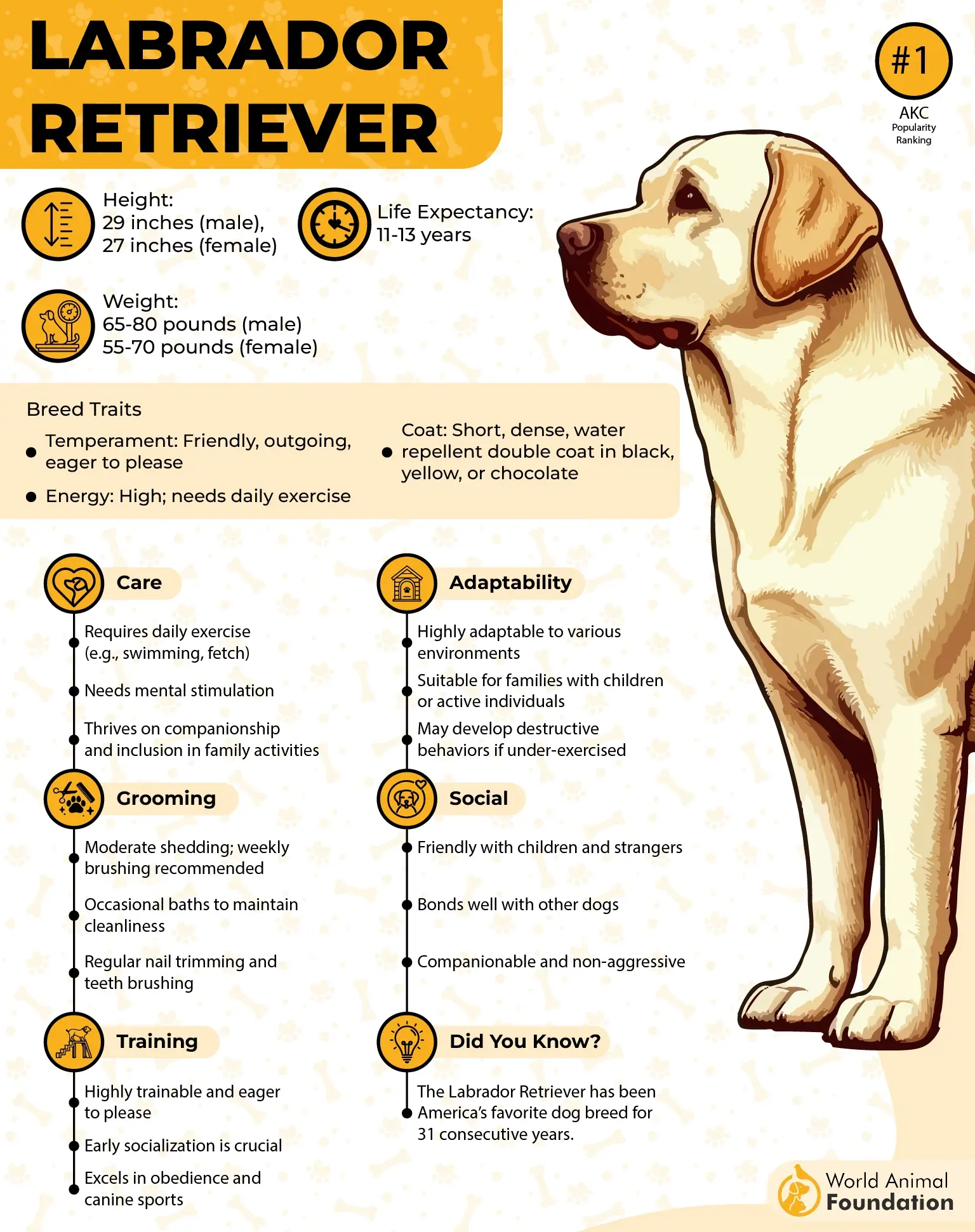
Their intelligence and eagerness to learn allow them to adjust quickly when circumstances change. Whether searching for food, retrieving supplies, or following new commands, they can turn familiar skills toward unfamiliar challenges.
Beyond physical activities, Labs offer steady companionship during difficult situations. Their loyalty and cooperative nature make them willing partners, while their hunting instincts and stamina give them practical value when survival demands more than protection.
7. German Shepherd
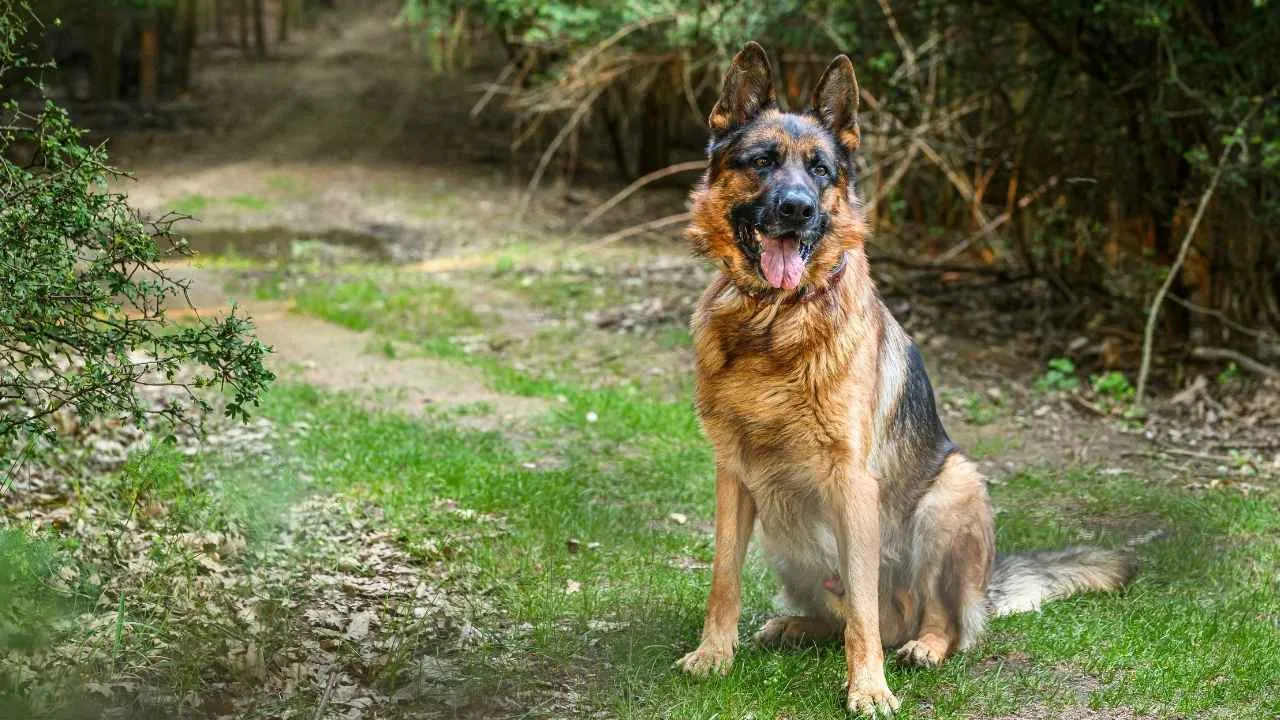
The German Shepherd is built for demanding environments, combining strength, stamina, and sharp intelligence in one highly adaptable working dog. Its versatility allows it to handle various tasks ranging from tracking and protection to search and rescue. According to Britannica, German Shepherds are widely used for police work and military work.
A powerful sense of smell helps this breed locate people and follow trails across challenging terrain. Its athletic build and endurance also allow it to navigate forests, rough ground, and open landscapes when conditions become difficult.
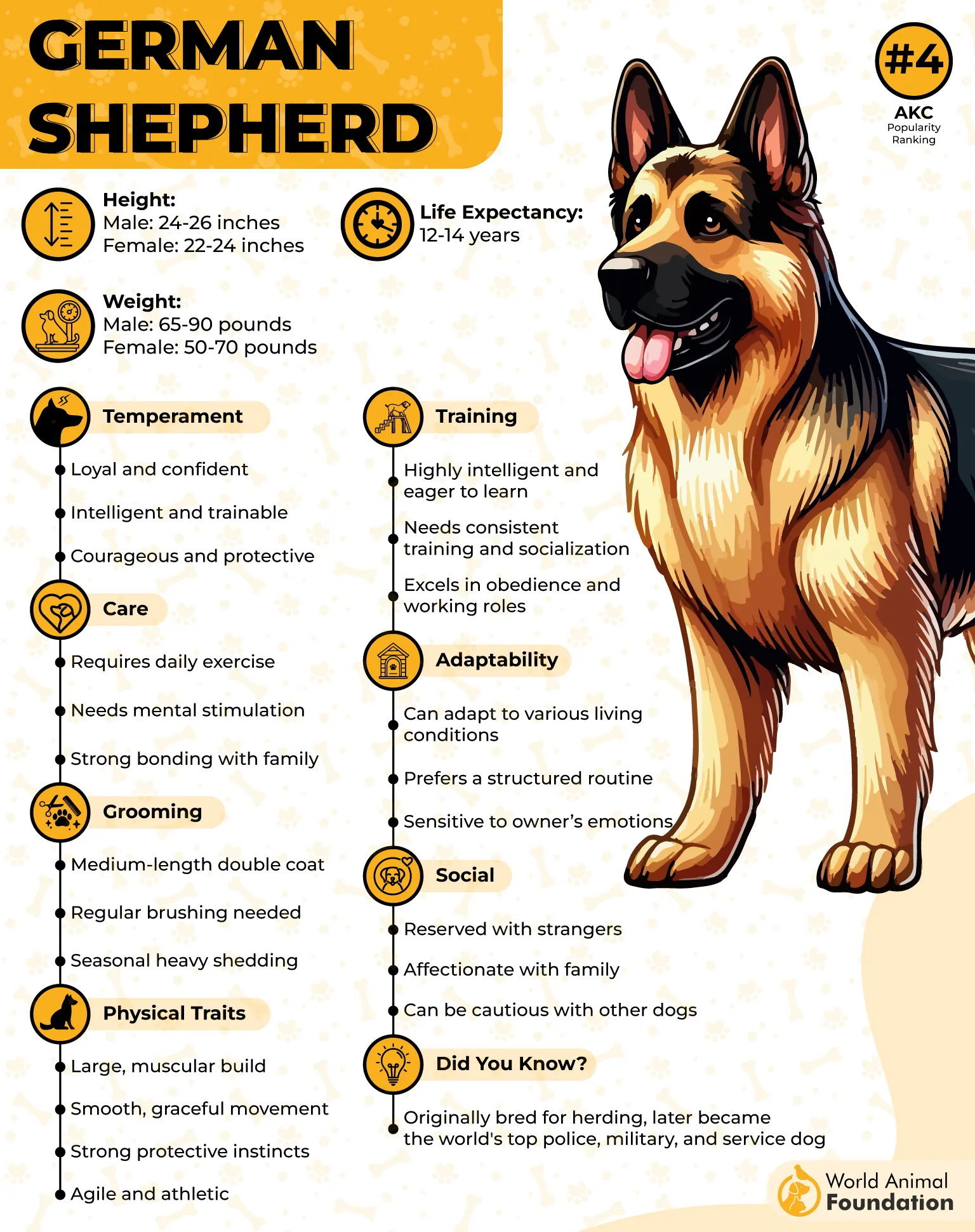
Its thick double coat provides protection in changing weather, while its alert nature helps it detect potential threats quickly. Strong loyalty keeps the German Shepherd closely connected to its handler, even during stressful situations.
What truly sets this breed apart is its ability to learn specialized tasks and switch between roles. Early training can prepare it for complex challenges where coordination, discipline, and reliable judgment are essential.
Conclusion
Extreme survival demands more than physical strength. The dogs featured in this article combine endurance, adaptability, intelligence, and instincts that help them cope with challenging environments.
From tracking and protection to herding and navigating difficult terrain, these breeds bring different abilities to demanding situations. Their working backgrounds have shaped their resilience and determination.
Many of these dogs also form strong bonds with their handlers, allowing them to work effectively and cooperatively under pressure. Proper training, exercise, and purposeful activities help them use their natural abilities effectively.
While every breed has distinct strengths, they share an impressive capacity to remain active, alert, and capable when conditions become demanding. Their remarkable traits demonstrate why working dogs can be such valuable companions during challenging adventures.
