




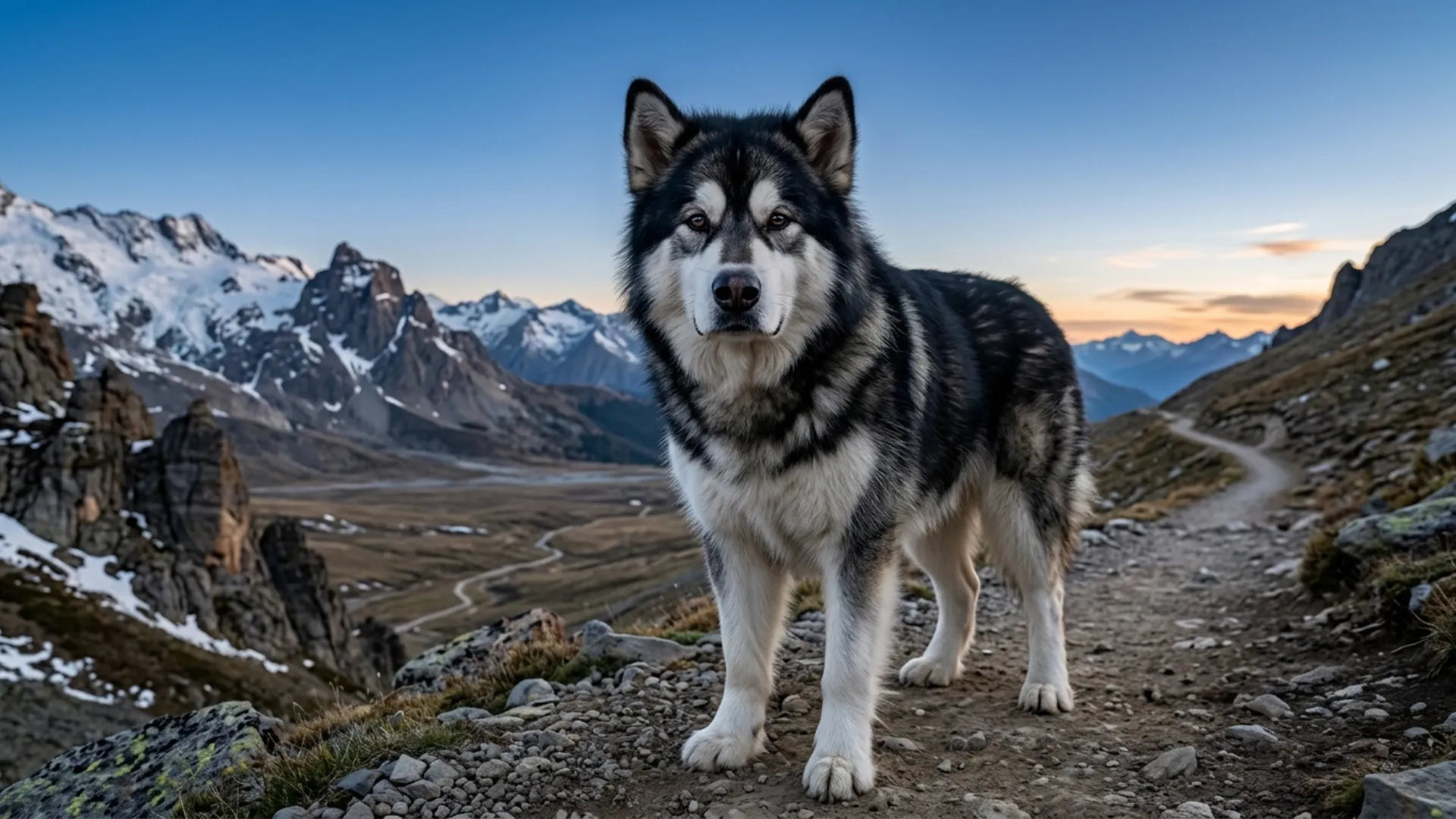
Some giant dog breeds have been shaped by centuries of work that required them to make decisions without constant direction from a person. Rather than waiting for every command, these dogs were often expected to patrol territory, watch livestock, travel across difficult landscapes, or recognize potential threats on their own.
An unusual detail about several breeds on this list is that their ancestors could spend long periods working away from human settlements. Livestock guardians such as the Great Pyrenees, Anatolian Shepherd Dog, and Romanian Carpathian Shepherd were expected to remain with animals and respond to changing circumstances without a handler standing beside them.
Independence, however, should not be confused with a lack of attachment. These dogs can form strong bonds with their families while still preferring to assess situations for themselves. Their substantial size also means that early socialization, responsible handling, appropriate exercise, and consistent boundaries are particularly important for helping them become reliable household companions.
Trustworthy Giant Dog Breeds That Can Stand Alone
1. Great Dane
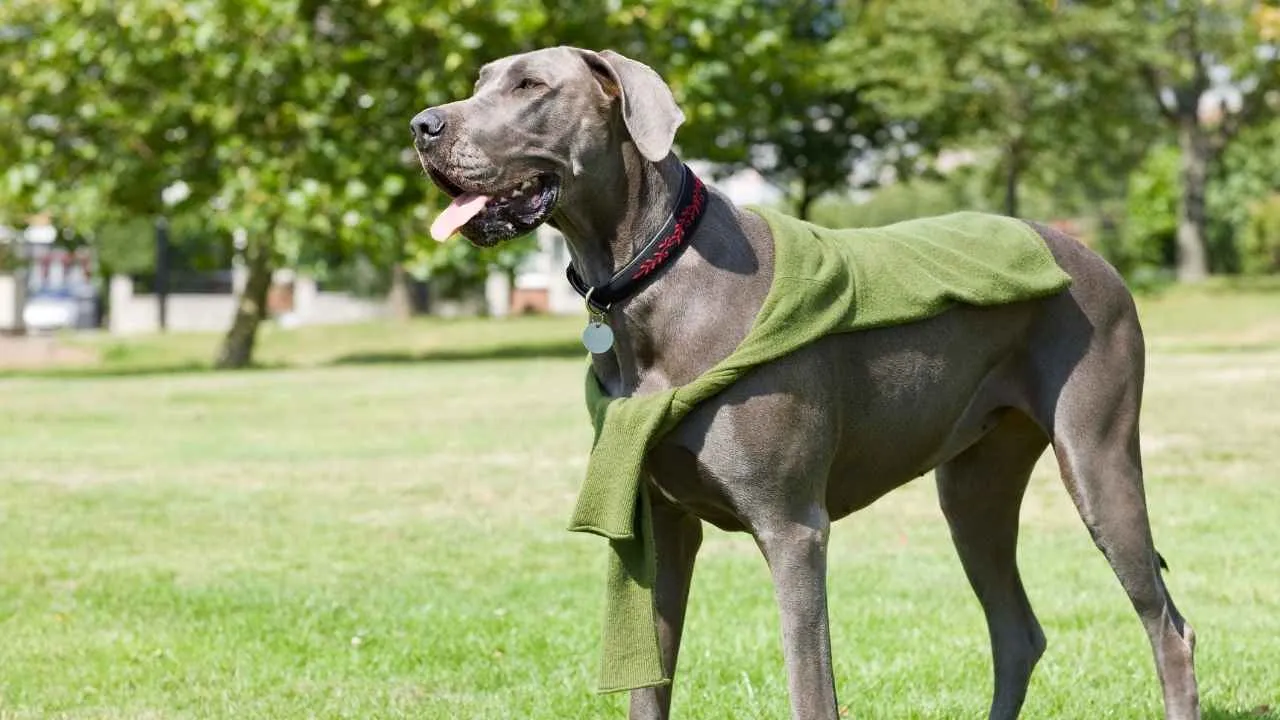
The Great Dane has a complex European history, with ancestors associated with hunting large game such as wild boar, as per WebMD. Despite its modern name, the breed’s development was strongly connected with Germany, where breeders refined its structure and temperament.
Over time, its role shifted from formidable hunting companion to companion and estate dog, while its towering stature became one of its defining characteristics.
A Short Coat With Surprisingly Manageable Upkeep
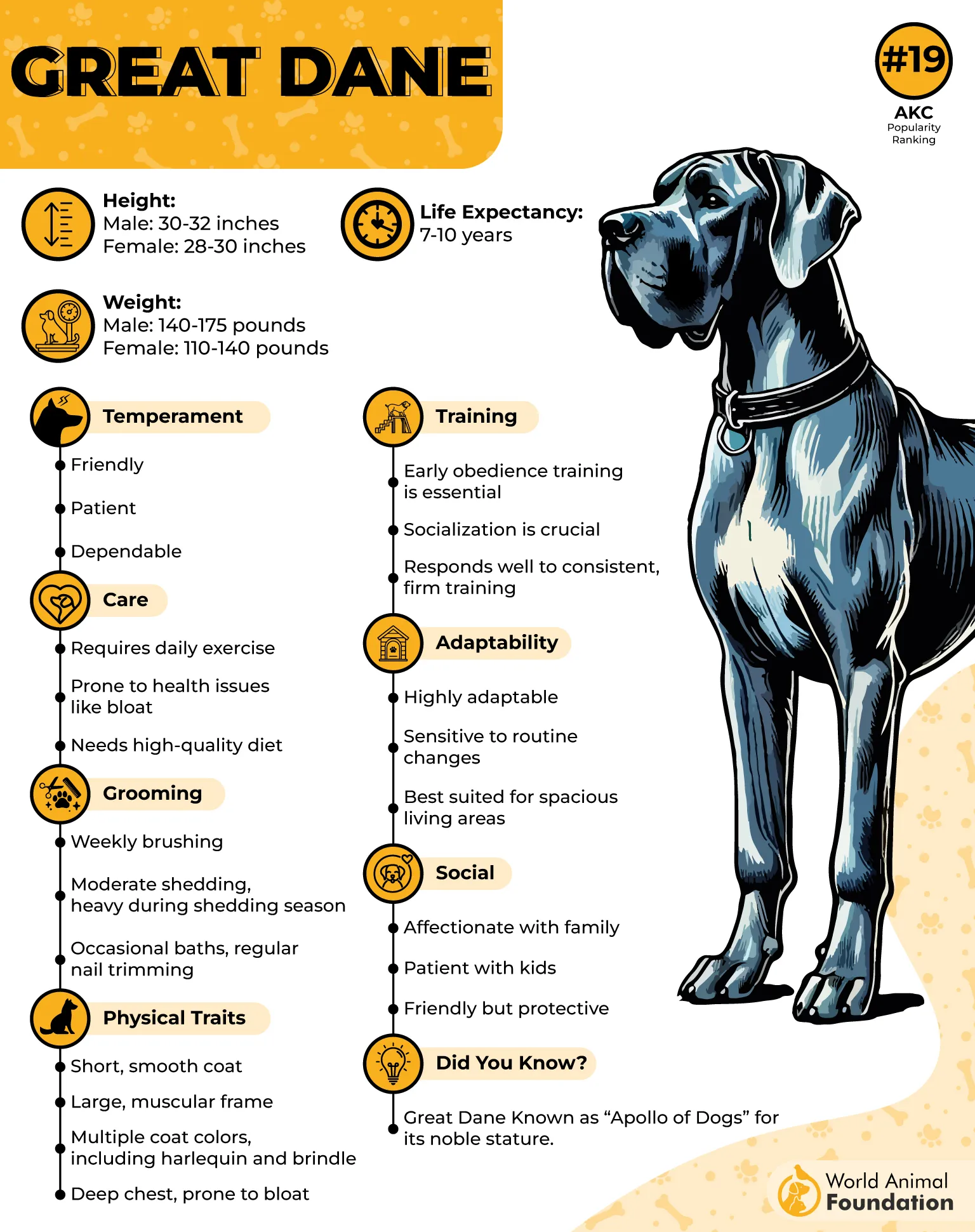
The Great Dane’s short, smooth coat requires relatively little grooming. Weekly brushing can help remove loose hair and keep the coat looking neat, while occasional bathing may be sufficient unless the dog becomes particularly dirty.
Although it is enormous, its exercise needs should be balanced carefully, with moderate walks and controlled activity generally preferable to excessive high-impact exercise, especially during growth.
A Giant That Can Remain Calm and Composed
Great Danes are often known for their imposing appearance without needing to behave aggressively. Their size alone can make them noticeable, while a confident and observant individual may naturally assess unfamiliar situations before reacting.
Calm training and proper socialization are especially valuable because even ordinary behavior from such a large dog can have a significant impact on people around it.
2. Alaskan Malamute
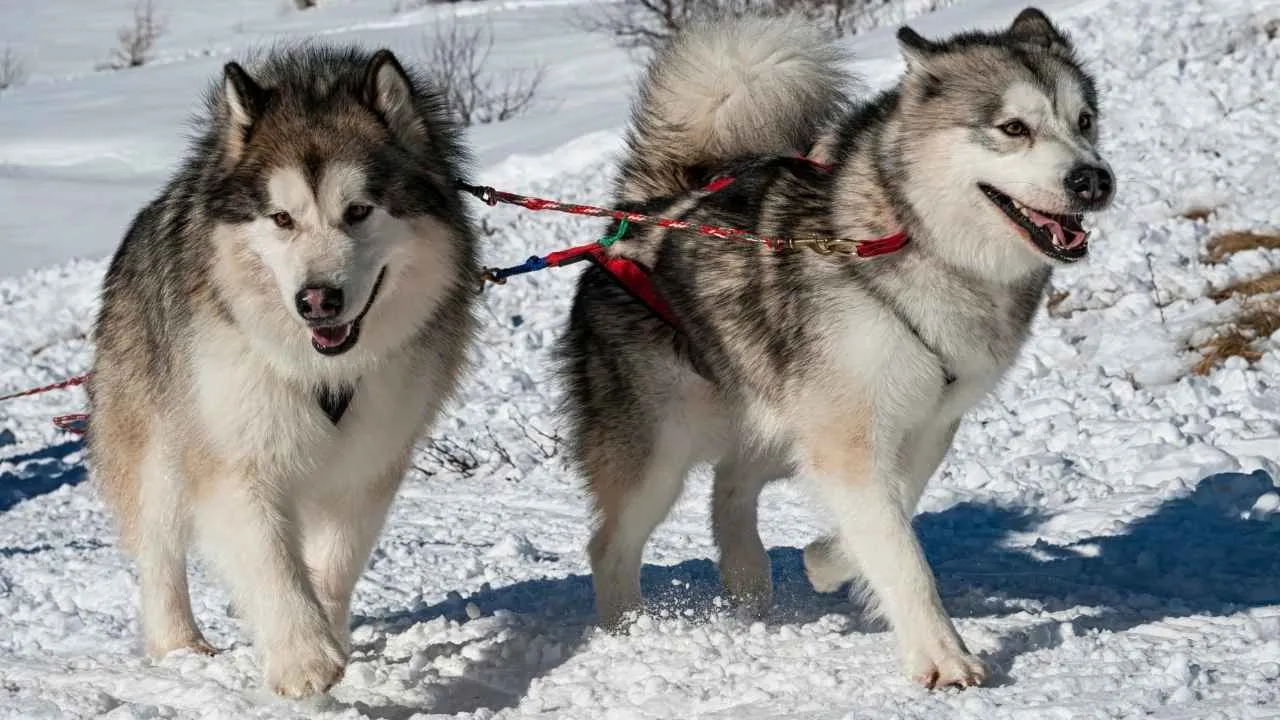
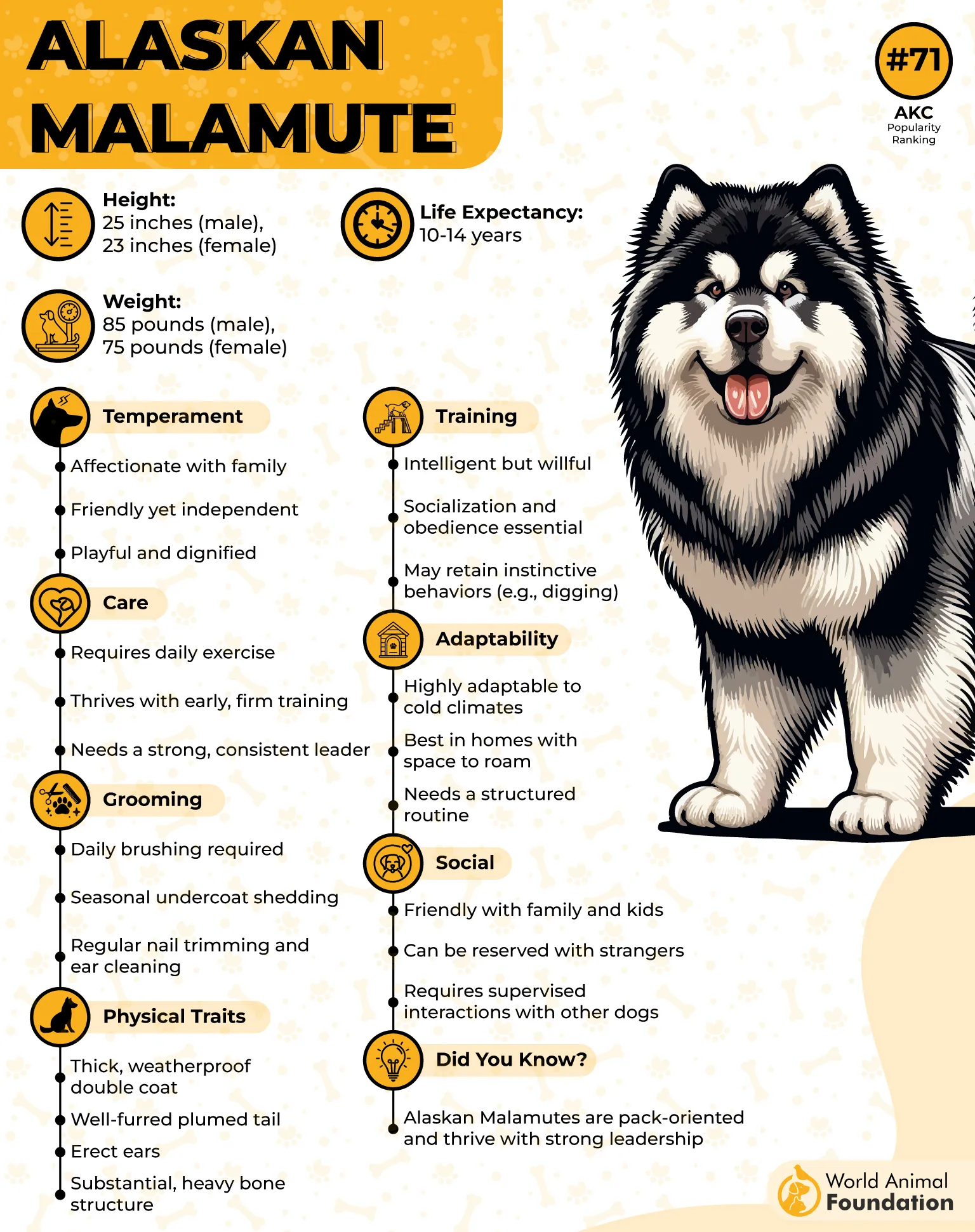
The Alaskan Malamute was developed by the Mahlemut people of Alaska, who relied on these powerful dogs for transporting heavy loads across Arctic terrain.
Unlike dogs bred primarily for speed, Malamutes were selected for strength and endurance. Their close relationship with humans in demanding northern environments helped create a resilient working breed with considerable physical capability.
A Dense Arctic Coat Demands Regular Brushing
The Alaskan Malamute has a thick double coat consisting of a coarse outer layer and dense insulating undercoat. Frequent brushing becomes particularly important during seasonal shedding, when large amounts of undercoat can be released.
This active breed needs substantial exercise, including hiking, long walks, pulling activities, and other forms of structured physical work.
Independent Strength on Difficult Terrain
Malamutes possess a combination of physical power and self-confidence that reflects their sled-pulling heritage. They can be determined and capable of making choices when exploring their surroundings.
Their independent streak makes consistent training important, particularly because a strong dog with a mind of its own needs clear boundaries and dependable handling.
3. Romanian Carpathian Shepherd
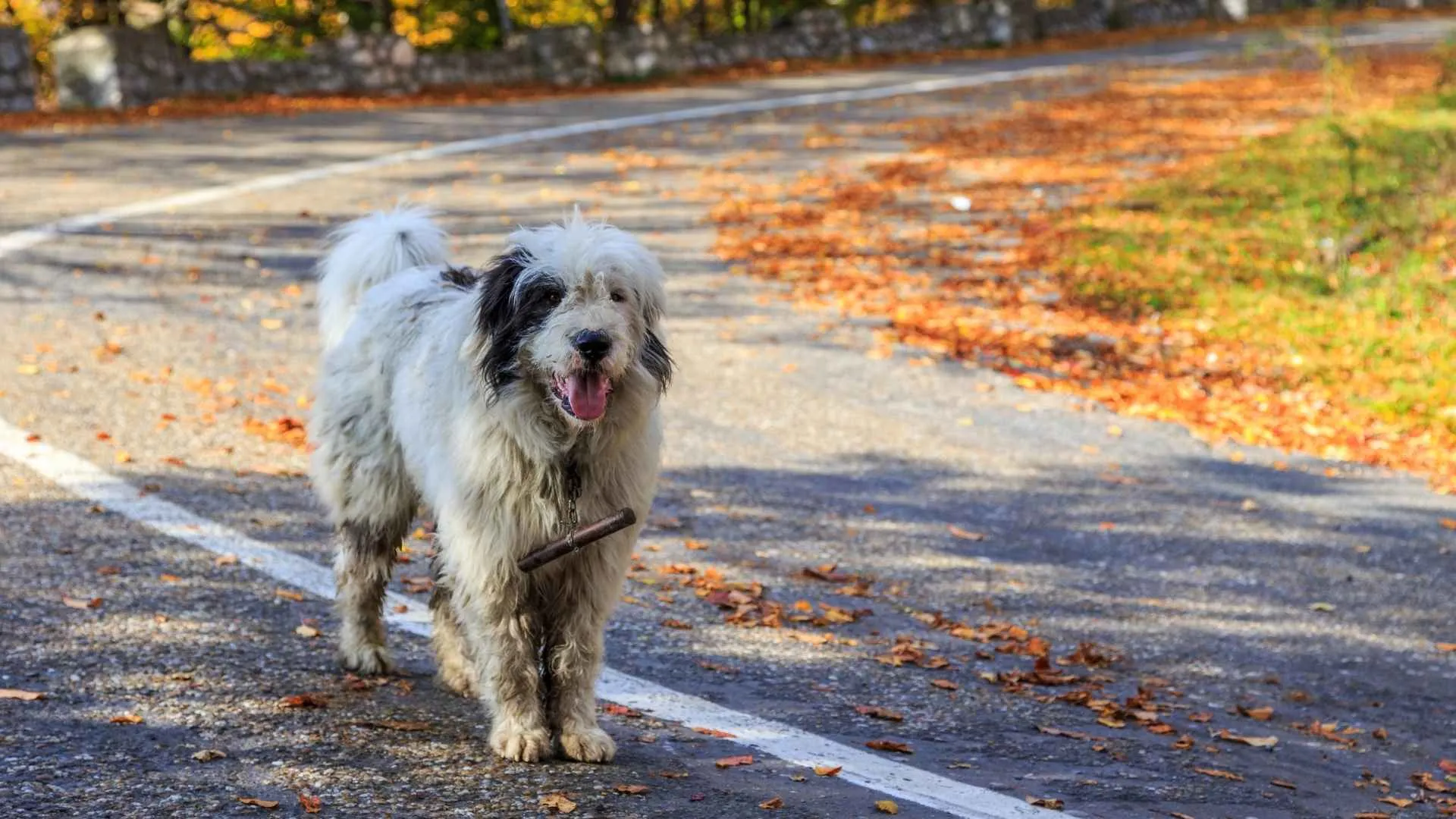
The Romanian Carpathian Shepherd developed in the Carpathian Mountains of Romania, where pastoral communities relied on large guardian dogs to protect sheep and other livestock, as per the AKC.
The breed was shaped by rugged terrain, harsh weather, and the need to respond to predators without constant human direction. Its working environment favored courage, endurance, and a strong territorial awareness.
A Weather-Resistant Coat for Mountain Conditions
The Romanian Carpathian Shepherd has a dense double coat that provides insulation in cold and challenging weather. Regular brushing helps remove loose fur and maintain the coat, with more attention required during shedding seasons.
Its exercise needs are considerable, and long walks, outdoor activity, and opportunities to move across spacious areas are more appropriate than a sedentary routine.
A Guardian Accustomed to Making Decisions
This breed’s traditional livestock-guardian role required it to remain attentive without a person directing every response.
A Carpathian Shepherd may independently assess unfamiliar movement or sounds around its territory. Its natural seriousness makes early socialization and thoughtful training particularly important, especially when introducing it to visitors or unfamiliar environments.
4. Pyrenean Mastiff
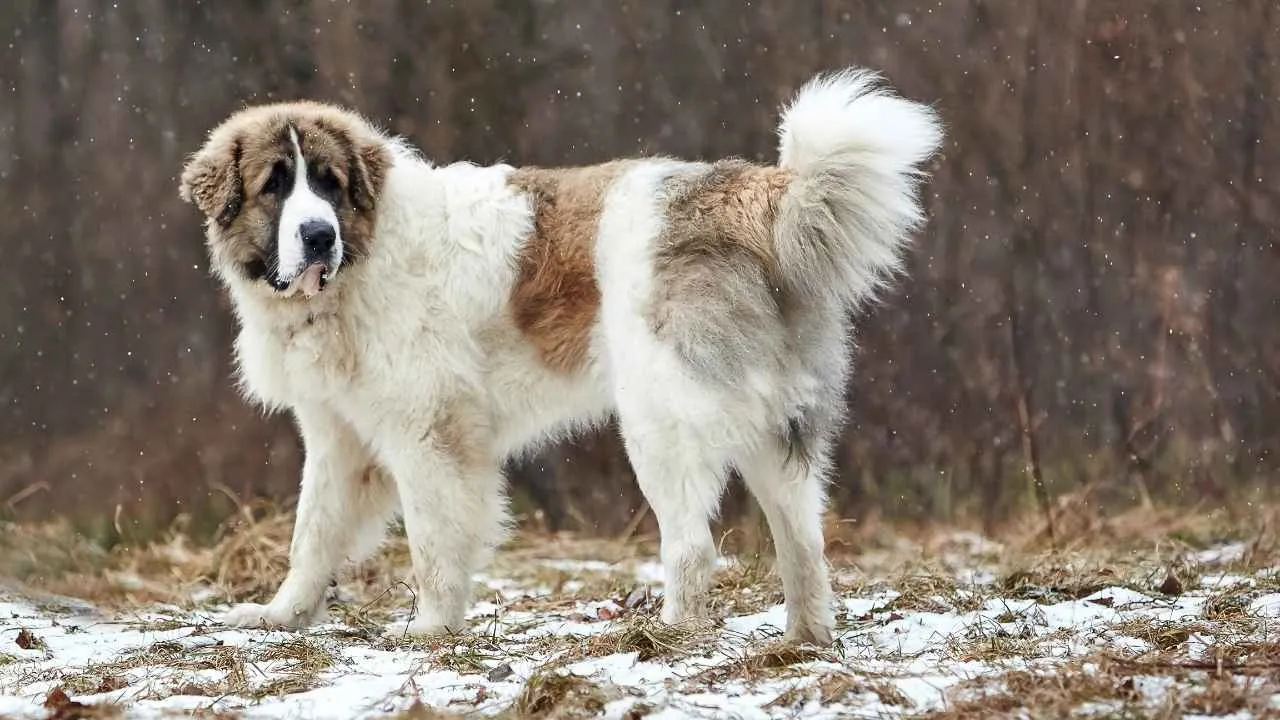
The Pyrenean Mastiff originated in the Spanish Pyrenees, where large livestock-guardian dogs protected flocks from predators. Shepherds valued dogs capable of accompanying animals through mountainous terrain while remaining vigilant over their surroundings.
The breed’s substantial frame, protective instincts, and steady temperament developed in response to this demanding pastoral role.
A Thick Coat That Benefits From Routine Grooming
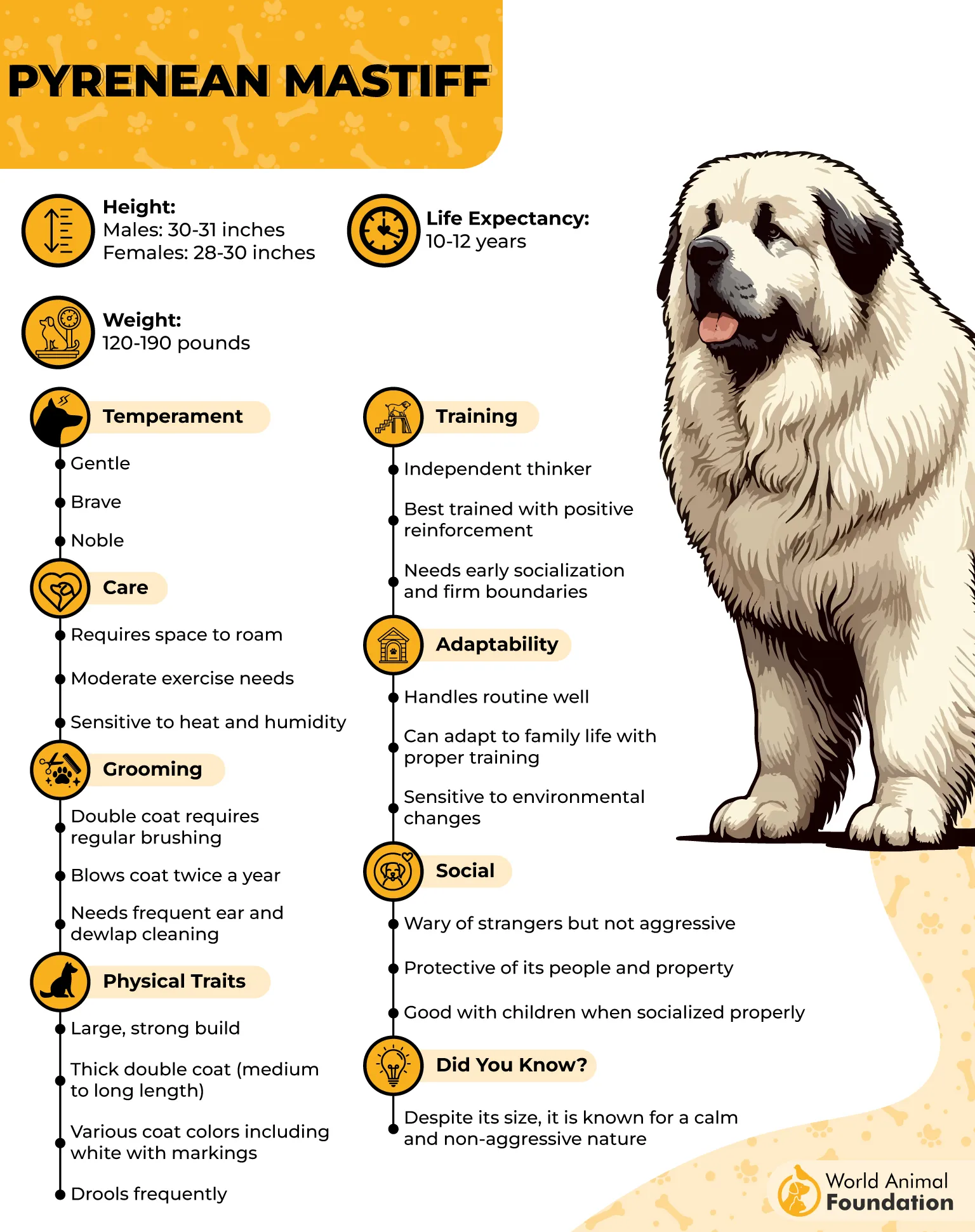
The Pyrenean Mastiff has a long, dense coat that requires regular brushing to remove loose hair and prevent tangles. Extra attention may be necessary around feathered areas where debris can accumulate after outdoor activity.
Its exercise requirements are moderate for a giant breed, with regular walks and controlled outdoor exploration preferable to excessive strenuous activity.
A Patient Guardian With a Strong Sense of Territory
The breed’s traditional job involved watching livestock rather than constantly interacting with a handler. This background contributed to a dog capable of observing its surroundings and responding when it perceived a genuine concern.
Its large size and protective instincts make thoughtful socialization essential so that its natural vigilance remains manageable around everyday visitors and activity.
5. Akita
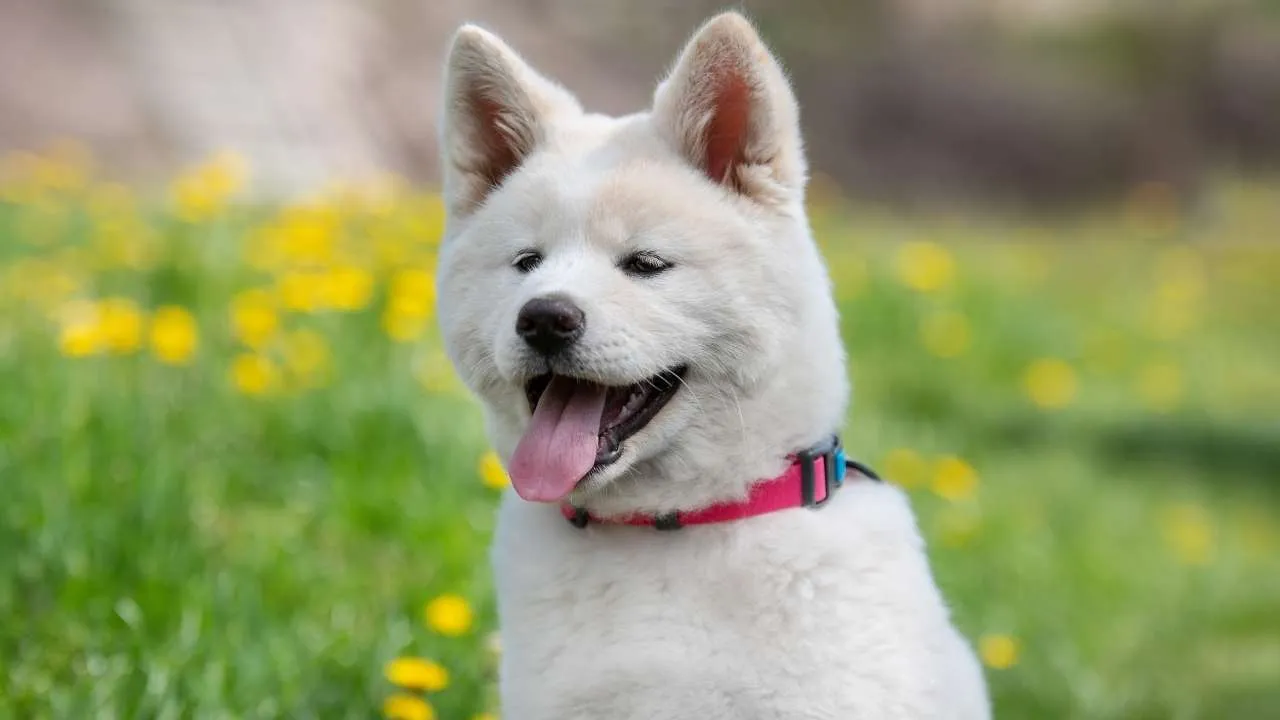
The Akita originated in northern Japan, particularly in the mountainous Akita Prefecture. Earlier Japanese dogs were used for hunting large game, including bears, and the breed later became associated with guarding and companionship.
Over time, Japanese breeders worked to preserve its distinctive structure and character, establishing the Akita as one of Japan’s best-known native breeds.
A Dense Coat With Seasonal Shedding
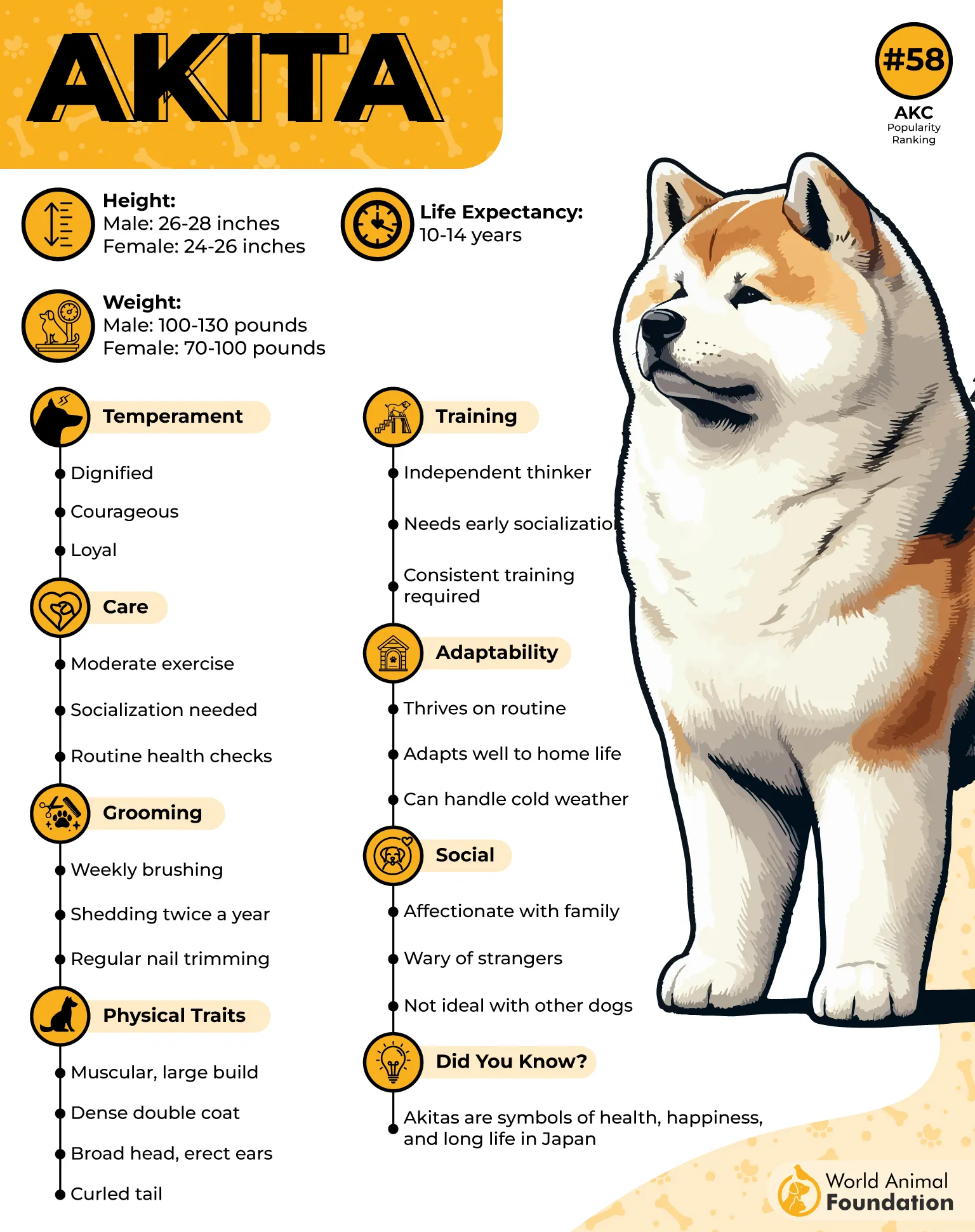
The Akita has a substantial double coat that needs regular brushing, with heavier grooming often required during seasonal coat changes.
Its exercise routine should include daily walks and opportunities for controlled exploration rather than repetitive high-impact activity. Mental engagement through obedience work and structured games can also help keep this intelligent breed occupied.
Quiet Confidence With an Independent Streak
Akitas are often reserved around unfamiliar people and can possess a strong sense of personal space. Their history as hunting and guarding dogs contributed to a self-contained temperament that does not necessarily depend on constant human direction.
Early socialization and experienced handling can help an Akita develop appropriate responses to people, animals, and changing surroundings.
6. Great Pyrenees
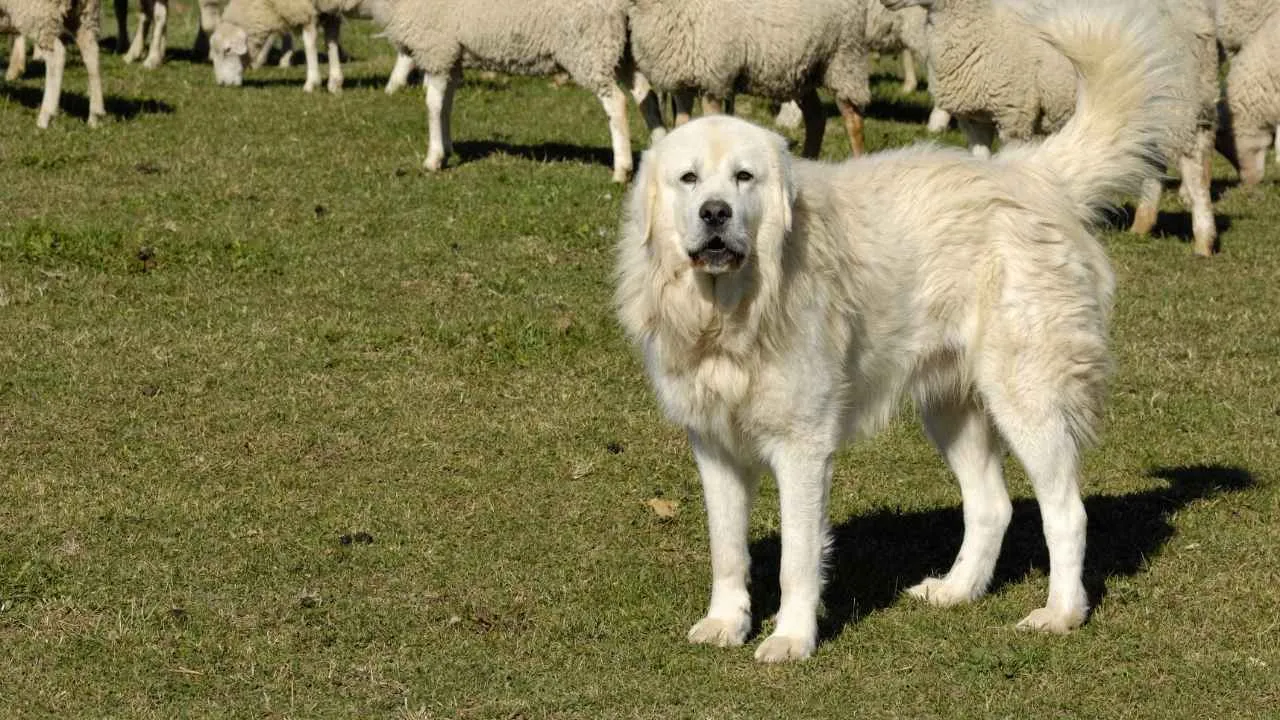
The Great Pyrenees developed in the mountain regions between France and Spain, where large white dogs were used to protect livestock from predators. Their work demanded patience, vigilance, and the ability to remain with flocks for extended periods.
Their thick coats and imposing bodies provided practical advantages in the cold mountainous environment where they worked.
A Heavy Coat Built for Cold Conditions
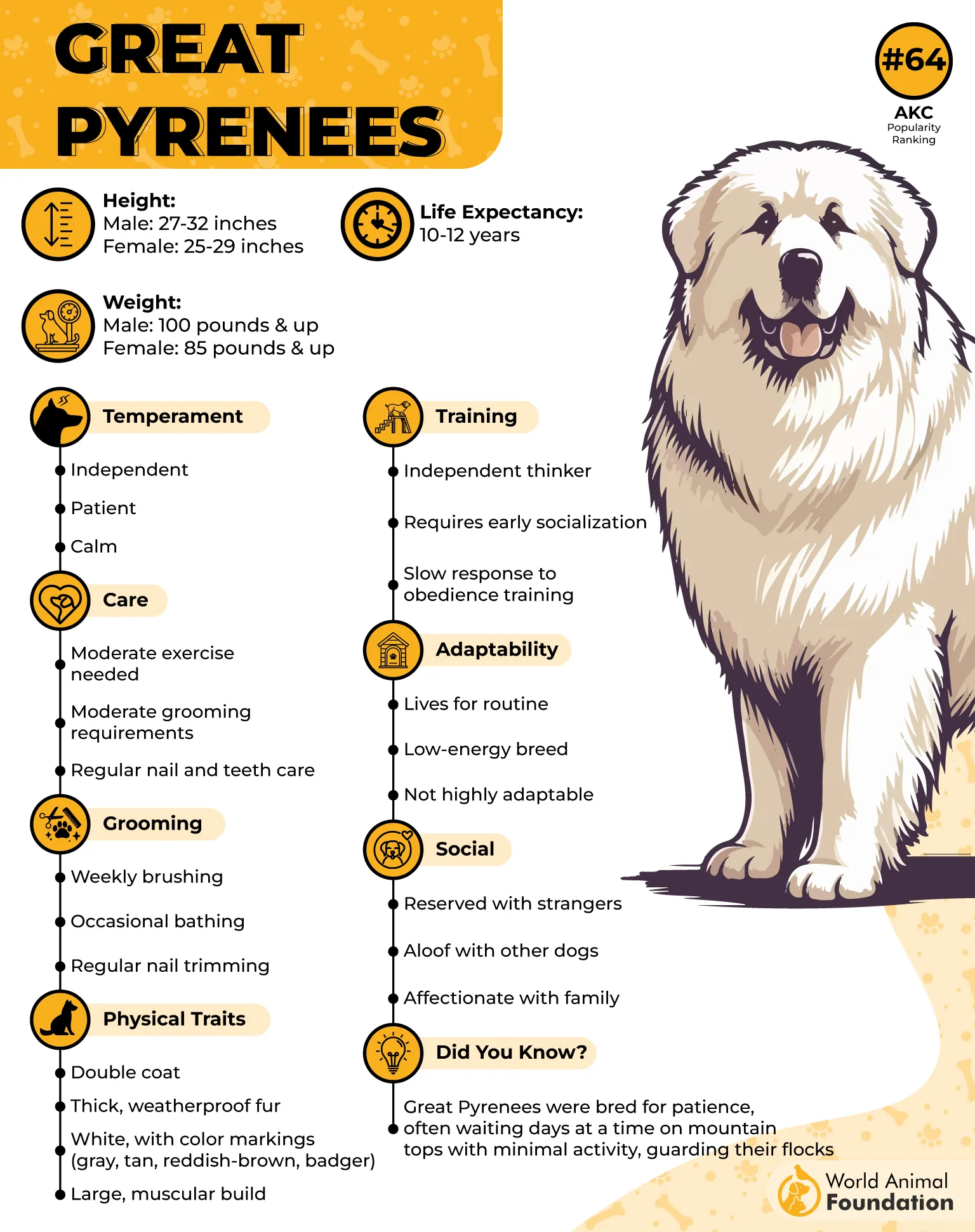
The Great Pyrenees has a long, weather-resistant double coat that needs regular brushing to manage shedding and prevent debris from becoming trapped. Its grooming workload increases during seasonal coat changes.
Exercise should be steady rather than extreme, with walks, gentle hikes, and opportunities for outdoor movement helping maintain fitness without excessive strain.
A Self-Guided Livestock Guardian
The Great Pyrenees was historically expected to make decisions while watching animals without a shepherd issuing constant instructions. It may therefore investigate unusual sounds or movement according to its own judgment.
This independent vigilance can be useful in the right setting, although careful training and socialization are necessary because the breed can be naturally protective of its territory.
7. Anatolian Shepherd Dog
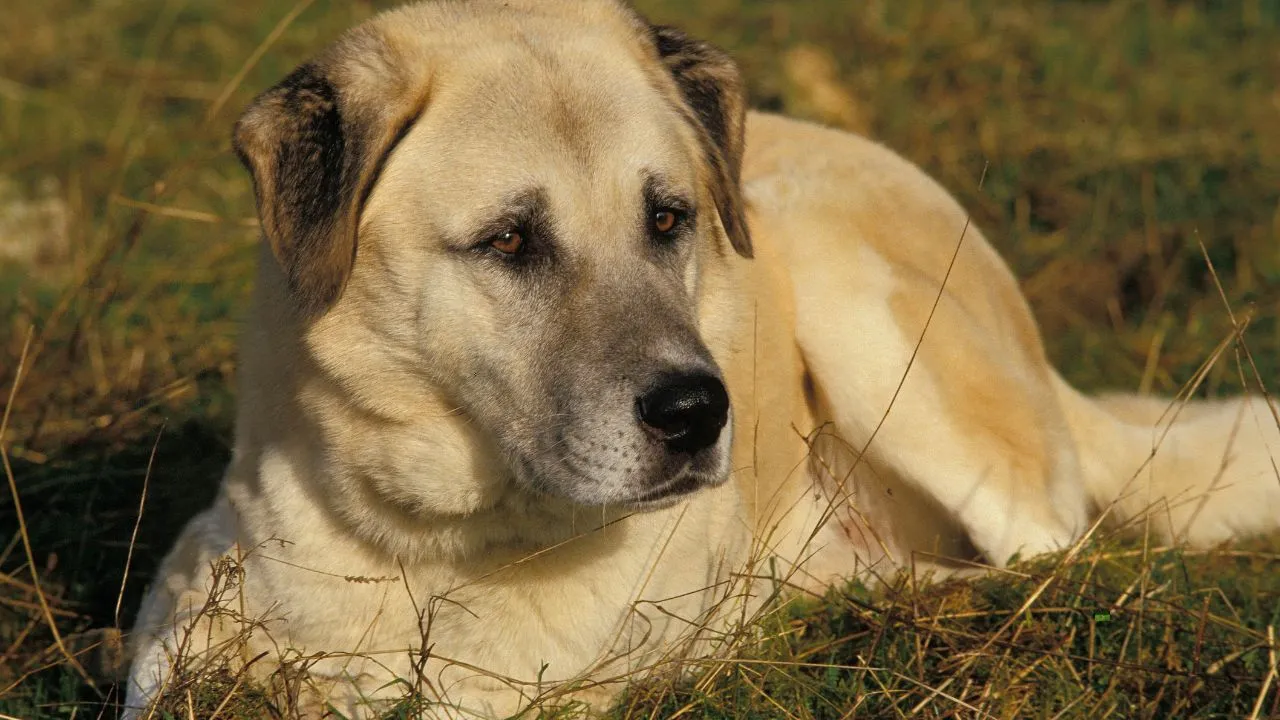
The Anatolian Shepherd Dog has roots in Turkey, where large livestock guardians were used to protect flocks across expansive rural landscapes.
These dogs needed to withstand heat, cold, long distances, and potential predators while remaining capable of working independently. Their development produced a rugged guardian with endurance, confidence, and strong territorial instincts.
A Practical Coat for Outdoor Living
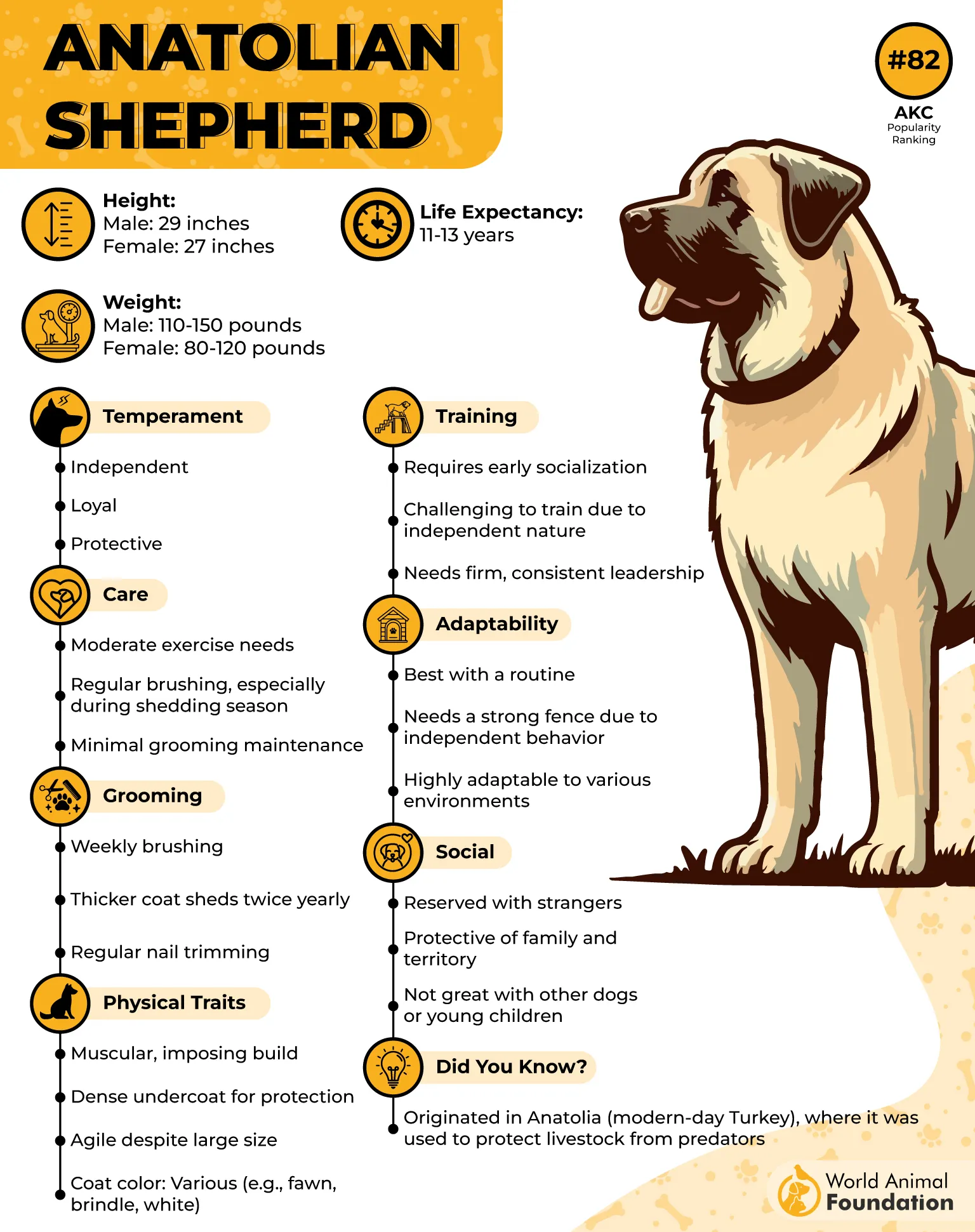
The Anatolian Shepherd Dog has a short to medium-length double coat that is generally straightforward to maintain. Regular brushing can help control loose hair, particularly during seasonal shedding.
Its exercise requirements are substantial, and long walks, hikes, secure outdoor space, and purposeful activities can provide more suitable outlets than brief neighborhood strolls alone.
A Serious Guardian That Thinks Independently
Few roles demand as much autonomous judgment as livestock protection, and the Anatolian Shepherd was developed specifically for that purpose. It may assess people, animals, and unfamiliar activity without immediately seeking direction from its owner.
Because of this strong independence, firm but fair training and early exposure to different environments are particularly important.
8. Tibetan Mastiff
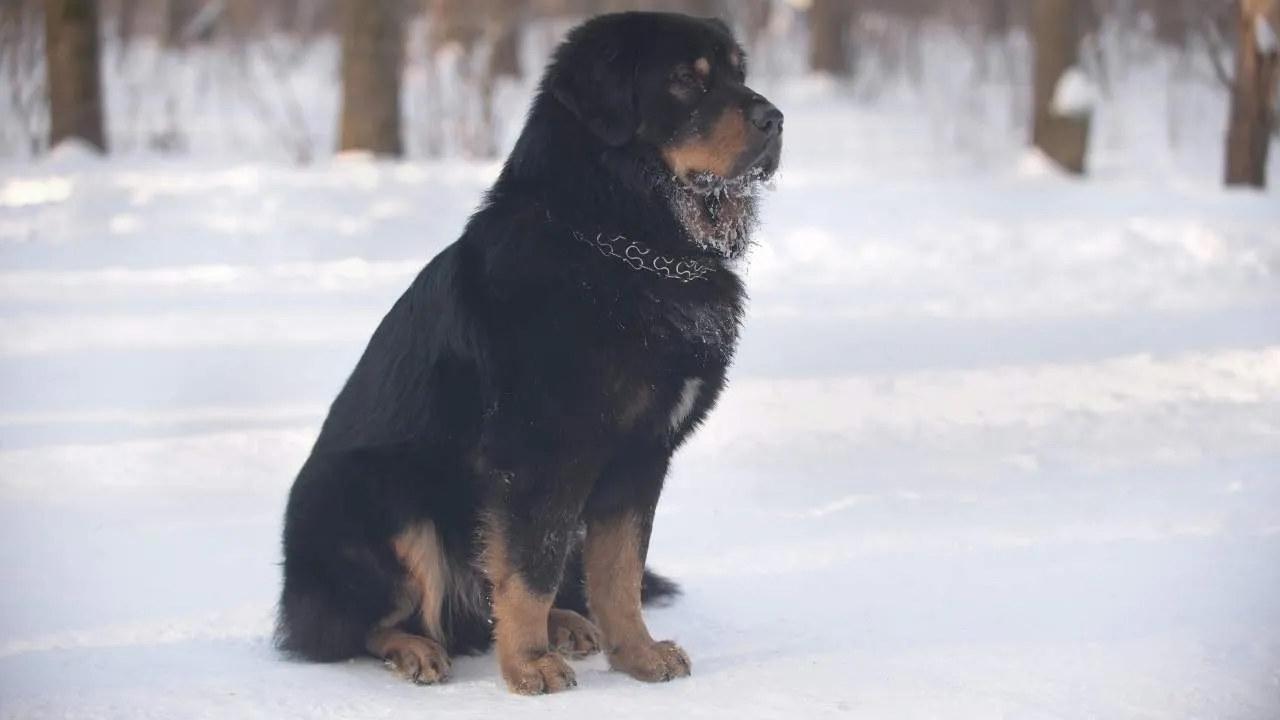
The Tibetan Mastiff has ancient roots in the Himalayan region, where large guardian dogs were kept by pastoral communities and monasteries.
These muscular dogs protected livestock, camps, homes, and property in environments characterized by rugged terrain and severe weather. Their isolated working conditions encouraged a naturally independent temperament and strong territorial awareness.
A Massive Coat With Seasonal Maintenance
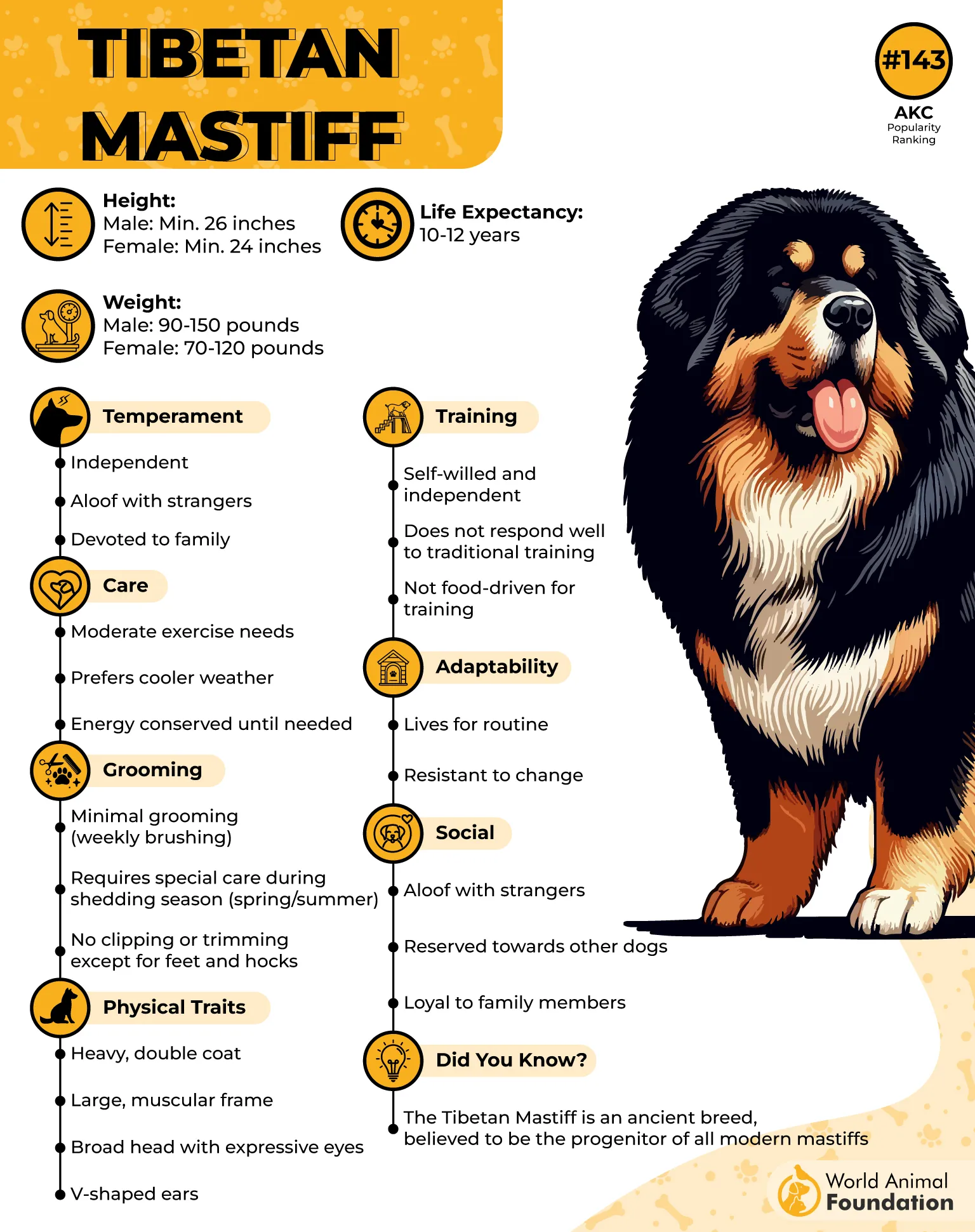
The Tibetan Mastiff has a thick double coat designed to withstand cold mountain conditions. Regular brushing helps maintain the coat, while seasonal shedding can require significantly more attention.
Exercise should include regular walks and opportunities for controlled outdoor movement, although the breed is not suited to being pushed through excessive repetitive activity.
A Watchful Guardian With Its Own Judgment
The Tibetan Mastiff is known for its independent character and strong awareness of its surroundings. Historically, it needed to decide when an unfamiliar person or animal represented a potential concern without relying on constant instructions.
That self-directed nature can make the breed impressive as a guardian, but it also means owners need consistent boundaries and early socialization.
9. Komondor
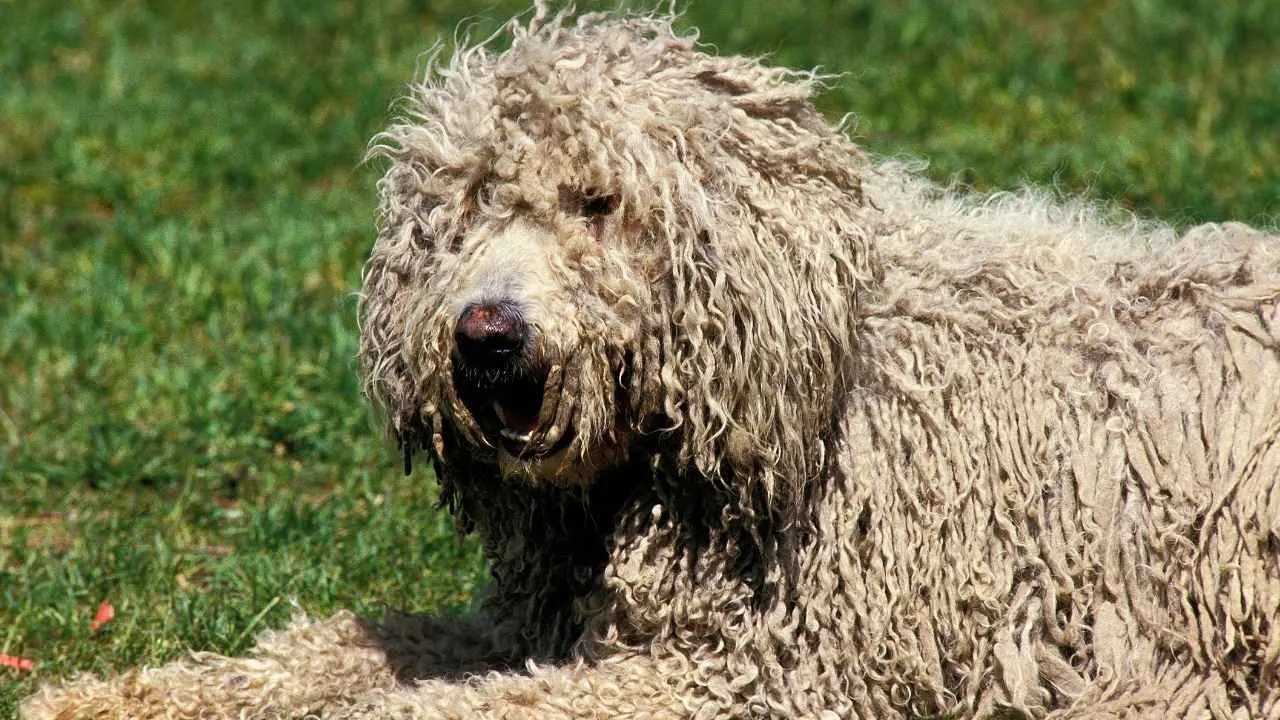
The Komondor originated in Hungary and was developed as a livestock guardian, particularly for protecting flocks from predators, as per Purina. Its ancestors are associated with guardian dogs brought into the region by migrating peoples.
The breed’s distinctive corded coat eventually became one of its trademarks, while its working purpose shaped a confident and watchful temperament.
A Corded Coat With Specialized Care
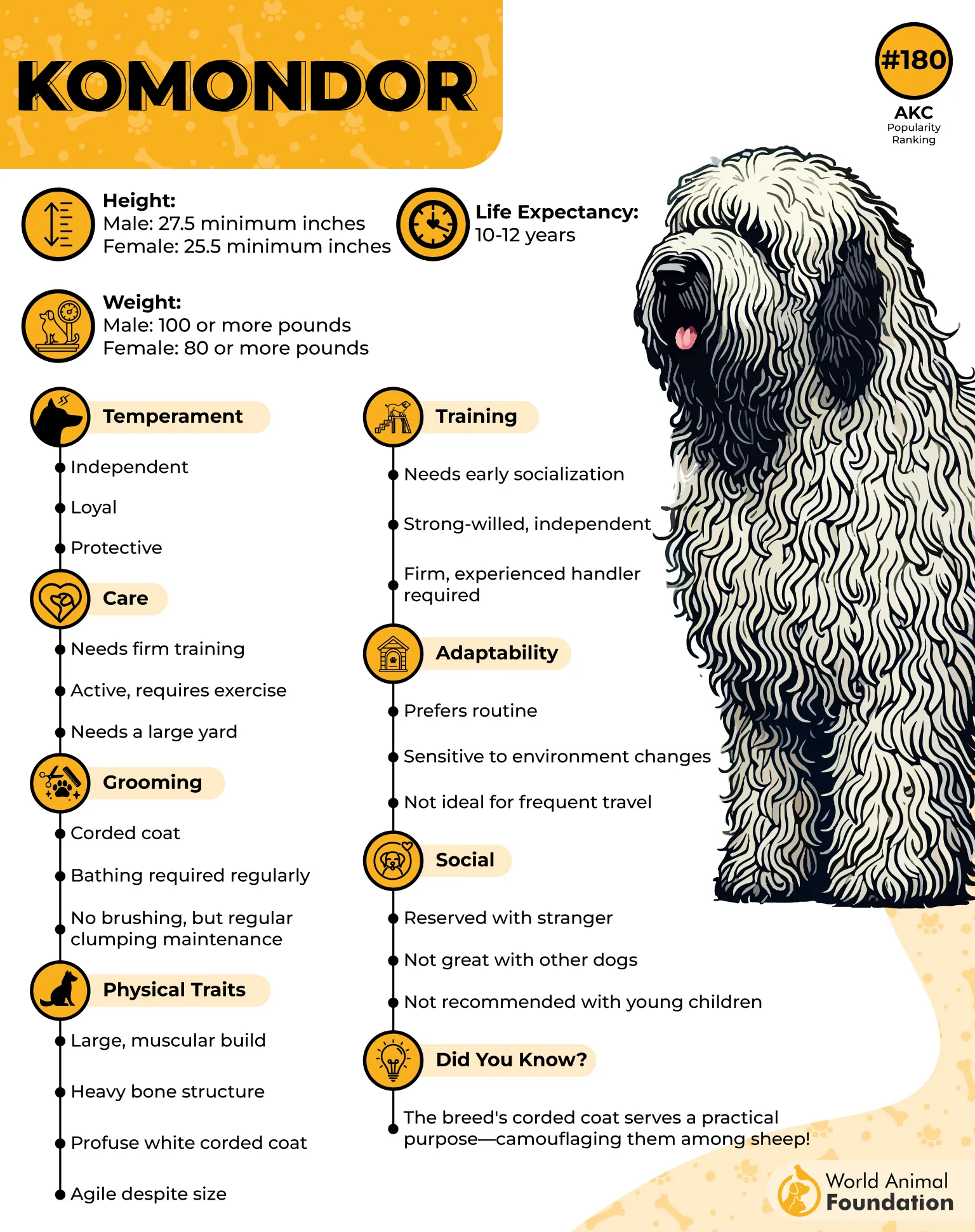
The Komondor’s long coat naturally develops into distinctive cords as it matures. Maintaining those cords requires a very different grooming approach from brushing an ordinary long-haired dog, and owners need to keep the coat clean and properly separated.
Regular physical activity is important, although its routine can consist of moderate walks and opportunities to patrol or explore rather than constant high-speed exercise.
A Purpose-Built Guardian That Works Alone
The Komondor was expected to stay with livestock and react to threats without a shepherd providing continuous commands. Its independent nature is therefore deeply connected to its original occupation.
It can be highly protective of its home and family, making early socialization, controlled introductions, and responsible management particularly important for such a powerful breed.
Conclusion
All of the above dogs represent several different forms of canine independence. Some were bred to pull heavy loads, others to hunt, and many were entrusted with protecting livestock over large and sometimes isolated territories.
Their ability to work without constant supervision does not mean that they are detached from people. Many form strong relationships with their families while retaining a tendency to assess situations for themselves. Guardian breeds in particular may be less inclined to wait for a command when they believe something within their territory requires attention.
Anyone considering a giant breed should also remember that independence comes with responsibility. Their size, strength, protective instincts, and exercise requirements make early socialization and consistent training especially important.
When their physical and behavioral needs are properly understood, these imposing dogs can become steady companions whose confidence reflects the demanding work for which their ancestors were developed.
