




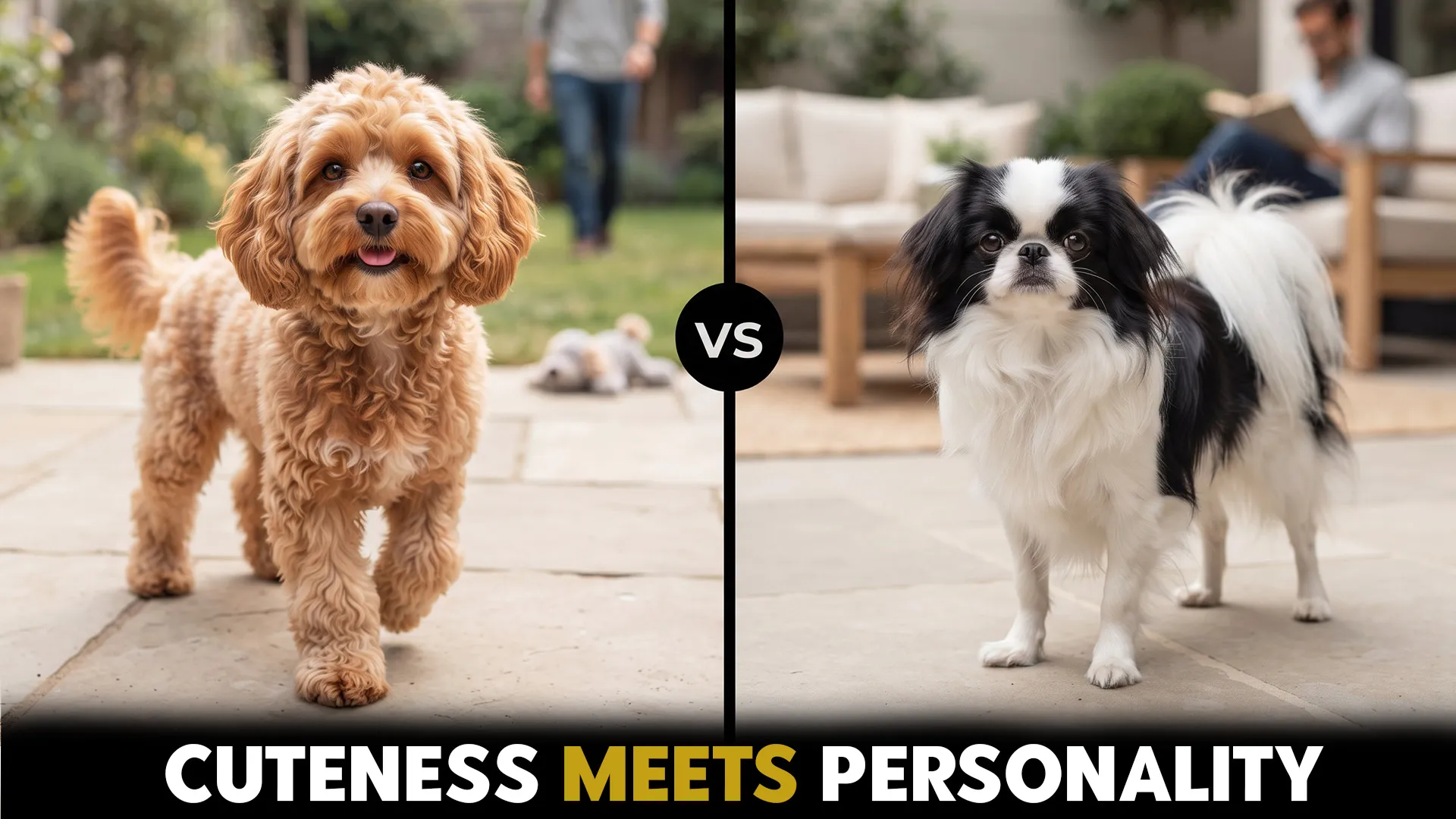
Choosing between a Cavapoo and a Japanese Chin involves comparing two small companion dogs with very different backgrounds. The Cavapoo is a cross between the Cavalier King Charles Spaniel and Poodle, while the Japanese Chin is an ancient toy breed with historical connections to Asian royal and aristocratic households.
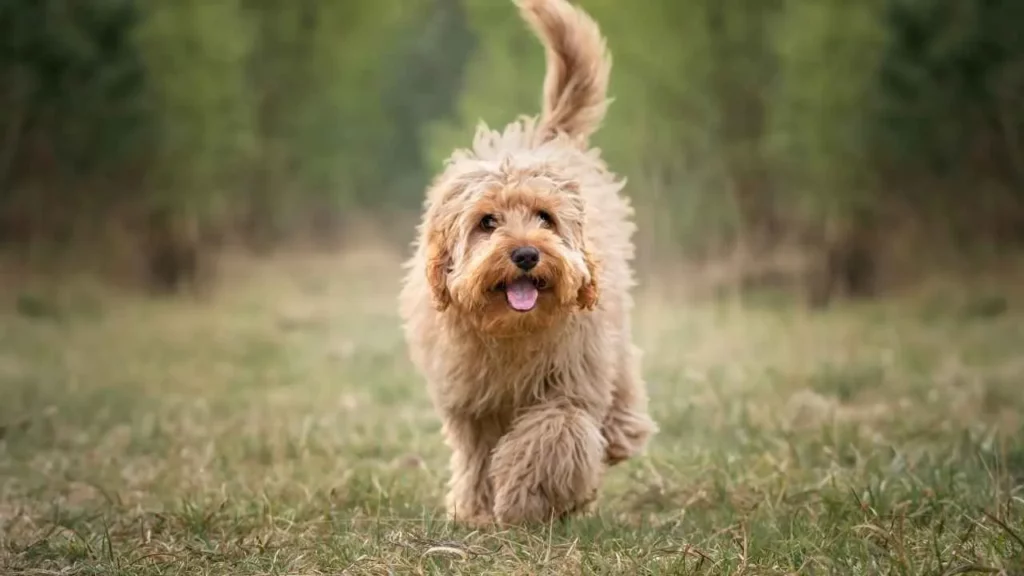
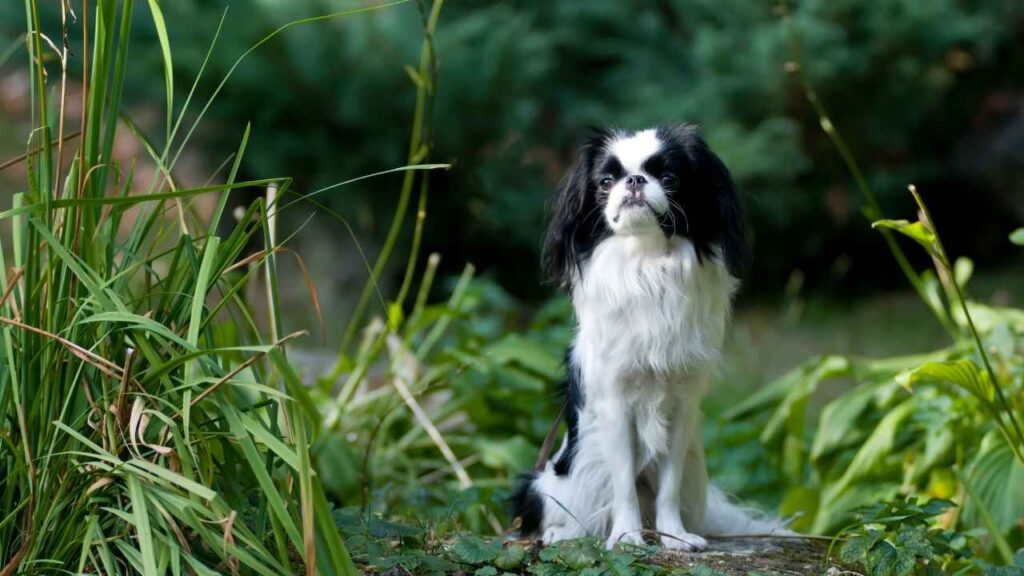
Their physical characteristics also make them easy to distinguish. Cavapoos can vary in size and coat type depending on their Poodle parent, and many have soft, wavy, or curly coats. Japanese Chins are typically smaller, with a compact body, large expressive eyes, a short muzzle, and a distinctive feathered coat.
Their personalities and daily needs can differ as well. Cavapoos are generally social, affectionate, and playful, while Japanese Chins are often calmer, more independent, and reserved. Exercise, training, grooming, health, and suitability for family life should therefore be considered when comparing these two companion breeds.
Cavapoo vs. Japanese Chin: How a Cavapoo Compares to a Japanese Chin
1. Origins & Purpose
The Cavapoo’s Modern Companion Heritage
The Cavapoo is a cross between the Cavalier King Charles Spaniel and the Poodle, usually a Toy or Miniature Poodle. It was developed mainly as a companion dog, combining the Cavalier’s affectionate nature with the Poodle’s intelligence and trainability. Today, Cavapoos are primarily kept as loving family companions rather than working dogs.
The Japanese Chin’s Aristocratic Background
The Japanese Chin is an ancient toy companion breed with historical connections to Asian royal and aristocratic households. Despite its name, its early history includes connections with China and Japan. The breed was valued for companionship and was developed as a refined indoor dog rather than for demanding working or guarding duties.
Two Companion Breeds With Distinct Histories
Both breeds have strong companion backgrounds, but their histories have shaped them differently. The Cavapoo combines characteristics from two established breeds, while the Japanese Chin comes from a much older toy-dog tradition. This helps explain the Cavapoo’s social nature and the Japanese Chin’s quieter, more independent personality.
2. Size & Physical Build
The Cavapoo’s Size Can Vary
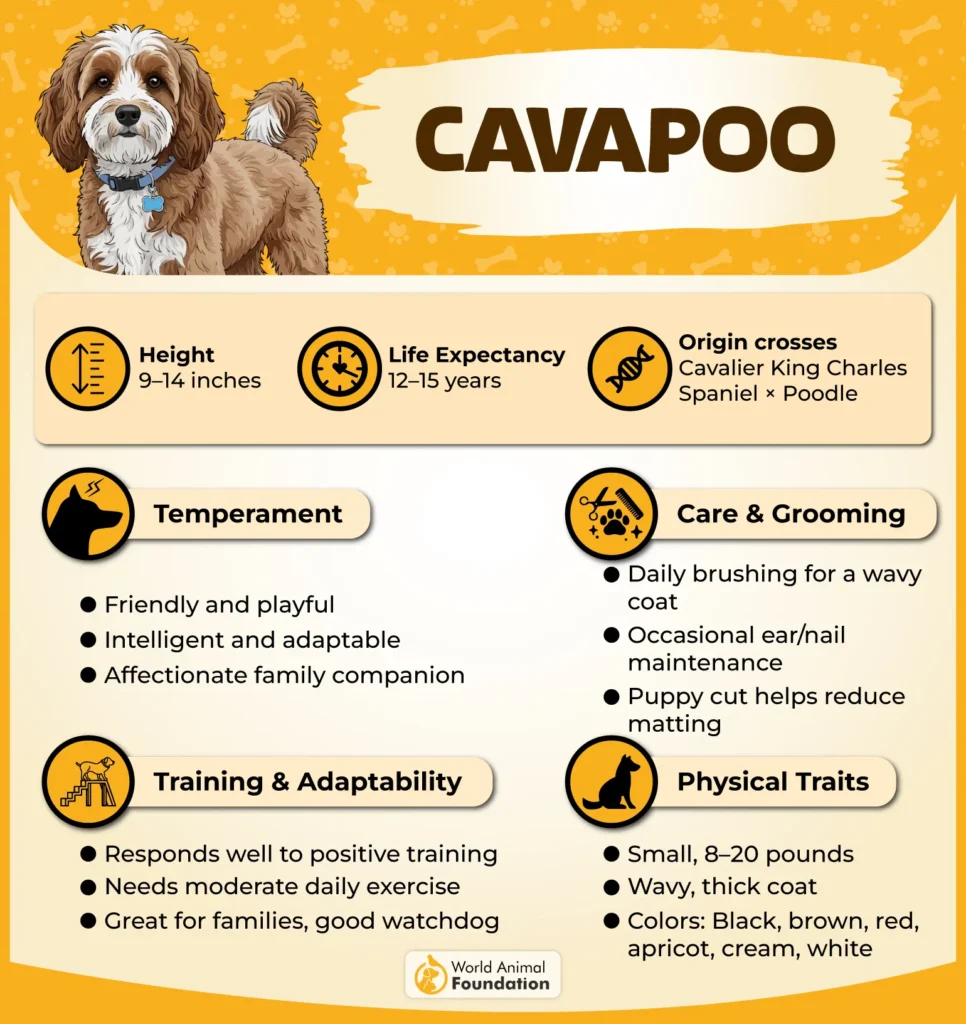
Cavapoos generally stand around 9 to 14 inches tall and may weigh approximately 8 to 25 pounds, although individual size depends heavily on the Poodle parent. Many have compact bodies, floppy ears, expressive eyes, and soft coats that may be wavy or curly. Their size and appearance can therefore vary more than those of many established toy breeds.
The Japanese Chin’s Petite Frame
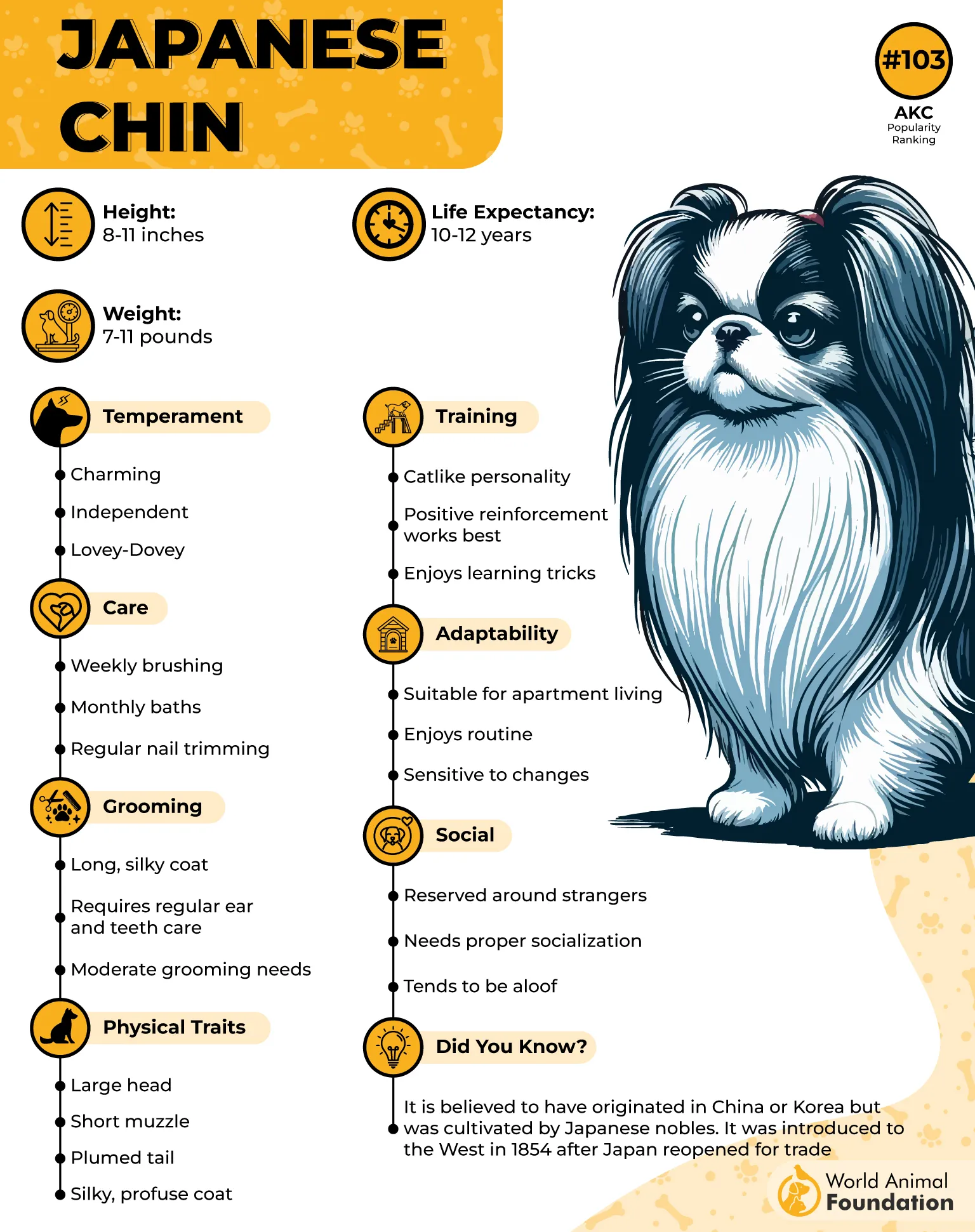
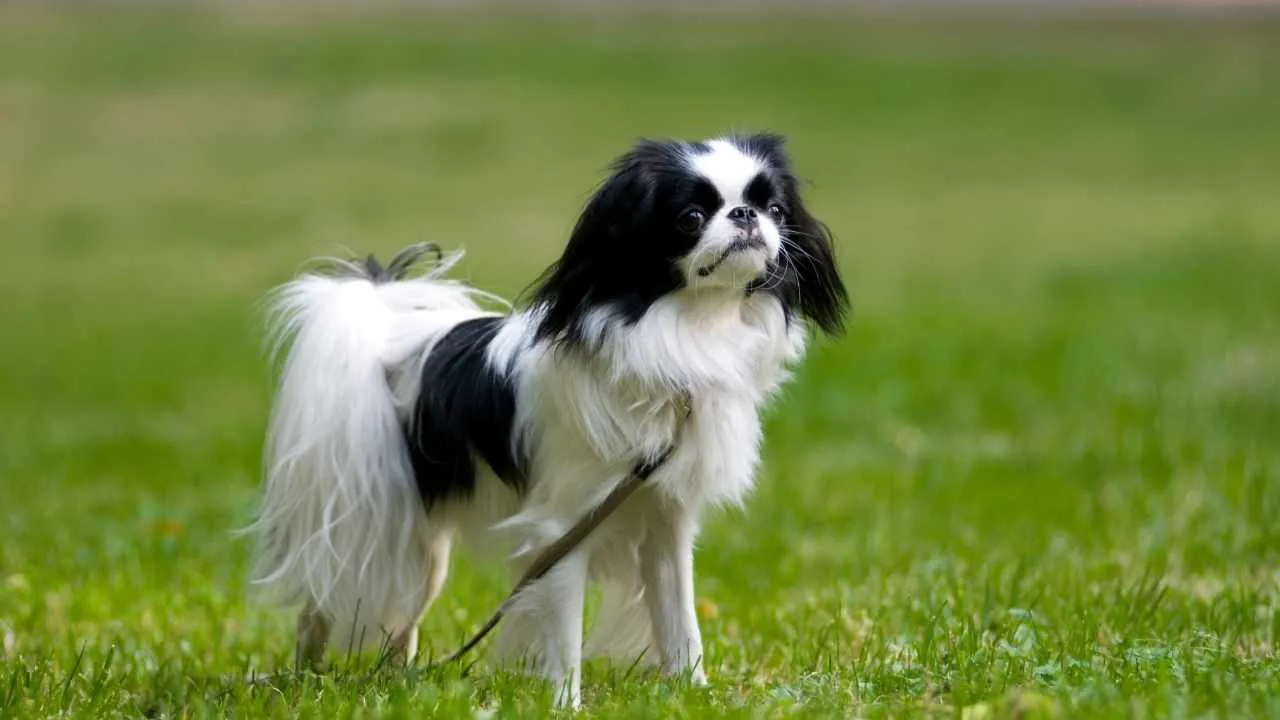
Japanese Chins generally stand around 8 to 11 inches tall and commonly weigh about 7 to 11 pounds, as per WebMD. They have compact bodies, large expressive eyes, broad heads, short muzzles, and feathered coats. Their small size makes them easy to carry and well suited to indoor living, although their delicate structure requires careful handling.
Comparing Their Physical Characteristics
Both breeds are small, but the Japanese Chin is generally lighter and more consistently toy-sized than the Cavapoo. The Cavapoo often has a fuller, softer appearance, while the Japanese Chin has a distinctive, elegant structure and facial expression. Their size can make both suitable for smaller homes, although individual Cavapoos can vary considerably.
3. Temperament & Personality
The Cavapoo’s Affectionate Social Nature
Cavapoos are generally friendly, affectionate, playful, and closely attached to their families. Many enjoy spending considerable time with their owners and actively seek attention and interaction. Their social temperament can make them appealing family companions, although early socialization remains important for helping them become comfortable with unfamiliar people and animals.

The Japanese Chin’s Calm and Independent Side
Japanese Chins are often affectionate, intelligent, graceful, and somewhat independent. They can form strong bonds with their families while maintaining a more self-contained personality than some other companion breeds. Their quiet, cat-like manner can make them distinctive, and some may be reserved around unfamiliar people.
How Their Personalities Compare
Both breeds can be devoted household companions, but they may express their affection differently. The Cavapoo generally tends to be more openly social and playful, while the Japanese Chin can be calmer, quieter, and more independent. The choice therefore depends partly on whether a household prefers an interactive companion or a more self-contained small dog.
4. Exercise & Energy Levels
Keeping the Cavapoo Physically and Mentally Active
Cavapoos generally need regular daily exercise and mental stimulation. Short walks, play sessions, interactive toys, and basic training can help meet their needs. Because they are intelligent and social, Cavapoos often benefit from activities that involve both movement and interaction rather than simply being left to entertain themselves, as per Purina.
The Japanese Chin’s More Relaxed Routine
Japanese Chins generally have moderate exercise needs and can often remain satisfied with short walks, indoor play, and opportunities to explore. Their small bodies do not require strenuous exercise, and they can receive much of their activity inside the home. Companionship and gentle mental stimulation are also important parts of their daily routine.
Matching Exercise With Daily Life
Both breeds can adapt well to apartment and indoor living when their needs are met. Cavapoos generally benefit from more active play and mental engagement, while Japanese Chins can often thrive with shorter periods of exercise and a relaxed routine. Neither breed should be considered completely inactive simply because it is small.
5. Training & Intelligence
Training the Cavapoo’s Bright and Eager Mind
The Cavapoo can inherit the Poodle’s intelligence and the Cavalier’s cooperative nature, making many individuals responsive to positive-reinforcement training. Short, rewarding sessions can work well for teaching obedience, house manners, leash skills, and social behavior. Regular training can also provide the mental stimulation that this intelligent companion dog needs.
Understanding the Japanese Chin’s Independent Learning Style
The Japanese Chin is an intelligent breed, but its independent personality can make repetitive training less appealing. Gentle methods, patience, and positive reinforcement are generally more suitable than harsh corrections. Short and interesting sessions can help maintain engagement while teaching basic commands, household manners, and appropriate behavior.
Two Intelligent Breeds With Different Responses
Both breeds can learn commands and routines, but their learning styles may differ. The Cavapoo often combines intelligence with a strong desire to interact with its owner, while the Japanese Chin may prefer to participate on its own terms. Consistency and positive reinforcement can help both breeds develop reliable behavior without making training unnecessarily demanding.
6. Health & Lifespan
Understanding the Cavapoo’s Health Profile
Cavapoos can inherit health concerns from both Cavalier King Charles Spaniels and Poodles. Potential issues may include dental disease, patellar luxation, eye conditions, and certain heart-related problems. Cavapoos often live around 10 to 15 years, although individual lifespan varies with genetics, responsible breeding, nutrition, preventive care, and overall health, as per PetMD.
Japanese Chin Health and Longevity
Japanese Chins can experience health conditions associated with small companion breeds and their distinctive physical structure. Potential concerns include dental disease, patellar luxation, eye problems, and breathing difficulties. Their lifespan is commonly around 10 to 12 years, although individual dogs can live longer or shorter lives depending on genetics and healthcare.
Comparing Their Health and Lifespan
Both breeds can enjoy relatively long lives but require regular preventive care. Cavapoos may face inherited conditions from two parent breeds, while Japanese Chins have health concerns associated with their small size and facial structure. Responsible breeding, veterinary examinations, dental care, appropriate nutrition, and healthy weight management can support both breeds.
7. Suitability as Family Pets vs. Guard Dogs
The Cavapoo as a Family-Focused Companion
The Cavapoo can suit families looking for a small, affectionate, and social household companion. Its playful nature can make it enjoyable around family members when properly socialized and supervised. Although a Cavapoo may bark when it notices unfamiliar people or activity, it is primarily a companion dog rather than a dedicated guard or protection dog.
The Japanese Chin as a Quiet Household Friend
The Japanese Chin can also make a devoted companion for households that prefer a smaller and generally calmer dog. It may notice unfamiliar activity and alert its owners, but it was not developed as a physical protection dog. Its modest exercise needs and affectionate nature can suit people looking for a quieter companion with an independent personality.
Comparing Their Family and Guarding Roles
Both breeds can provide companionship and some alert behavior, but they have different household styles. The Cavapoo generally offers a more social and playful presence, while the Japanese Chin tends to be quieter and more self-contained. Neither should be viewed as a substitute for a purpose-bred protection dog, although either can become a devoted family companion.
Conclusion
The Cavapoo and Japanese Chin are both small companion dogs, but their differences can be important when choosing a household pet. Their sizes, coats, personalities, and activity requirements create noticeably different everyday experiences.
Cavapoos are generally affectionate, social, playful, and intelligent, with a typical lifespan. Japanese Chins are often calmer, more independent, and graceful, with many living around 10 to 12 years. Both require appropriate grooming, socialization, training, nutrition, and preventive veterinary care throughout their lives.
Ultimately, comparing these breeds is less about finding one universally suitable dog and more about understanding what each brings to a household. Prospective owners should consider size, lifespan, temperament, exercise, training, grooming, health, and family expectations.
A careful match between the dog’s characteristics and the owner’s lifestyle can make everyday life together more successful.
