





Golden-coated dogs bring a particular warmth to a room, especially when sunlight catches the lighter strands across their backs, ears, and tails. That golden color can range from pale cream and honey to rich copper, depending on the breed and individual coat.
Coat texture varies too, with some dogs carrying straight, flowing hair while others have dense, feathered, or wavy coats. Genetics play the biggest role in these shades, and age, seasonal changes, and coat condition can affect how the color appears.
Some golden varieties are closely associated with retrieving or sporting work, while others come from herding, companion, or working backgrounds. Their appeal goes beyond a pretty color because each coat comes with its own grooming needs, texture, and care routine.
In this article, you’ll discover exceptional dog breeds with golden coat varieties, along with the traits and coat characteristics that make each one worth knowing in daily life.
Key Takeaways
A golden coat sounds simple until you see how many shades and patterns can fall under it.
Golden Retrievers may be the familiar face here, but the Nova Scotia Duck Tolling Retriever takes golden-red coloring to a much deeper level.
Then comes the English Cocker Spaniel, whose coat can range from pale lemon to rich mahogany and even pair golden fur with liver-colored features.
The later breeds bring their own surprises, from a coat that can change shade as a puppy grows to the Pharaoh Hound’s famous rosy blush.
Exceptional Dog Breeds with Golden Coat Varieties
1. Golden Retriever
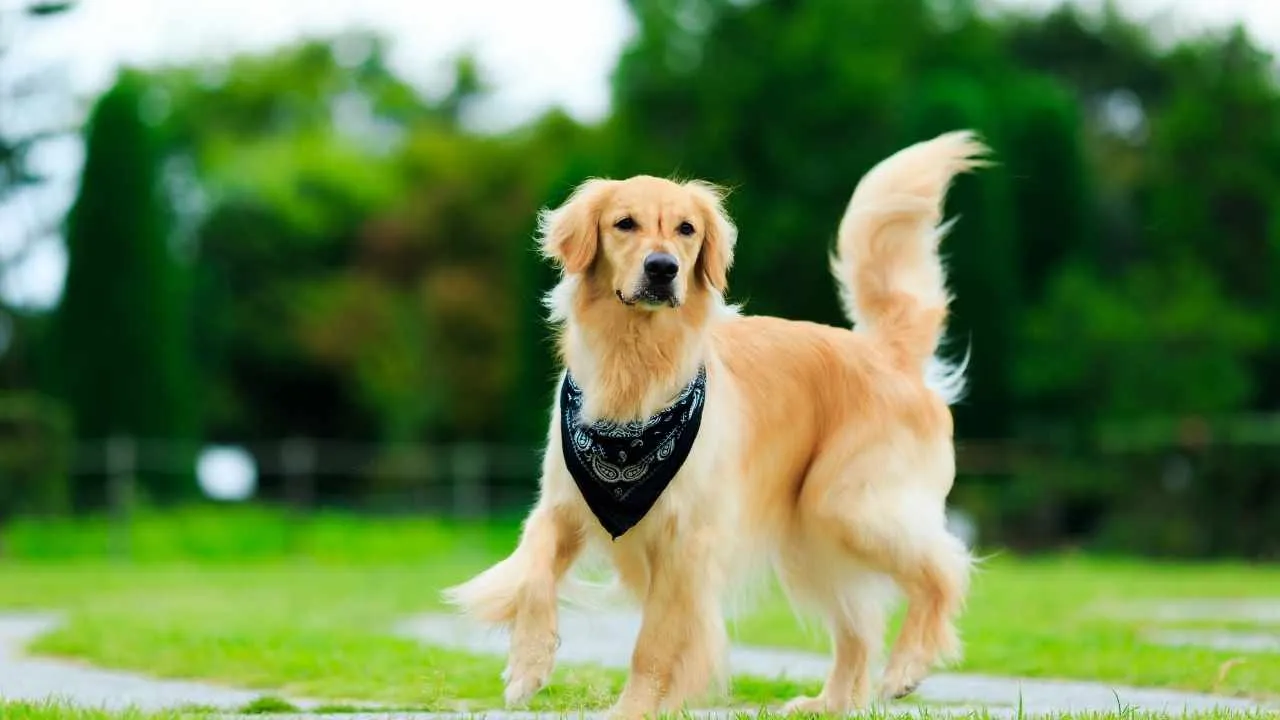
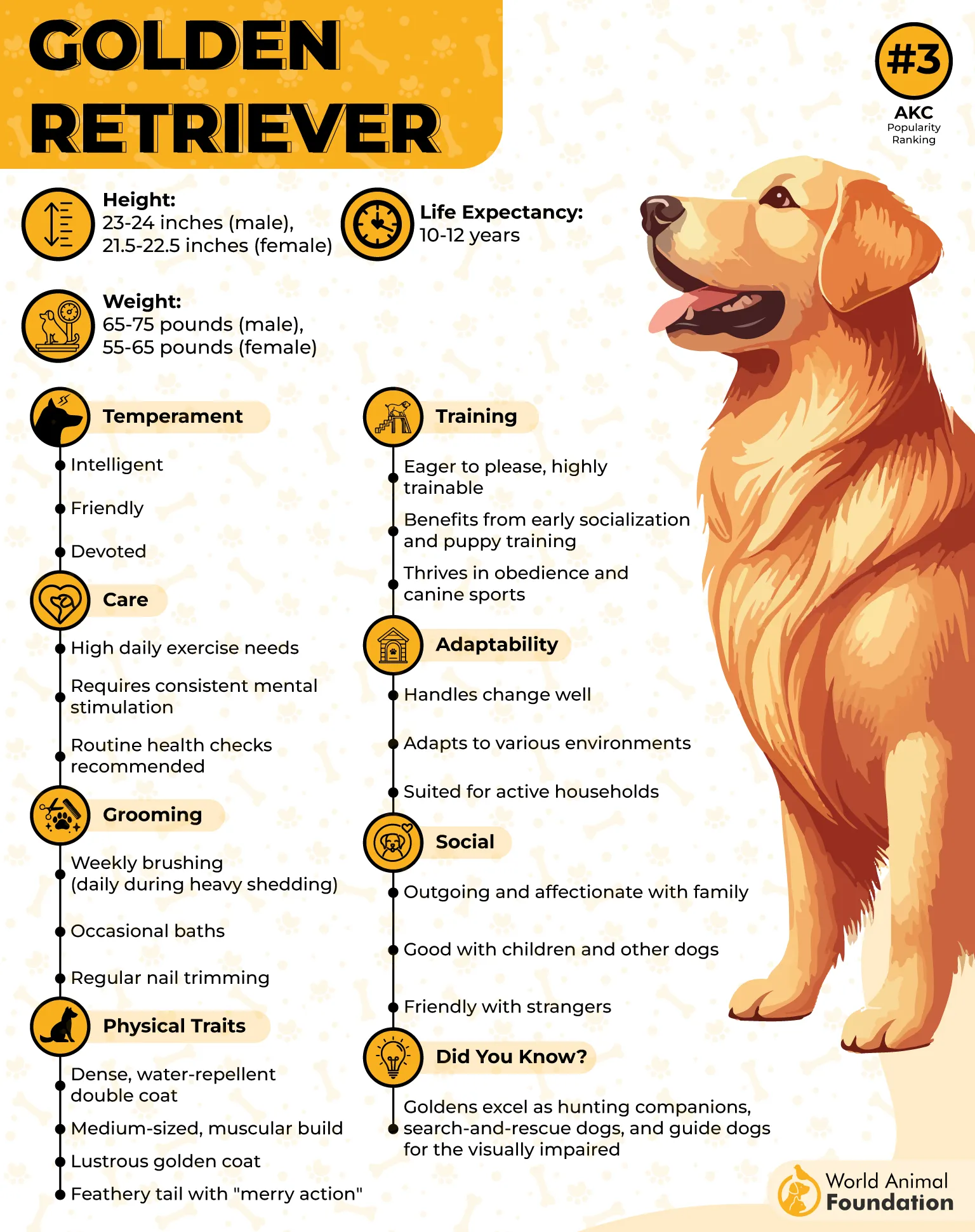
Golden Retriever began in mid-19th-century Scotland, where Lord Tweedmouth wanted a strong retrieving dog that could work through dense undergrowth. Crosses involving a Newfoundland, Labrador/Water Spaniel mix, and later Setters produced the breed we recognize today.
A Coat of Three Shades
They have three coat colors accepted for show in the US and UK, ranging from standard gold to lighter and darker variations. The light shade sits between cream and standard gold, while the deeper version has a richer pure-gold tone without the red or amber hues of a Red Golden Retriever.

Here are three details worth knowing about these color variations:
Darker ears can hint at a puppy’s mature coat shade
Cream varieties are not formally recognized by major kennel clubs
Cream coats can be thinner while still shedding heavily
Made for Retrieving
This popular breed has a soft mouth suited to bringing game back without damaging it, while its love of water makes swimming a natural activity.
The breed also works in search and rescue, water rescue, guide work, hearing assistance, explosive detection, agility, Flyball, and field trials, as Omlet noted.
2. Nova Scotia Duck Tolling Retriever
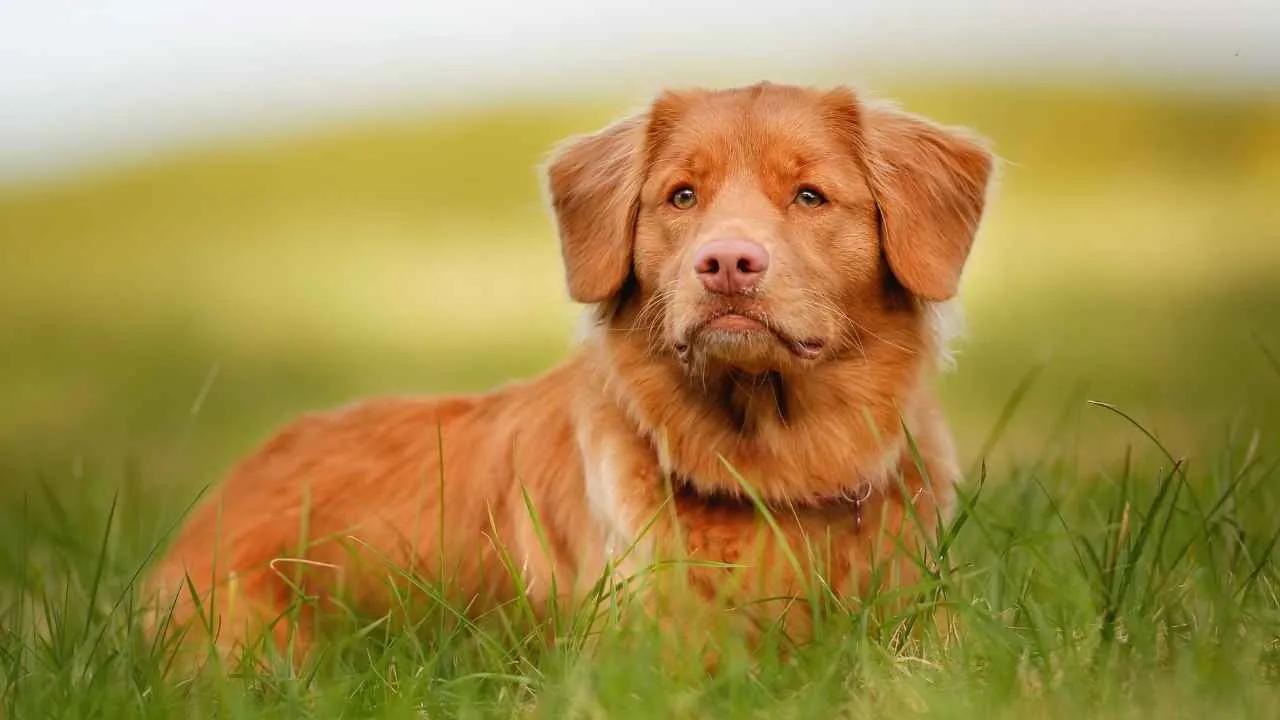
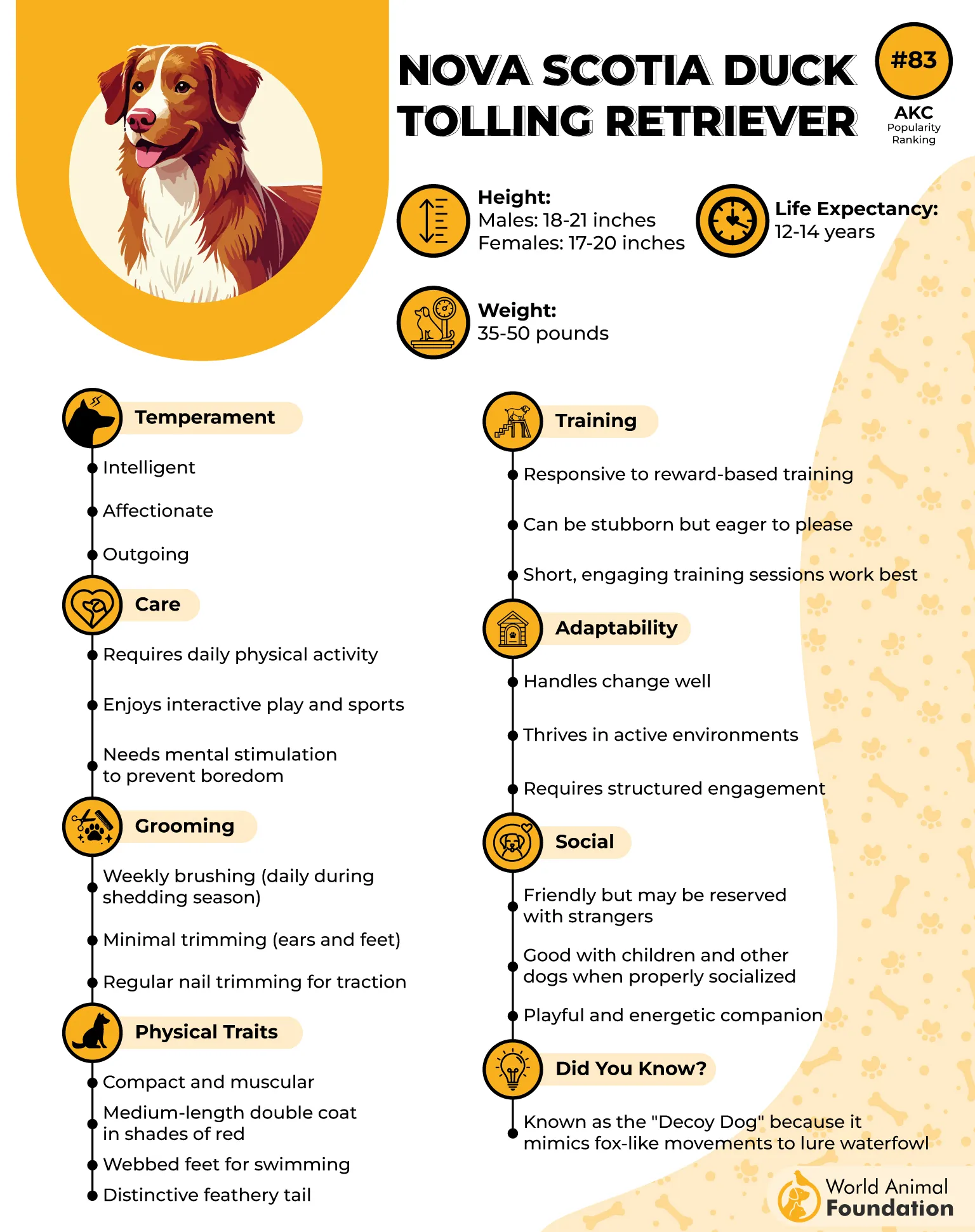
Nova Scotia Duck Tolling Retriever comes from Little River in Nova Scotia, Canada, where its unusual hunting method gave the breed its name. The dog’s white tail tip was used to attract curious waterfowl toward shore, giving hunters a closer opportunity before the Toller retrieved the birds.
Golden-Red, Not Cream
For this breed, the accepted coat range runs from richly pigmented golden-red to deep copper-red, with lighter feathering sometimes appearing beneath the body and around the tail. Pale cream and solid light-golden coats are not part of the breed standard.
The color pattern can include several distinct details:
White chest, feet, or facial blaze
White tip on the tail
Lighter feathering on the underbody
Around People and Pets
Nova Scotia Duck Tolling Retriever tends to be friendly with children, dogs, and household pets while taking a more reserved approach with unfamiliar people, as PetMD mentioned. Early socialization helps it handle visitors more comfortably, and cats introduced during puppyhood are less likely to trigger its prey instincts.
3. English Cocker Spaniel
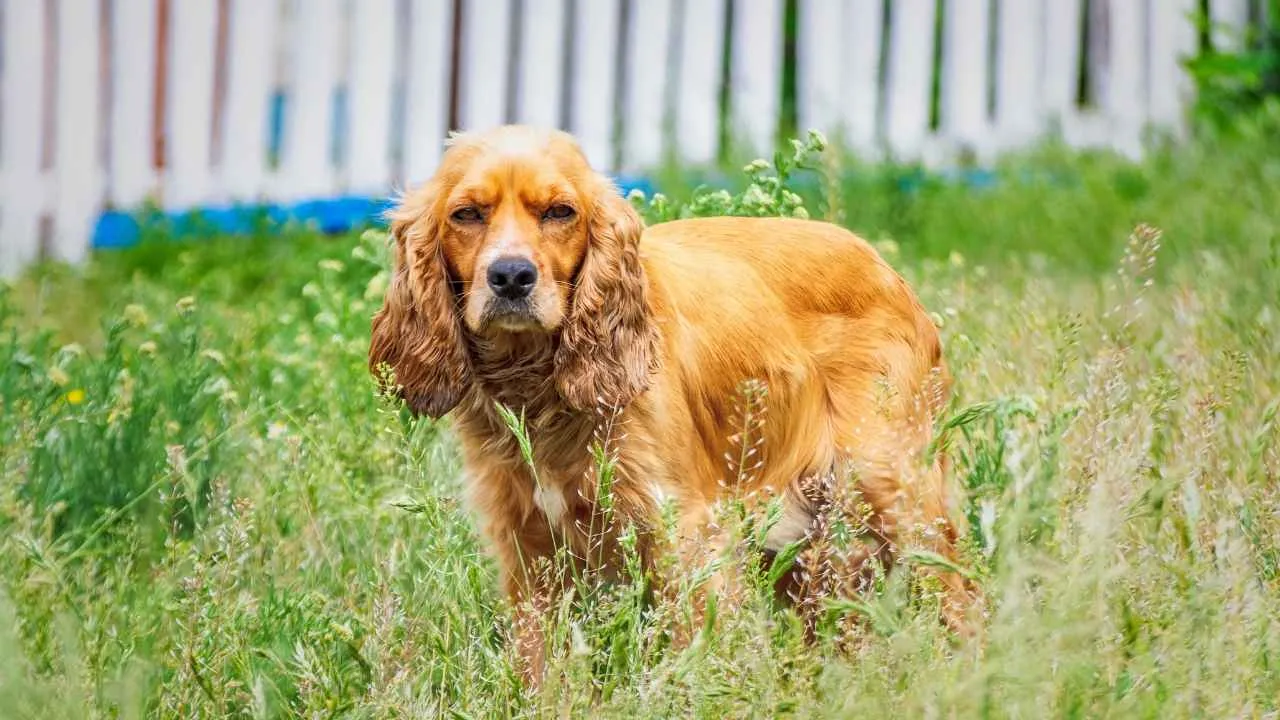
English Cocker Spaniel was originally bred as one of the land Spaniels used to flush game from thick undergrowth, where smaller dogs could work deeper into dense cover. In 1892, the two size types were formally separated, marking the beginning of the breed as it is recognized today.
Golden Shades
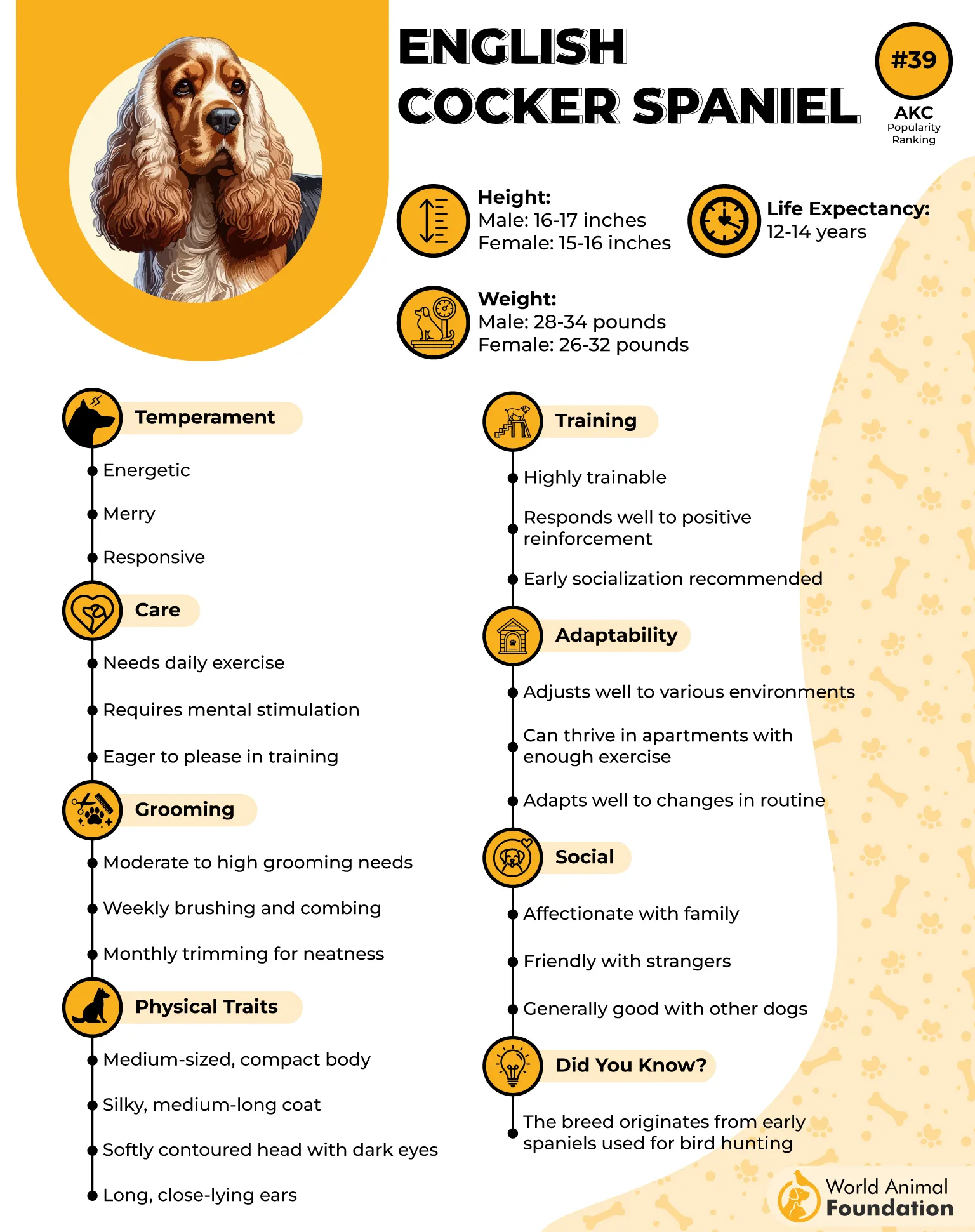
English Cocker Spaniel has a flat, silky coat with generous feathering on the front legs, while its long, feathered ears add to its polished appearance. Its golden range can run from an almost-white lemon through warm gold to deep mahogany red.
Their double coat can also appear in a less familiar form:
Lemon: Almost-white to pale cream
Golden: Warm, sunny shade with a subtle sheen
Liver-nosed gold: Golden fur with liver pigment on the nose, eye rims, and paw pads
Always Nearby
This muscular dog is friendly with people and children, with an ever-wagging tail and a strong preference for company. Training can be straightforward because this breed is eager to please, while long periods alone can be difficult for such a people-focused dog.
4. Finnish Spitz
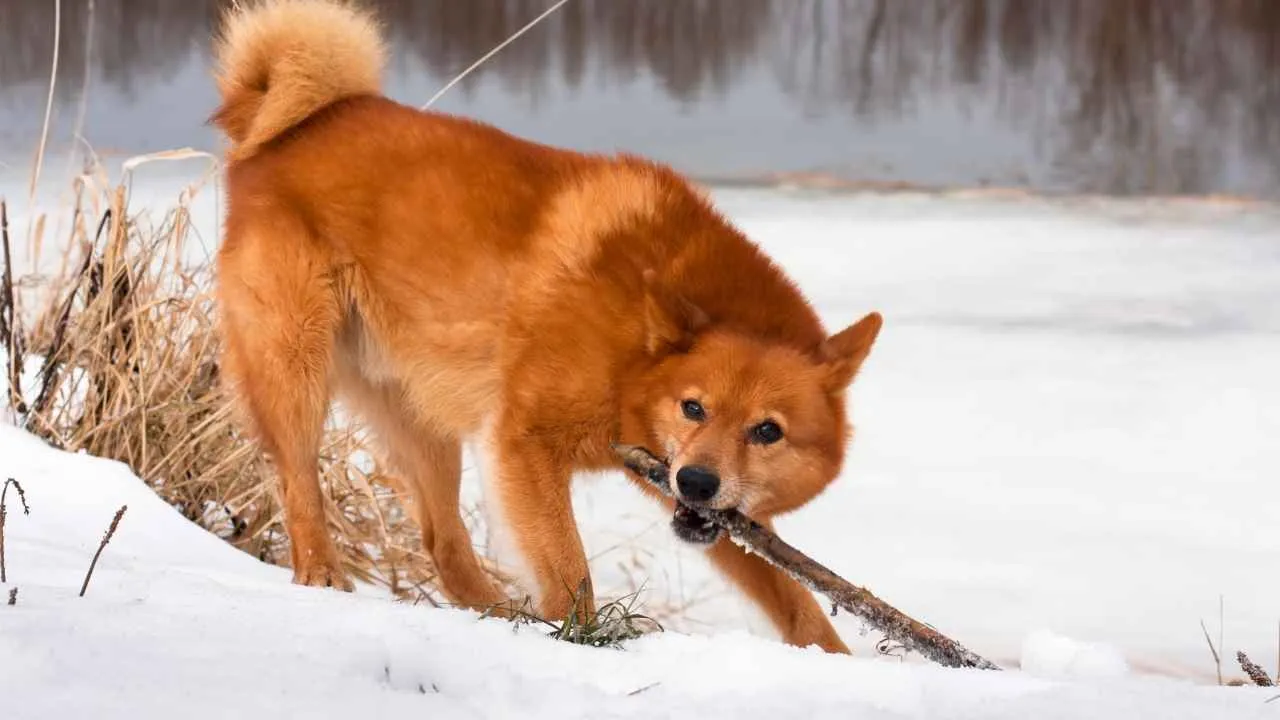
Finnish Spitz spent centuries in Finland before outside dogs arrived in the 1800s and nearly erased the pure Spitz population through interbreeding. A Finnish sportsman later recognized the breed and worked to rebuild its numbers, helping preserve the dog now regarded as Finland’s national breed.
A Coat Full of Color
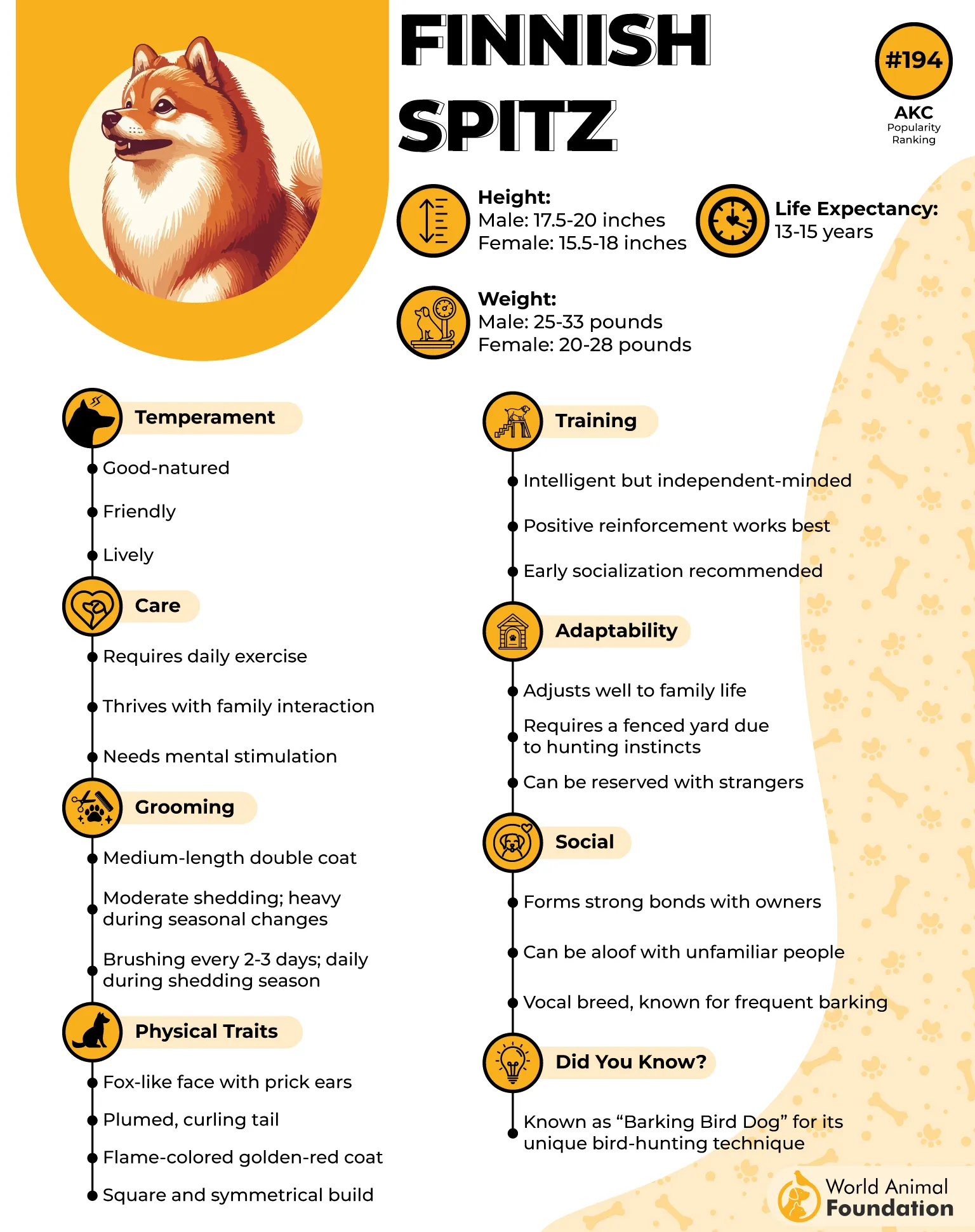
They have a richly layered golden-red coat rather than one flat shade, with tones ranging from pale honey to vivid red-gold and deep chestnut. Darker coloring covers the upper body, while lighter hair appears beneath the ears, across the chest, belly, inner legs, and under the plumed tail.
The coat’s fine details become easier to spot up close:
Soft, pale undercoat beneath the topcoat
Dark red-gold hair along the spine
Lighter coloring beneath the tail
Bright and Sensitive
Finnish Spitz is active and playful, yet sensitive enough to step away when children’s games become too intense or overly physical, as WebMD identifies. It can live well with familiar dogs and pets, while unfamiliar dogs or strangers may receive a more cautious response, especially from males.
5. Saluki
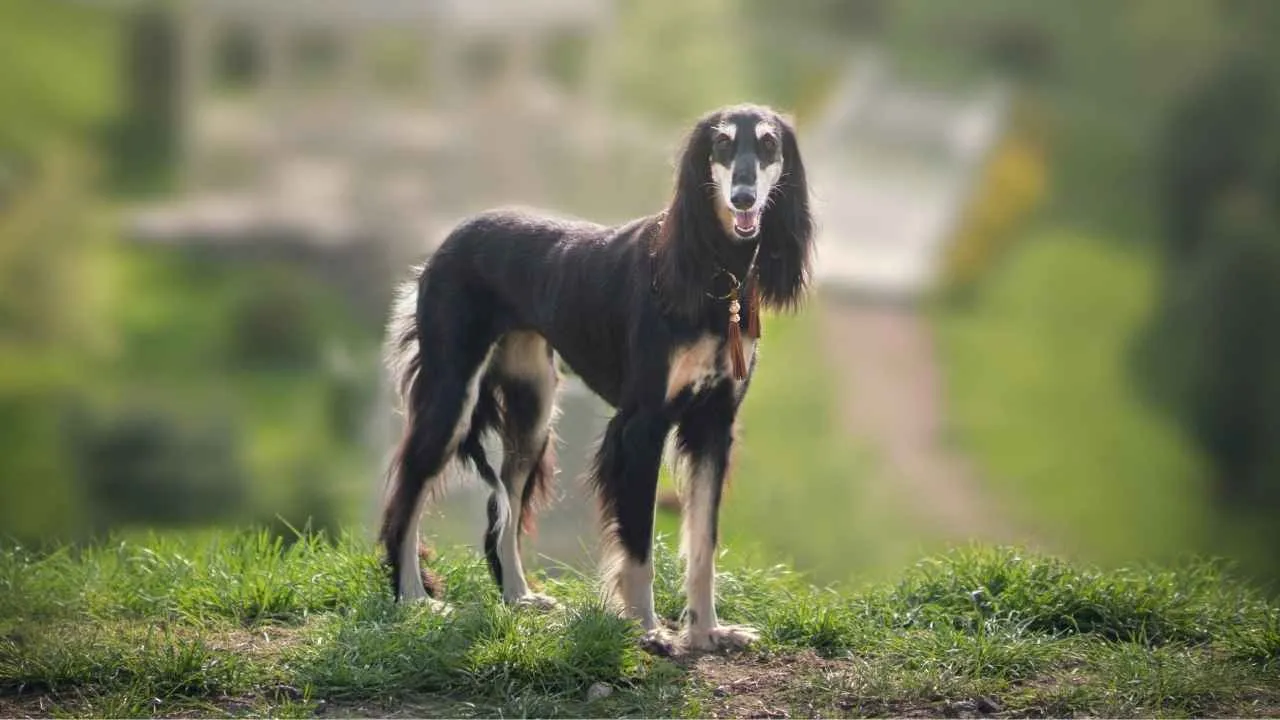
Saluki has existed for thousands of years, although its exact place of origin remains uncertain. Ancient Egyptian evidence includes mummified remains buried with Pharaohs, while nomadic tribes used these sight hounds to pursue gazelle and hare across huge stretches of land.
Golden in Two Forms
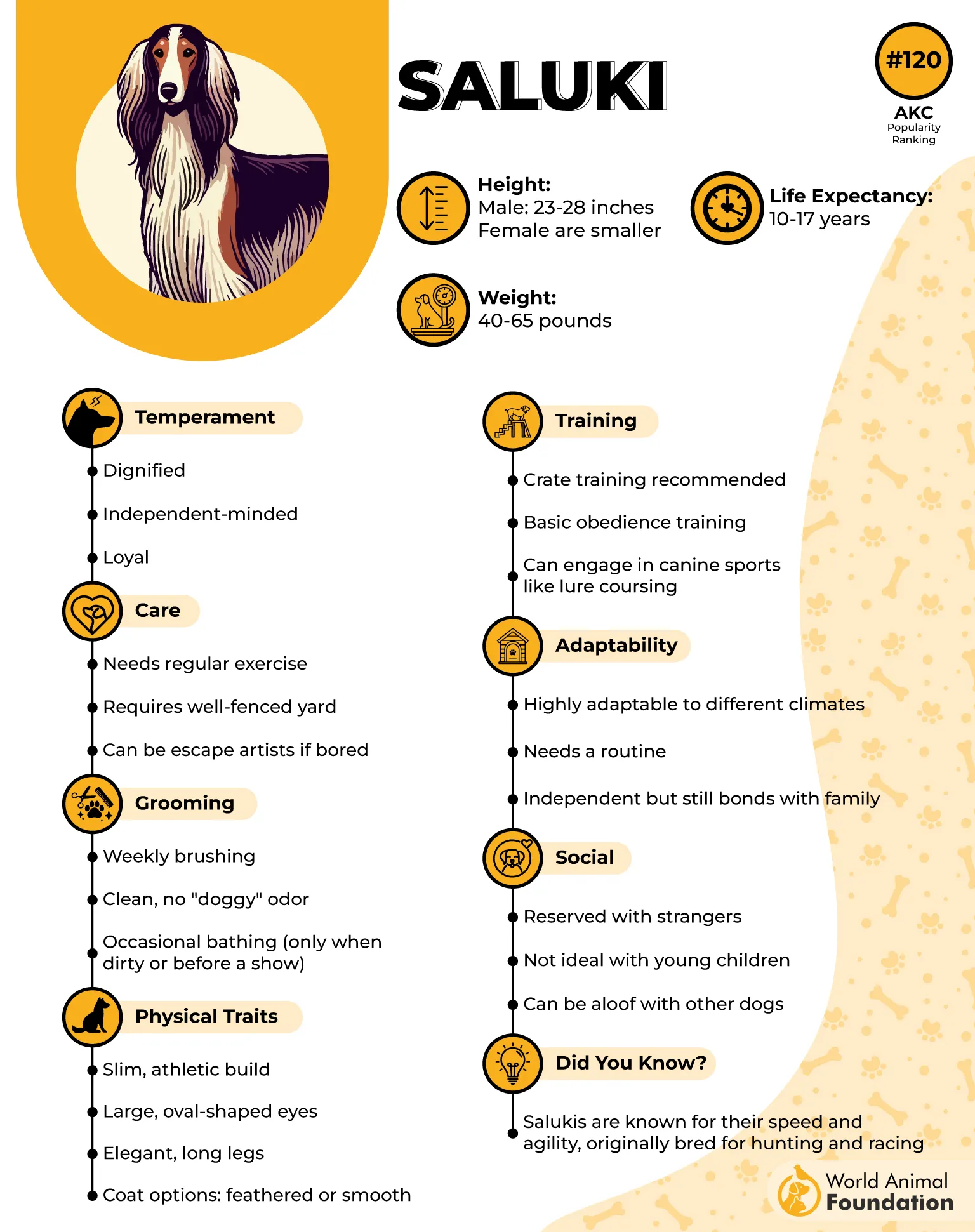
They can have either a smooth or feathered coat, with golden shades appearing in both varieties. The feathered type has silky plumes around the ears, legs, thighs, and tail, while the smooth type keeps a sleek outline similar to a Greyhound.
This is what makes the golden varieties especially interesting:
Puppy colors can shift between 4 and 12 months
Feathered and smooth puppies can occur in one litter
Brindle is the exception among accepted colors
Quiet at Home
Saluki tends to be gentle and reserved, often forming its closest attachment to one person and becoming uneasy during long separations. This breed also has a strong prey drive and needs a secure place to run, while calmer households can suit its quieter nature.
6. Pharaoh Hound
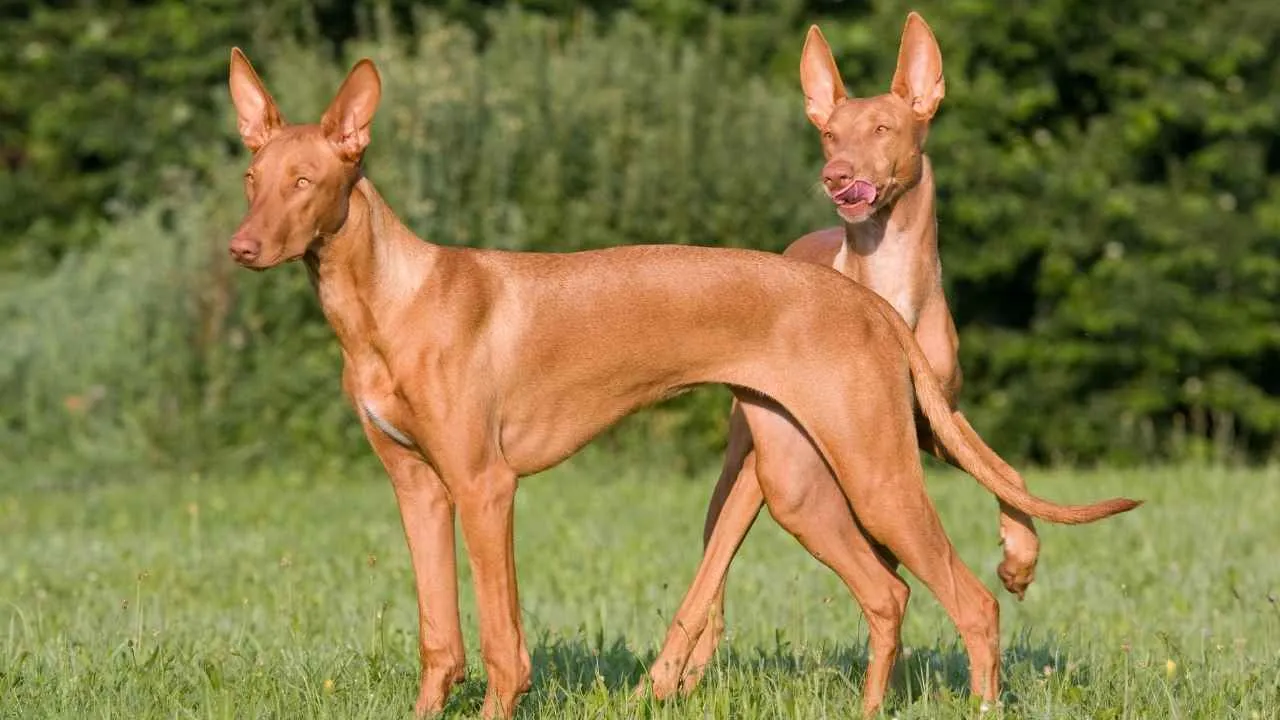
Pharaoh Hound has roots in Egypt that reach back centuries, where it served as a sight hound for hunting game across open terrain. After reaching Malta, its rabbit-hunting ability made it popular there, and the breed eventually became Malta’s national dog and a well-known symbol of the island.
A Coat That Changes Character
Pharaoh Hound comes in several golden-to-reddish shades, giving its sleek body a noticeably different look depending on the individual dog. Red golden coats have a glowing orange-copper tone, while rich tan and pale tan range from deeper gold to sandy beige.
The darker end of the palette brings another distinct option:
Chestnut can resemble warm mahogany
Red golden can resemble polished copper
Tan may appear pale and sandy
That Famous Blush
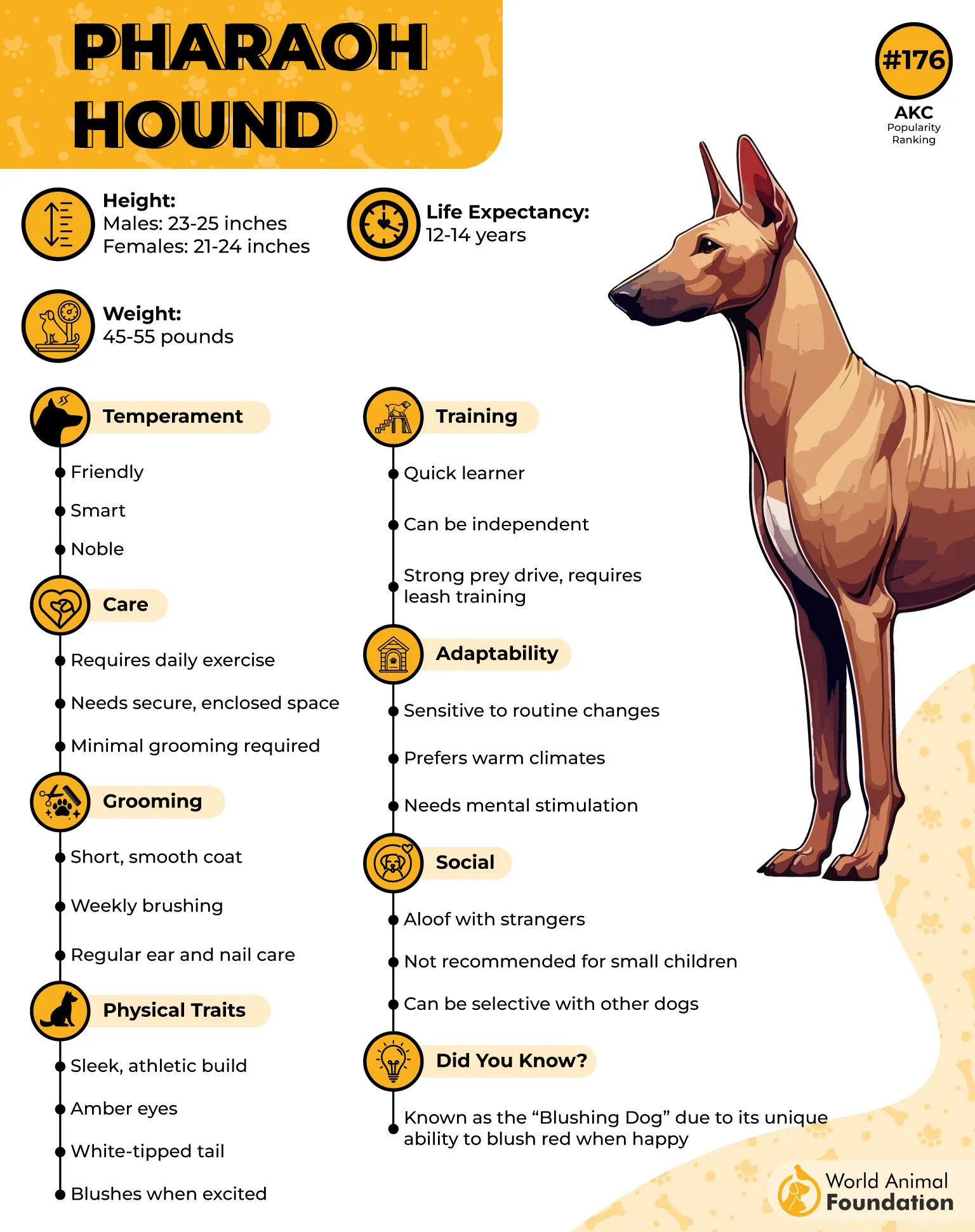
This affectionate breed has an unusual response to excitement or happiness: the nose and ears can take on a rosy flush, creating the breed’s famous “blushing” effect. Their expressive nature also includes a distinctive smile, giving these dogs plenty of personality around familiar people.
7. Tibetan Spaniel

Tibetan Spaniel dates back thousands of years in Asia, where Buddhist monks kept these small dogs around monasteries as companions and early-warning sentries. Their resemblance to lions also held religious meaning, while careful monastery breeding favored the smallest dogs for these roles.
Golden Variations
This breed can wear a warm golden coat in several distinct forms, from an even rich gold to softer pale shades and deeper sable-tipped hairs. The medium-length double coat has a silky outer layer, a thicker undercoat, and feathering along the ears and backs of the legs.
The golden palette can take some particularly striking forms:
Gold with a dark mask
Gold with white chest markings
Fawn-gold with darker hair tips

A High Vantage
Tibetan Spaniel has a habit of choosing elevated spots, such as the back of a sofa, where it can keep an eye on activity around the home. That watchful nature fits its traditional role, with unfamiliar people likely to receive an alert response from this naturally reserved little dog.
Conclusion
Golden coloring covers a wider range of shades than many people realize, and individual coats can change as dogs mature. The American Kennel Club recognizes several golden shades, with some carrying light cream or honey tones, while others show richer red-gold, copper, or chestnut coloring.
Hair texture, feathering, and coat density can make those shades even more distinct, while regular grooming helps remove dead hair.
Still, appearance should only be one consideration when bringing a dog home. Grooming, activity, temperament, training, and companionship needs all affect daily life, even with a short coat. Many Goldens may have similar coloring, but their individual care needs can differ.
Taking time to consider the complete picture can help you find a golden-coated companion whose personality and care requirements fit naturally into your household routine every day.
