





A dog can bring companionship into your home without turning every part of your routine into another responsibility. That matters when work, family, errands, and everyday commitments already fill your schedule.
Low-maintenance dog breeds can make pet ownership easier to manage because their needs may be simpler in areas such as grooming, exercise, training, or general daily care. Shorter coats can reduce brushing time, while moderate energy levels can make daily activity more realistic for people with limited free time.
Training needs also vary widely between breeds, so an easygoing temperament can make routines smoother from the beginning. Of course, every dog still needs proper nutrition, veterinary care, exercise, attention, and companionship. The appeal comes from finding a dog whose requirements fit comfortably into your life each day.
The breeds covered here offer different ways to keep ownership manageable, helping you see which qualities could make your days easier overall.
Key Takeaways
Between work, errands, and everything else in a normal day, a dog with simple care needs can make life much easier.
French Bulldogs start the list with a short coat and modest exercise needs, followed by Basset Hounds that need little grooming beyond managing their shedding.
Then there is the Pug, a breed once treasured by Chinese emperors that still keeps its everyday care surprisingly simple.
The next breeds bring their own perks, from the Cavalier’s easy exercise routine to the Whippet’s minimal grooming and the Boston Terrier’s sleek coat.
Amazing Dog Breeds With Low-Maintenance Requirements
1. French Bulldog
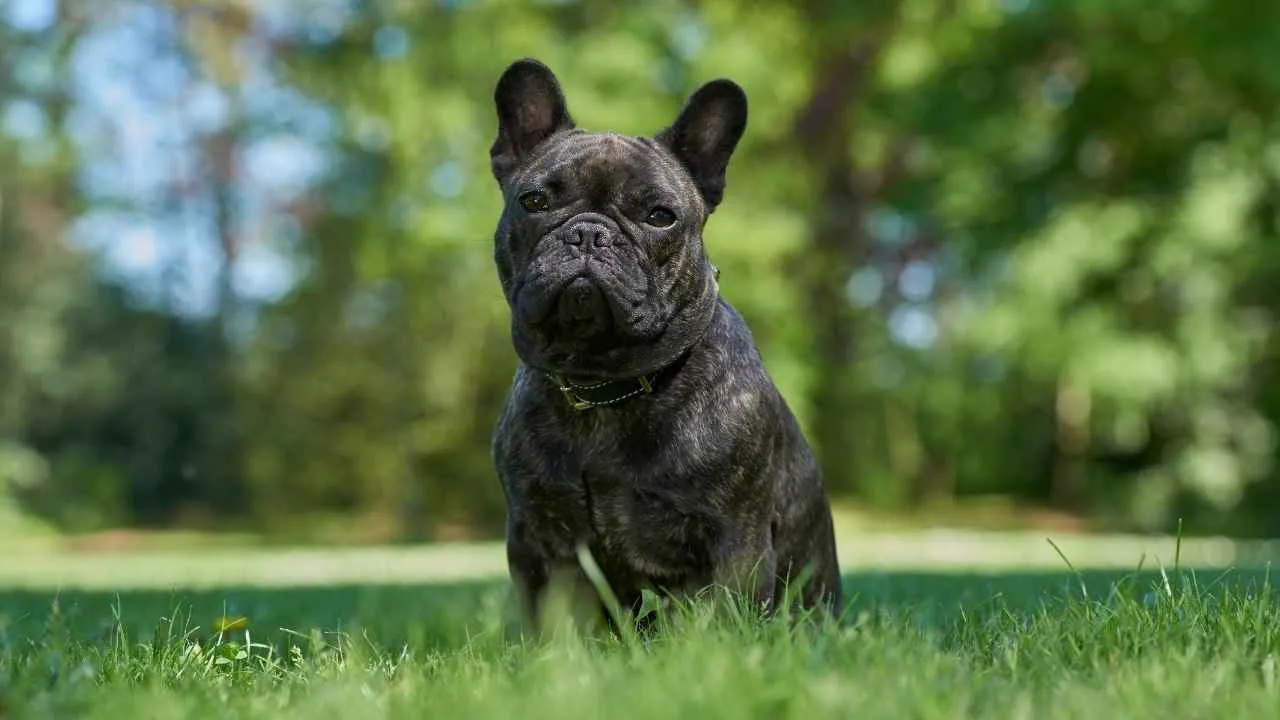
French Bulldogs started their life as a smaller Bulldog kept by English lace makers in 19th-century Nottingham. When the lace industry shifted toward northern France during the Industrial Revolution, these little dogs went along and soon became familiar sights in Parisian life.
Easy Daily Care
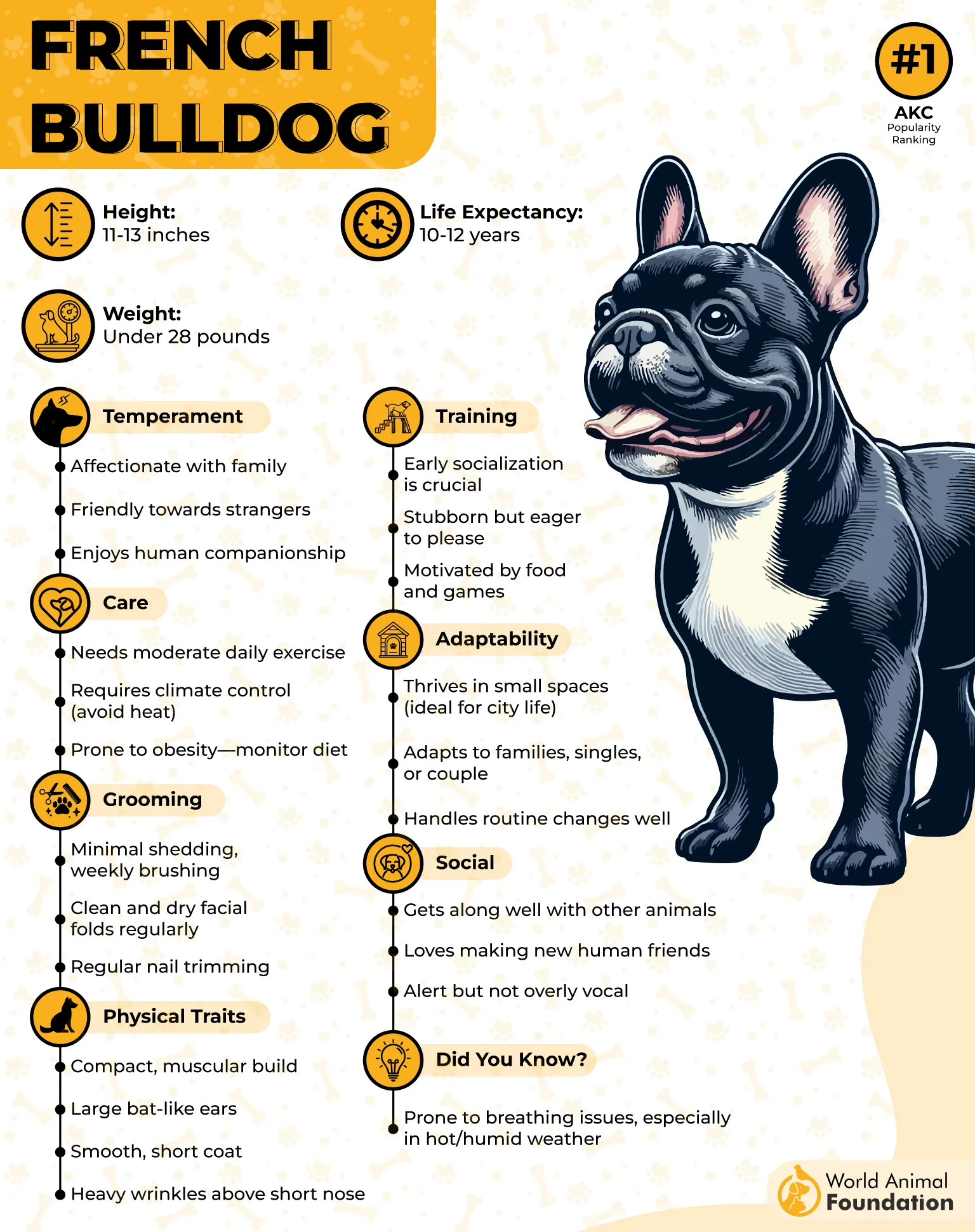
Frenchies have a short coat that sheds minimally, so weekly brushing with a rubber grooming mitt, hound glove, or medium-bristle brush can remove loose hair. A brief walk or outdoor play session each day generally provides enough activity for this compact breed.
Its petite build also affects how it stays active:
Agility and rally can add variety
Obedience provides a structured activity
Hot, humid weather calls for extra caution
Quiet Around Town
French Bulldogs tend to bark infrequently, yet their naturally alert nature can make them attentive to activity around the home, as noted by the AKC. It generally adapts well to singles, couples, and families, while its sociable temperament can work well around other animals and unfamiliar people.
2. Basset Hound
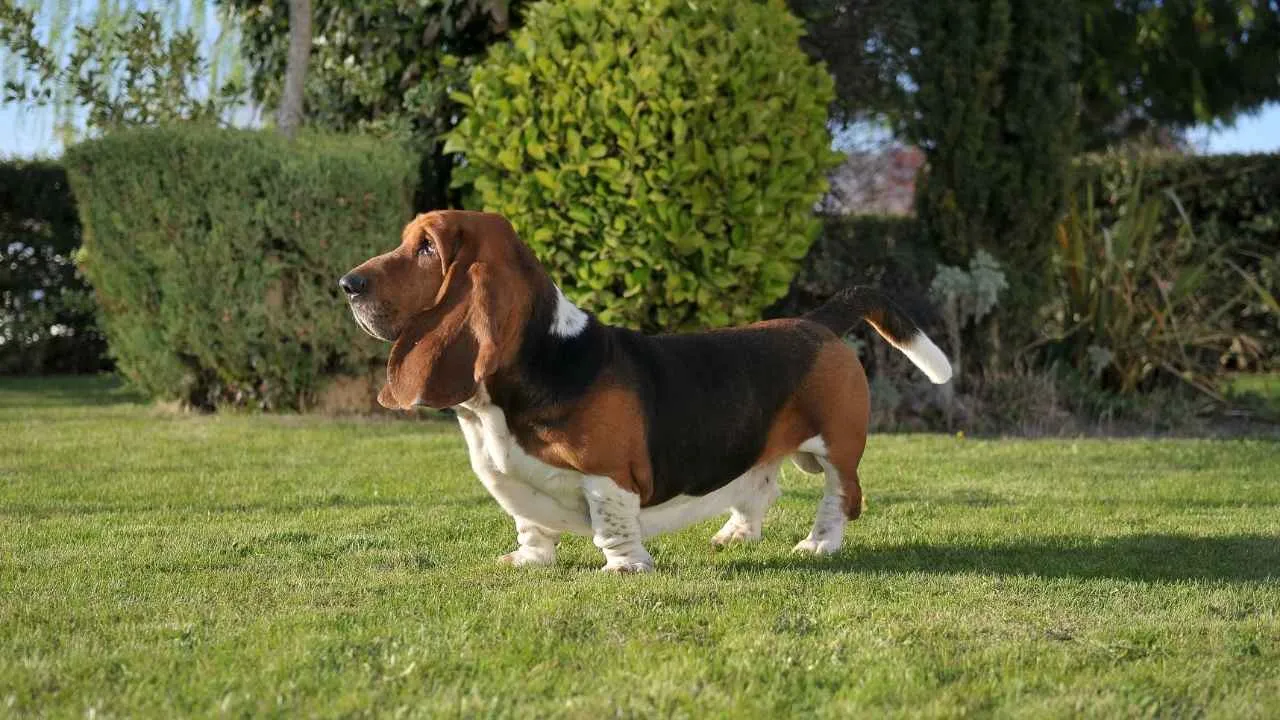
Basset Hound originated in France, where these low-slung scent hounds were used to pursue rabbits, hares, and wild boar during hunts. The name “basset” comes from a French word meaning “short” or “low,” fitting their unusually close-to-the-ground build and distinctive shape.
Minimal Grooming Needs
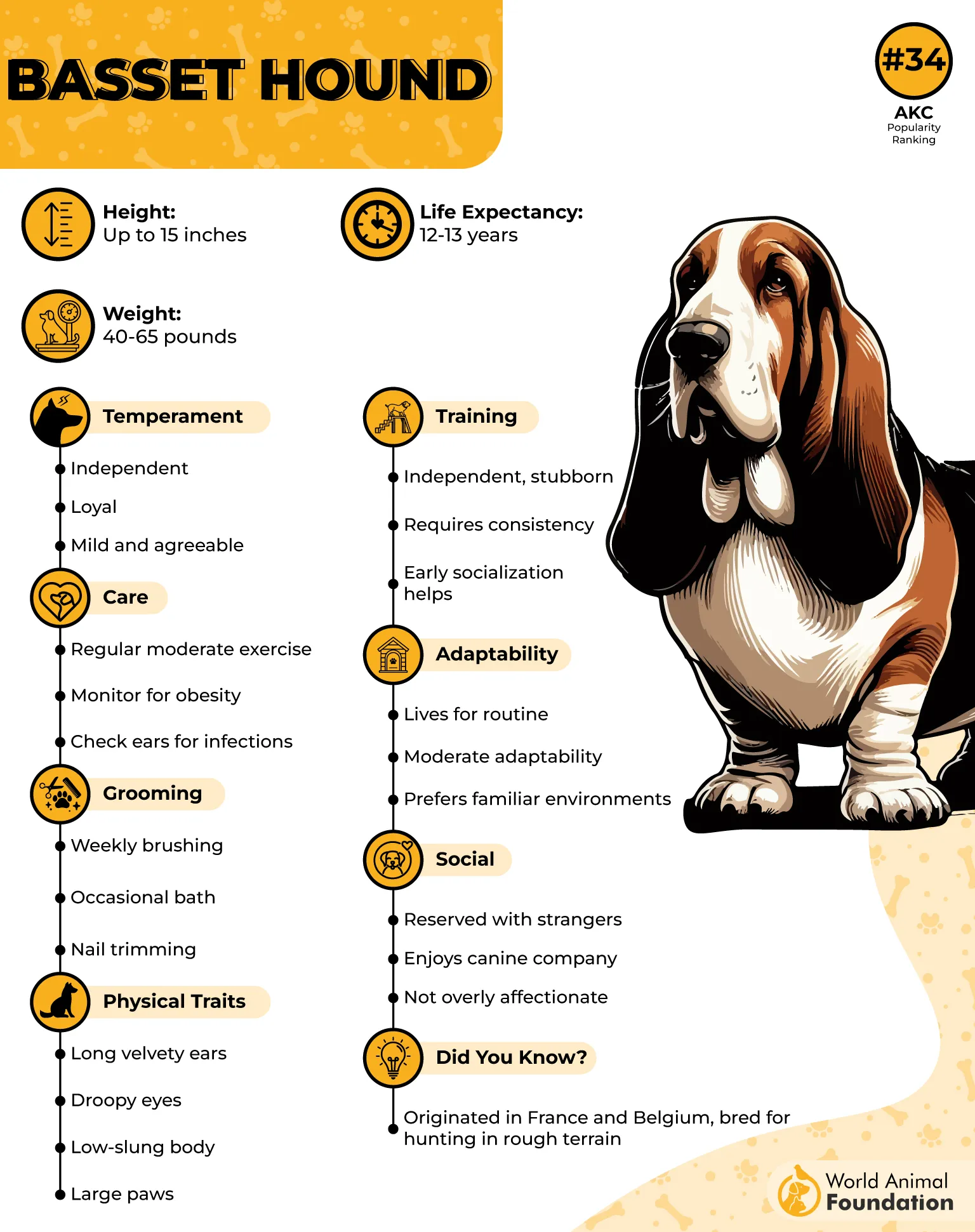
Caring for a Basset Hound’s smooth coat is fairly simple, although its frequent shedding means loose hair can quickly collect throughout the home. A gentle brushing session at least once a week helps remove shedding hair while also supporting healthy skin.
These practical grooming details are worth noting:
Needs regular, moderate daily exercise
Moderate-paced walks help maintain a healthy weight
Enjoys walks with another dog
Calm Company
Basset Hound is sociable, polite, and quietly playful at home, with a particular fondness for children and familiar people, as mentioned by Purina. This breed can also become unhappy when left alone, making regular human or canine company an important part of its daily routine.
3. Pug
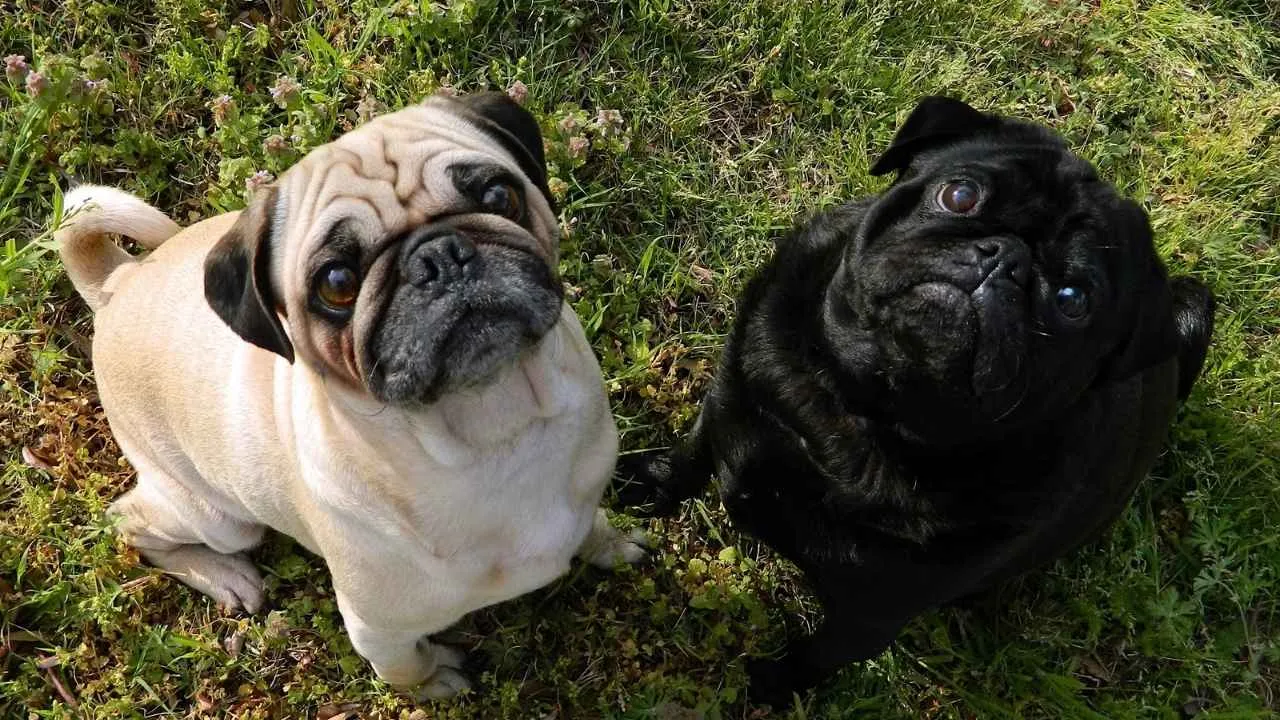
Pug traces its history to China during the Han Dynasty, from around 206 BC to 200 AD, with evidence of similar dogs also found in ancient Tibet and Japan. Chinese emperors prized these small companions, while soldiers were assigned to guard them in their luxurious royal surroundings.
Low-Grooming Fuss
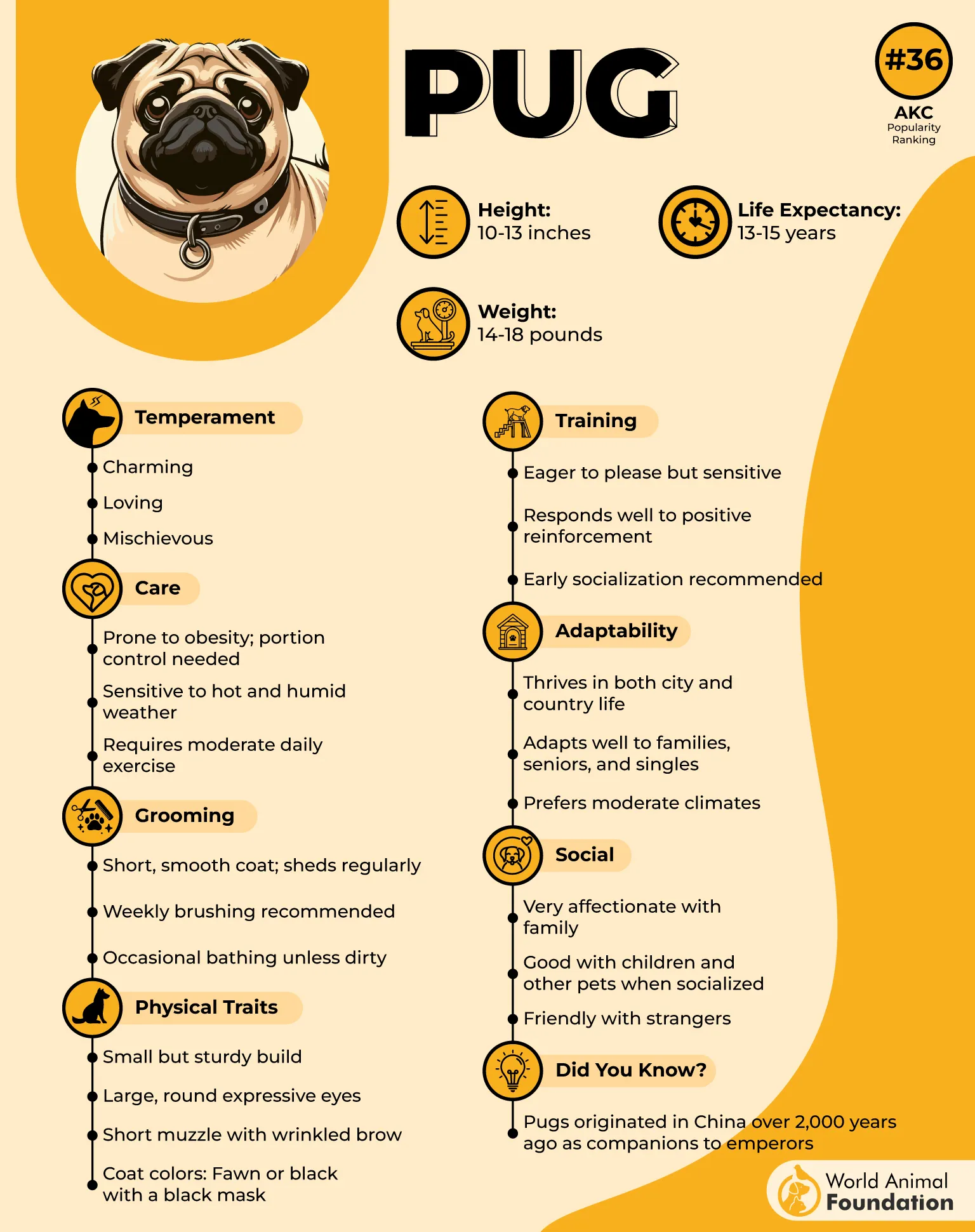
According to Petplan, the Pug’s fine, close coat keeps its grooming routine simple, with far less maintenance needed than for longer-haired breeds.

Weekly brushing with a medium-bristle brush, rubber grooming mitt, or hound glove helps remove loose hair, while baths are usually needed only after a particularly messy outing.
Its easy-care coat is matched by a friendly nature:
Alerts to visitors without constant barking
Can live peacefully with other pets
Needs daily walks or moderate play
Small Body, Big Personality
This low-maintenance breed carries the old motto multum in parvo, meaning “a lot in a little,” which fits its playful and mischievous personality remarkably well. These compact dogs enjoy games, affection, couch time, and human company, making prolonged isolation difficult for them.
4. Cavalier King Charles Spaniel
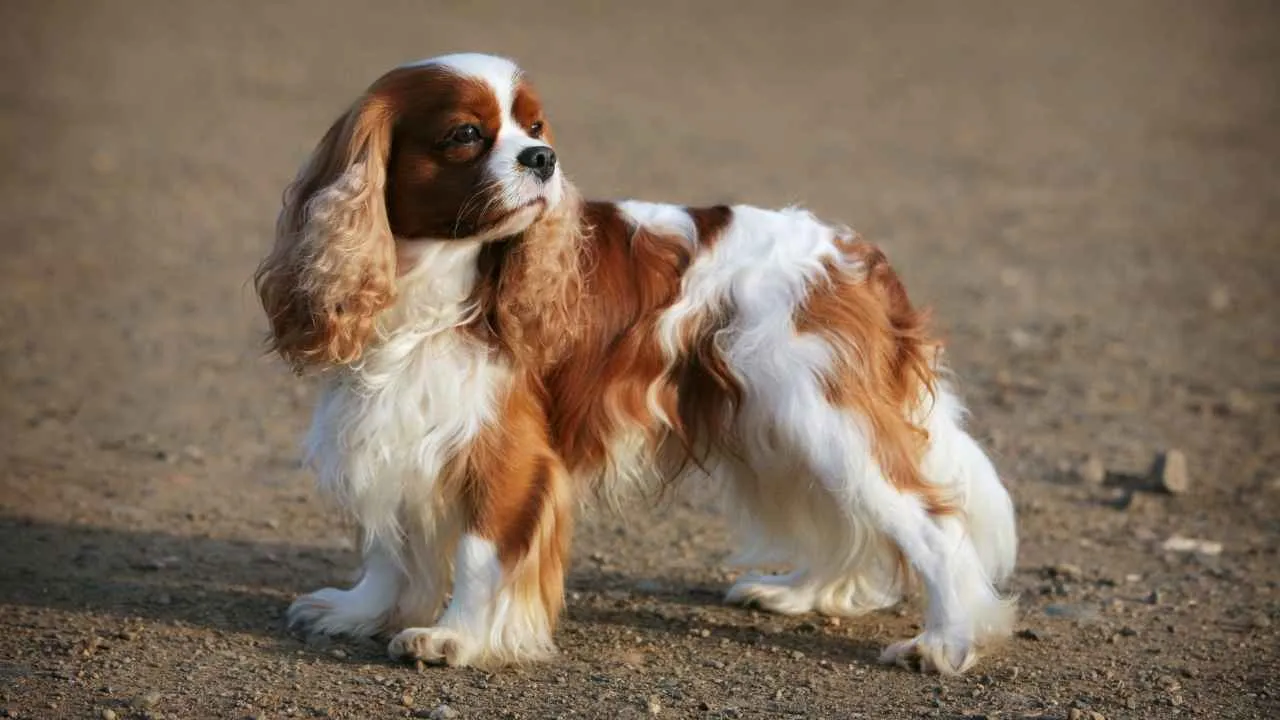
Cavalier King Charles Spaniel descends from small toy spaniels seen in European paintings from the 16th through 18th centuries. These little dogs once warmed laps in drafty castles and chilly carriage rides, with one Olde English prescription even calling for a “comforte dog” on the Queen’s lap.
Easy Daily Rhythm
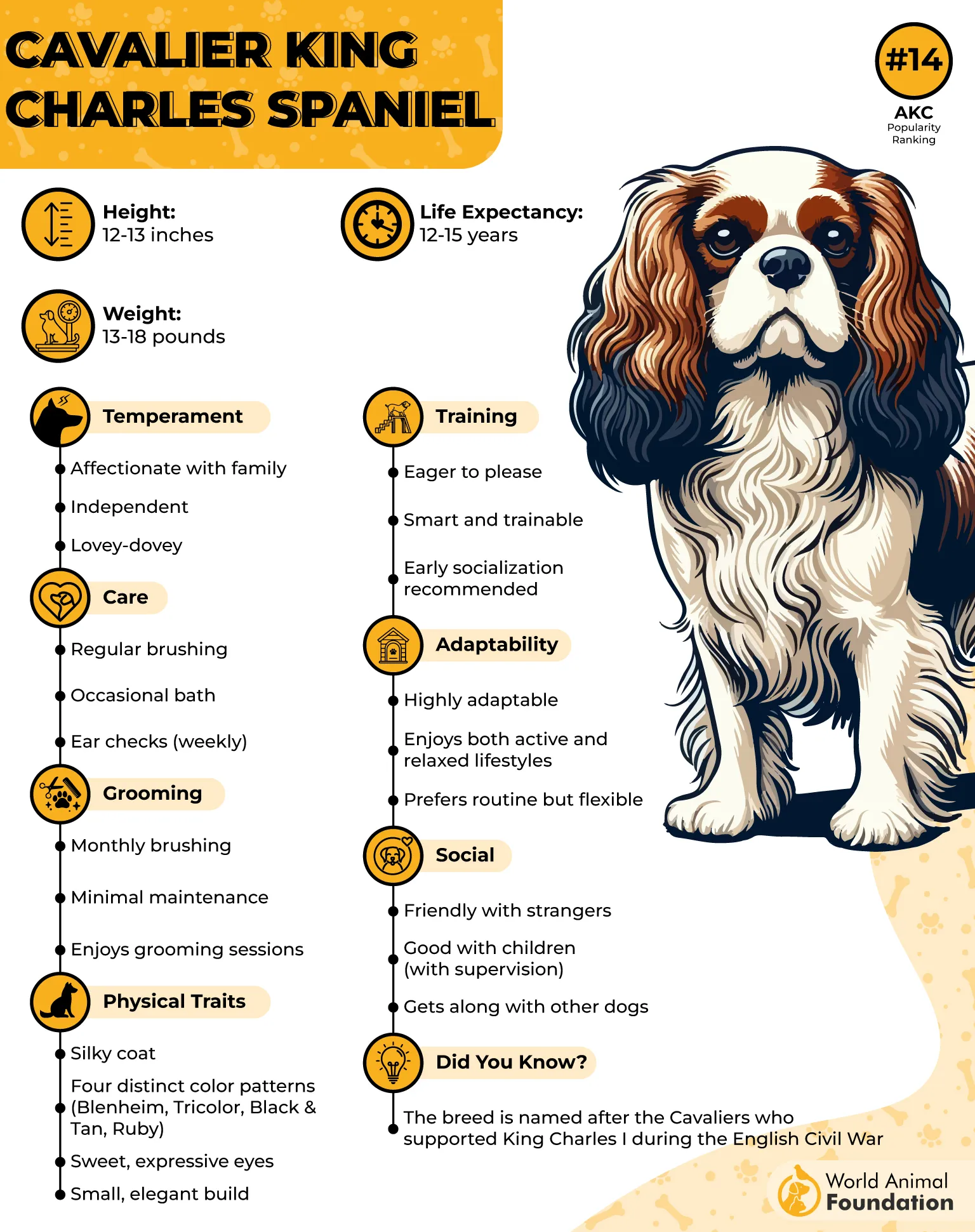
Moderate exercise is enough to keep this companion dog moving, so its routine does not need to revolve around intense workouts. Two 20-to-30-minute walks and a little everyday play can cover its activity needs while leaving plenty of time for the rest of the day.
This breed leaves room for these daily life activities:
Curious enough to follow interesting scents
Enjoys scent work, agility, and flyball
Needs a leash during public outings
Naturally Social
Cavalier King Charles Spaniel is highly receptive to people and often greets strangers with the same cheerful attitude it gives familiar faces. Its friendly nature also extends to other animals, including cats, although a smaller dog may initially feel cautious around much larger dogs.
5. Whippet
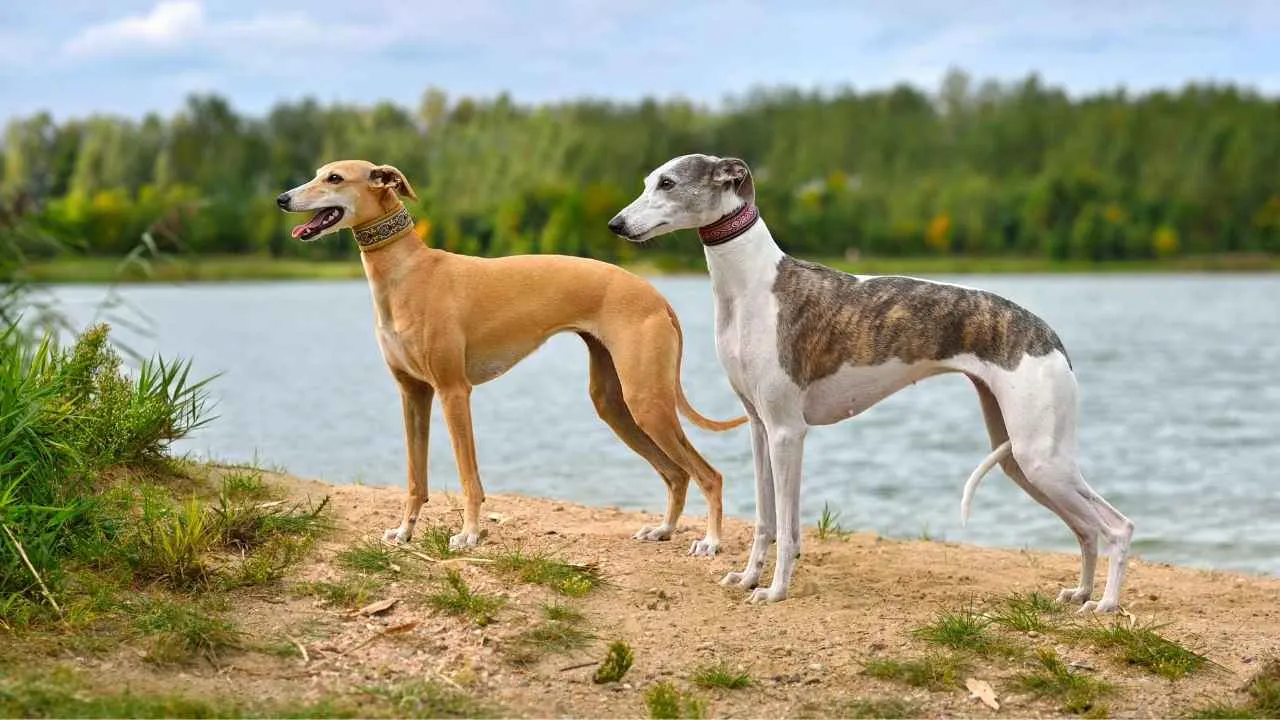
Whippet emerged in 19th-century northern England, where miners wanted a smaller, less costly alternative to the Greyhound. Accounts differ on whether smaller Greyhounds shaped the breed or Italian Greyhounds and Manchester Terriers were involved through selective crosses.
Doesn’t Require Extensive Grooming
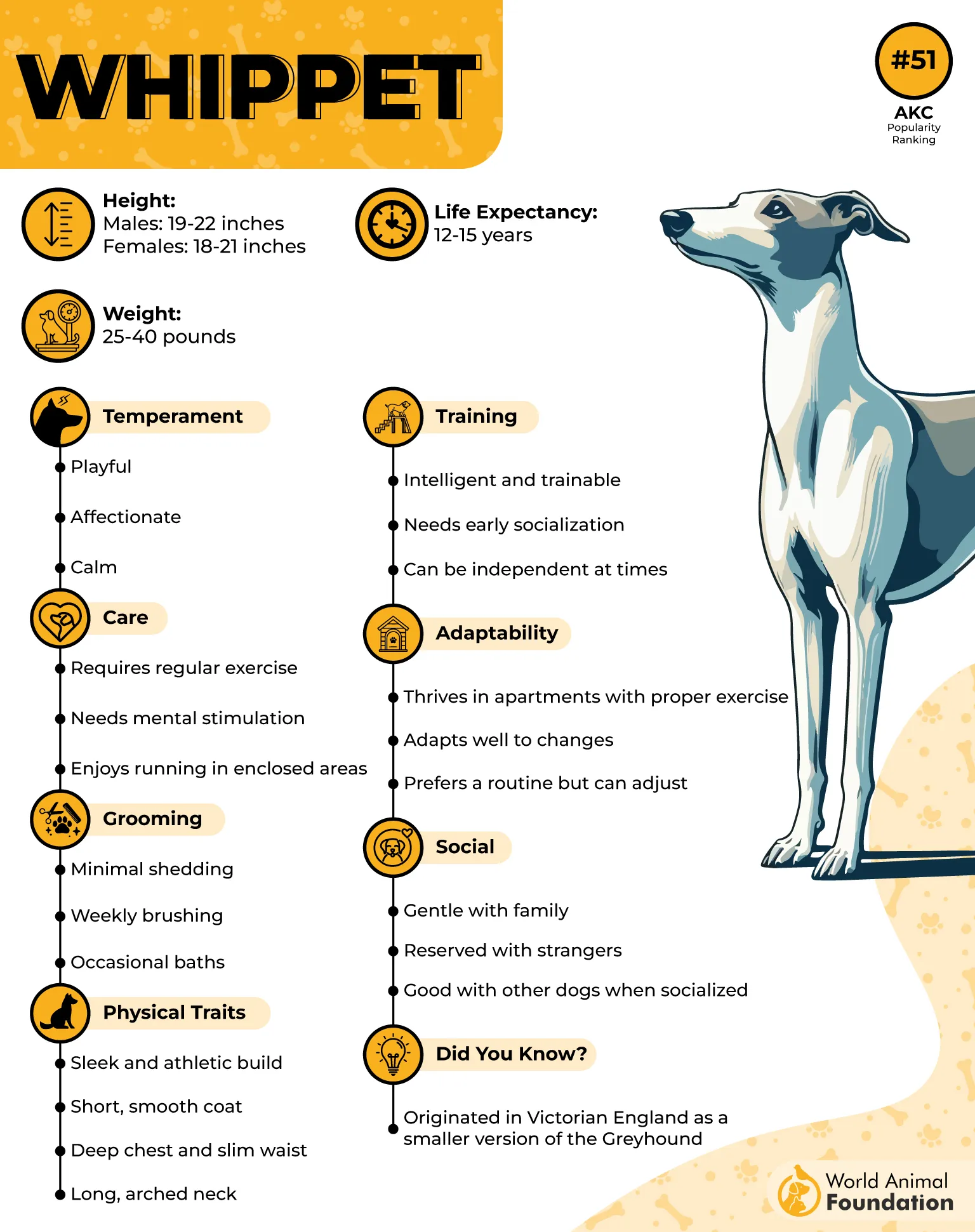
Whippets do not give their busy pet parents much coat to manage, and a weekly brushing session can take care of loose hair and basic upkeep. An occasional bath is usually all that needs adding, so grooming rarely turns into a lengthy part of the monthly routine.
There’s more to this breed than grooming:
Deep chest and slim, sturdy legs support speed
Needs enclosed space for safe sprinting
Enjoys walks, jogging, and daily activity
Quiet Housemate
This adult dog breed can adapt well to apartment living when its daily activity needs are met, and its low tendency to bark can be especially useful in close-set homes. After exercise, it may spend long stretches relaxing under warm blankets or tucked beneath a duvet.
6. Boston Terrier
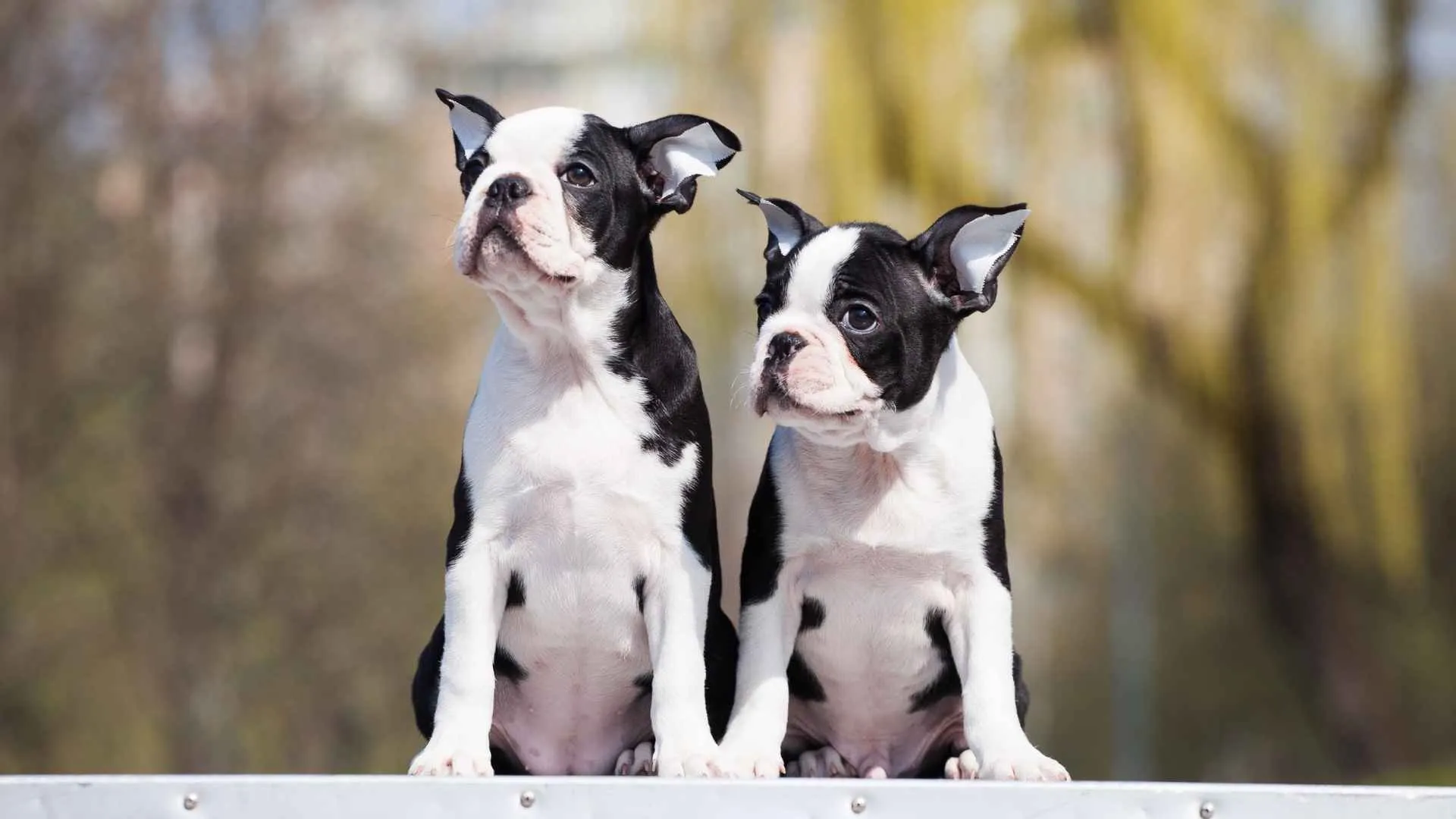
In late-1800s America, breeders developed the Boston Terrier by crossing a Bull and Terrier type dog with a French Bulldog. It earned American Kennel Club recognition in 1893, although its official classification eventually moved away from terriers to the non-sporting group.
Very Little Upkeep
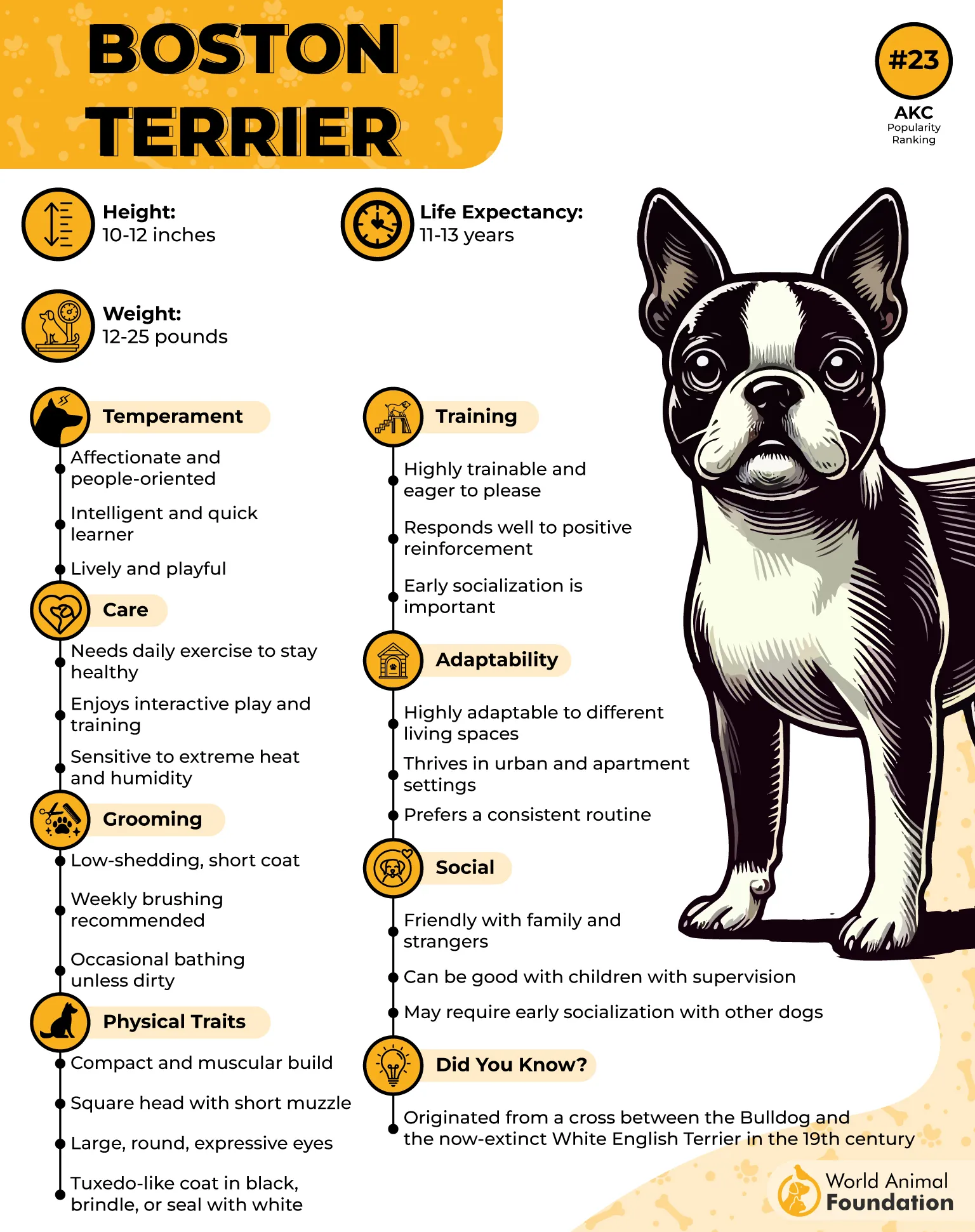
Boston Terrier has a sleek, fine coat that sheds some loose hair without creating a heavy grooming routine. Weekly brushing with a soft-bristle brush, rubber grooming mitt, or hound glove can remove loose fur while spreading natural skin oils.
Beyond grooming, its social needs also matter:
Too much time alone can cause separation anxiety
Can develop unwanted behaviors from boredom
May wait by the door instead of playing outside
Compact City Companion
This tiny dog is sturdy enough for a brisk outing yet portable enough for an urban lifestyle, with a natural fondness for people and outdoor trips. Daily exercise varies by the individual, with some content after one or two brisk walks while others need extra running and play.
7. Greyhound
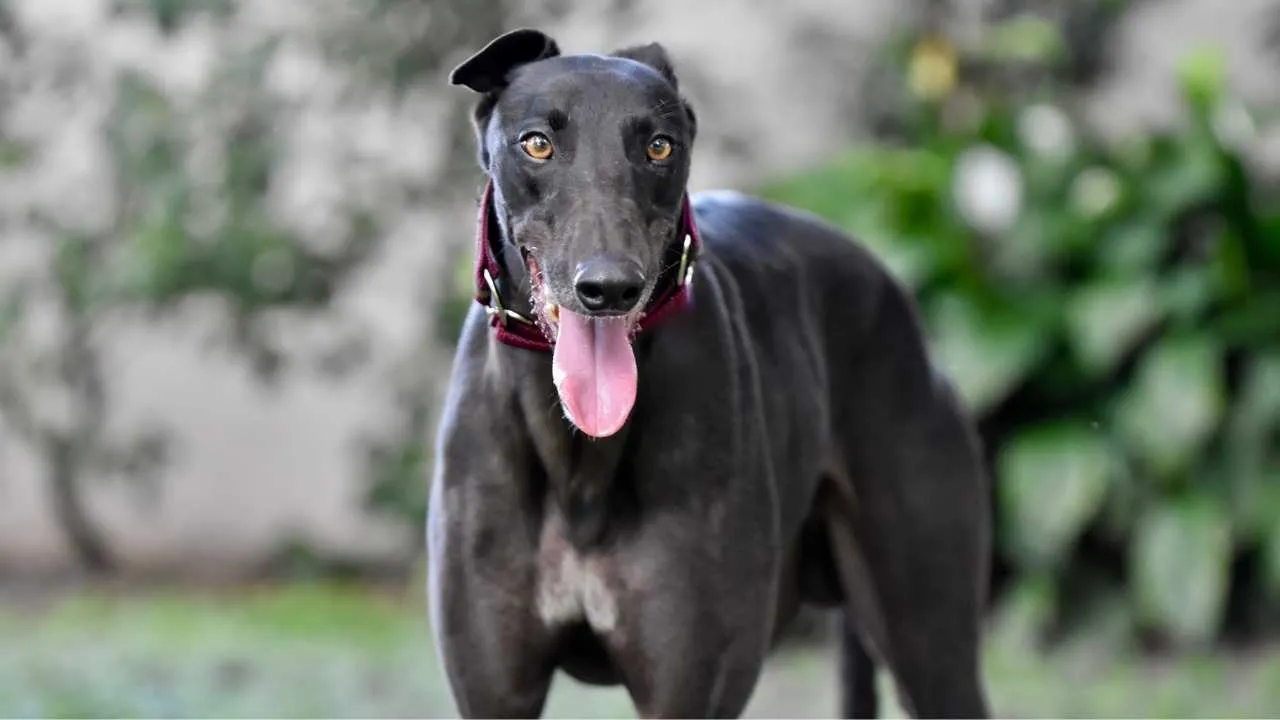
The Greyhound is an ancient European sighthound, originally bred to spot and pursue game using its exceptional vision. For centuries, these elegant dogs were closely associated with nobility before organized racing gained popularity in America and Britain during the early 1920s.
Made for Short Bursts
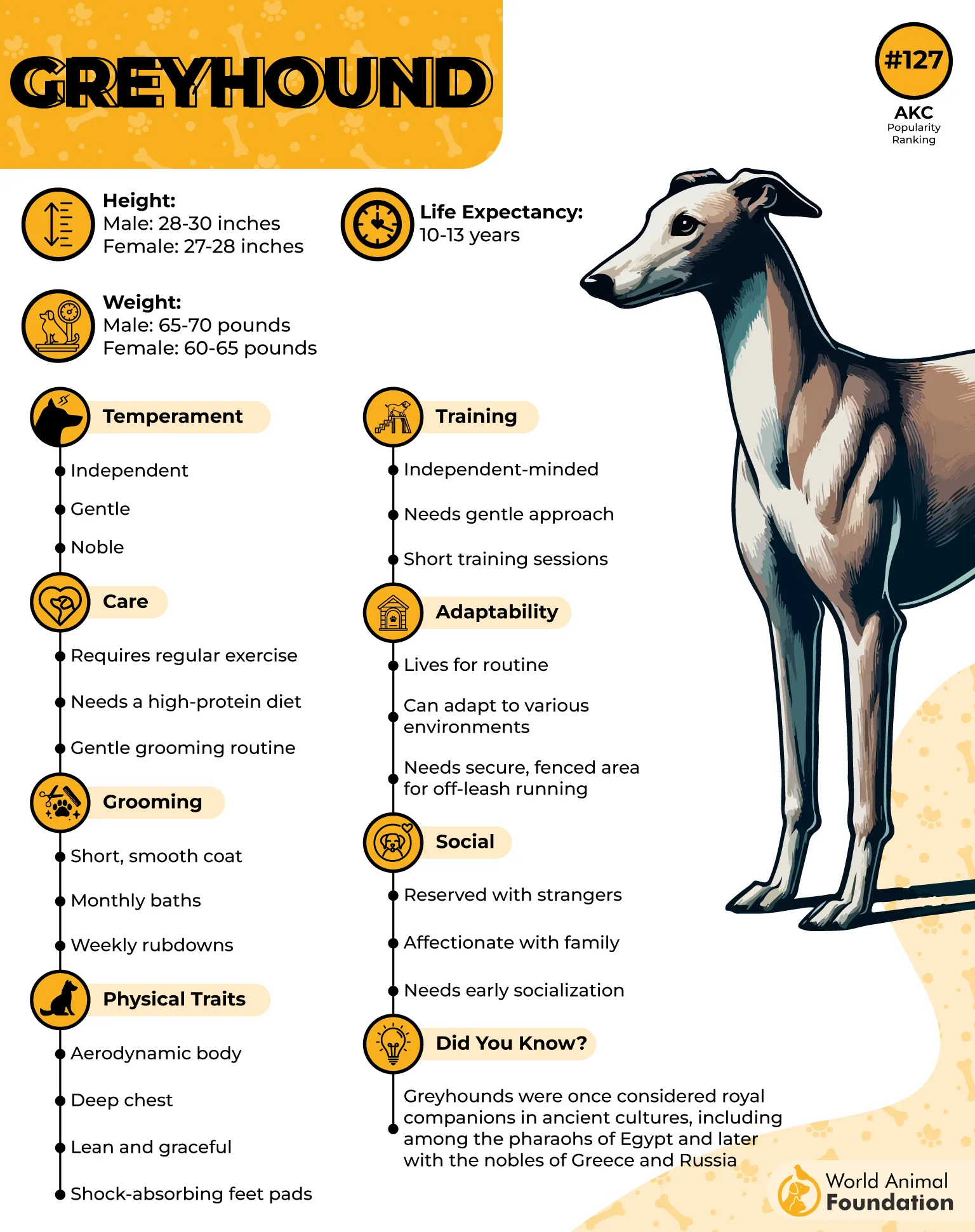
Greyhound has a narrow skull, deep chest, tucked waist, long legs, and flexible spine that work together for explosive speed. It can reach about 43 miles per hour over short distances, making this breed a sprinter rather than a long-distance runner.
Its speed is impressive, but safety and upkeep matter too:
Short coat needs weekly rubdowns
Strong nails need regular trimming
Full-speed running requires a safe enclosure
Calm Between Sprints
Greyhounds can spend much of the day lounging indoors after their activity needs are met, often preferring a comfortable bed to a lengthy walk. It is generally quiet and can live well with children and other animals, while its sighthound instincts mean small creatures may trigger a chase outdoors.
Conclusion
Low-maintenance care can make dog ownership easier to fit around work, family, and other daily responsibilities. Short coats may reduce brushing and bathing time, while moderate exercise needs can leave more room for a busy lifestyle. Still, every dog needs proper nutrition, veterinary care, training, attention, and companionship, even when looking for the right low-maintenance dog.
Some dogs tend to shed more than expected, while others need safe spaces for exercise or regular nail care. First-time dog owners should also consider time alone, household members, activity levels, and living arrangements before choosing.
A companion with an adaptable temperament can keep routine care manageable without removing the everyday responsibilities that come with having a dog.
