





Comparing a Cavapoo with a Cavalier King Charles Spaniel reveals why similar-looking dogs can create different experiences at home.
One comes from a Cavalier and Toy or Miniature Poodle pairing, while the other is a distinct breed with a long-established set of traits. That difference matters because a Cavapoo can inherit a wide range of coat textures, from straighter hair to curls, along with varying levels of shedding.
A Cavalier has a silky, feathered coat and sheds year-round. Both are known for affectionate, people-focused temperaments, and both can respond well to positive training. Details appear when grooming, activity, social needs, and individual personality become part of everyday life.
A mixed-breed dog can show traits from either parent, while a recognized breed generally offers a more consistent profile.
If these two are on your shortlist, looking past their similarities can make the decision far clearer. The differences are worth exploring before making a decision.
Key Takeaways
A Cavapoo and a Cavalier King Charles Spaniel may seem like two versions of the same cuddly companion, but their daily needs tell a different story.
One can have a wavy or curly coat that varies from dog to dog, while the Cavalier has the classic silky coat many people recognize instantly.
Their exercise, training, social needs, and grooming routines bring out even more differences between them.
By the end, you’ll have a clearer picture of what sets these two apart once they become part of everyday life.
Cavapoo vs. Cavalier King Charles Spaniel: What’s the Difference?
1. Physical Features
Compact Features With a Plush Finish
Cavapoos are small dog breeds with a compact build and a soft, rounded expression. Males typically stand around 10 to 15 inches and weigh about 13 to 29 pounds, while females are around 10 to 14 inches and weigh roughly 11 to 22 pounds.
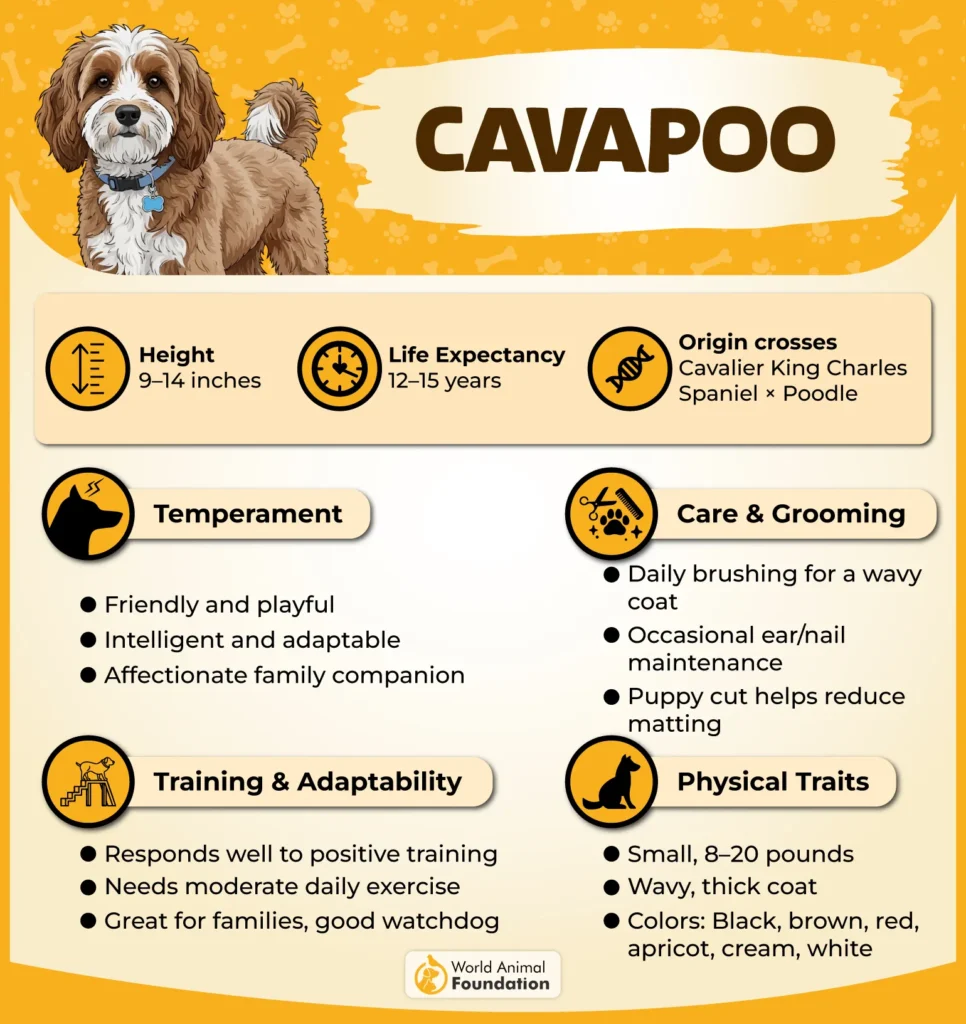
Their coat can range from wavy to curly and is often longer and plush, with the exact texture varying between individual dogs. Feathered drop ears, a medium-length muzzle, large forward-facing eyes, and a plume-like tail add to their soft, teddy-bear appearance.
Classic Features With Silky Feathering
Cavalier King Charles Spaniels have a slightly smaller and lighter frame, with males generally standing 12 to 13 inches and weighing 13 to 19 pounds. Females are usually around 11 to 13 inches and weigh approximately 12 to 17 pounds.
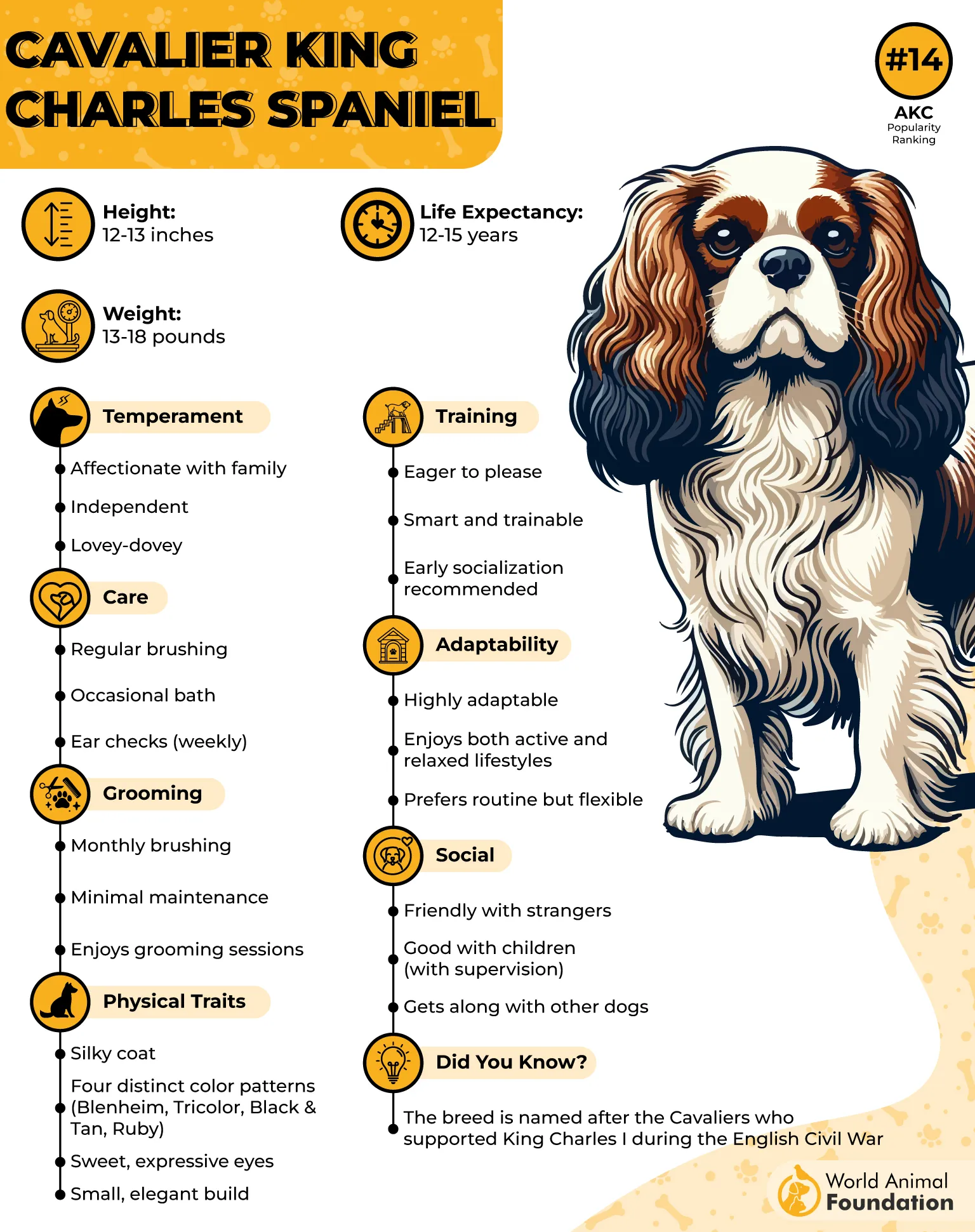
Their large round eyes and long, heavily feathered ears give the face its characteristic gentle expression. The silky, medium-long coat has noticeable feathering across the ears, chest, belly, legs, and tail, creating a more flowing appearance than the curl-prone Cavapoo coat.
2. Speed & Strength
Light on Their Feet
Cavapoos can reach speeds of around 19 mph, although their smaller frame generally favors quick, coordinated movement over sustained speed. Their well-muscled limbs provide good elasticity, helping them move with control and agility.
Their bite force is relatively weak compared with larger breeds, estimated at around 100 to 200 PSI. They still have enough physical strength and coordination for activities that require balance, quick movement, and body control, with moderate stamina to support regular activity.
Compact Strength and Steady Movement
Cavalier King Charles Spaniels can also reach around 19 mph, though their overall build is better suited to moderate movement than high-speed running. Their compact, sturdy frame gives them a balanced foundation for everyday physical activity.

Their strong jaws, complete scissor bite, and moderate bone structure contribute to a well-proportioned body rather than heavy physical power. Once fully grown, this lap dog can also handle longer walks and light hikes, showing useful physical endurance for their size.
3. Exercise & Energy Levels
Easygoing Activity With Brain Games
Cavapoos generally enjoy moderate daily activity rather than long, demanding outings. A brisk walk, backyard play, or a game of fetch can give them enough physical activity, while food puzzles, scavenger hunts, and nose work add the mental engagement they need.

They can happily settle down at home after their activities, making variety more useful than lengthy exercise sessions. Fetch, tug-of-war, neighborhood walks, and interactive puzzles give them different ways to stay occupied throughout the day.
Gentle Outings With Plenty to Explore
Cavalier King Charles Spaniels also have moderate exercise needs, with a couple of 20- to 30-minute walks alongside regular play usually providing enough activity, as PetMD claims. They enjoy leisurely walks where they can explore and sniff, rather than activities that demand speed or intense physical effort.
The curiosity of this purebred dog makes interactive toys, scent work, flyball, and agility appealing ways to add variety. They can also become eager to investigate interesting smells, so keeping them securely leashed in public places is important, with a harness offering additional control.
4. Training & Intelligence
Bright Minds That Need Direction
Cavapoos are highly intelligent and can pick up new lessons quickly, which makes early training especially important, as noted by Purina. Their cleverness can work both ways, so short, enjoyable sessions with games and tasty treats can help guide that sharp mind toward the behaviors you want.
Young Cavapoos or Cavapoo puppies have limited attention spans, making variety useful during learning. Keeping lessons brief and rewarding can help them stay interested while giving them clear opportunities to understand what you expect.
Eager Learners With a Social Side
Cavalier King Charles Spaniels are eager to please and tend to pick up basic cues such as sit, stay, down, and come with relative ease. Starting while they are young and continuing regular lessons can reinforce what they learn throughout life.

Positive reinforcement through treats, favorite toys, and praise can make learning especially rewarding. Socialization also plays an important role, helping young Cavaliers become comfortable with unfamiliar situations and different environments.
5. Socialization & Living Environment
A Close-Knit Homebody
Cavapoos are affectionate, people-focused companions that usually enjoy being around family members, children, and other pets. Their gentle social nature can make them comfortable in homes with cats and young children, provided children learn to handle dogs kindly and respectfully.

Their small size also makes Cavapoos practical for apartments and smaller homes. They form close bonds with their people, though that attachment can make being alone difficult, so gradually introducing short periods apart can help them adjust to time away from the family.
The Social Companion Next Door
Cavalier King Charles Spaniels are naturally friendly with people and other dogs, making them comfortable in households ranging from singles and couples to larger families. They enjoy staying close to their favorite people and usually adapt well to different household setups.
They can live happily in apartments or houses without needing a large property, although a secure fence is useful for homes with yards. Their affectionate nature makes regular companionship especially important, and they are often happiest when included in everyday outings and family time.
6. Coat Grooming Needs
A Coat That Needs Regular Attention
Cavapoos can have different coat types, so getting them comfortable with brushing, combing, bathing, and drying from puppyhood can make grooming easier. Their coats should be brushed thoroughly down to the skin several times a week, with the right technique depending on whether the coat is dry, wet, or being dried after a bath.
Some Cavapoos shed very little, yet loose hair can remain trapped in the coat and lead to mats. Daily checks around the feet, ears, eyes, mouth, and genital area can help catch dirt and tangles early, while guidance from a professional groomer can be especially useful for choosing suitable grooming methods.
Silky Coats With Simpler Upkeep
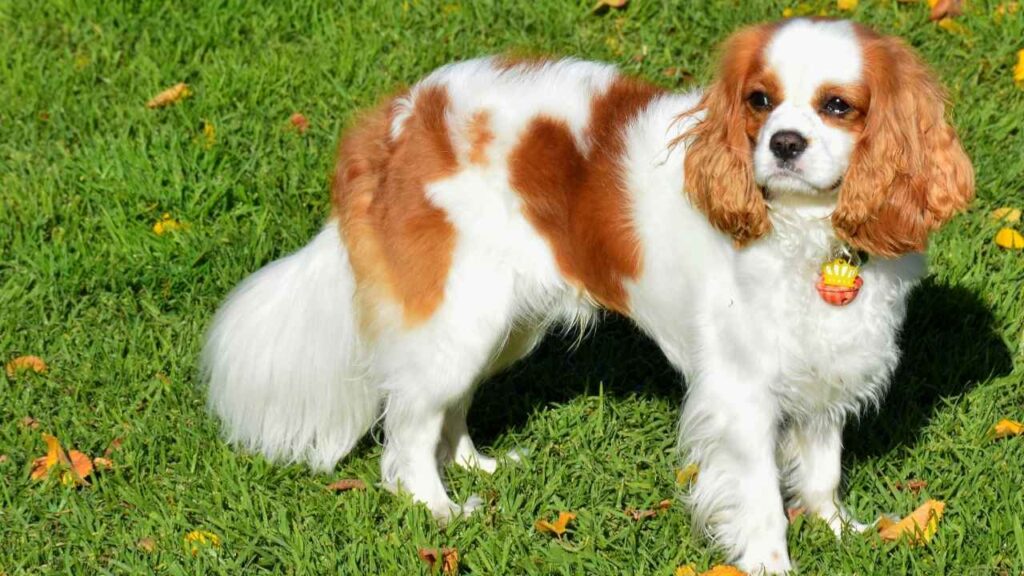
Cavalier King Charles Spaniels have a thick, medium-length double coat that generally needs less intensive grooming. Their silky, sometimes wavy fur should be brushed or combed around three or four times a week, while bathing is usually needed about once a month or when the coat becomes visibly dirty or develops an odor.
Regular grooming also gives you a chance to check the skin for parasites, unusual lumps, or rashes. Their dental care deserves attention too, with tooth brushing recommended at least three times a week to help reduce tartar, gum disease, and bad breath.
7. Health & Lifespan
A Longer Life With Some Watchpoints
Cavapoos typically live around 12 to 15 years and are generally healthy, though certain inherited and size-related conditions can affect them. Allergies may cause itching, licking, skin infections, or recurring ear problems, while mitral valve disease can affect the heart and may require long-term medication and veterinary monitoring.

Patellar luxation is another concern in this small breed and can cause limping or arthritis when the kneecap slips out of position. Eye conditions such as progressive retinal atrophy, cataracts, entropion, corneal dystrophy, and extra eyelashes can also occur, making routine veterinary checks useful for catching changes early.
A Familiar Lifespan With More Concerns
Cavalier King Charles Spaniels generally live around 12 to 15 years, but they can be prone to several health conditions affecting the ears, eyes, heart, joints, and nervous system, as noted by Britannica. Their long ears can trap moisture and contribute to infections, while cataracts, progressive retinal atrophy, and dry eye syndrome can affect vision.
Mitral valve disease and heart murmurs are important concerns, while hip dysplasia and luxating patella can affect mobility. Cavaliers can also develop Chiari-like malformation and syringomyelia, which may cause pain, abnormal sensations, and weakness and often require ongoing veterinary management.
Conclusion
Comparing two similar companions becomes easier when life is placed ahead of appearance. One may bring more coat variation and grooming needs that require professional grooming, while the other offers a more predictable silky coat and breed traits. Both need regular exercise, training, companionship, and socialization, although their moderate energy levels can make their routines differ in small ways.
Health is another important part of the picture, especially when certain inherited conditions may require long-term veterinary care. Families should consider time, grooming, activity, children, other pets, and tolerance for being alone before deciding.
Learning about the parent breeds and working with an ethical breeder can help you find a calm companion that fits your household naturally.
