




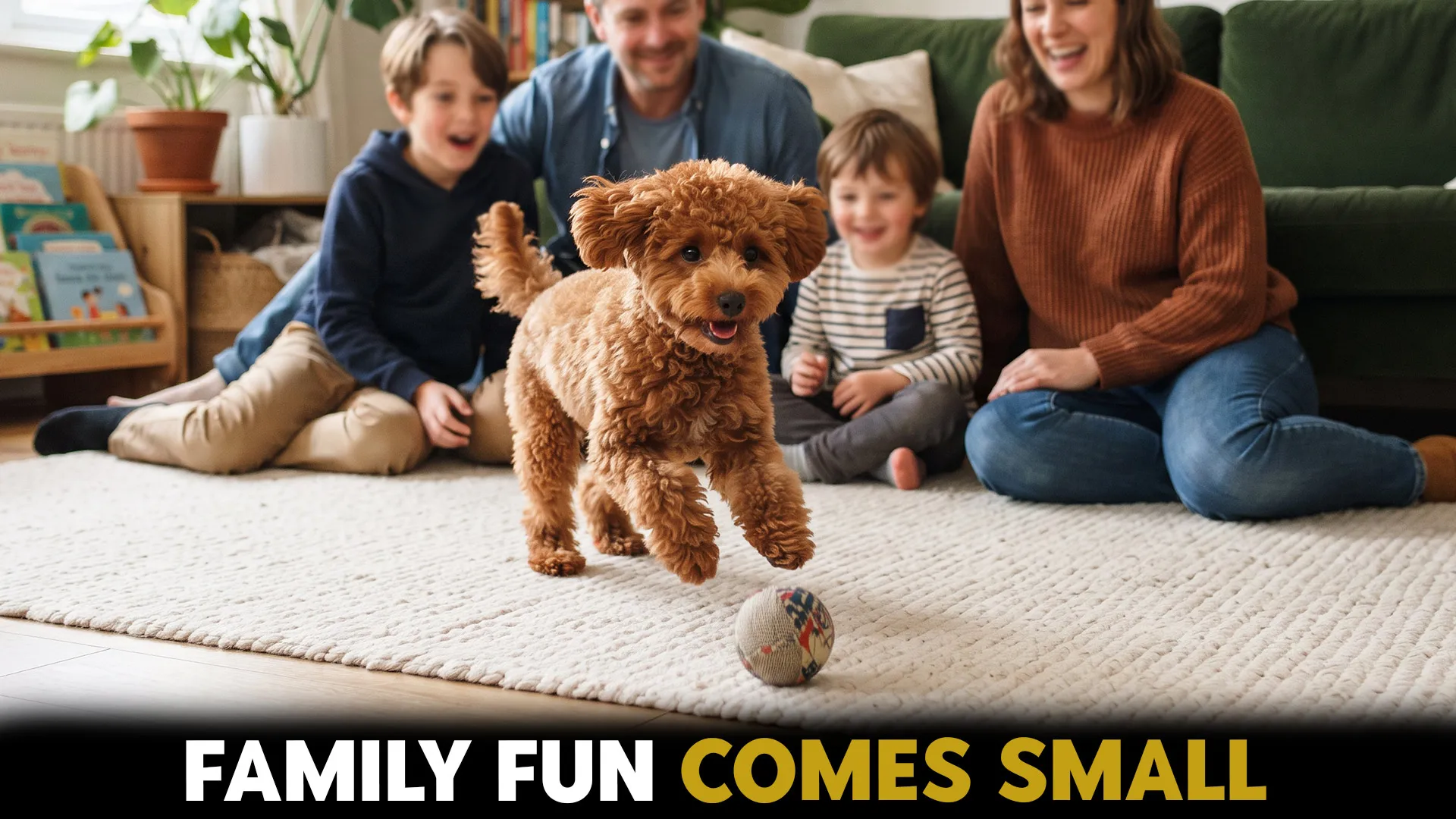
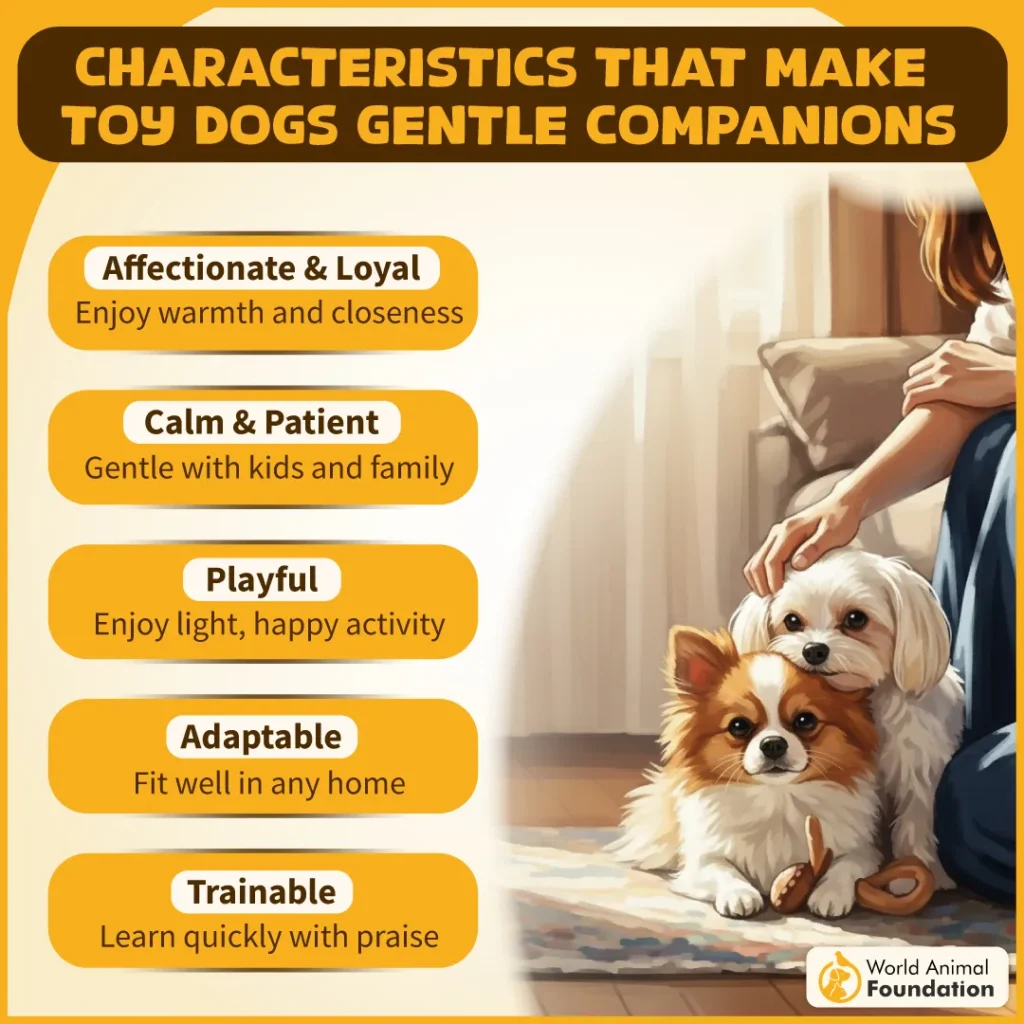
Toy dog breeds can be wonderful companions for families because their small size often makes them easier to manage in indoor homes. However, size alone does not determine whether a dog is suitable for children. Temperament, trainability, energy level, tolerance for handling, and socialization are equally important factors.
Interestingly, many toy breeds were developed primarily for companionship rather than demanding physical work. Breeds such as the Havanese, Shih Tzu, and Cavalier King Charles Spaniel have long histories as household companions, while the Toy Poodle combines its small size with the intelligence and athletic ability associated with the Poodle family.
The seven breeds below offer different combinations of friendliness, playfulness, intelligence, and activity needs. Families with young children should still supervise interactions, teach children how to handle dogs respectfully, and consider the individual dog’s personality rather than relying only on breed characteristics.
Delightful Toy Dog Breeds for Families with Young Children
1. Yorkshire Terrier
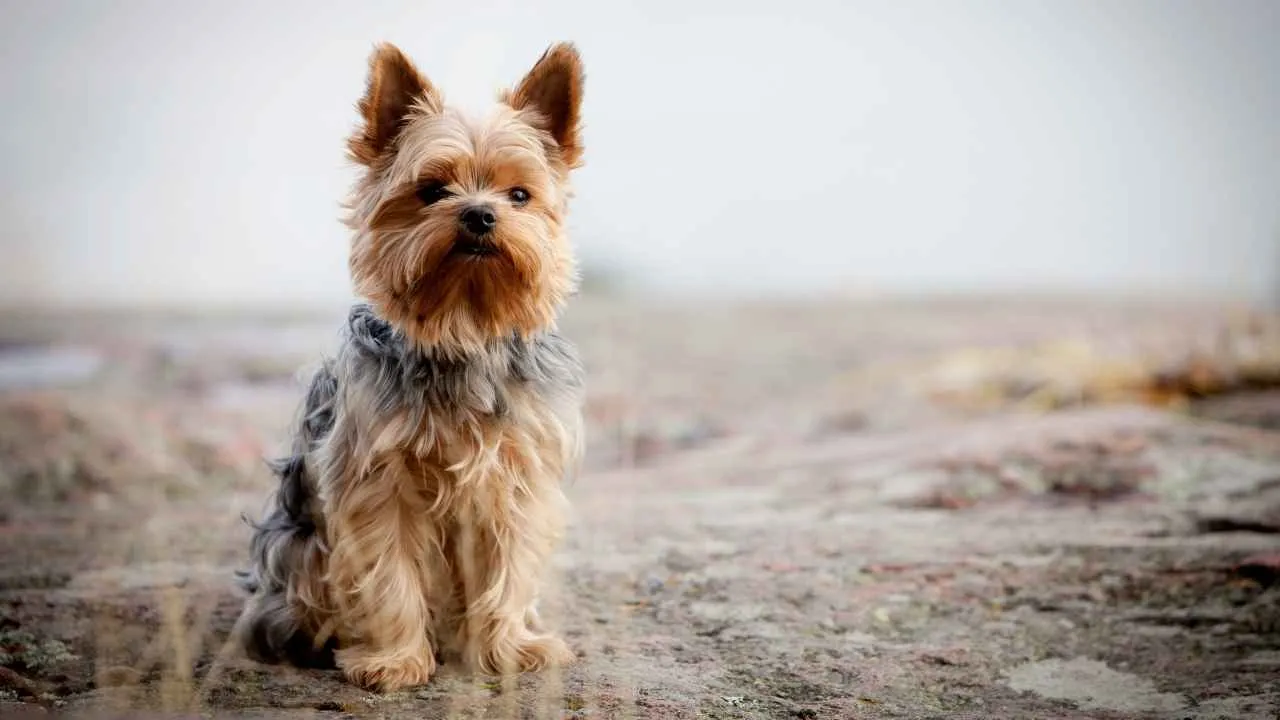
Keeping a Yorkshire Terrier Active and Well-Trained
Yorkshire Terriers are lively and intelligent dogs that benefit from short walks, indoor games, and brief training sessions. Their terrier instincts can make them alert and determined, so positive training and consistent household rules are useful for encouraging good manners.
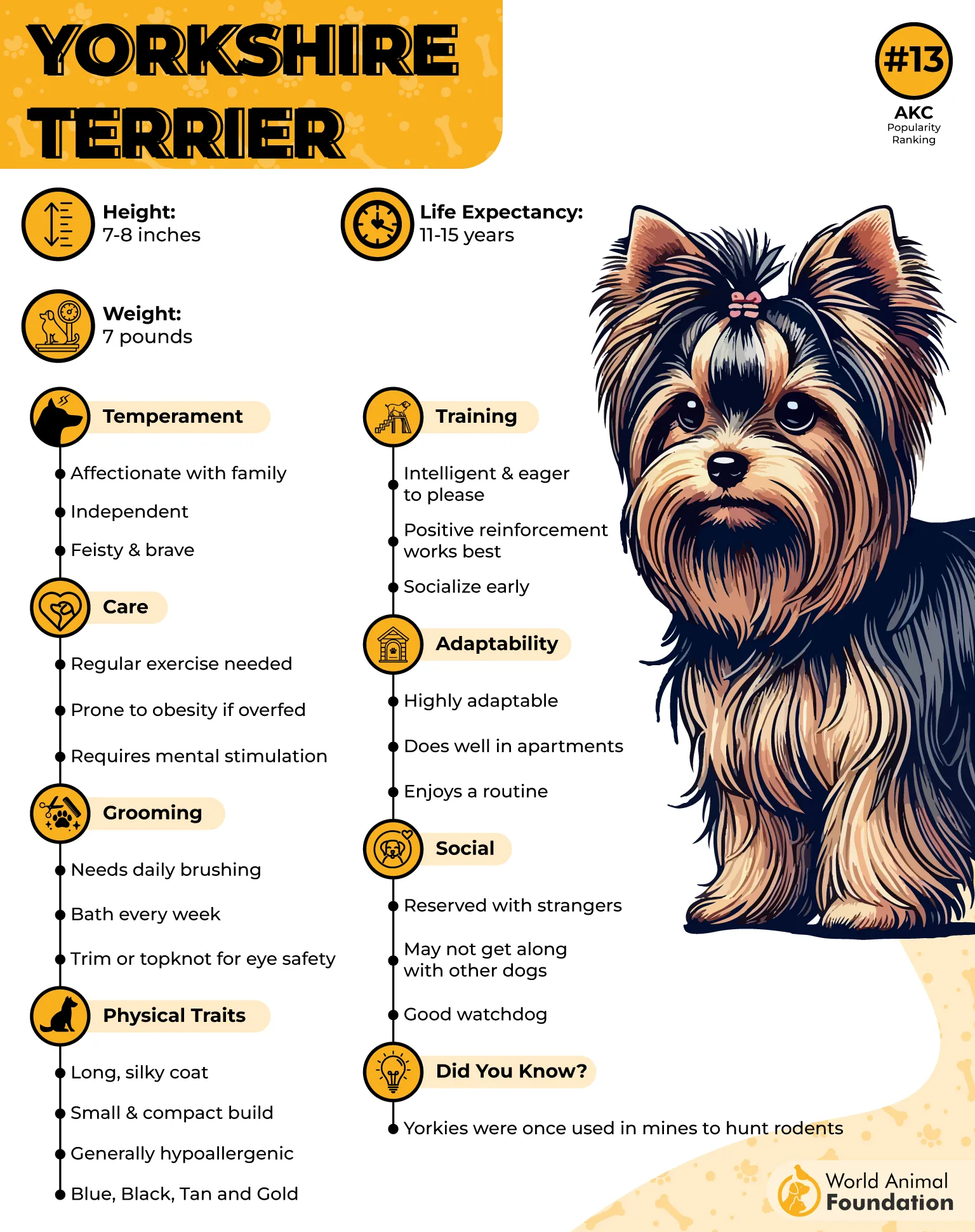
From Working Terrier to Companion Dog
The Yorkshire Terrier originated in northern England, where its ancestors were associated with textile mills and rat-catching work. Its small size and terrier instincts made it useful for controlling rodents. Over time, its distinctive appearance and personality helped establish it as a popular companion dog.
A Small Dog for Gentle Family Interaction
Yorkshire Terriers can be affectionate and entertaining family companions, but their small bodies require careful handling. Young children should be taught not to carry them roughly, chase them, or engage in overly physical play. Supervised interaction can help keep both child and dog comfortable.
2. Havanese
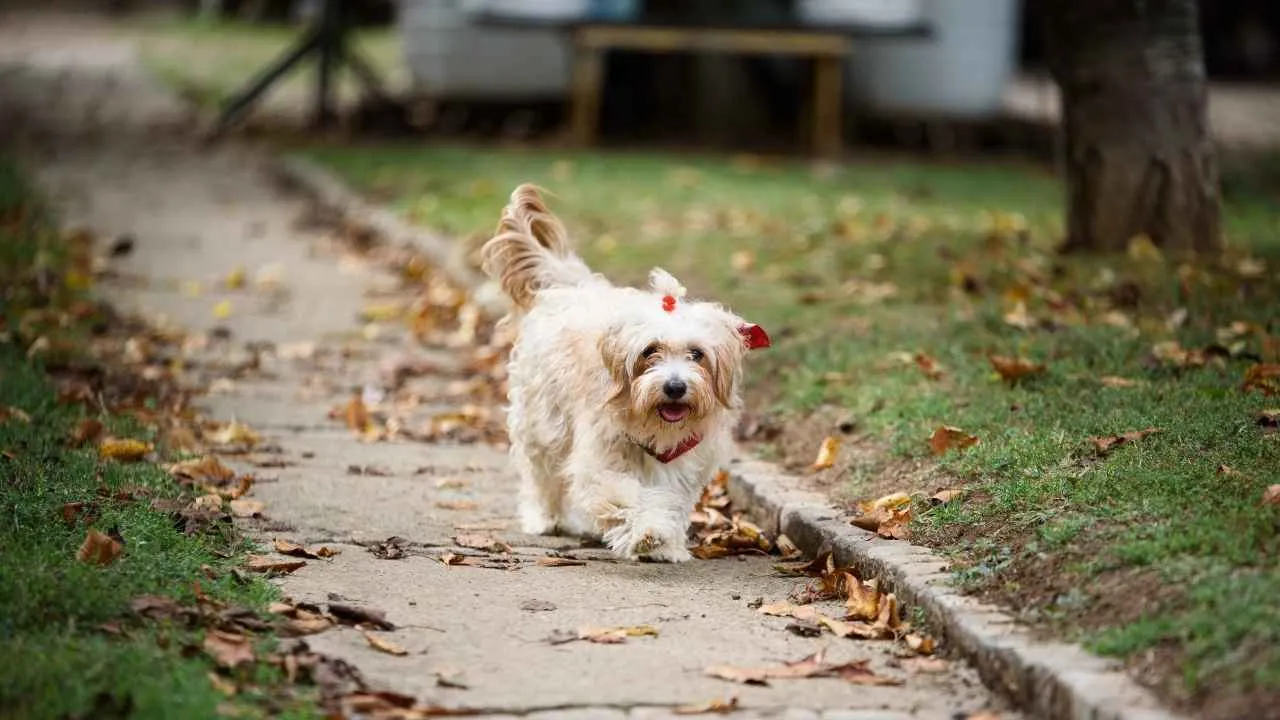
Training and Exercise for a Social Havanese
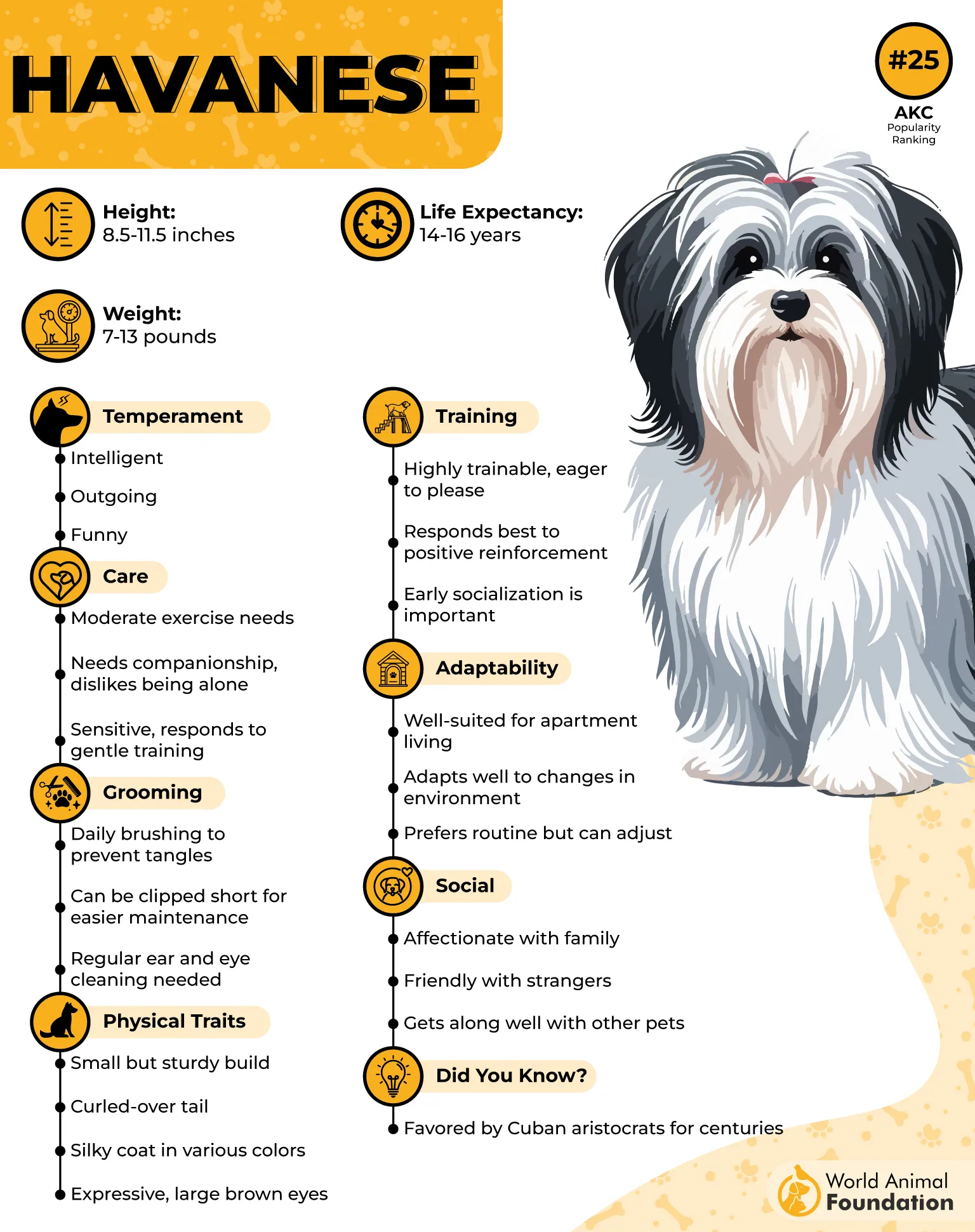
Havanese dogs generally enjoy short walks, indoor games, interactive toys, and reward-based training. Their social nature often makes them eager to participate in family activities. Regular mental stimulation can also help prevent boredom in this people-oriented, affectionate breed.
A Companion With Cuban Roots
The Havanese developed in Cuba and became associated with wealthy households as a companion dog. Its ancestry is linked to small European companion breeds brought to the region. The breed eventually became known for its cheerful personality and distinctive silky coat.
A Cheerful Family Companion
Havanese dogs are generally affectionate, playful, and people-oriented, which can make them enjoyable around children. Their friendly nature can support family bonding when the dog is properly socialized. Young children should still be supervised and taught to respect the dog’s space.
3. Toy Poodle
Challenging a Toy Poodle’s Bright Mind
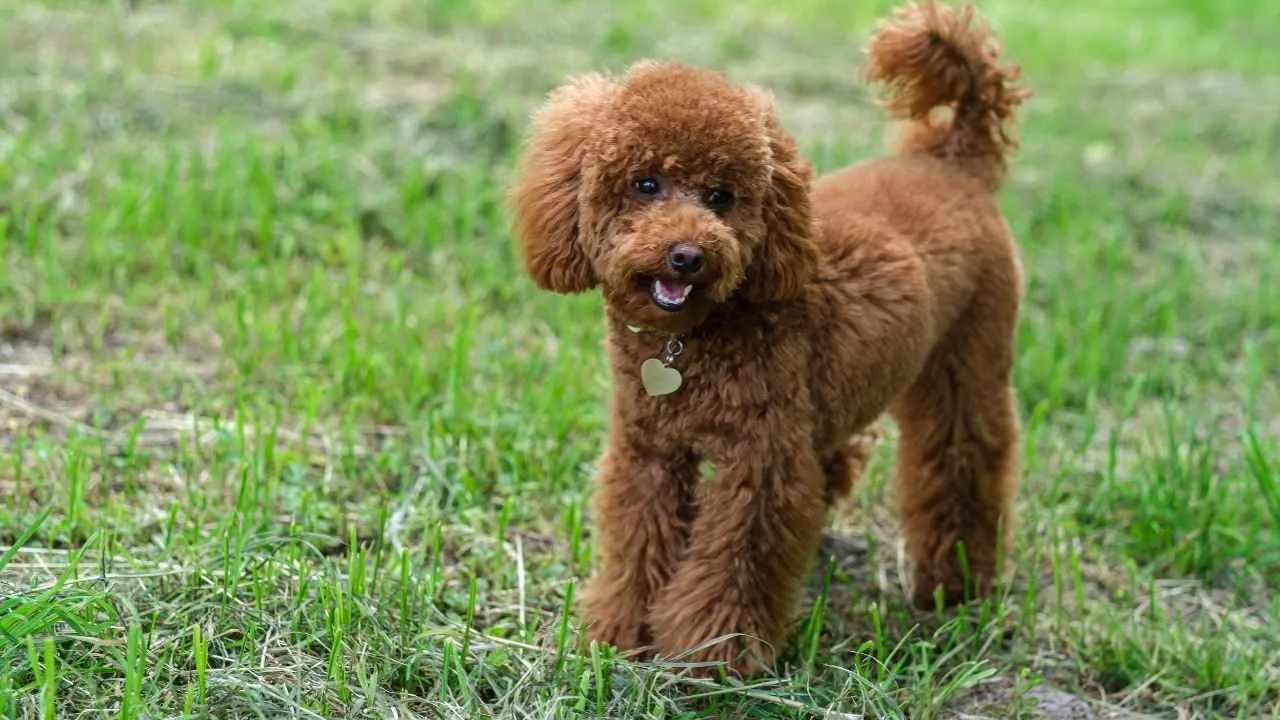
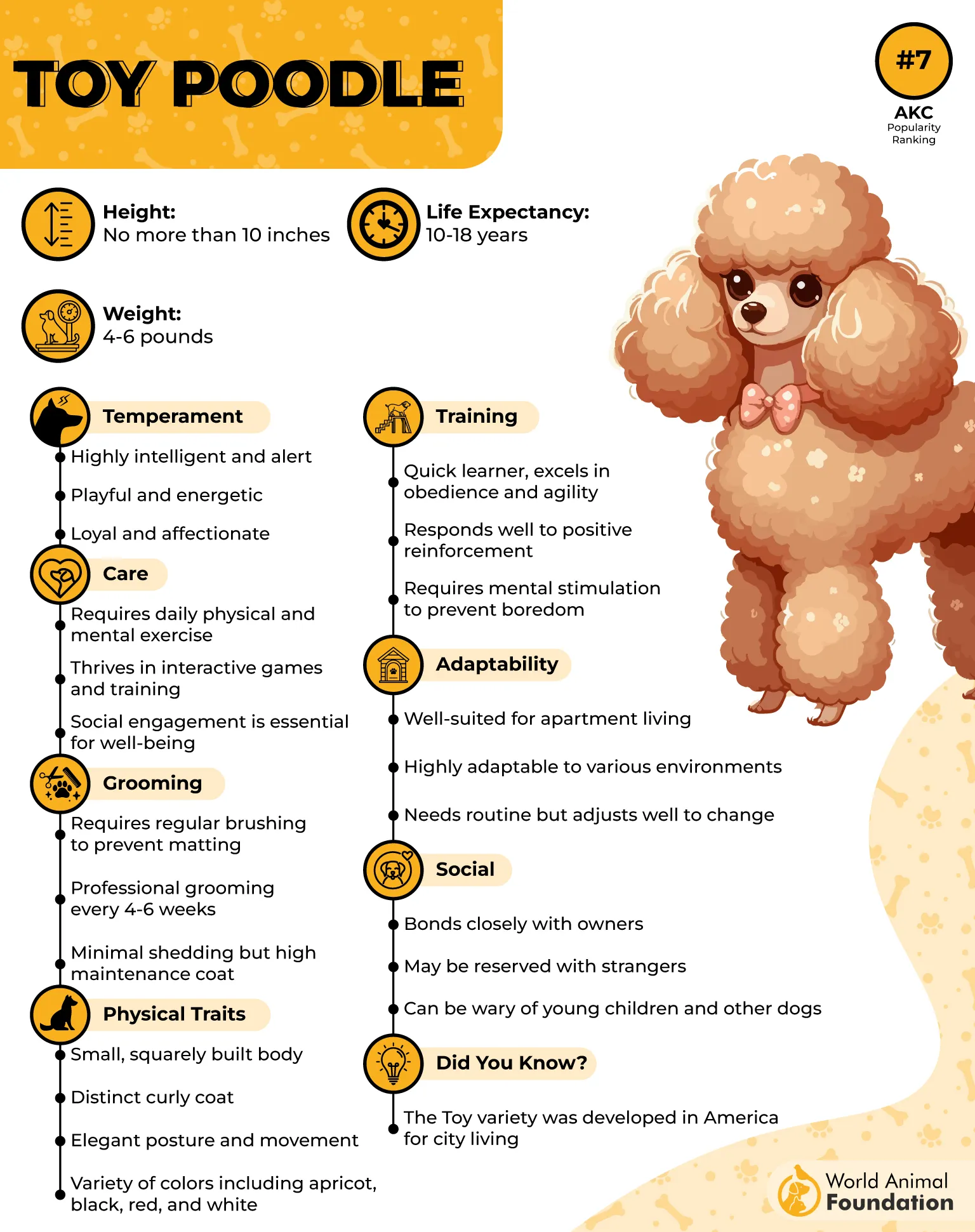
Toy Poodles are highly intelligent and benefit from a combination of physical activity and mental challenges. Trick training, obedience exercises, puzzle toys, indoor games, and short walks can help keep them engaged. Consistent positive reinforcement can make training both productive and enjoyable.
The Petite Member of the Poodle Family
The Toy Poodle is the smallest Poodle variety and shares the breed family’s long association with intelligent working dogs, as per PDSA. Poodles were originally developed as water retrievers before smaller varieties became increasingly popular as companion dogs. Their intelligence remains one of their defining characteristics.
A Clever Companion for Families
Toy Poodles can be playful, responsive, and engaging family dogs when properly socialized. Their intelligence can make them enjoyable for children who participate in supervised training and games. Because they are physically delicate, young children should avoid rough handling or picking them up without assistance.
4. Cavalier King Charles Spaniel
Balanced Exercise and Gentle Training
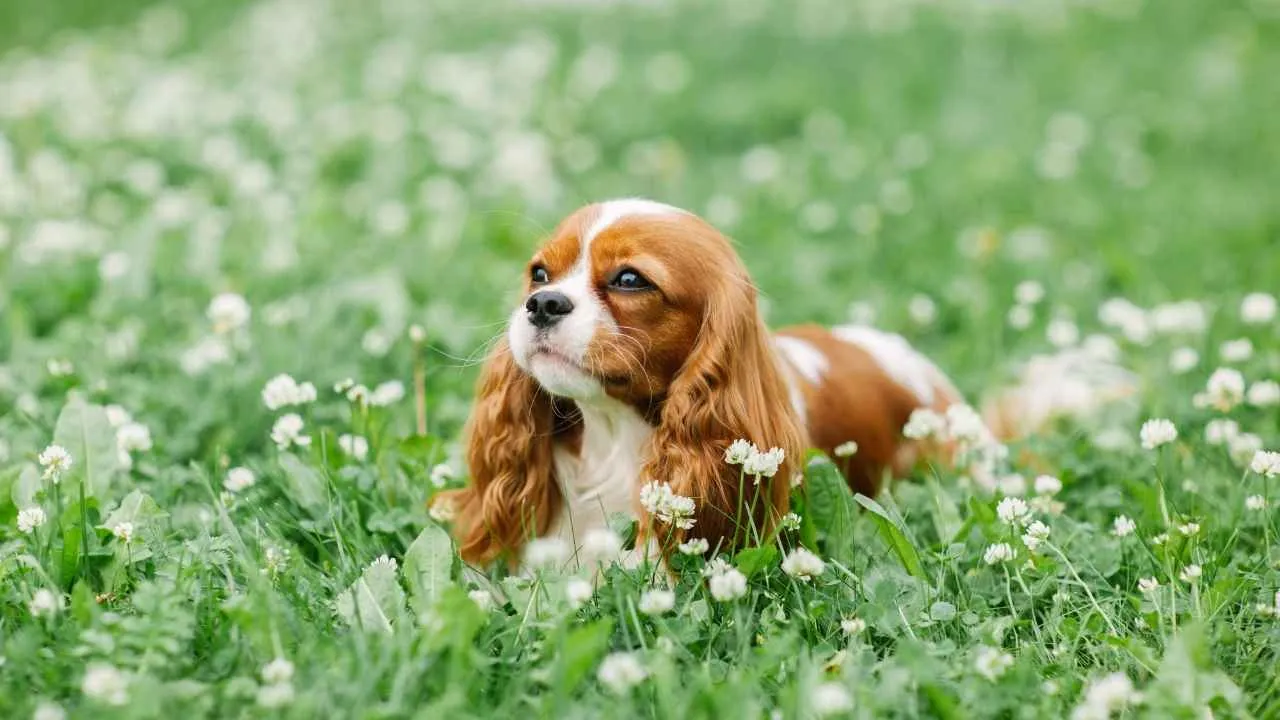
Cavalier King Charles Spaniels generally enjoy walks, play sessions, basic obedience work, and spending time with their families, as per Britannica. They tend to respond well to positive reinforcement and can enjoy learning simple commands and household routines. Regular activity helps support their physical and mental well-being.
A Royal Companion With a Long History
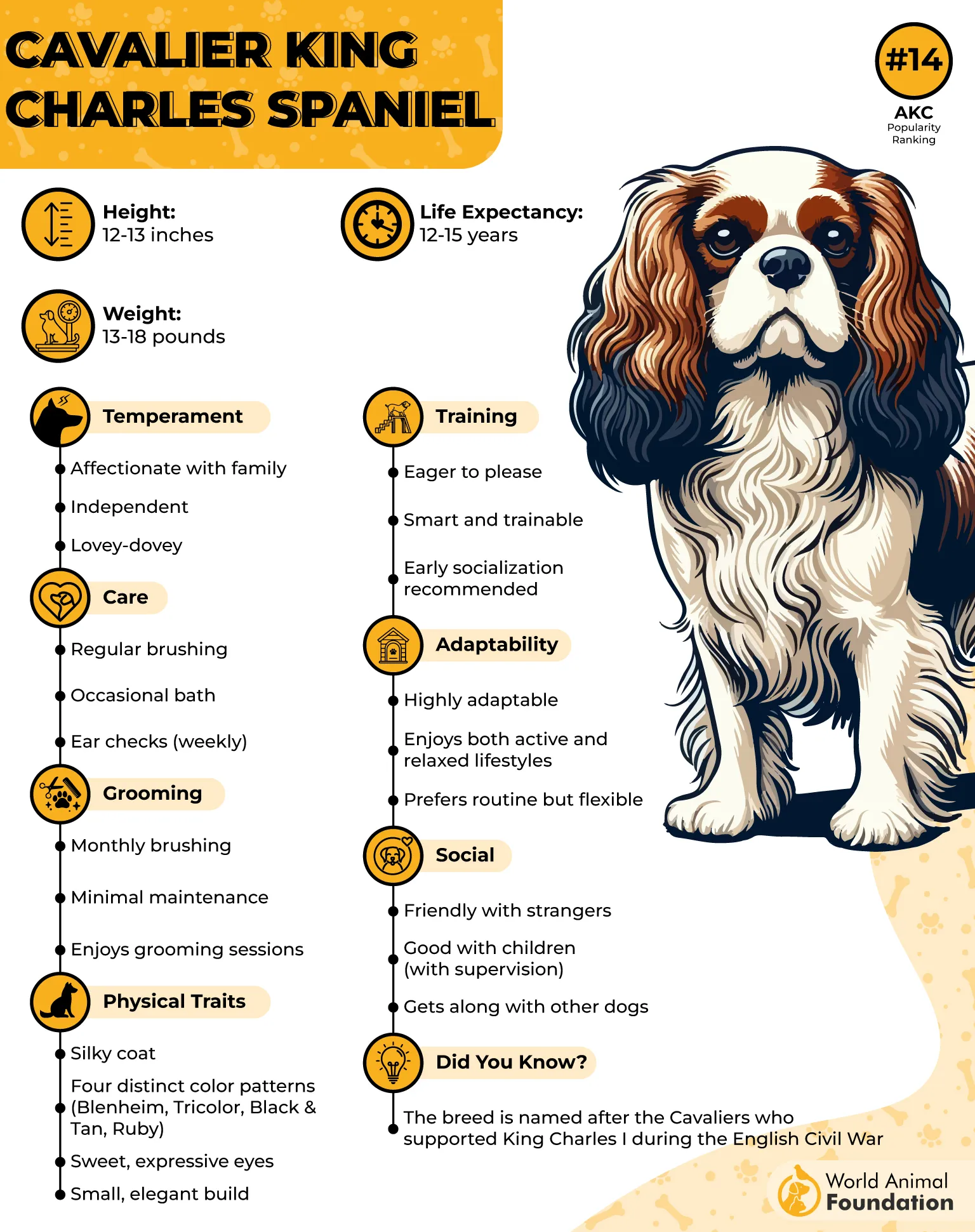
The Cavalier King Charles Spaniel has a long association with British royalty and aristocratic households. It was developed primarily as a companion dog and valued for its affectionate nature. Its spaniel heritage also contributes to its playful and active character.
A Family-Oriented Personality
Cavaliers are often affectionate, friendly, and playful, qualities that can make them appealing family companions. Their generally people-oriented nature allows them to participate in household activities and playtime. Young children should still be supervised and taught to interact calmly and respectfully.
5. Papillon
An Energetic Toy Breed That Loves Learning
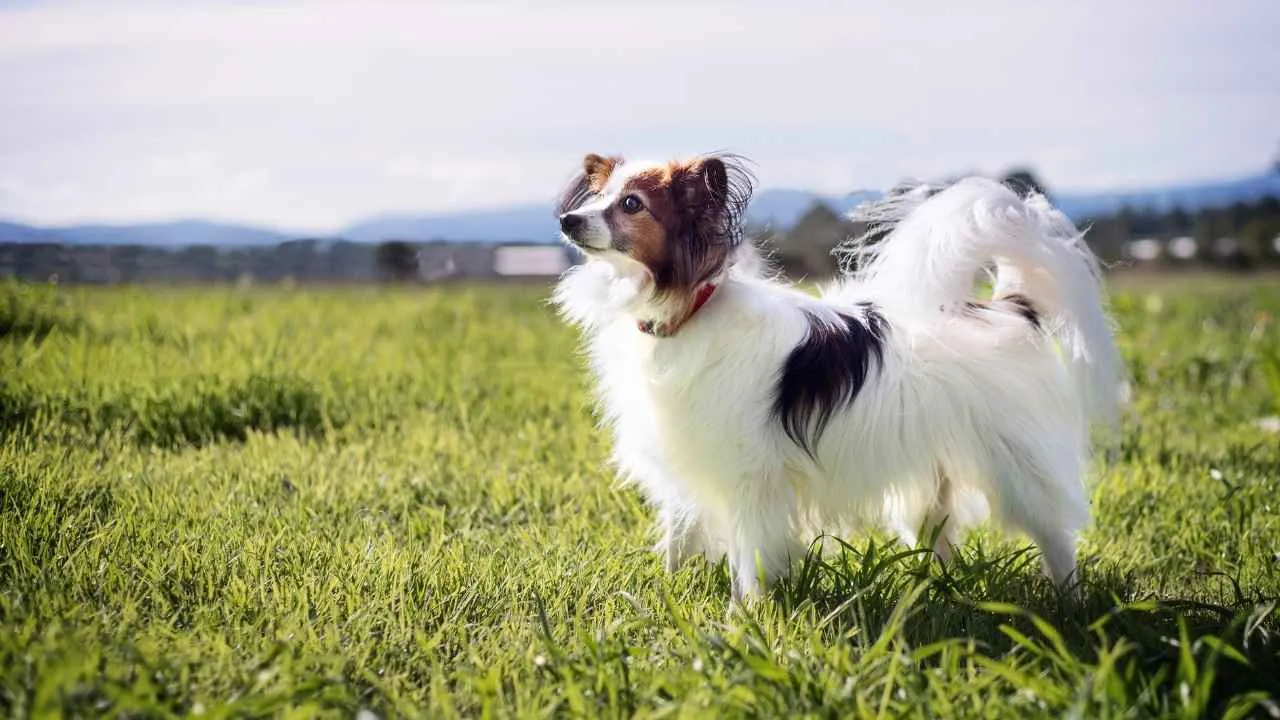
Papillons are active and loyal dogs that often enjoy walks, interactive games, obedience exercises, tricks, and agility-style activities. Mental stimulation is particularly valuable because this breed can learn quickly and become bored without sufficient engagement. Short, varied training sessions can work well.
A Historic European Companion
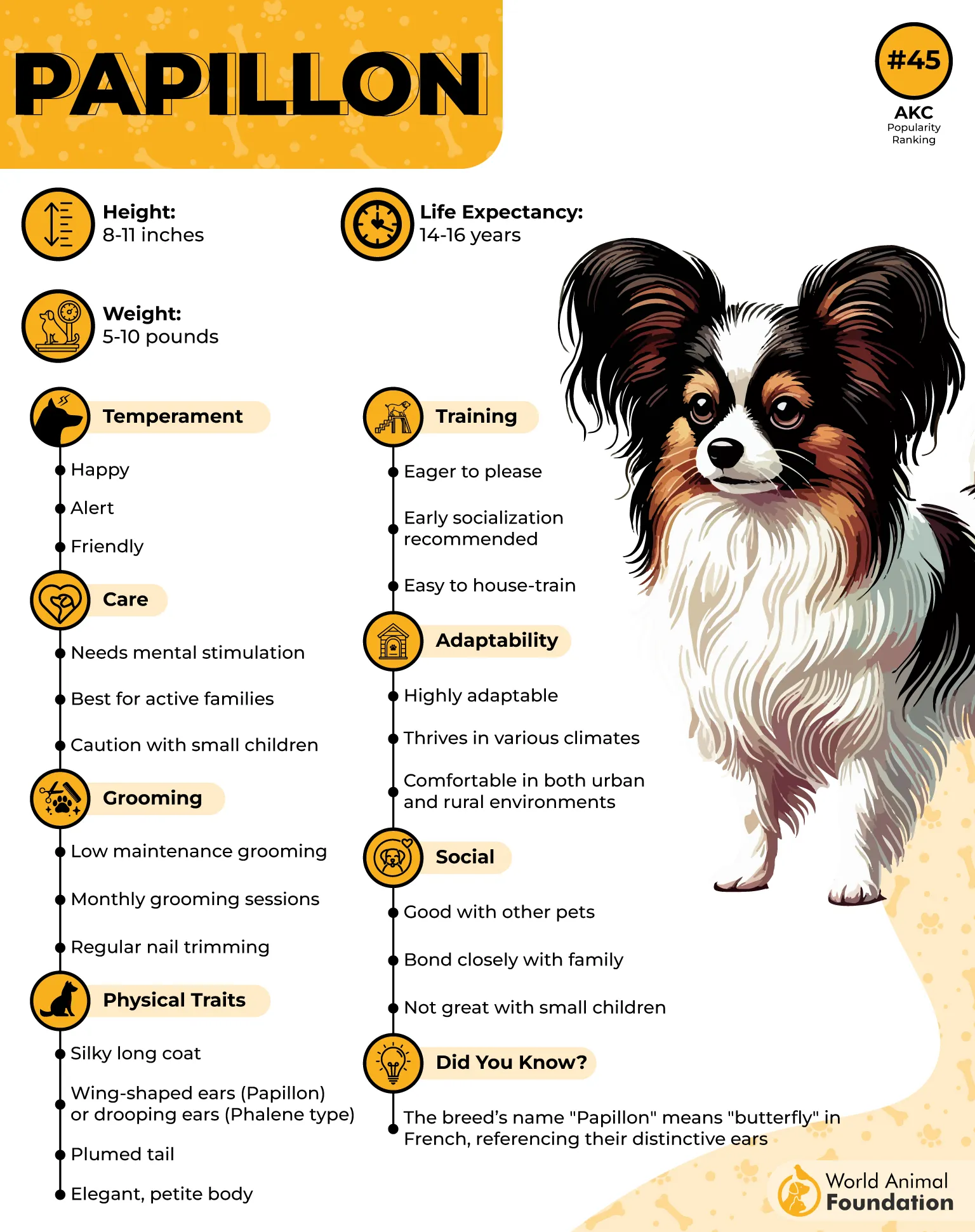
The Papillon has a long history as a European companion dog and has appeared in artwork for centuries. Its name comes from its distinctive butterfly-shaped ears. Although primarily bred for companionship, the breed developed considerable intelligence and athletic ability.
Playful Energy Around Children
Papillons can be lively, affectionate, and responsive family companions. Their enthusiasm can make them enjoyable for supervised games and training activities with children. Because they are small and delicate, however, young children should be taught to avoid rough play and unnecessary carrying.
6. Russian Tsvetnaya Bolonka
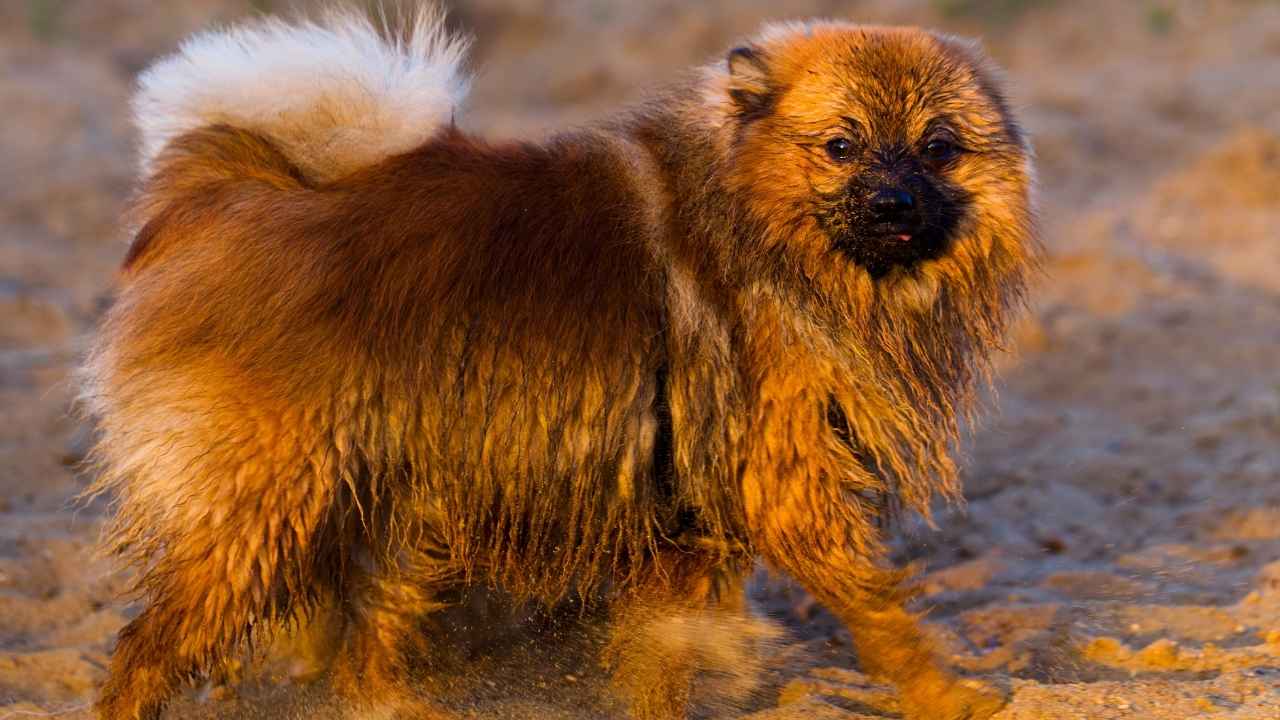
Gentle Activity and Positive Training
The Russian Tsvetnaya Bolonka generally enjoys short walks, indoor games, and interactive family activities. It does not usually require demanding physical exercise, but regular mental engagement can help keep it content. Gentle, reward-based training can encourage good household manners.
A Russian Breed Created for Companionship
The Russian Tsvetnaya Bolonka was developed in Russia as a small companion dog, as per the AKC. Unlike breeds developed for hunting, herding, or guarding, its primary purpose was to live closely with people. Its history as a household companion continues to influence its adaptable nature.
A Gentle Presence in Family Homes
Bolonkas can be affectionate and adaptable companions for families that prefer a small indoor dog. Their companion-oriented nature can help them enjoy spending time with children and adults alike. Young children should still be supervised and taught to handle the dog gently.
7. Shih Tzu
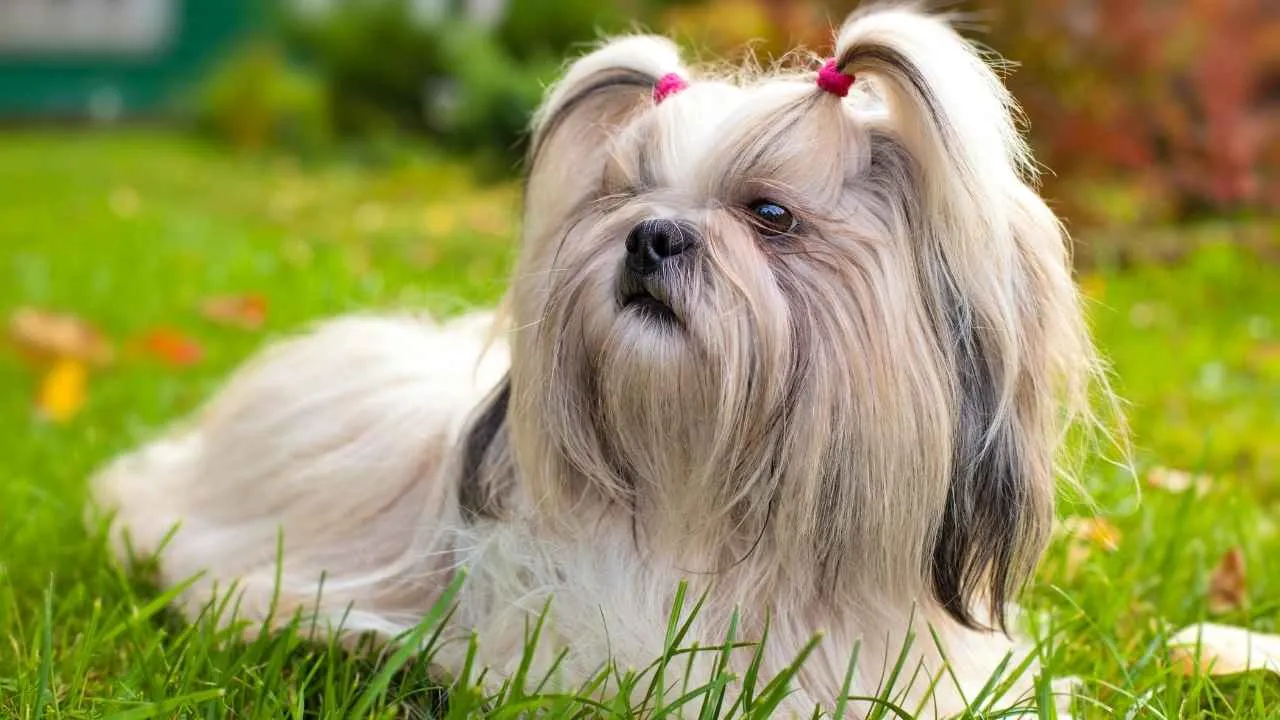
Keeping Training and Exercise Relaxed
Shih Tzus generally have modest exercise needs and can enjoy short walks, indoor games, and regular family interaction. Training is often most effective when it is patient and positive, as some individuals can be independent-minded. Consistent routines can help reinforce desirable household behavior.
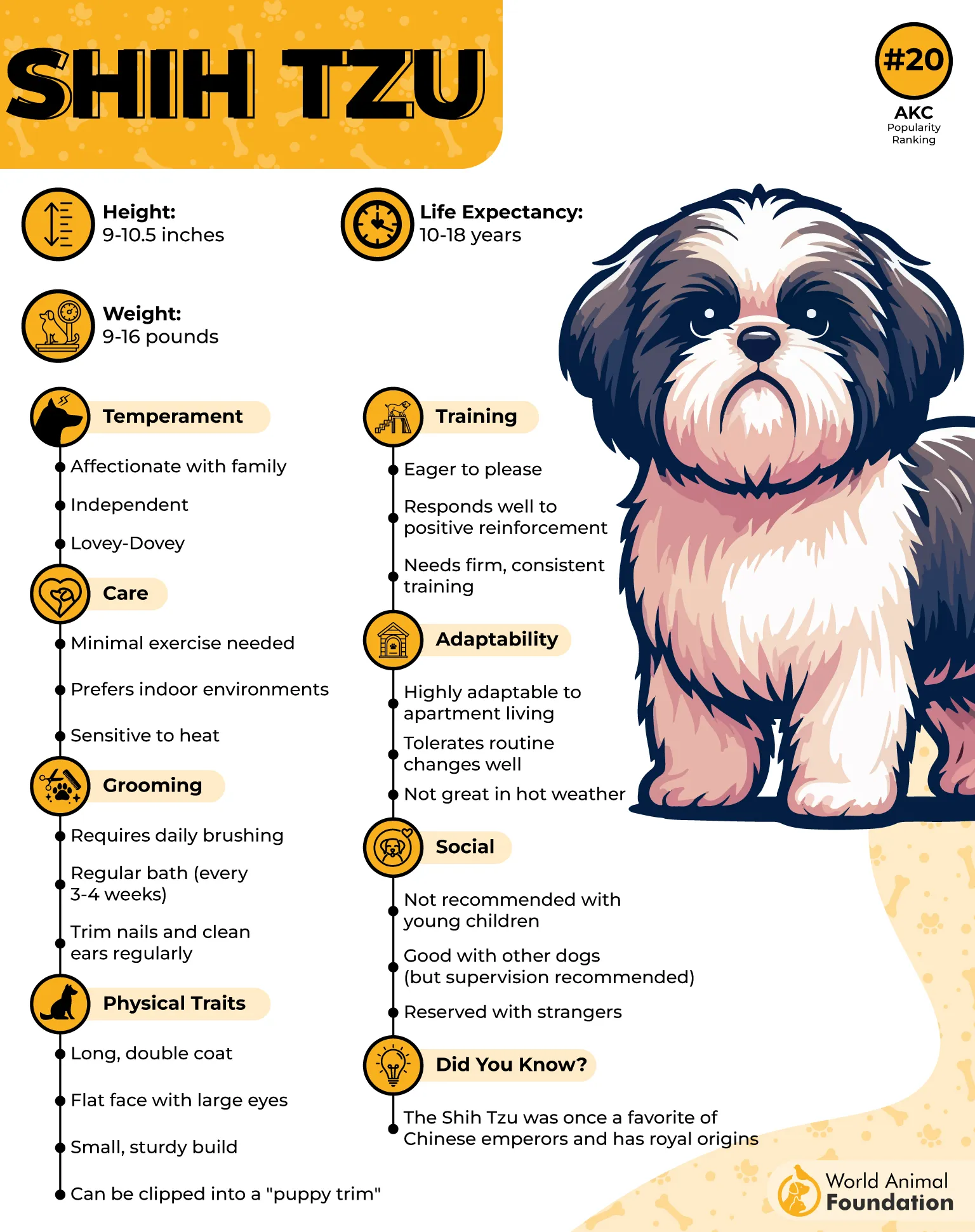
From Chinese Imperial Households
The Shih Tzu has a long history associated with Chinese imperial and aristocratic households. It was developed primarily as a friendly dog and valued for its distinctive appearance and affectionate nature. Its role as a household companion remains central to the breed today.
A Calm Companion for Family Life
Shih Tzus can be affectionate, confident, and adaptable family companions. Their relatively relaxed exercise needs can work well for households that prefer indoor activities and shorter walks. Children should still be supervised around them and taught not to disturb the dog while it is eating or resting.
Conclusion
Choosing a toy dog for a family with young children involves considering temperament, training, exercise, history, and the dog’s ability to cope with household activity. Yorkshire Terriers, Havanese, Toy Poodles, Cavalier King Charles Spaniels, Papillons, Russian Tsvetnaya Bolonkas, and Shih Tzus each bring different qualities to family life.
Some breeds, such as Toy Poodles and Papillons, can provide plenty of opportunities for training and interactive play. Havanese and Cavaliers are generally people-oriented companions, while Shih Tzus and Bolonkas can suit families looking for a more relaxed household dog. Yorkshire Terriers can add lively terrier energy to the home.
Whatever the breed, young children should be supervised around dogs and taught respectful handling. Giving the dog appropriate exercise, positive training, quiet space, and regular interaction can help create a safer and more enjoyable relationship between the dog and the entire family.
