




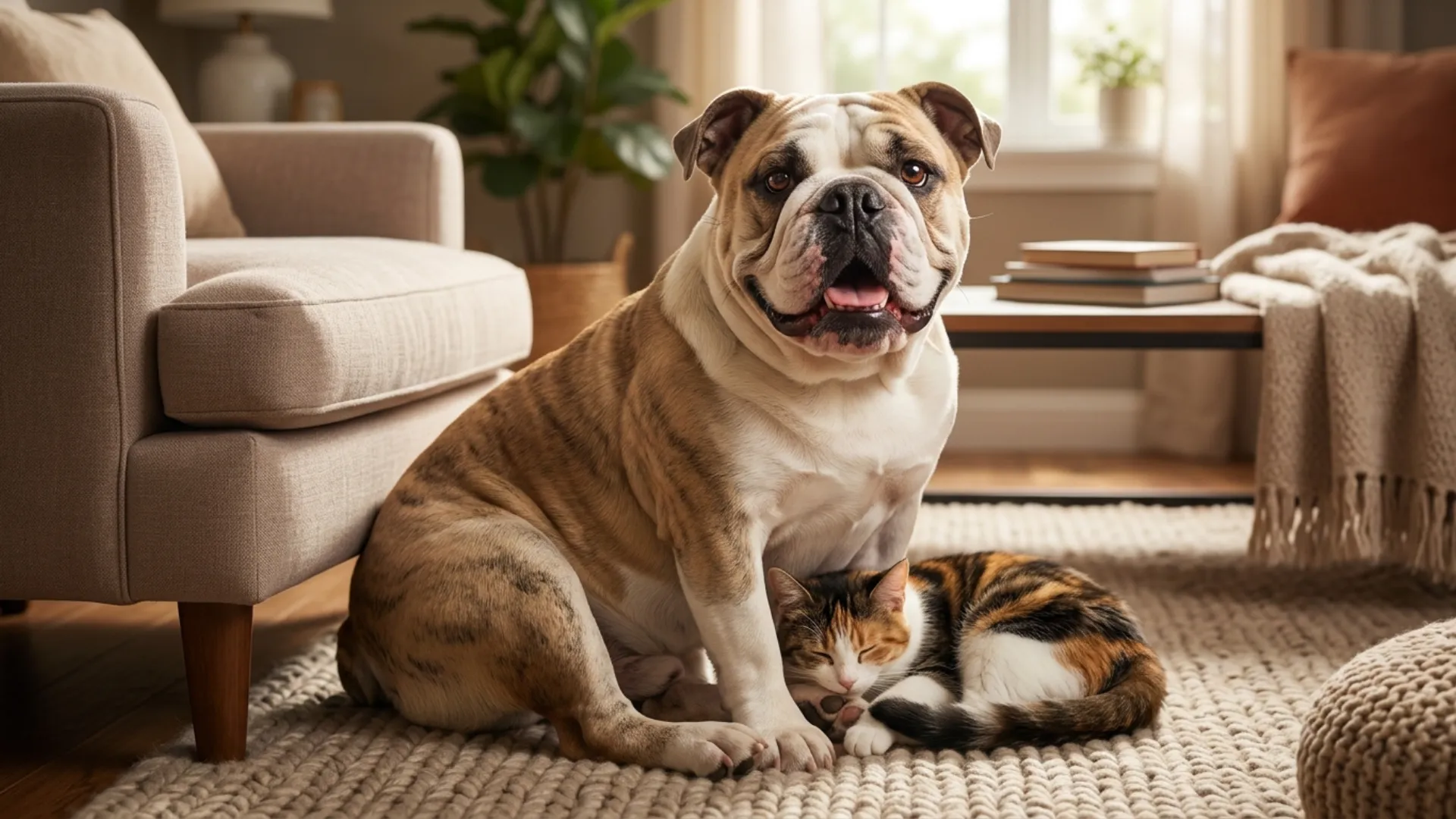
Living with both dogs and cats can work well when the animals have compatible temperaments and are introduced carefully. A dog’s prey drive, energy level, sociability, and responsiveness to training can all influence how comfortably it shares space with a cat.
Some breeds are naturally more easygoing or people-oriented, while others may be more energetic and require careful management. Even within the same breed, individual personality matters, so breed tendencies should be treated as general guidance rather than a guarantee.
The breeds below can be suitable candidates for multi-pet households when properly socialized and introduced. Giving both animals separate resting areas, supervising early interactions, and using positive reinforcement can help establish a calmer relationship.
Top Dog Breeds That Thrive With Cats in Shared Spaces
1. Papillon
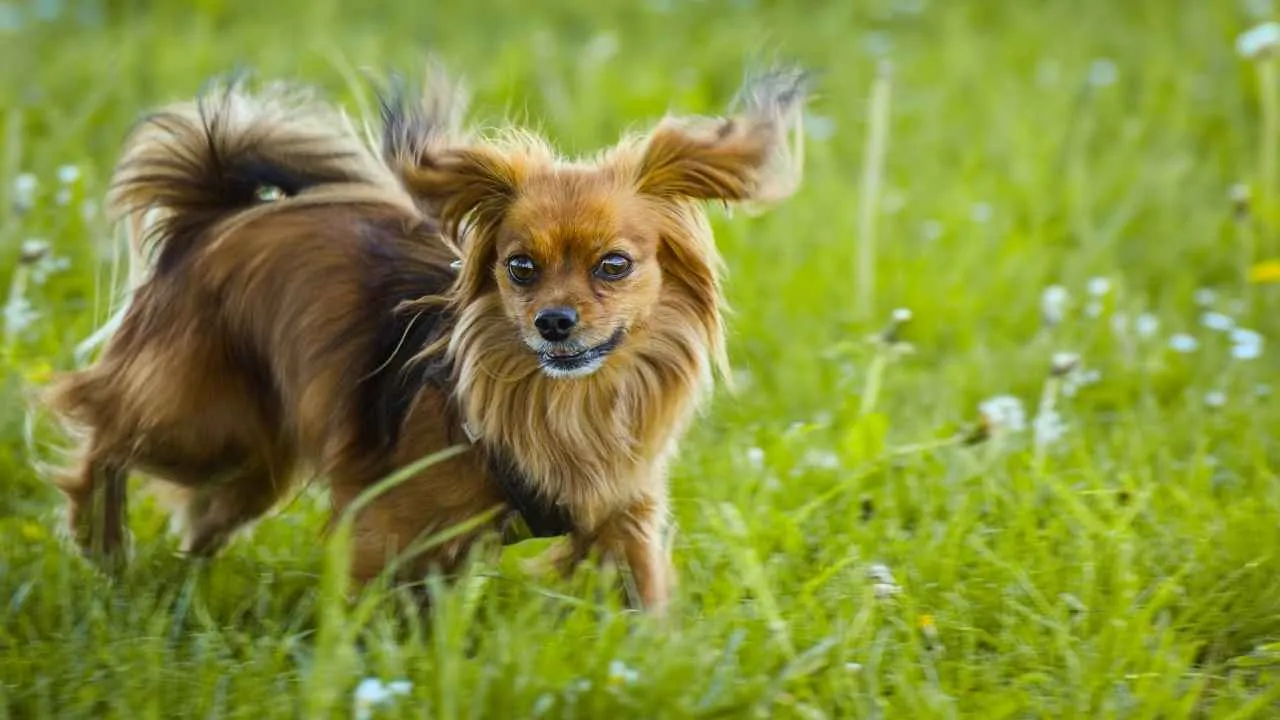
Papillons are energetic, intelligent dogs that benefit from daily walks, interactive games, and mental challenges. Obedience training can help them learn impulse control and appropriate behavior around cats. Their small size does not mean they lack energy, so regular activity is important.
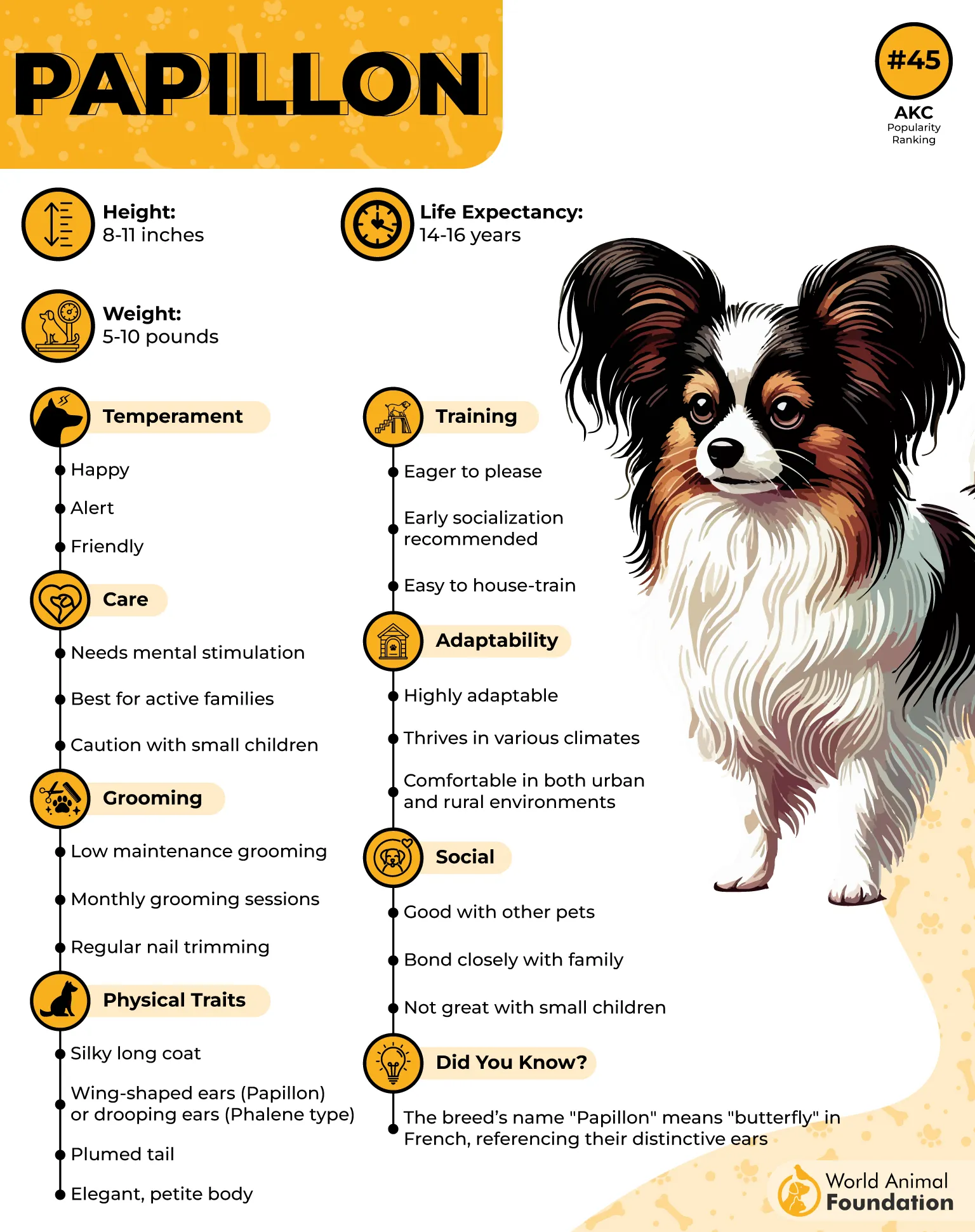
A Historic European Companion
The Papillon has a long history as a European companion breed and appears in artwork dating back centuries. Its name refers to its distinctive butterfly-shaped ears. Although developed primarily for companionship, it became known for its intelligence and lively personality.
A Curious but Adaptable Housemate
Papillons can live successfully with cats when properly introduced and socialized. Their playful curiosity may encourage them to investigate a cat, so teaching calm behavior and respecting the cat’s boundaries are important. Supervised introductions can help both animals adjust.
2. Bulldog
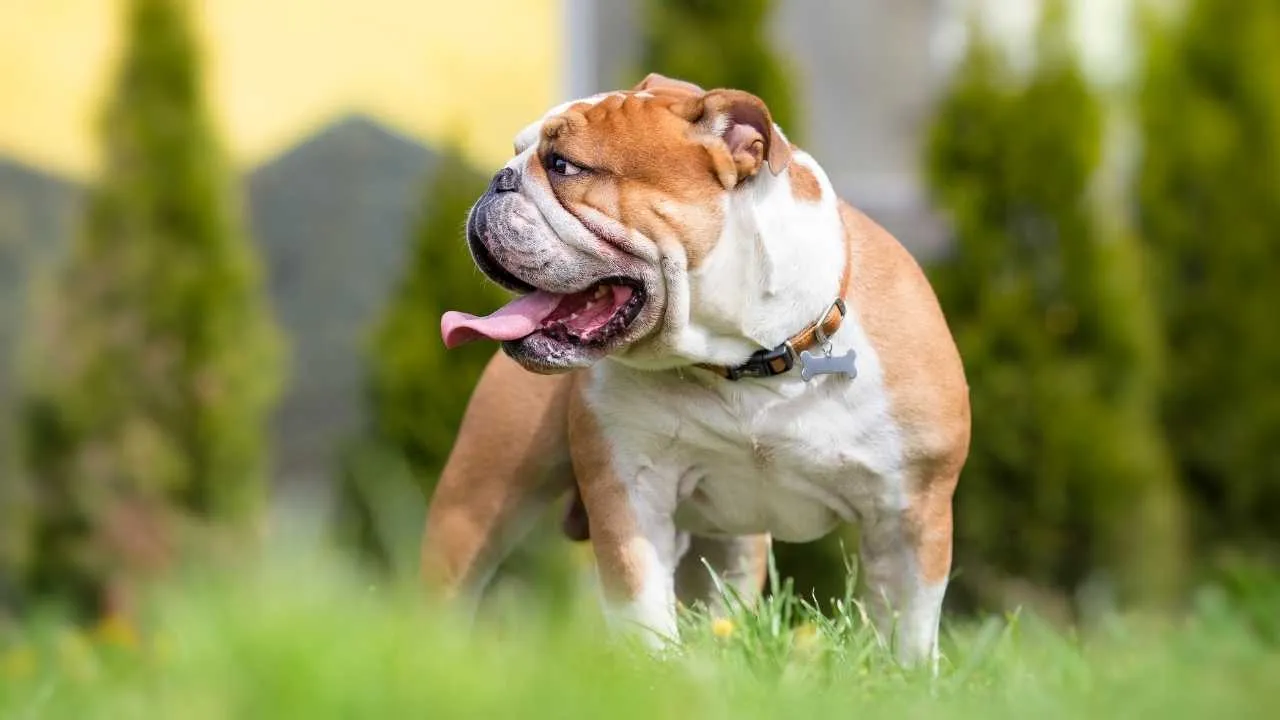
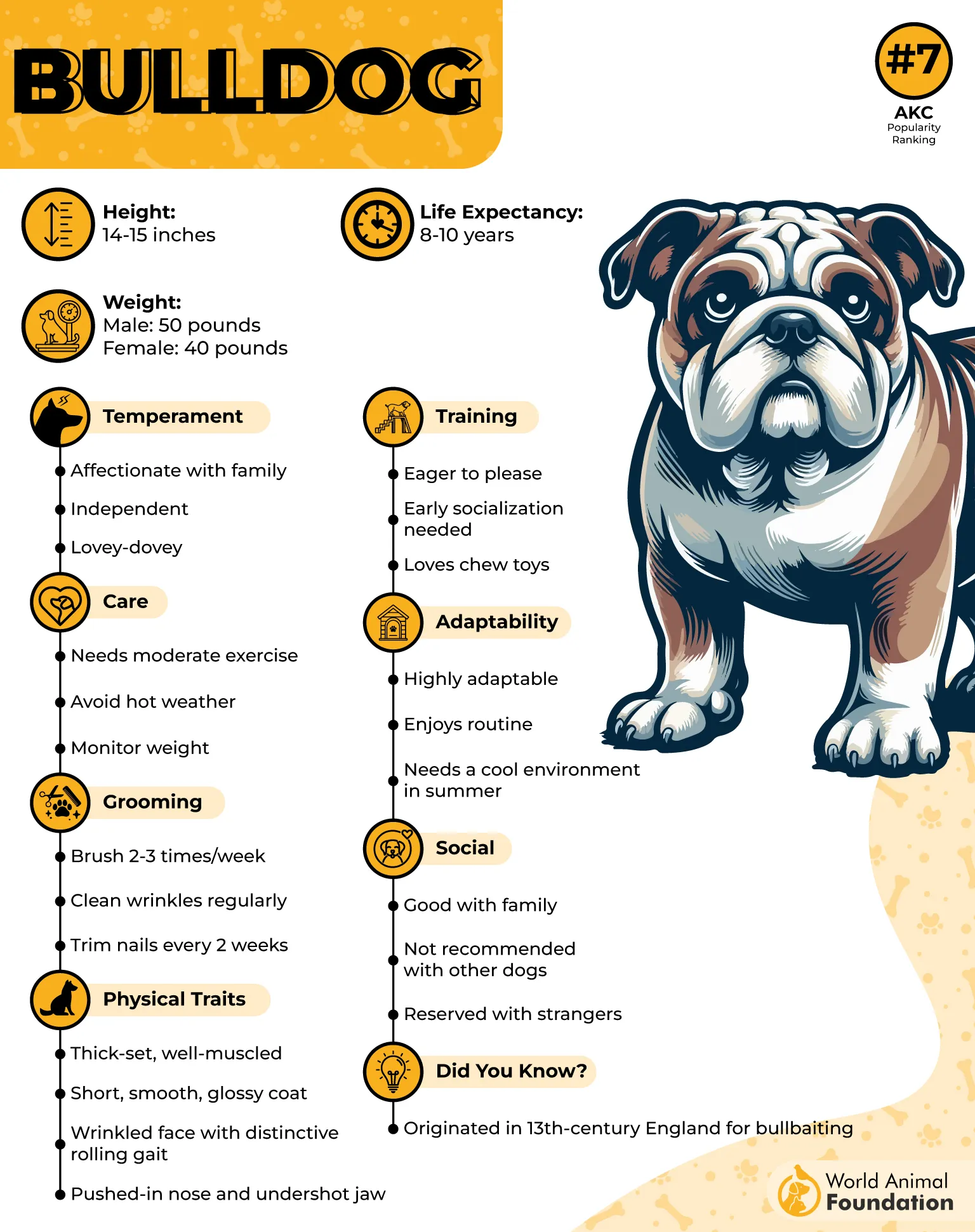
Bulldogs generally need moderate exercise and often prefer shorter walks and relaxed indoor activities. Positive training can help reinforce household manners and calm behavior. Exercise should be adjusted during hot weather because Bulldogs can have difficulty tolerating heat.
From Working Bulldog to Companion
The modern Bulldog developed in England from older Bulldog-type dogs. Although its ancestors were associated with bull-baiting, the modern breed was developed primarily as a companion. Selective breeding gradually emphasized its calmer household temperament.
A Relaxed Dog Around Cats
Many Bulldogs have an easygoing nature that can work well in a multi-pet home. Their relatively low-key activity level may make them less overwhelming for a resident cat. Careful introductions are still necessary because individual Bulldogs can differ in how they respond to other animals.
3. Boston Terrier
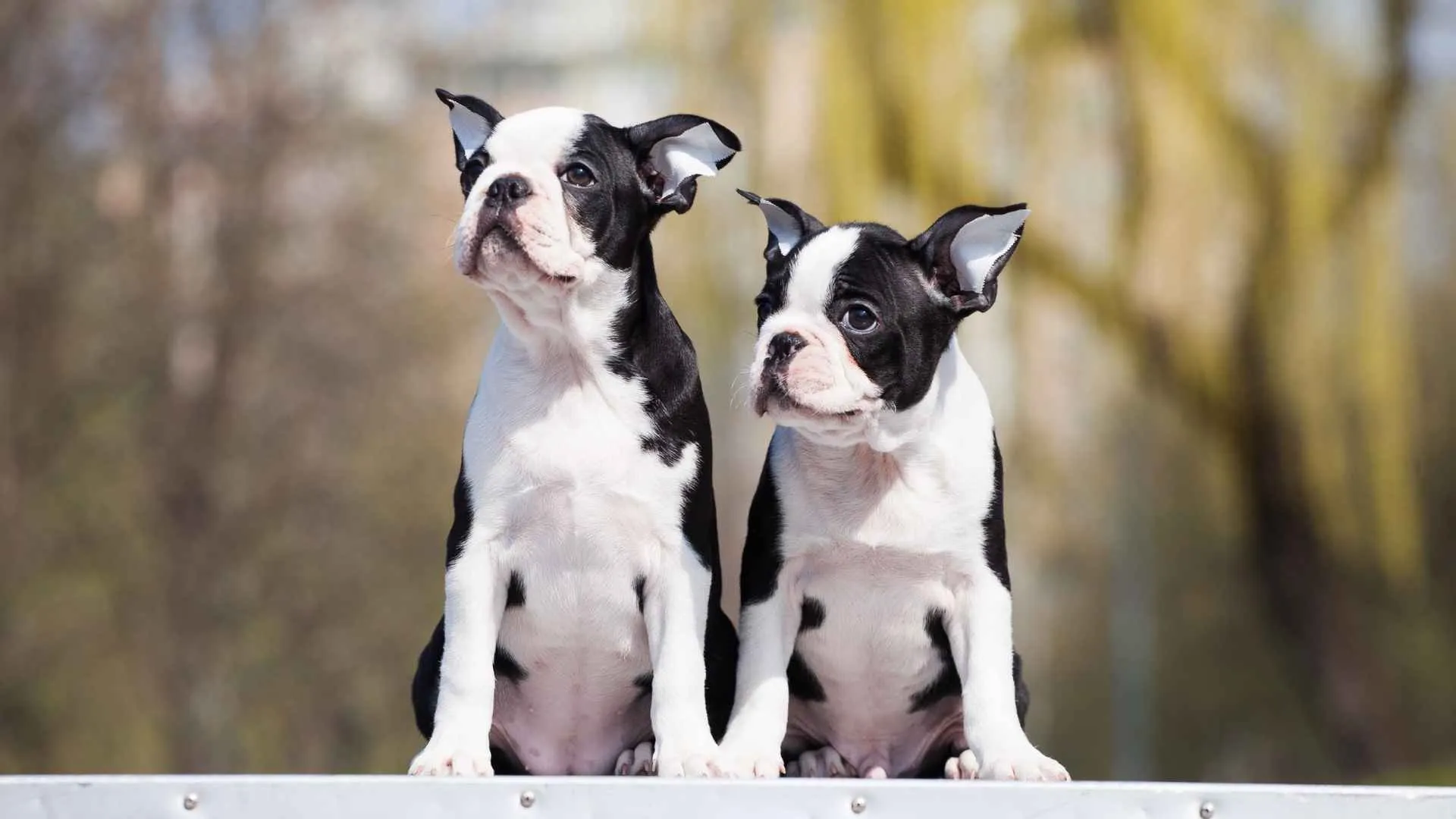
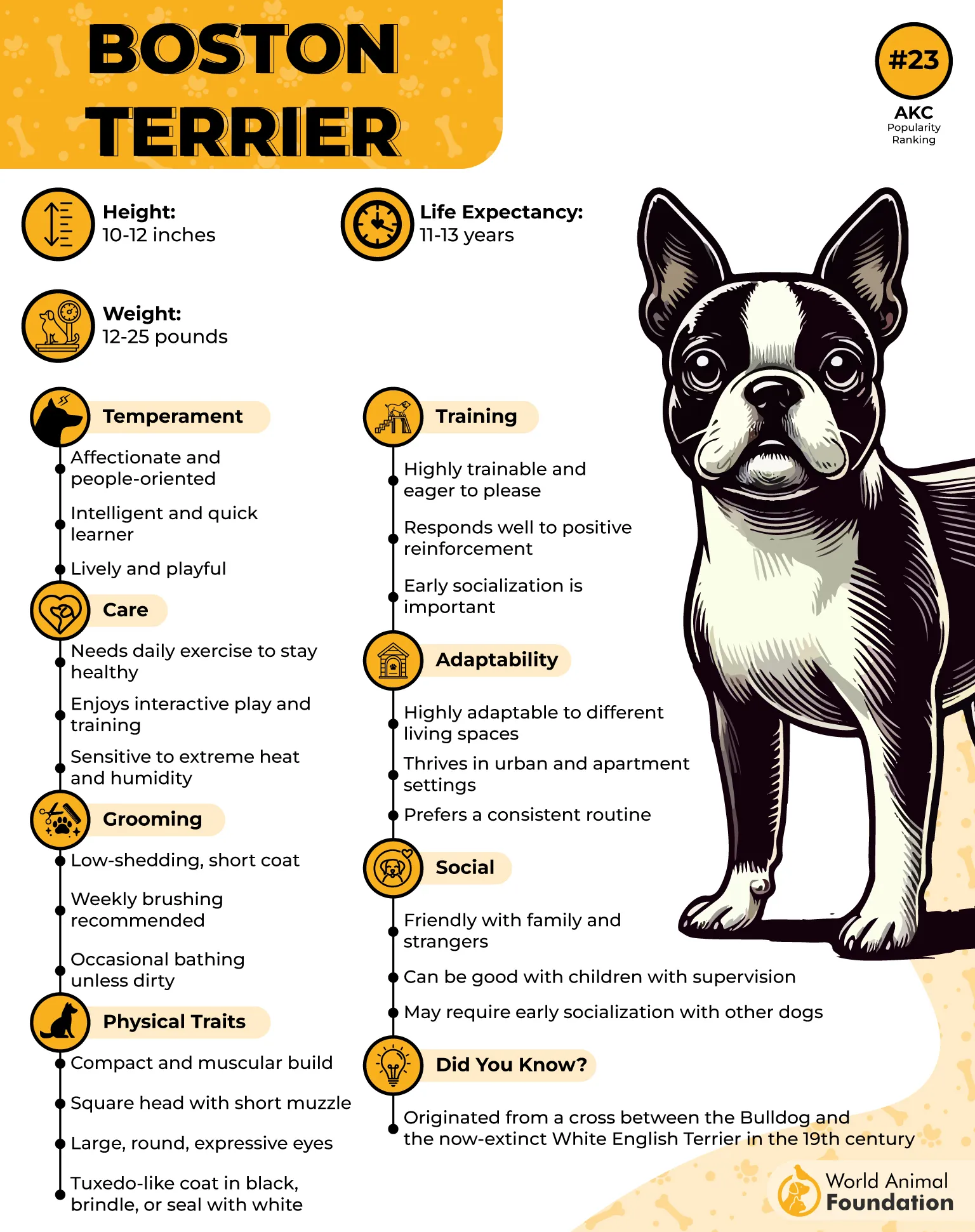
Boston Terriers generally enjoy walks, interactive games, and short training sessions. Their intelligence and people-oriented nature can make positive-reinforcement training useful for teaching them to remain calm around cats. They benefit from regular activity without requiring extreme amounts of exercise.
An American Companion Breed
The Boston Terrier was developed in the United States from bulldog and terrier-type ancestry. Early breeders selected for a smaller companion dog with a distinctive appearance and friendly personality. The breed eventually became known as an adaptable household companion.
A Social Dog for Shared Homes
Boston Terriers are often playful and social, which can help them become comfortable around other household pets. Their enthusiasm should still be managed around cats that prefer quiet spaces. Training and supervised introductions can encourage respectful interactions.
4. Maltese
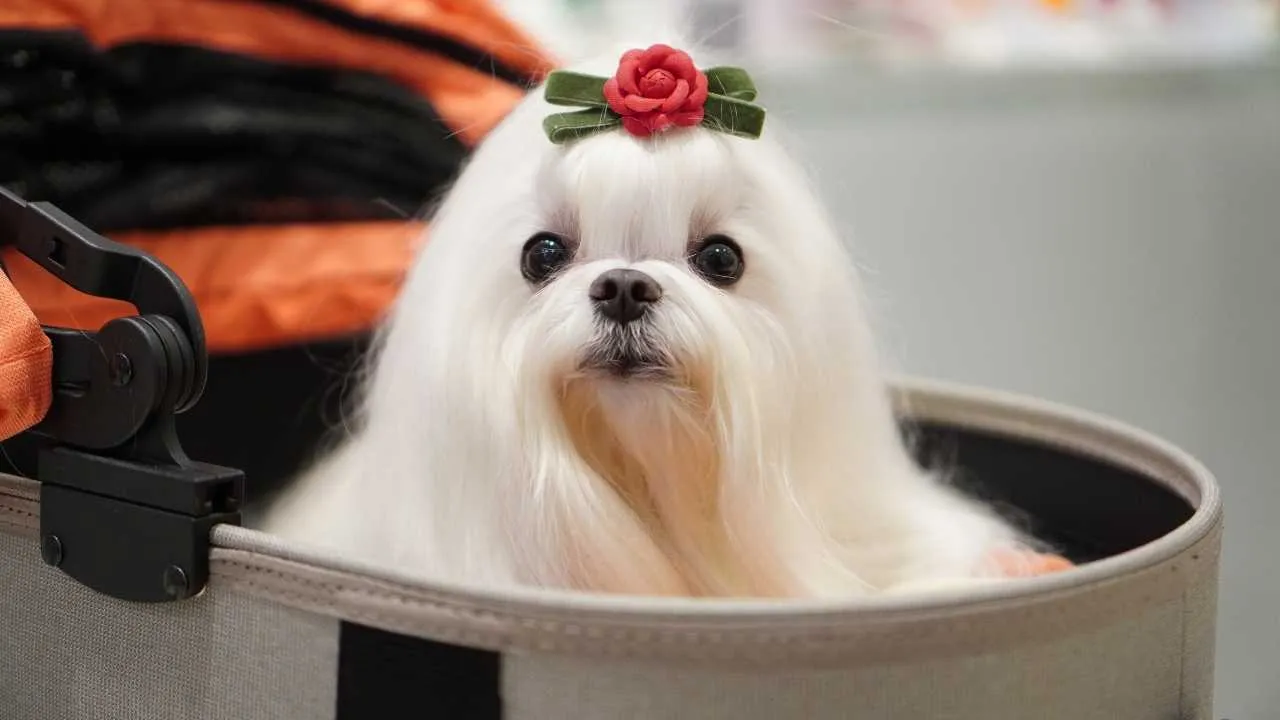
Maltese dogs generally need modest exercise and can stay active through short walks, indoor play, and interactive games. They often respond well to reward-based training when sessions are consistent and engaging. Teaching calm behavior can be particularly useful when introducing them to cats.
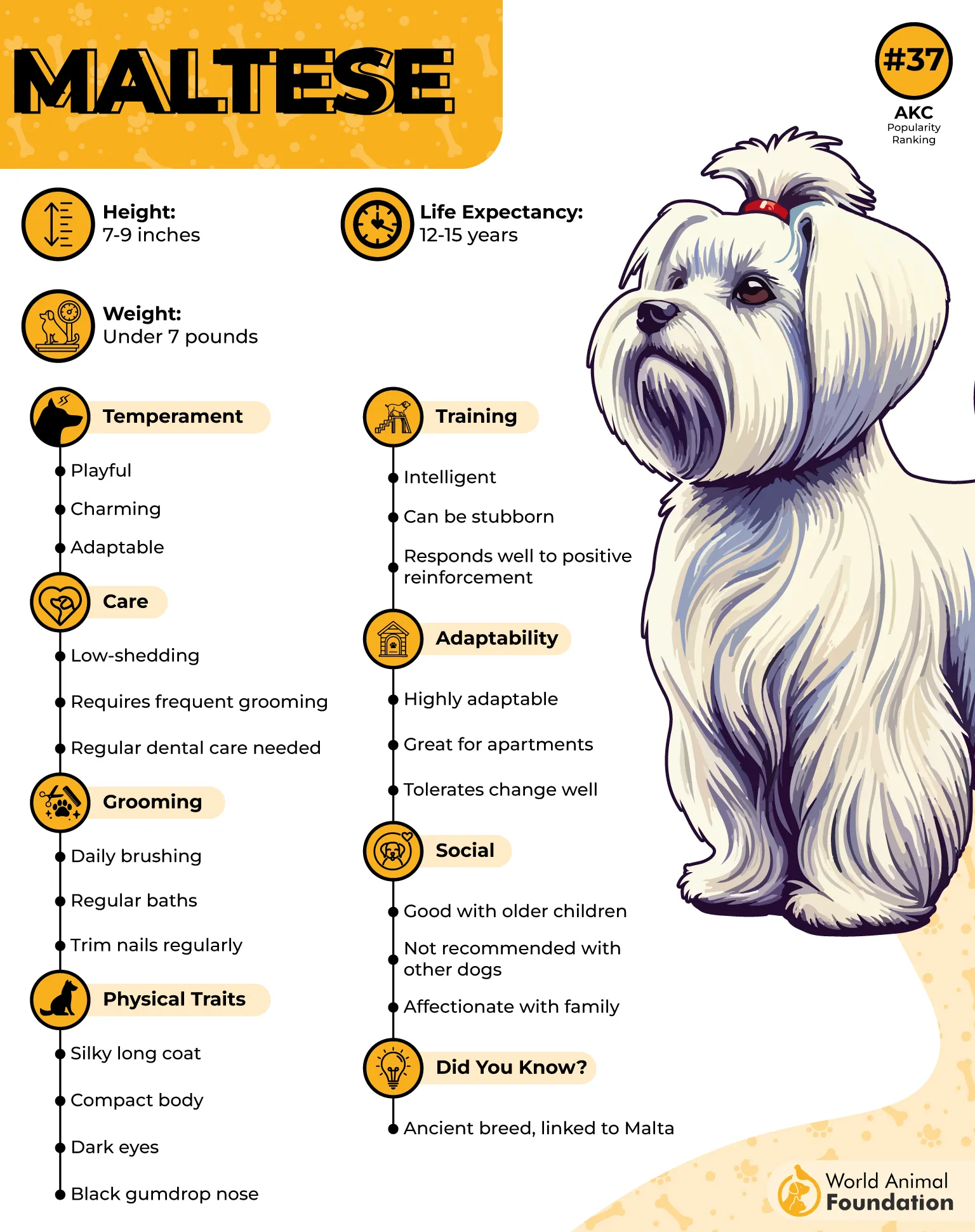
An Ancient Mediterranean Companion
The Maltese has a long history as a small companion dog associated with Mediterranean societies. It was valued primarily for companionship rather than hunting or working tasks, as per the AKC. Its long, flowing coat and affectionate personality have remained defining characteristics.
A Small and Social Cat Companion
Maltese dogs can adapt well to homes with cats when introduced gradually. Their small size and companion-oriented nature can make them less physically intimidating to a cat. Early socialization and supervised interactions can help establish comfortable boundaries.
5. Labrador Retriever
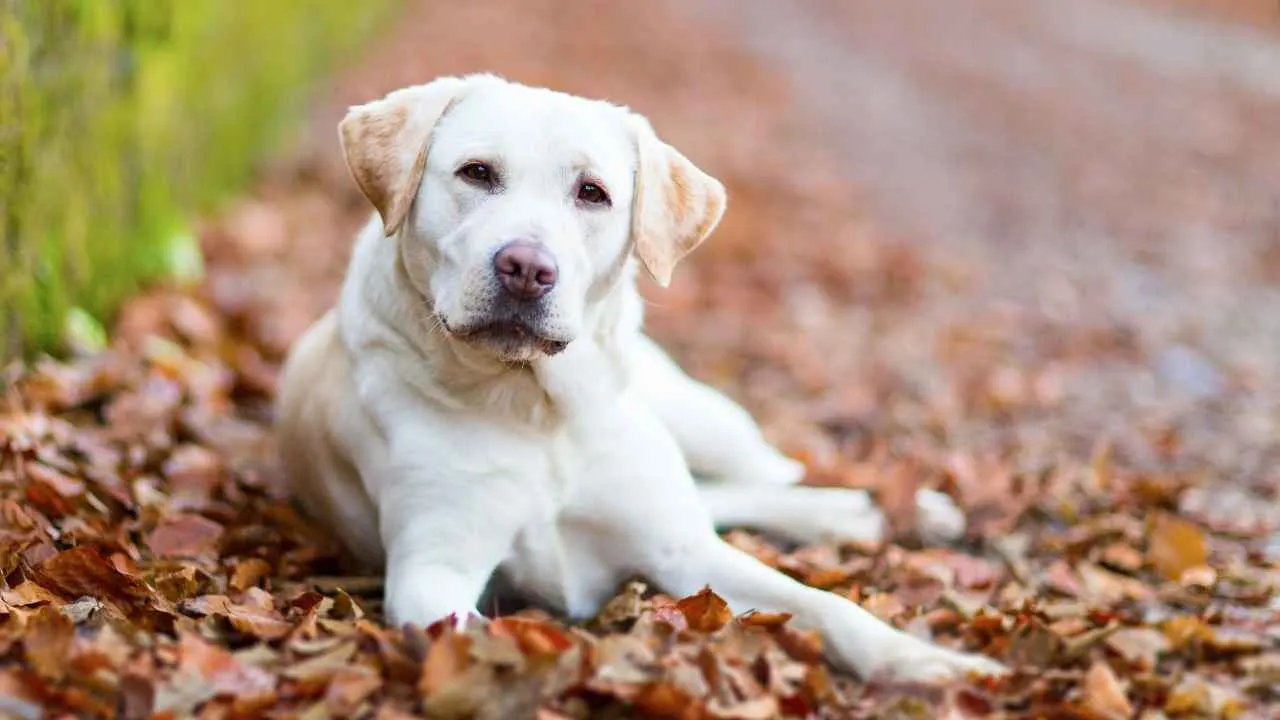
Labrador Retrievers are energetic dogs that benefit from daily walks, retrieving games, training, and other purposeful activities. Their intelligence and eagerness to cooperate can make impulse-control training particularly useful around cats. Adequate exercise can also reduce unwanted chasing caused by excess energy.
A Working Retriever With Canadian Roots
The Labrador Retriever developed from working dogs associated with Newfoundland, Canada, where early retrievers helped fishermen retrieve nets and fish. The breed was later refined in Britain for retrieving game. Its working background contributed to its trainability and enthusiasm for retrieving tasks.
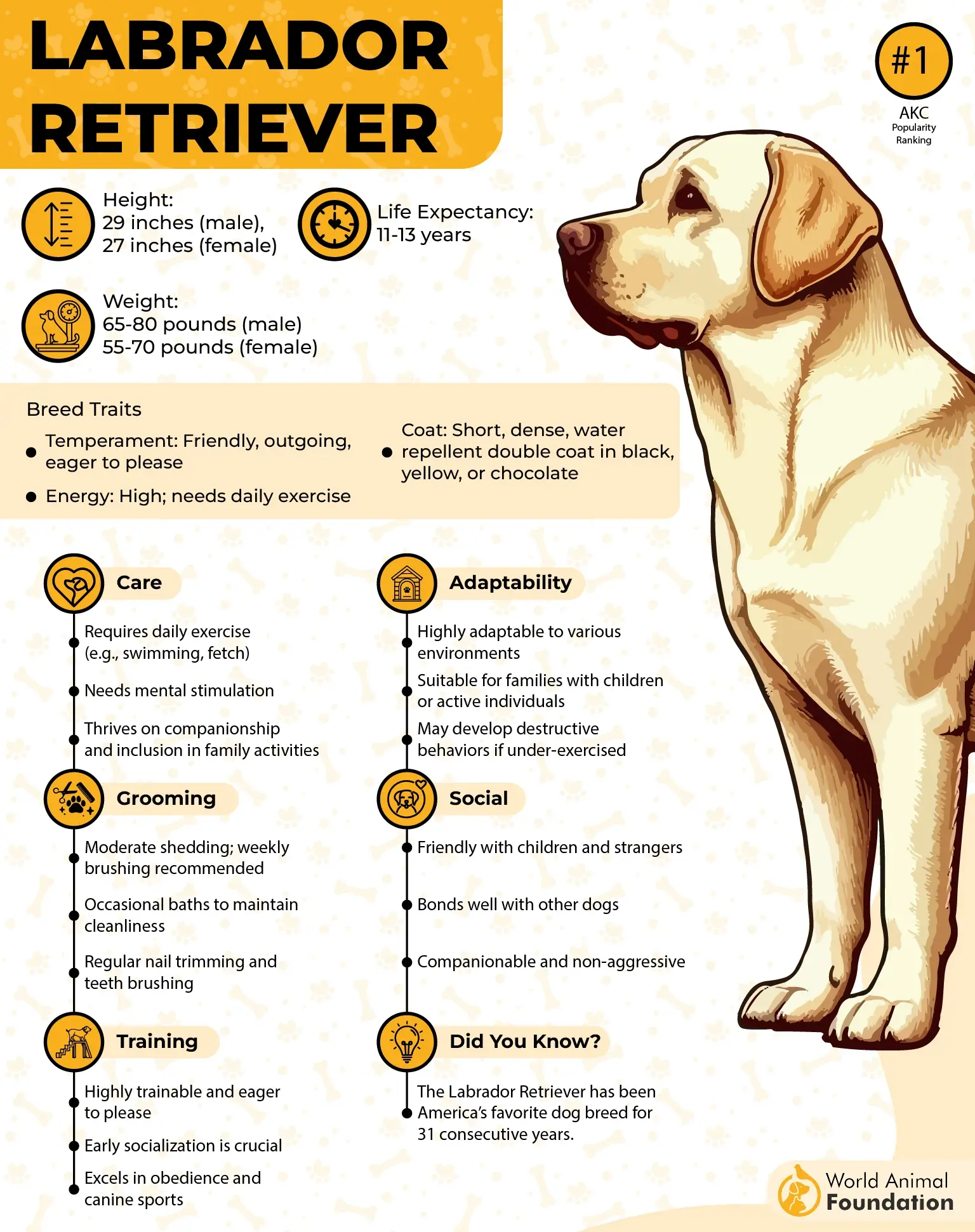
A Friendly Large-Breed Housemate
Labradors can be affectionate and social with other household animals when properly introduced. Their size and exuberant play style mean interactions with cats should initially be closely supervised. A well-trained Labrador that learns to remain calm can become a dependable multi-pet companion.
6. Cavalier King Charles Spaniel
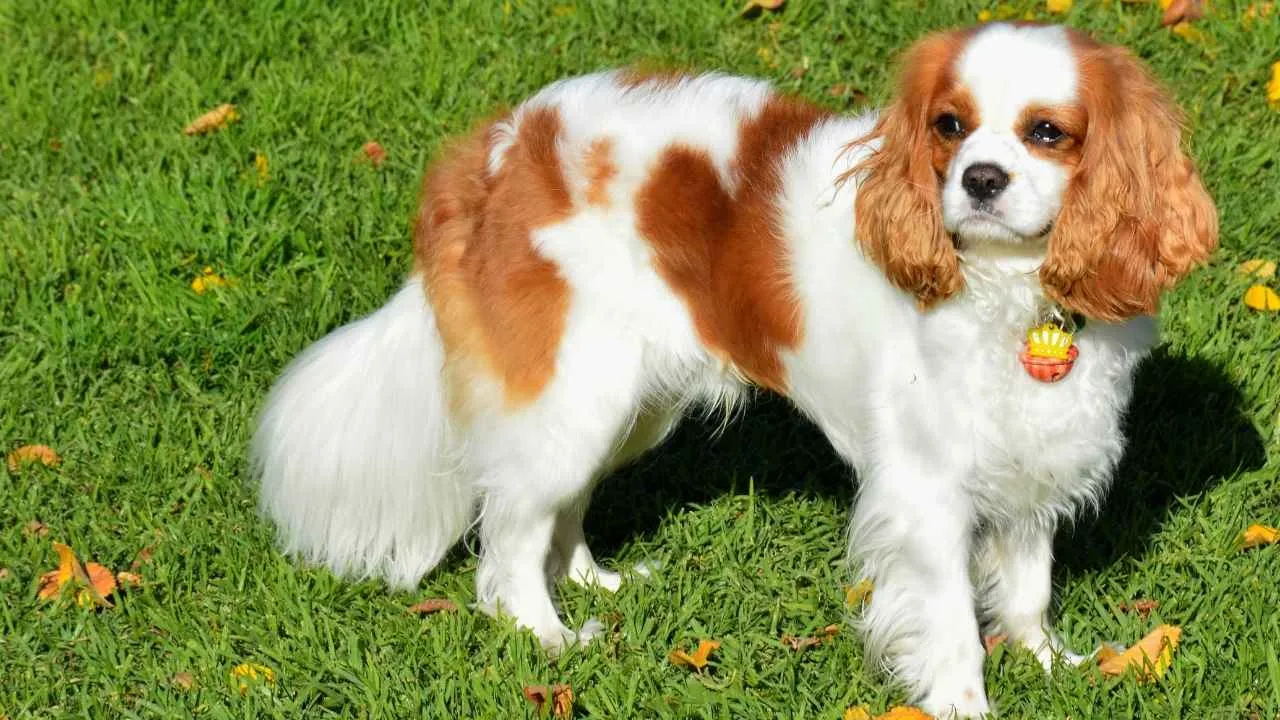
Cavalier King Charles Spaniels generally enjoy daily walks, playtime, and positive-reinforcement training. They often respond well to people and can learn household rules with consistency. Their moderate activity level can work well in homes where cats also prefer a relatively calm routine.
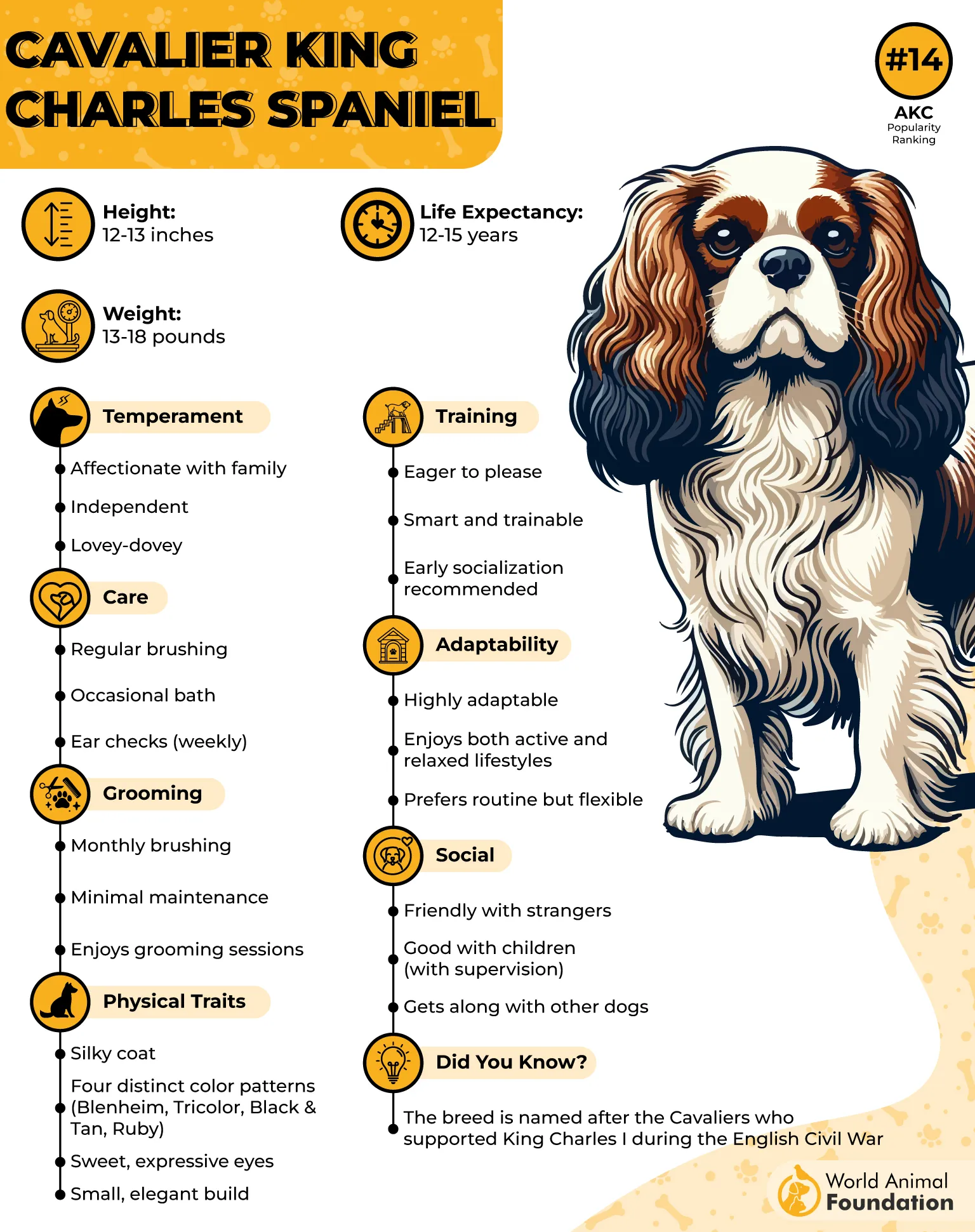
A Royal Companion With Spaniel Heritage
The Cavalier King Charles Spaniel has a long association with British royalty and aristocratic households. It was developed primarily as a companion while retaining characteristics from the spaniel family. Its history helped shape its affectionate and people-oriented temperament.
An Affectionate Breed for Cat Households
Cavaliers are often gentle, sociable, and adaptable companions. Their friendly nature can help them share household space with cats when introduced gradually. Teaching the dog to respect the cat’s food, resting areas, and personal space is still important.
7. Pug
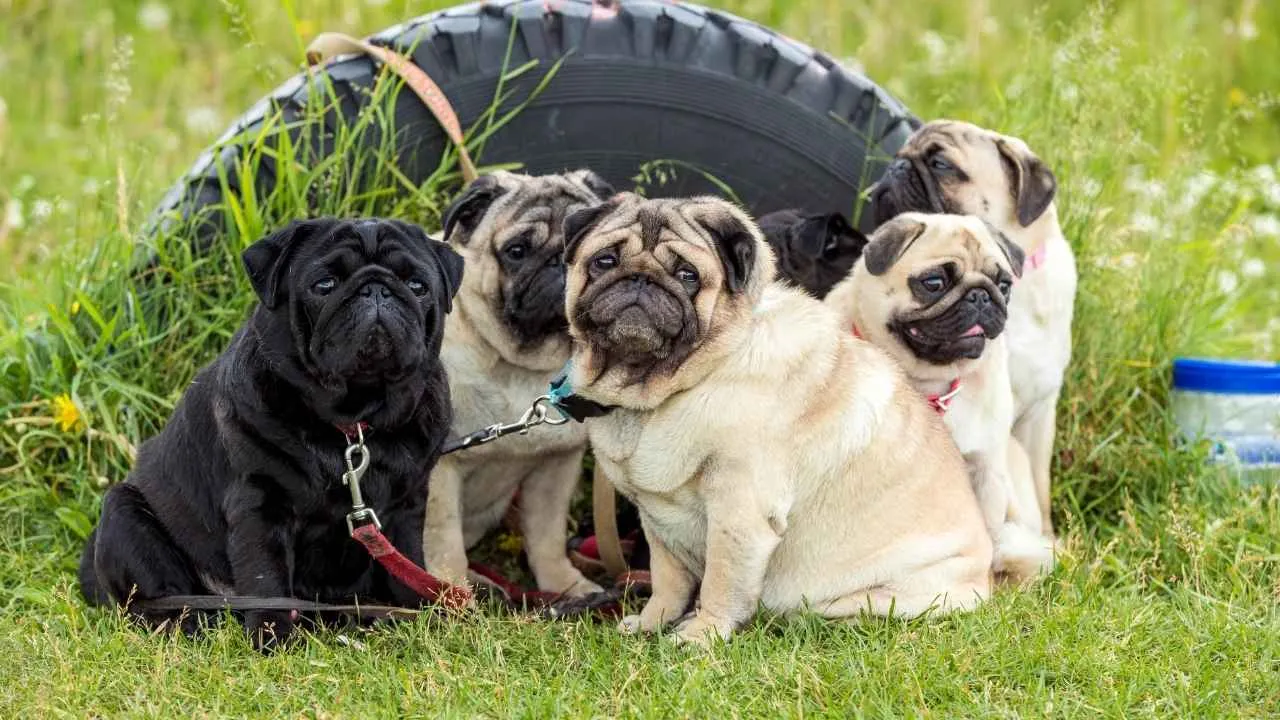
Pugs generally enjoy short walks, indoor play, and interactive activities rather than strenuous exercise. Positive reinforcement can help establish calm behavior and appropriate boundaries around cats. Their exercise should be carefully managed in hot weather because of their short facial structure.
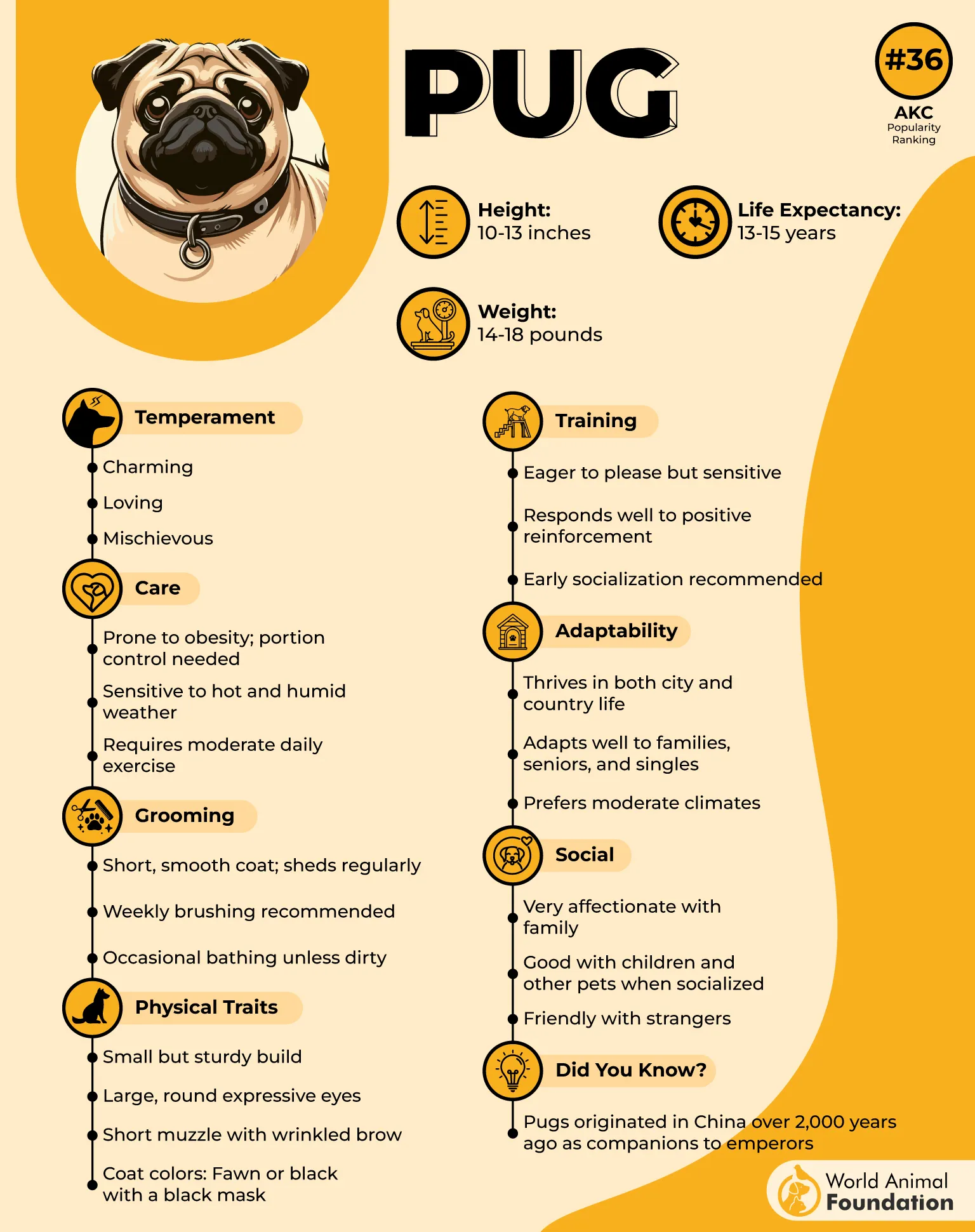
A Chinese Companion Breed
The Pug has an ancient history as a companion dog in China, where small flat-faced dogs were associated with imperial households. The breed later became popular in Europe as a household companion. Its history has remained closely connected with living alongside people.
A Sociable Dog in a Multi-Pet Home
Pugs are generally affectionate, social, and adaptable, which can help them settle into homes with other pets. Their playful nature may interest a cat, but calm introductions are still important. Providing the cat with elevated and private spaces can make shared living easier.
8. Basset Hound
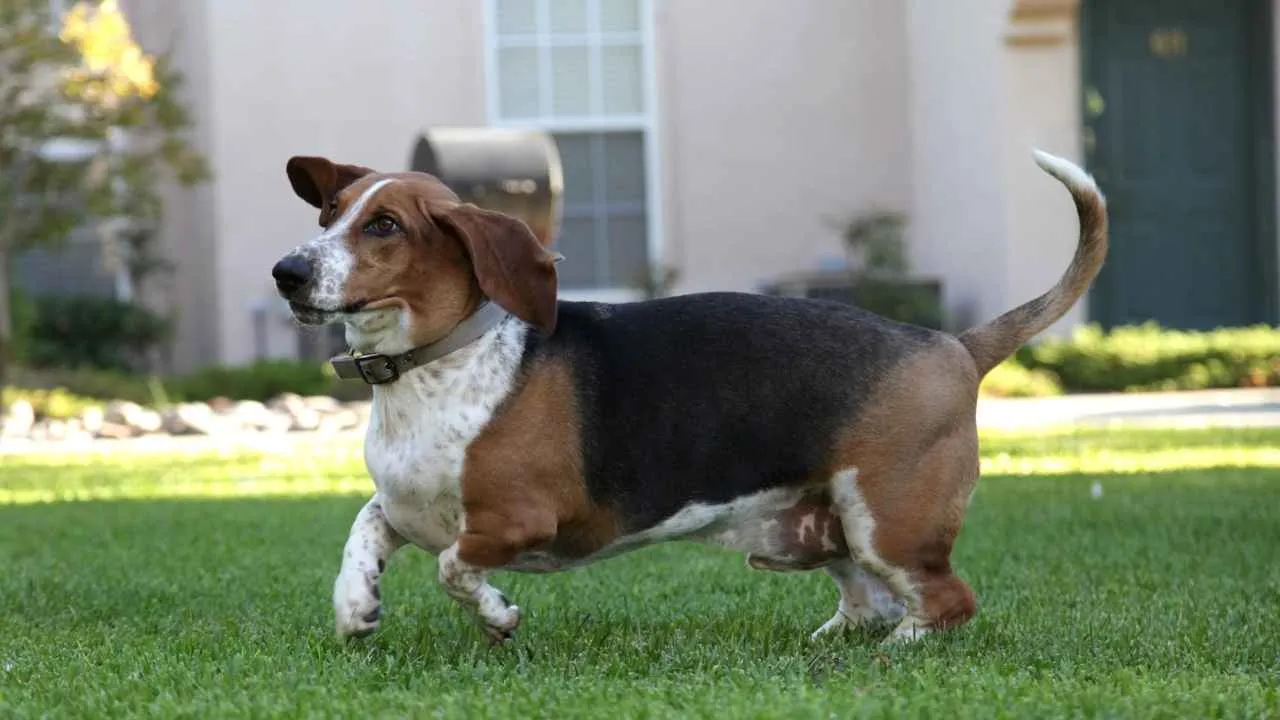
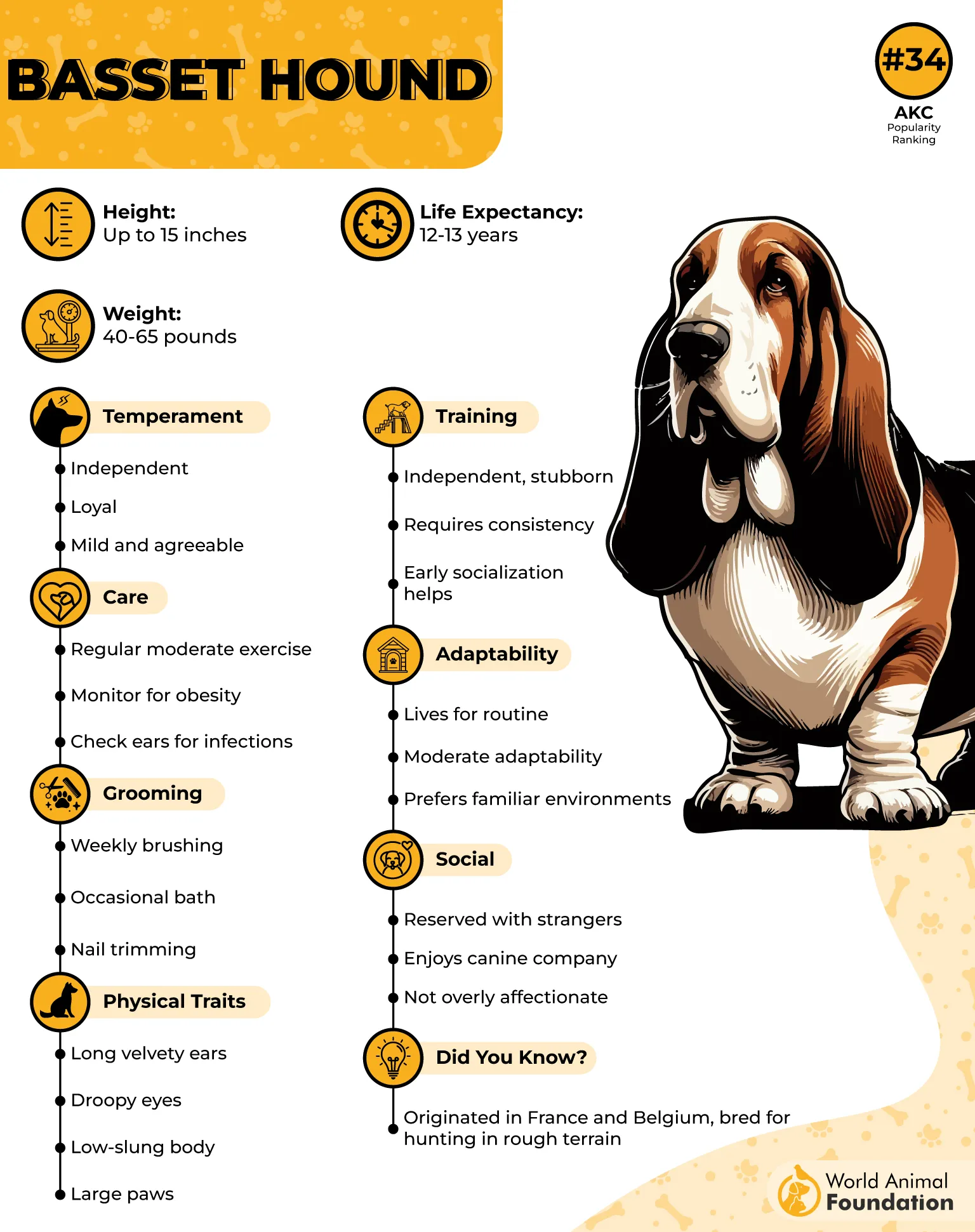
Basset Hounds generally benefit from regular walks and opportunities to sniff and explore. Training can require patience because they can be independent-minded, but positive reinforcement can encourage reliable household behavior. Controlled exercise is useful for maintaining healthy body condition.
A French Scent Hound
The Basset Hound has roots in France and was developed as a scent hound capable of following trails at a relatively slow pace, as per PDSA. Its long ears and powerful nose are among its most recognizable characteristics. The breed was traditionally associated with hunting small game.
A Generally Relaxed Household Companion
Basset Hounds can have a calm and easygoing presence that may suit homes with cats. Their slower style of movement can be less overwhelming than that of highly energetic breeds. Their hunting ancestry means introductions should still be supervised and chasing behavior should be discouraged.
9. Bichon Frise
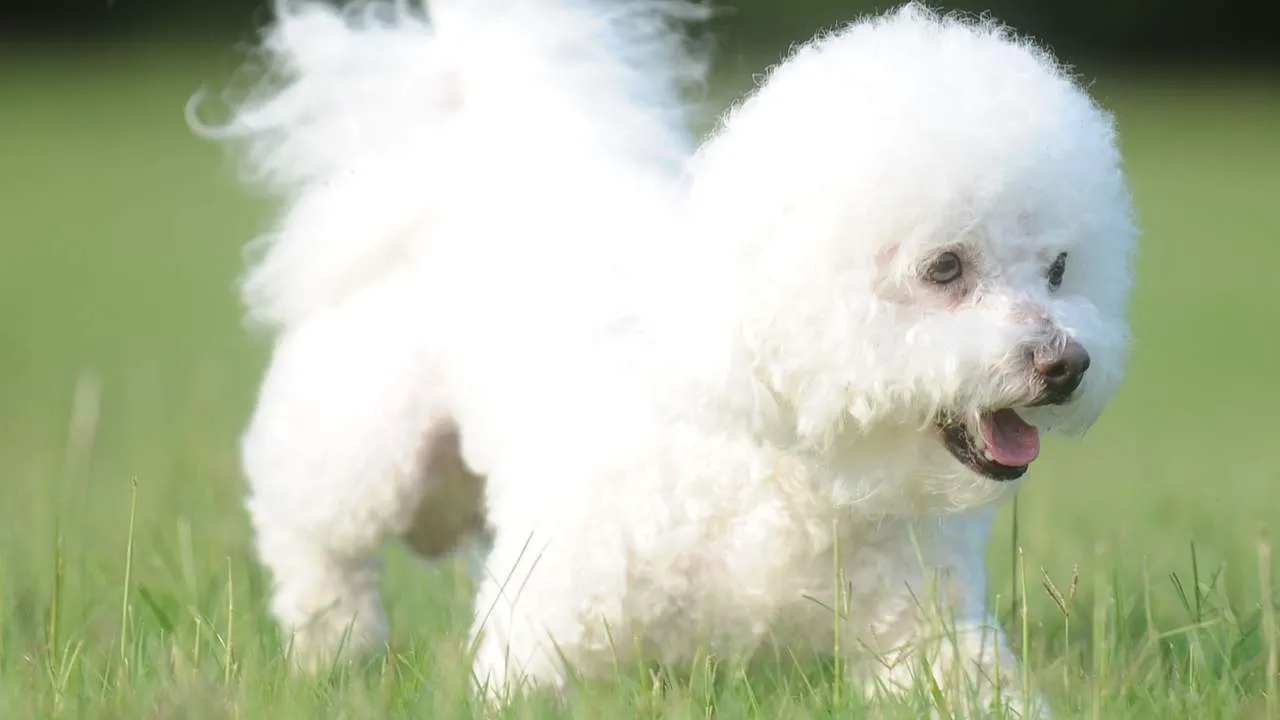
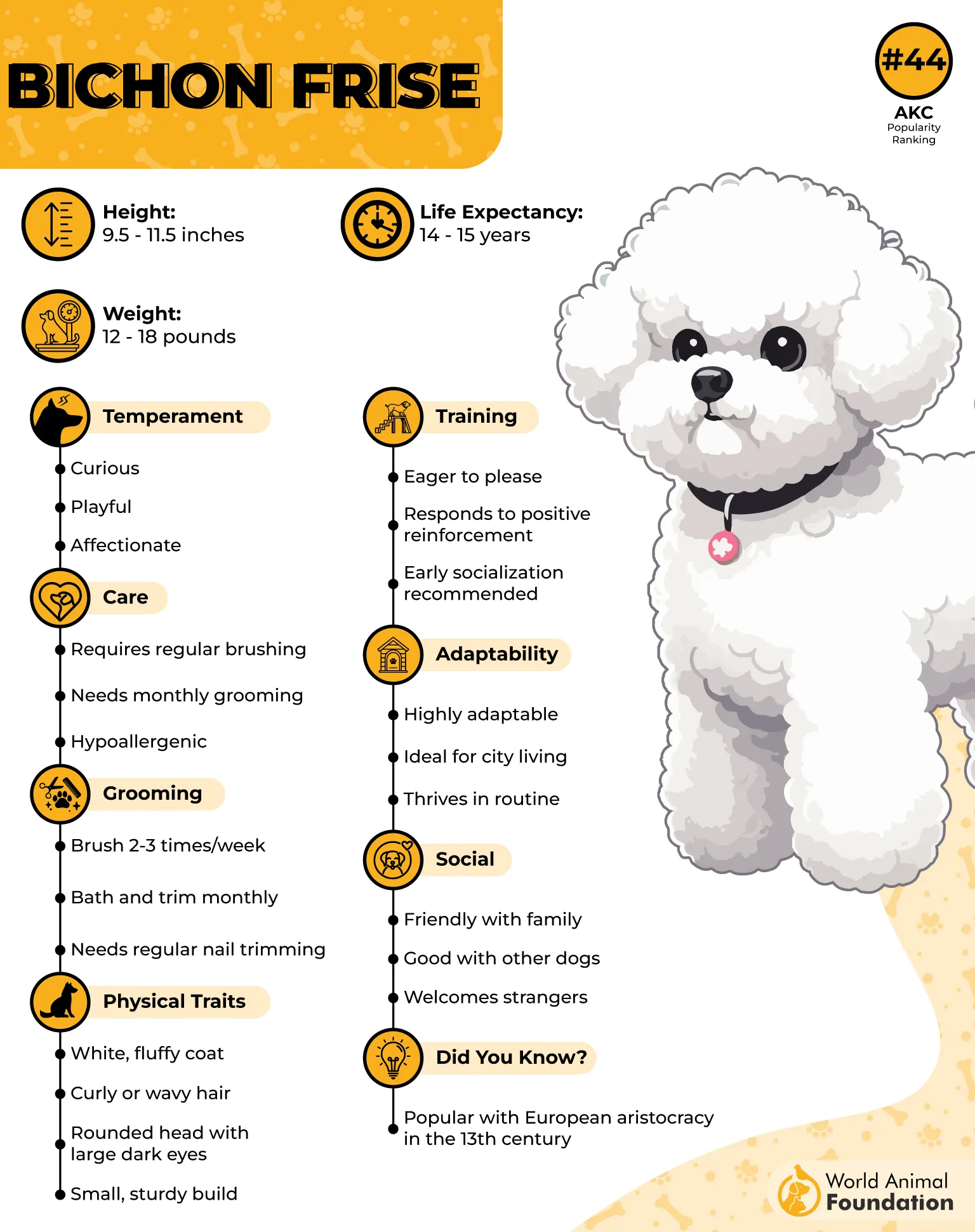
Bichon Frises generally enjoy short walks, indoor games, and interactive play. They are intelligent and often responsive to positive training, making it possible to teach appropriate behavior around cats. Regular mental stimulation can help keep their cheerful energy focused.
A Mediterranean Companion With European History
The Bichon Frise developed from small Mediterranean companion dogs and became popular in Europe. It was valued for its cheerful personality and attractive coat, as per Hill’s Pet. Over time, the breed became strongly associated with companionship rather than demanding working duties.
A Friendly Breed for Shared Spaces
Bichon Frises are generally social, playful, and adaptable, which can help them adjust to living with cats. Their friendly nature may encourage interaction, so owners should ensure the cat can retreat when it wants quiet time. Gradual introductions can help establish a comfortable relationship.
10. Golden Retriever
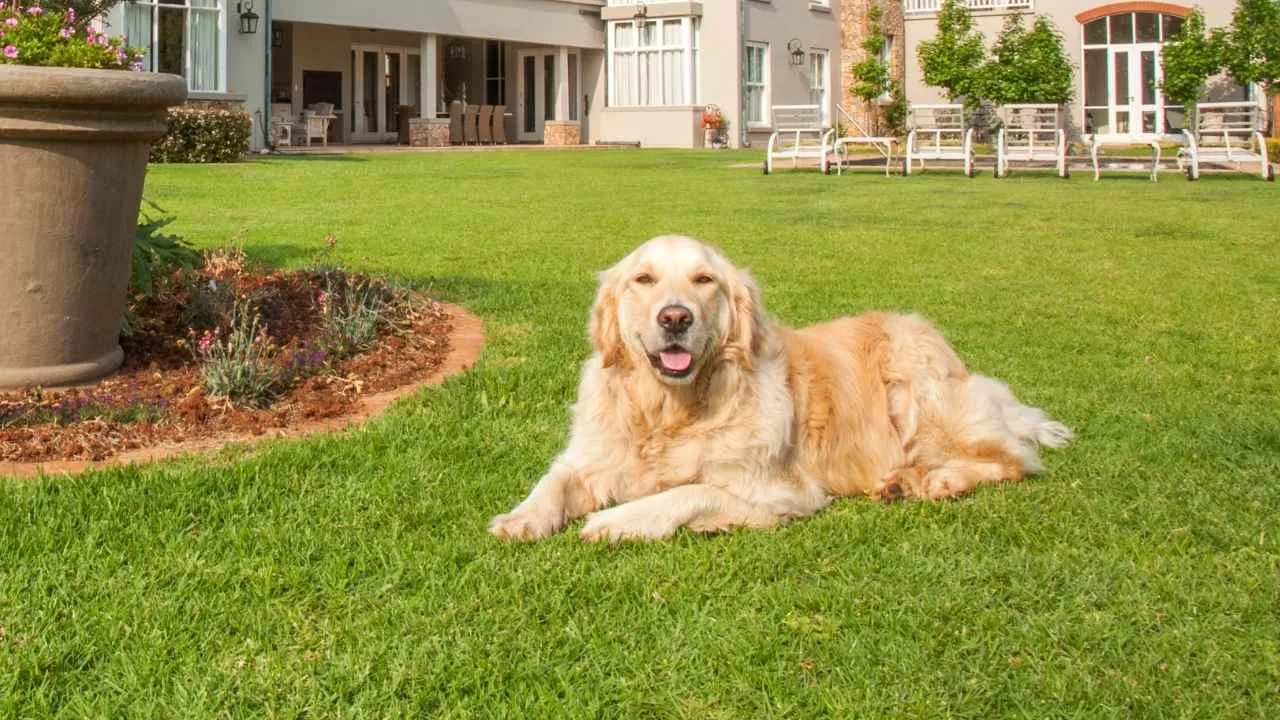
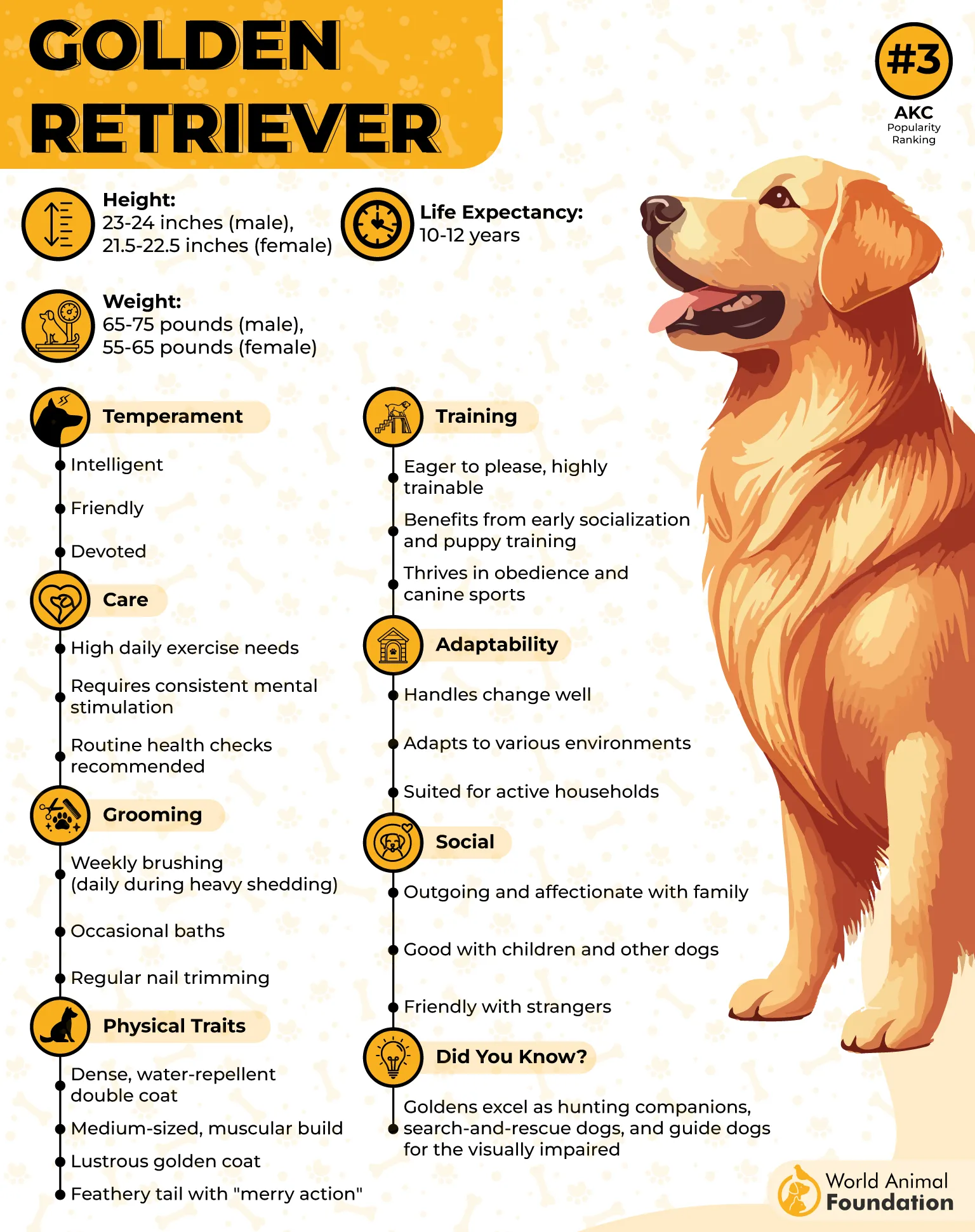
Golden Retrievers are active, large dogs that need regular walks, retrieving games, training, and mental stimulation. Their intelligence and willingness to cooperate can make them responsive to training around cats. Providing enough daily activity is particularly important because an under-stimulated young Golden may become overly enthusiastic.
A Scottish Sporting Breed
The Golden Retriever was developed in Scotland during the 19th century as a gundog for retrieving game. Breeders selected for retrieving ability, a soft mouth, endurance, and cooperation with handlers. These qualities helped establish the breed as a versatile working and family dog.
A Social Companion for Cat-Friendly Homes
Golden Retrievers are often friendly, tolerant, and people-oriented, characteristics that can support peaceful multi-pet living. Their larger size and playful enthusiasm mean cats should have safe spaces, and early interactions should be supervised. With appropriate training, many Goldens can learn to coexist respectfully with cats.
Conclusion
Choosing a dog for a home with cats involves considering temperament, prey drive, energy level, training needs, and the individual personalities of both animals.
Some breeds, such as Pugs, Bulldogs, and Basset Hounds, may bring a more relaxed presence, while Labrador and Golden Retrievers generally require more exercise and structured training. Bichon Frises, Maltese, Cavaliers, and Papillons can offer smaller companion-dog personalities with different levels of playfulness and activity.
No breed guarantees a successful dog-cat relationship. Gradual introductions, supervised interactions, separate food and resting areas, and opportunities for the cat to escape or move to higher spaces can make a significant difference. The individual temperament of both pets should always guide the process.
