




A dog can weigh less than a few pounds and still act like it owns the house. That is often the first surprise with tiny teacup dog breeds.
Their miniature bodies can hide strong opinions, sharp awareness, playful habits, and a surprising willingness to demand attention. Because these dogs are so small, everyday details matter more than they might with larger companions. A short fall, rough handling, cold temperatures, or an accidental step can cause serious injury.
Some may need smaller portions and carefully managed routines because their tiny bodies have less room for error. At the same time, their size can make them convenient companions for apartments, travel, and homes with limited space. The fun part is seeing just how much personality can fit into such a tiny frame.
By the time you reach the end, you will have met a fascinating range of pint-sized characters and seen what makes each one especially memorable.
Key Takeaways
These dogs may fit easily into small homes, but their personalities can make them hard to overlook. Some are bold, some playful, and some surprisingly opinionated.
The Pomeranian once worked alongside people in much colder conditions, while the Poodle was bred to retrieve from water.
A Pug was once protected inside an imperial palace, and the Bichon Frise later appeared in portraits of European royal families.
The final breeds bring even more personality, from the Chihuahua’s fearless reactions to the Shih Tzu’s alert nature and the Yorkie’s busy little mind.
Tiny Teacup Dog Breeds With Big Personalities
1. Pomeranian
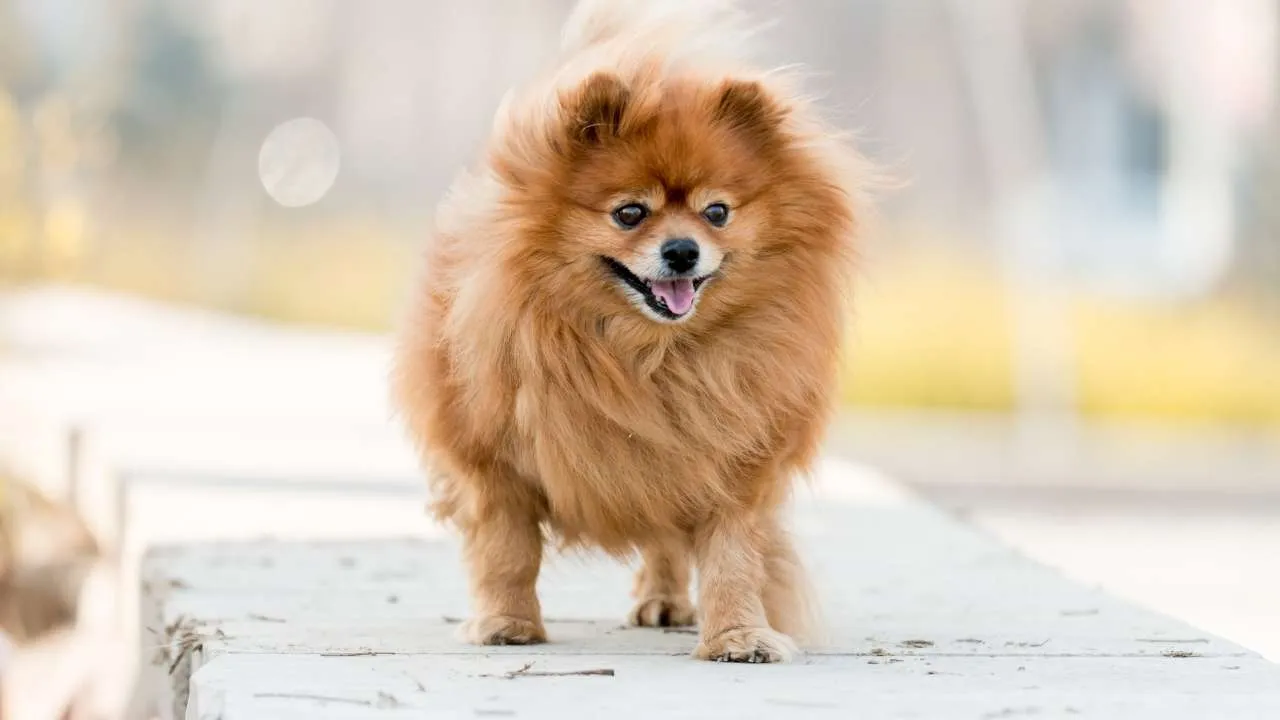
The Pomeranian has a surprisingly different past from the tiny companion seen today. It started out as an Arctic working dog, with its name linked to Pomerania, the Baltic Sea region, and early dogs were used to guard homes, pull sledges, and protect livestock before their size changed considerably.
Tiny Size, Easy Living
Life with this small dog breed can work in a compact condo or a larger home, including households with children and other pets. Its short legs are worth remembering on outings, particularly when everyone else is moving at a quicker pace.
Its petite build shapes more than its living space:
A double coat can cause overheating in high temperatures
Longer adventures should match their shorter stride
Larger dogs can accidentally injure this toy-sized breed
A Big Personality
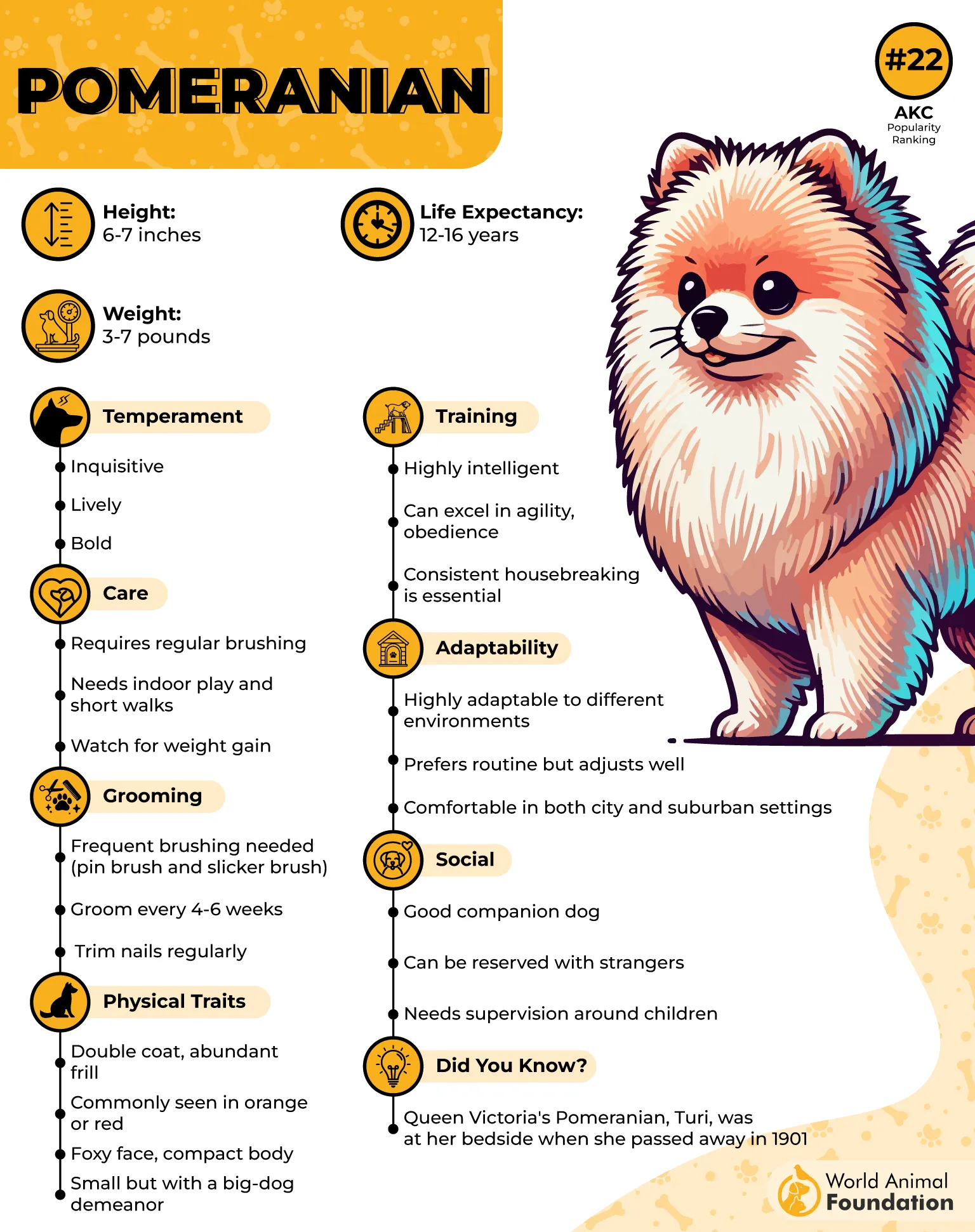
The Pomeranian is an intelligent, bold little dog with enough confidence to challenge larger dogs when socialization and training are lacking, as Greencross Vets discusses. That independent streak can appear during obedience work, although the breed can perform well in obedience competitions.
2. Toy Poodle
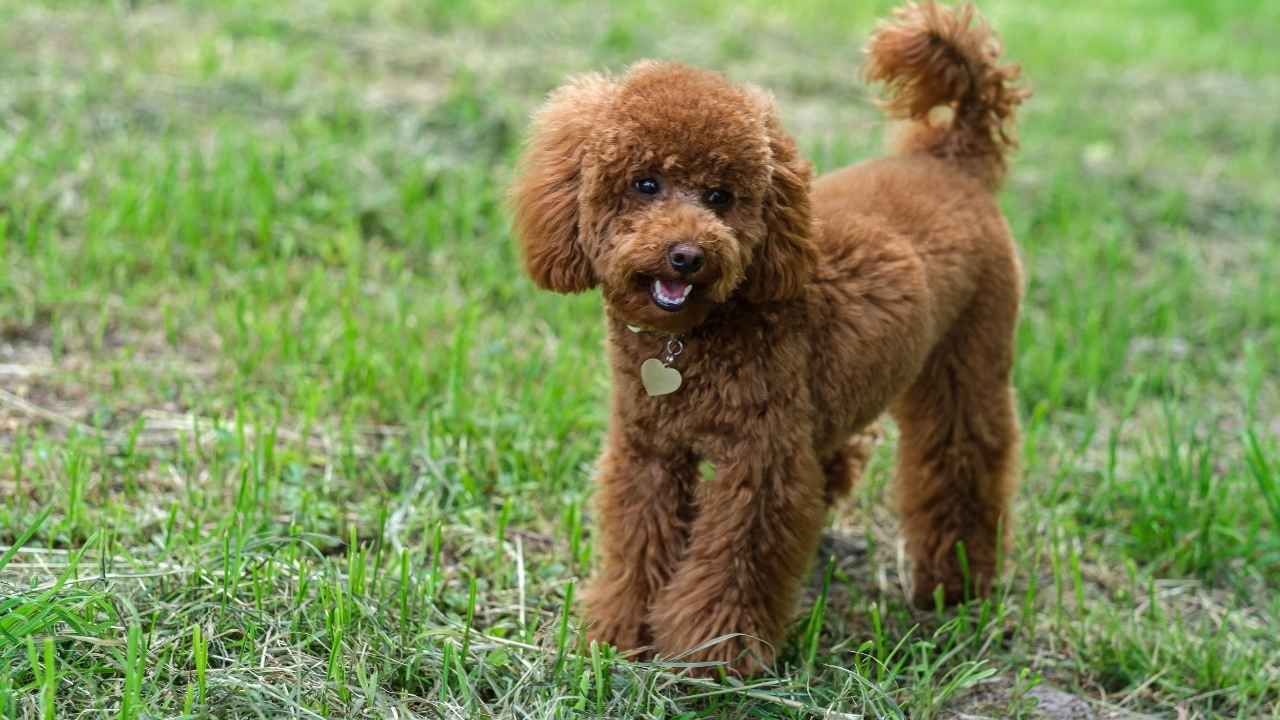
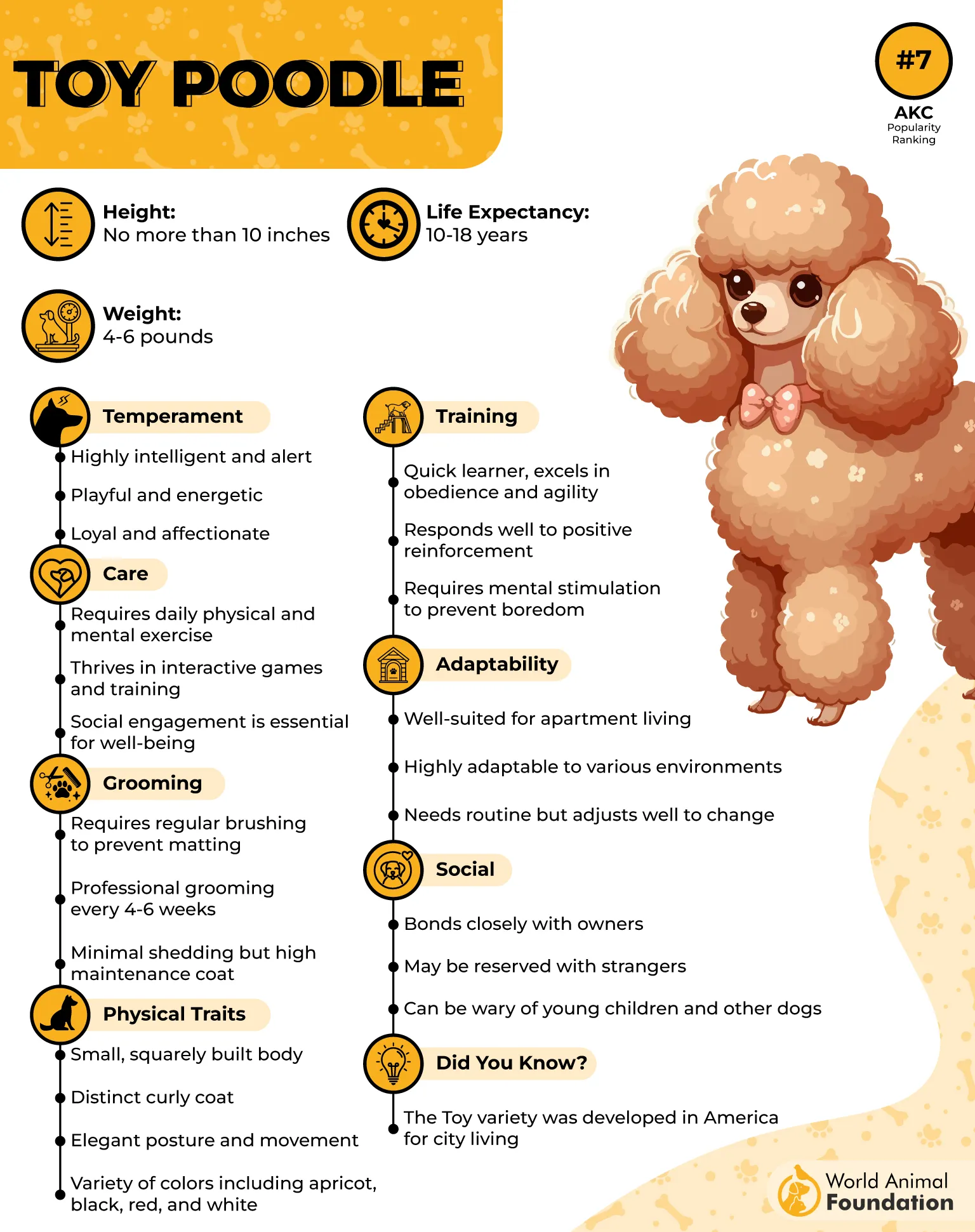
The Poodle originated in Germany more than 400 years ago as a skilled water-retrieving dog, even though France later became closely associated with the breed. Its name is linked to the German word “pudelin,” referring to the splashing made while working in water and retrieving game.
Made for the Water
Poodle’s curly coat provides natural insulation, while its swimming ability supports the retrieving work for which the breed was originally used. That combination gives the breed a particularly practical edge for outdoor activities involving water and changing conditions.
Living easily with this little dog still takes some care:
Standard Poodles can be good with kids
Smaller Poodles need supervised interaction
Noise and rough activity may bother them
A Clever Companion
Poodles are highly intelligent and often try to solve a problem before waiting for direction, so clear requests and consistent guidance matter during training, as Orvis claims.
Standards tend to be more reserved, while Miniature and Toy Poodles are often more comfortable with lapdog routines and close attention.
3. Pug
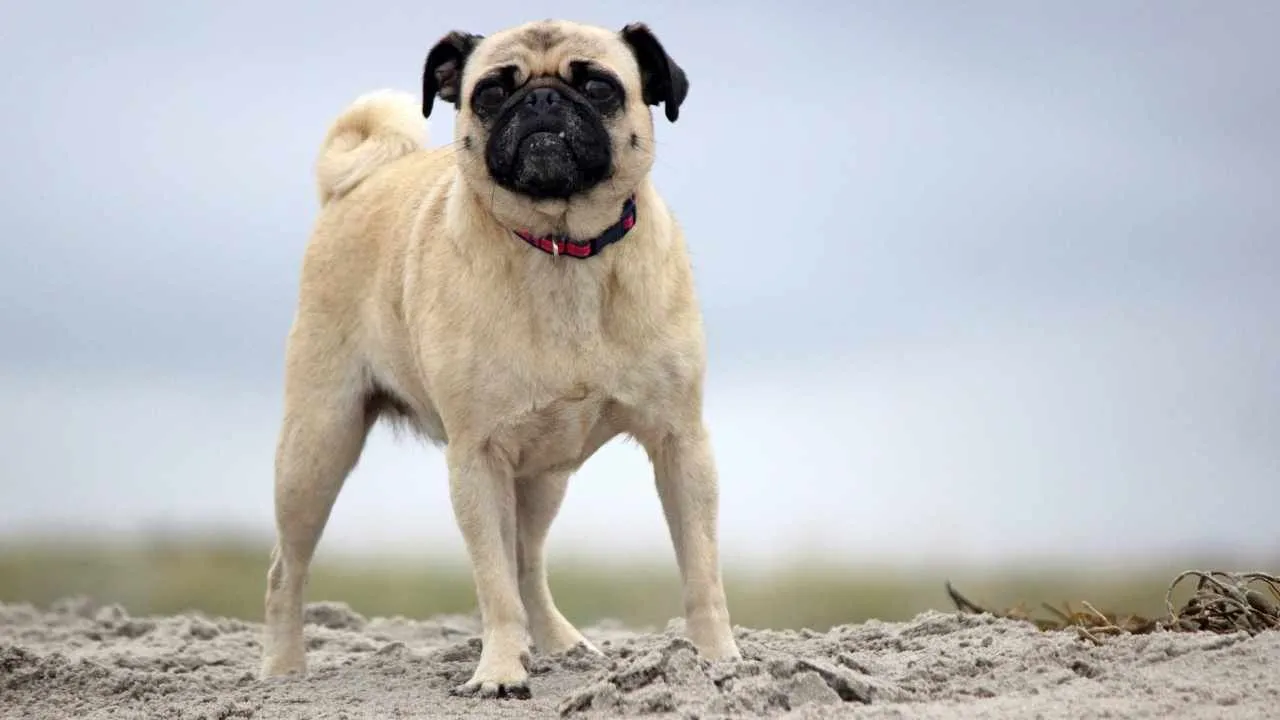
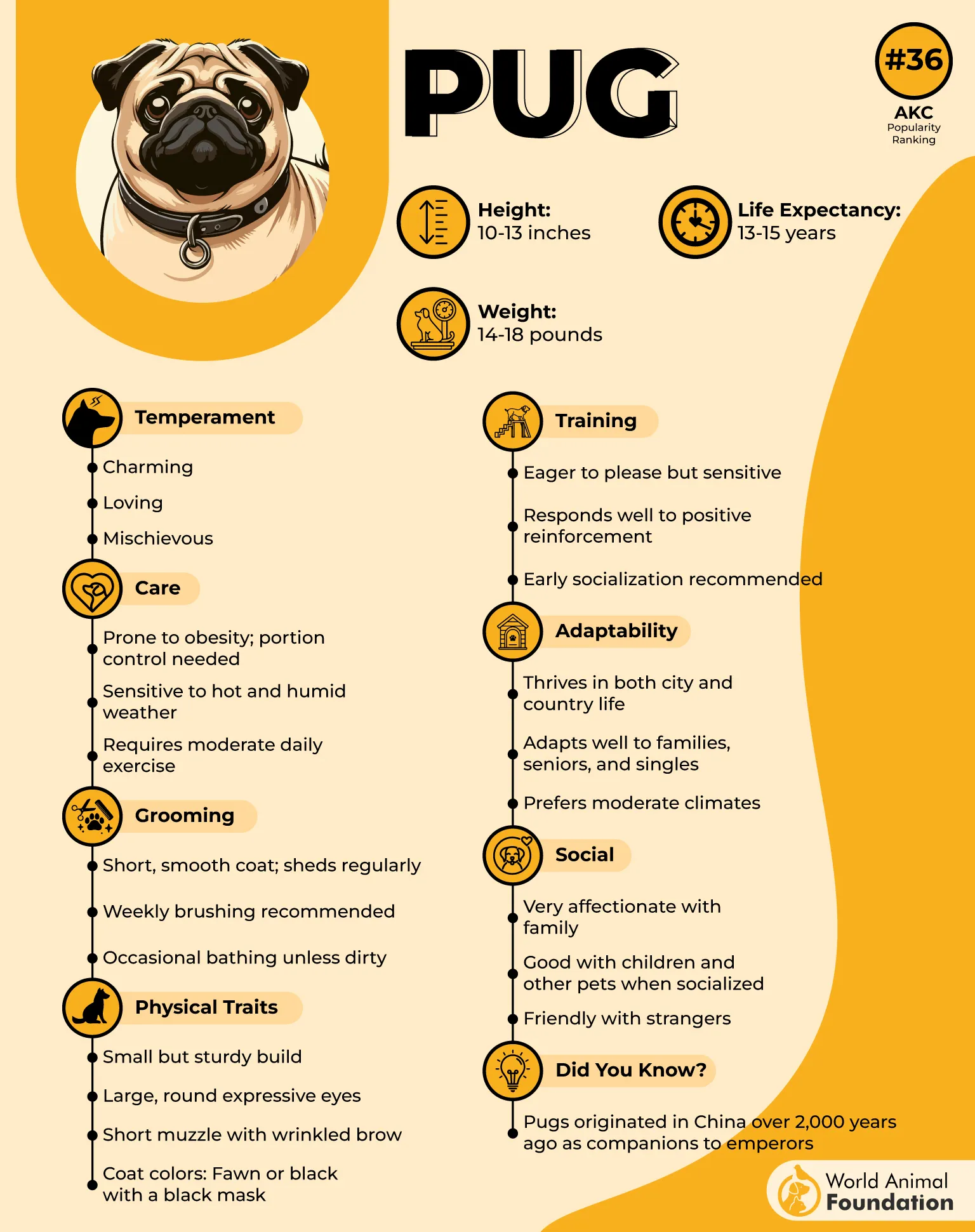
The Pug originated in China during the Han Dynasty, from 206 BC to 200 AD, with evidence of similar dogs also found in ancient Tibet and Japan. The breed was highly prized by Chinese emperors and lived in luxury within the imperial palace, even receiving protection from palace soldiers.
Big Personality, Small Frame
This lap dog was specifically used for companionship, making their compact size particularly practical for close indoor living, as noted by the AKC. Its famous motto, “multum in parvo,” means “a lot in a little,” a fitting description of the breed’s stout build and larger-than-life personality.
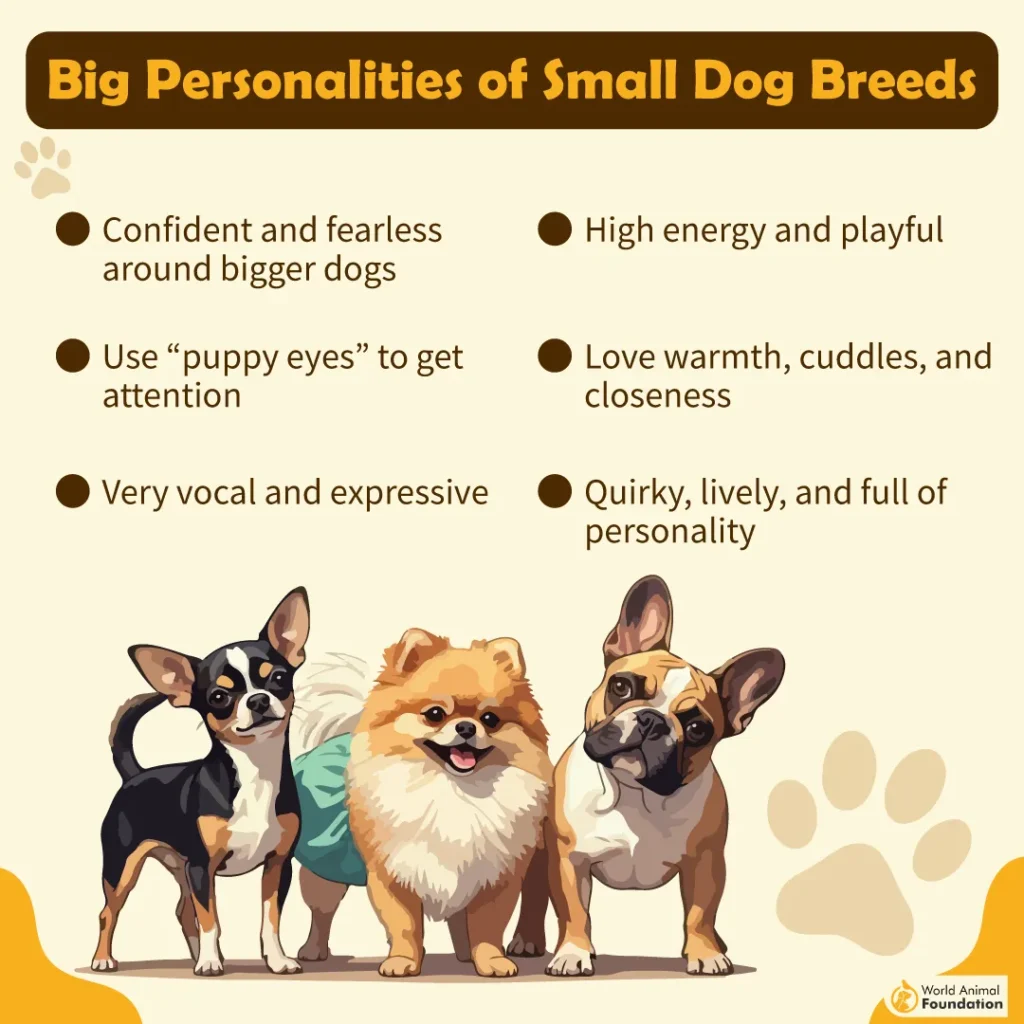
These traits give that compact package plenty of character:
Often called the “clowns of canines”
Known for goofy, childlike behavior
Famous for playful humor
Always Part of the Action
Pugs enjoy being included in everyday activities, whether that means relaxing on the sofa, taking a walk, or snuggling in bed. Long periods alone can leave this people-oriented companion unhappy, while lively family routines give it plenty of interaction to follow.
4. Bichon Frise
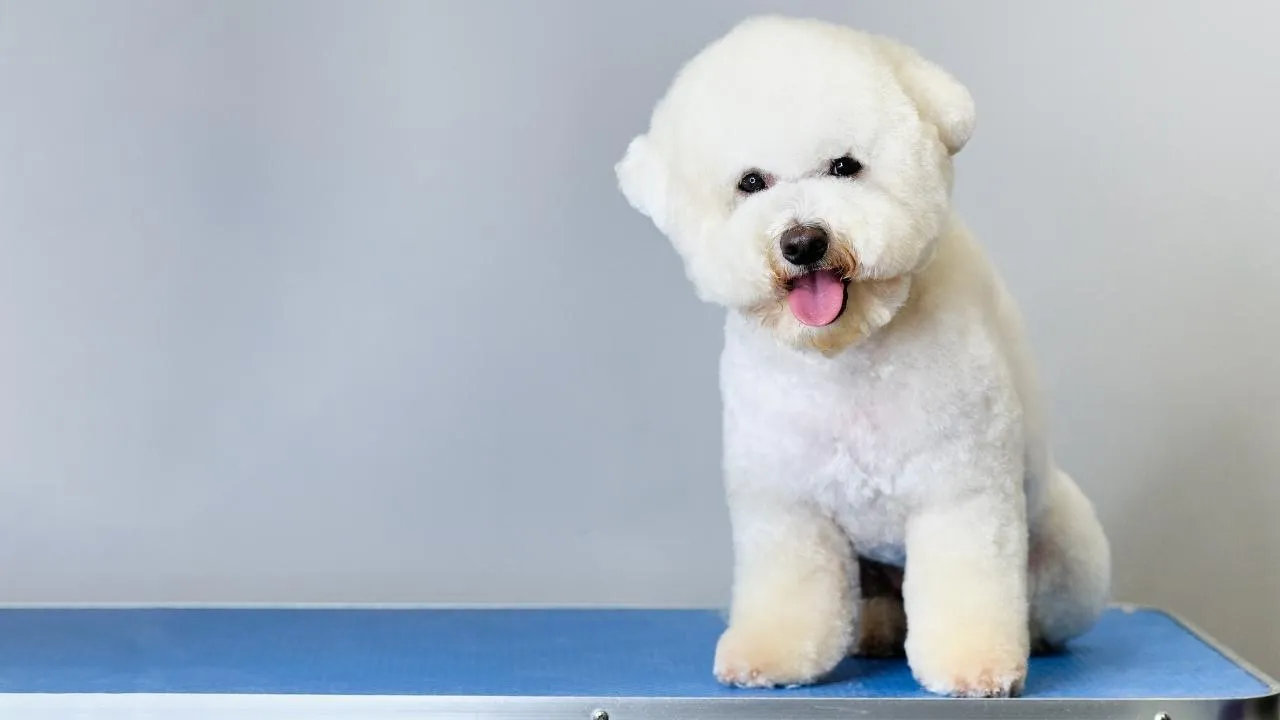
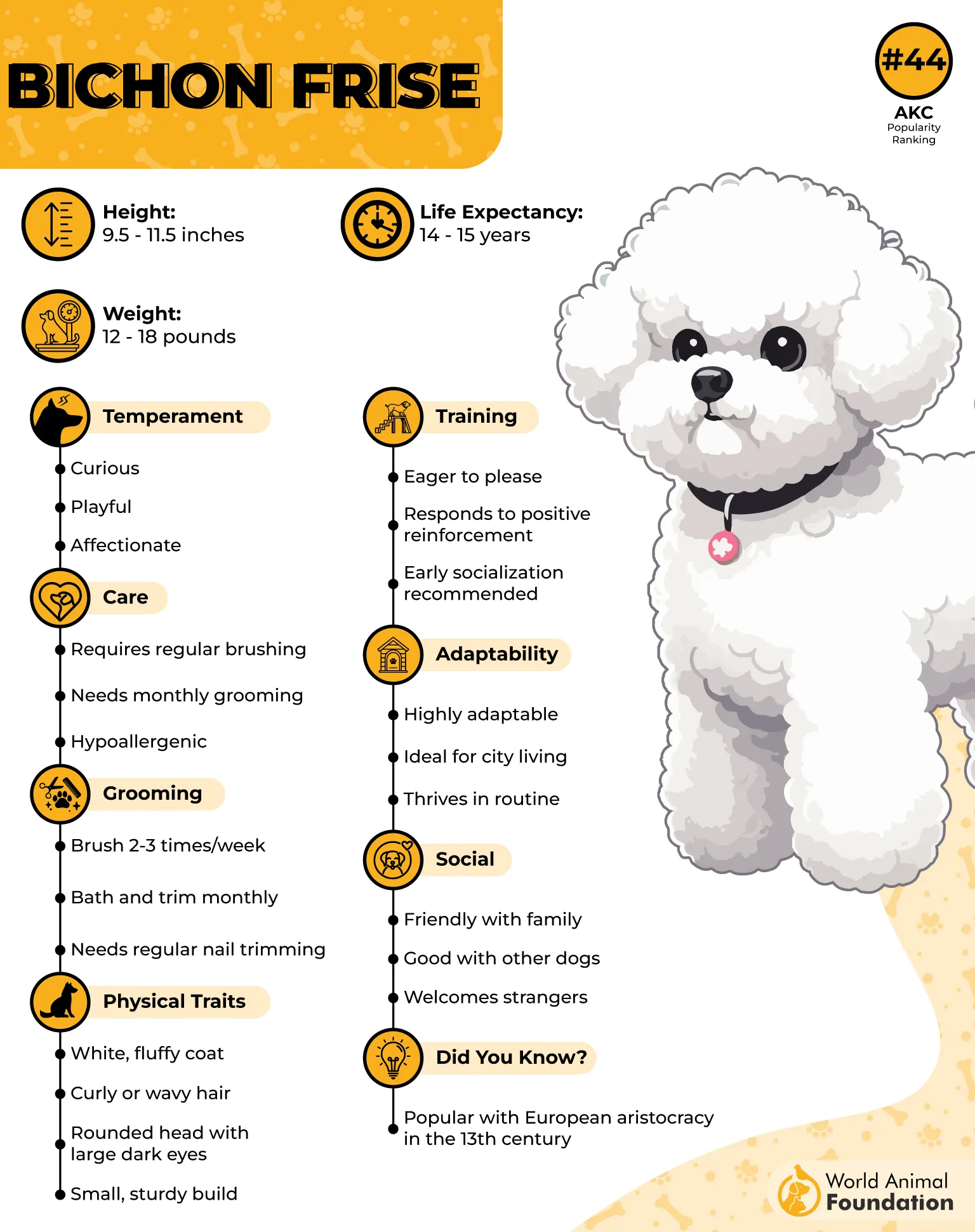
The Bichon Frise is thought to have originated on Tenerife, one of the Canary Islands, before sailors brought these small dogs to Europe during the 14th century. Their popularity later reached royal circles in France and Spain, where Bichon-type dogs appeared in portraits of royal families.
A Tiny Social Butterfly
This tiny dog is a lively non-sporting breed that enjoys joining family outings and taking part in whatever is happening around the household. Its cheerful nature and curiosity can make a small home feel quite lively, especially when this dog has people to interact with.
Their personality is easier to picture with these characteristics:
Comfortable with household pets
Can romp gently with young children
Needs early socialization and training
Attention Comes Naturally
Bichon Frise has plenty of emotional intelligence and can respond well to people when introduced to training and socialization early. Its playful side may turn an ordinary afternoon into a yard game with a toddler or an enthusiastic greeting for someone walking through the door.
5. Chihuahua
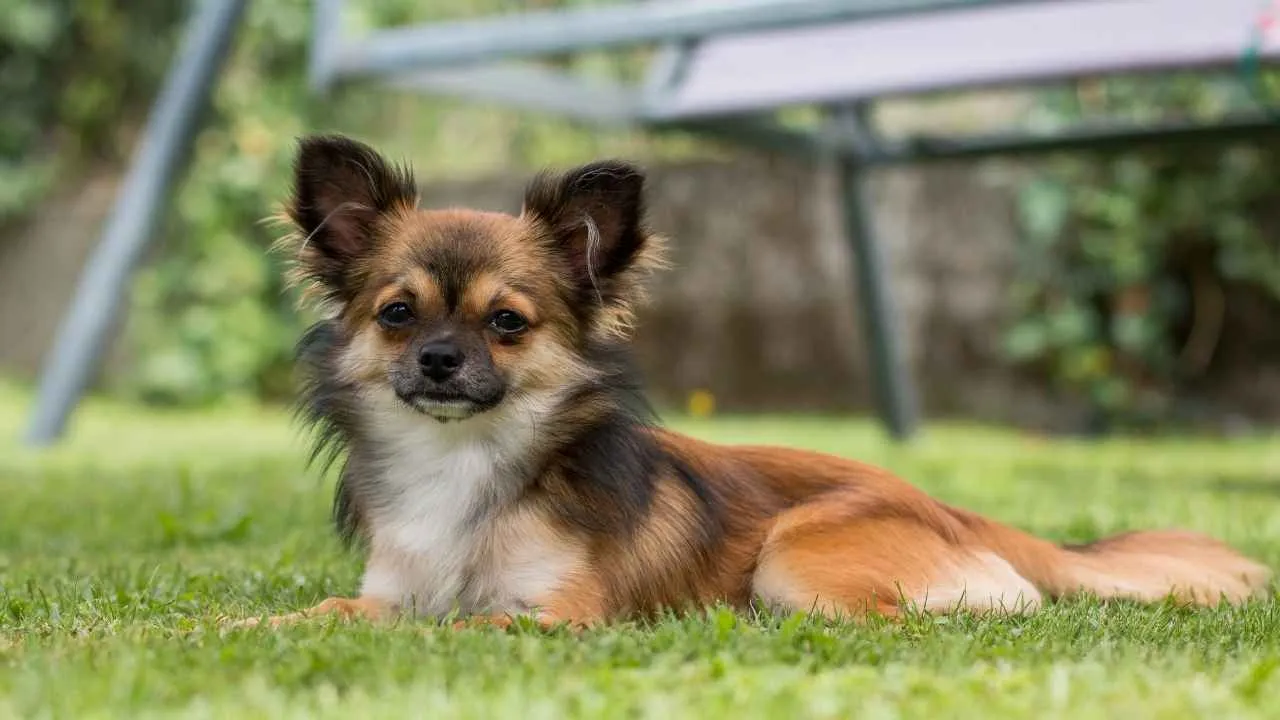
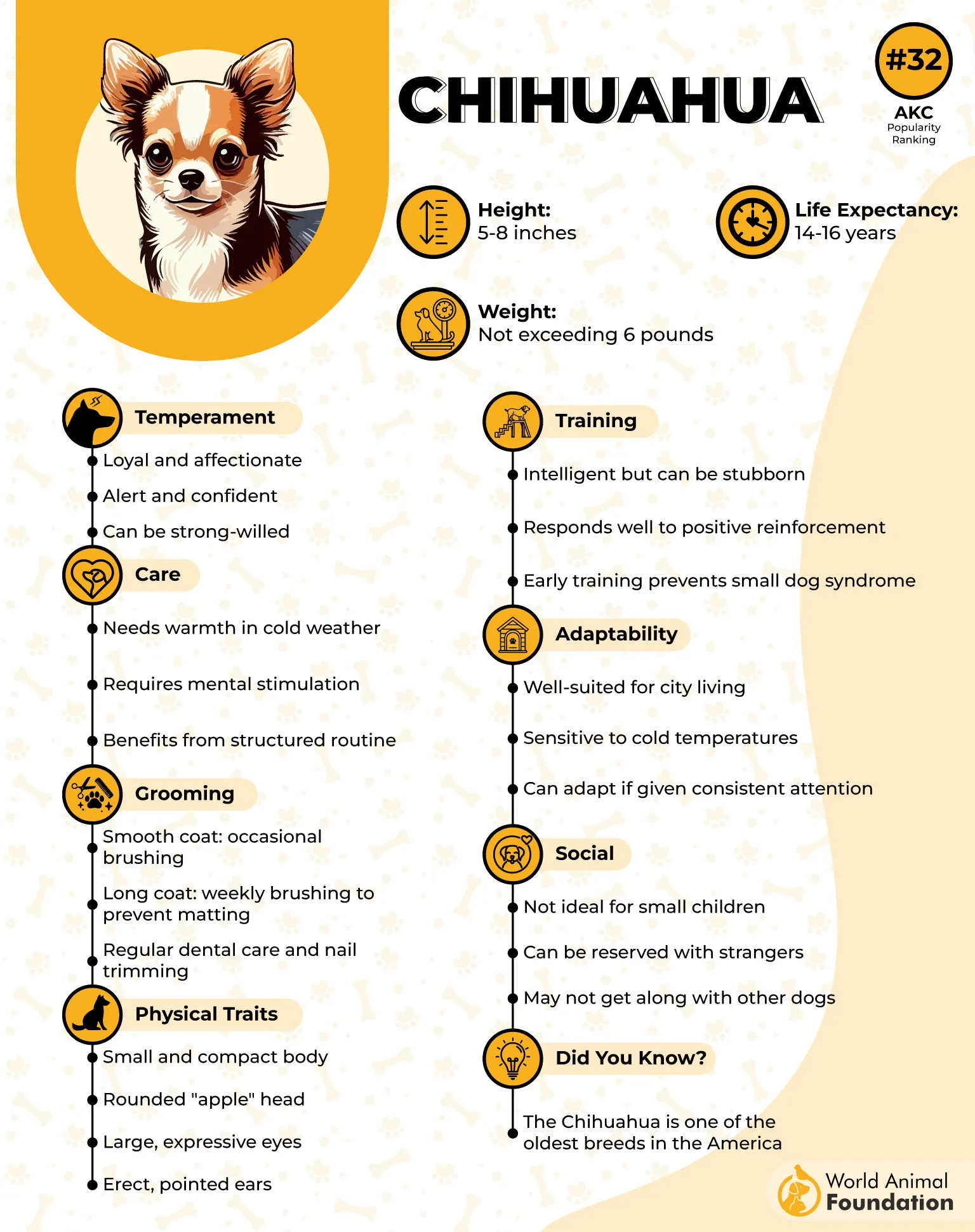
The Chihuahua has a long connection to Mexico, though its exact beginnings remain uncertain. One widely cited theory links the breed to the Techichi, a companion dog associated with the Toltec civilization, while its name connects it to the Mexican state of Chihuahua.
Tiny Space, Big Alert
It only needs a little room to get through the day and can suit homes without a large backyard. Its compact size also makes indoor living practical, while short play sessions, outdoor sniffing, and exploring still give this energetic little dog useful outlets.
These points reflect plenty of the breed’s personality:
Prominent upright pointed ears
Can weigh under six pounds
Often vocal when strangers approach
Plenty of Attitude
Chihuahuas can be shy and reserved or bold and outgoing, with individual personalities varying considerably. A larger dog that pushes too far may get a loud response, as Chihuahuas can posture forward and defend themselves when they feel threatened.
6. Shih Tzu
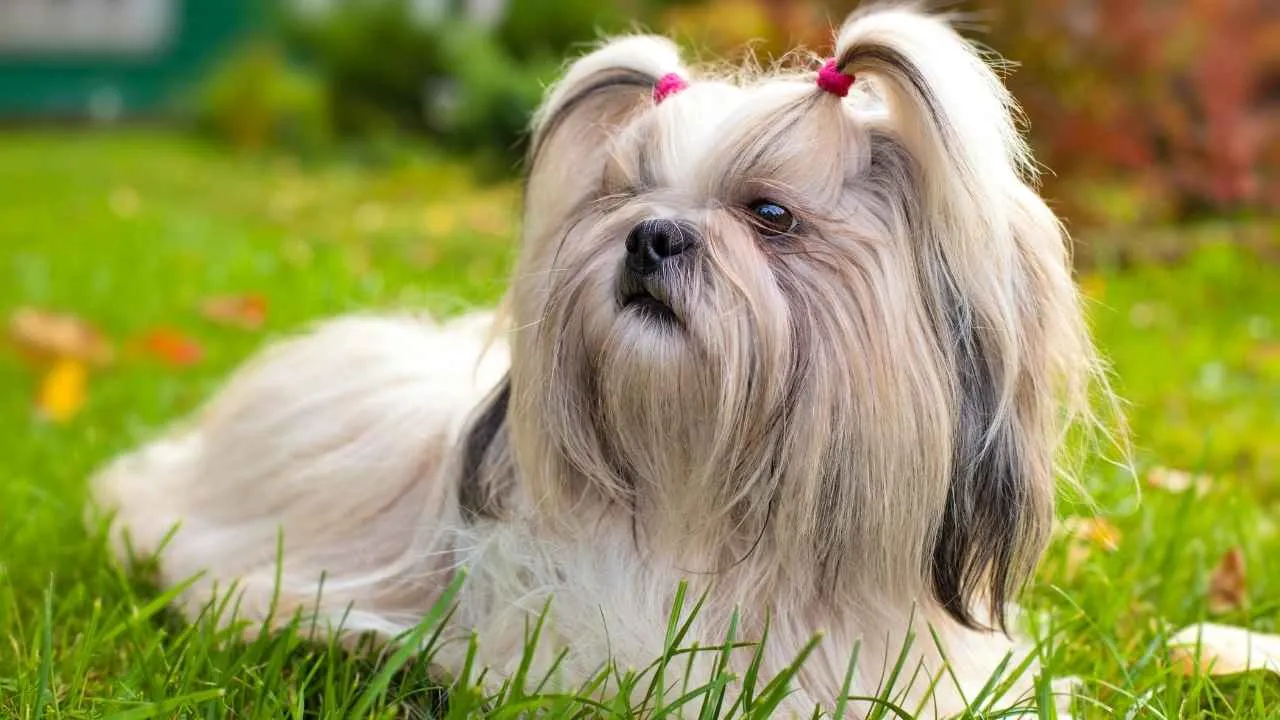
Shih Tzu traces its story to 17th-century China, where dogs from Tibetan monasteries and an early form of the Pekingese were brought together within the Forbidden City.
The resulting Lhasa Lion Dogs remained largely hidden from Western eyes until the Peking Kennel Club began exhibiting them in the 20th century.
Small-Space Specialist
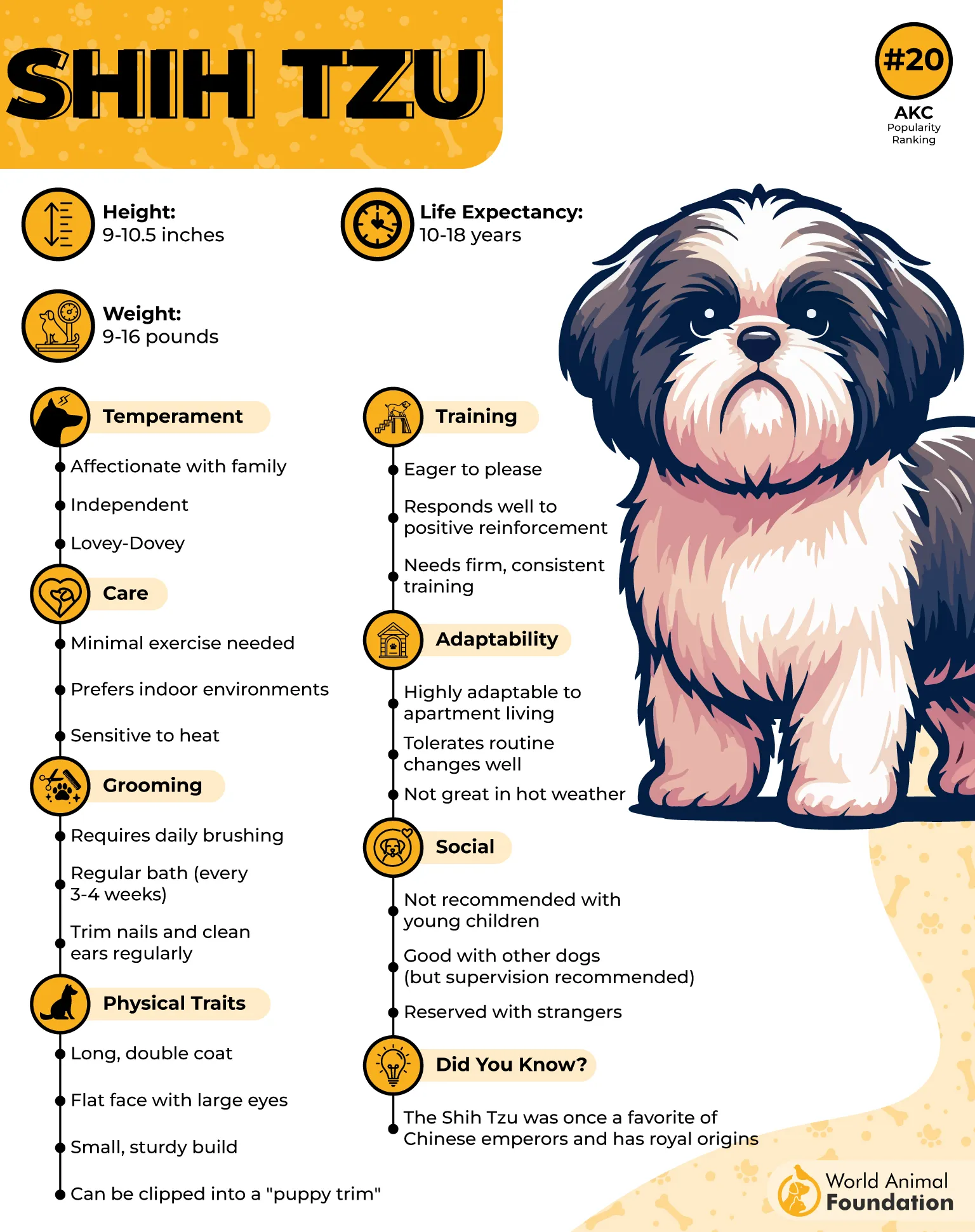
A long hike is not necessary for this small breed, which can get more from three 20-minute strolls spread throughout the day. When outdoor time gets cut short, indoor games and plenty of interaction can keep this playful little dog moving and occupied.
That playful nature also shapes its outdoor routine:
Outdoor access needed for toileting
A private garden is especially enjoyable
Short-faced structure requires heat precautions
Big Personality
The Shih Tzu can be perfectly happy entertaining itself in an ordinary room, then settling beside you for a cozy couch session. A change outside the door can quickly catch its attention, and it may let you know when the mailperson or another visitor arrives.
7. Yorkshire Terrier
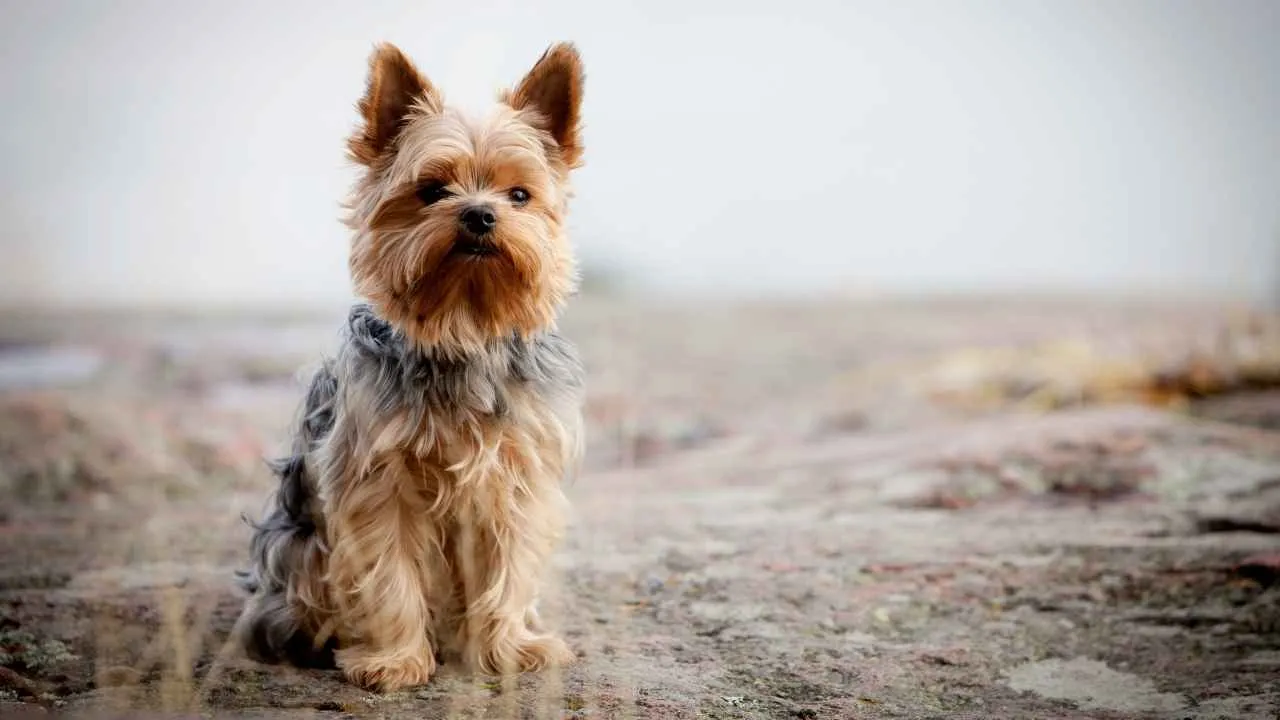
The Yorkshire Terrier emerged in Yorkshire during the mid-19th century after Scottish workers brought small terriers into the region’s cotton mills. These little dogs were used to catch rats, with Waterside, Paisley, and Skye Terriers believed to have contributed to the breed’s early formation.
Small Body, Busy Agenda
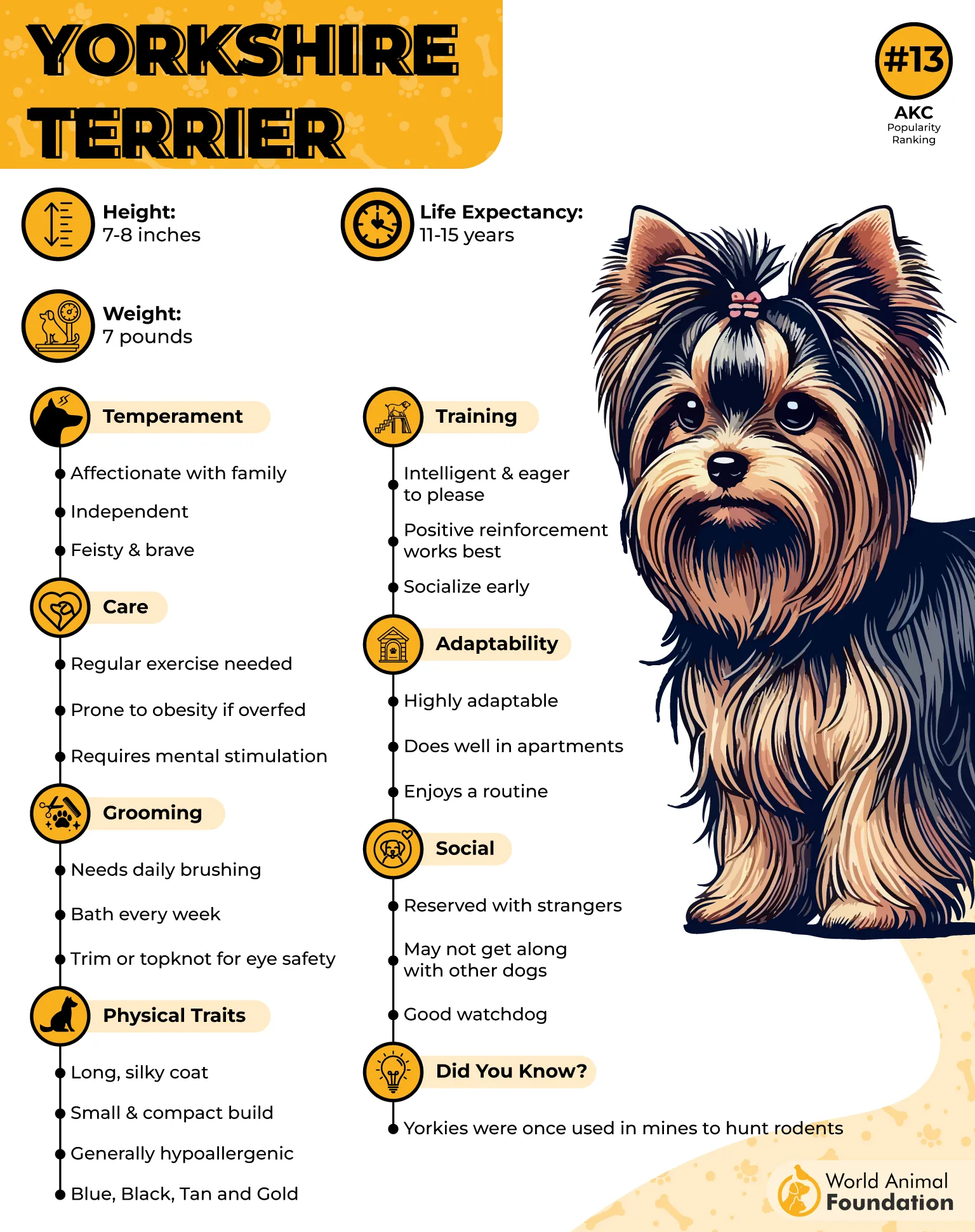
This excellent family companion brings plenty of energy into a small frame, yet its exercise needs can be met without hours outdoors. Two daily 15-minute walks, indoor fetch, and puzzle toys can give this lively dog useful outlets in a compact home.
Physical activity is only part of keeping it busy:
Agility trials can suit athletic Yorkies
Sniffing is also great for their little mind
Loud singing may appear when boredom sets in
Playful, With a Soft Side
Yorkshire Terriers can happily greet people and play with other dogs before settling down for quiet time with their favorite person. Younger children need supervision because their small size can make them seem like toys, while the breed still needs regular play and mental engagement.
Conclusion
A tiny dog can take up little space while still becoming a noticeable part of life. These companions bring different mixes of confidence, affection, curiosity, and energy, so size alone says little about what living with one will be like. Their small frames also deserve extra care around stairs, rough play, cold weather, and larger pets throughout their entire life.
With suitable routines and gentle handling, they are well suited to apartments, family homes, and quieter spaces. Pet owners may find them especially practical for apartment living, while their personalities can make them memorable whether they prefer playful moments, close companionship, or simply keeping watch over everything happening nearby.
