





A busy household can benefit from a protective dog, but protection comes with responsibilities that deserve attention before choosing a companion.
A good guard dog needs reliable obedience, controlled behavior around visitors, and early socialization so its protective instincts remain manageable in everyday family life. Grooming can also affect the workload, especially for households juggling school runs, jobs, appointments, and chores. Some dogs require frequent coat care, while others have minimal grooming needs that take less time.
Exercise matters too, although the amount and intensity can vary widely between individual dogs and breeds. The goal is to find a dog whose care requirements fit the everyday rhythm of the home rather than adding another demanding schedule. That balance is certainly possible, but it depends on looking beyond a dog’s protective reputation and its appearance.
The options ahead bring together practical care needs, guarding tendencies, and family life, giving you useful details to consider before bringing one home.
Key Takeaways
Between work and daily chores, most families need a dog whose care fits into the routine.
The Great Pyrenees brings centuries of guarding experience and a coat that can stay manageable with weekly brushing.
Then comes the Mastiff, whose enormous size may suggest endless exercise, yet its daily needs can be surprisingly modest.
The breeds that follow bring their own mix of easy care, naturally protective instincts, and family-friendly traits worth looking at closely.
Low-Maintenance Guard Dog Breeds for Busy Families
1. Great Pyrenees
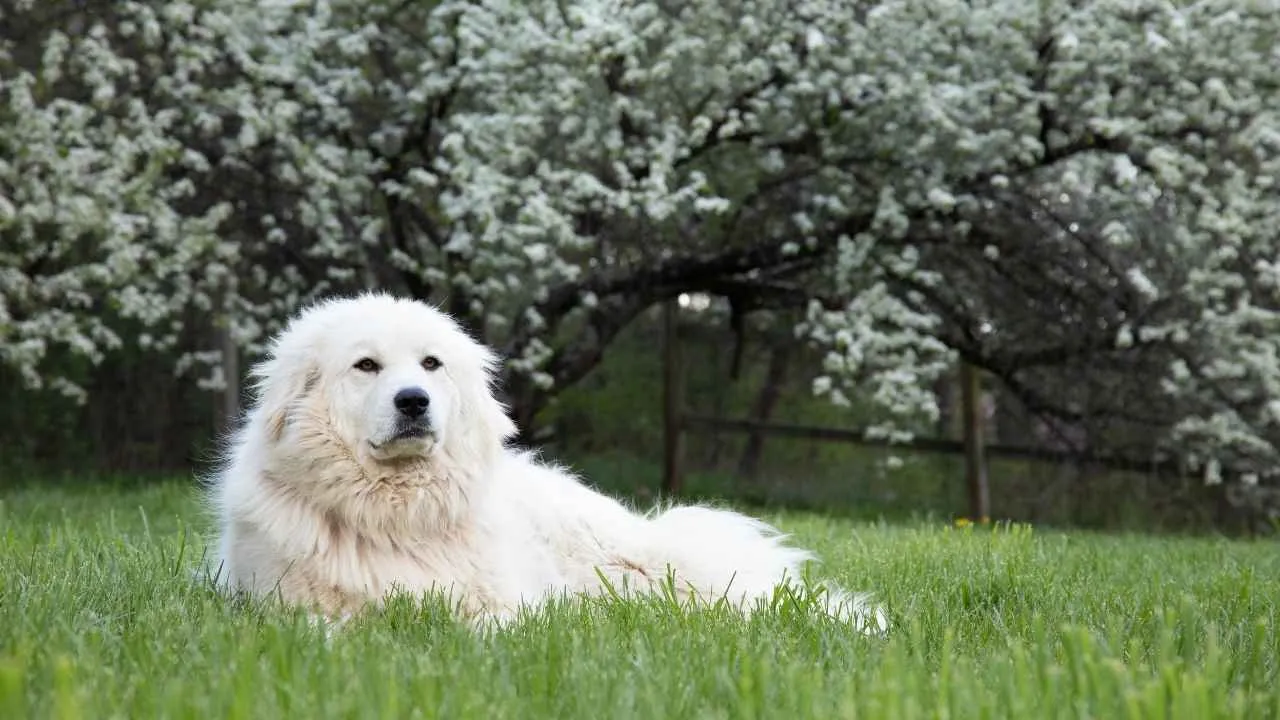
Great Pyrenees comes from the mountain range between France and Spain, with roots reaching as far back as the Bronze Age. French royalty later brought these livestock guardians into castle life, and King Louis XIV gave the breed the title “Royal Dog of France.”
Easy Coat Care
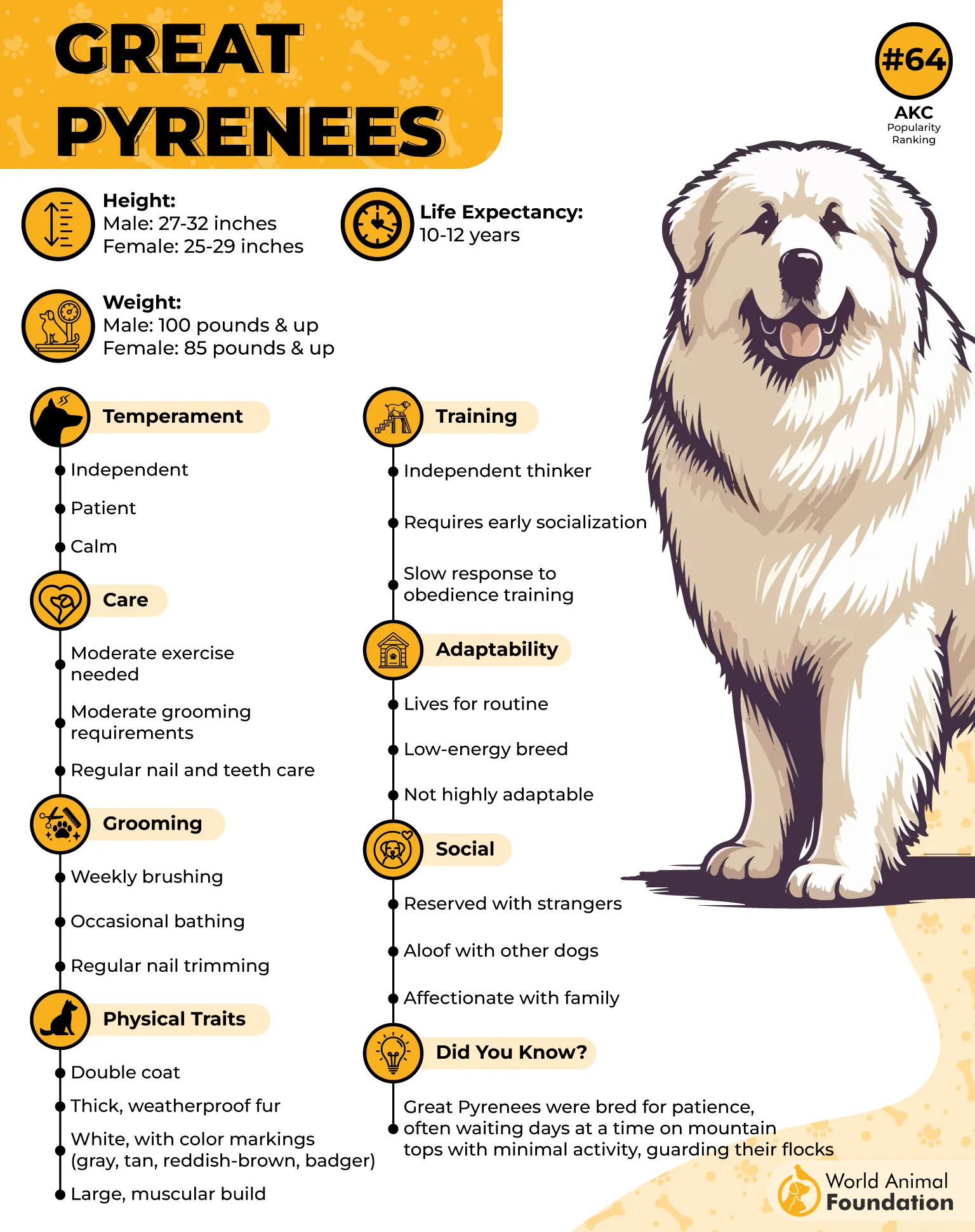
All that fur on Great Pyrenees might suggest a grooming marathon, but the coat is naturally resistant to dirt and tangling, as noted by the AKC. Giving it a thorough brush once a week with a pin or slicker brush can remove loose hair and help keep the house a little less furry.
That easy coat care leaves more room for daily activity:
20–30 minutes of exercise twice daily
Gentle walks suit their pace
Yard time can add useful activity
Family Protection Dog
Great Pyrenees may notice a stranger approaching long before anyone else in the house does. Its job as a livestock guardian shaped a strong protective instinct without making aggression its default response. Regular socialization helps it judge unfamiliar people without treating every new arrival as a threat.
2. Mastiff
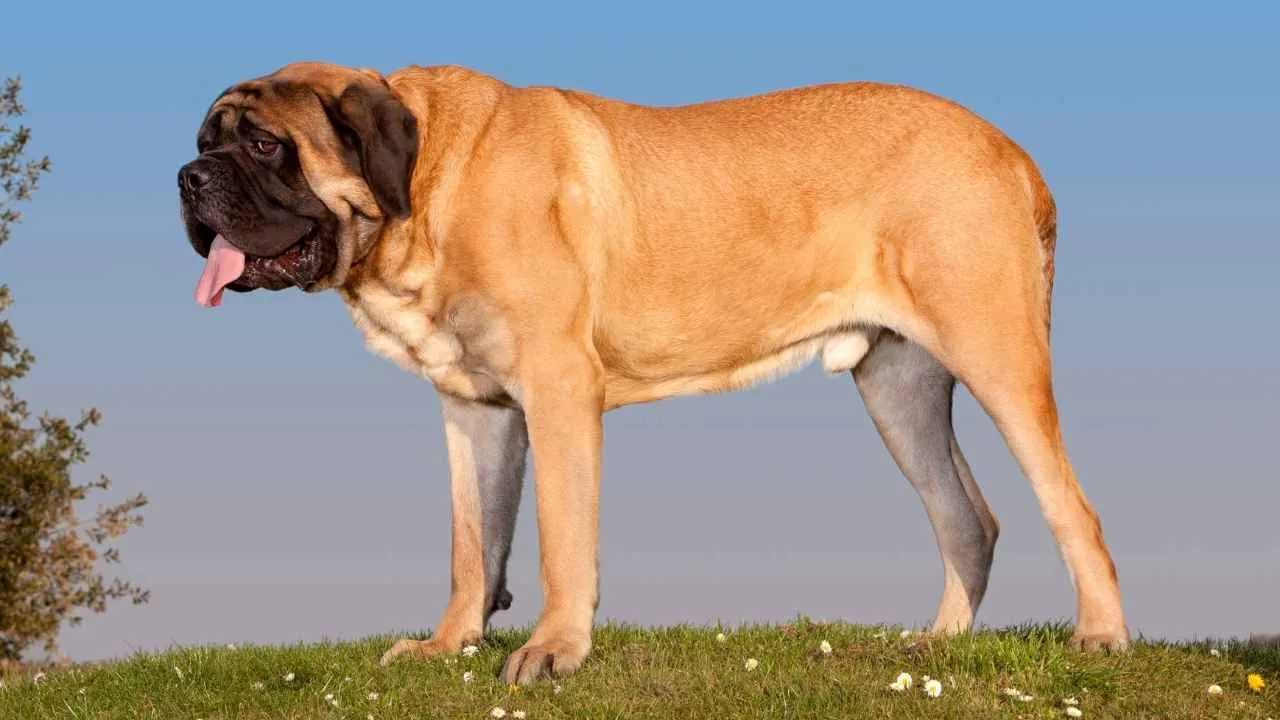
Mastiff has roots reaching back centuries in England, with ancestors linked to the ancient Molosser dogs associated with Asia. The English Mastiff later served as a guard dog, war dog, and participant in bull and bear baiting before breed numbers fell sharply during the 1800s and World War II.
Low-Key Protection
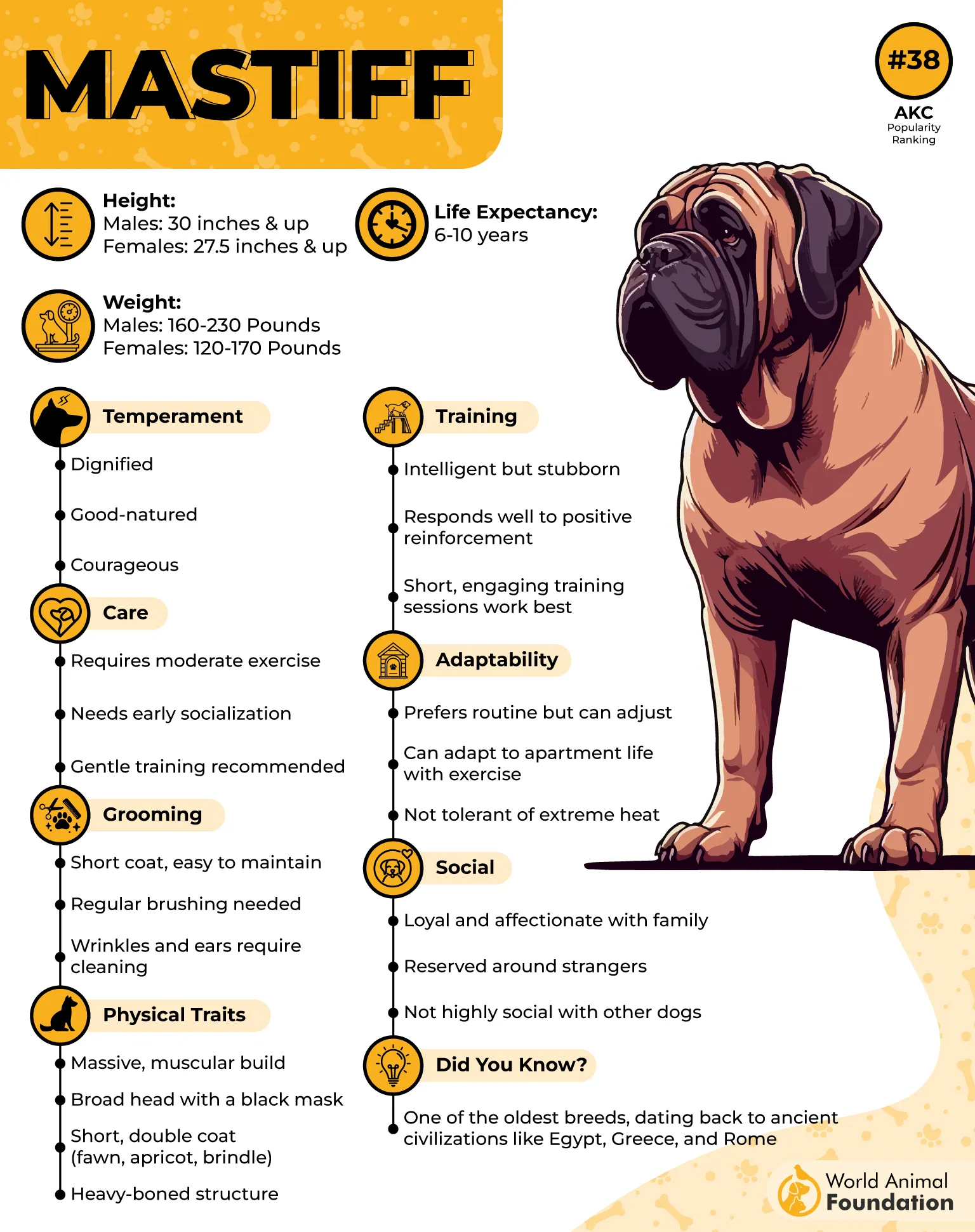
This family guard dog lives well in a busy household through its moderate exercise requirements, with 20- to 30-minute walks a couple of times daily often being enough. Grassy routes suit this massive breed better than hard surfaces, while swimming offers another low-impact option.
Its easy exercise routine still needs some care:
Enjoys leisurely one-mile to two-mile walks
Can play fetch in a fenced yard
Puppies need protection from stair racing
Serious Watchfulness
Mastiffs tend to become suspicious when unfamiliar people or unusual situations enter their surroundings, and their deep bark can alert everyone inside the house. Early socialization and responsive training are important for teaching a young dog when that protective instinct is appropriate.
3. Newfoundland
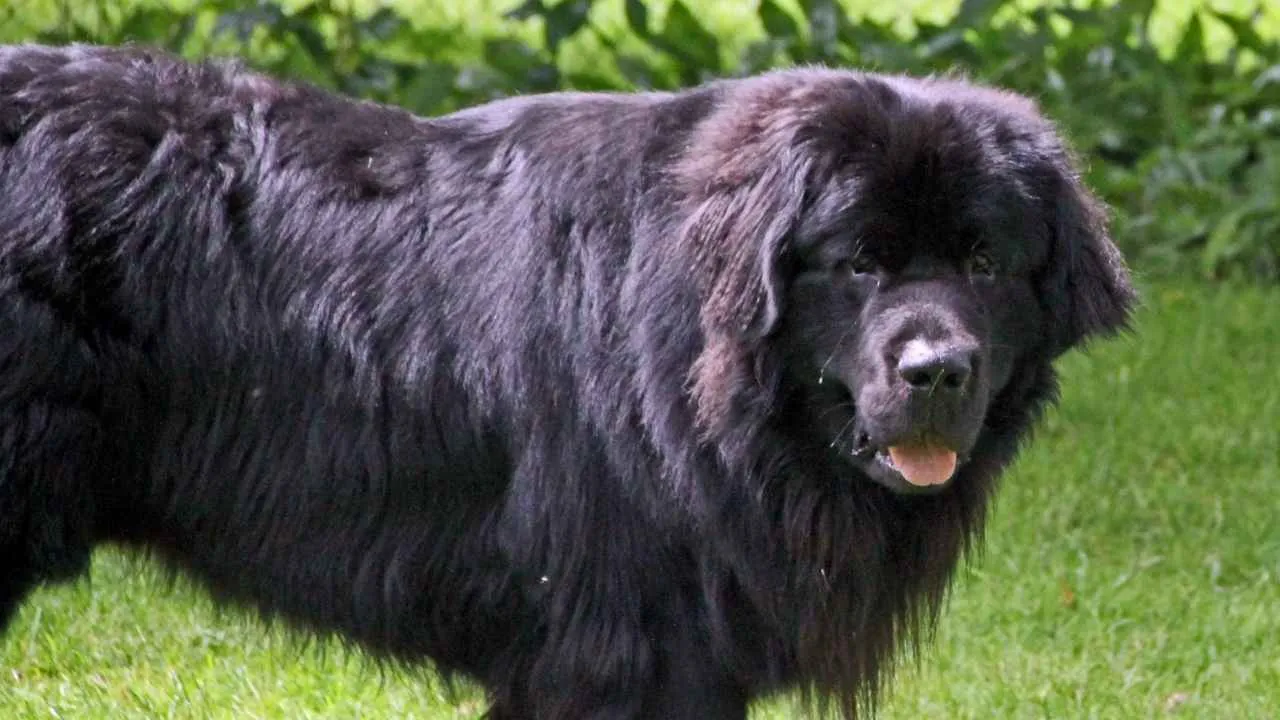
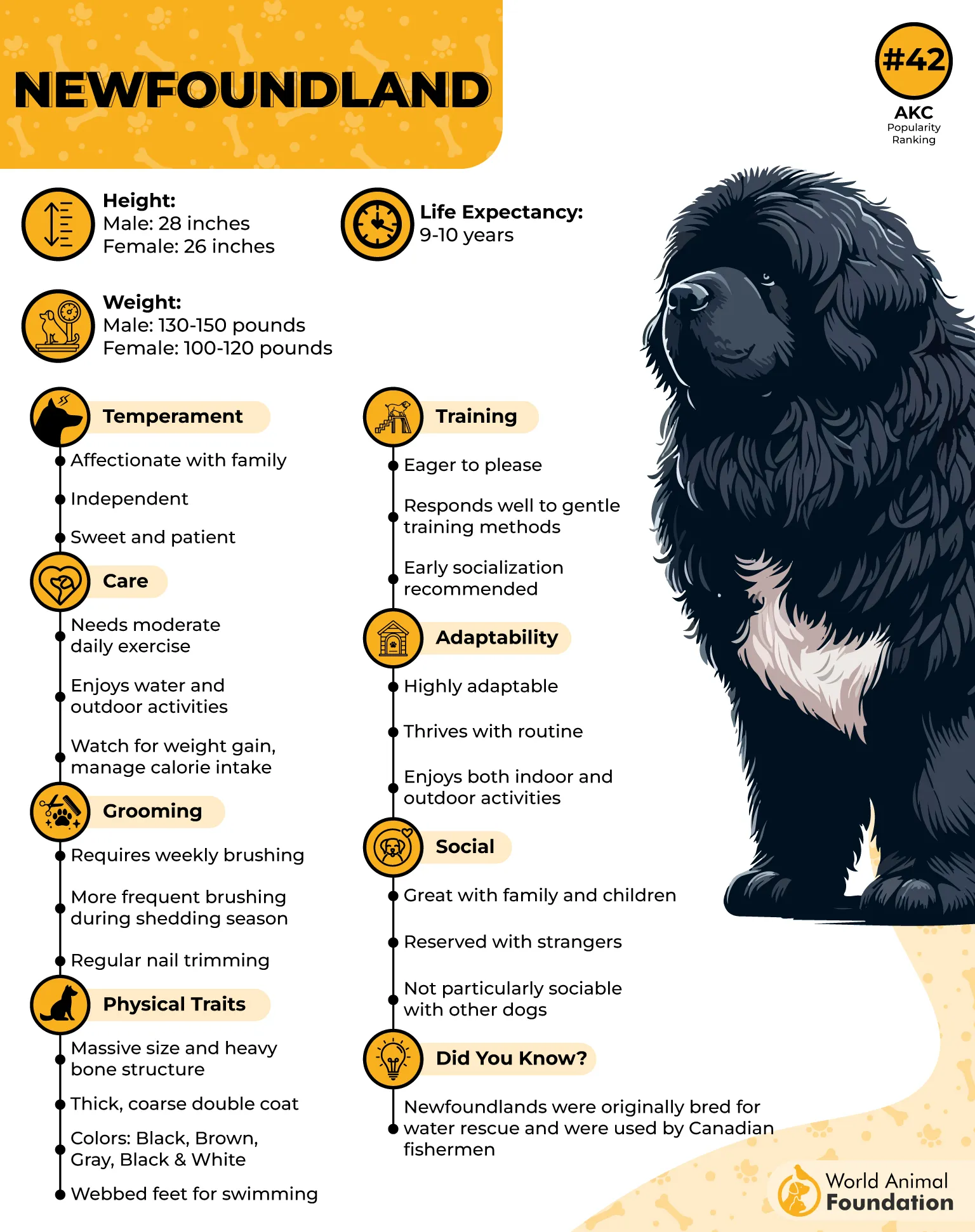
Newfoundland was originally bred on the Canadian island that gave the breed its name, with early dogs linked to Portuguese fishermen’s Mastiffs in the 16th century. Their working duties included hauling fishing nets, pulling carts, and swimming alongside fishermen during demanding days on the water.
A Quiet Alarm
Newfies suit a busy household that needs a protective presence without a dog requiring hours of daily activity. About 30 minutes of exercise can be enough, with a leisurely walk, easy hike, or supervised swim fitting better than long-distance running.
These traits make this giant breed particularly interesting:
Patient and friendly with unfamiliar people
Early socialization supports better interactions
Learns cues quickly but needs polite play training
Protective by Instinct
Newfoundland may place its body between family members and a perceived threat, while its usual quiet nature means barking is generally limited, as reported by Orvis. When something feels wrong, though, this gentle giant can raise an alarm and take action around the people it considers family.
4. Great Dane
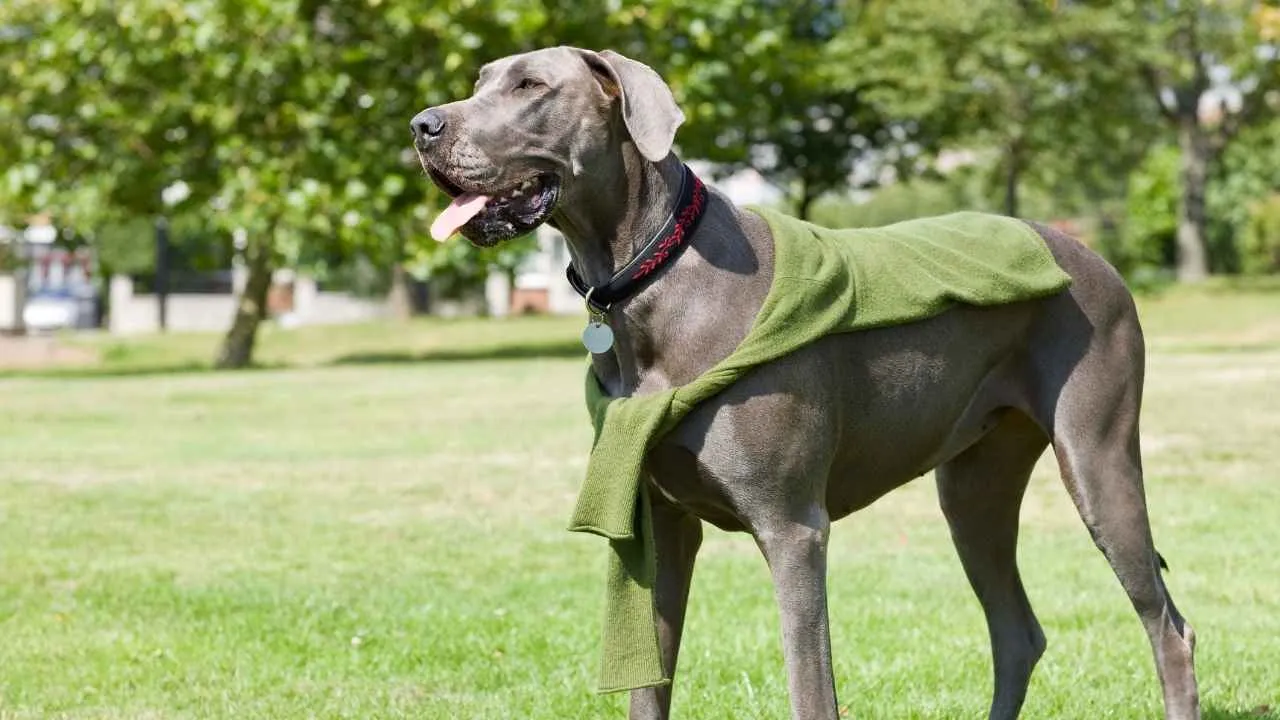
Great Dane originated in Germany, with Irish Wolfhound and English Mastiff ancestry often linked to its early development. Ancient artwork from Egypt and Babylon also depicts dogs resembling the breed, adding an intriguing and fascinating layer to its long and interesting lineage.
A Natural Deterrent
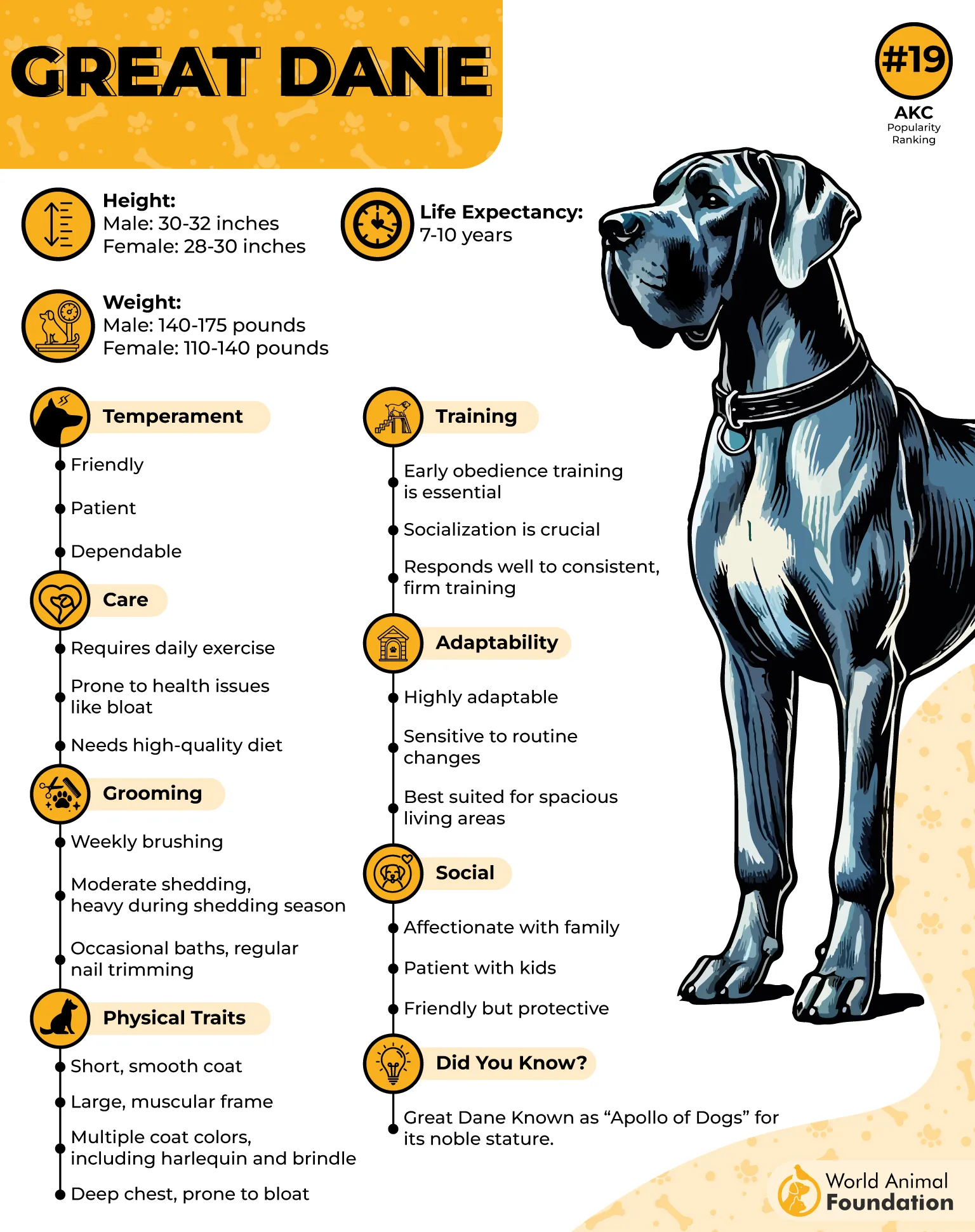
They began as a boar hunter before German breeders shifted their role toward companionship and watch duties. Today, its enormous frame and powerful bark can make an approaching stranger think twice, while proper training helps manage such a large dog around visitors.
There is more to this big dog than its bark:
Weekly brushing is usually sufficient
Bathing every couple of months suits most dogs
Gentle during family interactions
Measured Activity
Great Dane needs around 30 to 60 minutes of exercise each day, with neighborhood walks and fenced-yard play providing suitable options, as Greencross Vets claims. Adult dogs can enjoy longer hikes, while jogging and strenuous activity are best delayed until growth is complete to protect developing joints.
5. Rhodesian Ridgeback
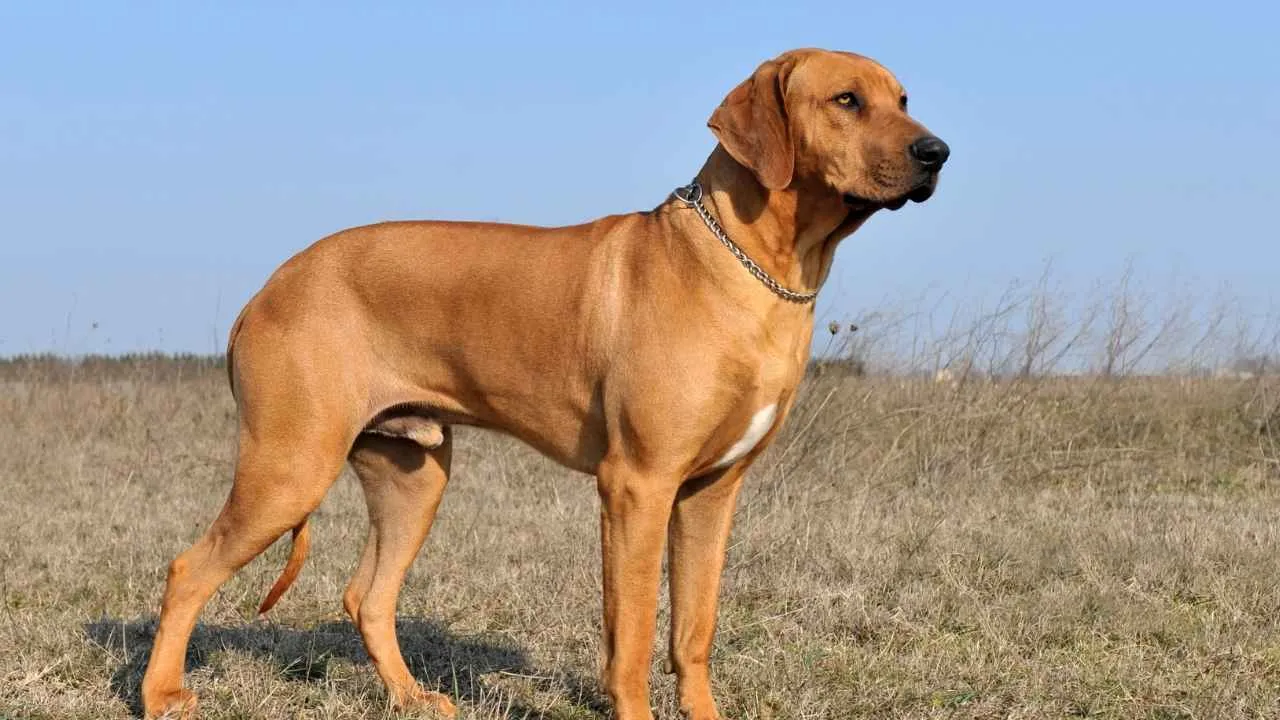
Rhodesian Ridgeback dates to the 16th and 17th centuries, when European settlers crossed Mastiffs, Bloodhounds, Great Danes, Pointers, and Greyhounds with native hunting dogs. By the late 1800s, these dogs had reached Rhodesia, now Zimbabwe, where they were used for hunting and tracking lions.
Low-Fuss Protection
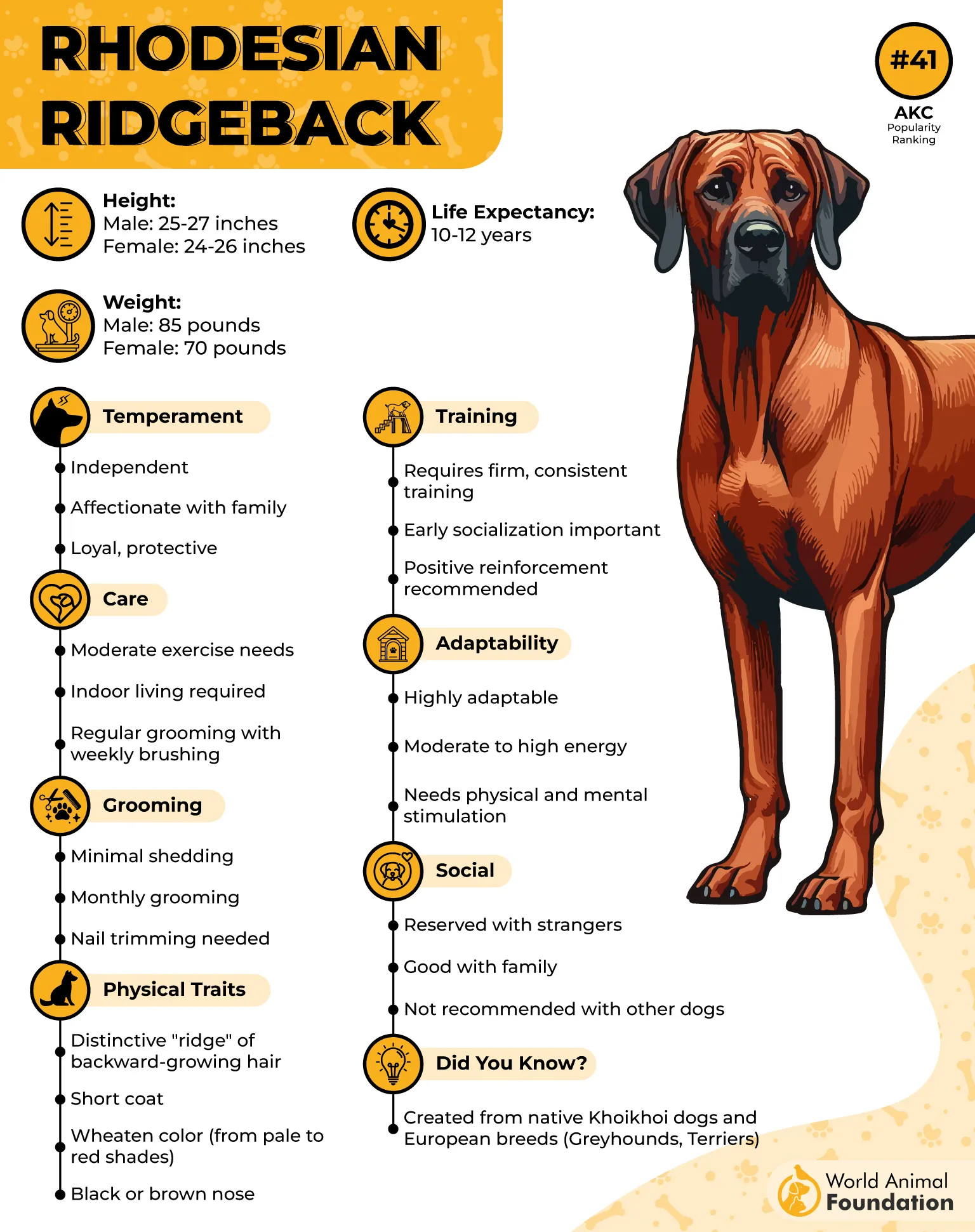
Rhodesian Ridgeback has a naturally watchful nature and may bark only when something seems worth alerting the household about. Its short coat also keeps grooming simple, with weekly brushing enough to remove loose hair and an occasional bath for routine cleaning.
Its watchful nature also shapes how it responds to others:
Chasing instincts toward small animals
Multiple male dogs may trigger dominant behavior
Consistent socialization supports appropriate responses
Family Rules Matter
This furry friend can be affectionate with familiar people while remaining reserved around strangers, so early socialization is important. With children, supervision matters because this powerful breed can become bouncy during play and may knock over smaller youngsters.
6. Airedale Terrier
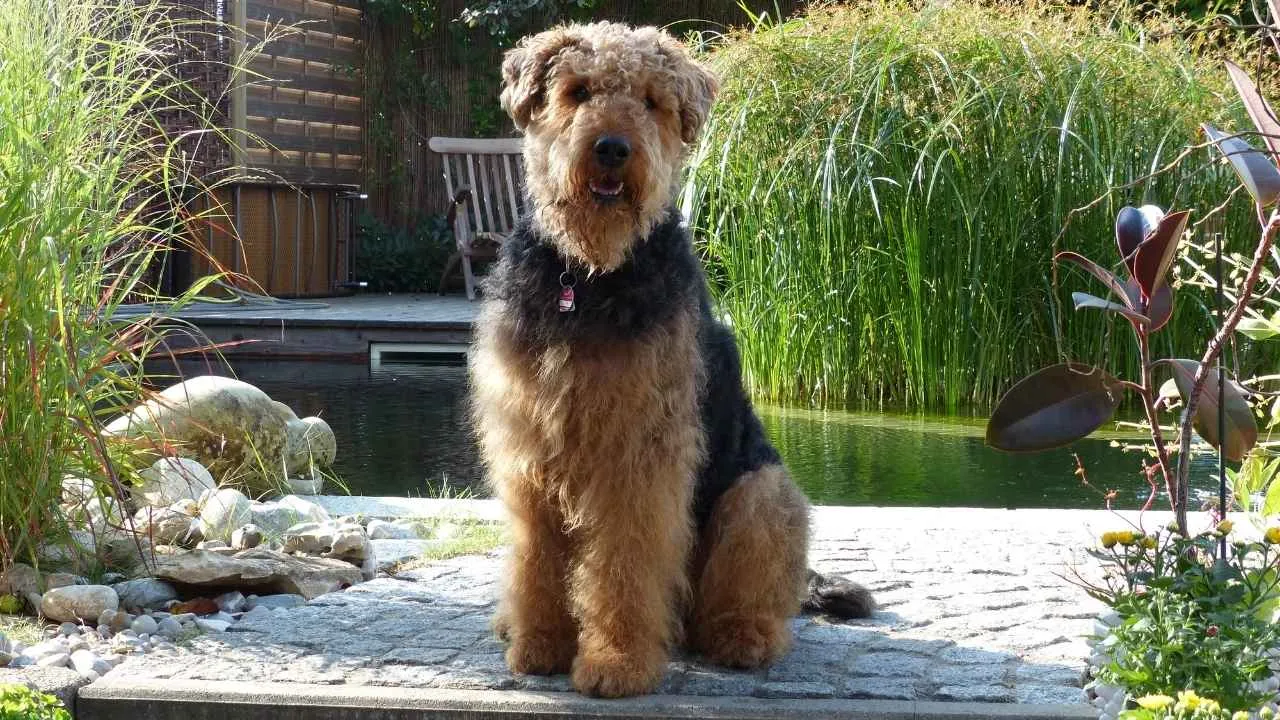
Airedale Terrier earned the nickname “King Terrier” as the tallest member of the terrier group, with Yorkshire hunters once using these dogs to pursue foxes, rats, and otters.
During the 1800s, some were crossed with Otter Hounds, adding stronger water-working ability and sharper scenting skills for otter hunting.
Natural Protective Instincts
This good guard dog has a powerful protective instinct and a fearless response when it senses a possible threat around its home or family. Its keen hearing helps it notice unusual activity, while its imposing size can make an unfamiliar visitor think twice before coming closer.
Its alert side is matched by strong mental ability:
Has considerable curiosity about everyday life
Strong problem-solving ability for working roles
Agility and training help focus its intelligence
Less Than Usual Coat Care
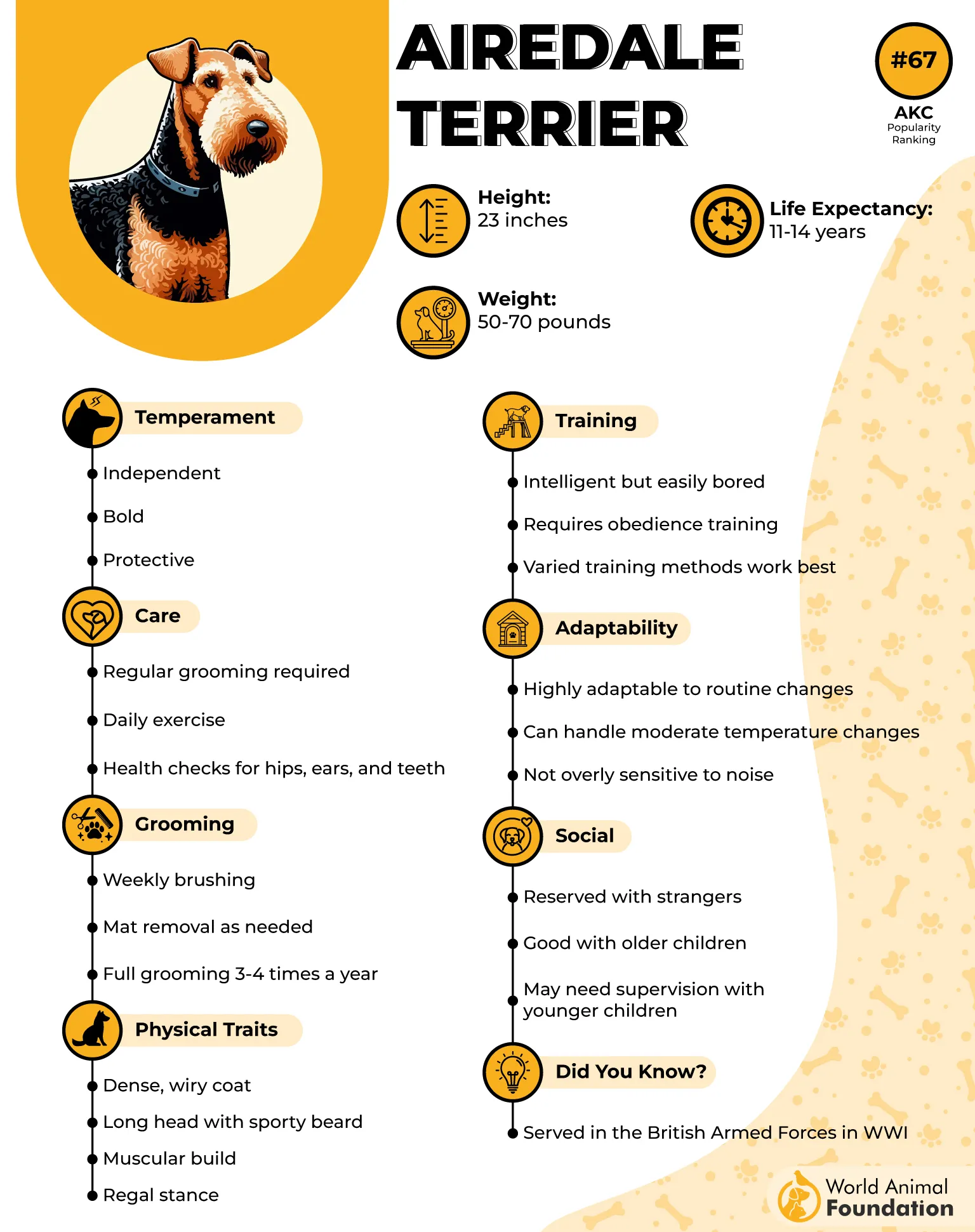
Airedale Terrier has a short, wiry coat that needs relatively little upkeep, with weekly brushing helping remove dead hair before it collects around the house.
Any mats can be loosened by hand and combed apart, while a full bath, brushing, and stripping or clipping session is generally needed three or four times yearly.
7. Bergamasco Sheepdog
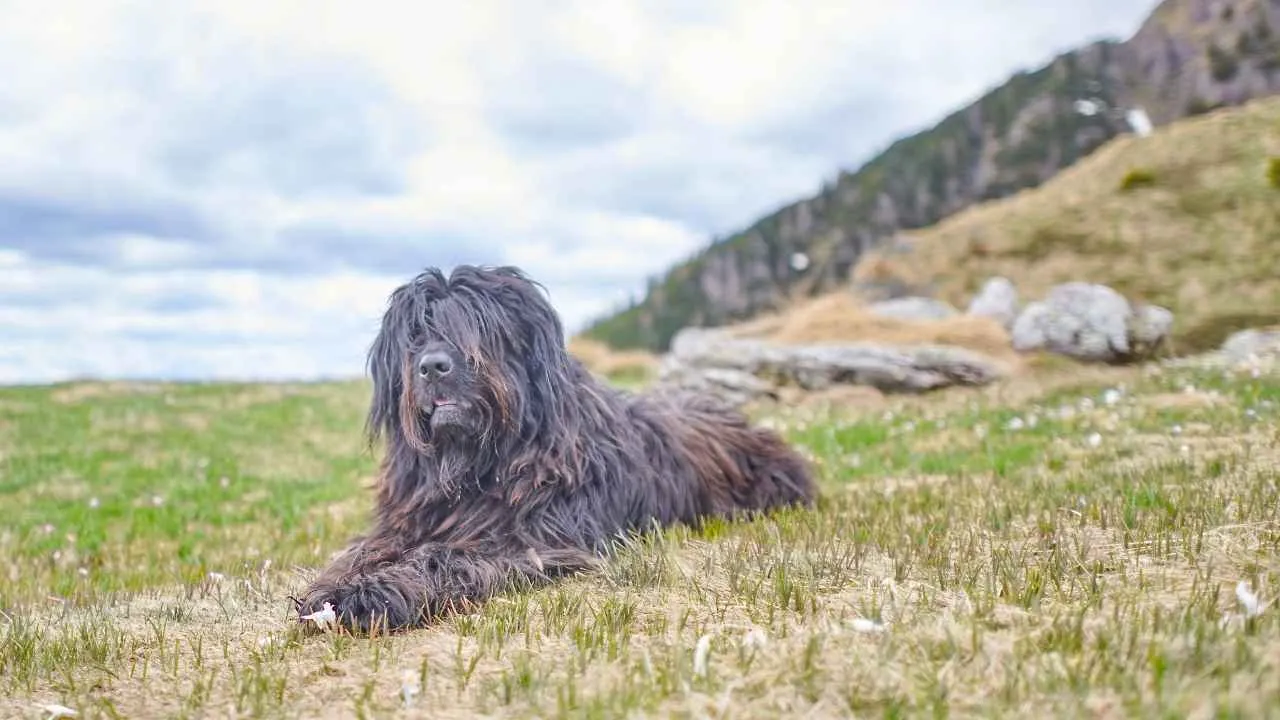
Bergamasco Sheepdog dates back thousands of years and is believed to have reached the Western world with nomadic shepherds from the Orient. Its herding work remains especially distinctive because a shepherd could release the dog to gather sheep without directing each step.
Easy Grooming
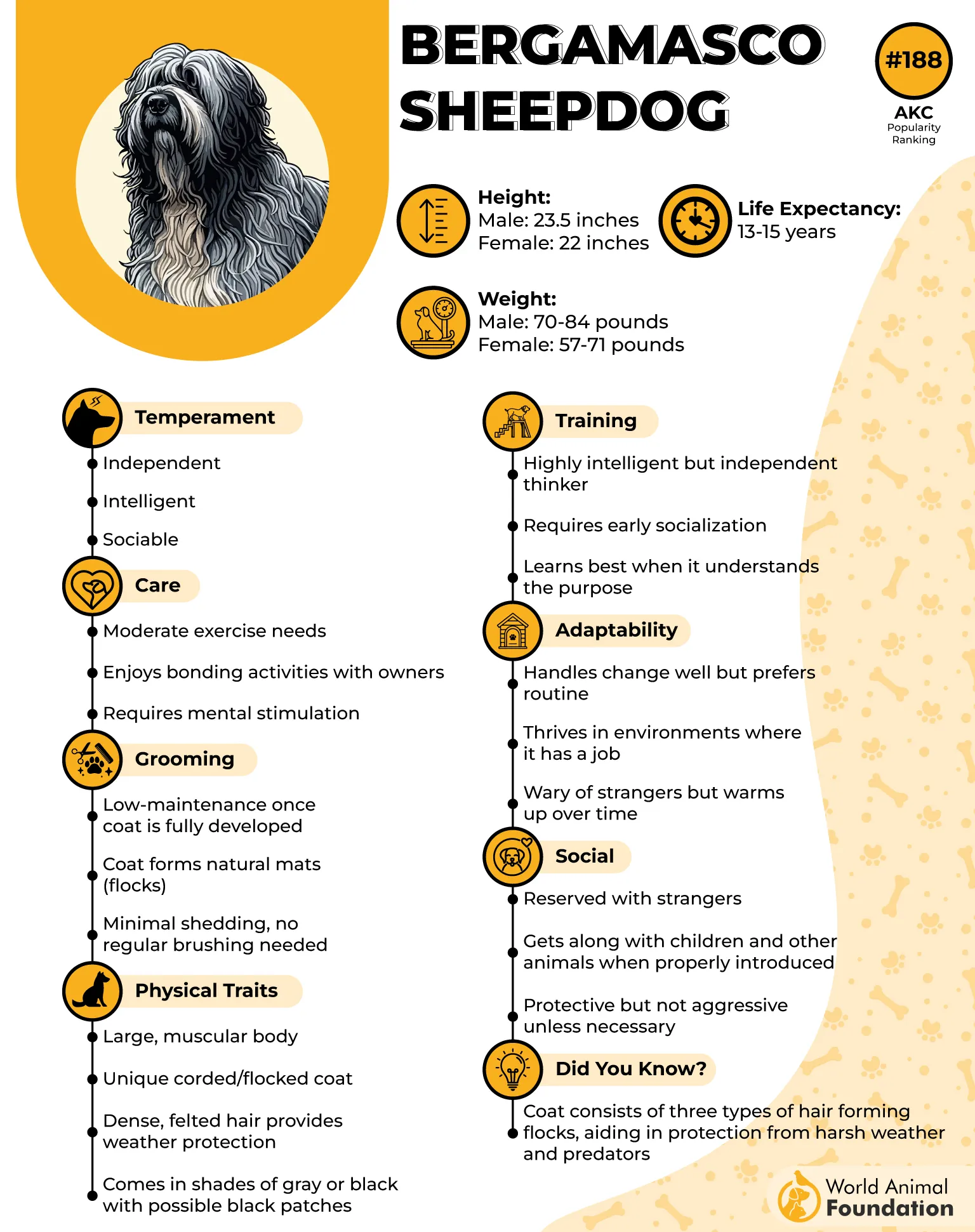
This low-maintenance dog breed has an adult coat made from three hair types, with goat and wool fibers appearing around the first year. Once these layers are separated into mats, the coat needs no brushing and sheds very little, making routine upkeep unusually simple.
These considerations make that coat easier to understand:
Matting can take several hours
Bathing is needed only 2–3 times yearly
Adult coats only need to be shaved down
Keeps Watch on Its Own
This guardian breed may choose a spot where doors, people, and other dogs stay within view, reflecting its old guarding role. It can also take a moment before reacting, rather than immediately looking to its handler for direction. That independent judgment comes from work where making decisions away from people mattered.
Conclusion
A busy family can still enjoy the protection of a large dog when daily care fits naturally into the household routine. Grooming, exercise, training, and socialization all affect how manageable that relationship becomes.
Some dogs need only simple coat care, while others need mental stimulation or unusual grooming routines that require planning.
Pet parents should also consider visitors, other animals, available space, and how much exercise is needed before choosing a dog. Protective instincts can develop from a young age, but they are most useful when a dog that is fiercely protective remains under control and guided by clear expectations. The right dog can bring companionship and security without adding extra demands to family life.
