




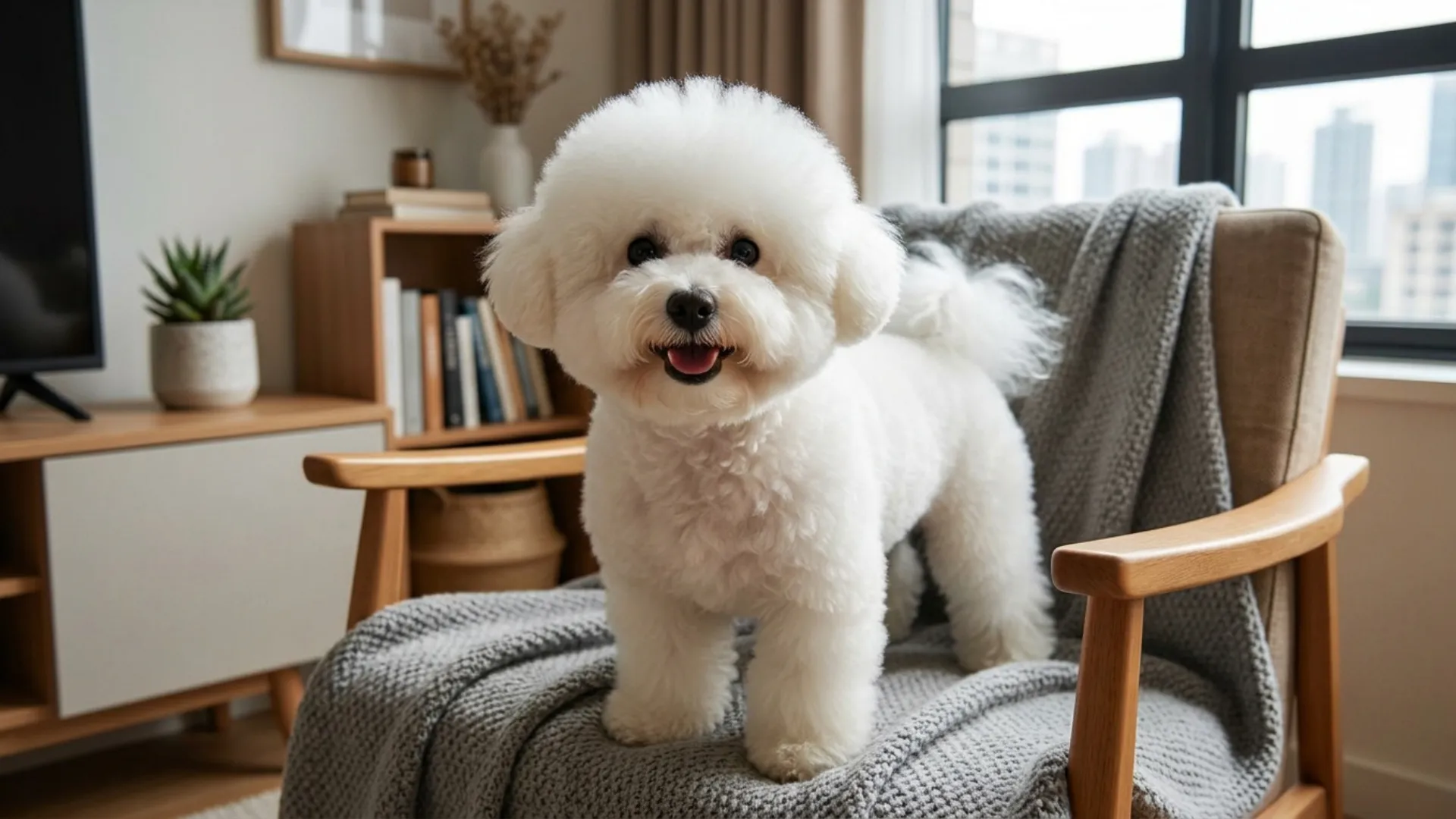
Think again!
Think a small home means a dog is off the table?
You do not need a huge yard to enjoy life with a furry friend. The real trick is finding a dog that fits your space and your daily routine. Small dog breeds with low-to-moderate energy can often settle well in apartments.
Calm indoor habits can also make shared living much easier. Excessive barking, however, can quickly turn happy neighbors into unhappy ones. Regular exercise still matters, even when outdoor space is limited. So does mental stimulation, since boredom can cause trouble in tight spaces.
Low-shedding coats may also help keep indoor areas cleaner. This guide explores remarkable dog breeds for small-space owners, with options for families, apartment dwellers, and pet lovers.
Ready to find a four-legged roommate that fits your home?
Remarkable Dog Breeds for Small-Space Owners
1. Cavalier King Charles Spaniel
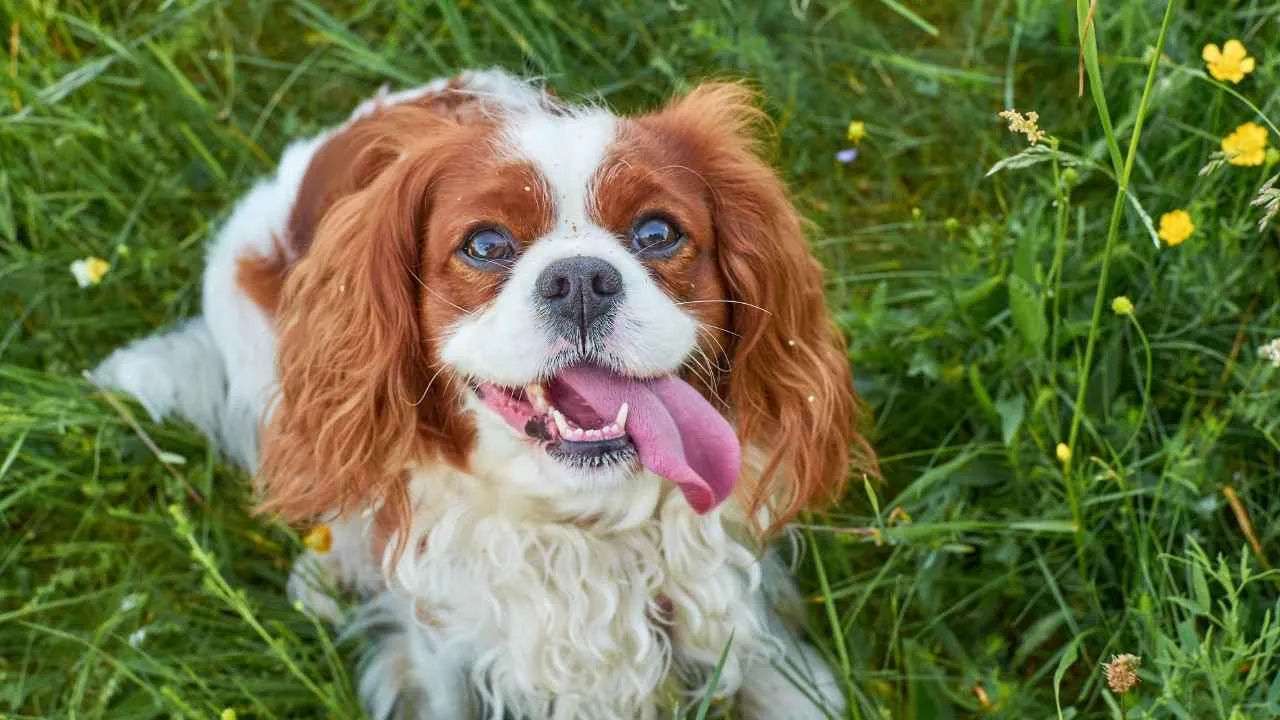
According to the American Kennel Club, the Cavalier King Charles Spaniel blends toy-dog charm with sporting spirit. This small breed has a gentle temperament and adapts beautifully to different home routines.
That makes the Cavalier a natural apartment dog, especially for owners who want a companion rather than a constant workout partner. Cavaliers can bond closely with their people and enjoy being part of everyday family life.
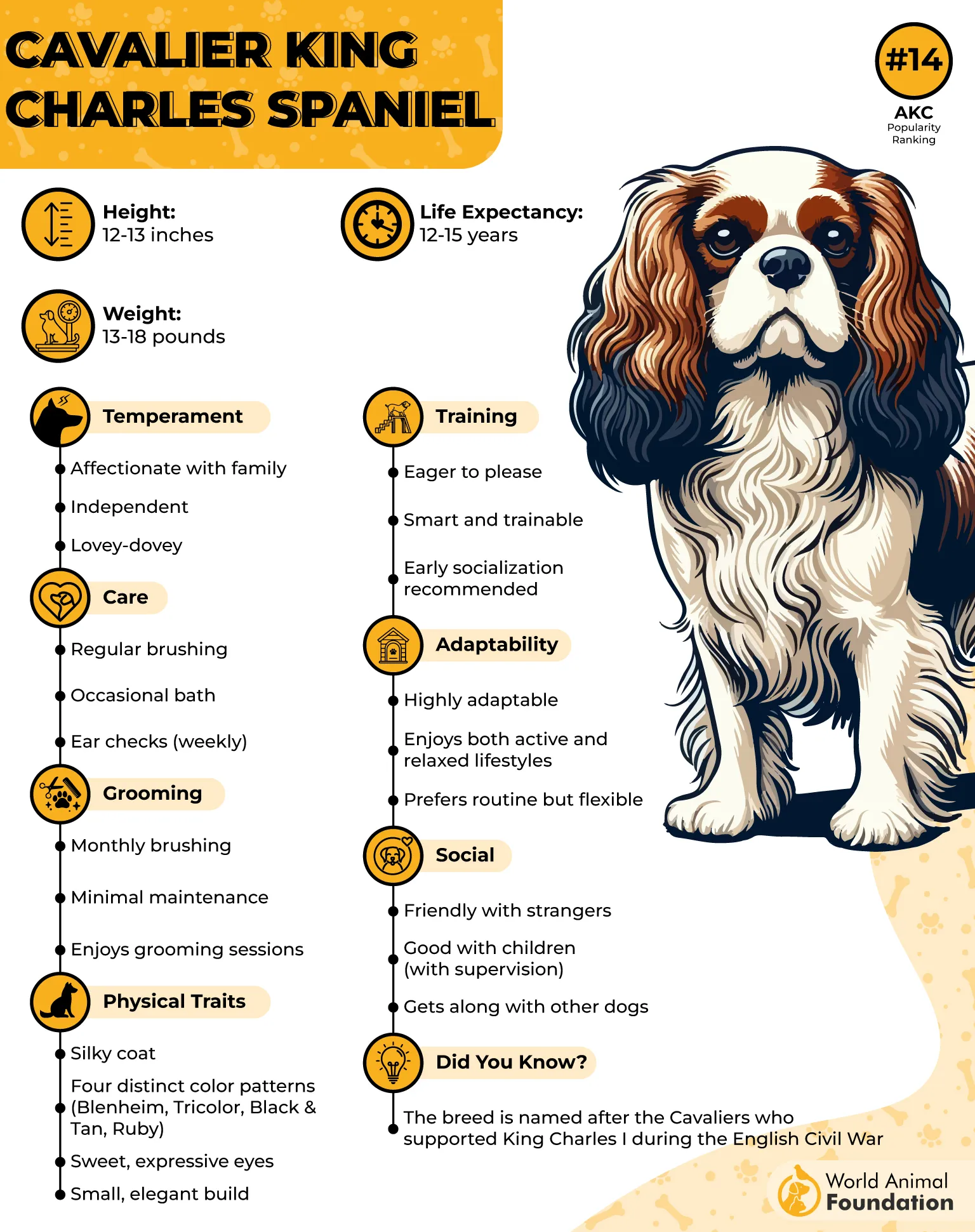
They also tend to get along well with other pets, which can make busy homes feel more harmonious. Their low energy indoors does not mean they can skip daily exercise. Short walks and playful moments help keep them content. Busy families should also consider their strong need for company.
Long periods alone may contribute to separation anxiety. With attention, companionship, and a little daily exercise, Cavaliers can settle happily into apartment living while staying ready for family adventures.
2. Bichon Frise
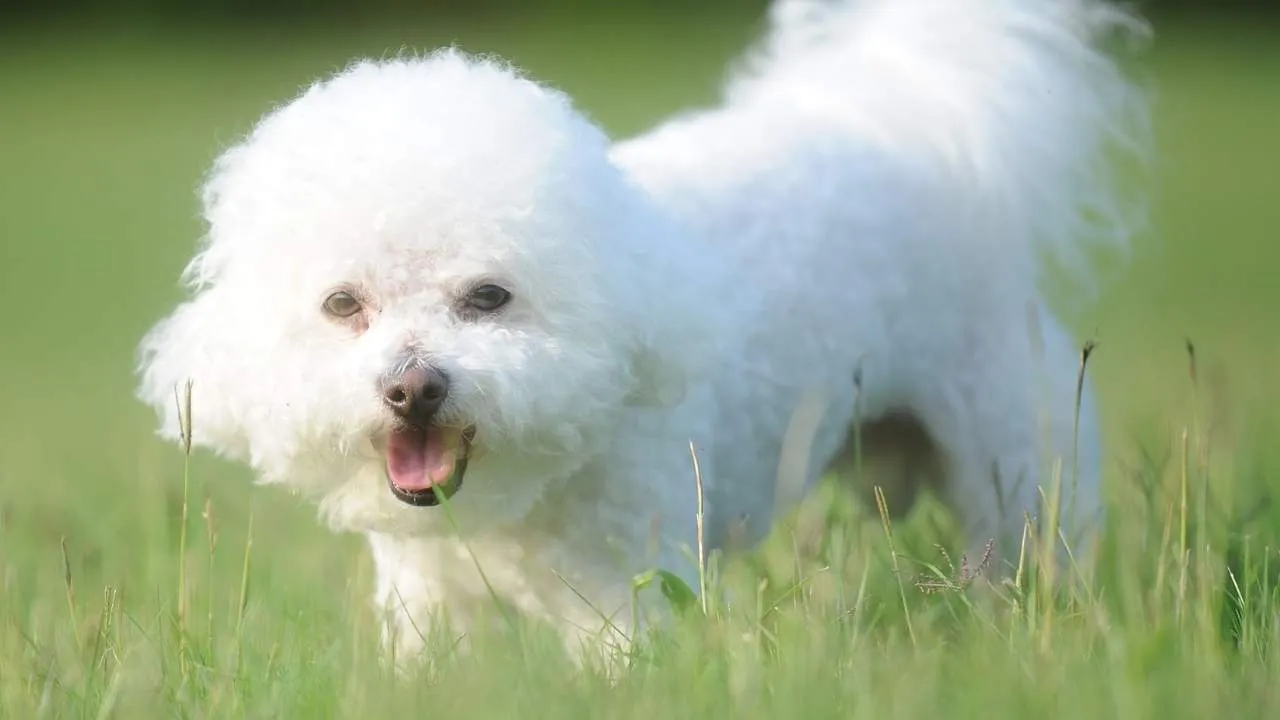
Playful and affectionate, the Bichon Frise brings joy to small homes. This small dog breed has a compact body that fits an apartment setting with ease.
PetMD describes them as loving dogs that enjoy meeting new friends. Their friendly personality also makes everyday indoor life more enjoyable. Bichons love meeting people and getting attention from their families.
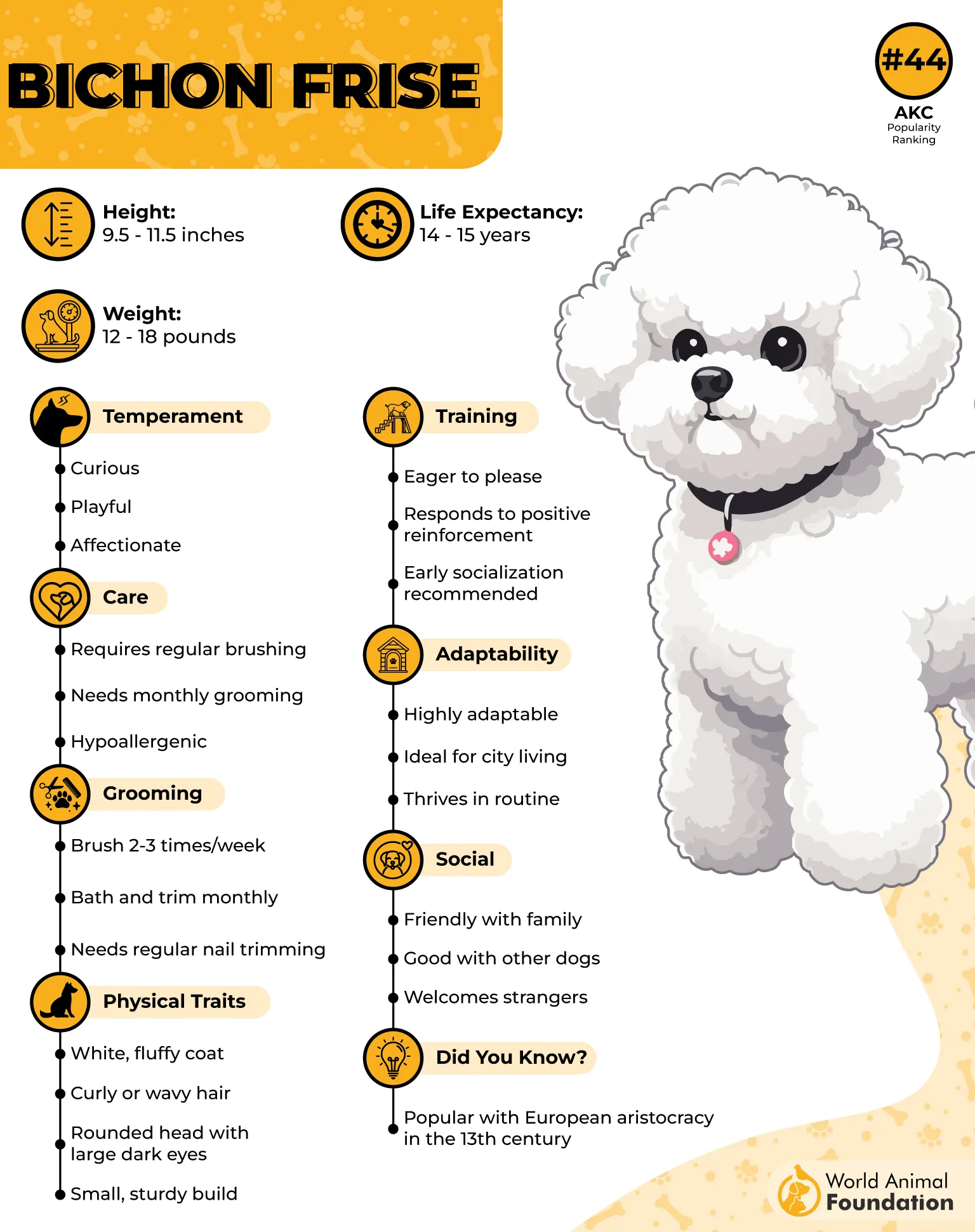
Their hypoallergenic dog breed label comes from their lower shedding, though no dog is truly allergen-free. Their soft, fluffy coat still needs regular grooming to prevent mats. A calm demeanor can help them settle after playtime. Their minimal exercise needs also suit homes without large yards.
Still, daily walks and mental games keep them engaged. Their trainability makes indoor activities easier to teach. These key traits make them well-suited to apartment life, although they are not completely low maintenance. For many owners, this cheerful companion can be a perfect fit.
3. Shih Tzu
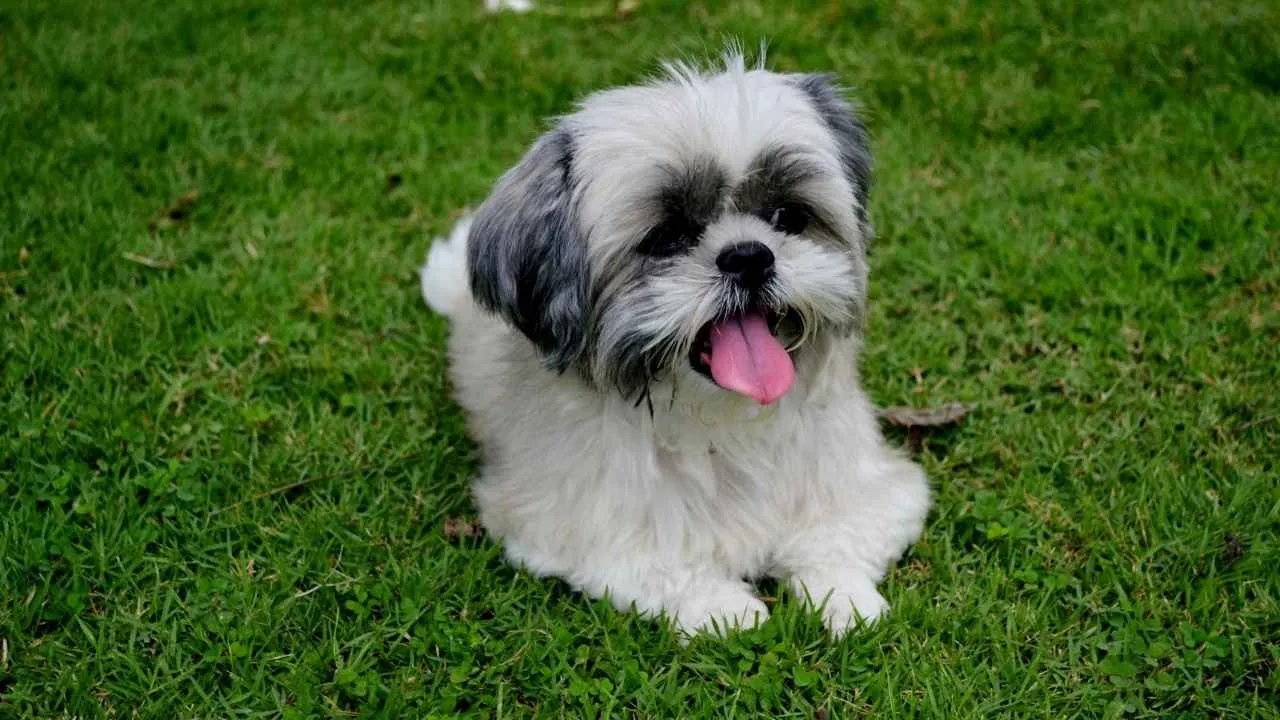
Sweet, calm, and wonderfully people-focused, the Shih Tzu suits limited space surprisingly well. This sturdy breed traces its history to Tibet and was developed from the Pekingese and Lhasa Apso.
According to Britannica, the breed was developed more than 1,000 years ago and was once given as a gift to Chinese royalty. Today, its affectionate nature makes it a charming companion for families seeking an indoor dog.

The Shih Tzu has low energy and needs little exercise, so short walks and indoor play can often meet its activity needs. Still, mental stimulation keeps this clever dog engaged. Its long, flowing coat has regular grooming needs, which owners should plan for.
A hypoallergenic coat makes the breed appealing to some allergy-sensitive households, though no dog is truly allergen-free. Its quiet nature and trainability can also make it a perfect apartment dog. For apartment living, the Shih Tzu may be the best dog breed for owners wanting a loving, manageable companion.
4. Boston Terrier
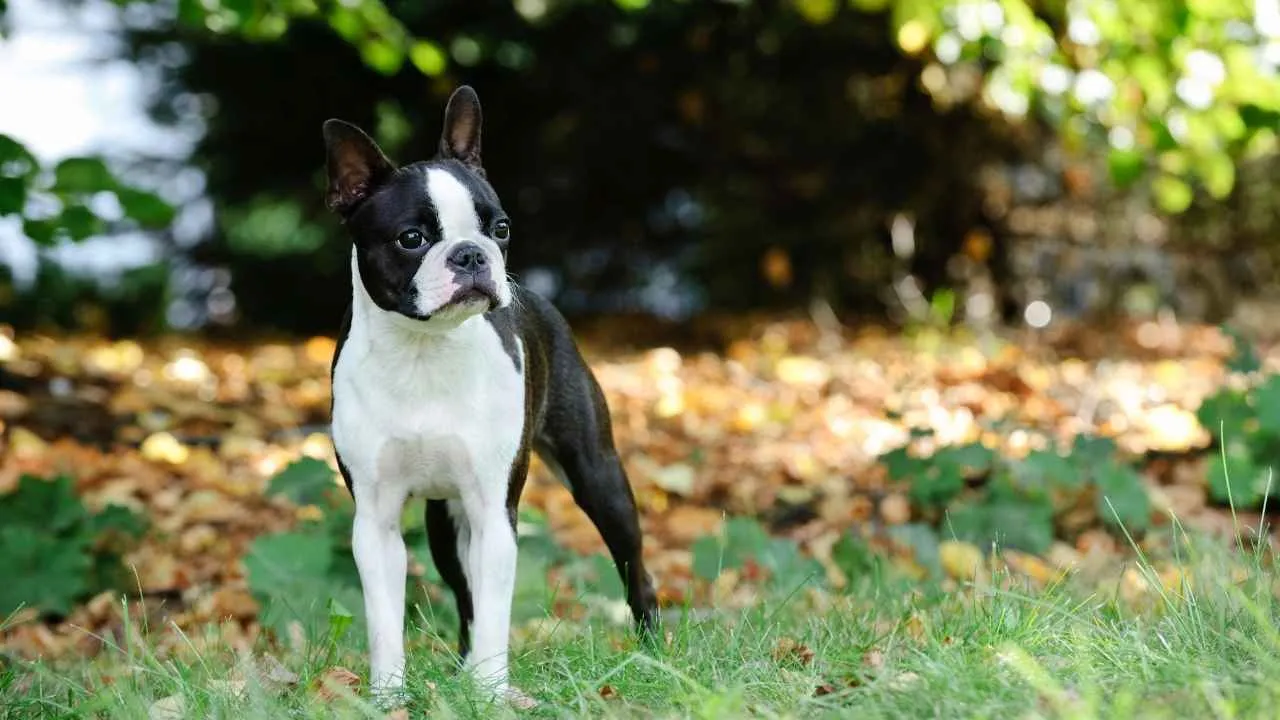
The Boston Terrier brings a spirited spark to everyday apartment living. Lively, playful, and outgoing, this breed loves being around people and joining family activities. Purina notes that Boston Terriers are affectionate, social dogs that usually enjoy children and playtime.

Their friendly temperament can also help them get along with other dogs. They need moderate exercise, so short walks and active indoor games can help meet their daily needs. However, play should not become too rough, since their eyes can be prone to injury.
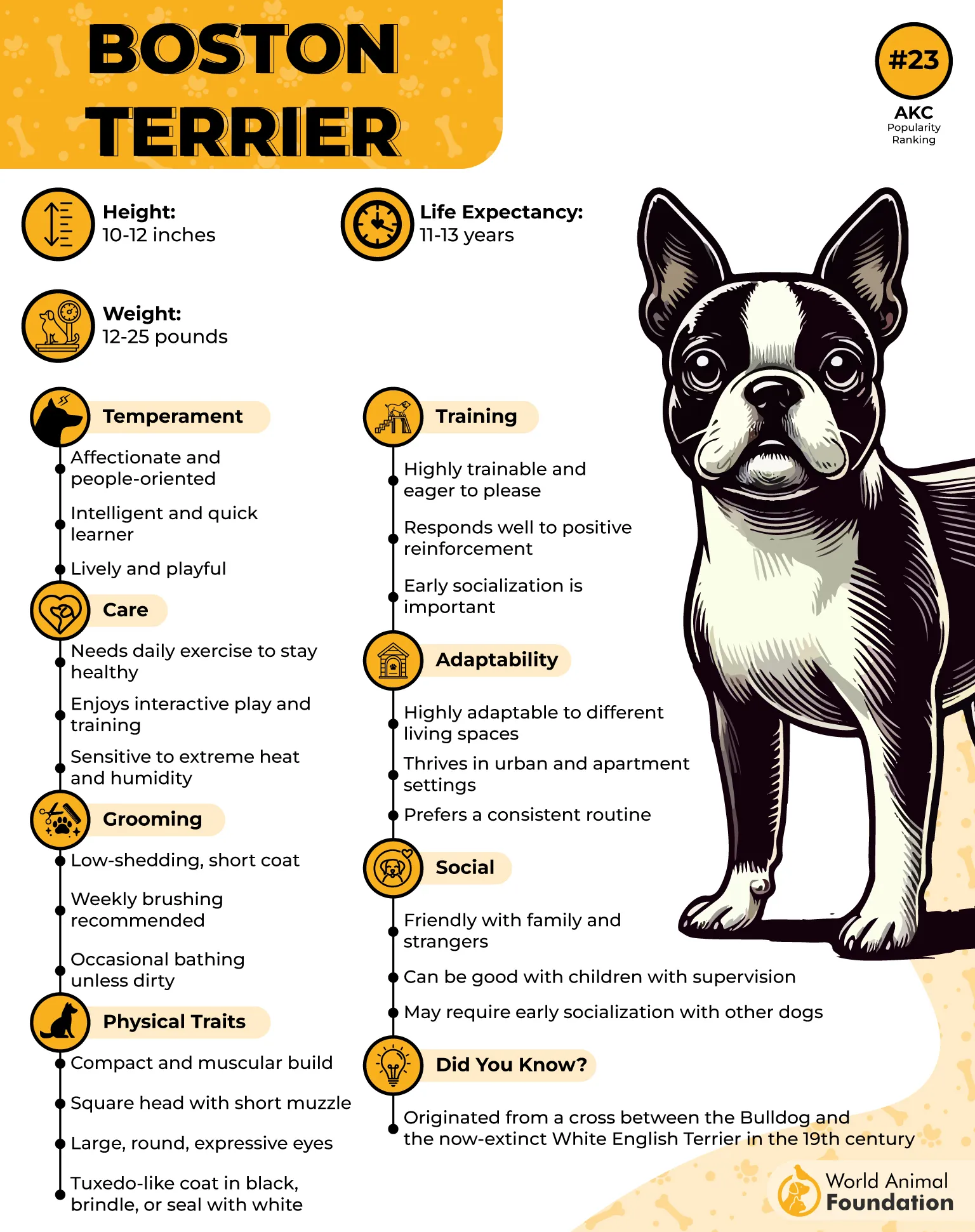
Their compact build makes them well suited to living in an apartment, especially when owners provide enough activity and attention. They are also generally trainable, which can make household routines easier to manage.
Their short coat keeps grooming fairly simple. These key traits make the Boston Terrier a great apartment dog and a perfect companion for owners who want an elegant yet playful pet.
5. Maltese
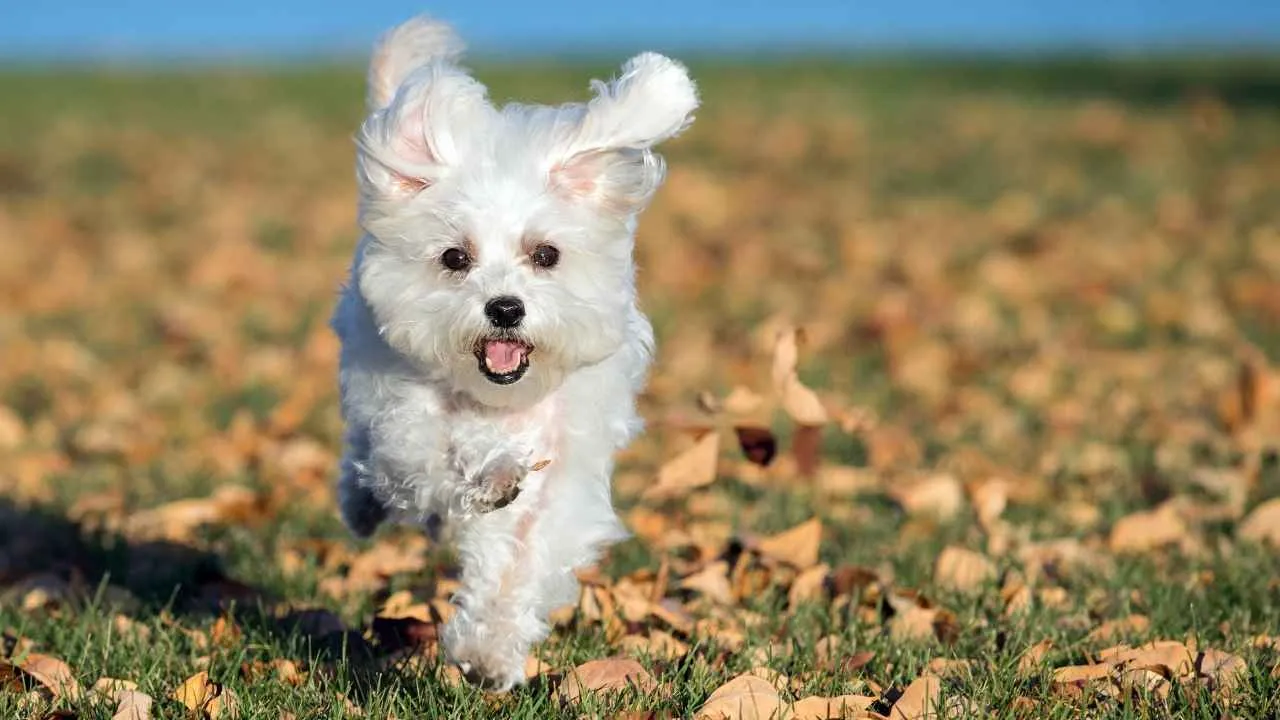
Tiny but fearless, the Maltese proves that size says little about personality. This popular small dog breed has a lively spirit and an affectionate nature that suits apartment living. Hill’s Pet describes the Maltese as gentle, intelligent, responsive, and trusting.
Despite its low energy level, this breed enjoys playtime and learning new tricks. Its alert nature can also make unfamiliar sounds a trigger for barking, which apartment owners should consider. Maltese dogs can form strong bonds with their families and enjoy being included in daily routines.
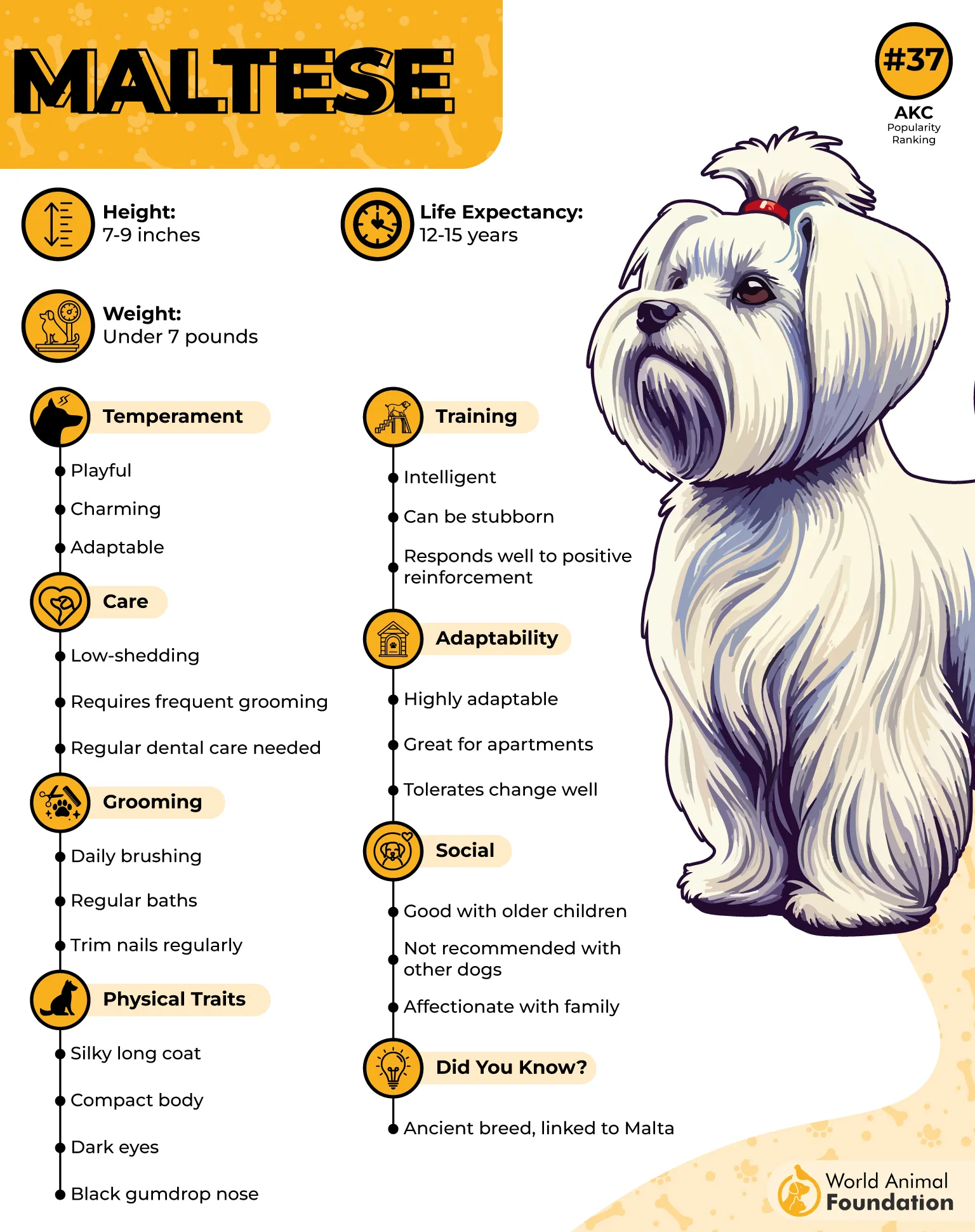
Their moderate energy levels make short walks and indoor games useful without demanding an active lifestyle. They are also easy to train, especially when learning fun tricks. Their eagerness to learn can make them seem like the smartest breed during fun training sessions.
Without enough attention or activity, boredom may lead to destructive behavior. Their tiny build makes them an excellent apartment dog for many households. Often regarded as one of the oldest dog breeds, the Maltese remains a charming choice for compact homes.
6. Coton De Tulear
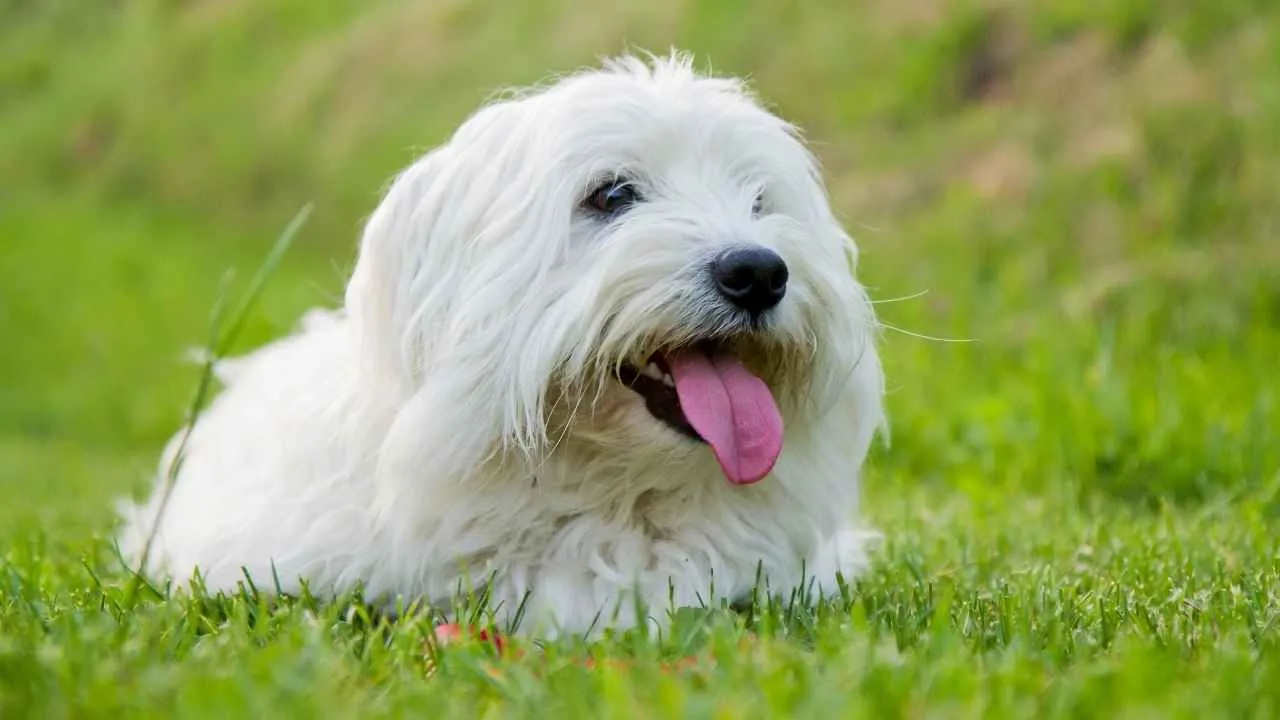
The Coton de Tulear brings a bright, playful spirit to apartment living. These friendly, adaptable dogs thrive on family life and enjoy being involved in daily activities. According to PDSA, they are intelligent, loyal, and loving, with strong trainability that makes learning new skills enjoyable.
Positive reinforcement can turn training into a fun indoor game, giving their minds useful work when outdoor physical exercise is limited. Their intelligence also makes them highly trainable with patient, reward-based lessons.
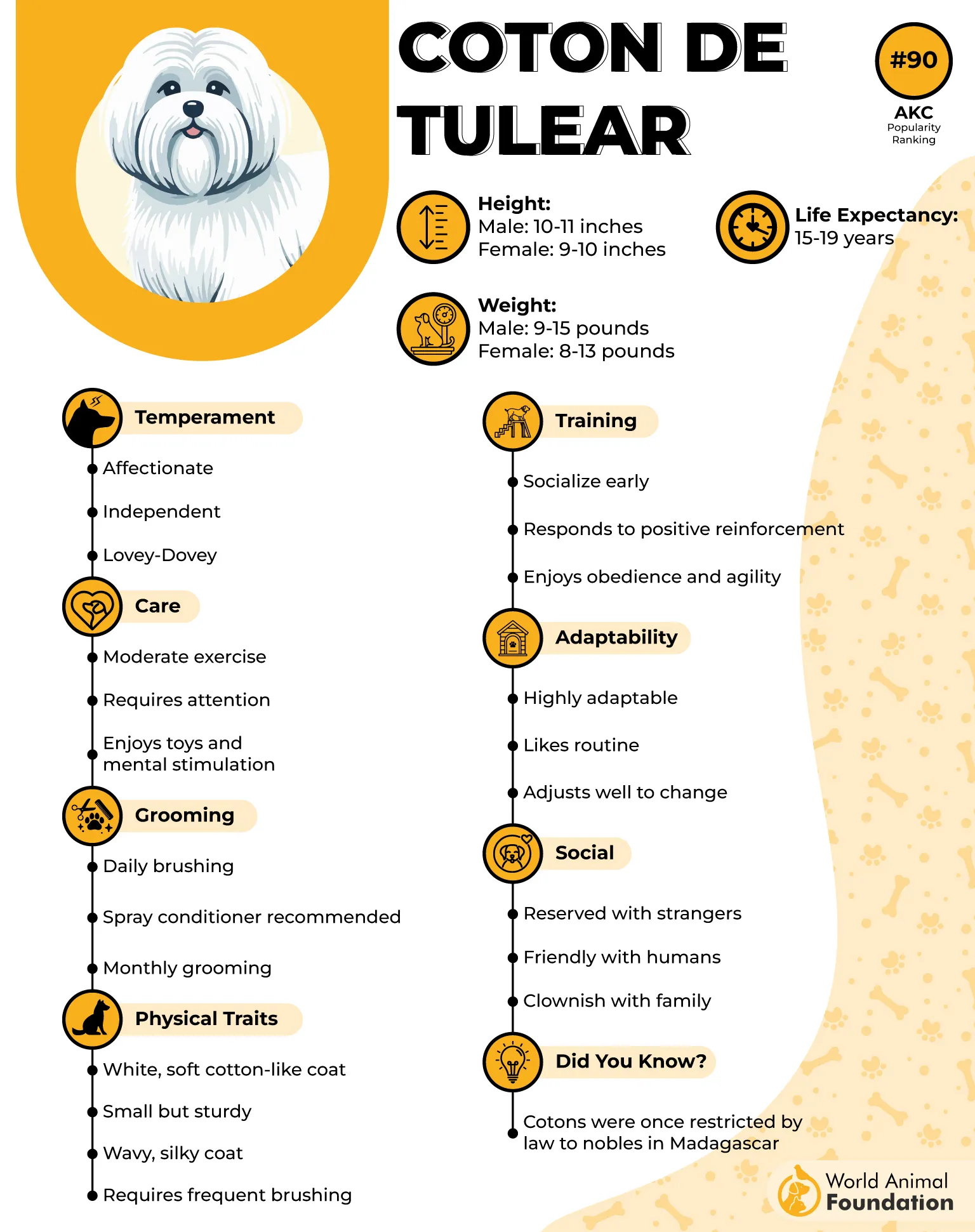
Their lively personalities also make interactive toys and short play sessions worthwhile for adult dogs. A little structure can prevent boredom in smaller homes. Their regular grooming needs should still be part of the daily routine.
This white dog has a soft, distinctive appearance, though it is quite different from a large dog in both size and space needs. Coton de Tulears can be vocal, so early socialization can help them develop good household habits.
Their warmth and affection make them a suitable choice for families seeking an engaging indoor companion.
7. Pug

With their funny faces and curled tails, Pugs are hard to miss. This spirited, brave, and sociable breed has been cherished as a companion for centuries. Orvis notes that Pugs trace their roots to ancient China, where they were bred as lap dogs for wealthy families.
Their friendly and affectionate nature can make apartment living feel warm and lively. As a brachycephalic dog breed, however, Pugs can struggle in hot weather, so owners should plan outdoor time carefully.
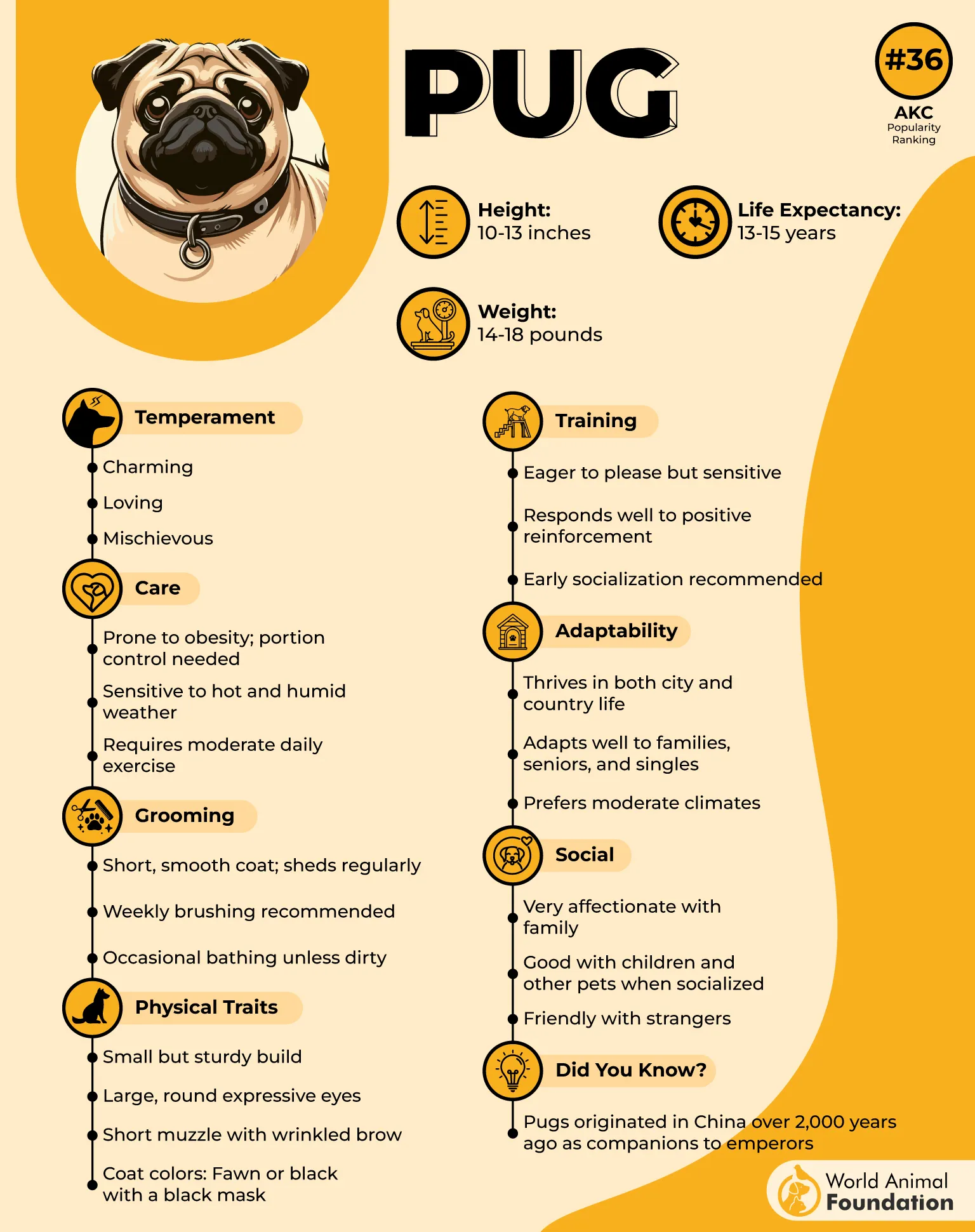
Their lower exercise needs suit apartment life, and indoor play can help manage excess energy. They may look like couch potatoes when they lounge around, but they still need daily activity. Their easygoing nature makes living in an apartment more manageable, especially when their living space is compact.
Basic grooming is usually simple, too. These key traits make the Pug a charming choice for owners seeking a quiet dog with an apartment-size footprint and a big personality.
Conclusion
Choosing among many dog breeds for a small home takes more than checking size. The right dog should match your routine, space, and energy level. Consider your dog’s exercise requirements, temperament, and need for affection before deciding.
Proper training can also help dogs adjust to an apartment setting, especially when barking or separation becomes a concern. Breed characteristics matter, too, since some dogs need more grooming, mental stimulation, or patience than others.
Several breeds trigger allergies, so coat and shedding habits deserve attention as well. Even large breeds can sometimes adapt well when their needs are met, while some smaller dogs may demand more activity.
Look for adaptability, loyalty, and a personality that fits your lifestyle. A local shelter can also help you meet suitable companions. With thoughtful planning, you can find a dog that thrives in your home.
