




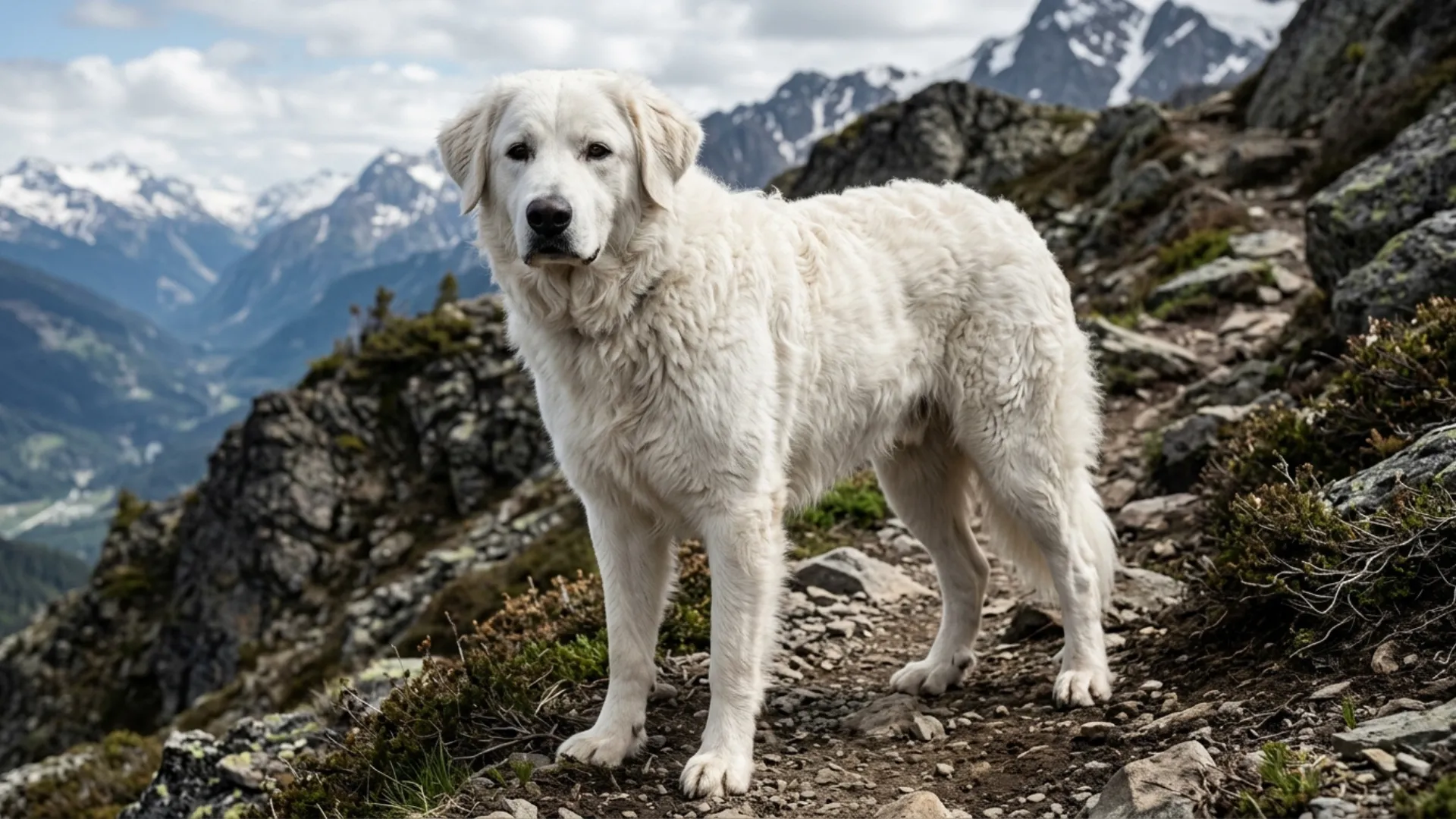
The strongest working dogs have earned their respect for a reason. Their usefulness comes from a combination of physical ability and a willingness to work closely with people.
A muscular build can provide the power needed for jobs involving protection, pulling, livestock work, or long hours outdoors. Stamina helps them repeat demanding tasks, while trainability allows handlers to direct that strength productively. Loyalty adds another important piece because working partnerships depend on trust, communication, and consistent responses.
Put these dogs side by side and the differences become pretty clear. Their bodies, instincts, energy levels, and working styles can vary considerably because each was developed with different duties in mind. That makes this group especially interesting for anyone who enjoys learning about capable, dependable dogs.
The breeds featured here show that strength and loyalty can take very different forms, depending on the work each dog was developed to handle.
Key Takeaways
Strength means something different for every working dog, and this list shows just how many forms it can take.
The Boerboel brings a massive frame and powerful presence, while the Dogue de Bordeaux was once trusted with jobs that demanded serious physical force.
Then comes the Kuvasz, whose intelligence can be just as useful as its strength, followed by the Mastiff with its calm and steady nature.
The Boxer, Tibetan Mastiff, and Anatolian Shepherd take that working ability in different directions, from quick bursts of power to guarding vast outdoor spaces.
Ultimate Working Dog Breeds With Muscular Strength and Loyalty
1. Boerboel
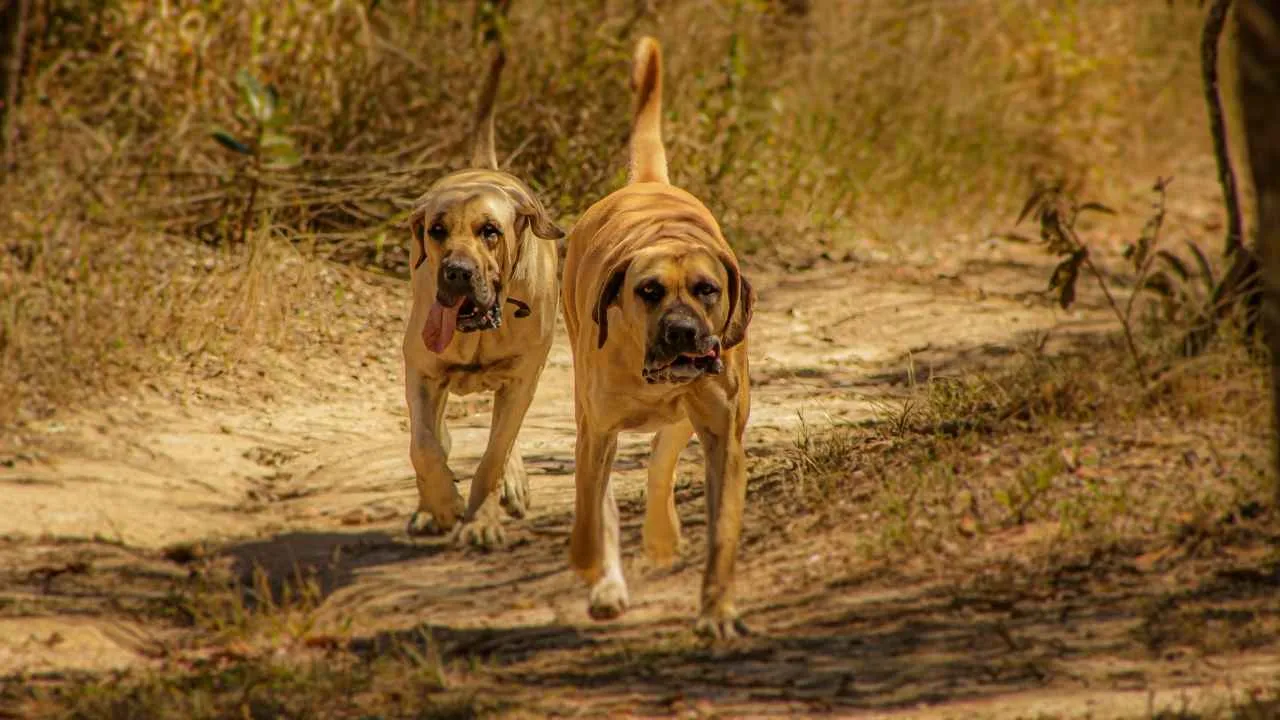
Boerboel emerged in South Africa after Dutch, German, and Huguenot settlers arrived during the 1600s with large dogs used for guarding and hunting. Later breeding with dogs such as Bullmastiffs, Rhodesian Ridgebacks, English Bulldogs, and a native South African dog shaped the breed seen today.
Built for the Job
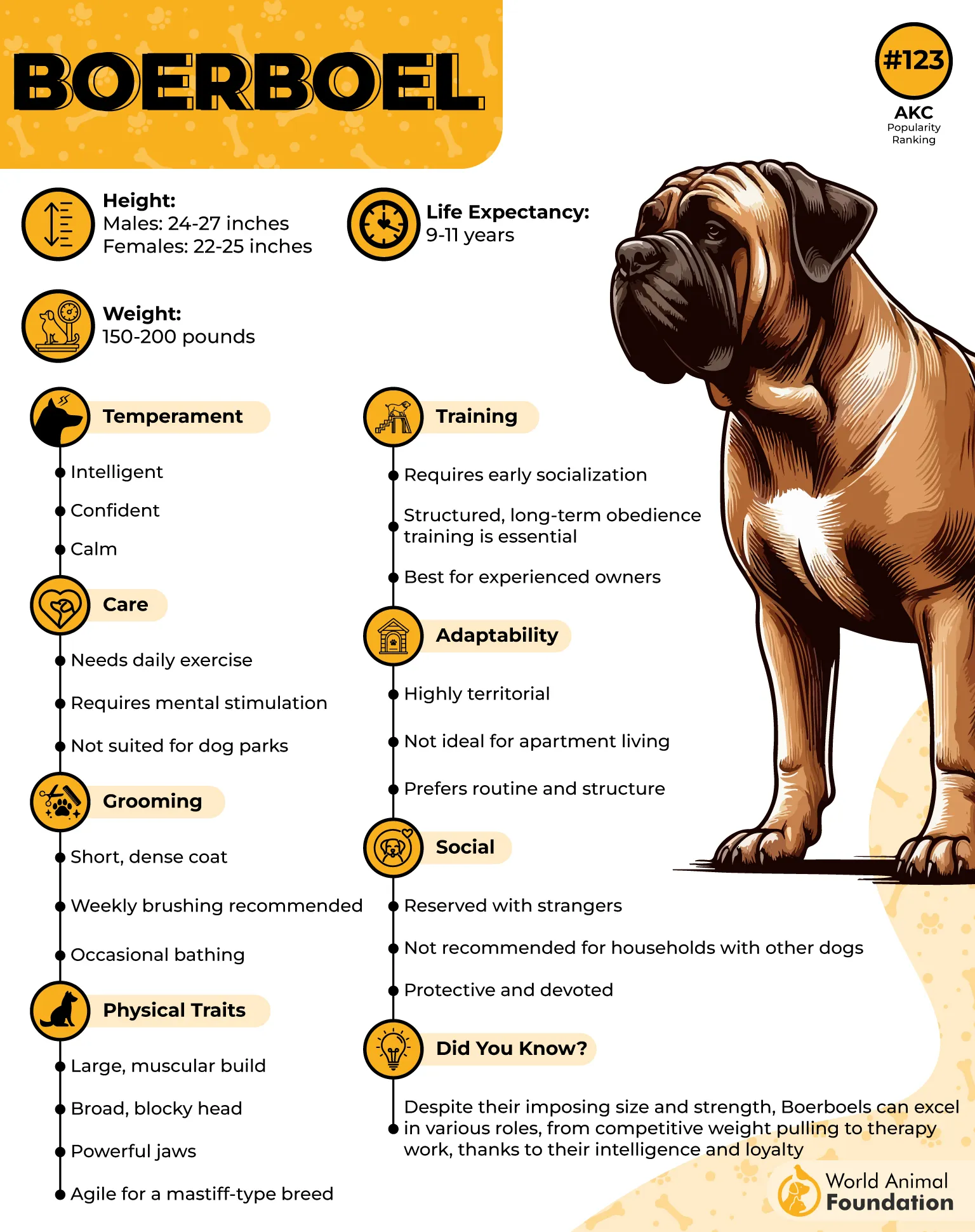
They can weigh between 150 and 200 pounds, with a broad head, powerful jaws, thick neck, and substantial bone supporting their imposing frame.
Its stocky build combines strength with agility, giving this farm guardian the physical capacity for demanding work around property and livestock.
Its physical strength also affects how it spends the day:
Can stay calm indoors for extended periods
Becomes highly alert when surroundings change
High pain tolerance makes regular health checks important
Firm Training Matters
Boerboel is strong-willed and may assume control when given unclear boundaries, so training and socialization need to begin early and continue throughout adulthood.
Its intelligence and willingness to please can support consistent obedience work, while its protective nature makes careful management around visitors and other animals essential.
2. Dogue De Bordeaux
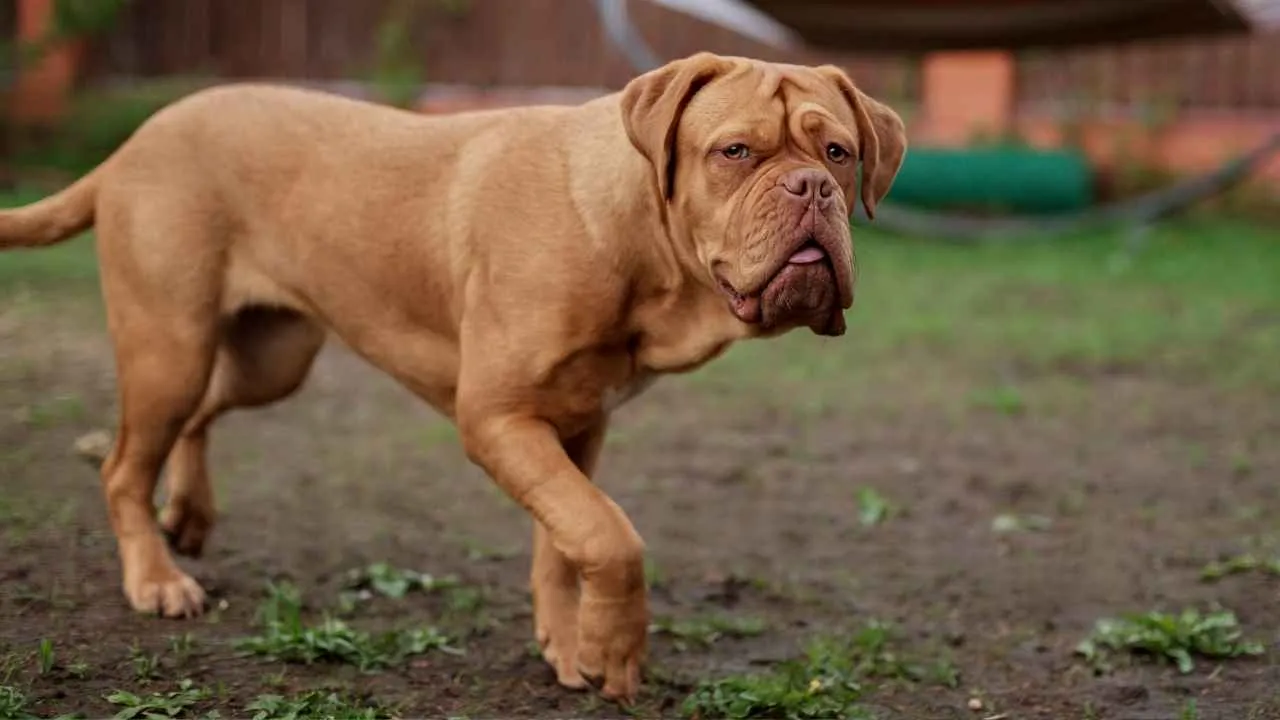
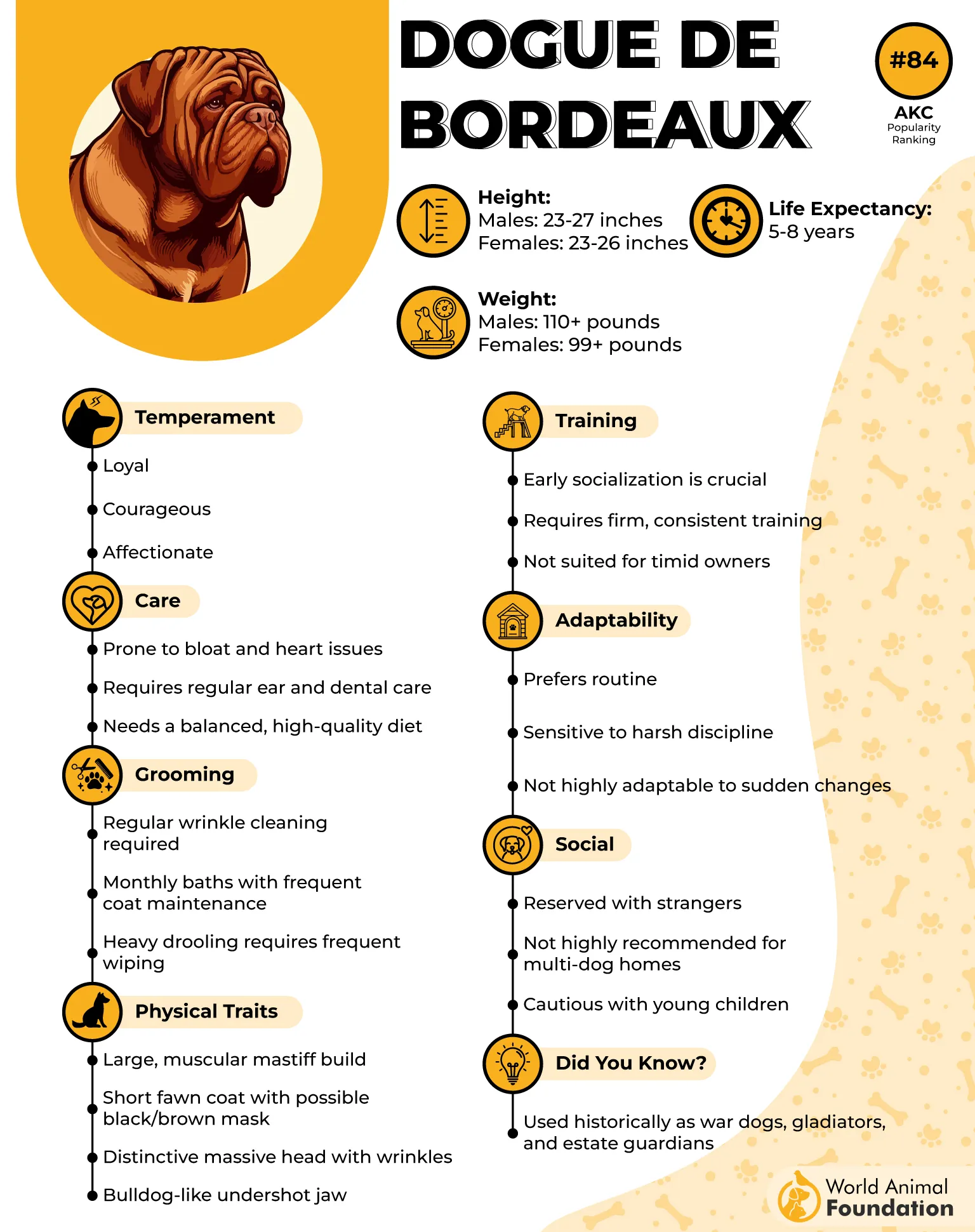
Dogue de Bordeaux is a French mastiff from the Bordeaux region, with dogs of this type recorded as far back as the 1300s. By around 1920, breeders had established the more uniform form associated with the breed today, after earlier working roles included carting, pulling, and guarding livestock and property.
Built for Power
Its broad skull, powerful jaw muscles, heavy bone, thick neck, and wide stance give the Dogue de Bordeaux impressive physical force and stability. That structure suits a dog whose earlier duties included guarding estates and handling demanding physical work.
Its size matters when planning its daily routine:
Needs only moderate daily exercise
Spacious homes are more practical for its large frame
Fewer stairs can ease pressure on aging joints and bones
A Sensitive Worker
Dogue de Bordeaux can be remarkably strong while responding poorly to harsh training methods, so calm, consistent handling matters. Its intelligence and strong will call for clear boundaries, while structured games such as tug can give its physical energy a controlled outlet.
3. Kuvasz
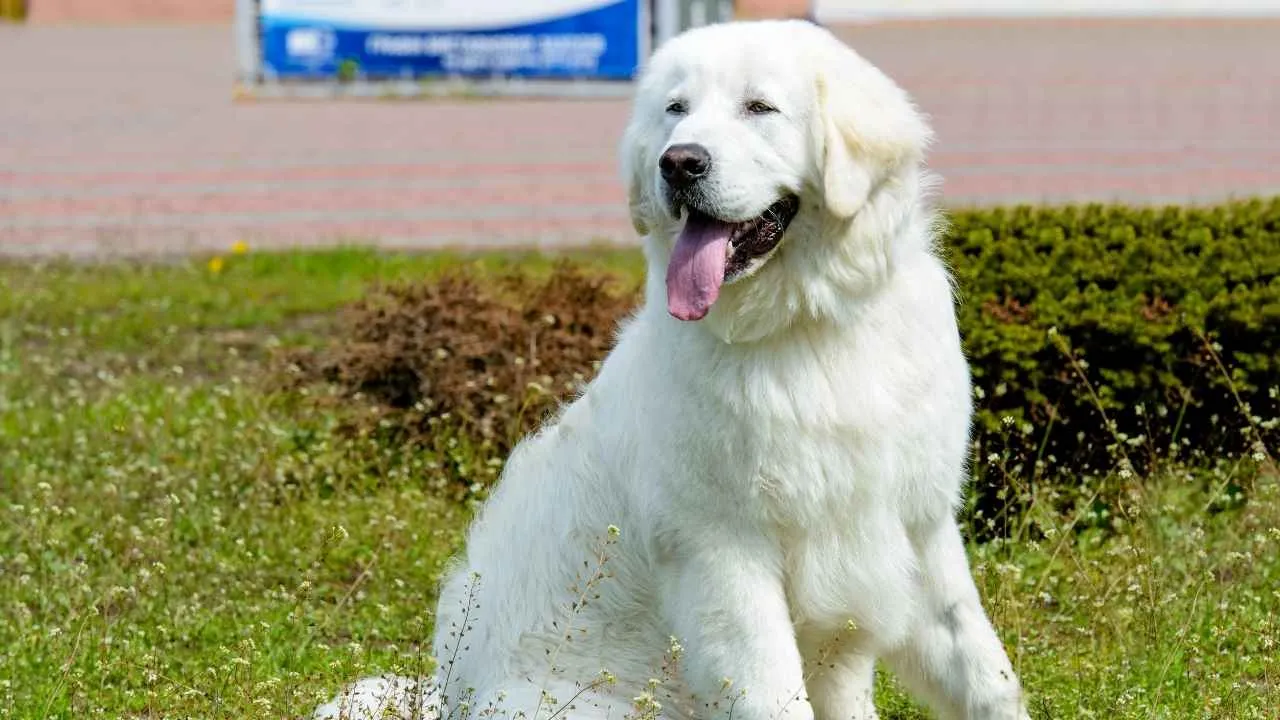
Kuvasz is an ancient Hungarian breed with older connections to the massive dogs of Tibet, and it was once reserved mainly for royalty. Later, the breed became available to ordinary households, where its natural ability to guard livestock became especially valuable to farmers and rural families.
Built to Guard
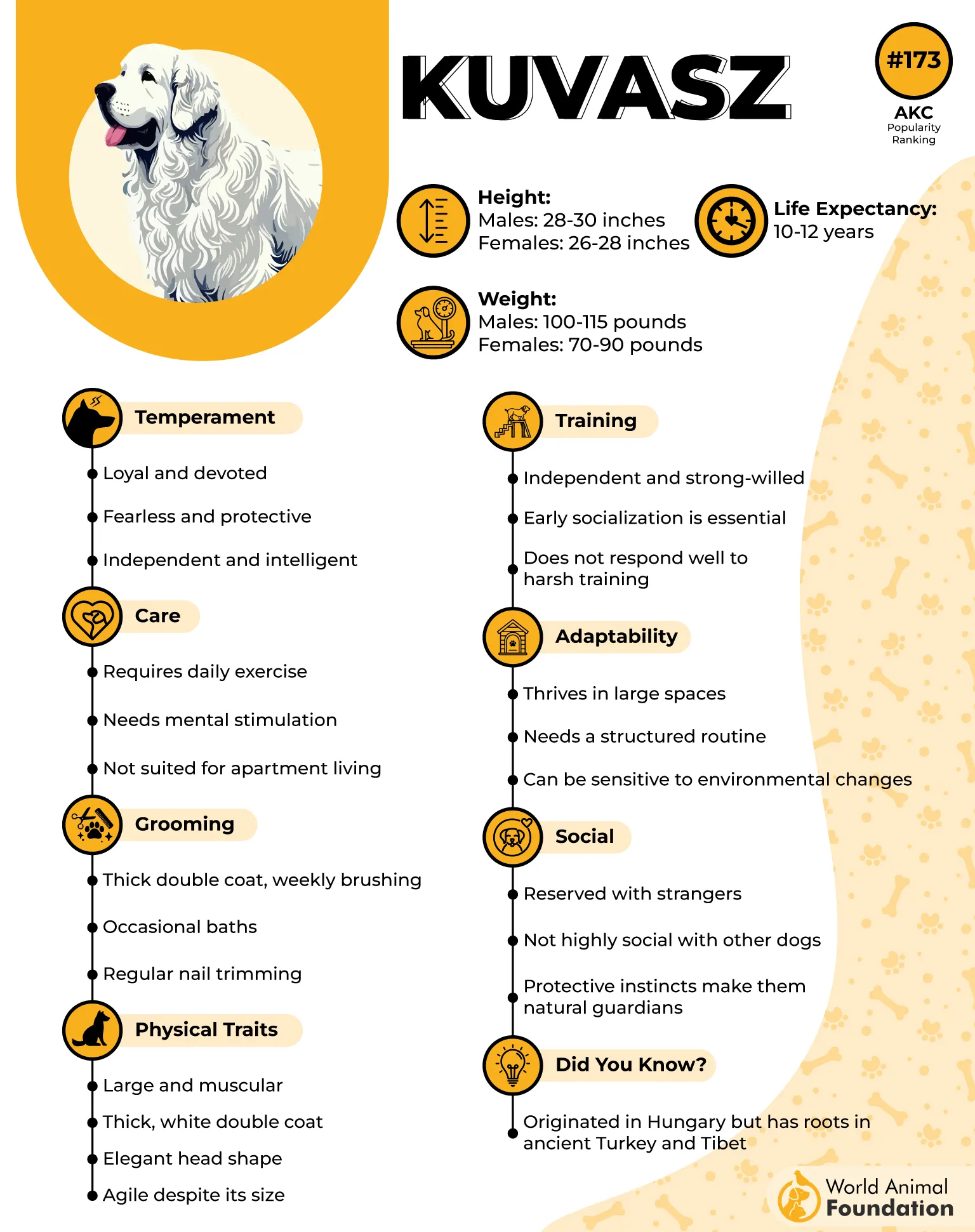
The breed’s deep chest, strong bone, and powerful neck and shoulders suit the physical demands of protecting animals from predators. Its rectangular frame is slightly longer than tall, giving this large dog an athletic outline rather than a heavy, bulky appearance.
Its physical strength is only part of its guardian nature:
May bark loudly at unfamiliar people or unusual activity
Early socialization helps it accept familiar people and animals
Needs supervision around children due to its large size
A Mind of Its Own
Kuvasz is highly intelligent and can figure out surprisingly complicated problems, including opening doors and gates to free itself or familiar animals. Training requires patience because harsh words can trigger a poor response, while play, treats, and gentle guidance work better.
4. Mastiff
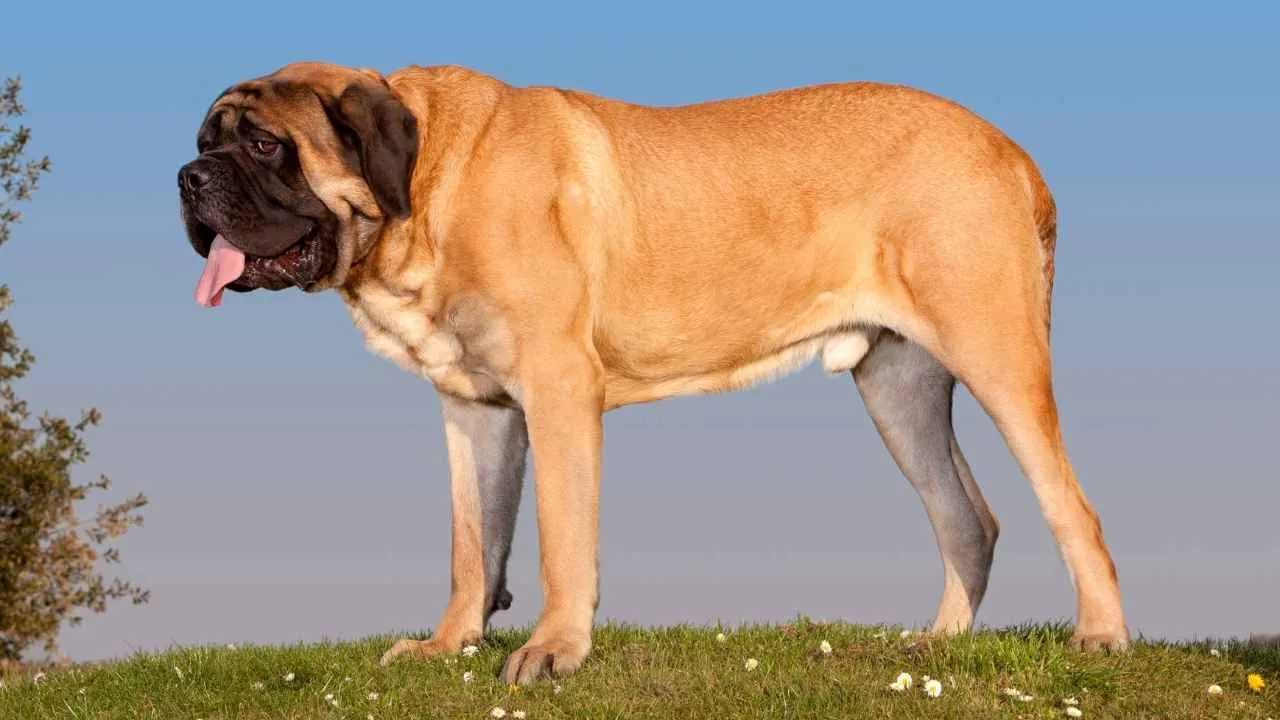
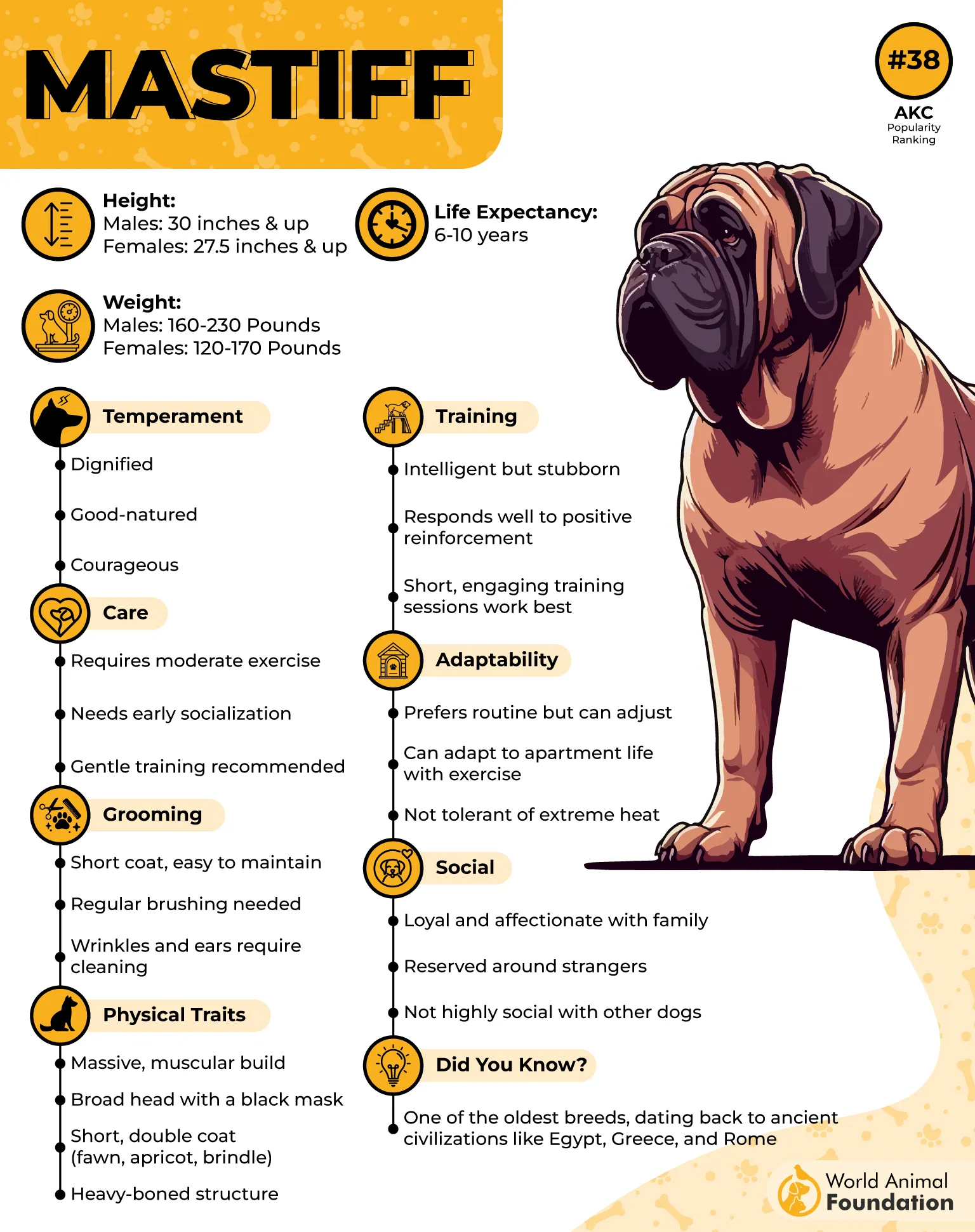
Mastiff belongs to an ancient Molosser lineage, with roots reaching back thousands of years and early connections to Asia. The modern English Mastiff took shape over many centuries and served as a guard dog, war dog, and participant in bull and bear baiting, reflecting its long history of demanding working roles.
Built for Restraint
Mastiff has the heavy-boned frame expected of a powerful working dog, with a massive chest, broad back, thick skin, and a substantial neck and shoulder area. Its broad head, short muzzle, and strong jaws are suited to tasks involving holding, guarding, and physical restraint.
That athletic build comes with these traits as well:
Placid and affectionate with its family
May be wary of unfamiliar visitors
Needs early socialization and consistent training
Gentle Giant
Mastiffs can be patient with older children, although their enormous frame and sweeping tail can accidentally knock a child over, as noted by Orvis. Their interactions with other pets also need care, as some individuals can be territorial with dogs or have enough prey drive to complicate life with cats.
5. Boxer
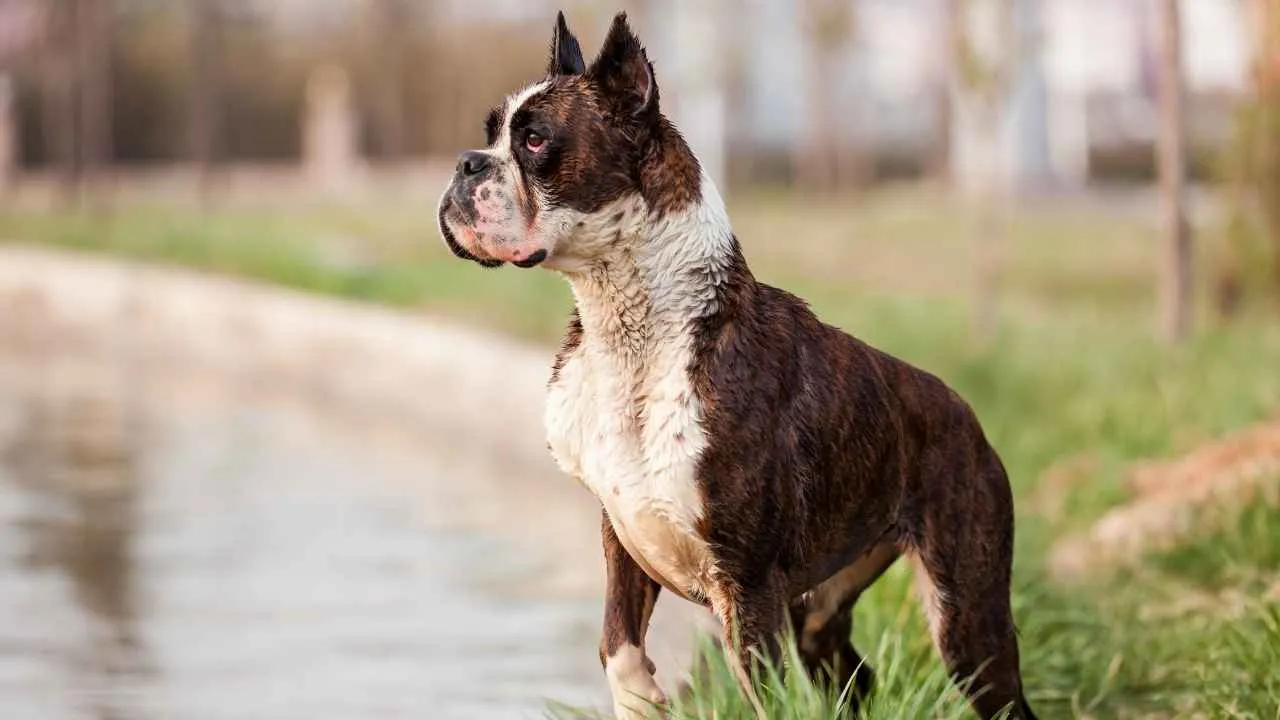
Boxer originated in Germany and was likely shaped from the German Bullenbeisser and Bulldog, with its early work centered on controlling cattle in slaughterhouses. By 1903, Boxers were being exported to America, adding to their reach beyond European working yards.
Built for Power
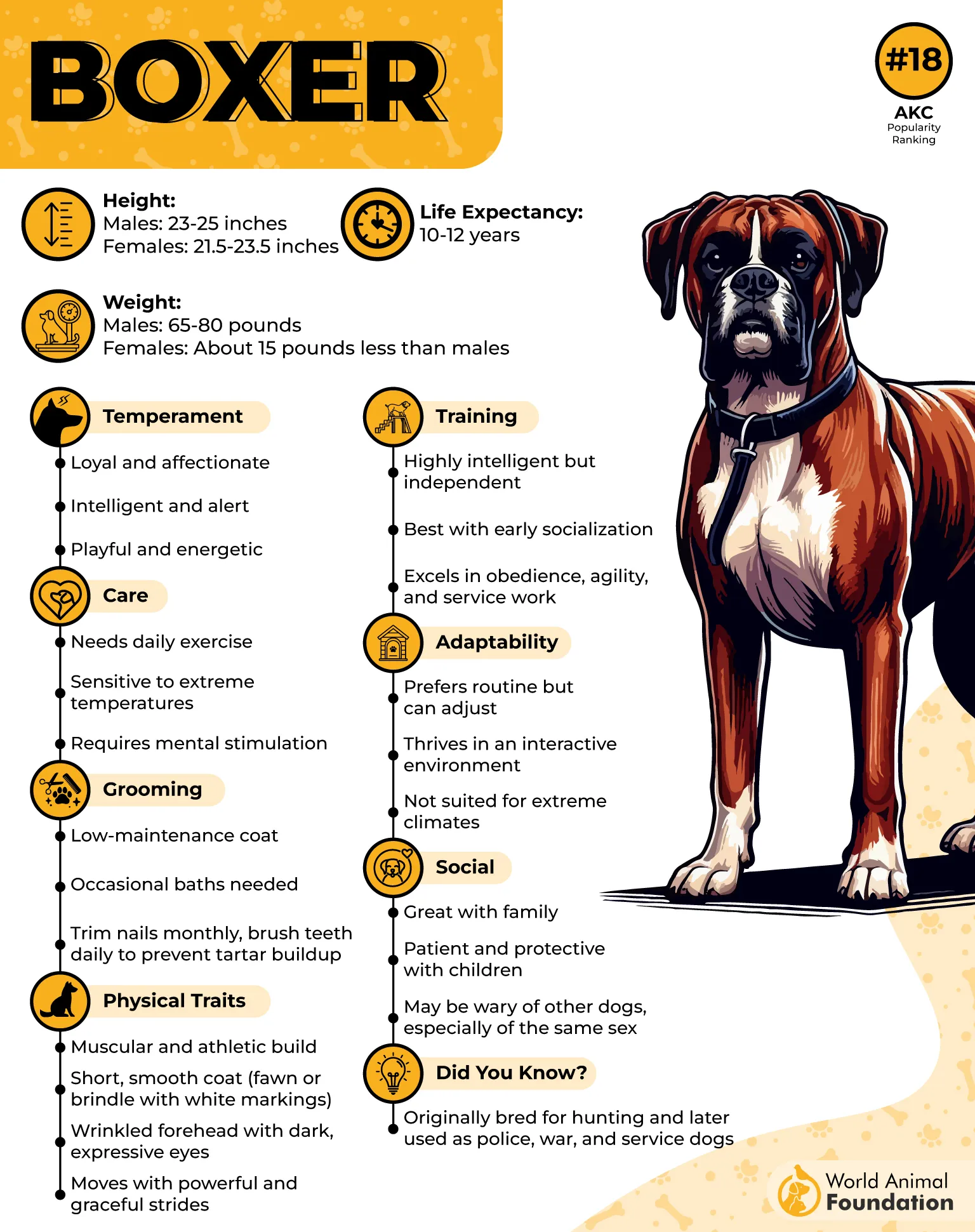
Boxer’s muscular frame becomes especially useful when the job demands speed and power at the same time. Its deep chest, strong forequarters, and athletic build support quick sprints, powerful jumps, and short bursts of demanding physical work, as noted by PetMD.
Its history shows how useful those abilities can be:
Served as a messenger and guard dog in WWI
Adapted well to different working roles
Intelligent, protective, and willing to work closely with its family
Playful With Purpose
This loyal breed has a lively, affectionate personality and often follows family members around the house, seeking attention through ear scratches, hugs, or belly rubs. It can be patient with children and generally accepts familiar pets when socialized from a young age and introduced to them gradually.
6. Tibetan Mastiff
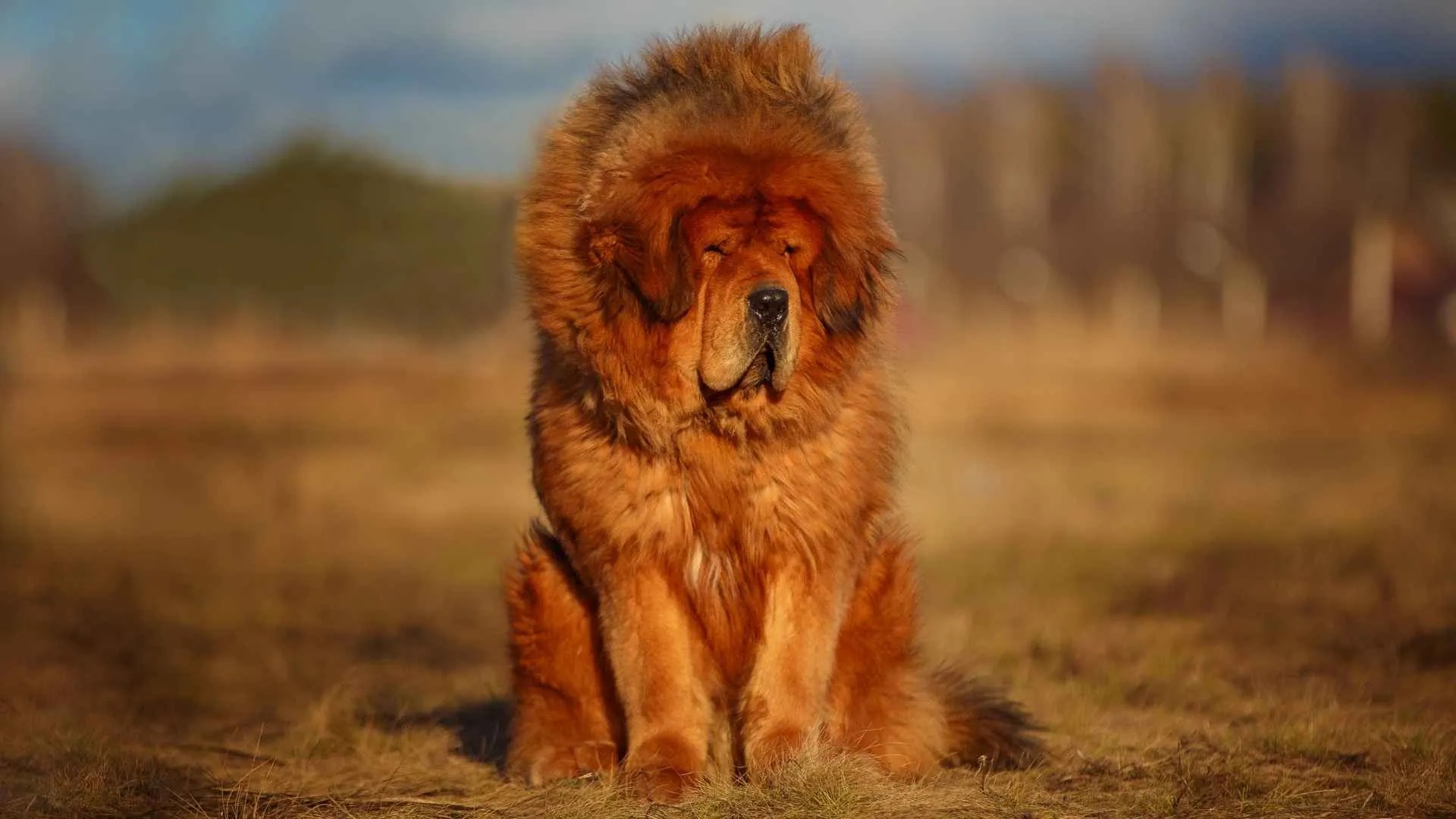
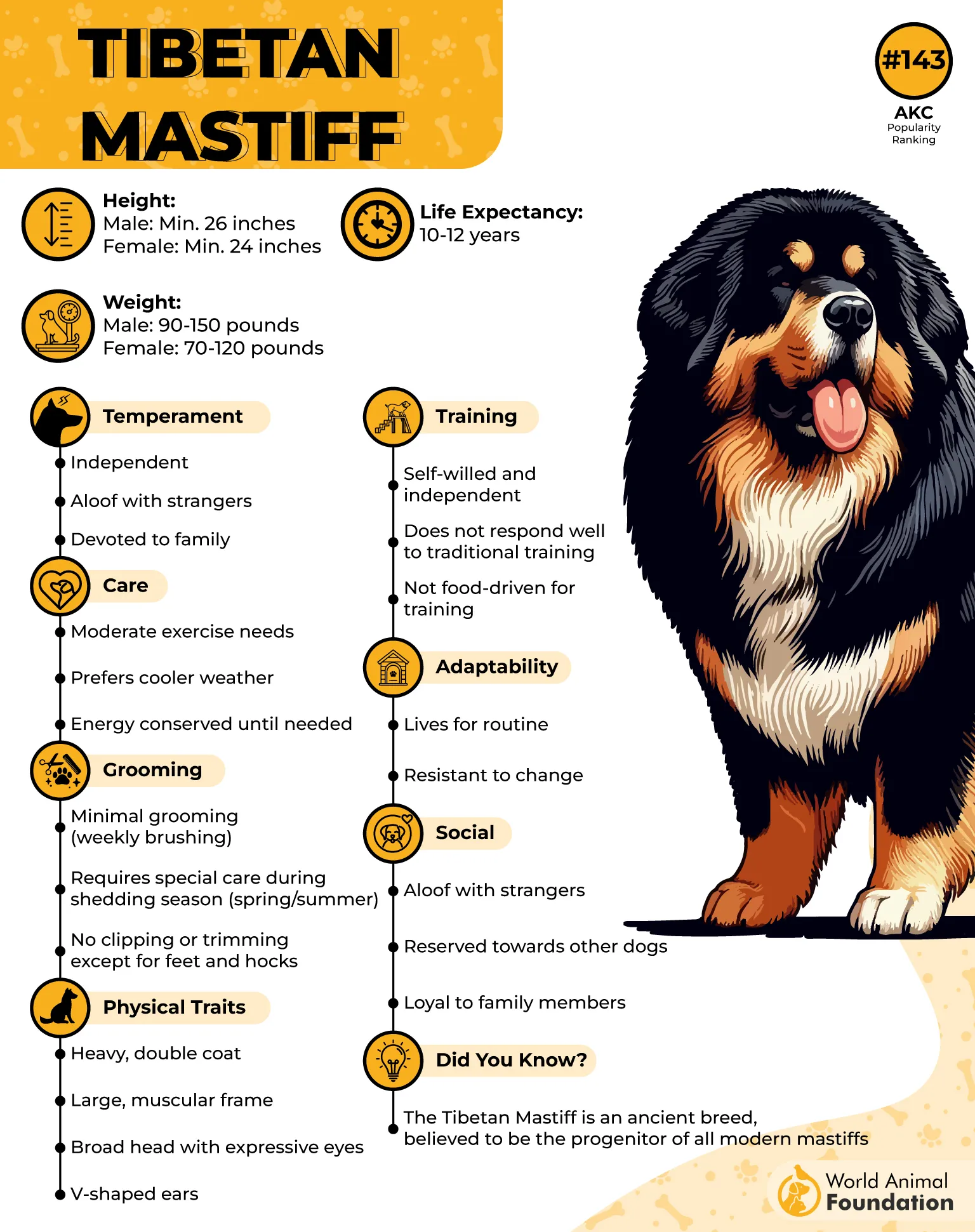
Tibetan Mastiffs have guarded people, livestock, and property across Tibet for thousands of years, including temples, monasteries, and the camps of nomadic farmers. Their roaming lifestyle with human groups meant dogs interbred freely for generations rather than following one fixed breed standard.
Built for Endurance
Rugged Himalayan terrain calls for a sturdy dog, and Mastiffs have the build to handle it. Heavy bones, a strong neck, broad chest, and muscular limbs support extended territory patrols, while a powerful bark can travel across considerable distances.
Its physical strength does not mean constant activity:
Calm and affectionate with its family
Aloof toward unfamiliar people and animals
Little interest in speed-based activities
Independent Mind
Tibetan Mastiff is highly intelligent and accustomed to making its own decisions, which can make obedience very different from training a highly handler-focused breed.
Experienced guidance and early socialization are especially important when introducing puppies to people, animals, and unfamiliar situations.
7. Anatolian Shepherd
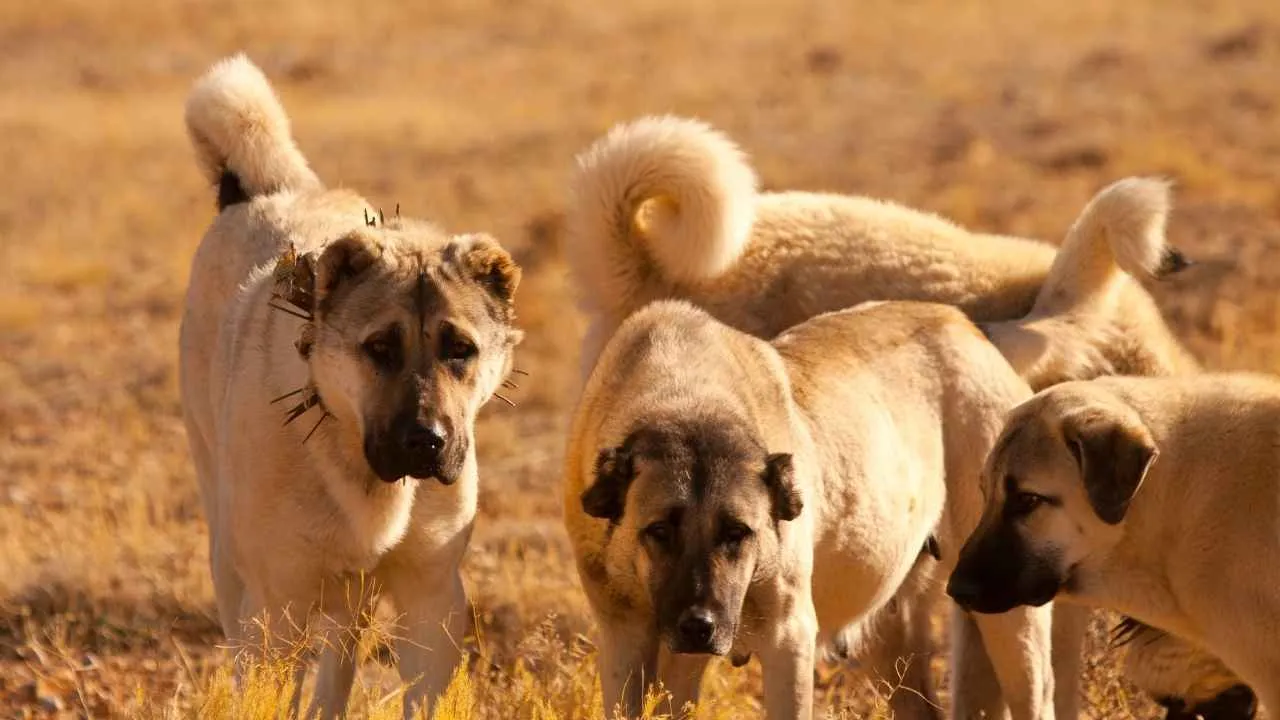
Anatolian Shepherd comes from central Turkey, with roots reaching back more than 4,000 years. Nomadic shepherds brought these powerful dogs to grazing grounds, where they guarded livestock against wolves and bears without needing constant human direction, as noted by the AKC.
Power in the Field
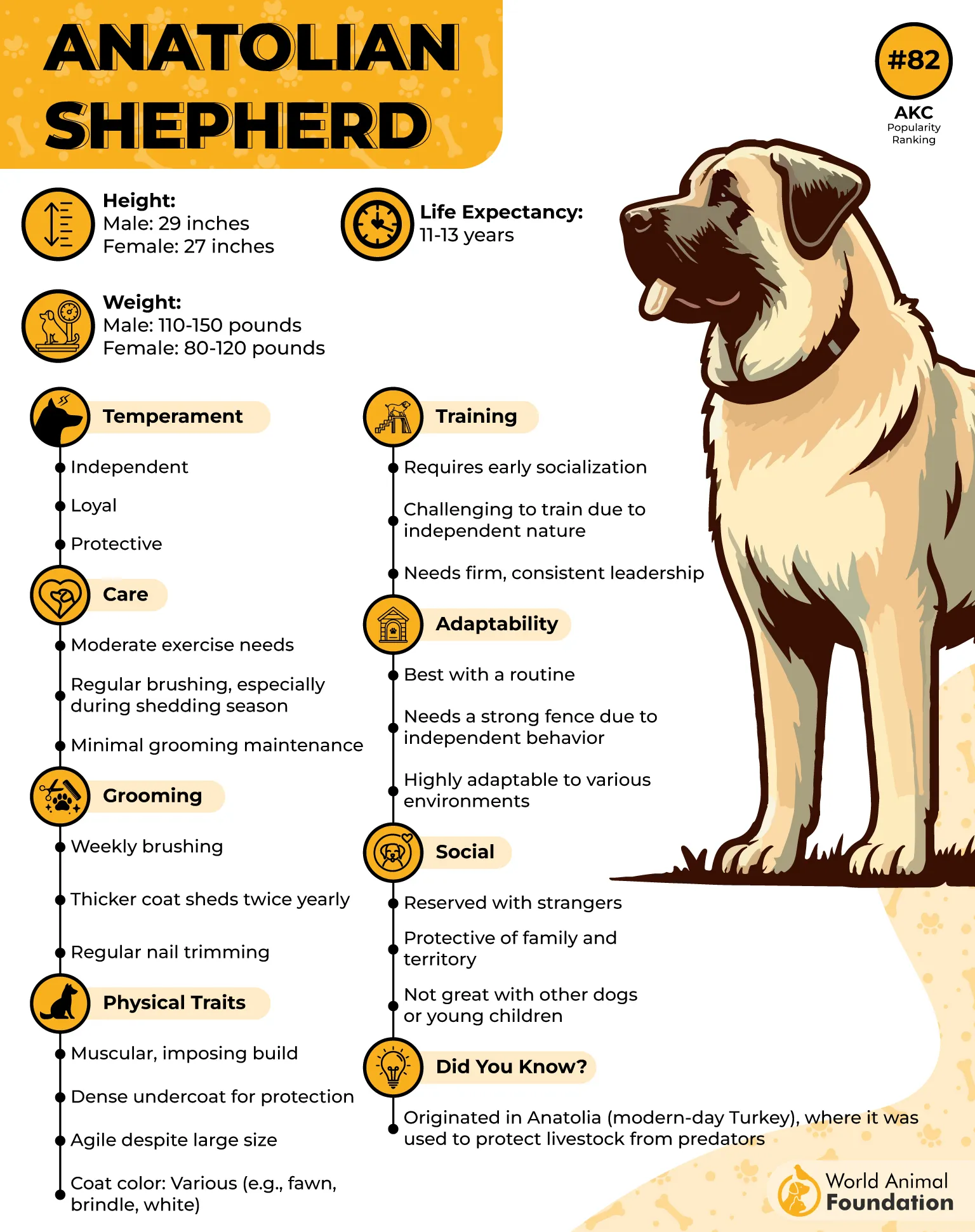
This shepherd has the size and physical ability to confront serious predators, while its long legs help it reach speeds of up to 30 mph. Its deep chest, large skull, long neck, and curled tail give the breed a powerful profile suited to demanding outdoor work.
Its strength and intelligence both shape how it works:
Highly intelligent with an independent nature
Affectionate side can often be seen indoors
Reserved and cooler toward unfamiliar people
Family Comes First
Anatolian Shepherds can be loving and affectionate with their household, including enjoying quiet time indoors after being outside. Socialization can help it handle guests more politely, while a securely fenced yard gives this fast runner room to stretch its legs.
Conclusion
Strong working dogs bring together physical power, endurance, intelligence, and the loyalty needed to work closely with people. Their powerful build can handle demanding jobs, but strength alone does not make a dependable working partner. Training, socialization, proper care, and a suitable environment all shape how these dogs respond to daily responsibilities with calm confidence.
Some are better suited to guarding, while others excel at livestock work, protection, or active outdoor duties. Their different temperaments also matter when choosing a dog for a specific role, with courage evident in some and an eager, confident nature in others.
The right match comes from looking beyond size and strength and considering how a dog’s natural abilities fit the work while keeping fun in the routine.
