




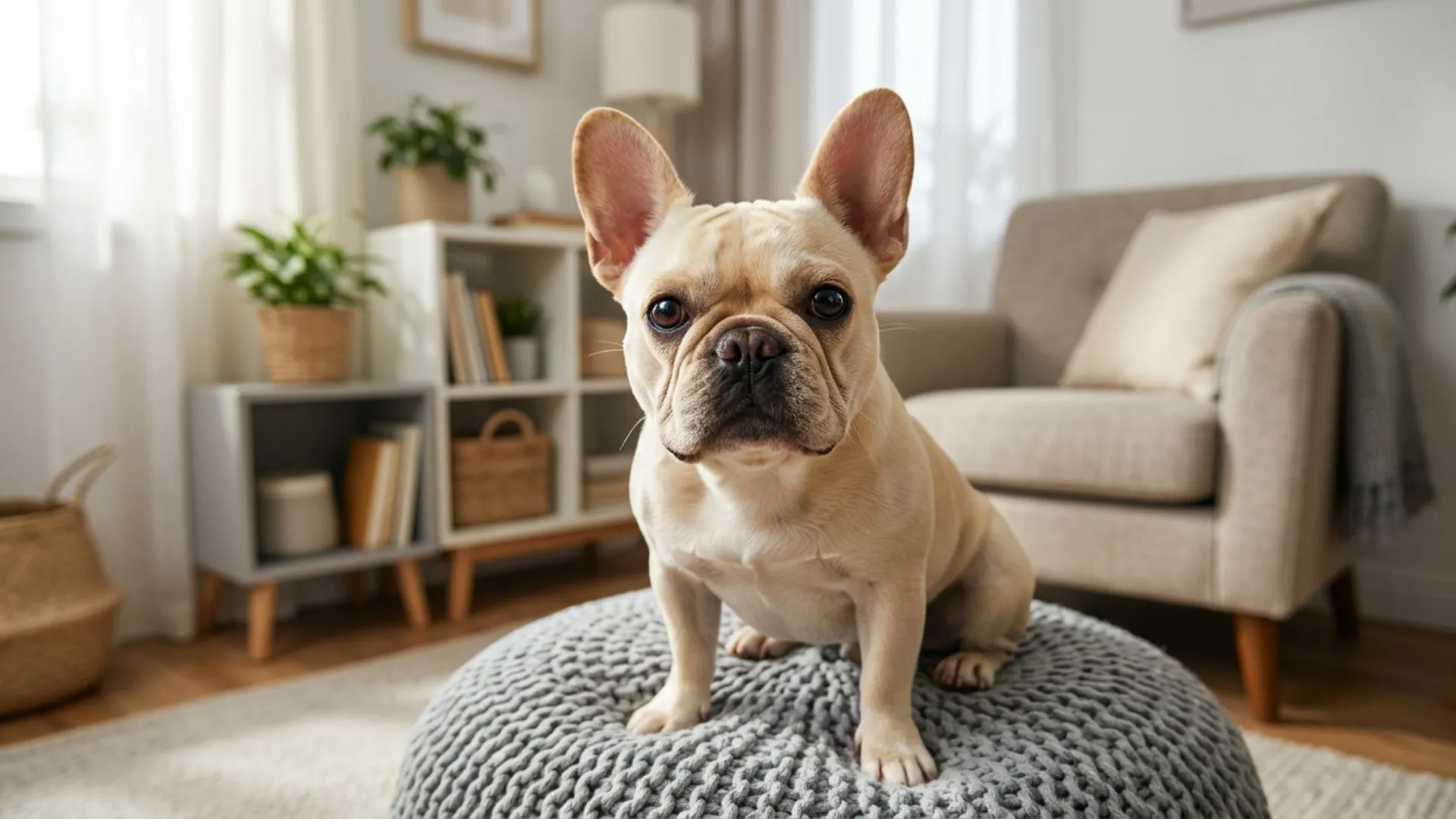
Living in a studio apartment doesn’t mean your dog-parent era has to stay permanently stuck in the group chat. Plenty of breeds can thrive in compact homes when you meet their exercise, training, bathroom, grooming, and social needs.
A small dog can still have enough energy to turn your 500-square-foot apartment into a Formula 1 circuit. At the same time, a calmer companion may happily spend half the afternoon supervising you from the sofa. Daily walks, sniffing opportunities, puzzle toys, play sessions, and positive training therefore matter even when a breed is considered apartment-friendly.
The breeds below combine compact proportions with charming personalities, people-focused temperaments, and lifestyles that can work surprisingly well in studios and smaller apartments.
Charming Dog Breeds Ideal for Compact Homes and Studios
1. Cavalier King Charles Spaniel
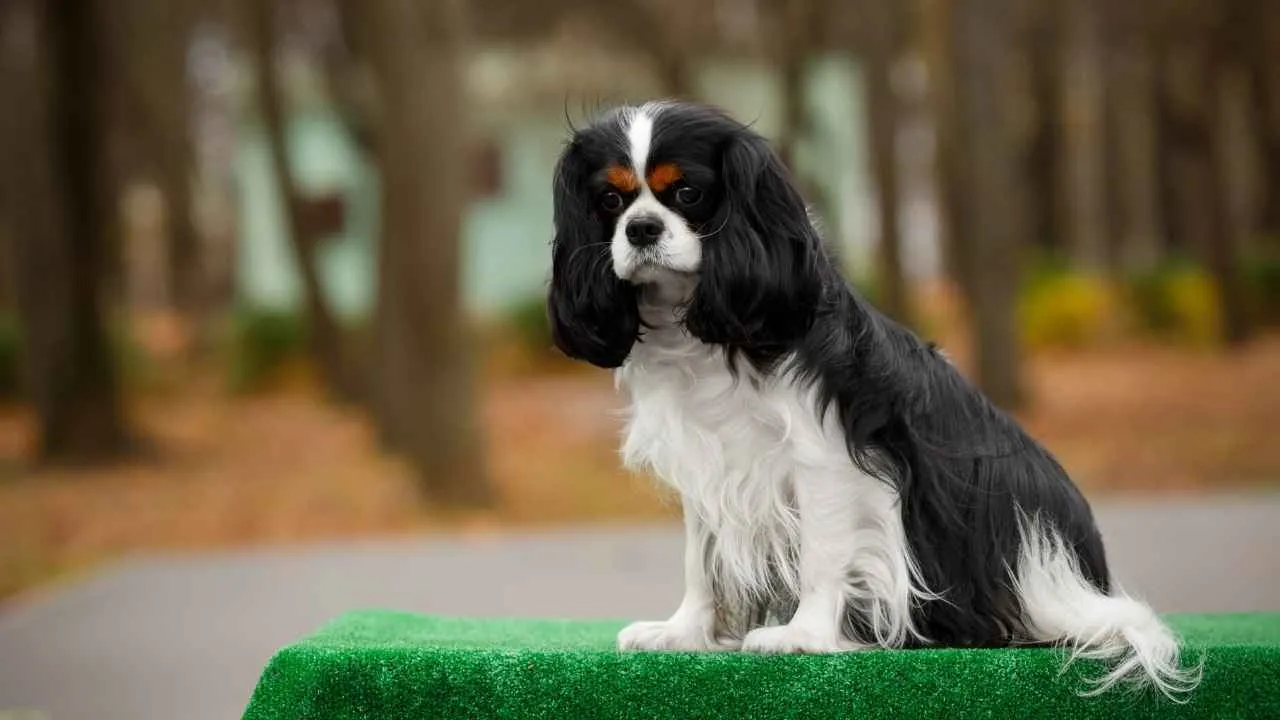
The Cavalier King Charles Spaniel is basically what happens when somebody takes a lapdog, adds spaniel enthusiasm, and installs enormous emotional-support eyes. Cavaliers are famously affectionate and usually happiest somewhere close to their people.
Their history makes the cuddly behavior make perfect sense because small toy Spaniels were treasured as companion dogs among European nobility for centuries. Modern Cavaliers still seem convinced that staying physically close to humans in a small space is a legitimate full-time career, and many enthusiastically greet family members and visitors alike.
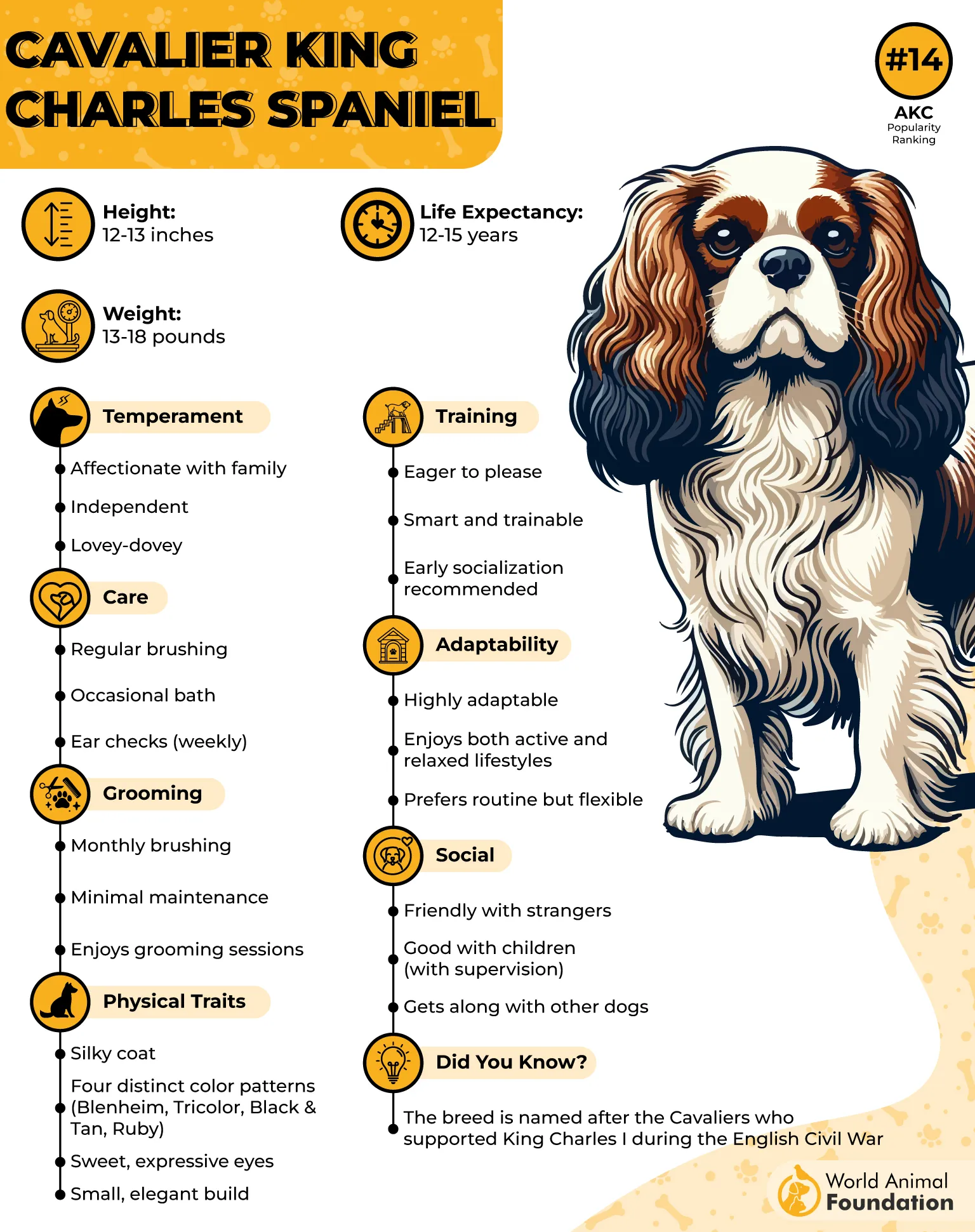
Do not confuse “lapdog” with “zero exercise,” because Cavaliers retain enough Spaniel DNA to enjoy proper adventures. Daily walks, play sessions, sniffing games, and short training activities can keep these apartment dogs physically fit and mentally occupied, while many are perfectly happy to settle indoors afterward.
The serious side of Cavalier ownership is health, because the breed has important inherited concerns, and responsible breeder health screening should never be treated as optional paperwork.
2. French Bulldog
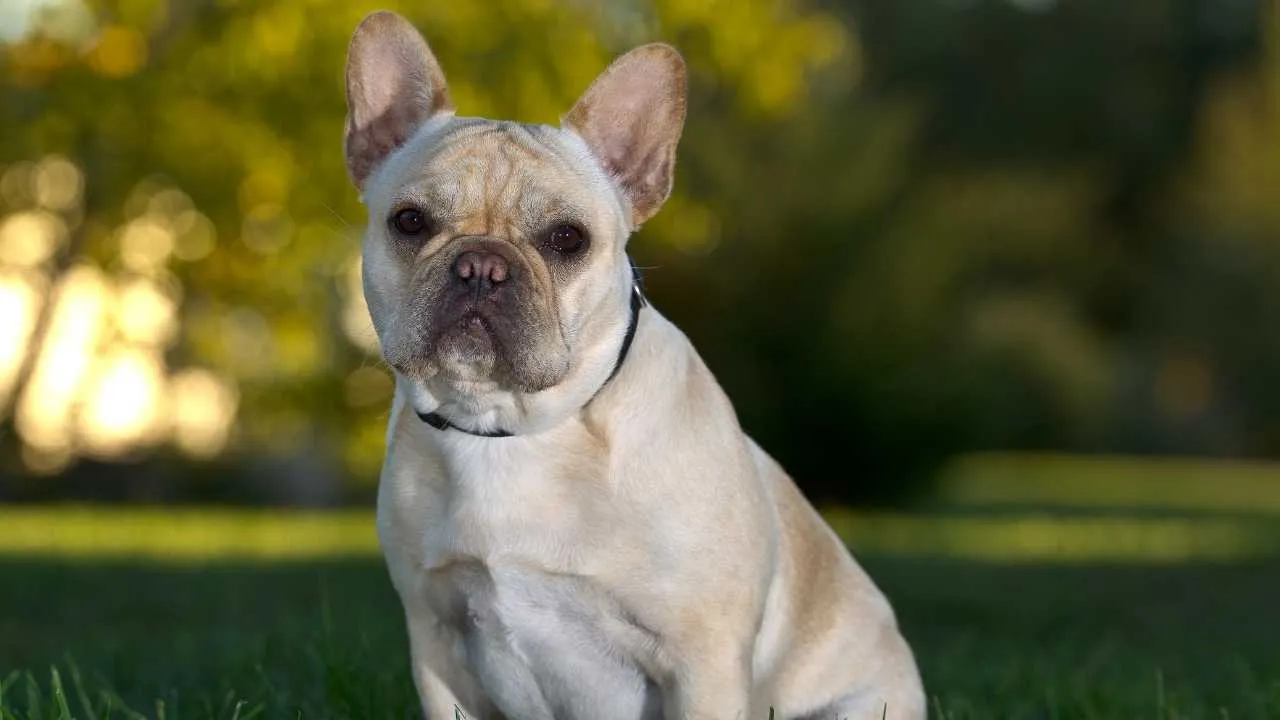
Compact, muscular, playful, and deeply people-oriented, Bulldogs have become popular urban companions because they generally don’t require marathon-level exercise. Their manageable activity needs and relatively small footprint can make apartment living realistic for owners who understand the breed’s particular health requirements.

The classic Frenchie personality is playful without necessarily switching to maximum chaos. Many love short games, neighborhood walks, lounging beside their people, and inserting themselves into every household activity as though they are paying half the rent.
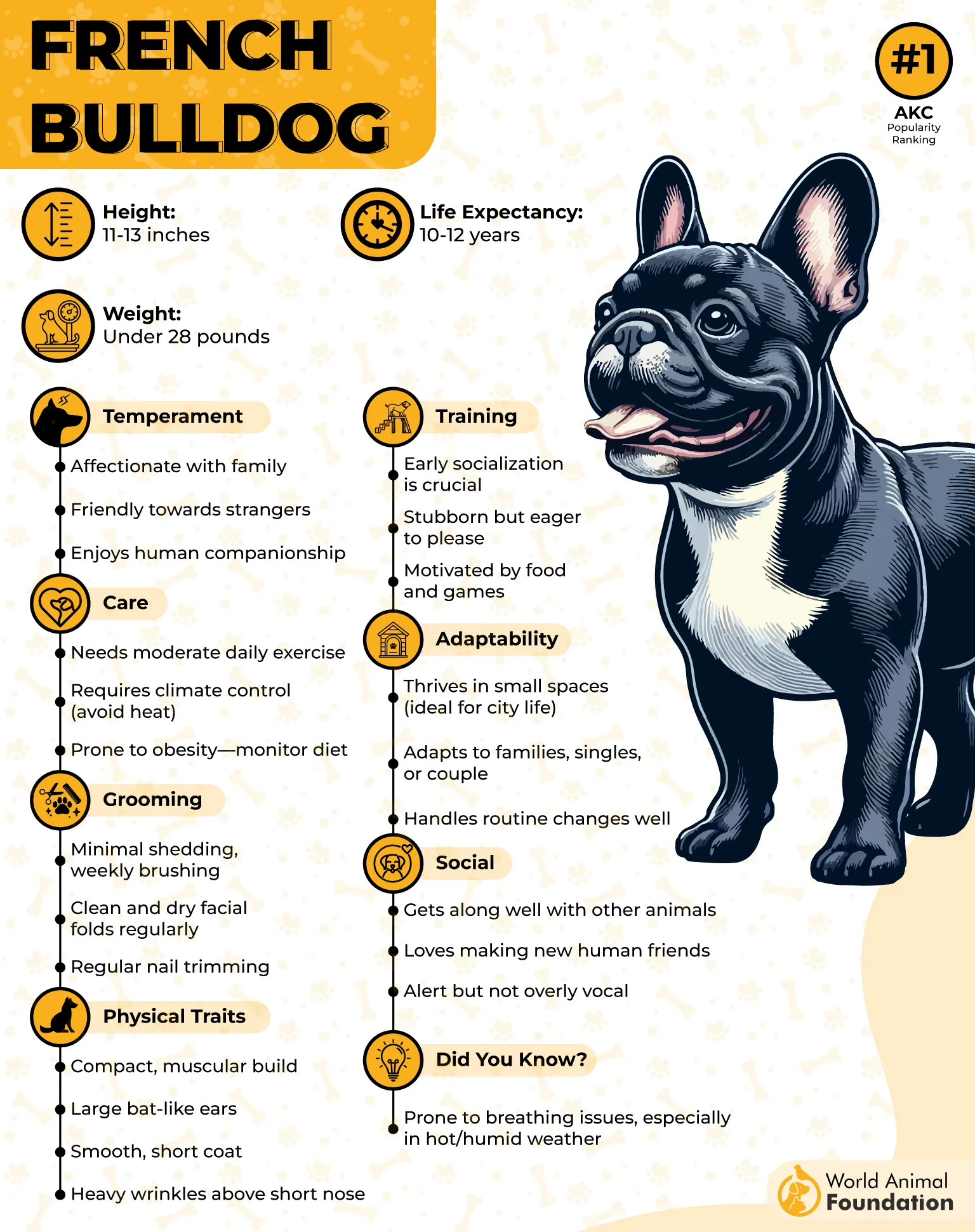
A short daily walk or outdoor play session can often provide suitable exercise, although individual needs vary. French Bulldogs can enjoy training and dog sports too, but because they are flat-faced, strenuous activity in hot or humid conditions can become risky due to breathing difficulties.
This small dog breed’s coat maintenance is refreshingly straightforward compared with long-haired toy breeds, with regular brushing usually helping control loose hair. Facial folds need more attention because they should be kept clean and dry, and routine nail trimming remains part of responsible care.
Health should be one of the biggest considerations before choosing this breed because their brachycephalic anatomy can contribute to breathing, heat tolerance, spinal, and other medical concerns.
3. Shih Tzu
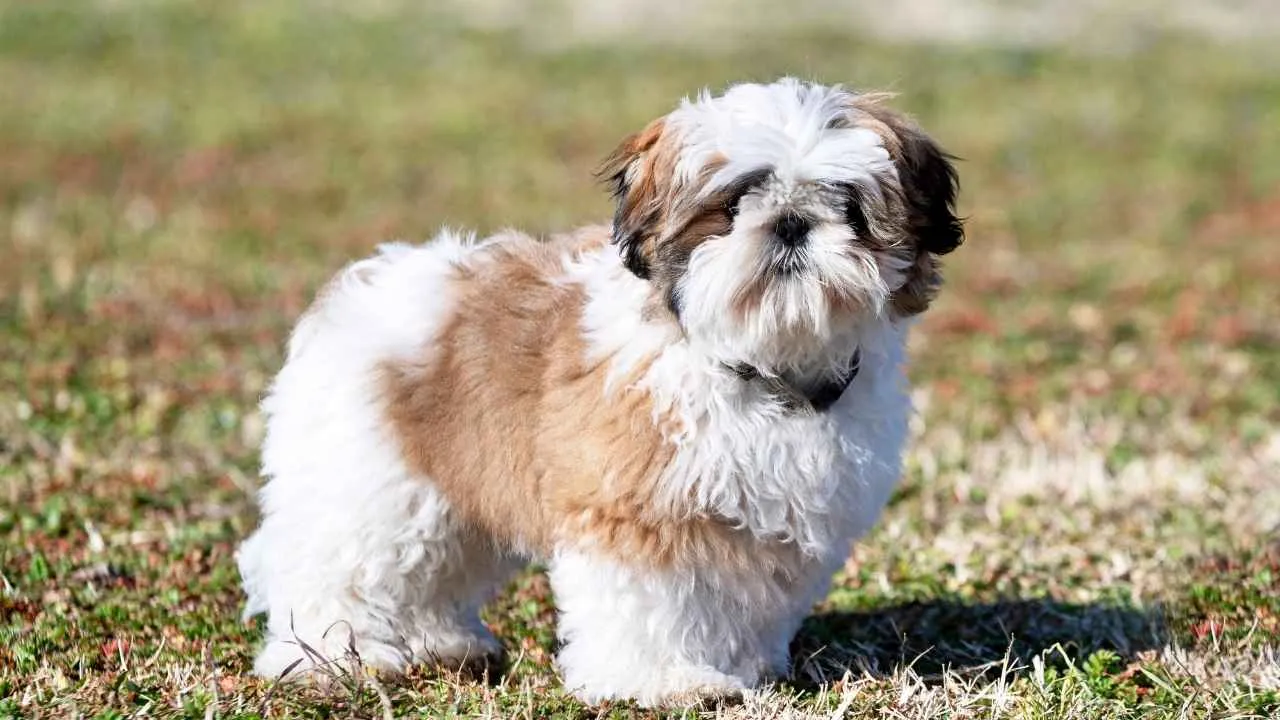
The Shih Tzu understood the assignment long before apartment living was even a thing. This ancient companion breed was developed around humans rather than herding livestock across fifty acres, and modern Shih Tzus remain extremely comfortable making a sofa their operational headquarters.
Their size makes maneuvering around narrow apartments easy, but their confidence often suggests they believe they occupy the spatial footprint of a lion. Honestly, the breed nickname “Lion Dog” suddenly starts feeling less historical and more like an accurate personality review.
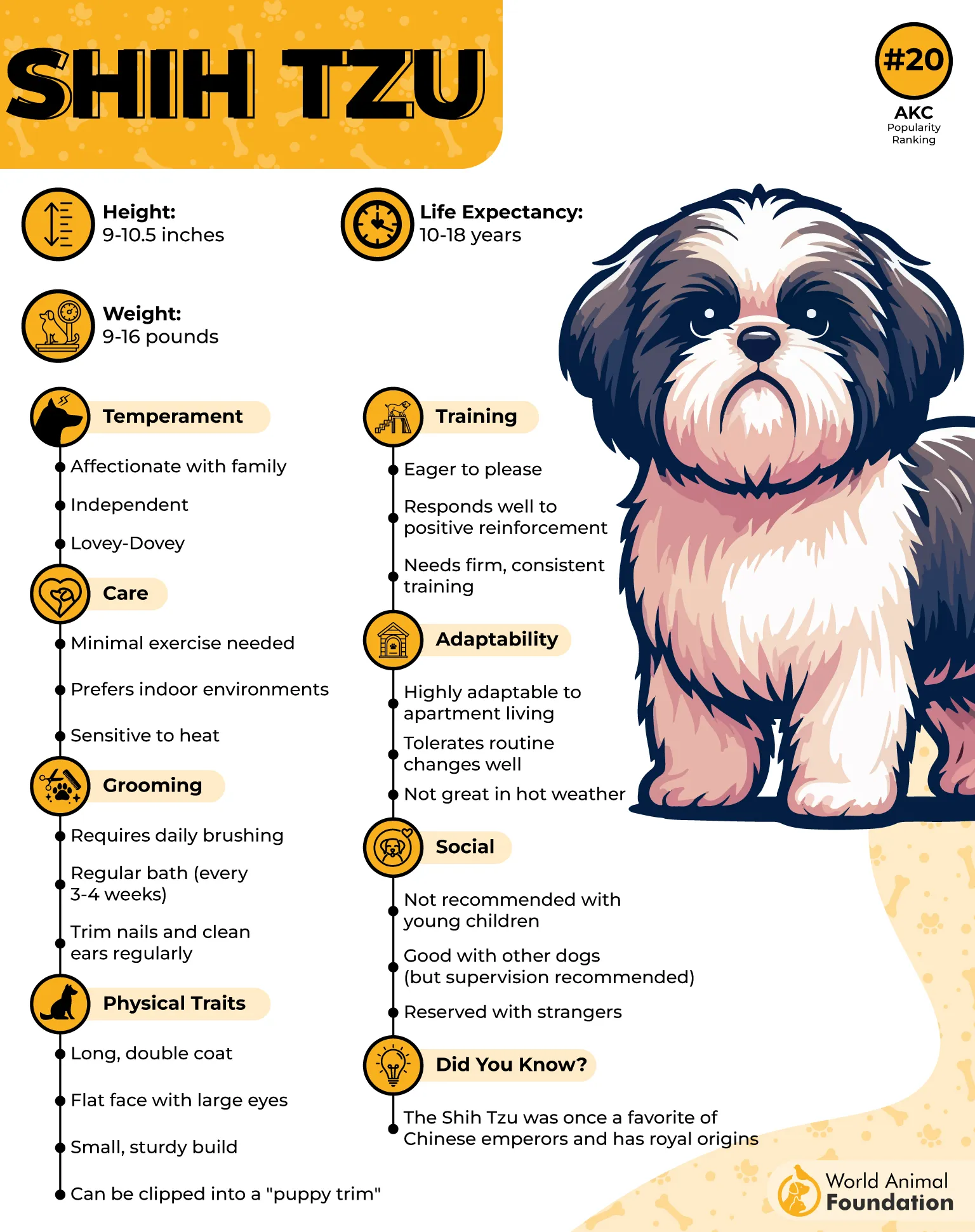
Exercise is usually manageable through walks, games, sniffing, and regular interaction rather than ultra-long adventures. Their human-focused temperament means they often care just as much about doing an activity with you as they do about the activity itself. A short training session followed by a lap nap can be peak Shih Tzu productivity.
That glorious coat is the high-maintenance plot twist, as long hair requires frequent brushing, eye-area care, bathing, and general coat upkeep. Shih Tzus are also short-faced and don’t tolerate heat especially well, which Orvis specifically flags alongside their poor swimming ability.
4. Havanese
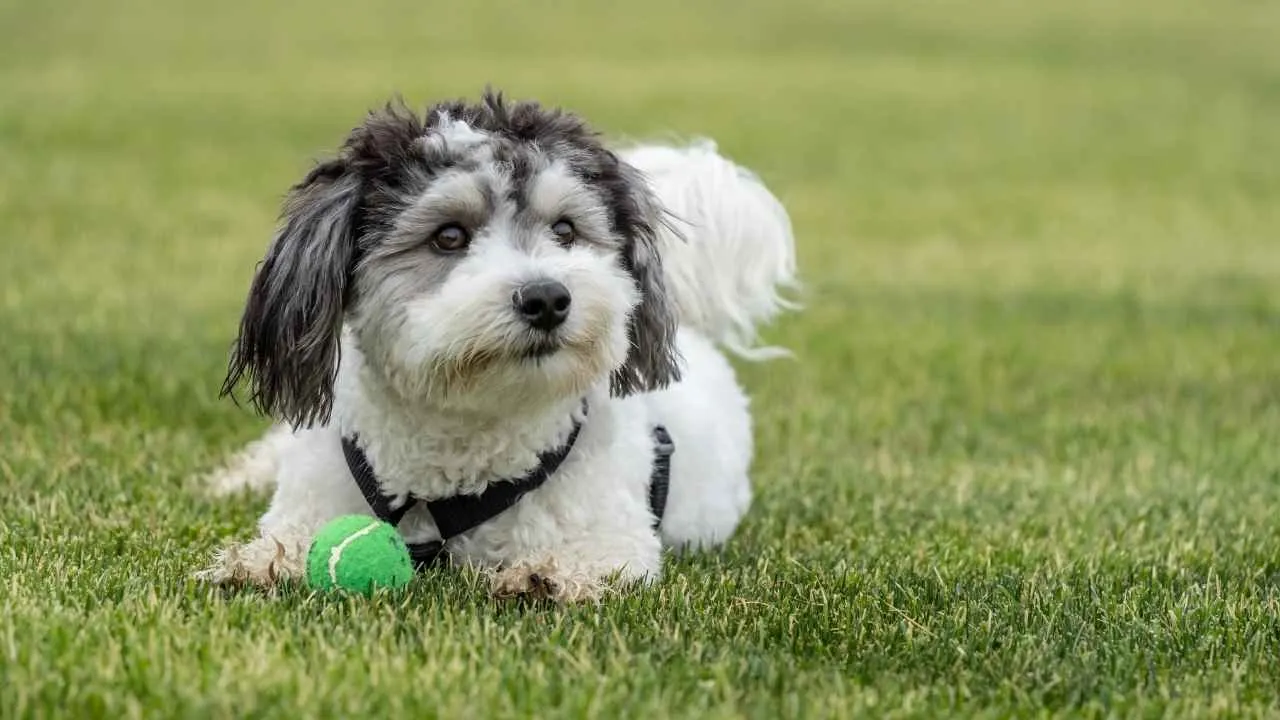
The Havanese, a cheerful Cuban companion dog, is intelligent, playful, affectionate, and famously interested in whatever their humans are doing.
Their moderate exercise needs work well with urban routines because they don’t typically require giant yards to stay satisfied. Brisk walks or playtime with their owner are often enough to meet their exercise needs, although energetic individuals may happily do more.
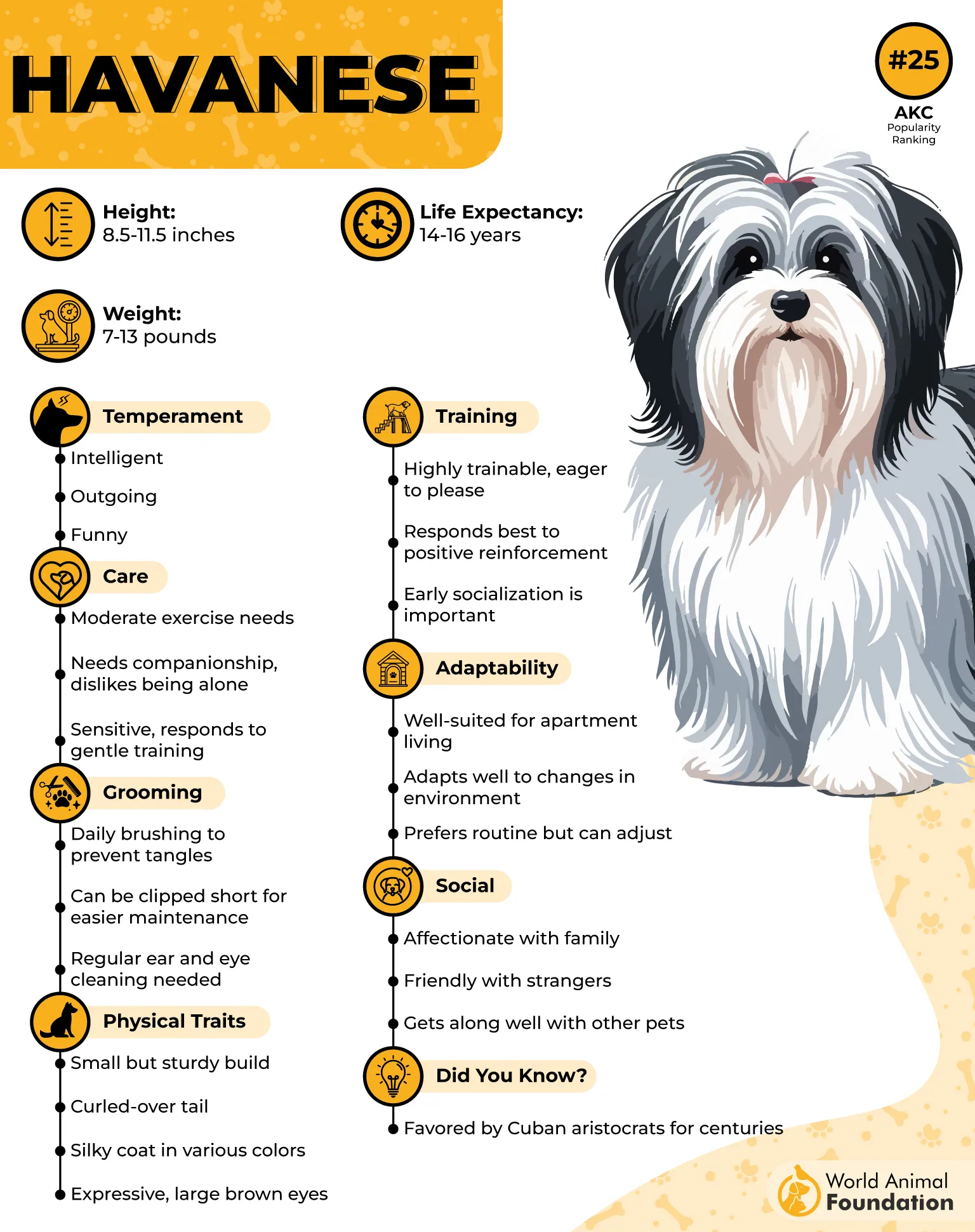
Havanese dogs are also known for being extremely sociable when properly raised. Early exposure to people, places, noises, dogs, and everyday situations can help produce confident adults, and they can be potential “social butterflies” who tend to thrive on human companionship.
Their intelligence makes training genuinely fun because many Havanese are eager to learn and respond well to positive methods. They can be sensitive, however, meaning patience and rewards generally produce far better results than harsh corrections.
5. Pug
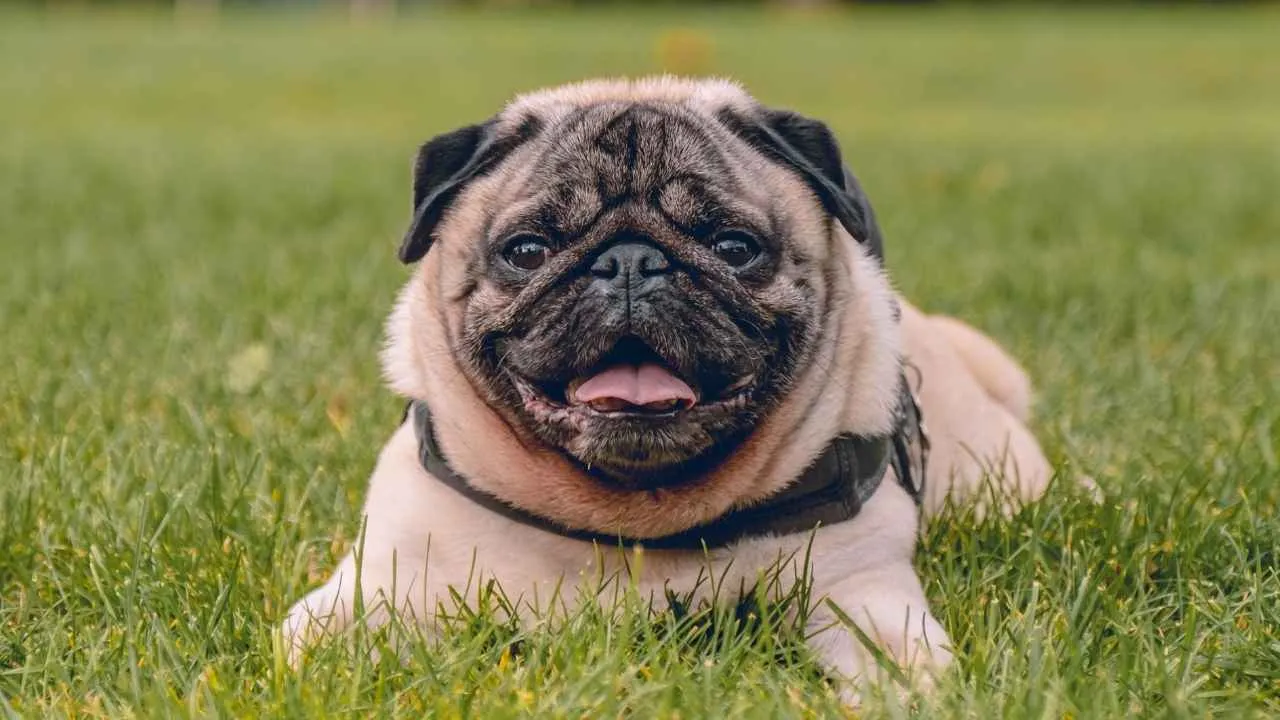
Pugs have compact bodies, huge expressive eyes, curly tails, and comedy-first personalities; these little dogs have earned generations of fans who love companion dogs with maximum character.
Pugs tend to be deeply people-oriented and often want to participate in absolutely everything. Watching television, eating breakfast, opening a delivery box—congratulations, you now have a supervisor. That attachment can make them wonderful indoor companions, as per PDSA, though it also means owners should gradually teach them to feel comfortable spending some time independently.
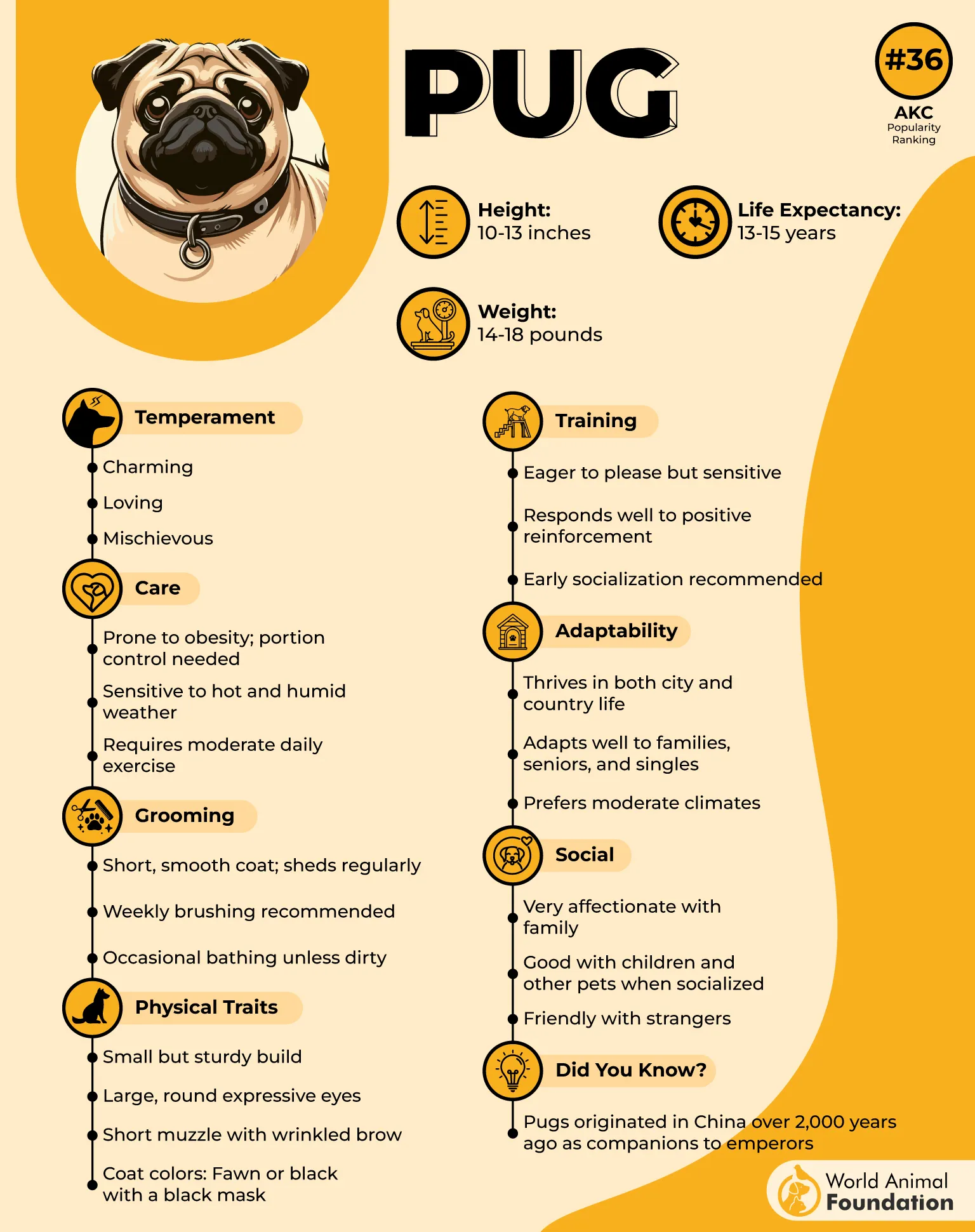
They enjoy walks and games, but exercise should be moderate rather than extreme because Pugs are another brachycephalic, or flat-faced, breed. Heat, humidity, excess body weight, and strenuous activity can make breathing more difficult, so cooler walks and sensible indoor play are especially important.
A Pug doesn’t need to be your jogging partner to have a rich life; sniffing the neighborhood and conducting a serious investigation of every lamp post can provide plenty of enrichment.
Their short coat may look effortless, but many Pug owners quickly discover that those tiny hairs have apparently signed a lease in every corner of the house. Regular brushing can help manage shedding, and facial wrinkles need routine cleaning and drying to keep skin healthy.
6. Boston Terrier
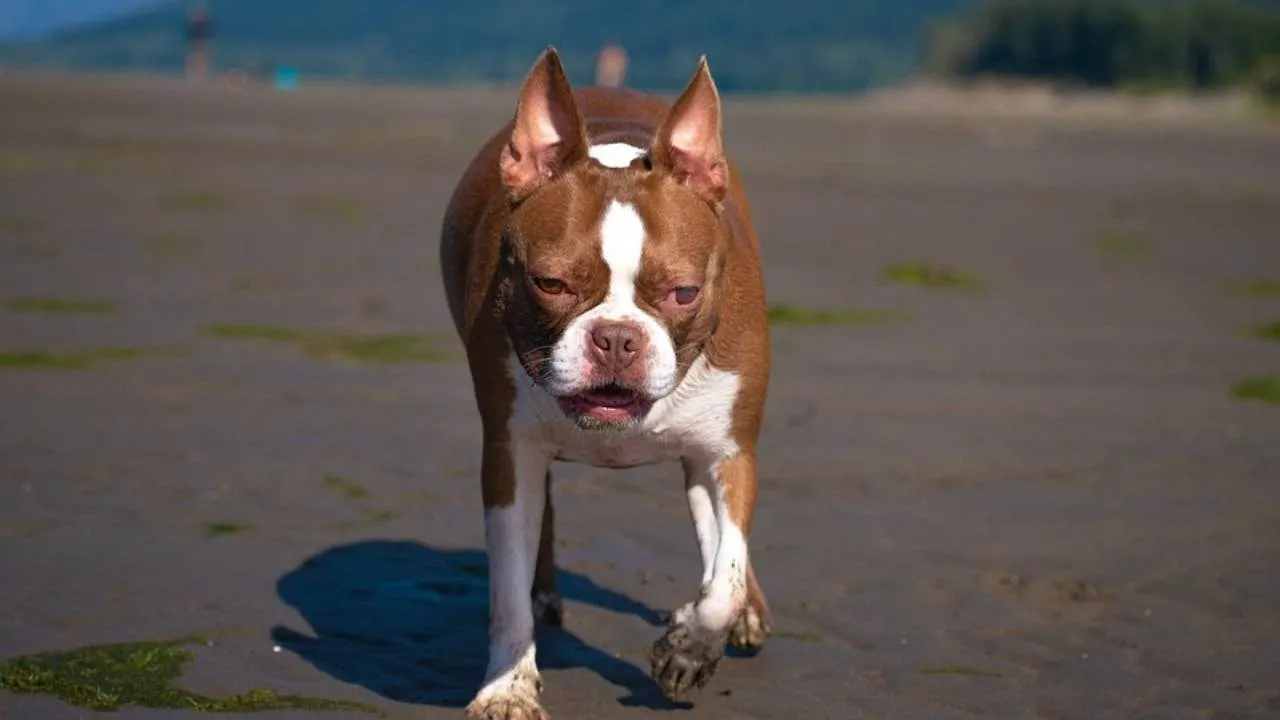
Boston Terriers are compact, bright, affectionate, and usually socially confident dogs with enough playful energy to keep apartment life entertaining. Their manageable size and moderate exercise needs make them a frequently recommended option for city dwellers.
A couple of brisk walks or dedicated opportunities to run and play each day can help keep a Boston Terrier satisfied. Their smaller size and variable but manageable activity needs are among the reasons the organization identifies them as a good possibility for urban homes.
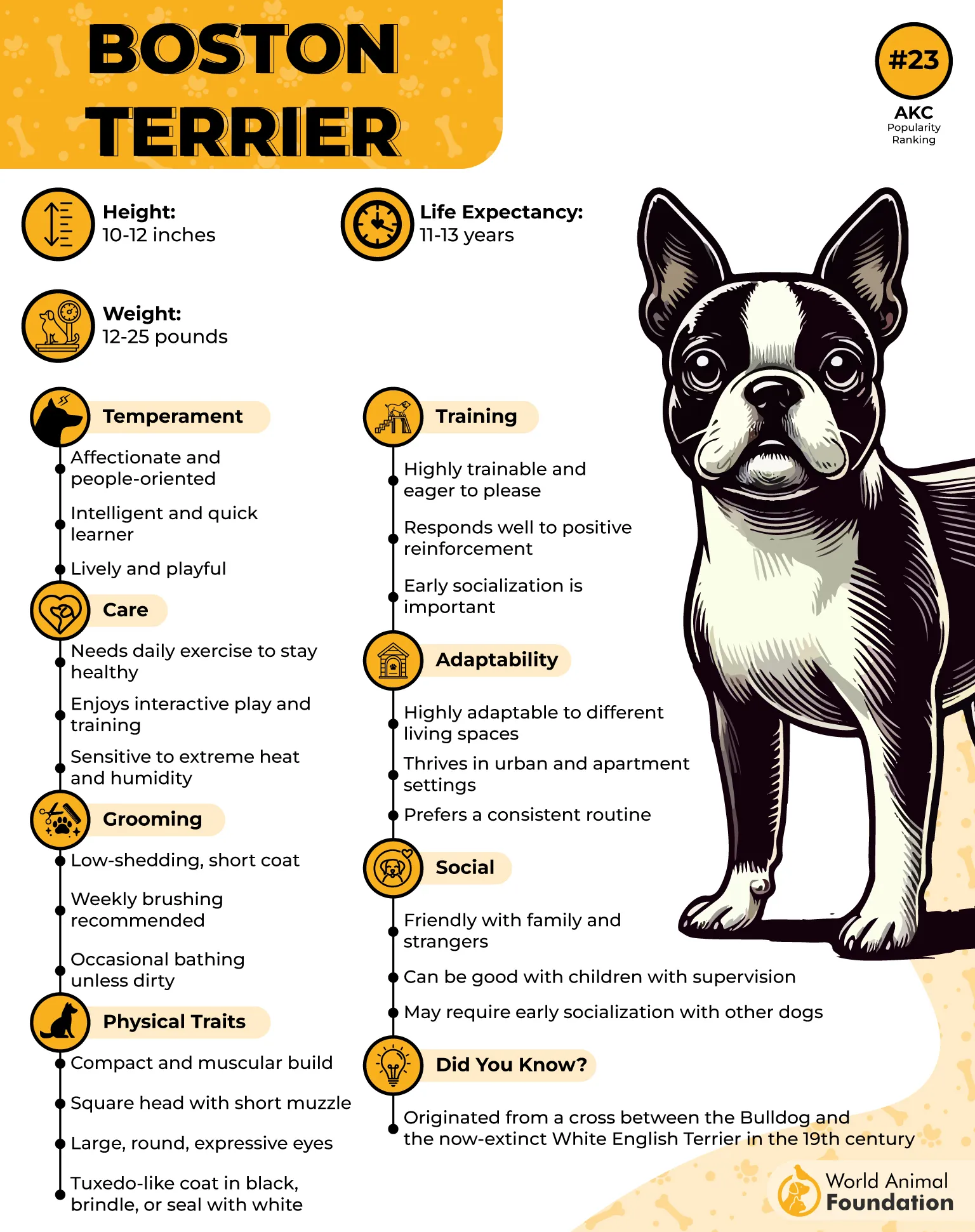
Bostons are often wonderfully social with people and can build close relationships with family members. With proper training and socialization, they can live successfully with children and other dogs, and many are quite open to strangers, too.
Mental exercise matters alongside physical exercise because Boston Terriers tend to be intelligent and responsive. Short training sessions, food puzzles, fetch, scent games, and interactive toys can help channel their enthusiasm instead of leaving them to invent questionable interior-design projects.
7. Bichon Frise
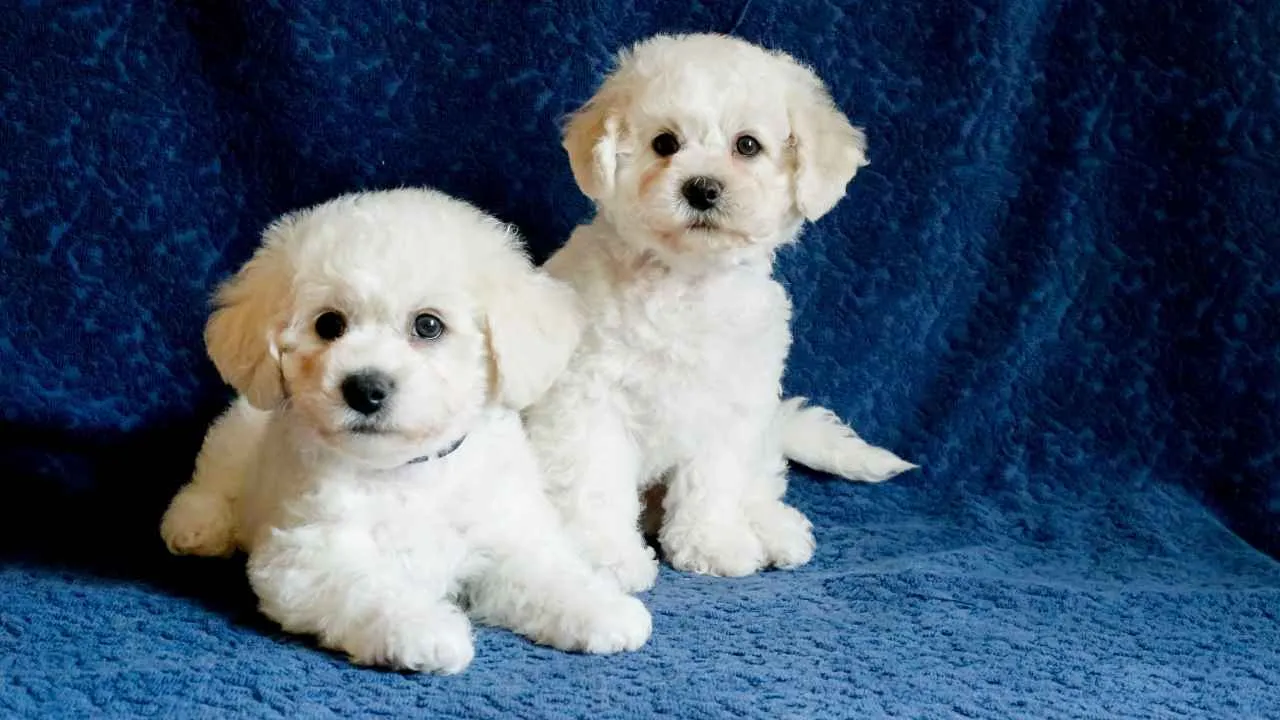
The Bichon Frise looks like a cloud that became self-aware and immediately decided everyone should be friends. It is a sturdy, playful, clever little dog, and PetMD specifically says Bichons can fit environments ranging from downtown studio apartments to much larger family homes.
One of the breed’s cutest traits is the famous burst of high-speed silliness sometimes called the “Bichon blitz.” They may explode into several minutes of indoor zoomies, then return to peaceful lounging as if nothing happened.
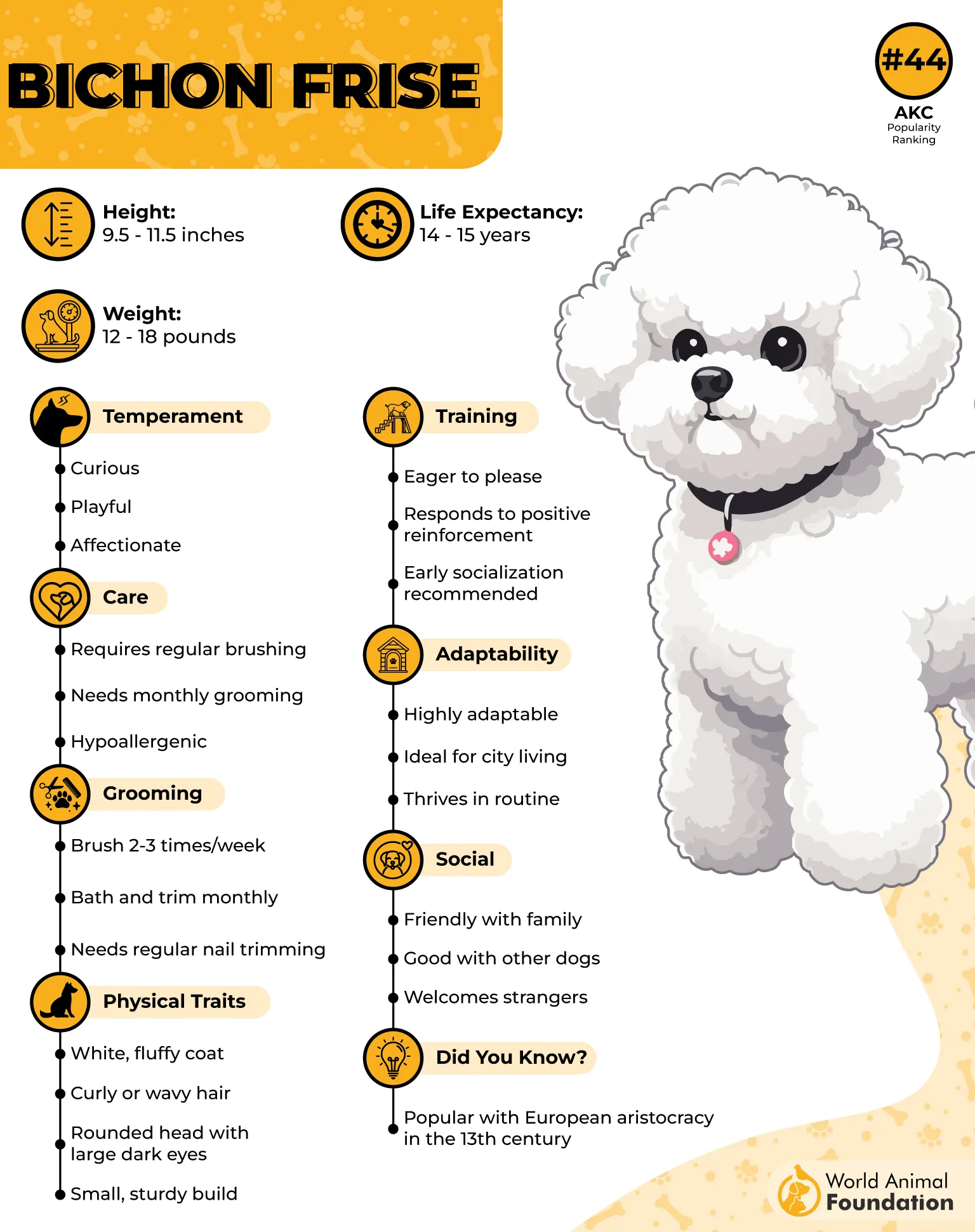
Their social personality is another massive apartment-life plus because Bichons are generally enthusiastic about people. Well-socialized individuals do well with children, visitors, and other dogs, and owners call them extremely friendly little social butterflies.
Training is often rewarding for dog lovers because Bichons learn commands and tricks quickly, especially with positive reinforcement. House-training can sometimes require extra persistence, which apartment owners should take seriously when toilet access involves elevators, hallways, or twelve flights of stairs.
Conclusion
A compact home or flat of apartment dwellers can absolutely be a fantastic dog home, but square footage is honestly one of the least interesting parts of the equation. Yorkshire Terriers, Chinese Crested Dogs, Bedlington Terriers, and Biewer Terriers are also phenomenal canine companions that make great apartment dogs.
Remember that even breeds famous for apartment living still need to leave the apartment. Daily walks provide exercise, bathroom opportunities, sniffing enrichment, social exposure, and a changing environment that four walls cannot reproduce. At the same time, training games and food puzzles help keep intelligent little brains occupied indoors.
