




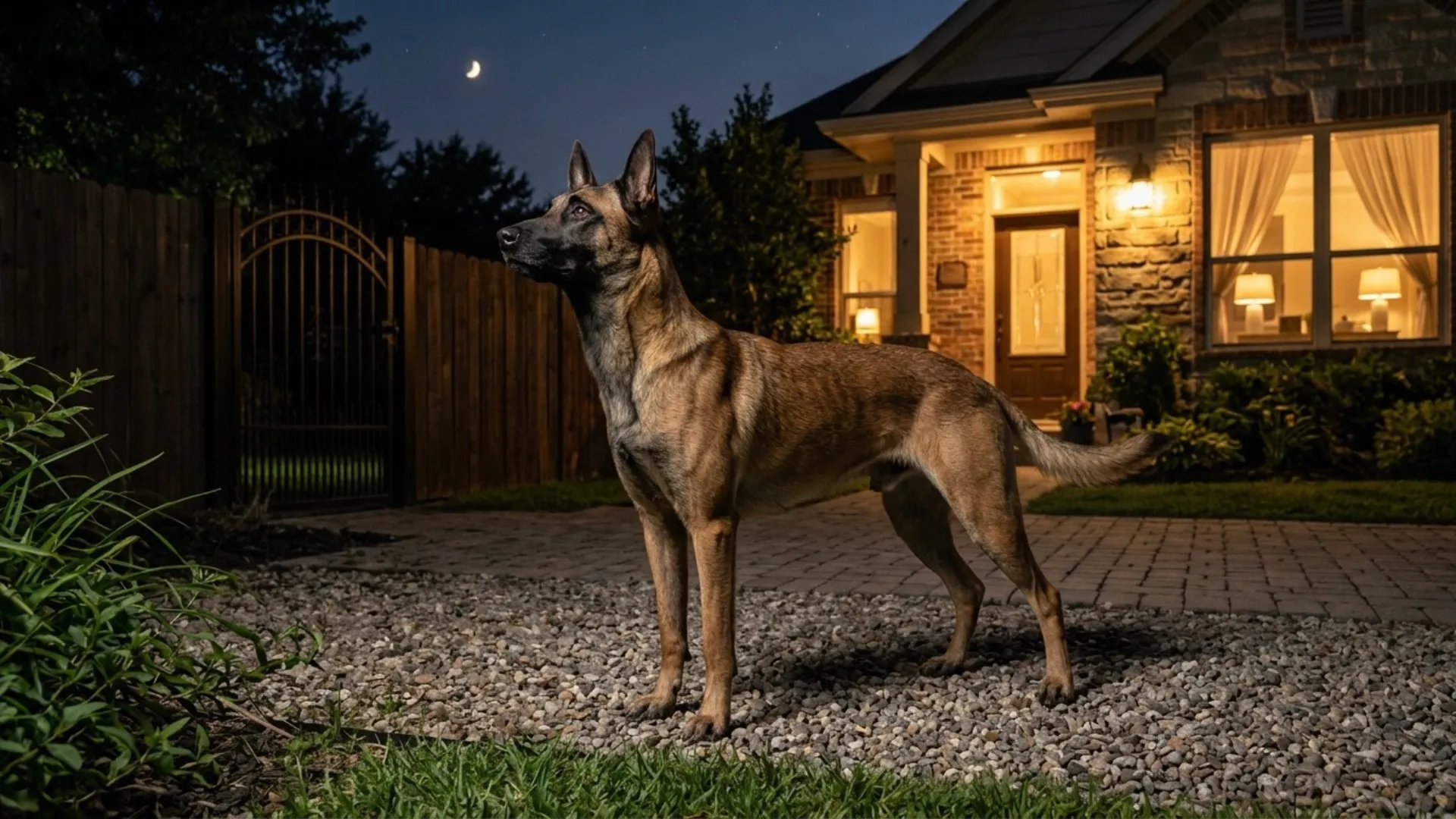
Ever wonder what makes some dogs snap awake at the slightest sound while others sleep through anything? The difference often comes down to instinct, not just training.
Here’s a fun fact: Dogs can pick up sounds at frequencies more than double what human ears can detect, which means a guard dog often hears trouble long before you do.
Night brings its own challenges, since low visibility and quiet intruders call for a dog that can tell real danger from a stray cat. Not every breed is built for that kind of round-the-clock vigilance.
The right guardian dogs combine sharp senses, natural alertness, and calm judgment, and figuring out which one fits your home and family takes more than a quick guess.
Keep reading to find out exactly what separates an excellent watchdog from just a big, sleepy dog.
Dog Breeds Ideal for Night Safety
1. German Shepherd
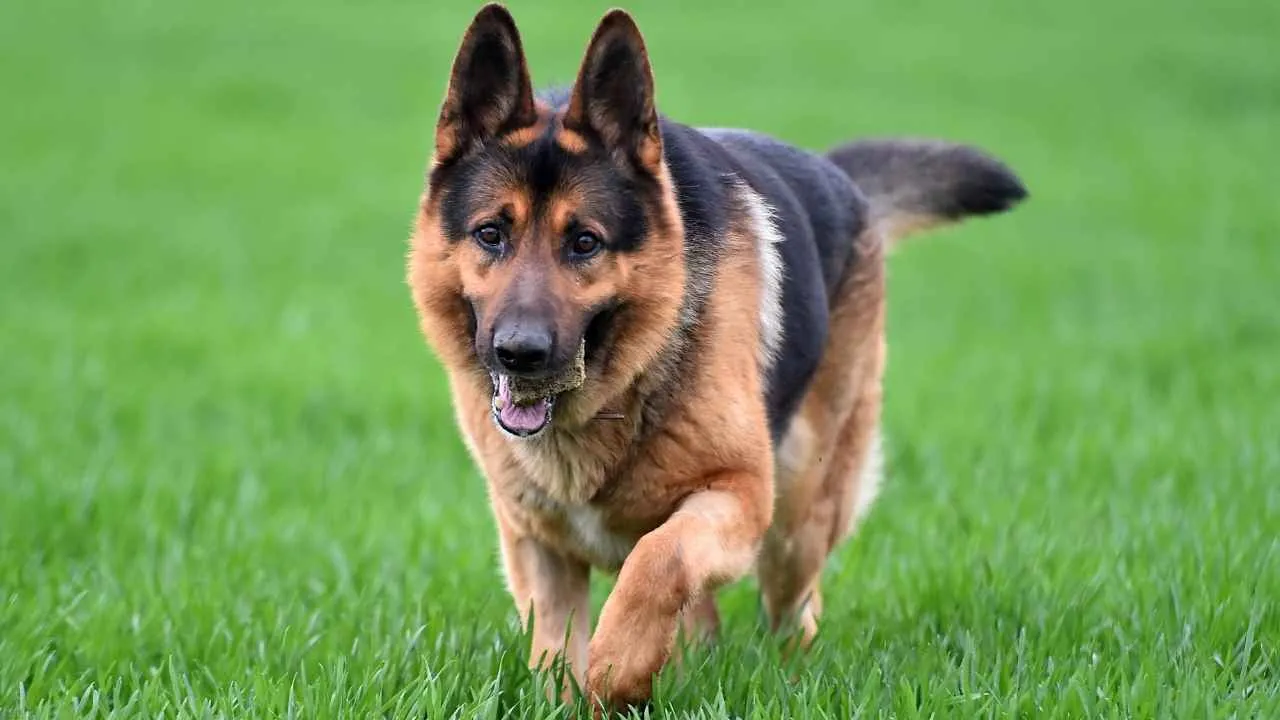
German Shepherds herded sheep in Germany before police and military work put them on night patrol, a history the AKC traces back to the breed’s earliest working days. That old herding instinct still runs the show. Darkness just feels like clocking in for a shift.
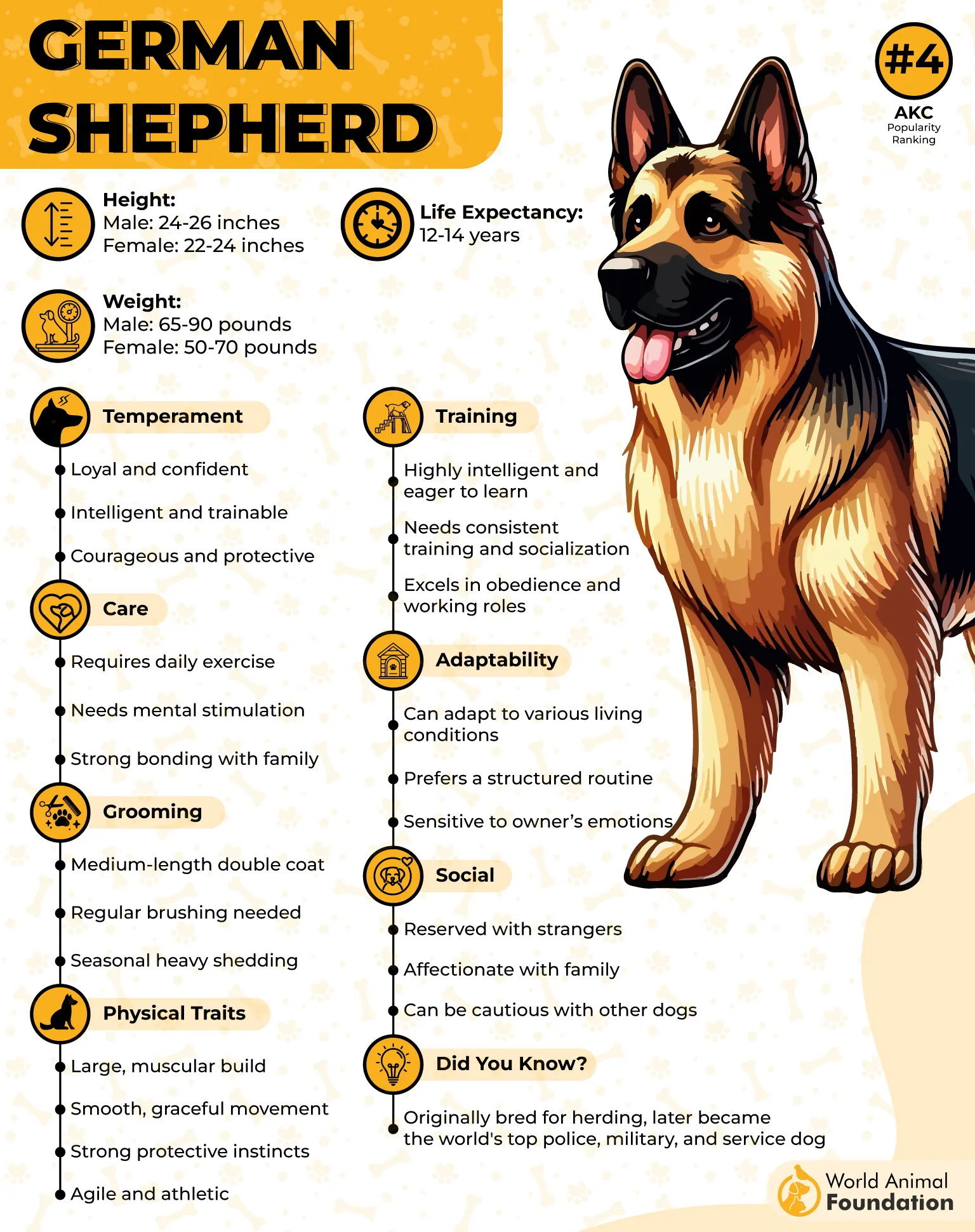
This dog is affectionate and gentle with family but wary of strangers until trained. Extremely intelligent, German Shepherds need early socialization and daily obedience work. Skip that step and calm confidence turns into nervous alertness.
Night-guarding strengths: Sharp hearing catches footsteps long before headlights do, and a deep, confident bark sounds the alarm fast.
Protection style: Deters first with size and voice, then holds ground if a stranger doesn’t back off.
Daily exercise and mental stimulation keep this working dog balanced, plus regular brushing for that thick, shedding coat. German Shepherds suit active families and first-time owners ready for proper training.
2. Rottweiler
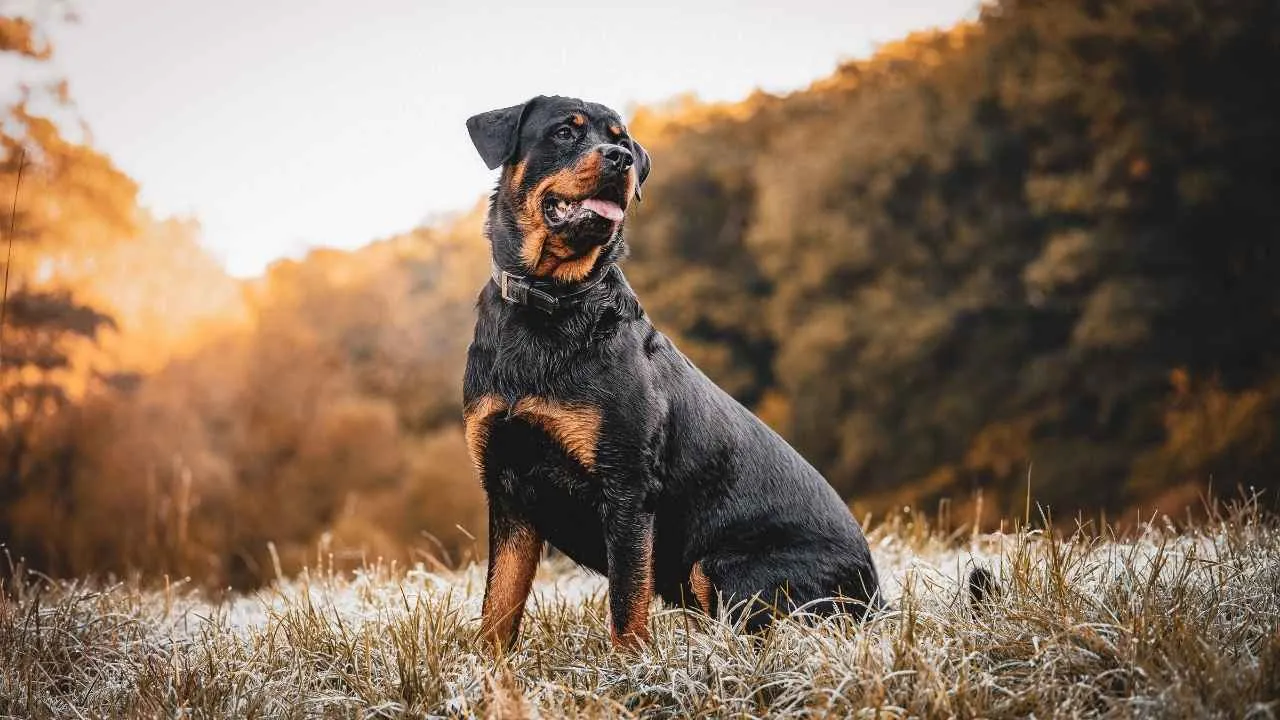
Rottweilers descended from Roman cattle dogs and later guarded German butcher shops as money carriers, a background linked directly to the breed’s protective streak today. That guarding job never really ended, and a steady night presence comes naturally.
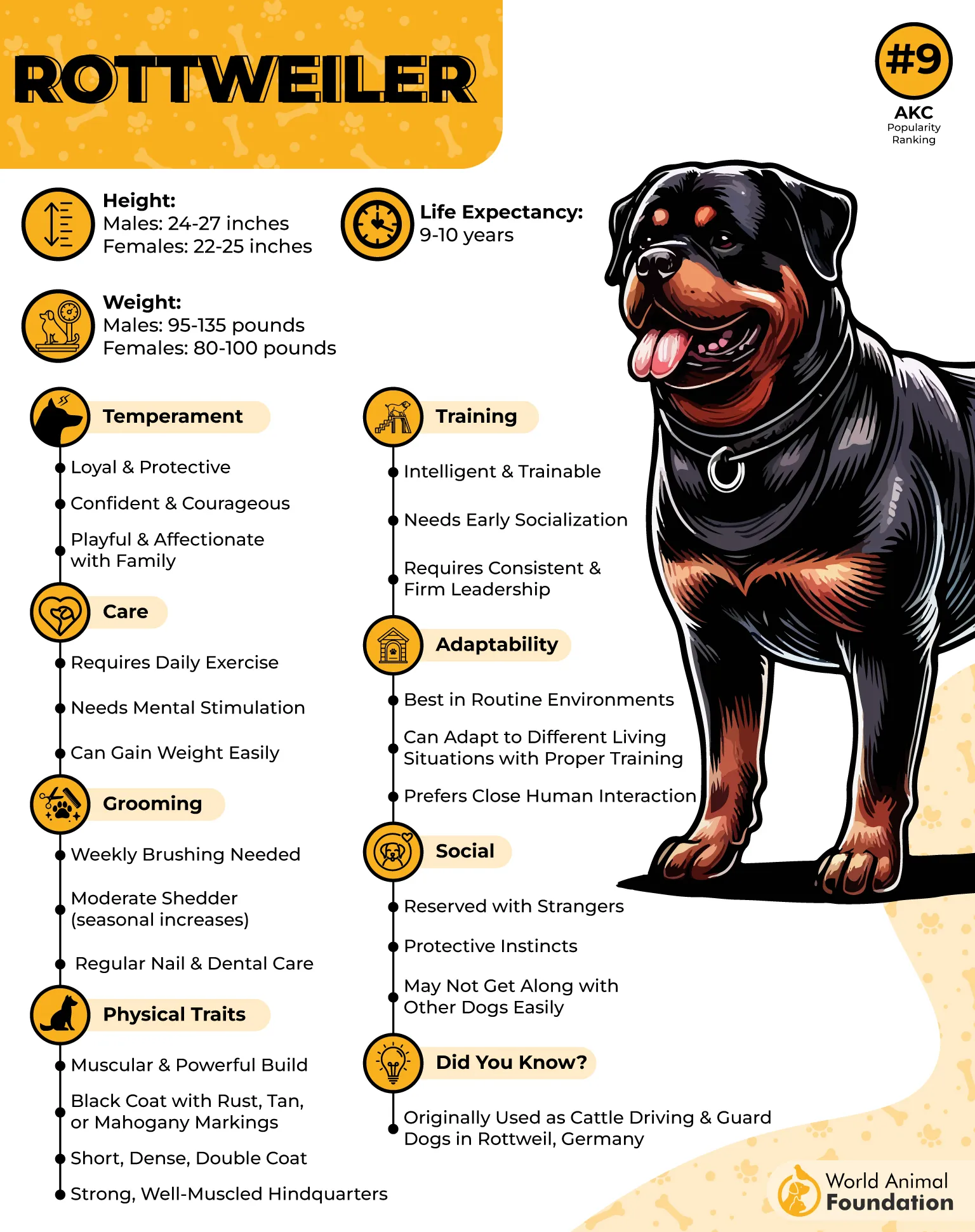
PetMD notes that Rottweilers range from goofy and affectionate to reserved and one-person loyal. This intelligent breed needs early socialization to stay gentle with kids and other pets, or that confidence turns to stubbornness.
Night-guarding strengths: Barks readily at unfamiliar sounds, and its sheer size makes it an excellent watchdog after dark.
Protection style: Leans toward confronting a real threat instead of just deterring one, especially if family is at risk.
This energetic breed needs an hour of exercise daily to burn off guardian energy. The short coat sheds constantly, so weekly brushing helps. Rottweilers suit active families with space for consistent training.
3. Belgian Malinois
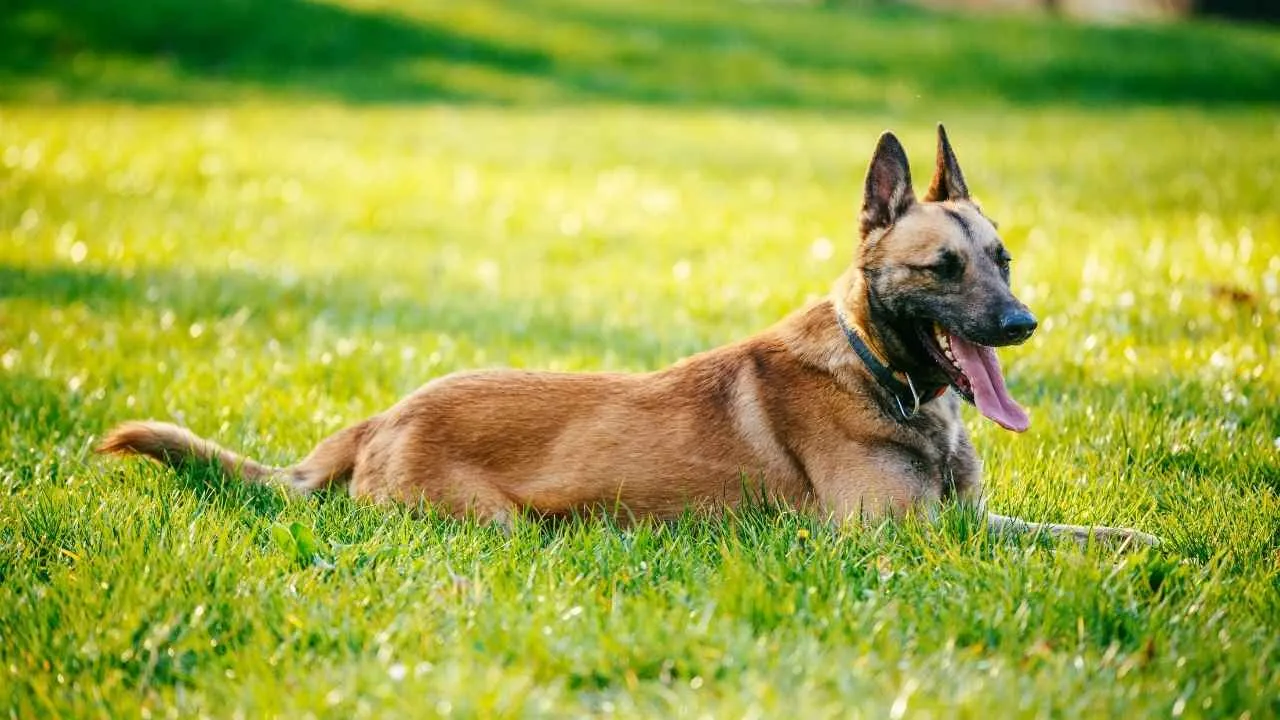
Belgian Malinois started as Belgian herding dogs before police and military units snapped them up, and Orvis notes that the same work ethic still drives the breed today. That drive to work never switches off after sunset.
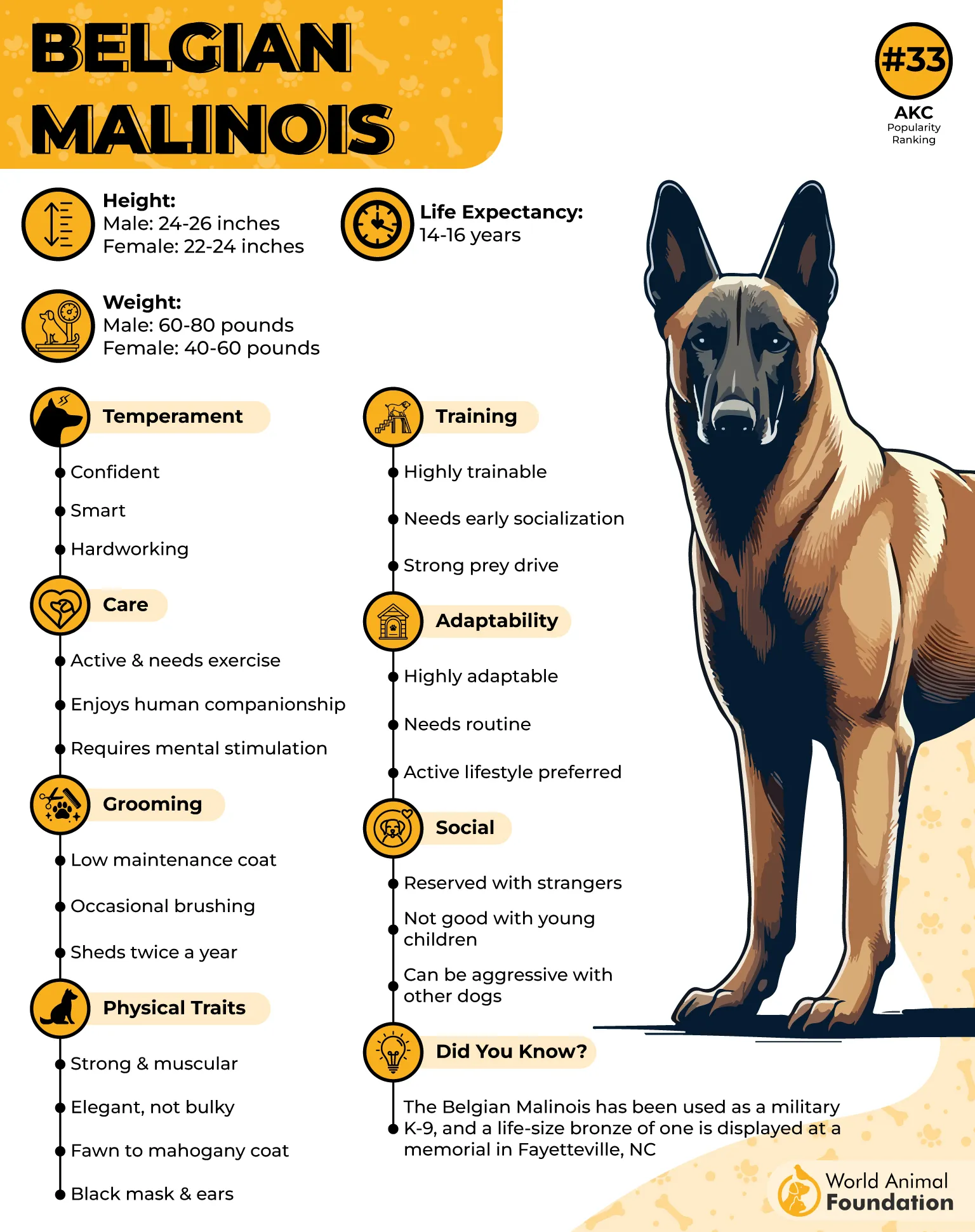
This dog bonds hard with one family and demands constant attention from its person. Belgian Malinois are highly energetic and highly trainable, but this working dog needs an experienced owner and constant socialization.
Night-guarding strengths: Reads body language and sound with laser focus, alerting fast to anything unfamiliar moving in the dark.
Protection style: Built to confront rather than just bark a warning, staying soft with family but firm with strangers at the door.
This breed needs serious daily exercise and a real job to do, not a quiet backyard nap. Grooming stays low, just occasional brushing for that short coat. Belgian Malinois suit experienced, highly active owners, not first-timers.
4. Doberman Pinscher
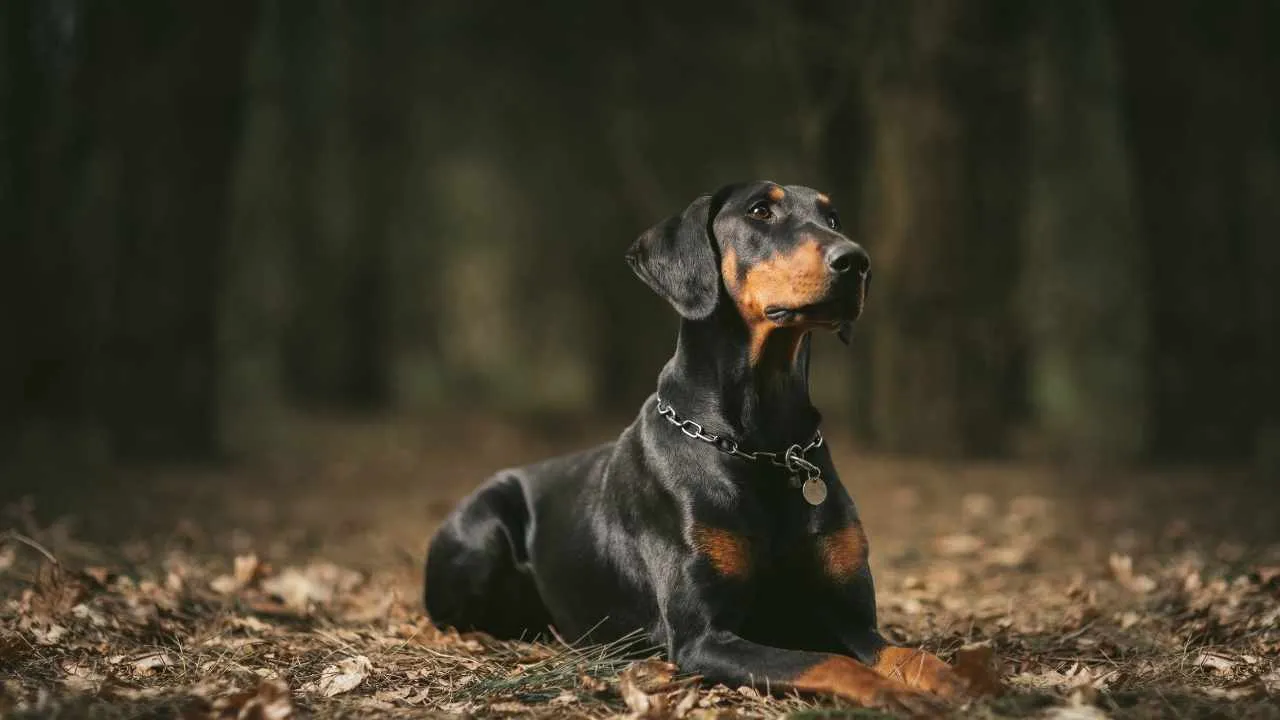
A tax collector and night watchman named Louis Dobermann bred this dog for protection on dangerous rounds after dark, a story Purina tells as the reason behind the breed’s fearless streak. Guarding at night is basically written into its DNA.
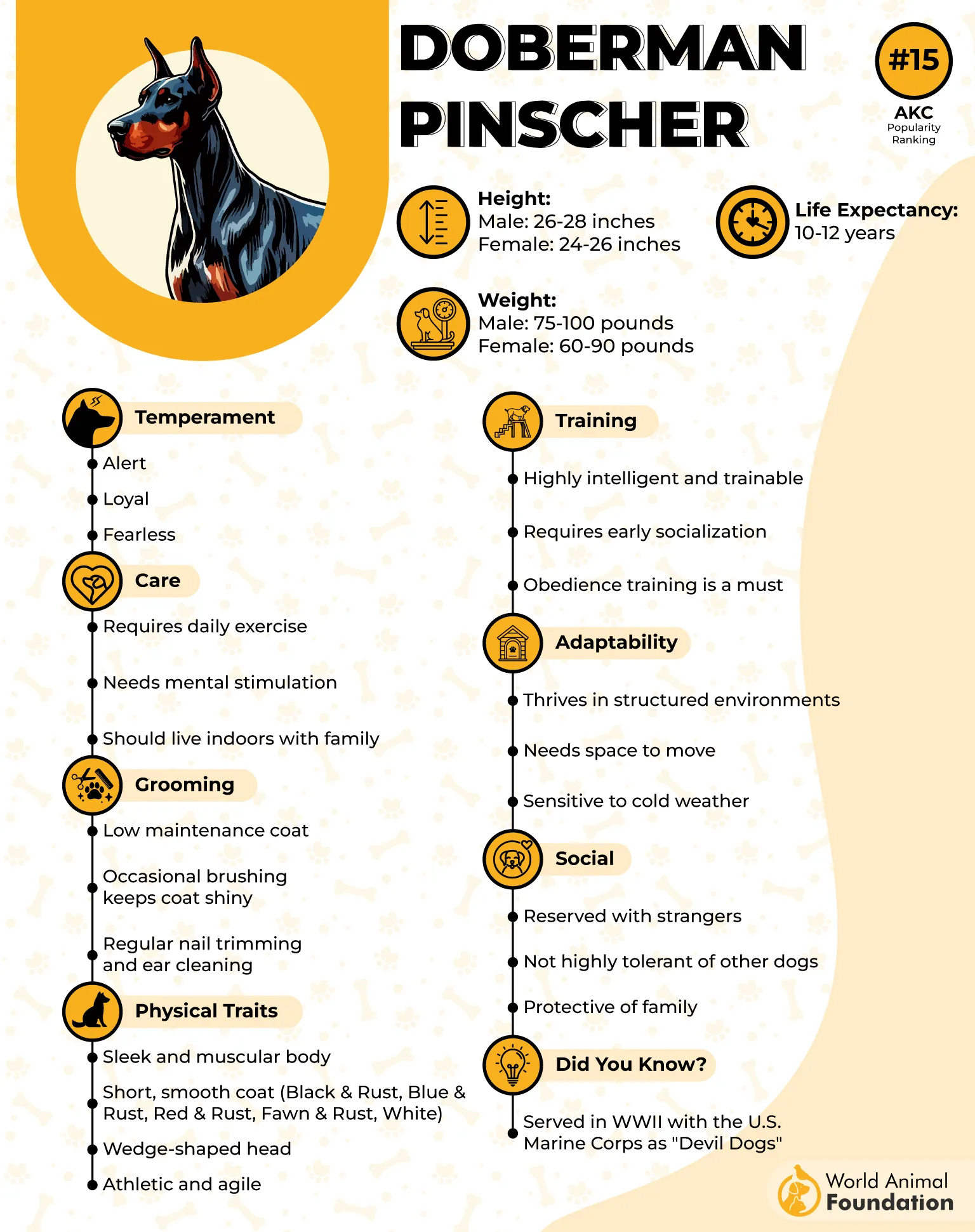
Doberman Pinschers are deeply loyal and surprisingly gentle with their own family once settled in. This extremely intelligent breed responds fast to proper training, though it can turn pushy without it.
Night-guarding strengths: Stays sharply alert to strange sounds and movement, and its lean, fast build closes distance quickly if needed.
Protection style: Will confront a real threat rather than just deter one, staying gentle at home but firm with strangers.
Regular exercise and mental stimulation keep this energetic breed sharp and settled. The short coat needs only light grooming, but it prefers a warm house over an outdoor kennel. Dobermans suit active families committed to consistent training.
5. Cane Corso
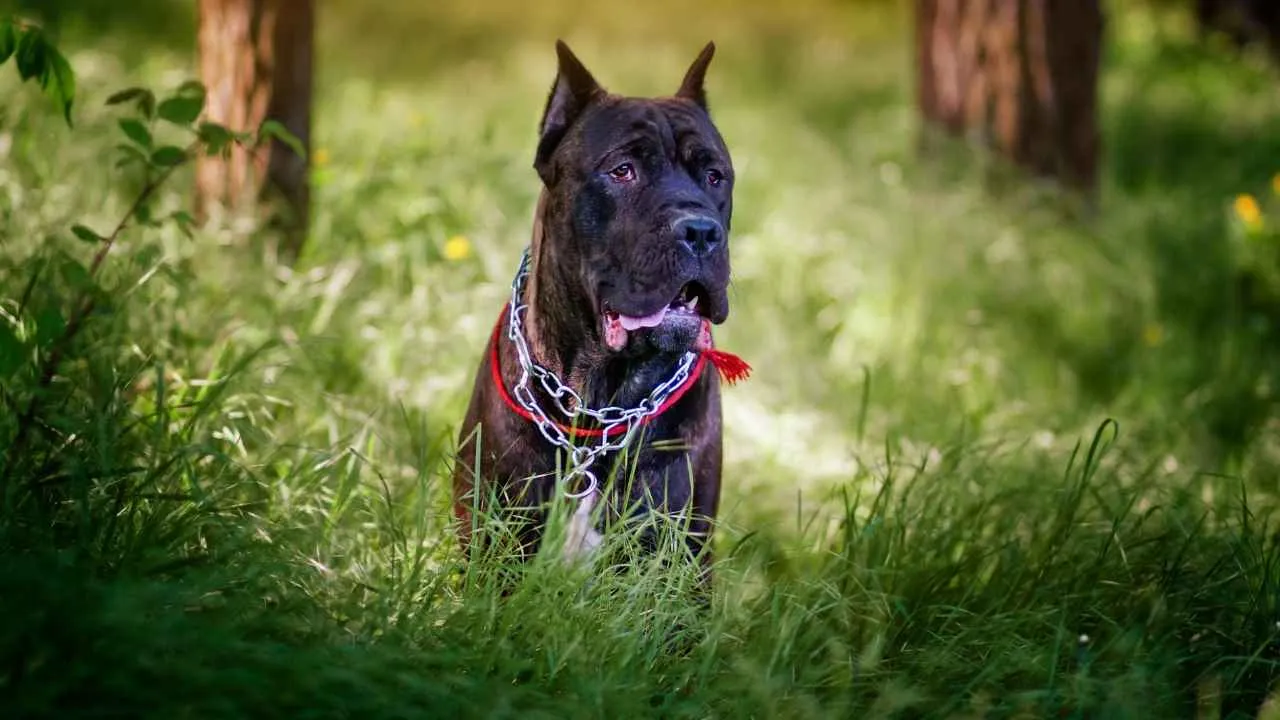
The name Cane Corso means bodyguard dog in Latin, and Britannica notes that Roman-era Italian farms used this breed to guard homes and livestock. That old job still shapes how it reads the dark.
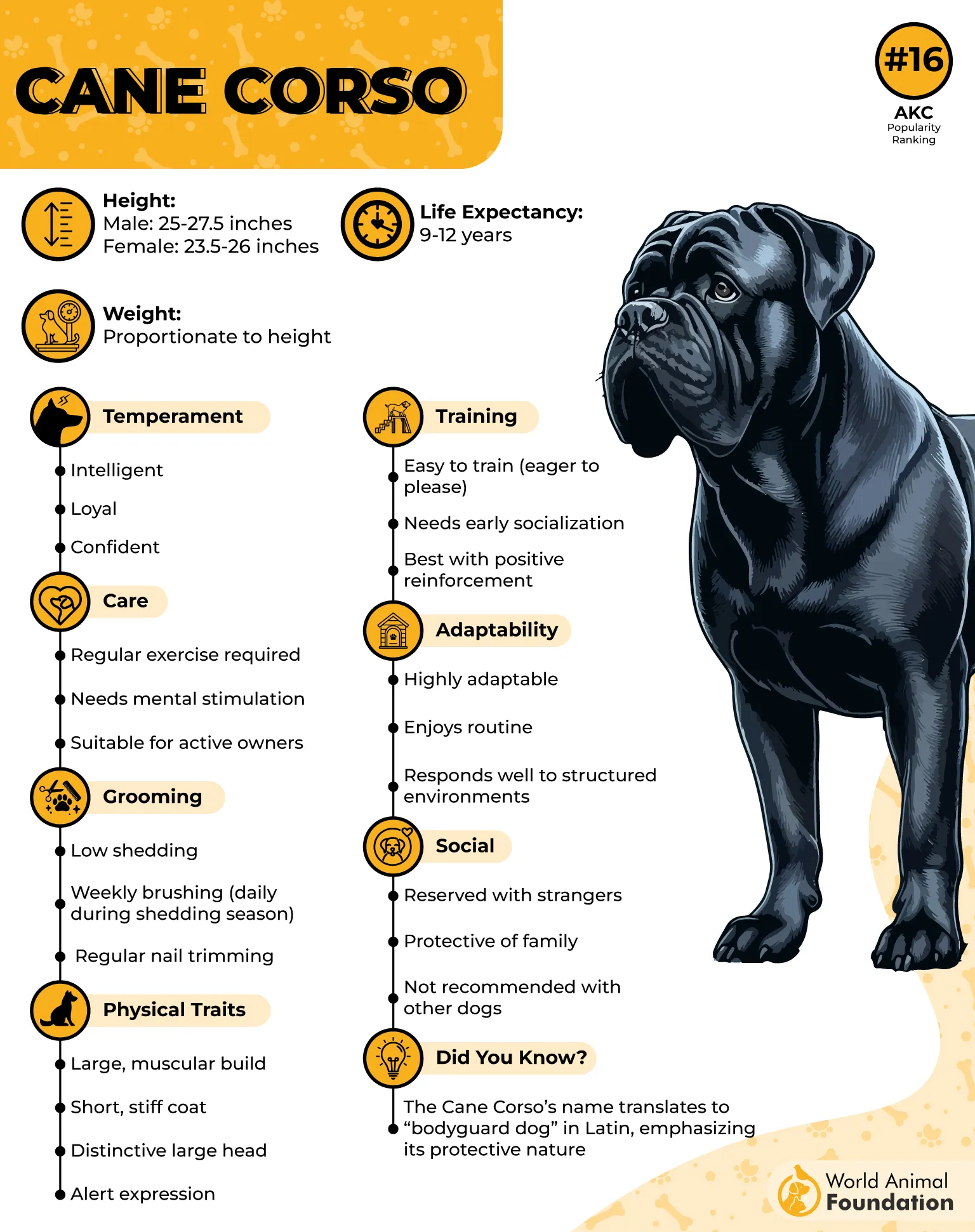
Cane Corsos are extremely loyal and gentle with their own family, but that guardian instinct needs guidance early. This highly intelligent breed takes to obedience work well, though it needs an experienced hand.
Night-guarding strengths: Watches from a distance with quiet focus, and its sheer physical strength and muscular build make it an intimidating deterrent alone.
Protection style: Prefers to deter with presence and a deep bark first, saving confrontation for when family actually needs defending.
This breed needs daily exercise and a job to focus its guardian energy. The short coat is low maintenance; just occasional brushing does the trick. Cane Corsos suit experienced owners with space, not a first apartment.
6. Giant Schnauzer
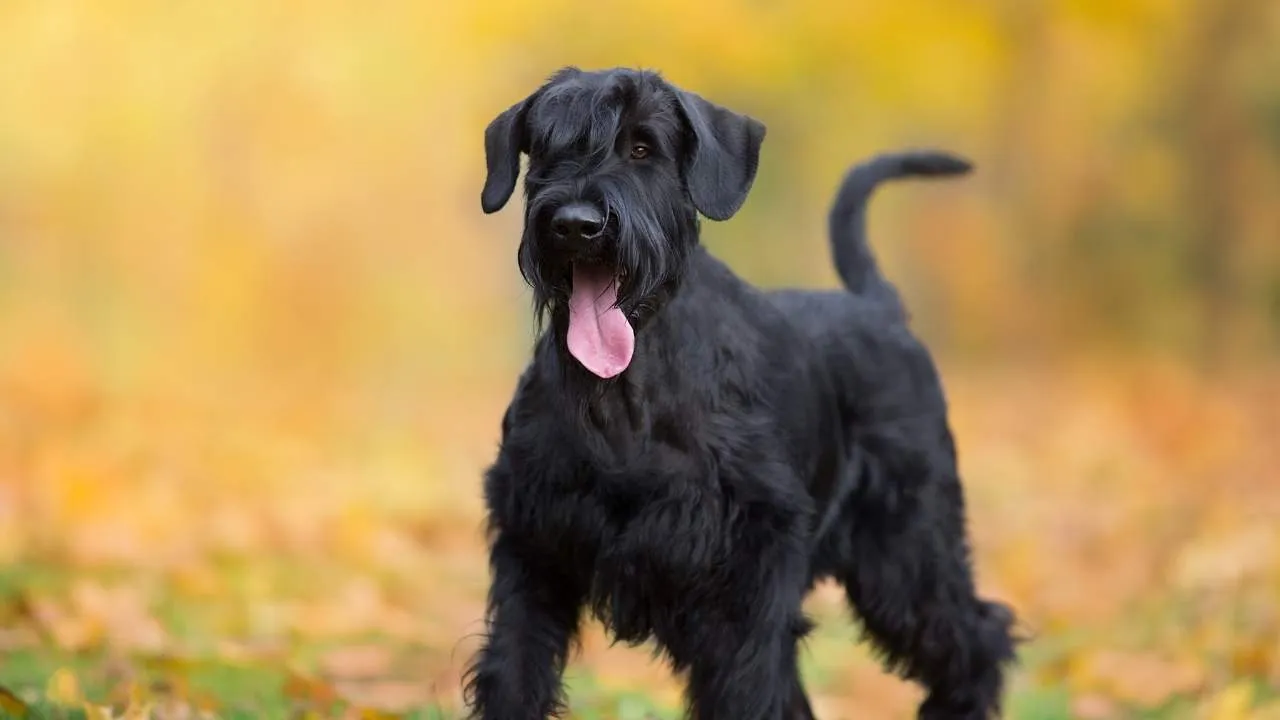
Giant Schnauzers once guarded German breweries, stockyards, and butcher shops long before bedtime was a thing. That old job still shows up as constant vigilance today.
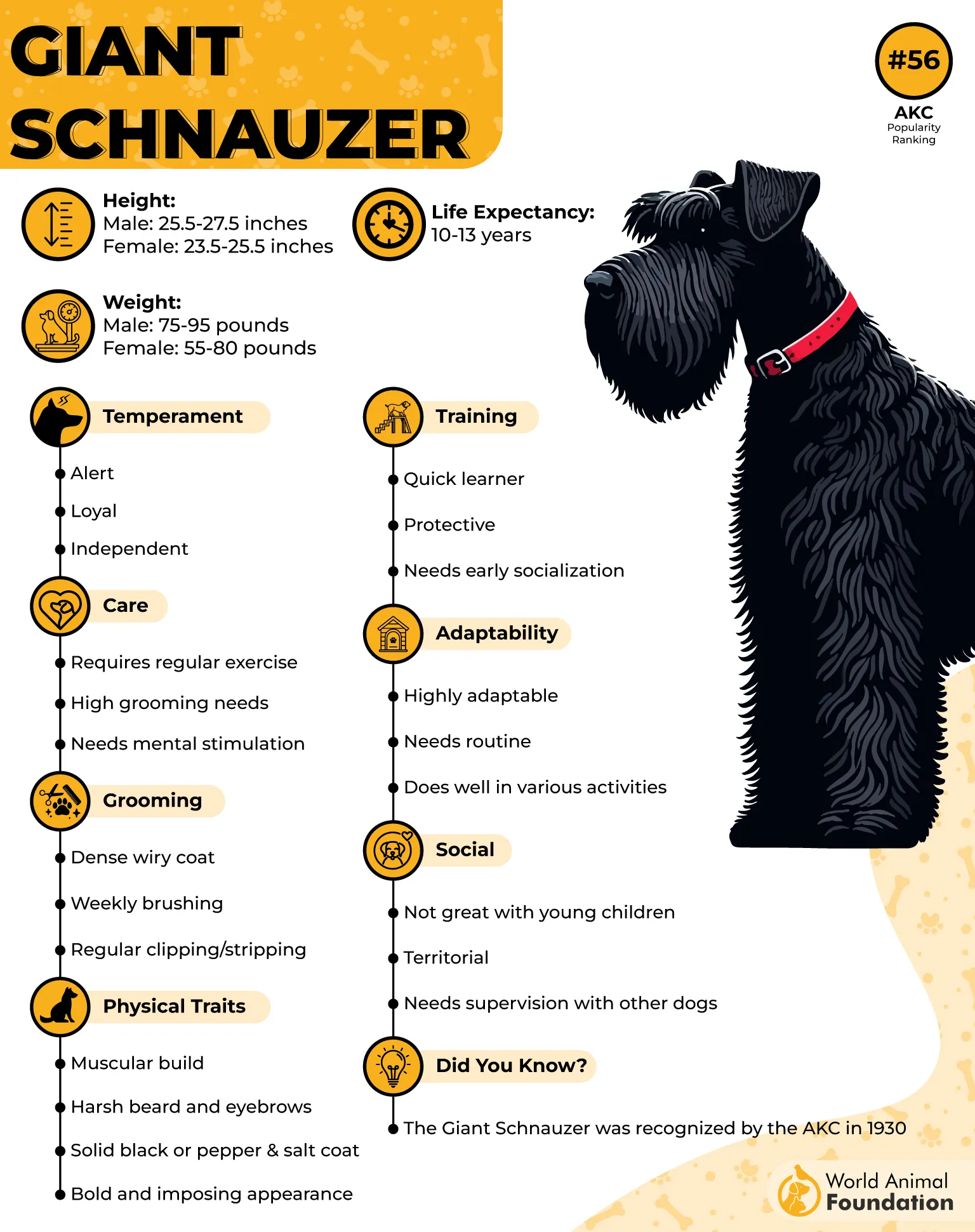
Giant Schnauzers are sweet and gentle with family but reserved around strangers until socialized. This highly intelligent breed is easy to train, though skipping early exposure to new people can turn wariness into full-blown suspicion.
Night-guarding strengths: Stays always on alert and will bark loudly at even minor activity outside.
Protection style: Prefers deterring with a booming voice over confrontation, though it warms up to guests once they’re accepted.
This breed needs hours of vigorous exercise to stay balanced, not just a stroll around the block. The wiry coat needs regular clipping and weekly brushing. Giant Schnauzers suit experienced owners with a yard, not first-timers.
7. Black Russian Terrier
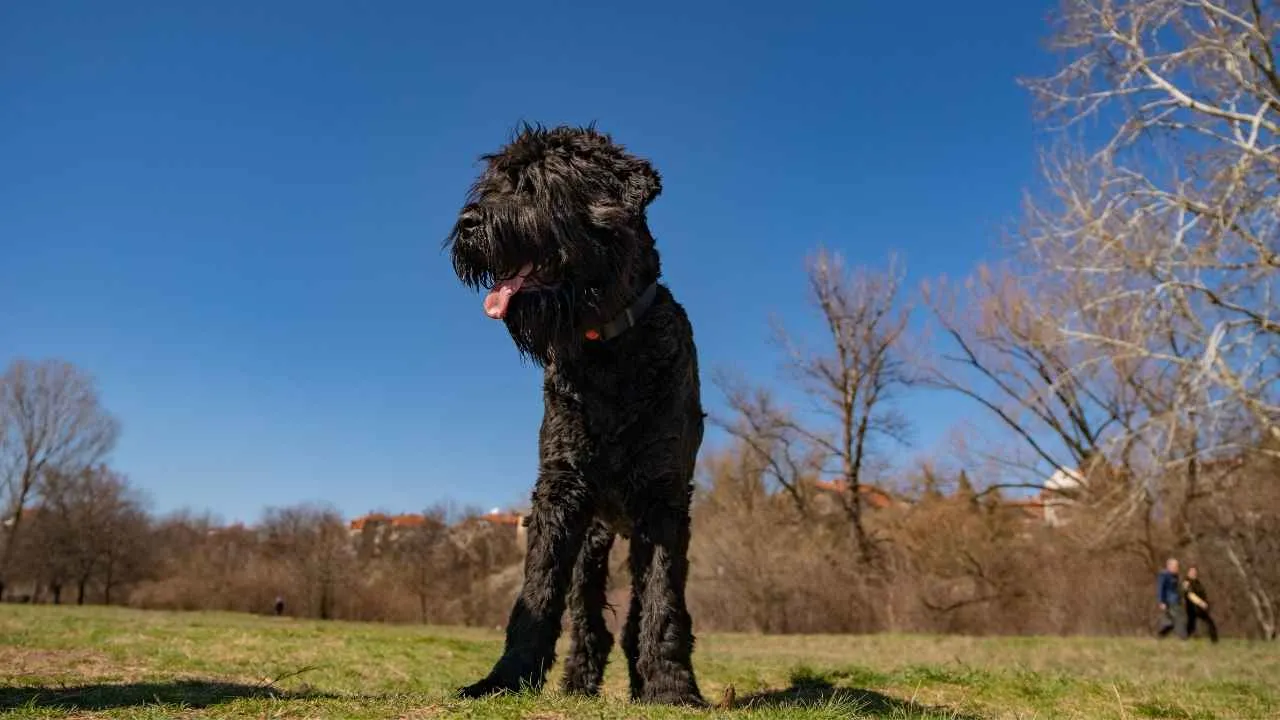
Soviet military breeders built this dog to guard borders and prison camps across brutal winters. That cold-hardy job shaped a breed built to stay alert through long, dark nights.
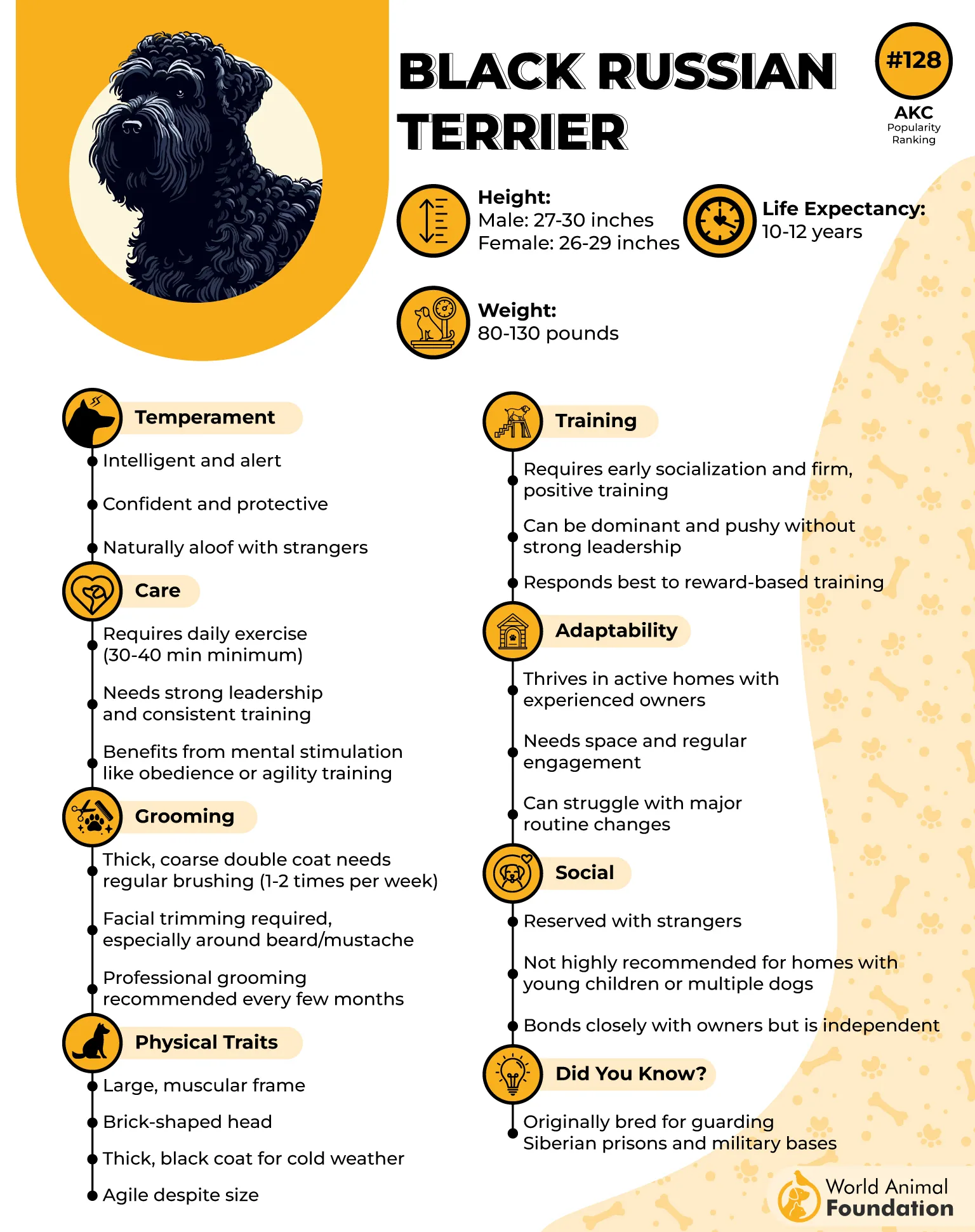
This breed is reserved with strangers, but affectionate and loyal with family once trust is earned. Black Russian Terriers are highly trainable and calm by nature, though skipping socialization can leave them fearful around unfamiliar people.
Night-guarding strengths: Naturally suspicious of anything unusual, and a deep, commanding bark leaves no doubt something is wrong.
Protection style: Confident enough to confront a threat directly, yet gentle and playful once the danger has passed.
Daily walks and plenty of playtime keep this working dog satisfied. The dense coat mats easily, so regular brushing and occasional trims matter. This breed suits active families with space for a big, thoughtful guardian.
8. Dutch Shepherd
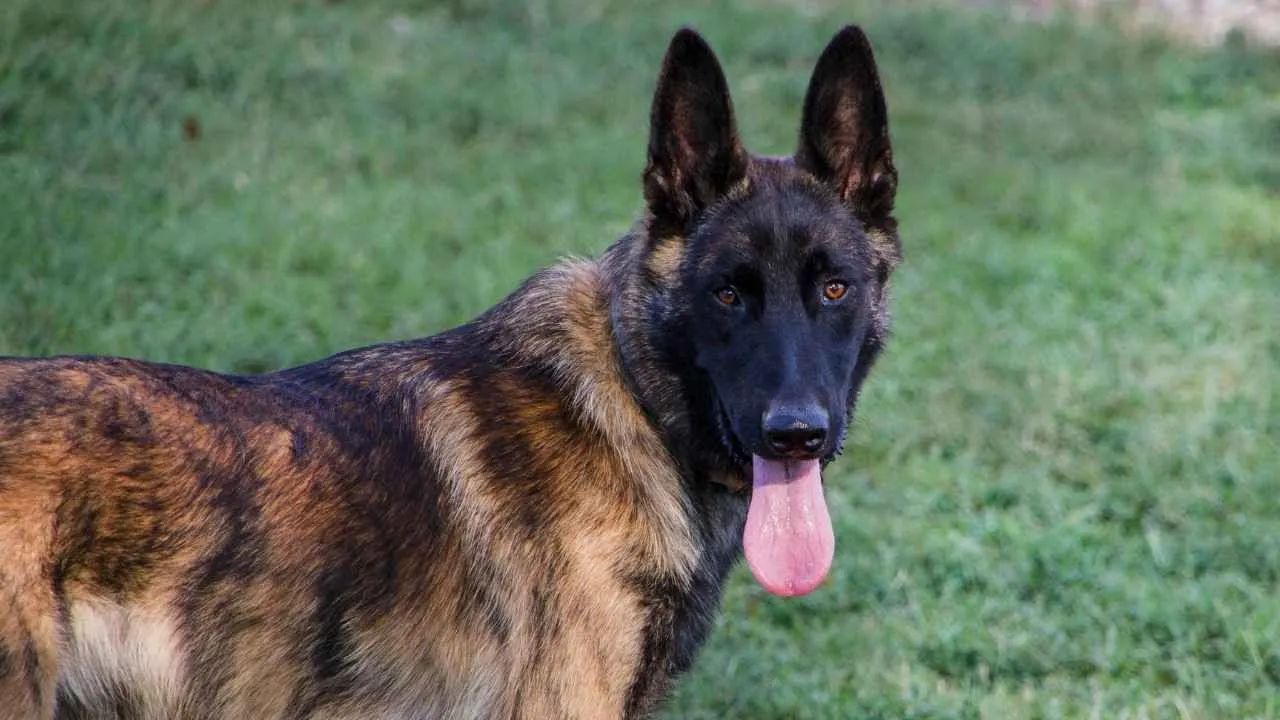
Dutch Shepherds once patrolled Netherlands farmland, herding livestock by day and guarding property from thieves by night. That round-the-clock job built a breed that treats darkness as just another shift.
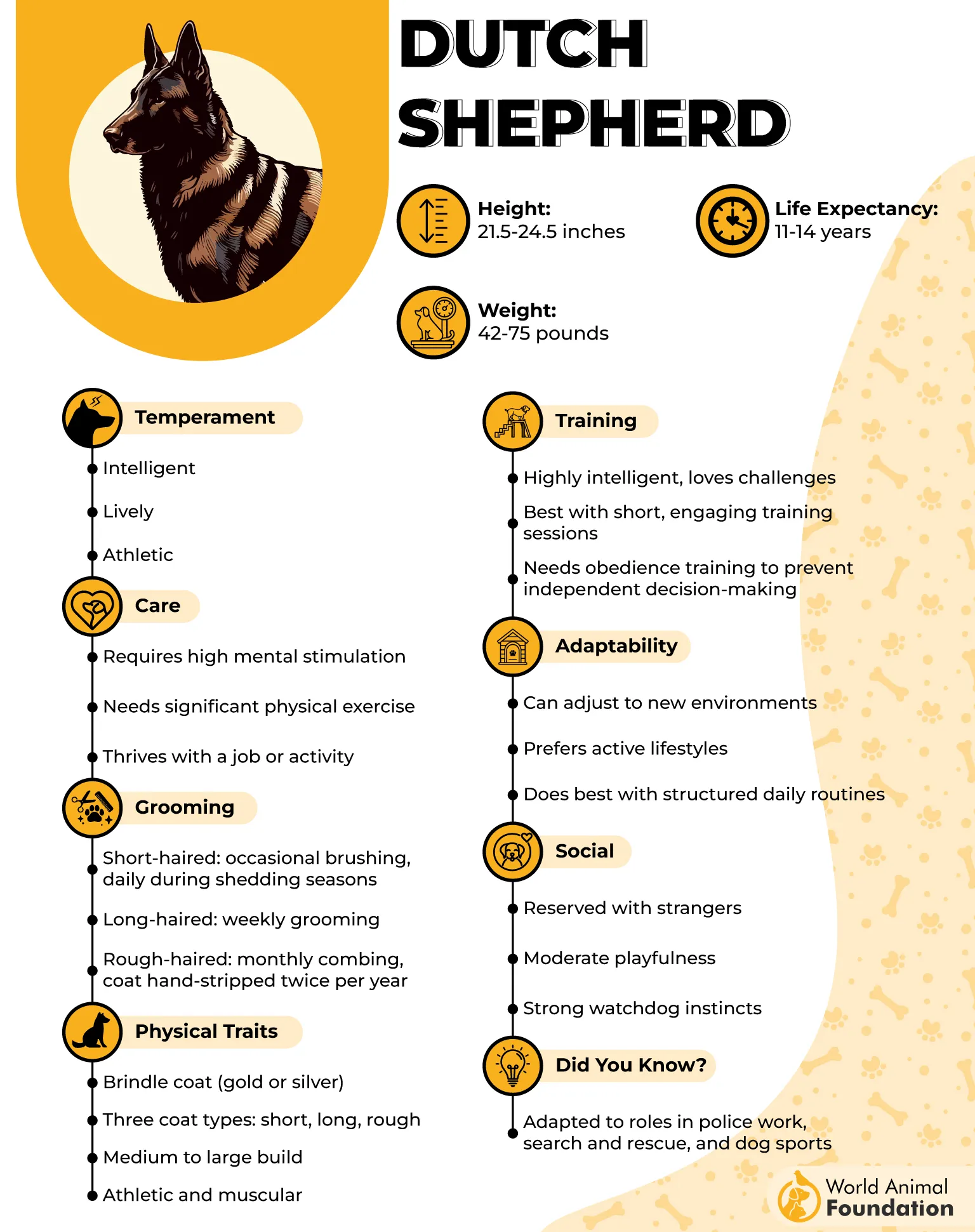
This dog is affectionate with family but cautious around strangers at first meeting. Dutch Shepherds are cunningly intelligent and highly trainable, though this breed can start herding kids or other pets without proper guidance.
Night-guarding strengths: Barks at the smallest change outside, even something as small as a mail carrier passing by.
Protection style: Sticks to alerting and territorial patrolling rather than jumping straight into confrontation.
This energetic breed needs close to two hours of exercise daily to stay content. The dense, weather-resistant coat needs weekly brushing to manage shedding. Dutch Shepherds suit active owners with secure outdoor space and time for training.
9. Beauceron
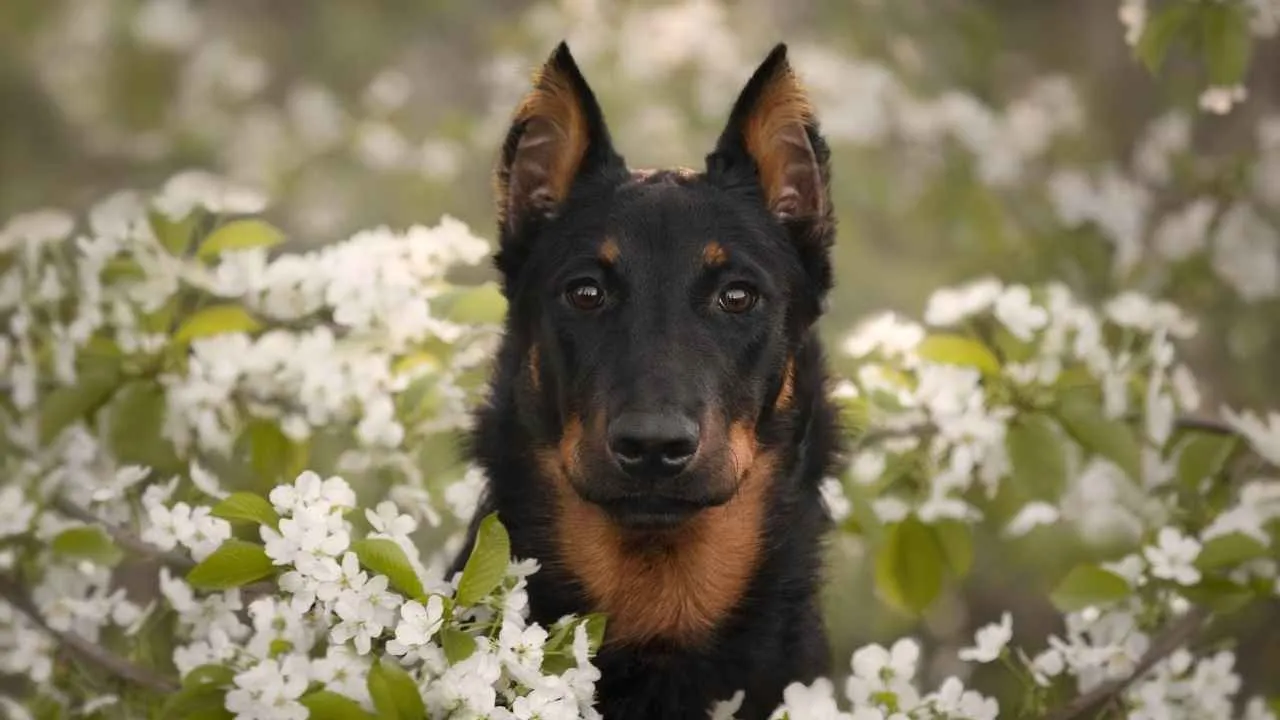
Beauceron shepherds guarded and herded sheep across central France, then served as military dogs in two world wars. That guardian background built a breed that stays watchful long after sundown.
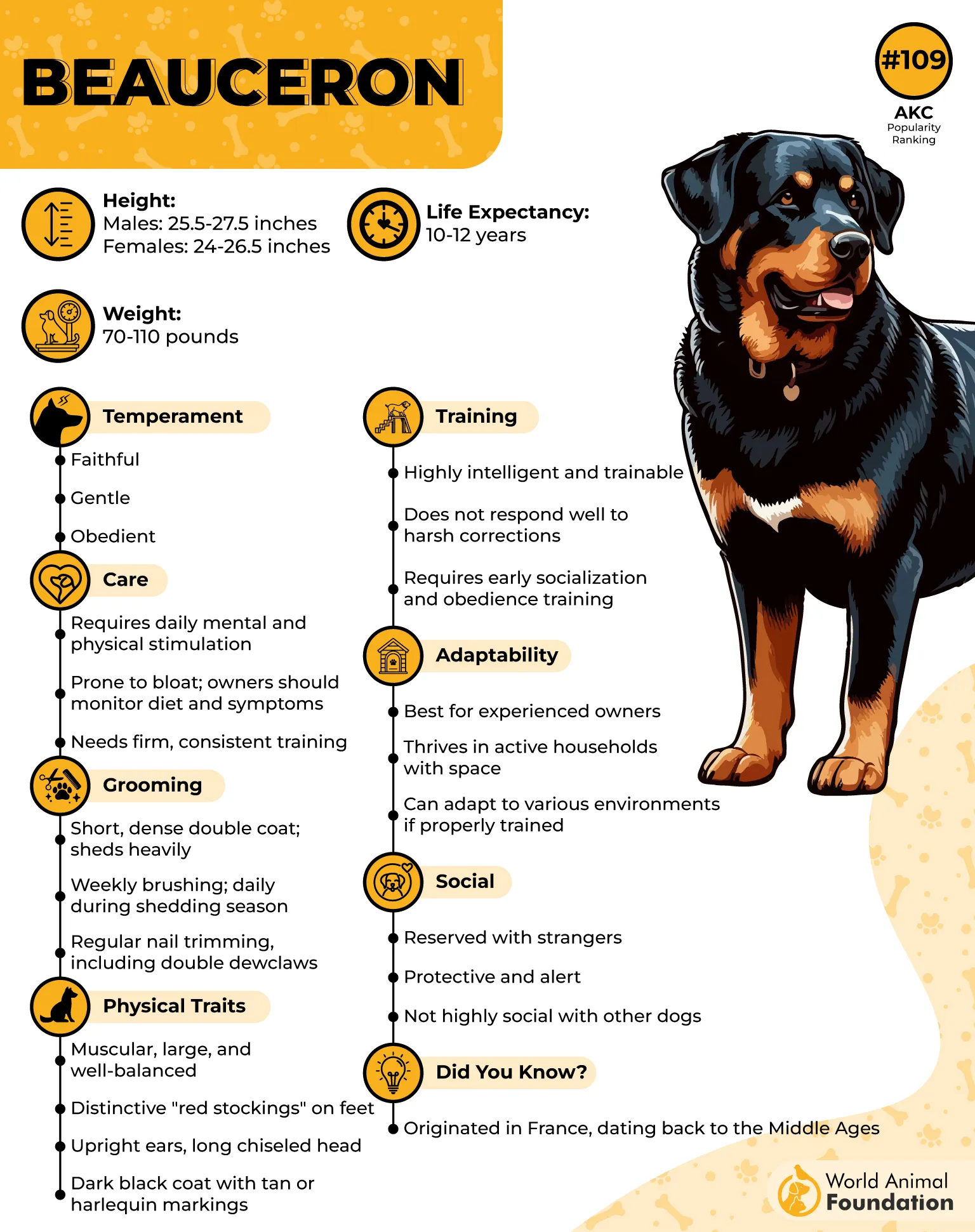
Beaucerons are affectionate and loyal at home, doing well with children and other dogs once introduced properly. This breed is usually easy to train, though this dog can turn wary and suspicious of new people without early exposure.
Night-guarding strengths: Not much of a talker day-to-day, but will bark fast if anything looks suspicious outside.
Protection style: Relies on vigilance and presence rather than aggression, stepping in only when a real threat shows up.
This large breed needs at least two hours of daily exercise to burn off farmhand energy. Its thick coat sheds heavily, so weekly brushing keeps it manageable. Beaucerons suit families with a large fenced yard or farm, not apartments.
10. Anatolian Shepherd Dog
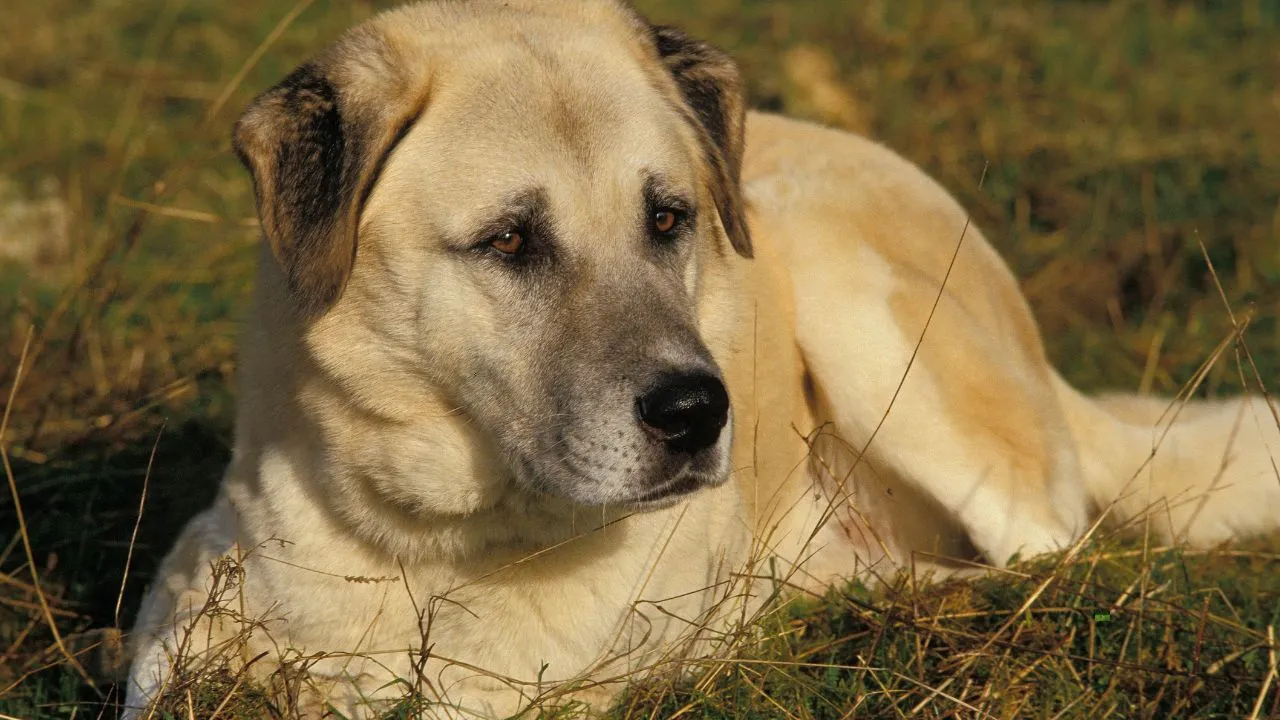
Anatolian Shepherds guarded livestock across ancient Turkey, working the night shift while flocks slept and predators moved. That instinct to patrol after dark is basically the whole point of this breed.
This dog is calm and gentle at home, but wary of strangers and quick to notice anything off. Anatolian Shepherds are independent thinkers, so training takes patience and early socialization matters.
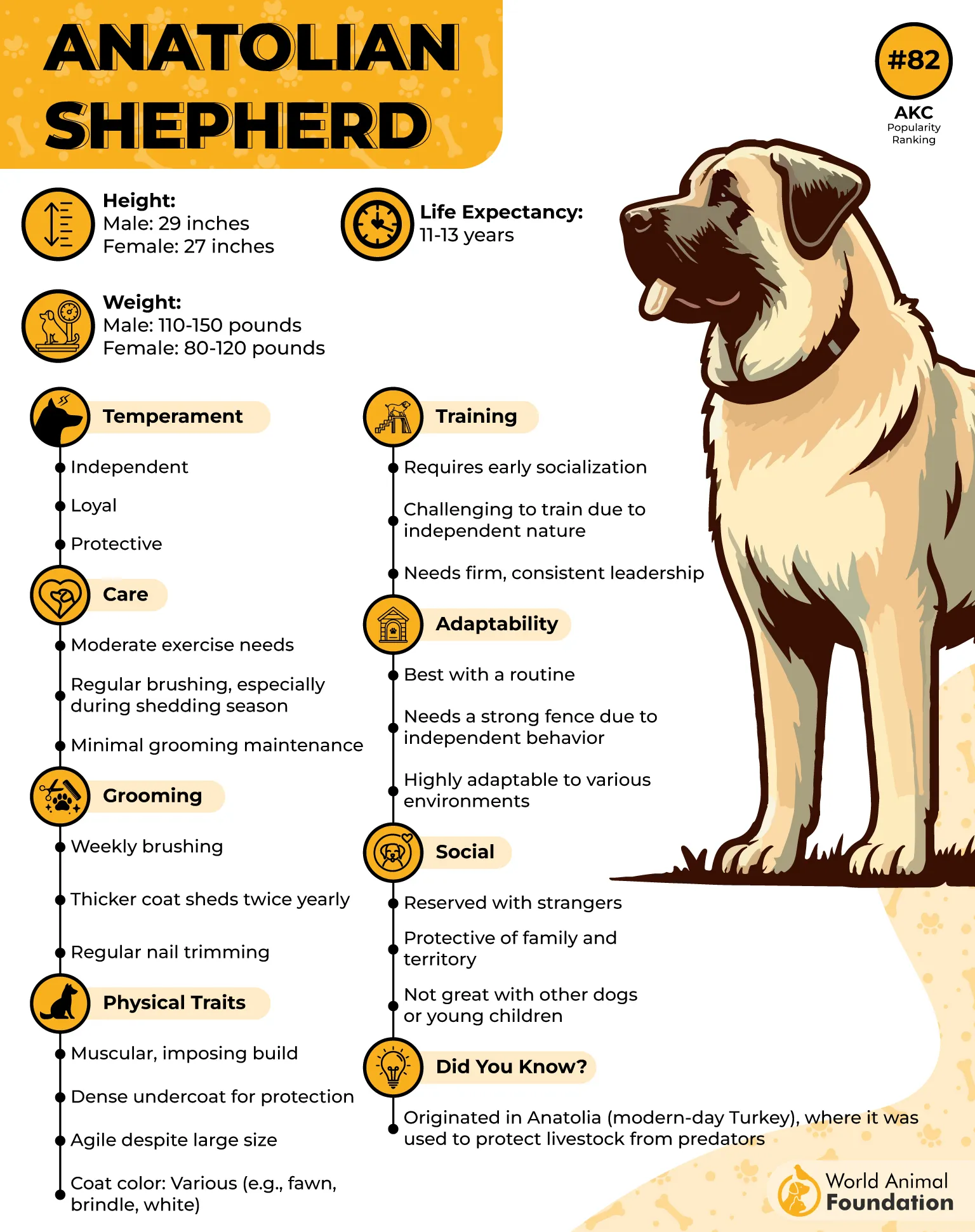
Night-guarding strengths: Naturally more active after dark, patrolling territory quietly until something catches its attention.
Protection style: Stays calm and subdued most of the time, but won’t hesitate to act fast if a real threat appears.
This large breed needs moderate exercise, mostly outdoor playtime in a secure, fenced yard. The thick double coat sheds heavily during seasonal changes, so weekly brushing helps. Anatolian Shepherds suit experienced, rural owners with space and few visitors.
Conclusion
Choosing among these guard dogs comes down to matching temperament and energy level to your home, not just picking the most fearless face. From an alert watchdog for a quiet house to a fearless guardian for a big property, there’s a breed suited to almost any home.
Whichever protector you choose, a well-trained, well-socialized dog beats a scary-looking one every time. If you’re ready to bring a guardian home, start meeting reputable breeders or rescue dogs near you today.
