





Bringing home your first dog feels equal parts exciting and terrifying. You want a little shadow who follows you around, makes you laugh, and doesn’t turn your living room into a disaster movie. The good news? Small dogs can be wonderful for beginners, as long as you pick the right personality, not just the cutest face.
Small breeds are generally easier to manage and lighter on the wallet, which makes them a smart pick if you’re new to dog ownership. Here are some of the best small breeds for first-time dog owners.
These seven breeds suit anyone with a bit of time, patience, and a good sense of humor. At the end of the day, a dog is just love wrapped in fur, wet noses, and the occasional chewed-up shoe.
Small‑Dog Breeds Best Suited for Inexperienced Owners
1. Havanese
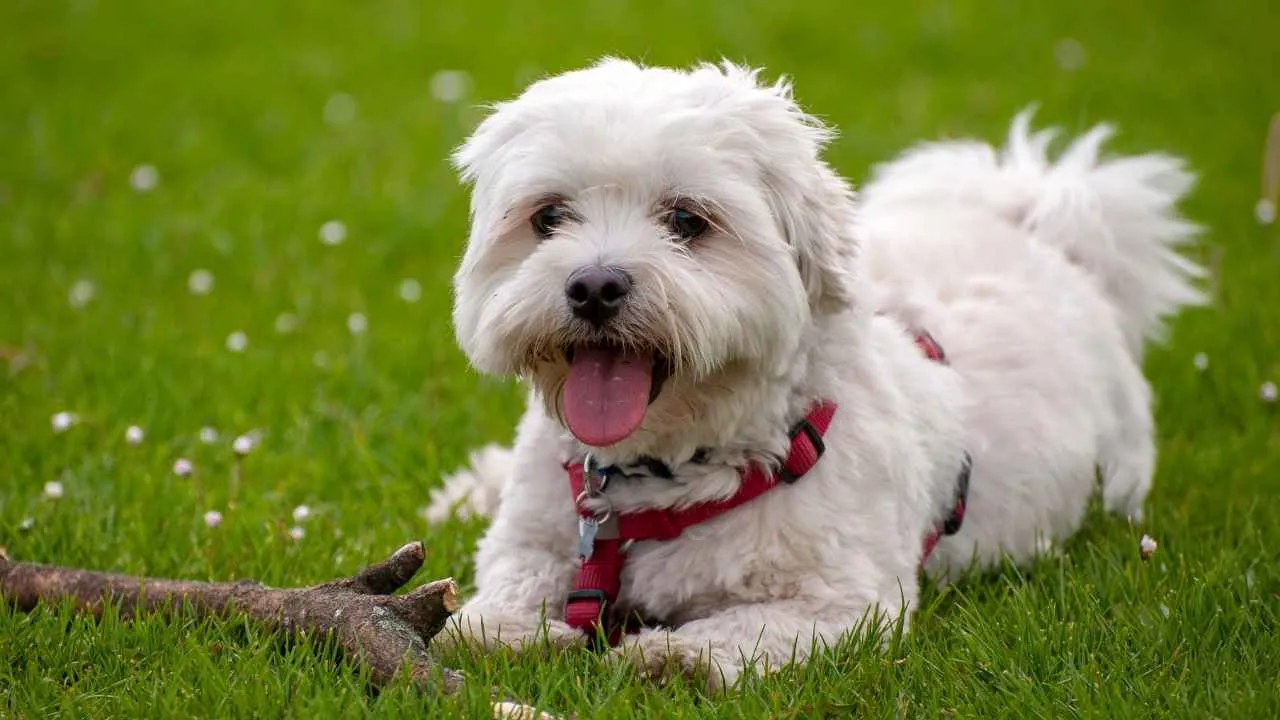
Descended from the ‘Blanquito de la Habana’ (the white dog of Havana), the Havanese belongs to the Bichon family and was developed in Cuba. Breeders later crossed the Blanquito with other Bichon-type dogs, like the Poodle, refining it into the breed we know today. It quickly became a favorite among Spanish colonists in Cuba, according to Wikipedia.
The Havanese has a sturdy, rectangular build, which makes it less prone to accidental fractures than some other toy breeds. Its silky double coat is hypoallergenic and helps protect against temperature swings.
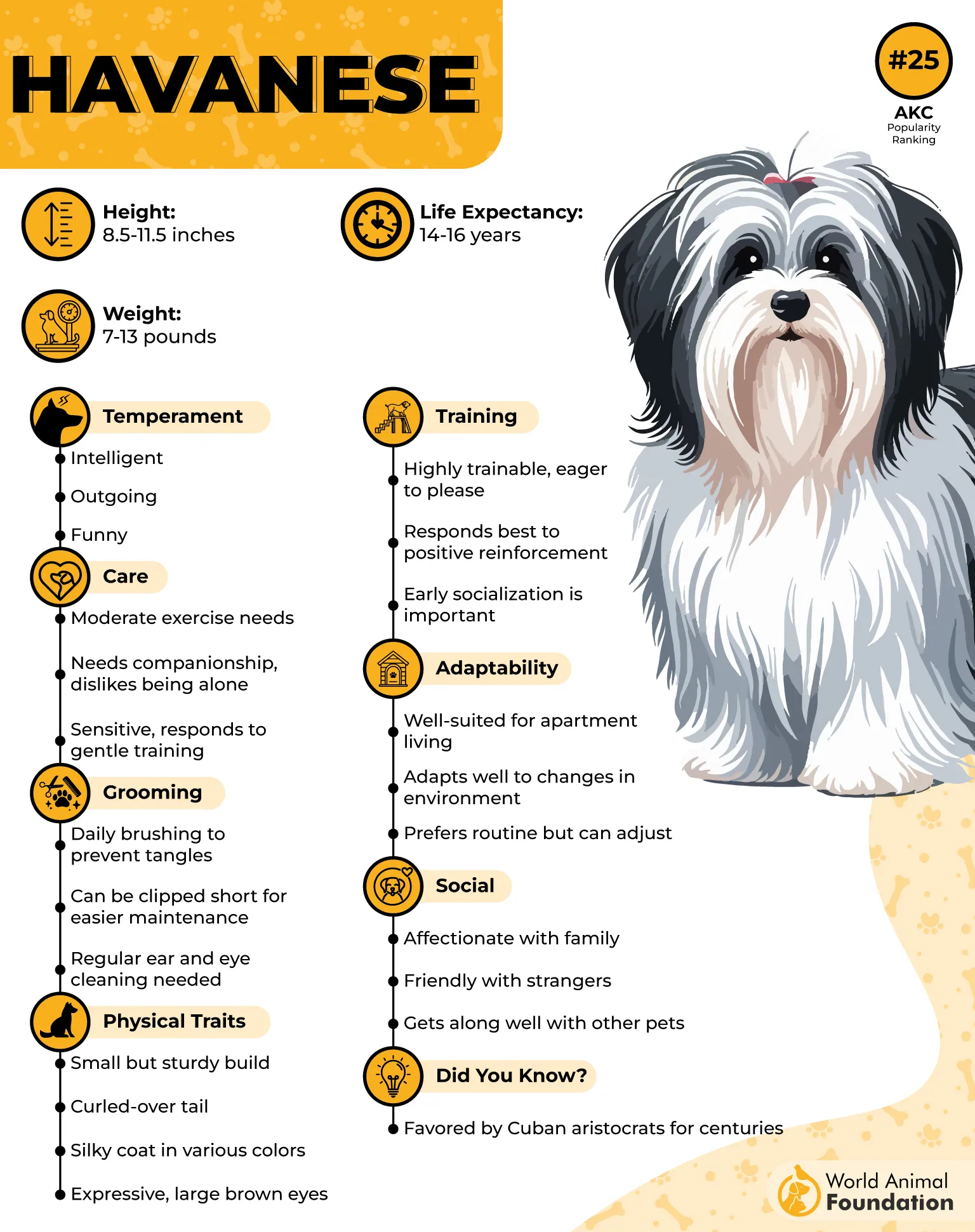
Thanks to its small size, most of its exercise needs can be met indoors. And with its gentle, non-aggressive nature, it’s a great fit for families with kids and other pets.
When training, keep sessions short, around 1-2 minutes for puppies and 20-30 minutes for adults. Stay consistent, and since Havanese dogs bond closely with their owners, keep an eye out for signs of separation anxiety.
2. Australian Terrier
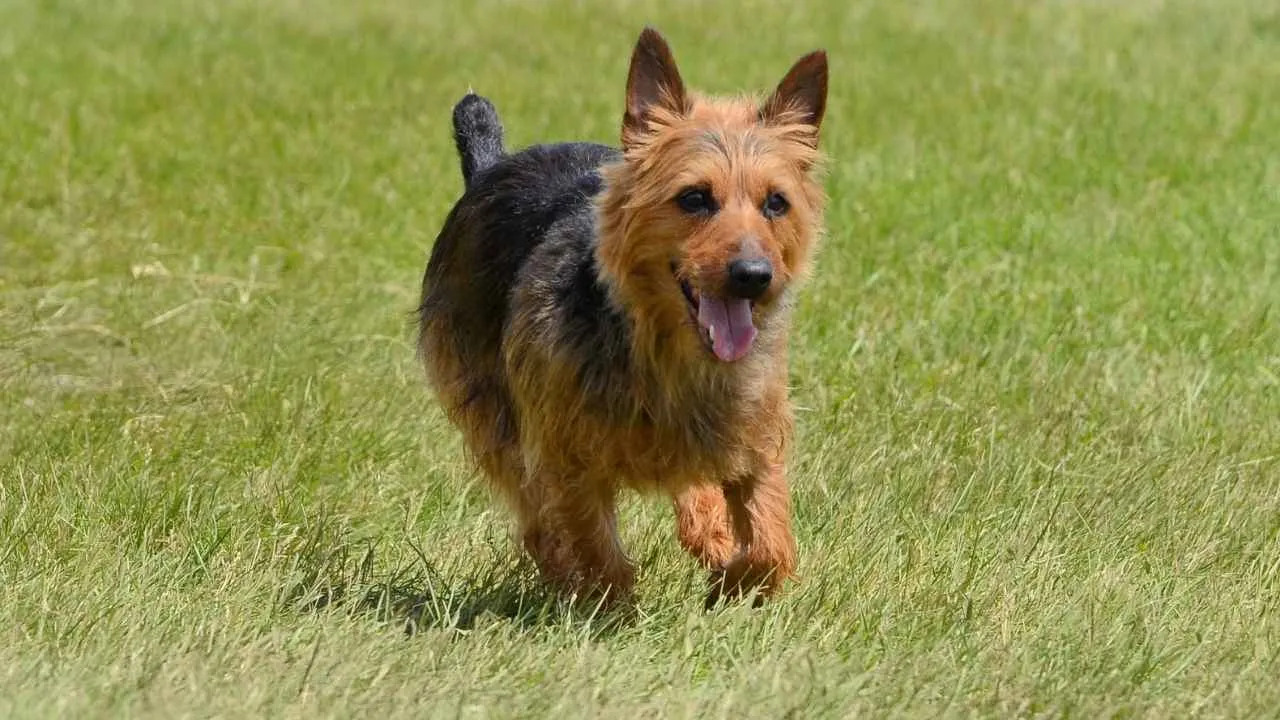
Although this terrier-type small dog was developed in Australia, its roots actually trace back to Great Britain in the 19th century. The breed was originally bred to hunt rats and shares its genes with the Yorkshire Terrier, Cairn Terrier, and other terrier breeds. It was first known as the Rough Coated Terrier.
Its soft, wiry coat is hypoallergenic and naturally repels dust and water, which makes grooming pretty easy. Historically bred to get by on minimal food, the breed typically lives 11-15 years. It’s an energetic dog with a small footprint, so daily needs are usually met with moderate walks and some indoor playtime.
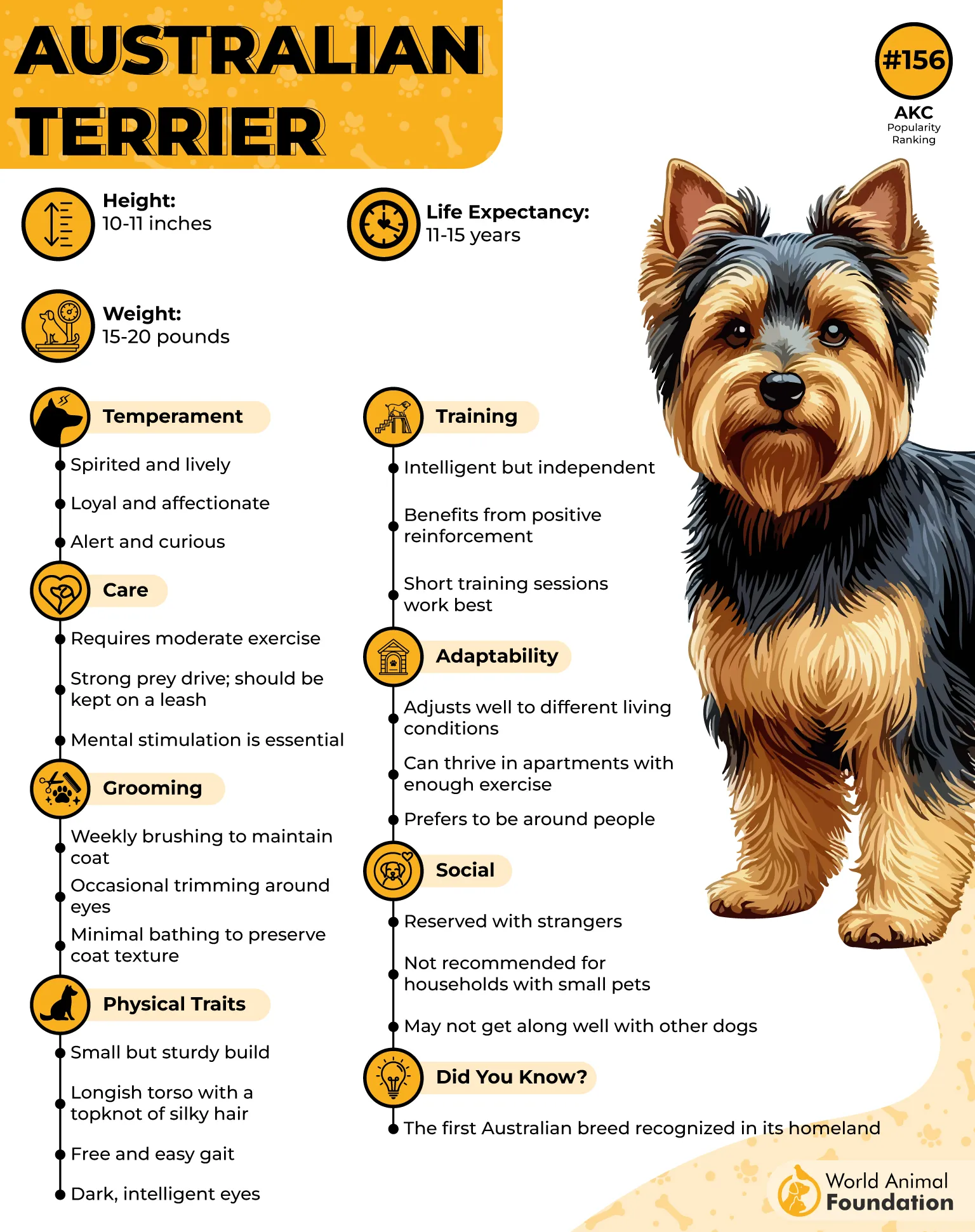
Given its multi-purpose farm history, this breed thrives on human companionship. Keep training sessions short and varied, and lean on positive reinforcement with rewards. Loose-leash walking is a good idea too, since it helps keep those natural hunting instincts in check.
3. Pug
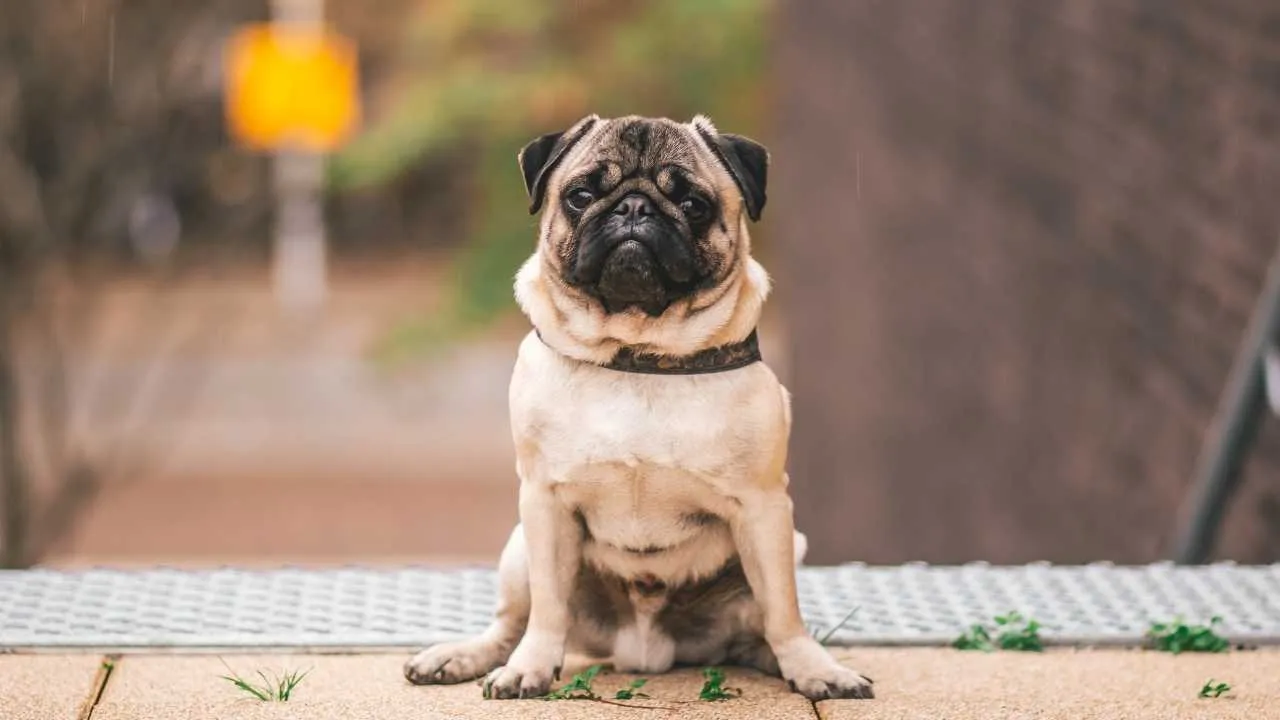
The Pug was developed around 400 BCE in ancient China as a loyal companion breed. Initially, only royalty and the elite were allowed to keep them; commoners weren’t. It’s also one of only three flat-faced breeds bred in China. The Pug made its way to Europe in the 17th century, as reported by Orvis.
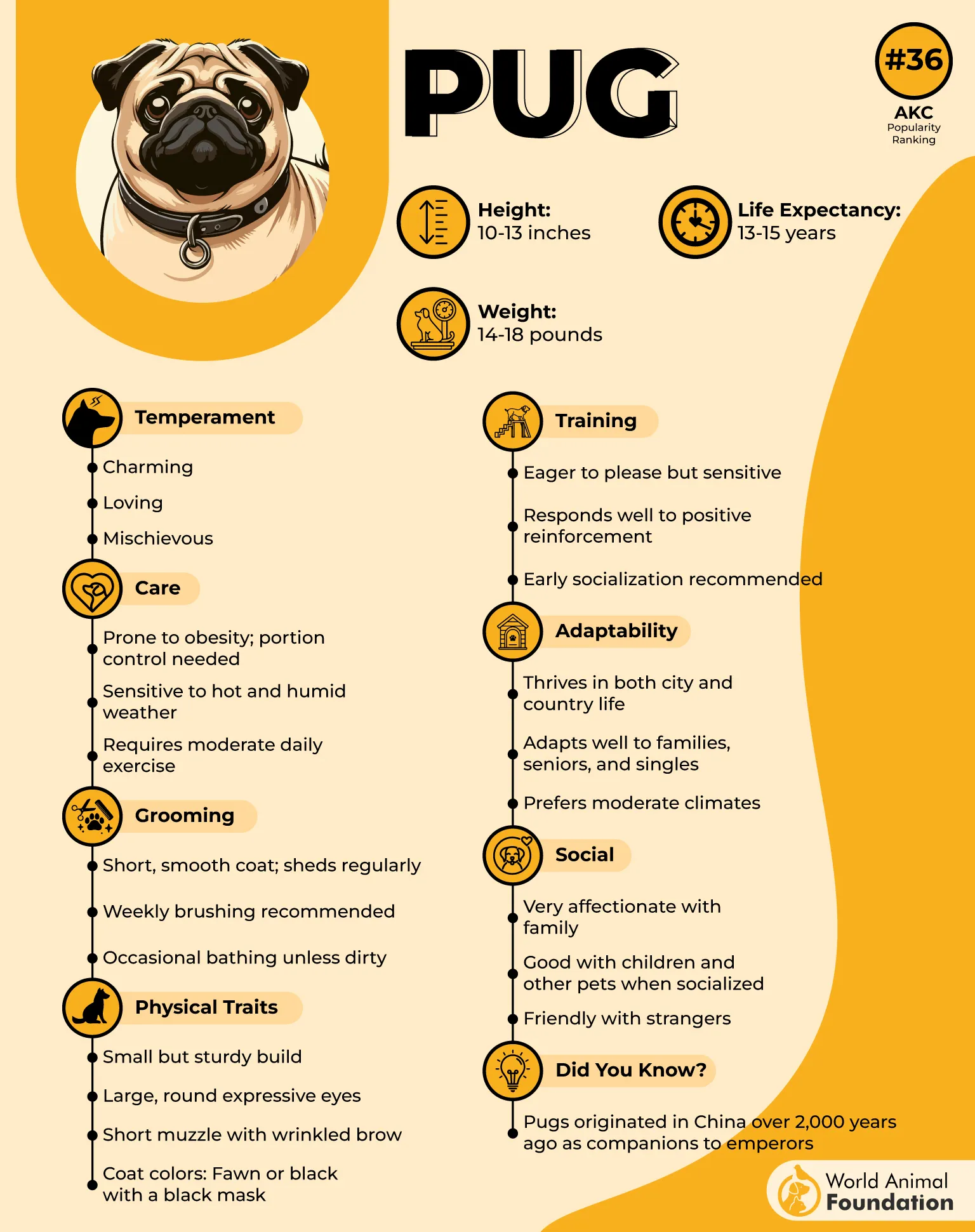
Because of its brachycephalic (flat-faced) build, this small but sturdy dog has limited stamina and can’t handle intense exercise. That said, its muscular little body can handle the occasional clumsiness of a first-time owner just fine. Pugs are also remarkably tuned in to human voice tones, facial expressions, and emotions.

They’re not big barkers, either; they tend to communicate through soft grumbles and snorts instead. Since Pugs are highly food-motivated, they pick up reward-based training quickly. Aim for early socialization between 8-16 weeks, and keep training sessions consistent.
4. Lowchen
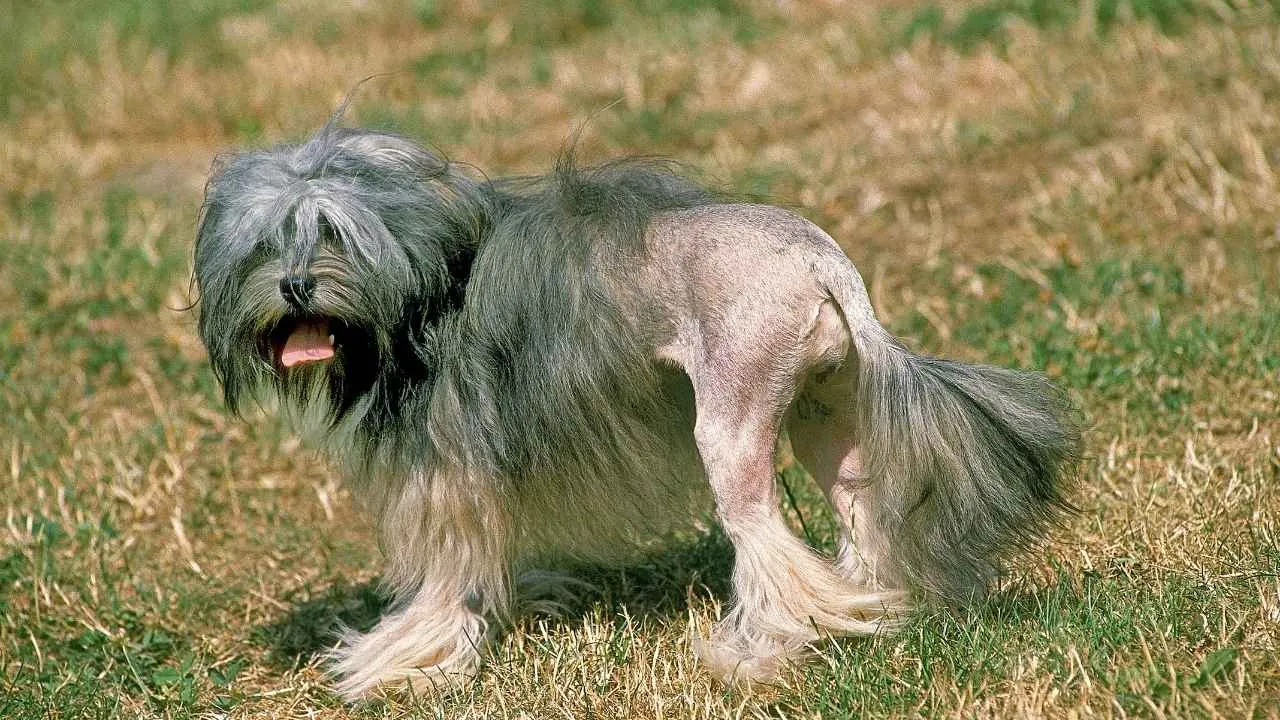
Though its exact origin is unknown, the earliest evidence of this breed comes from 16th-century paintings found in Germany. It’s closely related to the Havanese and the Bichon Frise, and its German name literally translates to “Little Lion.” The breed’s population declined in the mid-20th century, but dedicated breeding programs brought it back healthier than before.
Bred purely for companionship, this intelligent little dog doesn’t have a strong prey drive or working instincts. Thanks to its eager-to-please nature, it tends to pick up good household manners without needing advanced training. It also makes a decent watchdog, barking to let you know when something’s up.
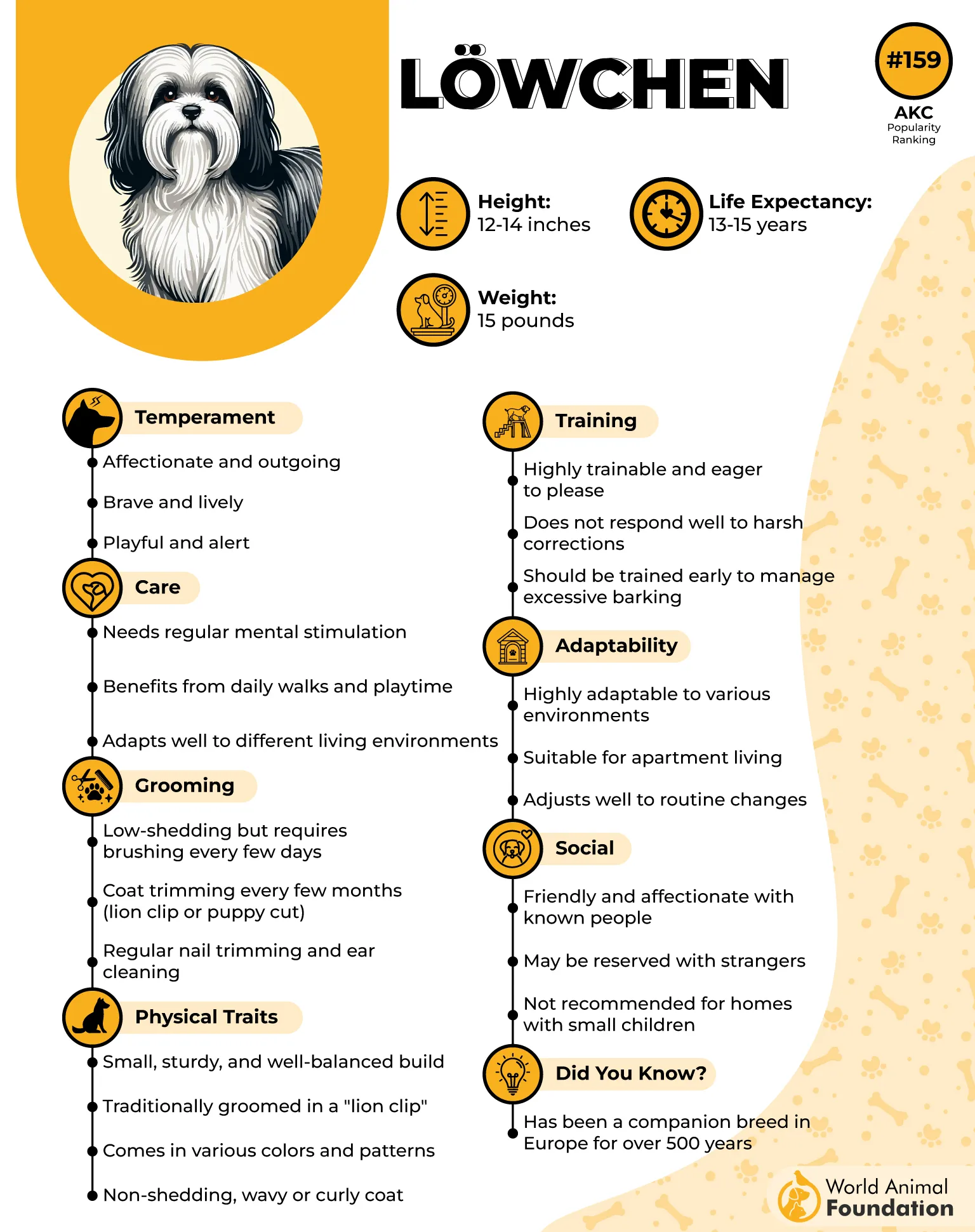
This rare breed has a short attention span, so it does best with short, dynamic training sessions rather than long drills. Aim for 30-60 minutes of daily exercise, and try not to leave it alone too long, since it can develop separation anxiety.
5. Bolognese
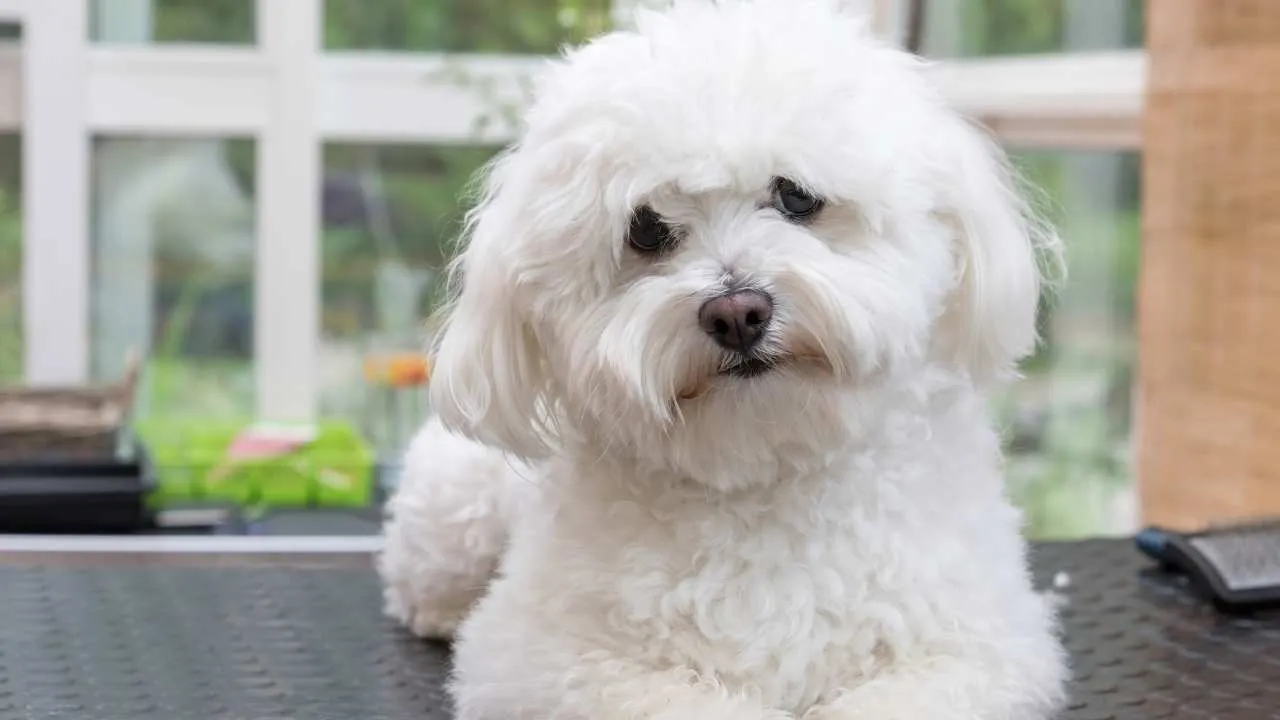
The Bolognese was originally developed in Bologna, Italy, and is closely related to the Bichon Frise. It’s thought to have been bred by crossing small white companion dogs with larger water dogs. Once a favorite of wealthy noblewomen, the breed’s population declined after World War II, according to Omlet.
This furry companion has a calm temperament and isn’t easily rattled. Its single-layer white coat needs regular brushing to prevent matting. Thanks to its attentiveness, it picks up on human routines pretty quickly. It can be a touch stubborn at times, though that’s easily managed with low-pressure positive reinforcement.
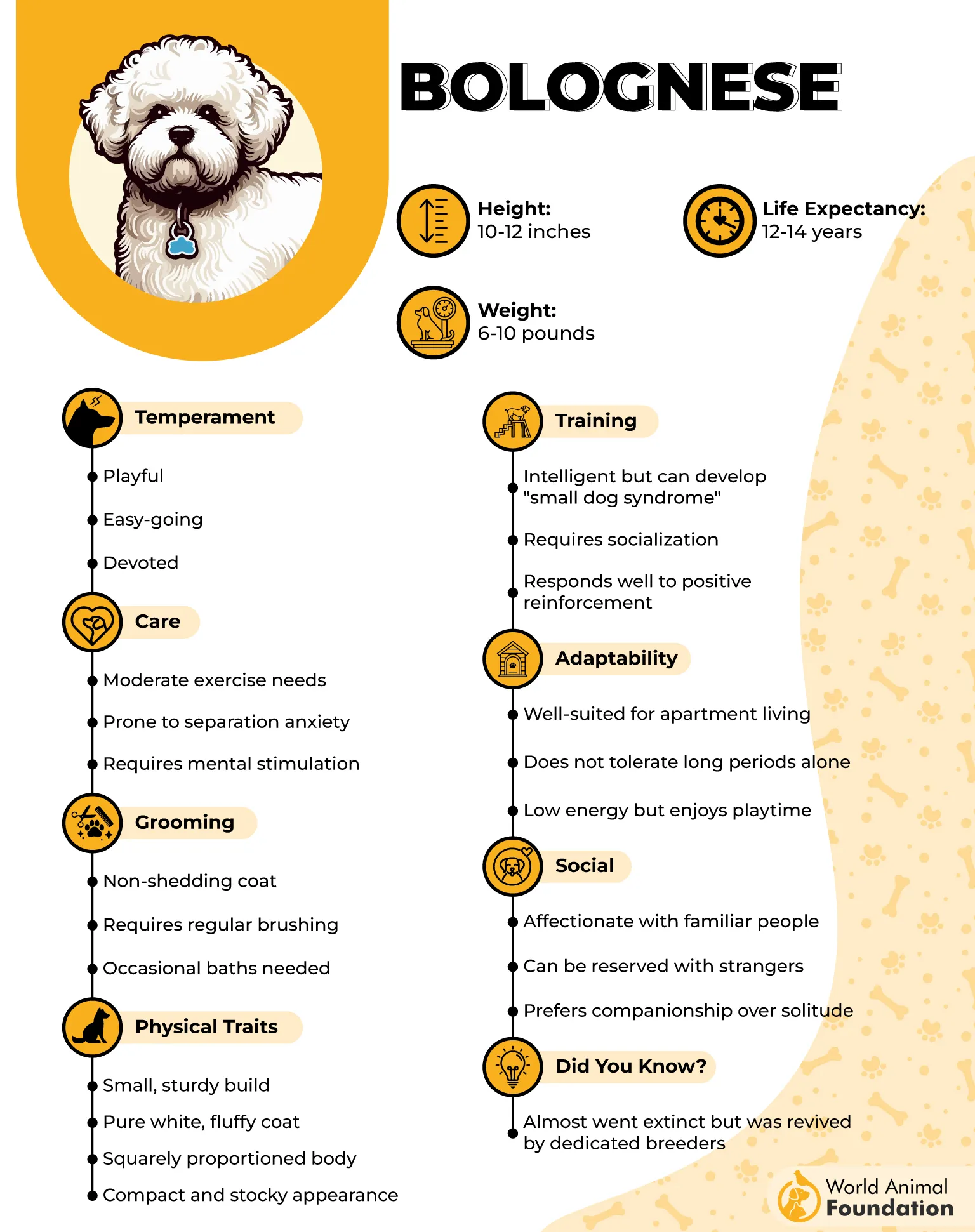
Clicker training, puzzle toys, and short trick sessions are great ways to keep its sharp mind busy. The Bolognese is also prone to small dog syndrome, so it’s important to set clear rules from day one.
6. Russian Toy
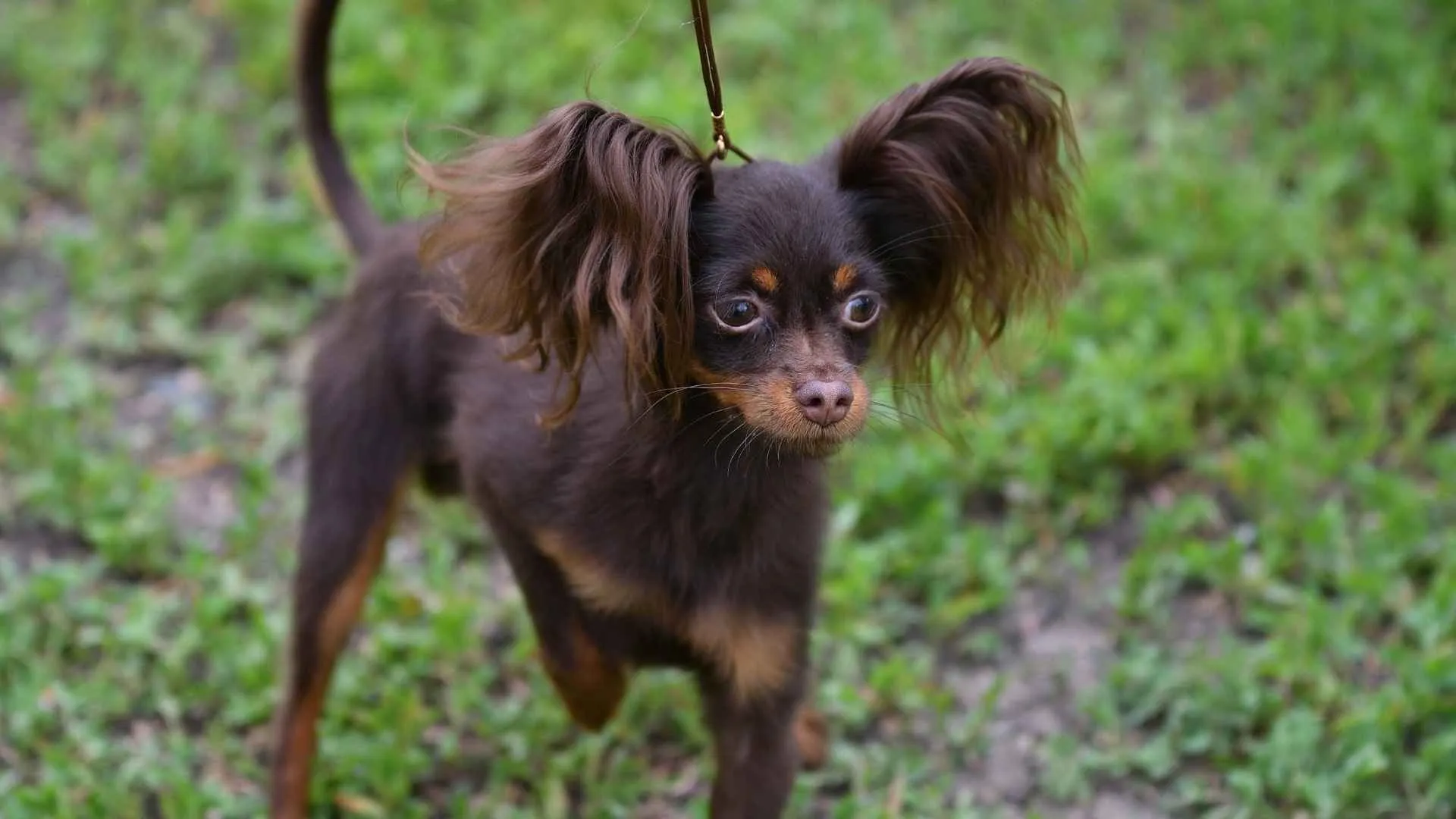
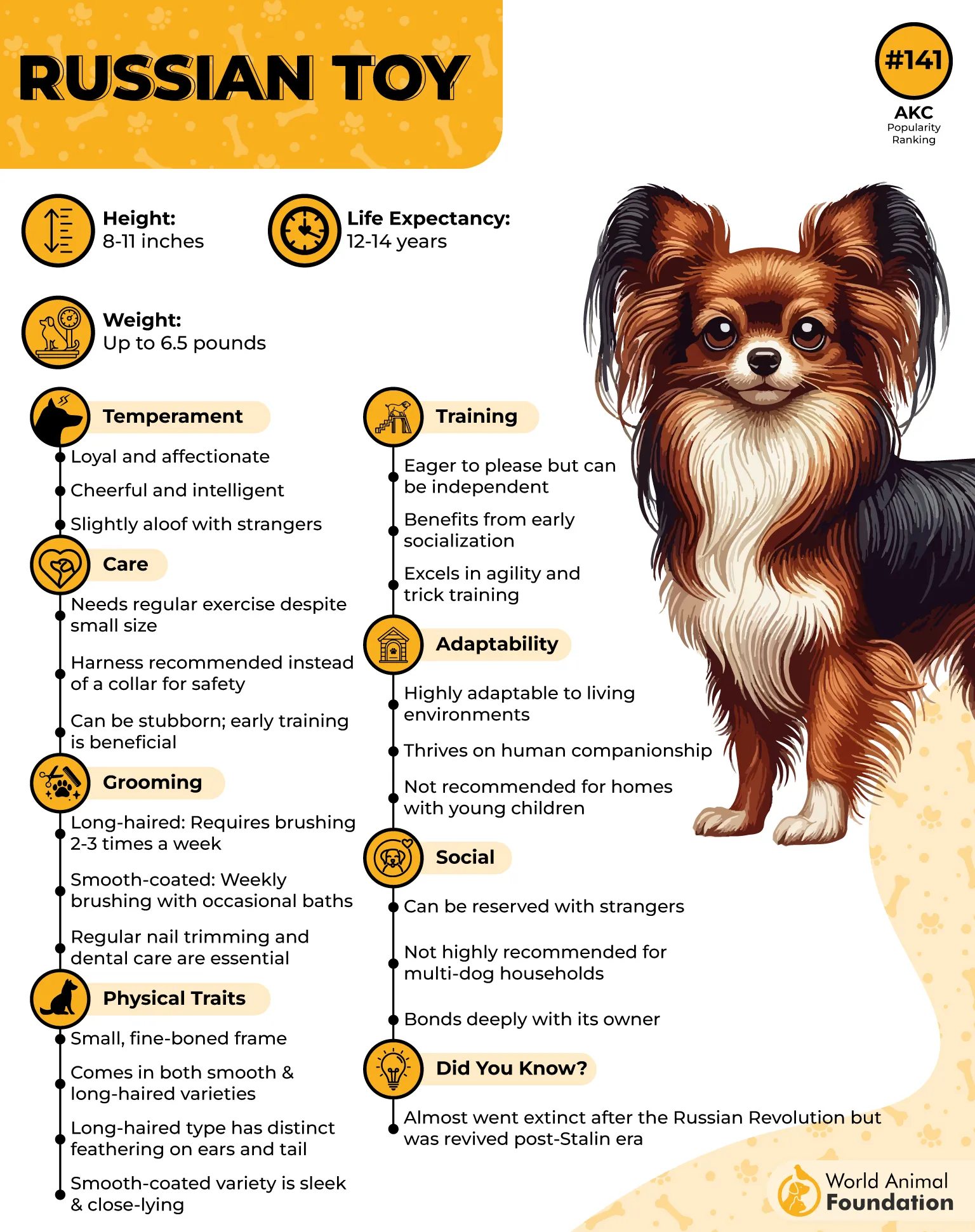
As the name suggests, this tiny breed was developed in Russia from the English Toy Terrier. It nearly went extinct twice, once during the rise of Communism in the early 20th century, and again in the late 20th century after the fall of the Iron Curtain. Its coat comes in two types: long and smooth.
The Russian Toy’s compact, square build makes it a great fit for apartment living. The smooth coat only needs weekly brushing, while the long coat needs brushing 2-3 times a week. The good news for beginners is that early training mistakes are unlikely to cause long-term behavioral issues.
During the first six months, introduce your puppy to a variety of sights, scents, and friendly strangers. Start house-training early, and stick to a consistent routine; taking your dog out within 15-20 minutes of eating, drinking, or playing tends to work well.
7. Russian Tsvetnaya Bolonka
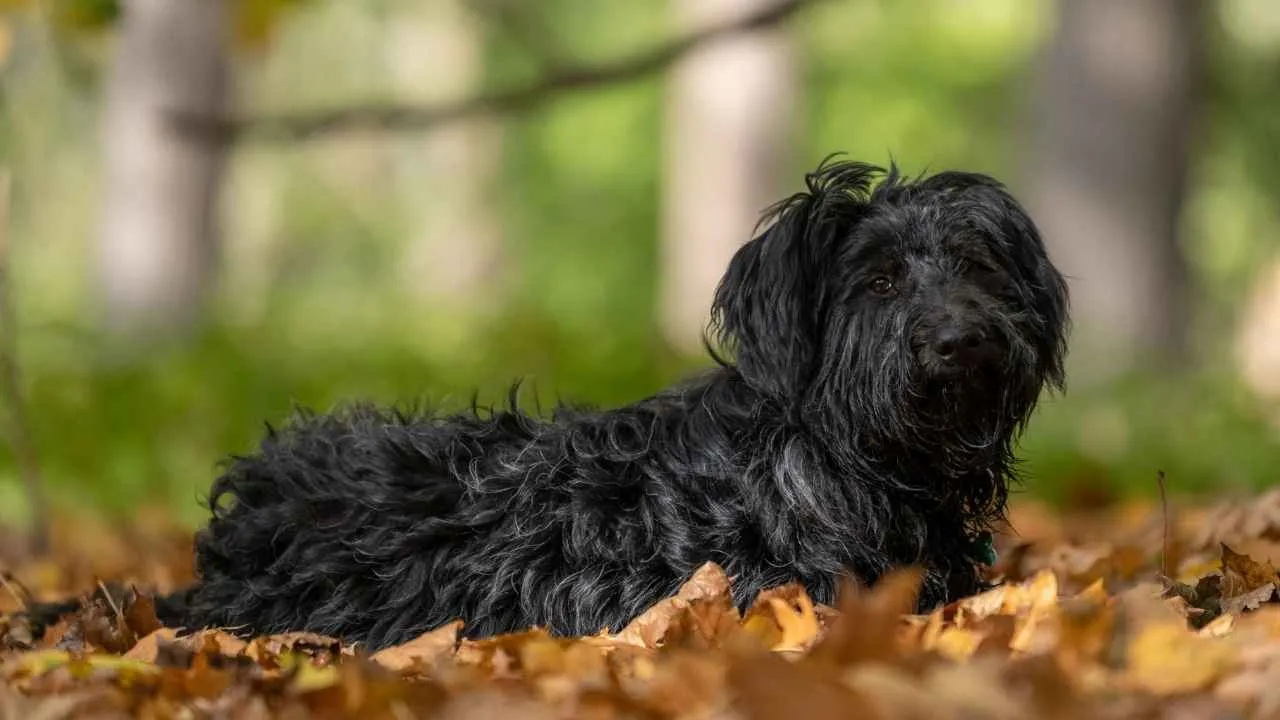
Also known as the Bolonka Zwetna in Germany, this breed was developed in Russia in the early 18th century and belongs to the Bichon family. It also shares ancestry with other breeds, including the Poodle, Shih Tzu, and Pekingese.
While the Russian Tsvetnaya Bolonka stays alert to its surroundings, it’s not a breed that barks excessively. It forms deep emotional bonds and tends to mirror its owner’s mood, which makes it a loyal little watchdog.
Energy levels are low, so around 20 minutes of daily exercise followed by plenty of downtime works well. It’s also an intelligent breed with a real soft spot for kids, dogs, and cats alike.
Get it used to calmly greeting visitors from an early age, and crate training can help a lot with housebreaking. Basic commands like quiet, sit, and come are especially useful for keeping barking in check.
Conclusion
Choosing your first small dog is less about finding the “perfect breed” and more about finding the right match for your real life. If you work from home, a Bolognese or Bolonka Zwetna might feel like a dream. If you love outdoor adventures, an Australian Terrier could keep you on your toes. And if comfort and companionship top your list, the Havanese, Pug, Löwchen, or Russian Toy could be your ideal match.
Be honest with yourself about your schedule, budget, energy level, and tolerance for fur. Puppies are adorable, but they’re also tiny learners who need training, vet care, socialization, and a good amount of patience. Visit reputable breeders or look into breed-specific rescues, ask plenty of questions, and spend time with the dog before you commit.
