




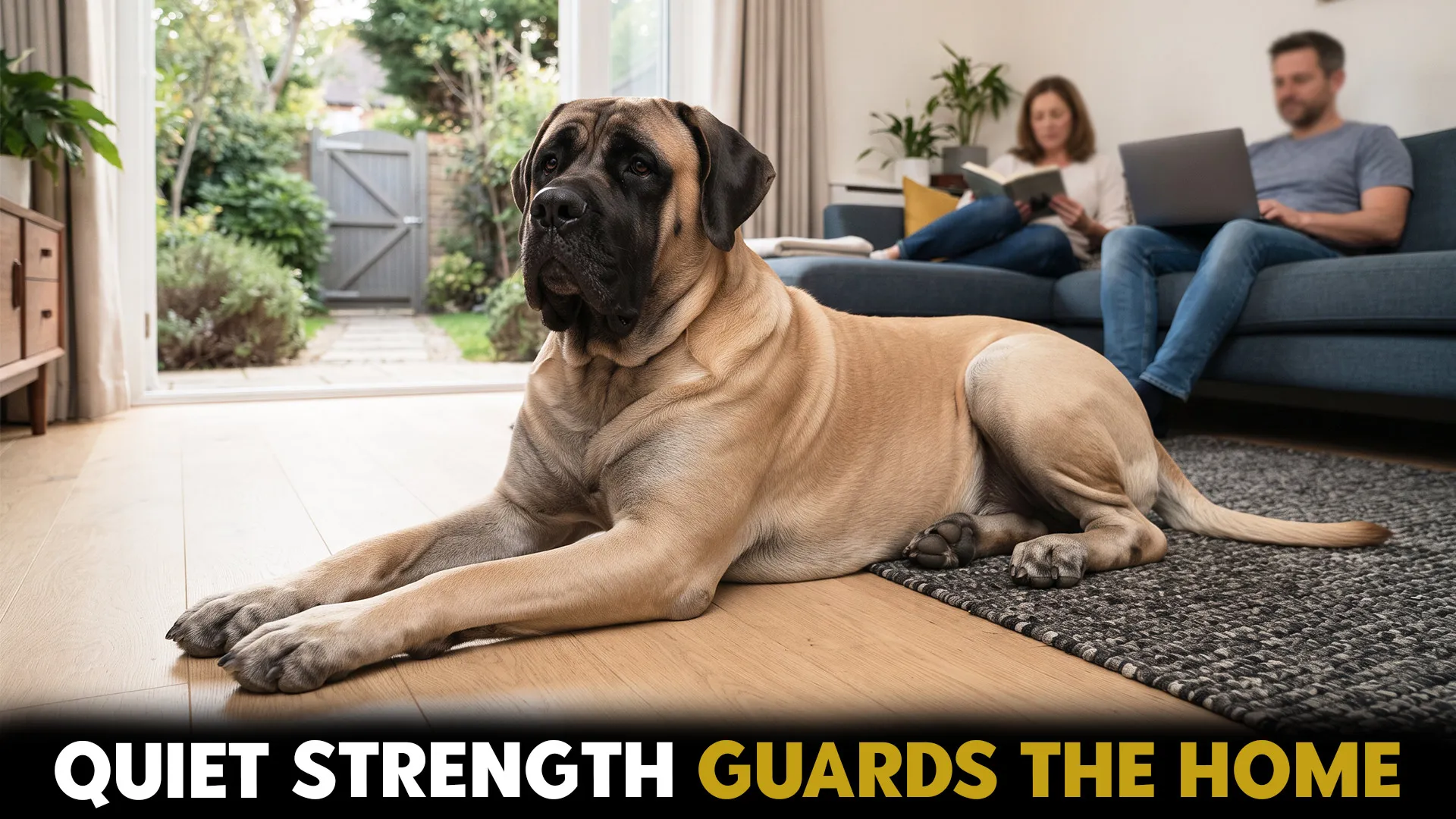
There is a practical reason calm guardian dogs have earned a place in homes and working properties. Their job was often to notice a threat, assess what was happening, and remain close to the people, animals, or territory they were expected to protect. That required more than physical strength.
A useful guardian needed confidence, patience, awareness, and enough independence to make sound decisions. Modern breed standards still reflect many of those qualities, describing certain guardian dogs as calm, steady, confident, watchful, protective, or reserved with strangers.
A dog with these characteristics can give a household a stronger sense of protection without making every unusual sound into a major event. Training remains important, particularly for large and powerful breeds, because their natural guarding instincts need to be guided from an early age.
By the end, you will have a clearer picture of the traits, temperaments, and everyday demands that deserve attention when choosing a guardian for your home daily.
Key Takeaways
Some guardians spend more time watching than barking, and that quiet habit can make them remarkably reassuring around the home.
The Mastiff has a long history as a protector, and its powerful voice can quickly signal when something feels out of place.
Great Danes and Leonbergers continue the list with impressive size, steady temperaments, and a strong attachment to their families.
Then comes a Newfoundland with a remarkable water-rescue history, followed by breeds with their own fascinating ways of handling protection.
Serene Guard Dog Breeds That Offer Calm Protection
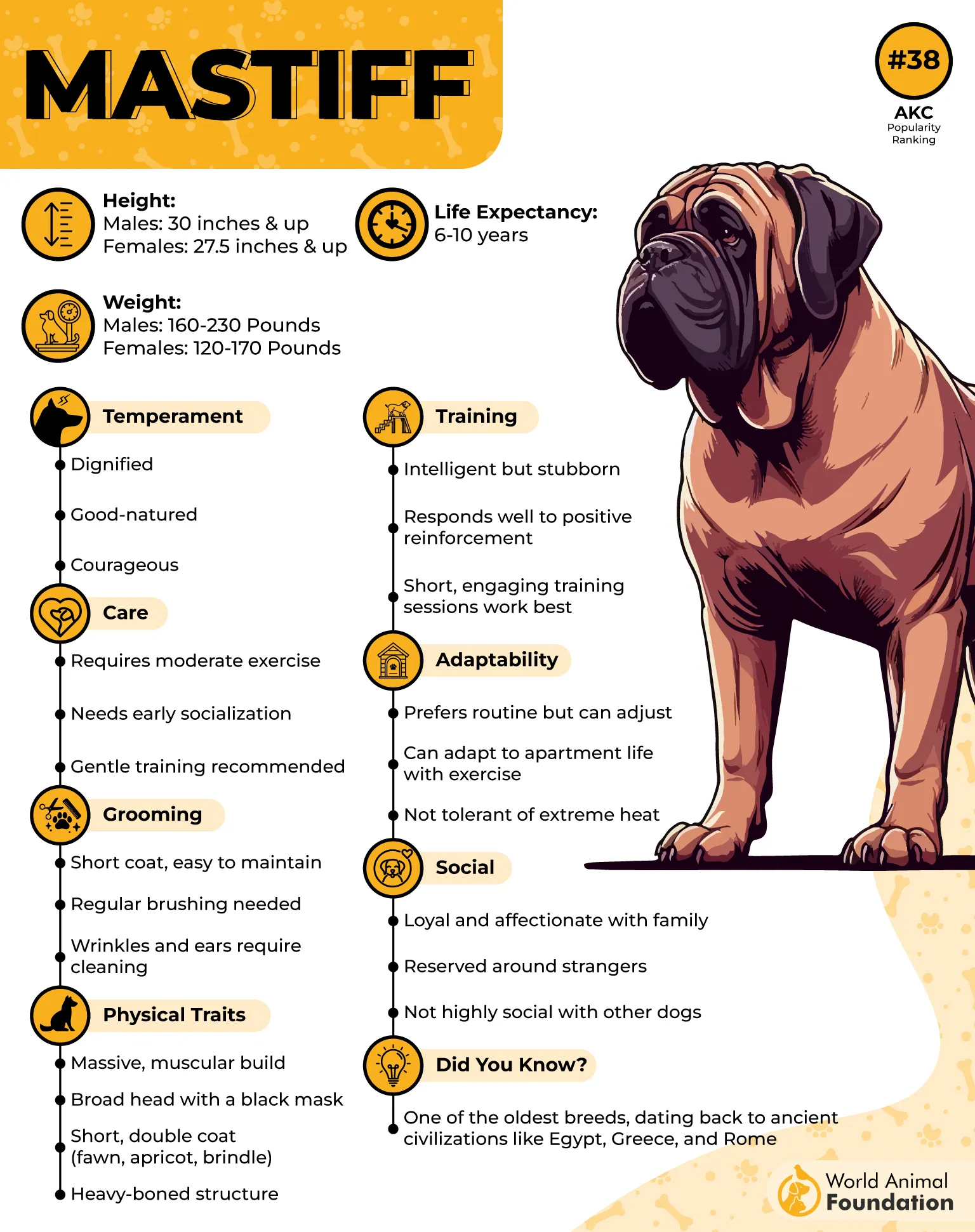
1. Mastiff
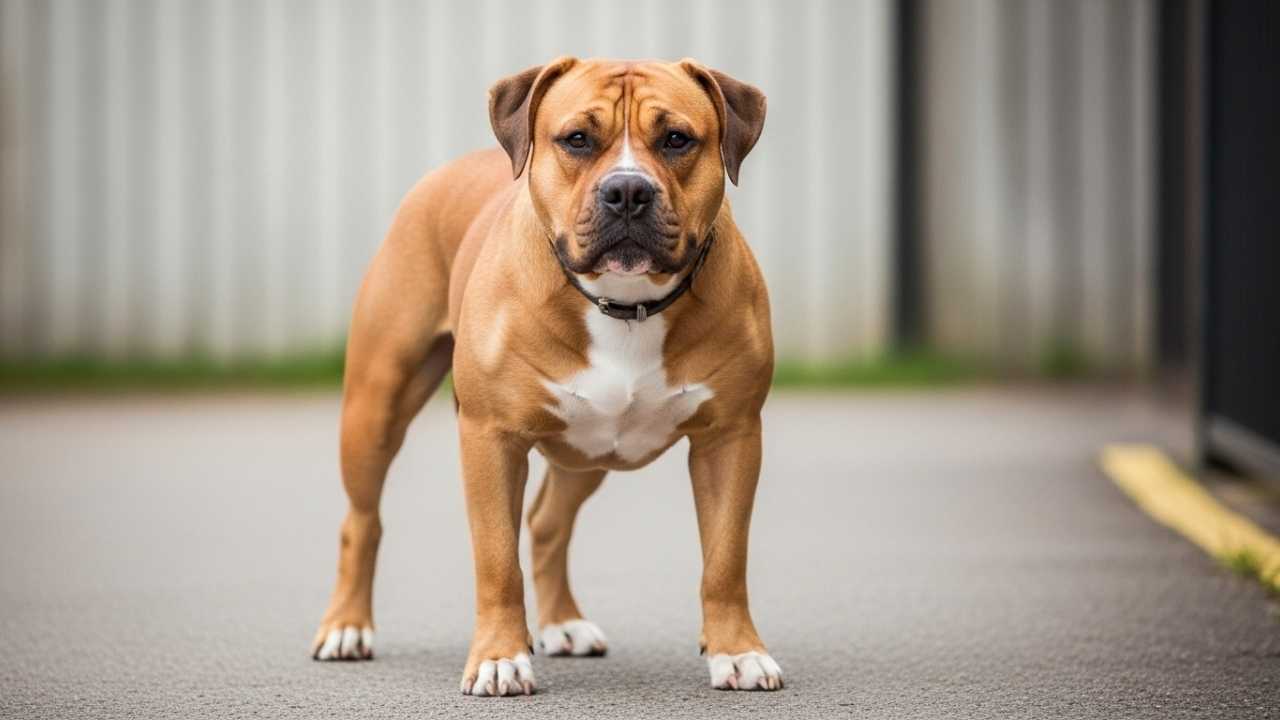
Mastiffs have an ancient lineage in Britain, where dogs of this type were already there when Roman forces invaded the island. Some accounts suggest Phoenician traders may have brought them as early as the 6th century BC, while Roman forces used them to guard sheep and protect people.
A Watchful Presence
Mastiff brings the qualities expected of a serious guardian, with strength, alertness, and an observant nature suited to protecting a household. Its calm presence can be reassuring, while its protective instincts require careful socialization and responsive training from puppyhood.
Its protective role can look different in various settings:
Affectionate and calm with their owners
Additional guard training may increase territorial behavior
Used in police, military, and search-and-rescue work
Quiet Alertness
This protective dog breed is generally not a frequent barker, choosing its deep voice for unfamiliar people, strange stimuli, or situations that make it uncomfortable, as per Orvis. That low, powerful warning can travel through the house, giving a household a clear signal when something catches the dog’s attention.
2. Great Dane
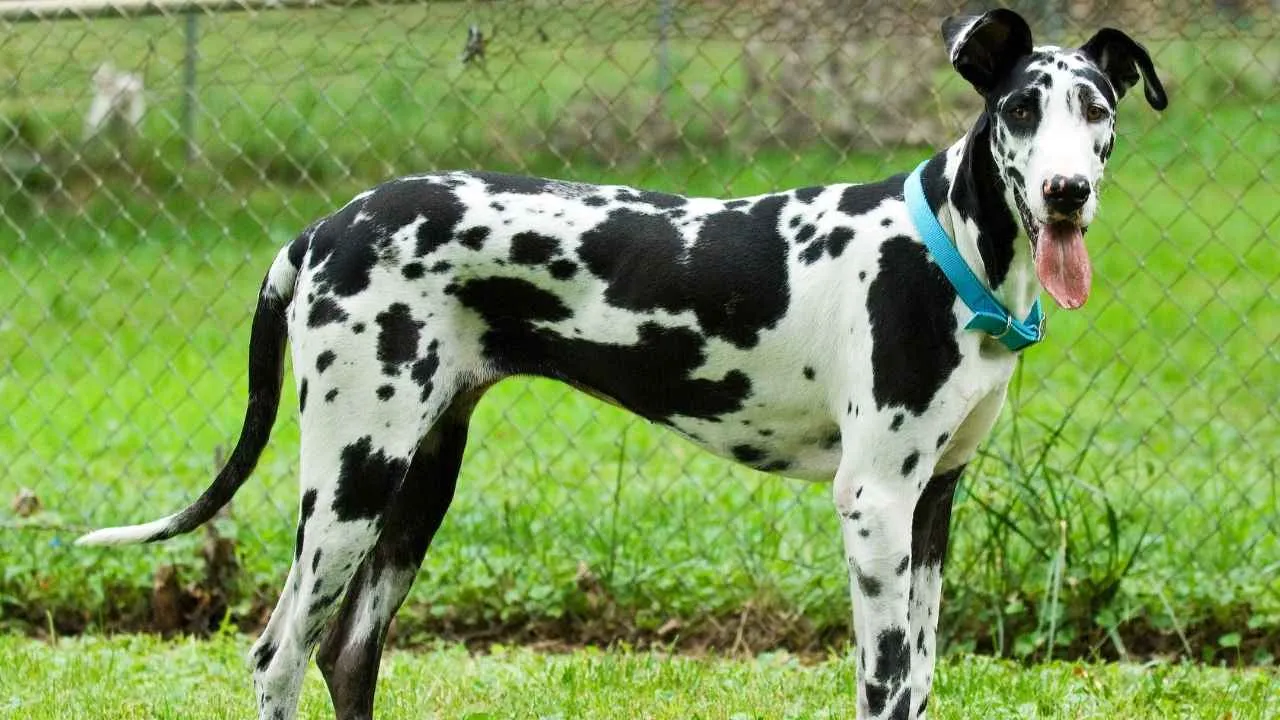
Great Dane was originally bred in Germany, with its ancestry often linked to the Irish Wolfhound and English Mastiff. Some theories also point to ancient dog-like figures found in Egyptian artifacts and Babylonian temples, although the breed’s German roots are more firmly documented.
A Serious Deterrent
This protection dog can have a powerful effect on a property simply through its enormous size and imposing bark. For guarding purposes, breeding matters too, since some lines are intentionally selected for protective instincts that can make the dog more responsive to perceived threats.
This is what matters when assessing that role:
Loud barking can deter trespassers
Socialization helps distinguish genuine threats
They like to guard
Family Comes First
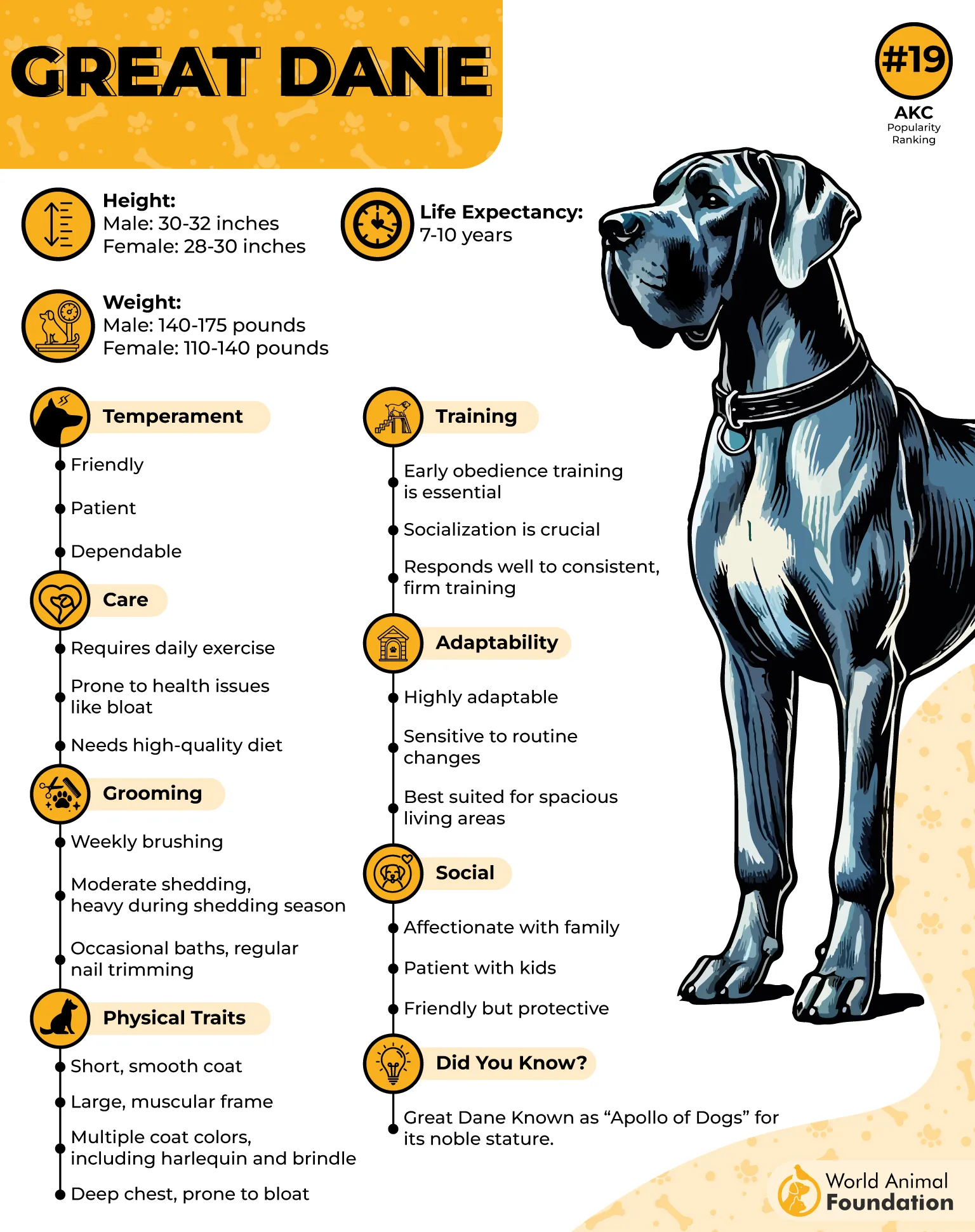
Great Danes often form close attachments to family members, including children, and careful training can reinforce reliable responses around the household, as noted by PetMD. Regular exposure to unfamiliar people is important because limited social contact may cause a dog to misjudge ordinary visitors as threats.
3. Leonberger
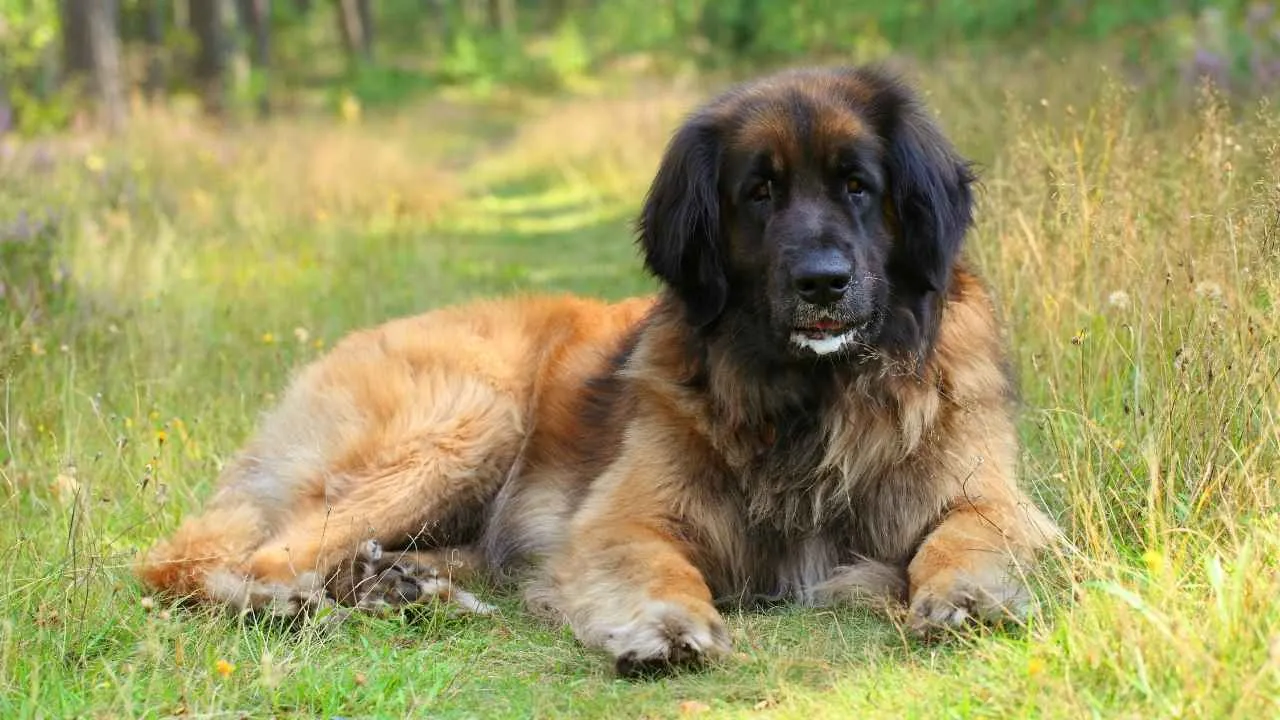
Leonberger was developed in Leonberg, Germany, during the mid-19th century, when people sought a large canine companion with protective qualities for town life. Early breeding combined sizeable mountain and water-rescue working dogs, while the breed later came close to extinction during wartime.
Quiet Protection
This good guard dog brings a composed presence to protective duties, with its imposing size and deep bark often enough to discourage suspicious visitors, as the Royal Kennel Club claims.
Rather than rushing toward conflict, it may watch carefully or block a doorway while assessing what is happening around the home.
That composed nature still needs consistent direction:
Adolescence may bring boundary testing
Early obedience helps establish clear cues
Need proper socialization during the 6-to-15-week
Gentle Around Family
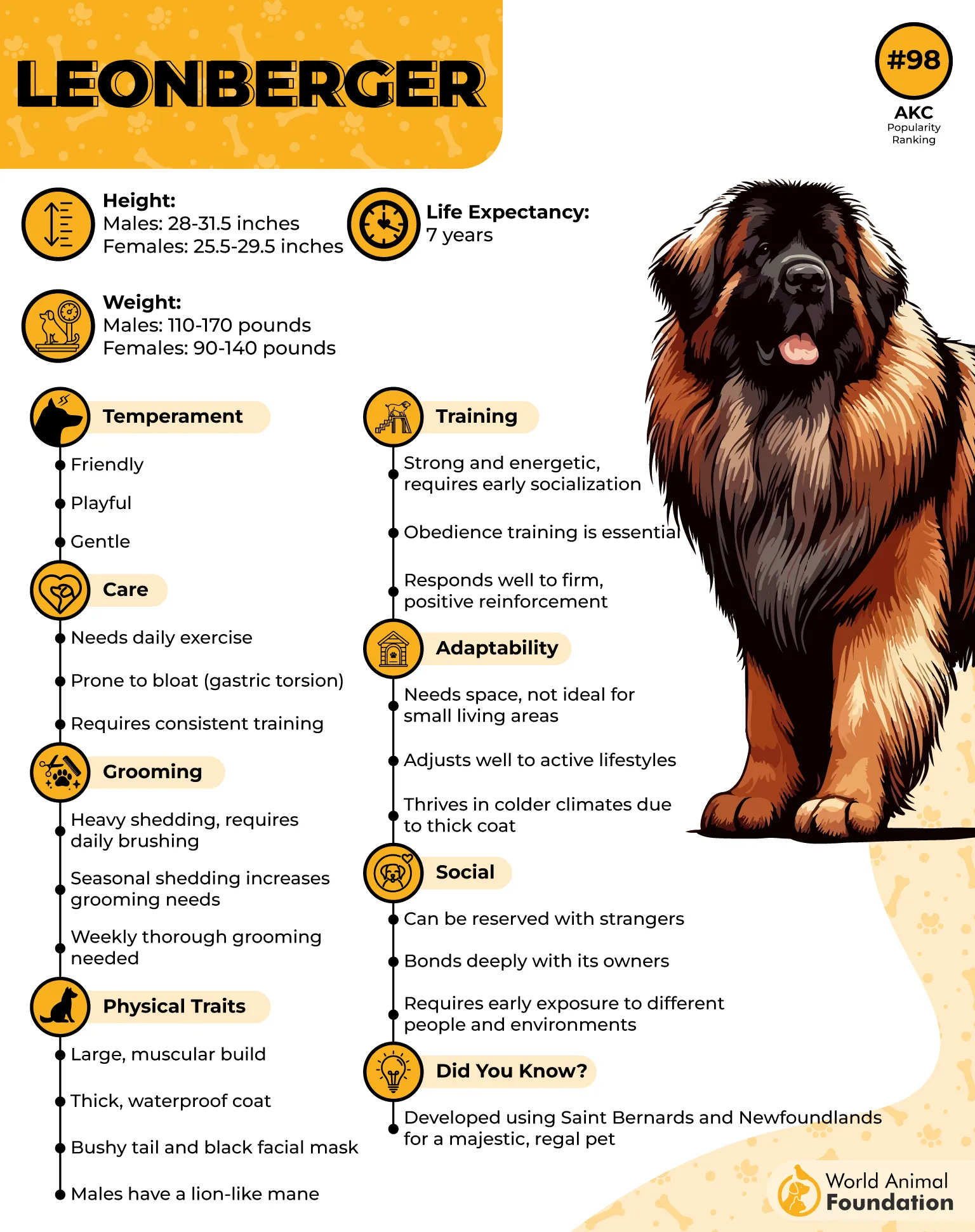
Leonberger is affectionate with its household and especially gentle with children, although its sheer size can create accidental tumbles during energetic play. It may also step between people during an argument, apparently trying to interrupt the dispute rather than ignore it.
4. Newfoundland
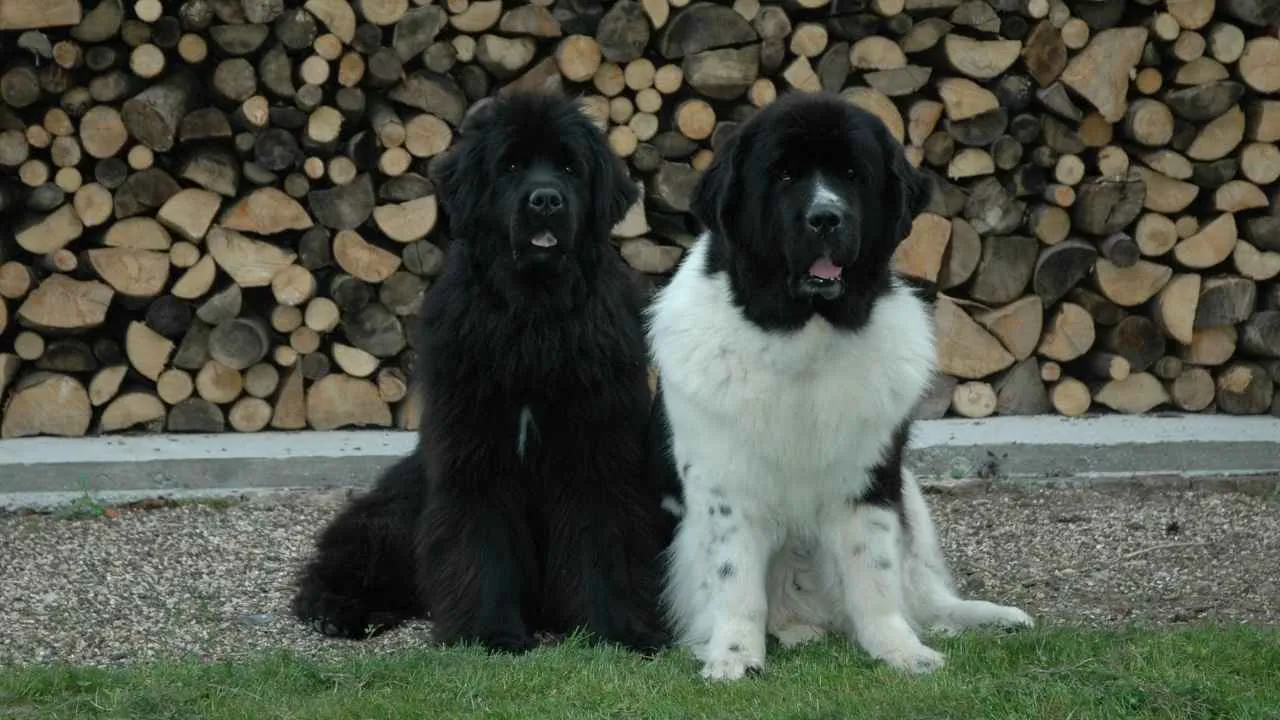
Newfoundland originated from the island that shares its name, where its exceptional swimming ability became closely tied to life around working fishermen. By the 18th century, these dogs had reached Britain and France, where English sailors valued them as dependable ship dogs.
Calm When It Counts
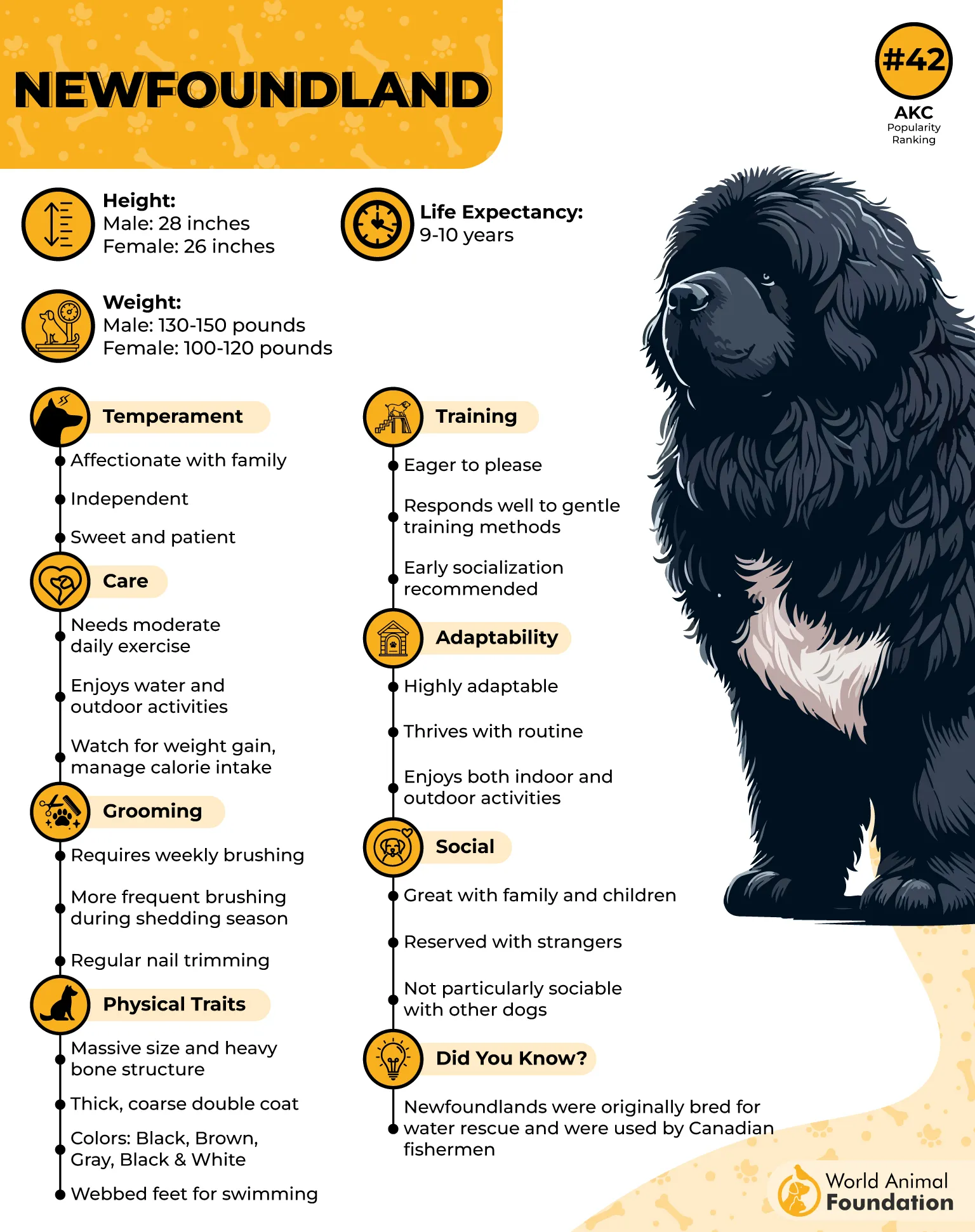
Newfies have a quiet kind of protection for a household, using their immense size and deep bark to make an immediate impression when something feels wrong. Weighing around 100 to 150 pounds, its bear-like build can discourage unwelcome visitors before any confrontation begins.
A few details reveal how that protective nature works:
Steps between family and danger
Remarkable record as a water-rescue dog
Can tow distressed swimmers toward safety
Gentle With Children
This best family guard dog is famously patient with children and has even earned the nickname “Nanny Dog,” while Nana from Peter Pan was portrayed as a Newfoundland caring for the Darling children. Its gentle nature also extends to other pets, though its size can accidentally injure very small animals.
5. Great Pyrenees
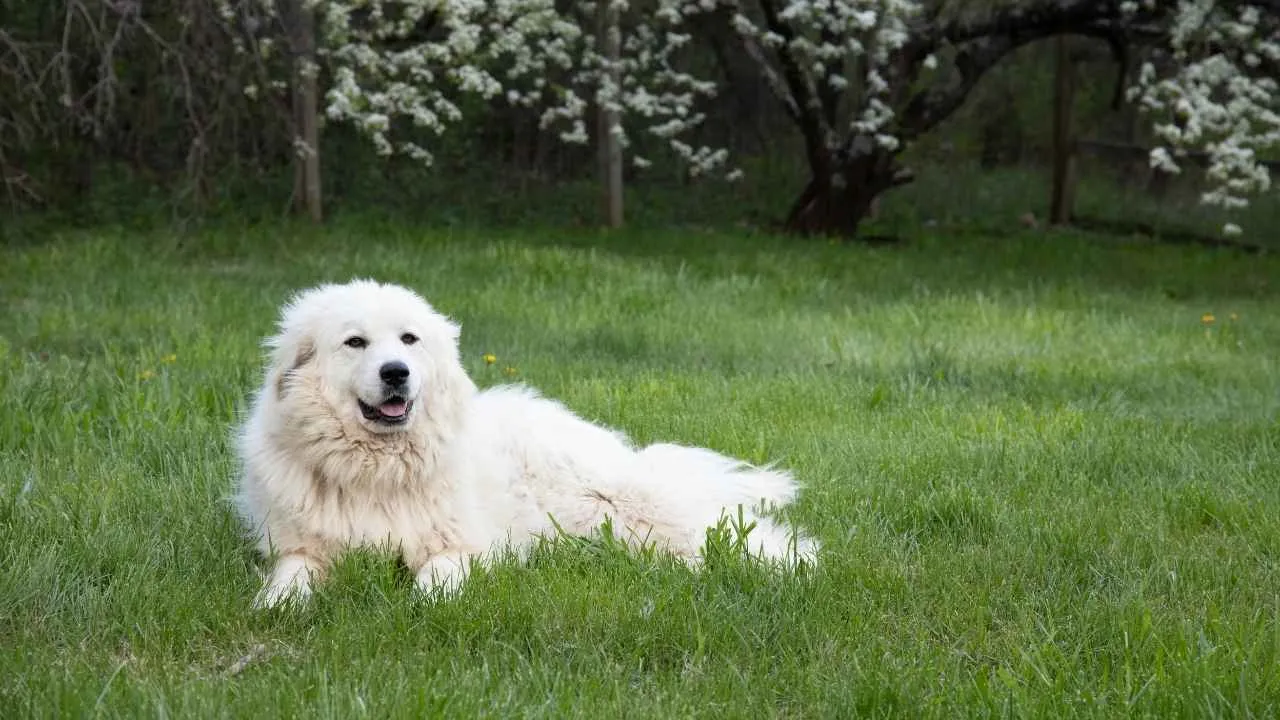
Great Pyrenees comes from the mountains between France and Spain, with origins reaching as far back as the Bronze Age, around 1800 to 1000 B.C.E. It later became a favorite of French royalty, with King Louis XIV giving the breed the title “Royal Dog of France.”
Quiet Watchfulness
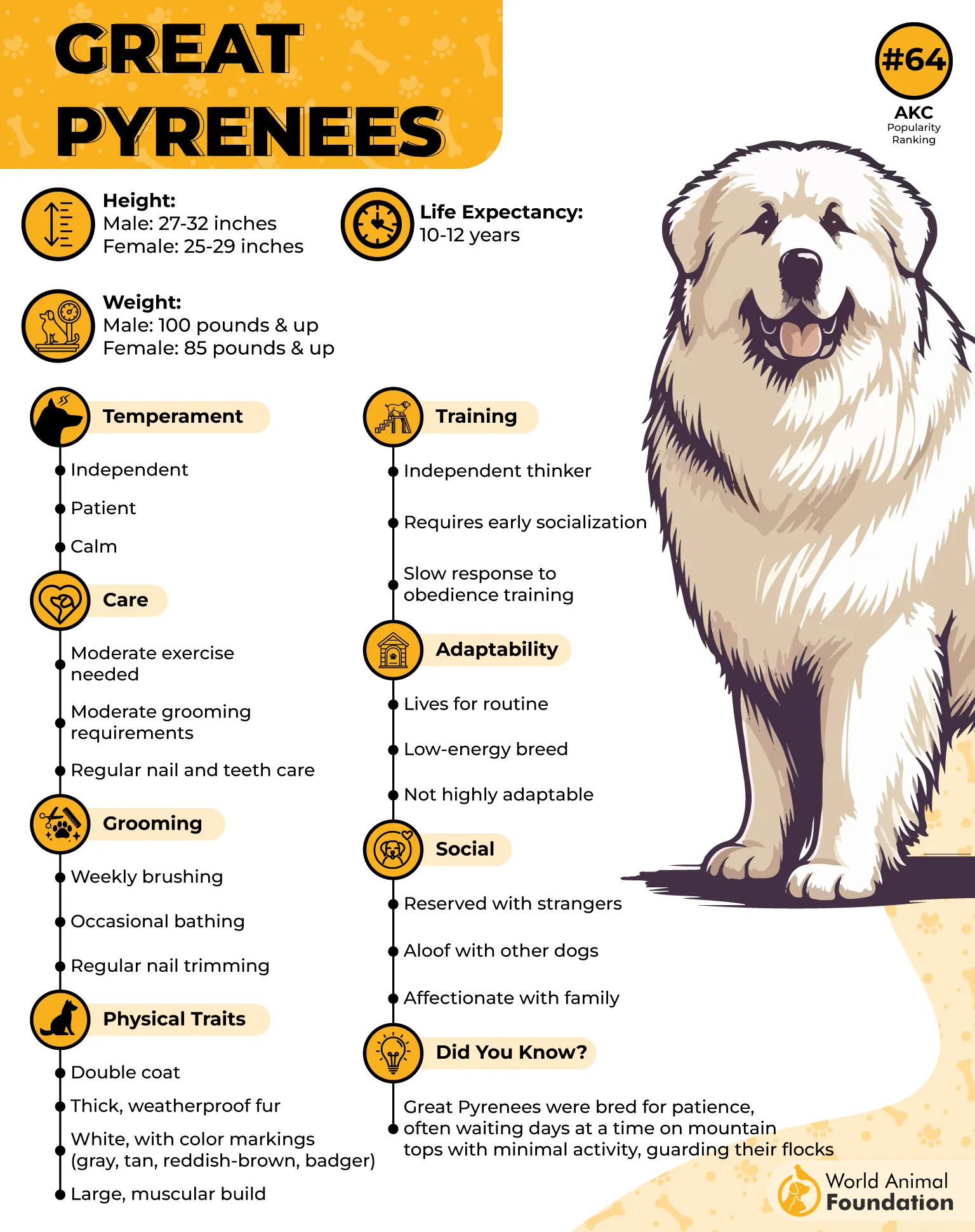
This loyal companion has a natural protective instinct shaped by its work guarding livestock and homes. It can alert the household when unfamiliar people approach, while its calm temperament keeps that vigilance from automatically turning into aggression.
These qualities make that protective role more practical:
Barking is their first line of defence
More active and alert at night
Early socialization helps with other animals
A Dog With a Job
Great Pyrenees responds best when given a clear purpose, whether that involves watching animals, keeping an eye on children, or pulling a cart. Its intelligence also comes with independent decision-making, so training requires firm, consistent direction rather than repeated commands.
6. Boerboel
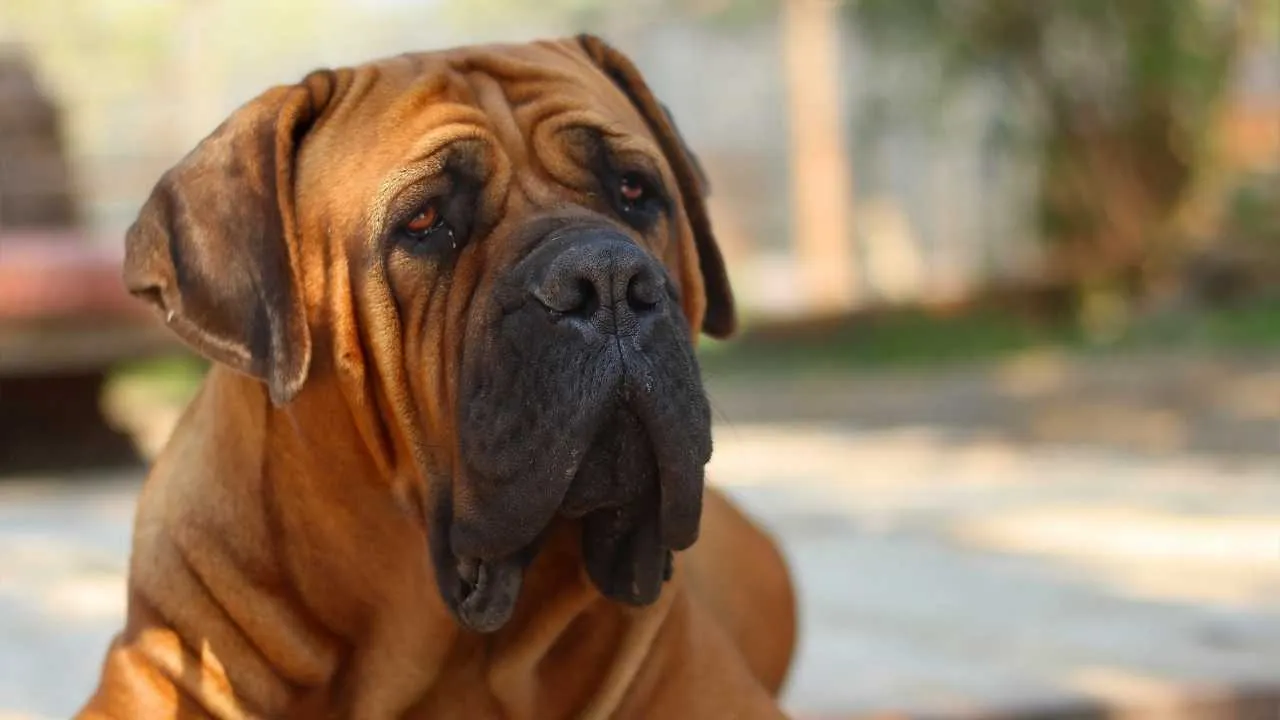
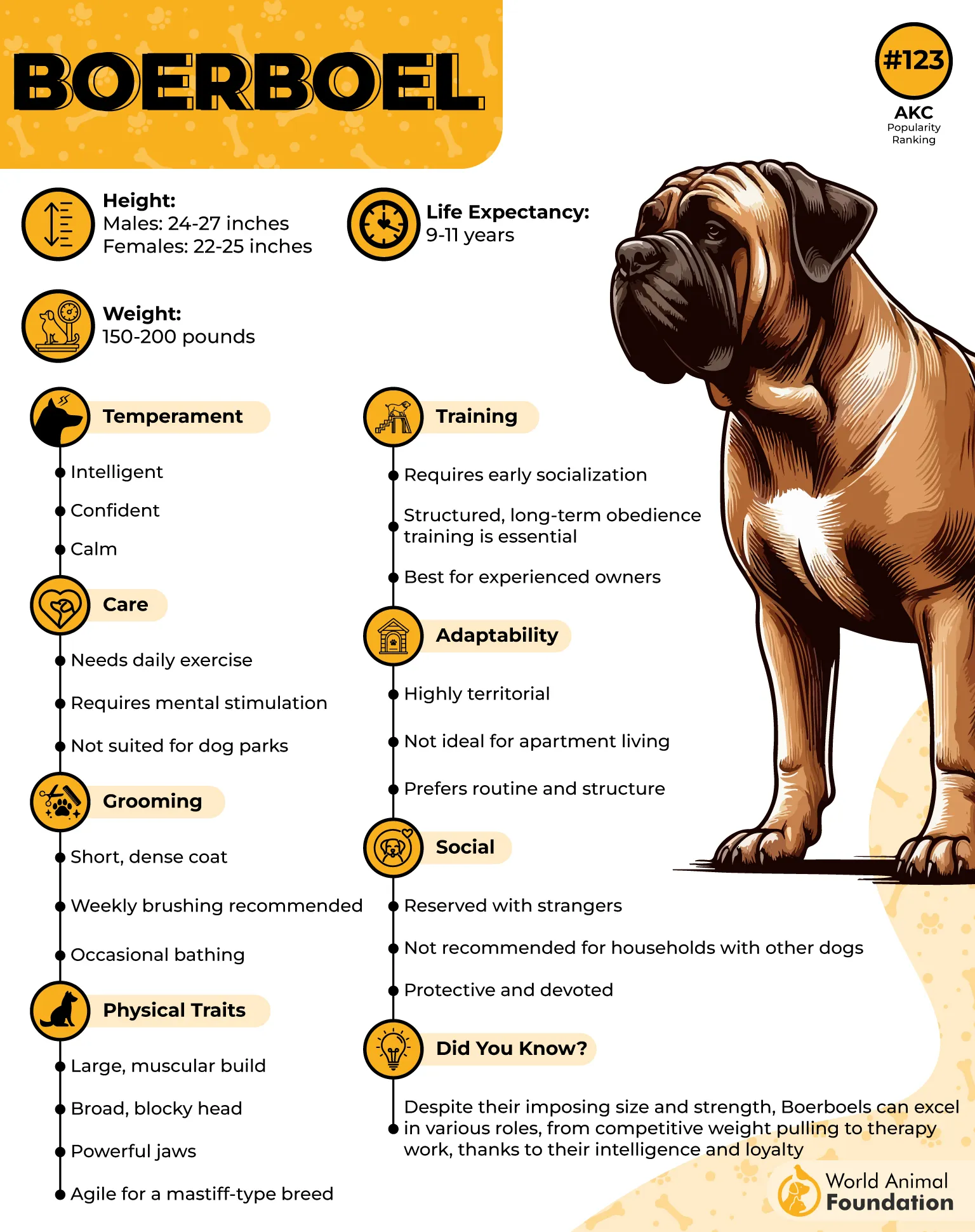
Boerboel emerged from South Africa after Dutch, German, and Huguenot settlers arrived during the 1600s with large guardian and hunting dogs. Later breeding with dogs such as the Bullmastiff, Rhodesian Ridgeback, English Bulldog, and local South African dogs shaped the breed known today.
Serious About Protection
Being a muscular dog breed with strong guarding instincts, this dog can be very aware of its family and surroundings without constantly vocalizing. Its occasional warning bark can therefore mean something has genuinely caught its attention.
Here’s how its protective nature appears in daily life:
Places itself between family and danger
Can deter intruders through its imposing appearance
Strong-willed and confident
Around the Family
Boerboel can be gentle and patient with children it has been raised alongside, although its size and assertive personality make older, respectful children a safer match. Visits from children’s friends require extra care, while this breed should not live with dogs, cats, or small animals.
7. Rhodesian Ridgeback
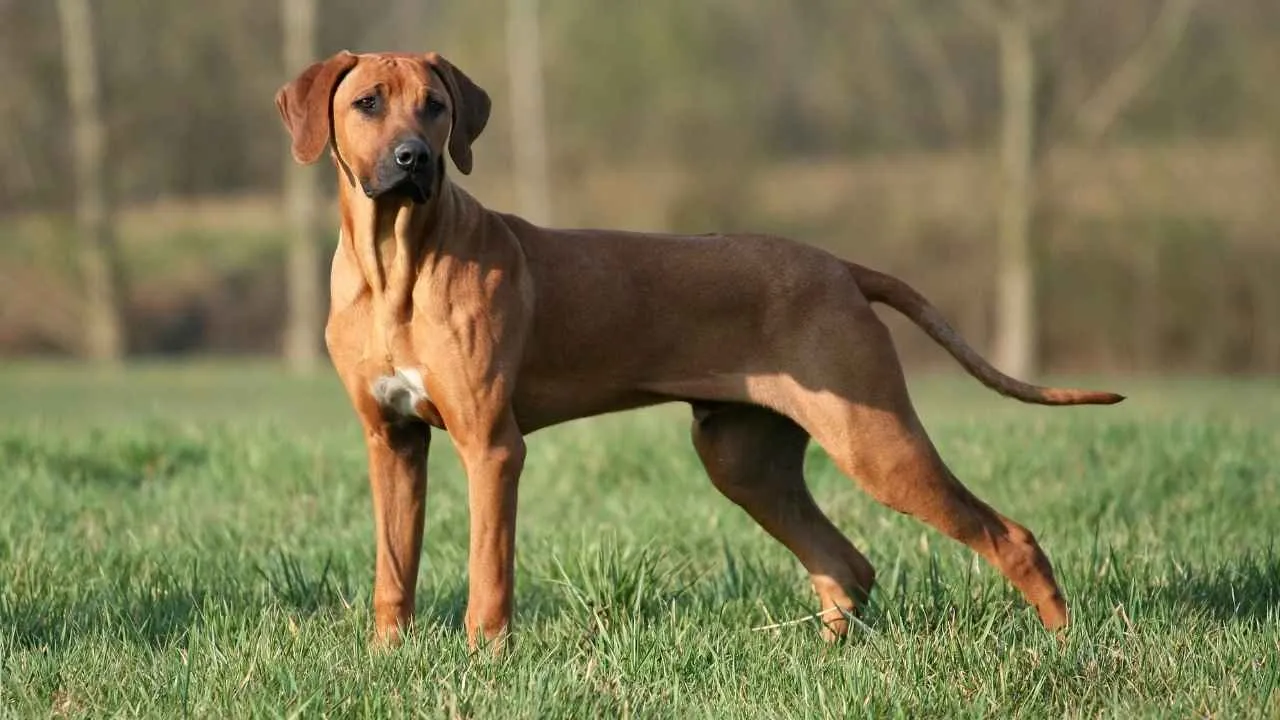
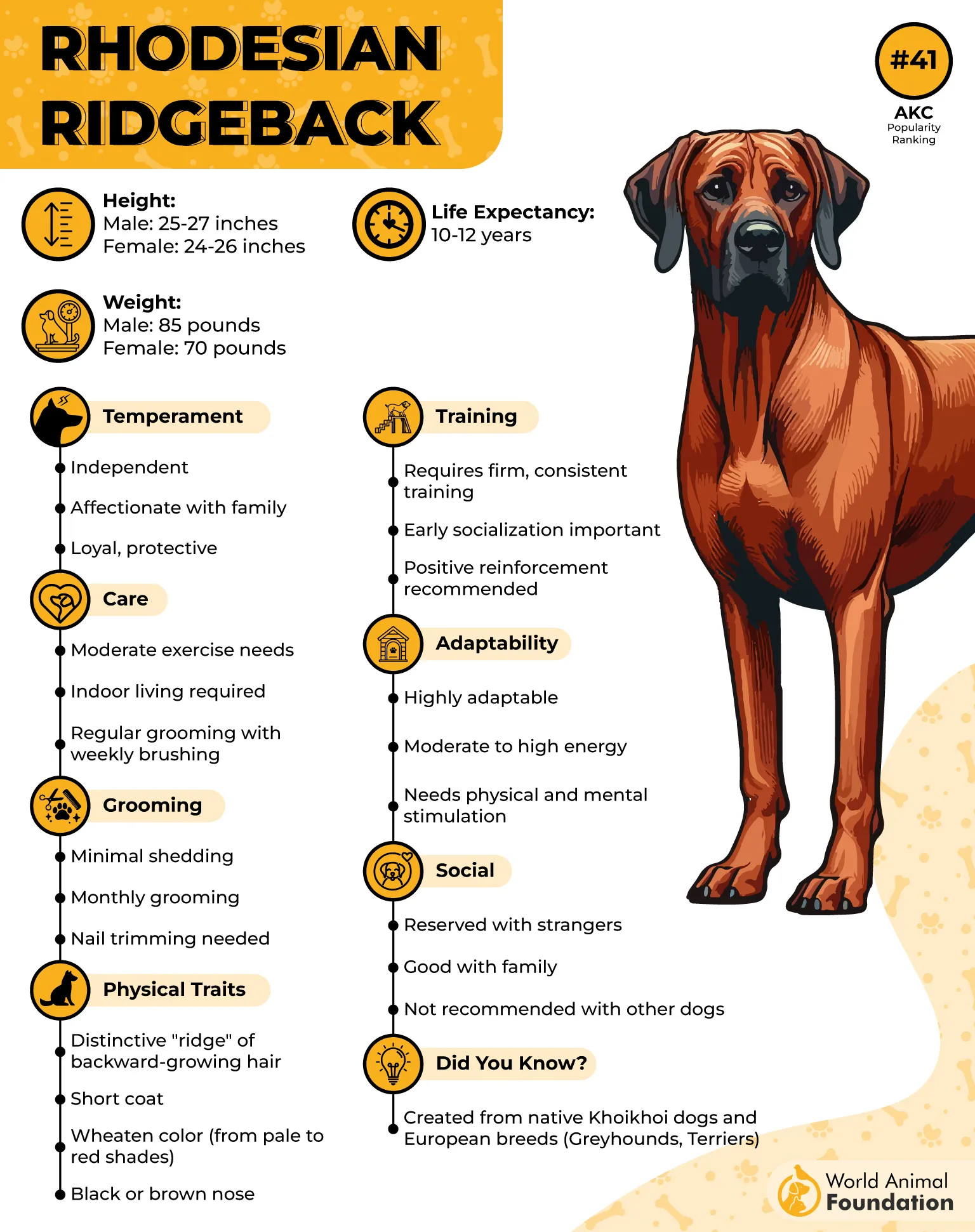
Rhodesian Ridgeback carries a distinctive ridge of fur running along its back, formed by hair growing in the opposite direction from the surrounding coat. Its lineage includes Mastiffs, Bloodhounds, Great Danes, Pointers, and Greyhounds brought by European settlers during the 16th and 17th centuries.
A Quiet Watcher
Rhodesian Ridgeback has a naturally alert and protective nature, often barking only when something seems worth bringing to its person’s attention. Its strong-willed character and wariness around unfamiliar people make early, consistent socialization especially important.
Three details add useful context:
Sensitive to harsh correction
Positive reinforcement suits training
Need supervised interaction with children
Prey Drive Matters
This effective guard dog may live successfully with dogs and cats when raised alongside them, while its strong prey drive can trigger chasing of rabbits and other small animals. Continued socialization also helps it handle unfamiliar animals and situations with better judgment.
Conclusion
Calm protection starts with a dog that can notice unusual activity without reacting to every sound or visitor. Excellent guard dogs still need early socialization, clear boundaries, and proper training so their instincts remain manageable. Size also matters because a powerful dog can cause problems through strength alone if manners are not established.
Owners should consider family routines, children, other dogs, visitors, space, and the dog’s need for companionship before bringing one home. The right guardian can offer confidence and security while remaining relaxed around familiar people. Good training and mental stimulation help turn natural watchfulness into reliable protection without unnecessary tension in family life.
