




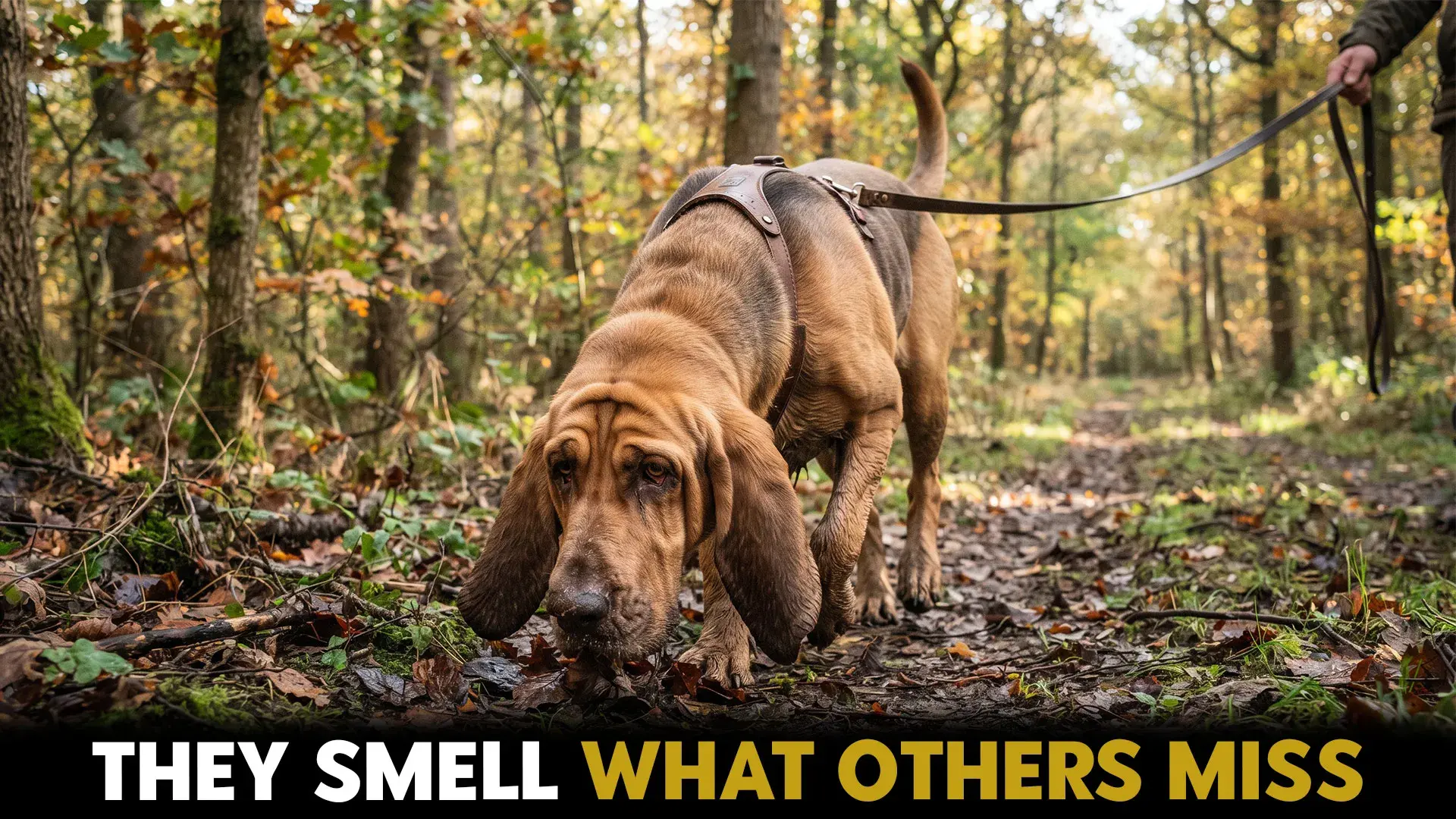
Ever wonder how a dog can find a missing hiker, a hidden explosive, or a single lost earring buried in a backyard? The answer sits right on the end of their nose, and it is more powerful than most people realize.
Dogs can carry up to 300 million scent receptors, compared to a human’s roughly 5 million, giving them a sense of smell that operates on an entirely different level. That kind of canine olfaction lets certain dogs pick up a scent trail that is hours, even days, old.
Not every dog owner realizes that sniffing ability varies wildly between breeds. Long, big ears, loose skin, and a nose built to trap ground scent all give some hound breeds a serious edge over the rest.
So which dogs actually have the best sense of smell, and what makes their noses so suited for the job? Keep reading to find out.
Top Dog Breeds with the Sharpest Sense of Smell
1. Bloodhound
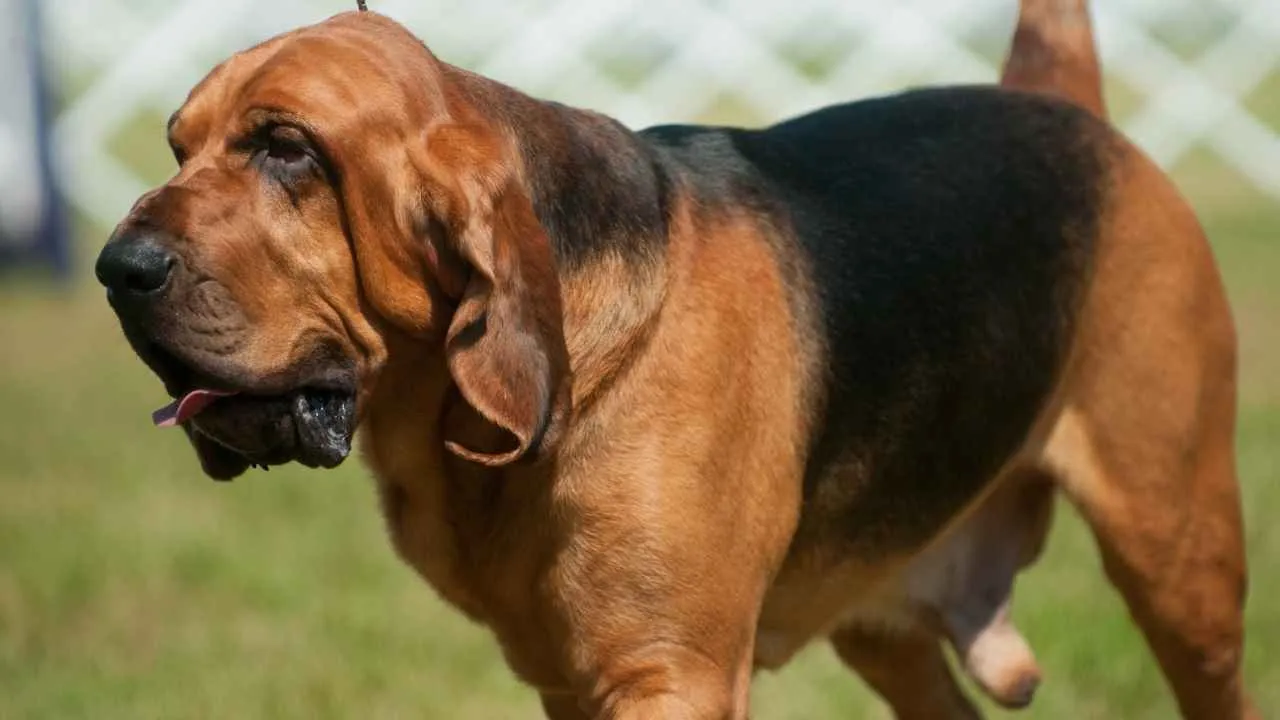
Belgian monks bred the Bloodhound centuries ago for one job: follow a scent trail. Its giant frame, long head, and loose skin all sweep ground scent toward the nose. At home, it needs space and an owner who respects that nose.
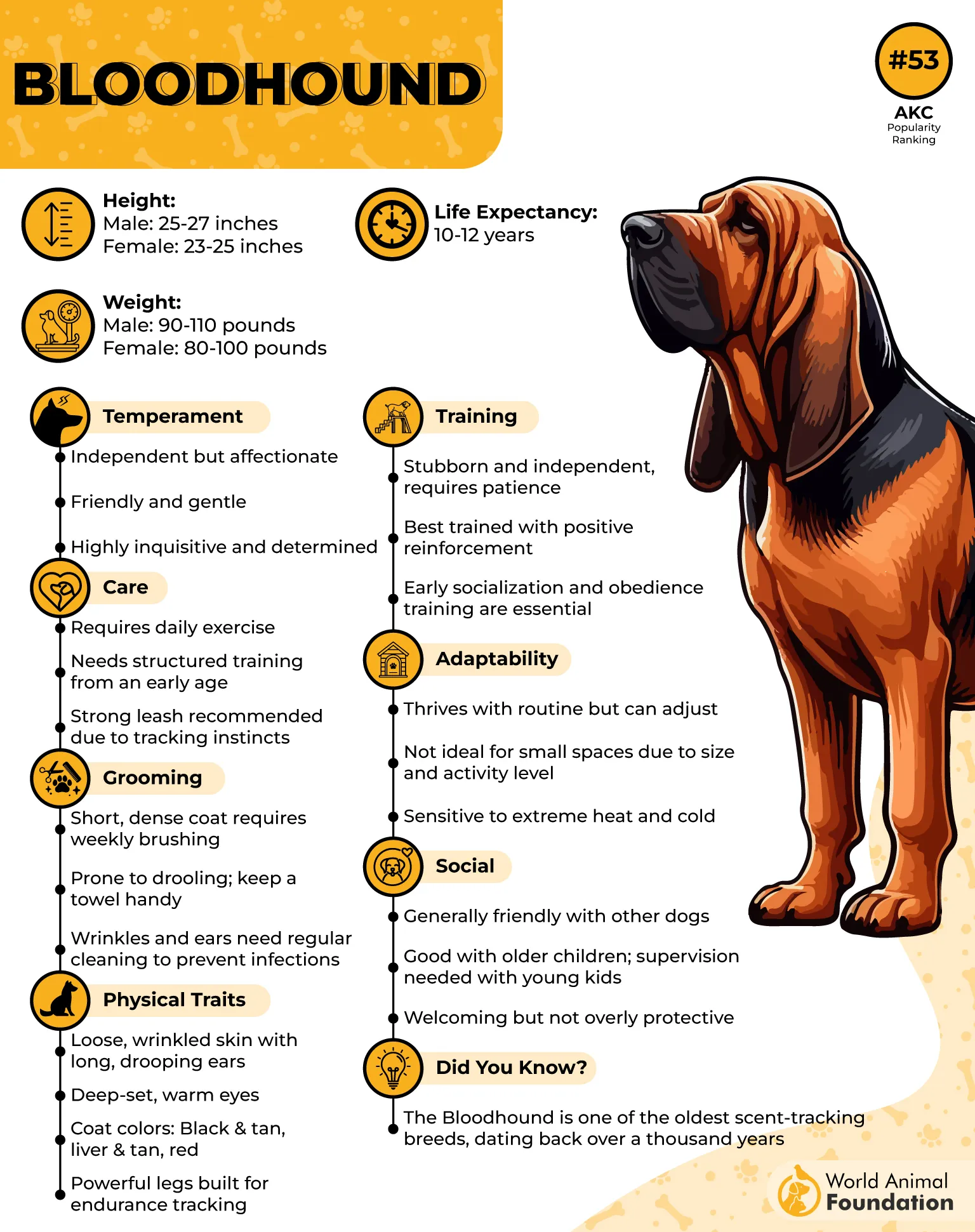
According to Britannica, the Bloodhound carries 230 to 300 million scent receptors, about 40 times that of a human nose. That canine olfaction can follow a cold trail for miles. Its trailing work has been accepted as evidence in U.S. courts.

Personality: Calm and affectionate, though single-minded once its nose locks on.
Trainability: Independent and a bit stubborn, so patience beats pressure.
Today, the Bloodhound is still a favorite for search and rescue and law enforcement tracking. Handlers lean on its stamina to cover long distances without breaking focus. Few hound breeds match its man-trailing abilities.
2. Basset Hound
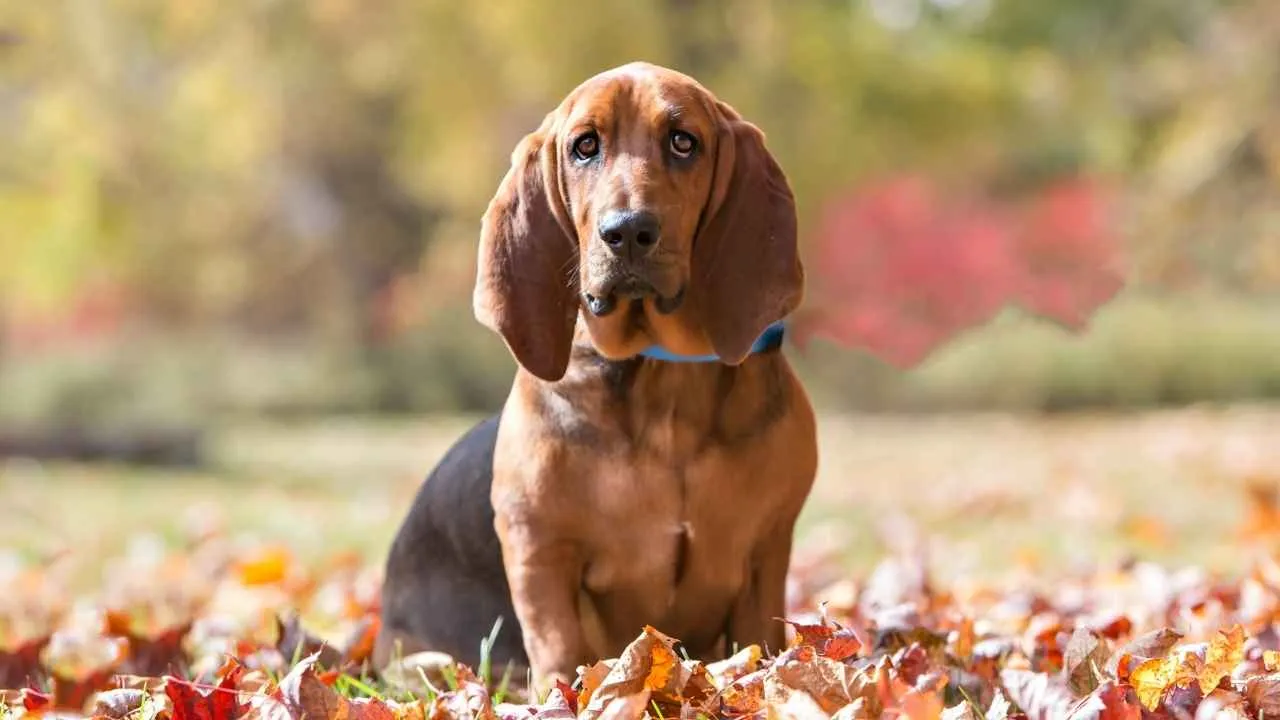
Basset Hounds were bred to trail rabbits and hare at a hunter’s walking pace. Their long ears and loose skin sweep and trap scent close to the nose. Those same heavy ears need regular cleaning to avoid infections at home.
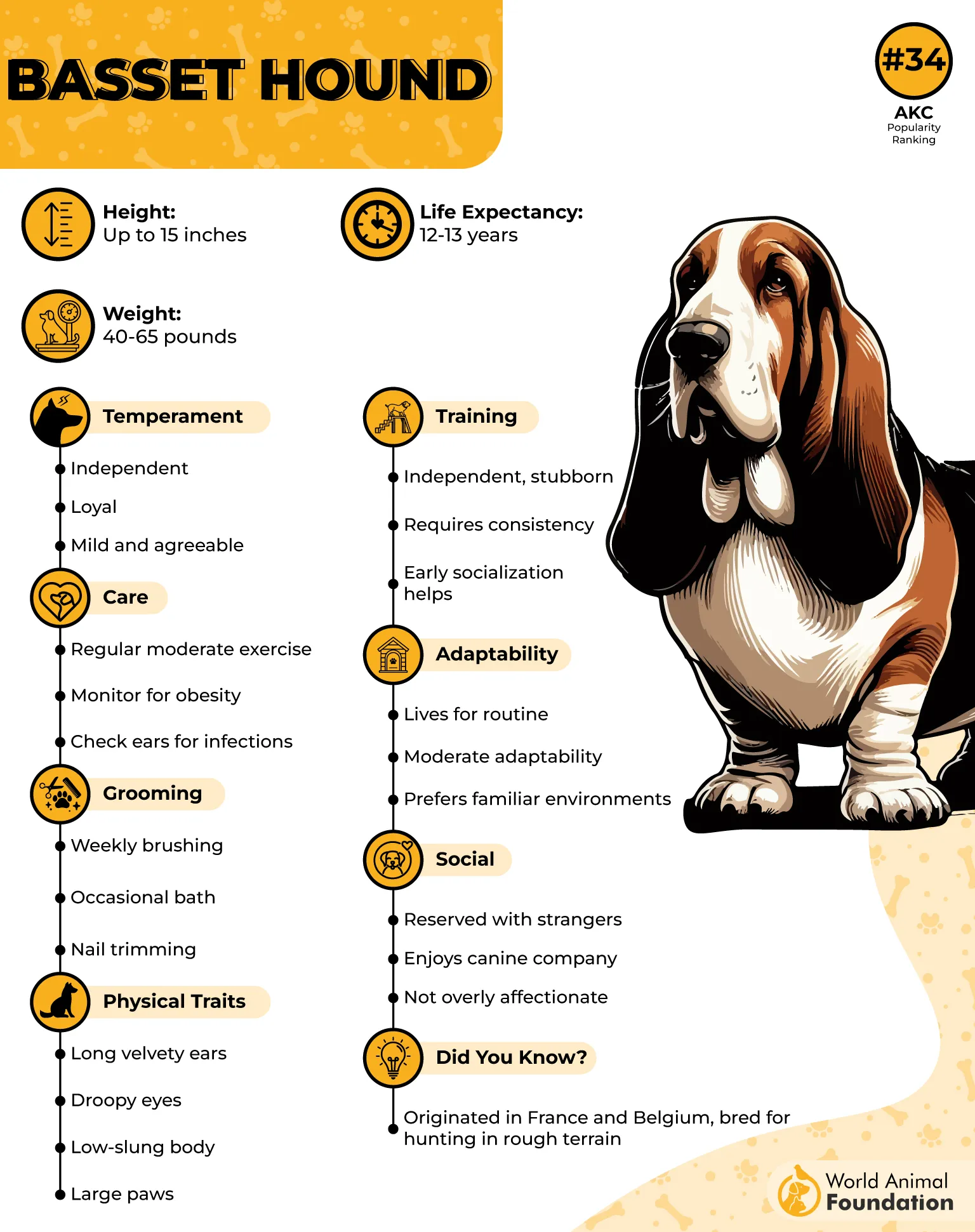
The Basset Hound’s nose ranks second only to the Bloodhound’s among hound breeds. Its short legs keep that nose low, right where ground scent lingers longest. Even a cold trail rarely slows this determined tracker.
Personality: Mild-mannered and devoted, with a deep bark that carries surprisingly far.
Trainability: Independent-minded, so scent-based games work better than repetition.
Basset Hounds still compete in scent work and tracking trials. Many hunters use them to trail small game across difficult terrain. Away from the field, most simply live as food-motivated family companions.
3. Beagle
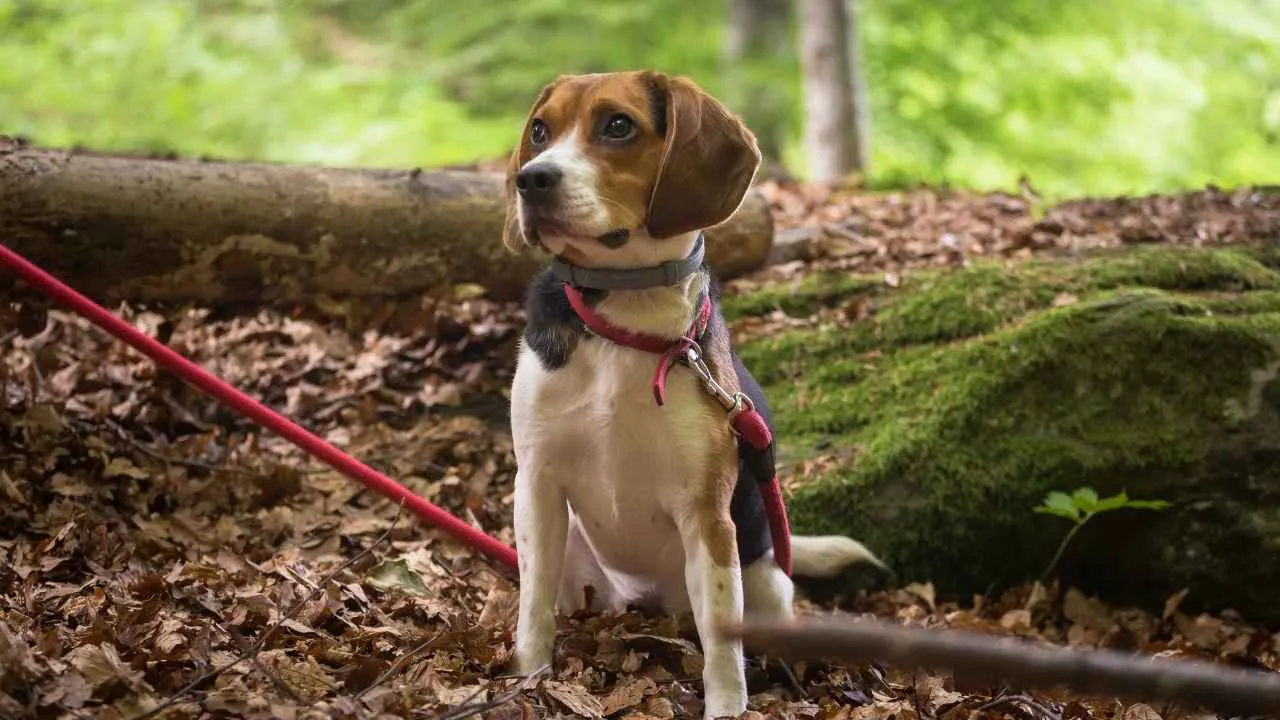
Beagles were bred in England to trail rabbits and hares in hunting packs. A long neck keeps that nose low to the ground for hours. That same drive means daily walks and secure fencing matter at home.
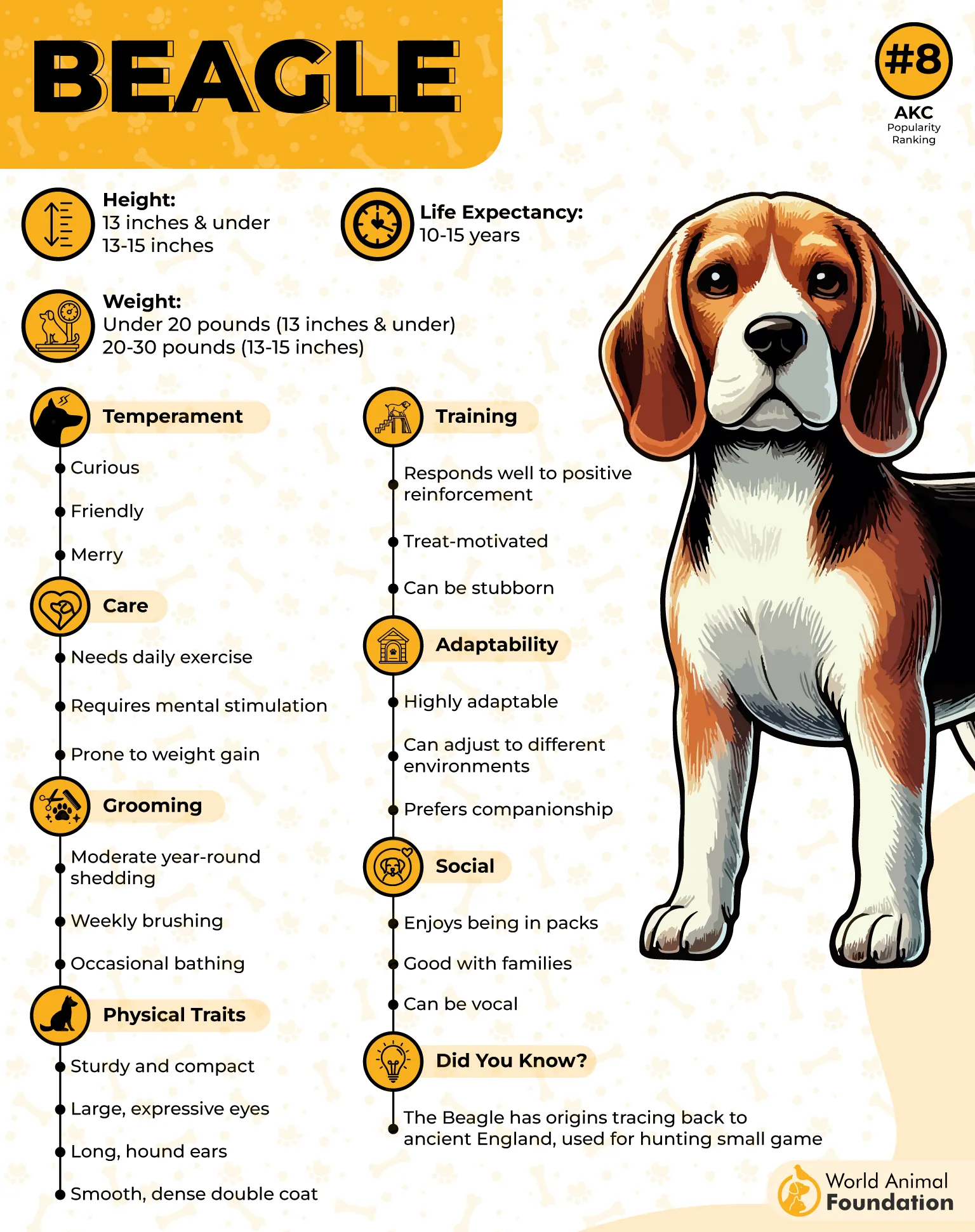
According to Purina, a Beagle’s incredible nose makes it a favorite airport sniffer dog worldwide. Its scent receptors far outnumber a human’s, letting it detect contraband tucked deep in luggage. That same nose traces a scent trail for long distances outdoors.
Personality: Friendly and vocal, with a bay that carries through the woods.
Trainability: Smart but easily distracted, so short sessions work best.
Today, Beagles work customs and quarantine checkpoints worldwide, sniffing out banned food and plants. This hunting dog and its compact size suit confined spaces like luggage and cargo holds. Many still hunt, while others simply enjoy sniffing games at home.
4. Bluetick Coonhound
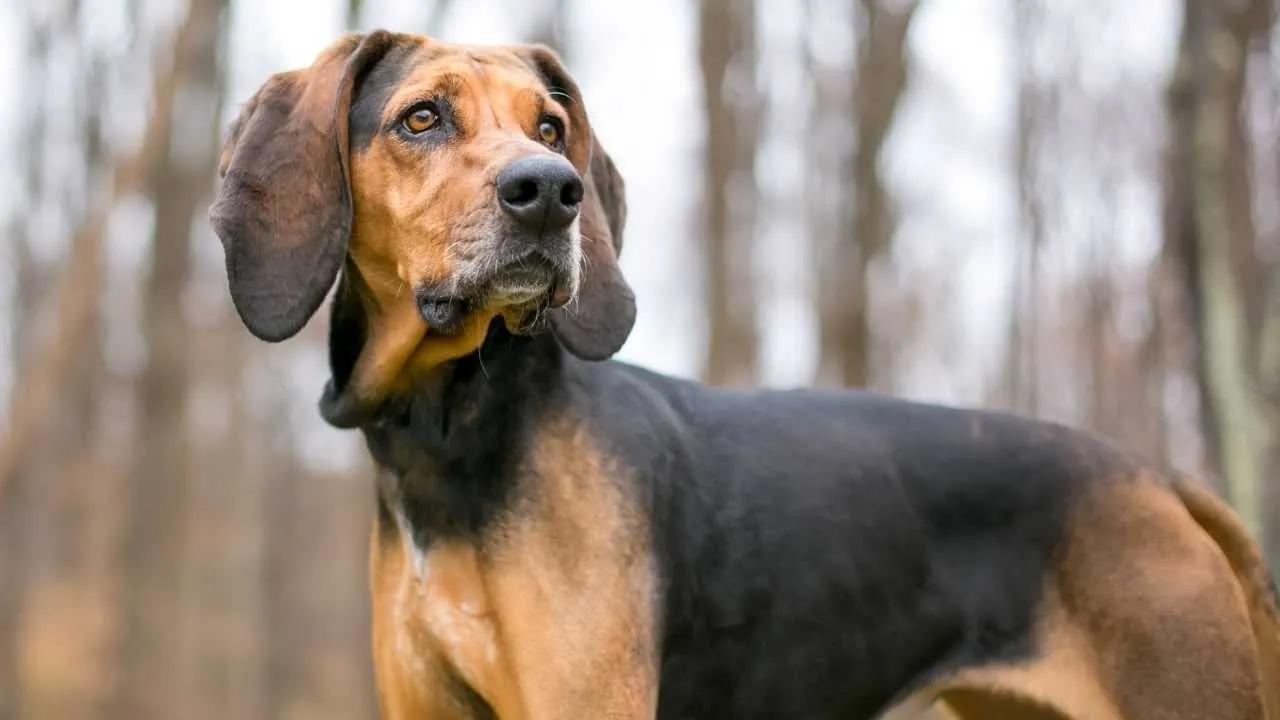
Bluetick Coonhounds were bred on the American frontier to trail raccoons through the night. French and English hound stock gave them stamina and scenting power. That same drive means a securely fenced yard is a must at home.
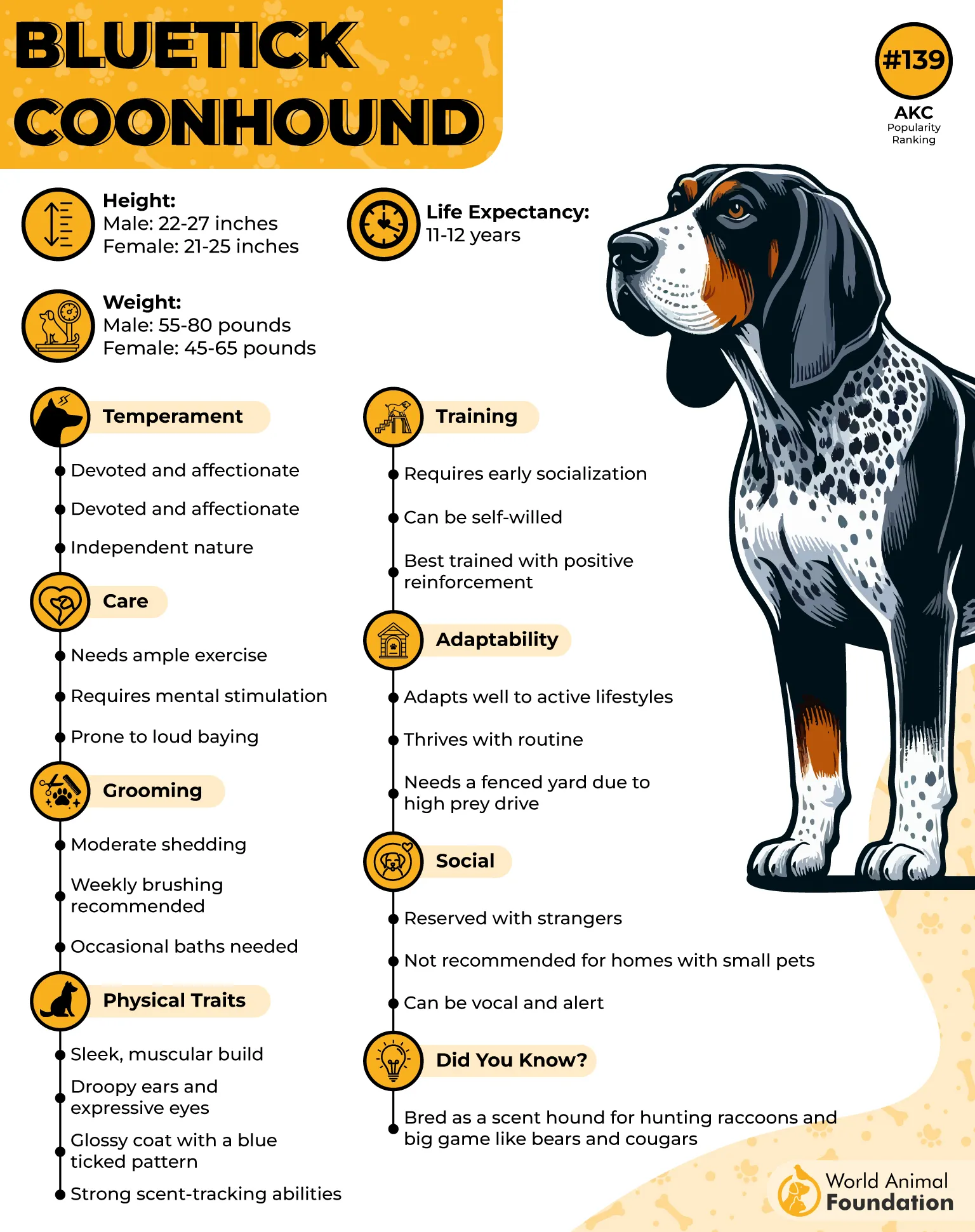
According to Orvis, Bluetick Coonhounds are known for a cold nose that follows a scent trail days after an animal passed through. Hunters prize that patience over raw speed. This steady, methodical style sets it apart from hotter-nosed cousins.
Personality: Loyal and affectionate, though wary of strangers at first meeting.
Trainability: Bright but scent-obsessed, so short, food-based lessons work best.
Bluetick Coonhounds still work raccoon hunts across the southern United States today. Packs also trail larger game like boar and bear when called on. Off duty, many simply live as household companions.
5. Redbone Coonhound
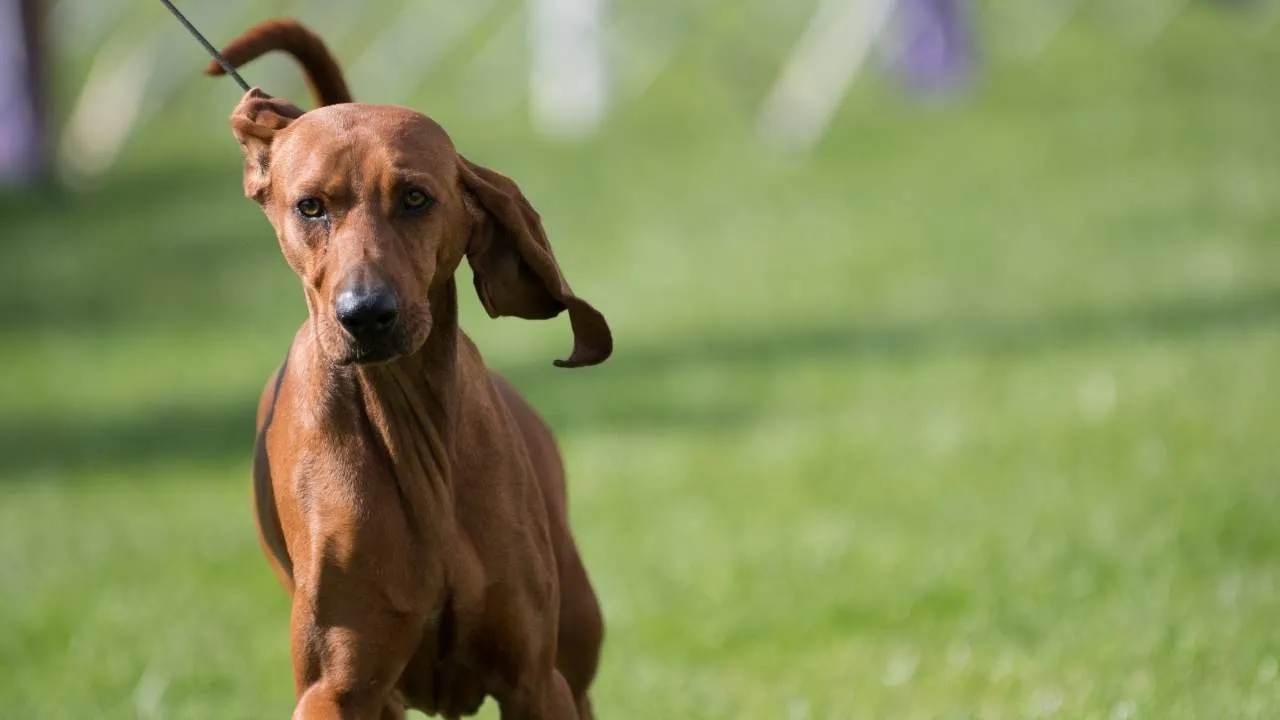
Redbone Coonhounds descended from red foxhounds brought south by Scottish settlers, later refined for raccoon trailing. Breeders wanted a hot nose paired with speed and a striking, solid red coat. That drive means daily exercise and open space matter most at home.
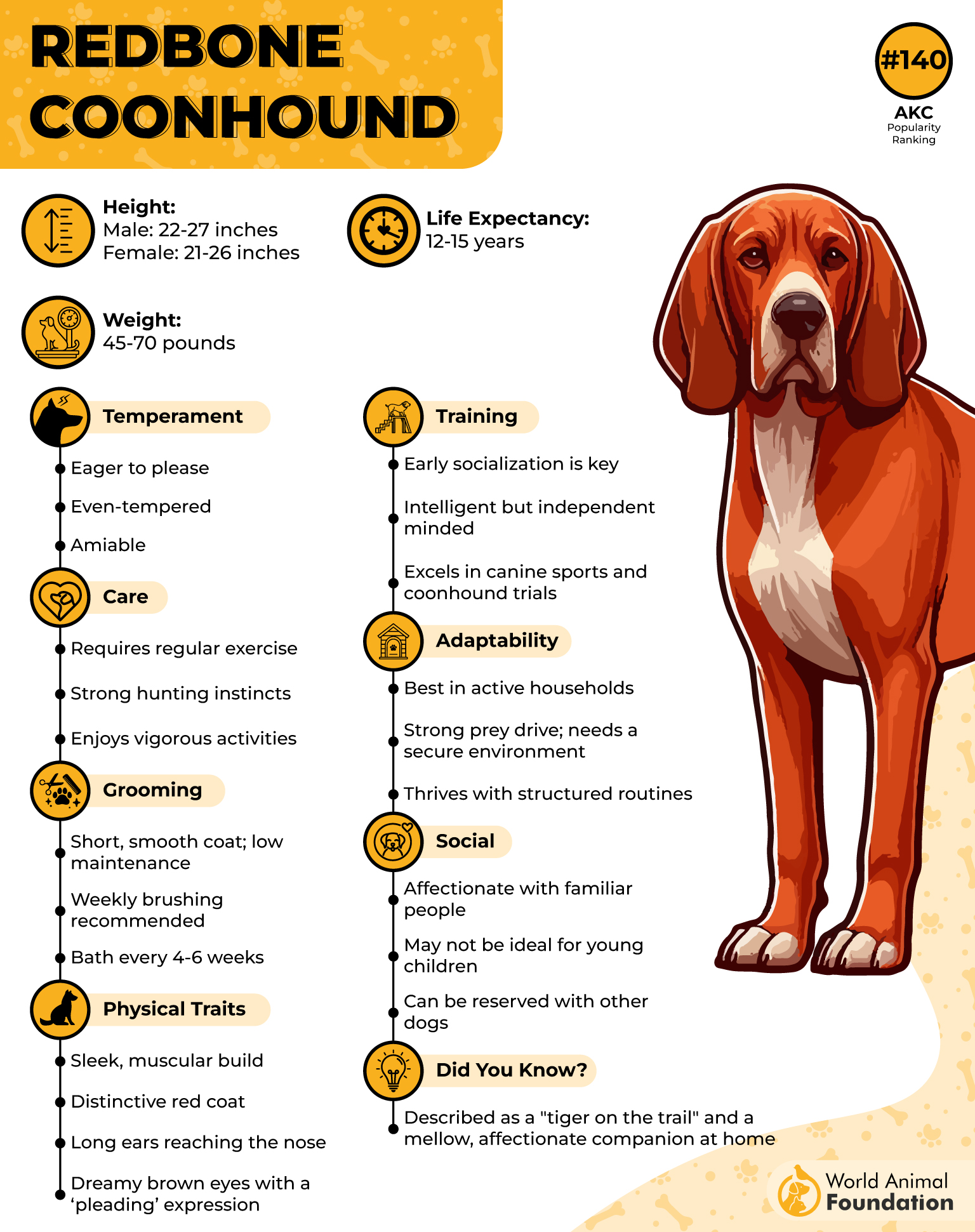
A Redbone’s cold nose can pick up a trail days, sometimes weeks, old. Hunters say the breed locates a scent fast and rarely gets fooled once it commits. That accuracy suits it to swamp or mountain terrain.
Personality: Friendly and even-tempered, quick to greet strangers at the door.
Trainability: Eager to please, though its nose can pull focus outdoors.
Redbone Coonhounds still hunt raccoon across the American South today. Their speed and swimming ability also suit them to tracking game near water. Many now live simply as active family companions.
6. American English Coonhound
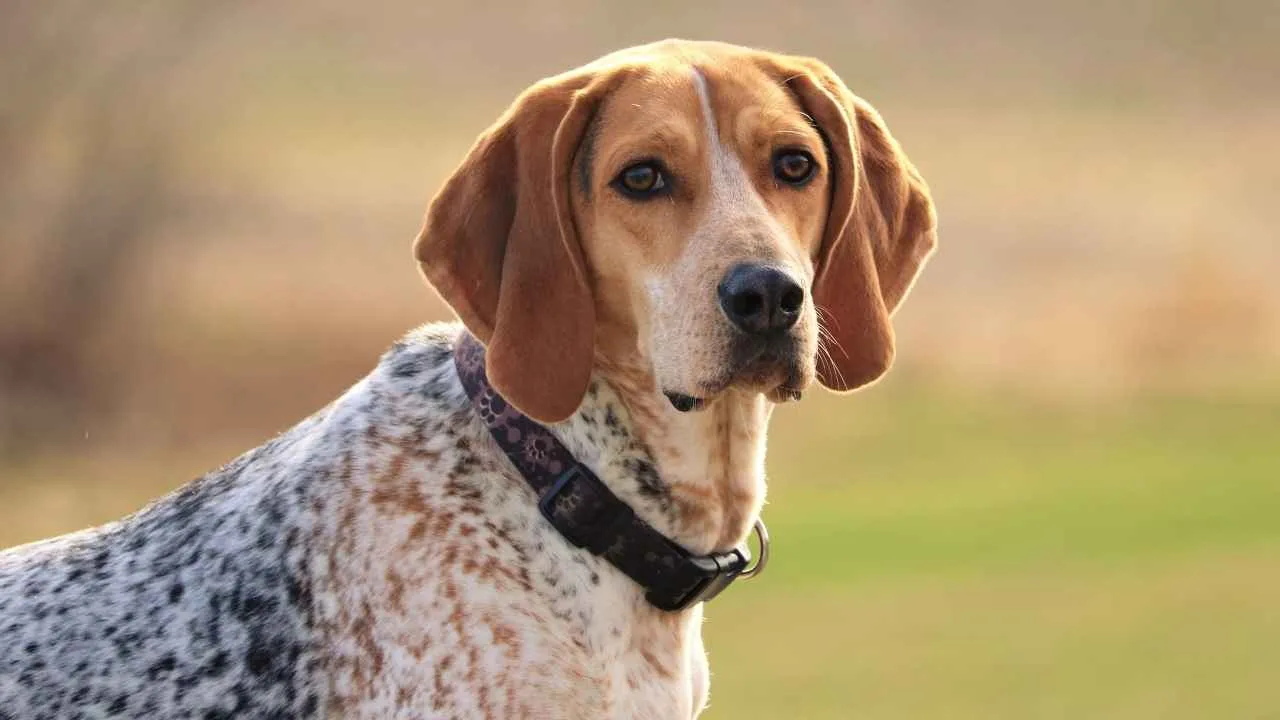
American English Coonhounds trace back to English Foxhounds brought over in the early 1800s. Breeders crossed them for speed and endurance chasing raccoons at night. That prey drive means secure fencing and supervision around small pets at home.
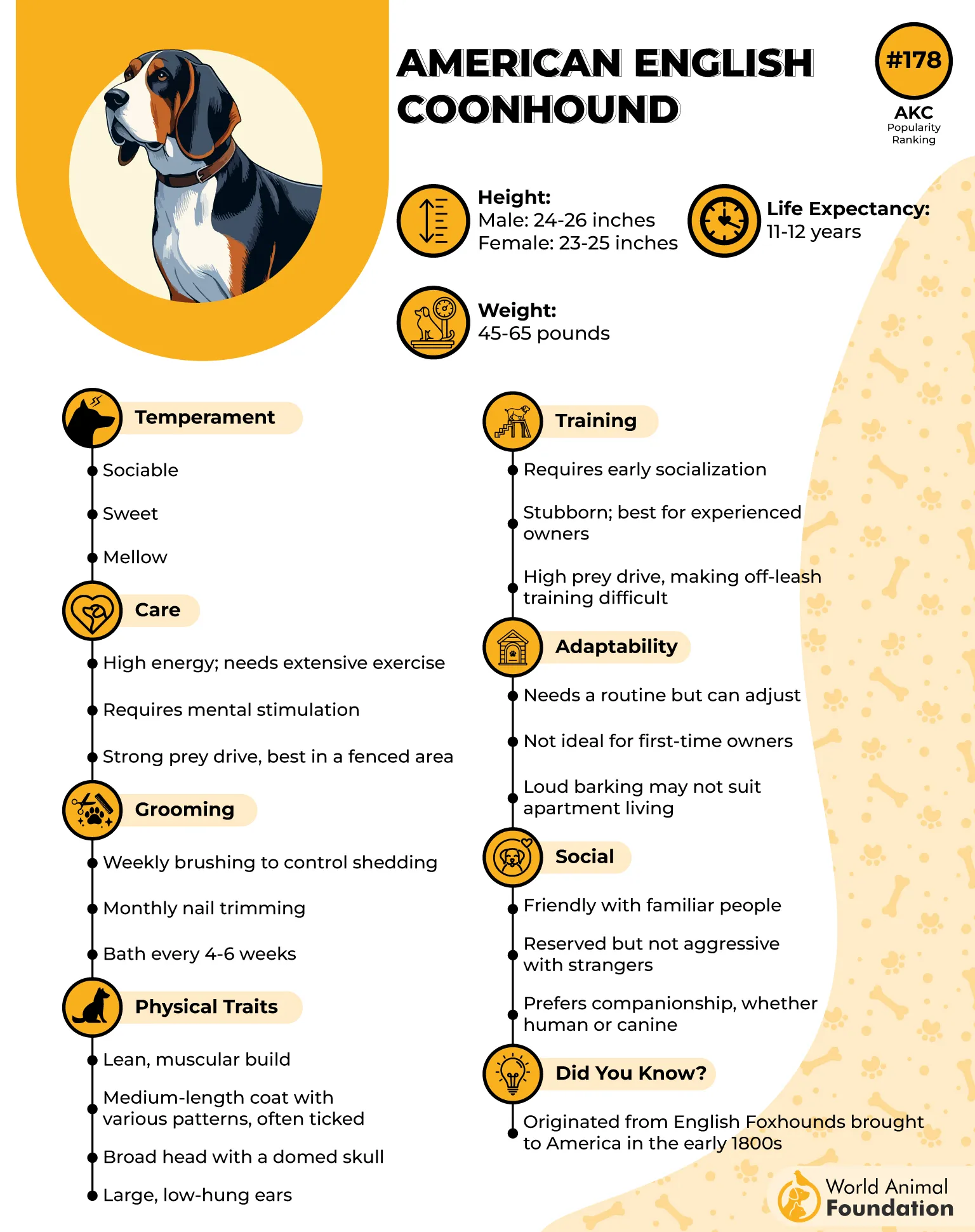
This coonhound is prized for a nose that stays locked on a raccoon’s trail through brush and water. A deep chest gives it the lung power behind its far-carrying bawl. Hunters follow that voice through the chase for miles.
Personality: Vocal and high energy, always ready for the next chase.
Trainability: Independent and prey-driven, so early socialization matters most.
Hunters still use American English Coonhounds on raccoon and bear hunts today. Their bawl helps hunters track the pack across dense woods. As pets, they thrive with active owners who give them daily outdoor time.
7. Treeing Walker Coonhound
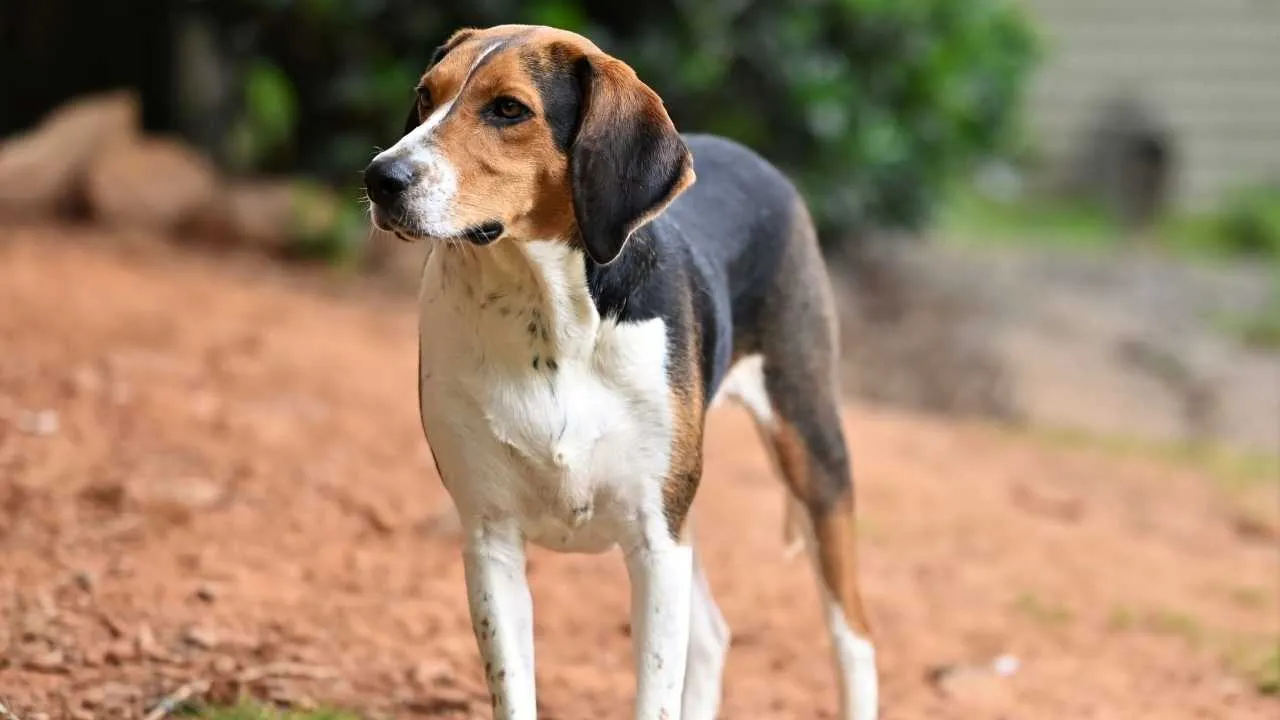
The Treeing Walker Coonhound descends from a Virginia foxhound crossed with a stud named Tennessee Lead. Breeders wanted a fast, sensible hunter built to tree raccoons at night. That athletic build means daily exercise is non-negotiable at home.
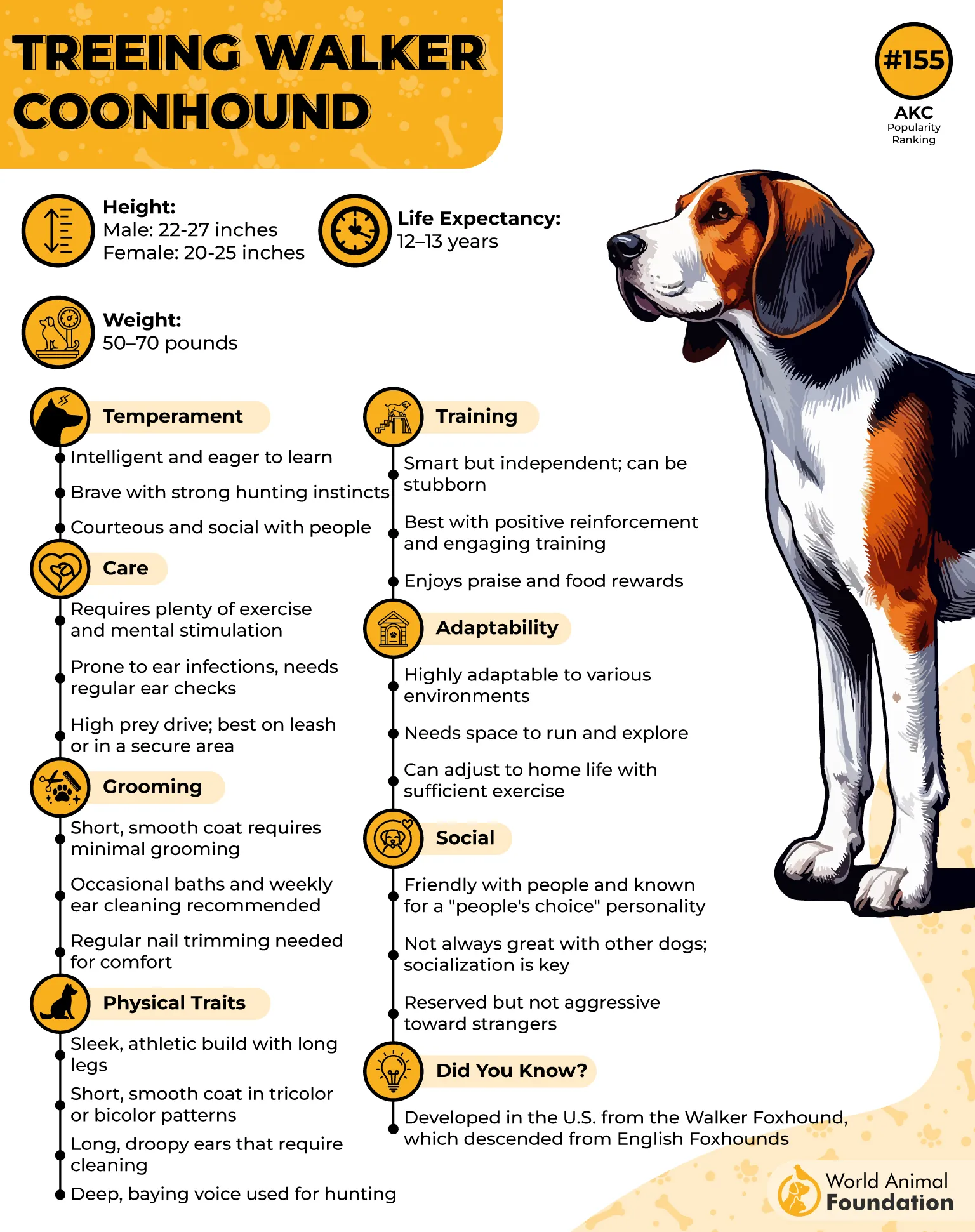
Hunters call this breed hot-nosed, meaning it favors a fresh trail over a cold one. That choice makes it quicker to catch moving raccoons than slower cousins. Its speed and sharp nose earned it the nickname the people’s choice among coonhounds.
Personality: Intelligent and alert, amiable enough for kids of any age.
Trainability: Clever and eager, though it needs mental stimulation to stay out of trouble.
Treeing Walker Coonhounds remain the most popular breed at competition coon hunts today. Their speed lets them cover ground fast when tracking bobcats, boar, or raccoons. Outside the field, many simply work as household hunting companions.
8. English Foxhound
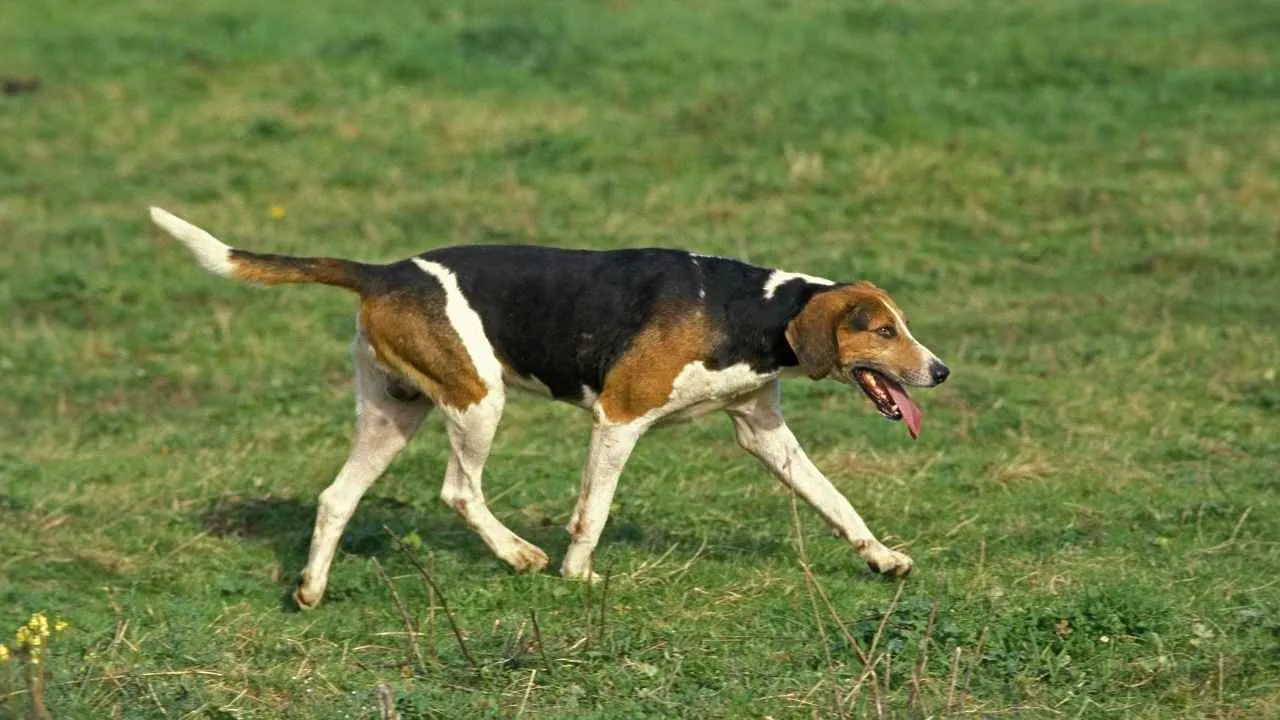
English Foxhounds were bred for centuries to hunt fox in a pack, prized for nose and stamina. Long, low ears stir and funnel scent toward the muzzle as the pack runs. That pack heritage means daily exercise and company matter more than solo backyard time.
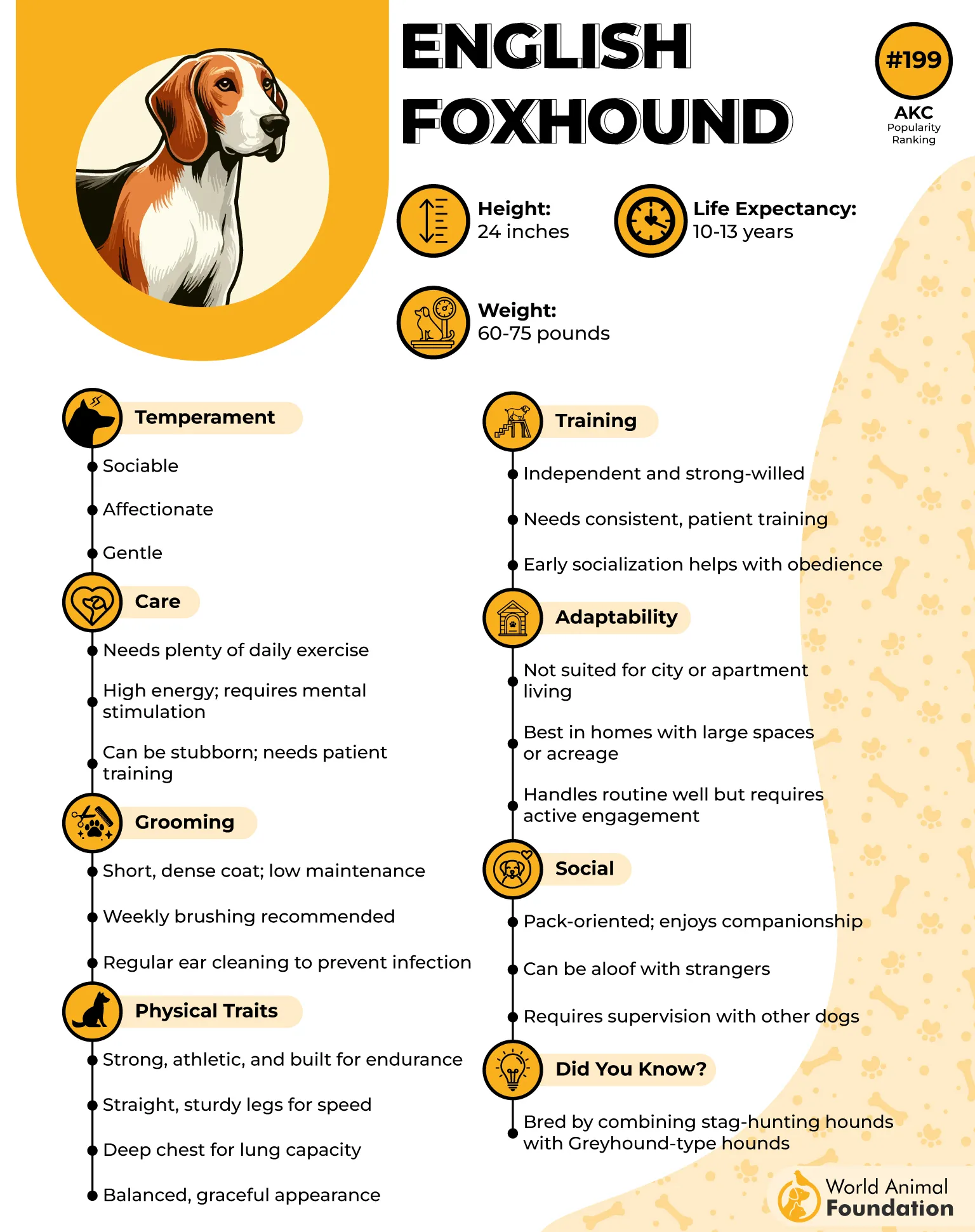
This breed’s whole build serves scent work, from its broad nasal cavity to its steady, ground-covering gait. Rather than sprinting, it holds a trail for hours across open country. A ringing bay lets hunters follow the pack from far away.
Personality: Even-tempered and friendly, built to work well within a pack.
Trainability: Willing but scent-led, so training needs patience and repetition.
In England, packs now follow a scent trail on organized hunts rather than live game. Some English Foxhounds compete in conformation shows across the country. A rare few settle into homes as high-energy companions.
9. American Foxhound
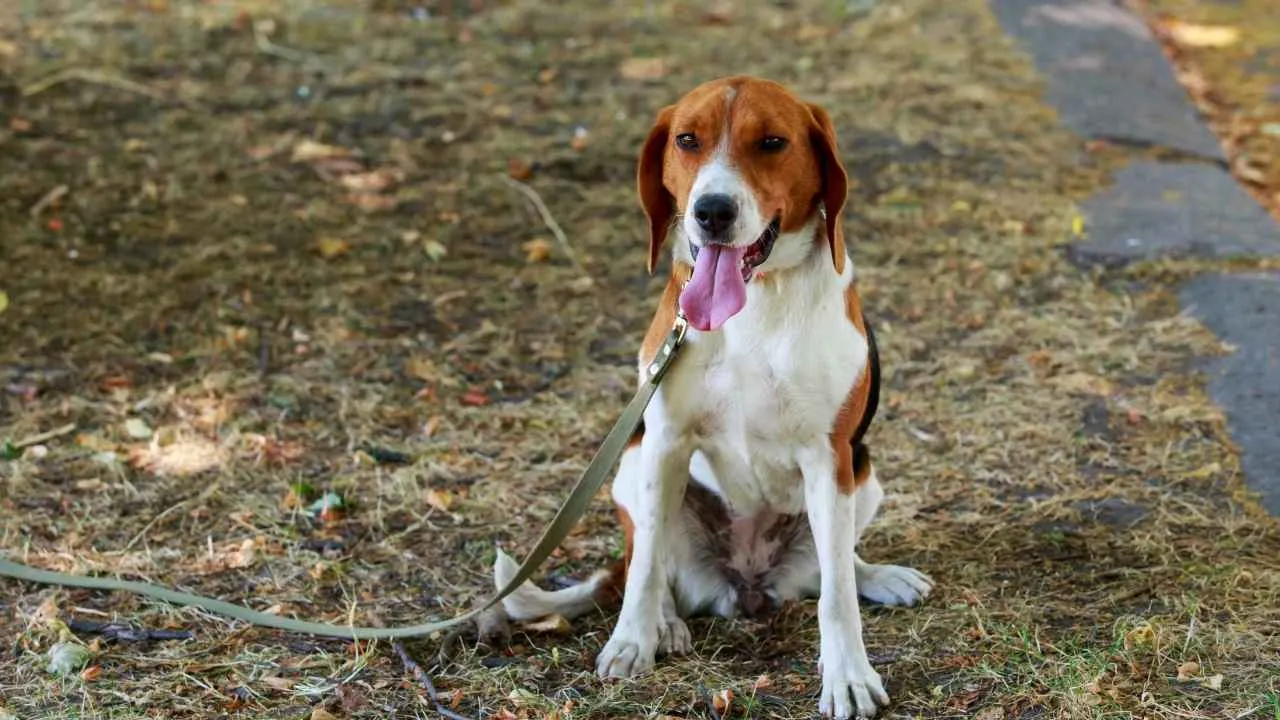
The American Foxhound traces to George Washington’s kennels, where English and French hounds were bred for faster fox trailing. Centuries of pack breeding shaped a dog more bonded to people generally than to one owner. At home, it needs serious daily exercise to stay content.
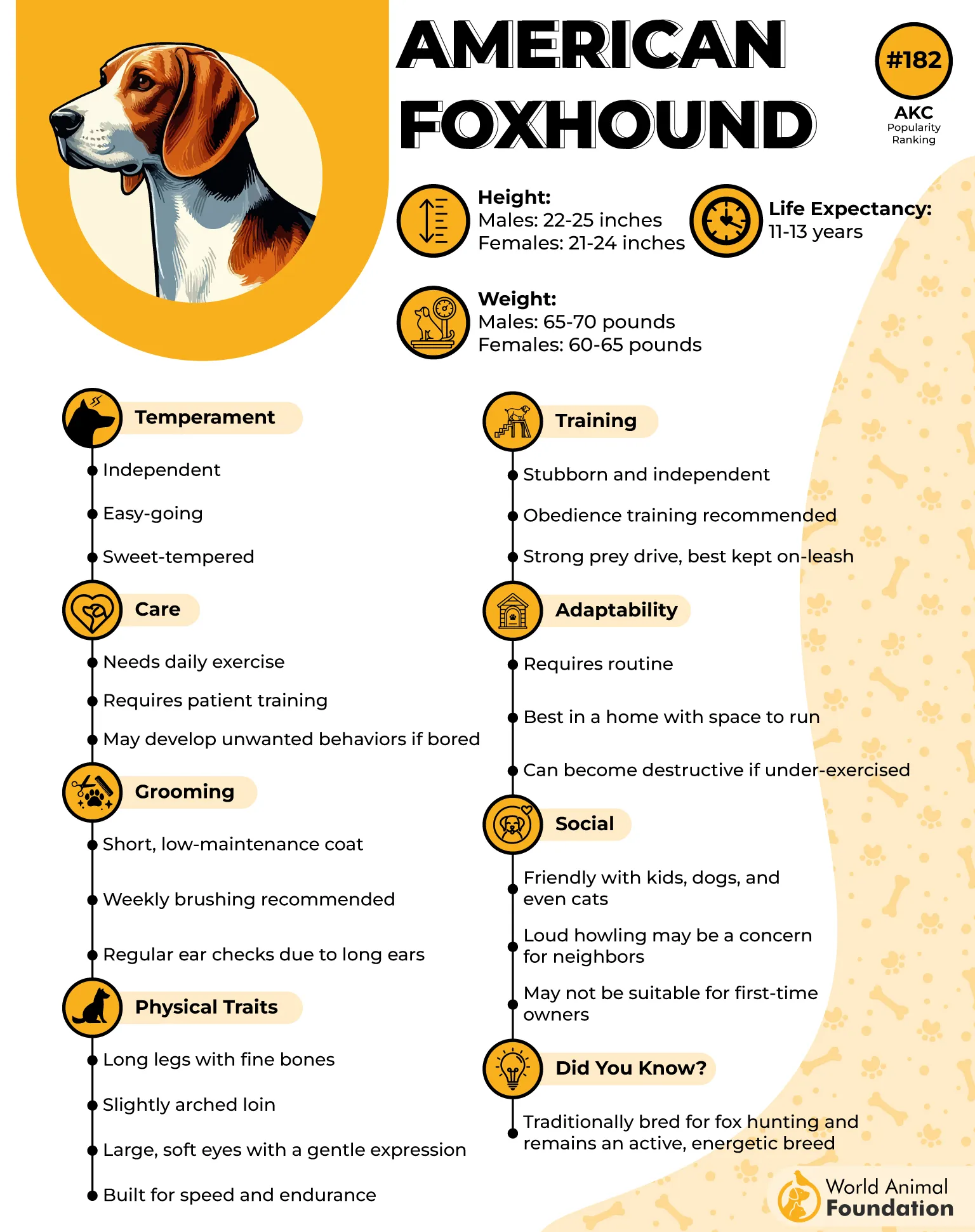
According to PetMD, the American Foxhound has an excellent nose paired with real speed once it locks onto a trail. Owners should keep it leashed, since its nose can pull it into trouble. That same drive gives it real stamina for a long chase.
Personality: Sweet and easygoing, though independent enough to work on its own terms.
Trainability: Smart but stubborn, so rewards work better than repetition alone.
Most American Foxhounds today live and hunt in organized packs rather than as house pets. The breed remains the official state dog of Virginia and Kentucky. A lucky few become active, high-energy companions.
10. Belgian Malinois
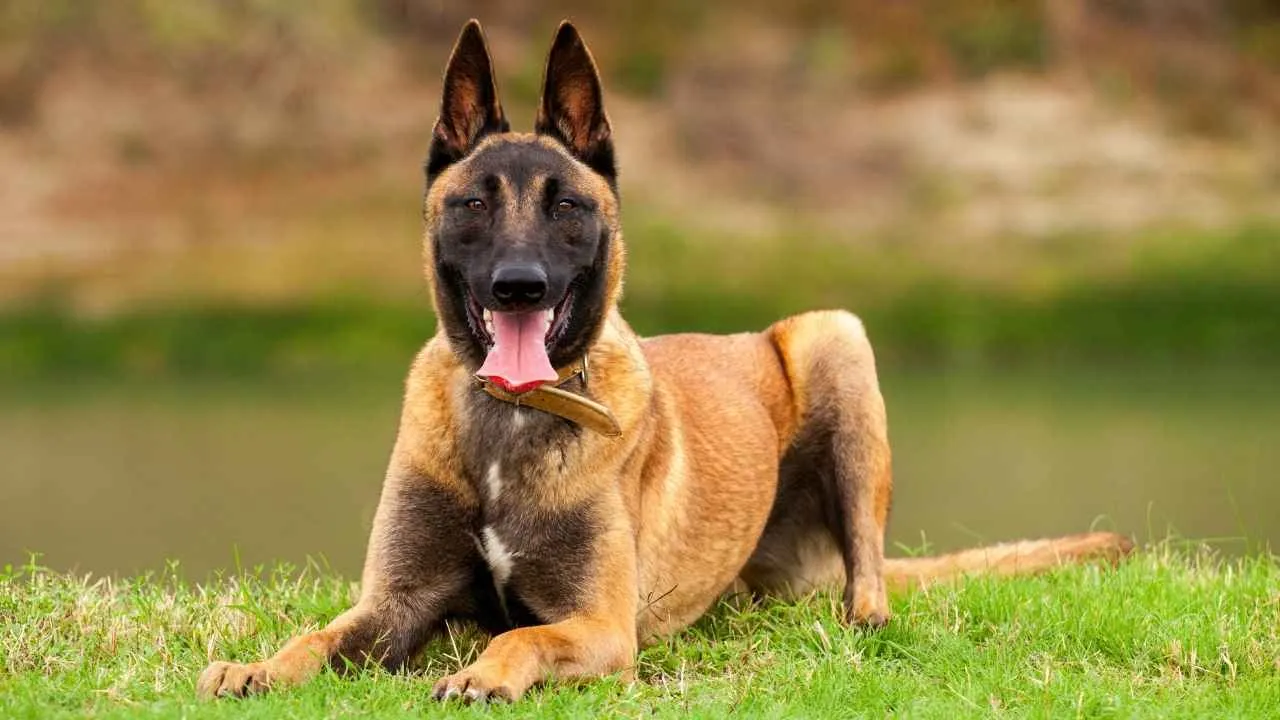
The Belgian Malinois started as a Belgian farm dog, herding livestock near the town of Malines. That all-purpose work ethic later made it a natural fit for scent and protection work. At home, it needs serious daily exercise and an experienced owner.
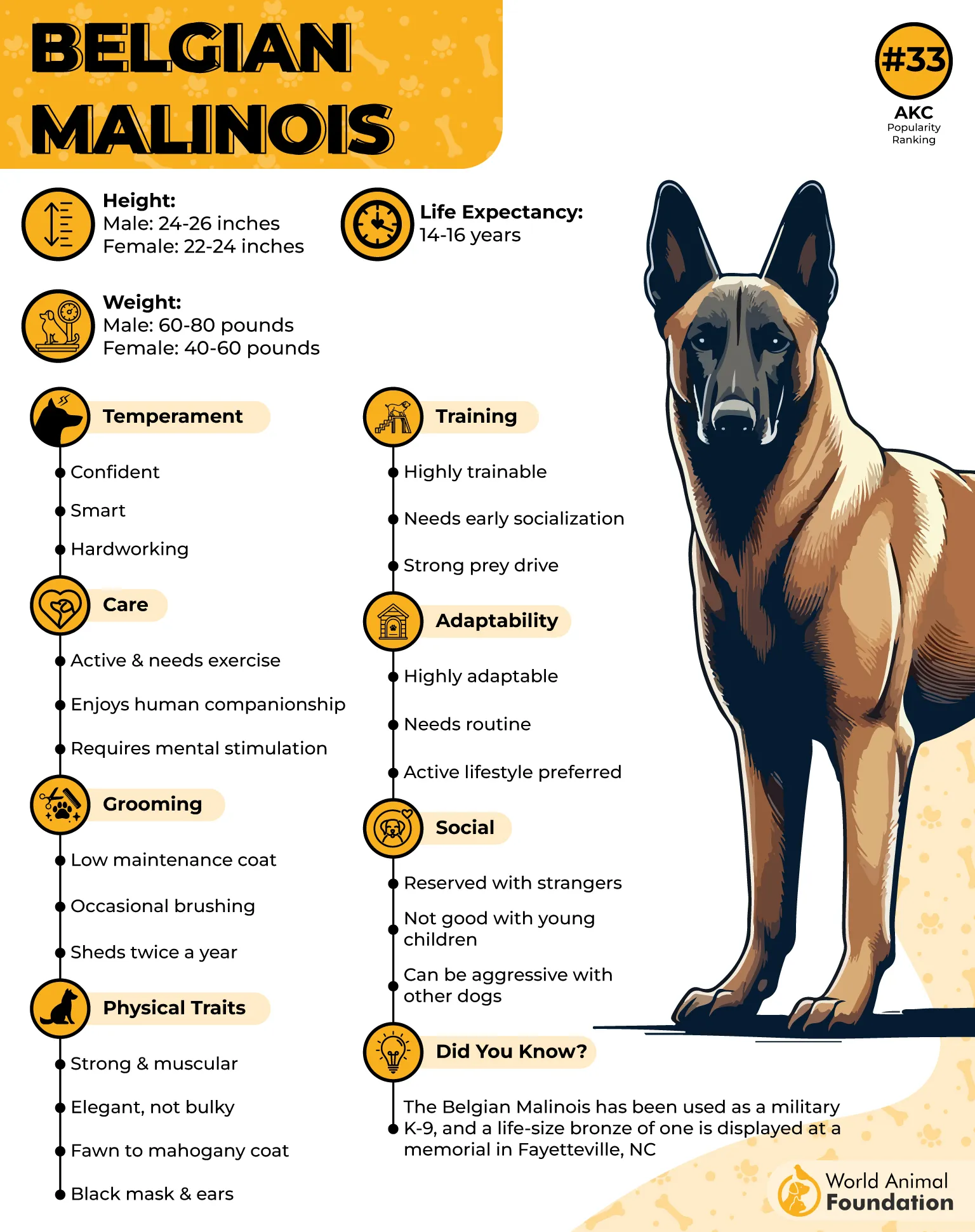
According to the AKC, even a blind Belgian Malinois named Pieces learned to excel at scent work, guided almost entirely by her nose. Its scent receptors far outnumber a human’s, giving it a genuinely good nose for detection. That ability anchors much of modern police work.
Personality: Confident and intelligent, fiercely loyal to its handler.
Trainability: Highly trainable but demanding, needing constant mental work.
Today, the Belgian Malinois is a top choice for police and military detection units. It identifies narcotics and explosives in confined spaces like vehicles and luggage. This breed also plays a role in search and rescue worldwide.
Conclusion
From the Bloodhound’s court-admissible nose to the Belgian Malinois sniffing out explosives, this list proves scent hounds and working breeds sit in a league of their own. Compared to a German Shepherd or other breeds bred for different jobs, these ten built their entire reputation on nose power alone, and experts still use them as the benchmark whenever they measure canine olfaction.
If you’re a dog owner chasing the perfect tracking dog, or just love a good sniffing story, one of these noses is probably calling your name. Go meet a hound and see for yourself.
