




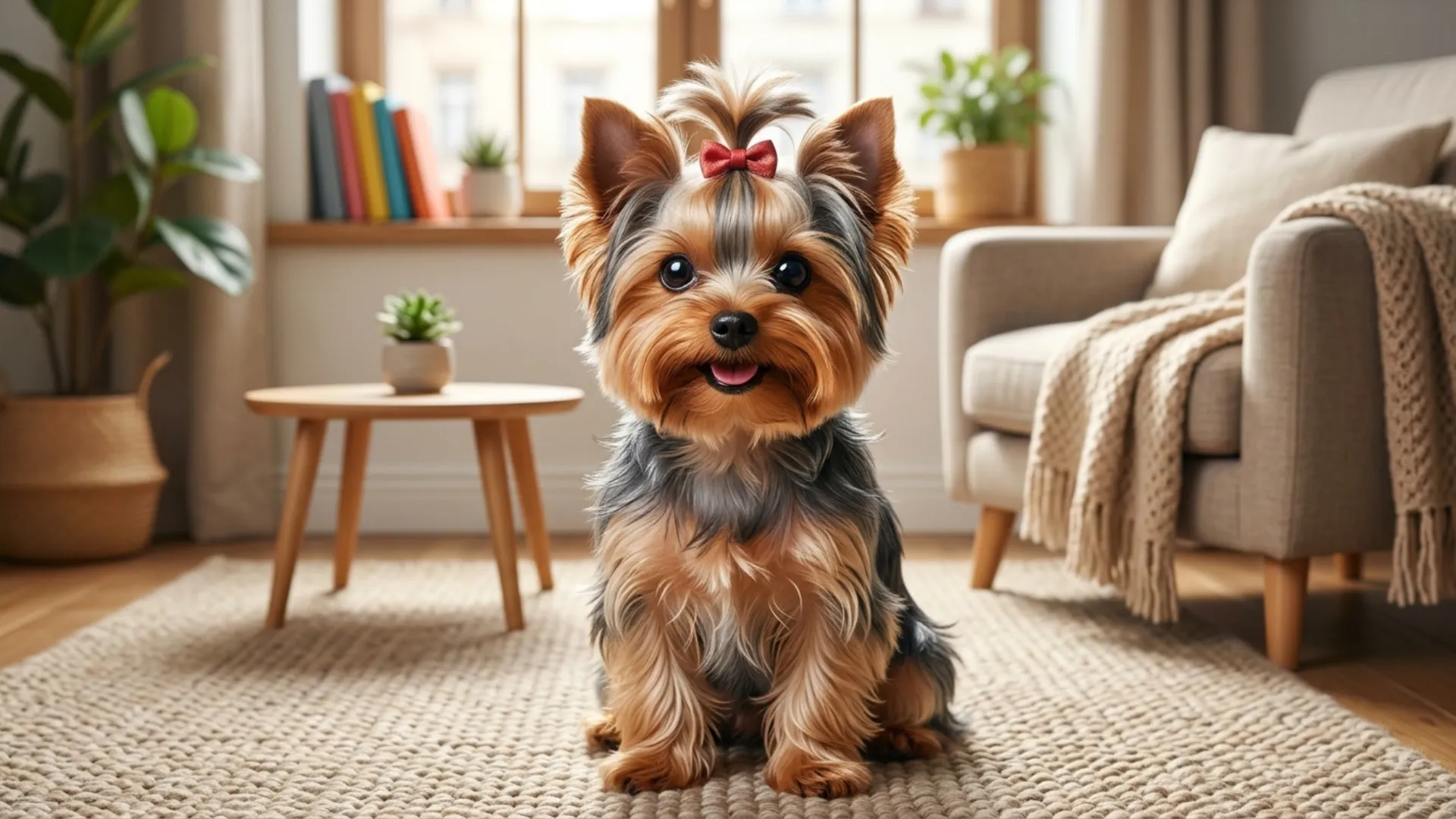
Having a dog in a small house is far from impossible. The right breed can adapt well to a smaller lifestyle, whether you’re living in an apartment, a townhouse, or a compact home.
Finding the smallest dog isn’t really the key, though. A good small-house companion needs to be more than just tiny; it needs to genuinely fit the space. Barking matters too, especially if you’ve got neighbors close by, and so does adaptability. A dog that settles down after a walk and finds joy in simple indoor fun is usually a lot easier to live with than a small breed that demands constant stimulation.
Grooming plays a bigger role than people expect too. Long coats often mean more brushing and more loose hair floating around a small space. Some breeds need very little room and minimal upkeep, while others are perfectly happy turning a sofa, hallway, and a few toys into their own personal playground.
Here are seven of the best small dog breeds that are not only adorable but also easy to fit into a smaller home. Let’s take a look at some of the best options for pet parents.
Charming Dog Breeds That Fit Perfectly In Small Homes
1. Pomeranian
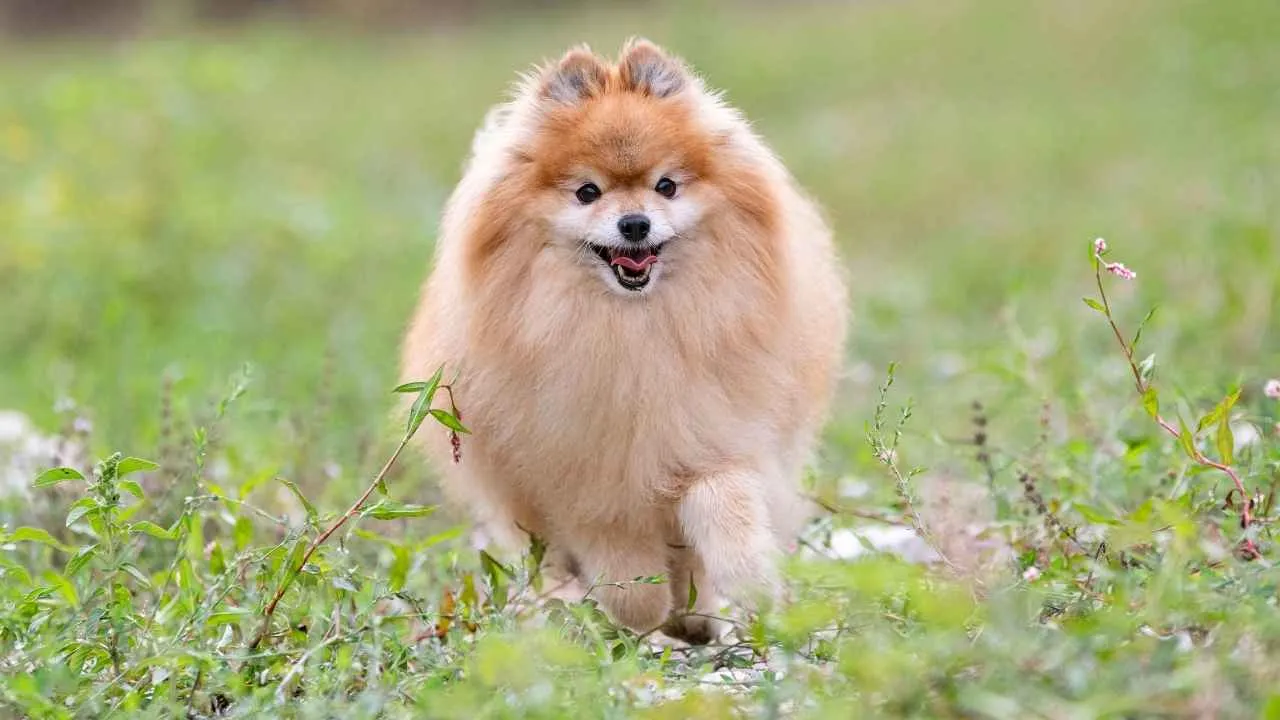
A Pomeranian can fill even the smallest home with an outsized amount of personality. Their tiny size lets them move around freely indoors without any trouble, and a little daily activity through short walks and playtime is usually all they need to stay happy.
They’re also naturally people-oriented dogs, which makes them a great fit for homes where family members spend a lot of time together indoors.
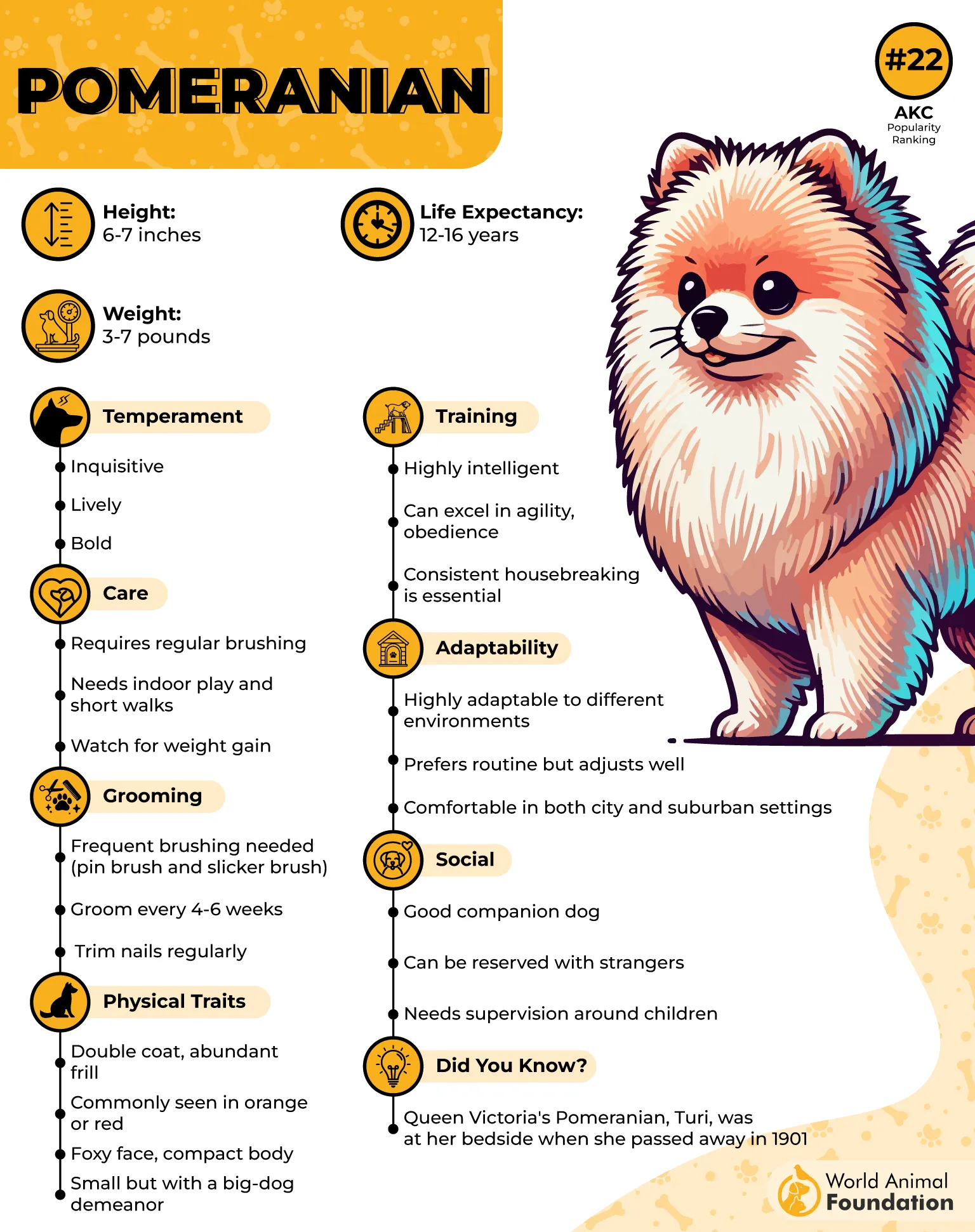
The one downside for apartment living is their tendency to bark. Pomeranians are alert little dogs, quick to pick up on sounds from hallways, stairwells, or outside the window. The good news is that with fun, consistent training, this habit can be managed well, as the Royal Kennel Club notes.
Their fluffy double coat does need regular grooming, and in a smaller home, consistent brushing really helps keep loose hair under control. If you’re after a small dog with a big personality who genuinely wants to spend all their time with you, the Pomeranian is a fantastic choice.
2. Yorkshire Terrier
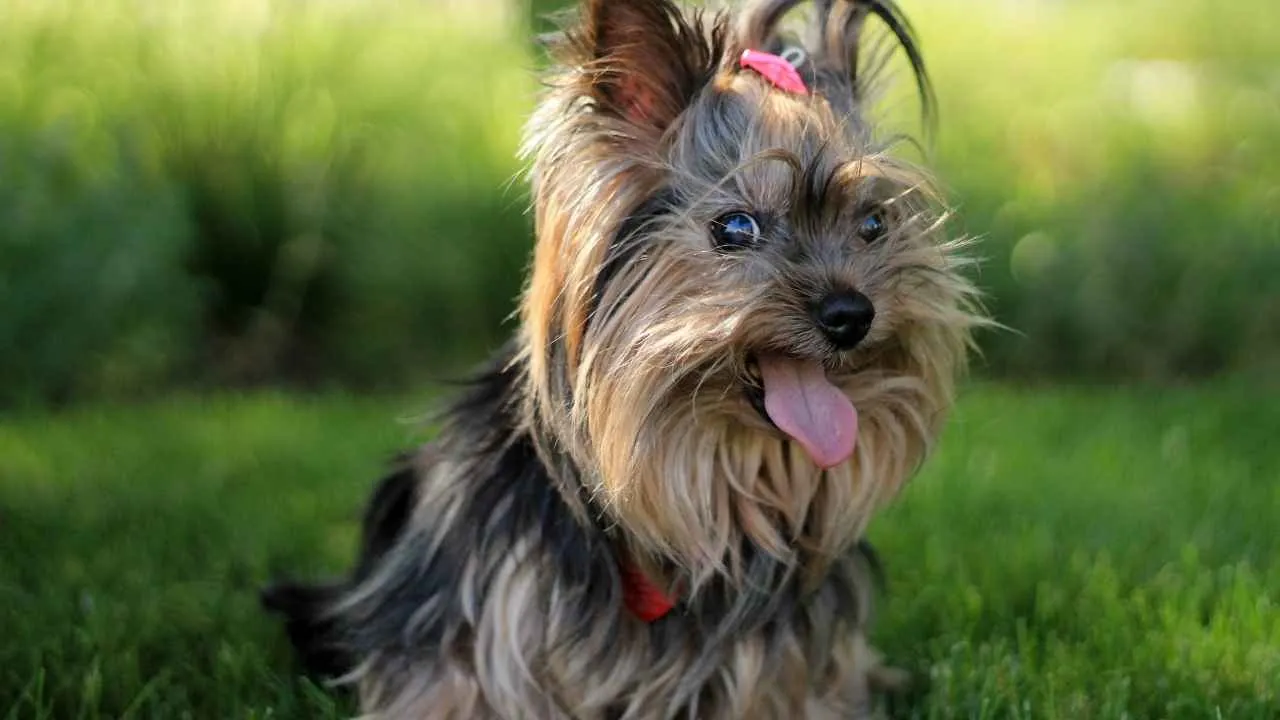
The Yorkshire Terrier is especially well-suited to small households without a lot of extra room. Its size makes navigating a compact interior easy, and plenty of its daily activity can happen right there indoors.
That said, don’t mistake the Yorkie for an ordinary lap dog. With true terrier heritage running through it, this cute breed is curious, confident, and endlessly interested in anything that moves around the house.
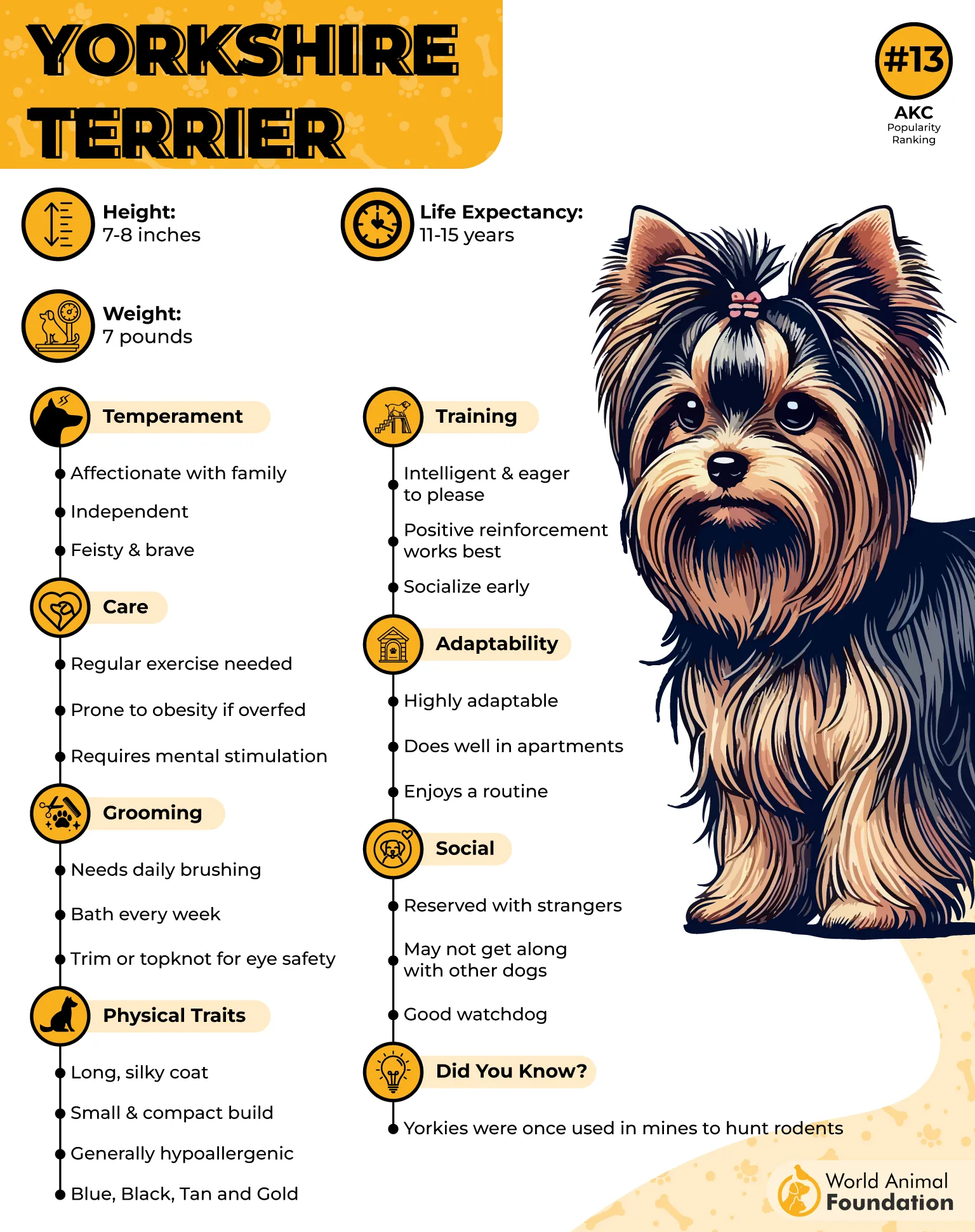
That’s exactly why mental stimulation matters so much in a small space. Even limited square footage can become an engaging environment with a few training sessions, some interactive toys, and short bursts of play throughout the day.
Portability is another big plus. Yorkies are easy to transport in apartment settings, whether that means riding an elevator, hopping on public transit, or heading out for frequent walks around the neighborhood.

Their long, silky coat does require some upkeep, though. Owners who want that classic Yorkie look will need to commit real time to brushing and coat care, while a shorter trim can make everyday maintenance a lot simpler.
Between their manageable size and lively energy, the Yorkie makes a great choice for city living.
3. Toy Poodle
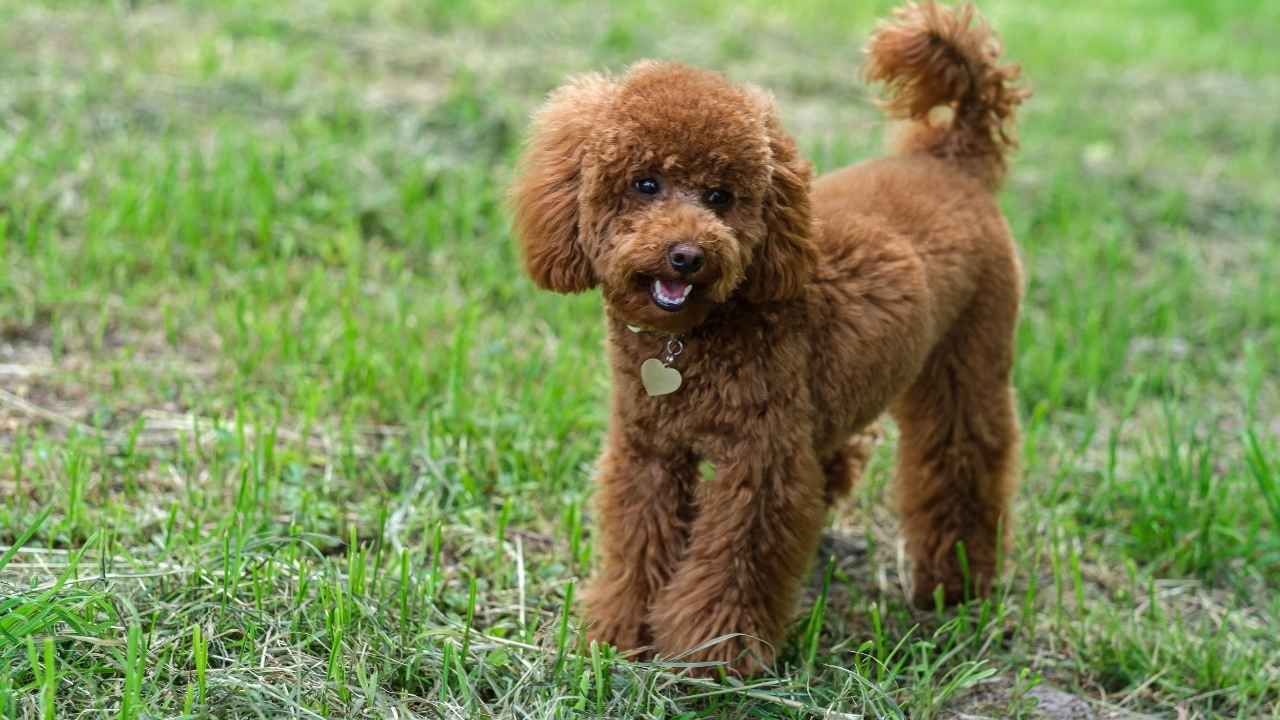
The Toy Poodle is a great option when space is limited. This isn’t a breed that needs a lot of room to stay active; it can find plenty of purpose in training, games, retrieving, and other indoor learning activities.
One of their biggest advantages in a small home is their intelligence. Rather than relying purely on physical exercise, owners can engage a Toy Poodle through obedience practice, puzzle toys, or short indoor training sessions. That mental engagement goes a long way in keeping them fulfilled, no big backyard required.
Toy Poodles are also highly adaptable and people-oriented, forming close bonds with their owners, as Purina notes.
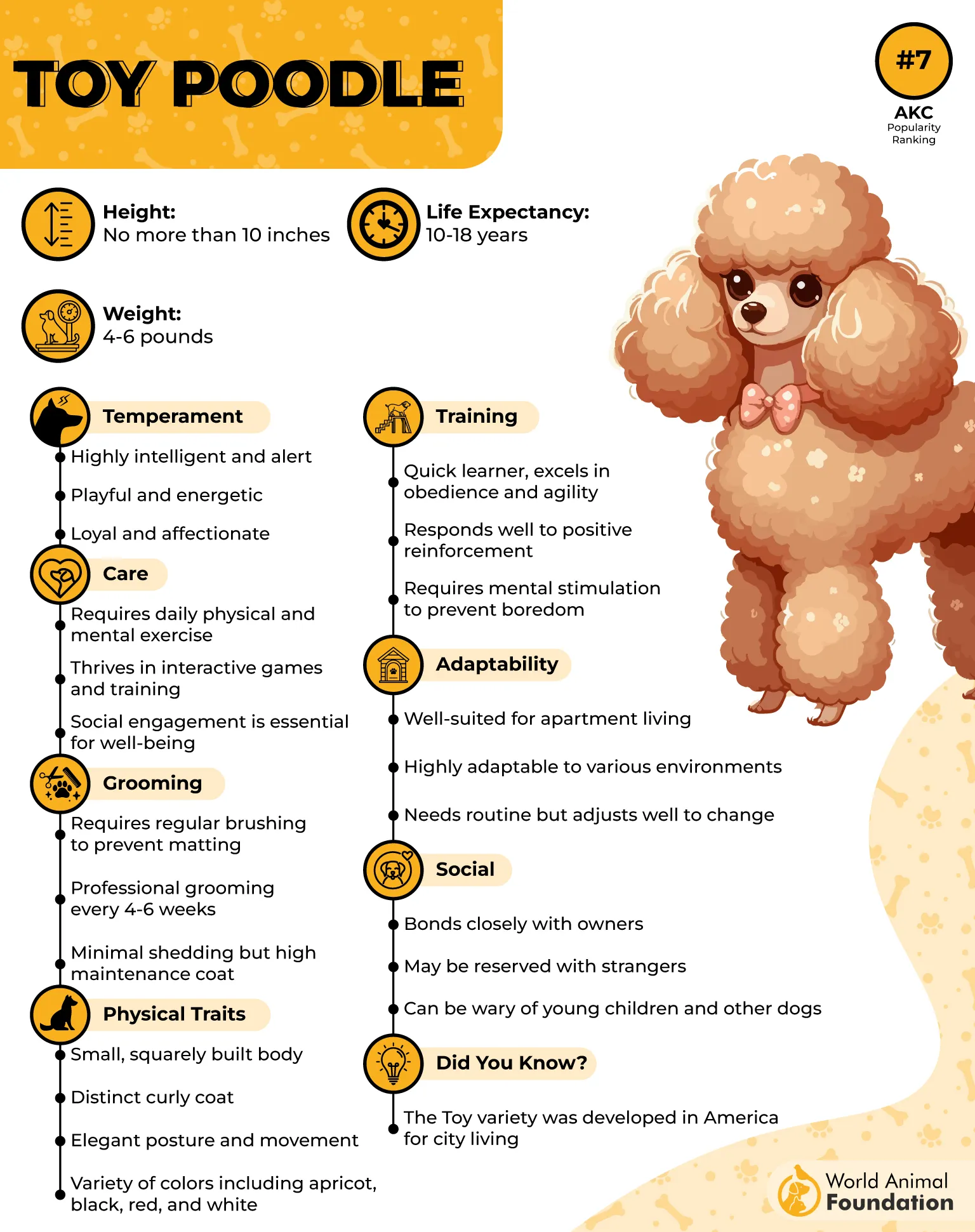
The main thing to stay on top of is grooming. Their coat needs regular attention, whether that’s professional grooming or consistent care at home. Even in a smaller space with less room for grooming tools, a manageable routine can still keep their coat in good shape.
For owners who enjoy actively engaging with their tiny dog rather than just exercising them, the Toy Poodle can turn even a small home into a genuinely stimulating environment.
4. Maltese
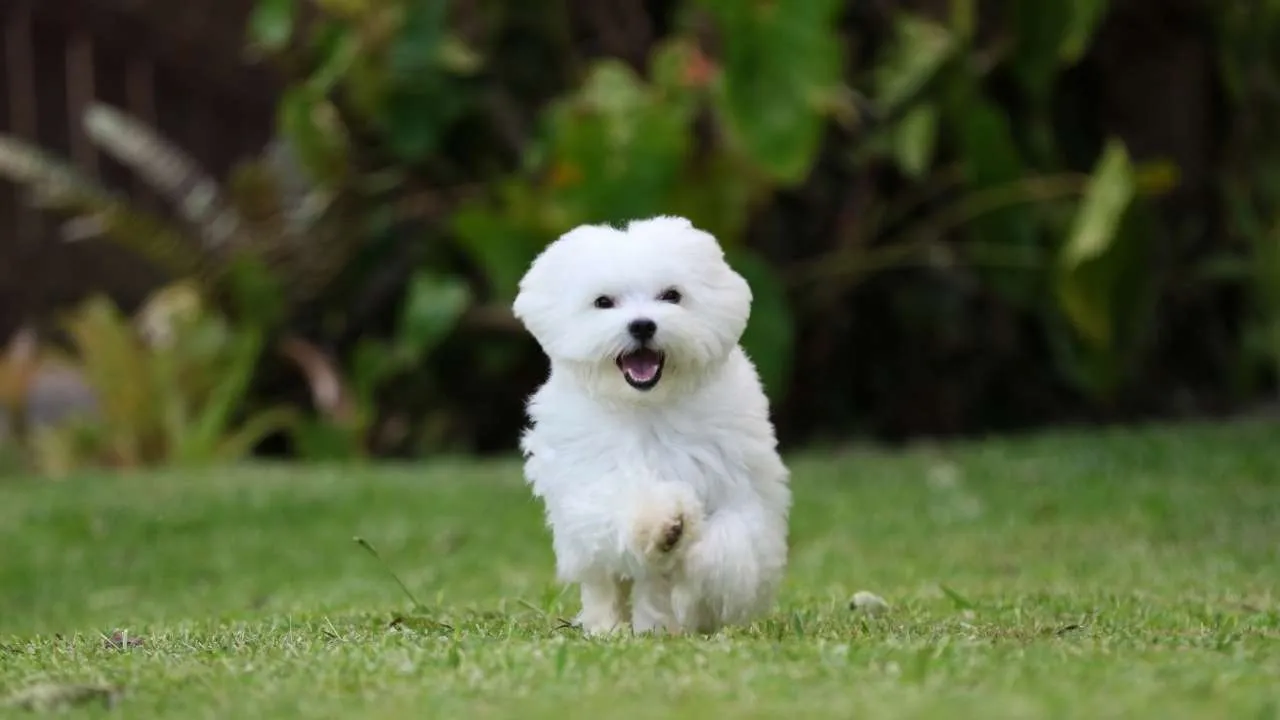
The Maltese makes a wonderful companion for small homes. This breed was developed purely as a companion dog, not a working breed that needs acres of outdoor space, so it doesn’t need a big yard to enjoy walks, playtime, and plenty of family bonding.
Its small size makes it easy to move around and manage day-to-day, and a Maltese can get plenty of play in without needing a large open room to do it.
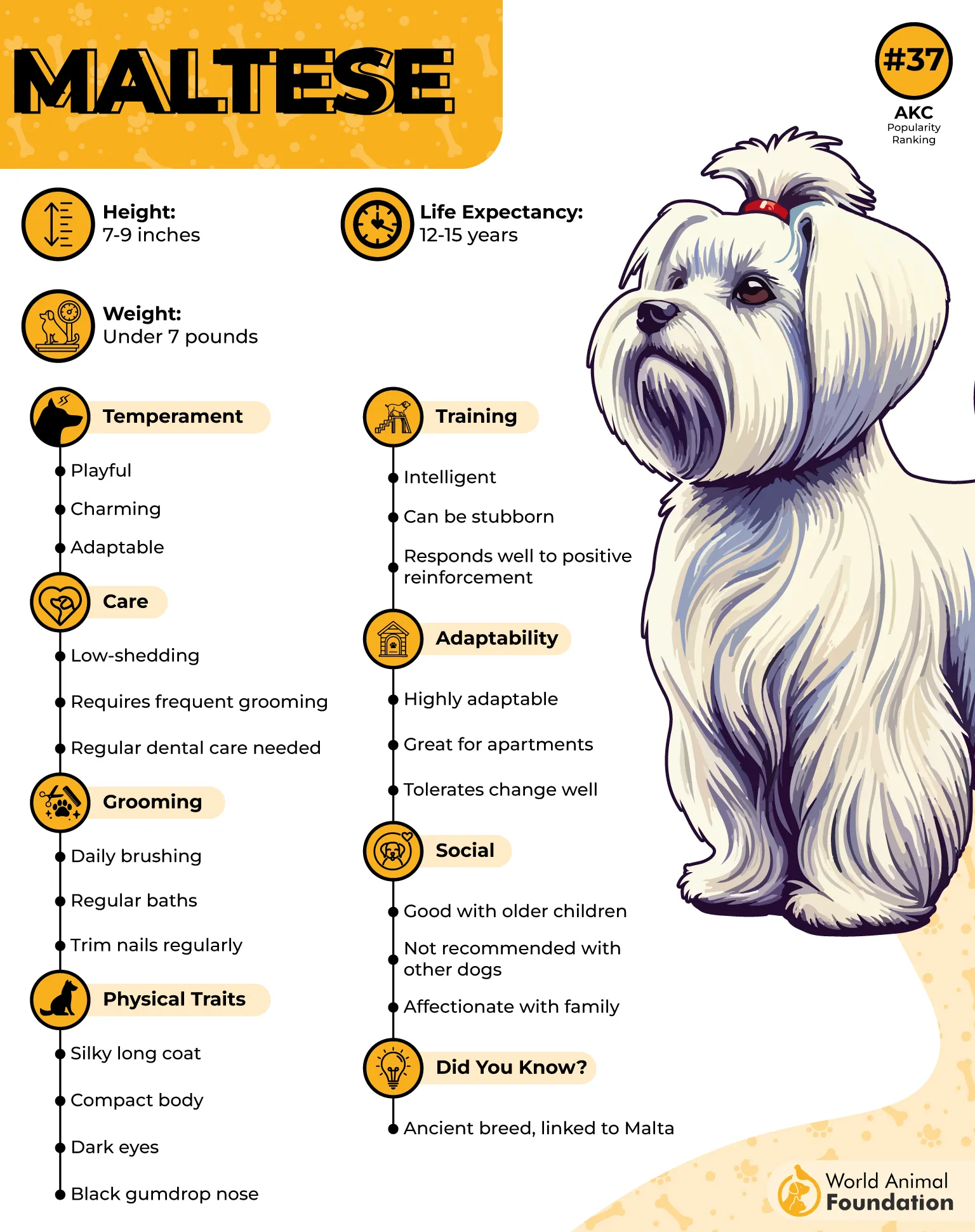
What matters more to this breed is human companionship. Maltese dogs tend to form deep attachments to their owners, so a small home actually works in their favor, as long as they’re not left isolated from daily activity for long stretches. Their stunning white coat does need some upkeep, though; regular brushing helps prevent tangles and mats, according to PetMD.
All in all, the Maltese is an ideal choice for anyone who loves pampering and grooming their pet and wants a small, loving companion by their side.
5. Chihuahua
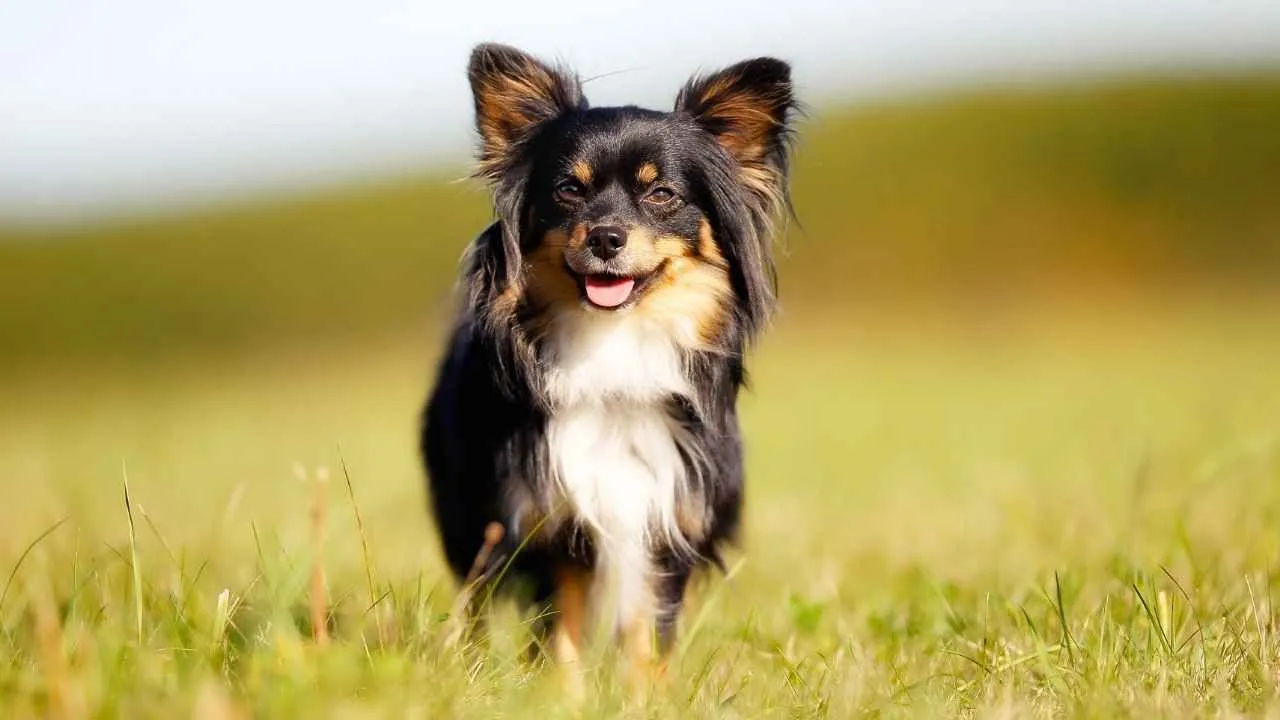
The Chihuahua is one of the easiest breeds to live with in a small home. This compact little dog doesn’t need a big yard to thrive.
That said, exercise still matters. Walks, play, and a bit of exploration all benefit a Chihuahua, and thankfully, none of that requires much space to pull off.
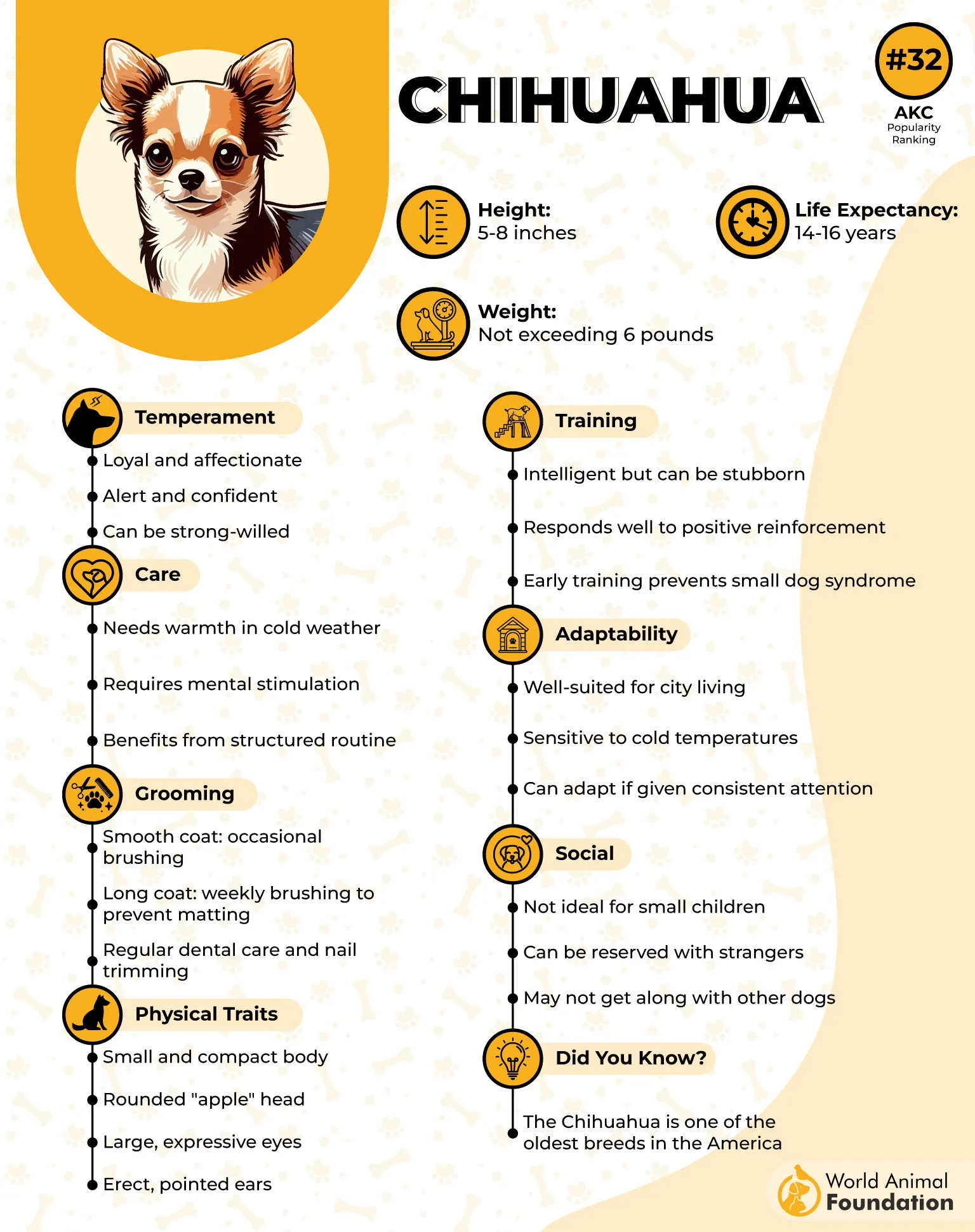
Their tiny size also makes them a great fit for homes with narrow hallways, small balconies, compact furniture, or limited storage space. Getting around busy apartment buildings isn’t much of a hassle either.
One thing worth keeping in mind, though: Chihuahuas can be sensitive around strangers, other dogs, or unfamiliar sounds. If your dog has to share an entrance or common areas with other people and pets, early socialization and relaxed leash training will make everyday life a lot smoother for everyone involved.
6. Pug
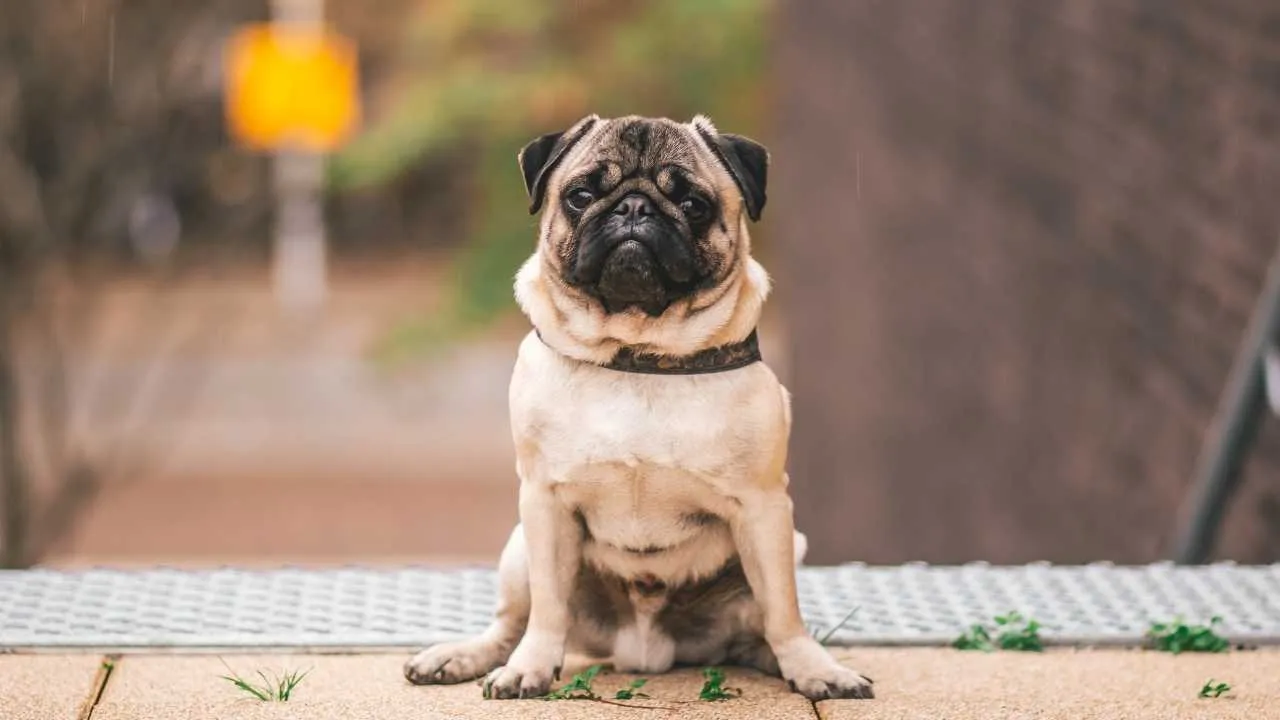
Pugs are naturally good at finding their groove in a house of any size. They don’t need a lot of space or special equipment; a comfortable resting spot, short walks, playtime, and quality time with family cover most of what they need day to day.
That makes Pugs especially appealing for anyone who wants a dog that fits into a slower-paced family lifestyle.
That said, small-home living shouldn’t be mistaken for no exercise at all. Pugs still need regular activity. And because of their flat face, owners need to stay mindful of heat and avoid strenuous exercise, especially in warm weather.
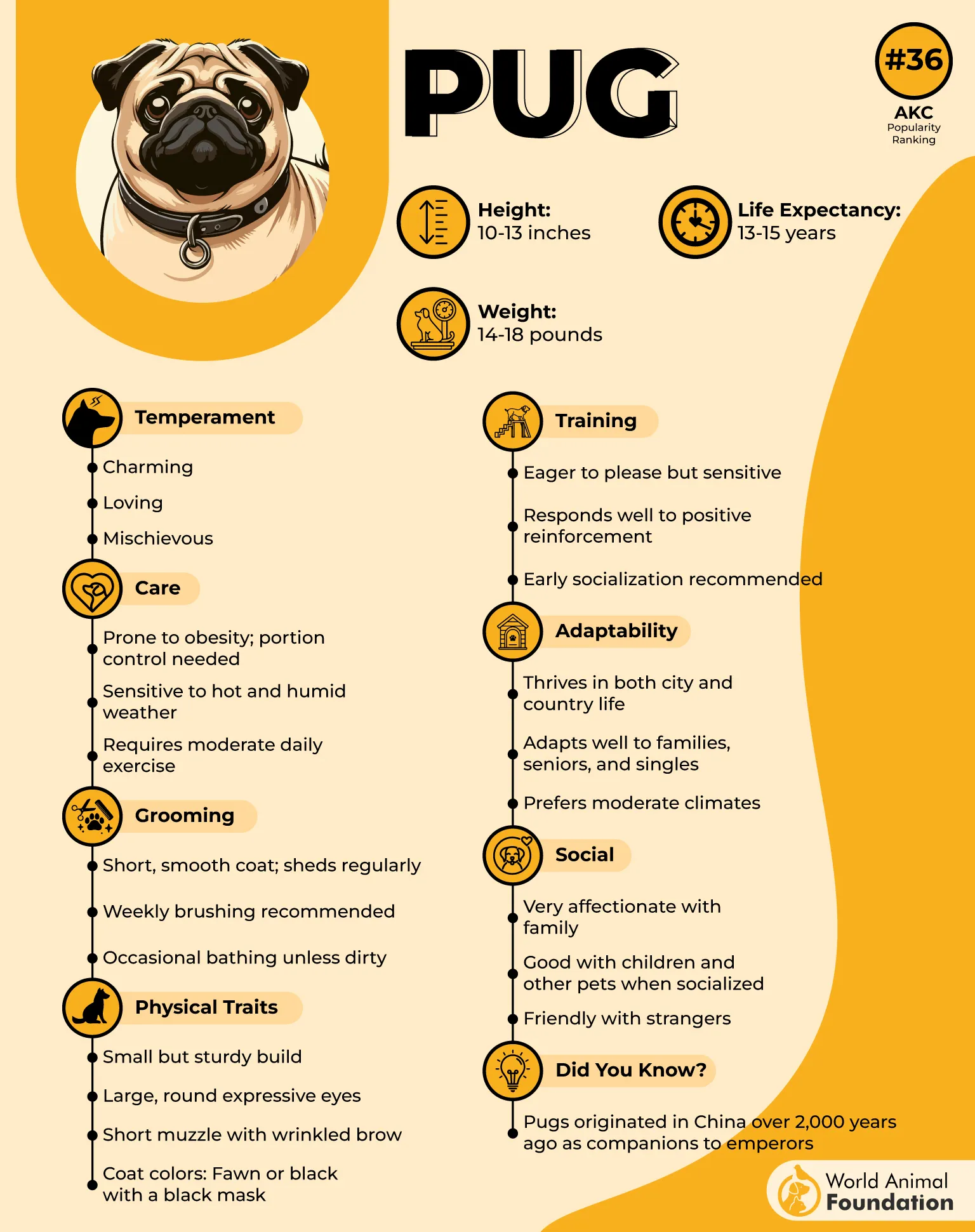
Pugs are also wonderfully social dogs. They genuinely enjoy having people around, which makes them a great fit for a home where the dog gets to spend most of its time with family.
They have a short coat that’s easy to brush, though Pugs actually shed more than their sleek appearance might suggest. Regular brushing goes a long way in keeping loose hair from taking over the house.
7. Russian Toy
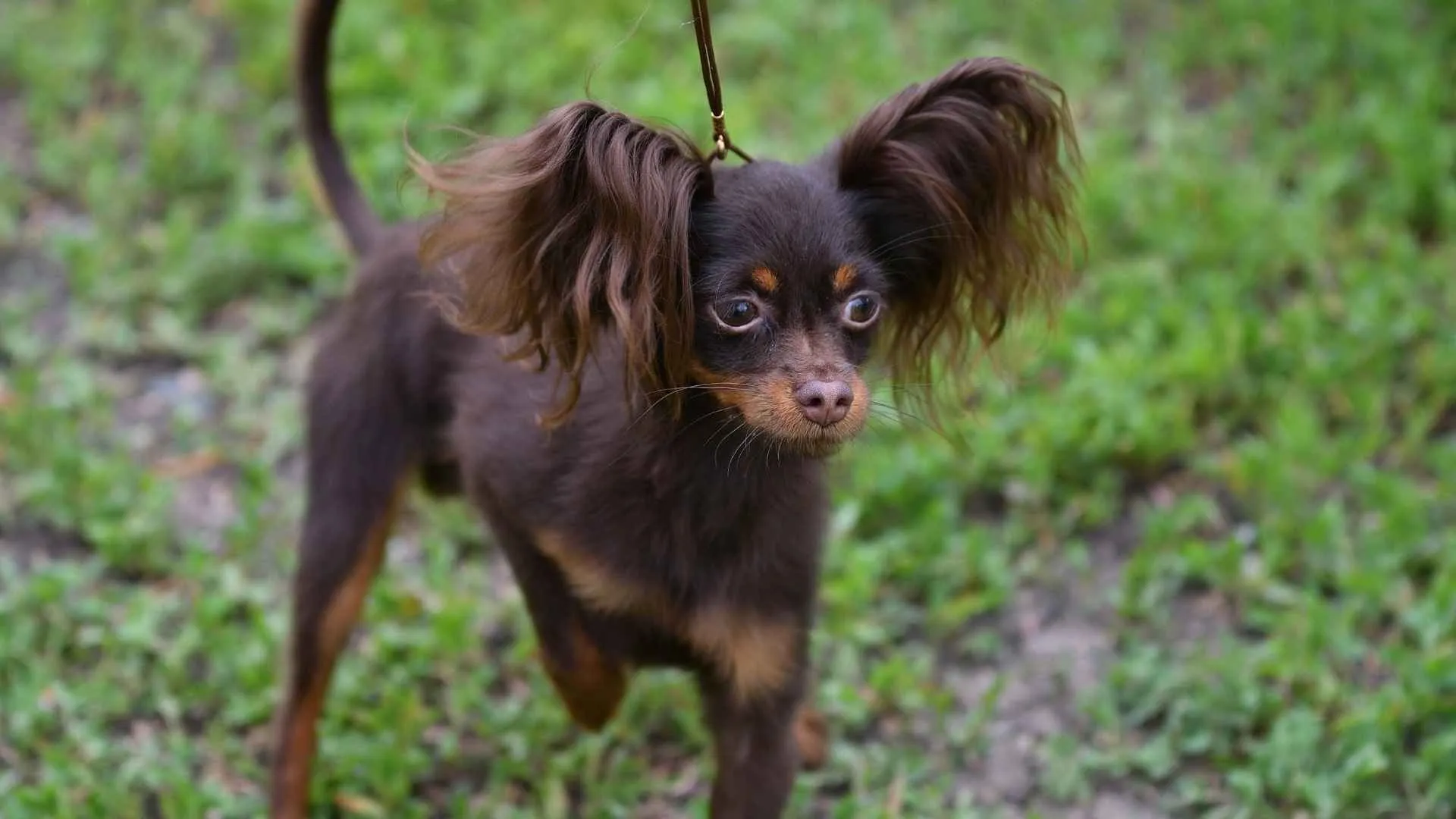
One of the lesser-known pups on this list, the Russian Toy is a compact breed with a true companion-dog background, originally bred to be a lap dog and soak up affection from its favorite people.
This affectionate little pup actually comes in two coat varieties: smooth-coated and long-coated, giving owners a bit of choice within this adorable breed. Anyone drawn to the long-haired version will just need to put in a little extra effort when it comes to grooming.
Despite their small size, Russian Toys carry an energy level that rivals plenty of larger breeds. The good news is that short walks and indoor activities are usually enough to provide the mental stimulation they need.
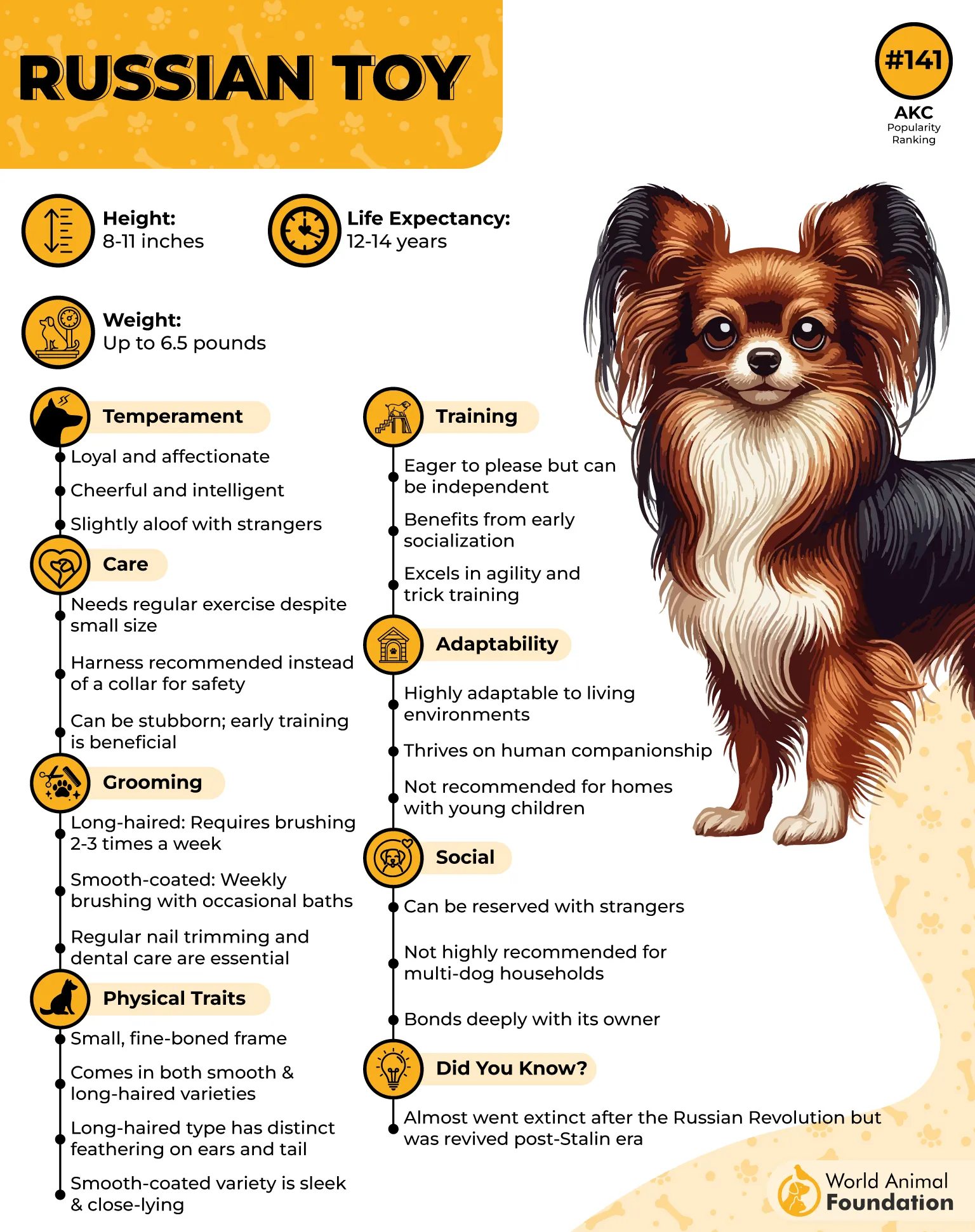
These cheerful little companions make great pets for apartment dwellers, thanks to their small size paired with a highly trainable, smart, and fun-loving nature. There’s really never a dull moment with one around.
One thing to watch out for, though: because they’re so high-spirited, Russian Toys can get injured fairly easily while playing or jumping around the house, so pet parents should keep a close eye during playtime.
Conclusion
Small breed dogs don’t just form deep bonds with their families; they can also make excellent watchdogs and even work in rescue centers and other specialized roles. These pint-sized companions are naturally alert and fiercely loyal once they receive the love and attention they deserve.
They’re the best dog breeds for anyone living in a smaller space. Playful, intelligent, and easy on the wallet too, since their smaller size usually means lower grooming needs and smaller food bills.
At the end of the day, the right small dog doesn’t need much space to feel at home. All it really needs is love and affection.
