




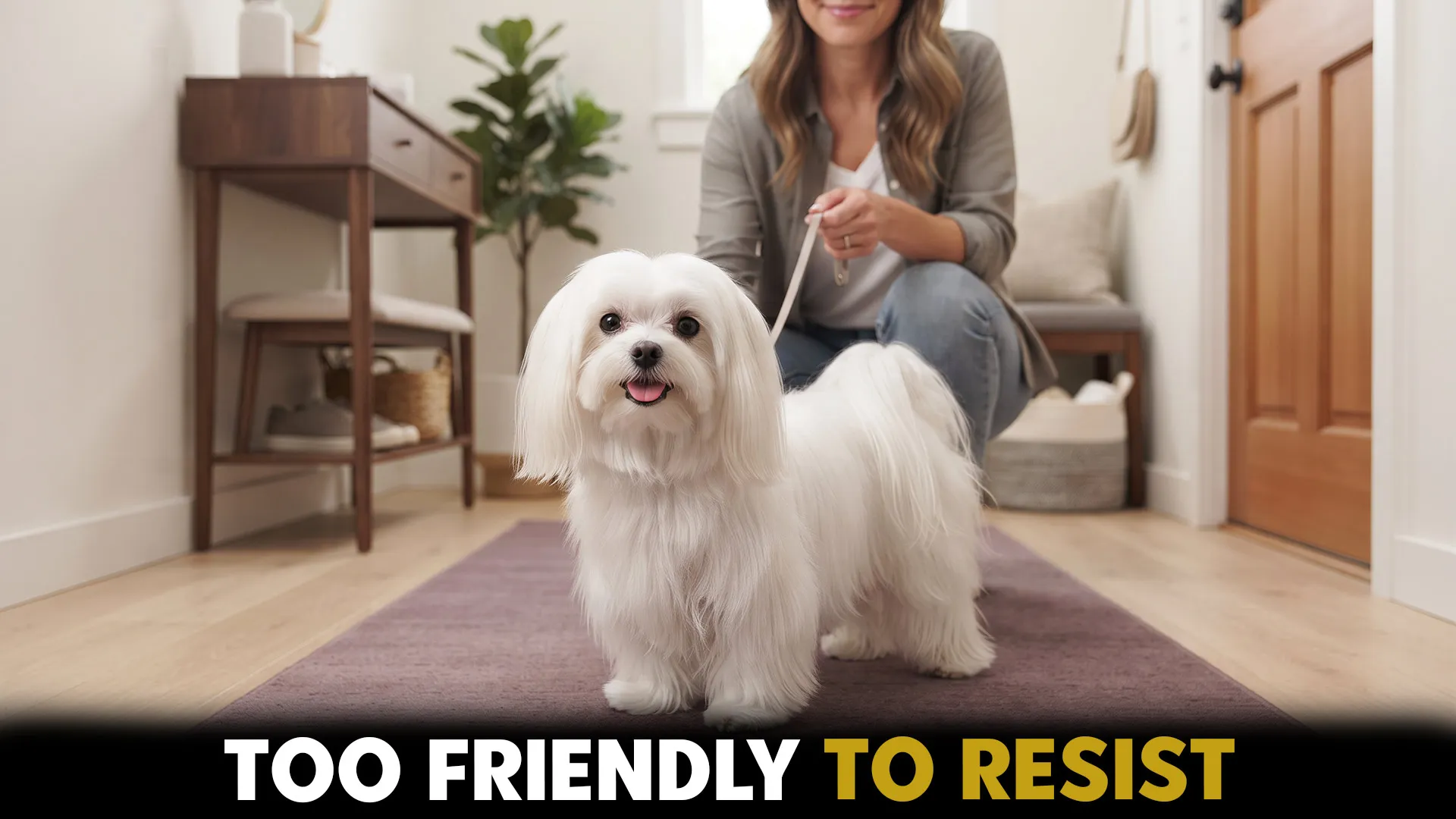
Bringing home your first dog sounds exciting until the first morning arrives and the new routine begins. There are meals to schedule, toilet breaks to manage, training sessions to repeat, and plenty of new behaviors to figure out.
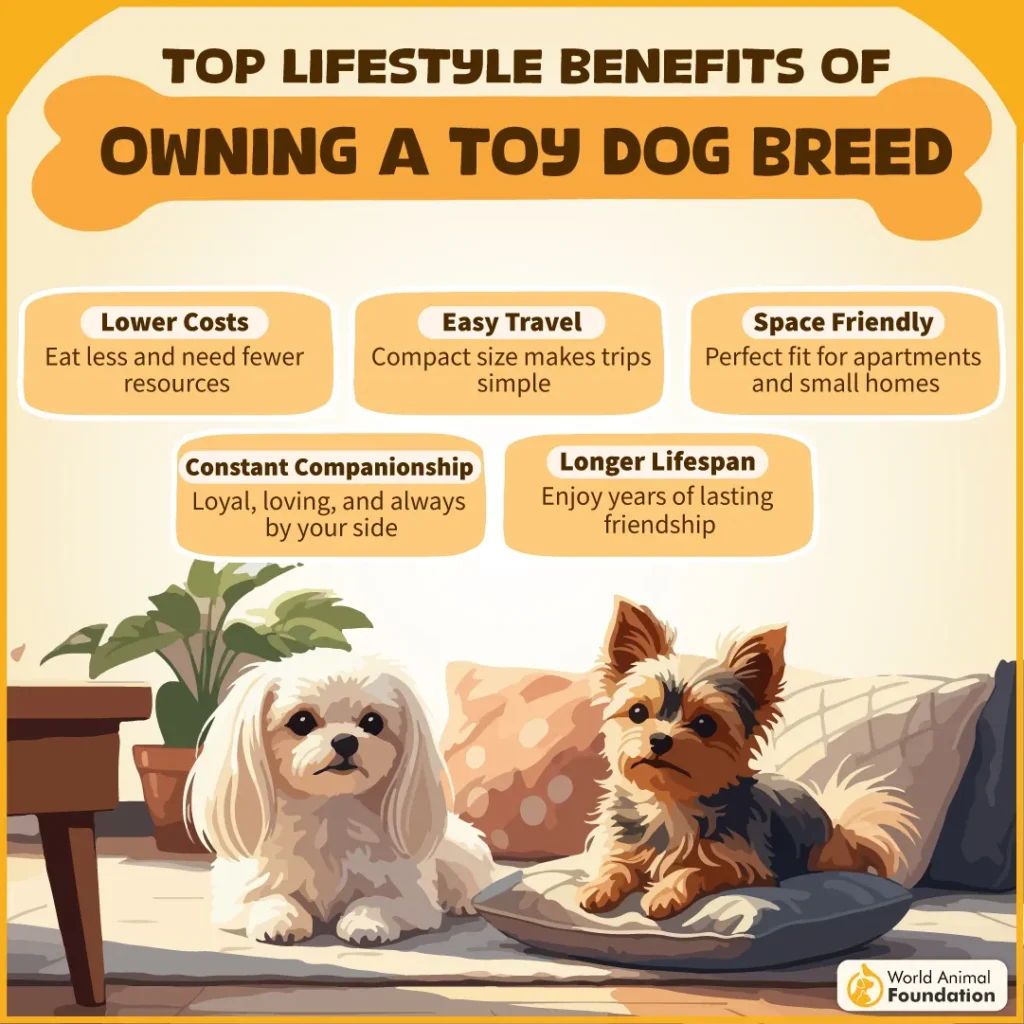
For a beginner, having a dog that fits comfortably into everyday life can make those early weeks easier. Toy breeds can be especially appealing because their compact bodies work well in smaller homes and make many routine handling tasks simpler. Their small size also usually comes with lower food requirements than larger dogs.
Personality still shapes the experience, though. Some small dogs are playful and social, others are more reserved, and some need extra patience during training or introductions. A first dog should fit the household you already have. That means looking at temperament, moderate exercise needs, and care requirements together.
The breeds featured ahead show how different a first toy dog experience can become.
Key Takeaways
The first few weeks with a new dog can bring plenty of little surprises, and choosing a breed that suits your routine can make a real difference.
Cavalier King Charles Spaniels can settle into apartments, family homes, or quieter households while enjoying a manageable amount of daily exercise.
Then there is the Toy Poodle, a 4- to 6-pound dog with enough intelligence and energy to keep a beginner busy with tricks, puzzles, and games.
The Maltese and Havanese bring their own easygoing charm, while the Japanese Chin, Yorkshire Terrier, and Papillon have some wonderfully unexpected traits waiting further down the list.
Wonderful Toy Dog Breeds for Beginner Dog Owners
1. Cavalier King Charles Spaniel
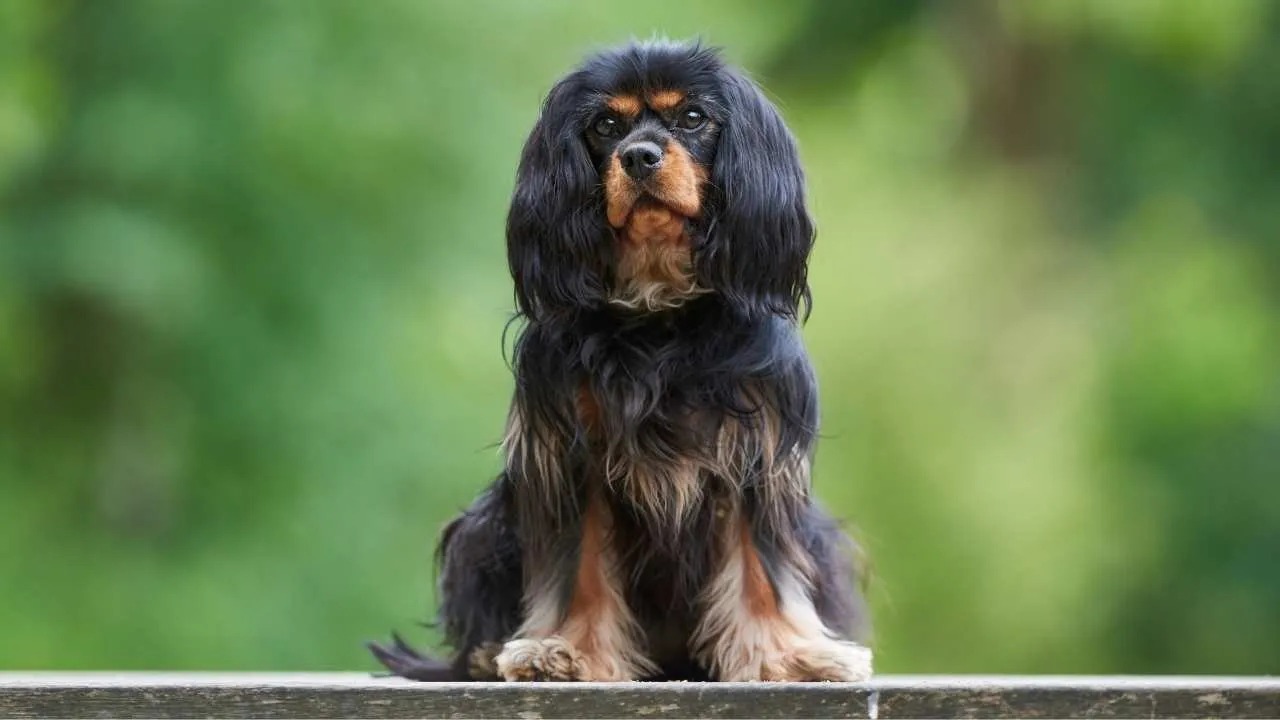
Cavalier King Charles Spaniel descends from small toy spaniels pictured in northern European paintings from the 16th through 18th centuries. These little dogs once warmed laps in chilly castles and during cold carriage rides, with one Olde English prescription even recommending a “comforte dog” for the Queen.
Made for Home Life
Around 40 to 60 minutes of daily exercise can keep this small dog breed active, leaving the rest of the day open for the usual routines and activities around the home. Leisurely walks or a romp in a secure garden can provide plenty of activity for this adaptable companion.
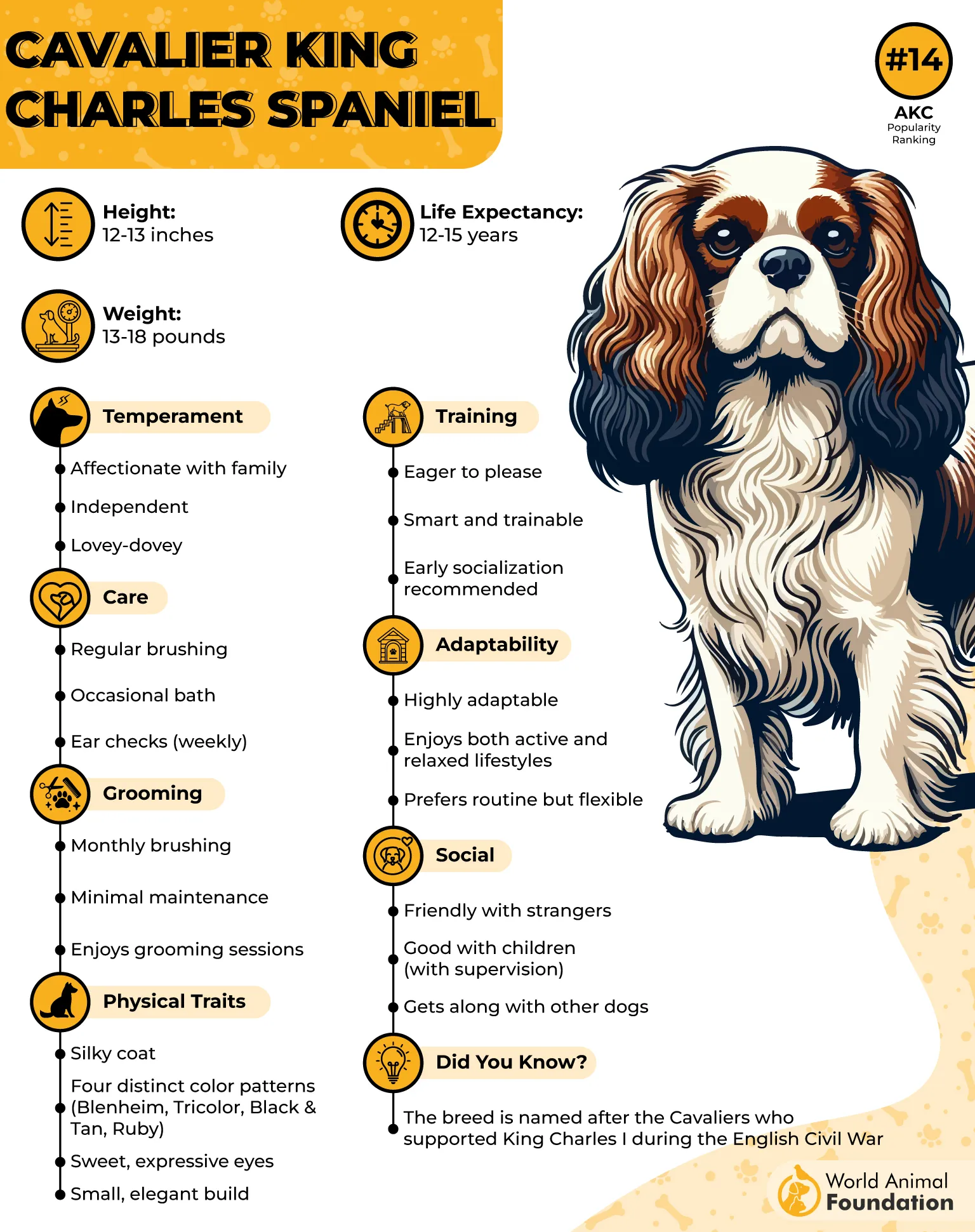
That easy pace can work for a range of people:
Can live happily in city apartments
Suits couples, families, or individuals
Enjoys both active and quiet households
Training Comes Easily
Cavalier King Charles Spaniel is intelligent and eager to please, making basic training approachable for people new to dog ownership, as discussed in Purina. Puzzle toys, fetch, and hide-and-seek can add mental variety while giving this people-focused breed enjoyable interaction.
2. Toy Poodle
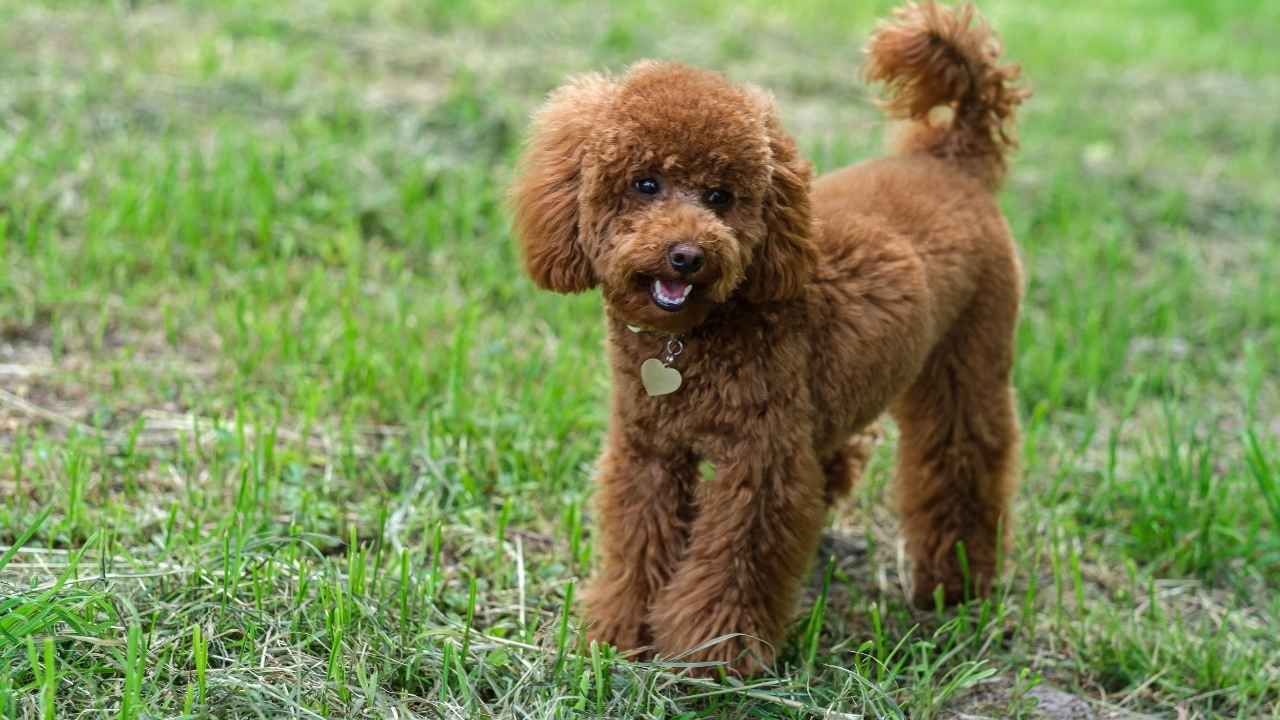
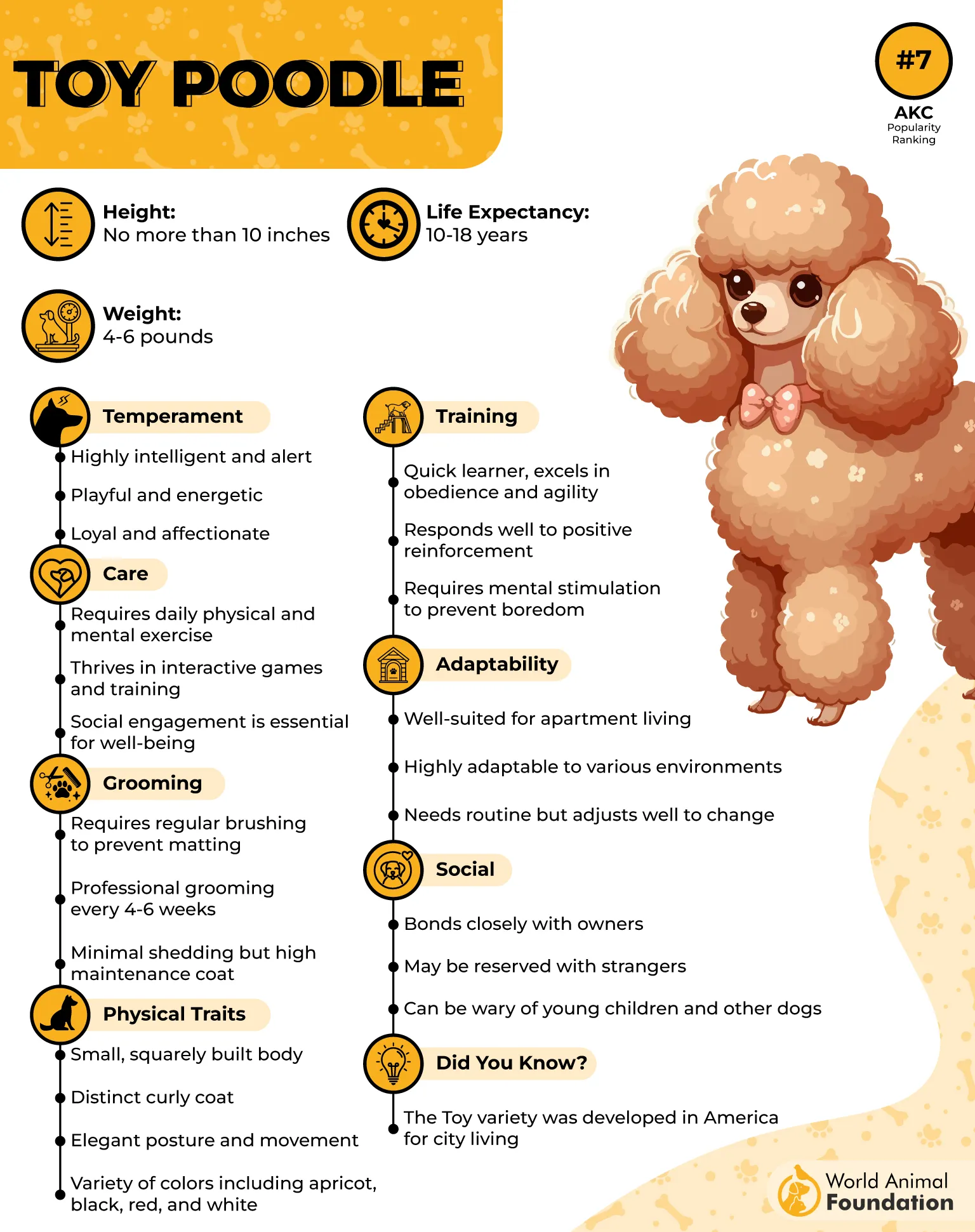
Toy Poodle has roots that reach beyond France, with early ancestors likely linked to curly-coated dogs from Asia that entered Europe alongside herders. The modern breed took shape in Germany, where its dense curls helped insulate it from cold water during duck-hunting work.
Small Space, Big Energy
This lap dog measures under 10 inches tall and can weigh just 4 to 6 pounds, yet it can be as active as a standard poodle. Around an hour of daily exercise can be worked into smaller homes through block walks, indoor fetch, trick training, or agility games.
Here’s what first-time pet parents should know:
Low-shedding coat suits apartments and condos
Puzzle toys provide mental stimulation indoors
Trick training turns playtime into learning
Handle With Care
Toy Poodle has an affectionate nature and is highly attached to its family, but its tiny frame needs careful handling around children and larger dogs. Moreover, this intelligent dog can become distressed when left alone for long periods, making regular companionship especially important.
3. Maltese
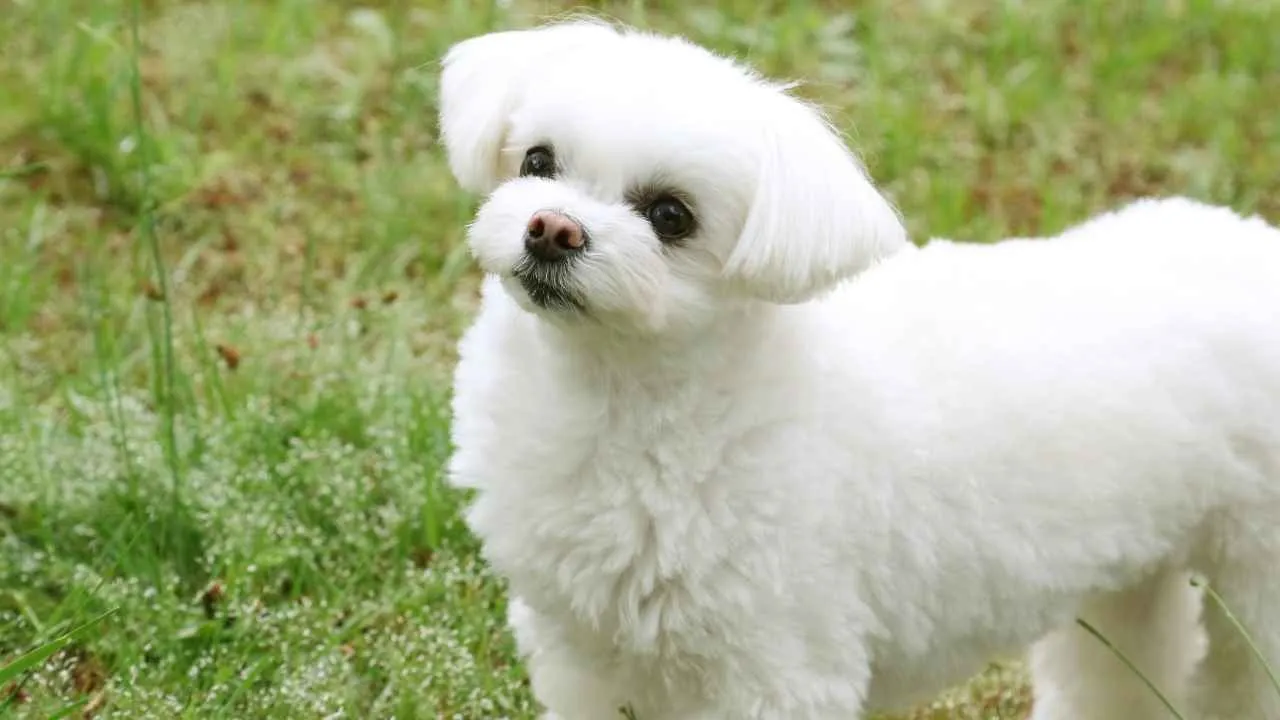
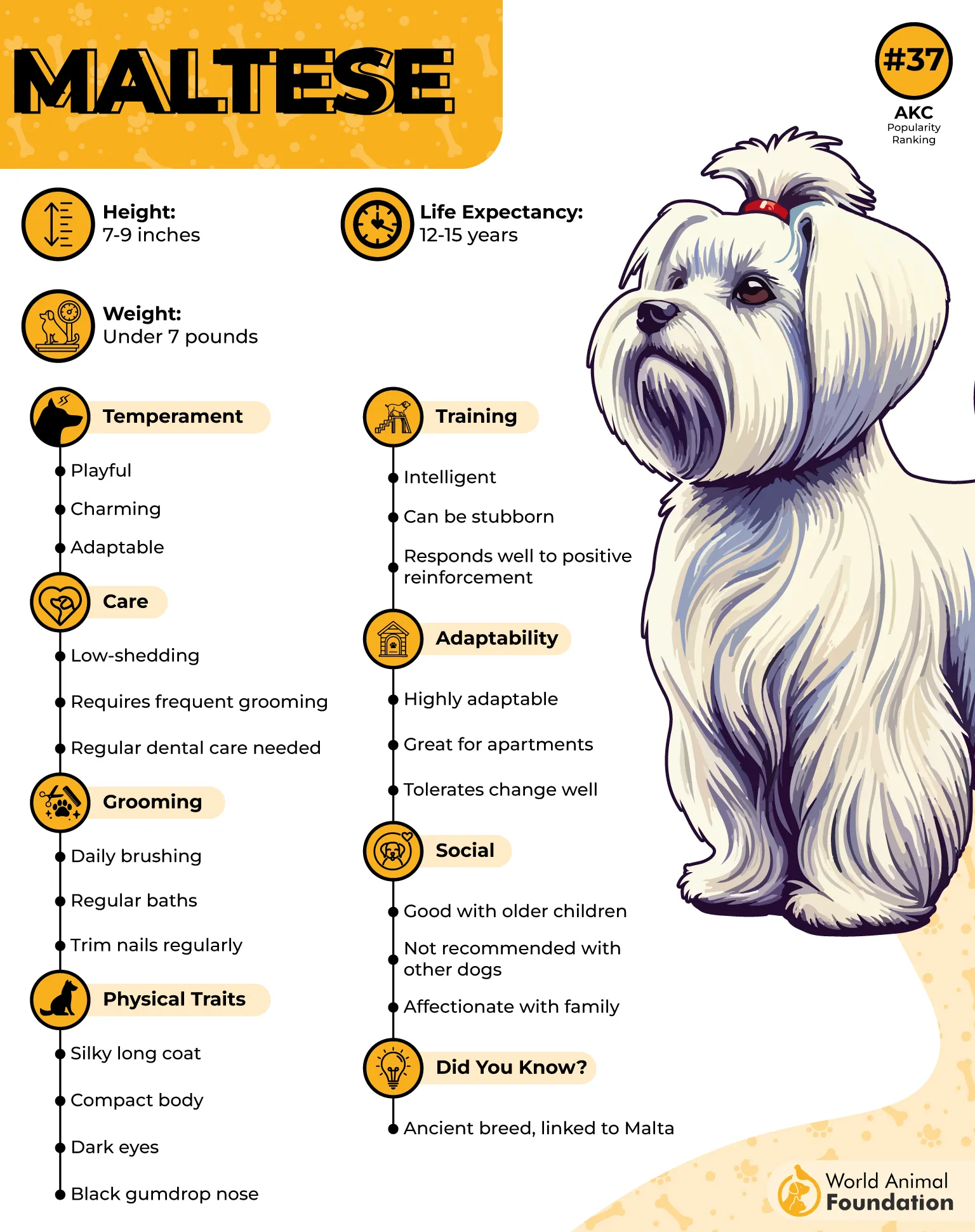
Maltese is among the oldest toy breeds, with roots reaching at least 2,000 years into the Mediterranean region. Malta is one proposed birthplace, while another theory points to Melita in Sicily, and both have supporting evidence. Ancient Egyptians also believed these little dogs possessed healing powers.
Easy on Space
This small breed needs far less room than high-energy working breeds, making apartment living a viable option without requiring a backyard. A daily 20- to 30-minute brisk walk, indoor play, fetch, or interactive toys can provide useful activity, as the Royal Kennel Club mentions.
Three practical details matter in a compact home:
Daily exercise prevents boredom
Scent work adds mental variety
Outdoor noise can trigger barking
Small Dog, Big Attitude
An unfamiliar face can bring out a surprisingly confident side of a Maltese at first, but that attitude may quickly soften into affectionate greetings once it feels comfortable. Its trusting nature also helps it enjoy children and other pets, while large breeds call for carefully supervised interactions.
4. Havanese
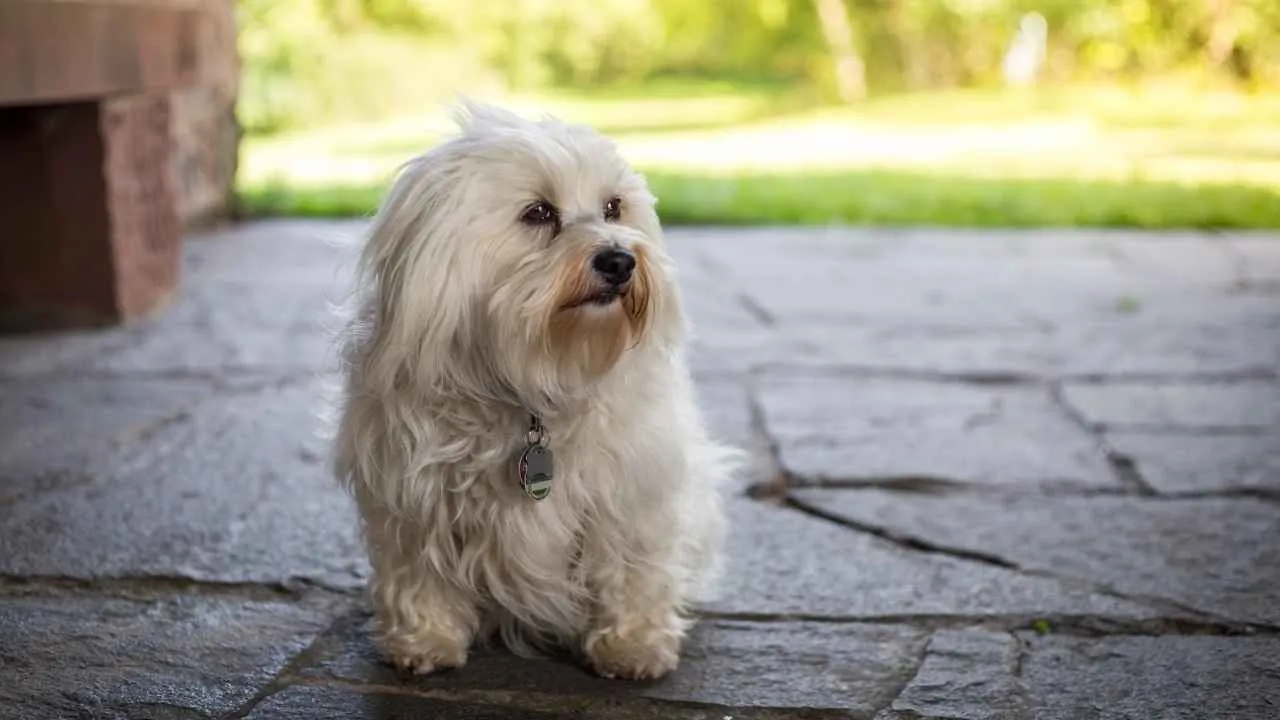
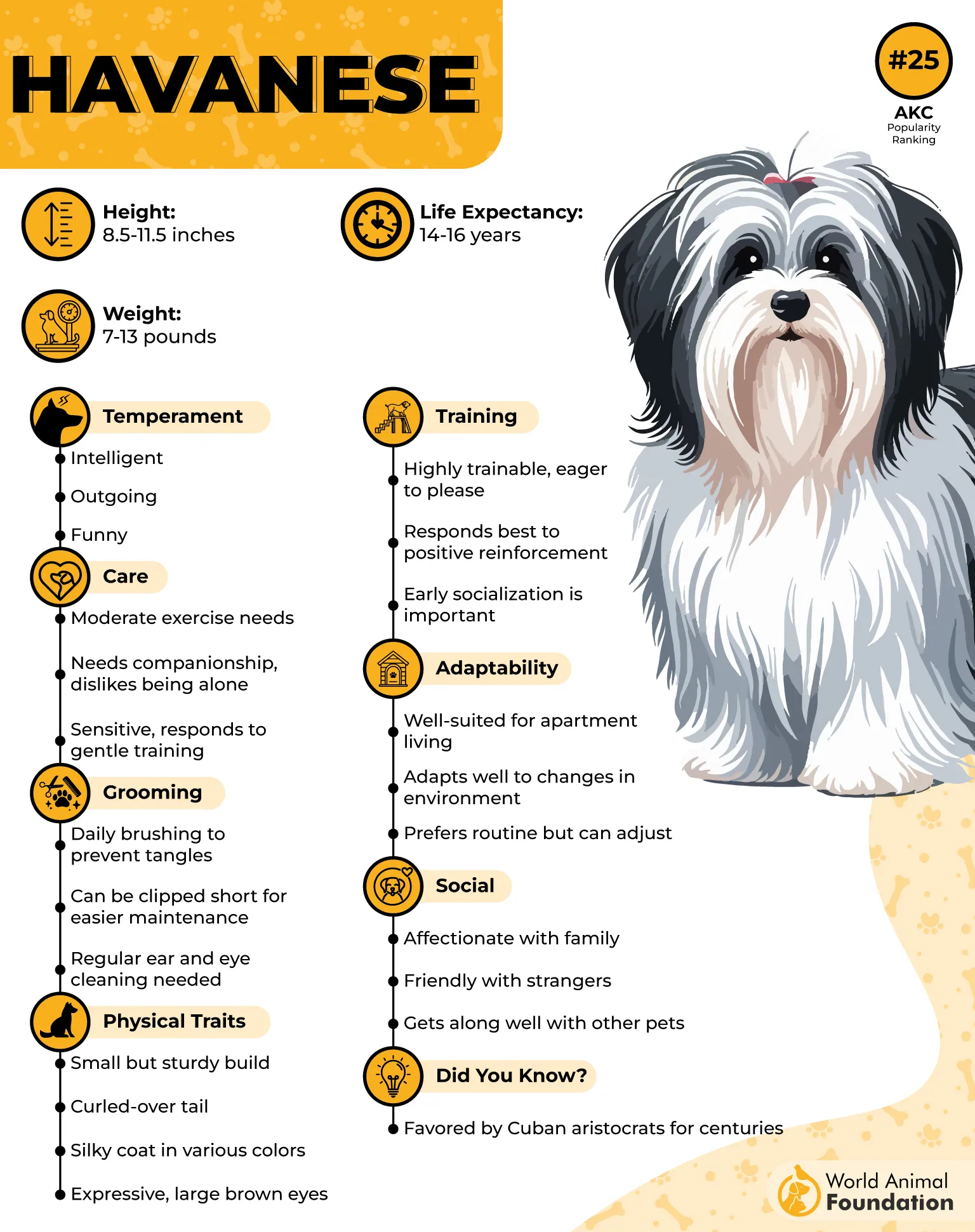
Havanese began as a companion breed in the Mediterranean Bichon family before becoming a prized household dog among Cuba’s wealthy families in the 1800s. These little dogs were given as gifts to wives and daughters of the upper class and spent much of their lives close to people.
Easy to Fit In
These excellent companions can adapt to a flat or even a spacious home because the size of the property matters less to this breed than having people nearby. Around 30 minutes of daily exercise, such as a walk or a game of fetch, can help channel its lively side.
Its lively side is only part of its home life:
Strongly attached to family
May struggle with being left alone
Enjoys toys, nose work, and trick training
A Social Little Dog
Havanese is naturally friendly toward new people, children, other dogs, and even cats when properly socialized, as Omlet describes. Its cheerful personality also suits therapy and emotional support work, while its habit of watching through the window can lead to barking when someone approaches.
5. Japanese Chin
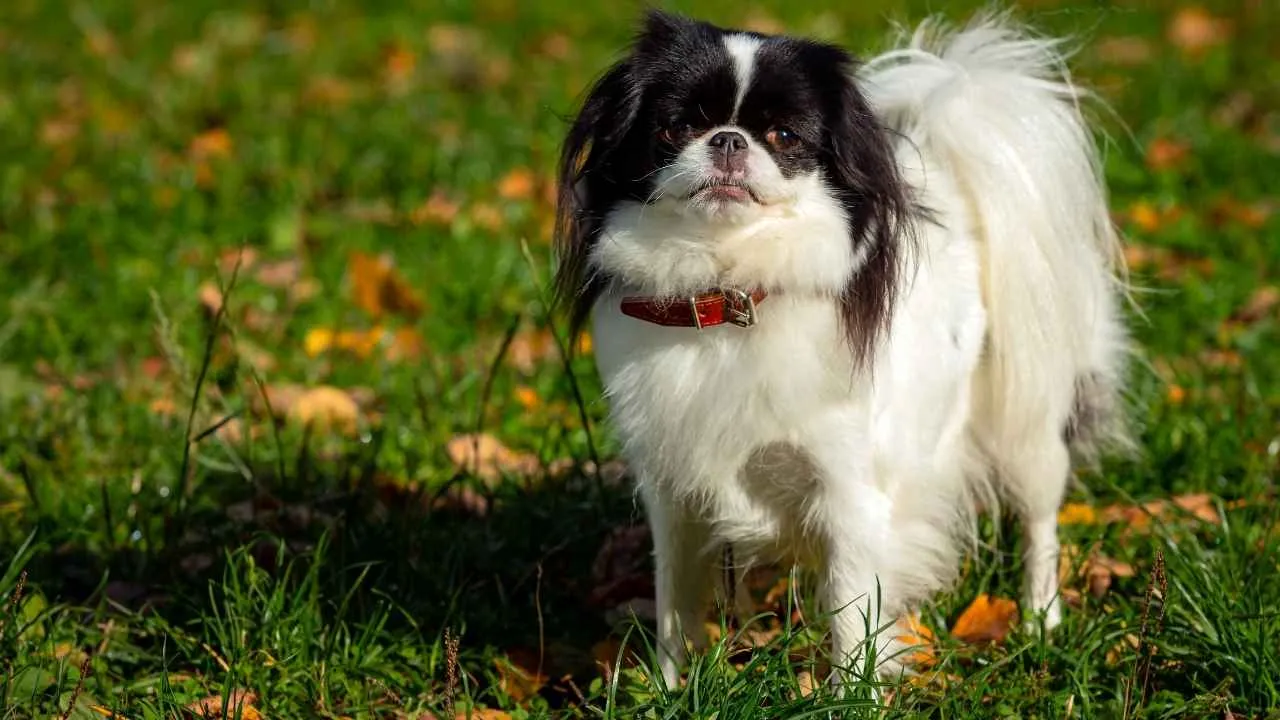
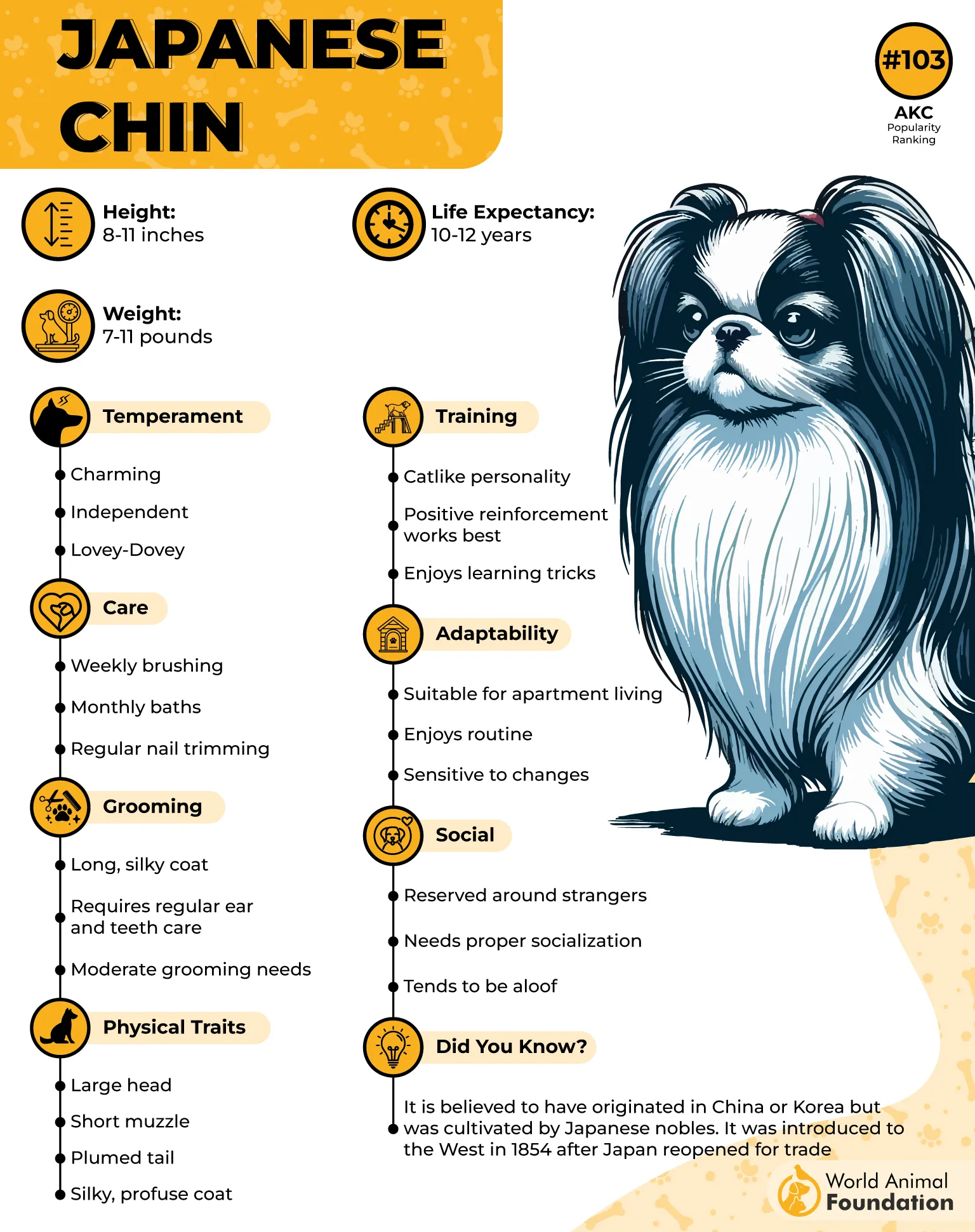
Japanese Chin is an ancient toy breed linked to China, with early depictions appearing on old pottery and in Chinese temples. Accounts later describe a pair being given to the Japanese Emperor, followed by European gifts in the 1600s and another pair presented to Queen Victoria in 1853.
Made for Small Spaces
A 20- to 30-minute walk can give Japanese Chin enough daily exercise, with leisurely exploring adding a little more interest to the outing. Since it takes up so little room, this tiny companion can also settle into an apartment or RV without needing much living space.
This little companion has these unusual habits:
Can climb onto chair and sofa backs
Often grooms itself like a cat
Needs a leash outside enclosed areas
A Little Performer
As a wonderful companion, they have a playful personality and an unusual vocal habit that sounds more like singing than ordinary barking. Excitement can also trigger the famous “Chin spin,” a quick little dance that adds plenty of personality to its daily routine and keeps things entertaining.
6. Yorkshire Terrier
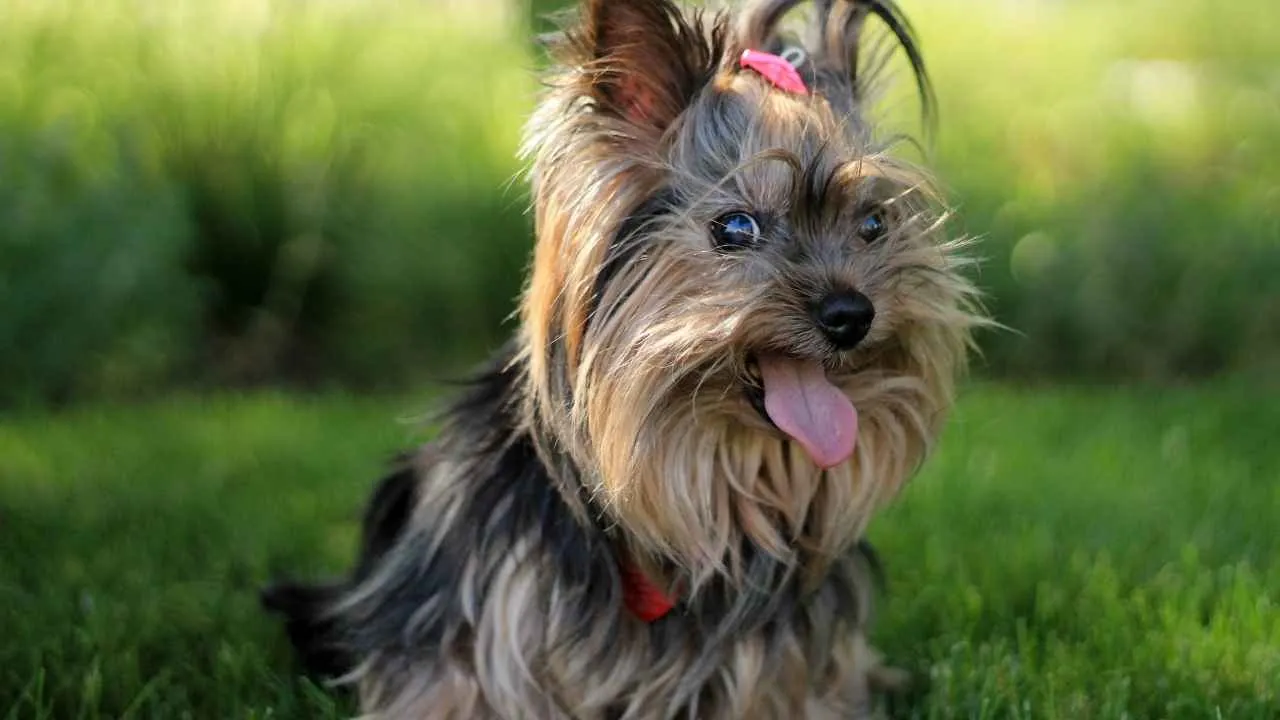
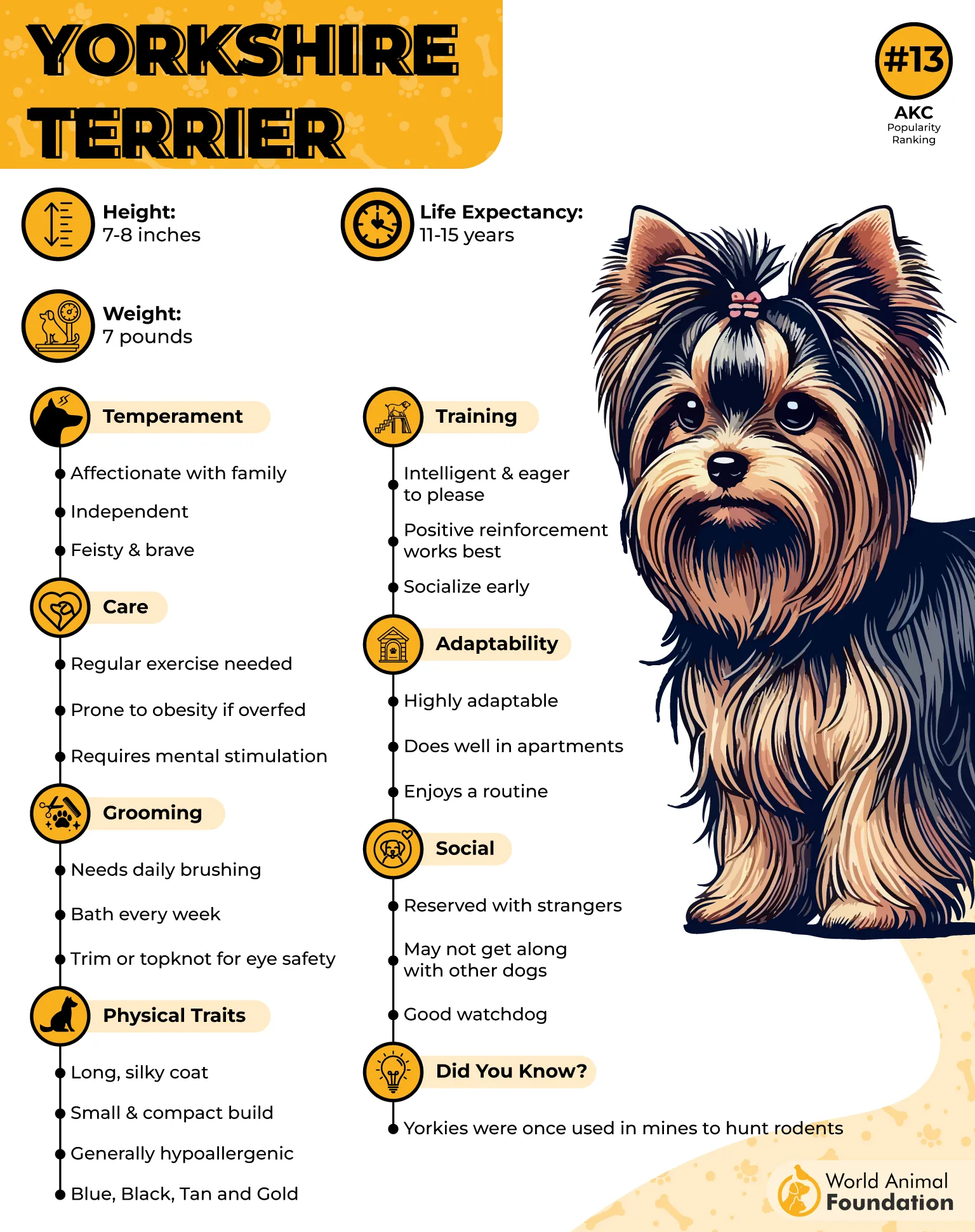
Yorkshire Terrier began in Yorkshire during the mid-19th century after Scottish workers brought small terriers into the region’s cotton mills. This one of the most popular dog breeds was used to catch rats, with Waterside, Paisley, and Skye Terriers believed to have influenced the breed that emerged there.
Made for Smaller Homes
Yorkies can stay busy without much room to roam, and a living room may be enough for a quick game of fetch or some playful chasing. Keeping that activity regular gives its body something to do while games and simple challenges keep its clever mind occupied.
There is more to this tiny breed than living space:
Two daily walks of 15 min are sufficient
Learns cues quickly with early training
They like to sniff anything
Big Personality
This loyal companion has a confident, lively personality that can make such a tiny dog surprisingly assertive around its household. Early puppy classes and introductions to unfamiliar people matter because some Yorkies can become overly protective of the people they love.
7. Papillon
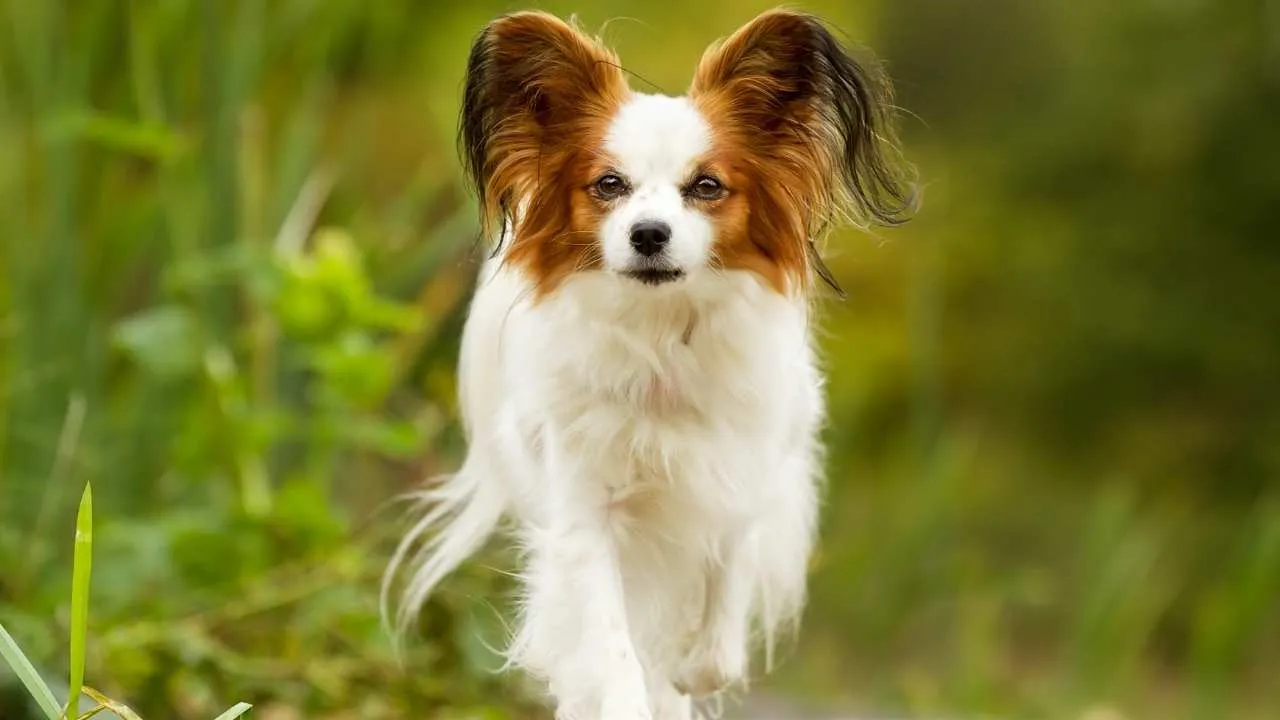
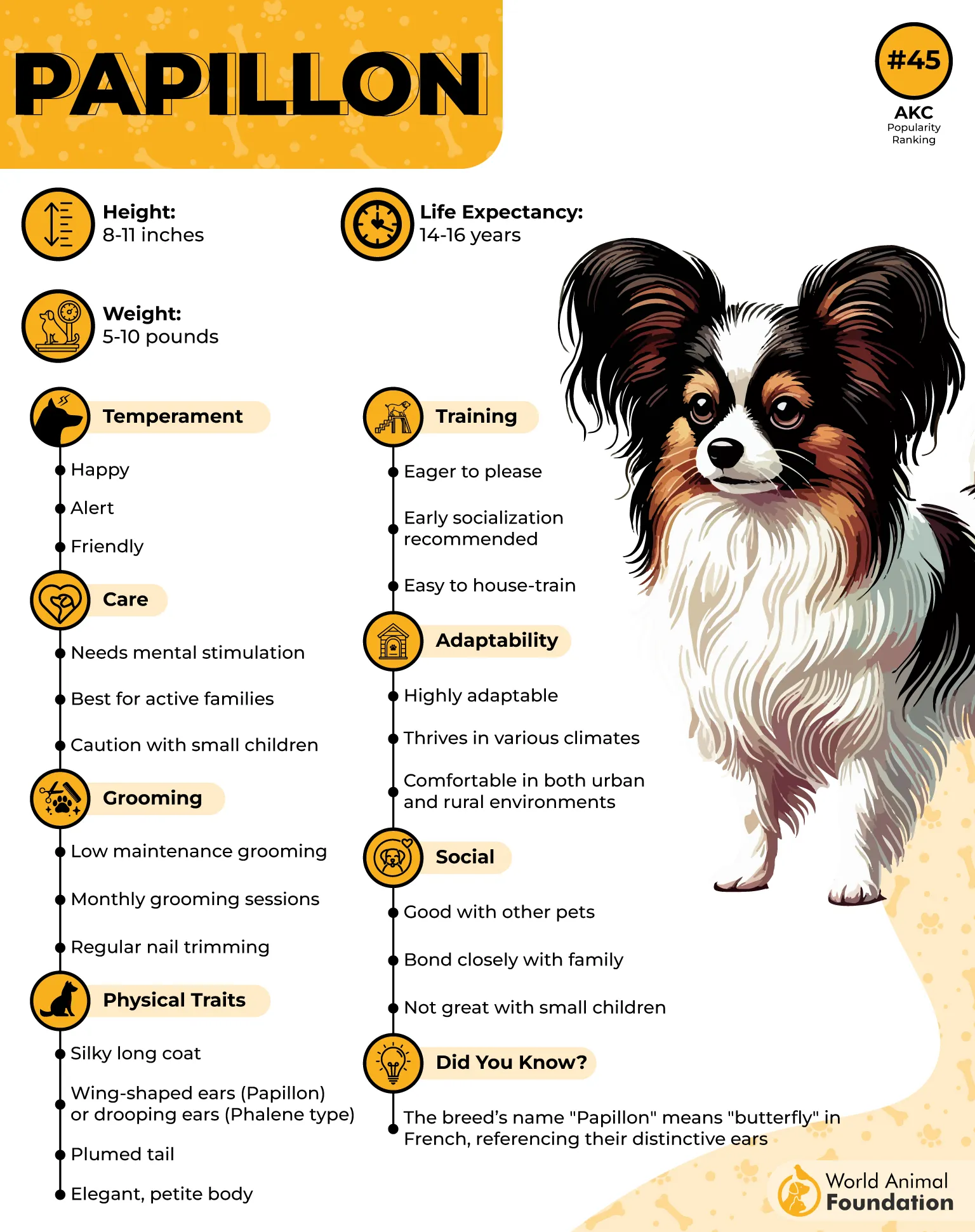
Papillon descends from European Toy Spaniels that appeared in royal court paintings as early as the 16th century, including works by Titian around 1500. Its signature upright, butterfly-like ears became fashionable much later, toward the end of the 19th century.
Small Space, Big Personality
Papillons have plenty to do even when outdoor space is limited. About 30 to 45 minutes of activity can be spread across leisurely walks, scent-based games, and quick games of fetch, giving this lively little dog different ways to stay busy.
That lively routine comes with some social needs too:
Can become unhappy with long periods alone
Gets along with people, cats, dogs, and older children
Needs care around large dog breeds and rough play
Quick on the Uptake
This best dog breed combines alertness, intelligence, and a strong desire to please, qualities that have made it a capable competitor in obedience work. Its talents also extend to tracking, agility, and therapy work, giving first-time dog owners plenty of ways to keep its sharp mind occupied.
Conclusion
Starting with a toy dog can be a way to learn the basics of dog ownership, but small stature does not mean small needs. Exercise, training, grooming, companionship, and socialization all shape the experience at home. Some little dogs are highly trainable and enjoy learning tricks and playing games, while others are happier with quiet time beside their people.
First-time owners should consider gentle temperament, barking, time alone, children, larger pets, and family activities before making a choice. The right dog breed should fit naturally into the routine already in place, especially when looking at dog breeds for first-time owners. When care feels manageable, pet parents can focus less on adjusting and more on enjoying everyday life together.
