




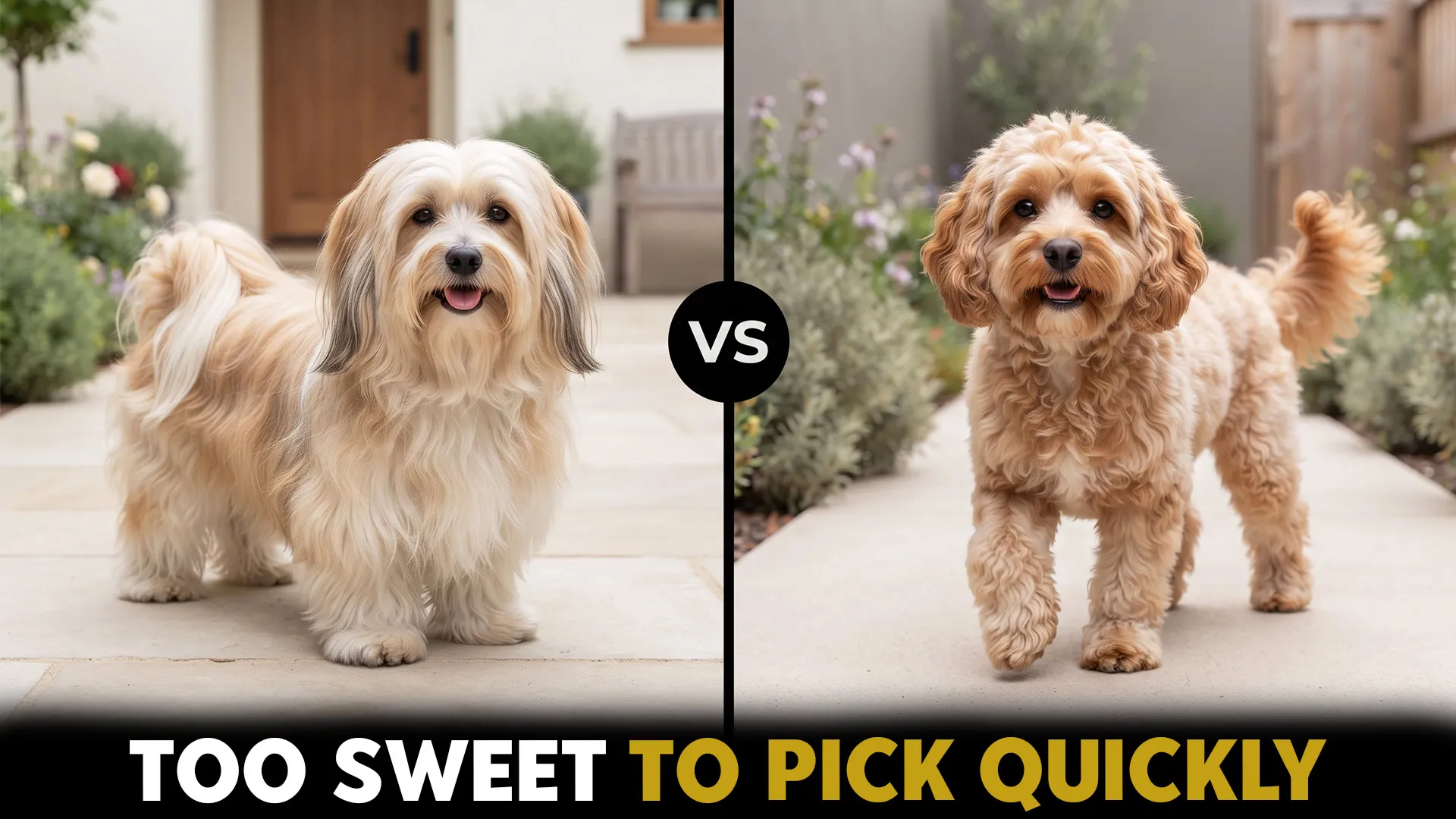
You picture a tiny dog curled beside you. Then reality arrives: grooming appointments, early walks, training mishaps, and a little shadow following you from room to room. That is where choosing between a Havanese and Cavapoo gets interesting.
They can look similar at first glance, but living with either brings a different rhythm. One has roots stretching back to Cuba. The other comes from a Cavalier-Poodle pairing. Their size, coat, energy, learning style, and care can shape your days in very different ways.
So forget the puppy-face contest for a minute. Let’s look at what you are really signing up for, from the first excited day home to the years that follow.
Havanese vs. Cavapoo: Which Small Dog Is Right for You?
1. Origins & Purpose
The Havanese has a rather glamorous backstory. Originally developed in Cuba as a companion, it was cherished for its social and loving nature rather than bred to herd sheep, retrieve birds, or guard a farm. It is the only dog breed native to Cuba, and its ancestors arrived there from Spain centuries ago.
That companion-first history still shows. A Havanese tends to want a front-row seat to whatever is happening in the house. Cooking dinner? It is interested. Watching television? It is interested. Moving from one room to another for absolutely no reason? Somehow, it is interested in that too.
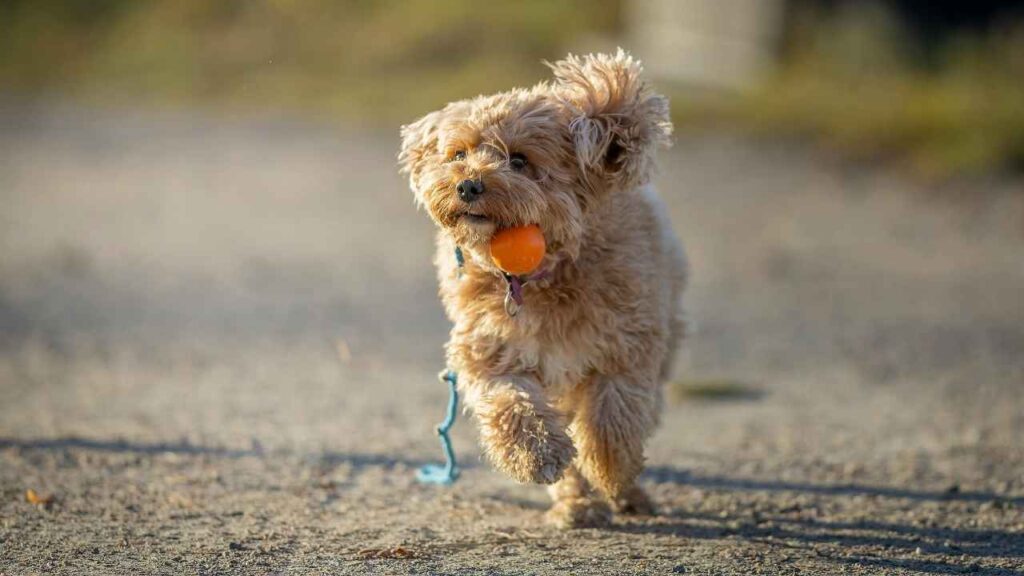
The Cavapoo has a very different origin story. It is a crossbreed between the Cavalier King Charles Spaniel and a Toy or Miniature Poodle. The Cavalier contributes its famously affectionate personality, and the Poodle parent brings plenty of intelligence and a desire to interact with people.
That mix is part of the Cavapoo’s appeal. You get two established companion breeds coming together, but the offspring can inherit different combinations of their traits.
2. Size & Build
If your idea of a perfect dog involves something you can comfortably scoop up after it has decided that the middle of the hallway is an excellent place to sit, both breeds fit the picture.
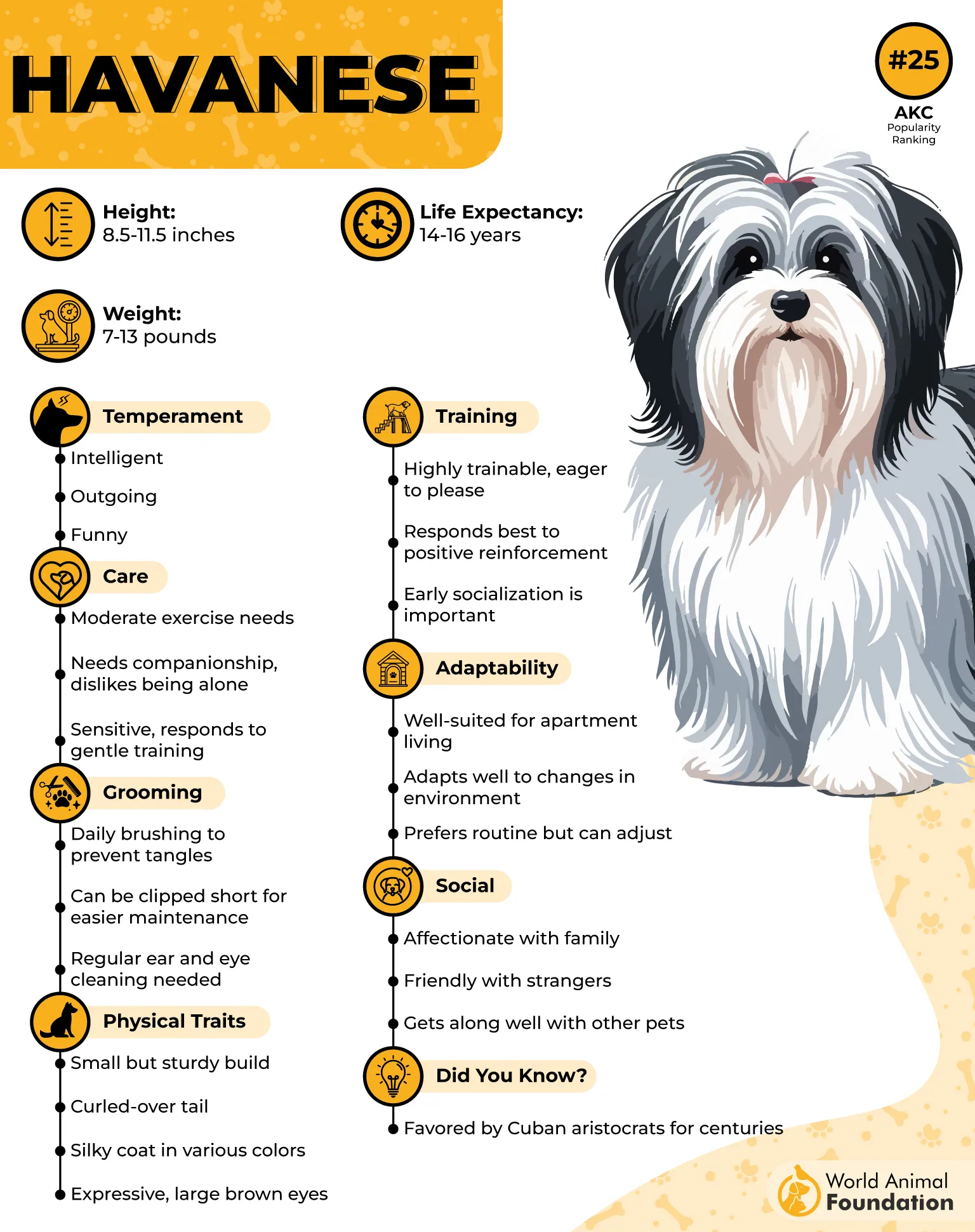
A Havanese stands about 8.5–11.5 inches tall and weighs 7–13 pounds. The American Kennel Club describes it as a small, sturdy dog with a body slightly longer than it is tall. Beneath all that flowing hair is a surprisingly athletic little frame.
The Cavapoo has a broader range. It generally stands 9–14 inches tall and weighs 8–25 pounds. That variation comes largely from whether the Poodle side comes from a Toy or Miniature Poodle.
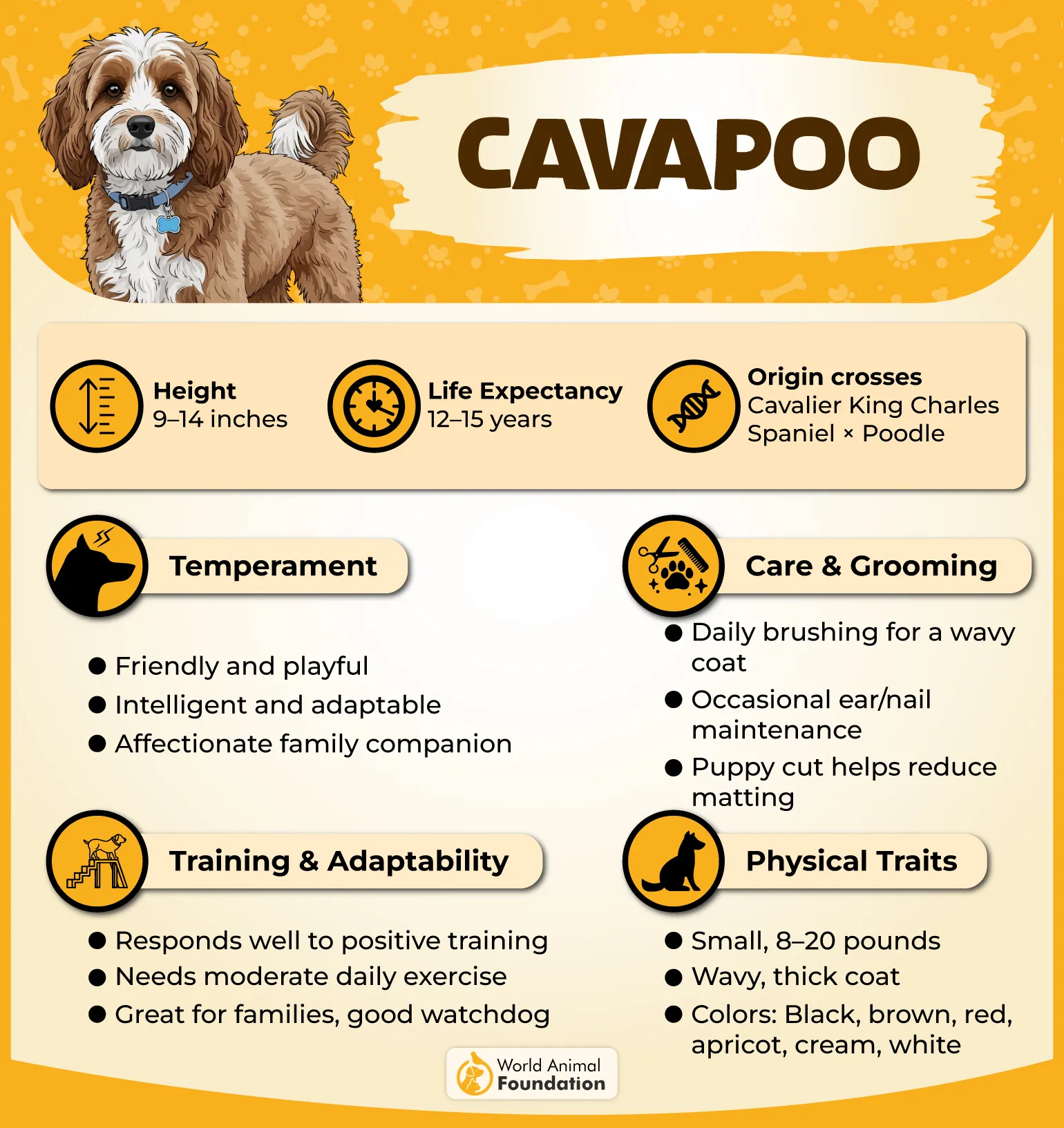
That makes the Havanese more predictable if a small frame is high on your list. A Cavapoo can land at the petite end or grow into a somewhat sturdier small-to-medium companion.
3. Price & Availability
Here is where the adorable face meets the less adorable bank-account conversation.
A Havanese puppy from a breeder generally costs around $800–$1,500, according to PetMD, although pedigree, lineage, location, breeder reputation, and demand can push the figure higher.
Cavapoo puppies come with a considerably wider price tag, around $2,000–$4,000 from professional, reputable breeders that provide health guarantees based on recommended genetic testing. Location and other factors can change the final figure.
Availability also deserves attention. A breeder who is willing to explain health screening, show you relevant records, answer uncomfortable questions, and talk honestly about the parents is far more reassuring than someone simply advertising the fluffiest puppy in the litter.
The cheapest puppy is rarely the cheapest choice over the course of a dog’s life.
4. Temperament & Personality
If you want a dog that treats companionship like a full-time job, both contenders have impressive résumés.
The Havanese is cheerful, affectionate, social, and intelligent. It can be friendly with children and other animals when properly socialized. Its alert side also gives it some watchdog ability; it can let you know when someone unfamiliar appears without having the personality of a serious guard dog.
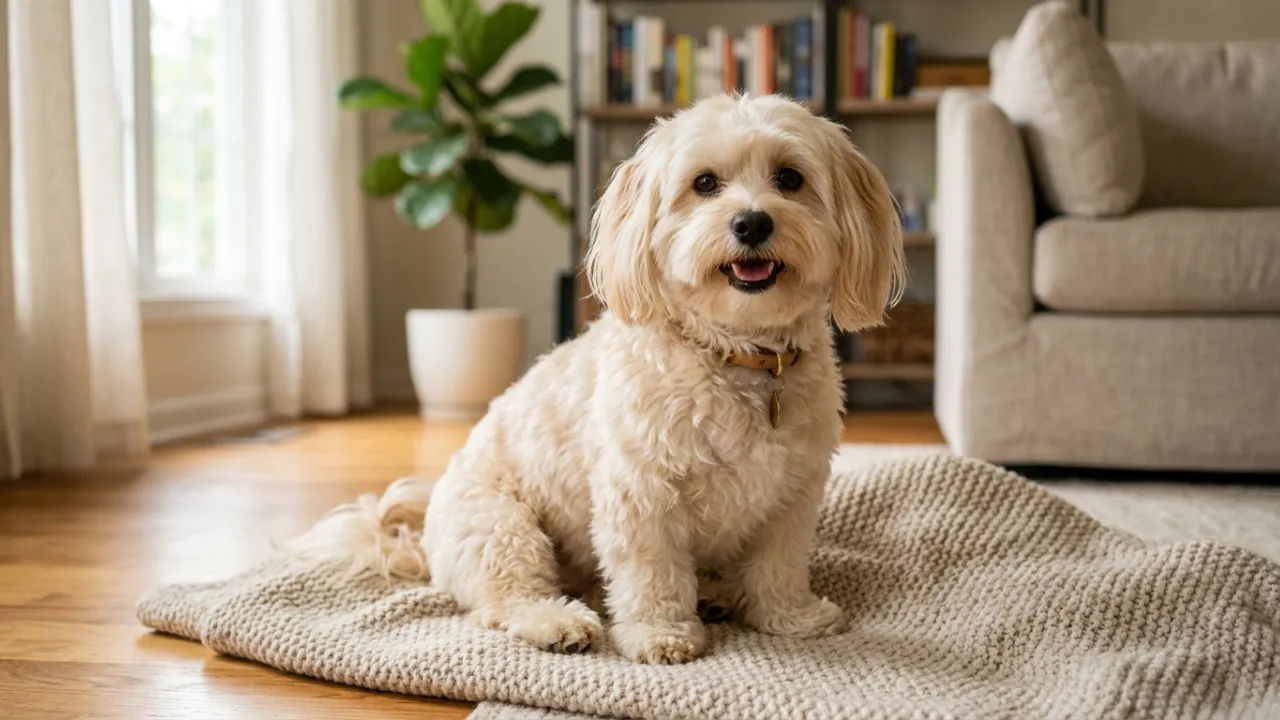
The Cavapoo has a similarly people-centered personality. Its Cavalier heritage adds a sweet temperament, and its Poodle ancestry can bring curiosity and mental sharpness. This breed is friendly, playful, intelligent, and highly social.
There is one important catch: Cavapoos are mixed-breed dogs, so their traits are less predictable. One can be more energetic, another more laid-back, and another might seem determined to turn every household activity into a group project.
Both breeds form strong bonds with their people. That is wonderful if you want constant companionship. It can become harder if the dog is regularly left alone for long periods, since both can struggle with separation anxiety.
5. Exercise Needs & Energy Levels
Neither dog needs a personal trainer and a mountain range in the backyard.
The Havanese needs moderate exercise and can get a good portion of it from brisk walks, play, and interactive games. Purina suggests around 30 minutes of total daily exercise, split into shorter walks or play sessions.
The Cavapoo has a little more pep in its step. Around one hour of exercise each day, including walking and opportunities to explore, is recommended. Fetch, hide-and-seek, agility-style games, and puzzle activities can also give that busy little brain something worthwhile to do.
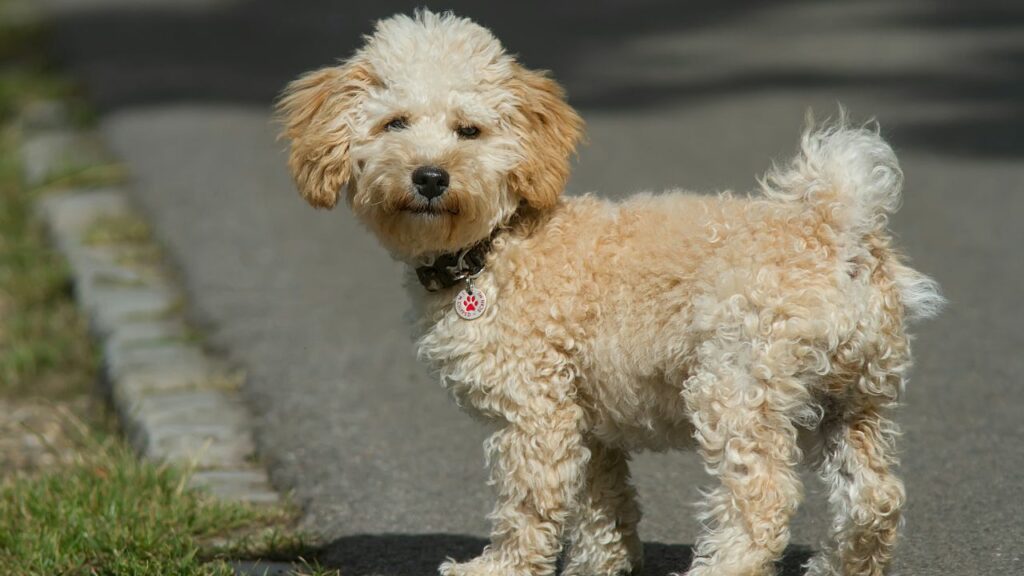
For active families, the Cavapoo can be a fun little activity partner. The Havanese fits beautifully into a more moderate routine, especially when walks are mixed with games and training.
The bigger point is mental stimulation. Neither breed should spend every day parked on the sofa simply because it is small.
6. Trainability & Intelligence
Small body, big brain. That is very much the story here.
The Havanese is highly intelligent and eager to please. It responds best to gentle, reward-based training rather than harsh handling. Short sessions, treats, praise, and games can turn learning into something the dog actually wants to do.
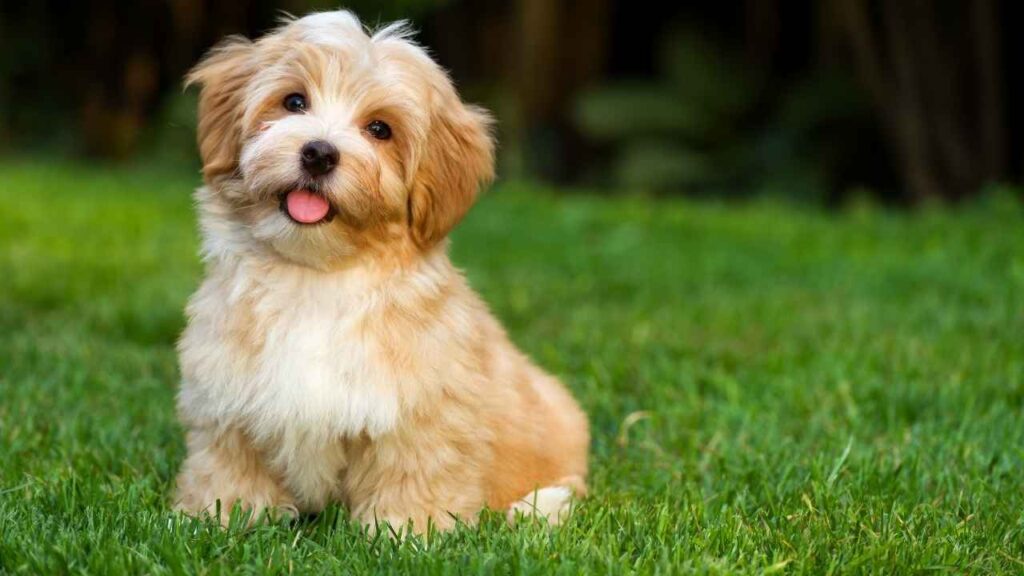
The Cavapoo has plenty of learning power too. The Poodle side contributes notable intelligence, and the Cavalier side adds a strong desire to stay connected with people. That combination can make training feel less like teaching and more like playing a game together.
House training still requires patience. Even an intelligent puppy does not magically understand your bathroom rules on day one. Consistent routines, supervision, rewards, and positive reinforcement help turn those early accidents into history.
Both can learn tricks, obedience cues, and household manners. Give them a reason to participate, and their eagerness starts doing half the work.
7. Grooming Needs & Shedding
Here comes the part that fluffy-dog advertisements conveniently make look effortless.
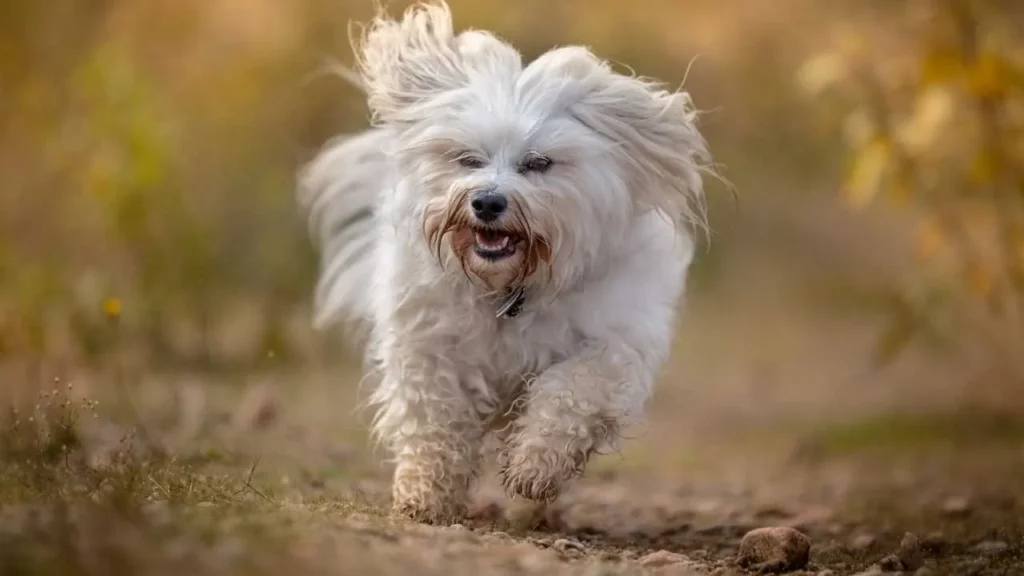
The Havanese has a long, soft coat that can be straight or wavy. That beautiful appearance comes with serious maintenance. Regular brushing is ideal, and frequent brushing is necessary to keep tangles and mats under control. Some owners choose a shorter haircut to make everyday care easier.
Havanese dogs are considered low-shedding, but that does not translate into low maintenance. The hair keeps growing, so regular coat care remains part of life.
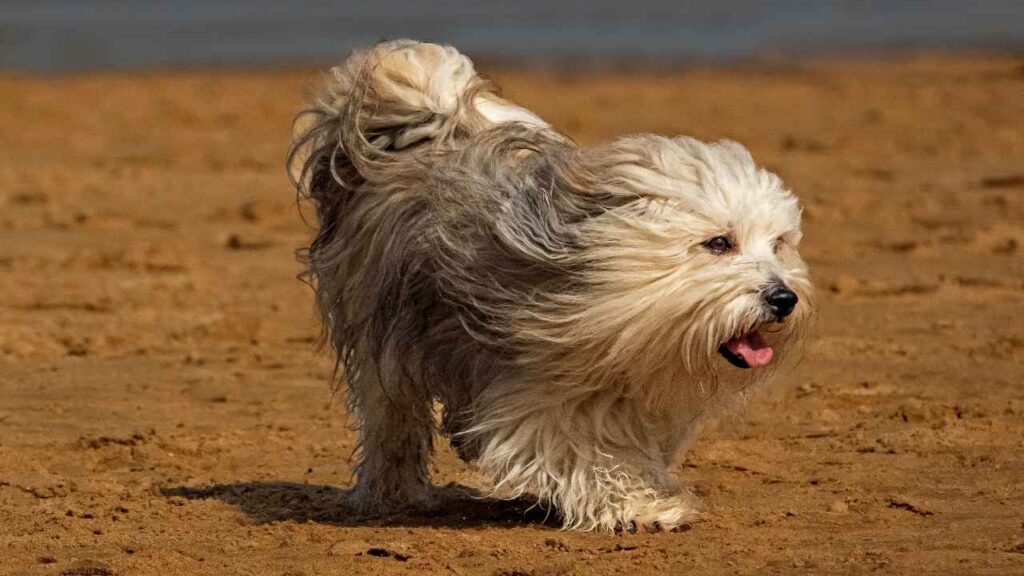
Cavapoos are more unpredictable because their coat type depends on inheritance. You can see silky, wavy, or curlier coats, with some dogs inheriting a stronger Poodle-style texture. Petplan recommends daily brushing for longer coats and a commitment to professional grooming every 4–6 weeks.
The Cavapoo’s low-shedding coat can appeal to allergy sufferers, but calling it hypoallergenic would be misleading. No dog is completely allergen-free, and Cavapoos still produce dander.
In short: Both need regular grooming. If brushing, trimming, bathing, and the occasional appointment with a groomer sound like too much work, neither breed is your low-maintenance dream dog.
8. Health & Lifespan
Both can have long lives, but neither gets a free pass on health care simply because it fits under your arm.
A Havanese typically lives 14–16 years. The breed is generally healthy, though concerns can include progressive retinal atrophy, patellar luxation, eye problems, heart murmurs, and hip or knee conditions. Responsible health testing can help breeders make better decisions about which dogs should produce puppies.
The Cavapoo typically lives around 12–15 years. Its mixed ancestry does not automatically protect it from inherited conditions. Potential concerns include hip dysplasia, patellar luxation, dental disease, eye problems, and heart disease.
The Cavalier side deserves particular attention because mitral valve disease is a major health issue associated with Cavalier King Charles Spaniels. That makes responsible breeding and appropriate health screening especially important when choosing a Cavapoo.
Good nutrition, dental care, sensible activity, routine veterinary checks, and keeping your dog at a healthy weight all matter far more than simply hoping good genetics will handle everything.
9. Which Small Dog Is Right for Your Home?
This is where the comparison gets personal.
Choose a Havanese if you want a petite companion with a defined breed identity, a long history as a household companion, an adaptable nature, moderate exercise needs, and a beautiful coat you are genuinely prepared to care for. It can settle into apartment life nicely and loves being involved with its family members.
Choose a Cavapoo if the Cavalier-Poodle combination is exactly your kind of dog. You get an affectionate, playful companion with plenty of intelligence and a flexible personality. Just remember that the adult size, coat, and personality can vary more because this is a crossbreed.
For families, both can be lovely choices with proper socialization and supervision. For first-time owners, both can be suitable, especially when you are ready to put time into training and grooming.
Your lifestyle should make the final call. If you want a dog that fits a calmer routine and you adore the Havanese look, that little Cuban companion could be your match. If you want a playful, people-focused pup with a dash of Poodle cleverness, the Cavapoo has plenty going for it.
The cutest puppy in the photo is not necessarily the best fit. The right dog is the one whose daily needs fit your actual life.
Conclusion
The Havanese fits a home that wants a devoted companion with predictable size and moderate activity needs. The Cavapoo brings more variety, mixing Cavalier affection with Poodle intelligence and playful energy.
Think about your routine, time, grooming budget, and preferred personality. Both need training, care, and companionship. The right choice is simply the one that fits your everyday life.
