




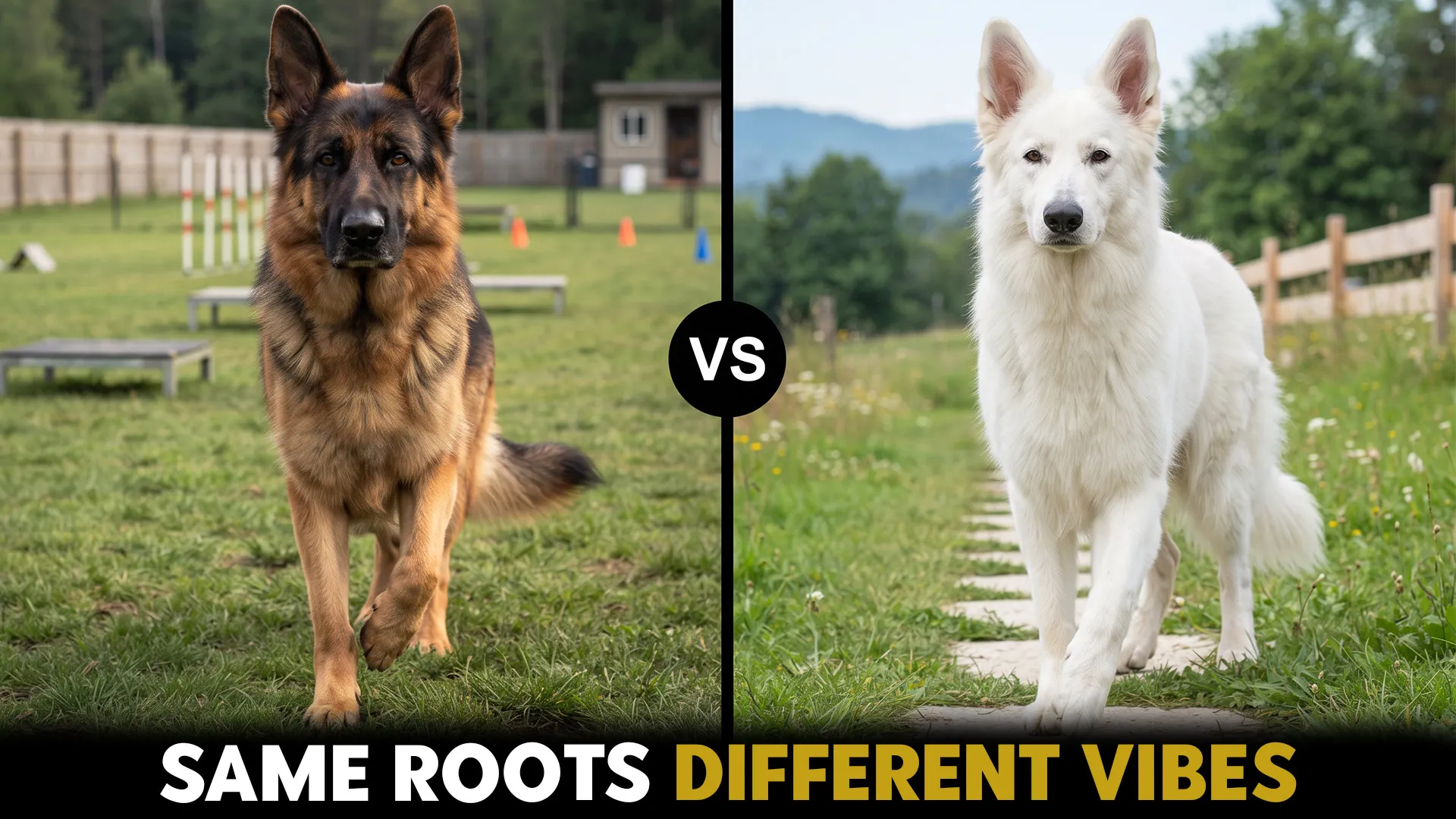
At first glance, the German Shepherd and White Swiss Shepherd can seem almost identical, especially with their athletic builds, upright ears, and herding heritage. Look closer, though, and differences in temperament, coat, energy, and working style begin to emerge.
The German Shepherd is renowned for versatility, trainability, and protective instincts, while the White Swiss Shepherd is often described as more sensitive, gentle, and strongly people-oriented. Both intelligent breeds need consistent mental and physical stimulation, so neither is suited to a completely sedentary lifestyle.
Understanding these distinctions can make choosing between them much easier. From their working backgrounds to their everyday personalities, this comparison explores what truly sets the two breeds apart.
German Shepherd vs. White Swiss Shepherd: What Sets Them Apart
German Shepherds and White Swiss Shepherds may look similar, but they differ in temperament, appearance, and working style. Let’s compare these two intelligent breeds!
Note: While the German Shepherd Dog is a fully recognized AKC breed, the White Swiss Shepherd (Berger Blanc Suisse) is recognized internationally by the FCI, but in the United States, it is recorded in the AKC Foundation Stock Service (FSS).
Physical Features
White Swiss Shepherd height: 21-26 inches
White Swiss Shepherd weight: 55-88 pounds
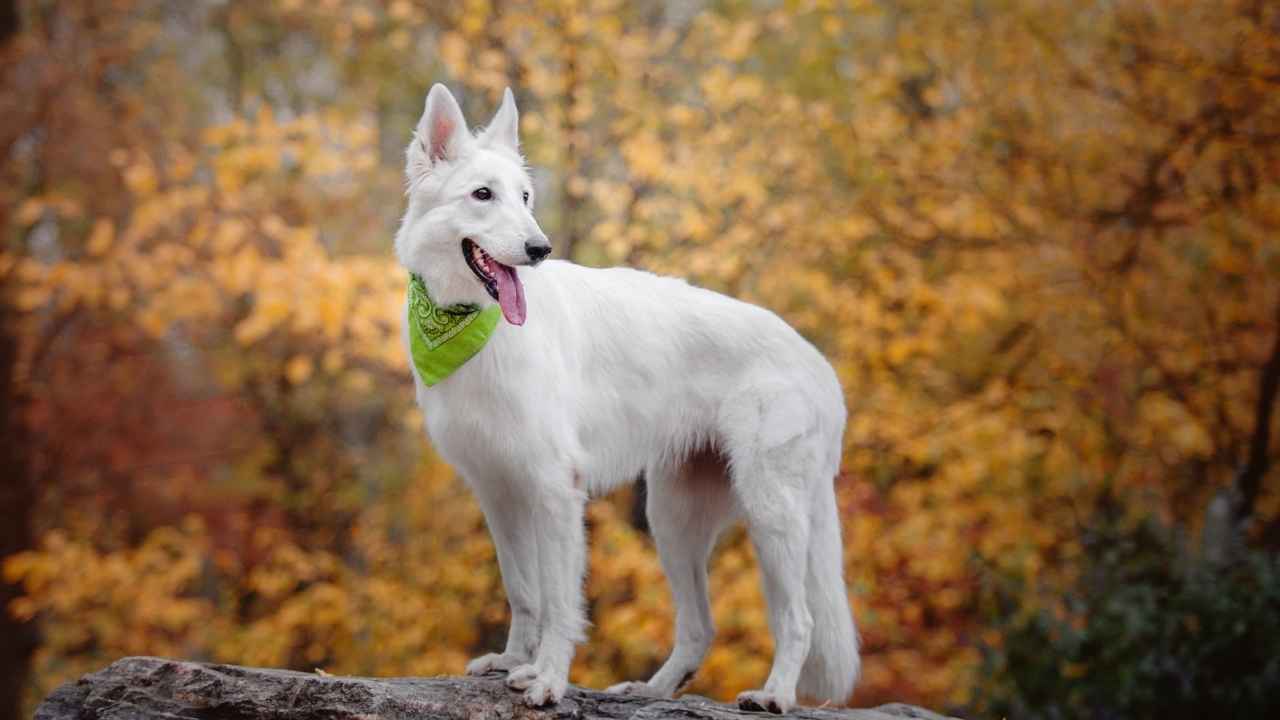
The White Swiss Shepherd, also known as Berger Blanc Suisse, has a refined yet athletic frame, with a deep chest, muscular neck, well-developed limbs, and a body slightly longer than tall. Its wedge-shaped head features dark almond-shaped eyes, erect triangular ears, and a well-proportioned muzzle.
Its elegant outline is complemented by a thick, white double coat that may be a medium coat or a long coat. The coat feels soft and dense while providing weather resistance, with fuller feathering around the neck, legs, ears, and tail. Its coat color is exclusively white, giving the breed its distinctive appearance among white dogs.
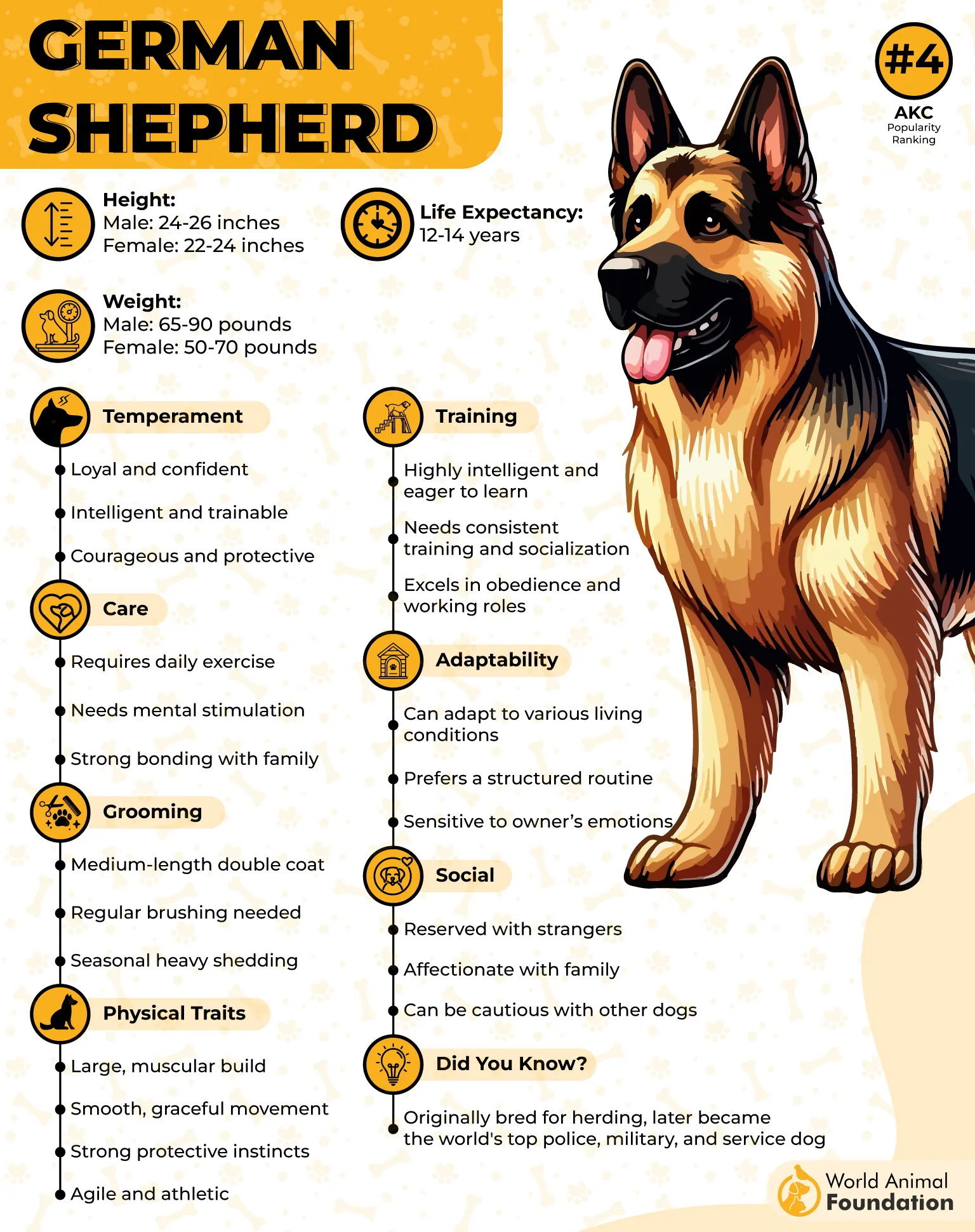
German Shepherd height: 22-26 inches
German Shepherd weight: 50-90 pounds
The German Shepherd has a more substantial, powerful appearance, combining firm bones, strong muscles, and a slightly elongated body.
Its medium-sized almond-shaped eyes are preferably dark, while its flowing topline and balanced proportions contribute to its distinctive working-dog silhouette. The white German Shepherd shares the German Shepherd’s characteristic structure while having an entirely white coat.
Speed & Strength
The German Shepherd combines a powerful frame with impressive running ability, reaching speeds of around thirty miles per hour. Its muscular build supports both bursts of speed and sustained movement.
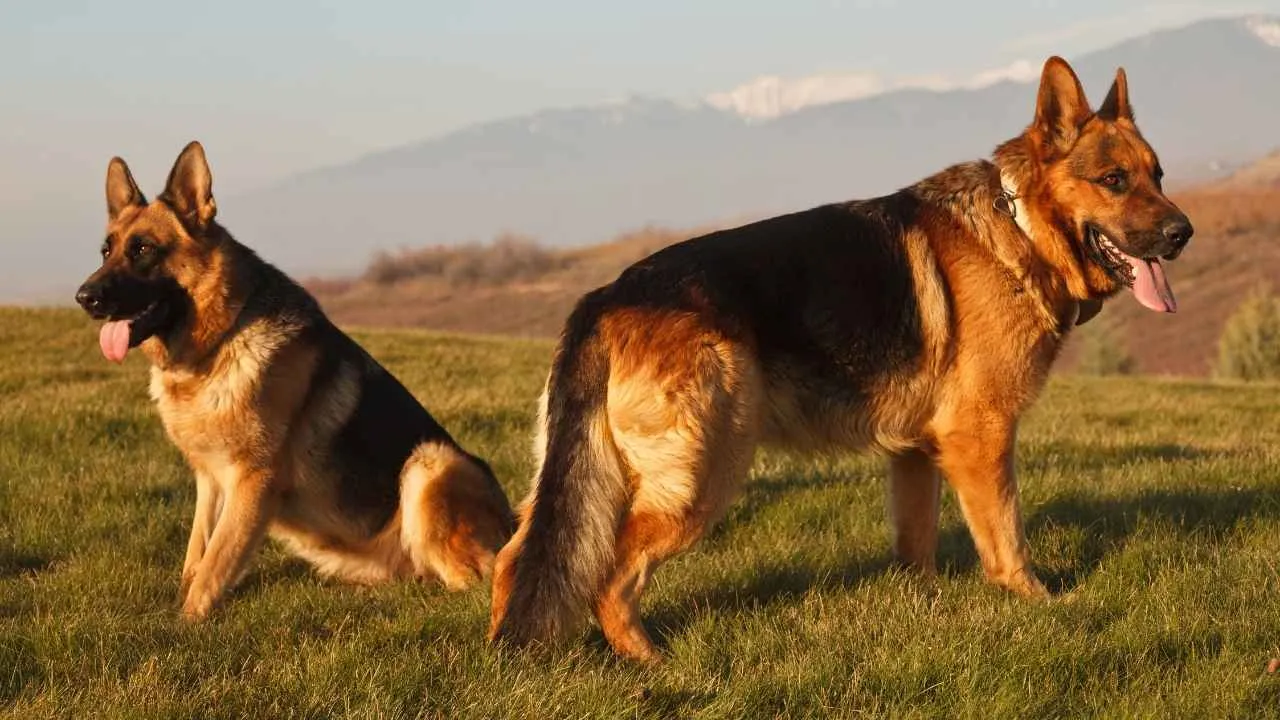
The White Swiss Shepherd is similarly athletic, with comparable speeds of roughly twenty-eight to thirty miles per hour. Its more level back and agile structure give it a balanced, fluid stride. According to Royal Canin, they are alert watchdogs and energetic, hardworking dogs.
While the German Shepherd generally has a stronger working drive and more pronounced guarding power, the White Swiss Shepherd brings a lighter, more agile feel to physical activities. Its responsive nature also makes it well suited to agility and obedience work.
Exercise & Energy Levels
Both breeds are highly active and need more than casual walks to stay content. German Shepherds benefit from varied exercise that combines movement with tasks such as tracking, obedience, agility, and problem-solving. According to PetMD, these dogs need one to two hours of daily workout and mental enrichment.
White Swiss Shepherds also have substantial energy to burn and generally thrive on a mix of daily walks, running, hiking, play, and training. Activities that engage both their minds and bodies are especially rewarding.
For either breed, consistency matters more than simply tiring them out. Puppies need age-appropriate play and exploration rather than strenuous exercise, while adults benefit from gradually increased activity, safe free movement, and regular mental challenges.
Training & Intelligence
The German Shepherd is exceptionally intelligent and thrives when training combines clear expectations with positive reinforcement. Early socialization, obedience work, and regular practice help shape its natural working abilities.
The White Swiss Shepherd is equally quick to learn and often enjoys training as a shared activity with its handler. Its sensitive nature makes patience, rewards, praise, and varied sessions more effective than harsh corrections.
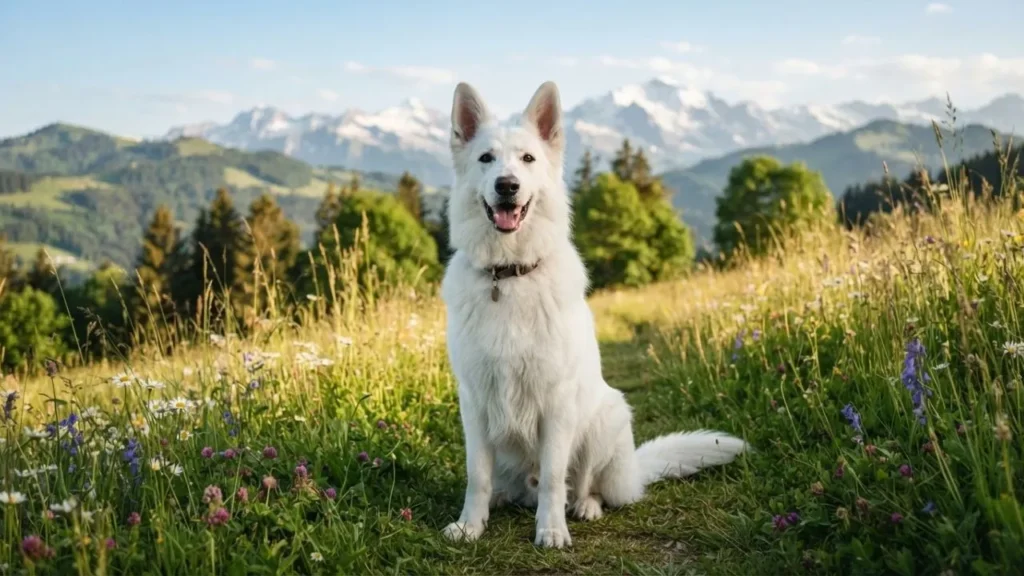
Both breeds benefit from activities that challenge their minds as well as their bodies. German Shepherds often excel in demanding working tasks, while White Swiss Shepherds can shine in obedience, scent work, service roles, and other mentally engaging activities. Their smart nature can make consistent training especially rewarding.
Socialization & living environment
The White Swiss Shepherd does best in an active household where daily exercise, training, and family time are part of the routine. It prefers living indoors with its people rather than being left alone for extended periods.
German Shepherds can adapt to family homes or apartments when owners provide structured activity, training, and sufficient downtime. A yard can be useful, but it does not replace regular exercise, mental stimulation, or responsible supervision.
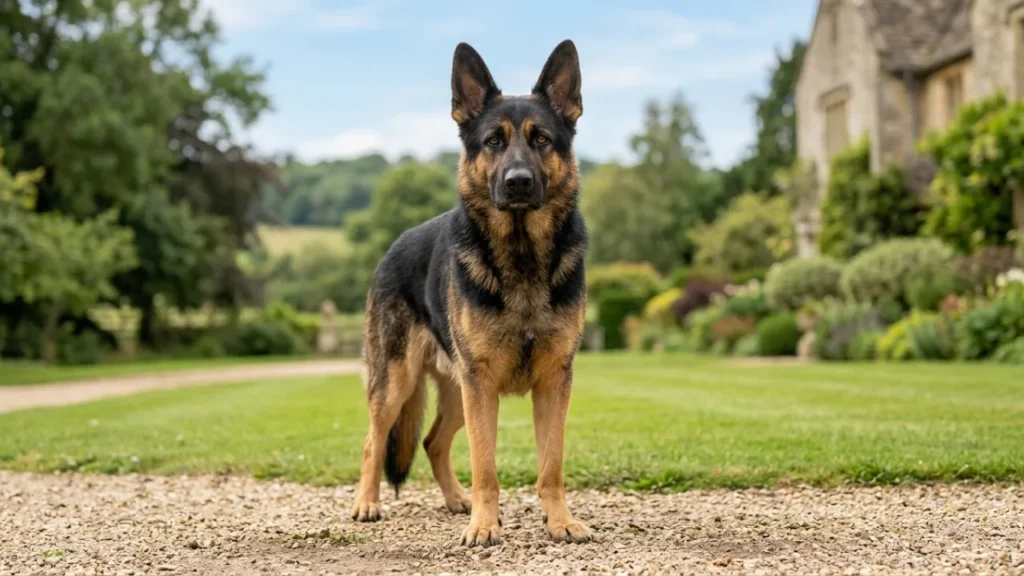
For both breeds, early socialization helps them become comfortable around people, animals, sounds, and unfamiliar settings. White Swiss Shepherds may become unsettled by isolation, while German Shepherds also need gradual alone-time training and careful management around children and other dogs, as well as cats and other pets.
Coat grooming needs
The German Shepherd dog has a dense double coat that sheds throughout the year, with heavier shedding during seasonal changes. According to the AKC, brushing several times weekly helps remove loose hair and keeps the coat manageable.
The White Swiss Shepherd dog also sheds year-round, but its white undercoat can become especially noticeable during seasonal shedding. Regular brushing, with more frequent grooming during these periods, helps clear dead hair and reduce buildup around the home.
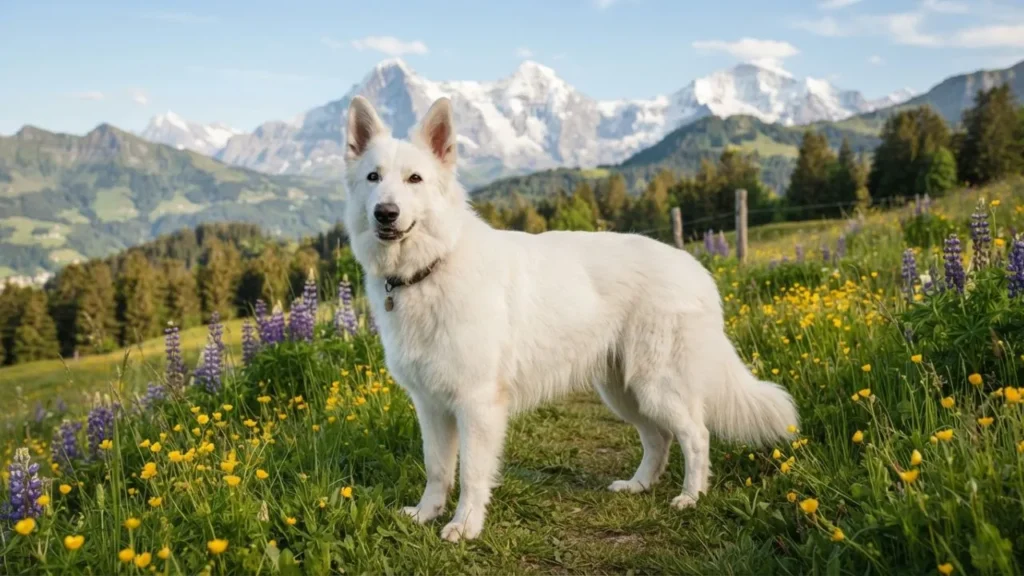
Neither breed requires frequent bathing; occasional baths are generally enough to keep the coat clean. Routine nail trimming, ear checks, and dental care should also be part of their grooming schedule, while extra attention may be needed for the White Swiss Shepherd’s feathered areas where tangles can develop.
Health & Lifespan
Both the GSD and White Swiss Shepherd can enjoy a lifespan of around twelve to fourteen years. However, each breed can be susceptible to inherited concerns, making responsible breeding and routine veterinary care especially important.
Joint health deserves particular attention in both breeds, with hip and elbow dysplasia among the key concerns. German Shepherds may also experience skin and musculoskeletal issues, while White Swiss Shepherds can be prone to allergies and certain spinal conditions.
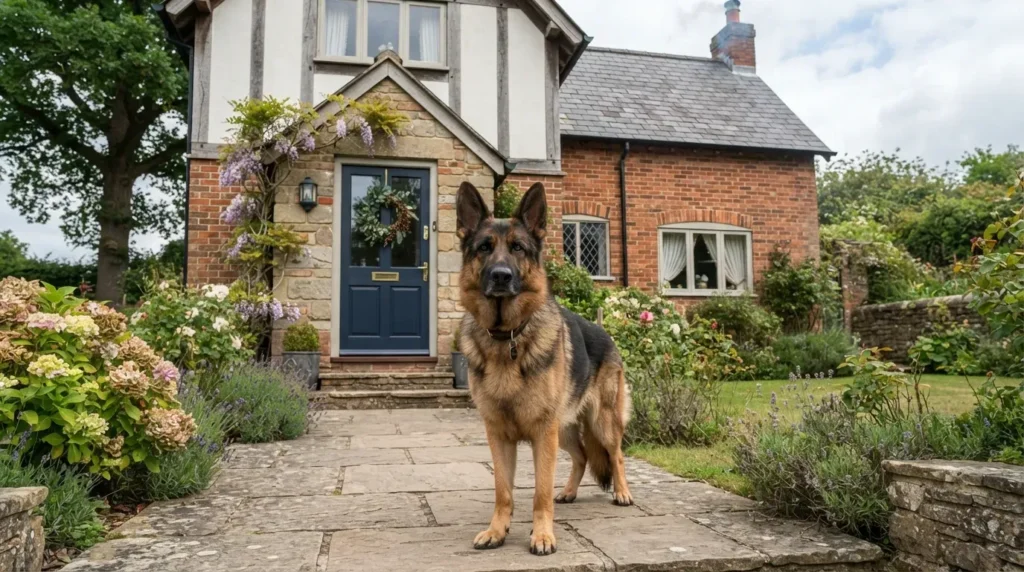
Maintaining a healthy weight, providing suitable exercise, and monitoring changes in movement can support long-term wellbeing. Responsible breeders screen breeding dogs for health conditions such as degenerative myelopathy.
Conclusion
German Shepherds and White Swiss Shepherds share a strong working heritage, athletic builds, intelligence, and a deep connection with their families. However, their differences become clearer when you consider their health profiles, temperament, appearance, and overall needs.
The German Shepherd is known for its versatility, confidence, and established working abilities, while the White Swiss Shepherd brings a similarly active nature with a distinctive white coat and a generally sensitive, people-oriented temperament.
Both breeds can be affected by concerns such as hip and elbow dysplasia, making responsible breeding and appropriate health screening important. Regular veterinary care, balanced nutrition, exercise, and maintaining a healthy weight can support their well-being.
Ultimately, understanding these similarities and differences can help prospective owners determine which breed better fits their lifestyle, expectations, and ability to provide consistent care.
