





A small dog can have an unexpectedly big presence in a household. Some may fit comfortably into a lap, yet still keep a close eye on unfamiliar sounds, visitors, and activity around the home.
Interestingly, several small breeds were developed specifically to alert people, guard property, or accompany their owners closely, giving them a natural tendency to stay aware of their surroundings.
Small size also does not automatically mean low maintenance. Many compact breeds are energetic, intelligent, vocal, or independent, and they need appropriate exercise, training, and socialization. At the same time, their affectionate personalities can make them deeply connected to the people they live with.
The breeds below combine companionship with varying degrees of alertness and confidence, making them interesting choices for people looking for a small dog that can contribute to a loving and secure household.
Best Small Dog Breeds for a Loving, Secure Home
1. Chihuahua
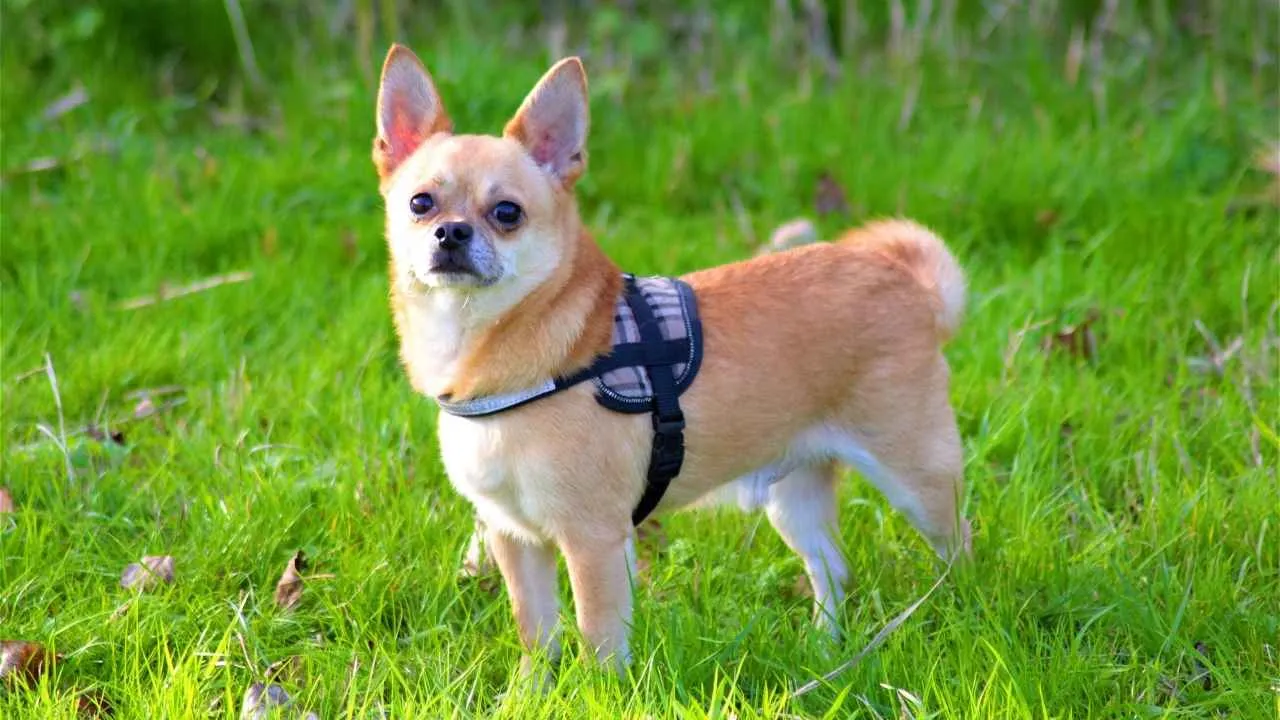
The Chihuahua takes its name from the Mexican state of Chihuahua, although its deeper ancestry is connected to the ancient Techichi, a companion dog associated with the Toltec civilization, as per Britannica. Later, the breed became particularly associated with Mexico and eventually gained popularity around the world.
A Tiny Coat With Simple Grooming Needs
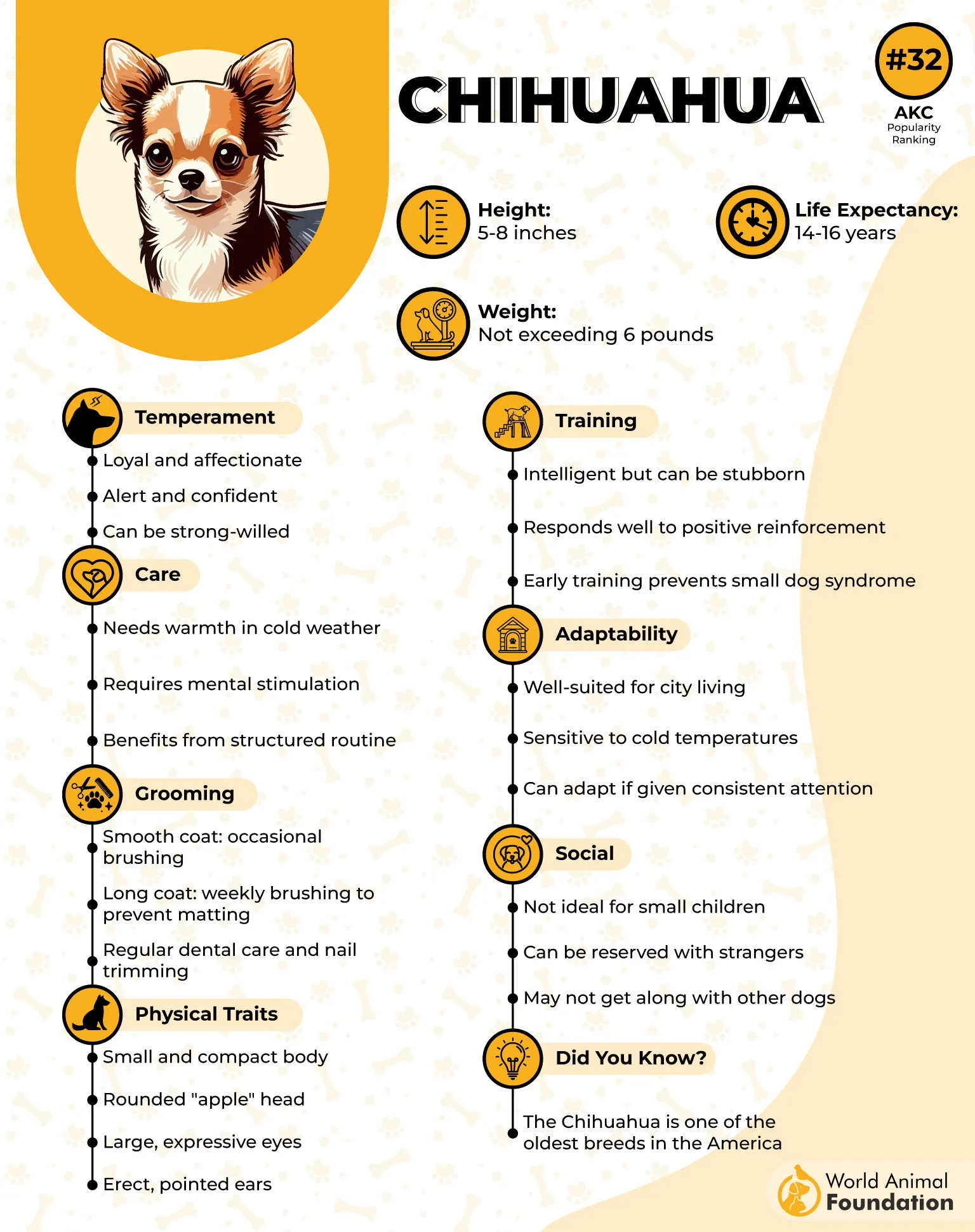
Chihuahuas can have smooth or long coats. Smooth-coated dogs generally need only occasional brushing, while long-coated varieties benefit from more frequent grooming to prevent tangles. Their small bodies still need regular movement, with short walks, indoor play, and interactive activities usually providing suitable exercise.
A Little Dog With a Big Alert System
Chihuahuas are naturally observant and can be quick to react when something unfamiliar catches their attention. They often form intense bonds with their owners and may alert the household to approaching people or unusual noises. Early socialization and training help keep that watchfulness from turning into excessive barking or nervous behavior.
2. Miniature Schnauzer
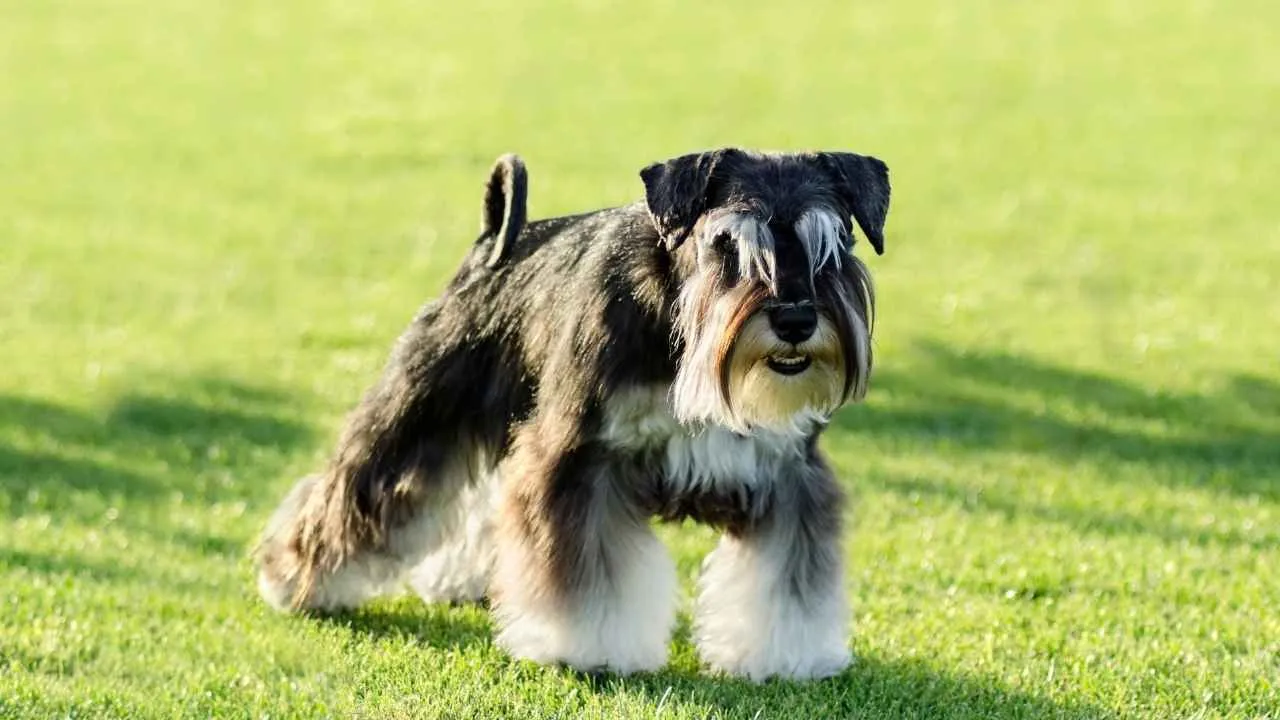
The Miniature Schnauzer originated in Germany and developed from the Standard Schnauzer and other smaller breeds, as per Hill’s Pet. Their working background helped shape a lively, alert companion that remains attentive to its surroundings.
A Distinctive Beard That Needs Regular Care
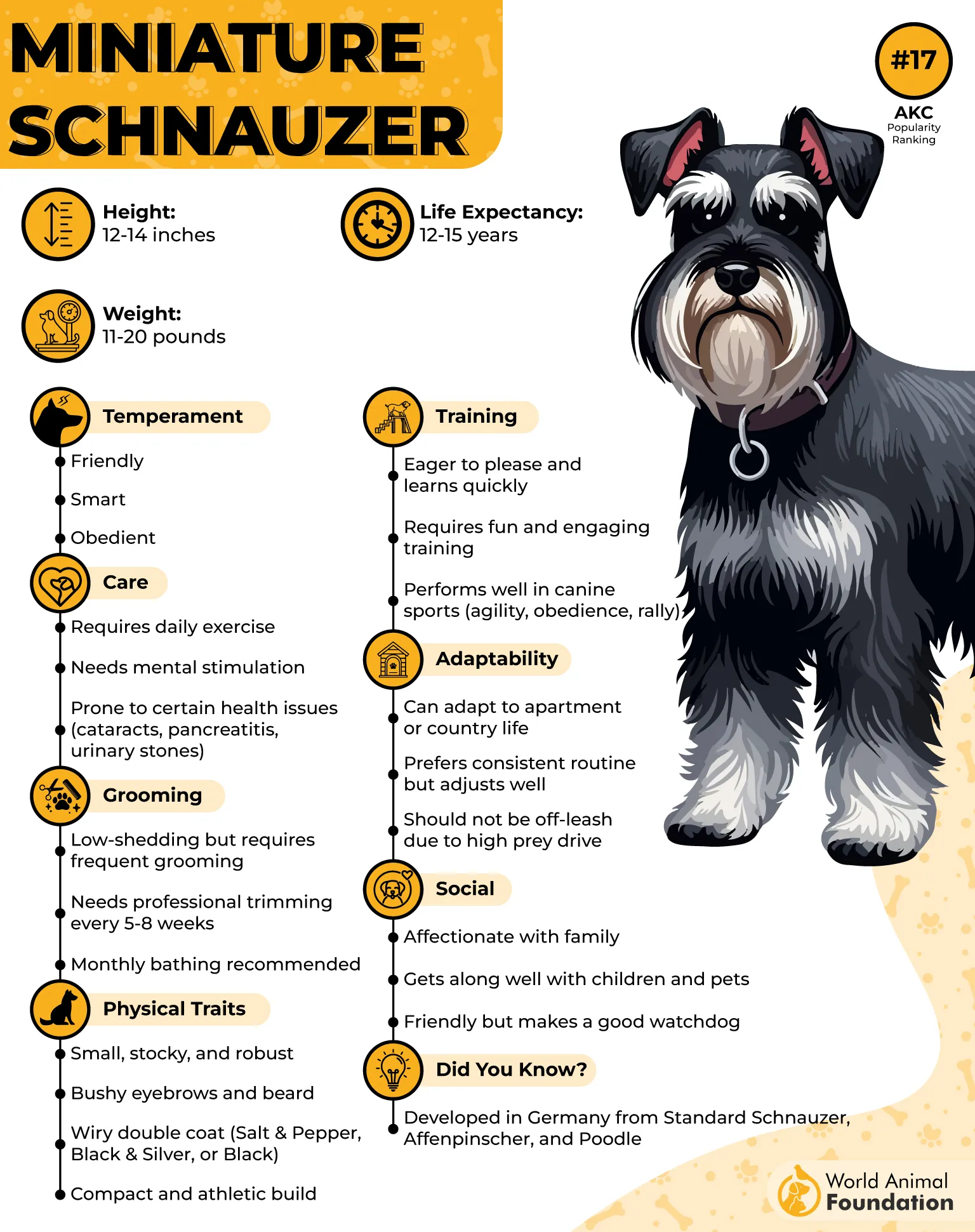
The Miniature Schnauzer’s wiry coat and characteristic facial furnishings require regular brushing and trimming. Professional grooming is often used to maintain its traditional appearance. Exercise needs are moderate to high, and daily walks, games, obedience practice, and activities that allow the dog to explore can keep it satisfied.
Watchful Without Being Overwhelming
Miniature Schnauzers tend to notice changes in their environment quickly. Their alert nature can make them effective little watchdogs, while their affectionate side allows them to remain closely involved with family life. Training helps teach them when a situation actually requires a response and when they can simply relax.
3. Cairn Terrier
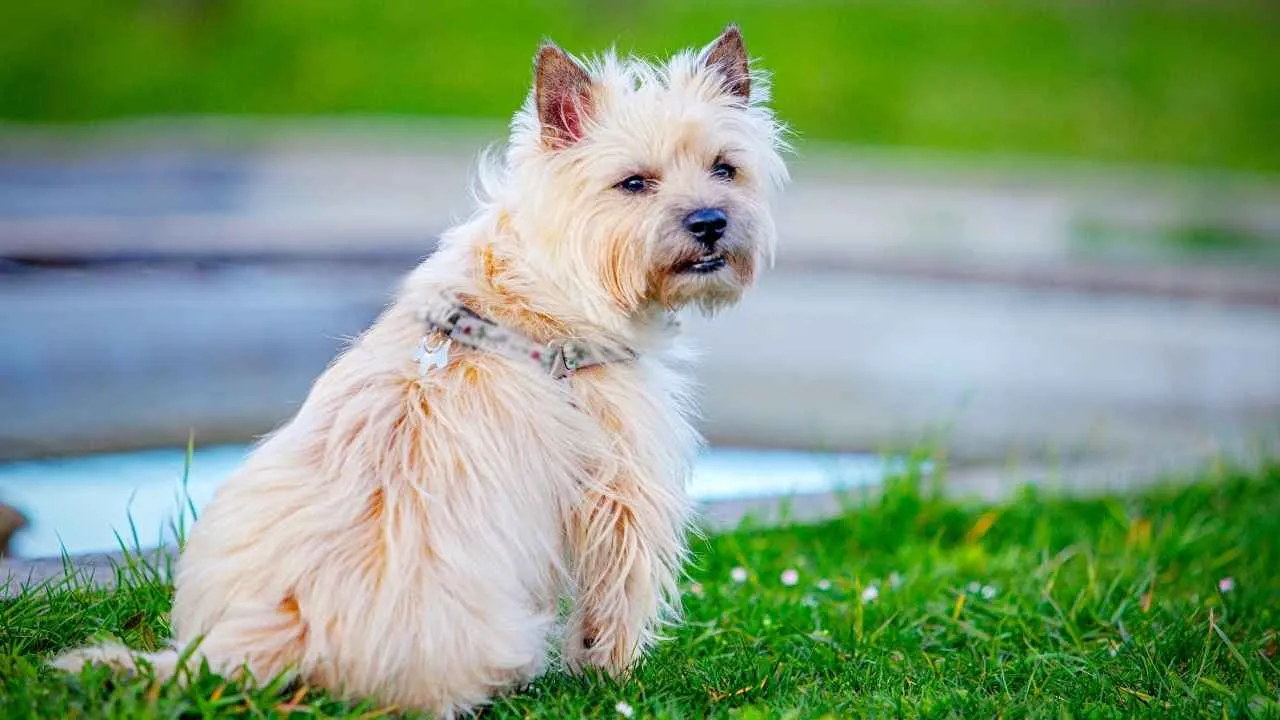
The Cairn Terrier developed in Scotland’s Highlands and Isle of Skye, where small terriers were used to hunt vermin among rocky landscapes and piles of stones known as cairns.
Their compact size and determination made them particularly effective at pursuing animals into narrow spaces. The breed later gained worldwide recognition through popular culture, including the role of Toto in The Wizard of Oz.
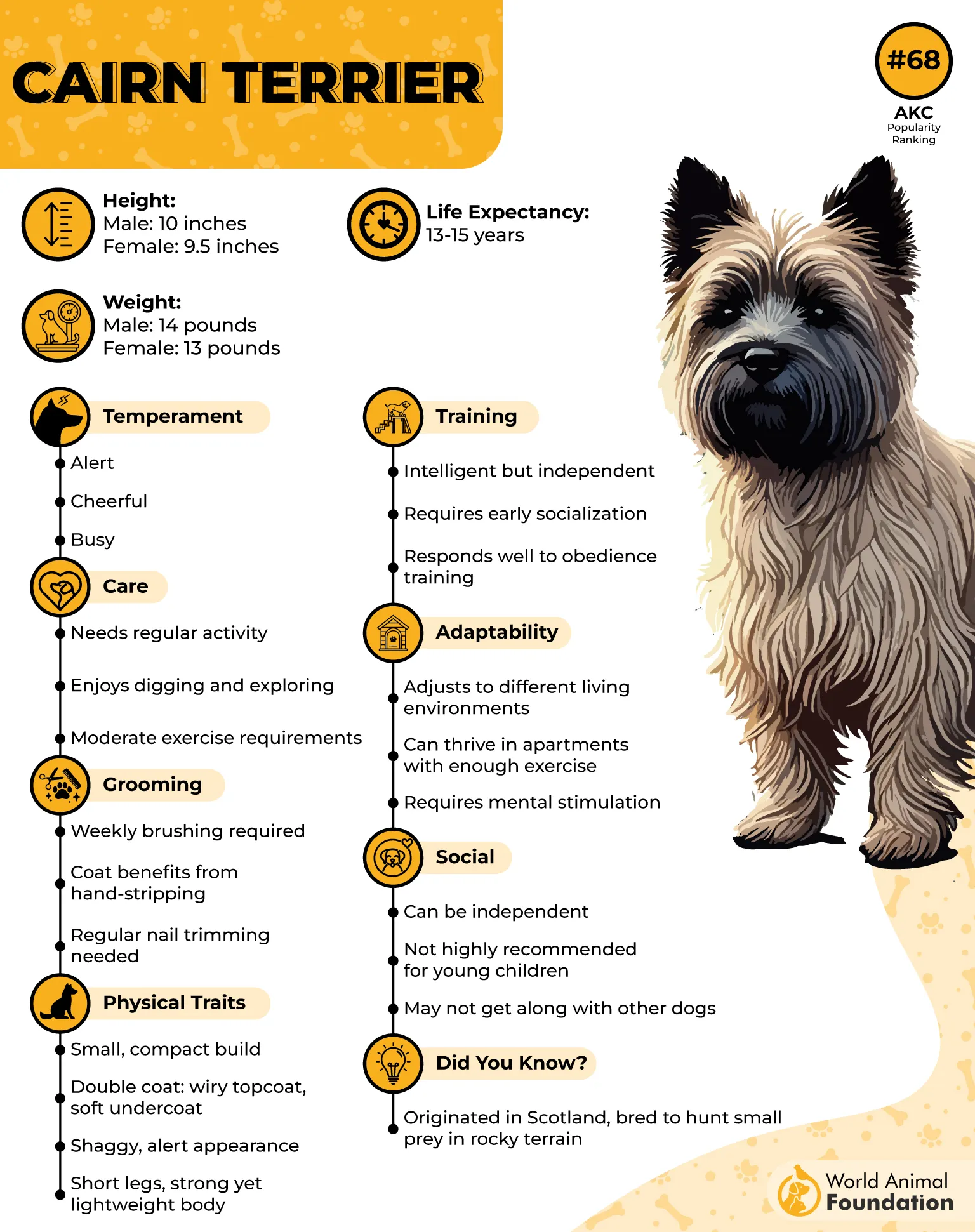
A Weather-Resistant Coat for an Active Terrier
The Cairn Terrier’s rough outer coat and soft undercoat require regular brushing and occasional hand-stripping or trimming to maintain their condition. This is a loyal breed with strong instincts, so daily walks, play sessions, digging alternatives, and mentally engaging activities are useful ways to keep it occupied.
Courage Packed Into a Small Frame
The Cairn’s original vermin-hunting role shaped a confident and curious personality. It may investigate unfamiliar sounds or movement rather than simply ignoring them. While its size makes it unsuitable as a physical deterrent, its confidence and tendency to alert its people can contribute to a more watchful household.
4. Pomeranian
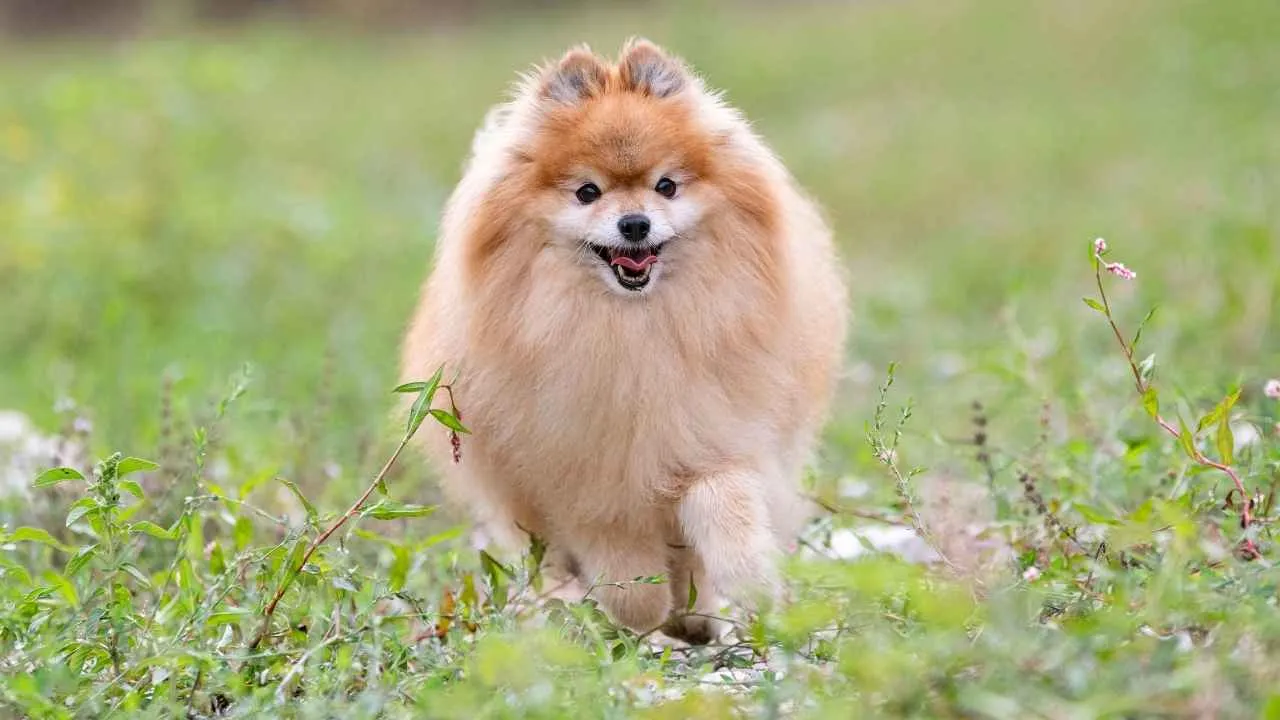
The Pomeranian belongs to the Spitz family and takes its name from the historical region of Pomerania in northern Europe.
Its ancestors were considerably larger working Spitz dogs, but selective breeding gradually produced the much smaller companion breed familiar today. Pomeranians became especially fashionable among European royalty and aristocratic households.

A Fluffy Coat That Demands Attention
The Pomeranian’s abundant double coat is one of its defining features and requires regular brushing to reduce tangles and manage shedding. Despite its tiny body, it has plenty of energy and benefits from daily walks, indoor games, and short training sessions.
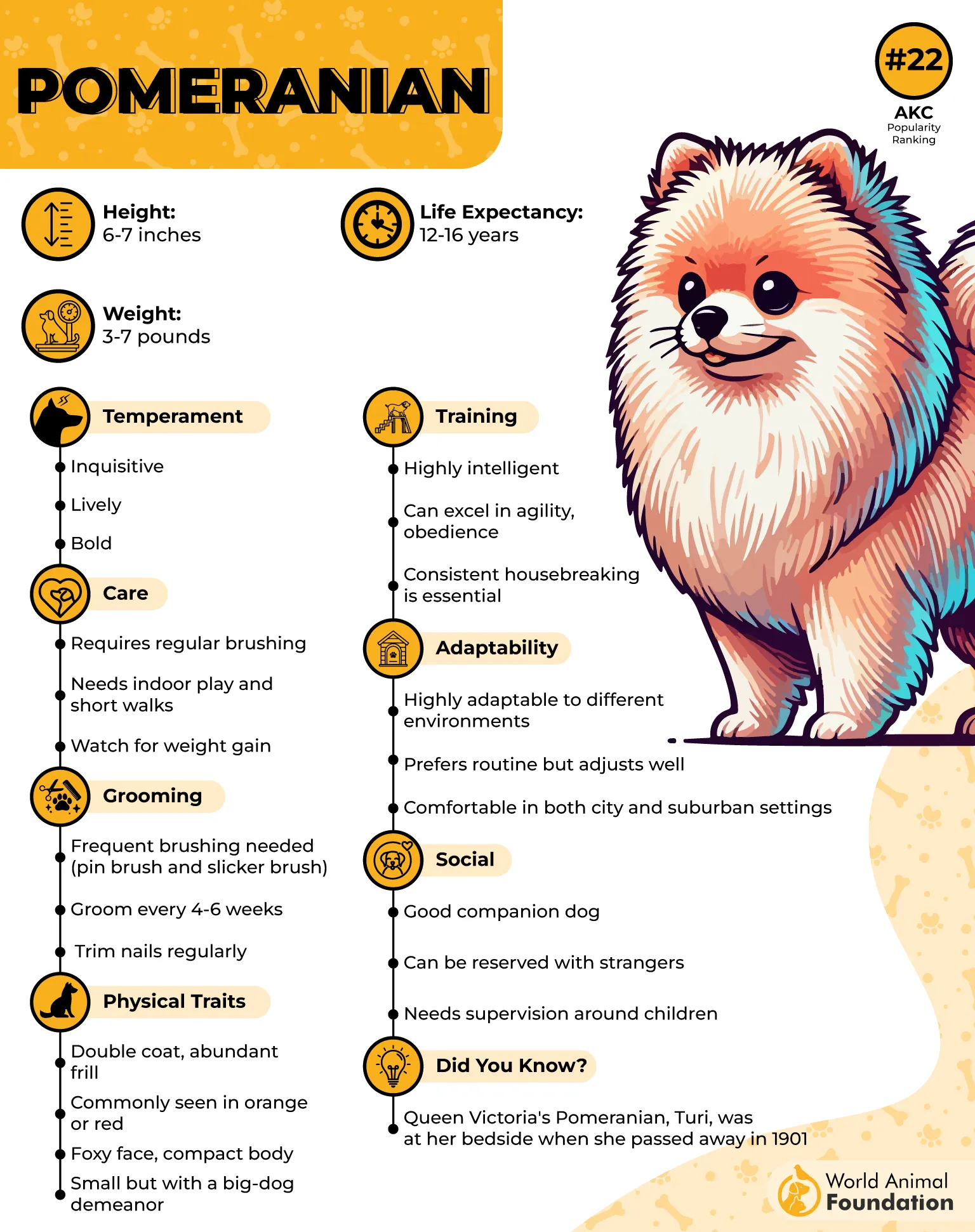
An Alert Companion With a Surprisingly Loud Voice
Pomeranians are often highly attentive to what is happening around them. They may quickly react to footsteps, unfamiliar visitors, or sounds outside the home. Their tendency to vocalize can make them effective alarm systems, although consistent training is important if owners want to prevent excessive barking.
5. Scottish Terrier
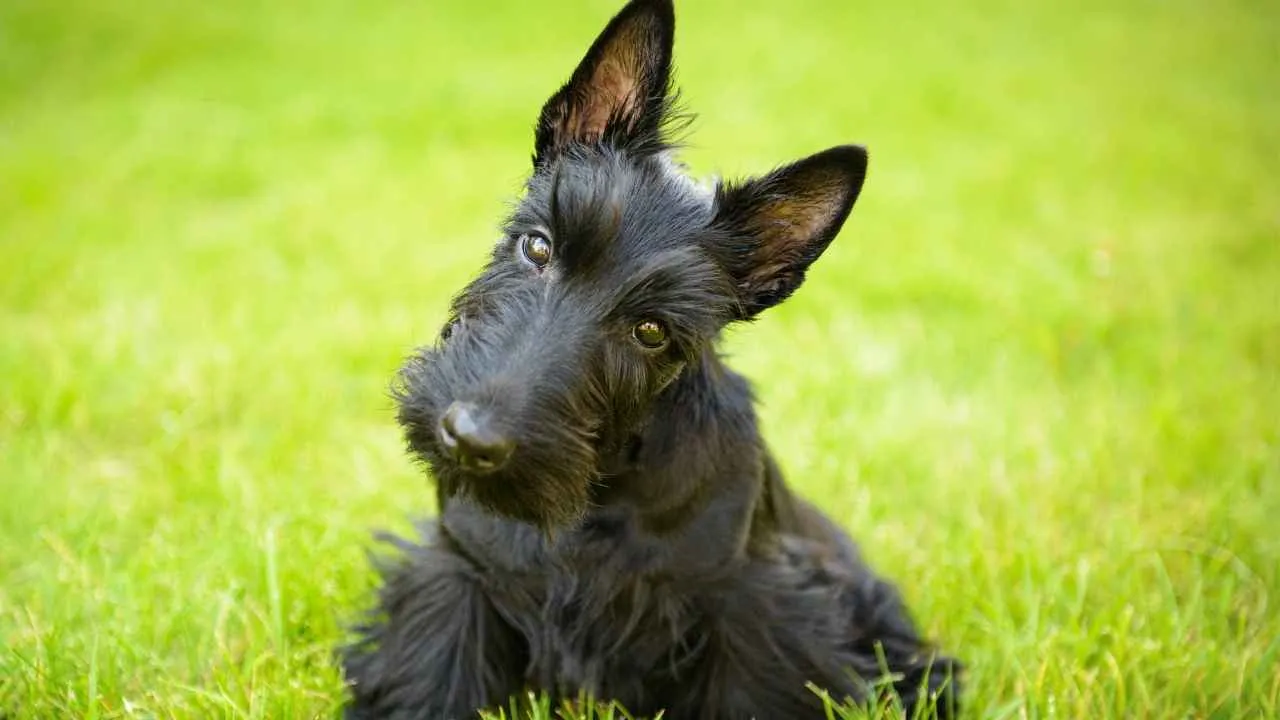
The Scottish Terrier, or Scottie, originated in Scotland and belongs to a group of terriers historically developed for controlling vermin, as per Purina.
Its compact body allowed it to pursue prey into tight spaces, while its confidence and determination were valuable qualities for working independently. The modern Scottie has retained much of that self-assured personality.
A Wiry Coat With a Grooming Routine
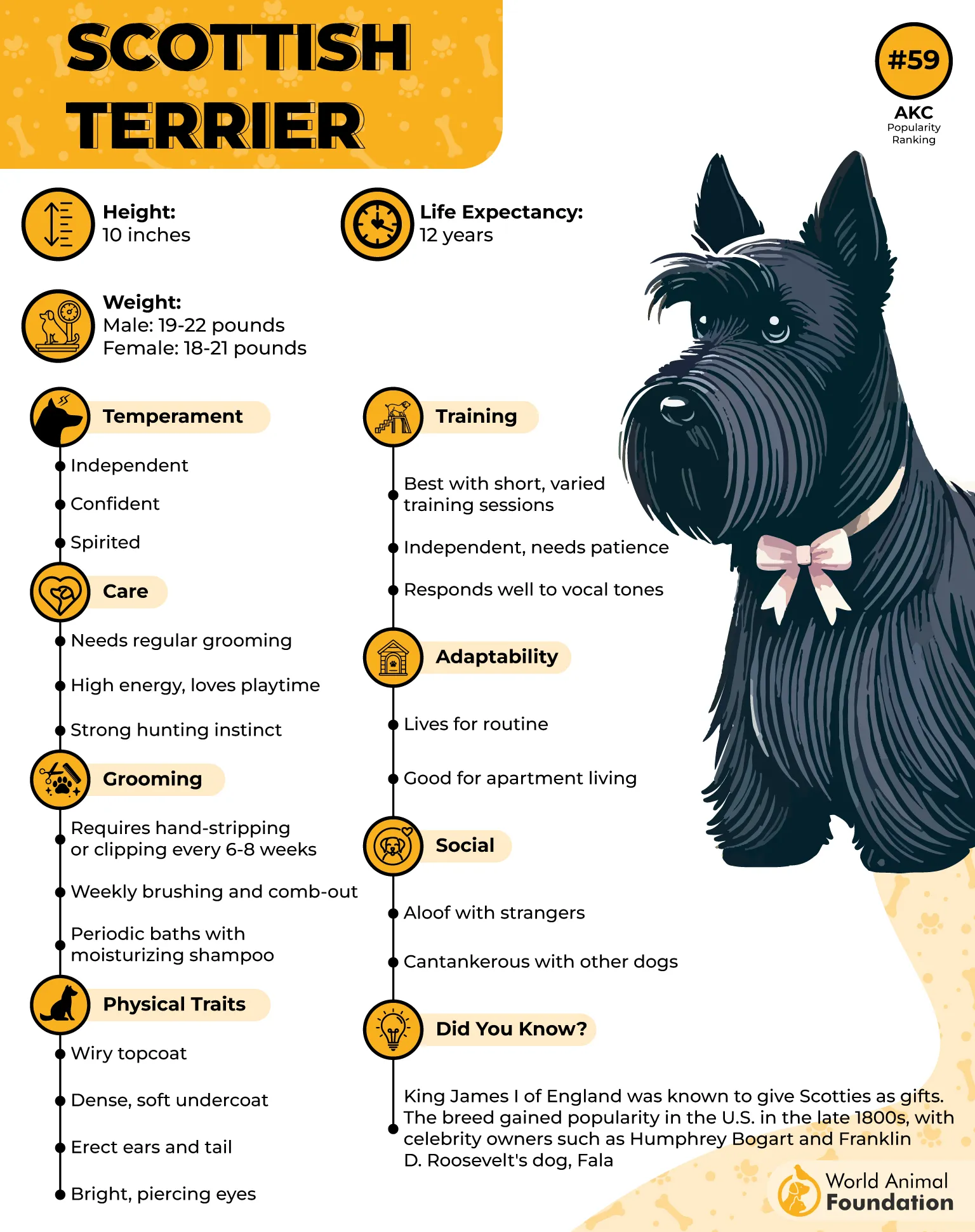
Scotties have a distinctive wiry outer coat and softer undercoat that require regular brushing and trimming.
Their exercise requirements are moderate, with daily walks and opportunities for play usually sufficient for many adults. Mental stimulation is also useful because terriers can become bored when their natural curiosity is ignored.
Independent, Devoted, and Naturally Cautious
Scottish Terriers can be reserved around unfamiliar people while remaining devoted to their families. Their independent nature means they are not always eager to greet every visitor, and their alertness can make them attentive to activity around the house. Good socialization helps them distinguish ordinary household events from genuine reasons for concern.
6. Yorkshire Terrier
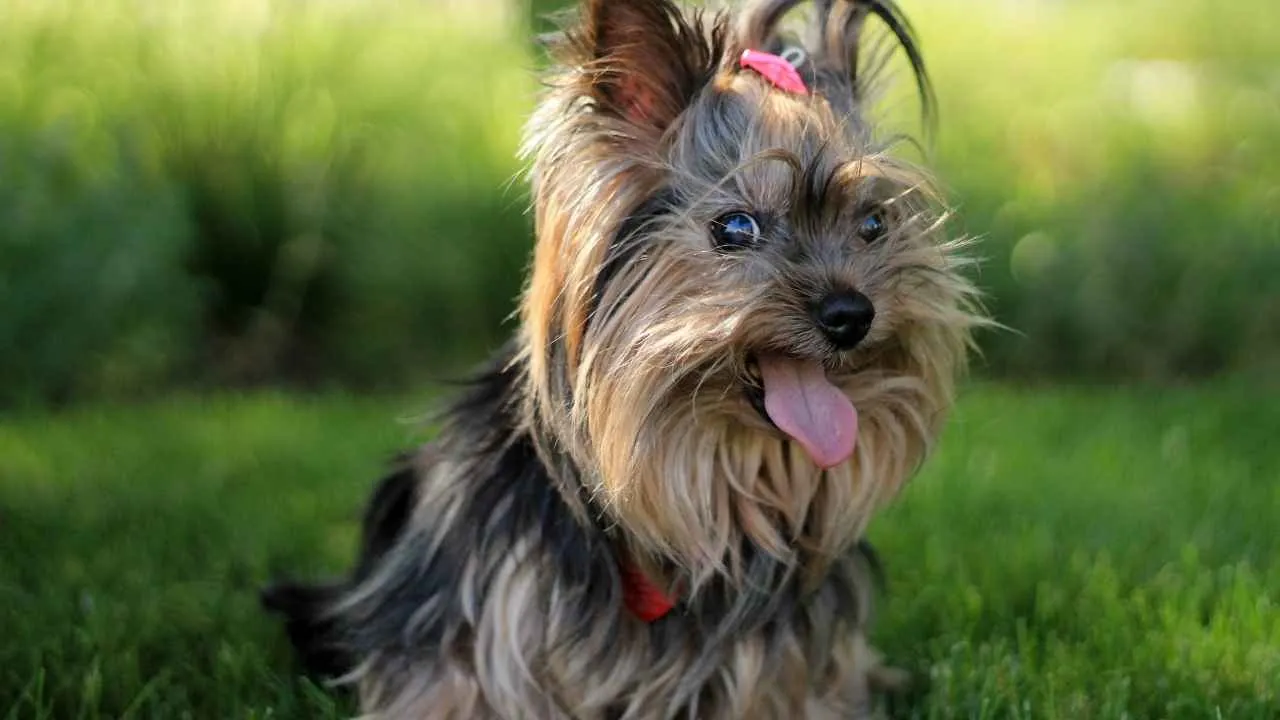
The Yorkshire Terrier developed in northern England during the Industrial Revolution, particularly around Yorkshire and Lancashire. Scottish workers moving into the region brought small terriers with them, and these dogs contributed to the development of the breed, as per PetMD. Originally valued for catching rats in mills, Yorkies later became fashionable companion dogs.
Silky Hair That Needs Frequent Attention
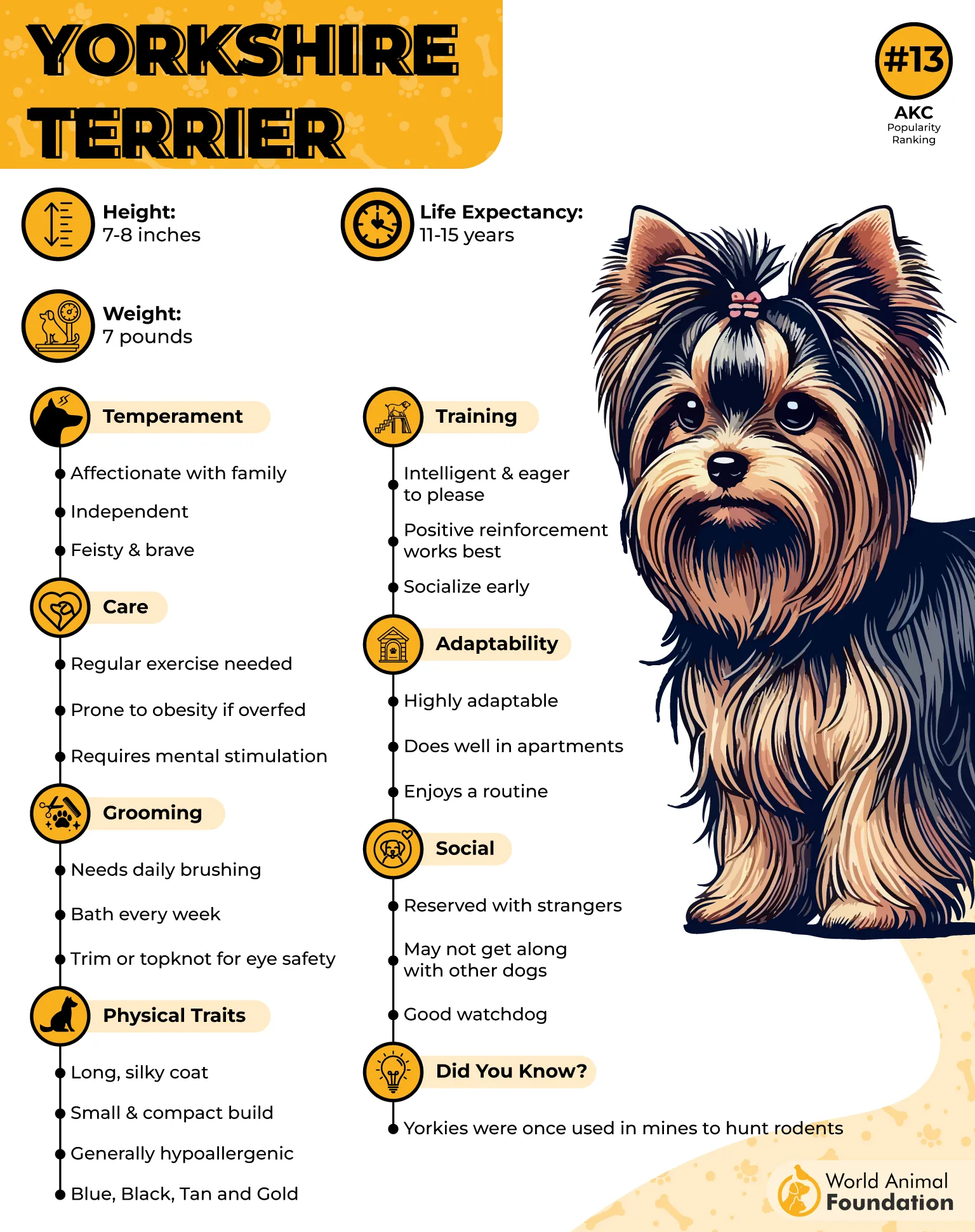
The Yorkshire Terrier’s coat is fine and silky rather than traditionally furry, and it can grow continuously if left long. Regular brushing helps prevent tangles, while many owners choose shorter trims for easier maintenance. Despite their small stature, Yorkies benefit from daily walks, play, and short training sessions.
A Former Rat Catcher With a Watchful Side
The Yorkie’s working origins are easy to forget when looking at its elegant appearance. Beneath that silky coat is a confident little terrier that can be quick to notice unfamiliar activity.
Yorkies often become deeply attached to their owners and may vocalize when someone approaches the home, making their alertness part of their household personality.
7. Lhasa Apso
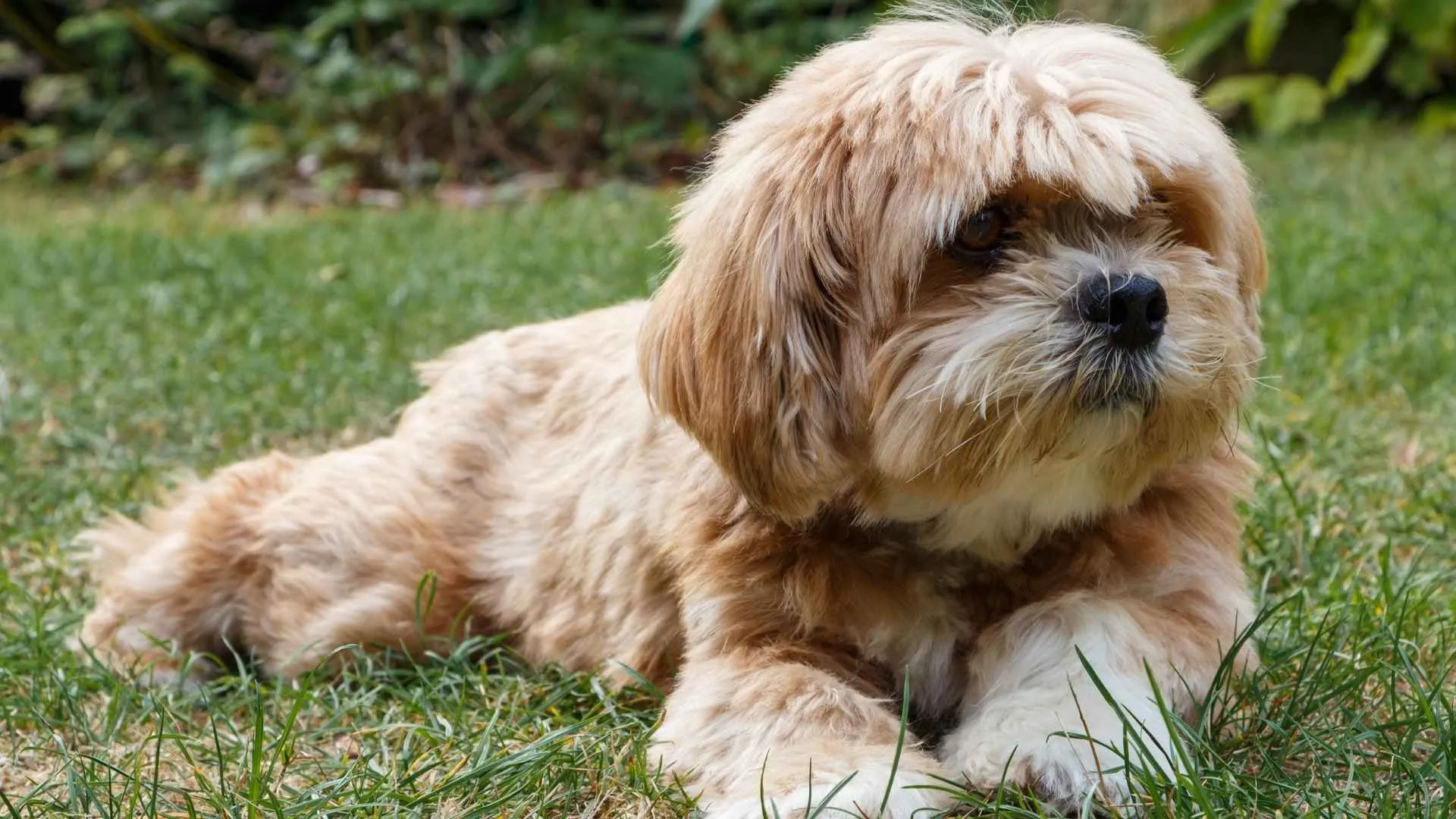
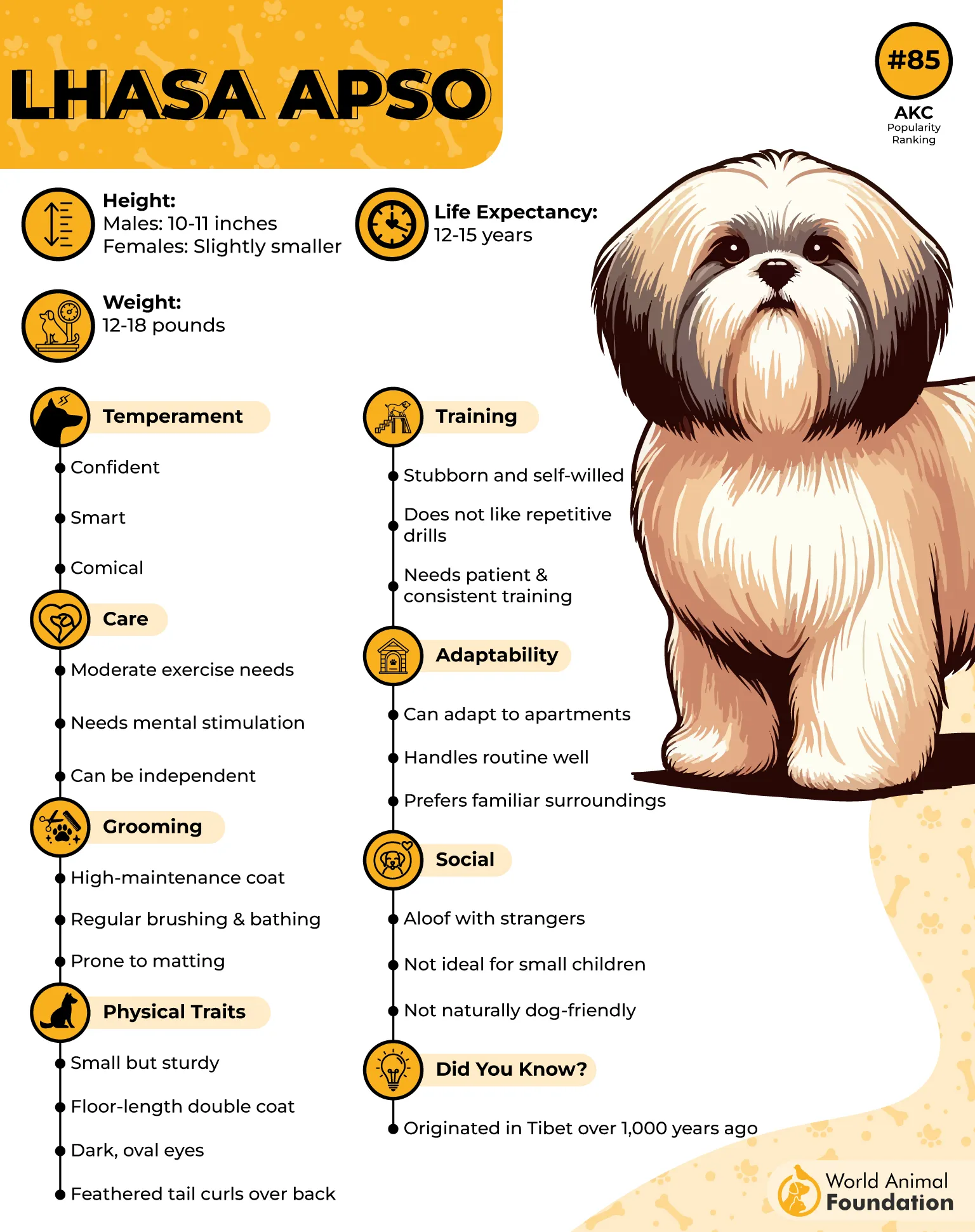
The Lhasa Apso originated in Tibet, where it was kept in monasteries and noble households. The breed’s history is particularly interesting because these small dogs were valued as sentinels, using their sharp hearing and alert nature to notify people when unfamiliar individuals approached. Their name is associated with Lhasa, the historic capital of Tibet.
A Long Coat With Considerable Grooming Needs
The Lhasa Apso’s long, heavy coat requires regular brushing and careful maintenance to prevent mats. Owners who prefer easier upkeep may choose a shorter trim. Exercise needs are moderate, with daily walks and indoor play generally providing suitable physical activity, alongside mental stimulation and training.
A Natural Sentinel in a Compact Body
Few small breeds have such a strong historical connection to guarding and alerting. The Lhasa Apso was not expected to physically confront intruders; its role was to notice something unusual and make its presence known.
That instinct can still appear today, with many Lhasas remaining observant and cautious around unfamiliar people while being affectionate with their families.
Conclusion
Chihuahuas, Miniature Schnauzers, Cairn Terriers, Pomeranians, Scottish Terriers, Yorkshire Terriers, and Lhasa Apsos demonstrate that a secure home does not require a large dog. These breeds vary considerably in personality, energy level, grooming requirements, and degree of watchfulness.
Their histories also explain many of their modern characteristics. Some were vermin hunters, others were close companions, and the Lhasa Apso was specifically valued for its alerting abilities. Those backgrounds continue to influence how these small breed dogs respond to people and their surroundings.
For a loving household, the most important considerations go beyond size. Proper socialization, positive training, appropriate exercise, and understanding each breed’s natural instincts can help create a balanced relationship. With the right care, these little dog breeds can offer plenty of affection while remaining attentive members of the home.
