





Apartment living with a dog can be wonderfully rewarding, but frequent barking can quickly disturb neighbors and disrupt the calm of your home. Choosing a breed known for quieter tendencies can make shared living more comfortable.
Although barking is a normal form of canine communication, some breeds are naturally less vocal. Training, socialization, exercise, and mental stimulation also play important roles in preventing boredom, anxiety, or frustration from triggering excessive noise.
From relaxed companions to gentle breeds that prefer observing rather than vocalizing, these dogs offer different personalities and care needs. Finding the quiet dog breed can help you enjoy canine companionship while keeping your apartment peaceful.
Top Low‑Barking Dog Breeds for Peaceful Apartment Living
1. Saint Bernard

Despite its imposing size, the Saint Bernard is generally quiet and tends to vocalize when it senses something worth warning about. Its loyal, affectionate nature and eagerness to please make it a devoted household companion.

According to Omlet, consistent training and early socialization are important, as poorly socialized dogs may develop behavioral issues. They generally get along well with other dogs and pets when introduced early.
Saint Bernards need only moderate daily exercise, such as a long walk or a short play session. They especially enjoy activities shared with their owners, making companionship more important than constant physical exertion.
How This Breed Stands Out
Deep, infrequent vocalizations: Its naturally quiet nature means barking is generally reserved for situations that require attention.
Patient household presence: A calm, watchful temperament helps the Saint Bernard settle into family life with a gentle demeanor.
2. Pug

The Pug is a compact companion known for its expressive wrinkles, round eyes, and amusing personality. Although generally quiet, this breed often communicates through distinctive snorts, grumbles, and snuffles rather than frequent barking.
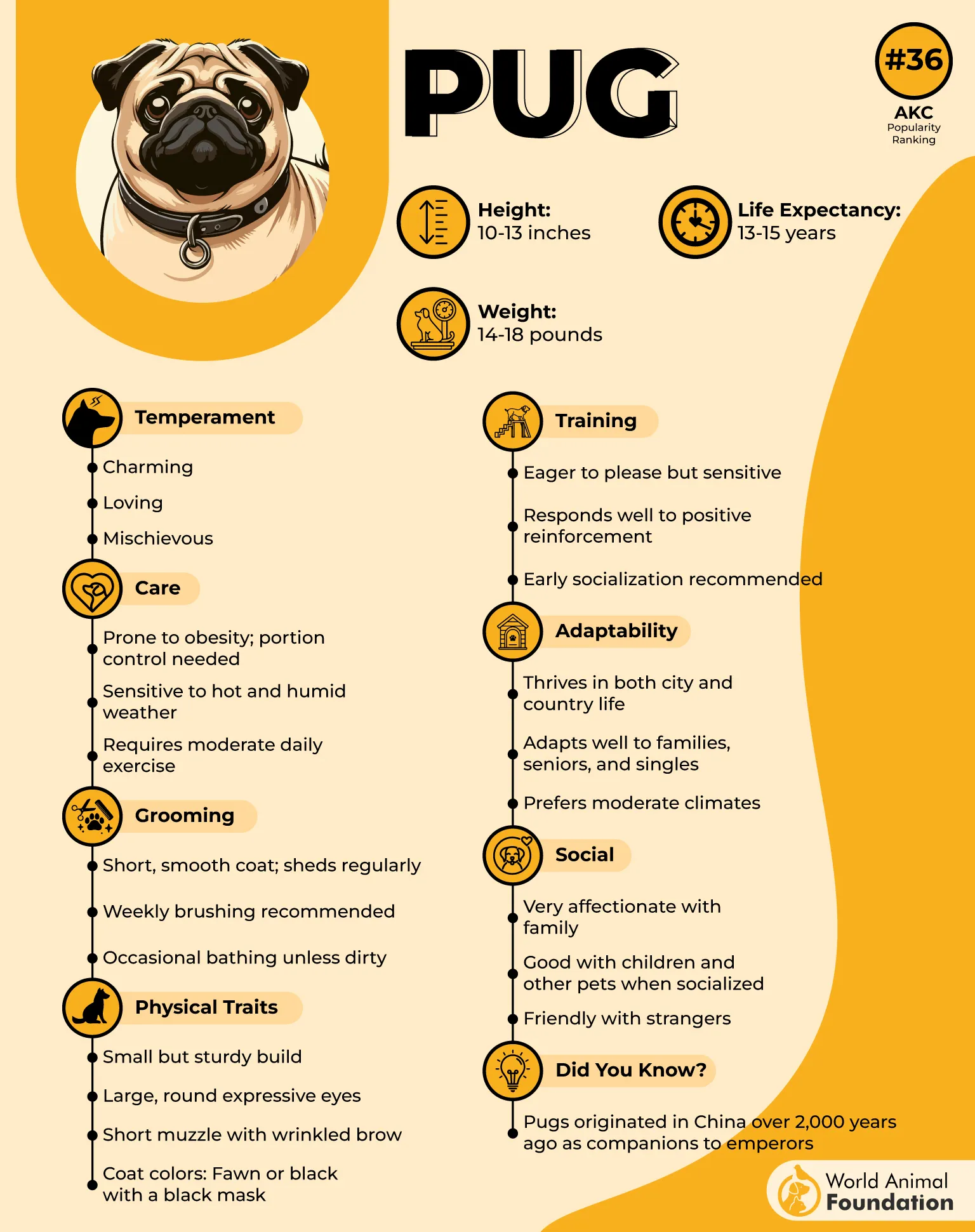
Adaptable and sociable, Pugs can settle comfortably into apartment living and enjoy spending time with their families. Their people-oriented nature also makes them responsive to training, particularly when food is involved.
Moderate exercise helps keep a Pug fit, but hot or humid weather calls for extra care because of its short muzzle. Keeping activity gentle and monitoring its weight are important parts of apartment life.
How This Breed Stands Out
Expressive snorts and grumbles: Its short airway structure can produce amusing sounds that are often more noticeable than barking.
Usually quiet between alerts: Pugs generally maintain a peaceful presence and rarely bark without a reason.
3. Bulldog

The Bulldog has a remarkably relaxed temperament and is often happiest stretched out beside its owner. Although sturdy and muscular, this low-slung breed generally prefers peaceful downtime, making it well suited to quieter apartment households.

Bulldogs are not known for frequent barking, though their short airways can produce snorts, snores, and other distinctive sounds. They remain attentive when something catches their notice, but usually return to their comfortable routines.
Moderate daily exercise helps maintain a healthy weight, while hot or humid conditions require extra caution because of their short muzzle. Regular skin-fold care is also important for keeping this breed comfortable.
How This Breed Stands Out
Relaxed indoor temperament: Bulldogs are content to lounge near their owners and enjoy a calm household routine.
Brief, purposeful vocalizing: They are generally quiet, with their occasional sounds often consisting of snorts or short alerts.
4. Basenji

The Basenji is famously called the “barkless dog” because it does not produce the traditional canine dog bark. Its naturally quieter presence makes it appealing for apartment dwellers who prefer a lower-noise companion.
According to Purina, they are best suited to owners with some dog-handling experience and generally have a relaxed attitude.
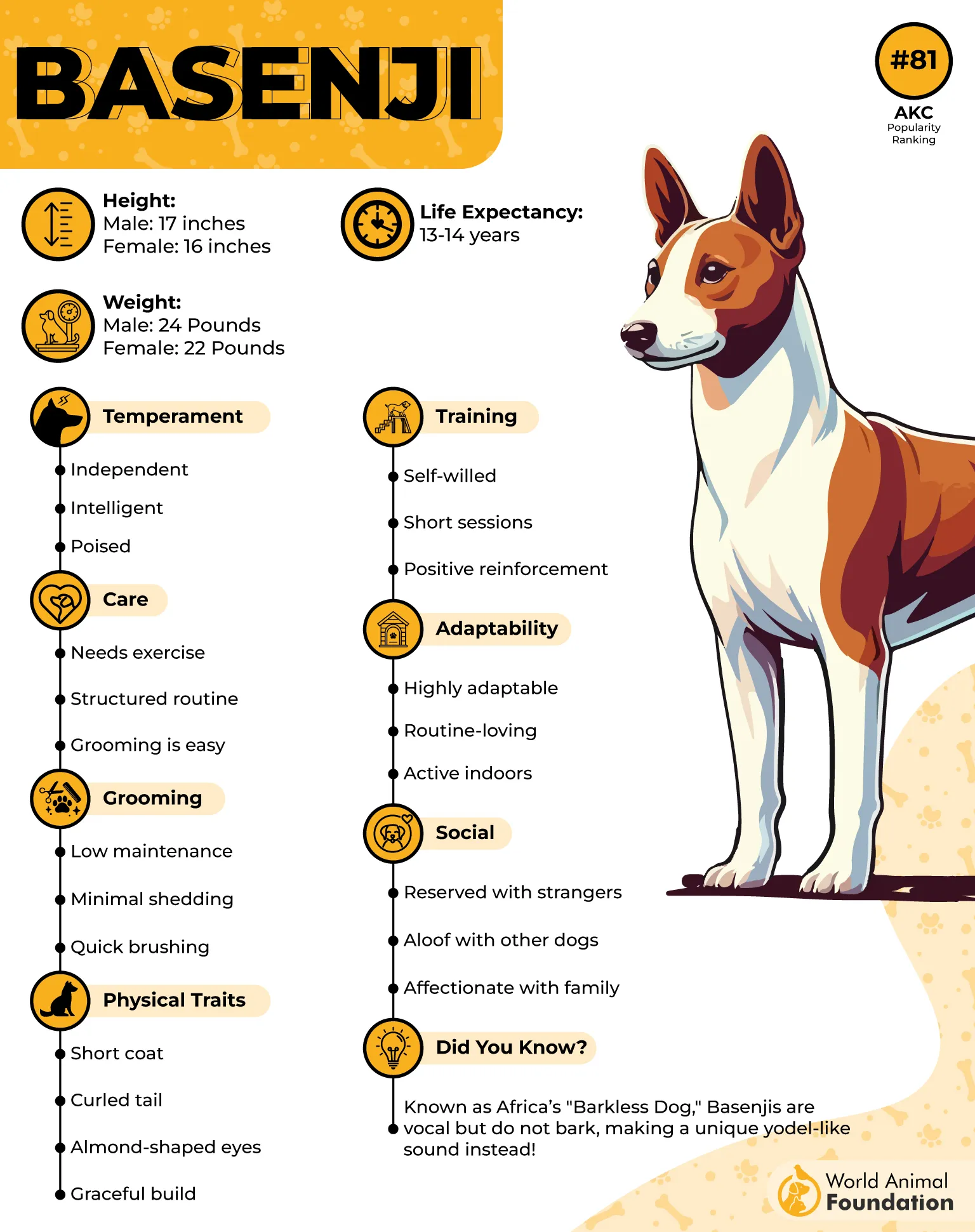
Rather than barking, this alert and curious breed communicates through distinctive sounds. Its unusual vocal range can include a yodel-like chortle, along with occasional squeals or whines when excited. Moderate daily exercise helps keep this energetic dog content.
How This Breed Stands Out
Famous barkless reputation: Its unusual vocal anatomy prevents the typical bark associated with most dogs.
Distinctive yodel-like sounds: Instead of barking, the Basenji can produce a characteristic chortling or yodeling vocalization.
5. Bullmastiff

The Bullmastiff may look formidable, but this powerful guardian is often surprisingly quiet at home. Rather than barking constantly, it tends to observe its surroundings with confidence and reserve, especially when unfamiliar people approach.
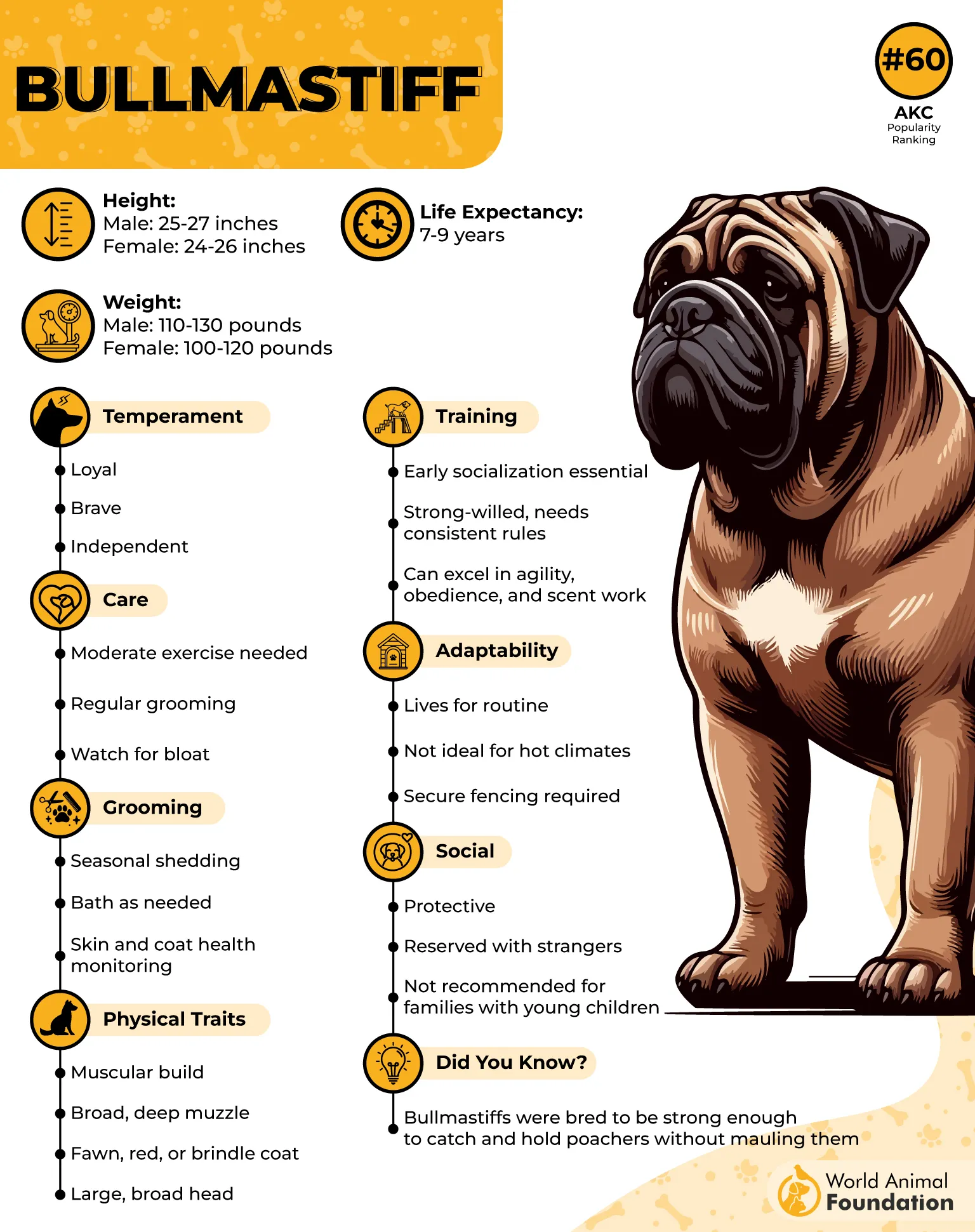
Despite its size, the breed enjoys moderate activity rather than intense exercise. Brisk walks and relaxed outdoor time suit it well, while early training and socialization help channel its strength and teach appropriate behavior around people and other animals.
How This Breed Stands Out
Silent guarding style: Its protective instincts rely heavily on watchfulness and presence rather than frequent barking.
Reserved, watchful demeanor: Bullmastiffs can be cautious around strangers while remaining loyal and affectionate with their families.
6. Chinese Crested

The Chinese Crested is a delicate-looking toy breed with an affectionate, attentive personality. It generally needs little exercise, with short walks and playful moments providing enough activity for many apartment routines.
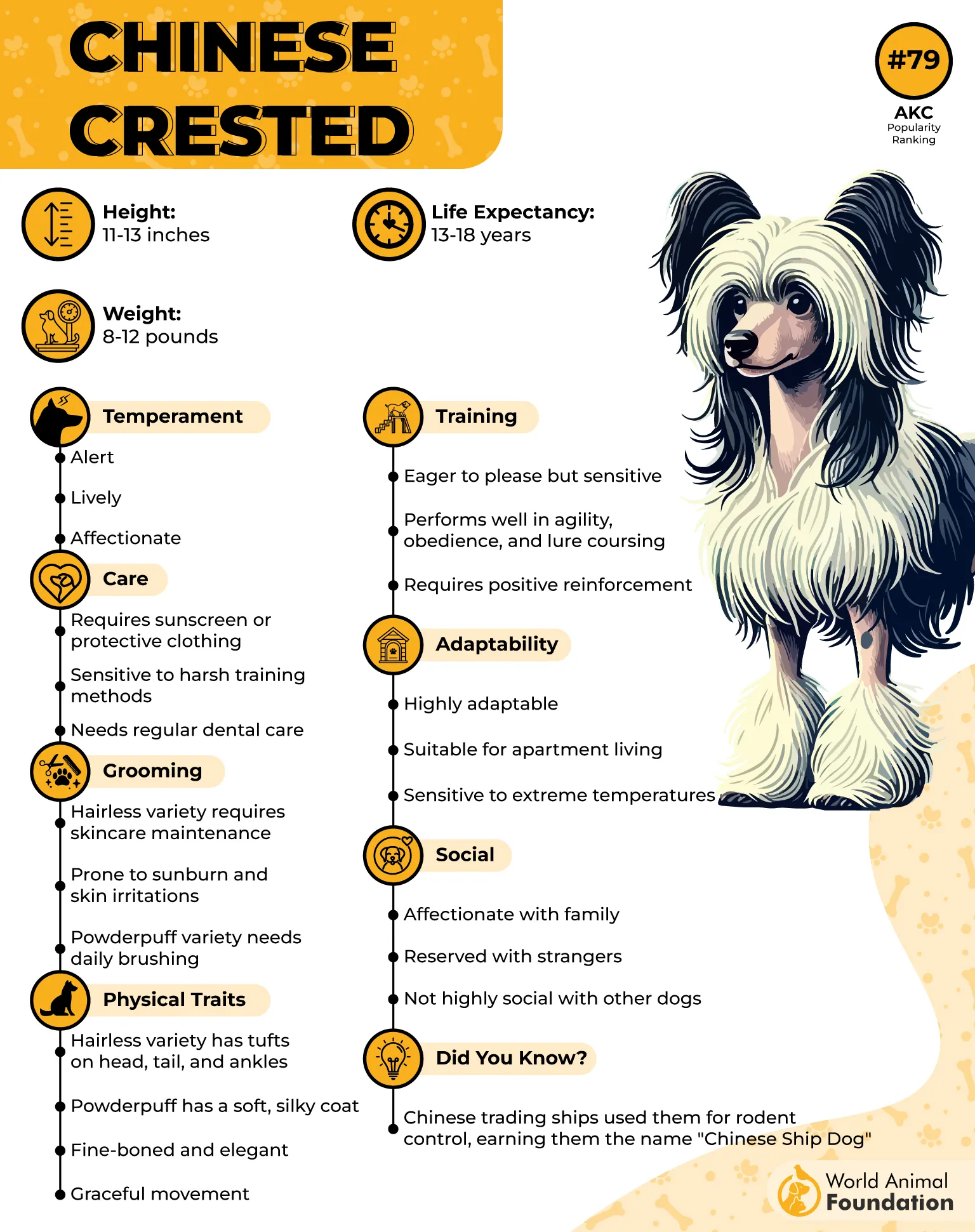
Highly devoted to its owner, the Crested enjoys being involved in everyday activities and can settle happily into a lap once playtime ends. Its sensitive nature responds best to patient, gentle training rather than harsh corrections.
How This Breed Stands Out
Soft-spoken companionship: Its attentive nature and preference for staying close to its people suit peaceful indoor living.
Hairless or powderpuff varieties: The breed comes in a nearly hairless form with distinctive tufts or a fully coated variety with a soft, silky coat.
7. Cavalier King Charles Spaniel

The Cavalier King Charles Spaniel has a naturally sweet and quiet disposition that works well in apartment settings. With expressive eyes and a soft coat, this affectionate breed enjoys relaxing close to its favorite people.
According to Orvis, they enjoy spending time with their owners and other dogs and are not intimidated by larger dogs. Their hunting instincts may also lead them to chase balls, birds, and cars.
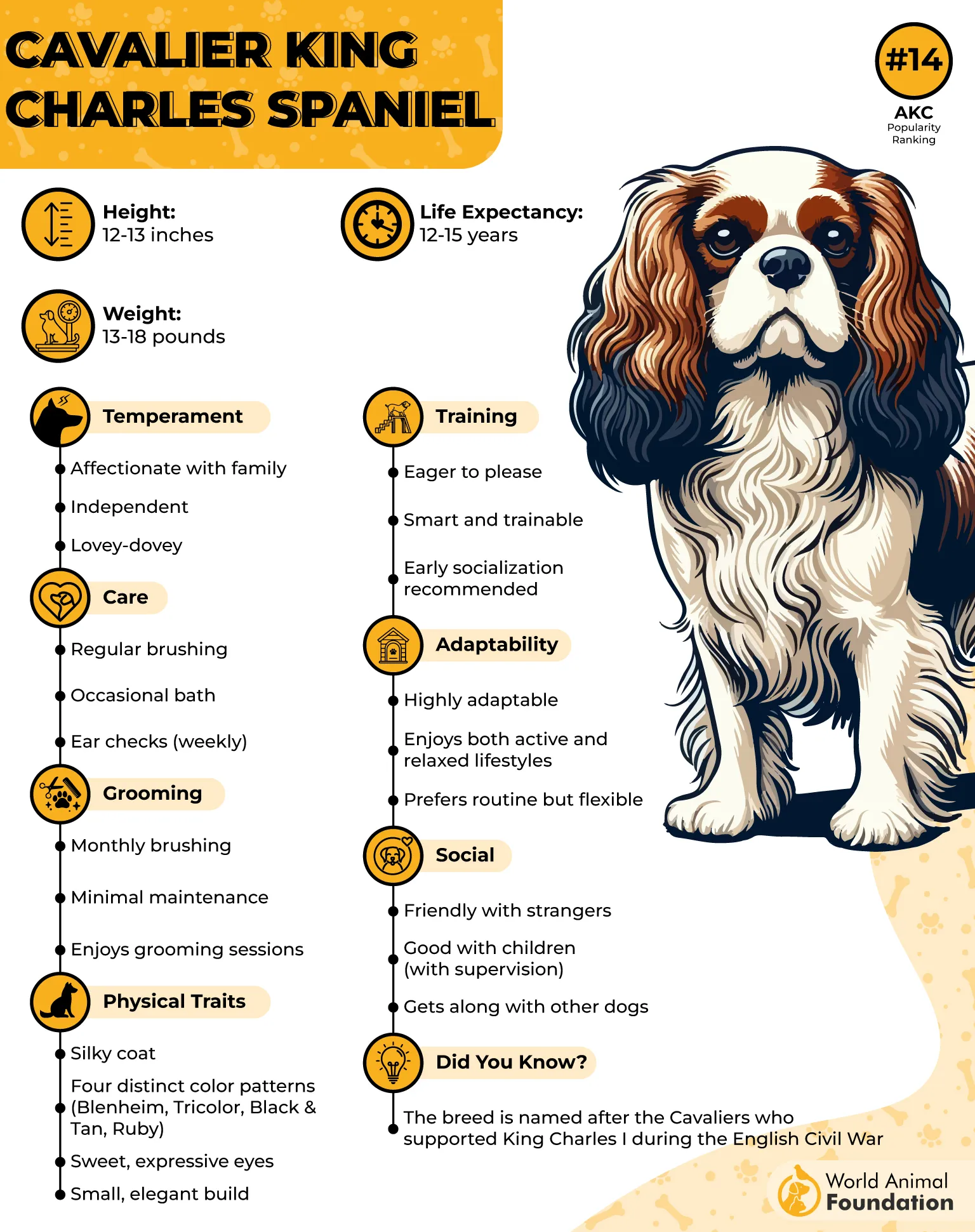
Cavaliers are generally not frequent barkers, although they may become more vocal when seeking attention or feeling uneasy when left alone. Daily walks provide enough activity, while much of their time can be spent cuddling or lounging indoors.
How This Breed Stands Out
Gentle, unobtrusive nature: Its calm temperament allows it to fit comfortably into peaceful households without creating constant noise.
Content with quiet companionship: Cavaliers happily spend relaxed hours beside their owners, making close human company a favorite part of their routine.
8. Newfoundland
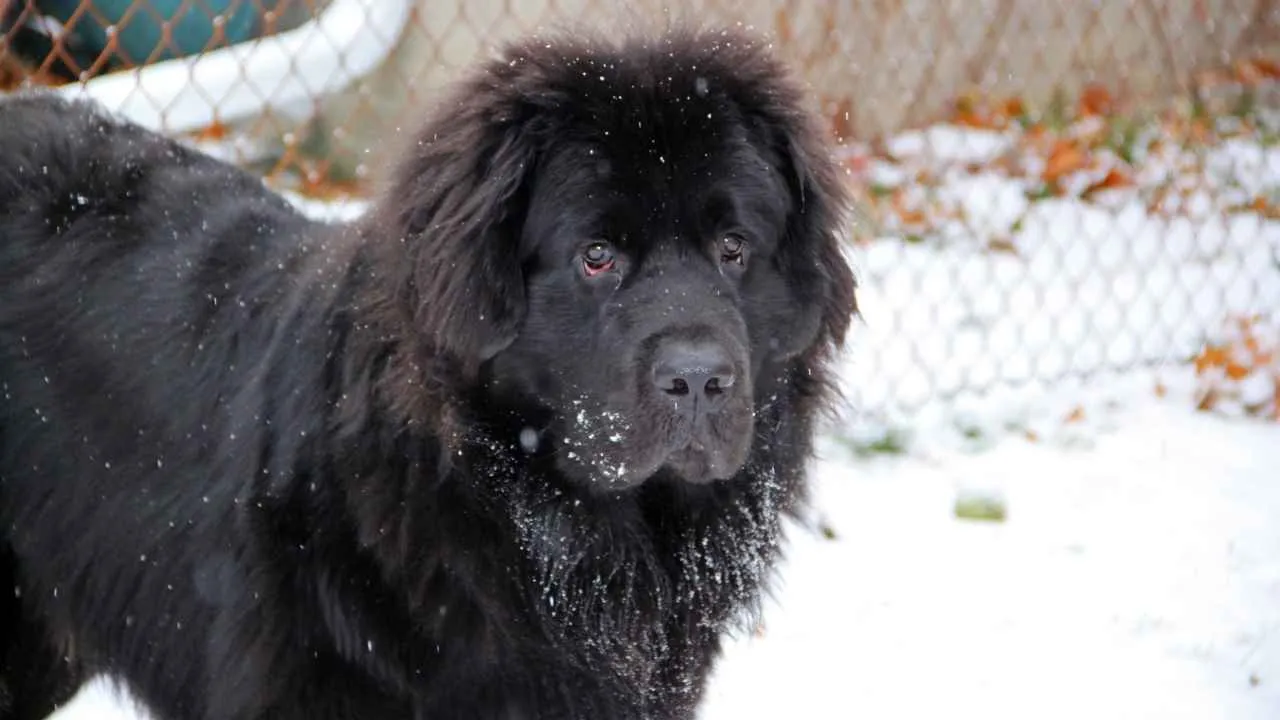
The Newfoundland is a gentle giant with a notably composed temperament. Barking is generally reserved for situations that call for attention, while its affectionate and watchful nature makes it a devoted presence around the family.
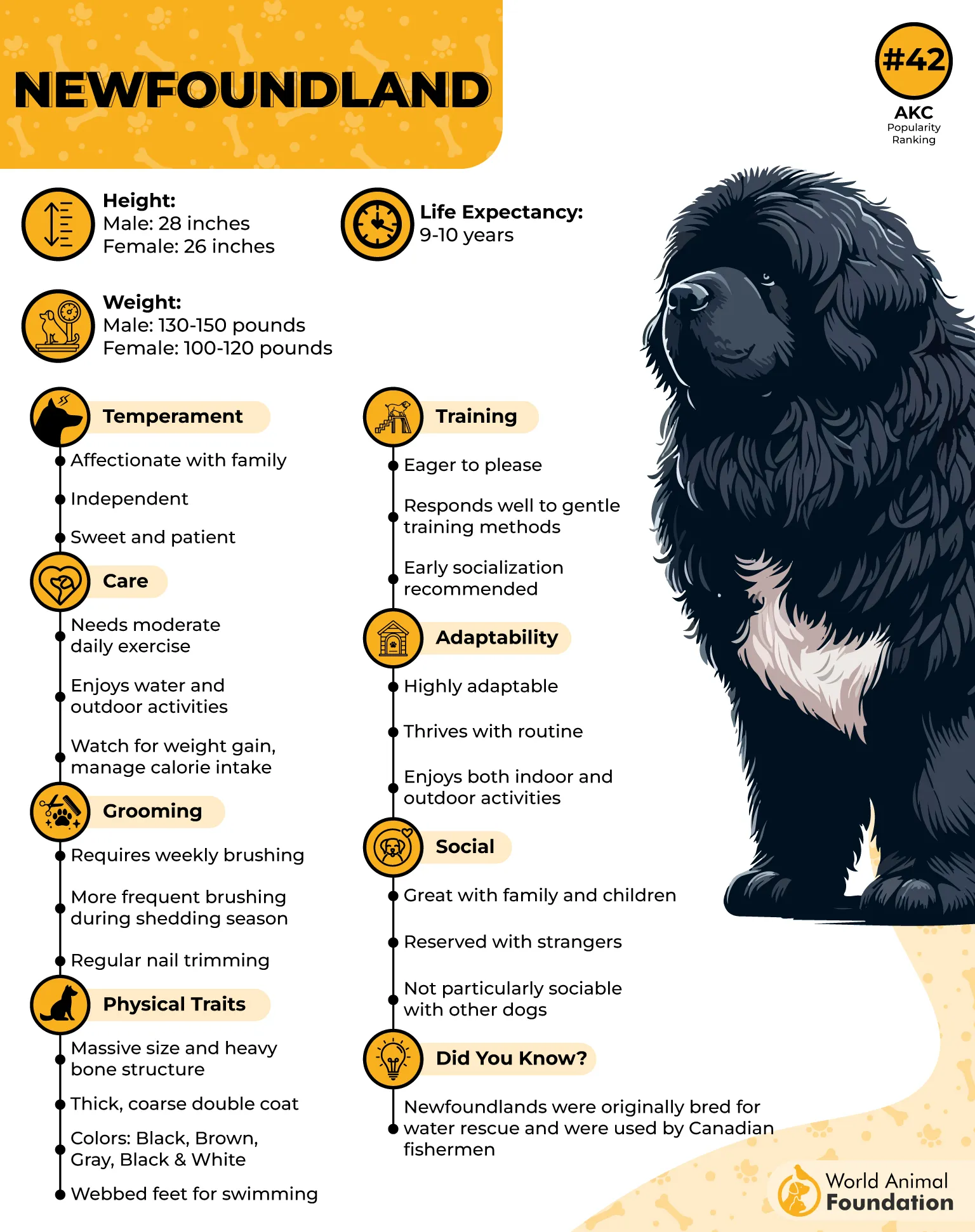
Despite its enormous build, the Newfie is responsive to gentle training and needs regular moderate exercise to stay healthy. It especially enjoys activities with its people, including walks, outdoor adventures, and swimming.
How This Breed Stands Out
Deep warning bark: Its powerful voice is more likely to appear when the dog senses something unusual or needs to alert its family.
Calm, composed household behavior: Newfoundlands are known for their patient, steady nature and strong attachment to their human family.
9. Great Pyrenees

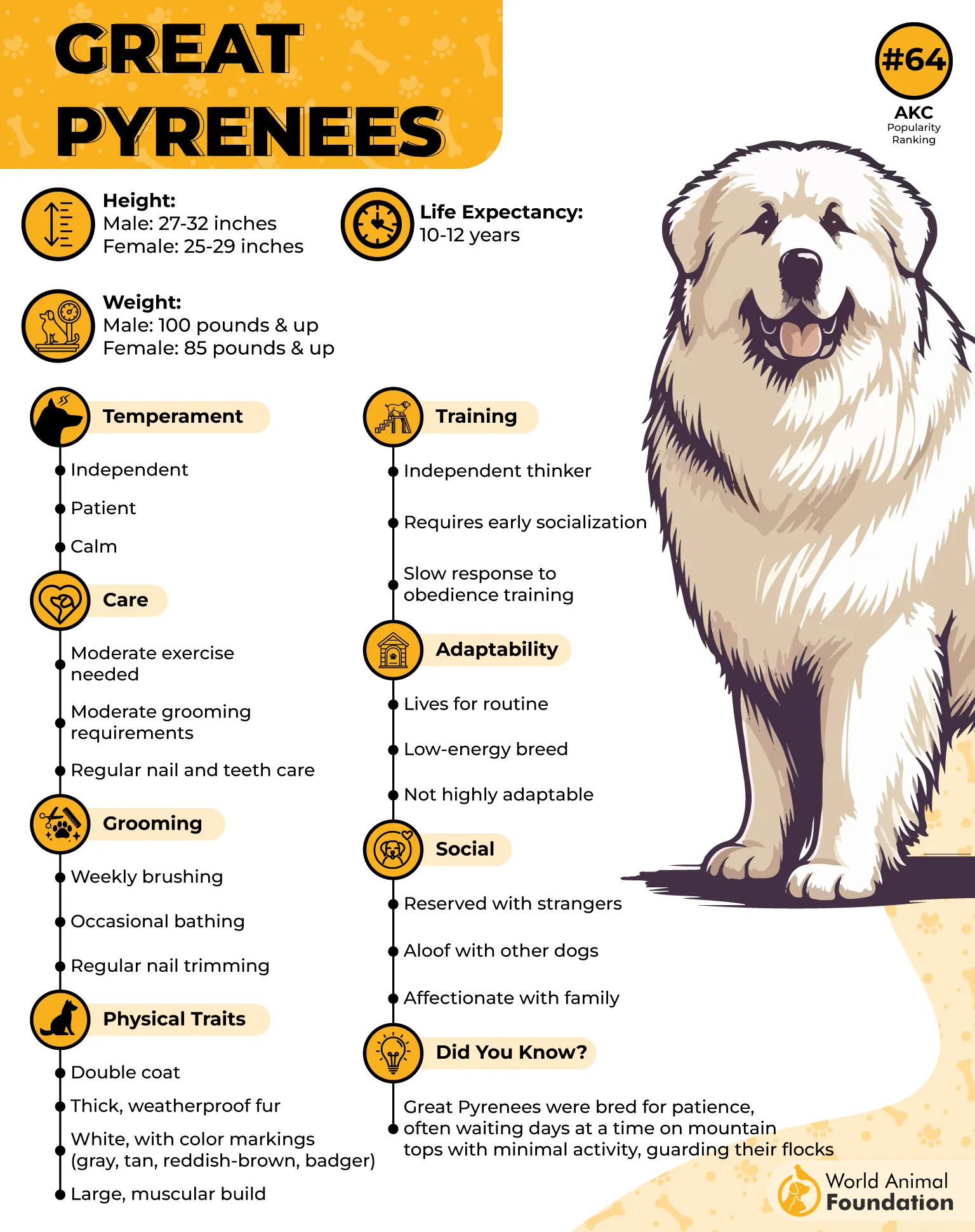
The Great Pyrenees combines a peaceful presence with strong guardian instincts. These majestic dogs are often calm during the day, conserving their energy while keeping a watchful eye on their home and family.

Their heritage as independent livestock guardians means they may vocalize when something seems unusual. Moderate walks provide suitable exercise, while early socialization and training help channel their independent nature and encourage polite household behavior.
How This Breed Stands Out
Selective guardian vocalization: Its protective instincts can prompt barking when it detects potential threats around its territory.
Calm daytime demeanor: Great Pyrenees are often patient and composed, happily settling into a quiet home between periods of watchfulness.
10. Pekingese
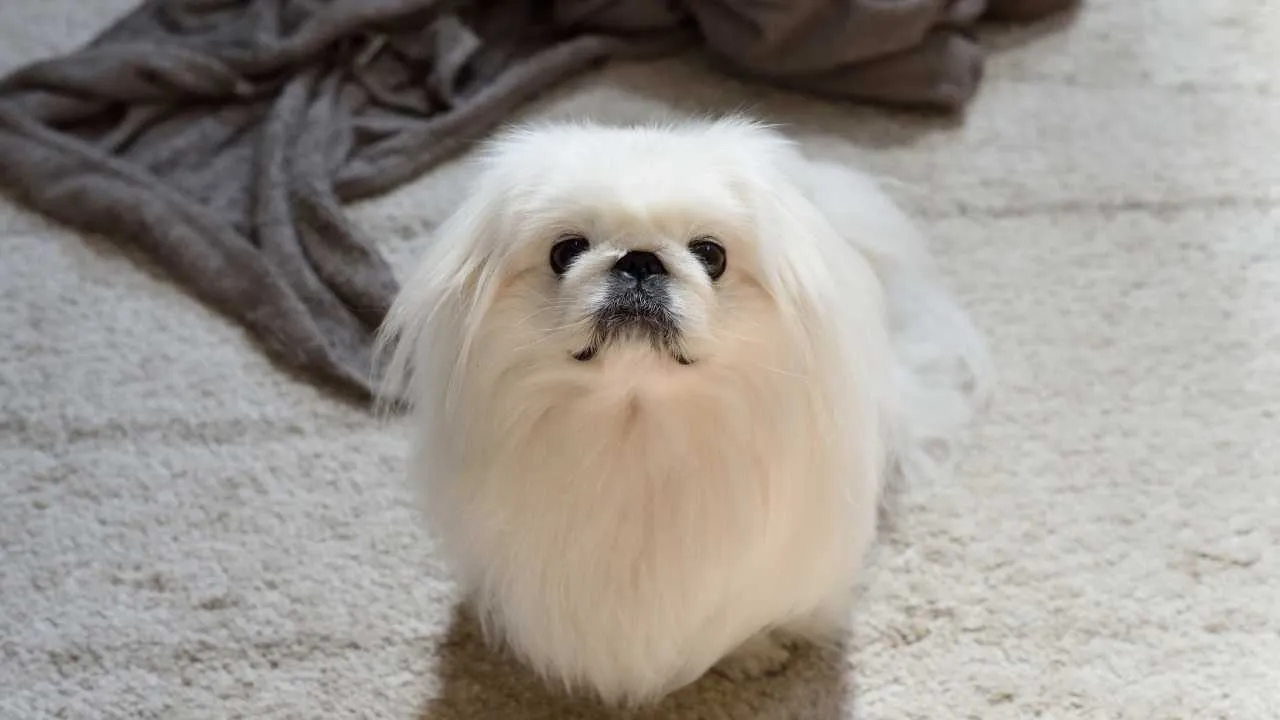
The Pekingese carries a dignified, self-assured personality shaped by its history as a palace companion in ancient China. This compact breed is often content to potter around the home and enjoys affection on its own terms.
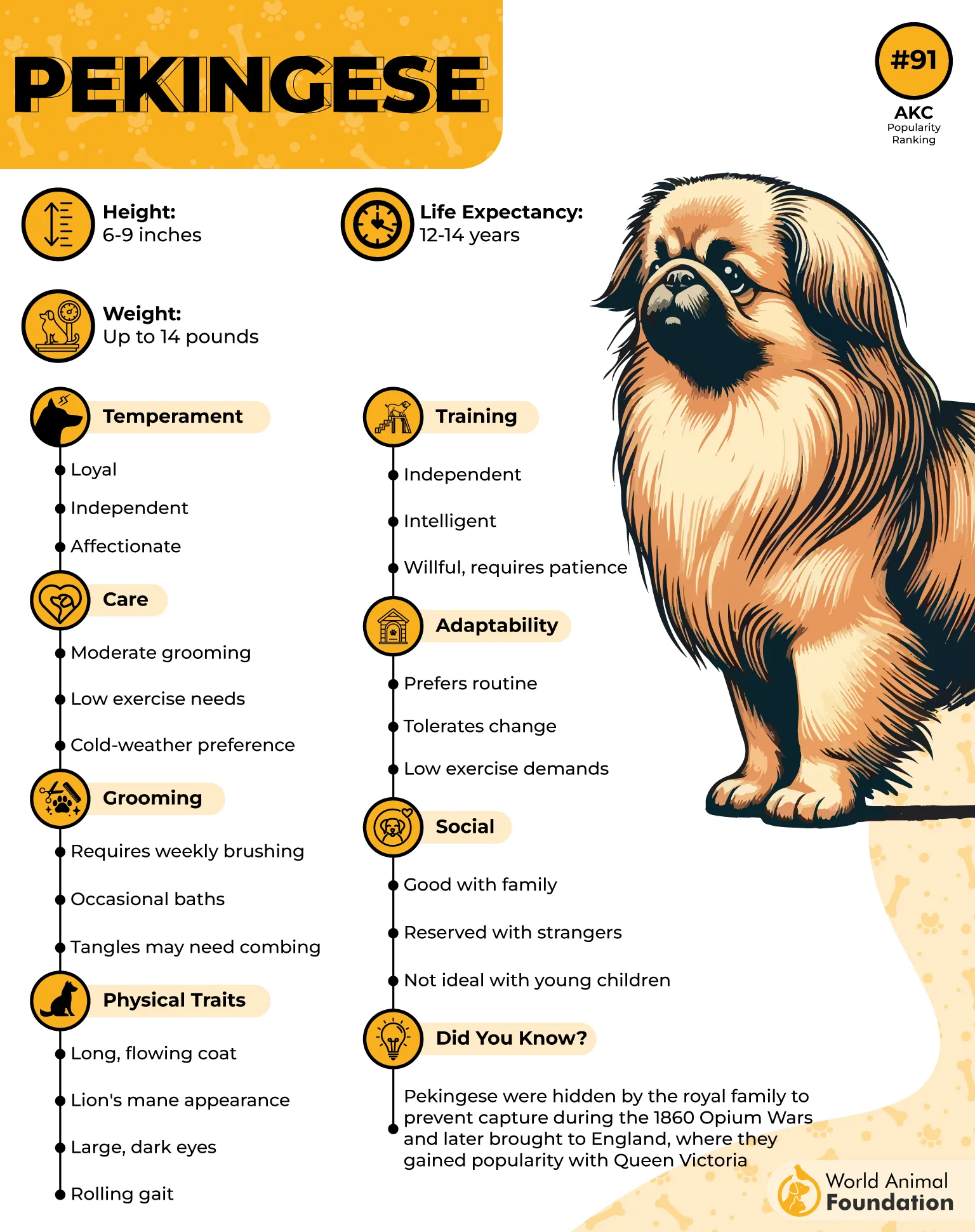
Although a small dog, the Pekingese remains attentive to its surroundings and can act as a small watchdog. It may bark when someone approaches the door, so early reward-based training can help teach a “Quiet” command using positive reinforcement and help it stop on cue.
How This Breed Stands Out
Dignified, reserved character: Its independent nature allows the Pekingese to remain comfortable with quiet household routines.
Selective alert barking: It may vocalize when something catches its attention, particularly unfamiliar visitors or activity at the door.
Conclusion
Choosing a low-barking dog can make apartment living more comfortable, especially for households that value a peaceful atmosphere. These breeds show that quiet companionship can come in many different sizes and personalities.
From the affectionate Pug and Cavalier King Charles Spaniel to the distinctive Basenji and Chinese Crested, each breed offers its own approach to apartment life. Some communicate softly, while others reserve their voices for moments that matter.
Larger breeds such as the Saint Bernard, Newfoundland, Bullmastiff, and Great Pyrenees can also be relatively quiet, though their size and exercise needs require thoughtful, challenging planning. The Pekingese adds a dignified, watchful presence to calmer homes.
Ultimately, barking habits vary between individual dogs and can be influenced by training, socialization, and environment. Consider the breed’s temperament, activity needs, grooming requirements, and living space before making your choice.
