




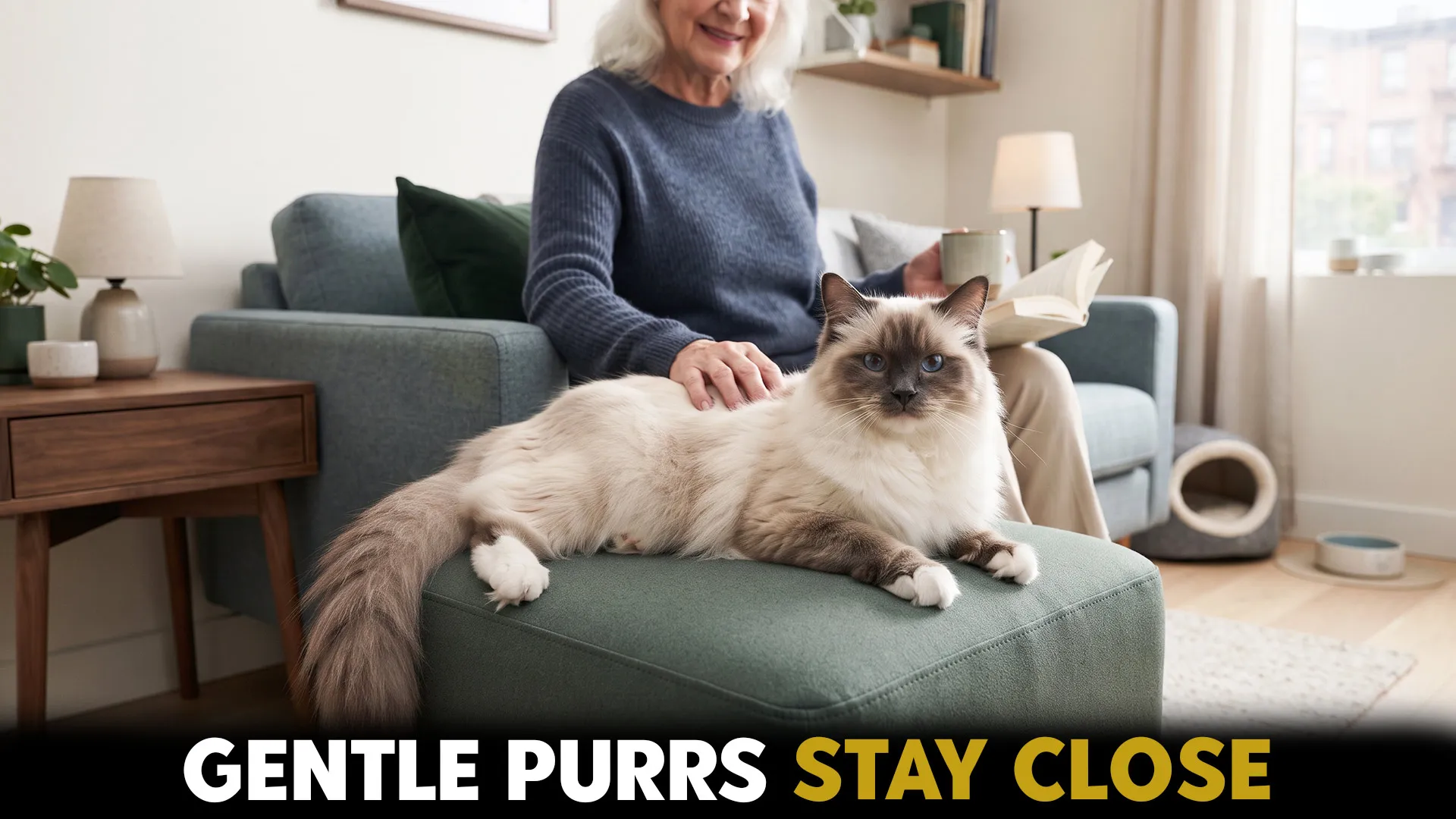
Picture a peaceful apartment where a gentle and furry cat snuggles beside you during a quiet afternoon, offering companionship without demanding a busy routine. For seniors, indoor cats can bring warmth and connection while fitting naturally into a comfortable indoor lifestyle.
Cats are often well suited to apartment living because they don’t need outdoor walks or extensive training. However, breed temperament, energy level, grooming needs, and personality still matter when choosing a companion that matches your daily routine and mobility.
From relaxed lap cat breeds to friendly companions with playful streaks, these seven breeds offer senior-friendly qualities worth exploring when creating a calm and rewarding home life.
FACT: Cat companionship may help seniors manage feelings of loneliness while providing opportunities for gentle daily interaction.
Best Cat Breeds for Seniors in Apartments
1. British Shorthair
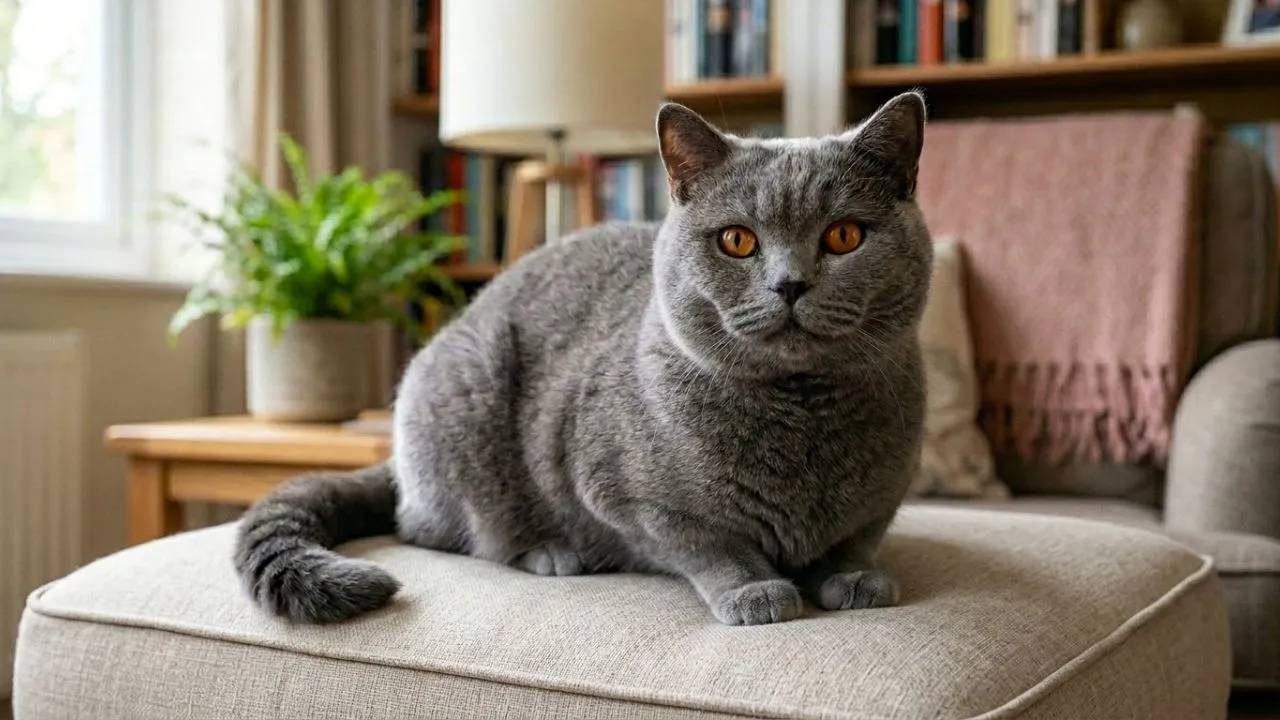
The British Shorthair brings a composed presence to apartment living, making it well-suited to seniors who prefer a peaceful home. Rather than constantly seeking attention, this cat is happy to settle nearby and enjoy quiet companionship.
Its reserved personality does not mean a lack of attachment. Some other cats enjoy sitting on a lap, while other breeds show affection simply by staying close to their favorite person.
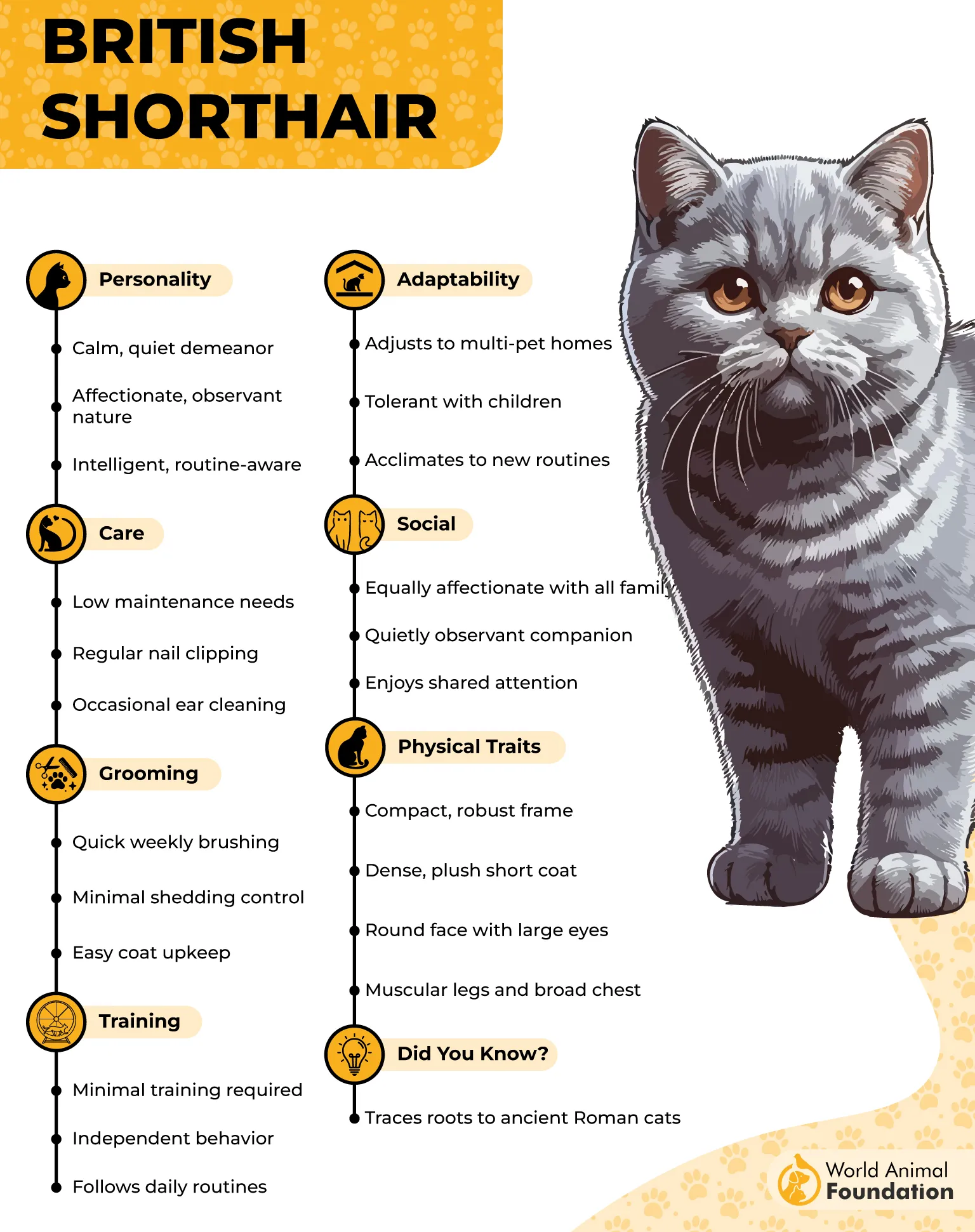
For seniors, the breed’s short coat is another practical advantage. It needs little grooming because these cats are naturally capable of keeping their fur tidy, reducing the need for frequent brushing.
With a generally low-energy nature, the British Shorthair is less likely to turn an apartment into a playground of nonstop activity. Its independent streak also allows owners to enjoy companionship without having to provide constant entertainment.
2. Ragdoll
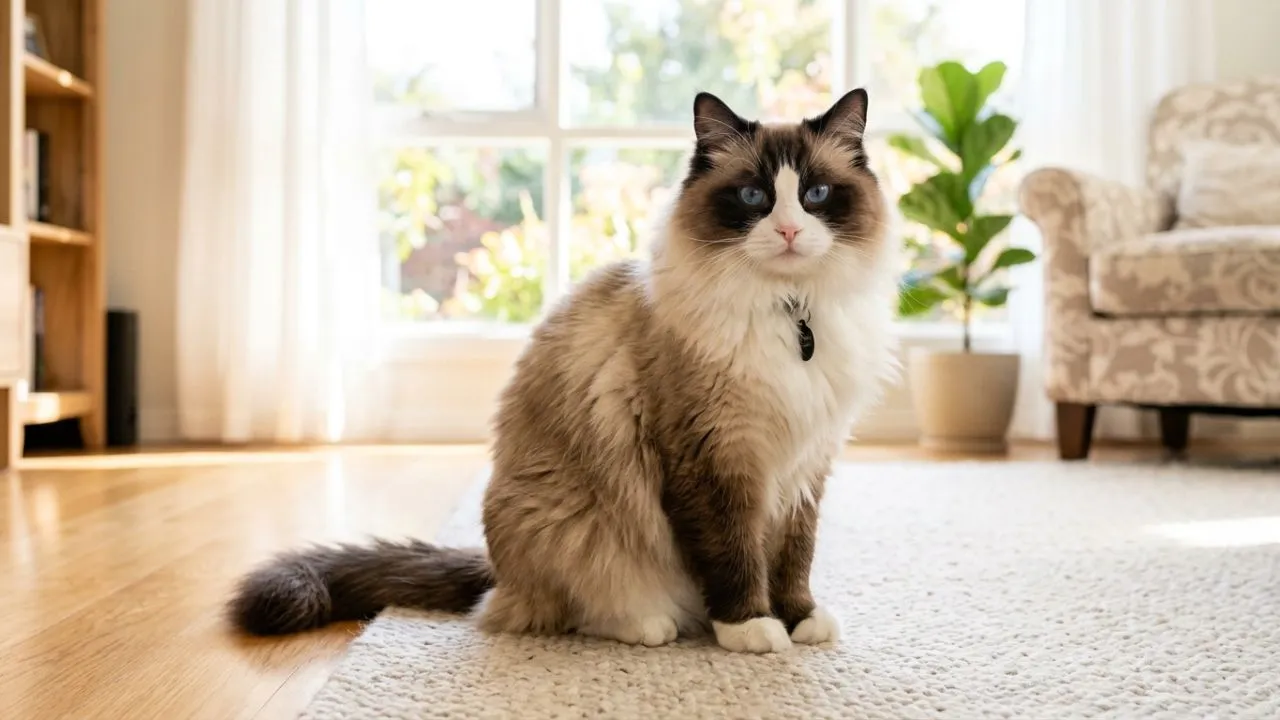
Ragdolls are gentle, people-oriented cats that often enjoy staying close to their owners. Their relaxed nature can make quiet apartment living feel especially comforting.
Despite their large size, they are known for their sweet and easygoing personalities. Many Ragdolls become wonderfully relaxed when held, often melting into their owner’s arms while being stroked.
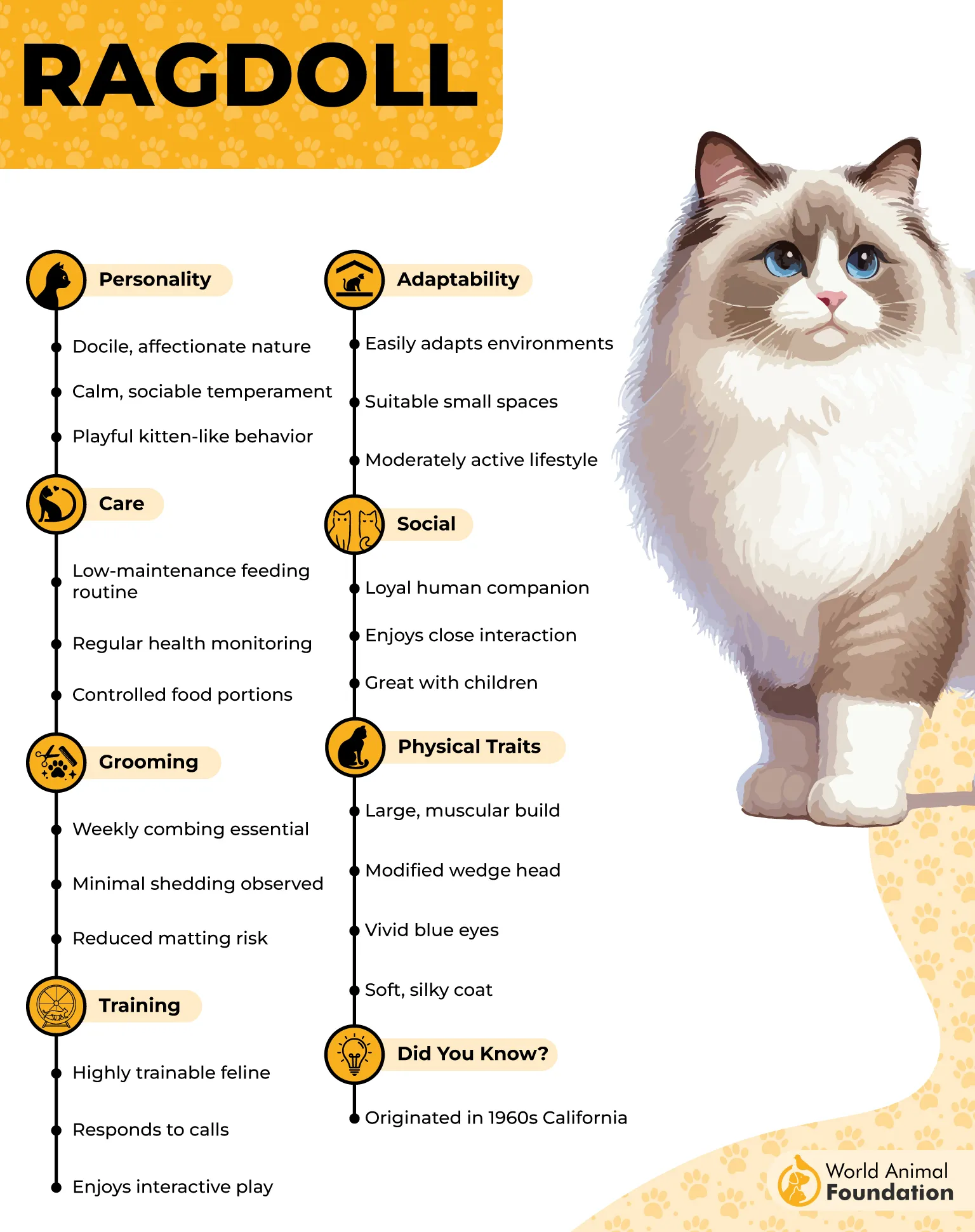
Their intelligence and loyalty can create a strong bond with seniors who appreciate a devoted companion. They are also relatively low-energy, making them well suited to peaceful indoor routines.
However, regular play is important because their chill lifestyle can contribute to weight gain. Seniors who enjoy short, manageable play sessions may find these affectionate cats great companions. According to Purina, Ragdoll cats can learn tricks and behaviors through positive reinforcement.
3. Russian Blue
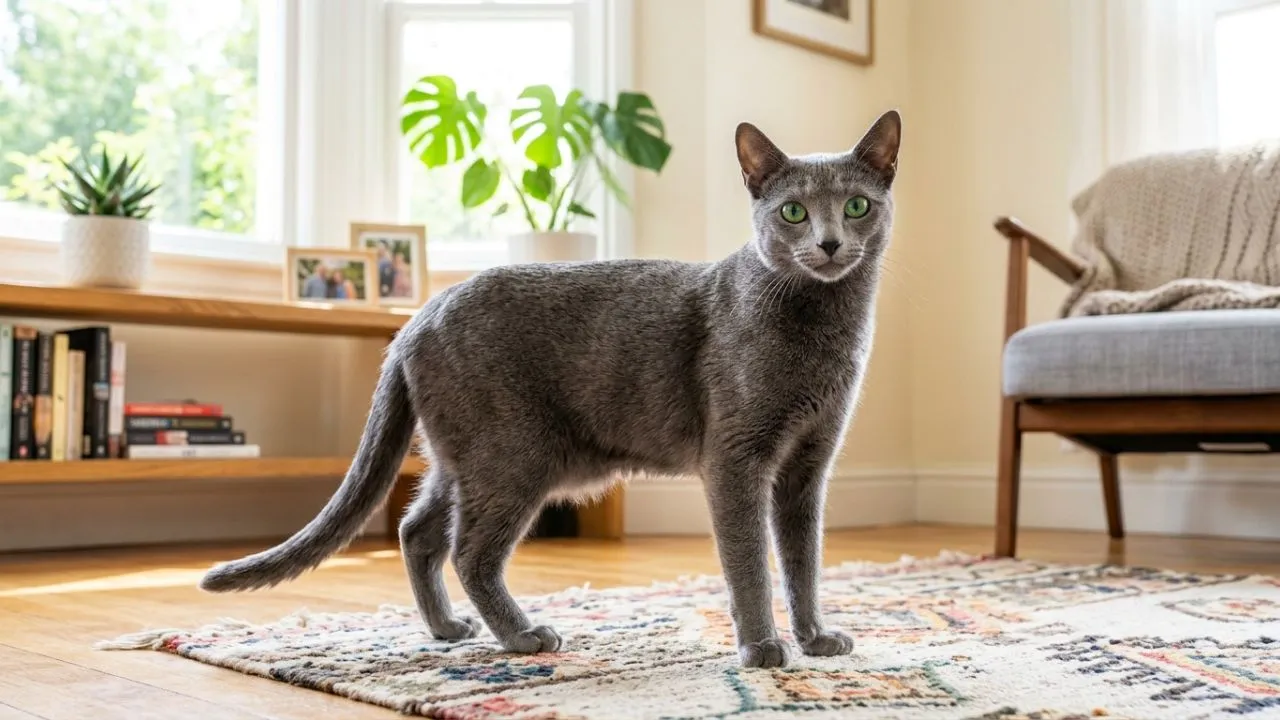
The Russian Blue brings an elegant, understated presence to an apartment, with a gentle temperament that suits seniors who value a peaceful home. This domestic breed tends to form strong bonds with its owner and enjoys receiving attention without constantly demanding it.
Naturally quiet and easygoing, Russian Blues are comfortable in calm surroundings and can settle into a relaxed household routine. Their affectionate nature allows them to develop close relationships while still giving their owners personal space.
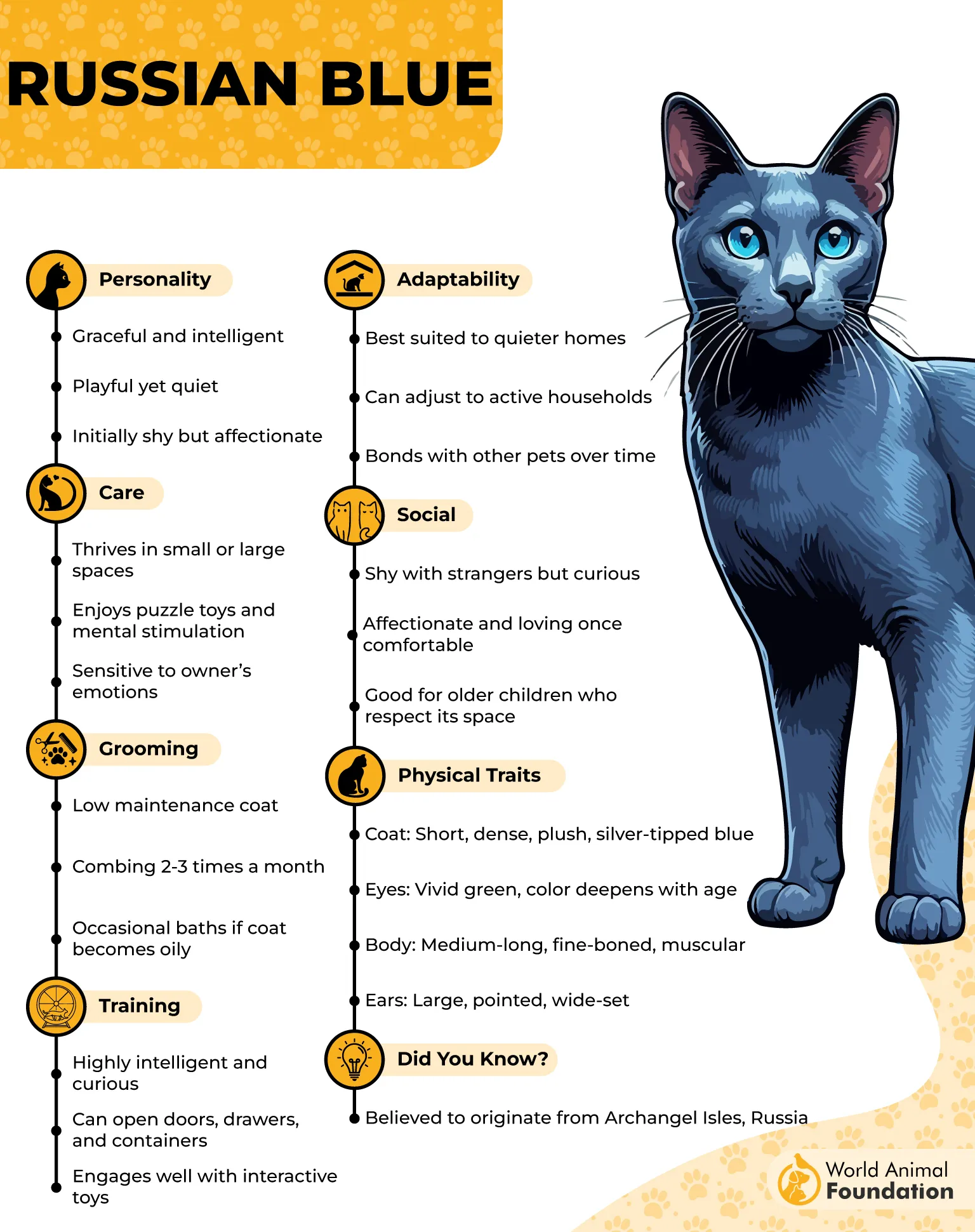
They are also curious and playful, so occasional interactive toys can provide useful mental stimulation and help channel their inquisitive side. A little attention during playtime can keep them engaged without requiring strenuous activity.
Although their plush, velvety coat looks luxurious, daily grooming is unnecessary. Brushing once or twice a week is generally enough to maintain their neat appearance, making their care manageable for seniors in apartments.
4. American Shorthair
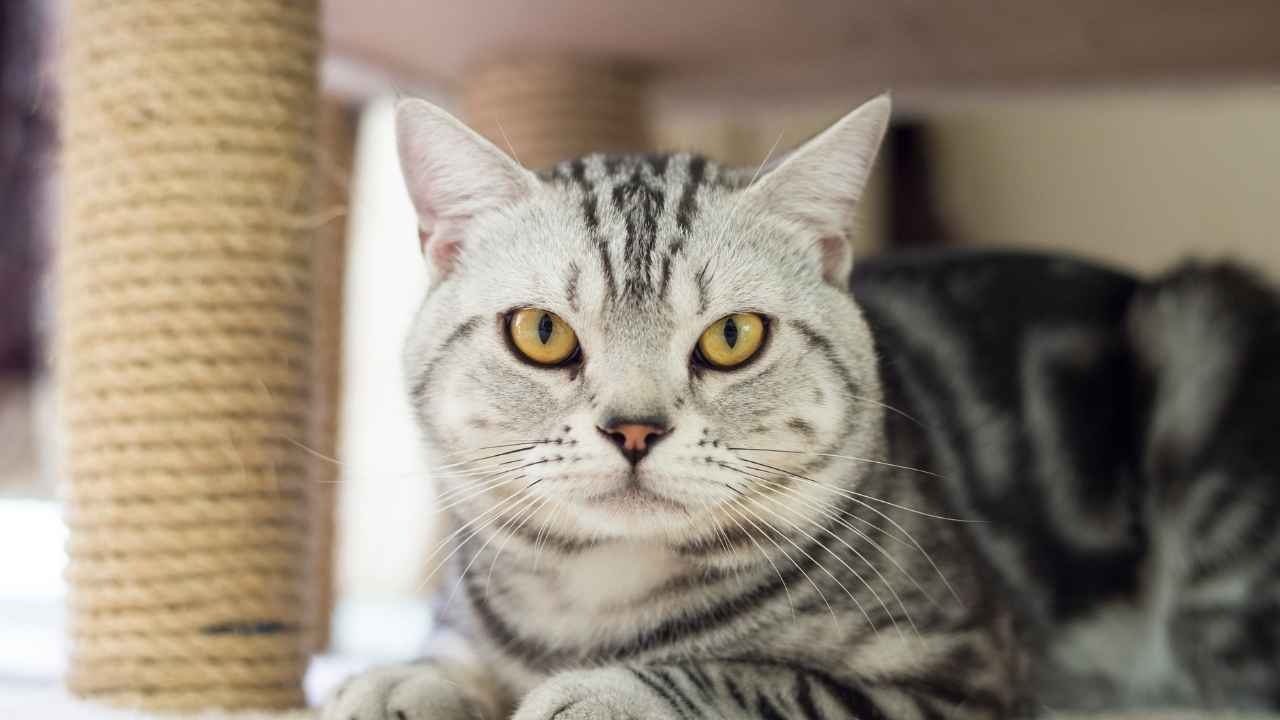
American Shorthairs bring a warm, easygoing presence to apartment living. They enjoy playtime and cuddling, yet are perfectly comfortable entertaining themselves when their senior companions are busy or resting.
Their adaptable nature makes them especially practical for everyday life in a smaller home. They are patient and tolerant, which can be helpful when grandchildren or other visitors occasionally add activity to the household.
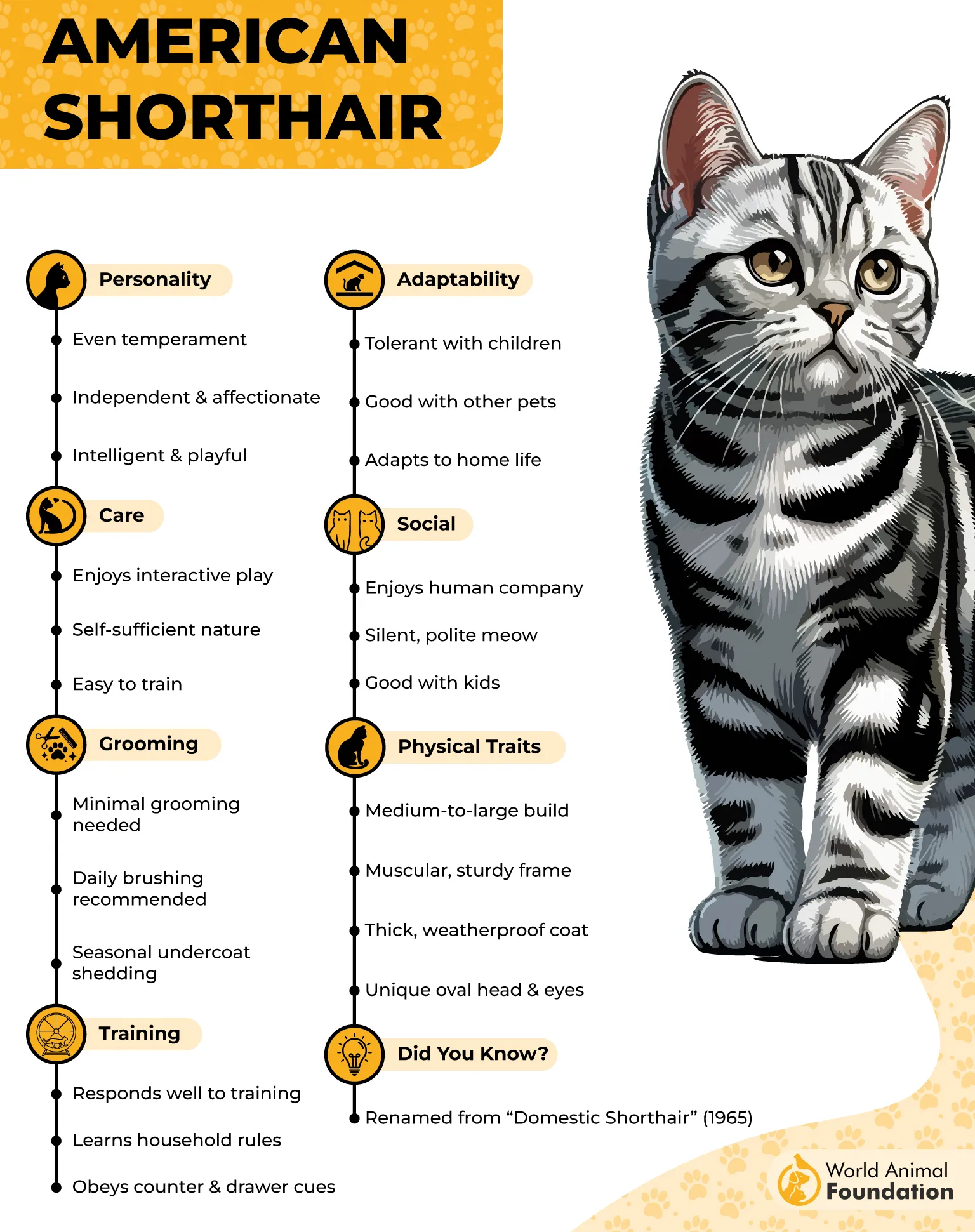
These cats are also known for their sturdy build and robust health. Their substantial body can make them somewhat difficult for seniors to lift, so enjoying affection beside you may be easier than carrying them around.
American Shorthairs can provide long-term companionship. Their friendly personality and balanced need for attention make them a comforting presence without demanding constant interaction.
5. Exotic Shorthair
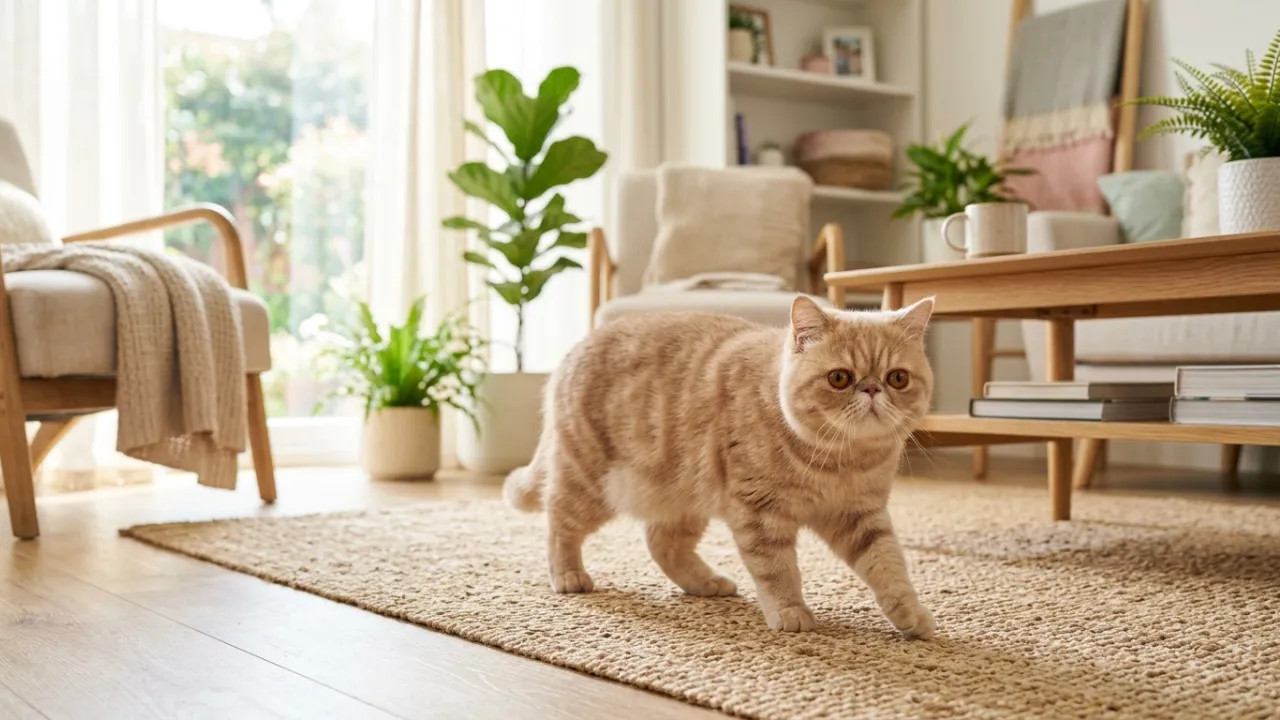
The Exotic Shorthair brings the plush look of a Persian without the demanding coat care. Its soft, dense fur needs only weekly brushing, making grooming much easier for seniors living in apartments.
This breed has a relaxed personality and is perfectly happy enjoying a quiet indoor routine. It may explore now and then, but it generally doesn’t need intense daily exercise.
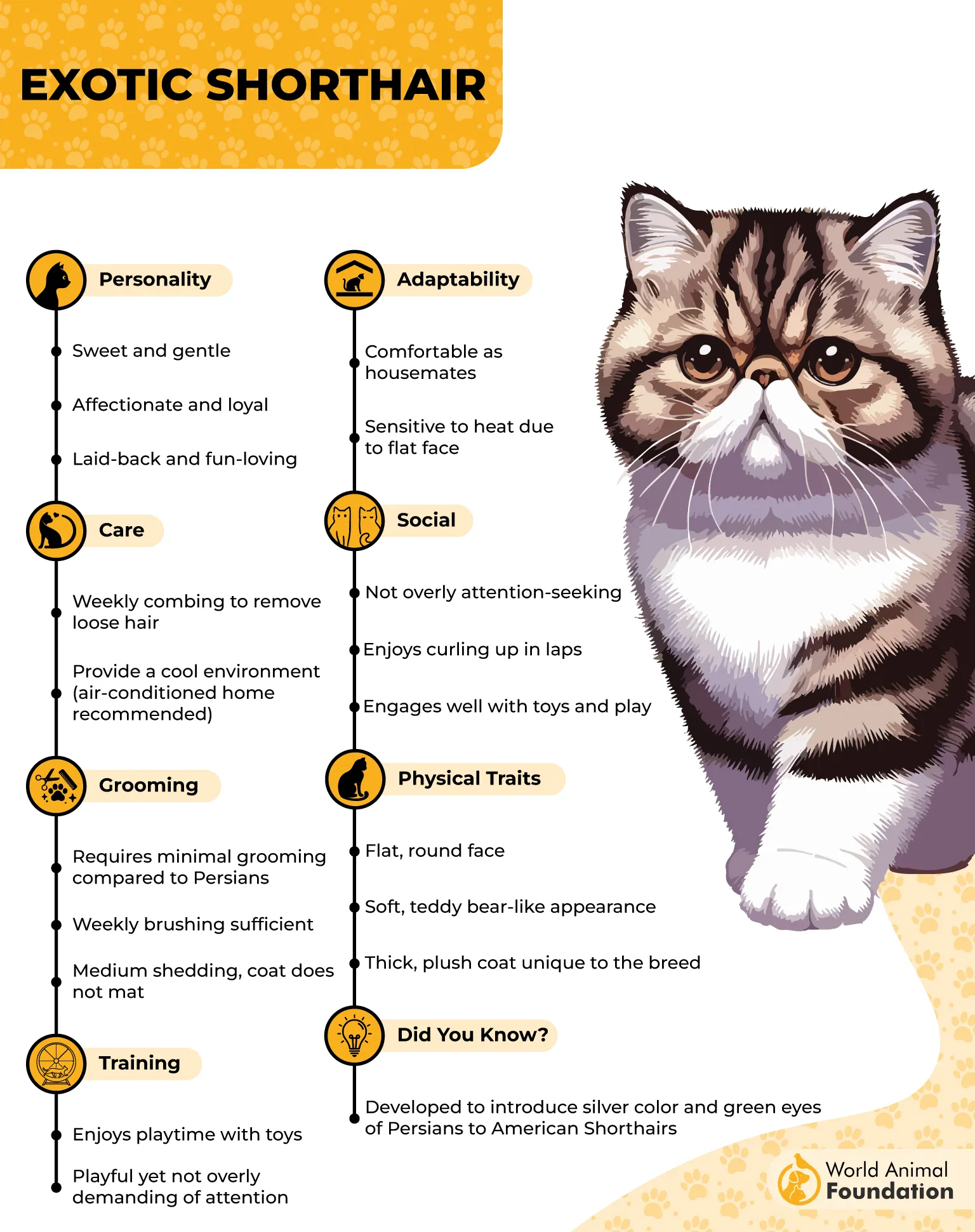
When playtime calls, a ball or stuffed mouse can provide enough activity to keep this composed cat engaged. Short bursts of chasing are often all it needs before returning to its favorite resting spot.
Rather than being a constant meower, the Exotic Shorthair communicates with charming chirps and trills. It also sheds relatively little, although weekly brushing can help prevent tangles and hairballs. According to WebMD, Exotic Shorthairs can produce longhaired kittens.
6. Persian
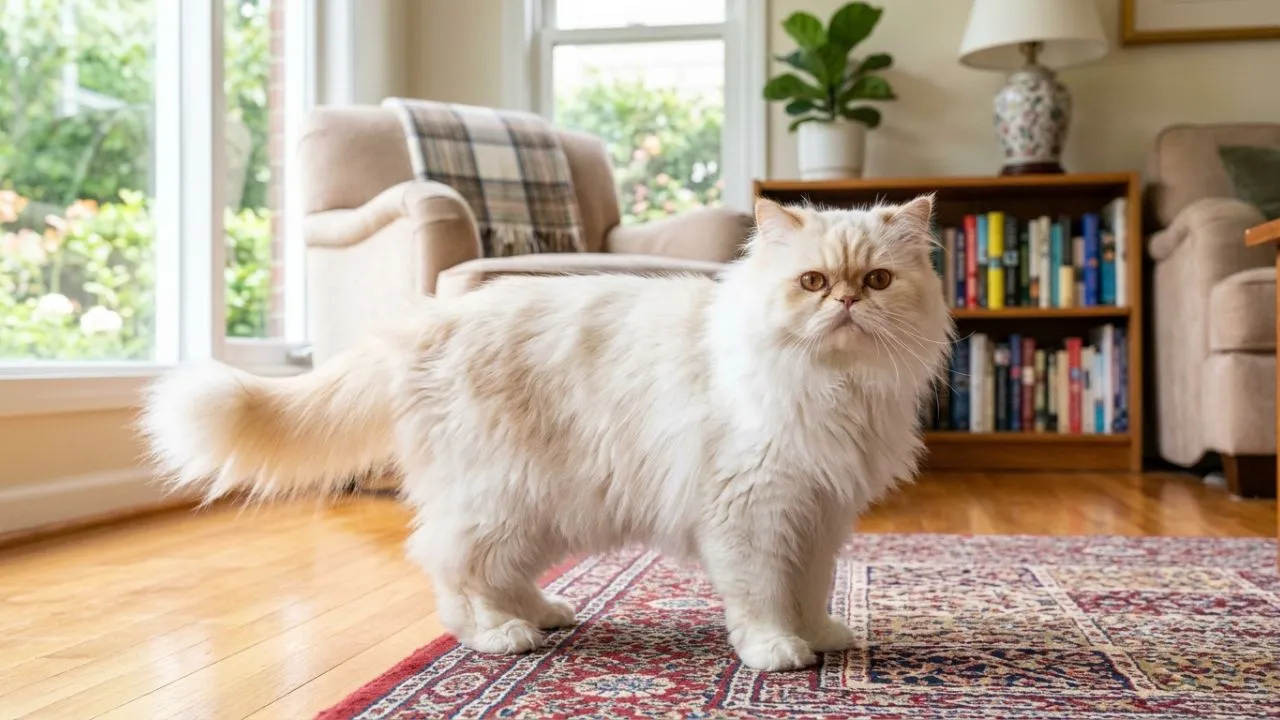
Persian cats bring a luxurious yet peaceful presence to apartment living, with their flowing coats and naturally composed demeanor. They tend to favor comfort over constant activity, making a soft lap or cushioned spot their ideal retreat.
For seniors who enjoy a slower routine, this breed is particularly suited to quiet companionship. Persians are generally not enthusiastic climbers or jumpers and can happily spend relaxed hours beside their favorite person without demanding nonstop attention. According to PetMD, most prefer a laid-back, fun life over an energetic one.
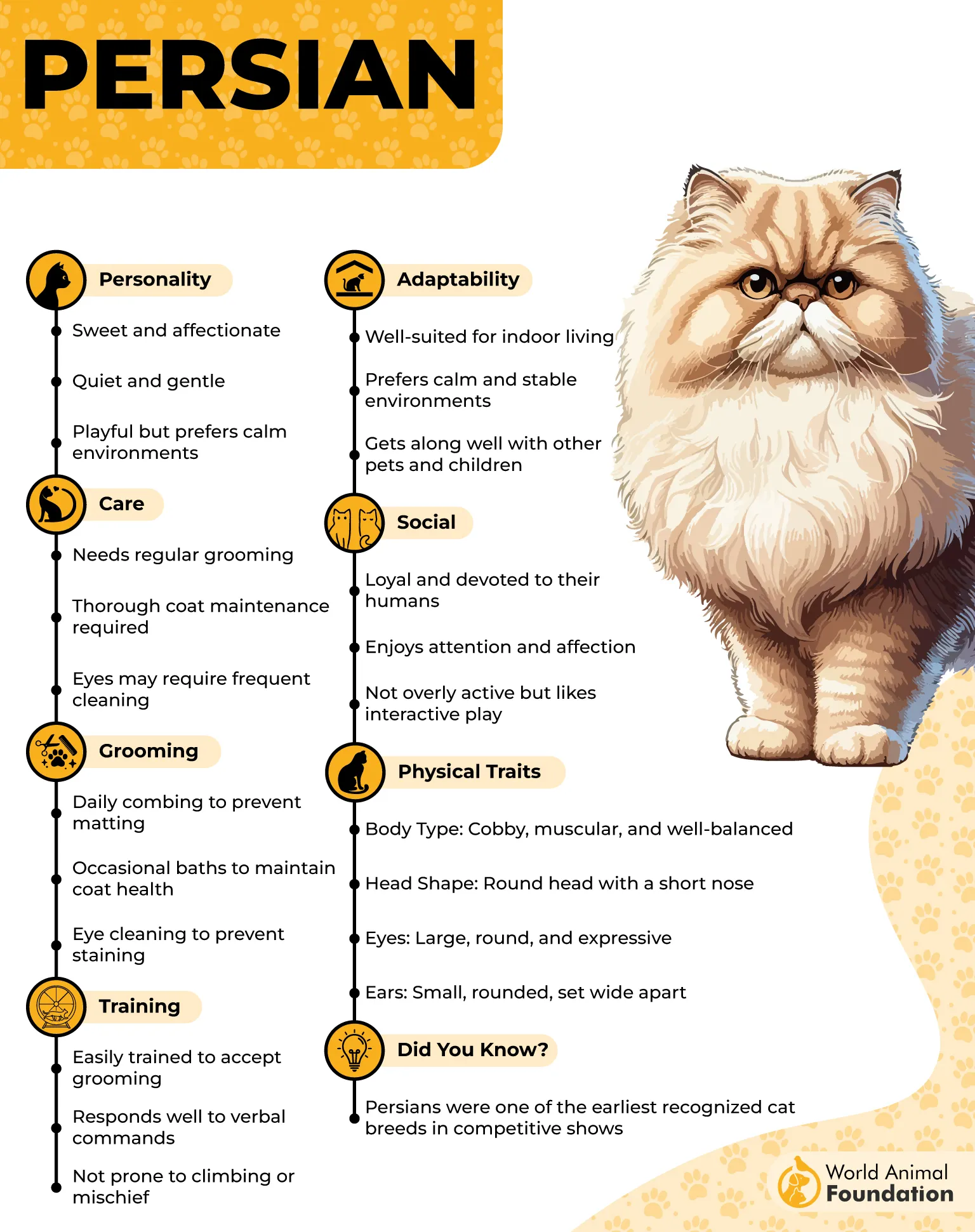
Their gentle personality also means they can form close bonds while remaining comfortable with some alone time. However, their long fur requires daily brushing to prevent mats and tangles, adding a regular grooming commitment.
Persians may also be more vulnerable to certain health concerns as they age, so veterinary care can become important. Choosing a cat with a somewhat longer nose may help reduce some breathing-related difficulties.
7. Birman
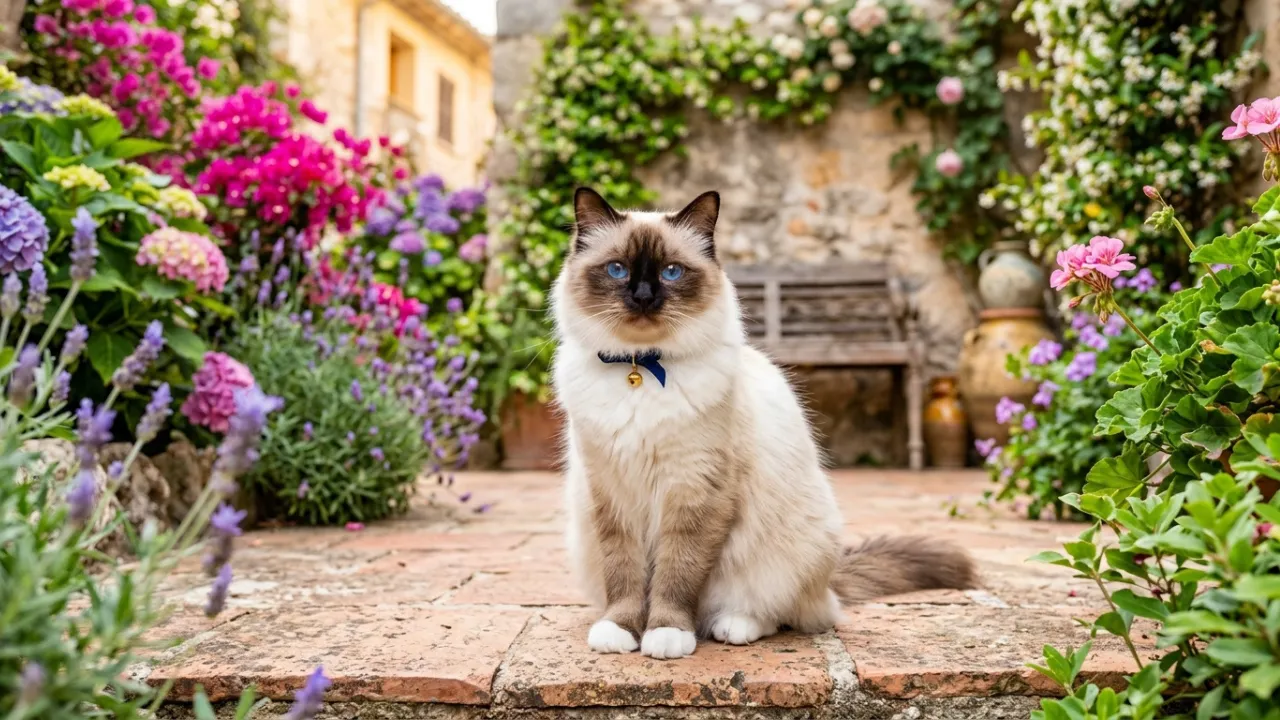
A Birman can make quiet apartment days feel a little less solitary. With its striking blue eyes and soft, fluffy coat, this sociable cat often enjoys staying close to its favorite person.
Rather than demanding constant attention, the Birman tends to settle comfortably into the household routine. You may find it following its owner from room to room, quietly observing daily activities with gentle curiosity.

Its calm personality suits seniors who prefer a peaceful companion. Soft chirps and occasional meows give this breed a sweet way of communicating without filling the home with excessive noise.
Despite its long coat, grooming is fairly manageable because Birmans have a single layer of fur. A weekly brushing session can help keep the coat neat while also providing a pleasant bonding ritual.
Conclusionthe
Choosing the best cat breed for seniors for apartment living can bring companionship, comfort, and a gentle sense of routine to a senior’s daily life. The perfect breed can fit naturally into a quieter home environment.
Calm, sociable cats can be especially enjoyable for seniors who appreciate a companion nearby without needing constant attention. Their personalities can make everyday moments feel warmer and more engaging.
Low-maintenance grooming, moderate activity levels, and adaptable temperaments are also worth considering. These qualities can make caring for a cat more manageable while still providing plenty of affection and companionship.
Ultimately, the best match depends on individual preferences, lifestyle, and the kind of relationship a senior wants with a pet. A well-suited cat can become a comforting and rewarding presence in an apartment home.
