




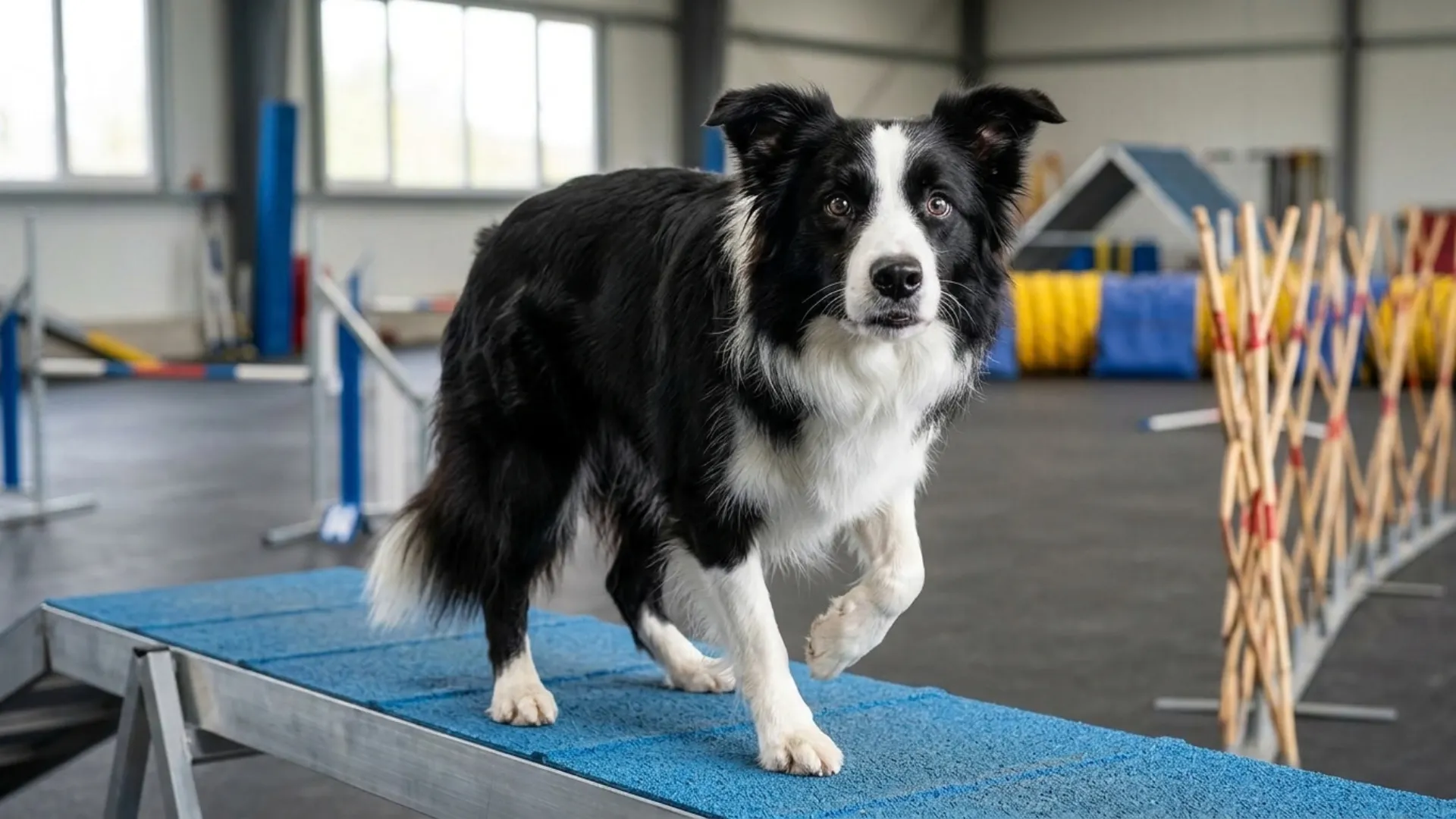
The training session started with a simple cue, a reward, and a dog watching. After a few repetitions, the response became faster. A new command followed, and the same pattern appeared again.
Moments like that explain why highly intelligent dog breeds have earned a following among people who enjoy teaching dogs. Quick learning can involve more than memorizing commands. Dogs can learn by watching humans, remembering associations, solving problems, and adjusting their behavior when circumstances change.
Smartest dog breeds can learn from human gestures and social cues, which is why they seem especially tuned in and responsive during training. Their progress can be exciting to watch, but intelligence still comes with responsibility. A dog that learns quickly needs worthwhile lessons, consistent boundaries, and regular mental activity to stay engaged.
The breeds ahead offer plenty of fascinating examples of canine learning in action for readers.
Key Takeaways
A few repetitions can be enough for certain dogs to turn a new command into something they already know.
Border Collies are a fascinating example, with Chaser learning the names of 1,012 objects during years of training.
Miniature Poodles, German Shepherds, and Golden Retrievers bring their own learning skills to the picture, from solving problems to staying focused during demanding work.
The further you go down the list, the more surprising these different kinds of canine intelligence become
Top Highly Intelligent Dog Breeds for Quick Learning
1. Border Collie
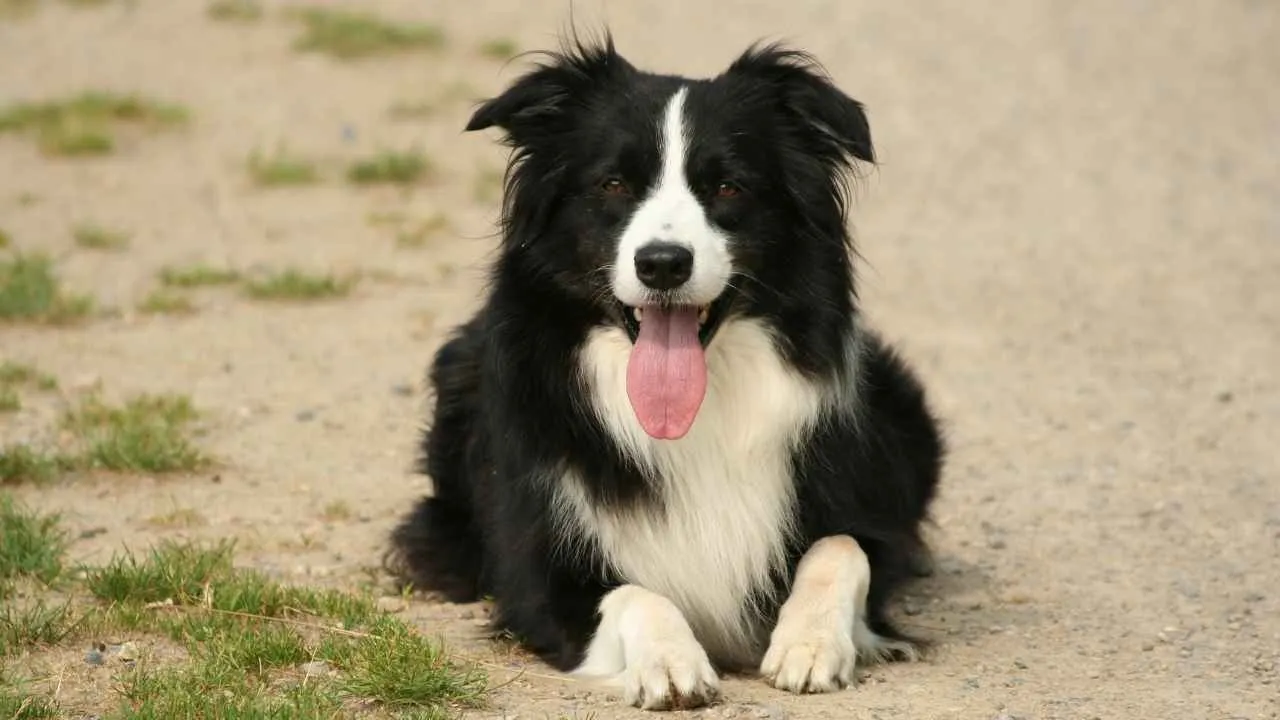
Border Collie emerged along the border between England and Scotland, where the word “Collie” referred to working dogs used for herding. Queen Victoria kept several of these energetic sheepdogs during the mid-19th century, helping distinguish the breed from older types of Collie dogs.
A Remarkable Learner
This herding dog can learn new skills remarkably quickly, with individual dogs capable of understanding far more words than the average canine.
According to The New York Times, Chaser, famously trained by Dr. John Pilley, learned 1,012 nouns through five hours of daily sessions using her favorite toys.
The following details make that learning ability easier to picture:
Average dogs learn about 150 words
Herding work required following commands with little supervision
Dogs often look to a family leader for direction
Work Comes Naturally
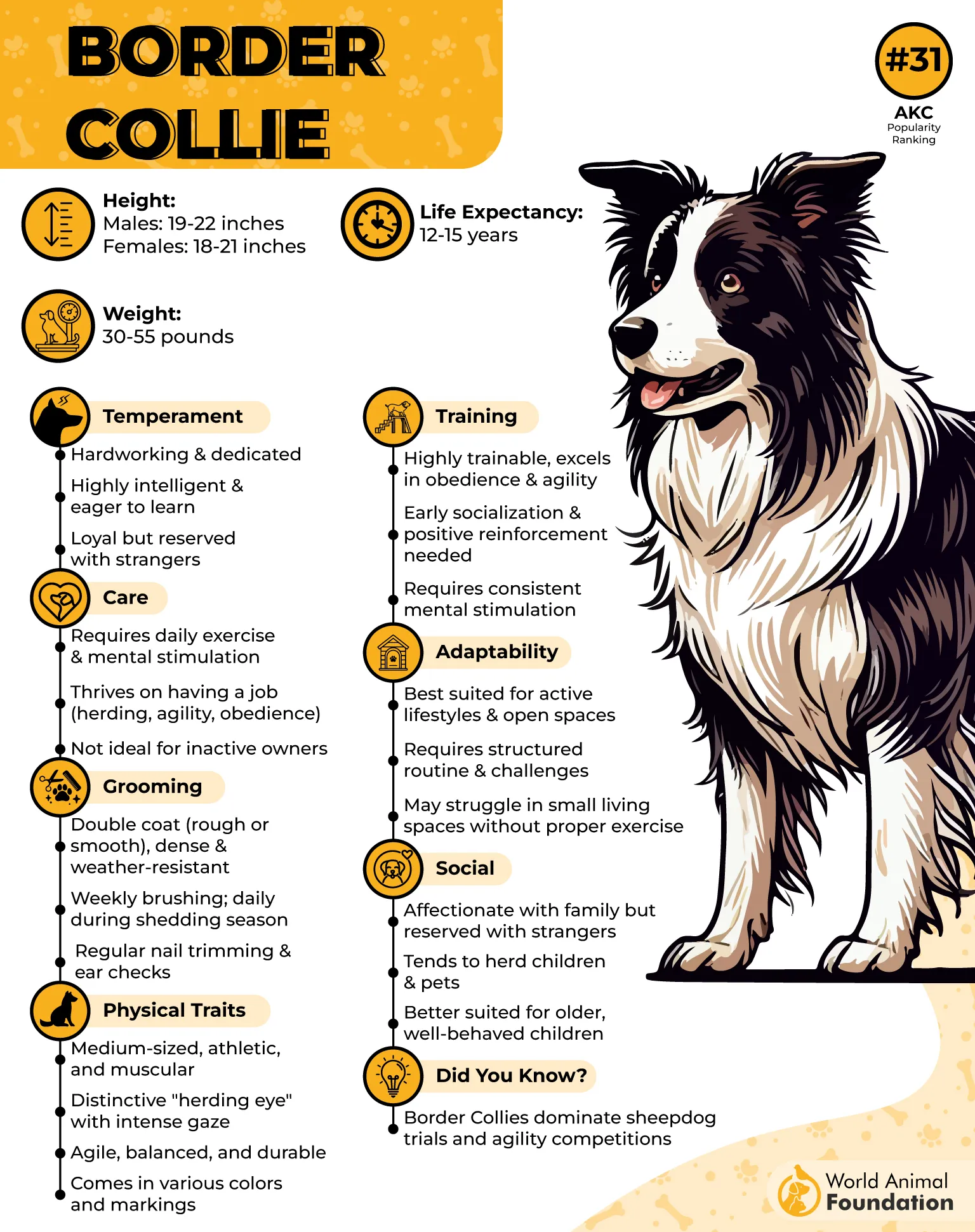
Border Collie responds particularly well to an experienced handler who provides enough stimulation and meaningful tasks. Its stamina, intelligence, and willingness to work can make training sessions highly productive, while too little direction may lead to digging or chewing.
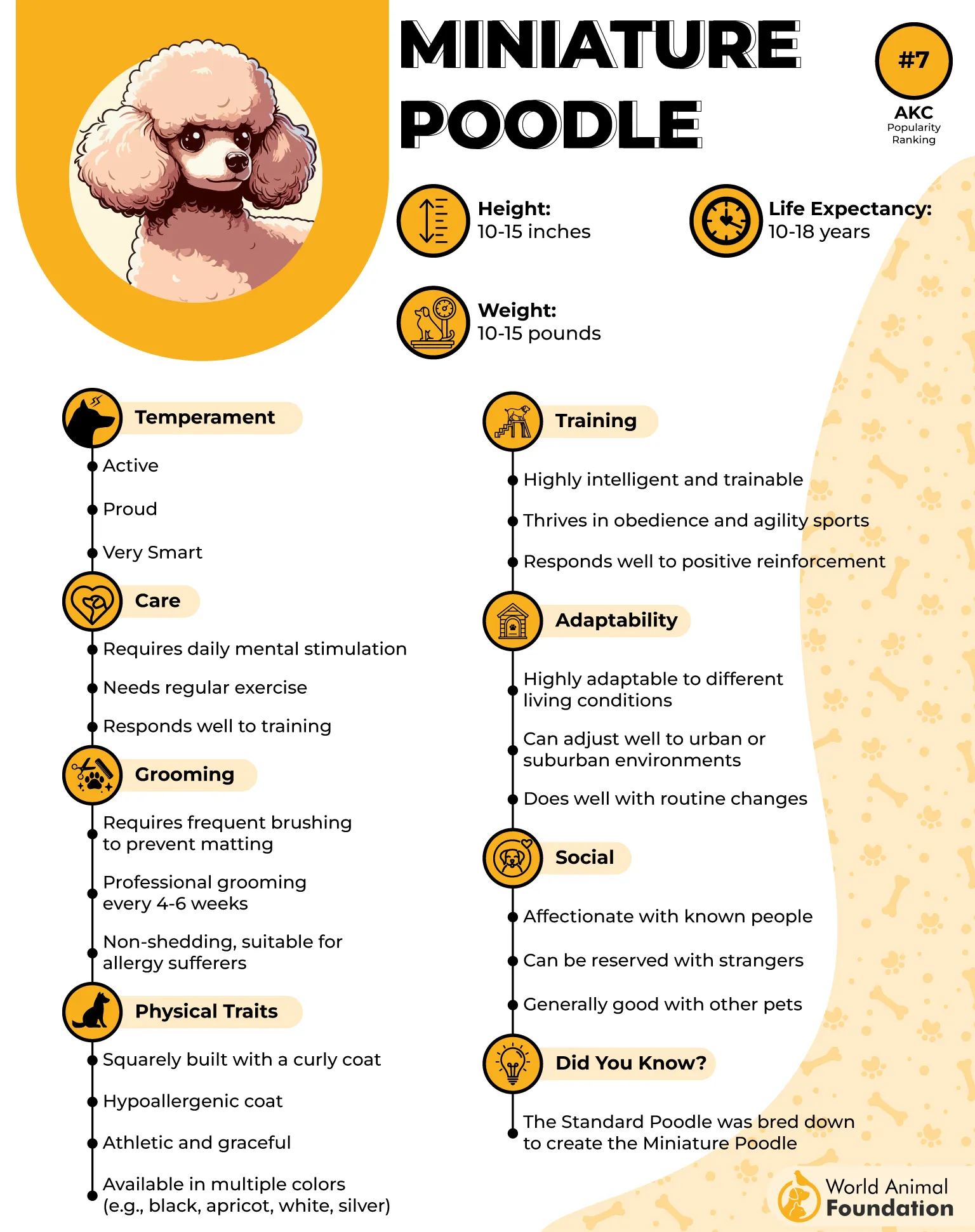
2. Miniature Poodle
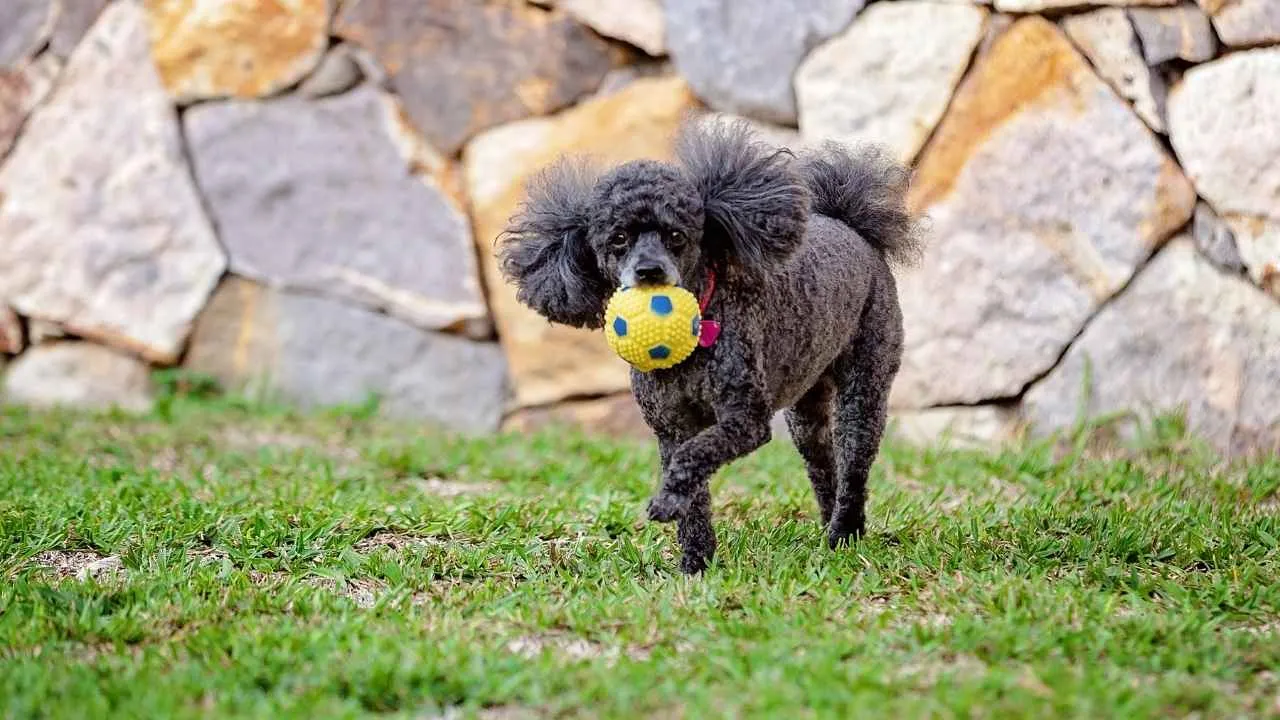
Miniature Poodle has roots that stretch beyond France, with early curly-coated dogs believed to have traveled from Asia into Europe alongside herders.
Germany later shaped the breed into the form recognized today, while its talents took it from hunting and herding to military work, guiding, and circus performances.
A Brain Built for Tasks
Miniature Poodle has an impressive record for learning, with psychologist Stanley Coren placing Poodles second among breeds assessed for how quickly they mastered new commands.
Dognition data also found Poodles often perform strongly in reasoning, using indirect clues to locate a hidden treat instead of searching randomly.
That intelligence becomes especially useful in practical challenges:
Learns chains of cues quickly
Transfers trained behaviors between settings
Works through complex puzzle toys
Reads the Room
This family pet often holds eye contact with people during problem-solving tasks, giving handlers a useful opening for attention-based training. Dognition assessments also found above-average empathy, while memory, communication, and cunning tend to fall closer to moderate levels.
3. German Shepherd
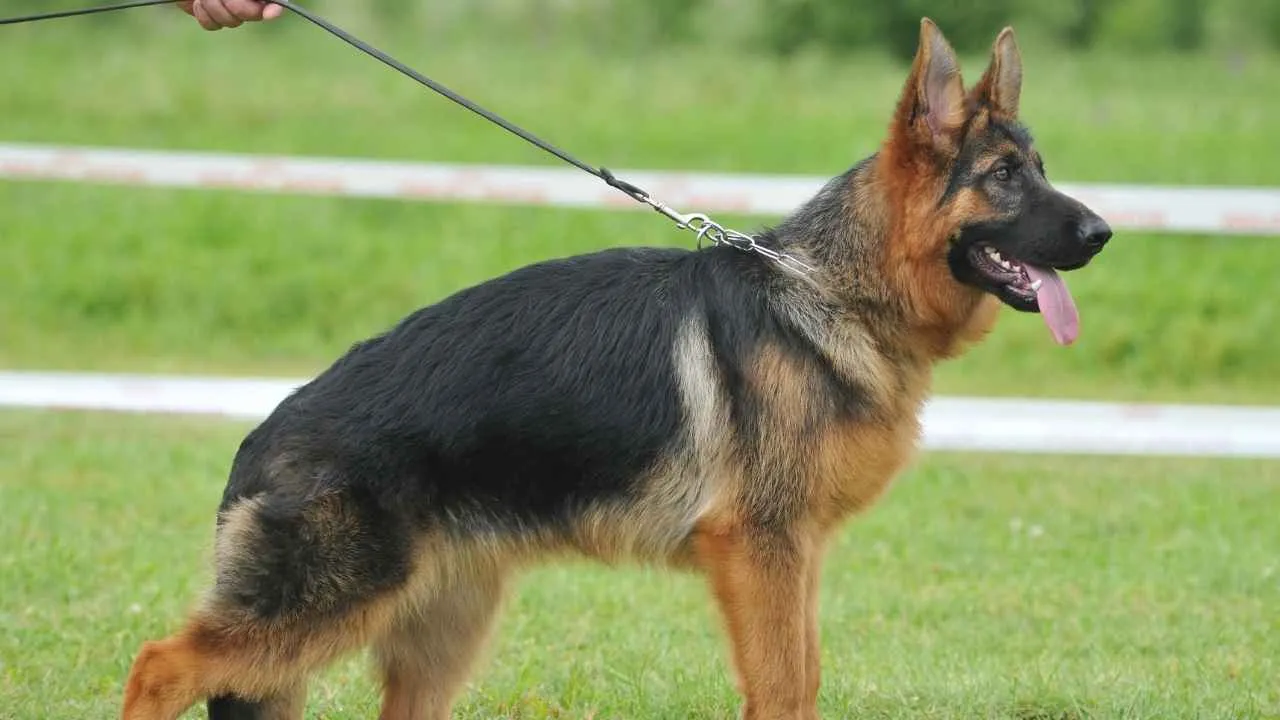
German Shepherd dog was originally bred in Germany through efforts to produce a capable flock herder and guardian, with later breeding placing greater emphasis on intelligence and courage.
The breed was briefly called Alsatian after World War I, while kennel clubs returned to its original name during the 1930s.
Three Kinds of Smarts
German Shepherd’s intelligence covers instinctive awareness, adaptive problem-solving, and working obedience, giving the breed several ways to process and respond to new tasks. Its sharp senses help it notice potential risks, while memory and past experiences guide its responses.
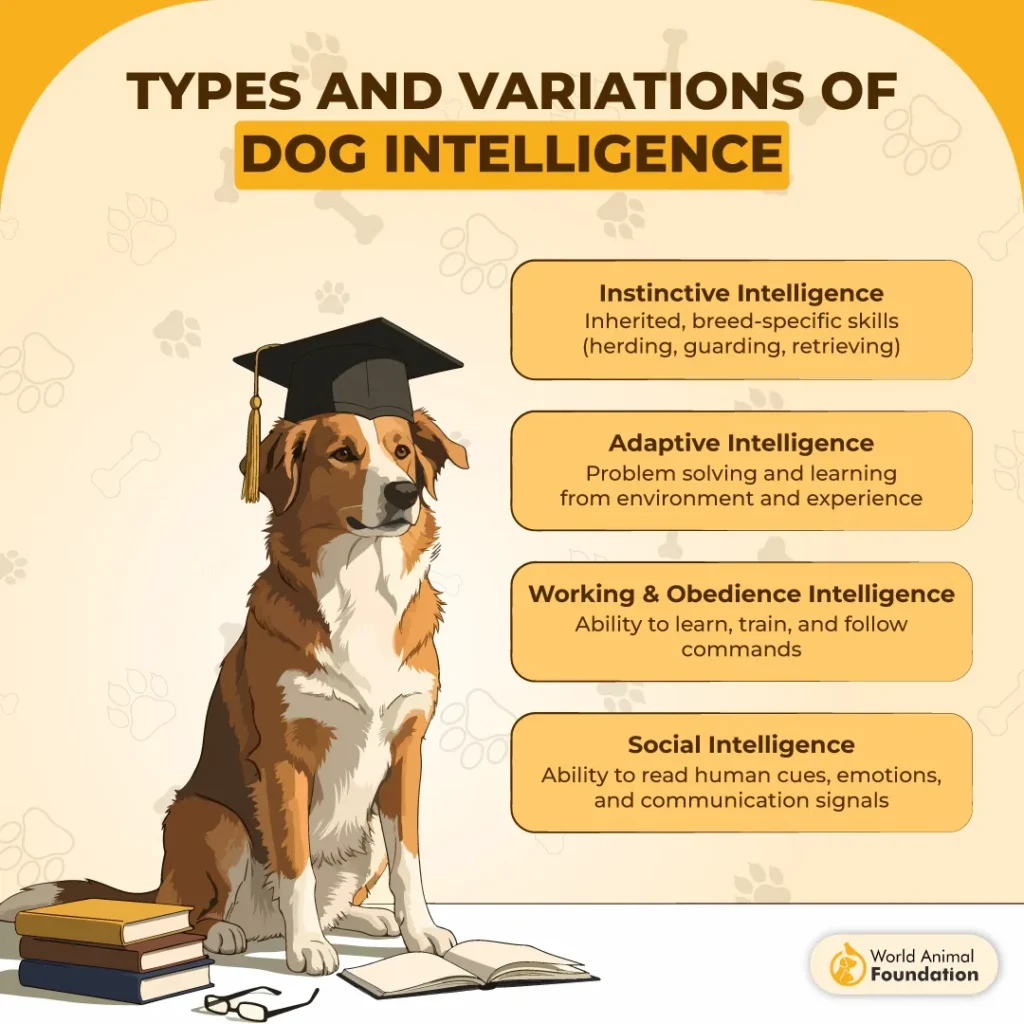
These specific abilities help explain that learning style:
Understands cause-and-effect relationships
Remembers commands for long periods
Solves complicated puzzles and tasks

Quick to Learn
This search and rescue dog can also understand new commands in fewer than five attempts on average and follows them correctly about 95% of the time. Its strong memory helps it retain learned instructions, while curiosity and eagerness to please encourage continued learning.
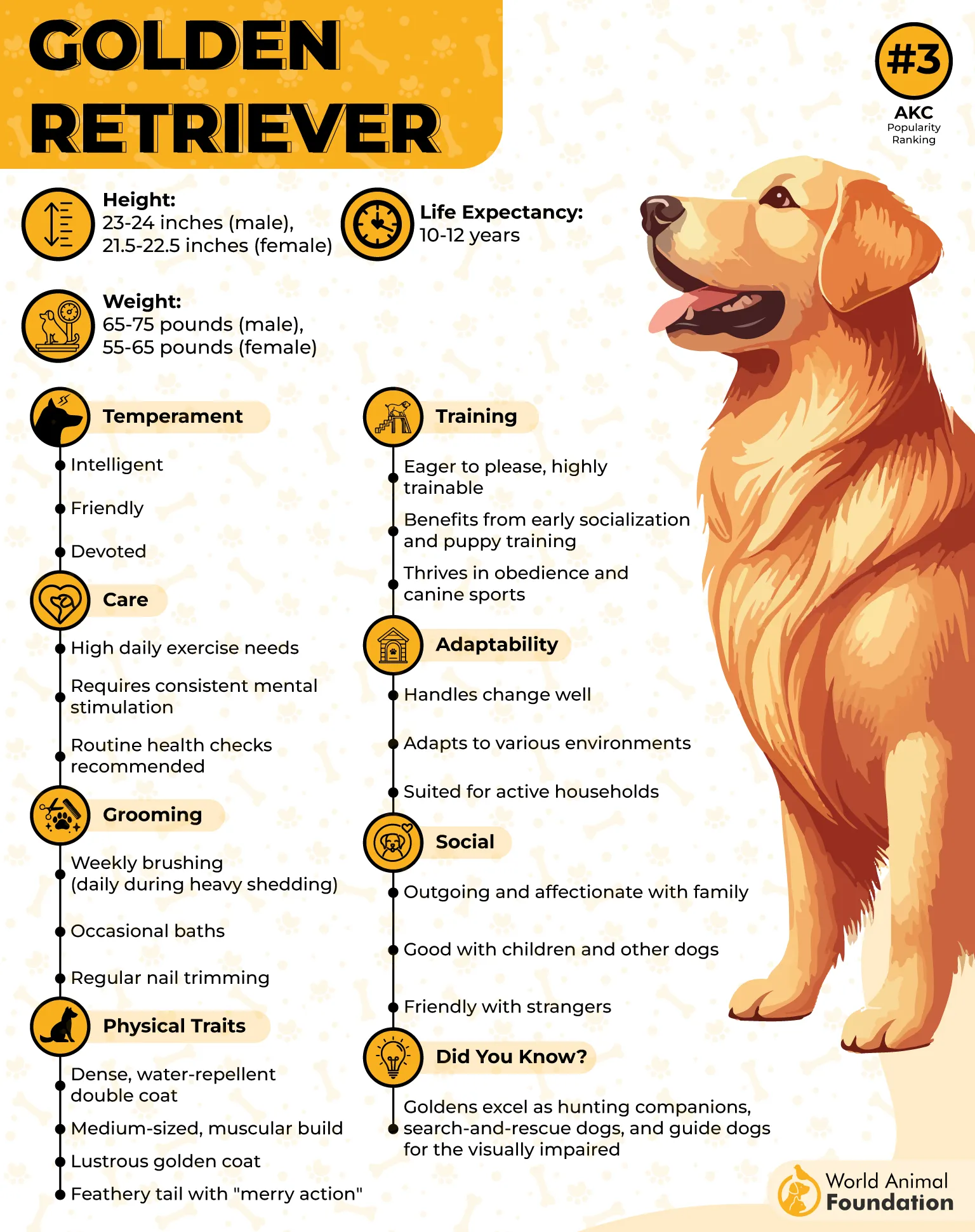
4. Golden Retriever
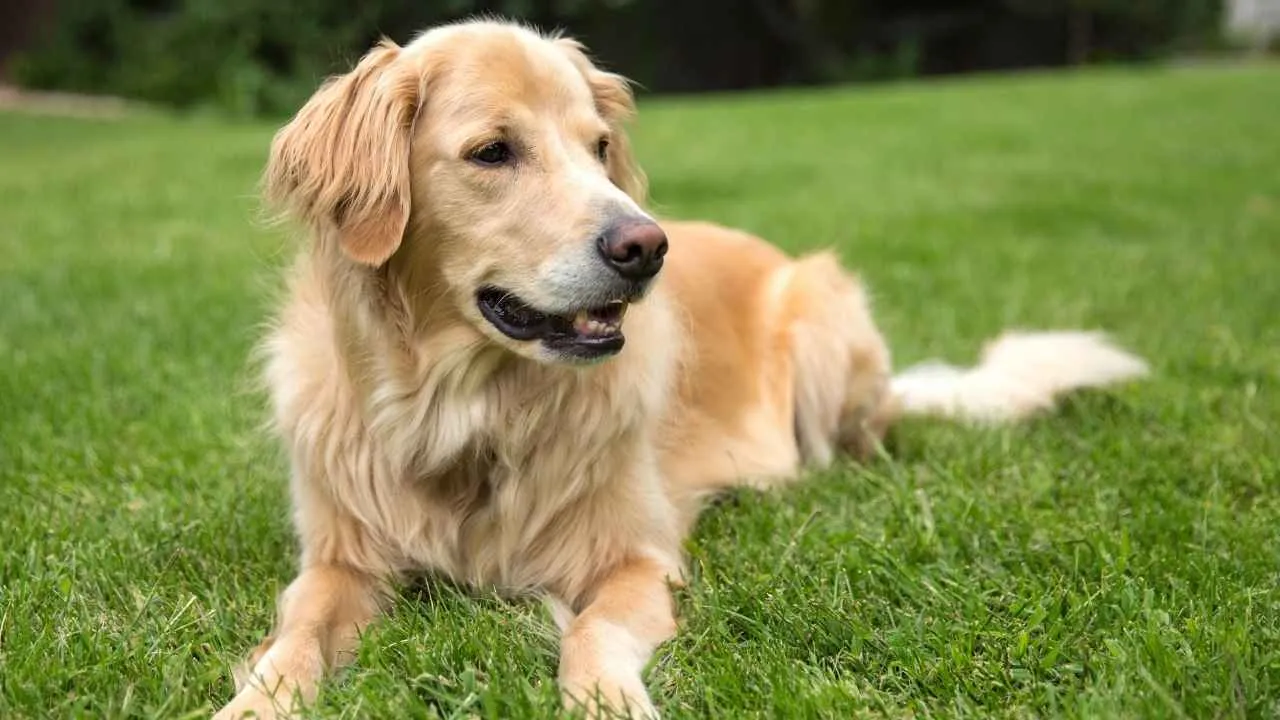
Golden Retriever began with Lord Tweedmouth in mid-19th-century Scotland, where he wanted a powerful gundog that could retrieve game through dense undergrowth.
Crosses involving a Newfoundland, a Labrador/Water Spaniel mix, and later Setters produced the soft-mouthed retriever prized for gentle game retrieval.
Quick at the Lesson
This intelligent breed ranks among the most trainable breeds recognized by the American Kennel Club, placing it among the leading 138 breeds for learning ability. A new command may take fewer than five repetitions, while an average dog can need 15 to 40 attempts for the same task.
That learning speed has practical applications beyond household tricks:
Guide dogs for people with disabilities
Hearing dogs for Deaf people
Search-and-rescue team members
Focused Under Pressure
Golden Retrievers have an easy-going temperament that can help them remain attentive when distractions appear around a working task. That ability to concentrate has particular value in service work, where the dog may need to follow commands instead of investigating every passing distraction.
5. Doberman Pinscher
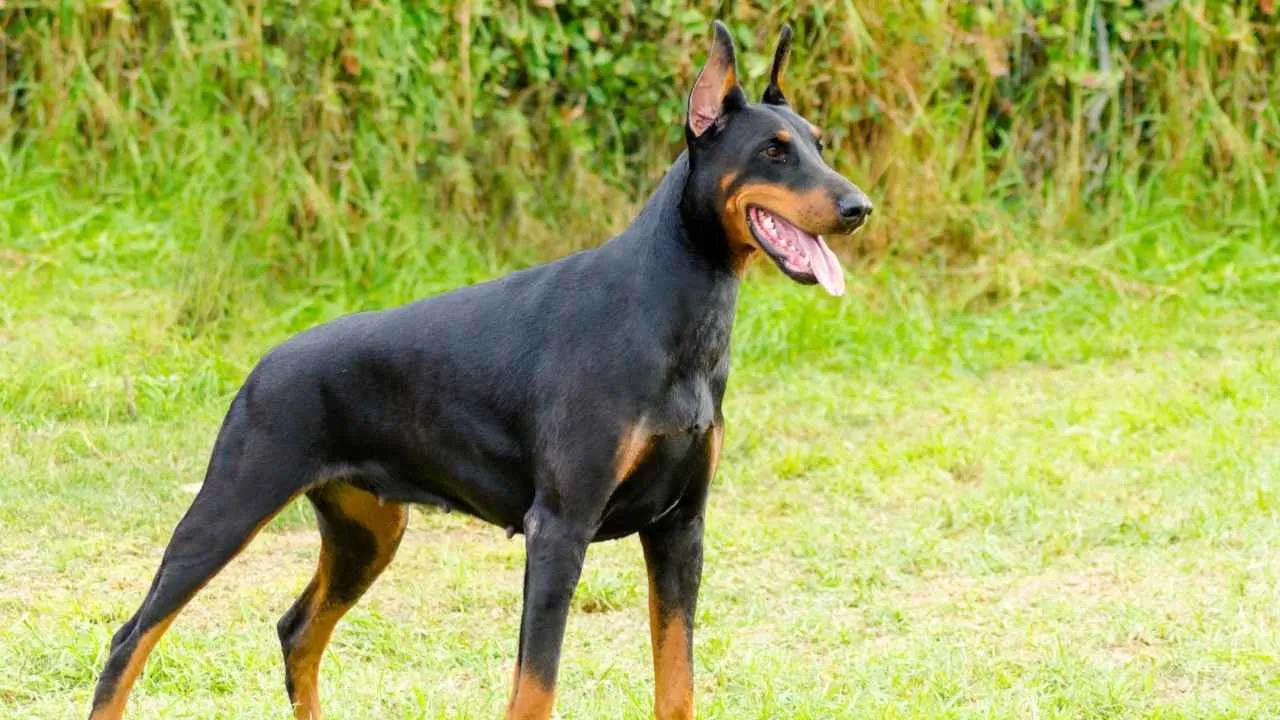
Doberman Pinscher originated in Germany, when Louis Dobermann wanted a reliable guard dog for his work as a door-to-door tax collector. Early breeding likely involved the Old German Shepherd, German Pinscher, Weimaraner, and Manchester Terrier.
Fast at the Mental Work
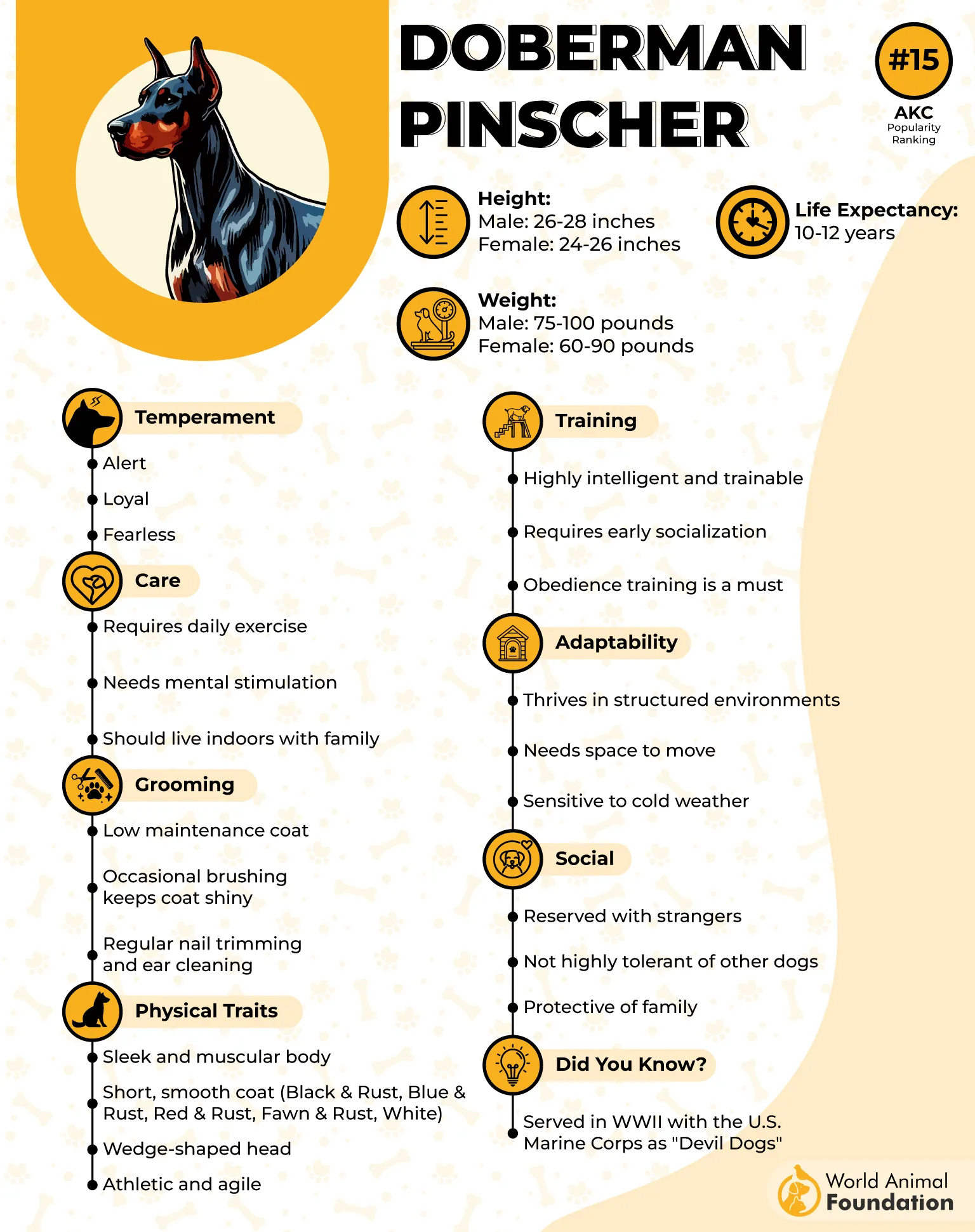
Dobermans can assess situations quickly, recognize changes, and make decisions without waiting for a person to direct every step. Its ability to read human body language and emotions also helps it respond appropriately during people-focused situations.
The following characteristics reveal how broad that ability can be:
Remembers learned information for long periods
Notices changes in routines and surroundings
Applies learning across varied tasks
Quick to Pick Up Skills
This highly intelligent breed also learns commands, routines, and behaviors rapidly, with its eagerness to please making training sessions especially productive. Proper socialization also helps it recognize that unfamiliar situations are not automatically threats.
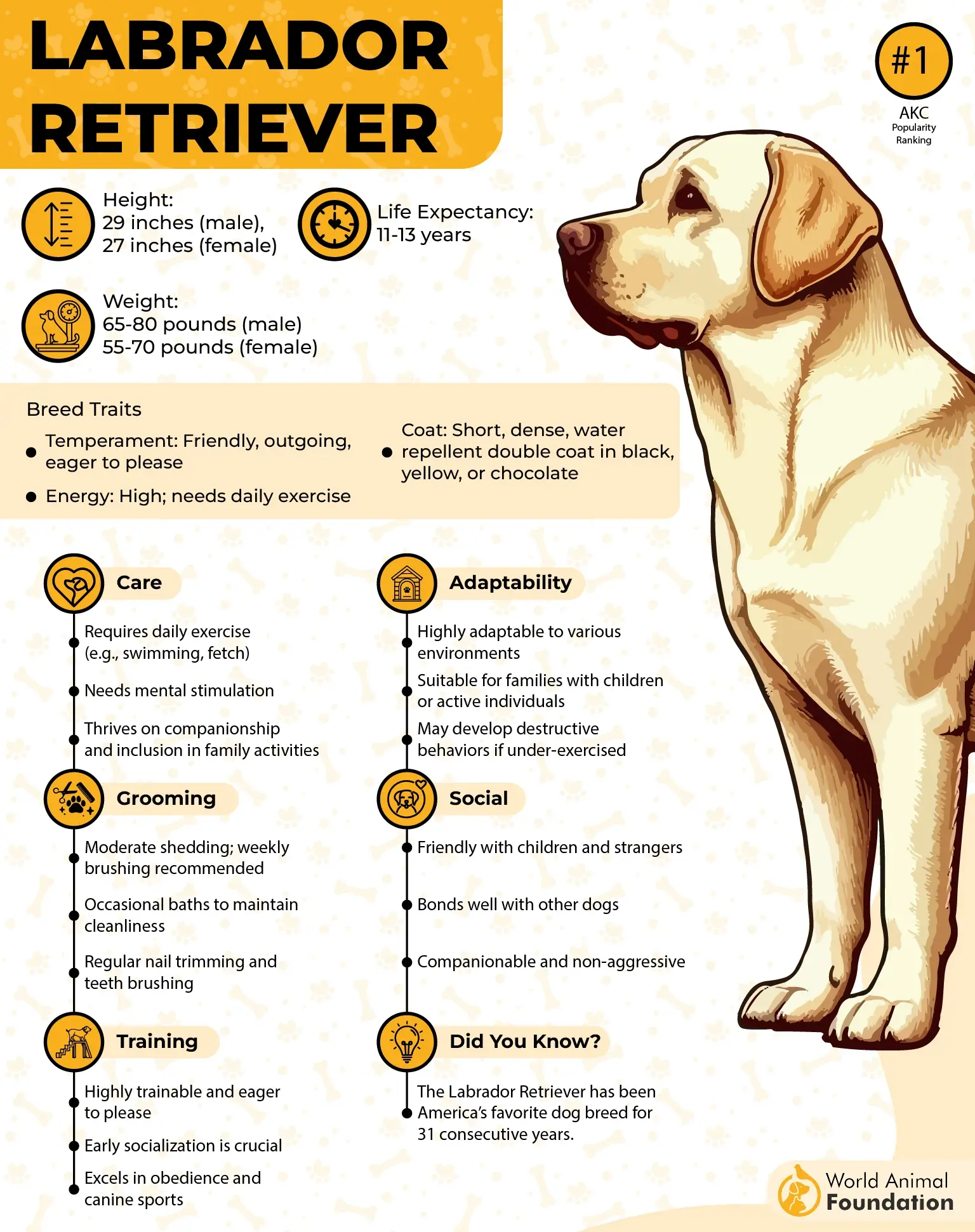
6. Labrador Retriever
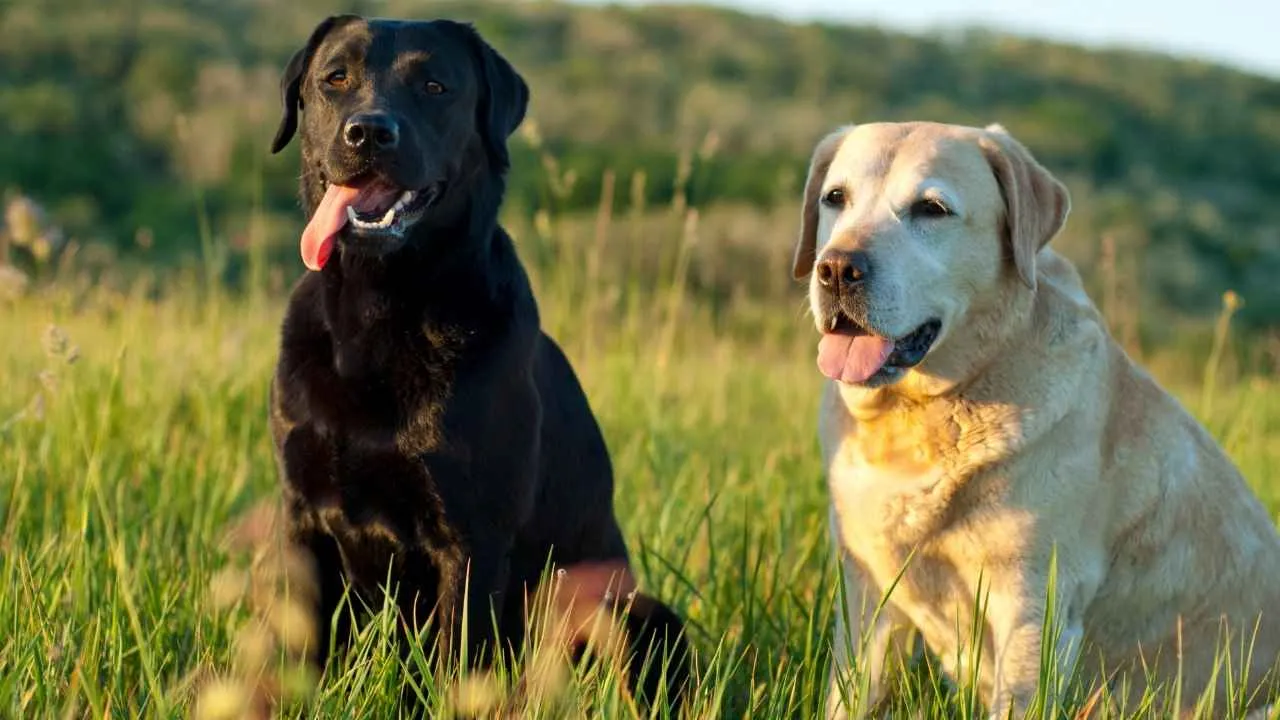
Labrador Retriever began in Newfoundland as a smaller, all-black working dog used to retrieve game and fish and help fishermen around the water.
These dogs also assisted with pulling boats across lakes before the breed disappeared from Newfoundland and a group was taken to England in the early 1800s.
A Fast Learner
Labs ranked seventh in Stanley Coren’s intelligence trials, which examined how quickly dogs learn unfamiliar commands and respond to ones they already know. Labs can learn a new command in fewer than five repetitions, while the average dog may need up to 40.
Three numbers give that ability some context:
Up to 250 words in their vocabulary
Can understand simple counts up to four or five
95% success rate on familiar commands
Intelligence in Practice
Labrador Retriever’s quick learning helps explain its frequent work as a service dog, where training involves acquiring specific tasks and responding reliably to instructions. They are eager to please, and their strong desire to learn also gives them plenty to engage with when new skills are introduced.
7. Shetland Sheepdog
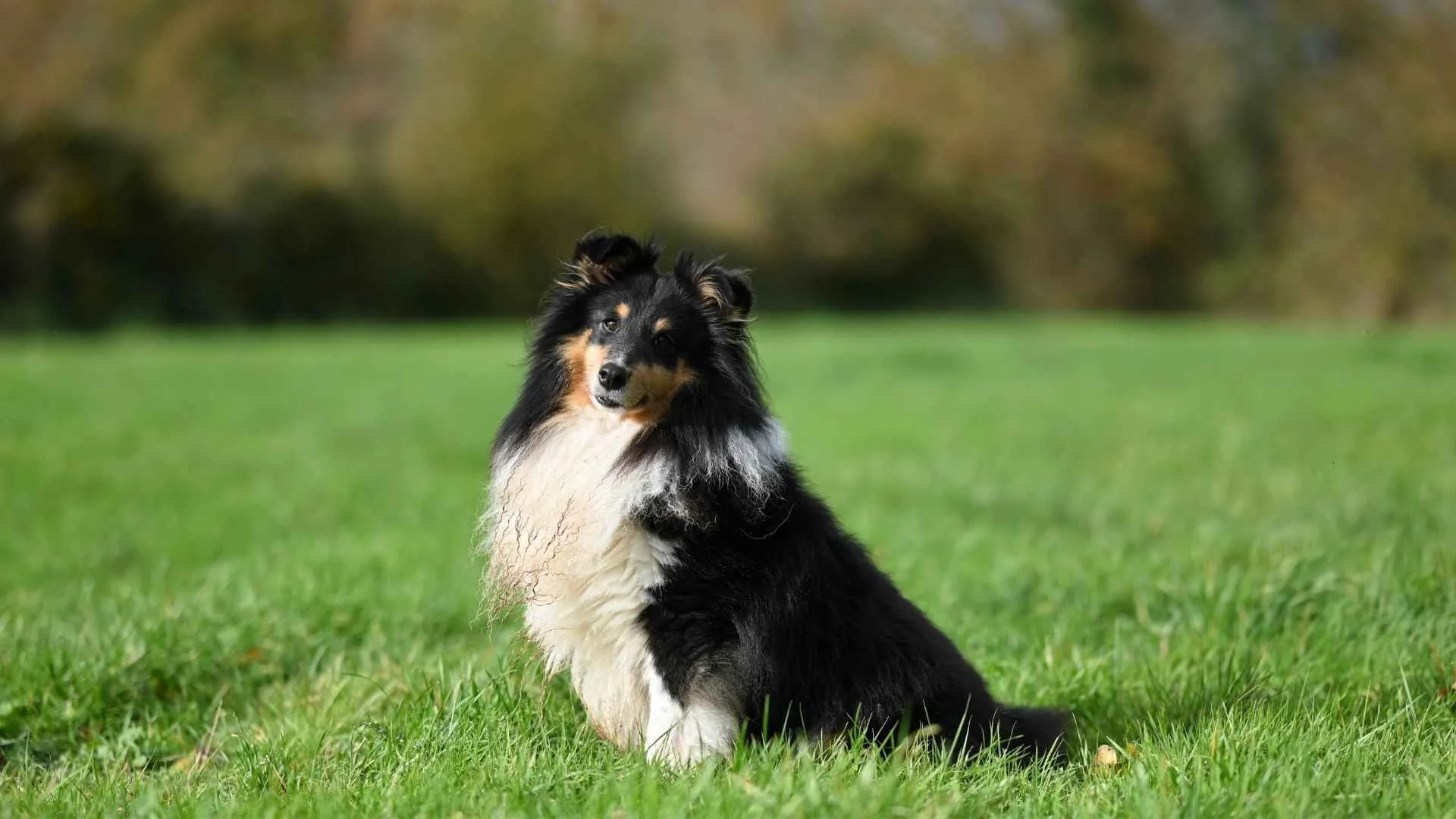
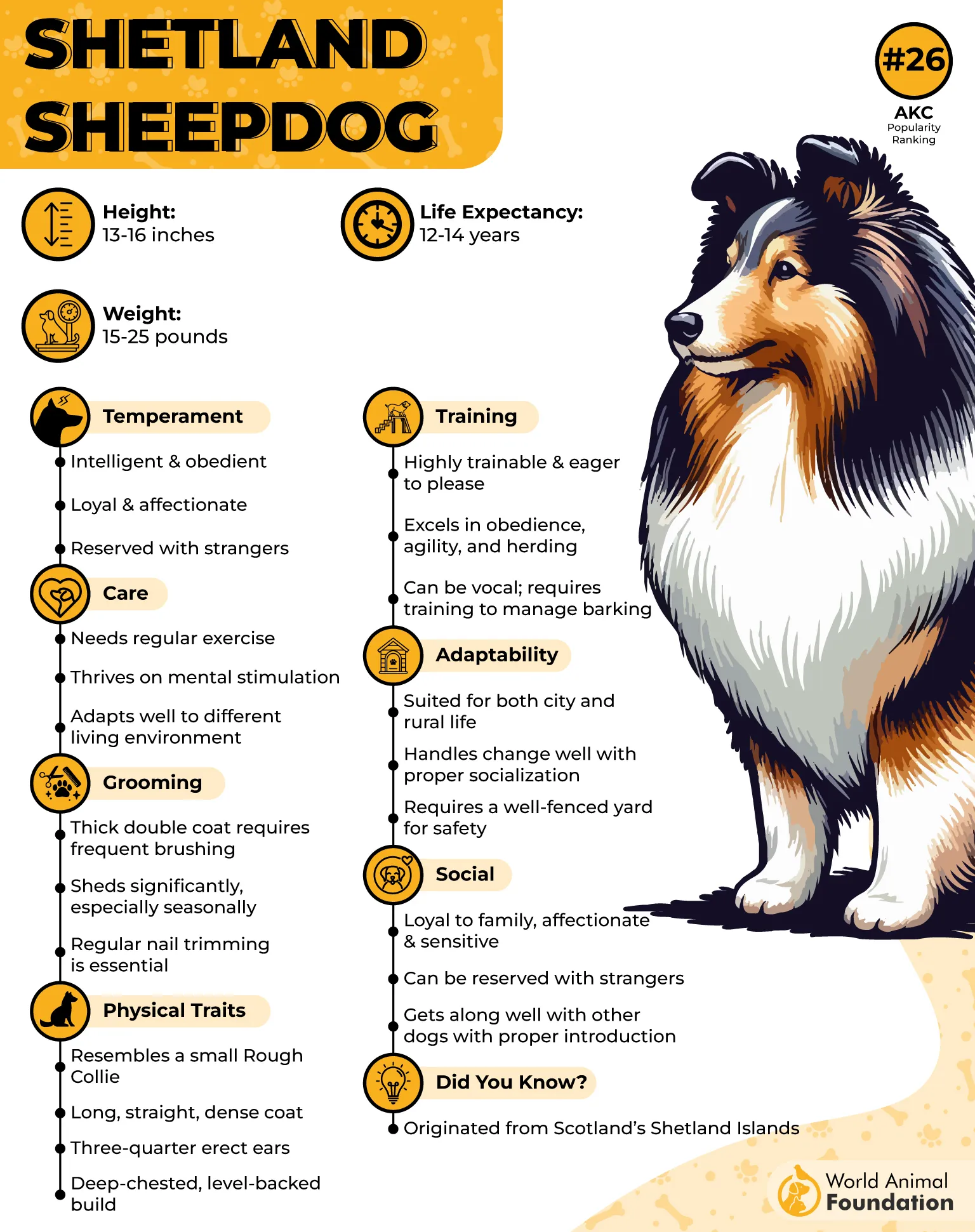
Shetland Sheepdog emerged in Scotland during the 1800s from local herding dogs crossed with Collies to create a smaller livestock worker. Limited vegetation on the Shetland Islands favored smaller animals, while the breed’s isolation helped preserve its distinct type.
Quick With Commands
Shelties can learn a new basic command in fewer than five repetitions, with known commands reportedly followed correctly on the first attempt at rates of 95% or higher. Its eagerness to please also makes consistent training especially rewarding.
A closer look at its learning style reveals:
Independent livestock herding
Keen problem-solving ability
Highly reactive responses
A Busy Mind
Shetland Sheepdog can become bored when its intelligence has little to work on, so puzzle toys, nose work, and learning new tricks provide useful challenges. Gentle, positive reinforcement also suits this sensitive breed, which responds closely to the mood inside the home.
8. Rottweiler
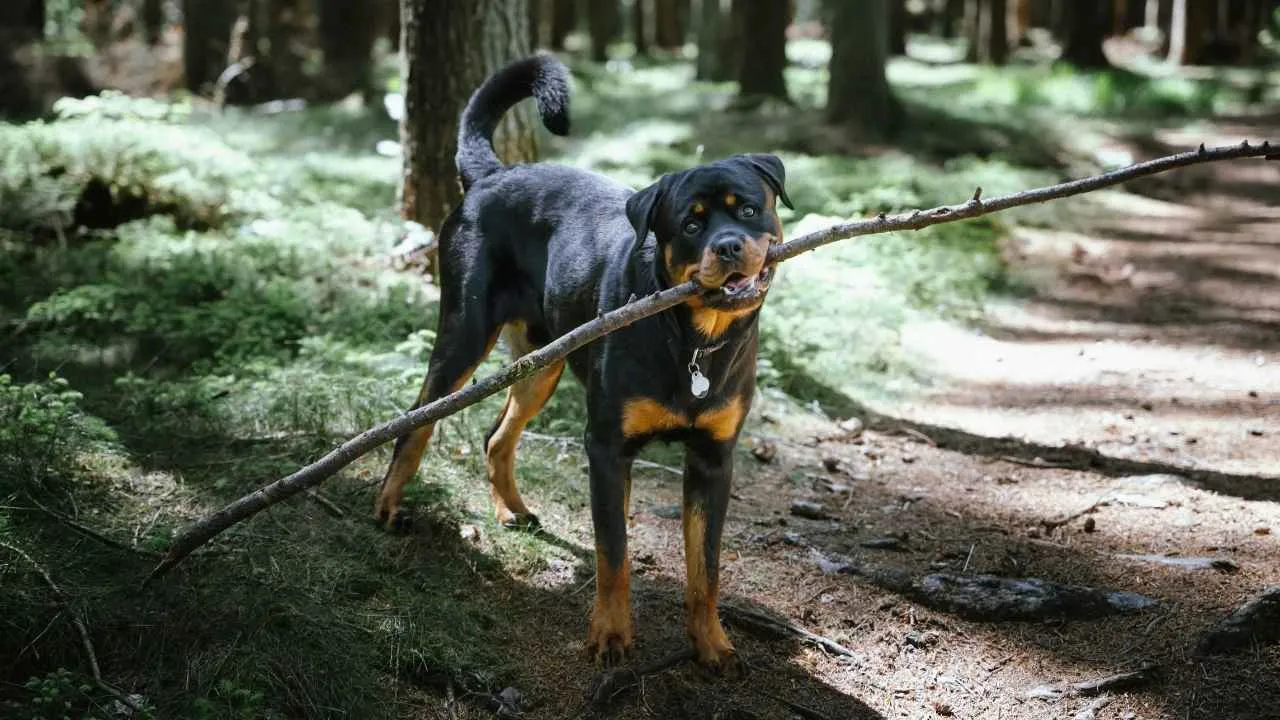
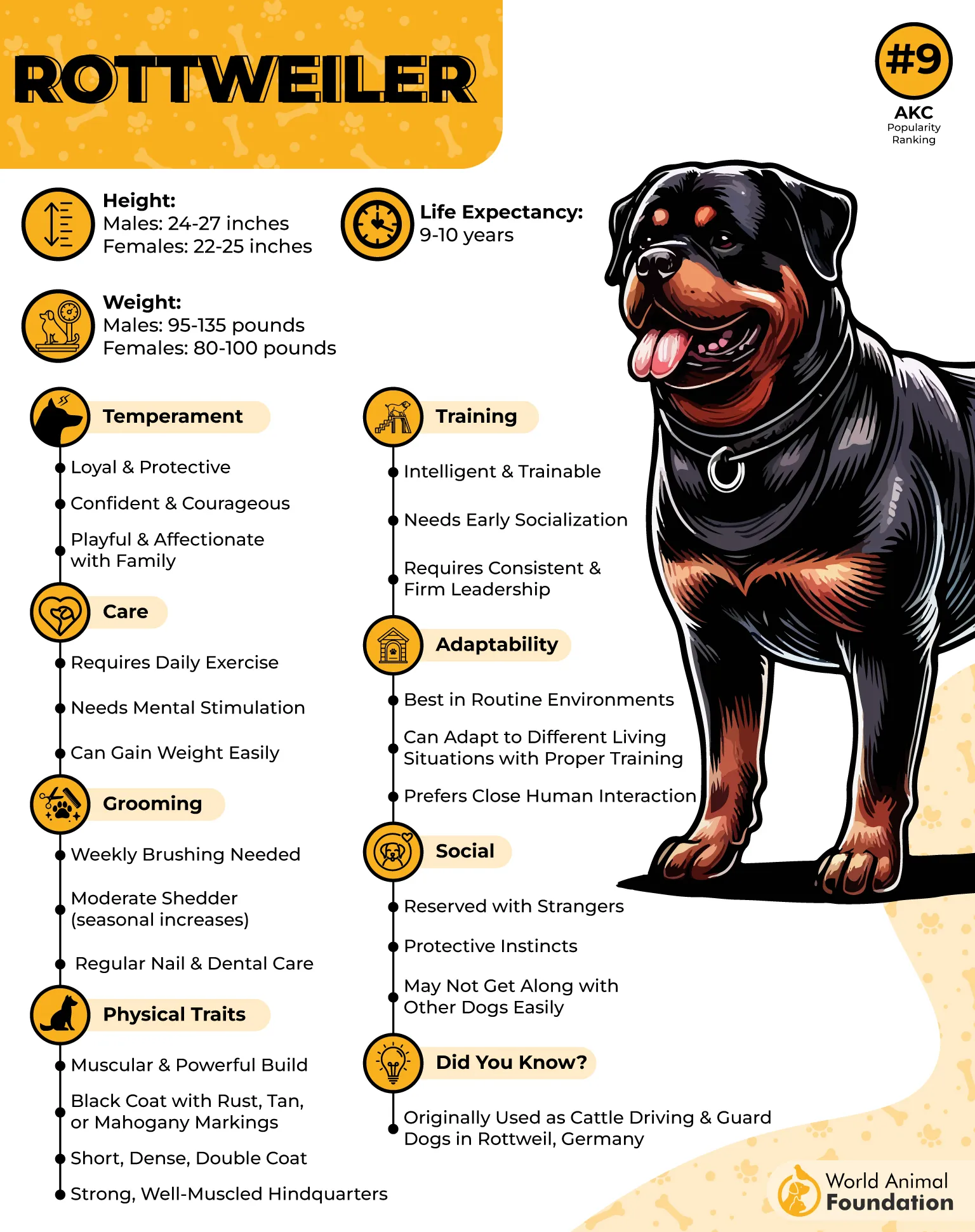
Rottweiler developed as a working dog in southern Germany, where it helped drive cattle to market and pull meat carts for local butchers. Its duties also included guarding, with sold cattle and supplies sometimes followed by money securely fastened around the dog’s neck for added protection.
A Sharp Mind
Rottweiler ranks ninth overall in Stanley Coren’s 1994 assessment of canine intelligence, based on working and obedience ability.
His research gathered about 199 evaluations from North American obedience judges, with notable agreement across their breed assessments.
That ranking rests on three areas of canine ability:
Instinctive intelligence for bred tasks
Adaptive problem-solving ability
Working and obedience intelligence
Protective at Home
Rottweiler is affectionate with its family and can be patient with children, although its size may cause accidental knocks when it leans against toddlers. Around unfamiliar people, it can remain reserved while watching from a distance, and its protective instinct may become active when children argue.
9. Papillon
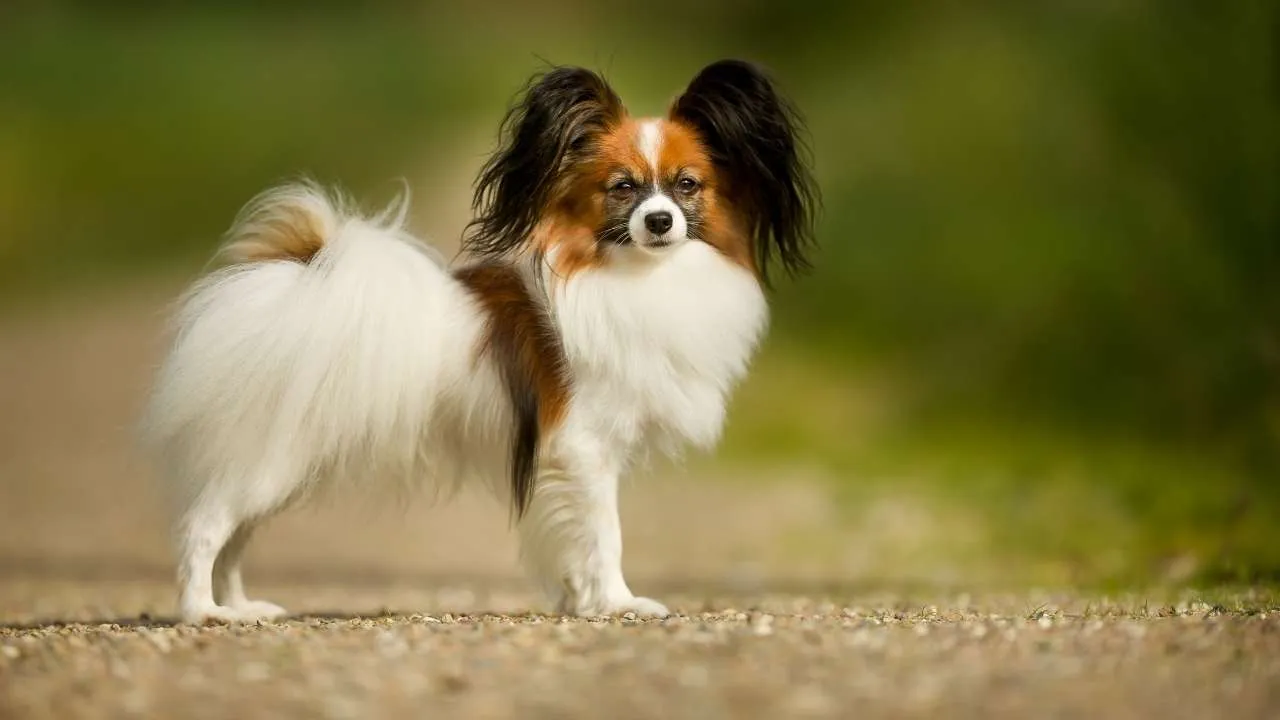
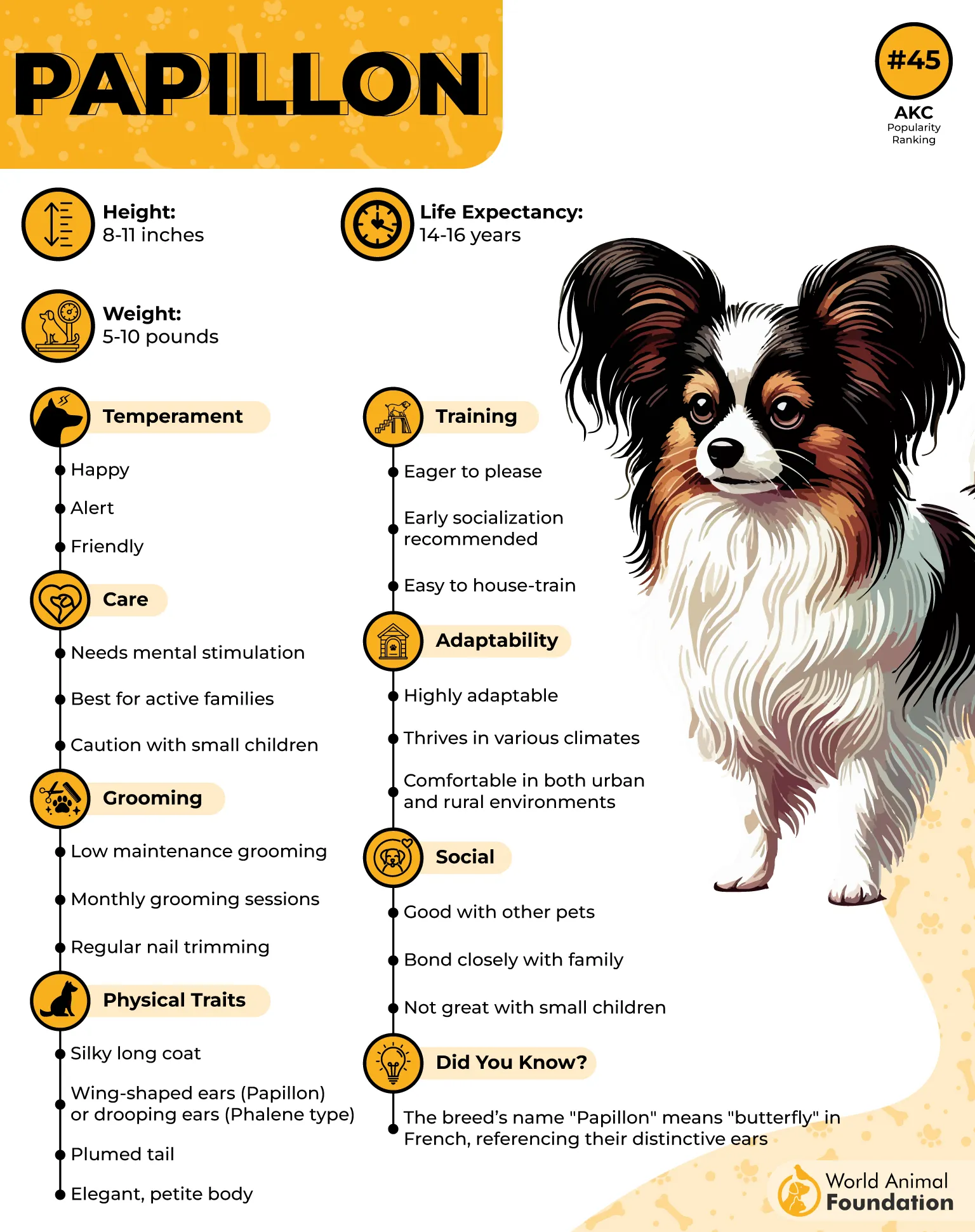
Papillon has a long connection with France and was a familiar companion in European royal circles for centuries. Artwork from as early as the 13th century shows dogs resembling the breed, while its French name translates to “butterfly,” referring to the large, upright ears that fan out like delicate wings.
Quick With Commands
This small dog breed has a reputation for learning new commands with very few repetitions and remembering what it has learned. Its eagerness to please also makes obedience work more rewarding when sessions remain consistent, positive, and enjoyable.
That quick learning comes with a sensitive side:
Sensitive to harsh corrections
Responds well to treats, praise, and play
Early socialization helps reduce alarm barking
Small Dog, Serious Skills
Papillon regularly competes in obedience and agility, where its quick learning ability can put it alongside dogs far larger than itself. Puzzle toys, trick training, and fetch games give its active mind something worthwhile to figure out between training sessions.
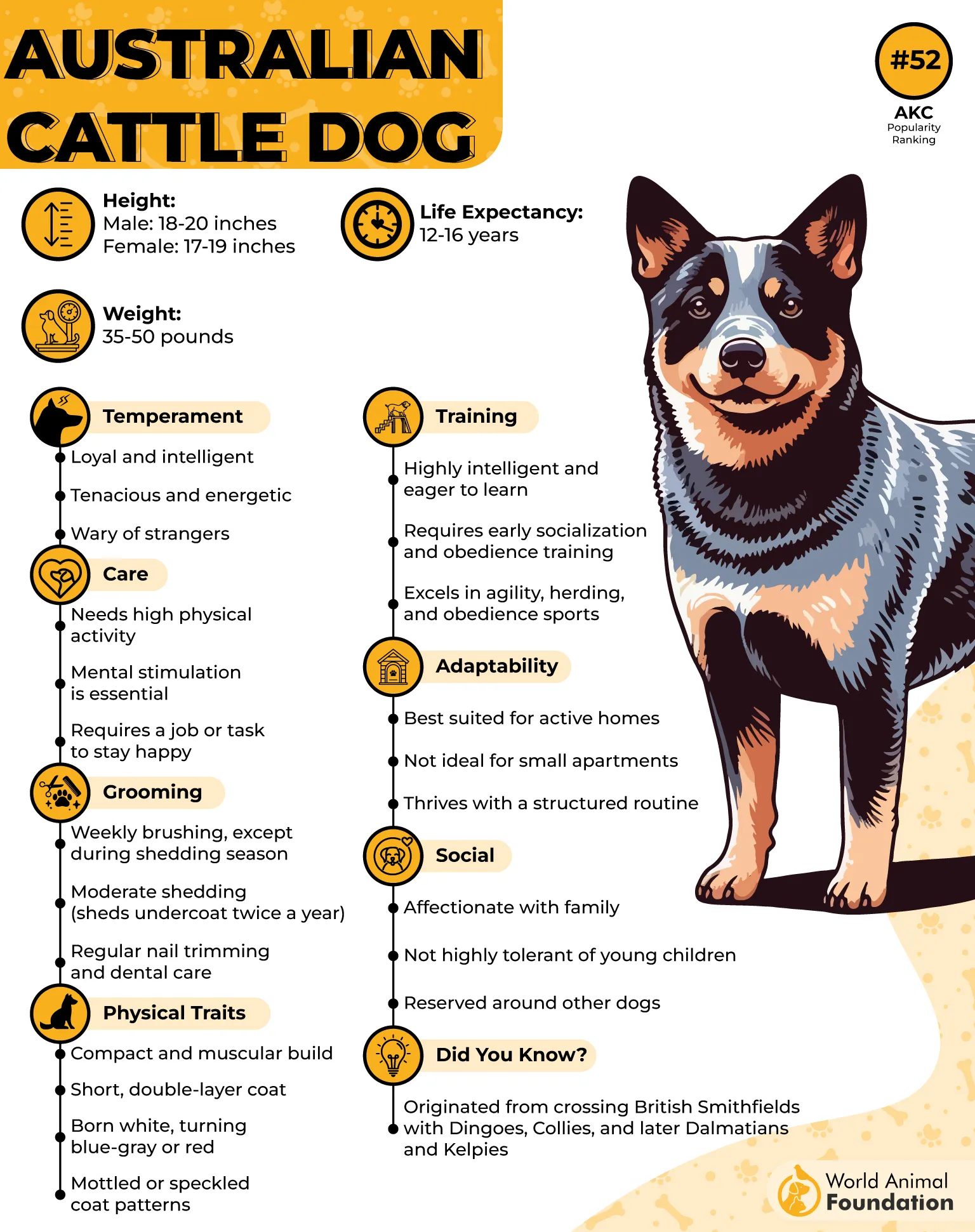
10. Australian Cattle Dog
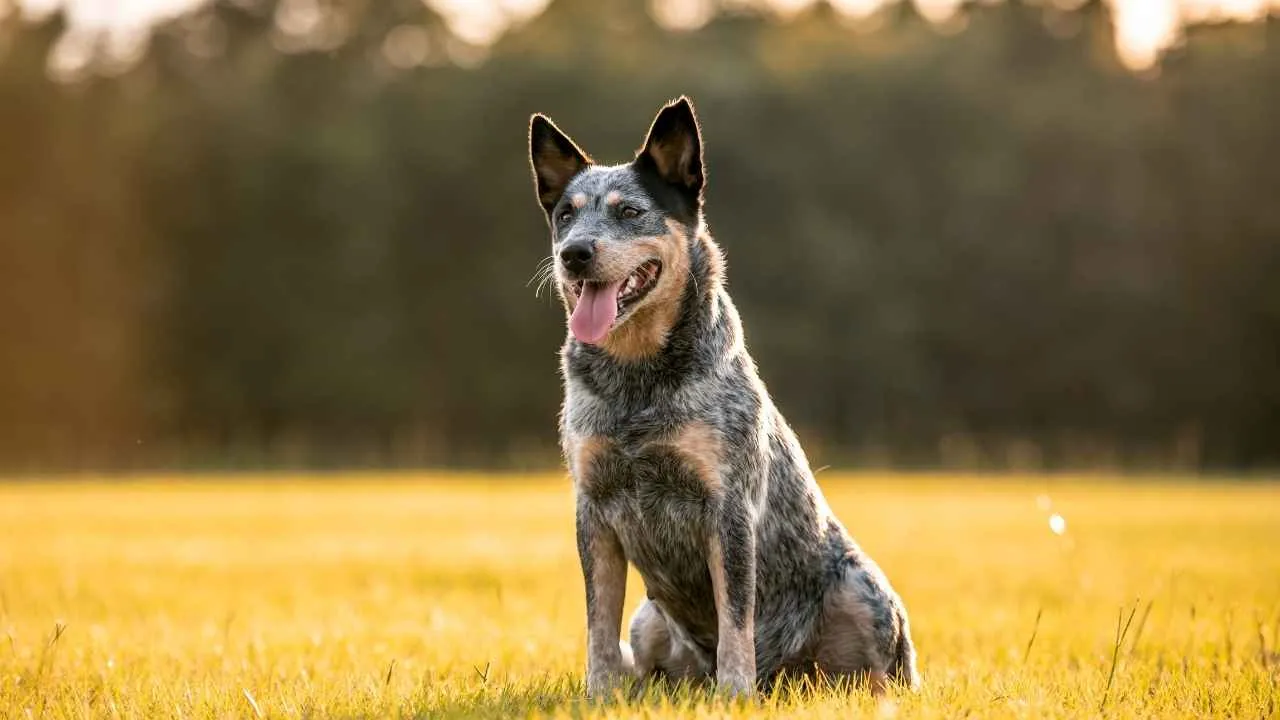
Australian Cattle Dog was developed in the early 1800s when expanding cattle operations needed a dog capable of herding livestock across vast distances. In 1840, Thomas Hall crossed Blue Merle Highland Collies with tame Dingoes, producing the dogs first called Hall’s Heelers.
A Mind That Works Fast
ACD ranks among the most intelligent breeds, picking up obedience commands quickly while also making independent decisions when a task demands it.
Its sharp problem-solving ability can be seen in Skidboot, an Australian Cattle Dog believed to have learned unusual tricks such as taking out the garbage, as Britannica highlighted.
This is how their intelligence operates in daily life:
Makes decisions with limited guidance
Adapts quickly to unfamiliar challenges
Can invent mischief when bored
Give That Brain Work
Australian Cattle Dog needs meaningful tasks to channel its mental ability, with agility, tracking, flyball, and obedience sports providing demanding outlets. Without enough to occupy it, this clever working dog may turn destructive or create its own activities.
Conclusion
Quick learning is impressive, but the real value comes from how those abilities fit into everyday life. Among the most intelligent dog breeds, a dog that remembers commands, reads people, and solves problems needs more than repeated drills. Training can become a useful outlet through obedience, scent games, puzzles, agility, or practical tasks around the home, providing mental stimulation.
Clear rules also matter because a clever dog can quickly learn habits that owners may not want. Think about activity needs, sensitivity, motivation, and your available time before bringing one home. When proper training and daily care work together, an easy-to-train companion can make a bright mind an enjoyable part of life for everyone involved.
