




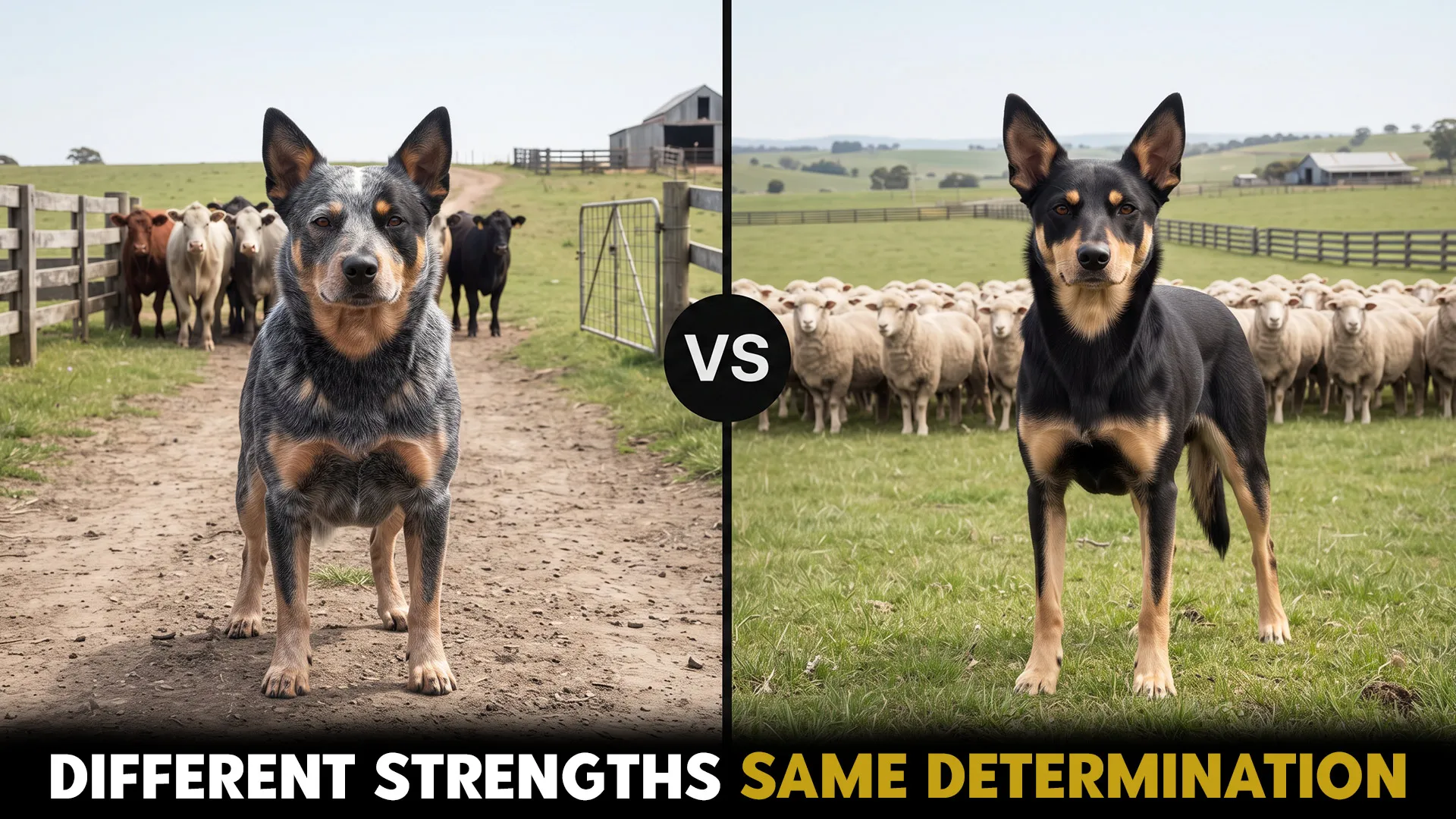
Choosing between a Blue Heeler and an Australian Kelpie can be challenging when you want an energetic, intelligent working companion. Both breeds were developed for demanding herding work and share impressive stamina, focus, and determination.
The Australian Cattle Dog, or Blue Heeler, is muscular and alert, with a distinctive blue or red speckled coat and a naturally cautious nature around strangers. The Australian Kelpie is similarly athletic and intelligent but tends to be more independent and intensely driven to work.
Understanding their differences in personality, exercise needs, trainability, grooming, and lifestyle compatibility can help you decide which breed fits your household best. This side-by-side comparison explores the key traits of both remarkable Australian herders.
Blue Heeler vs. Australian Kelpie: Dog Breeds For Work and Play
Breed Origins & Functional Background
The Australian Cattle Dog developed in nineteenth-century Australia to handle cattle across vast, rugged landscapes. Breeders combined imported herding dogs with Dingo traits, producing a resilient worker built for endurance, heat, and difficult terrain.
The Australian Kelpie emerged from Scottish Collie-type dogs brought to Australia, where farmers needed tireless sheepdogs. Selective breeding emphasized stamina, intelligence, independence, and the ability to work effectively in Australia’s harsh climate.
Both breeds were shaped primarily by practical livestock work rather than appearance. The Cattle Dog became especially suited to driving cattle with its distinctive heel-nipping technique, while the Kelpie developed a strong reputation for managing sheep independently across large stations.
Physical Characteristics & Body Structure
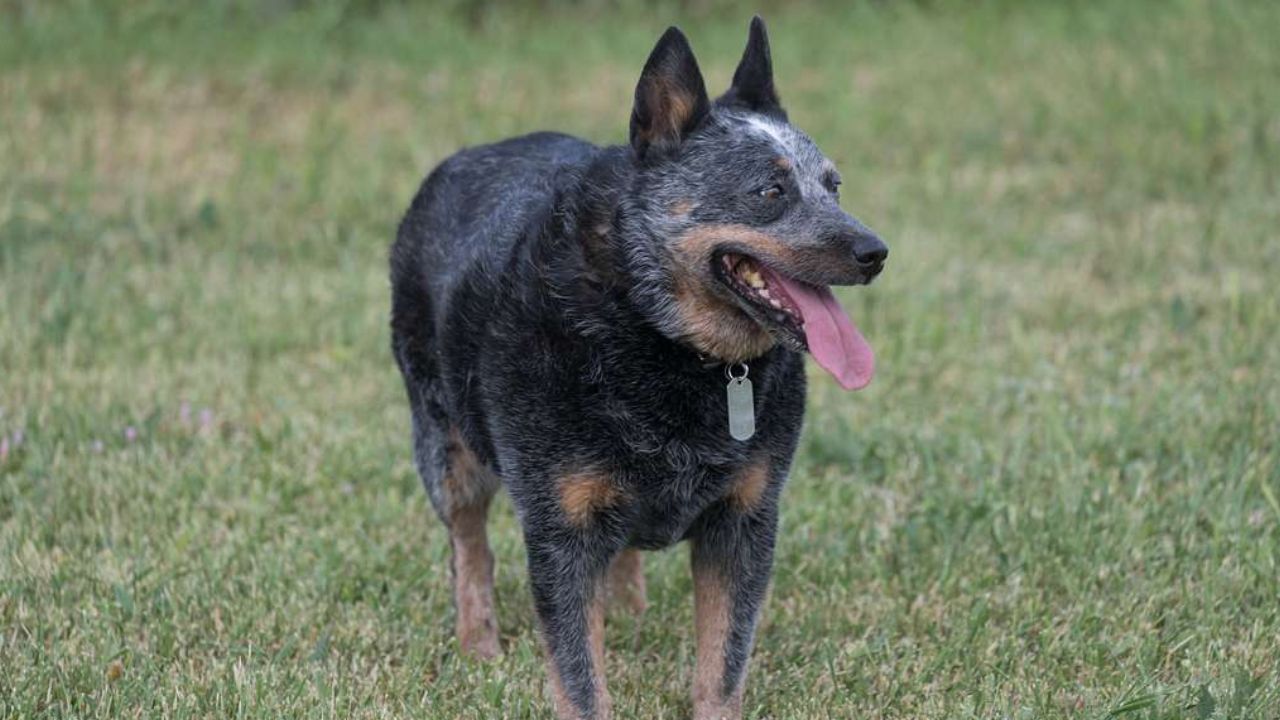
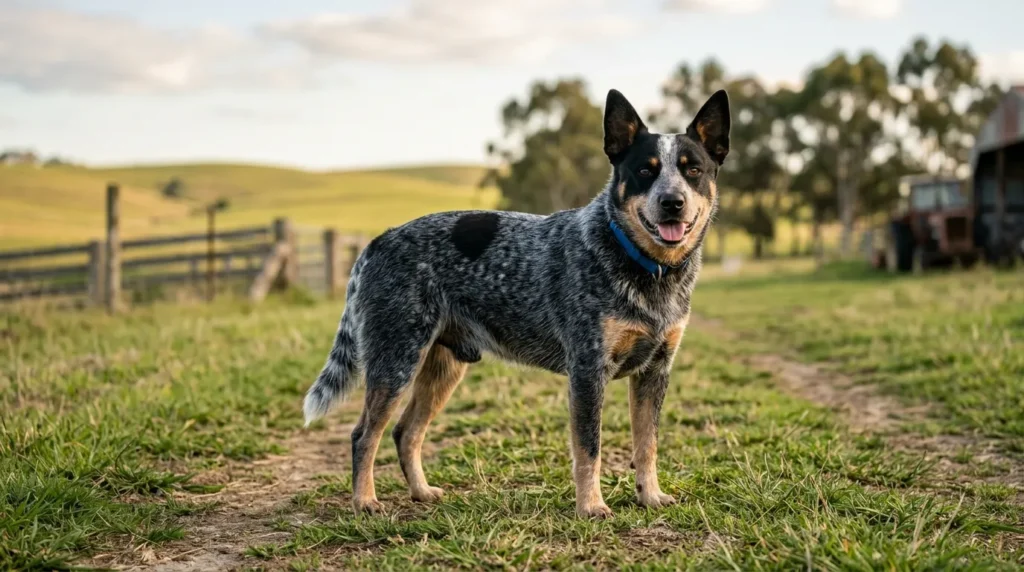
The Australian Cattle Dog has a compact, muscular build designed for stamina and agility, standing about 17 to 20 inches tall. Its deep chest, strong hindquarters, and firm topline support an efficient, driving gait suited to demanding work.
Its broad head features a strong muzzle, dark oval eyes, and moderately sized, widely set ears that remain alert. The coat develops into blue-gray or red coloring, often marked with distinctive mottling or speckling.
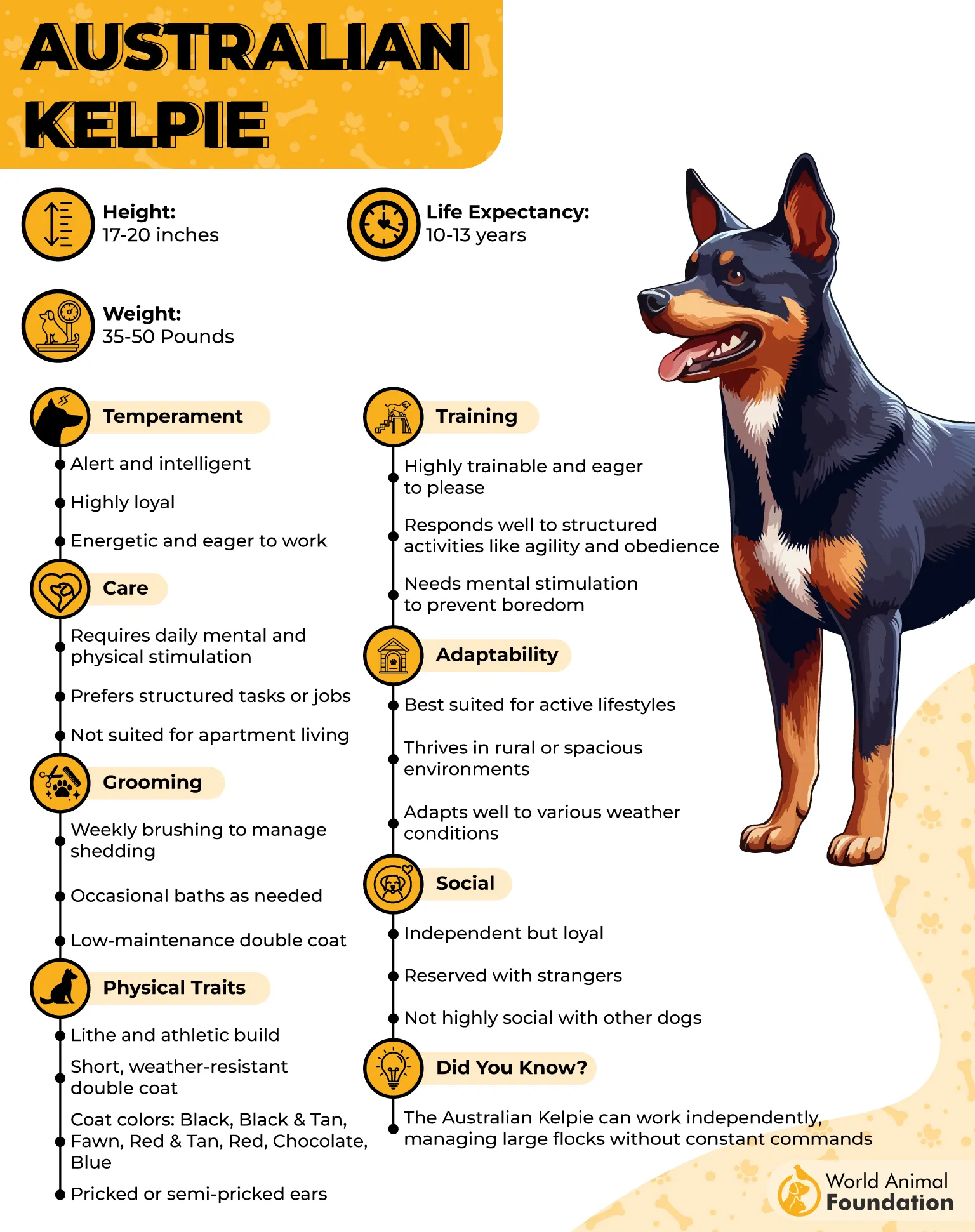
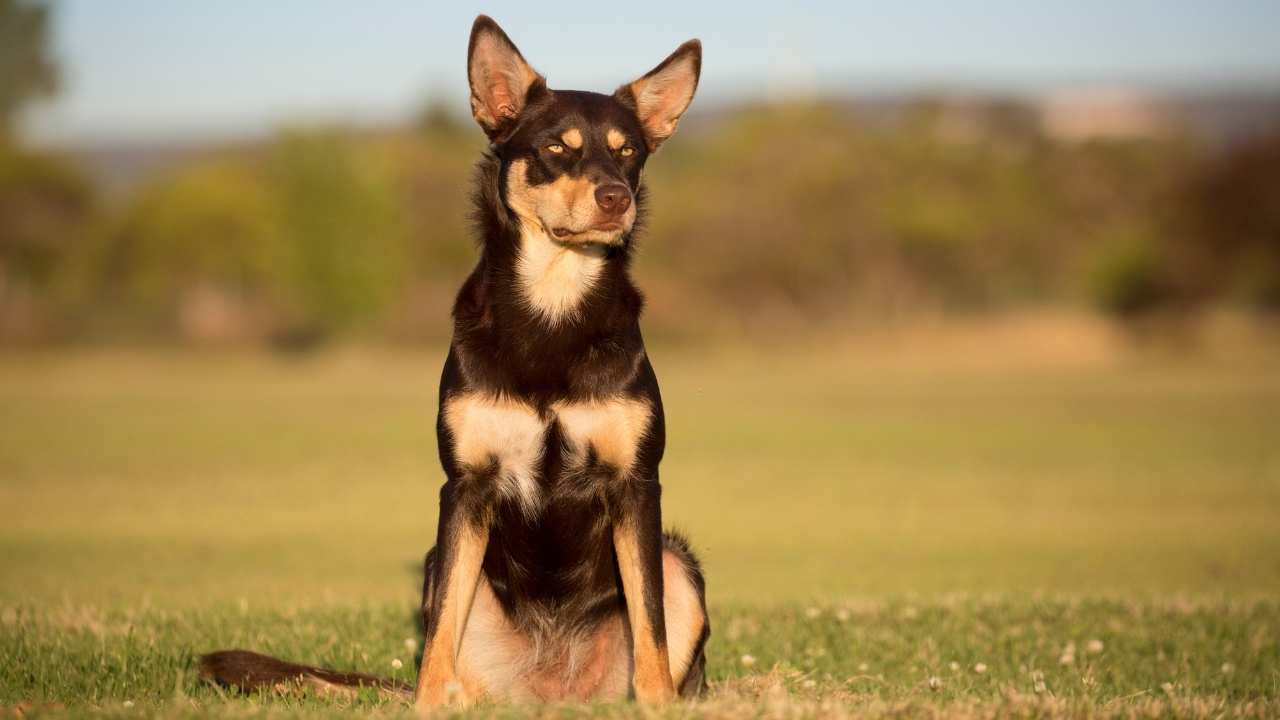
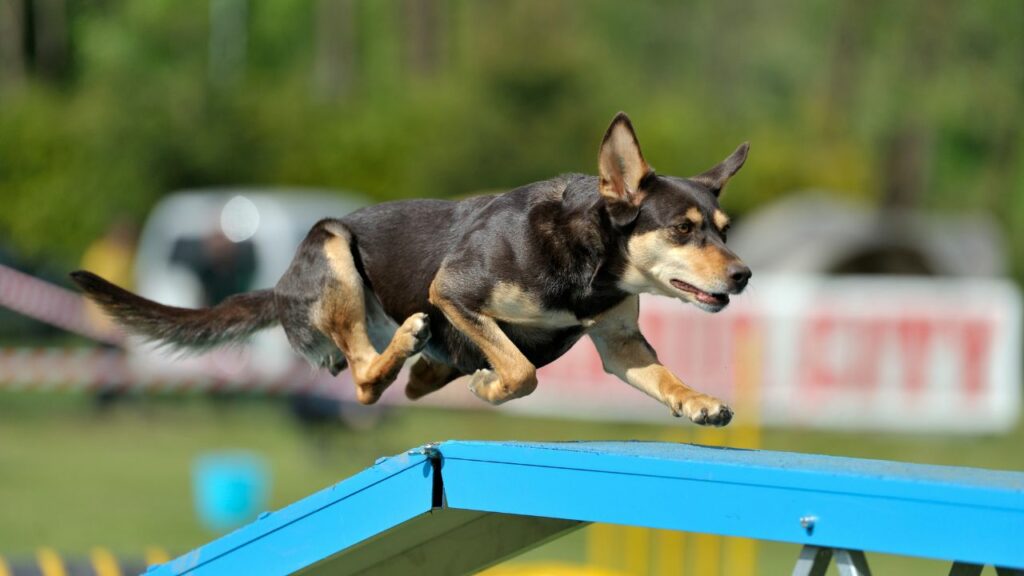
The Australian Kelpie has a slightly longer-than-tall, athletic frame built for speed and endurance. A wedge-shaped head, expressive almond eyes, and upright ears give it a keen appearance, while its strong neck, shoulders, legs, and deep chest support effortless movement.
Temperament & Behavioral Profile
The Australian Cattle Dog is intensely loyal, alert, and highly focused, often forming a particularly strong bond with its family. Wary of unfamiliar people, it tends to observe new situations before deciding how to respond.
The Australian Kelpie is equally intelligent and energetic, with a strong desire to stay active and involved. Affectionate with familiar people, it can be reserved with strangers and may alert its owners to unusual sounds or visitors.
According to Purina, Australian Kelpies may be cautious around unfamiliar dogs but generally get along well with dogs they know. They may also need additional training to live peacefully with other pets.
Both breeds can show herding behaviors around children or other pets, including chasing or heel-nipping. Early socialization, positive training, and plenty of mental and physical activity help channel these instincts into appropriate behavior.
Activity Requirements & Energy Levels
The Australian Cattle Dog has exceptional stamina and needs substantial daily activity to stay balanced. Brisk walks, hikes, running, fetch, and dog sports can help channel its powerful drive and prevent boredom.
According to PetMD, Australian Cattle Dogs are not well suited to apartment living or homes with limited indoor or outdoor space.
Mental challenges are equally valuable for blue heeler. Short training sessions, scent games, puzzle feeders, and new activities provide opportunities to think while keeping their routine engaging.
The Australian Kelpie is similarly energetic and thrives when given purposeful exercise rather than occasional walks. Herding, agility, obedience, running, and interactive games suit its athletic nature, while varied activities help satisfy its strong need for both movement and mental engagement.
Trainability, Intelligence & Learning Ability
The Australian Cattle Dog is highly intelligent and learns quickly, but its independent nature can sometimes make it challenging. Early socialization and obedience training are essential, while ongoing activities such as agility and herding help keep its mind occupied.
The Australian Kelpie is exceptionally bright, eager to learn, and quick to recognize inconsistencies. Positive reinforcement, clear cues, rewards, and varied sessions work best, as repetitive or forceful methods can lead to boredom or stress.
Both breeds benefit from training that gives them a meaningful task. Kelpies particularly enjoy learning through dog sports and purposeful activities, while Cattle Dogs thrive when training provides both mental stimulation and opportunities to work alongside their owners.
Coat Maintenance & Grooming Needs
The Australian Cattle Dog has a smooth double coat designed to shield it from changing outdoor conditions. Weekly brushing is generally sufficient, although dead undercoat can build up heavily during seasonal shedding and requires more frequent grooming.
The Australian Kelpie also has a practical double coat, combining a dense underlayer with a short, firm outer coat that lies flat and helps resist rain. According to the AKC, Australian Kelpies need weekly brushing and only occasional baths to keep their coats clean and healthy.
Neither breed demands intensive grooming, making their maintenance relatively straightforward. Regular nail trimming and ear checks should still be part of their routine, while extra brushing during heavier shedding periods helps keep loose hair under control.
Average Lifespan & Longevity
The Australian Cattle Dog is generally a hardy breed, with many individuals living around twelve to fifteen years or longer. Responsible breeding, balanced nutrition, regular exercise, and preventive veterinary care can all support healthy aging.
The Australian Kelpie is similarly robust and may enjoy an active life into its teenage years. A typical lifespan falls around twelve to fifteen years, with genetics, diet, weight management, dental care, and routine health checks influencing longevity.
Both breeds can remain energetic well into their senior years, sometimes making discomfort difficult to notice. Owners should watch for changes in mobility, behavior, appetite, or activity, while responsible breeders should screen breeding dogs for relevant inherited health concerns.
Suitability for Family Life vs. Guard Duties
The Blue Heeler can be a devoted family companion when given structure, activity, and consistent training. Its alert nature and loyalty can support watchdog duties, though its strong working instincts require thoughtful management around family members.
The Australian Kelpie is affectionate and highly devoted, particularly toward its main handler, while remaining cautious around strangers. It can suit active families with respectful, dog-savvy children, although its herding instincts may lead it to chase or control movement.
For guard duties, the Kelpie’s alertness and territorial awareness can be useful, but neither breed is suited to being a passive household protector. Both need experienced handling, regular mental and physical engagement, and positive training to prevent unwanted behaviors.
Conclusion
Choosing between the Blue Heeler and Australian Kelpie depends largely on the lifestyle and expectations of the owner. Both breeds were developed for demanding livestock work and remain intelligent, energetic, and strongly driven to stay active.
The Blue Heeler brings a muscular build, intense loyalty, and a focused working temperament. Its alert nature and wariness of strangers can make it a vigilant companion, while regular training and purposeful activity help keep its energy balanced.
The Australian Kelpie is equally athletic and highly intelligent, with exceptional stamina and an instinct for independent herding. It often forms a close bond with its handler and thrives when given challenging tasks, training, or dog sports.
Neither breed is suited to a sedentary lifestyle. With consistent training, sufficient exercise, and meaningful engagement, either can become a devoted and responsive working partner.
