





A deep bark is one of the cheapest home security systems going. The steady upkeep behind it is where most people get caught out.
The guard dog breed choice decides most of that upkeep. Forbes Advisor puts dog insurance at roughly $24 to $286 a month, and names breed as one of the factors behind that huge gap.
So, the seven best guard dog breeds ahead were chosen for consistent routines as much as presence, though every one of them carries a catch that pet parents should weigh first. Read on before you pick the right protective dog breed for your own family home.
Reliable Guard Dog Breeds with Simple Care Routines
1. Rottweiler
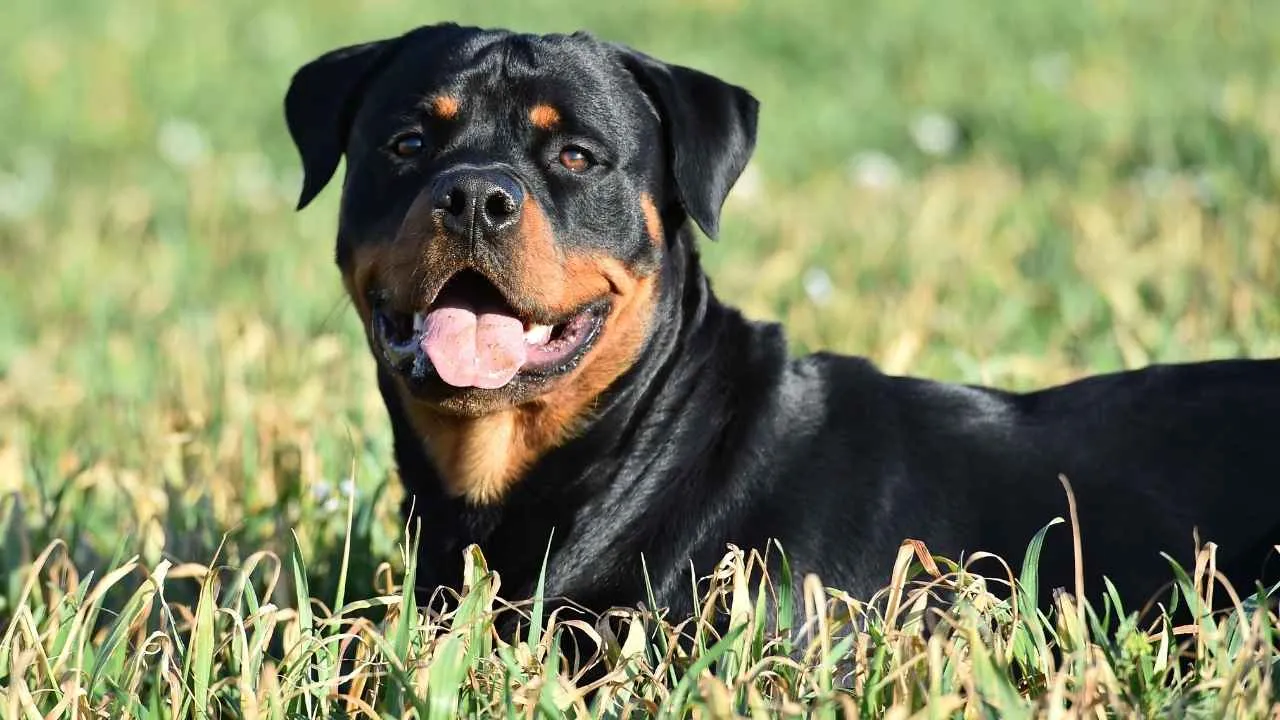
Start with the Rottweiler, and you start with Rome. These protection dogs marched with the legions and helped herd cattle over the Alps, then signed on as police dogs in 1910.
Coat and grooming: short double coat, one honest brush a week.
Exercise floor: two proper workouts a day, ideally alongside you.
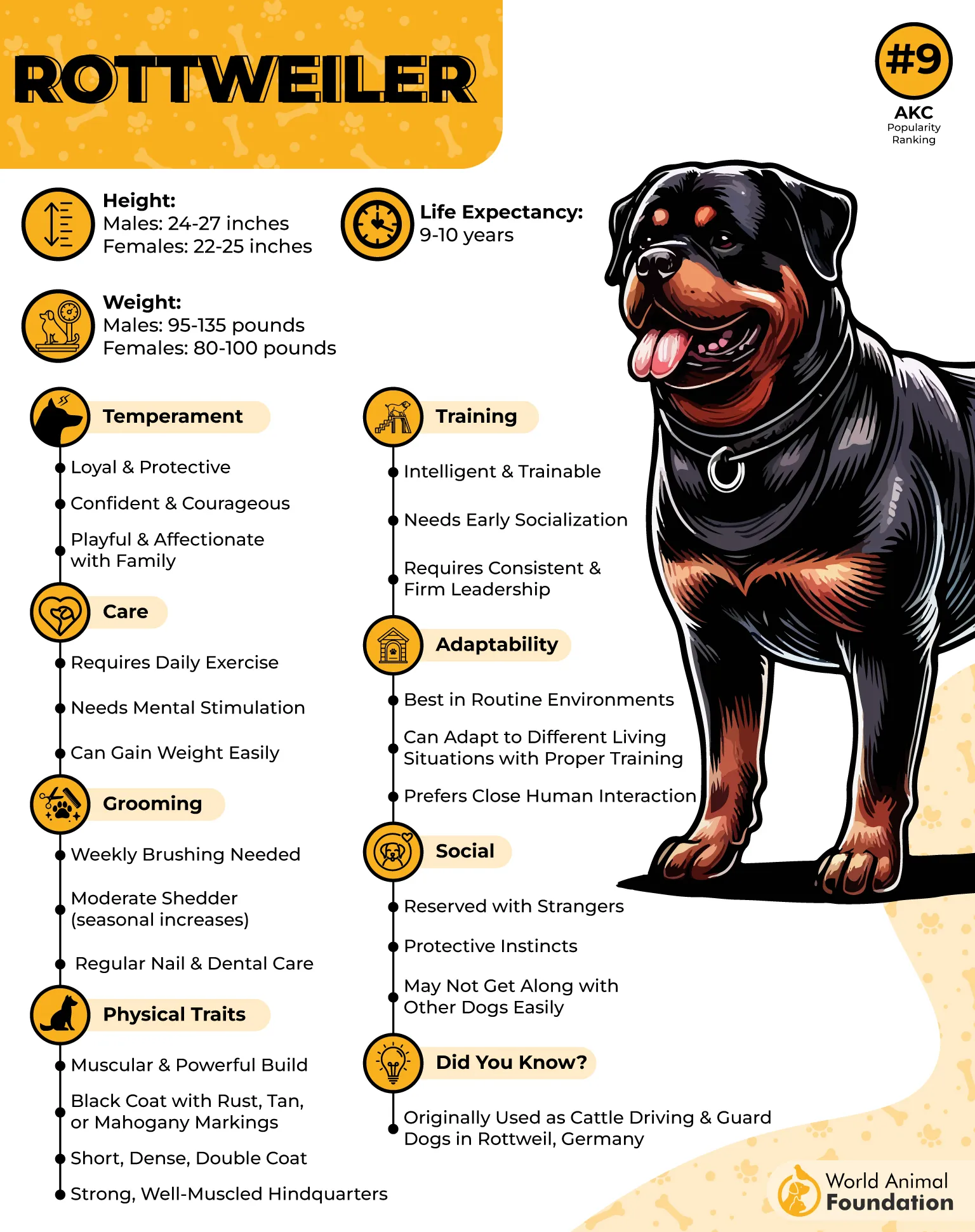
This affectionate companion is calm, confident, and courageous, with a wait-and-see attitude to the world. That is a high alert threshold, meaning it assesses first and reacts second. Add the muscular build, and its presence handles most of the job before it moves.
Health watch: Hip and elbow dysplasia, plus subaortic stenosis, a heart narrowing PDSA says breeders should screen for.
Diet: Keep it lean, since extra weight lands straight on those joints.
The real drawback is bandwidth. He needs supervision around other dogs, so early socialization is not optional here.
2. Broholmer
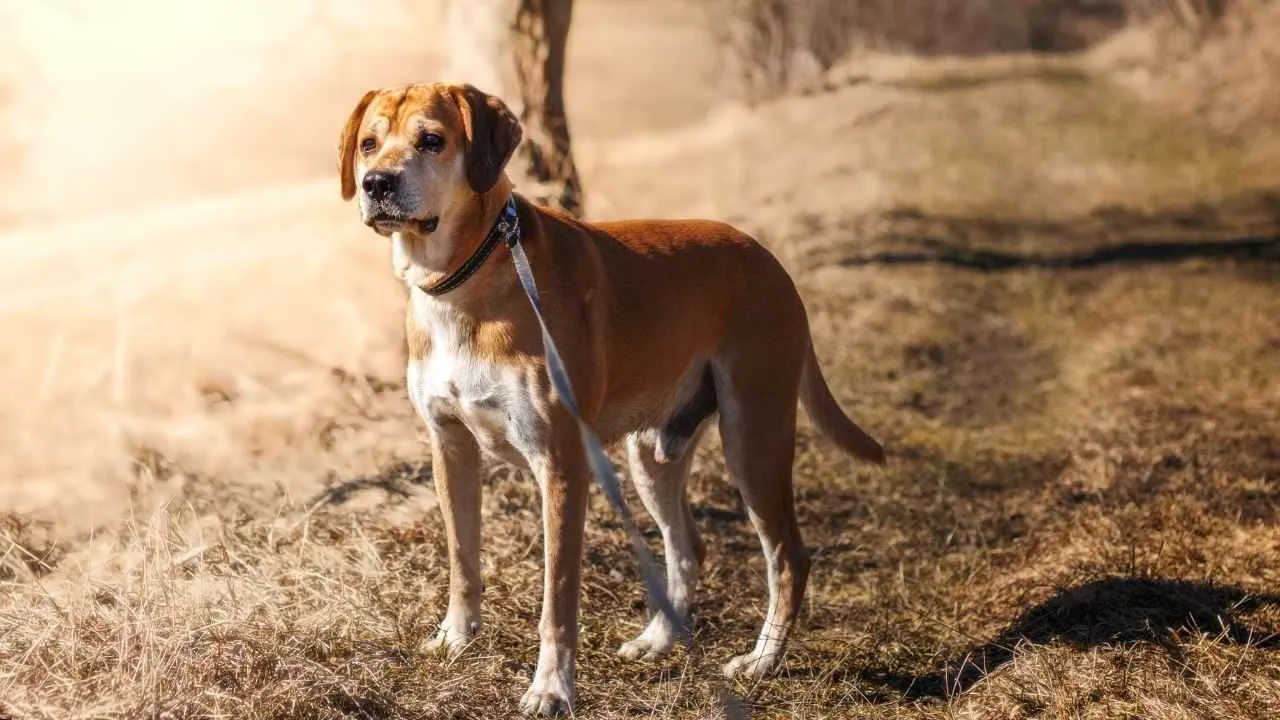
Next, the one almost nobody has heard of. The Broholmer guarded Danish castles and country estates from the 1500s and takes its name from the count who standardised the type in the 1800s. By the middle of the last century it had all but vanished, and today’s dogs descend from a handful of survivors found in rural Denmark.
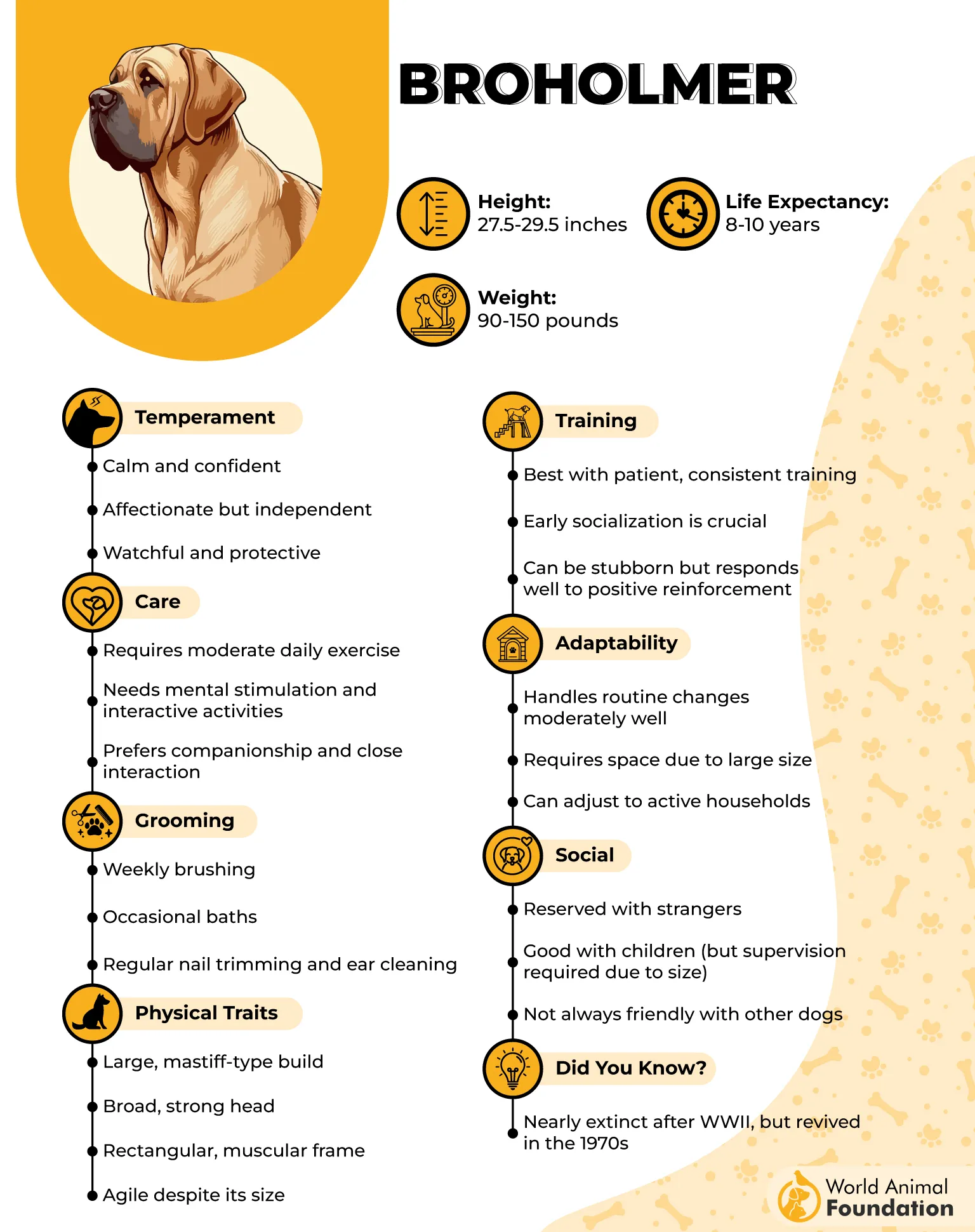
Coat and grooming: Short, dense, close-lying coat; a weekly brush, stepped up through the two shedding seasons. Fast-growing nails are the one job people often forget and need to be cut regularly.
Exercise floor: One long daily walk plus play, and that is genuinely it.
It is calm to the point of being unflappable, warm with its own people, and openly watchful of everyone else. Its alert threshold is high; it tends to place itself between you and a stranger rather than make noise about it.
Health watch: Hip and elbow dysplasia, plus gastric torsion from the deep chest. Danish breeders also screen hearts.
Diet: Smaller meals split across the day with a rest afterwards, and a close eye on the scale, because the breed gains weight easily.
The honest drawback is availability. Outside Scandinavia, it is hard to find; the gene pool is small, and a waiting list is the norm rather than the exception.
3. Rafeiro do Alentejo
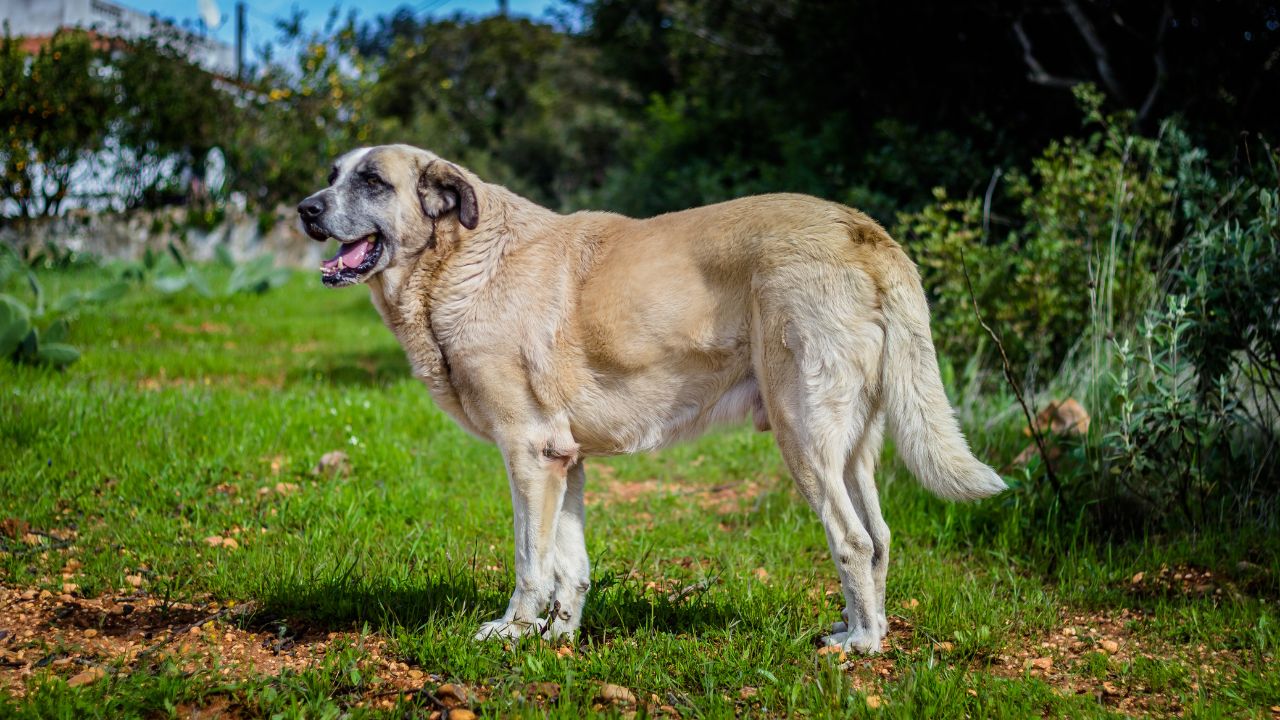
Then the night shift. The Rafeiro do Alentejo comes from the plains of southern Portugal, where it walked with flocks on the long seasonal migrations and did most of its guarding after dark.
Coat and grooming: Short, dense double coat that PetMD describes as low-maintenance despite steady shedding; brush twice weekly, with a proper blow-out in spring and autumn.
Exercise floor: A daily walk plus room to patrol. It is quiet indoors and paces the boundary outside.
It is deliberate, deeply bonded to its own household, and treats everyone else as a question waiting to be answered. Its alert threshold drops sharply at night, which is exactly what it was bred for and exactly what the neighbours will notice.
Health watch: Hip and elbow dysplasia, bloat, and overheating in hot weather under that dense coat.
Diet: Measured portions and a gap around meals, given the deep-chested bloat risk.
The drawback is independence. It was bred to make calls without a handler, so it will hear your recall, consider it, and decline. A secure fence is not optional, and neither is early socialization. Not a first-time dog.
4. Cane Corso

Now for the Italian. The Cane Corso descends from Roman war dogs, and its name comes from a Latin word meaning guardian, so the job description is baked in.
Coat and grooming: Short double coat, weekly brushing, with daily passes through the spring shed.
Exercise floor: Long daily walks, plus something that works his brain.
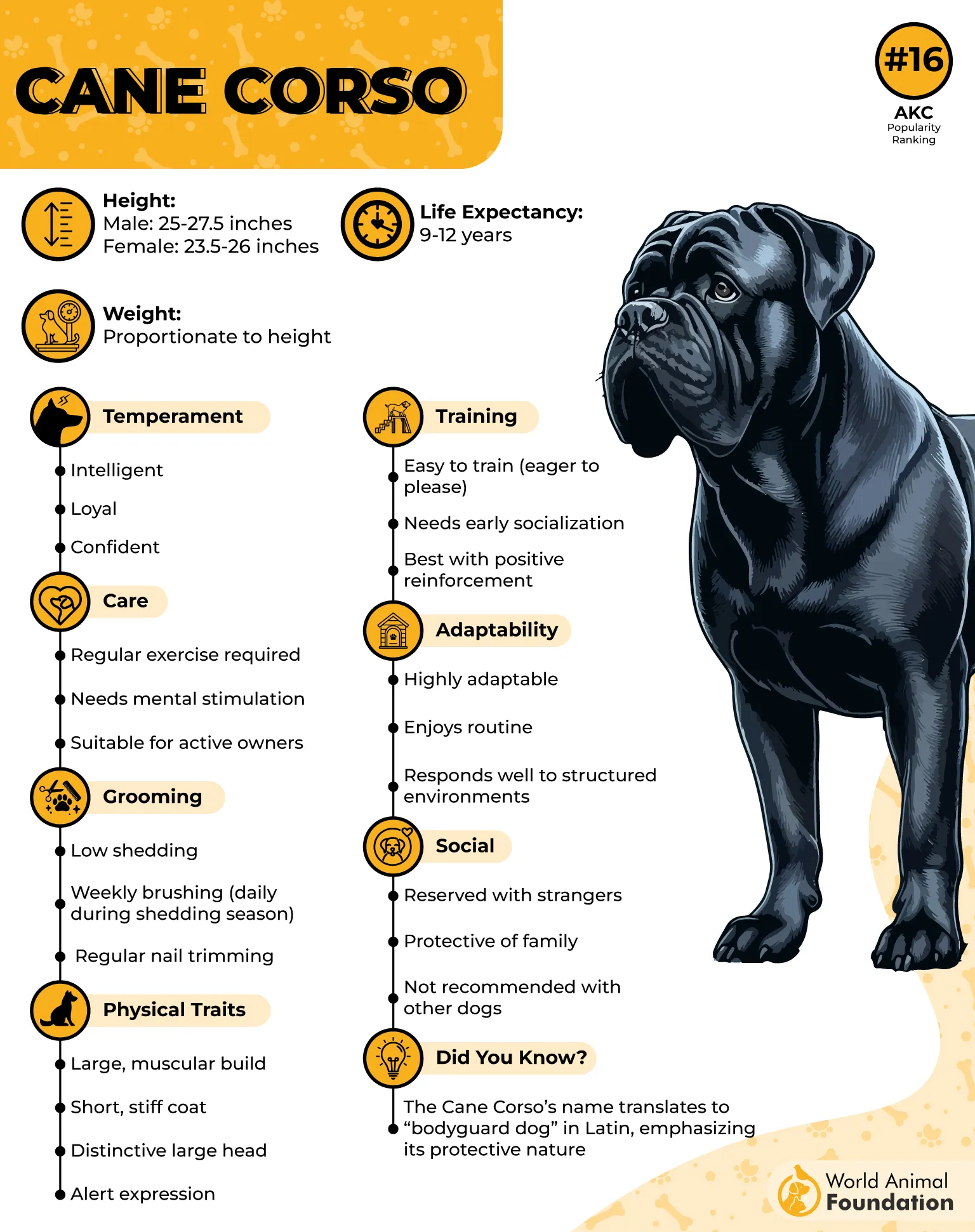
It is serious rather than showy, and reserves its warmth for immediate family. Pawlicy Advisor notes 88.1% of the breed passed the American Temperament Test, so steadiness is standard. At up to 110 pounds of muscular frame, its alert threshold barely matters; most visitors stop at the gate.
Health watch: Hip dysplasia, epilepsy, eyelid problems, and bloat from that deep chest.
Diet: Controlled growth food while it is building; never a rush job.
- Honest drawback: It is not toy-motivated, so fetch will not tire him. Early socialization teaches it that not everyone is a threat.
5. Bullmastiff
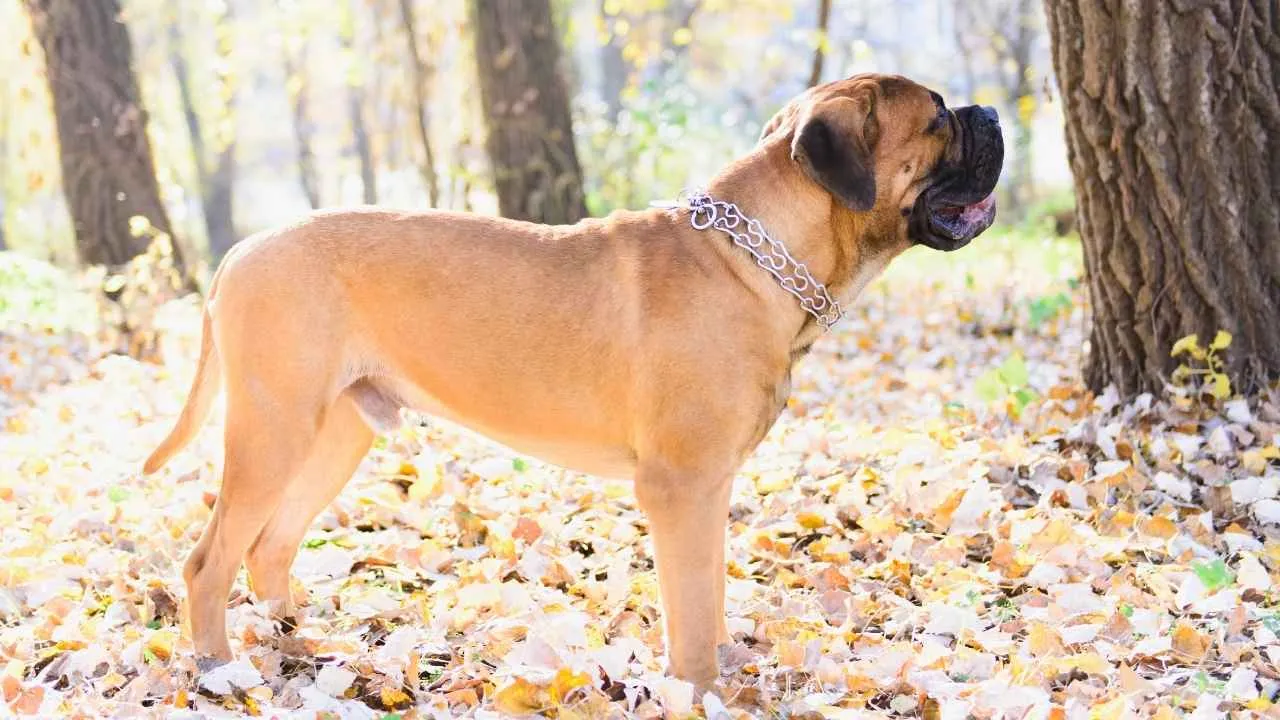
Meet the original silent alarm. English gamekeepers built this dog in the 1800s to creep up on poachers and pin them, which earned it the nickname gamekeeper’s night dog.
Coat and grooming: Short coat, a brush a few times weekly, and a towel for the drool.
Exercise floor: Daily walks and playtime, which is the lightest load on this list.
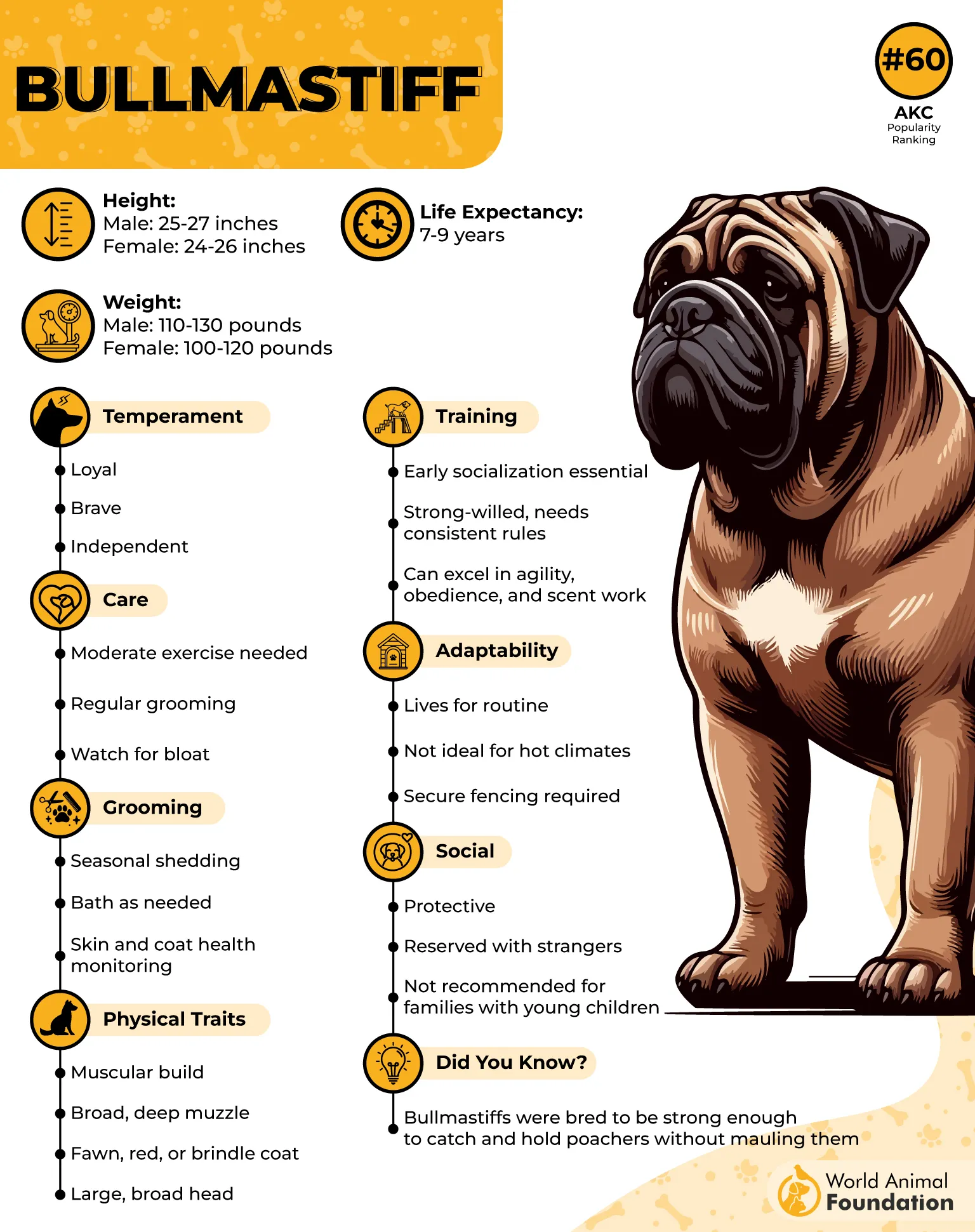
Many experts explain it was bred to subdue an intruder, not maul one, and that restraint still shows. It is confident, stable, and not remotely interested in barking at the postman. Its alert threshold is the highest here, which suits peaceful households.
Health watch: Bloat, hip and elbow dysplasia, and breathing trouble from the shorter face.
Diet: Timed meals with a gap before exercise, given the bloat risk.
The drawback is stubbornness. This gentle giant genuinely believes it is a lapdog, so training must start before it outweighs you.
6. Rhodesian Ridgeback
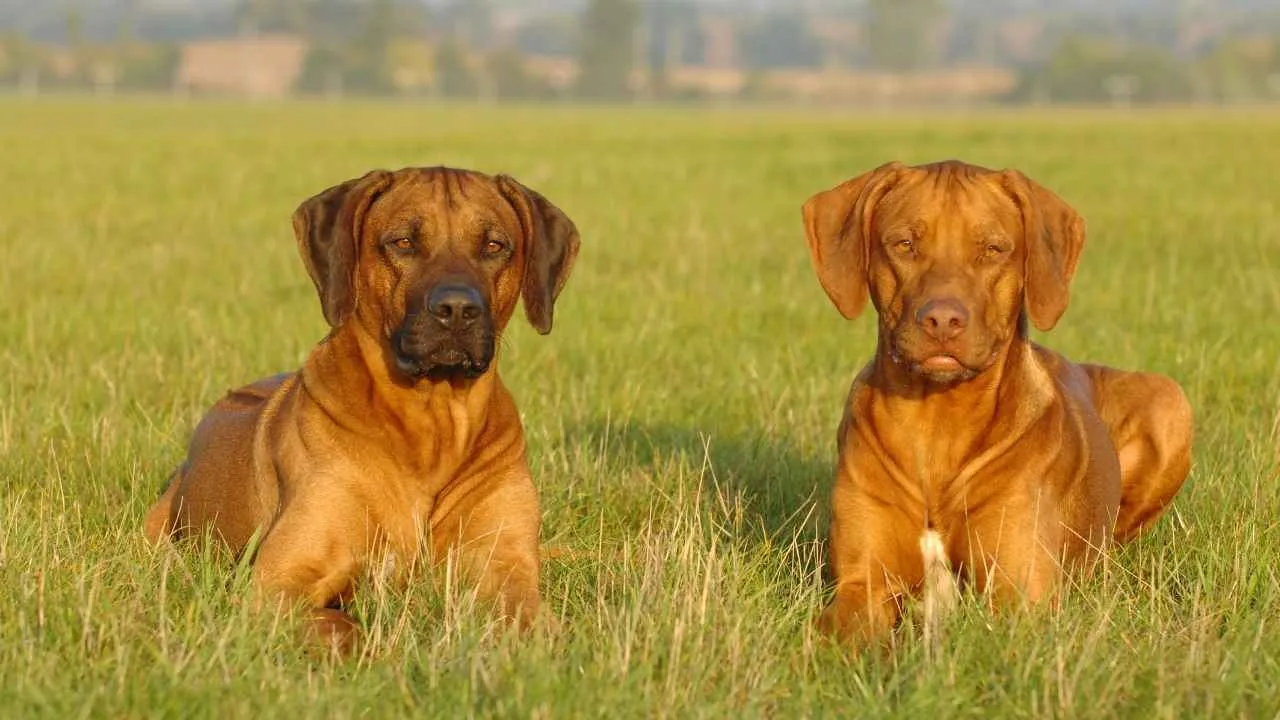
Here is the athlete. Bred in southern Africa to track lions and hold them at bay, the Ridgeback never actually fought them; it simply refused to back down.
Coat and grooming: smooth short coat, a firm bristle brush once or twice a week.
Exercise floor: long brisk walks or a run, daily, no exceptions.
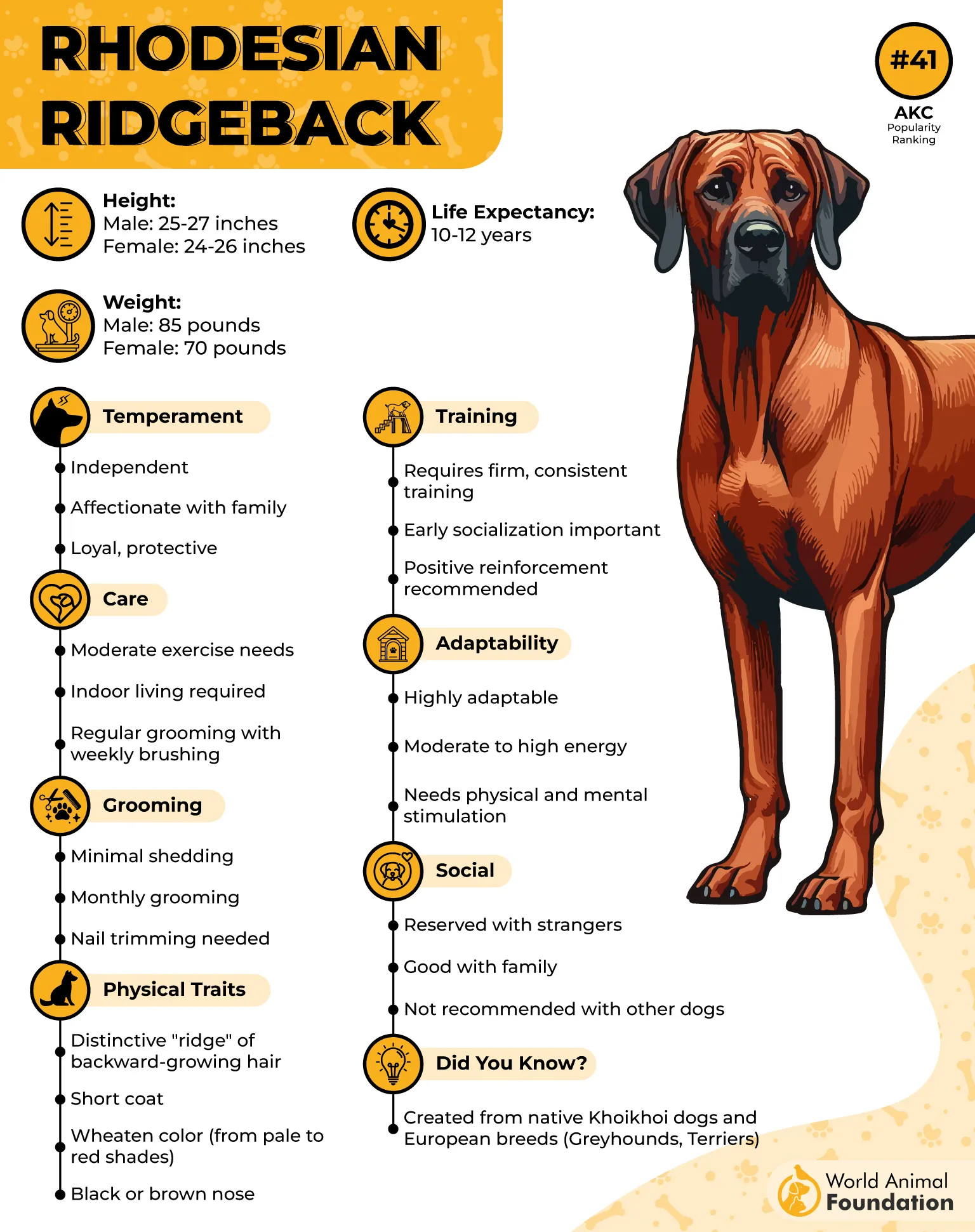
Experienced owners describe its temperament as dignified yet reserved with strangers; they need exercise and mental stimulation. A well-bred Ridgeback ignores a stranger rather than challenging one, giving him a notably high alert threshold. Its size and stillness do the talking.
Health watch: Hip dysplasia, dermoid sinus, and a tendency toward mast cell tumours.
Diet: Steady portions, since a bored Ridgeback and a full bowl make a heavy dog.
The honest drawback is stamina. You will tire long before he does, and an under-exercised Ridgeback redecorates. Not a first-time dog.
7. Boxer
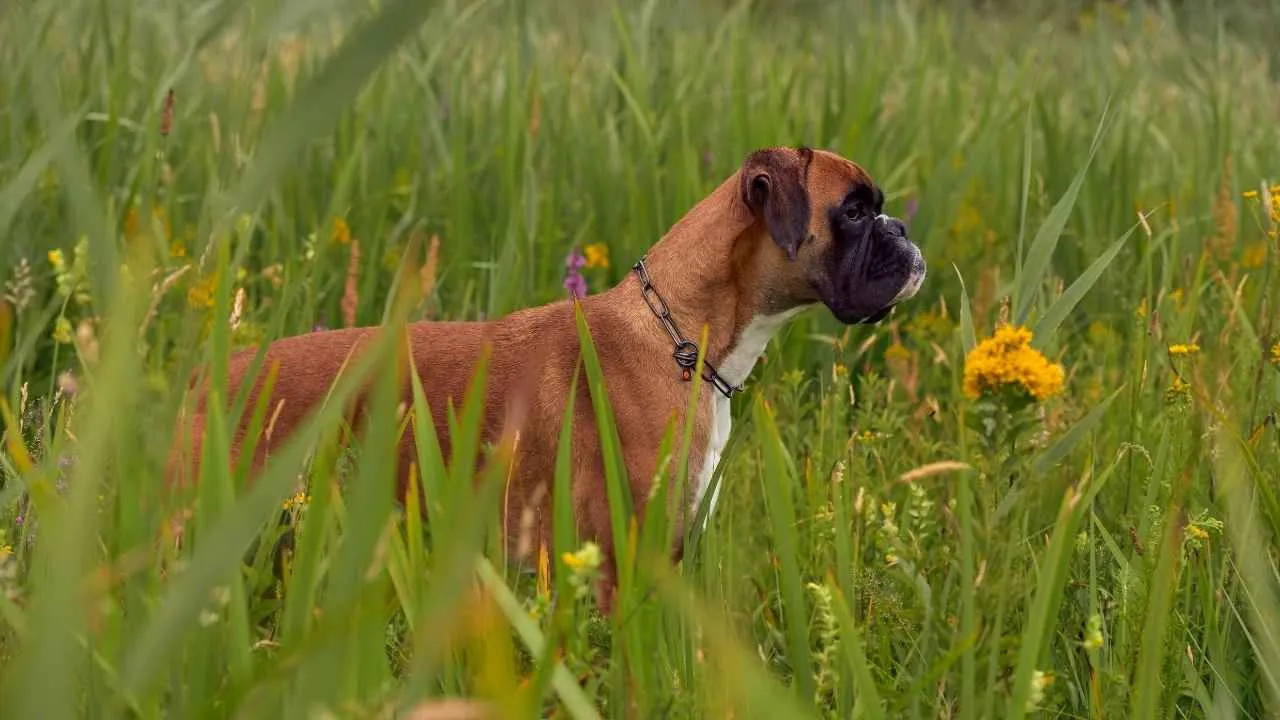
Finally, the clown of the group. Boxer ancestors hunted boar and deer for centuries, and the modern version took that drive into military and rescue work.
Coat and grooming: The easiest coat here, a weekly once-over, plus a wipe of the facial folds.
Exercise floor: Around two hours daily, split into shorter sessions.
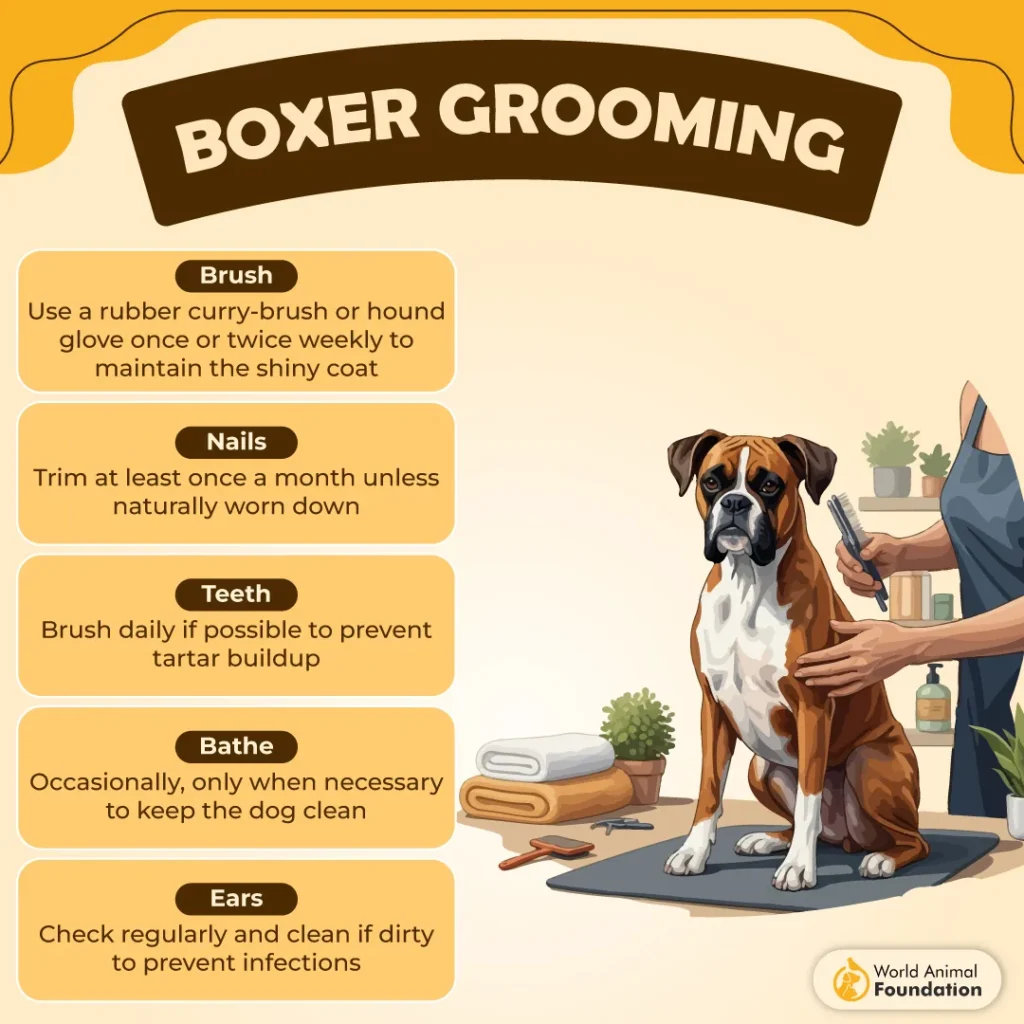
It is affectionate, goofy, and endlessly attached to family life. This excellent guard dog and its protective instinct run on alertness rather than menace, so it announces trouble loudly and quickly. Compact and muscular rather than towering, it still reads as a serious deterrent.
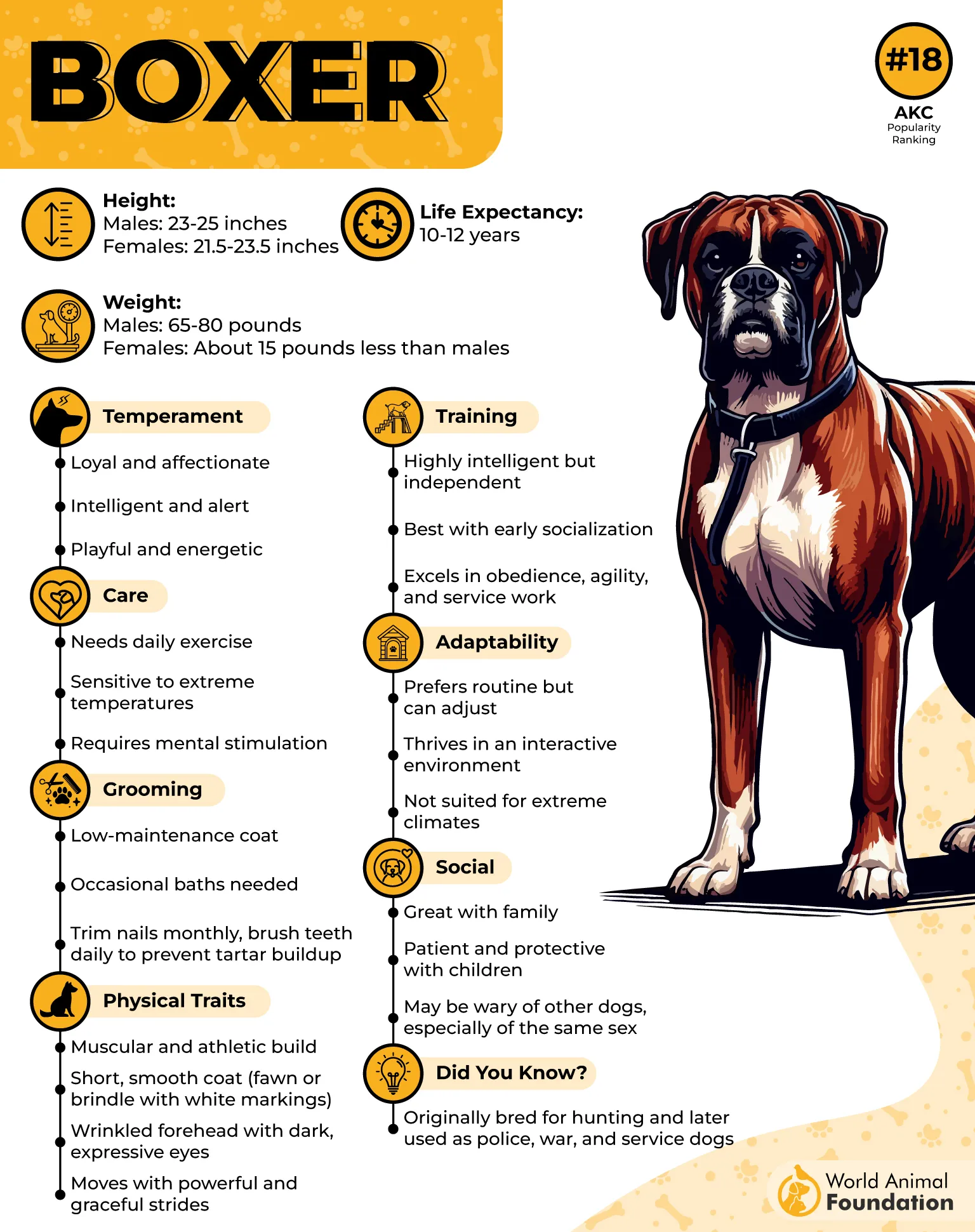
Health watch: Heart conditions and overheating risk from that short muzzle.
Diet: Vets advise splitting food across the day rather than one large serving.
Drawback: Heat. Summer walks move to early morning and evening, permanently.
Conclusion
Every dog on this list guards for free, and every one of them charges you in time instead — a walk, a brush, a training session, repeated on the days you least feel like it. The right guard dog breed is simply the one whose routine you will still keep in February.
So pick your two favorites, then go and price them properly: one month of food, one insurance quote, and an honest look at the hour of daily exercise each needs. Take those numbers to a local breeder or rescue and ask to meet an adult dog before you commit to a puppy.
