




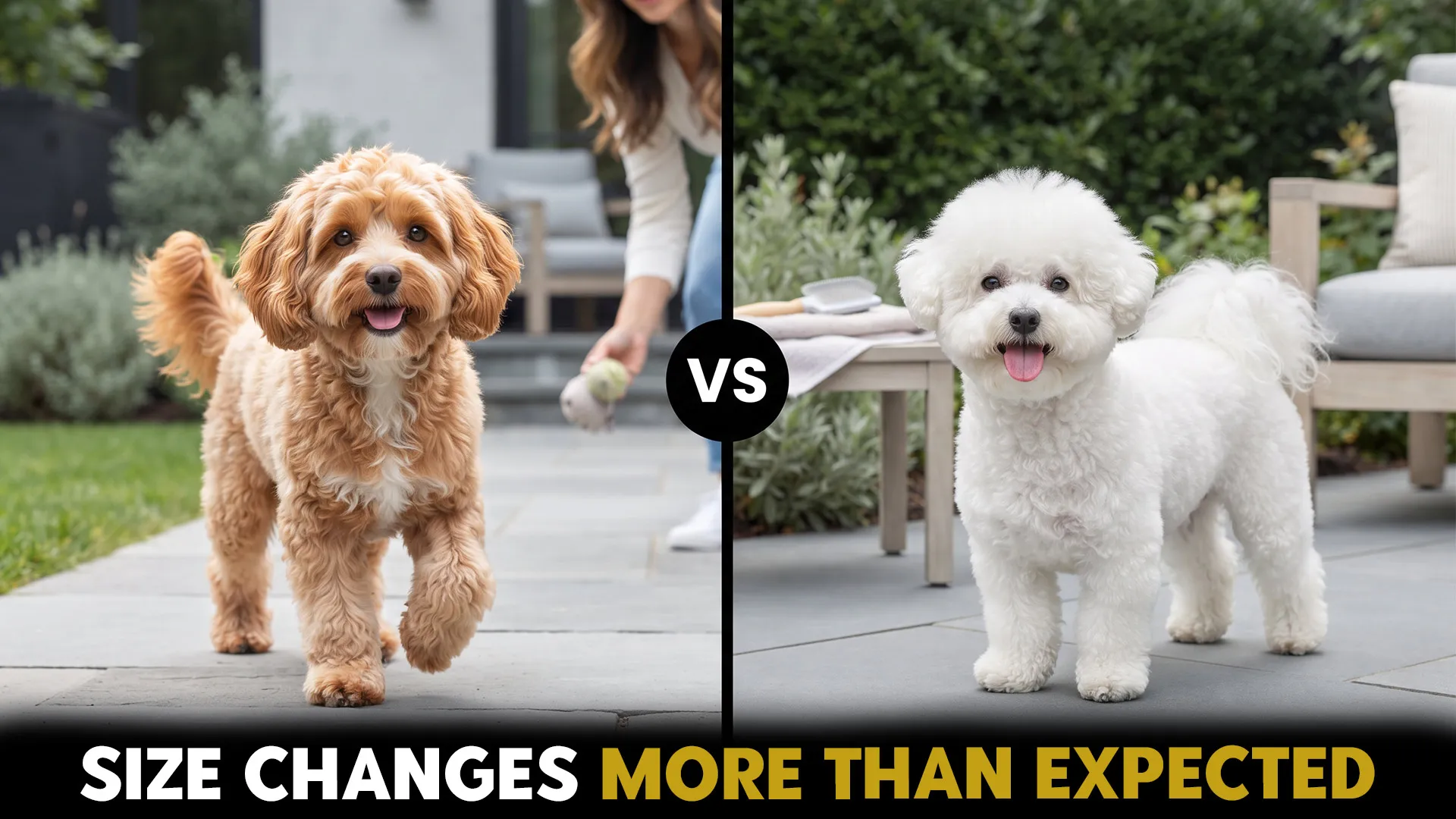
Choosing between a Cavapoo and a Bichon Frise can be tricky because both are adorable, affectionate dogs with big personalities packed into small bodies. They love being close to their families and can make wonderful companions for many types of homes.
Still, these two pups are not exactly the same. Their temperament, size, energy levels, grooming needs, and everyday care can differ, which may make one a more natural fit for your lifestyle than the other.
One is a popular crossbreed whose appearance and behavior can vary according to its parents. The other is an established purebred entertainer with centuries of companion-dog experience and a consistently cheerful personality.
So, Cavapoo vs. Bichon Frise—which one suits you best? Let’s compare their temperament, size, grooming, exercise needs, and overall care to see what makes each of these lovable dogs unique.
Cavapoo vs. Bichon Frise: Temperament, Size, and Care Compared
Choosing between two adorable companion dogs sounds easy until both arrive armed with teddy-bear faces, playful personalities, and elite cuddling skills. Behind the cuteness, however, they differ in predictability, coat care, health risks, and emotional needs.
This side-by-side comparison reveals what daily life with each dog truly involves.
Origins & Purpose
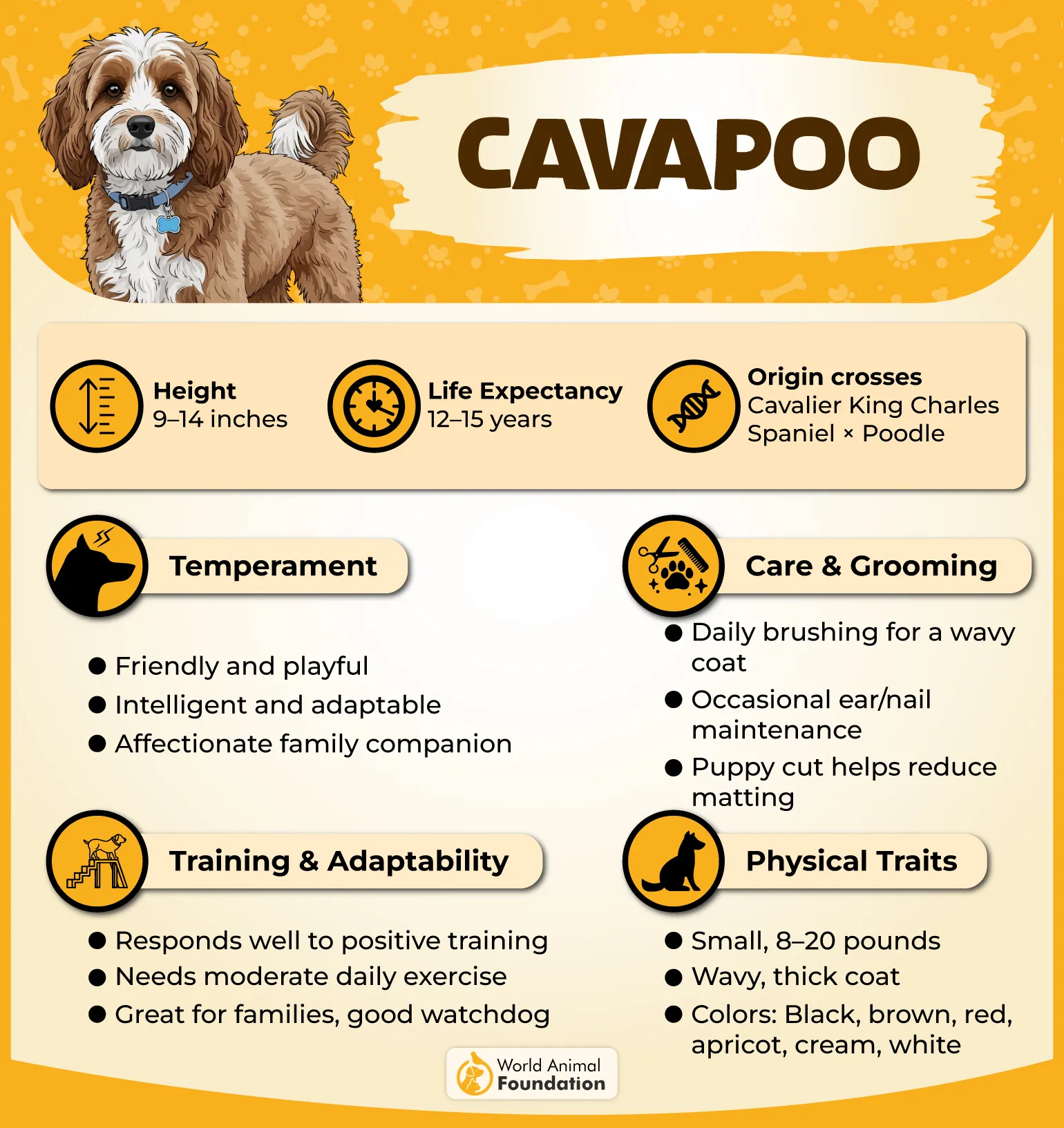
The Cavapoo is a cross between a Cavalier King Charles Spaniel and a Toy or Miniature Poodle. It was developed primarily as an affectionate companion rather than for a traditional working role. The mix became especially popular as families searched for sociable dogs with potentially low-shedding coats.
Its Cavalier parent contributes a history of companionship, gentleness, and close attachment to people. The Poodle side adds intelligence, athleticism, and a coat that may shed less than many other dogs. Each puppy receives a different genetic combination, so the final result is not completely predictable.
The Bichon Frise is a purebred dog from an old family of small white companion dogs associated with the Mediterranean region. Its ancestors accompanied sailors, entered European royal courts, and later entertained ordinary people as performing dogs.
The breed eventually gained formal recognition and a consistent written standard. The American Kennel Club describes the Bichon as a resilient “personality dog” known for beauty, intelligence, and comic charm. Unlike the Cavapoo, it offers a more predictable appearance and adult proportions.
Size & Build
Cavapoo height: 9-14 inches
Cavapoo weight: 8-25 pounds
A Cavapoo’s adult dimensions depend heavily on whether its Poodle parent was Toy or Miniature. Buyers should examine both parents instead of trusting vague labels such as “tiny,” “mini,” or “teacup.”
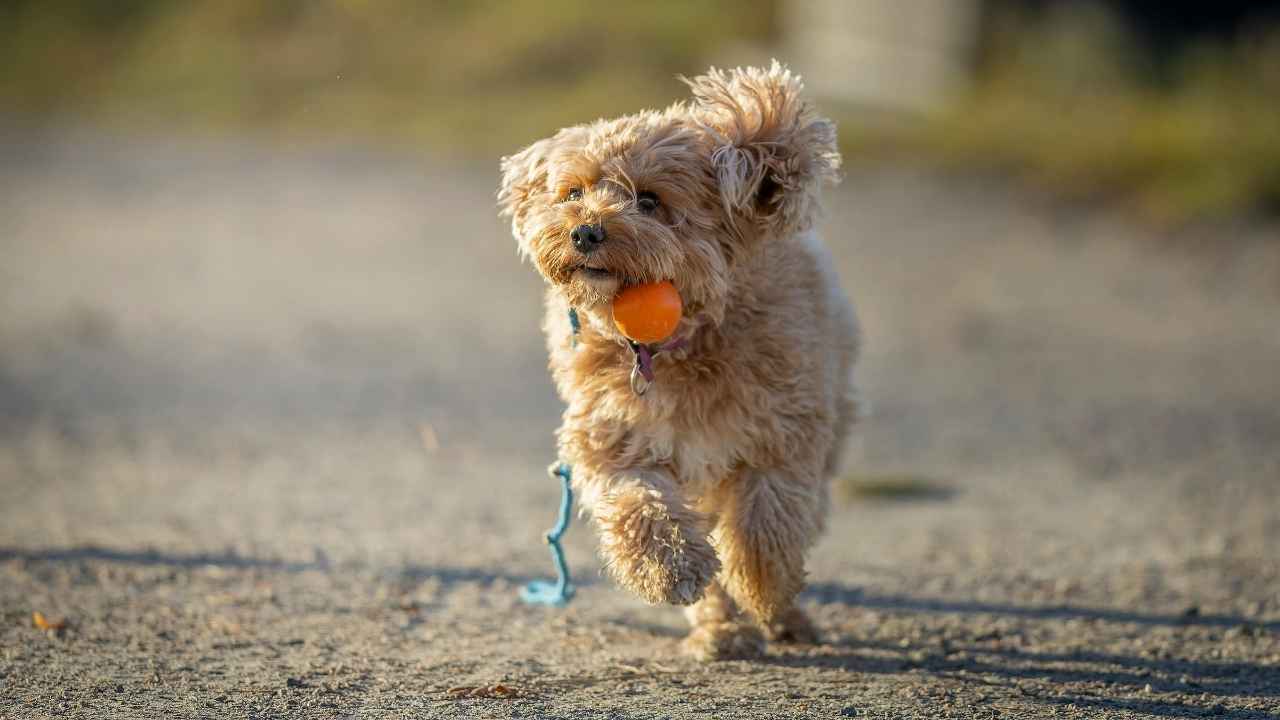
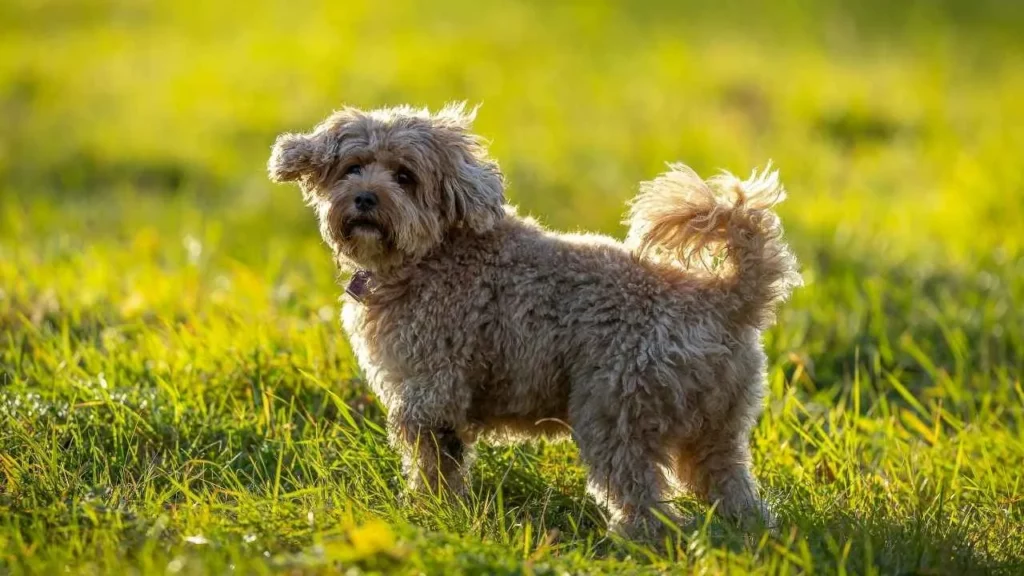
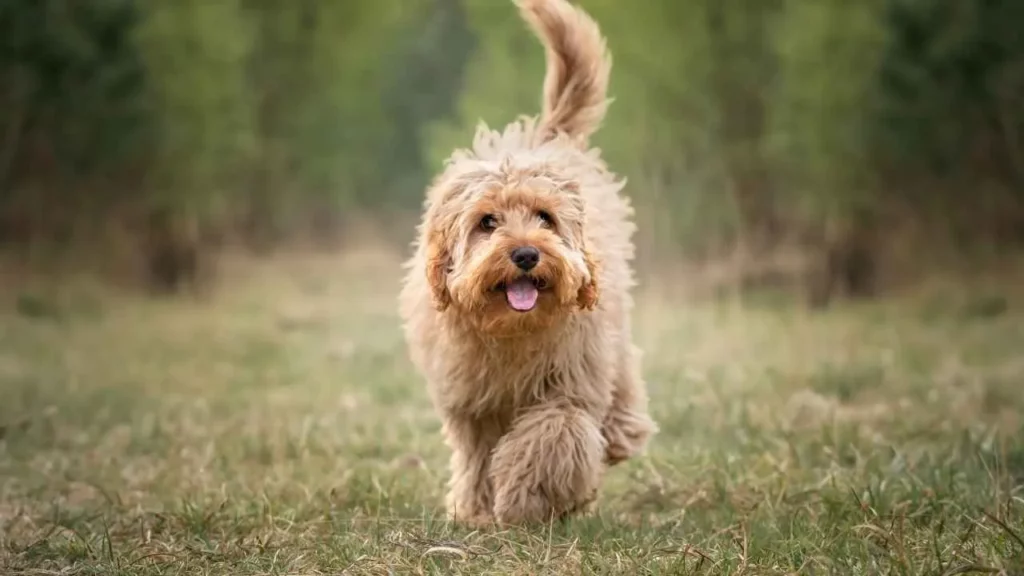
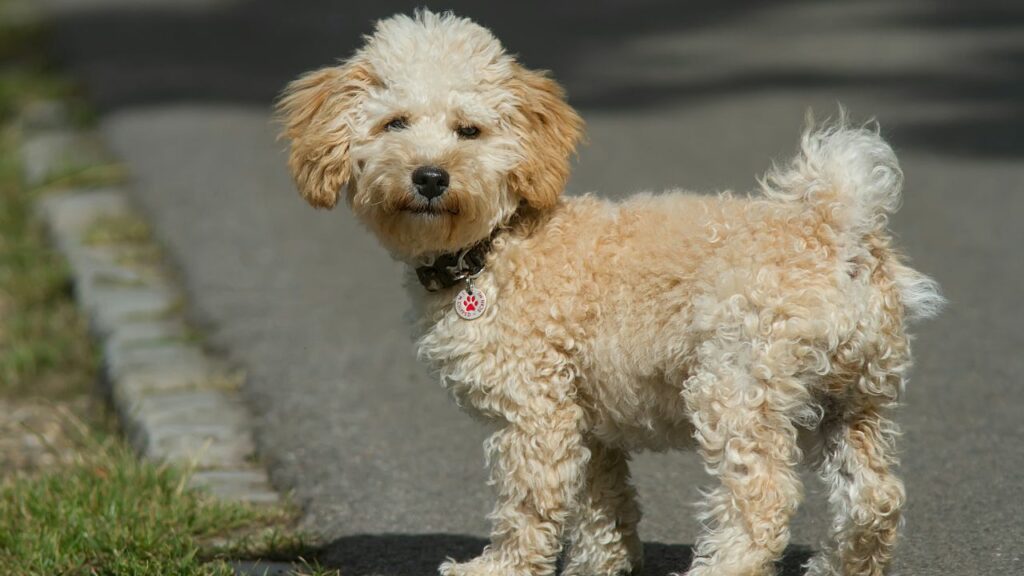
Some Cavapoos are designer dogs that remain lightweight lap dogs, while others develop a taller, sturdier frame. They commonly have expressive eyes, floppy ears, and a soft coat that may be wavy, curly, or relatively straight. Their proportions can lean toward either parent, making every puppy a small genetic surprise package.
A delicate Cavapoo needs protection from rough play, falls, and accidental handling by young children. A sturdier individual may be better prepared for active family life and longer walks. Body condition matters because extra weight places unnecessary pressure on small joints.
Bichon Frise height: 9.5-11.5 inche
Bichon Frise weight: 12-18 pounds
Bichon Frises are small but have compact, balanced bodies rather than fragile, extremely fine frames. Beneath the carefully shaped coat sits a surprisingly sturdy little athlete.
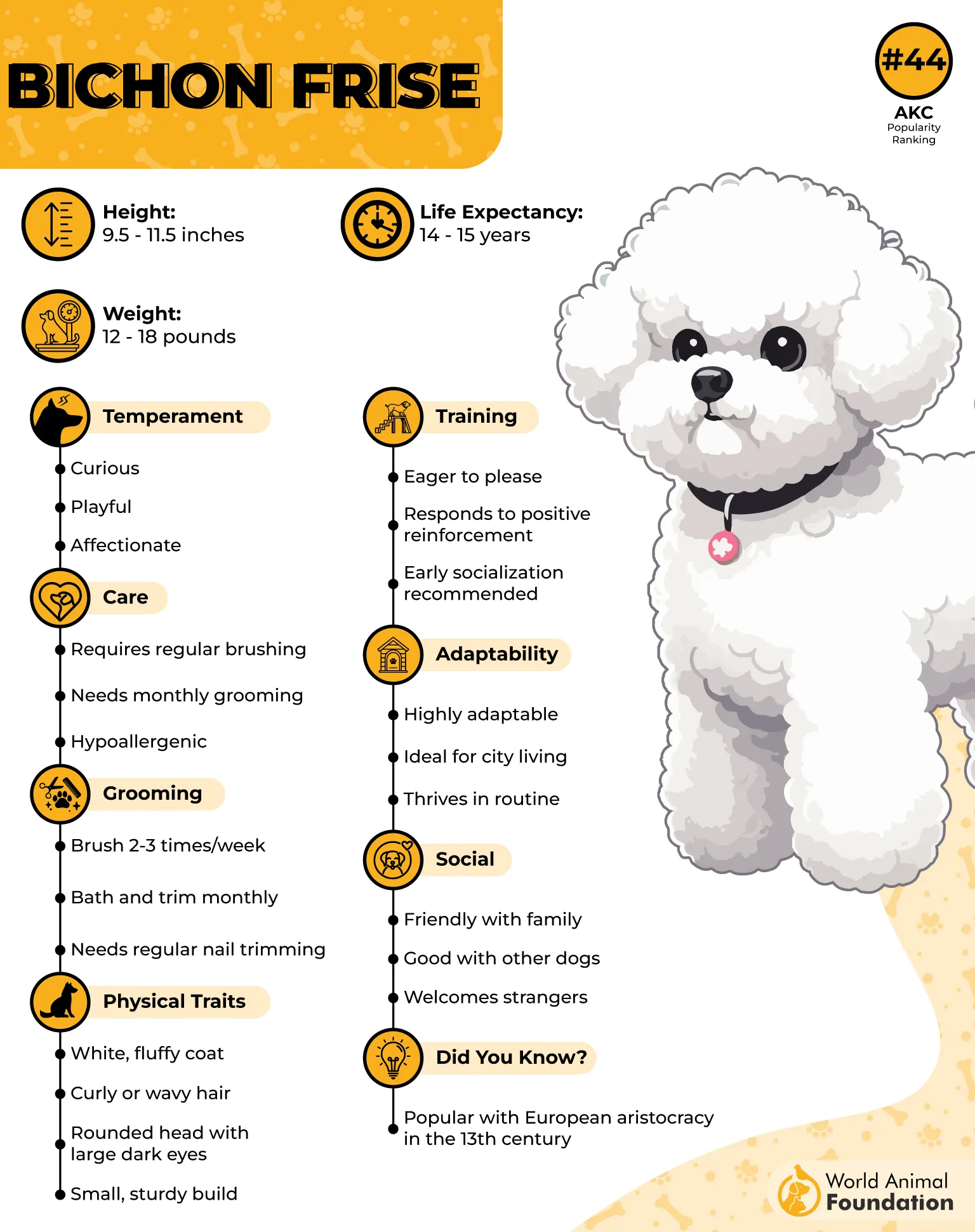
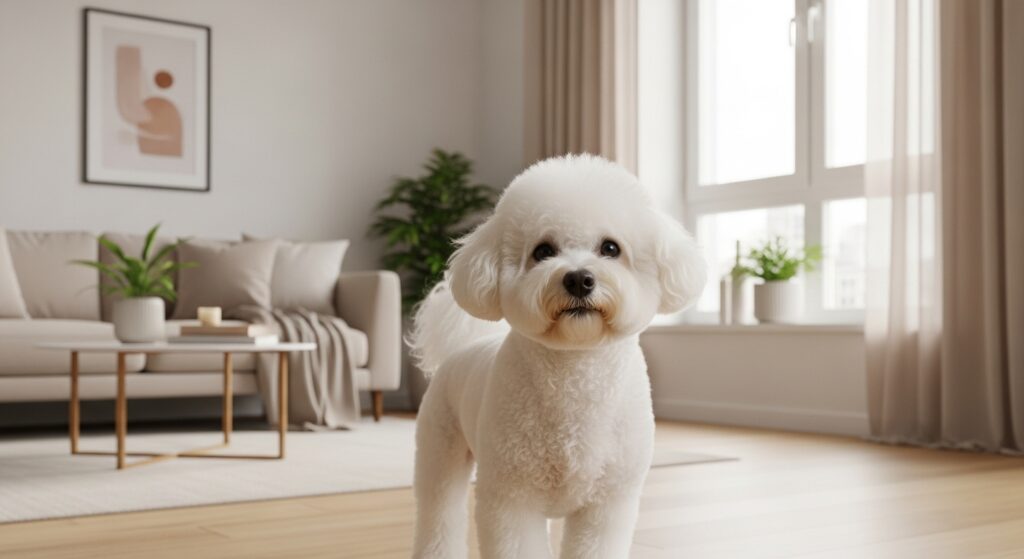
This tiny dog breed is usually more predictable in size because responsible breeders follow an established standard. Its dark eyes, black nose, plumed tail, and rounded white coat create the famous powder-puff appearance. The stylish haircut adds visual drama, but this dog is not merely decorative.
Price & Availability
A responsibly bred Cavapoo puppy commonly costs approximately $2,000–$4,000. Location, generation, parental testing, coat color, and breeder demand can affect the final figure. Extremely high prices based only on fashionable colors deserve careful questioning.
Cavapoos are widely advertised, but popularity has attracted careless breeders and high-volume puppy sellers. A polished website and adorable photographs do not prove ethical breeding. Buyers should request health records for both parents and, when possible, visit or video-call the breeding environment.
Bichon Frise puppies from responsible breeders often cost around $1,500–$3,500, although region and pedigree affect pricing. The breed is established but may not be continuously available in every area. A suitable puppy could require a waiting list rather than an instant online checkout.
They also appear through breed-specific rescues and general shelters, particularly as adults. Adoption fees are usually lower than breeder prices, though grooming and veterinary expenses stay the same.
Temperament & Personality
Cavapoos are typically affectionate, playful, gentle, and eager for human company. Many happily follow their people from room to room as if supervising a very low-budget reality show. Their flexible personalities can work well for couples, families, seniors, and first-time owners.
They often enjoy children when human companionship is calm and properly supervised, according to PetMD. They can turn into phenomenal apartment-living pups. Early introductions still matter because friendliness is a tendency, not a lifetime guarantee.
Bichon Frises are cheerful, outgoing, curious, and famously entertaining. They often greet familiar people with enthusiastic movement and enough facial expression to carry an entire comedy scene. Their confidence makes them feel like much larger personalities in compact bodies.
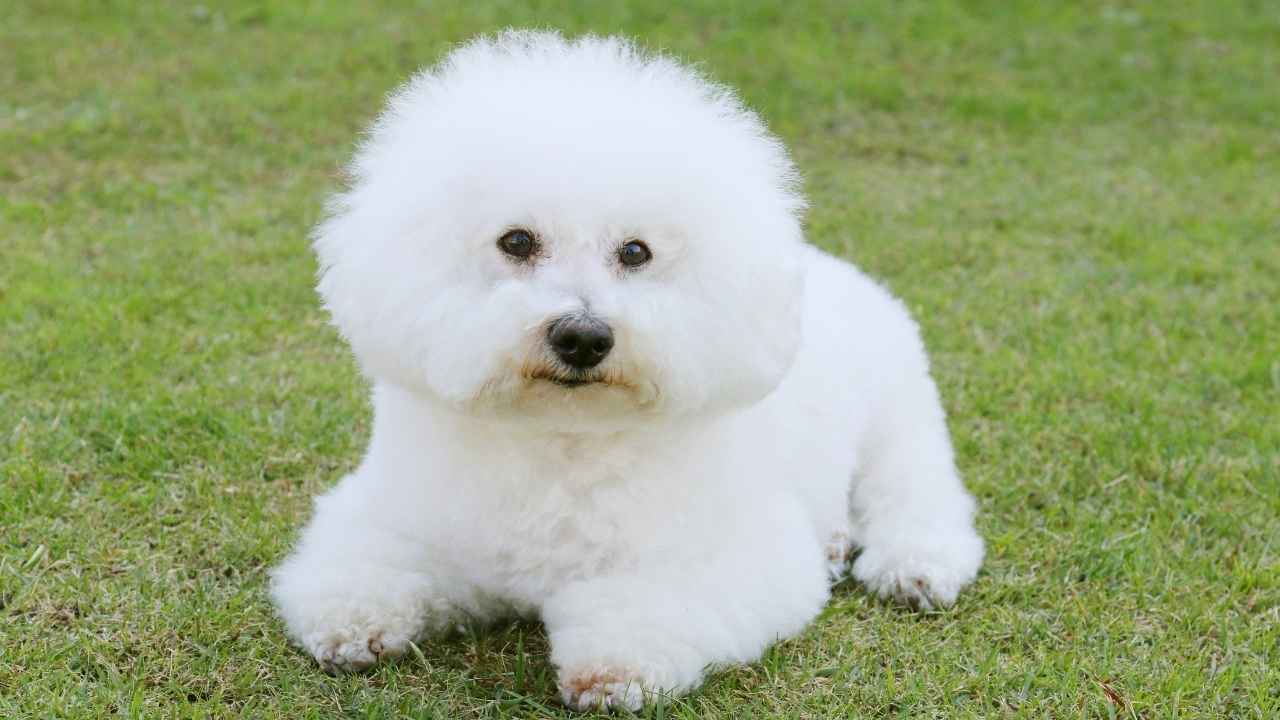
A well-socialized Bichon is commonly friendly toward visitors and comfortable in a busy household. It usually prefers companionship over guarding and is more likely to charm a newcomer than conduct a security investigation. Regular positive exposure helps prevent shyness or excessive excitement.
Exercise Needs & Energy Levels
Cavapoos usually have light-to-moderate exercise requirements. Daily walks, interactive games, and short training sessions can satisfy many adults. They are playful without generally needing the intense schedule associated with high-drive working breeds.
Individual energy can vary according to inherited traits. A dog leaning toward its Miniature Poodle parent may want longer walks and more challenging games than a relaxed Cavalier-like sibling. Owners should adjust activity to the actual dog rather than the crossbreed label.
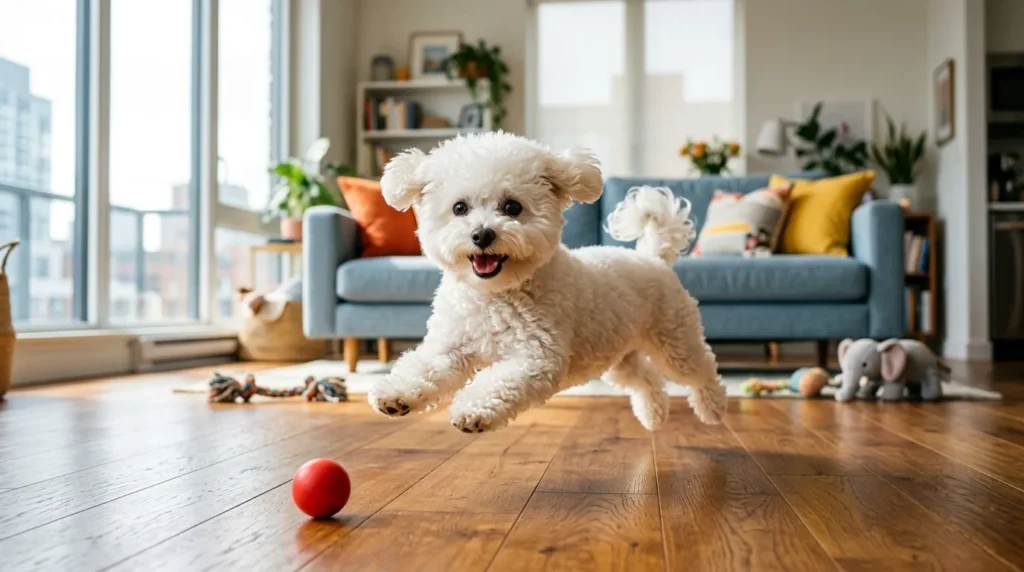
Bichon Frises often produce lively bursts of energy followed by impressive relaxation. A couple of walks, indoor play, and opportunities to explore may cover their daily physical needs. Their signature zoomies can briefly turn an ordinary living room into a tiny racetrack.
This small breed can enjoy obedience, rally, beginner agility, and trick work. Its compact body makes exercise manageable for many households, including apartment residents. Still, yard access never replaces walks, social experiences, and active time with people.
Trainability & Intelligence
Cavapoos frequently inherit strong learning ability from the Poodle and social responsiveness from the Cavalier. Reward-based lessons using treats, toys, and praise usually produce enthusiastic participation. Many learn household routines almost suspiciously fast.
Their affectionate nature can create excellent engagement during training. Short sessions help preserve concentration and make repetition feel like a game. Harsh correction can confuse or stress a sensitive dog.
Basic training should cover recall, loose-leash walking, calm greetings, handling, and settling alone. Independence practice is just as important as teaching cute tricks. A puppy that can spin on command but cannot tolerate five quiet minutes without you has skipped an essential class.
Bichons are intelligent performers with a history of learning routines and winning attention. They often enjoy tricks because applause is basically their preferred currency. Positive reinforcement allows that playful confidence to flourish.
House training may require extra patience because small dogs have small bladders and subtle warning signals. Frequent outdoor trips, close supervision, and a predictable schedule produce better results than punishing accidents. Consistency matters more than dramatic speeches beside the carpet.
Grooming Needs & Shedding
A Cavapoo’s coat may be curly, wavy, or comparatively straight. Curlier coats often shed less but can trap loose hair and form painful mats close to the skin. Low shedding doesn’t mean low maintenance.
Chewy recommends brushing a Cavapoo about three times a week and scheduling professional grooming about every six weeks. Some coats need even more regular brushing, particularly around the ears, legs, collar area, and tail. A comb should reach the skin because brushing only the fluffy surface can leave hidden tangles underneath.
Floppy ears need routine checks because limited airflow can encourage moisture and infection. Tear staining may require gentle cleaning, while regular toothbrushing helps reduce dental disease. Starting these habits during puppyhood makes future care much less dramatic.
The Bichon has a soft undercoat and curly outer coat that catches shed hair. This creates relatively little loose fur around the home, but trapped hair contributes to matting. No dog is completely hypoallergenic because allergens also occur in saliva and skin particles.
Daily or near-daily brushing keeps the coat separated, especially when kept longer. Professional bathing, trimming, and shaping are commonly needed every four to six weeks. A shorter pet clip reduces effort but does not eliminate brushing or salon visits.
Health & Lifespan
Cavapoos commonly live approximately 12–15 years. Crossbreeding can increase genetic diversity, but it does not guarantee freedom from diseases affecting either parent breed. A puppy can inherit risks from both sides of the family tree.
Potential health issues include patellar luxation, hip dysplasia, eye disease, dental problems, allergies, and mitral valve disease. Cavalier ancestry also raises concerns about Chiari-like malformation and syringomyelia. Responsible breeding should examine relevant cardiac, orthopedic, eye, and genetic health information.
Bichon Frises generally live around 14–15 years, with many remaining playful well into their senior years. Health concerns may include allergies, bladder stones, patellar luxation, dental disease, cataracts, and hip problems. Regular examinations and responsible breeding help reduce preventable suffering.
Owners should monitor changes in urination because bladder stones may cause discomfort, blood, straining, or repeated attempts to pee. Skin irritation and recurrent ear infections may indicate underlying allergies rather than a one-time grooming issue. Maintaining a healthy weight and offering proper nutrition protects joints and supports long-term mobility.
Cavapoo vs. Bichon Frise: Which Adorable Companion Fits Your Lifestyle?
Choose a Cavapoo if you want a gentle, flexible companion and accept some unpredictability in size, coat, and personality. This dog can suit families, apartment residents, and first-time owners who provide affection and moderate activity. You must also prepare for grooming and possible separation difficulties.
The Cavapoo may be especially appealing if you love the softer, teddy-bear appearance created by its mixed heritage. Each dog can look wonderfully individual rather than matching a strict breed template. That uniqueness is adorable, but it also makes responsible breeder research more complicated.
Choose a Bichon Frise if you prefer an established breed with a more predictable adult appearance and temperament. Its cheerful personality works beautifully for owners seeking an outgoing, entertaining companion.
The Bichon may be the stronger match for someone who values minimal loose hair around the home. However, its coat transfers much of that labor from the vacuum cleaner to the brush and grooming table.
Conclusion
The Bichon Frise vs. Cavapoo are affectionate companion dogs with bright minds, playful energy, and highly demanding coats. Both can adapt to smaller homes when they receive walks, enrichment, training, and human interaction. Neither is suitable for someone seeking a dog they can ignore between weekends.
A Cavapoo offers a sweet blend of Cavalier warmth and Poodle intelligence, although individual traits may vary considerably. A Bichon delivers a more consistent package of sociability, sturdy small-dog structure, and theatrical charm. Their biggest shared challenge is keeping attachment healthy without allowing dependence to control the household.
