




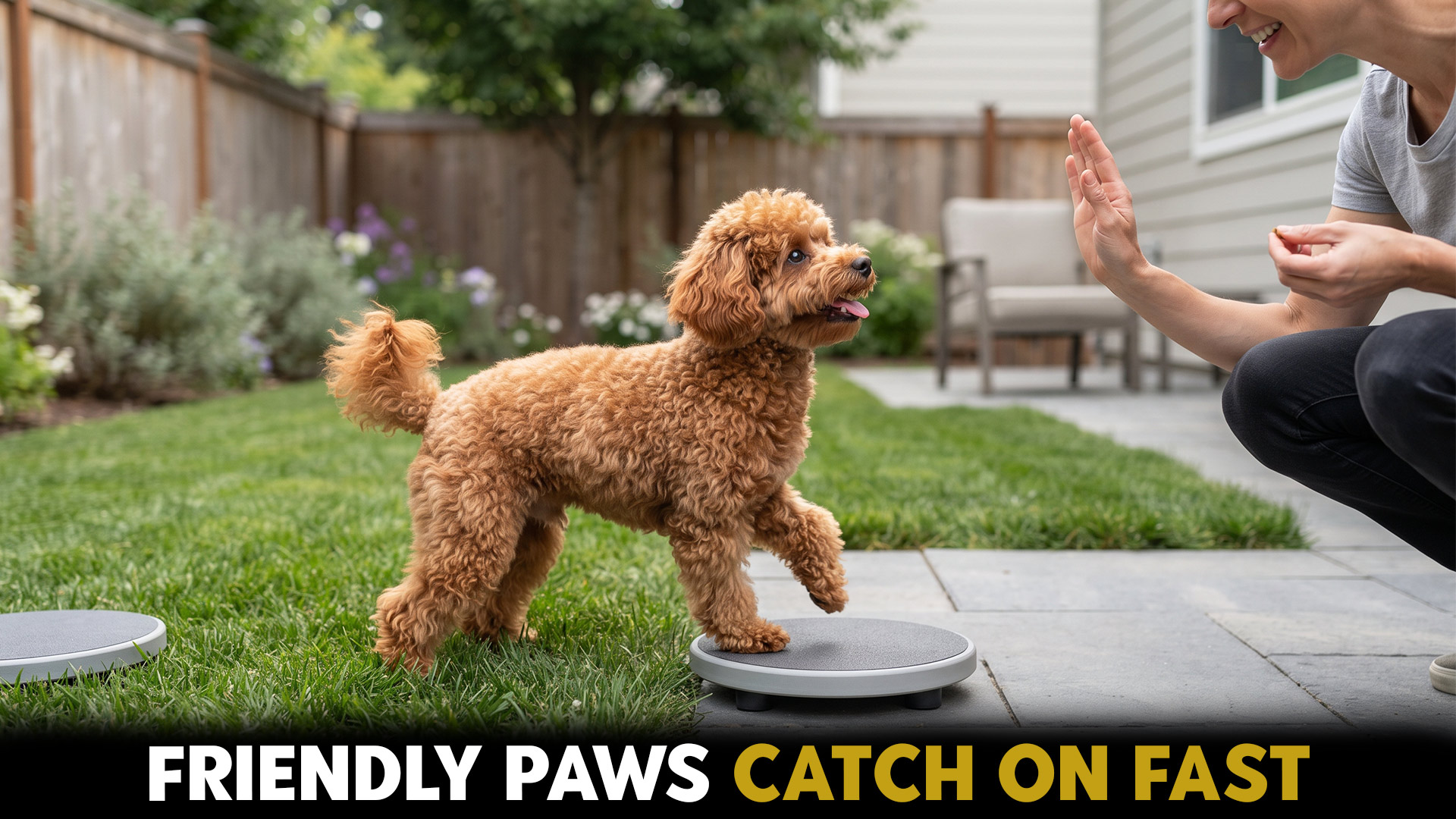
Training a dog becomes much easier when your companion is willing to engage, respond to direction, and build a strong connection with you. Fortunately, several small breeds combine manageable size with friendly personalities and an eagerness to participate in training. Their compact bodies also make them practical for homes where space is limited.
Of course, no dog is automatically effortless to train. Puppies still need consistency, patience, socialization, and positive reinforcement regardless of breed. However, some small dogs are naturally more people-oriented or quick to pick up new behaviors, which can make everyday training feel considerably more manageable.
The breeds below are known for their sociable temperaments, intelligence, or willingness to work with their owners, making them interesting choices for people looking for a small dog that can learn without constant struggle.
Friendly Small Dog Breeds for Hassle‑Free Training
1. Boston Terrier
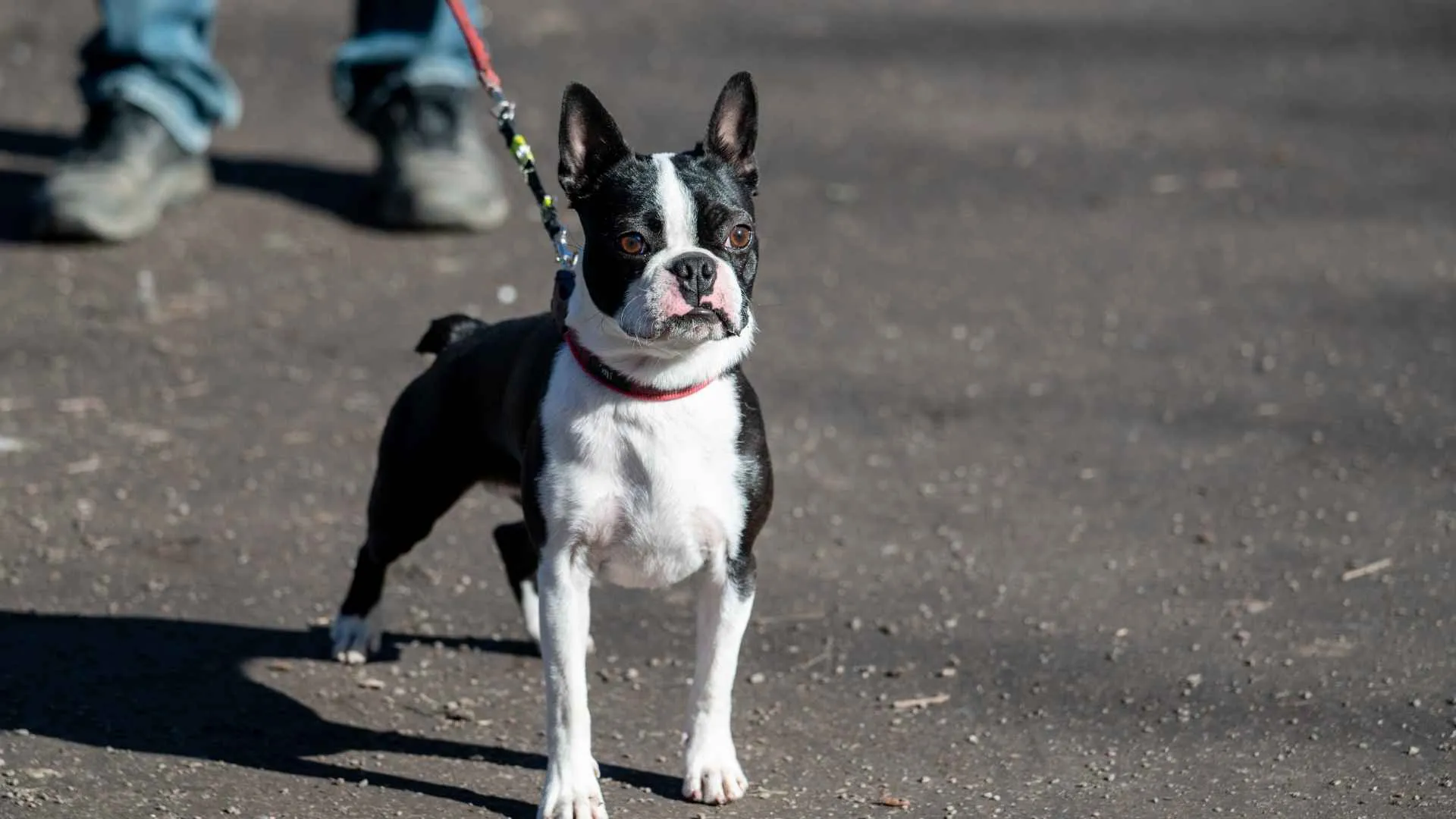
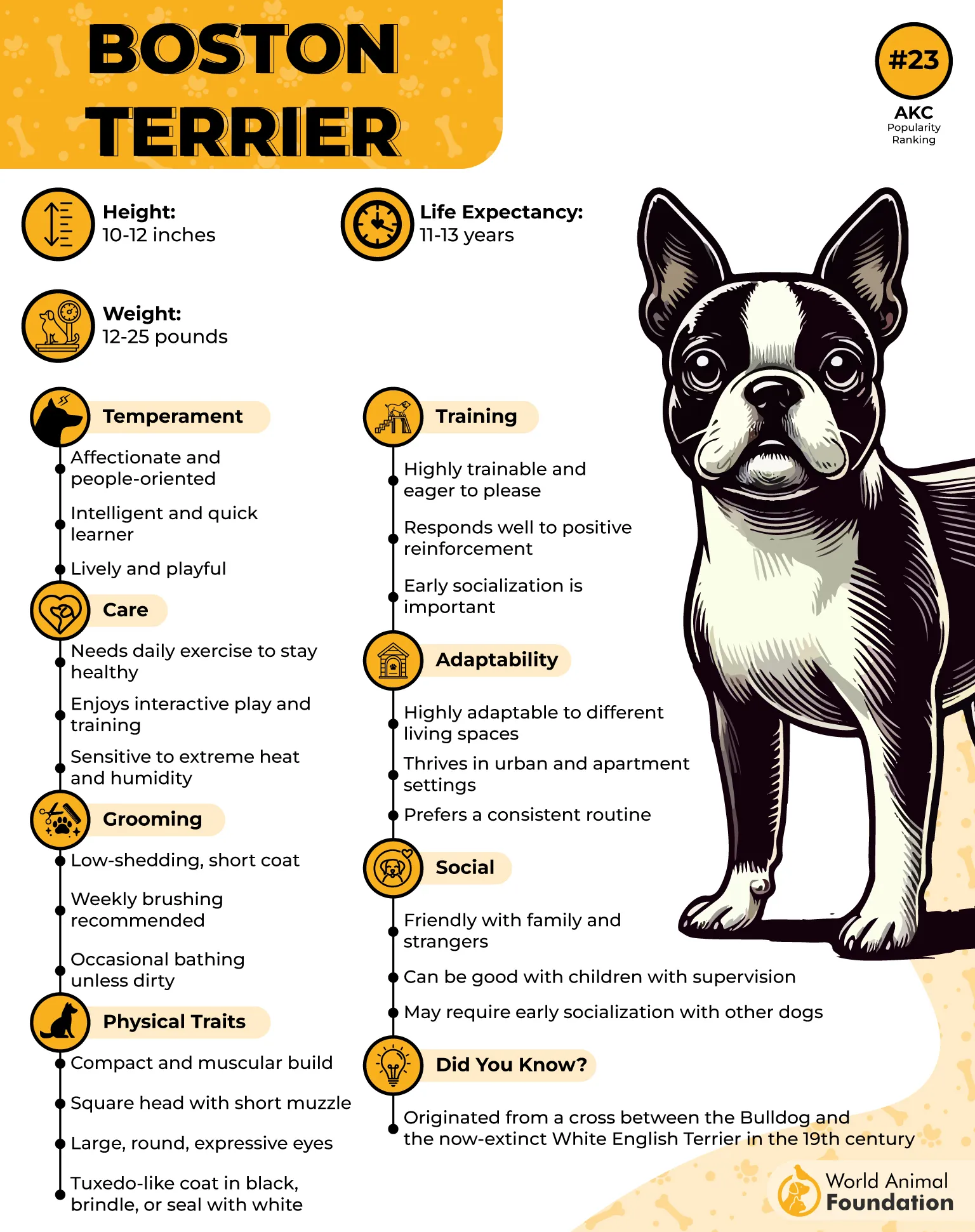
The Boston Terrier originated in the United States during the late 19th century, particularly in Boston, Massachusetts. The breed developed from crosses involving English Bulldogs and now-extinct white English terriers. Over time, selective breeding produced the compact, tuxedo-coated companion known today, which eventually became one of America’s best-known small breeds.
A Short Coat and Straightforward Routine
Boston Terriers have a short, smooth coat that generally requires minimal grooming. Occasional brushing can help remove loose hair, while routine care should include attention to their nails, teeth, and ears. They have moderate exercise needs and usually enjoy short walks, play sessions, and interactive games.
Social by Nature and Ready to Participate
Boston Terriers are often people-oriented and enjoy being involved in family activities. Their playful personality can make training sessions more engaging, particularly when food rewards or games are incorporated. Short, upbeat lessons tend to work well, as keeping things interesting can encourage them to stay focused.
2. Poodle (Toy)
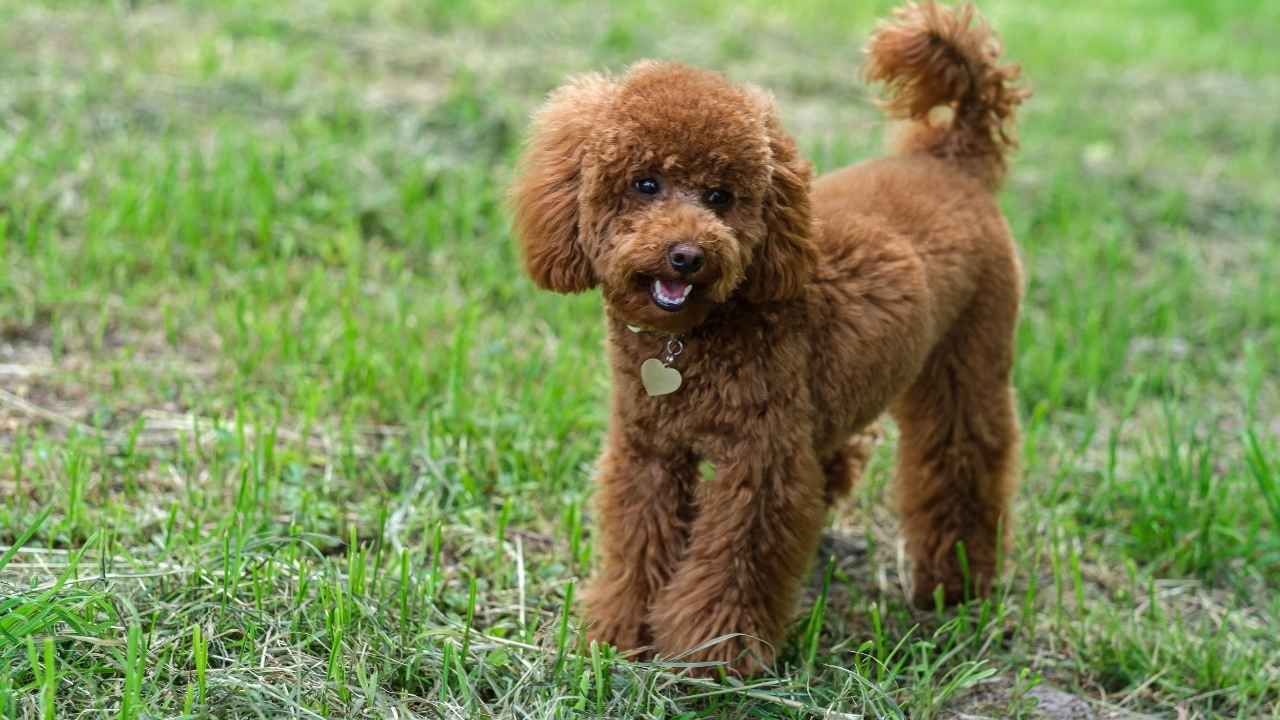
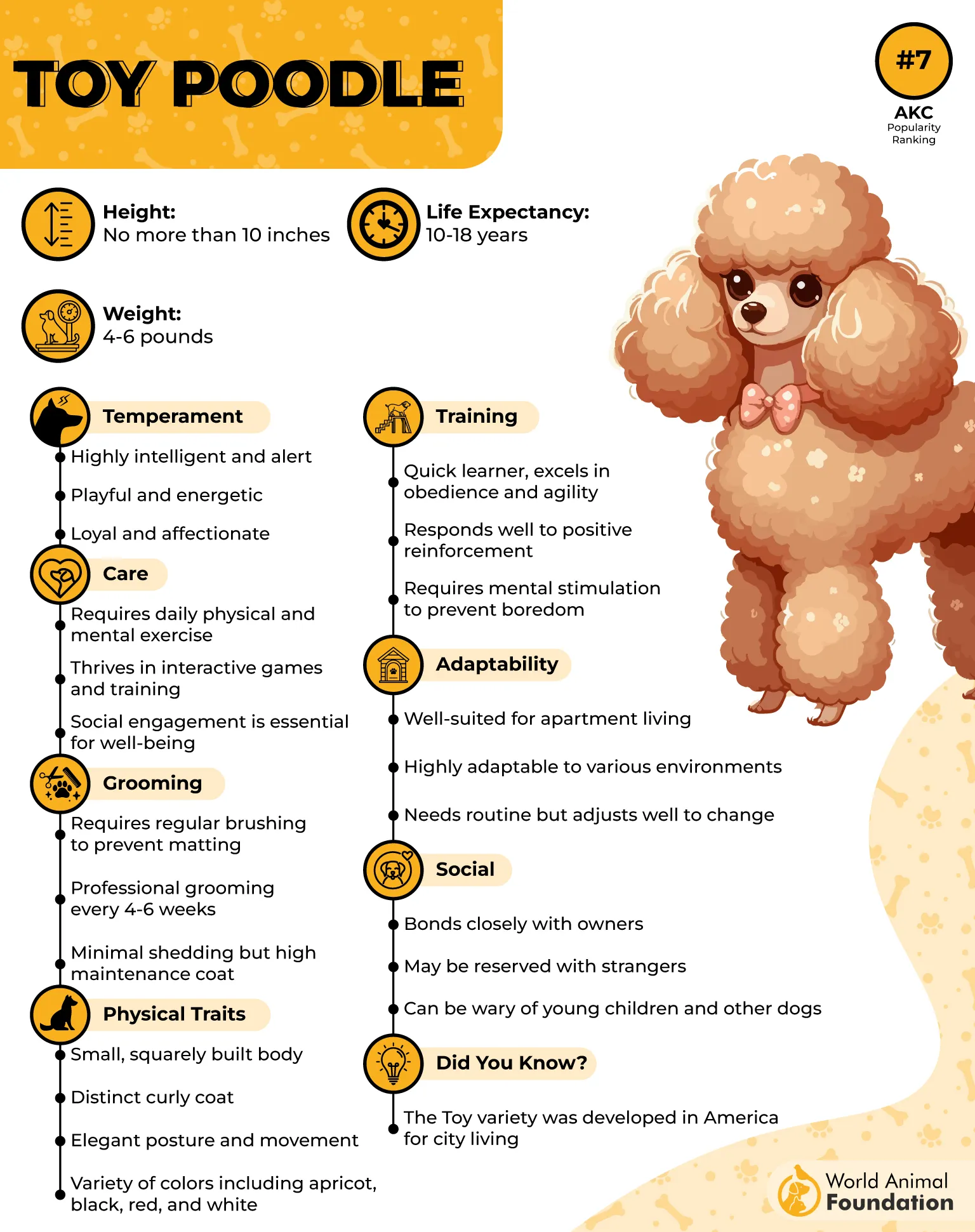
The Toy Poodle is the smallest recognized variety of the Poodle. Poodles have a long European history and were originally developed as water-retrieving dogs, with their distinctive coat helping protect them while working in cold water. Through selective breeding, smaller Poodles became popular as friendly dogs while retaining the intelligence of their larger relatives.
A Curly Coat With Consistent Maintenance
Toy Poodles have dense, curly coats that grow continuously and require regular brushing to prevent matting. Professional grooming is commonly part of their care routine. Their small size does not mean they lack energy, and daily walks, indoor games, and mentally challenging activities can help keep them content.
A Quick Learner That Enjoys a Challenge
Intelligence is one of the Toy Poodle’s defining characteristics. These dogs can learn commands, tricks, and routines quickly when training is consistent and rewarding. Their willingness to engage with their owners can make them particularly enjoyable for people who want a small dog that responds well to structured learning.
3. Papillon
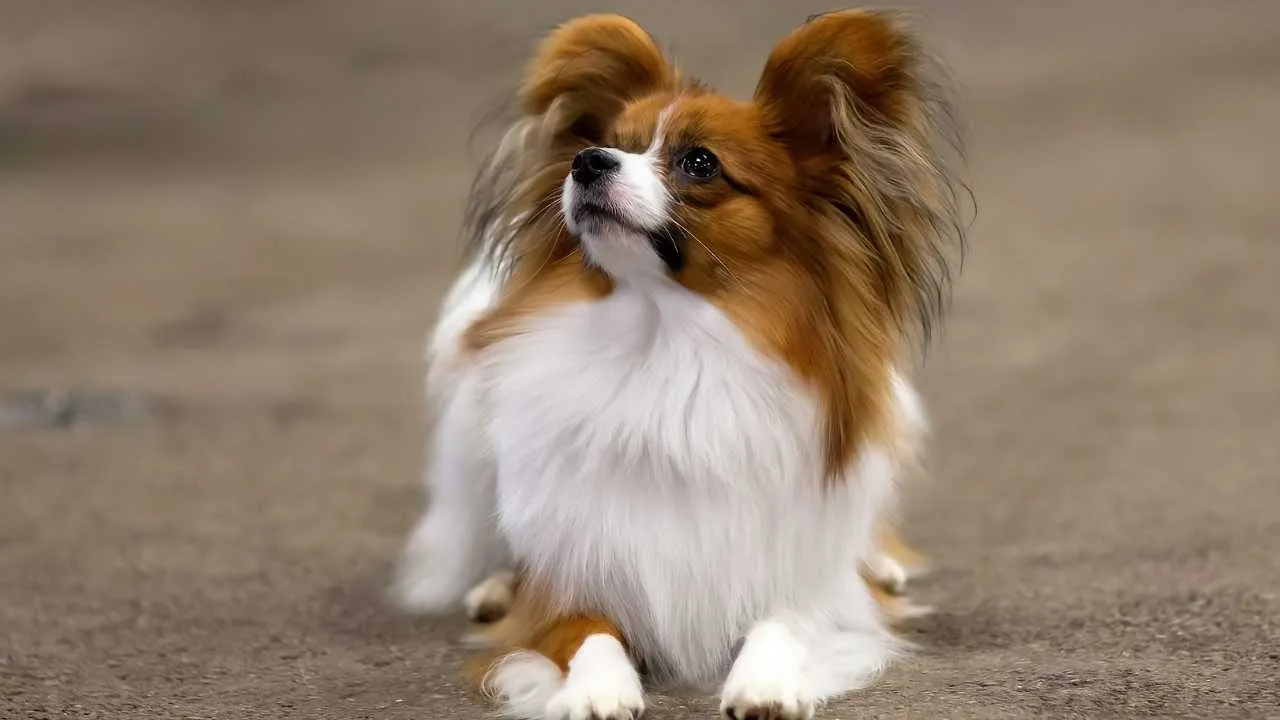
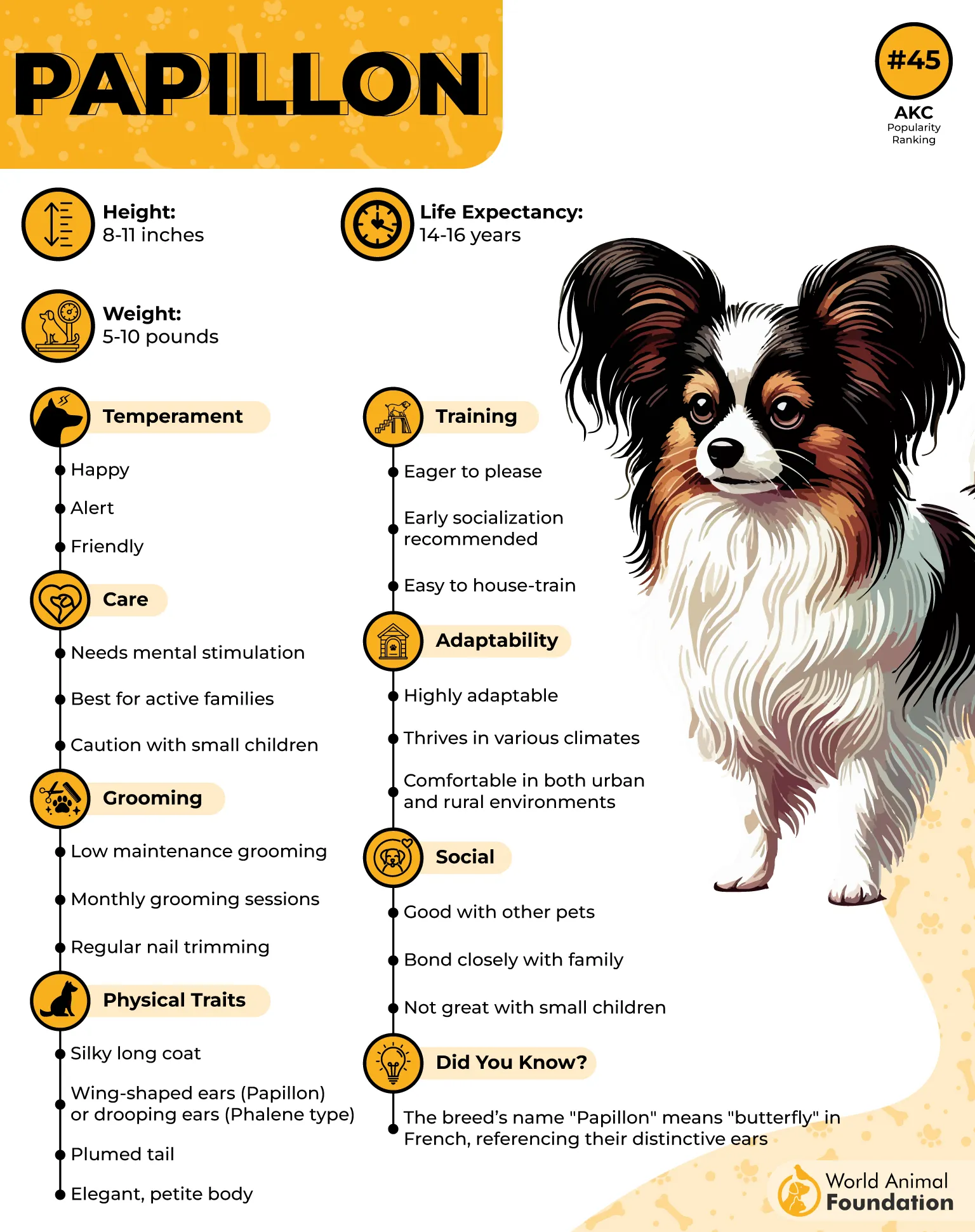
The Papillon has roots in Europe and has been depicted in artwork dating back several centuries. Its name comes from the French word for “butterfly,” referring to the breed’s distinctive upright, fringed ears, as per WebMD. Once favored as a companion among European aristocratic households, the Papillon eventually became known for its lively personality and impressive intelligence.

Fine Fur With Surprisingly Modest Grooming Needs
The Papillon’s long, silky coat does not have the heavy undercoat found in many other small breeds. Regular brushing helps keep its feathering free of tangles and maintains its neat appearance. It is an energetic little dog that benefits from daily walks, playtime, and activities that provide mental stimulation.
Bright, Curious, and Eager to Learn
Papillons are often highly responsive during training and enjoy learning new behaviors. Their curiosity can make them enthusiastic participants in obedience exercises, tricks, and interactive games. Positive reinforcement works particularly well when lessons are kept varied and rewarding rather than repetitive.
4. Bichon Frise
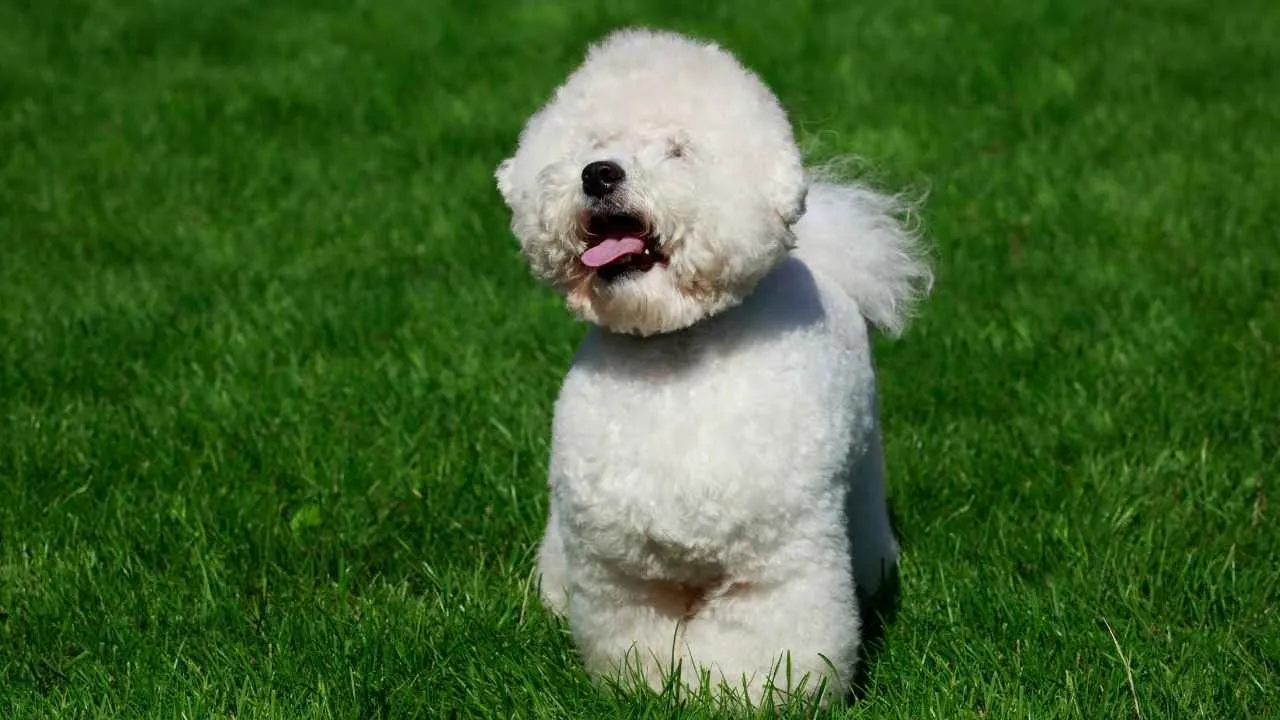
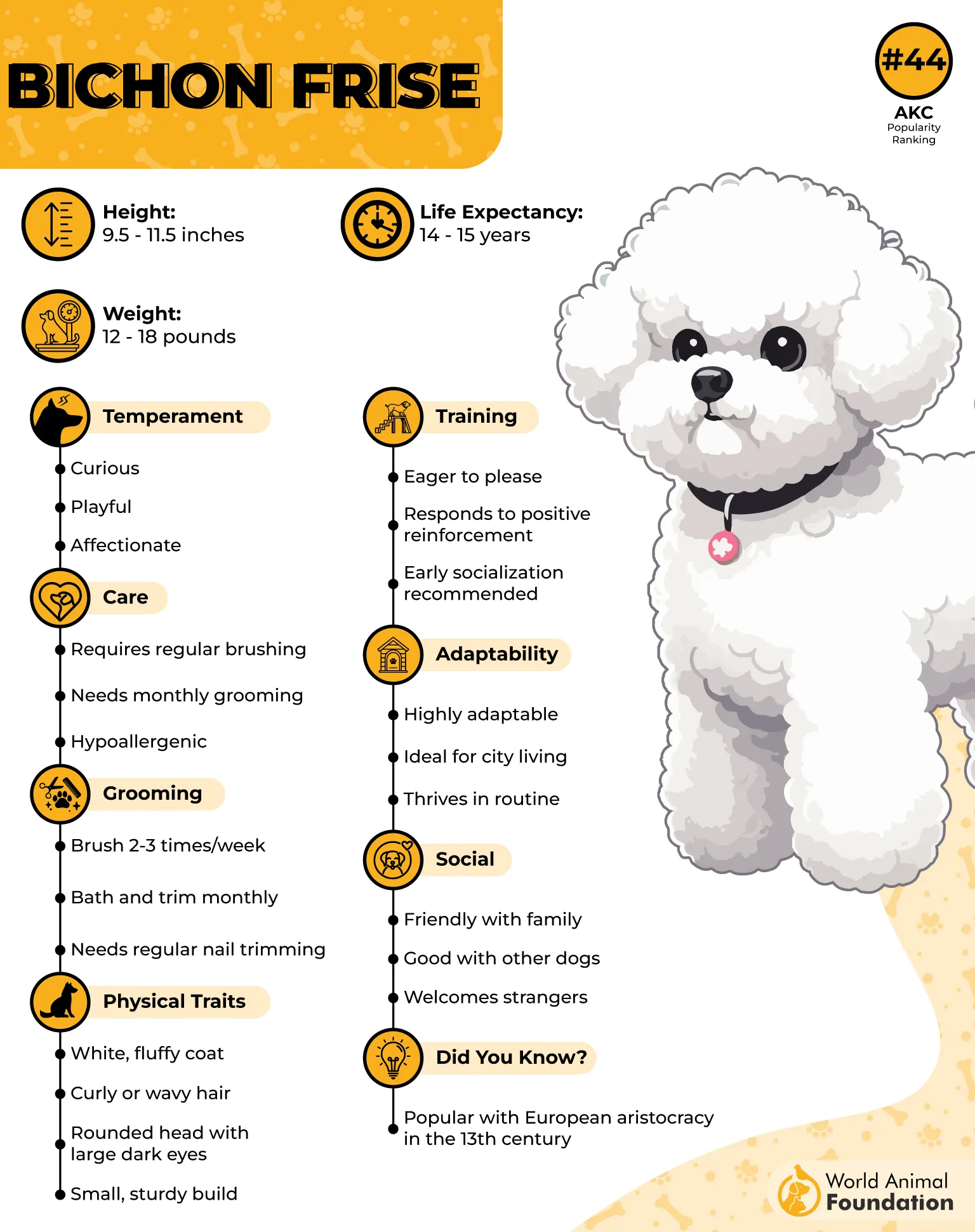
The Bichon Frise has a long history as a companion dog and is believed to have developed around the Mediterranean before becoming particularly popular in France, as per PetMD. Its ancestors were associated with sailors and European courts, and the breed eventually became known for its cheerful personality and distinctive white coat.
A Plush Coat That Needs Regular Attention
The Bichon Frise has a soft, curly coat that requires frequent brushing to reduce matting. Many owners also schedule professional grooming to maintain its rounded appearance. Exercise requirements are moderate, with daily walks and indoor play usually providing suitable activity for this adaptable little dog.
A Cheerful Student With a People-Focused Personality
Bichons tend to enjoy human interaction, which can be helpful during training. Their playful nature allows owners to turn lessons into games, while treats and praise can encourage cooperation. They can still develop unwanted habits if training is inconsistent, so gentle boundaries and regular practice remain important.
5. Havanese
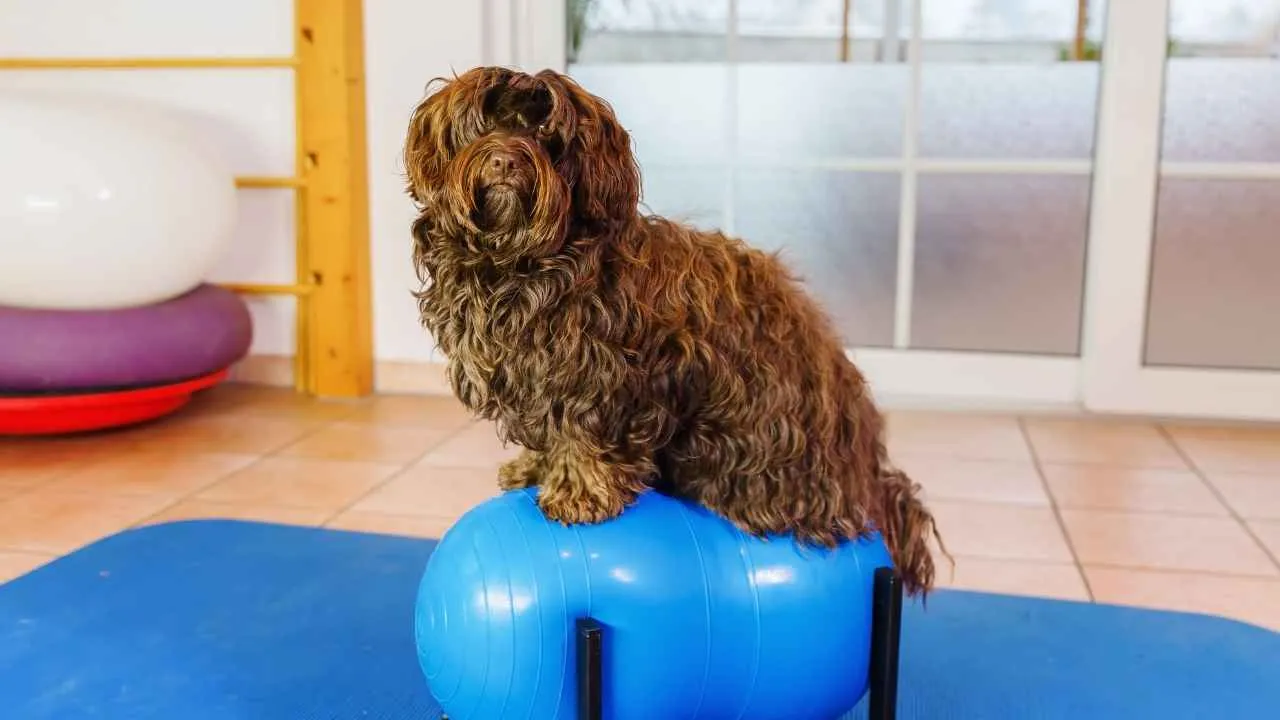
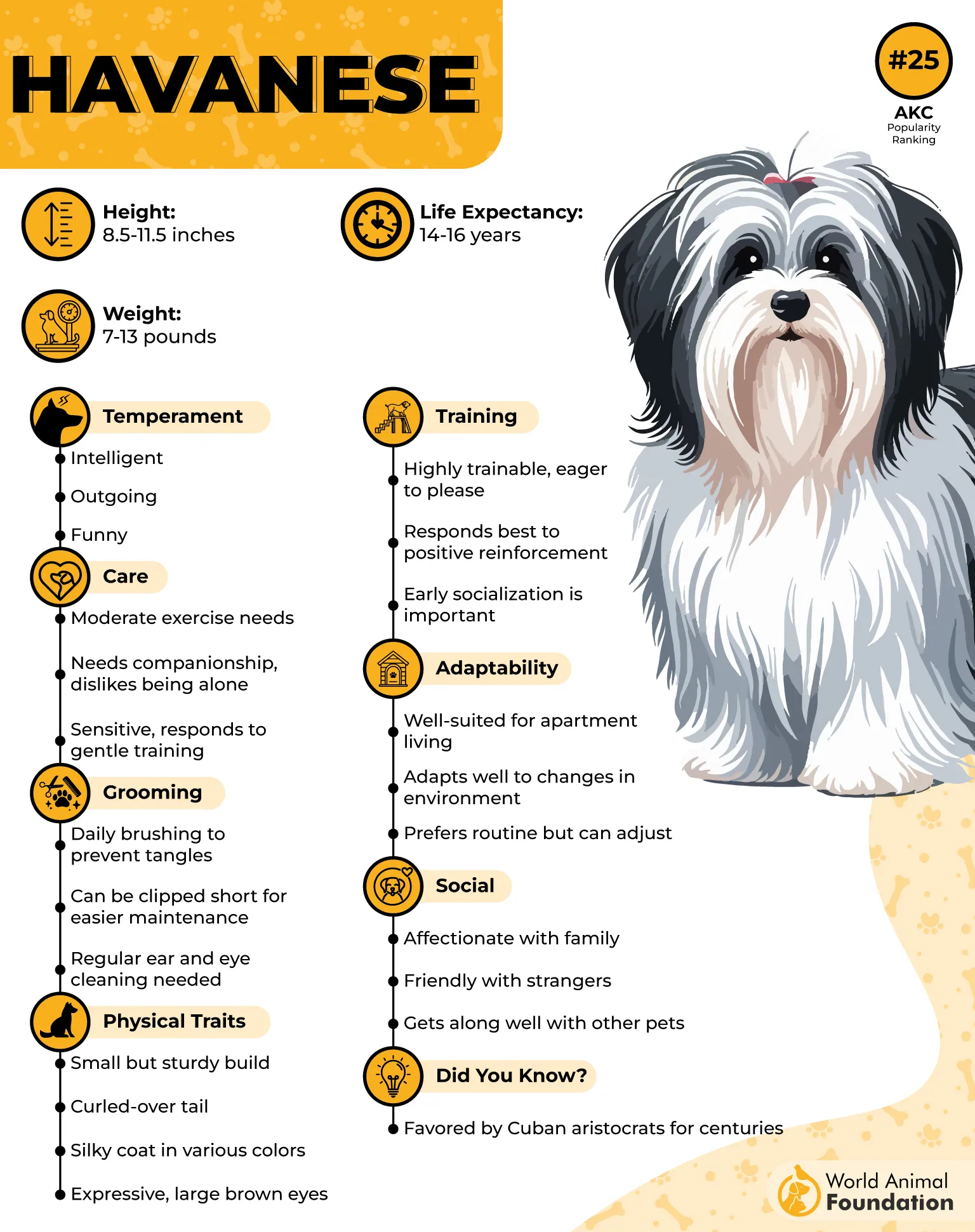
The Havanese developed in Cuba and became closely associated with the country’s upper-class households. Its ancestors were small affectionate dogs brought to the island by European settlers, with the breed gradually developing into the silky-coated dog recognized today. It was prized primarily for companionship rather than strenuous working duties.
A Silky Coat That Rewards Regular Grooming
The Havanese has a long, soft coat that can become tangled without frequent brushing. Regular grooming helps keep the hair manageable, while some owners prefer shorter trims for easier upkeep. Despite being a small companion breed, it enjoys daily walks, playtime, and interactive activities with its family.
A Cooperative Companion That Likes Attention
Havanese are generally social and strongly connected to their people. That bond can become an advantage during training because many enjoy receiving praise and attention from their owners. Keeping sessions positive and varied can help maintain their interest while teaching basic manners and household routines.
6. Yorkshire Terrier
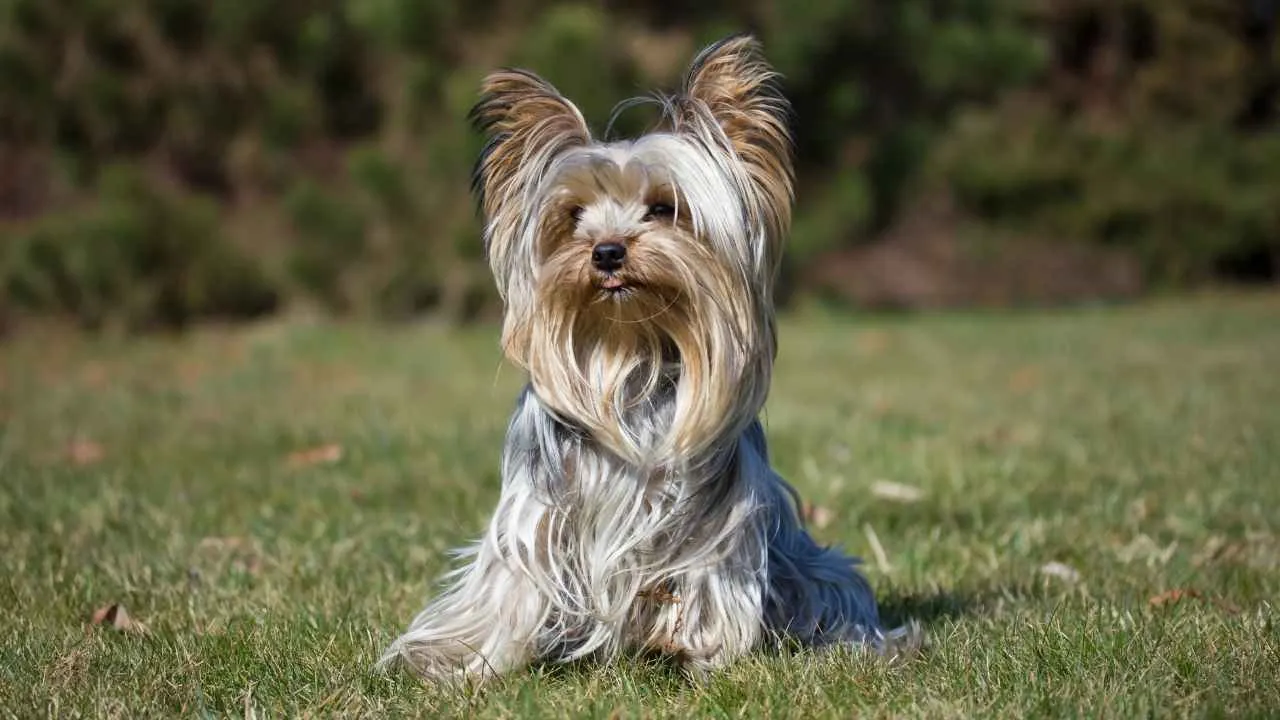
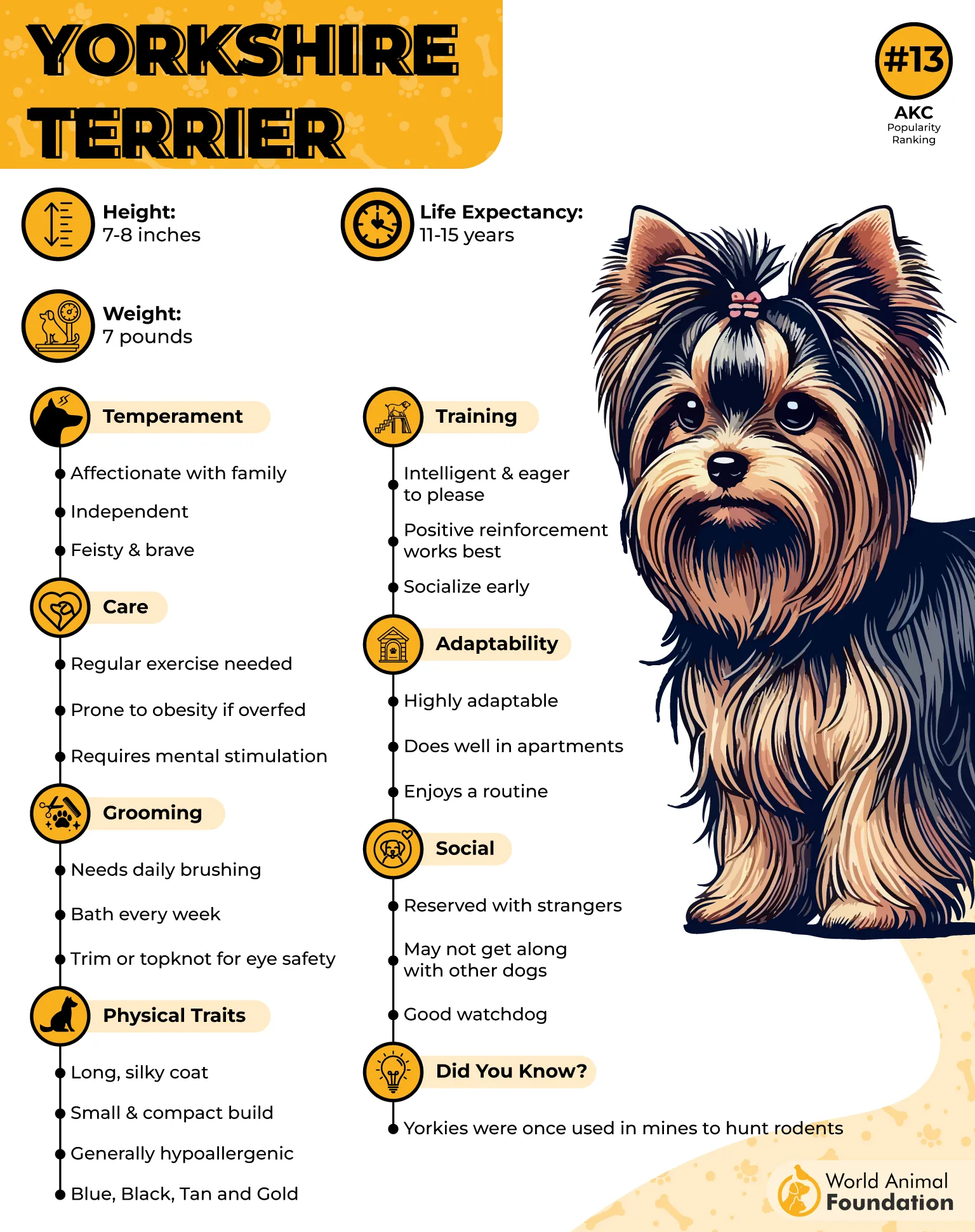
The Yorkshire Terrier originated in northern England during the Industrial Revolution. Scottish workers who moved into the Yorkshire region brought small terriers with them, contributing to the development of the breed. Yorkies were originally used for catching rats in mills before their small size and attractive appearance helped establish them as popular companion dogs.
Fine, Silky Hair With a Demanding Routine
The Yorkshire Terrier’s long, silky coat requires regular brushing to prevent knots and matting. Many pet owners choose shorter trims to simplify daily care, as per Hill’s Pet. Yorkies have plenty of energy for their size and benefit from short walks, indoor games, and brief training sessions throughout the day.
A Spirited Terrier That Can Learn Quickly
Yorkies have an independent streak inherited from their terrier background, but that does not prevent them from learning effectively. They can respond well to positive reinforcement when lessons are short and engaging. Because they can become stubborn when bored, keeping training varied and rewarding is particularly useful.
7. Brussels Griffon
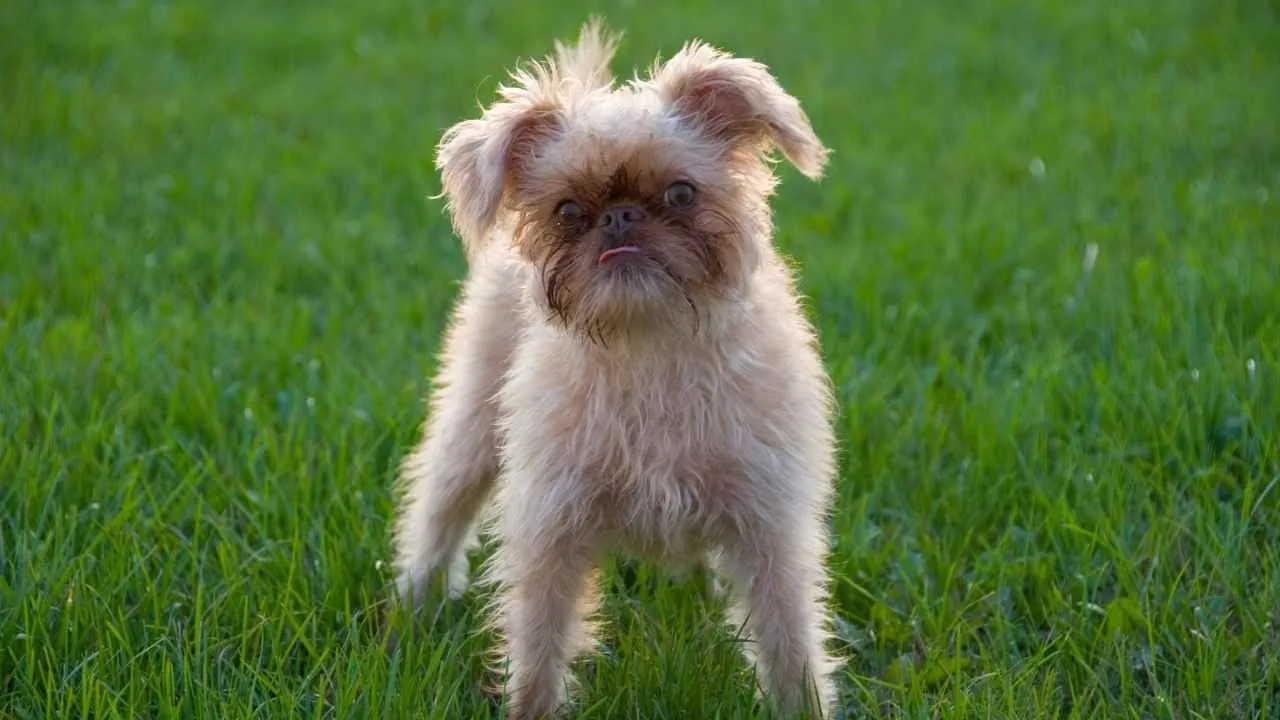
The Brussels Griffon originated in Belgium and developed from small stable and street dogs that were used to control rodents, as per the AKC. Over time, these dogs were selectively bred into companion animals and became associated with Belgian households. Their expressive faces and human-focused personalities have helped them remain popular as companion dogs.
Two Coat Types With Different Care Needs
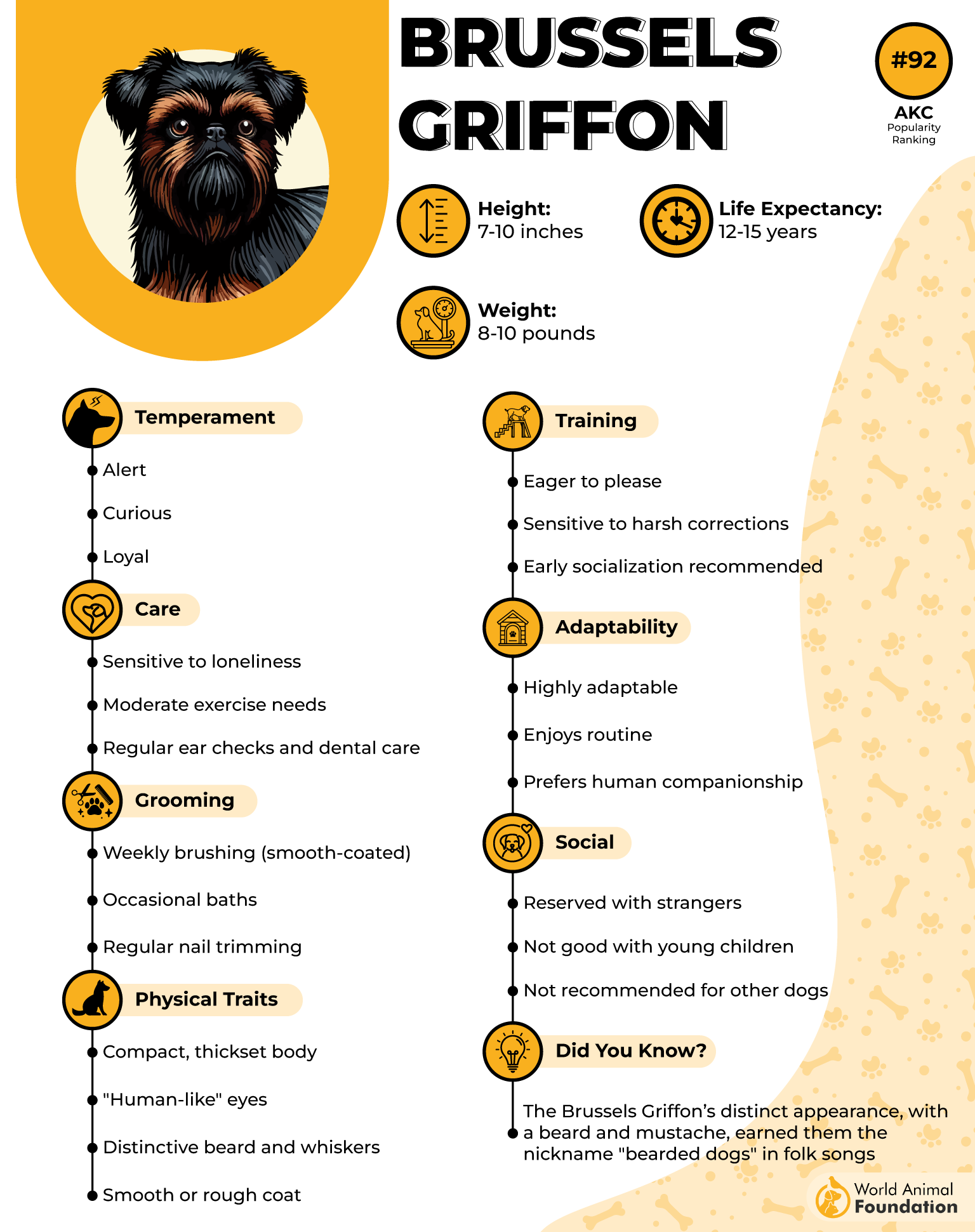
Brussels Griffons can have either a rough or smooth coat. Rough-coated dogs require regular brushing and may need trimming or hand-stripping, while smooth-coated varieties generally need less maintenance. Their exercise needs are moderate, and short walks, indoor games, and interactive activities can provide suitable outlets.
Sensitive, Engaged, and Closely Bonded
Brussels Griffons often form strong relationships with their owners and tend to pay close attention to human interaction. That sensitivity can make them responsive to positive training methods, although harsh handling may cause them to become withdrawn or resistant. Gentle repetition, praise, and consistency can help them build confidence while learning new behaviors.
Conclusion
Each of the above dog breeds brings different qualities to the training process. Some stand out for intelligence, while others benefit from their strong attachment to people or playful personalities.
Their small size can also make everyday training convenient, especially when lessons are practiced indoors. However, compact breeds still need regular exercise, mental stimulation, socialization, and clear boundaries to develop into well-mannered companions.
For a smoother training experience, choosing a breed whose temperament fits your lifestyle is only the beginning. Consistent routines, positive reinforcement, patience, and plenty of encouragement can help turn a friendly small dog into a confident and responsive companion.
