




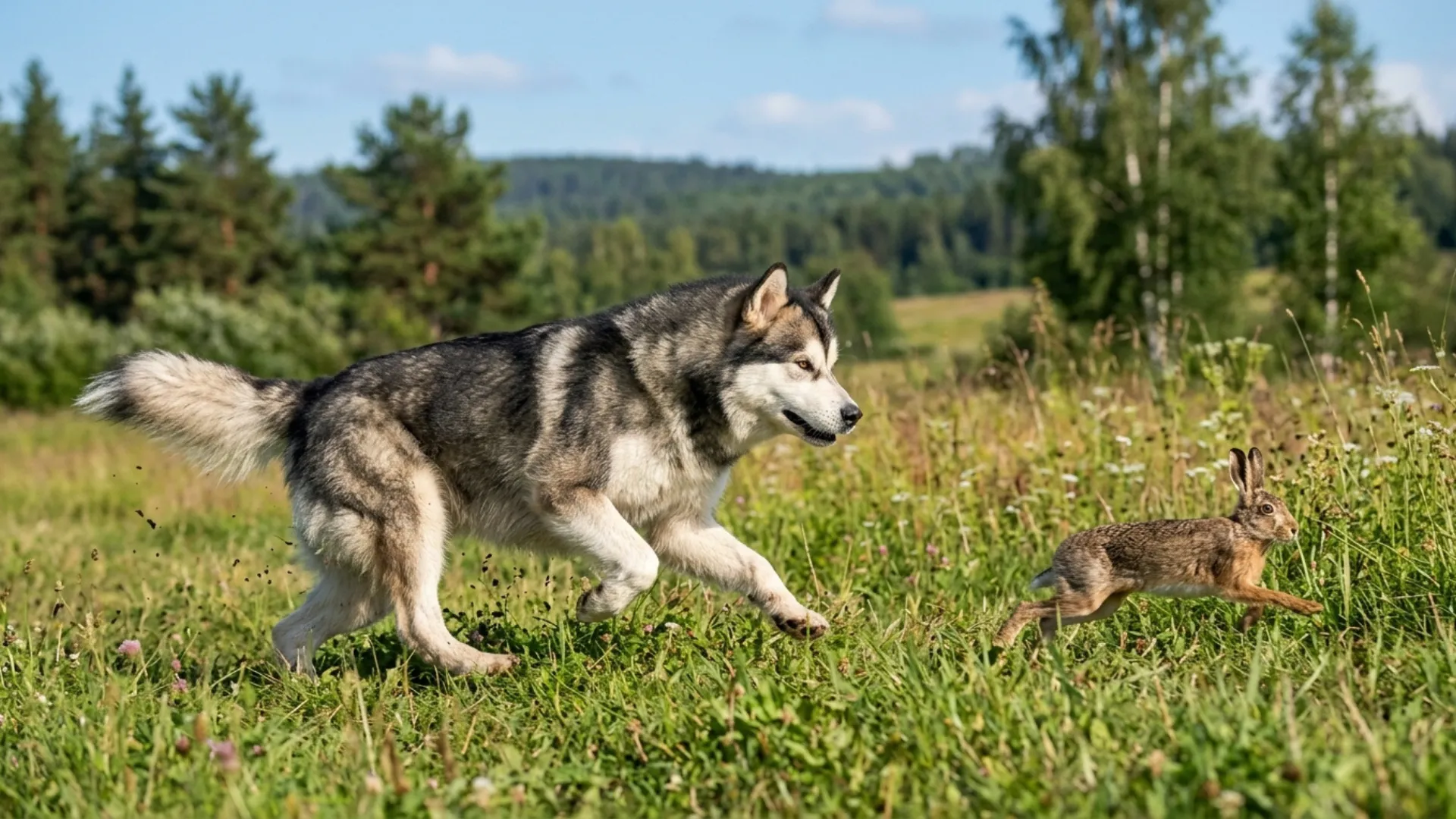
One of the most fascinating drives in a dog’s nature is that of prey drive. It is a dog’s instinct to see, chase, track, take, or follow something that it thinks is prey. Focused attention can result in extreme excitement over small animals such as squirrels, rabbits, birds, cats, or any other animal quickly darting around.
Some can demonstrate the instinct in other ways, like chasing toys, moving around to follow scents, or engaging in activities that resemble hunting.
No one knows the precise order, from low to high, of how good a dog of any breed is at catching prey. Rather, the breed history, original purpose, working abilities, and descriptions of the modern breeds will provide a good indicator of the strength of these different breeds.
There are lots of dogs that have a high prey drive that were bred for this purpose. Terriers were used to hunt for vermin and quarry in the ground, and sporting dogs were used to find and bring the game to the person.
High prey drive dog breeds are the most exciting intelligent breeds to watch in action. This instinct must be managed, particularly around small pets and other pets in the household. These behaviors are all natural and can be part of a healthy relationship between the dog and owner with proper training, exercise, and outlets.
Amazing Dog Breeds with High Prey Drive Scores
1. Siberian Husky
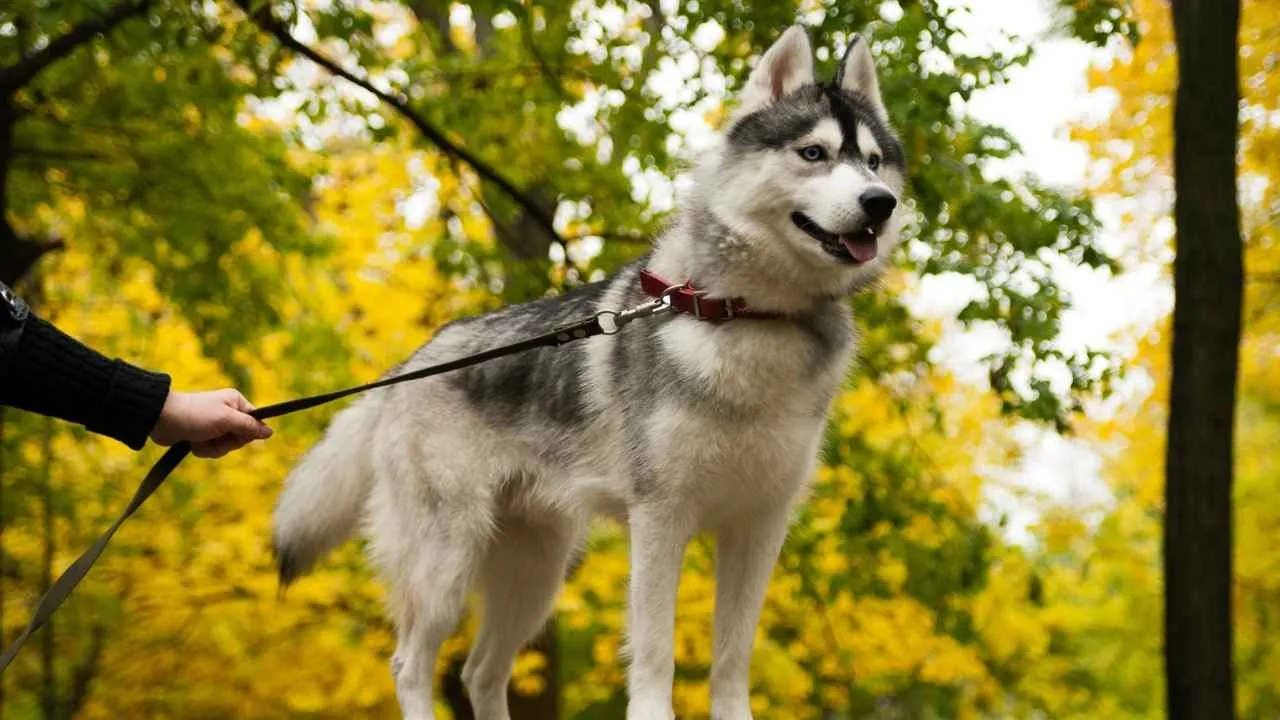
The Siberian Husky may appear to be the perfect endurance athlete, but part of its personality is its prey drive. This breed was specifically bred to be an efficient sled dog, with the ability to cover long distances with a relatively light load.
It didn’t stop its hunting instinct. Squirrels, rabbits, birds, and other small animals can be of intense interest to the Huskies. They have fast movement, are athletic, and may make it hard to catch them when they are on their game.
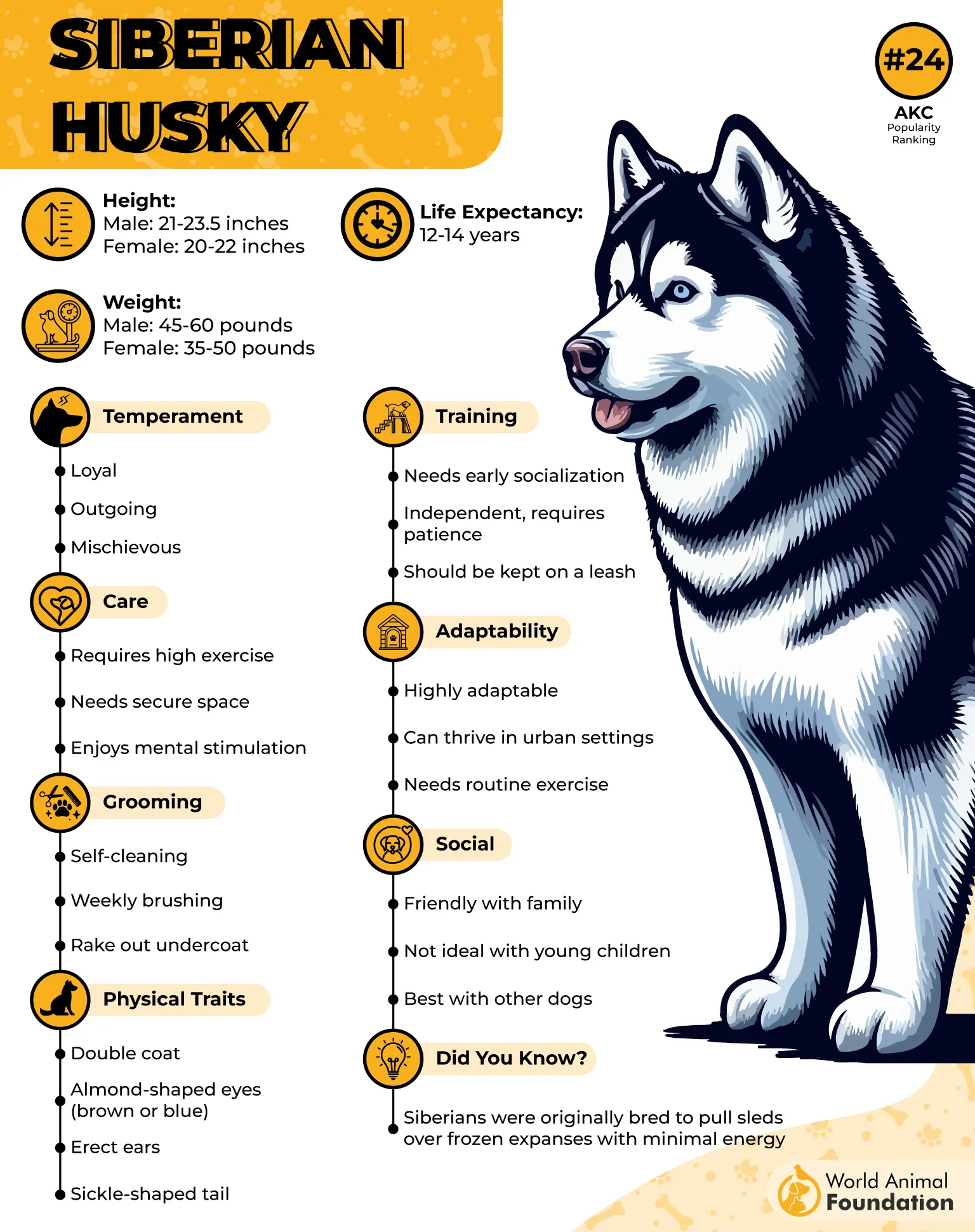
That’s why it’s crucial to have a securely fenced area and effective leash control when taking care of this breed. A Siberian Husky would be more interested in an object of interest, following its trail, than going home to its owner.
Their curiosity is also good for mental stimulation. To avoid boredom, scent games, structured play, training drills, and activities that let them apply their natural abilities to games can be beneficial.
2. Alaskan Malamute
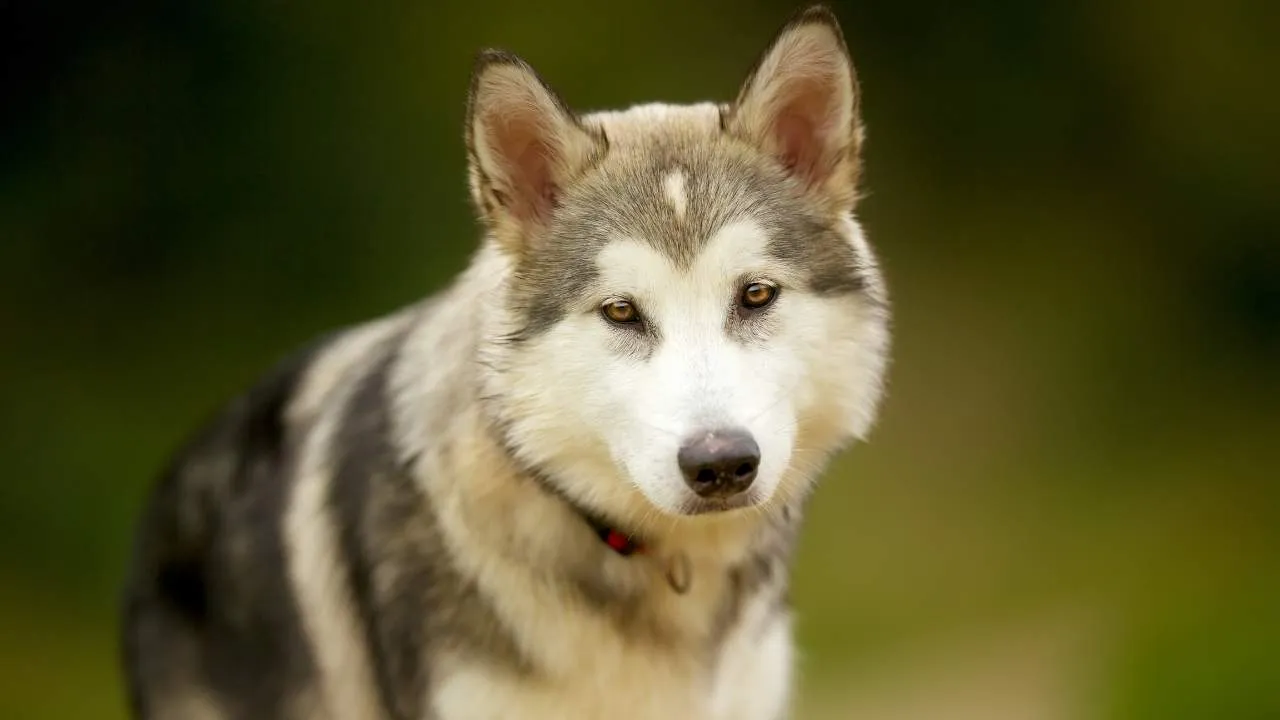
The Alaskan Malamute is different in their working history compared to the Siberian Husky. It was designed not for speed, but for heavy freighting, and strength and endurance are important factors.
But the Malamute is also highly driven to hunt for food. Due to its size and muscle power, pet parents should never underestimate the interest smaller animals will have. Chasing behavior can be induced in this breed by other cats, animals, and even other dogs.
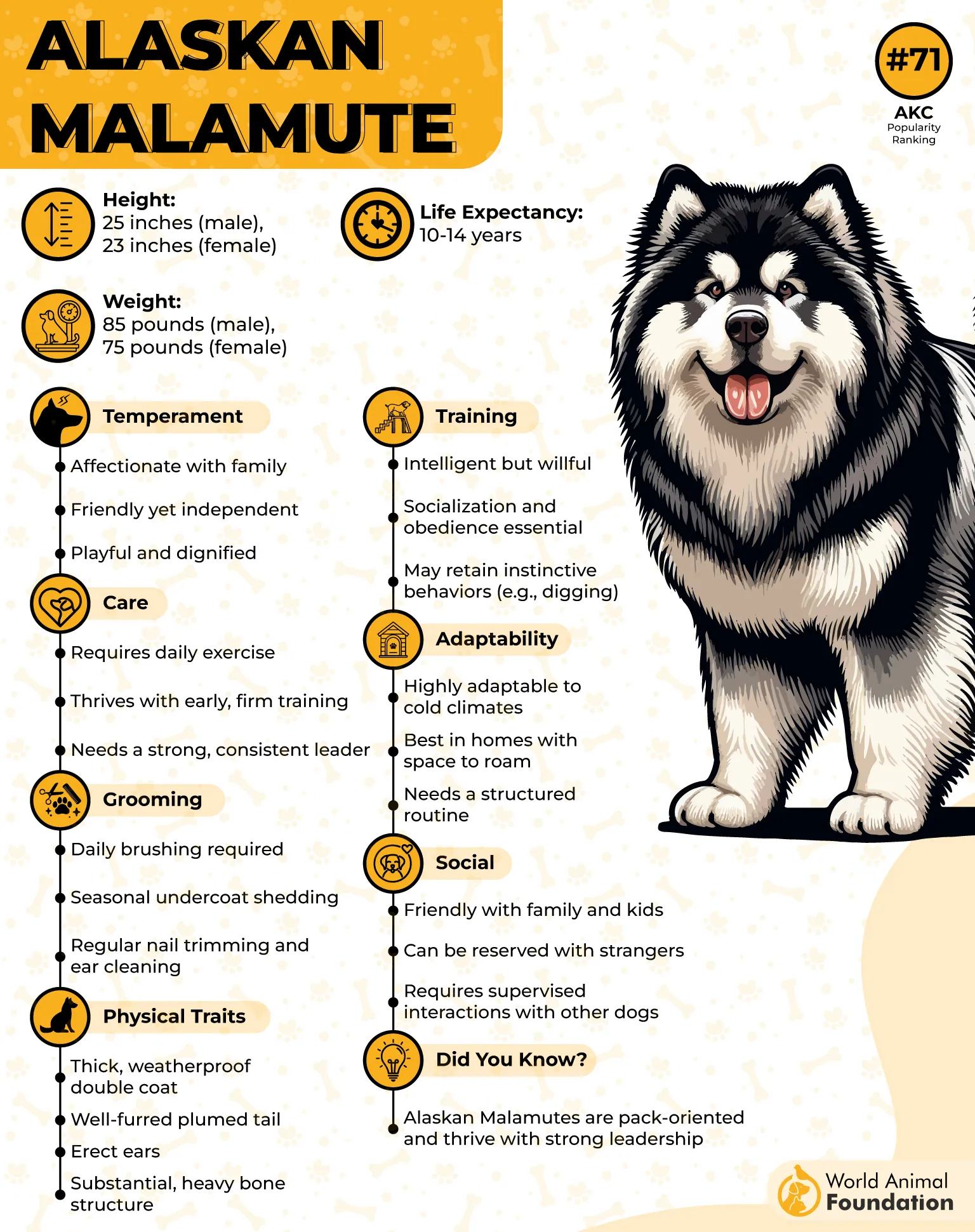
Called affectionate and loyal by the American Kennel Club, it is important for this breed to be introduced to socialization early on. While it is possible to socialize a Malamute to live peacefully with other pets in the home, it is important to remember that training will not eliminate this dog’s prey drive.
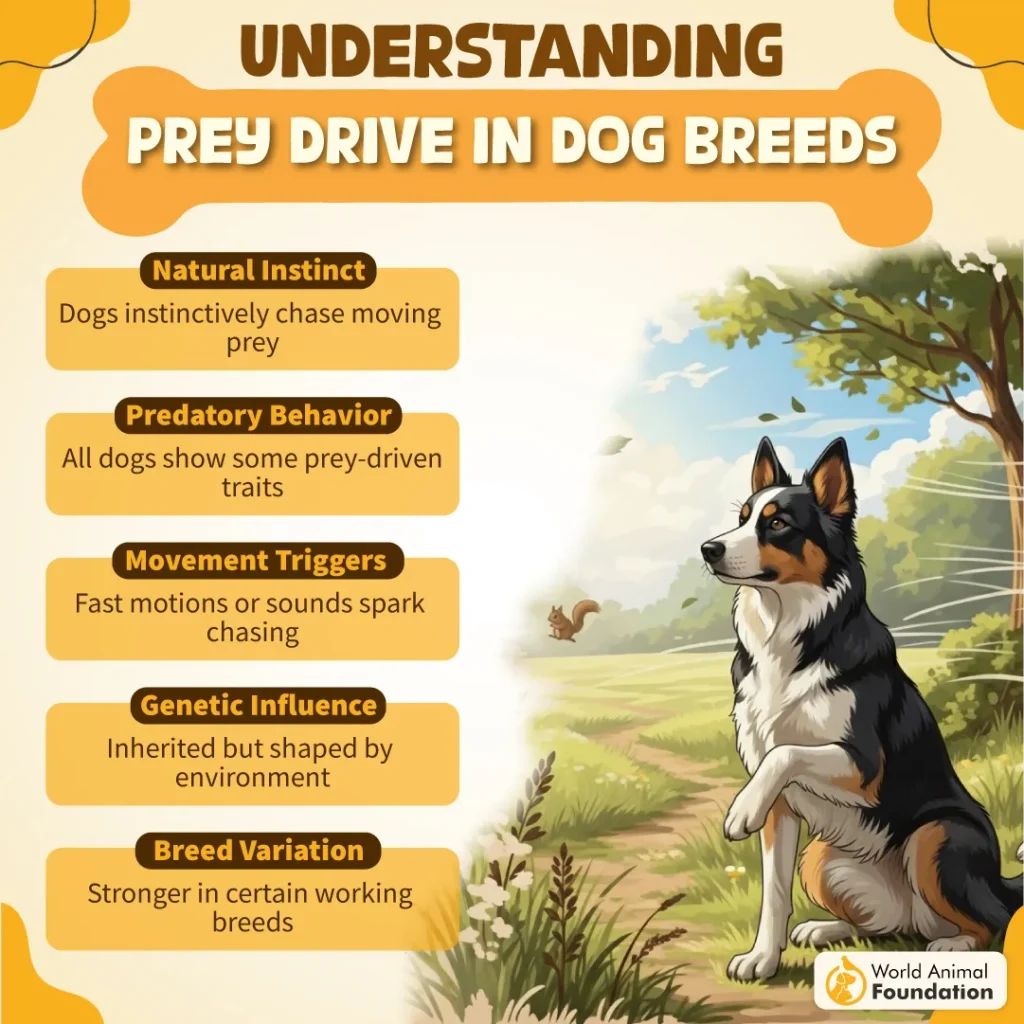
Another important characteristic is their independence. Unlike many dogs, the dog’s behavior does not let it follow orders all day long. This is an intelligent breed that is strong and has a strong prey drive, making it difficult to handle for first-time pet owners.
3. Jack Russell Terrier
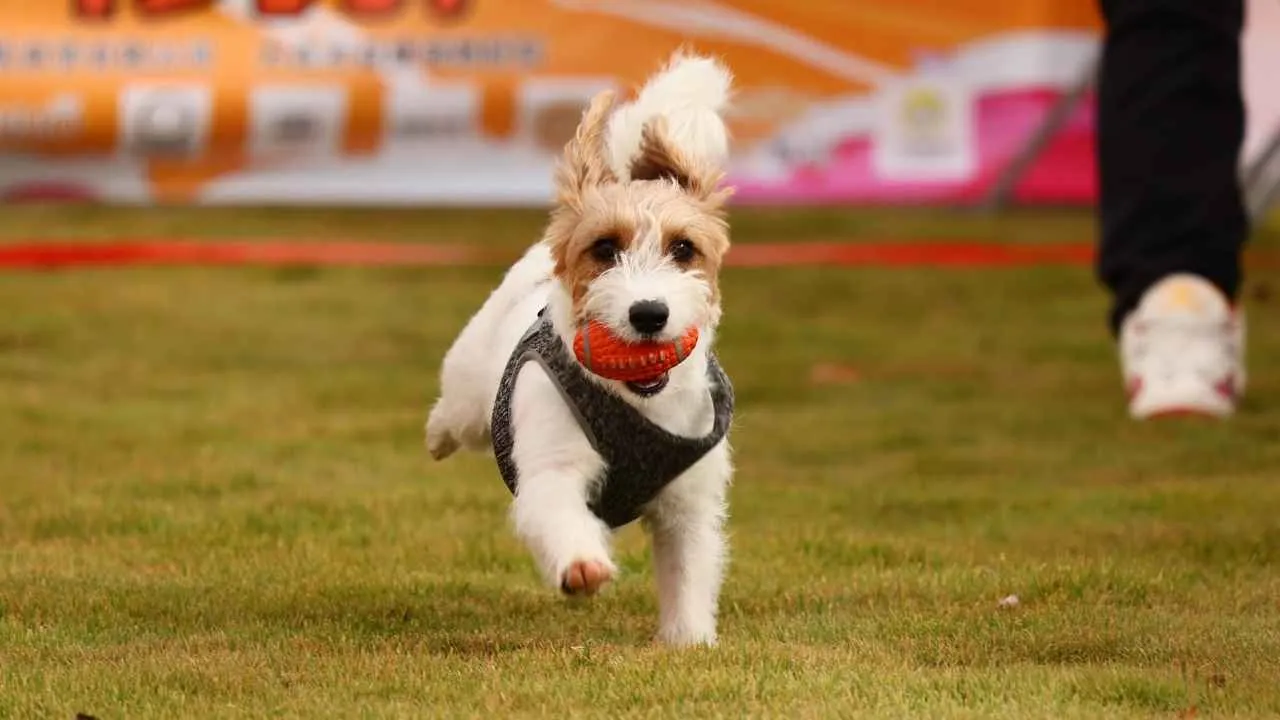
There are several Russell-type Terriers that could confuse the name “Jack Russell Terrier”. There are two AKC-recognized varieties of the Russell, the Parson Russell Terrier and the Russell; the name Jack Russell is still commonly used for dogs of this traditional type.
Regardless of the terms used, this hunting dog’s heritage is evident. These Terriers were bred for fox hunting, including the hunting of the quarry through underground dens. They were small because it was beneficial that they could be moved through tight spaces while retaining their determination to pursue their target.
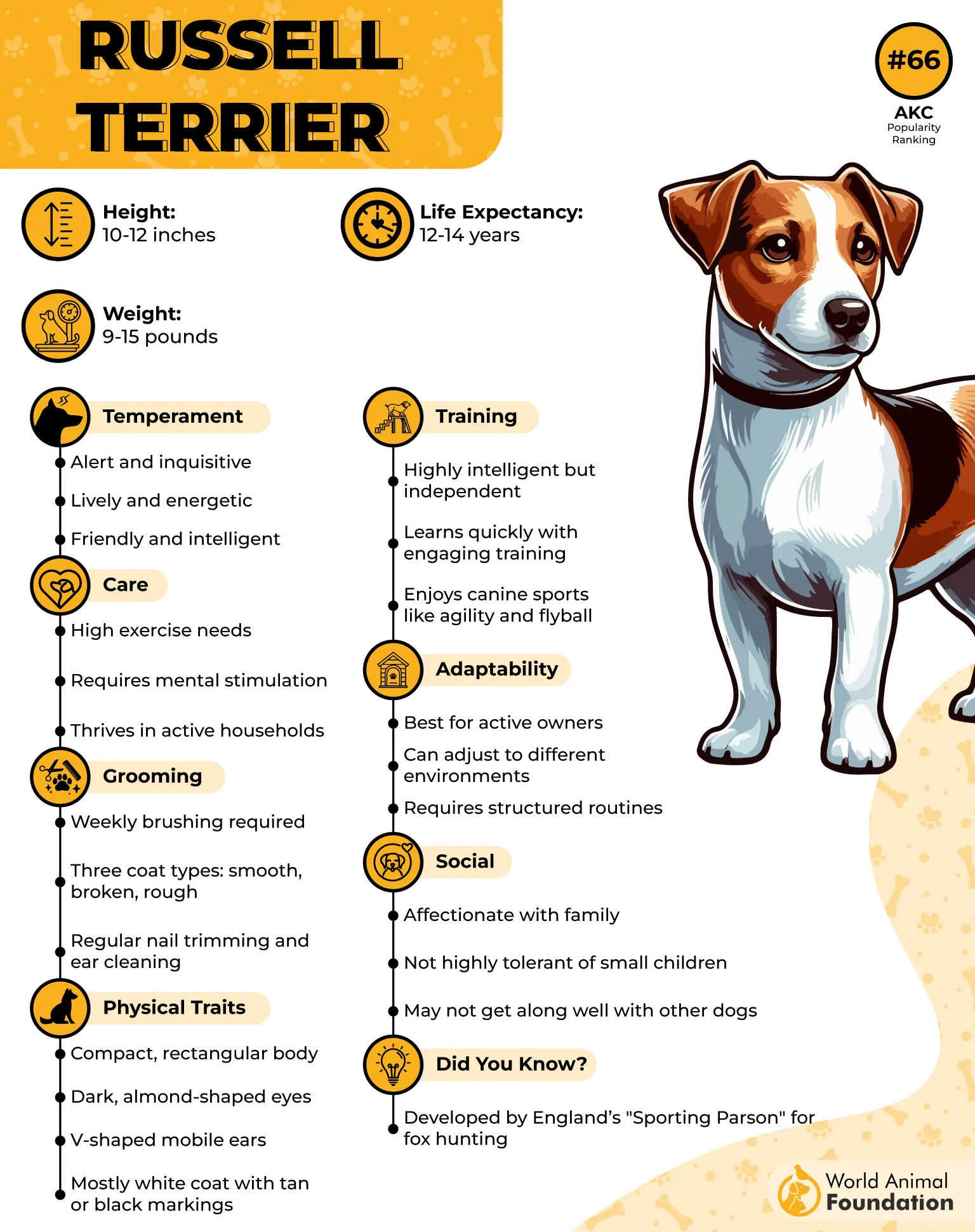
Their prey drive sequence can manifest itself in chasing squirrels, rodents, birds, and often times fast-moving prey. They also like to dig, search, and play games that allow them to solve a problem.
Jack Russell Terriers are not a breed group to be known as a passive small breed. They might be small, but they’re mighty. A Russell must have exercise and challenges to be content.
4. Patterdale Terrier
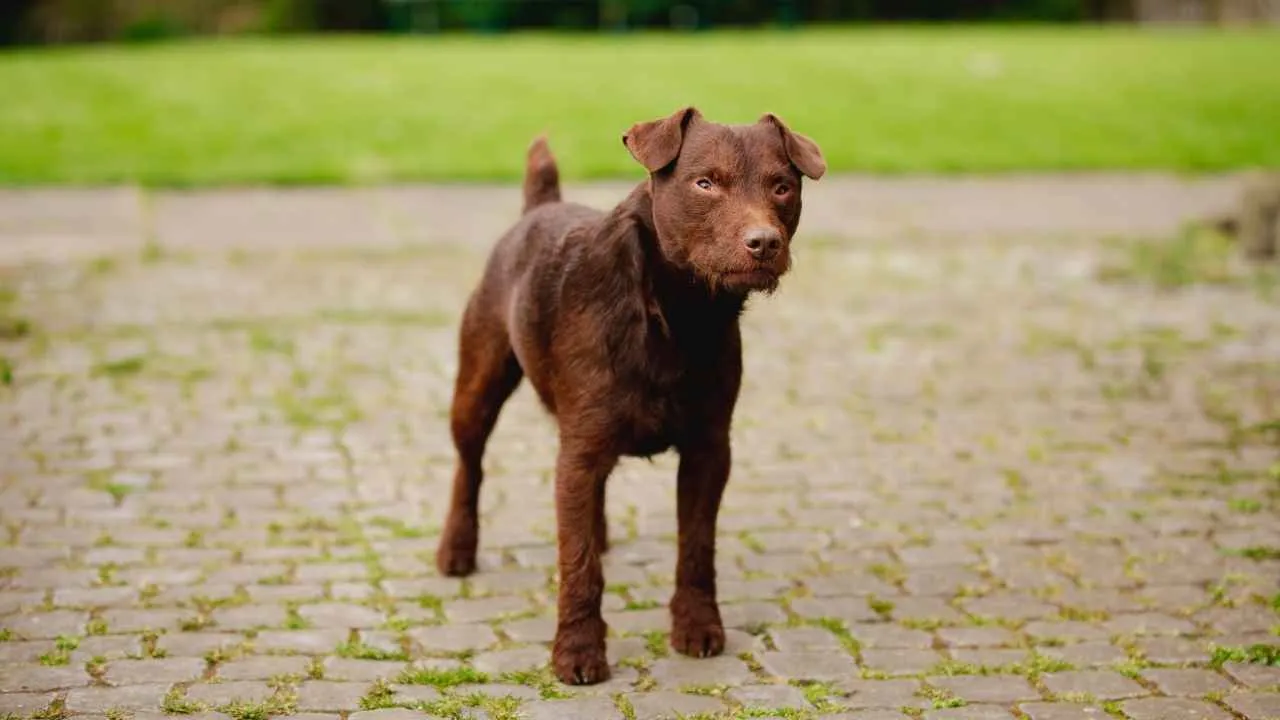
The Patterdale Terrier is one of the less common breeds in this list. Its development was for use as a going-to-ground and confined-space working Terrier.
Patterdales are extremely brave, working, fast-moving animals with a high prey drive. The small size, determination, and willingness to work were practical advantages in the underground hunt.
The rarity of the breed is what makes it really interesting. The main intention in creating the Patterdale was not breeding it as a show dog. Working instincts are still a significant part of its character.
Patterdales can make wonderful companions as long as a person is willing to provide them with some activity, but may not be the best choice for a family pet that doesn’t need much hustle and bustle.
5. Weimaraner
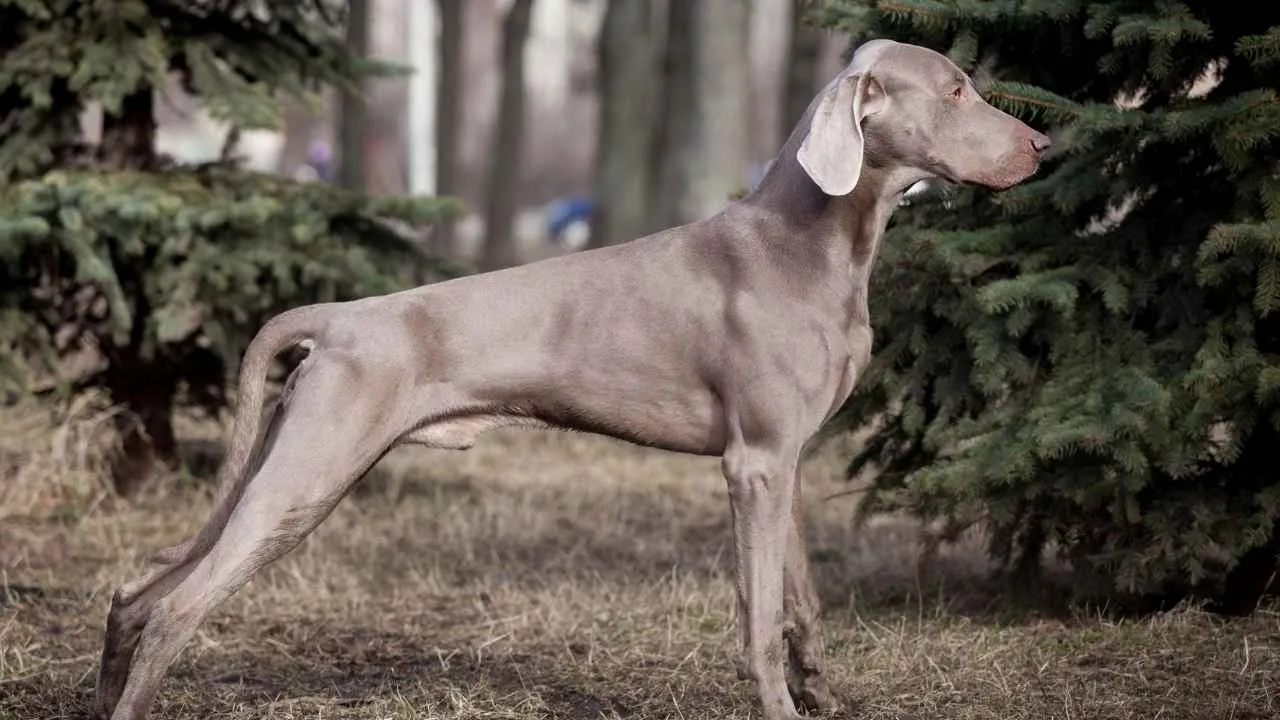
The Weimaraner adds an extra flavor to the list. It is not a small vermin-hunting terrier, but rather a versatile sporting dog that is trained to hunt with the hunters.
Known as energetic and bold by Britannica, Weimaraners were originally employed for game hunting and game tracking, and they became famous for their bird hunting abilities. They are athletic and can cover a great distance on foot, and are intelligent enough to work with humans.
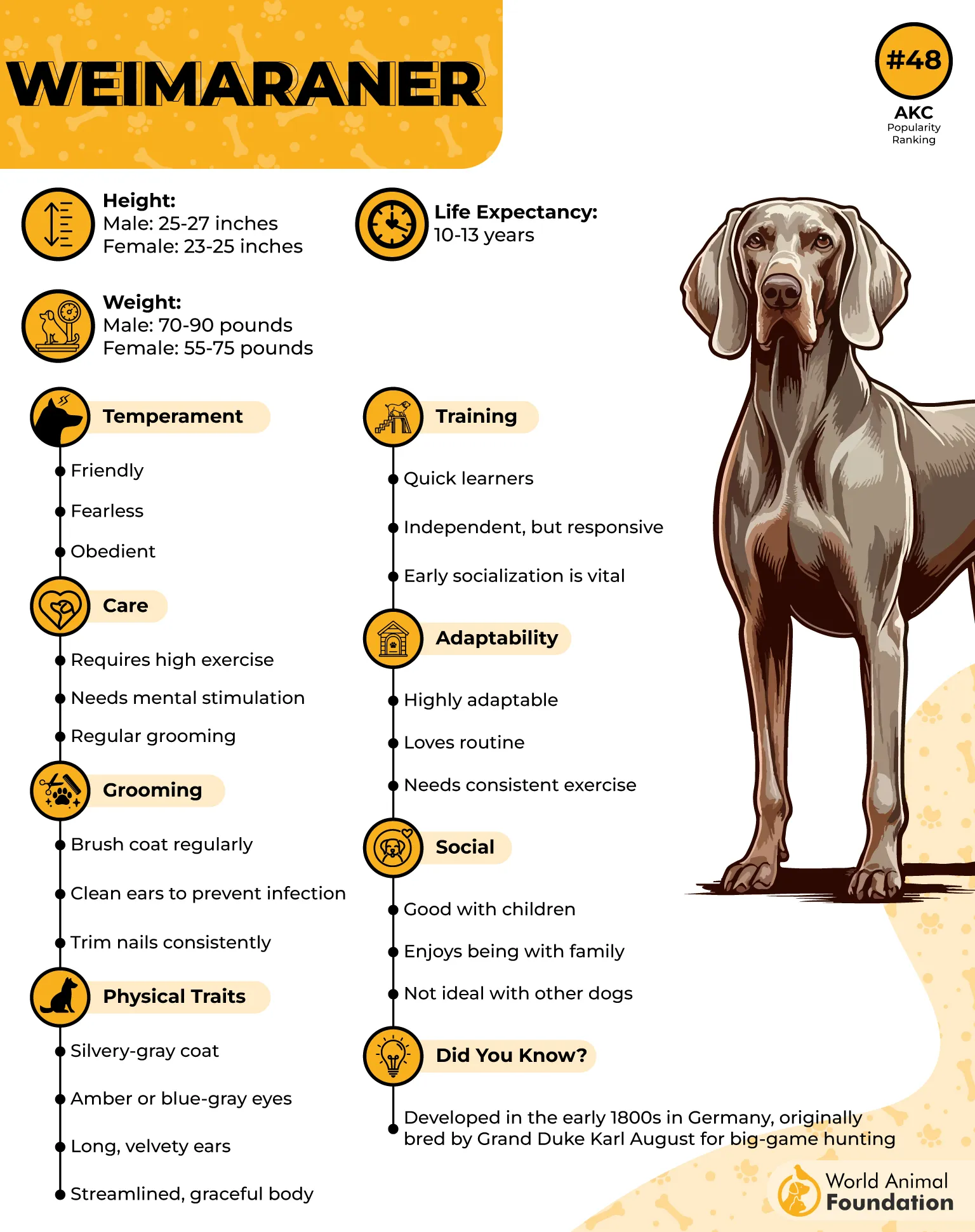
They may show their prey drive behavior around small animals. The Weimaraner is a natural predator and may chase or pursue something that is moving fast, especially if it looks like the quarry your dog’s ancestors were bred to find.
Their relationship with humankind is also important, though. Weimaraners are a breed that is eager to please their handlers. This is why interactive training is very useful.
If a Weimaraner is left to fume, he can get to be quite an unruly dog. Mental stimulation and training combined with exercise are far more beneficial than just making the dog physically tired.
6. Vizsla
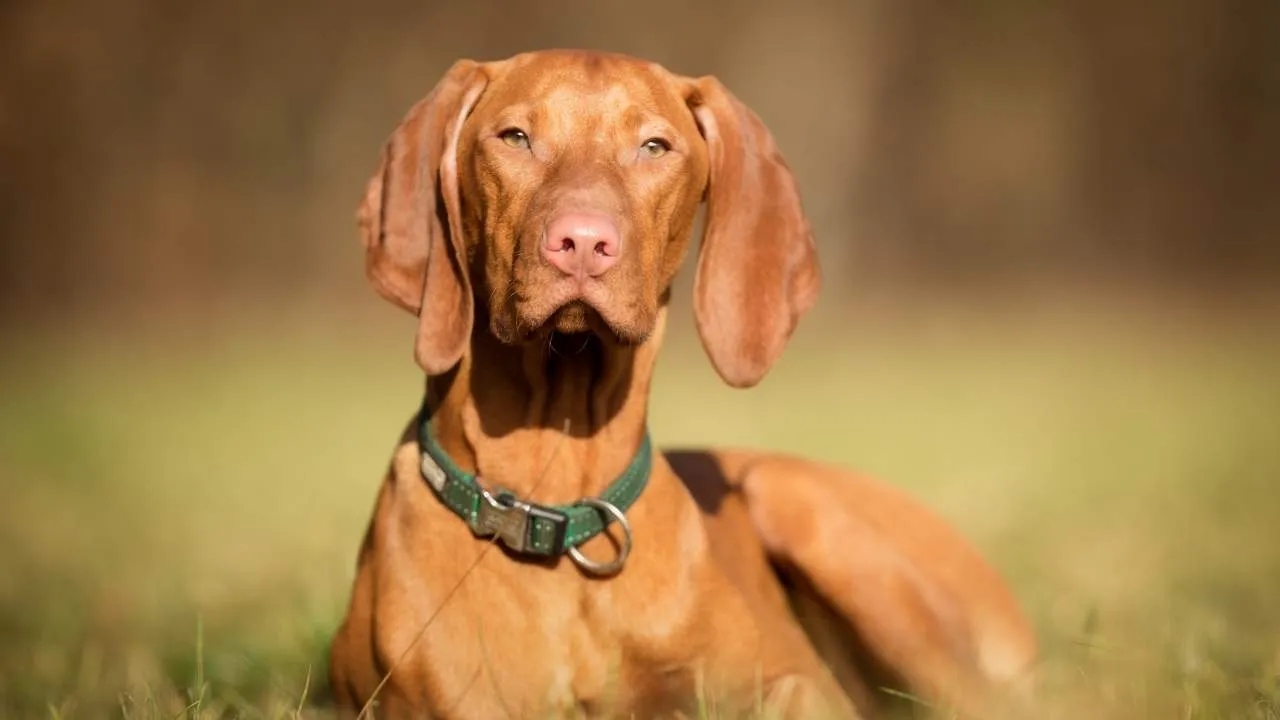
Another hunting dog breed that is a sporting dog type is the Vizsla. It was bred in Hungary for versatility: to find, to point, and to fetch game.
It also has a strong prey drive, which is related to its working style. A Vizsla doesn’t just rush to chase after anything that moves, but will use its nose, body language, and concentration to pinpoint game before it responds.
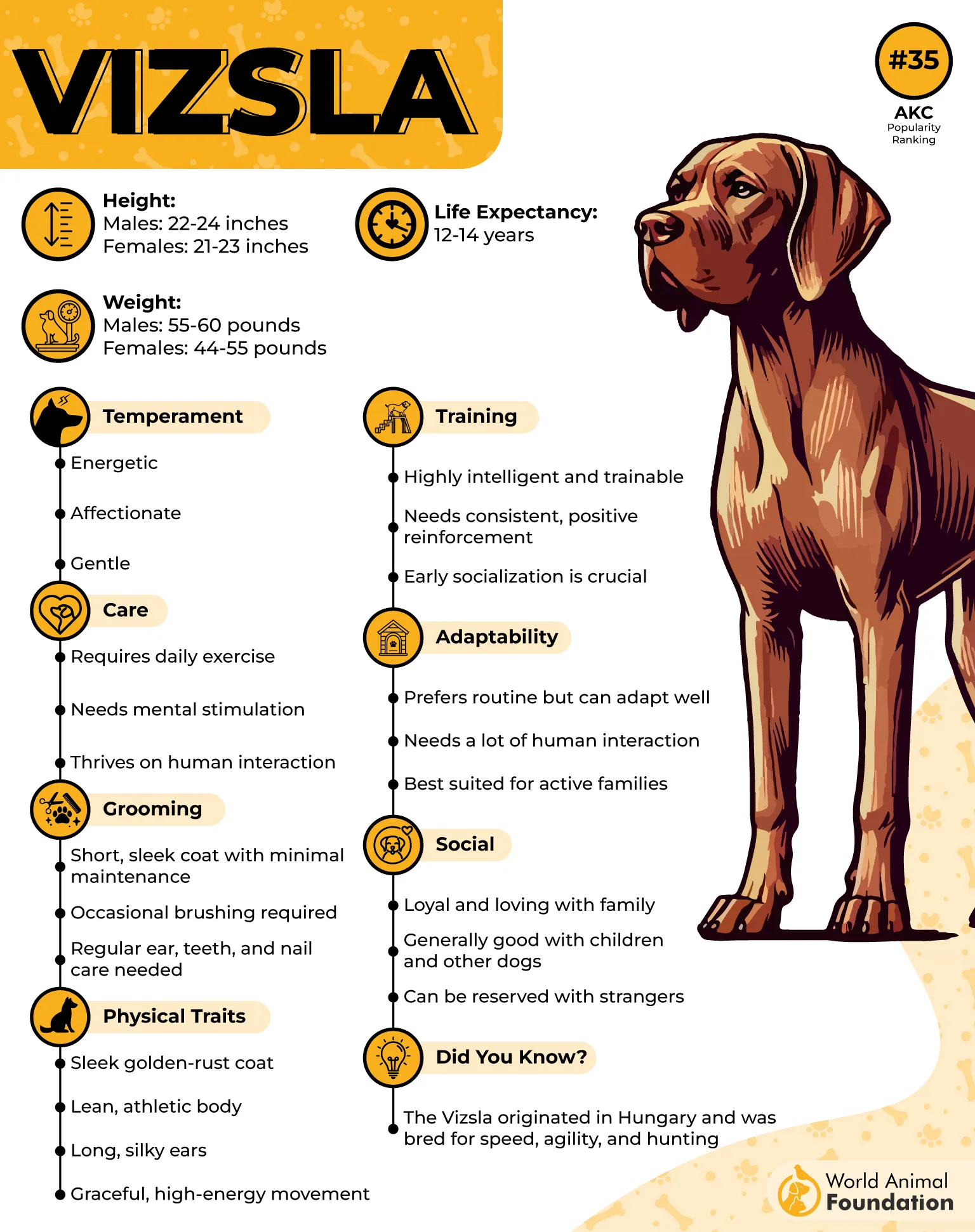
This is particularly evident in the breed due to its high energy levels. Vizslas are highly active dogs and require lots of exercise and mental stimulation.
They can sometimes be underestimated because they’re so loving. They’re known as “velcro dogs” as they are very close to their owners. But that personality that is focused on people can make training fun, which doesn’t diminish their hunting instincts.
7. Rhodesian Ridgeback
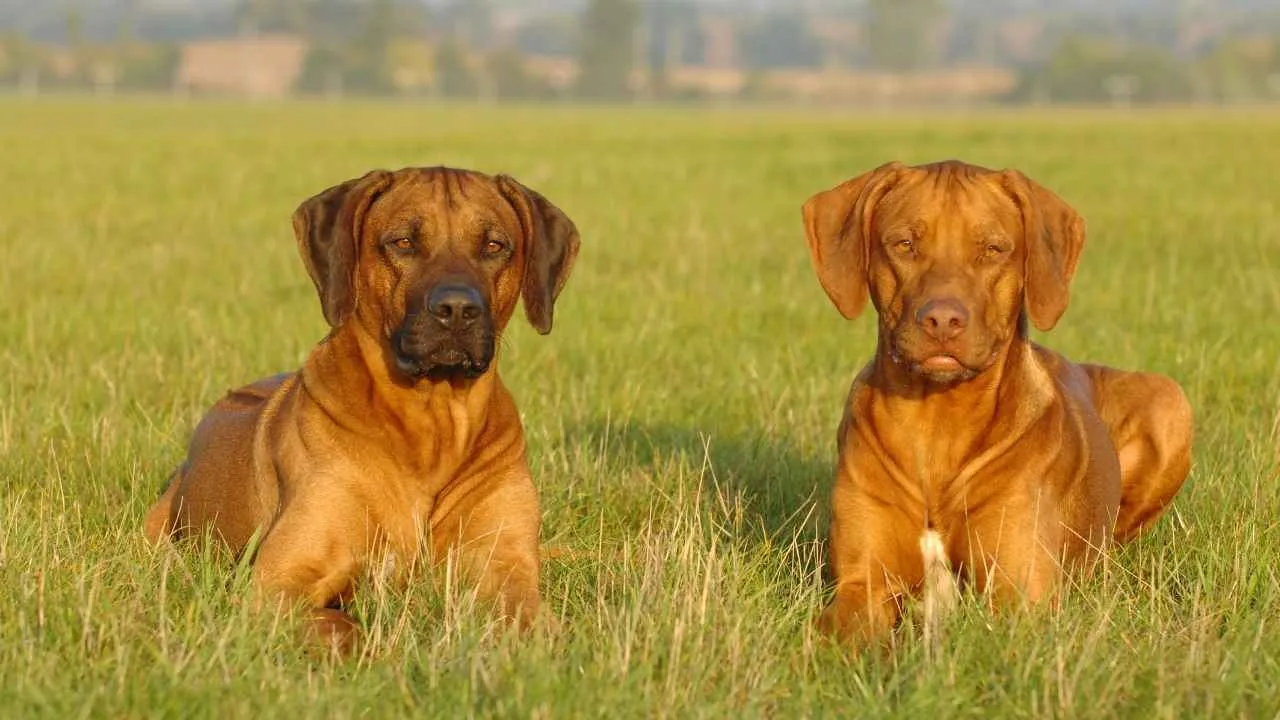
The Rhodesian Ridgeback, known as a loving companion by Orvis, has one of the most peculiar hunting backgrounds of this list. It is a breed which gained international renown for its skill at tracking and baying lions, rather than small game, in Southern African countries.
This history has contributed to the development of a large, athletic, independent, stout hound. While modern Ridgebacks are devoted and family-oriented by nature, the instinct to hunt hasn’t gone away.
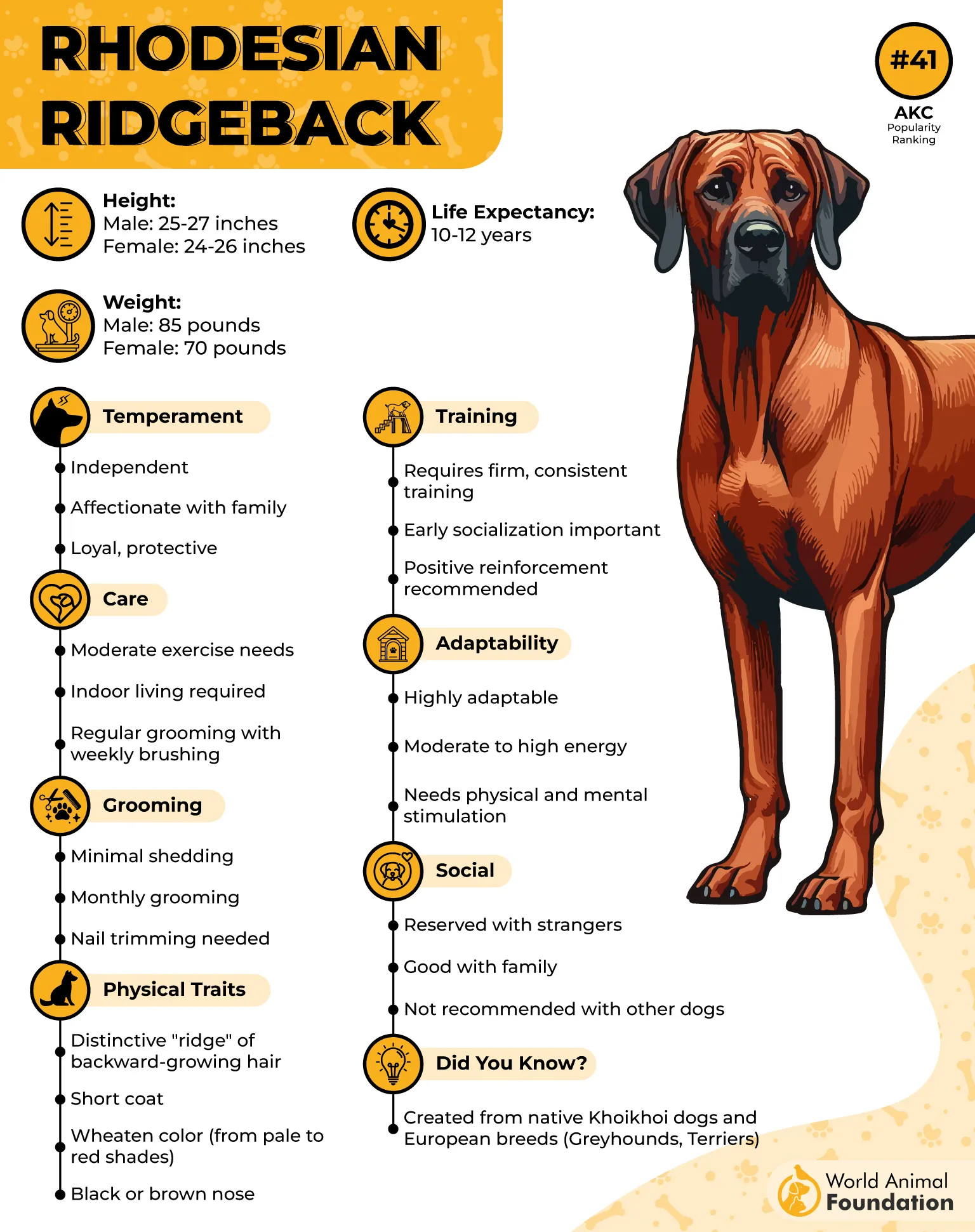
The breed may be very interested when it spots something of interest. That is why fencing and training is so critical when a Ridgeback is given their freedom.
They tend to be more suitable for more advanced owners who know how to balance their exercise, training, socialization, and freedom with sensible management.
Conclusion
Pet owners are not to blame when their dog has a high prey drive. This may be a result of a long period of selective breeding. Dogs have many of the attributes of animals that require them to find, chase, track, or pursue their prey.
Some herding breeds and small dogs also have a high prey drive. Most dogs can maintain their instinct with obedience training from an early age, though.
The big question is how to fit these instincts into your lifestyle. This may be more important for a household with cats or small animals, or an active owner may prefer to have a dog with a natural drive that can be channeled into scent work, training, sports, or other structured activities.
