




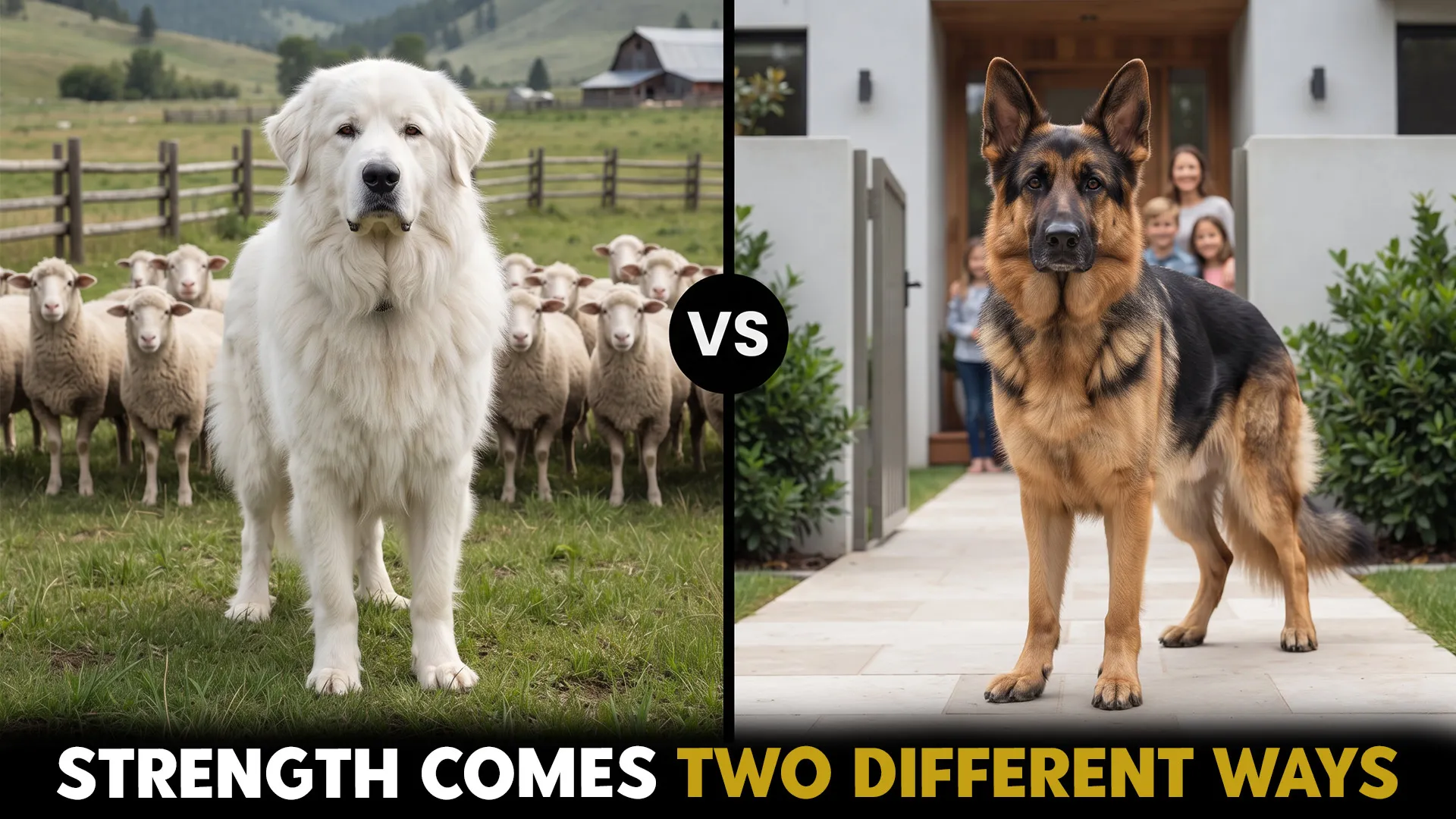
The Great Pyrenees and German Shepherd are both impressive working dogs, but they have quite different personalities, appearances, and daily needs.
The Great Pyrenees is calm, independent, and naturally protective, while the German Shepherd is known for its intelligence, loyalty, and eagerness to work.
Both breeds have strong backgrounds as working dogs. Great Pyrenees were developed to guard livestock and are comfortable making decisions on their own, while German Shepherds have taken on many roles, including police, military, guide, and detection work.
From size and temperament to energy, grooming, trainability, and family life, there are plenty of differences worth knowing. Taking a closer look at these must-know facts can help you understand what makes each breed unique and which one may fit your lifestyle better.
Key Takeaways
Great Pyrenees bring calm confidence and powerful natural guarding instincts.
German Shepherds stand out for intelligence, energy, and easy trainability.
Compare size, exercise, grooming, health, and temperament before choosing.
See which protective breed fits your home, routine, and experience best.
Great Pyrenees vs. German Shepherd: Must-Know Facts About These Dog Breeds
Origins & Purpose
Great Pyrenees
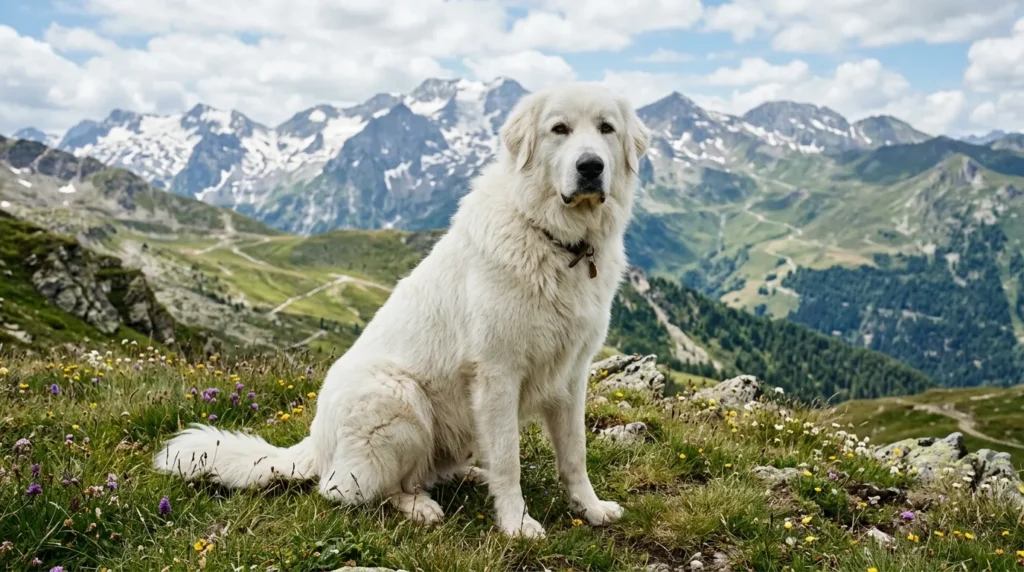
The Great Pyrenees originated in the Pyrenees Mountains between France and Spain, with roots that can be traced back to the Bronze Age.
They were bred to guard sheep and other livestock from predators such as wolves and bears. Their thick white coats helped them blend into snowy surroundings while protecting their flocks.
Over time, the breed became popular among French royalty and the noble class, where Great Pyrenees were used as guardian dogs for castles.
According to the American Kennel Club, King Louis XIV even called them the “Royal Dog of France.” Today, they are still found working on farms but are more commonly kept as loyal family companions.
German Shepherd
The German Shepherd was developed in Germany in the late 1800s by Captain Max von Stephanitz, who wanted to create an ideal herding dog. The breed was developed to keep sheep under control while also protecting them from predators, giving them a strong foundation as working and farm dogs.
As herding became less common, German Shepherds began taking on other jobs. Von Stephanitz promoted them as police and working dogs, and they eventually became valued for roles in the military, police work, search and rescue, and other demanding tasks. Today, they are also one of the most popular breeds.
Size & Build
Great Pyrenees
The Great Pyrenees is the larger and heavier of the two breeds, with a powerful build suited to protecting livestock from large predators. Its impressive size is complemented by a thick coat that adds to its majestic appearance.
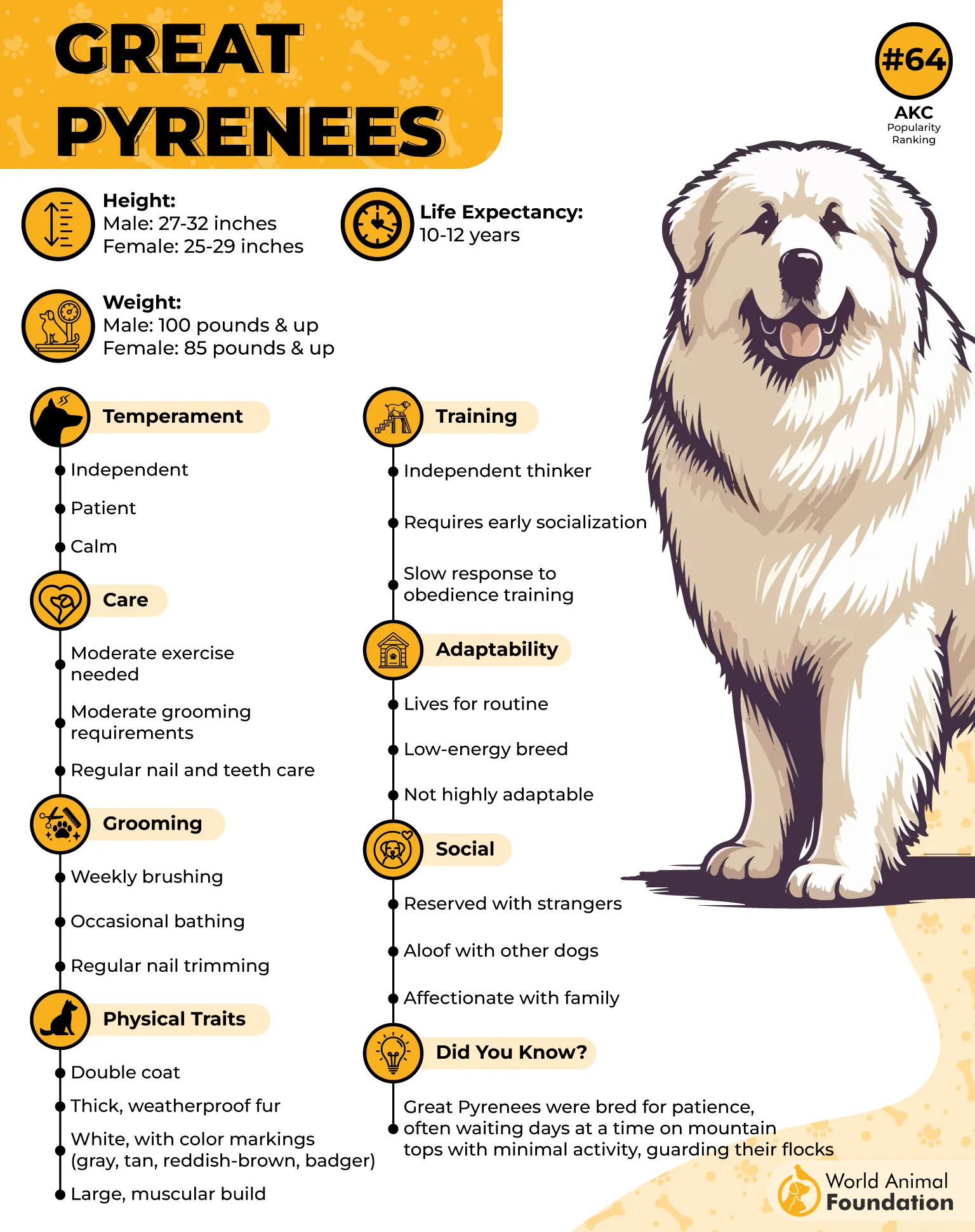
Weight: 85-100 pounds and up
Height: 25–32 inches
German Shepherd
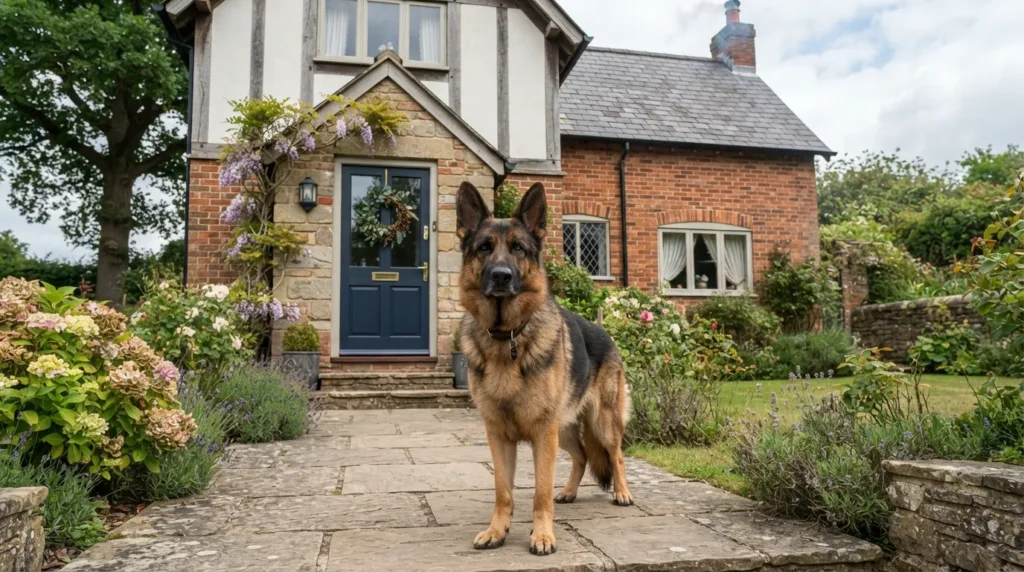
German Shepherds are also large dogs, but they have a more athletic and agile build compared with the heavier Great Pyrenees. Their size varies by sex, with males generally being taller and heavier than females.

Weight: 50–90 pounds
Height: 22–26 inches
Pricing & Availability
Great Pyrenees
Great Pyrenees puppies generally cost around $1,750–$2,500 or more when purchased from a breeder. They may be less readily available than some popular breeds, so finding a puppy from a responsible breeder can sometimes require patience.
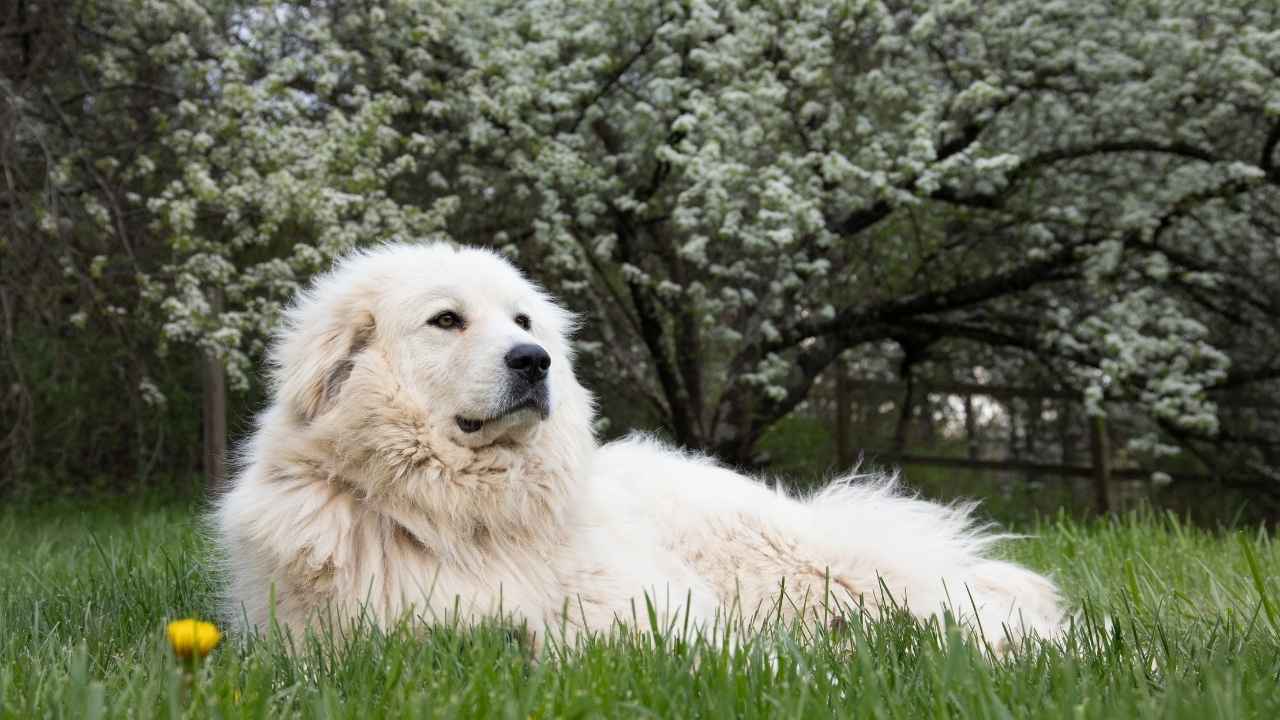
Adoption is another option, with Great Pyrenees rescues and local shelters occasionally having the breed available.
German Shepherd
German Shepherd puppies typically cost about $1,500–$3,500 from breeders. As one of the more popular dog breeds, they are generally easier to find through breeders, rescues, and shelters. Whether buying or adopting, choosing a responsible source is important when looking for a German Shepherd.
Temperament & Personality
Great Pyrenees
Great Pyrenees are generally calm, patient, independent, and protective. They are affectionate with their families and can get along well with children and other pets when properly socialized. However, their large size and independent nature mean early training and respectful interactions are important.
They are not highly active dogs, but they enjoy spending time outdoors and may roam if given the opportunity.
Their strong guardian instincts also make them frequent barkers, especially when they notice something unusual around the home. Despite this, these patient dogs can be peaceful and relaxed companions who enjoy quiet family life.
German Shepherd
German Shepherd dogs are loyal, alert, intelligent, and protective, with a strong desire to work and stay engaged. They are usually gentle with their families but can be reserved around strangers, as mentioned by PetMD.
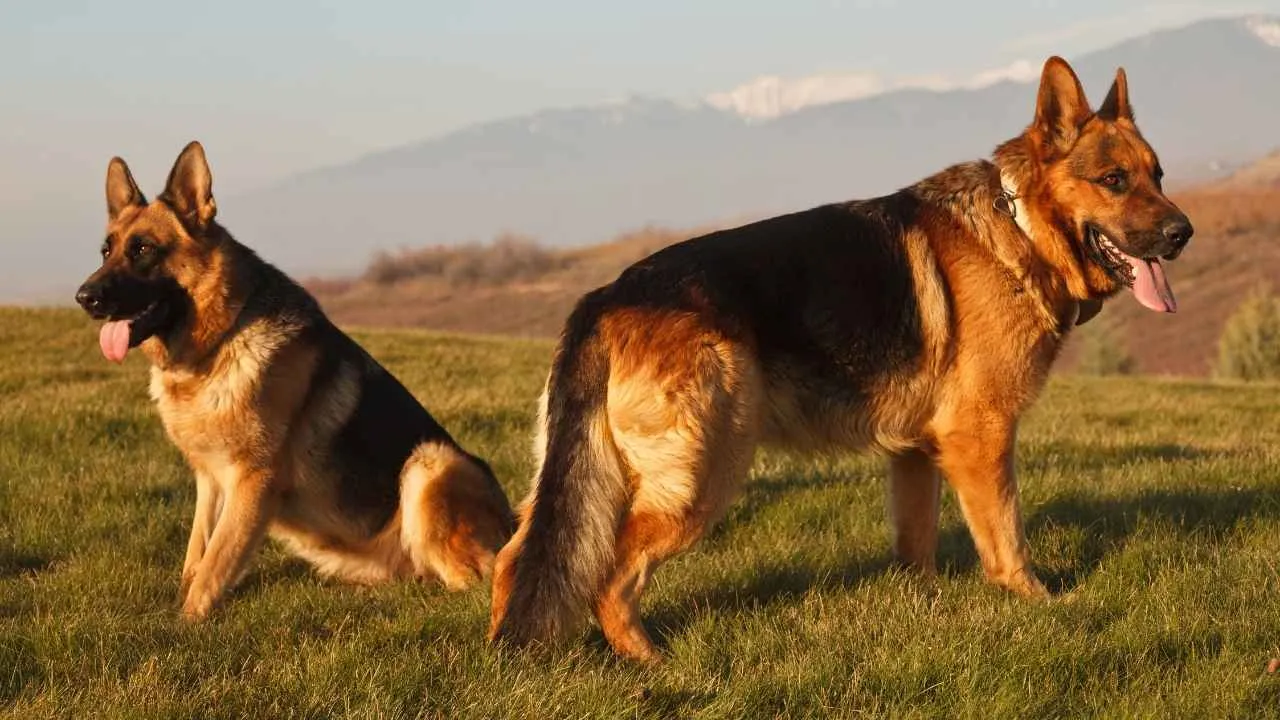
With proper training and socialization, they can become well-behaved family dogs and interact well with children and other animals.
Unlike the more laid-back Great Pyrenees, German Shepherds thrive on activity, training, and mental challenges. They may bark when bored or when alerting their owners to something unusual. Their intelligence and eagerness to learn make them highly versatile dogs that enjoy having a job or purpose.
Exercise Needs & Energy Levels
Great Pyrenees
Great Pyrenees have moderate exercise needs and are not suited to strenuous, fast-paced activities. They prefer calm movement and often enjoy spending time outdoors while keeping an eye on their surroundings.
Exercise: 20–30 minutes a couple of times a day
Good activities: Gentle walks, afternoon hikes, and time in the yard
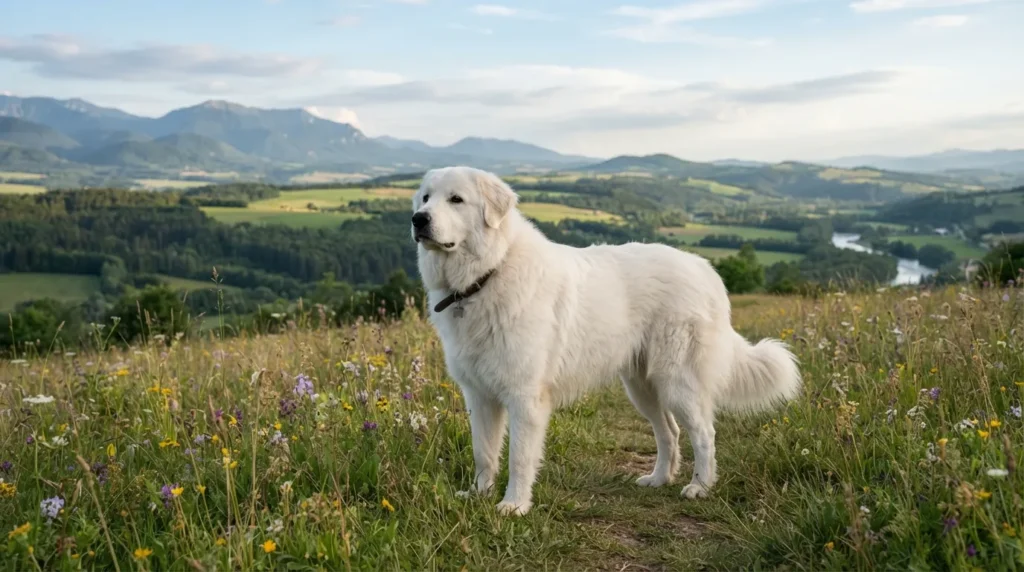
Regular exercise helps them maintain muscle strength and physical conditioning without pushing them into overly intense activity.
German Shepherd
German Shepherds are high-energy dogs that need vigorous exercise and mental activity each day. They thrive when they have a job to do and benefit from activities that keep both their bodies and minds engaged.
Exercise: Around 2–3 hours a day
Good activities: Scent walks, brisk jogs, fetch, hiking, and swimming
Because they are fast and active, German Shepherds should be kept on a leash outside a securely fenced area. Well-socialized dogs may also enjoy dog parks and other outdoor adventures.
Trainability & Obedience
Great Pyrenees
Great Pyrenees are intelligent but naturally independent, which can make training more challenging than with a dog that is eager to follow every command. Their history as independent flock guardians means they are used to making decisions on their own.
Short, consistent training sessions with positive reinforcement work best. Early socialization is also important to help them become comfortable around different people, animals, and situations. Obedience classes can be especially helpful for first-time owners.
German Shepherd
German Shepherds are highly intelligent and generally easier to train. They respond well to consistency, positive reinforcement, treats, toys, and praise. Their eagerness to learn makes obedience training and structured activities especially rewarding.
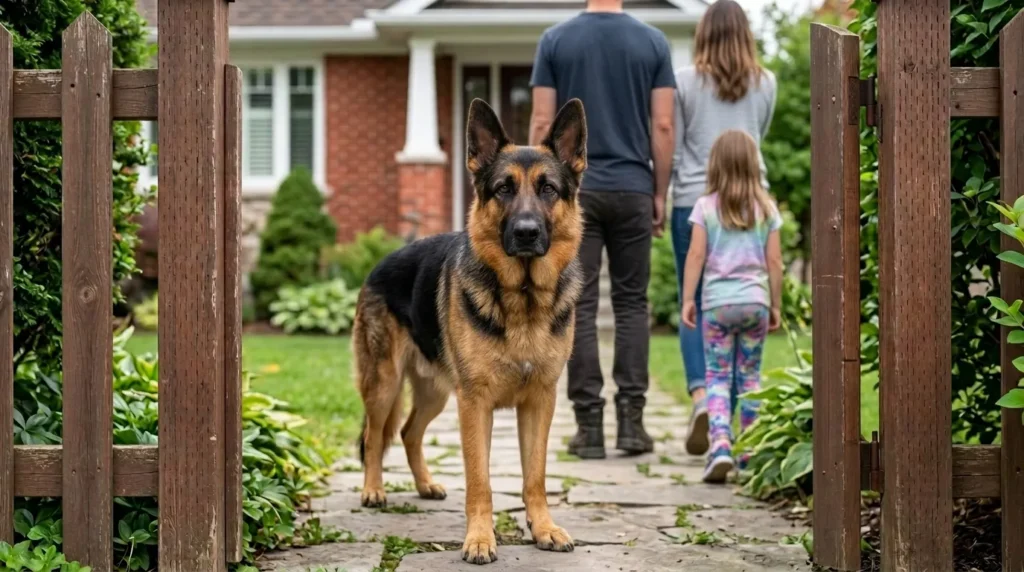
Early socialization and obedience training help German Shepherds become well-mannered and confident adults.
Because of their strength, energy, and intelligence, these powerful dogs may be better suited to experienced dog owners, although professional training can provide extra support when needed.
Grooming Needs & Shedding
Great Pyrenees
Great Pyrenees have a thick double coat with a long outer layer that is surprisingly resistant to dirt and tangles. Although their coat does not require constant intensive grooming, they are heavy shedders, so regular brushing is important to keep loose hair under control.
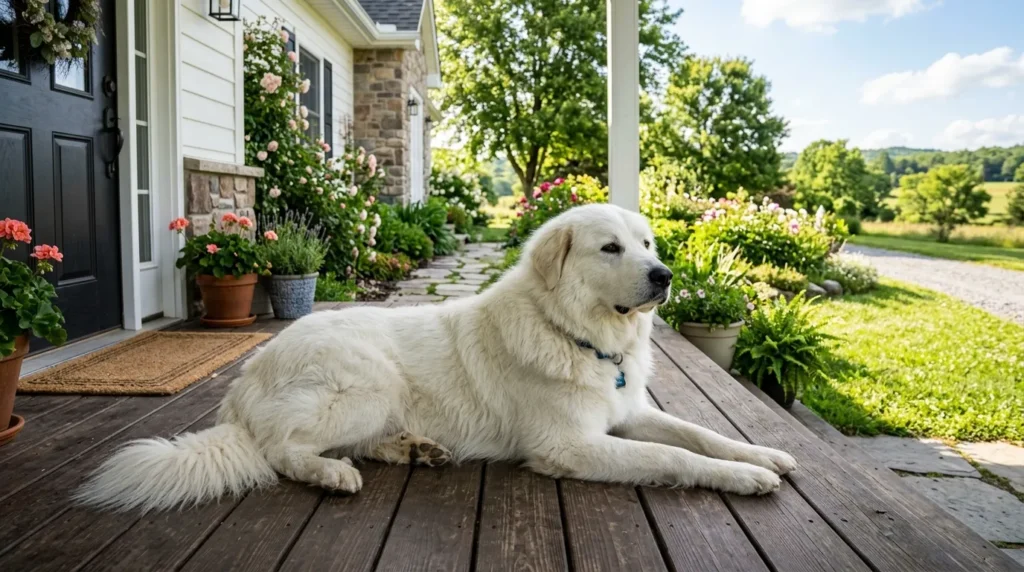
Brushing: Several times a week; weekly brushing may be sufficient for basic coat care
Bathing: About once a month or when they get especially dirty
Dental care: Daily brushing
Nail care: About every two weeks
German Shepherd
German Shepherds also have a dense double coat, with a soft undercoat and a rougher outer coat. They shed heavily and need more frequent grooming than Great Pyrenees, especially during their heavier shedding periods in spring and fall.
Brushing: Daily, especially during shedding seasons
Bathing: Every three to four months or when particularly dirty
Dental care: Daily brushing
Nail care: About once a month if exercise does not naturally wear them down
Guarding Instincts & Alertness
Great Pyrenees
Great Pyrenees dogs have strong natural guarding instincts developed from their history of working as livestock guardians. They are highly territorial and stay alert to anything unusual around their home or family.
They are also frequent barkers and may vocalize when they notice unfamiliar people, animals, or activity. While they are generally calm and gentle, their protective nature makes them dependable watchdogs who like to patrol their surroundings.
German Shepherd
German Shepherds are naturally alert, loyal, and protective, making them strong guardians of their families. Their working background has also made them highly responsive to potential threats and changes around them.
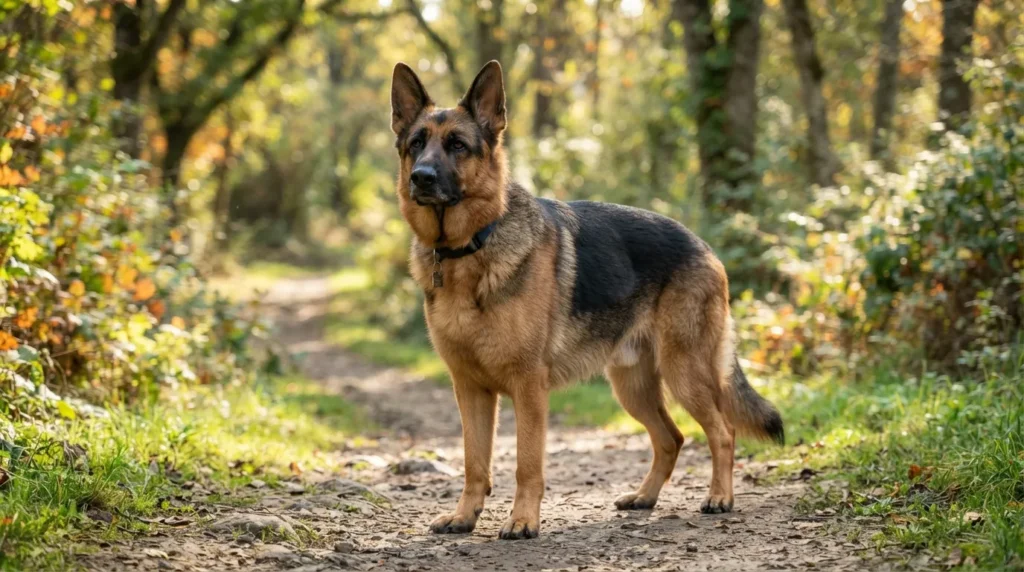
They may bark when alerting their owners or when they are bored, and they tend to stay engaged with their surroundings. Their intelligence, confidence, and strong working drive make them well suited to roles where alertness and protection are important.
Health & Lifespan
Great Pyrenees
Great Pyrenees typically live for about 10–12 years. They are a generally healthy breed, but they can still be prone to several inherited and breed-related health issues.
Hip and elbow dysplasia can affect the joints and may lead to pain, reduced movement, and arthritis.
Luxating patella causes the kneecap to pop out of place and may lead to lameness or other knee problems.
Eye disorders include entropion, cataracts, and canine multifocal retinopathy (CMR).
Neuronal degeneration is an inherited condition that affects the nervous system and can eventually make walking difficult.
Bloat and gastric dilatation-volvulus (GDV) can occur in this large, deep-chested breed and require immediate veterinary care.
German Shepherd
German Shepherds have a lifespan of about 7–10 years according to one provided source, while another lists it as 12–14 years. They can develop several health conditions, so regular veterinary care and early awareness are important.
Hip and elbow dysplasia can cause joint pain, limping, reduced movement, and arthritis.
Degenerative myelopathy affects the spinal cord and can gradually cause weakness and paralysis in the hind legs.
Allergies may cause itching, rashes, skin or ear infections, and digestive problems.
Cancer can include bone cancer, lung cancer, intestinal cancers, and hemangiosarcoma.
Bloat and GDV are life-threatening conditions that require immediate veterinary attention.
Other concerns include epilepsy, exocrine pancreatic insufficiency, pannus, and heart conditions such as dilated cardiomyopathy.
Great Pyrenees vs. German Shepherd: Which Protective Dog Is Right for You?
Choosing between a Great Pyrenees and a German Shepherd comes down to the kind of protector that fits your lifestyle.
Great Pyrenees are calm, independent, territorial, and naturally protective, while German Shepherds are more active, highly trainable, alert, and eager to work. Both can be loyal family pets when given proper training and socialization.
Think about your daily routine before deciding. A Great Pyrenees may suit you if you prefer a calmer dog with moderate exercise needs and strong natural guarding instincts. A German Shepherd may be a better fit if you want an energetic, intelligent dog that enjoys training, mental challenges, and an active lifestyle.
Either way, responsible training, proper care, and attention to health are important for helping your dog thrive.
Conclusion
Great Pyrenees and German Shepherds are both loyal, protective dogs, but they bring very different energy and personalities to a home. Great Pyrenees are calm and independent thinkers, while German Shepherds are more active, trainable, and eager to stay busy.
Their differences in size, exercise, grooming, training, and health can help narrow down which breed fits your routine.
Before bringing either dog home, consider your space, daily activity level, and experience with large working breeds. The right choice is not simply the dog with the strongest guarding instincts. It’s the one whose needs you can consistently meet and whose personality fits naturally into your everyday life.
