




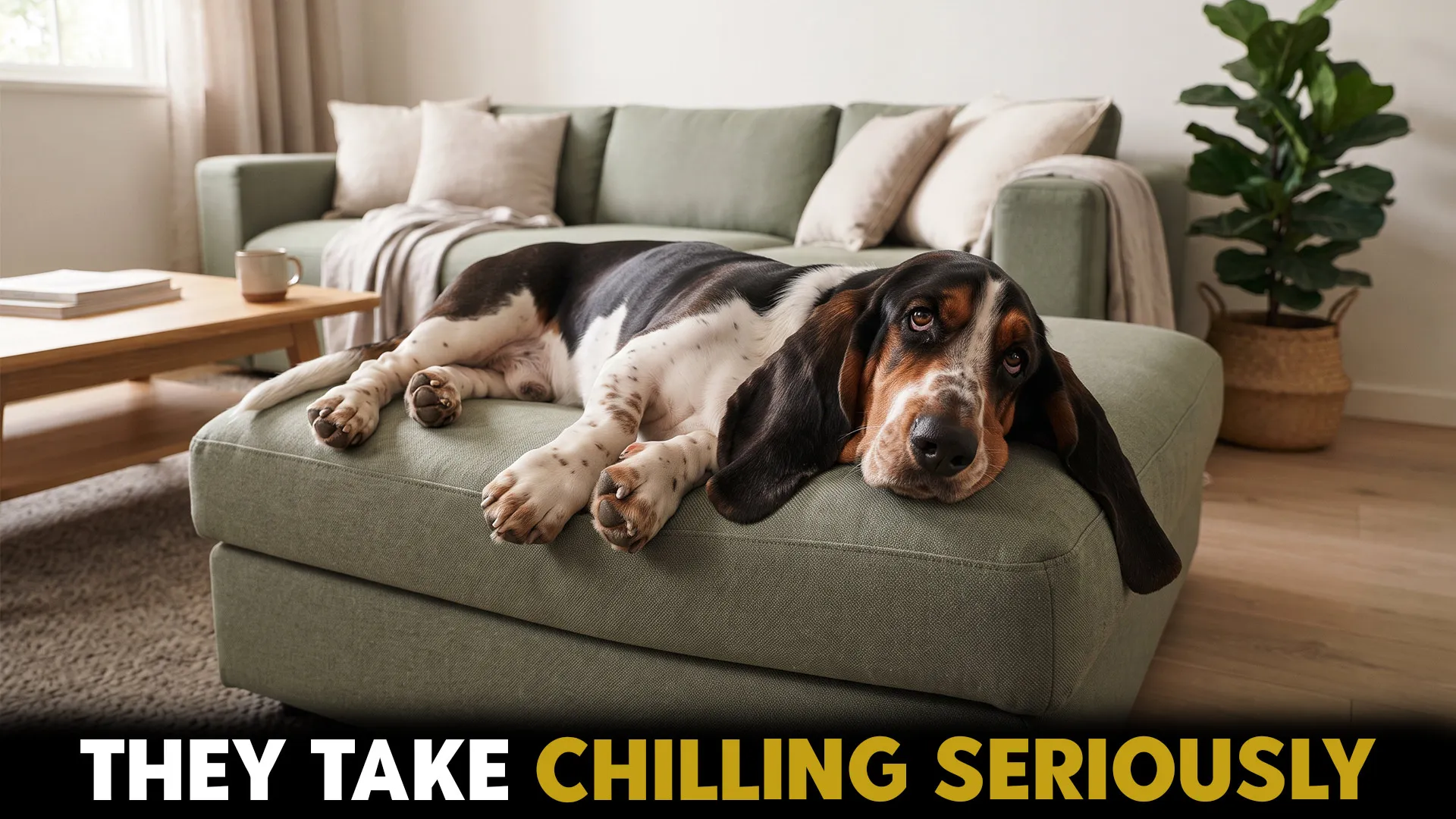
Some dogs wake up ready to run five miles, conquer a hiking trail, and somehow still have enough energy to destroy a tennis ball before breakfast. Others inspect the sofa, locate the softest cushion, and decide their schedule is officially full.
If your idea of quality time involves slow walks, long naps, and a suspicious amount of streaming, the second group probably sounds pretty appealing.
“Couch potato” does not mean a lazy dog breed should live without exercise, training, or mental stimulation. Every dog needs movement, social interaction, and something interesting to do, and individual energy levels can vary considerably within the same breed.
The low-energy dog breeds below are known for varying combinations of easygoing temperament, moderate exercise needs, adaptability, and an impressive appreciation for comfortable furniture.
Ultimate Couch-Potato Dog Breeds for Relaxed Living
1. English Bulldog
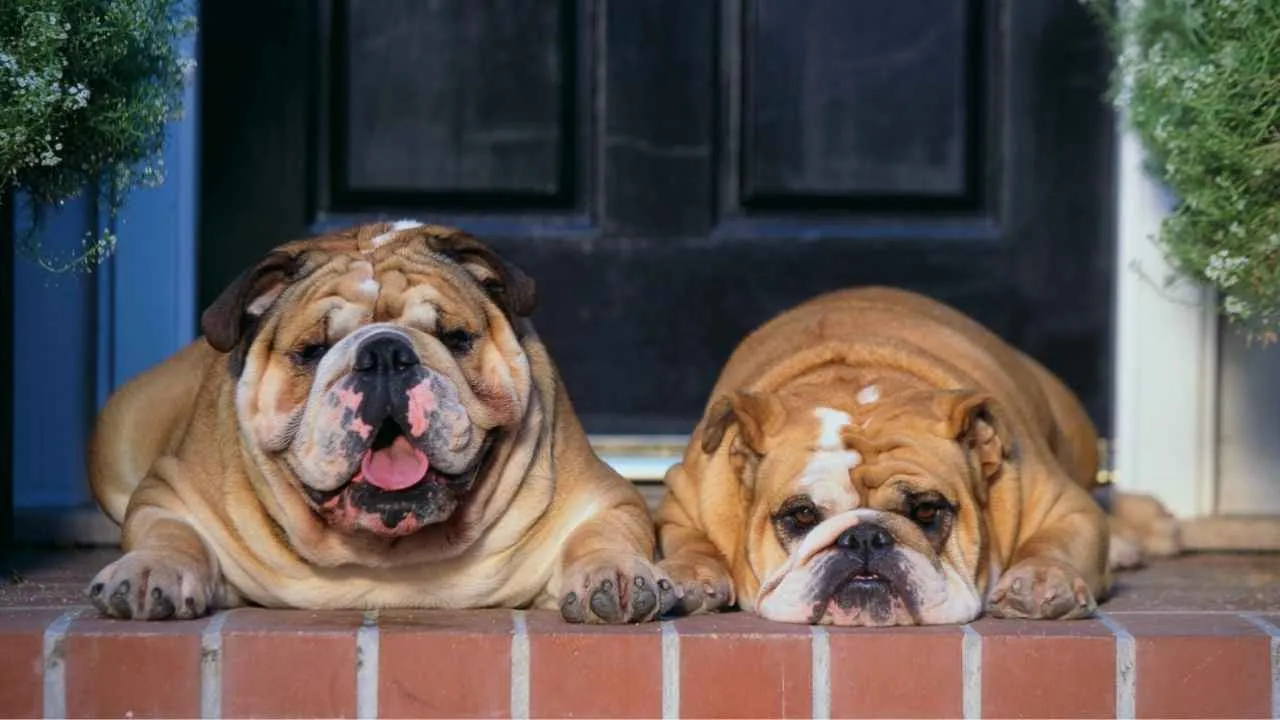
The English Bulldog has the build of a tiny nightclub bouncer and, quite often, the weekend plans of someone who has canceled everything. Adults are generally easygoing companions that enjoy being close to their people without demanding hours of high-speed entertainment.
The American Kennel Club describes Bulldogs as devoted, friendly, and easygoing, while also noting that their relaxed personality is sometimes mistaken for laziness.
Their preferred exercise routine is considerably more reasonable than that of a Border Collie trying to earn a promotion. Short walks and gentle play usually suit the breed better than prolonged strenuous activity, although keeping a Bulldog active enough to maintain a healthy body condition still matters.
One important catch to this gloriously relaxed lifestyle: Bulldogs are brachycephalic, or short-muzzled, dogs. Heat and strenuous activity can be particularly challenging, so a quiet personality should never be interpreted as permission to ignore breathing, weight, or fitness.
2. Pug
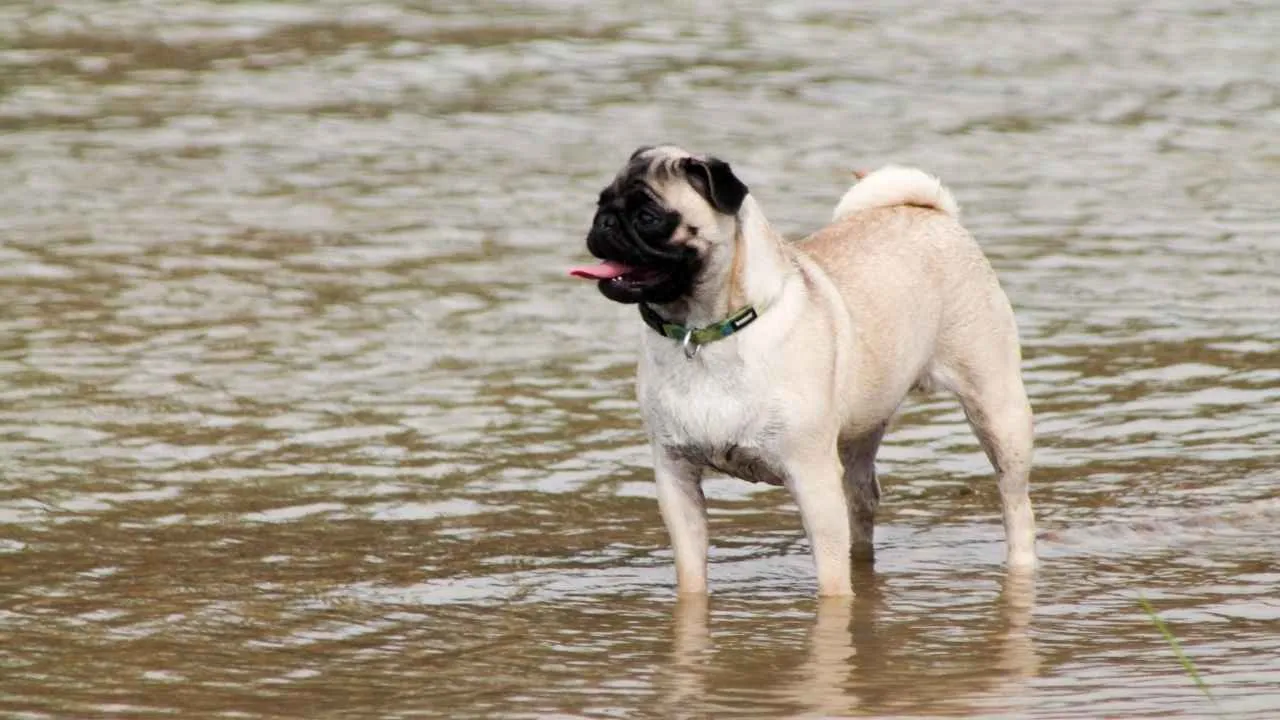
Pugs were developed as companions, and that history still shows in their strong interest in whatever their humans are doing. Conveniently, “lying under a blanket watching television” absolutely counts as an activity when your main goal is staying close to your person.
These small, lazy dog breed creatures aren’t decorative pillows with legs, though. They can be playful, mischievous, curious, and surprisingly enthusiastic when a toy, visitor, or suspicious snack packet appears.
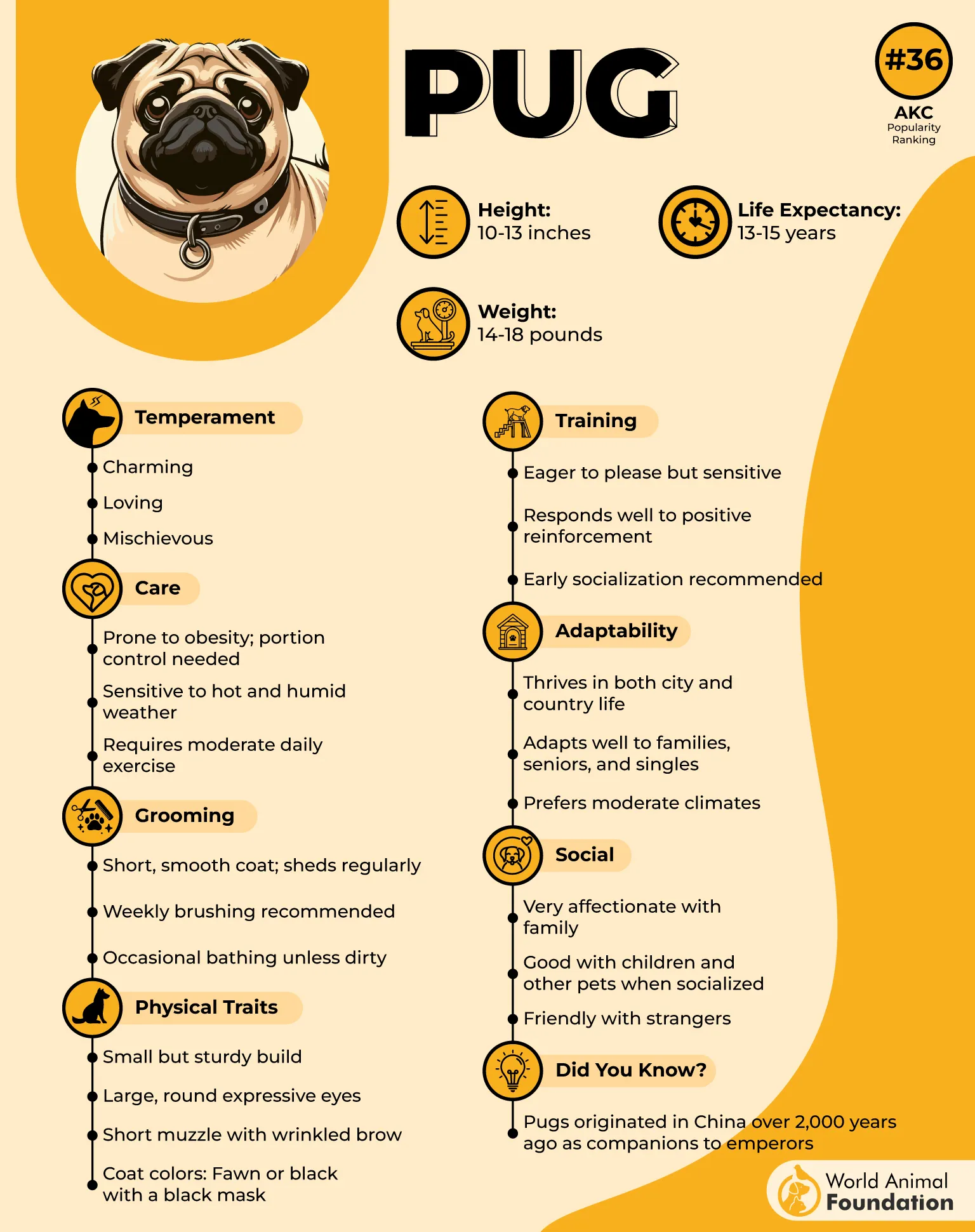
Their companion-dog wiring makes them especially attractive in relaxed households because entertainment doesn’t always have to involve covering serious mileage. A Pug may happily follow its pet parent from kitchen to sofa, investigate why you opened the refrigerator, and then collapse dramatically as though the expedition crossed three continents.
As with the Bulldog, the Pug’s flat face changes the exercise conversation. Owners need to watch temperature, breathing, fitness, and signs of overexertion instead of assuming every reluctance to exercise is simply adorable laziness.
3. Basset Hound
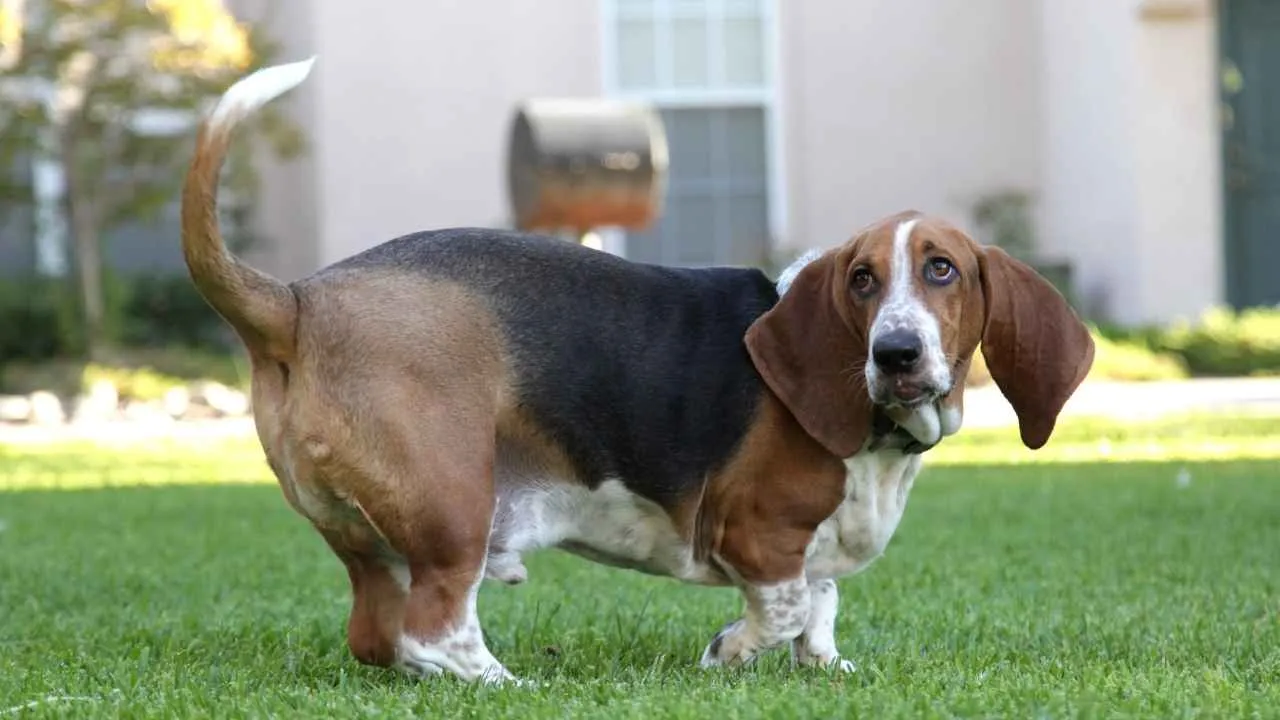
Few dogs look more professionally committed to taking things slowly than the Basset Hound. Their demeanor tends to be calm and good-natured at home, which makes them appealing to people who want companionship without canine parkour taking place over the furniture.
Then somebody opens the door, and an interesting smell floats past. Suddenly your relaxed roommate remembers that generations of Bassets were bred to follow scent trails independently, and the nose takes over.
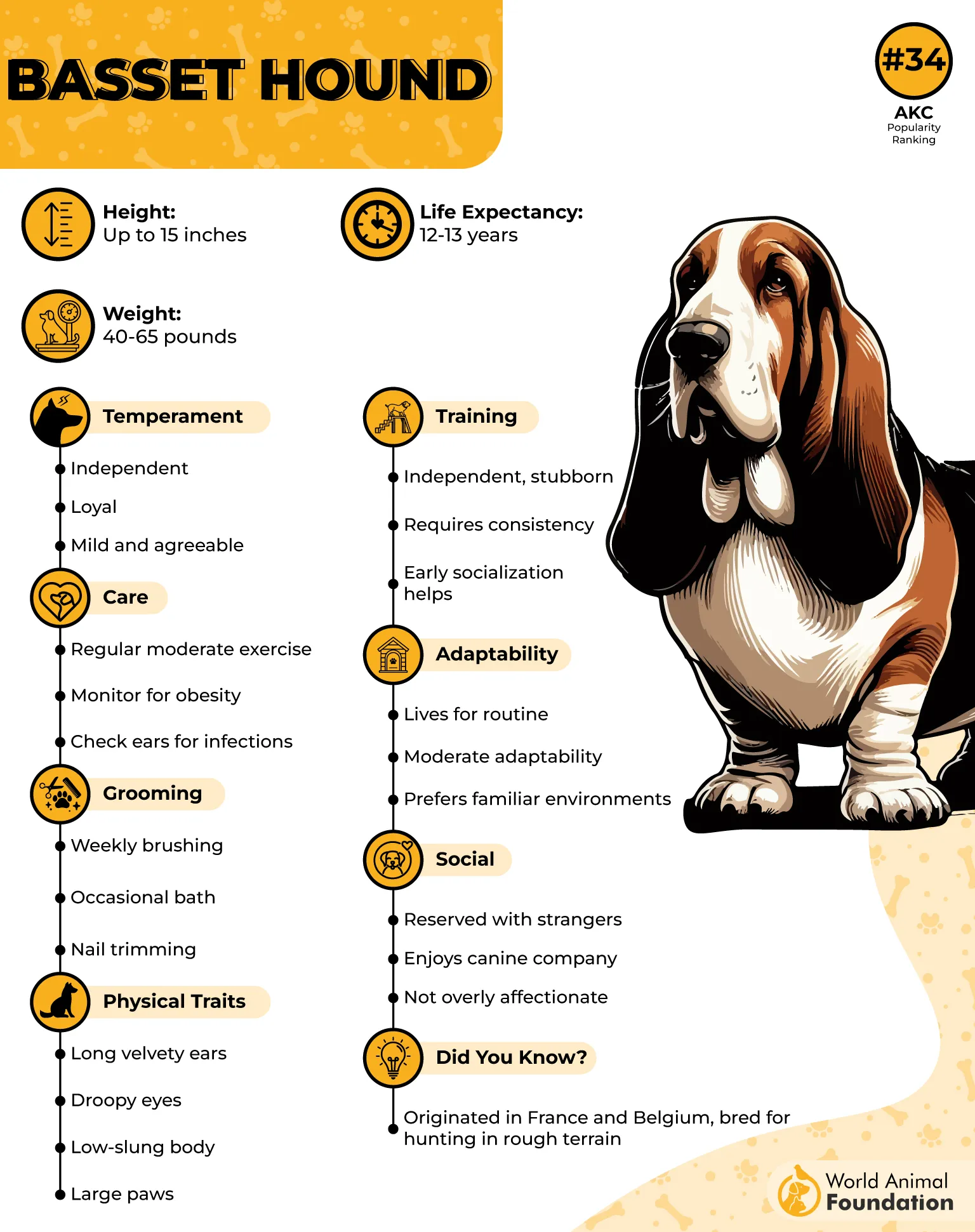
The exercise section strikes a sensible middle ground, as mentioned by PetMD. Bassets are not typically high-energy dogs, but daily walks or play help maintain fitness and give that powerful nose something worthwhile to investigate.
Their relaxed personality should not be confused with instant obedience. Centuries of working with limited human direction produced dogs capable of making independent decisions, including the decision that your recall command ranks below whatever happened beside that tree twenty minutes ago.
At home, however, the Basset’s calm nature comes into its own. It is a good-natured, easygoing, loyal dog and suited to families looking for a moderate activity level.
4. Greyhound
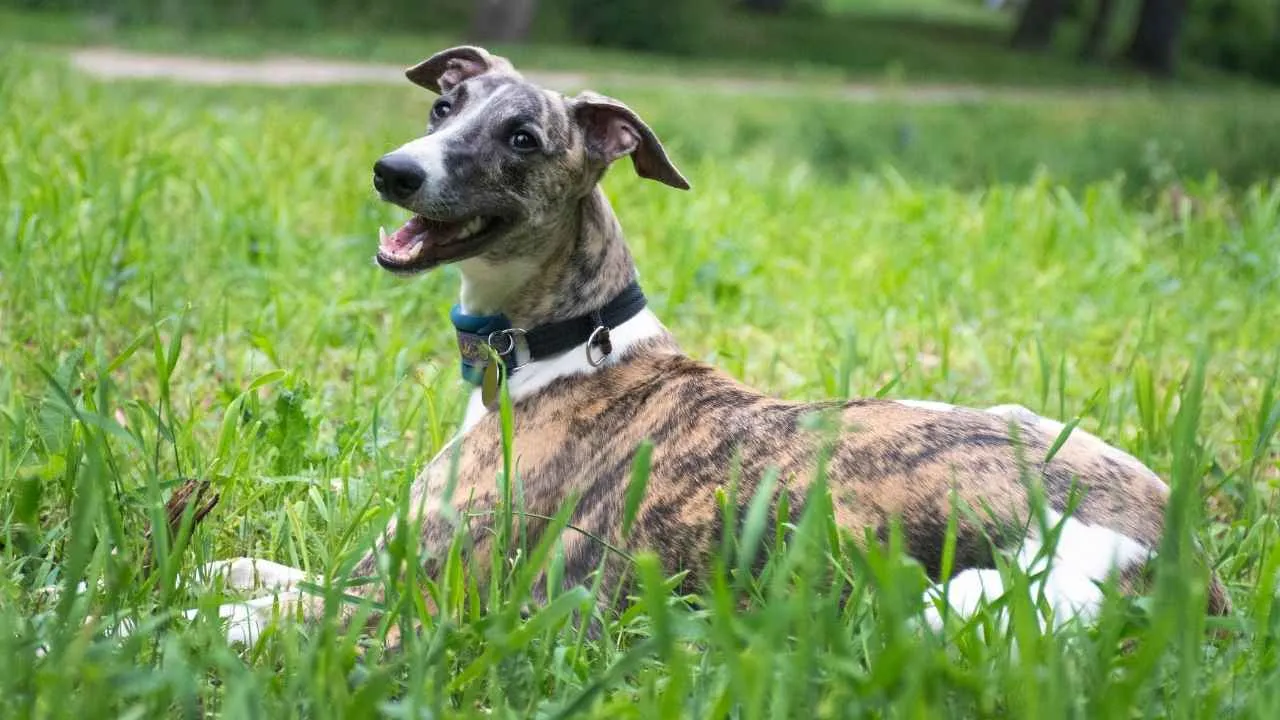
Yes, the fastest dog in this article is also one of its most convincing sofa enthusiasts. That sounds like a typo until you understand the Greyhound operating system: tremendous speed when there’s a reason to sprint, followed by a passionate return to horizontal living.
This makes them very different from dogs that demand sustained activity throughout the day. According to PDSA, a healthy Greyhound still needs regular walks, safe opportunities for exercise, enrichment, and appropriate outlets for its instincts, but owning one doesn’t automatically mean spending every evening on a running track.
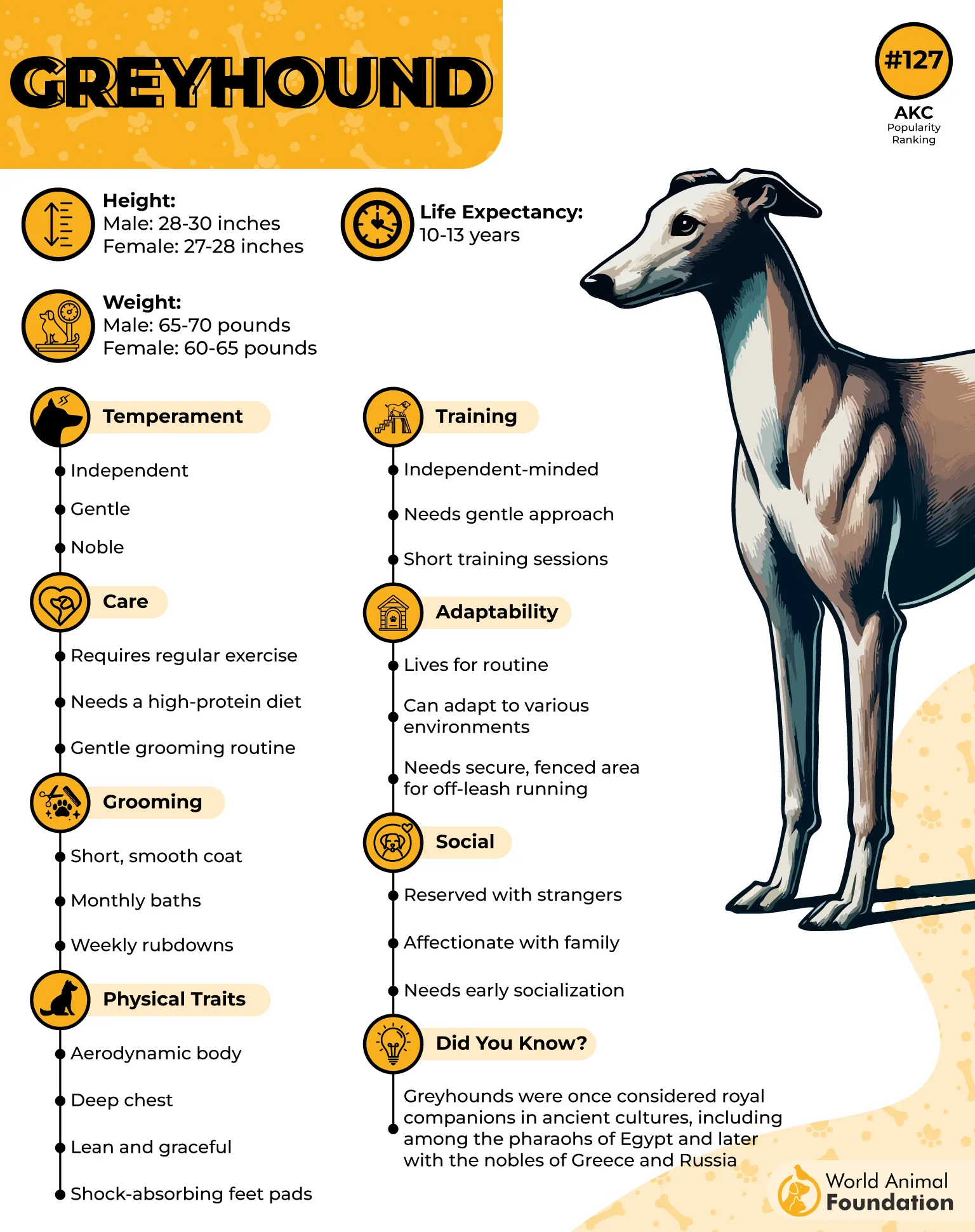
They also tend to bring a quieter social style to the home. They are often described as gentle and sensitive rather than relentlessly attention-seeking, and many will settle nearby once the day’s necessities are handled.
Outdoor precautions remain important because this sighthound was developed to pursue moving quarry. A squirrel appearing at the wrong moment can activate hardware that the sofa gave you absolutely no warning existed.
5. Cavalier King Charles Spaniel
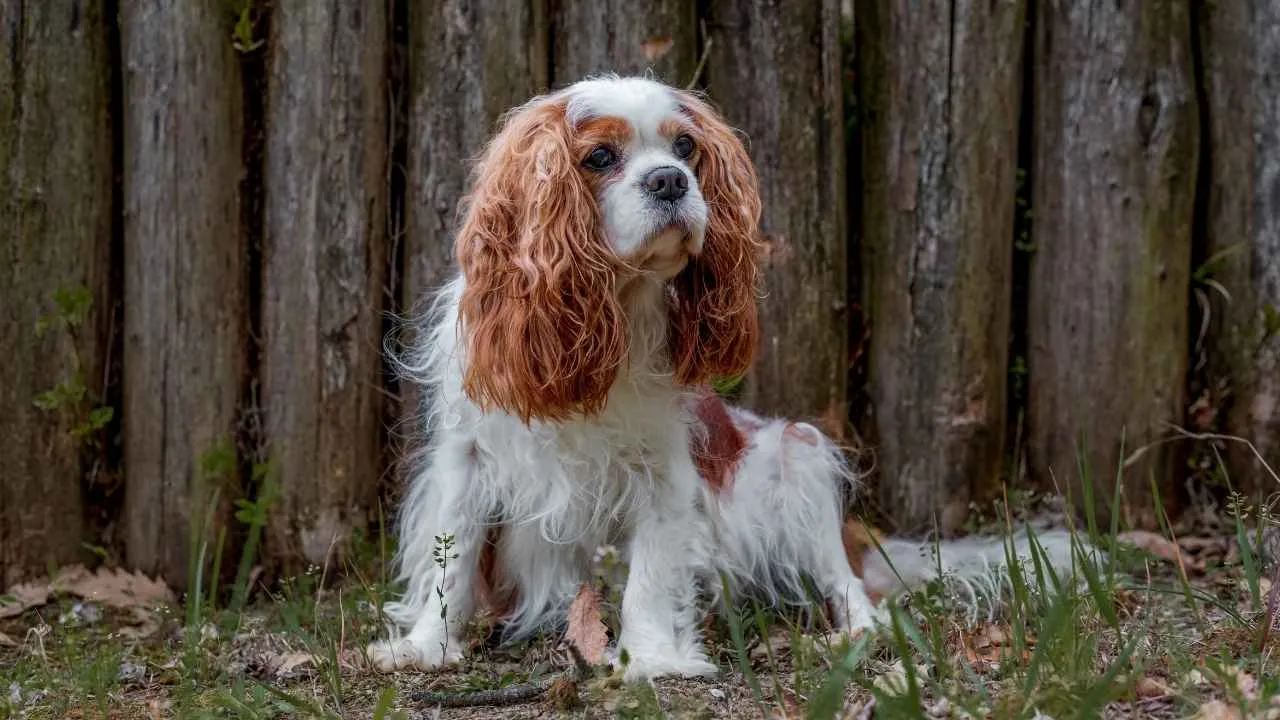
The Cavalier King Charles Spaniel is an affectionate companion dog that can enjoy walks and outdoor activities, then switch quite happily into lap-dog mode. That flexibility is exactly what many relaxed households need.
The breed’s sporting ancestry means you shouldn’t expect them to be completely uninterested in exercise. CKC says that they enjoy moderate activity and can participate in canine sports, yet are also quite happy spending a day on the sofa. Think “available for adventure,” not “will start dismantling your house if today’s walk was twelve minutes late.”
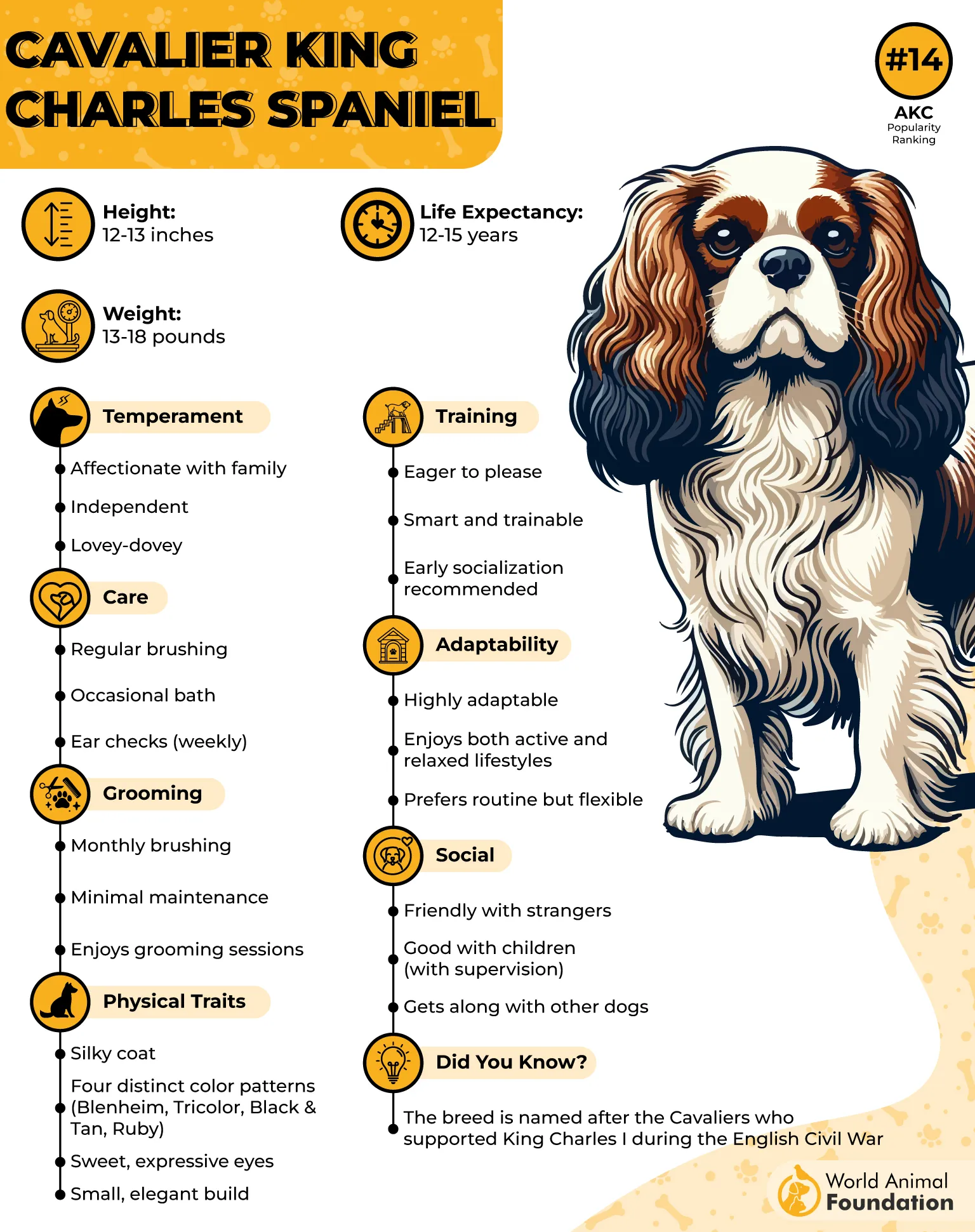
Human contact matters enormously. Cavaliers tend to be gentle, affectionate dogs that enjoy being involved with their families, so couch time often becomes full-contact lounging rather than independent napping in another room. If personal space is sacred, prepare for diplomatic negotiations with a pair of enormous brown eyes.
They can also be appealing to households that want a relaxed dog but still enjoy normal daily walks. They are adaptable and trainable, with average exercise requirements rather than extreme physical demands.
6. Shih Tzu
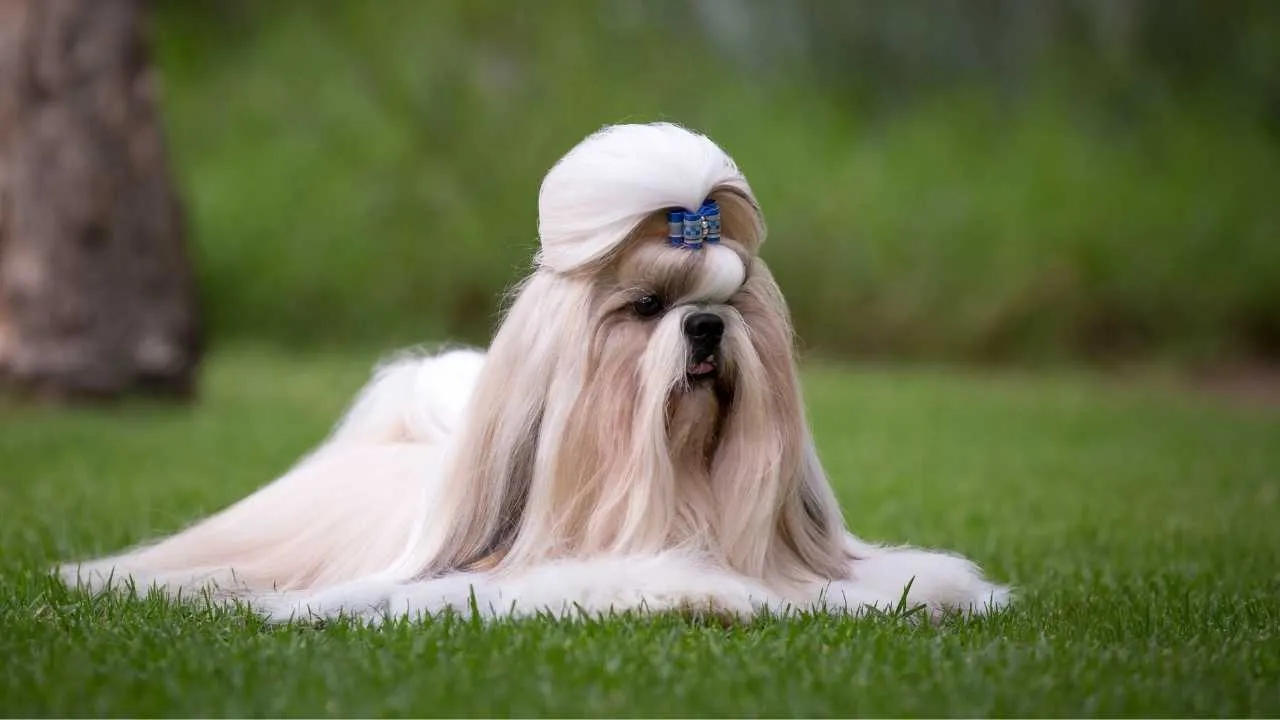
Shih Tzus do not need a ranch, a flock of sheep, or a six-mile sunrise run to discover their purpose in life. Give them company, a comfortable home, and enough daily activity, and they can generally embrace indoor living.
Shih Tzus are playful, affectionate, adaptable dogs that love being around their people and can happily spend hours sitting with an owner. That doesn’t make them boring; many have the comic timing of a tiny celebrity who knows the household exists largely for their benefit.
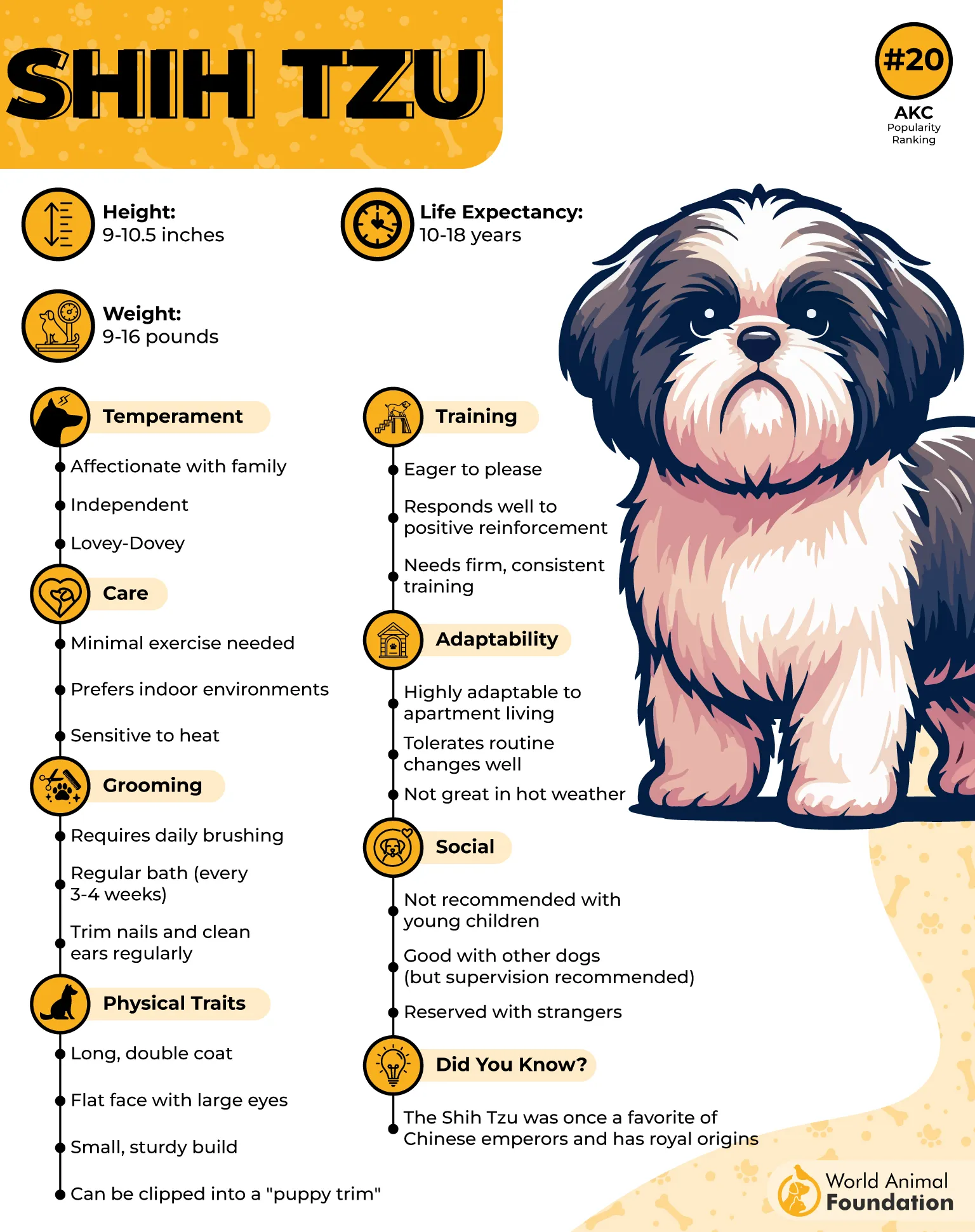
Daily exercise still belongs on the schedule. Short walks, indoor play, sniffing games, and little training sessions provide movement and stimulation without requiring a lifestyle built around strenuous outdoor activity. Because they are highly people-oriented, even training can become another form of social time rather than a chore.
Their famous coat is where the low-effort fantasy ends. A long Shih Tzu coat requires regular grooming, while owners who choose shorter trims still need to budget time and money for upkeep.
7. Pekingese
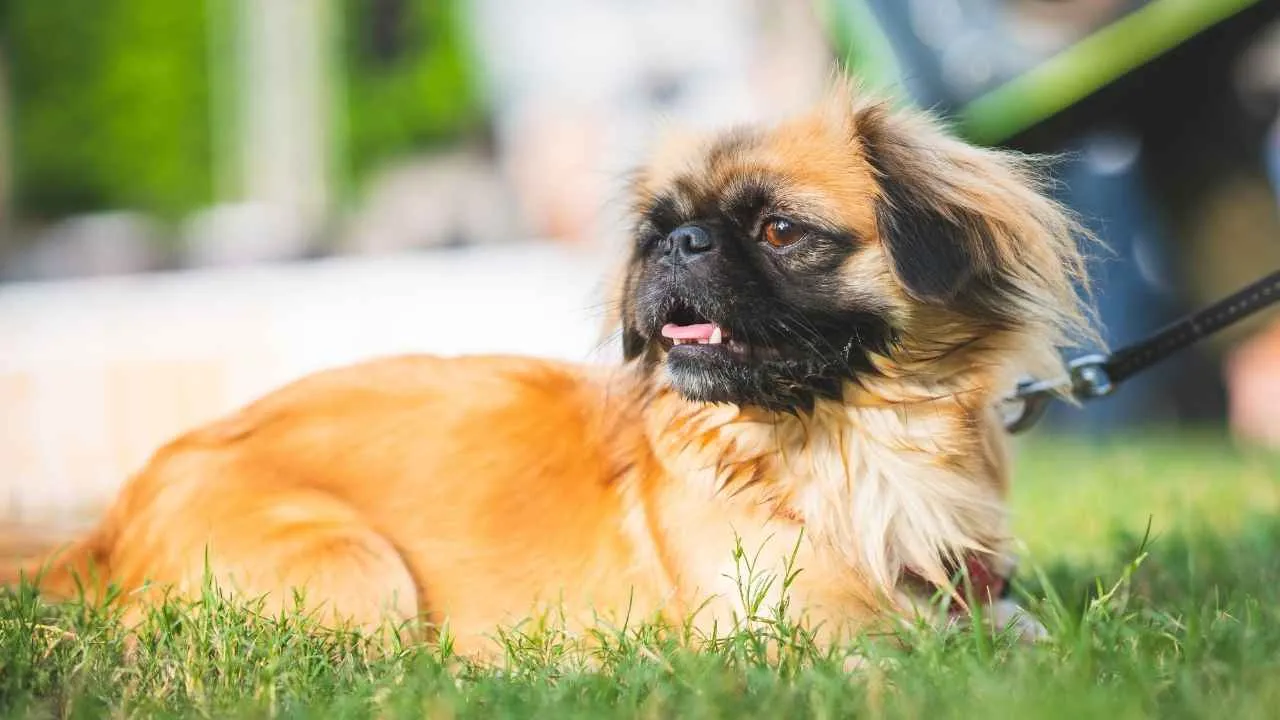
The Pekingese does not merely sit on furniture; it can give the impression that the furniture was commissioned specifically for its arrival. Developed as a treasured companion in imperial China, this breed carries itself with enough dignity to make an ordinary cushion look vaguely ceremonial.
Energy demands are generally modest. They are relatively low-energy dogs that don’t require much exercise, though they can be vulnerable to overexertion. Gentle daily activity and mental stimulation make far more sense than trying to turn one into your new jogging coach.
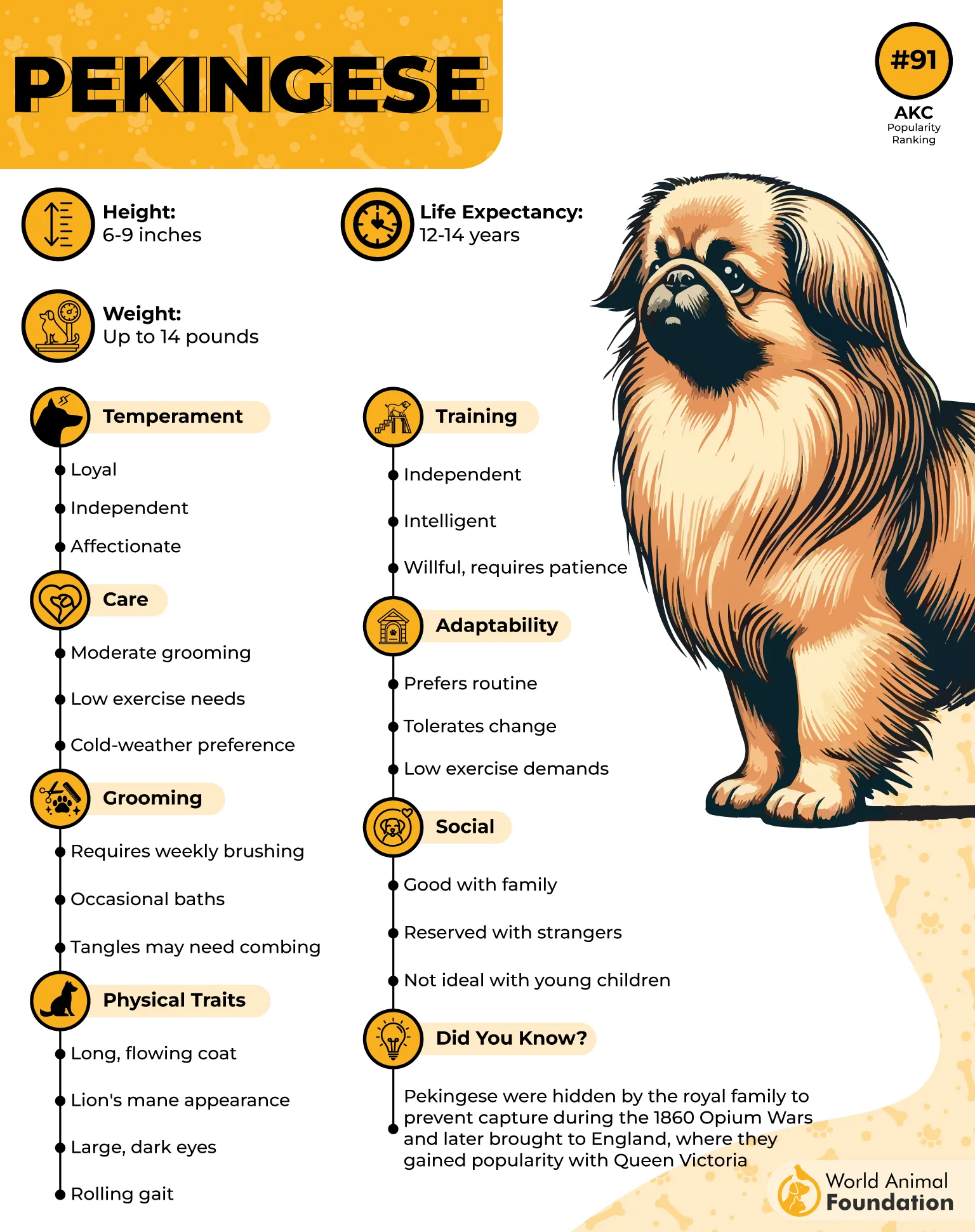
Don’t confuse low energy with low personality, though. Peks can be intelligent, independent, strong-willed, affectionate, and wonderfully certain that their interpretation of events is correct. Training therefore needs patience and consistency rather than assuming a companion breed will automatically comply with every request.
That independent streak creates a slightly different couch-potato experience from breeds that want constant reassurance. A Peke can be deeply attached to family while still behaving like a tiny aristocrat who has reviewed your suggestion and will respond during normal business hours.
8. Clumber Spaniel
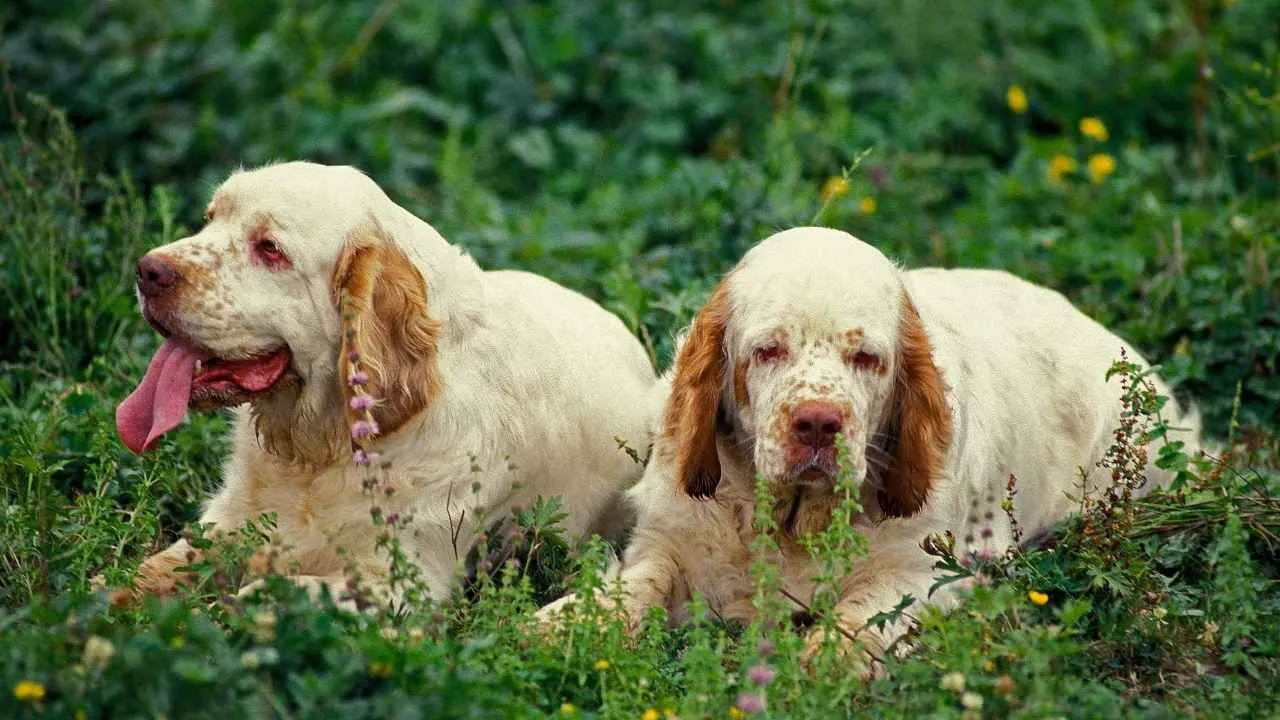
The Clumber Spaniels are heavy, substantial, and considerably less frantic than many people expect when they hear the word spaniel; Clumbers often bring a calm presence indoors. They can be playful and hardworking, but they’re rarely the canine equivalent of twenty browser tabs playing audio at once.
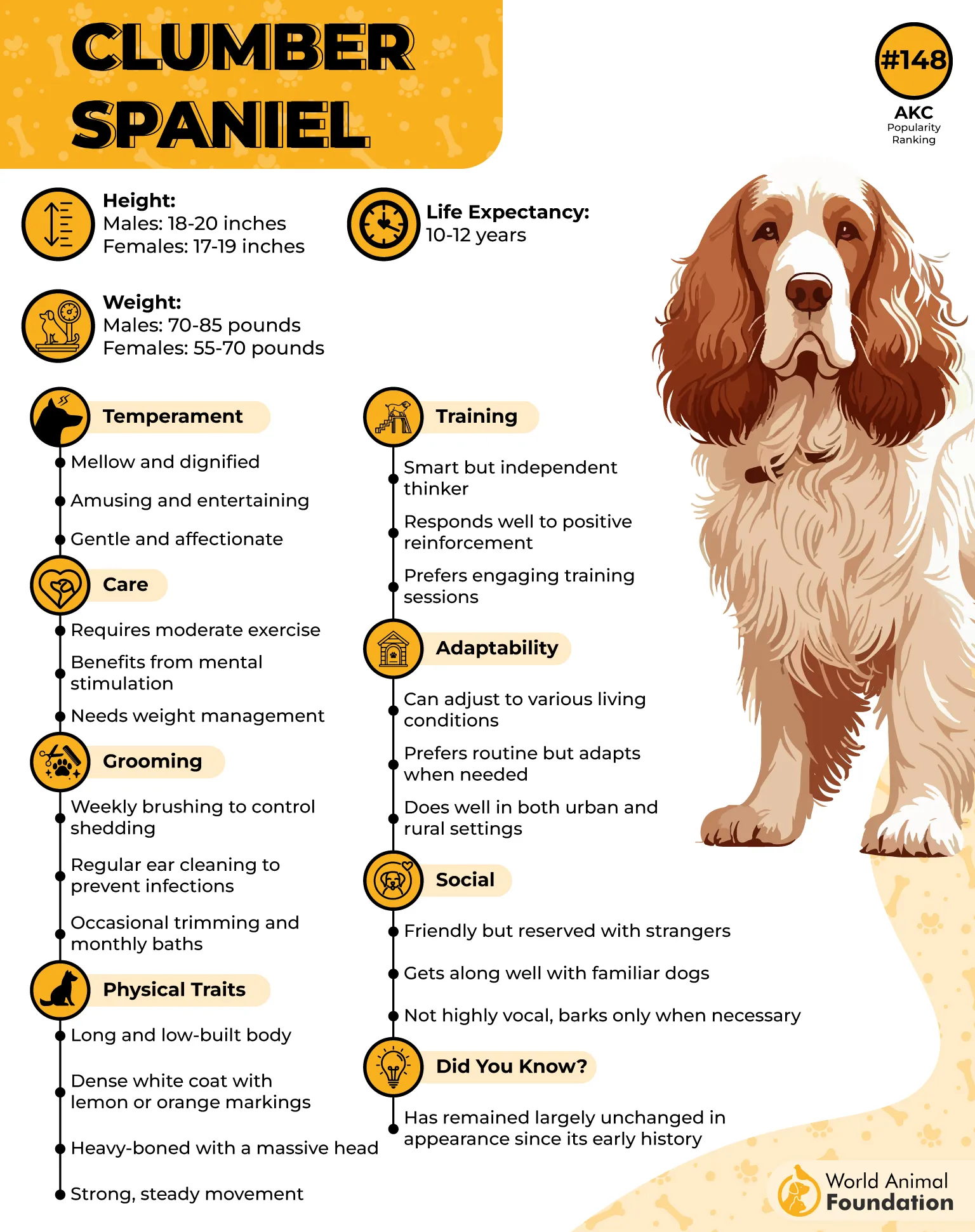
Their history explains why labeling them purely lazy would be unfair. Clumbers were developed as sporting dogs. A real worker lives under that sleepy-looking exterior; it just comes packaged with a more deliberate tempo.
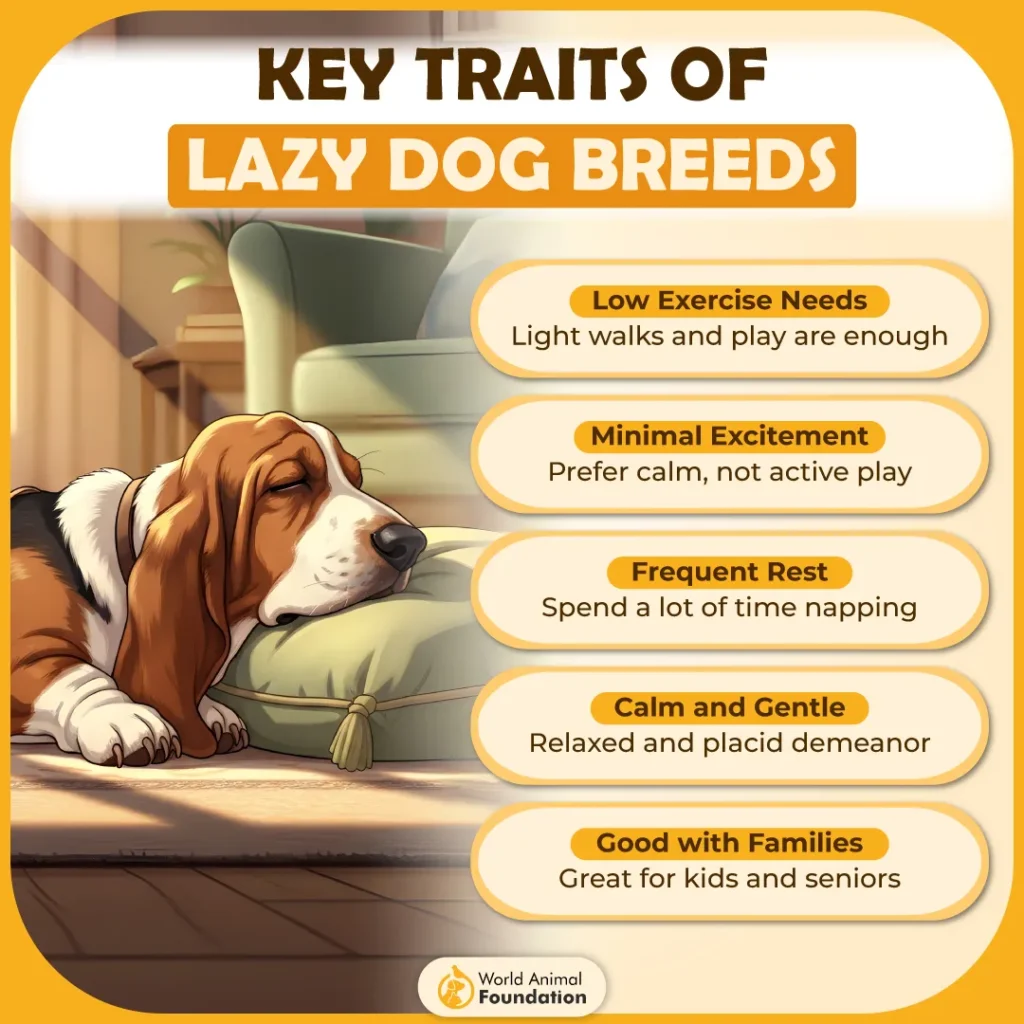
Temperament is another reason they fit this list. These Spaniel dogs are gentle, loyal, affectionate, and intelligent, with a strong desire to please, though they may initially seem reserved around unfamiliar people. At home with family, that combination can translate into a wonderfully mellow companion.
Clumbers still benefit from proper walks and opportunities to sniff, retrieve, train, and explore. Their sporting background means mental engagement matters, and a neglected Clumber isn’t magically fulfilled simply because it has discovered memory-foam bedding.
9. Great Dane
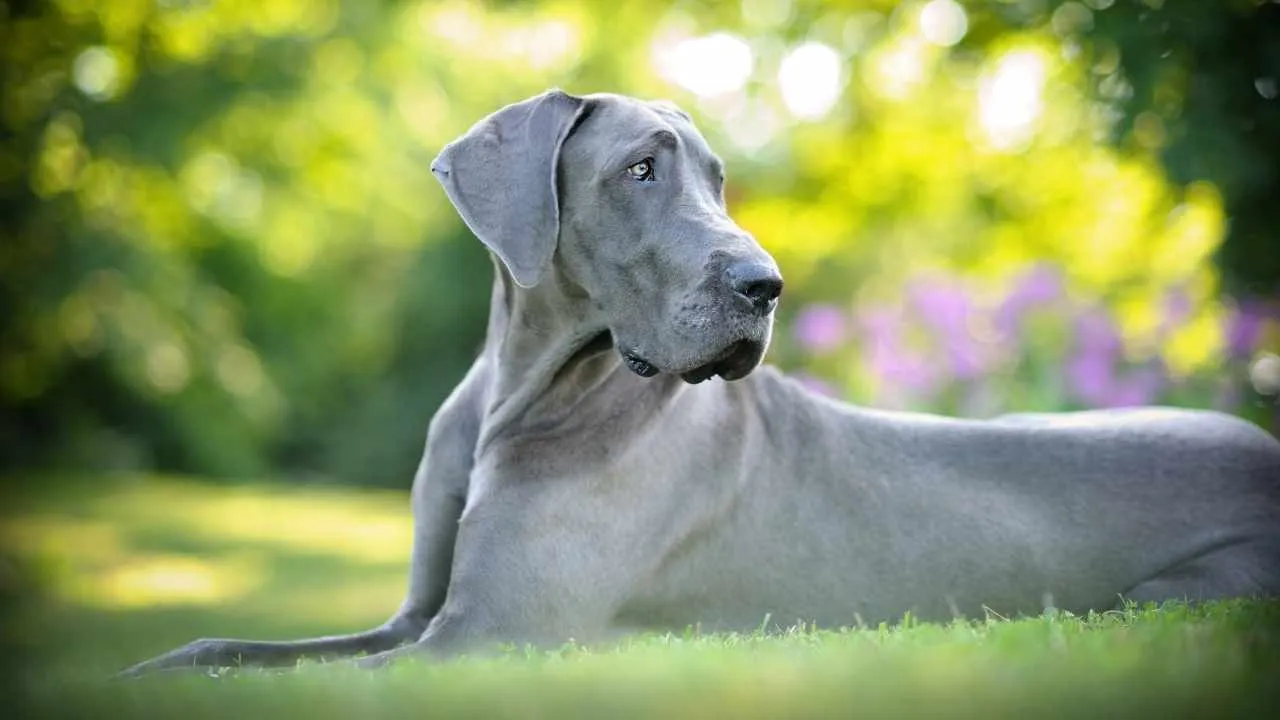
The Great Dane is a giant dog that looks as if they should spend dawn to dusk patrolling a medieval estate, yet many mature Danes are remarkably content to relax close to their families once their exercise needs have been met. The practical issue isn’t convincing someone to use the couch; it’s figuring out where they’re supposed to sit afterward.
Their calm modern reputation is especially funny given the breed’s history. Great Dane ancestors were formidable boarhounds developed for dangerous hunting work in Europe before breeders gradually selected toward the steadier family-companion temperament associated with the breed today.
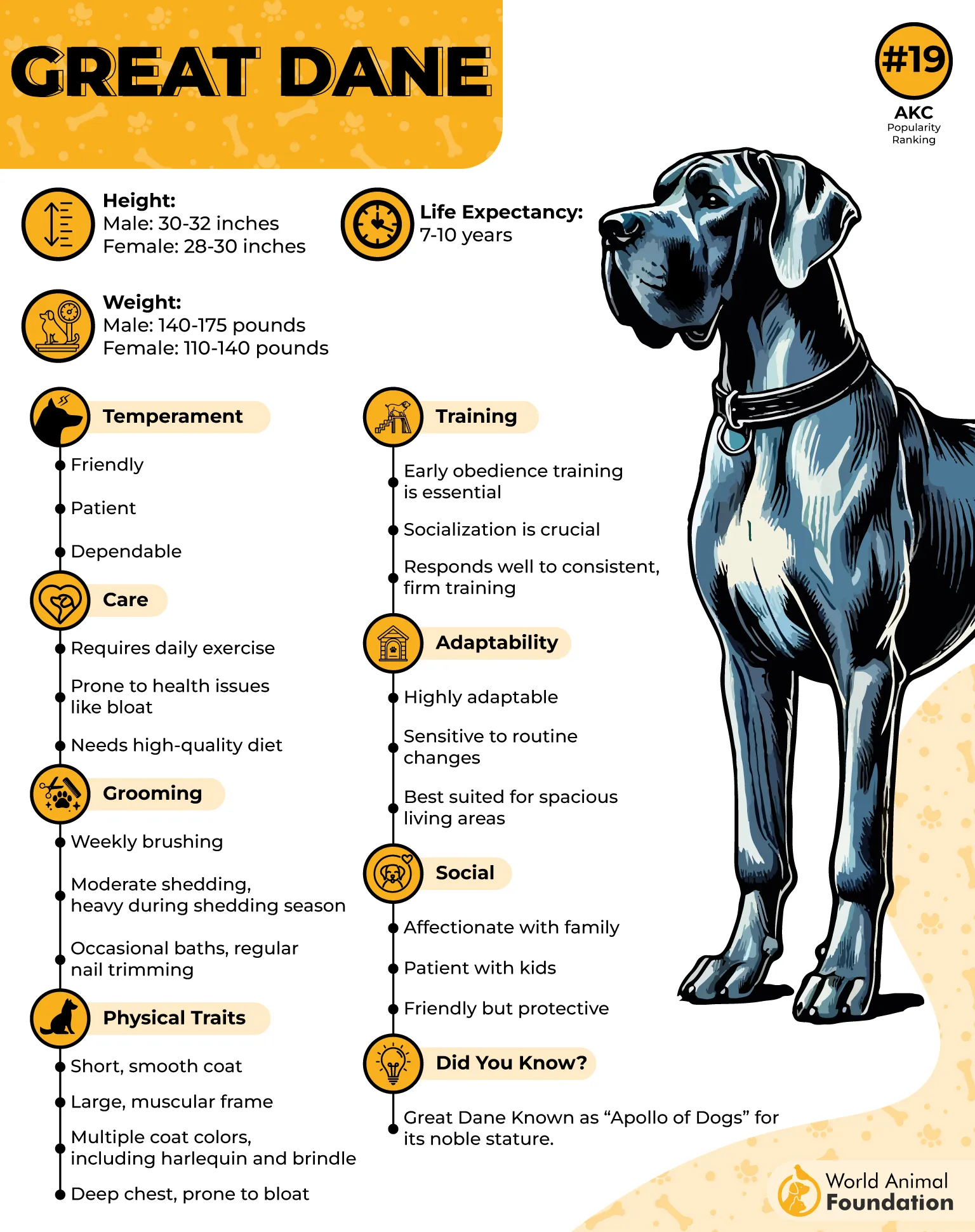
Still, this big lazy dog breed isn’t a zero-exercise dog.
These pups need moderate exercise, and adult Great Danes can join owners on walks, hikes, and even jogs, but strenuous, repetitive exercise must be approached carefully during growth.
Training is non-negotiable for a dog of this scale. A tiny dog pulling on the leash is inconvenient; a poorly mannered Great Dane can turn the same behavior into an unscheduled transportation service.
Conclusion
The best couch-potato dog isn’t necessarily the breed that sleeps the longest; it’s the one whose natural rhythm fits yours without sacrificing its health or happiness. Bernese Mountain Dog, Golden Retriever, French Bulldog, Japanese Chin, Bichon Frise, Saint Bernard, Chow Chow, and Bullmastiff are also some dogs that love spending time with their family members.
Before choosing, meet adult dogs from the breed, speak with responsible breeders or rescue organizations, ask specifically about daily energy and health needs, and picture an ordinary Tuesday rather than your most ambitious weekend.
