




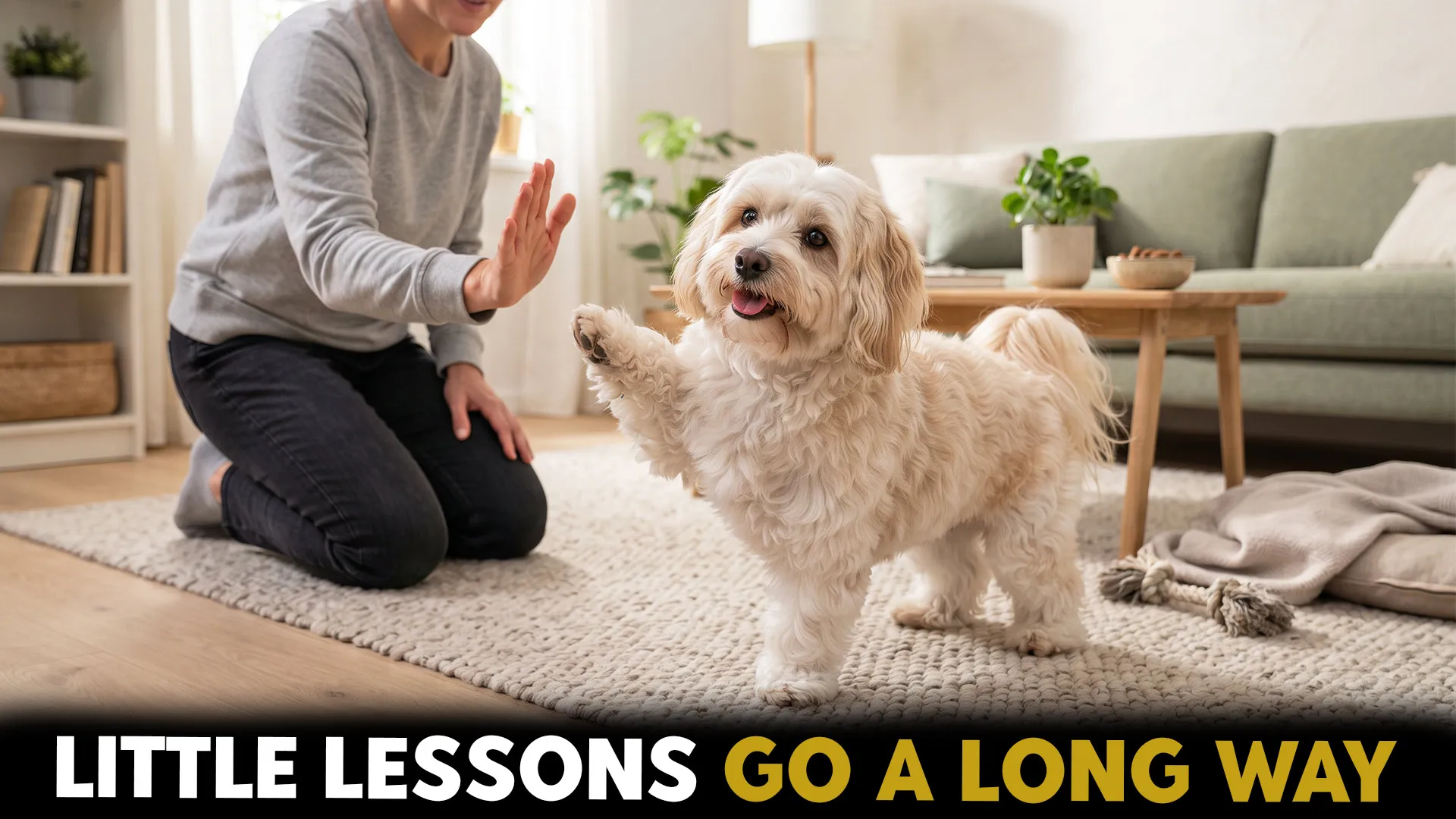
Training a dog does not have to mean long lessons or complicated routines. Sometimes, a few focused minutes of practice can be enough to teach a new skill, reinforce good behaviour, and make time together more rewarding.
Short, enjoyable sessions can help keep dogs engaged while giving owners an opportunity to build trust and clear communication. Positive reinforcement, consistency, patience, and early socialisation all play important roles in creating a learning environment where dogs can feel comfortable and motivated.
Different dogs also learn at different speeds, influenced by factors such as age, personality, and motivation. That makes choosing activities that suit an individual dog especially important.
The nine friendly breeds featured here each bring qualities that can make small-scale training enjoyable, from eagerness to learn and playful energy to a strong desire for interaction. With the right approach, everyday training can become less of a task and more of a rewarding shared experience.
Key Takeaways
Short, focused training sessions can make learning more enjoyable and manageable for small dogs.
Positive reinforcement helps encourage friendly dogs to participate willingly and build confidence.
Consistency is important when teaching commands, tricks, obedience, or everyday manners.
Mental stimulation can be just as valuable as physical exercise for keeping dogs engaged.
Puzzle toys, scent games, hide-and-seek, and interactive play can turn learning into fun.
Friendly Dog Breeds That Excel in Small-Scale Training
1. Toy Poodle
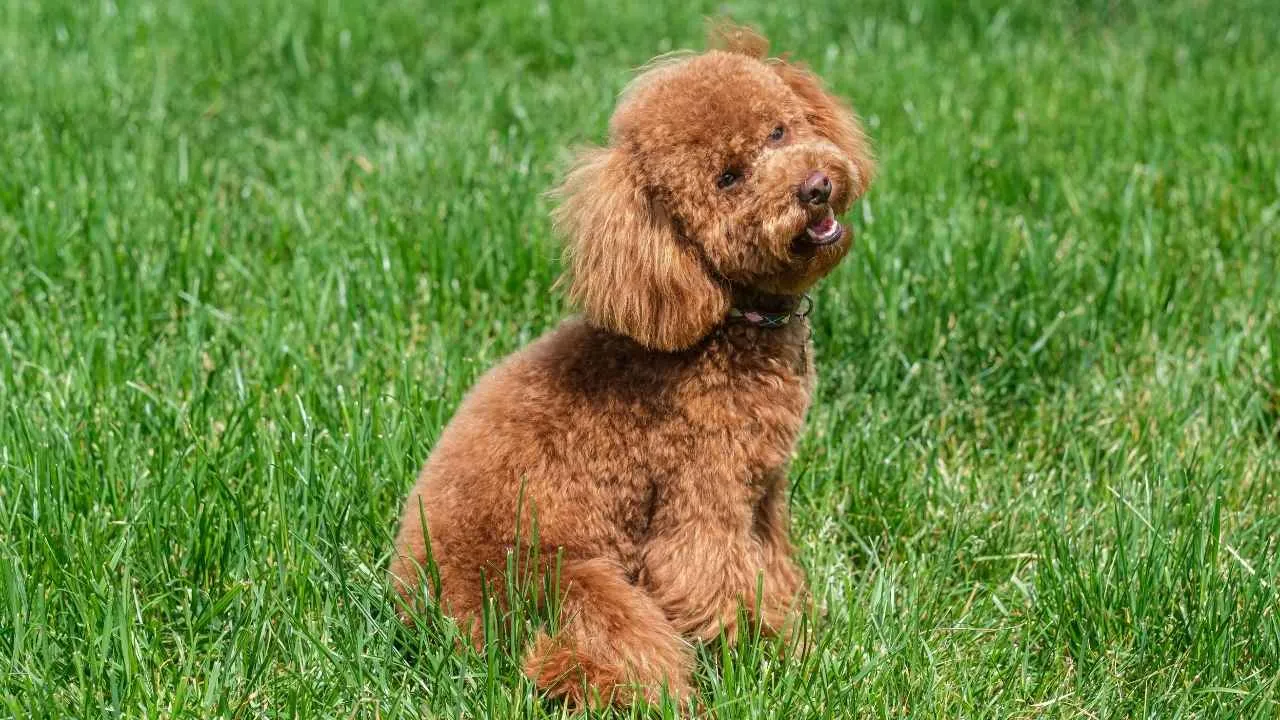
The Toy Poodle may be tiny, but its intelligence, cheerful nature, and eagerness to please make it remarkably capable when it comes to small-scale training.
Highly people-oriented and quick to learn, this breed often enjoys turning everyday interaction into an opportunity to master a new cue, trick, or activity.
Its playful spirit and mental sharpness allow short, consistent sessions to stay engaging without overwhelming its small frame.
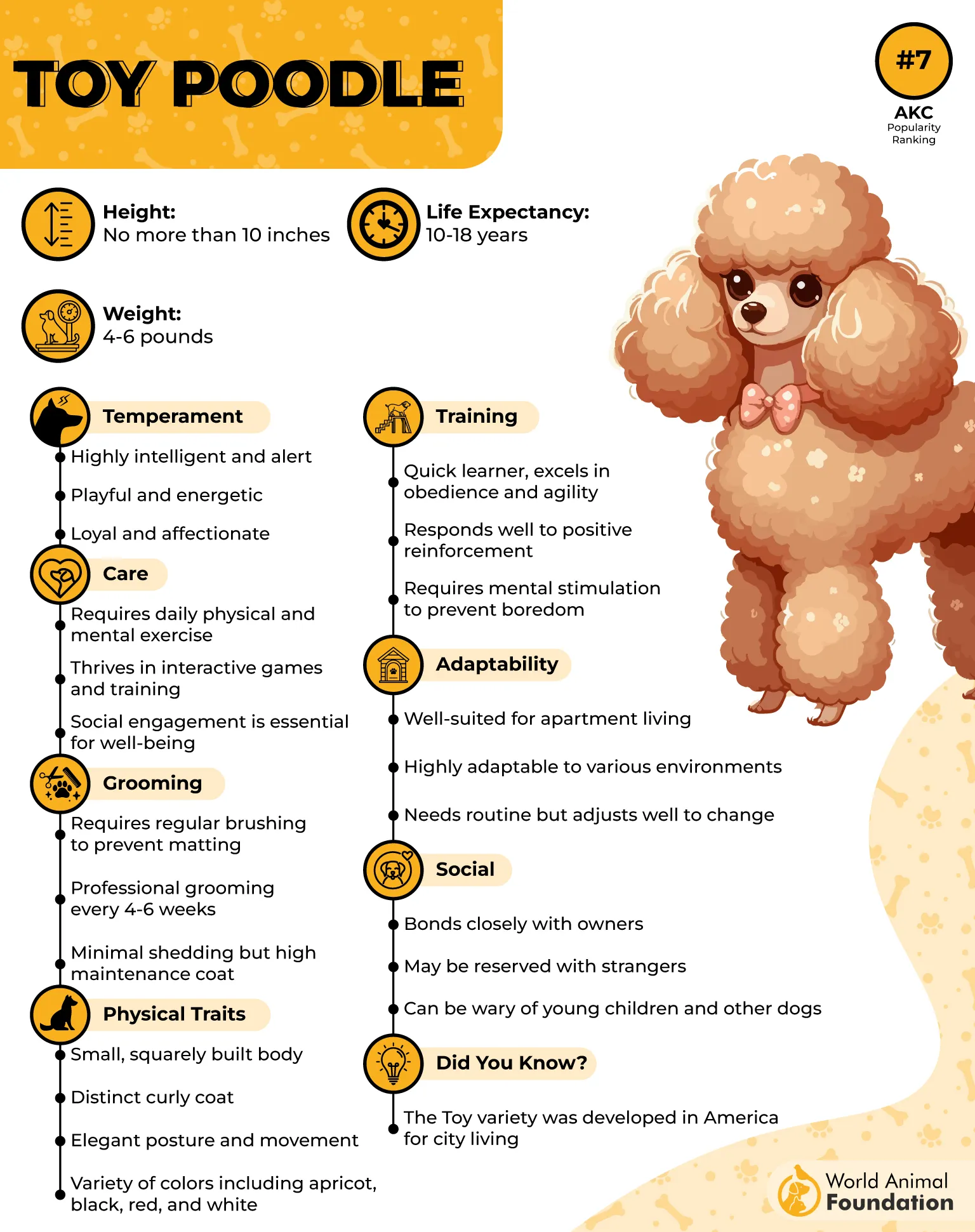
Toy Poodles respond especially well to gentle, positive training built around praise, rewards, and clear expectations, according to the American Kennel Club.
Early socialization and regular enrichment can also help them become confident, affectionate, and well-mannered companions. Daily walks, indoor games, puzzle toys, obedience exercises, nose work, and simple tricks can provide both physical activity and mental stimulation.
For families looking for a friendly dog that can learn effectively in manageable sessions, the Toy Poodle brings an appealing combination of charm, intelligence, and trainability.
2. Shih Tzu
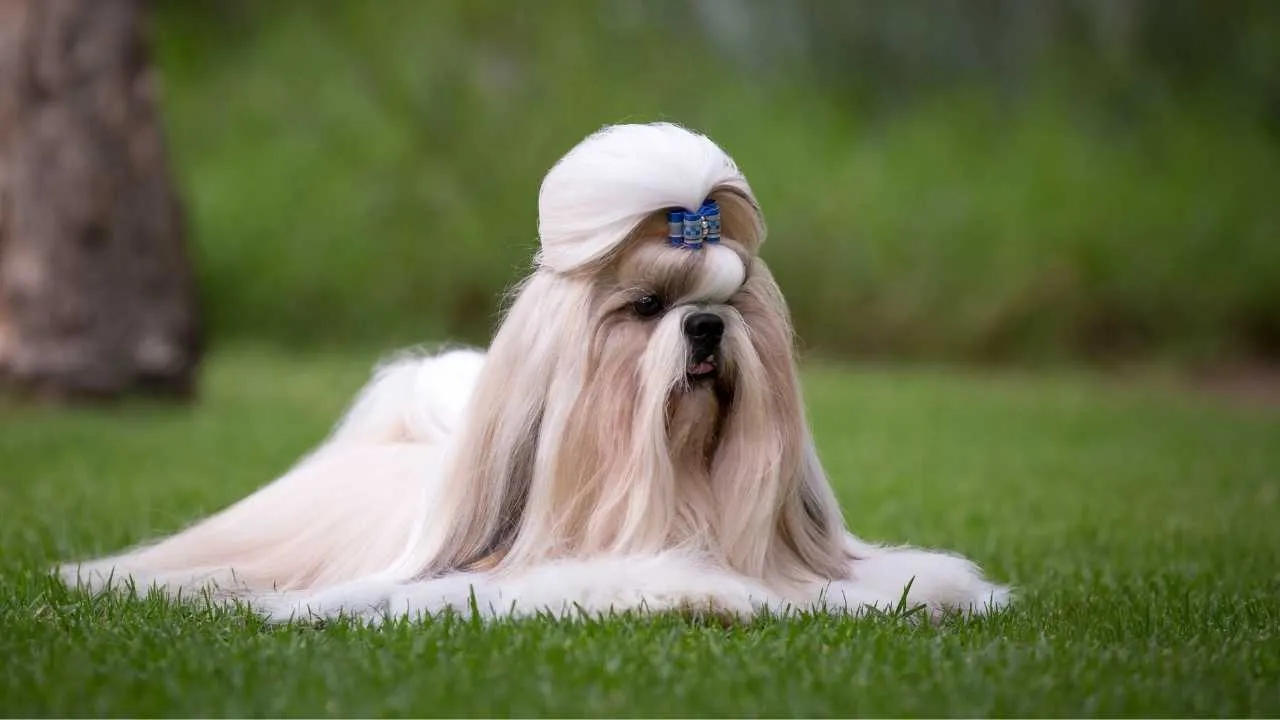
The Shih Tzu brings a warm, playful personality to small-scale training, making it a charming companion for people who prefer gentle activities and short learning sessions.
Affectionate and outgoing, this little dog enjoys staying close to its family and can be friendly with children, other dogs, pets, and even strangers.
Although intelligent, the Shih Tzu can have a stubborn streak and a short attention span, so patience and consistency matter.
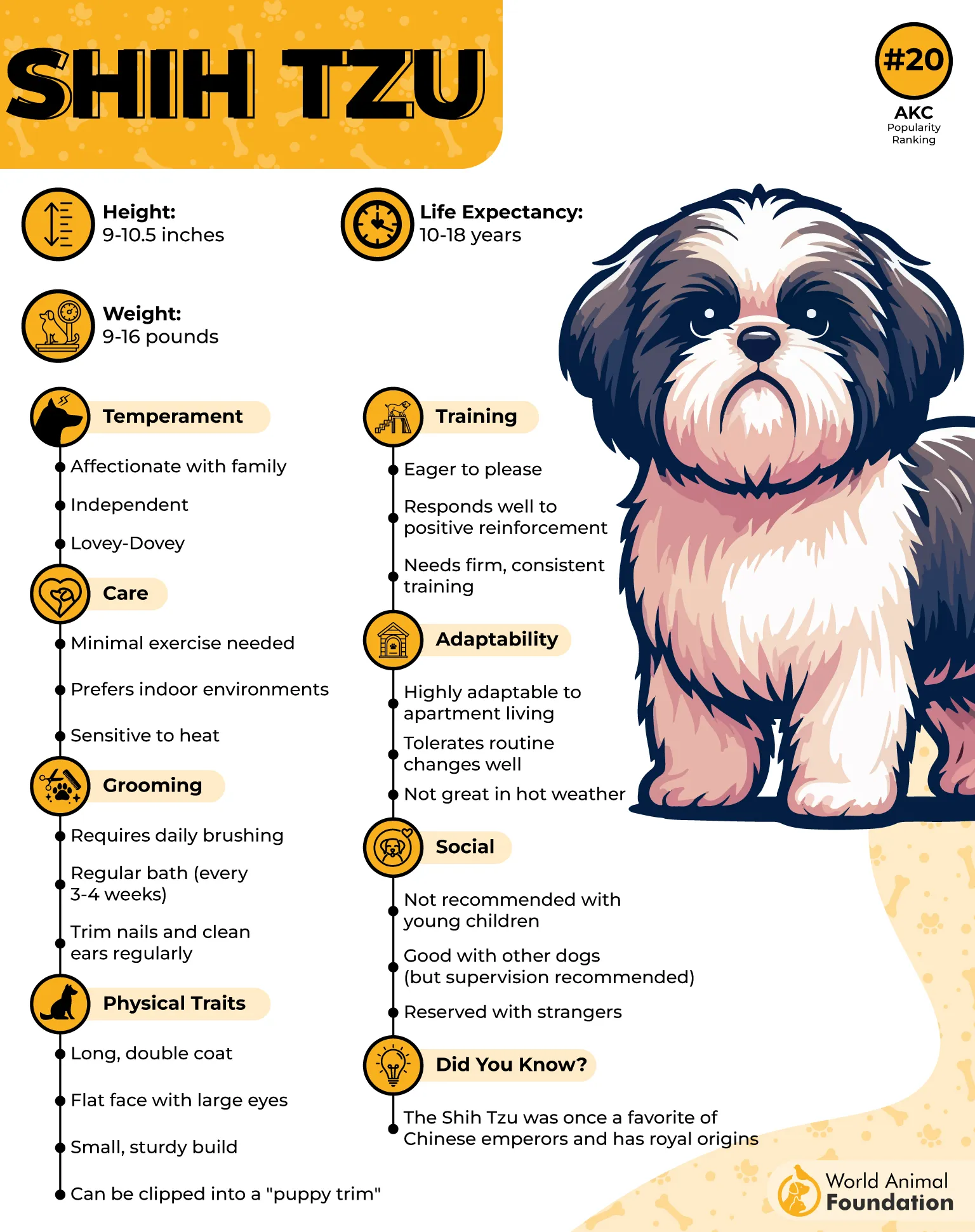
Reward-based training using food, praise, games, and encouragement tends to work better than force. House training may require extra persistence, making early training especially important.
Their exercise needs can often be met with short daily walks, indoor games, sniffing opportunities, and simple tricks. Because Shih Tzus can struggle with heat and strenuous activity, manageable routines are particularly suitable.
Their playful nature also makes enrichment activities and learning new tricks enjoyable ways to keep their minds engaged without demanding intense physical exercise.
3. Brussels Griffon
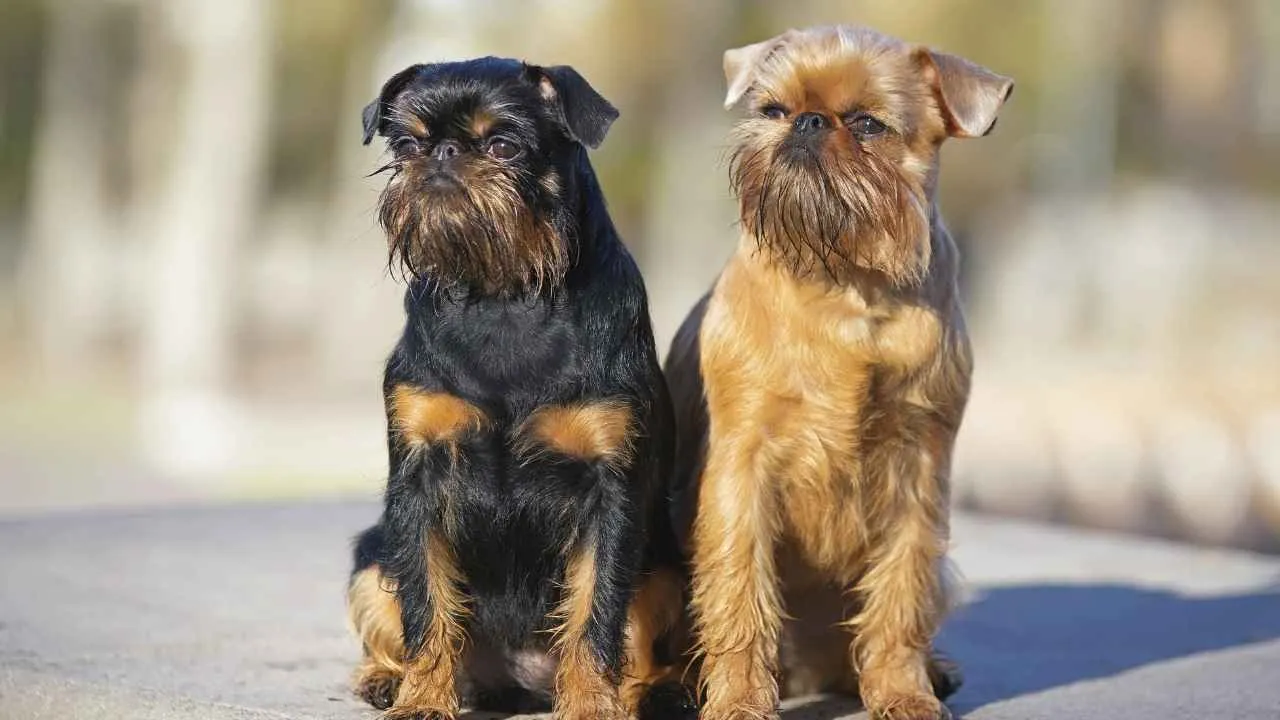
The Brussels Griffon may be small, but its intelligence, sensitivity, and strong desire to please make it an engaging partner for small-scale training.
This affectionate companion responds poorly to force but can thrive when lessons are built around kindness, consistency, praise, and rewards.
A simple treat can turn a potentially frustrating task into a positive learning experience, helping the Griffon willingly follow guidance, as stated by National Brussels Griffon Rescue.
Its intelligence also gives it the potential to enjoy obedience, agility, and tracking activities. Because Brussels Griffons can be stubborn at times, especially with leash training or housetraining, patience and a predictable routine are important.
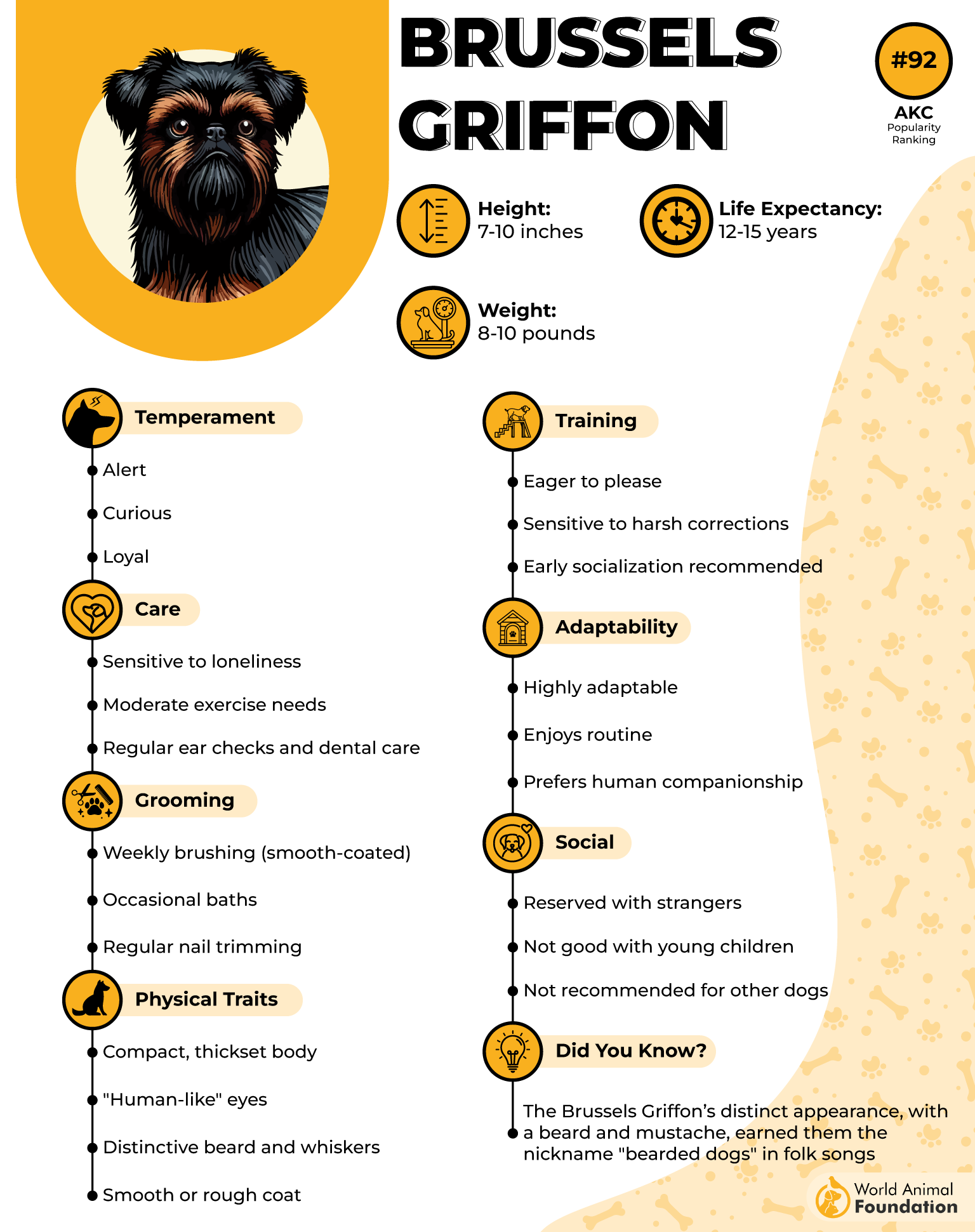
Their close bond with their people adds another advantage: they often enjoy learning when it means spending quality time with their favorite person.
Short, positive sessions can keep training enjoyable while strengthening that special connection. For owners seeking a friendly, devoted dog that responds to gentle guidance, the Brussels Griffon can be a rewarding choice.
4. Havanese
The Brussels Griffon may be small, but its intelligence, sensitivity, and strong desire to please make it an engaging partner for small-scale training.
This affectionate companion responds poorly to force but can thrive when lessons are built around kindness, consistency, praise, and rewards.
A simple treat can turn a potentially frustrating task into a positive learning experience, helping the Griffon willingly follow guidance.
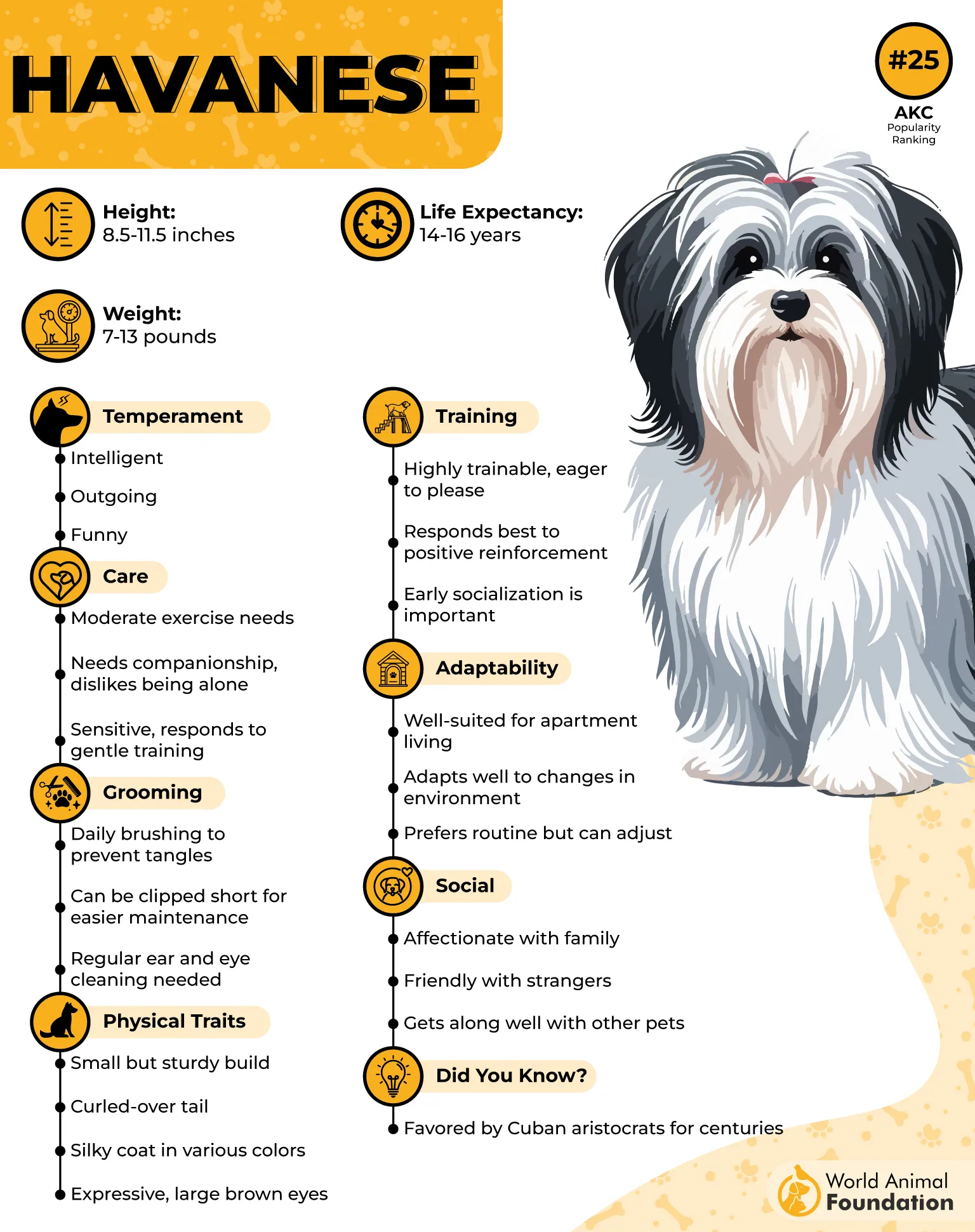
Its intelligence also gives it the potential to enjoy obedience, agility, and tracking activities. Because Brussels Griffons can be stubborn at times, especially with leash training or housetraining, patience and a predictable routine are important.
Their close bond with their people adds another advantage: they often enjoy learning when it means spending quality time with their favorite person. Short, positive sessions can keep training enjoyable while strengthening that special connection.
For owners seeking a friendly, devoted dog that responds to gentle guidance, the Brussels Griffon can be a rewarding choice.
5. Papillon
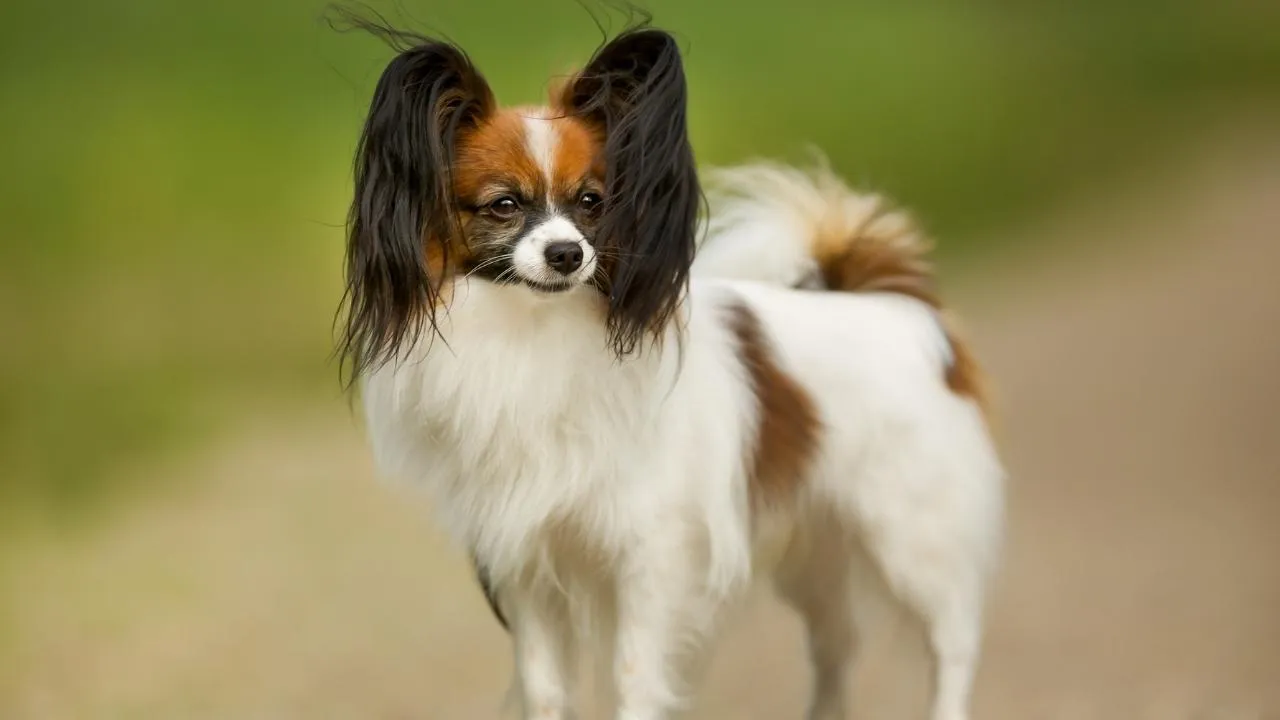
The Papillon proves that a small dog can bring plenty of intelligence, energy, and enthusiasm to training.
Best known for its distinctive butterfly-shaped ears, this elegant toy breed is far more than a pretty companion.
Papillons are eager to please, quick to learn, and enjoy mental stimulation, making them particularly suited to short, engaging training sessions.
They can learn basic commands and tricks and have also excelled in activities such as obedience and agility, as explained by Purina.
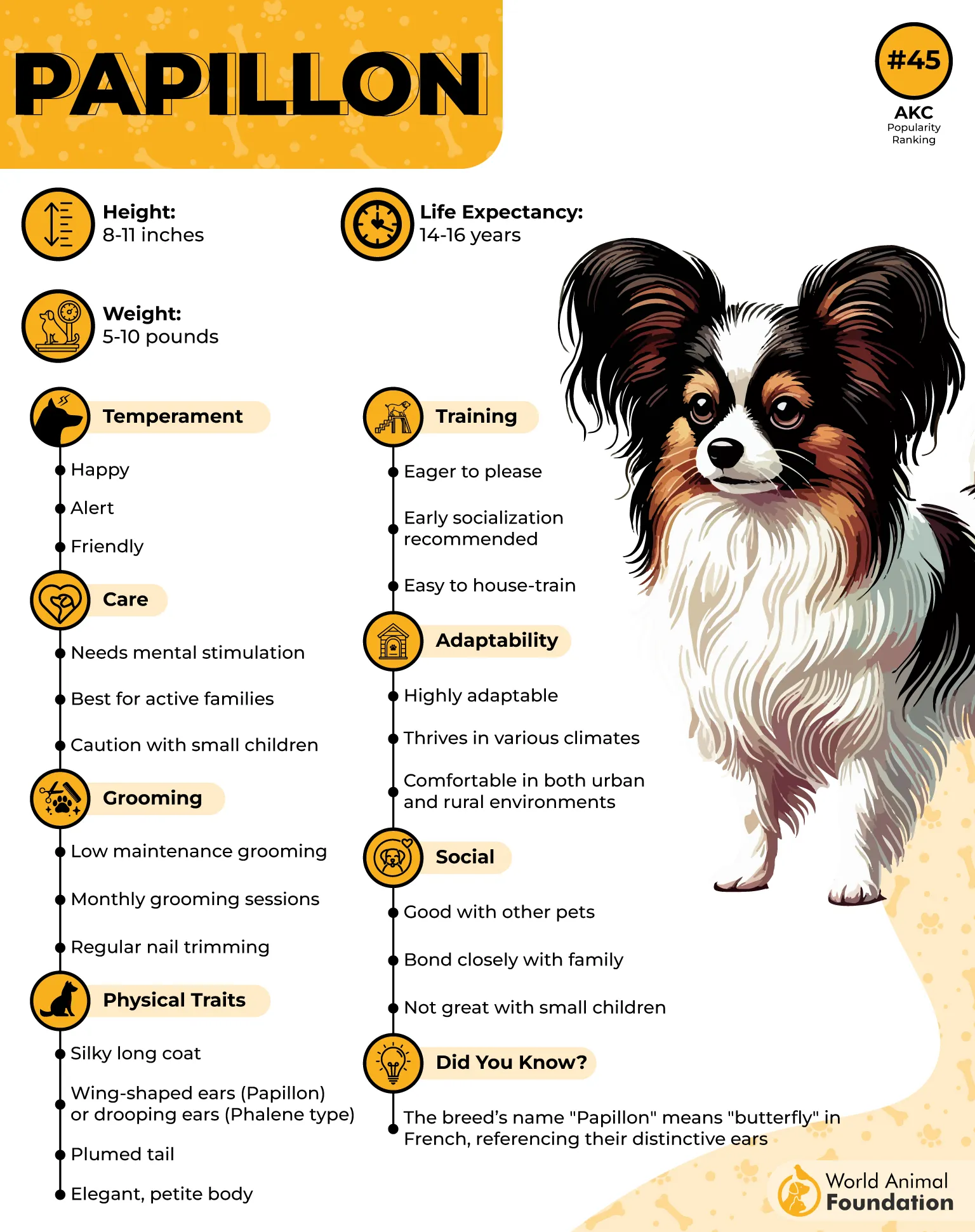
Their alert, friendly nature makes training feel like shared time with their people, while positive reinforcement and consistency help keep their sharp minds focused.
Play can easily become part of the learning process, with activities such as retrieving adding both fun and engagement. Papillons also enjoy being involved in family life and often thrive on companionship.
For owners seeking a friendly, lively dog that combines a small frame with an impressive willingness to learn, the Papillon can make training an especially rewarding experience.
6. Japanese Chin
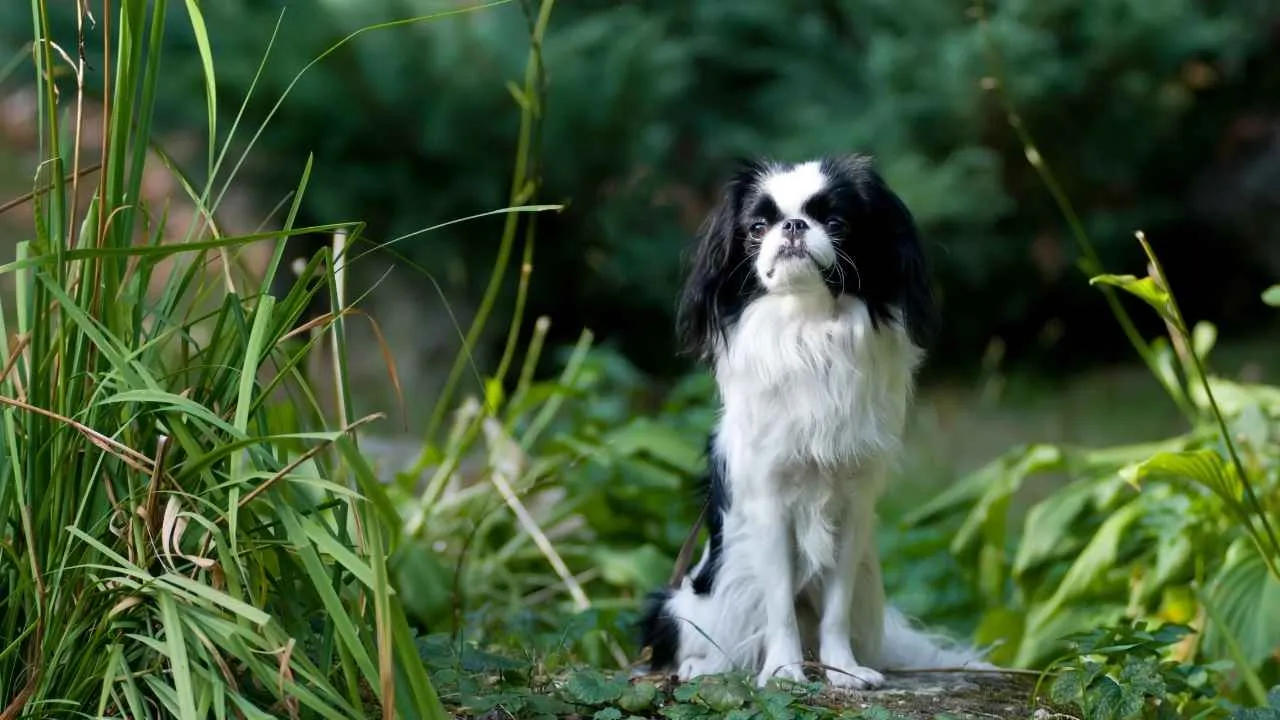
The Japanese Chin brings a gentle, playful charm to small-scale training, combining intelligence with an affectionate nature and a strong bond with its people.
Although known for its elegant appearance and calm presence, this little companion also enjoys interaction and can be a cheerful participant in everyday activities.
Its adaptable nature makes short walks, simple games, and manageable training sessions easy to incorporate into daily life.
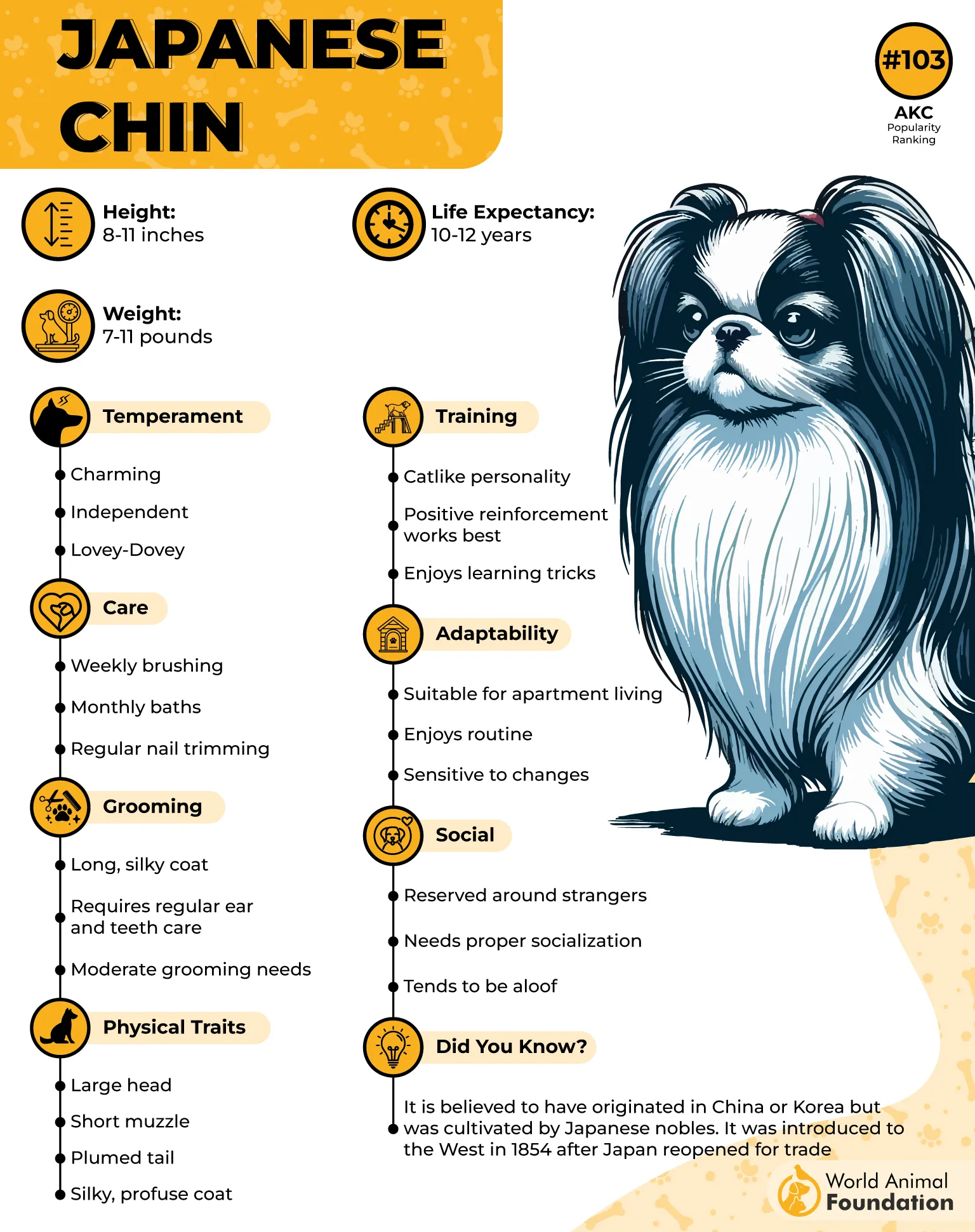
Japanese Chin dogs are generally open toward people, other dogs, and pets, while their playful side can make learning feel like an enjoyable time together.
Their independent streak means training works best when sessions remain patient and positive rather than demanding. Because they are companion dogs that enjoy staying close to their families, regular interaction can help keep them engaged.
For owners looking for a friendly small dog that can learn through gentle, bite-sized activities while remaining a loving household companion, the Japanese Chin offers an appealing blend of intelligence, adaptability, and affectionate companionship.
7. Yorkshire Terrier
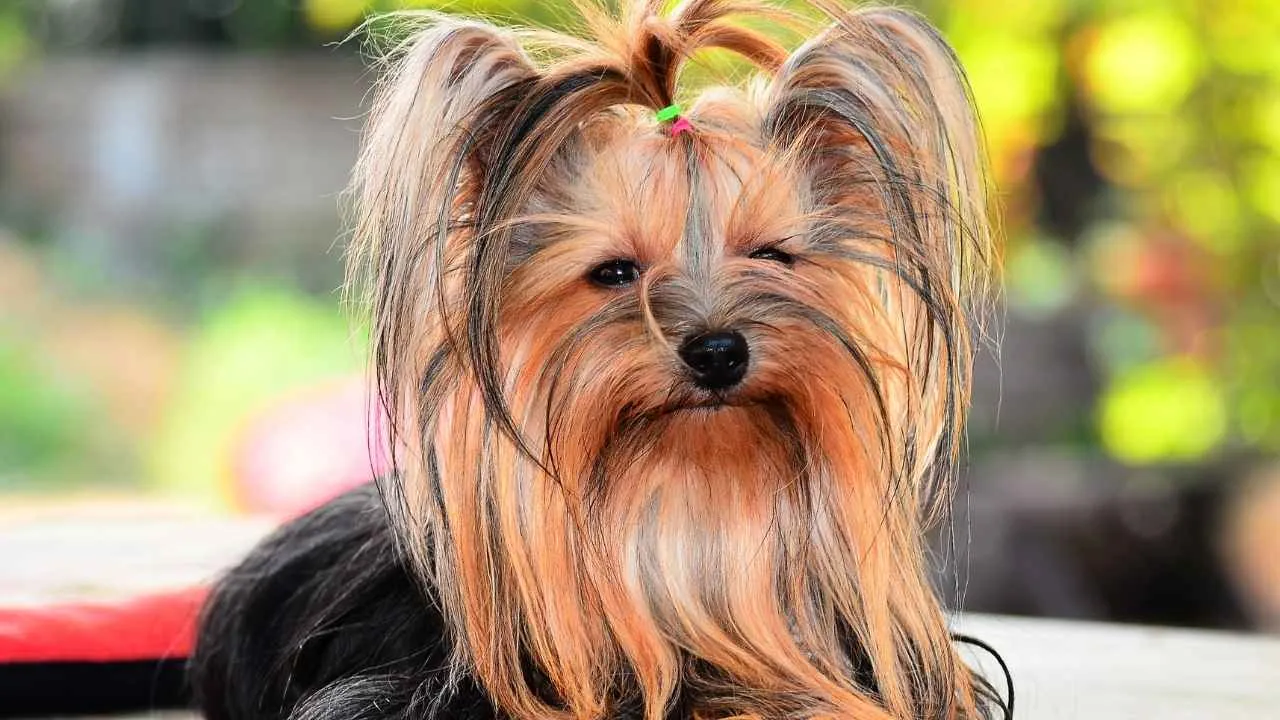
The Yorkshire Terrier may be tiny, but its bold personality and sharp mind make it an engaging partner for small-scale training.
Curious, energetic, and eager to be involved, Yorkies enjoy learning new tricks, playing games, and taking part in activities that challenge their minds.
They can pick up training quickly, although their independent and strong-willed nature means patience and consistency are important. Short, positive sessions can help keep their attention while making learning enjoyable.
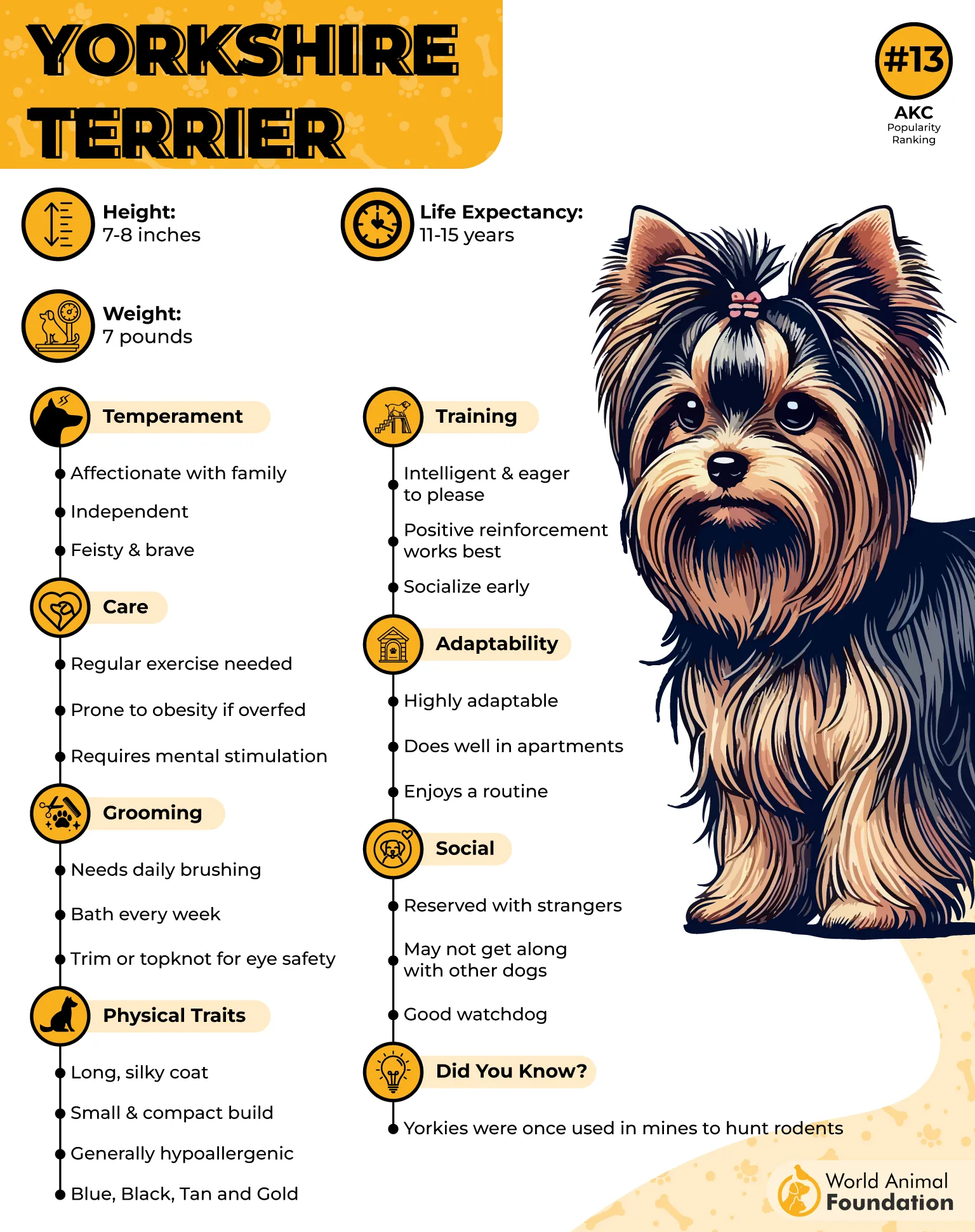
Their love of interaction also makes praise, rewards, and playful training especially useful, according to Orvis. Mental enrichment through tricks, puzzle games, scent activities, or simple obedience exercises can help channel their lively nature.
Early socialization and clear boundaries are equally important for helping these confident little dogs develop good manners. Although they enjoy affection and cuddles, they are not simply passive lap dogs; they want to explore, learn, and participate.
For owners seeking a small, friendly companion with plenty of personality and enthusiasm for learning, the Yorkshire Terrier can be a rewarding training partner.
8. Silky Terrier
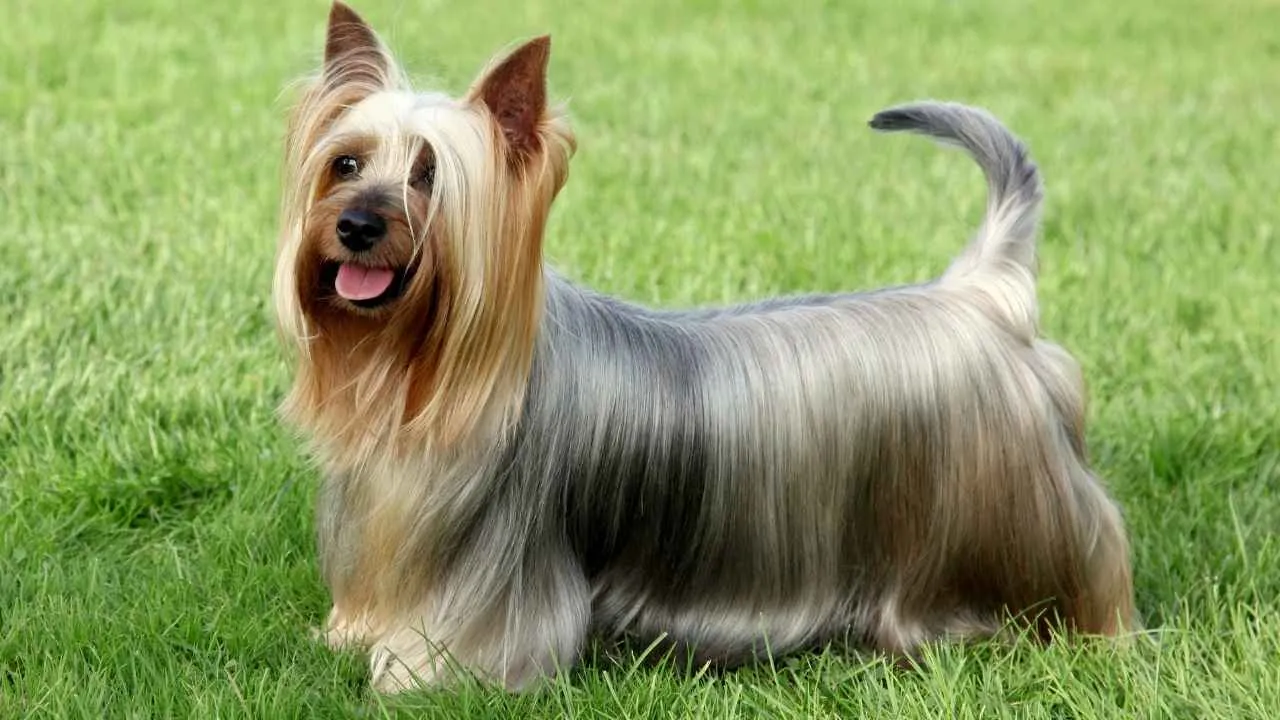
The Silky Terrier brings plenty of personality, intelligence, and enthusiasm to small-scale training.
Alert and observant, this little dog enjoys noticing what happens around it and can be highly devoted to its people.
Its playful nature also makes learning feel like an enjoyable activity rather than a chore. Silky terriers are smart and eager students, especially when training begins early and remains consistent.
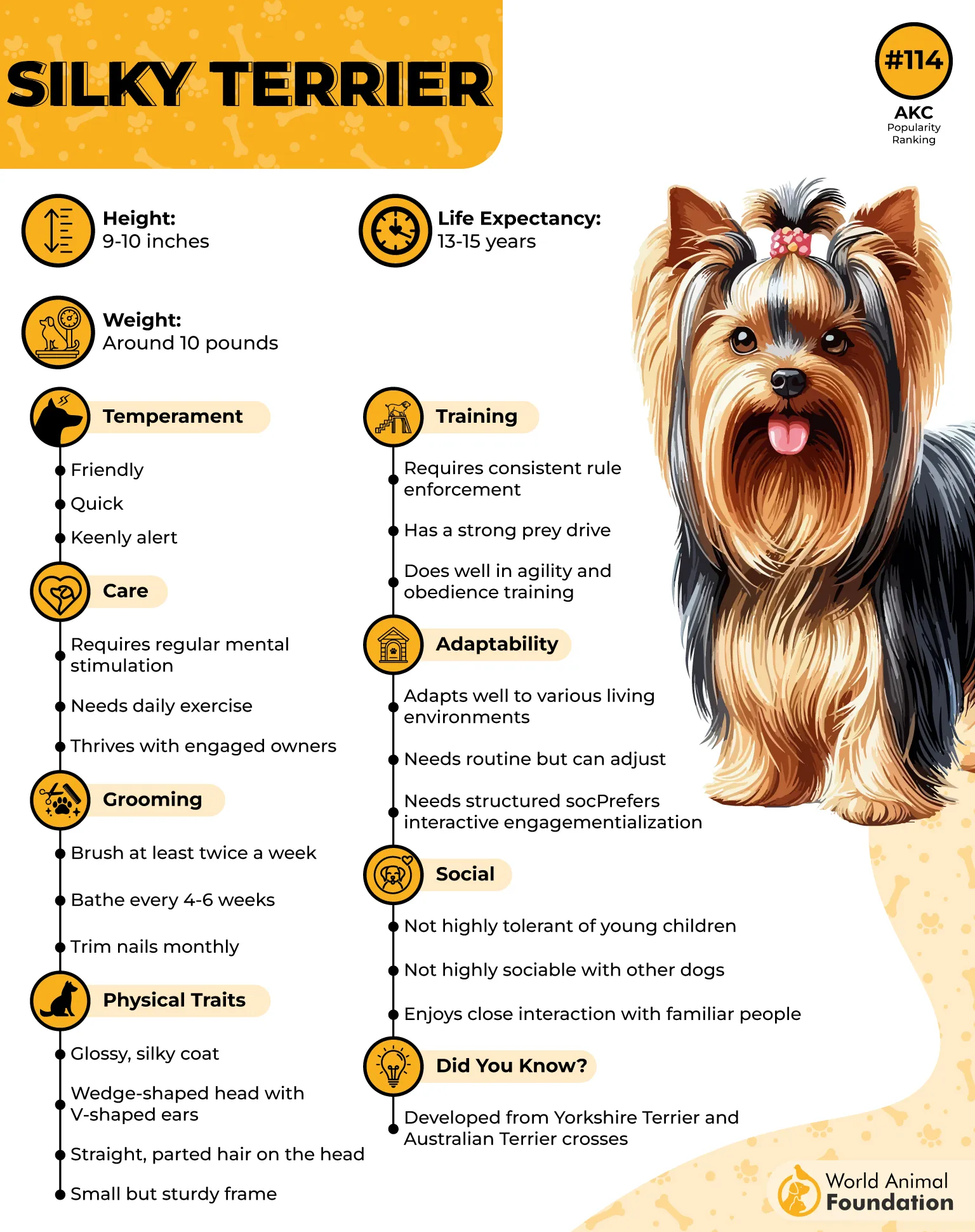
Short sessions involving tricks, obedience, scent work, or simple games can provide valuable mental stimulation while strengthening the bond between dog and owner.
They can also take part in activities such as agility and other dog sports, giving their active minds something purposeful to do. Although they enjoy walks and play, mental enrichment through food puzzles, hide-and-seek, and training exercises can be especially rewarding.
For owners willing to provide guidance, variety, and positive interaction, the Silky Terrier can turn manageable training sessions into fun, engaging time together.
9. Italian Greyhound
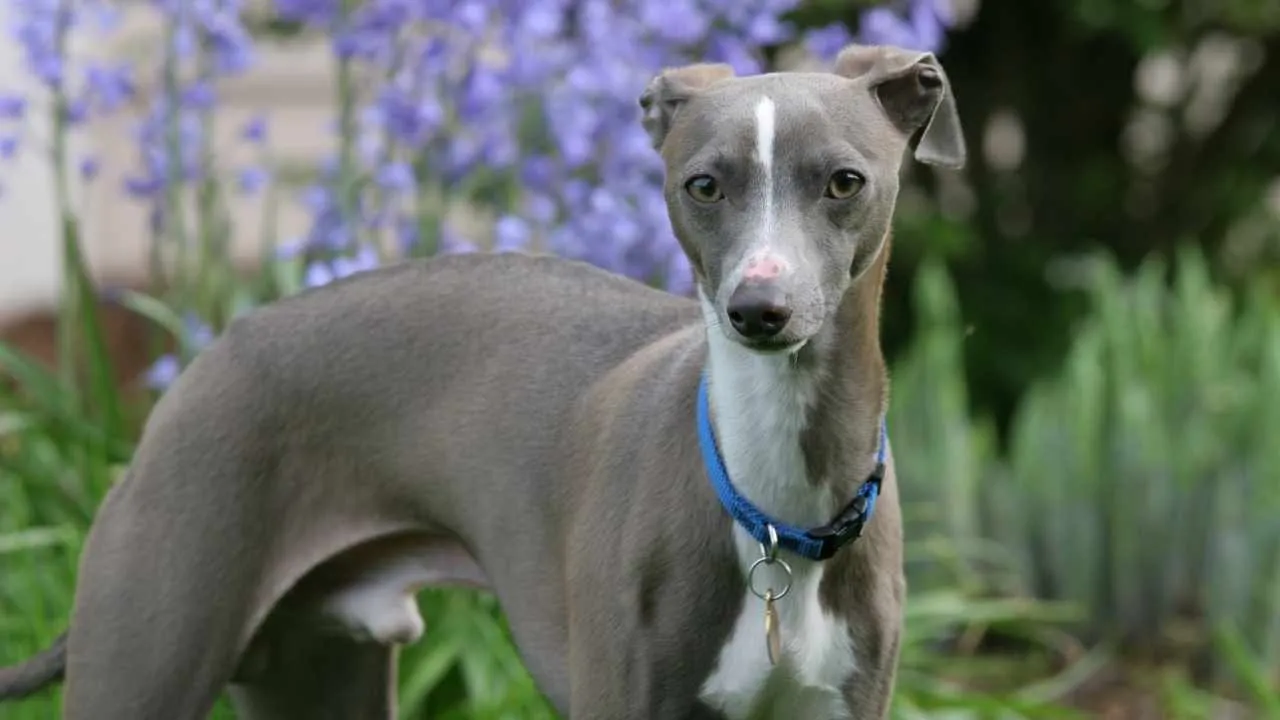
The Italian Greyhound may be delicate in build, but its affectionate nature, intelligence, and eagerness to engage make it well suited to small-scale training.
These sensitive dogs respond best to calm, positive reinforcement, making short sessions a natural fit for their temperament.
Training for just 5–10 minutes at a time can focus on one command or behaviour without becoming overwhelming.
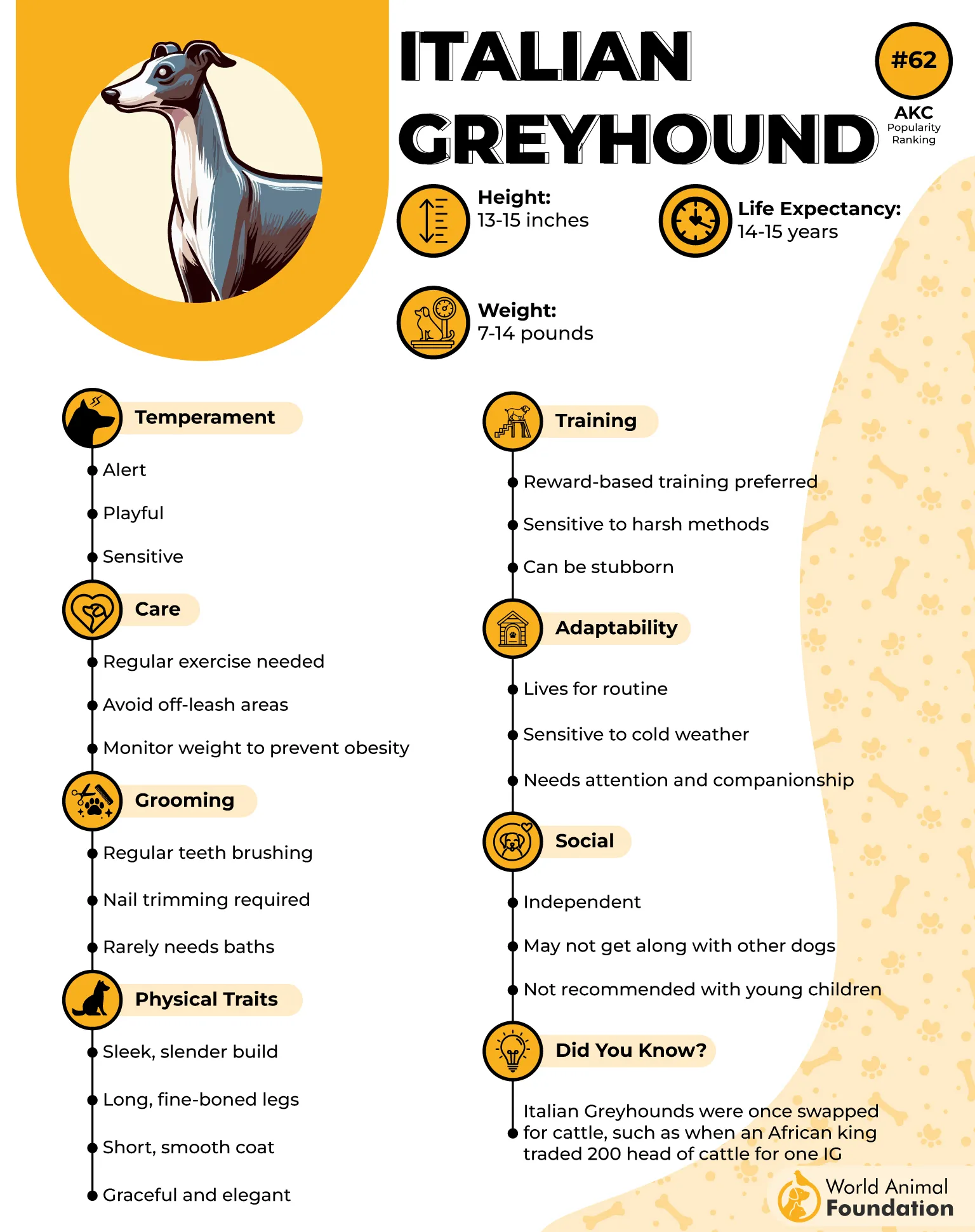
Treats, praise, and play can keep lessons encouraging while helping build trust between dog and owner. Italian Greyhounds also benefit from mental stimulation, with puzzle toys, hide-and-seek, and simple training exercises offering enjoyable ways to stay engaged.
Early socialization can further help them become more confident and adaptable around different people, sounds, and experiences. While house-training may require extra patience and consistency, gentle guidance works better than punishment.
For owners who enjoy quiet companionship and bite-sized learning activities, the Italian Greyhound can turn training into a rewarding shared experience.
Conclusion
Small-scale training can be a rewarding way to help a friendly dog learn, stay mentally engaged, and build a stronger connection with its people. The trainable dog breeds featured here show that proper training does not always require long sessions or demanding routines.
Many thrive when lessons are kept short, positive, consistent, and enjoyable, allowing their intelligence and personality to shine without becoming overwhelmed.
Simple activities such as basic obedience, tricks, scent games, puzzles, and interactive play can turn everyday moments into useful learning opportunities. At the same time, every dog has its own temperament, attention span, and pace of learning, so training should be adjusted to suit the individual.
Patience and encouragement can make a meaningful difference, especially for sensitive or independent dogs. With the right approach, even a few minutes of focused training can become something both dog and owner look forward to, creating happier routines and a deeper bond along the way.
