




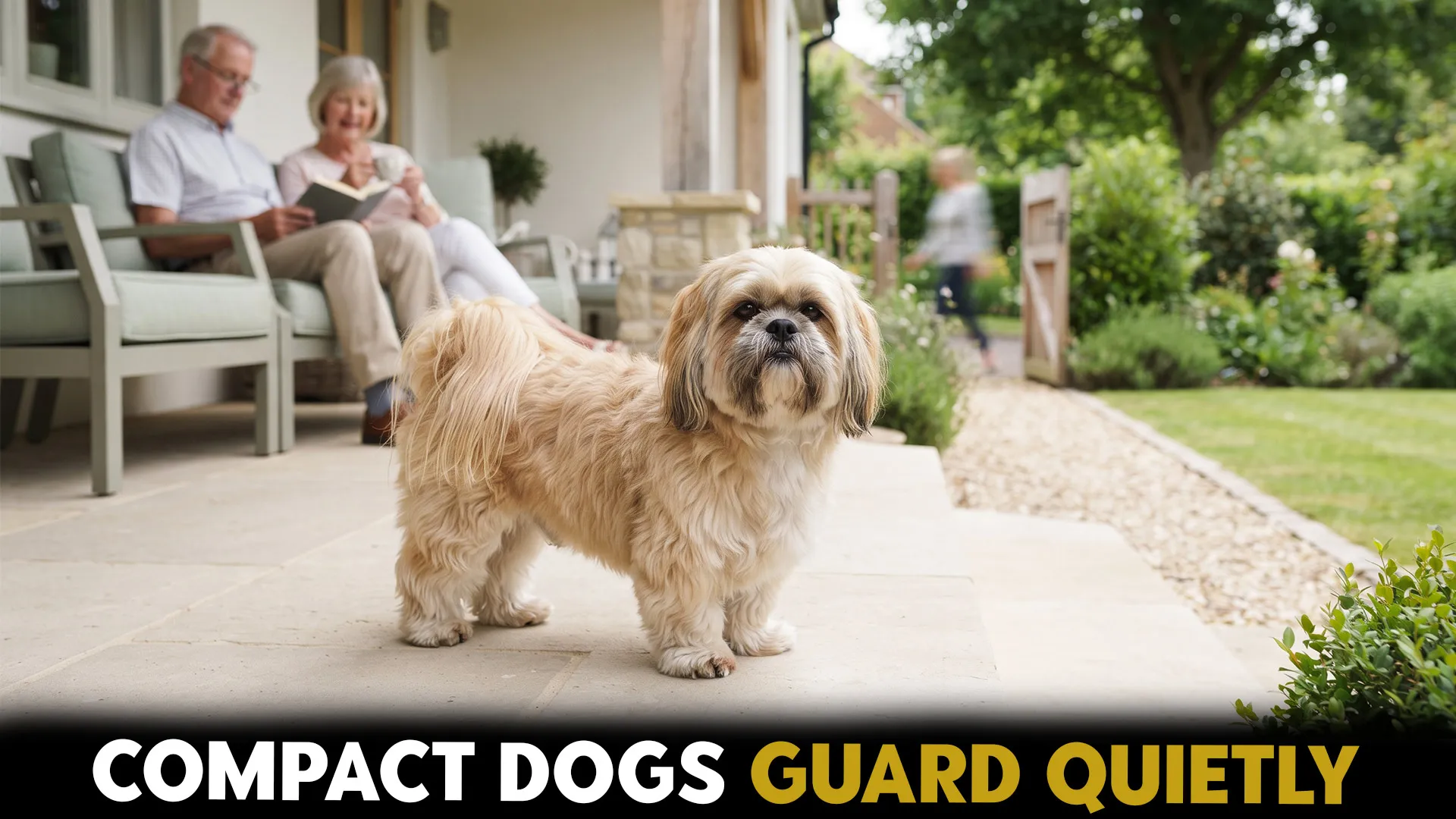
Who says the best guard dogs must be big dogs? For elderly couples living alone, an alert companion of small size can notice visitors, unusual sounds, and movement around the home without being difficult to handle.
Smart dog owners know that barking alone does not make a dependable watchdog. The right personality, manageable energy, an affectionate nature, and the ability to remain calm around other dogs and cats matter just as much.
Many affectionate dogs are well suited to quieter households, but no small dog breed is automatically lower maintenance or easy to train. Your best match will treat alerting as a job while remaining an excellent companion during long periods at home.
Small Guard Dog Breeds Ideal for Elderly Couples Living Alone
1. Miniature Schnauzer
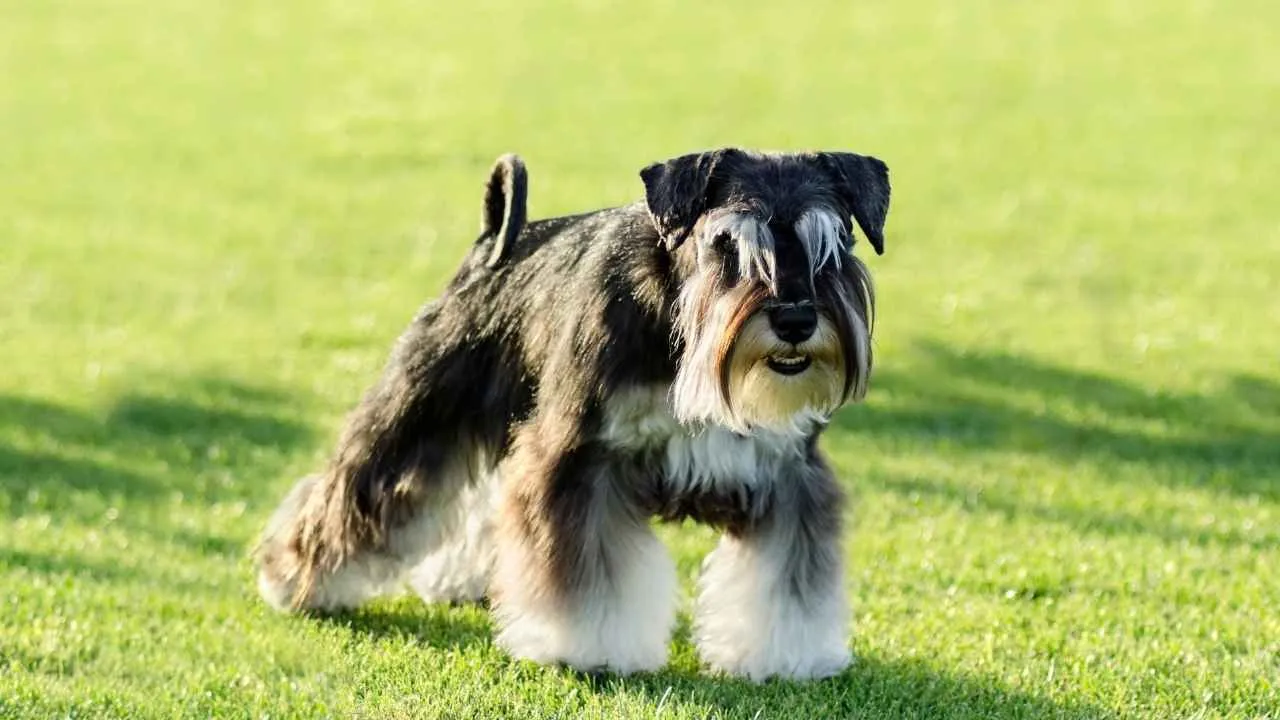
Miniature Schnauzers are naturally alert and sometimes vocal, so unfamiliar footsteps rarely pass unnoticed. Standing 12–14 inches tall, they are sturdy yet manageable for most older owners. Teach a “quiet” cue early so their useful alarm does not become constant commentary.
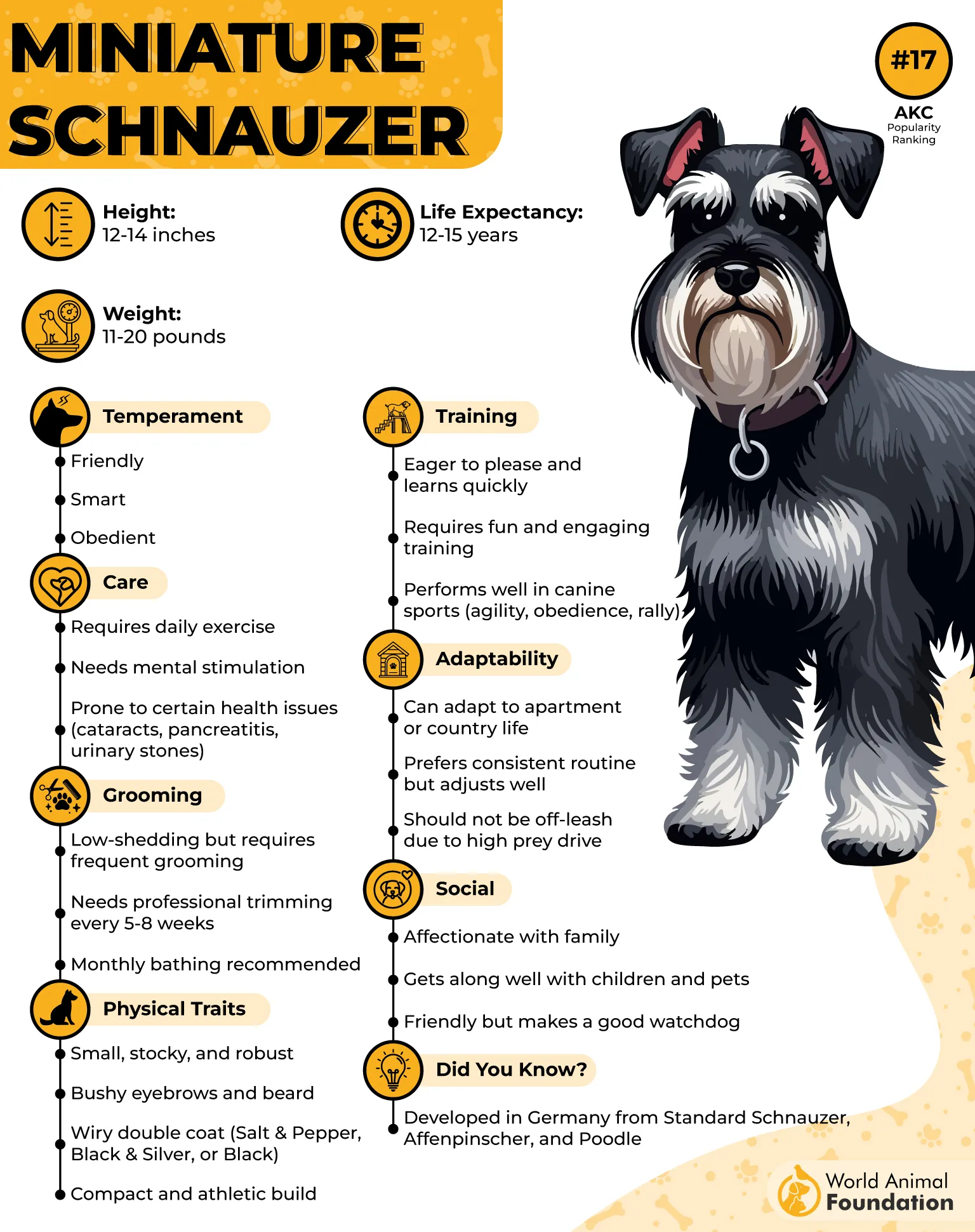
Temperament and companionship: Sweet, intelligent, affectionate, and quick to learn, they enjoy staying involved in their owners’ routines.
Moderate exercise, including comfortable walks and indoor games, can keep them satisfied without turning every day into an endurance test. Their prey instinct means walks should remain on-leash unless the area is securely fenced.
Grooming and healthcare: Their low-shedding coat requires routine brushing and professional trimming. The AKC breed club also recommends quality lower-fat food, making careful weight and diet management important.
2. Schipperke
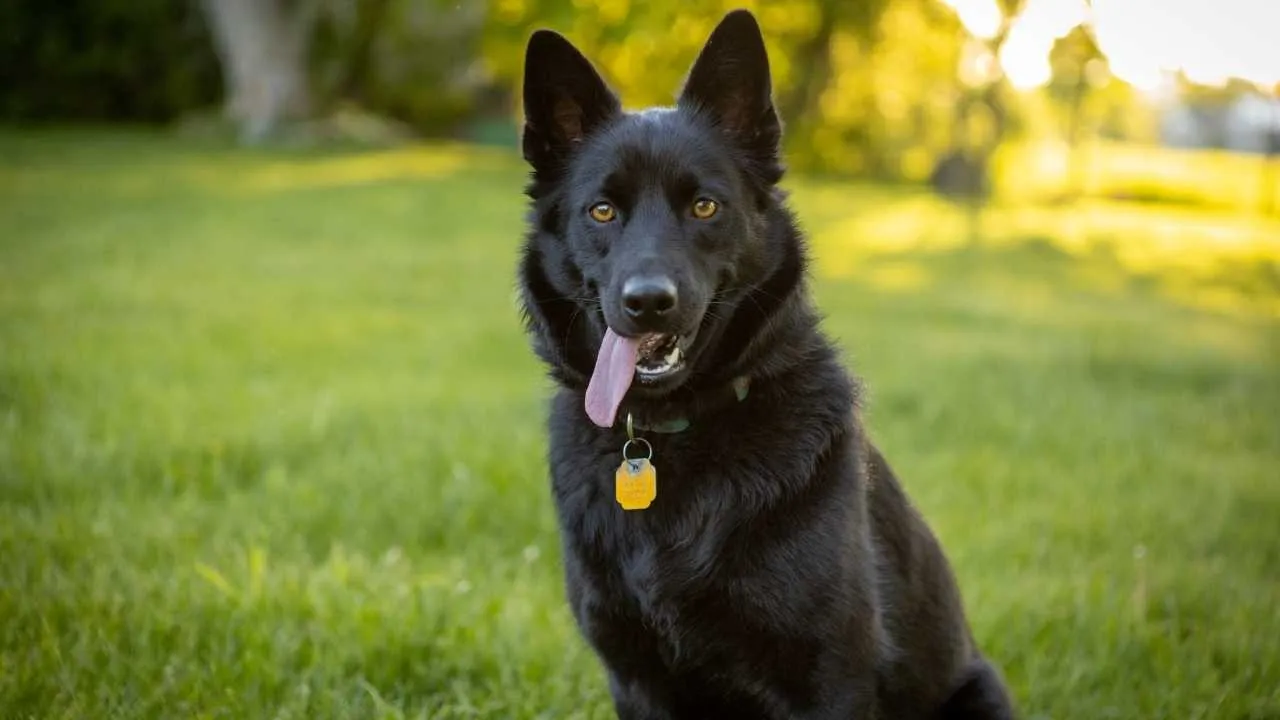
A Schipperke tends to investigate the house like a tiny security officer making rounds. This curious, high-energy breed protects its family and property, while its vocal nature ensures suspicious activity gets announced. At 12–18 pounds, it is compact but less physically delicate than many toy breeds.
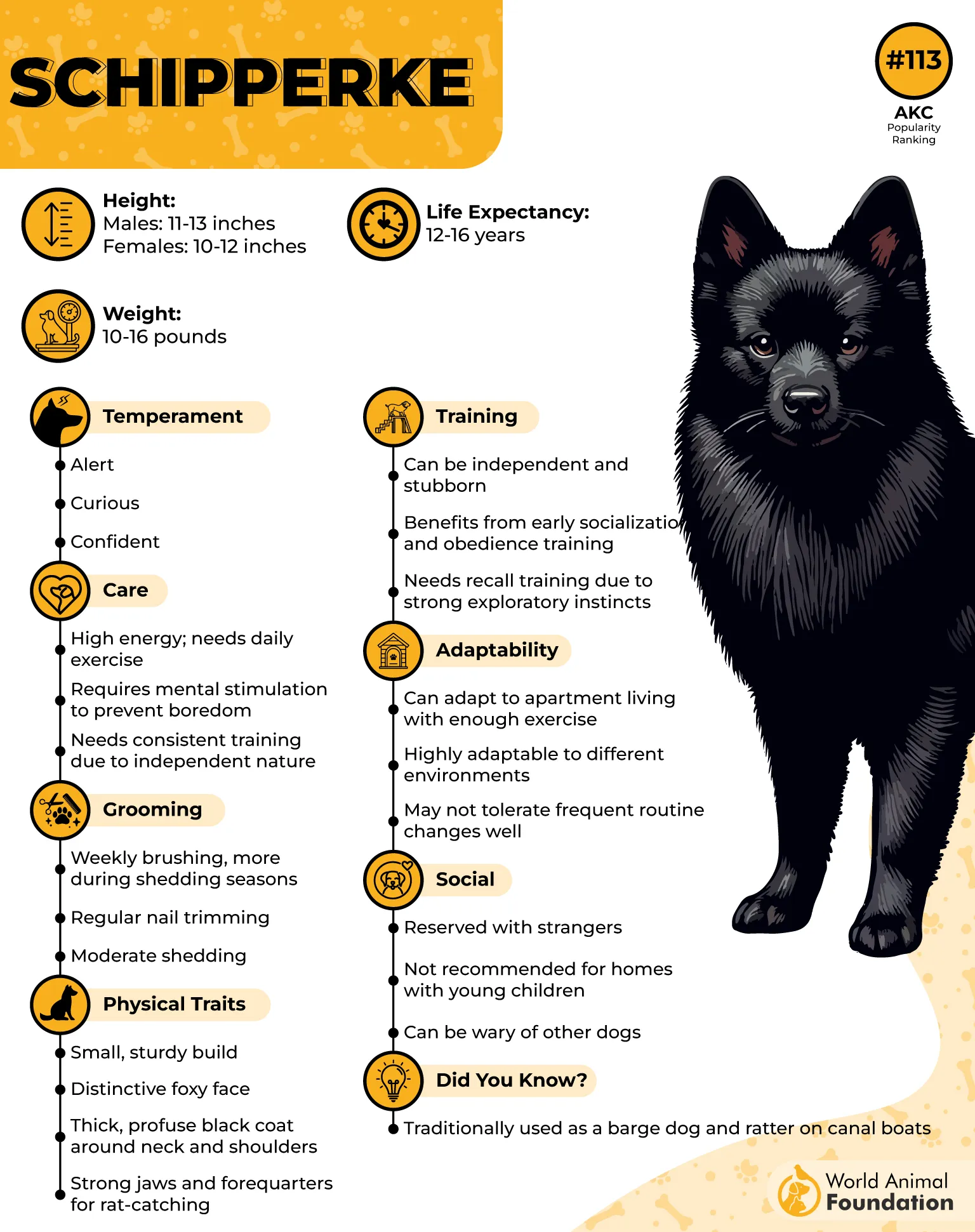
Temperament and companionship: Faithful and family-focused, this clever dog offers close companionship but needs patient obedience training to manage its independent decisions.
Regular walks and mentally engaging games are necessary because this is an active breed. An elderly couple who enjoys a steady daily routine may find that energy motivating rather than overwhelming.
Grooming and healthcare: According to Purina, weekly brushing and occasional baths usually maintain the harsh coat. Expect heavier shedding several times each year, when extra brushing becomes necessary.
3. Pekingese
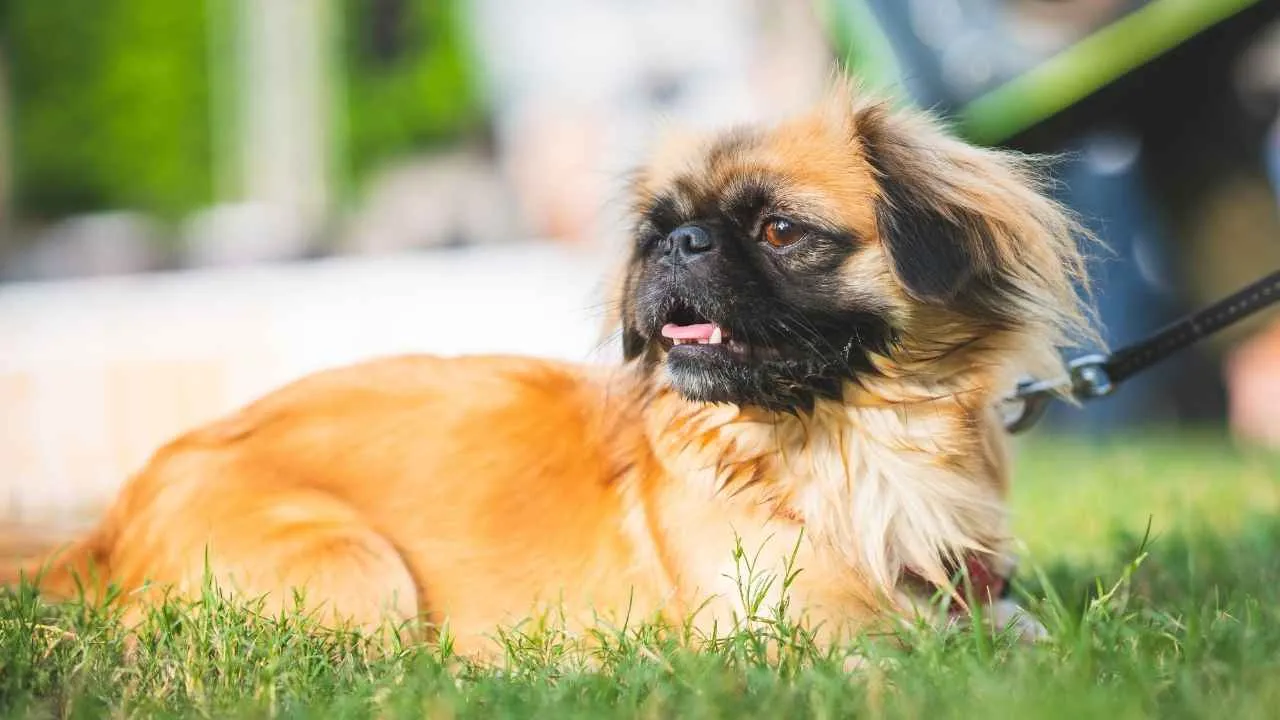
Moderate exercise suits the Pekingese well, but warm-weather walks require caution because its short face increases overheating risk. Several brief outings can provide stimulation without demanding long, strenuous walks. At 6–9 inches tall and up to 14 pounds, it is easy to accommodate in a smaller home.
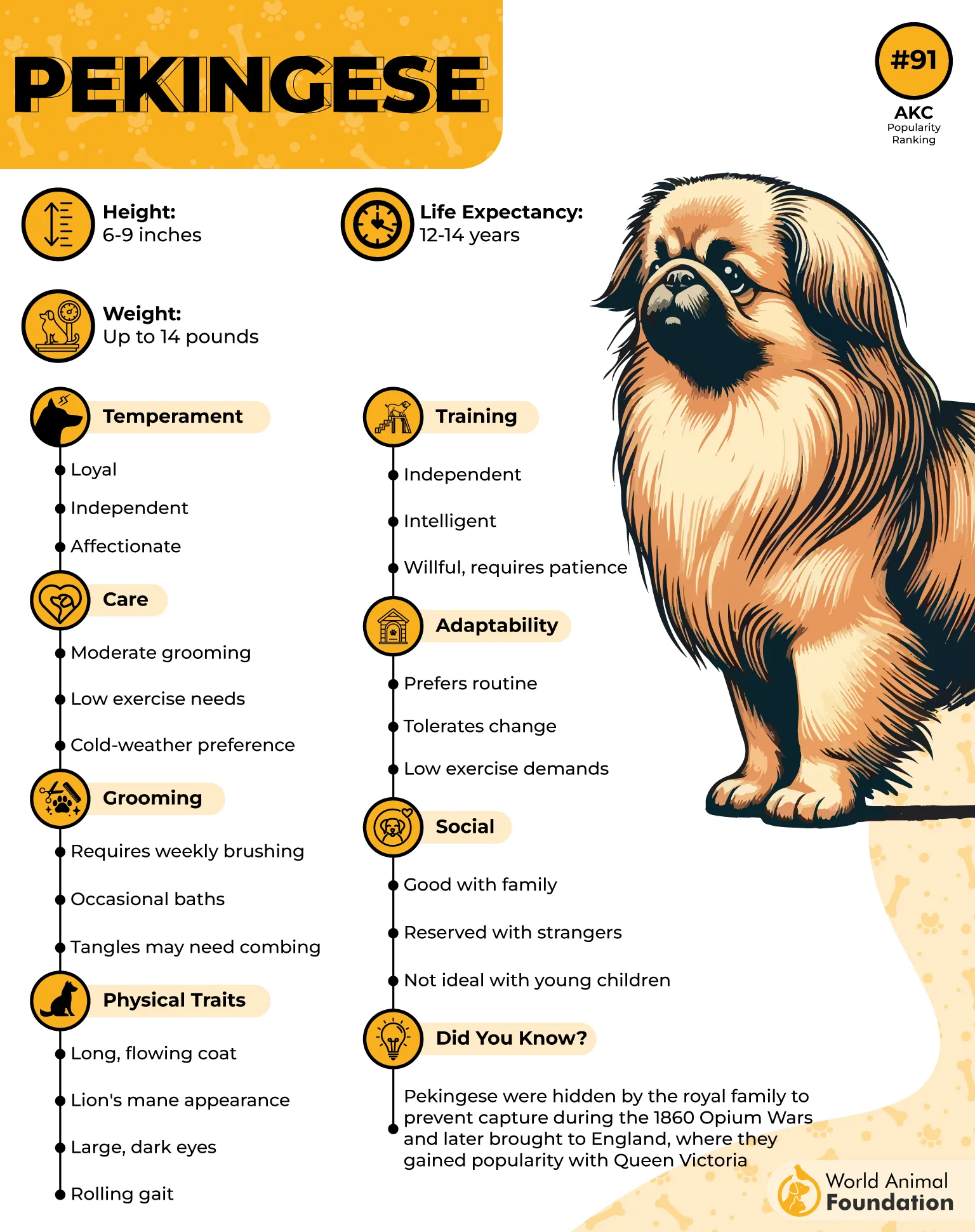
Grooming and healthcare: The thick double coat needs at least one hour of brushing weekly, while long coats may require professional grooming every six to eight weeks. Eyes and facial folds also need regular attention.
This smaller breed is alert and can produce an insistent bark when a stranger—or merely a neighbor collecting mail—seems suspicious. Early socialization helps turn that strong voice into a more controlled household alarm.
Temperament and companionship: Extremely loyal, confident, and laid-back indoors, it often bonds closely with a select few people, according to PetMD.
4. Tibetan Spaniel
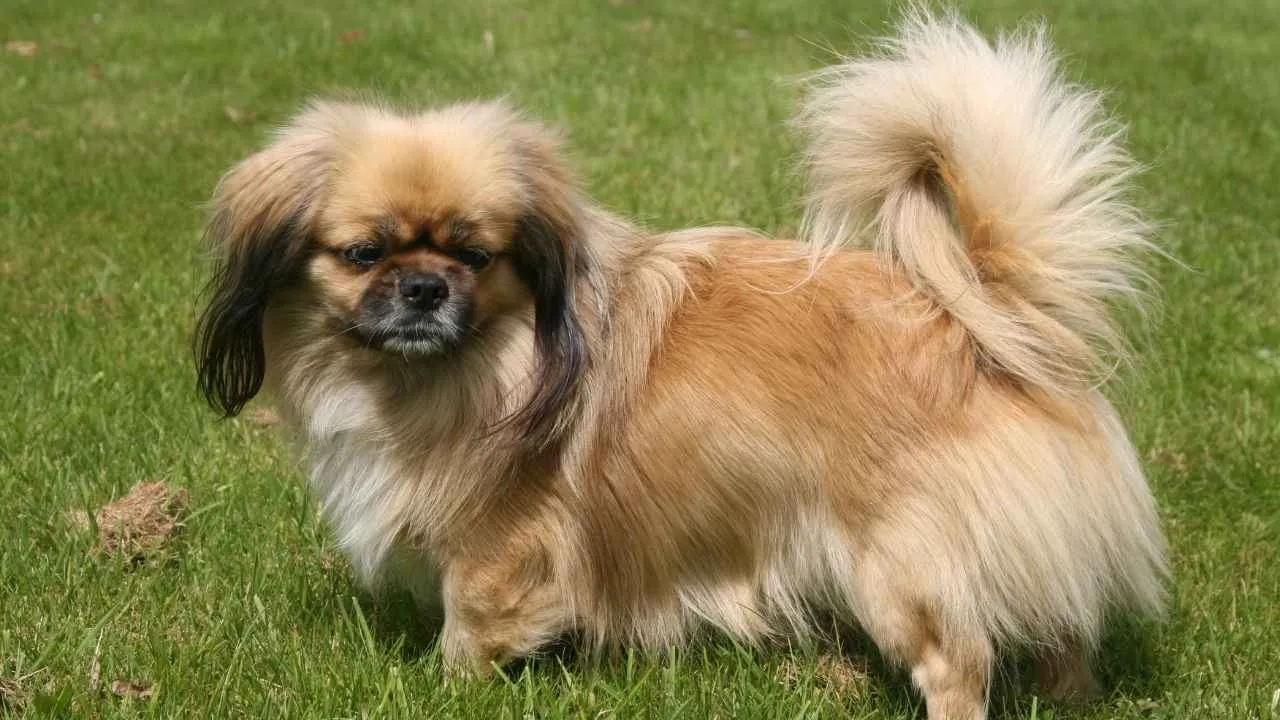
A built-in lookout with a favorite windowsill? That is classic Tibetan Spaniel behavior. Originally bred for sentinel work on Tibetan monastery walls, this observant puppy still seeks elevated places to watch doors, windows, and passing strangers.
Its alarm bark can provide reassurance, though a practiced “quiet” cue helps keep ordinary neighborhood activity from becoming breaking news.
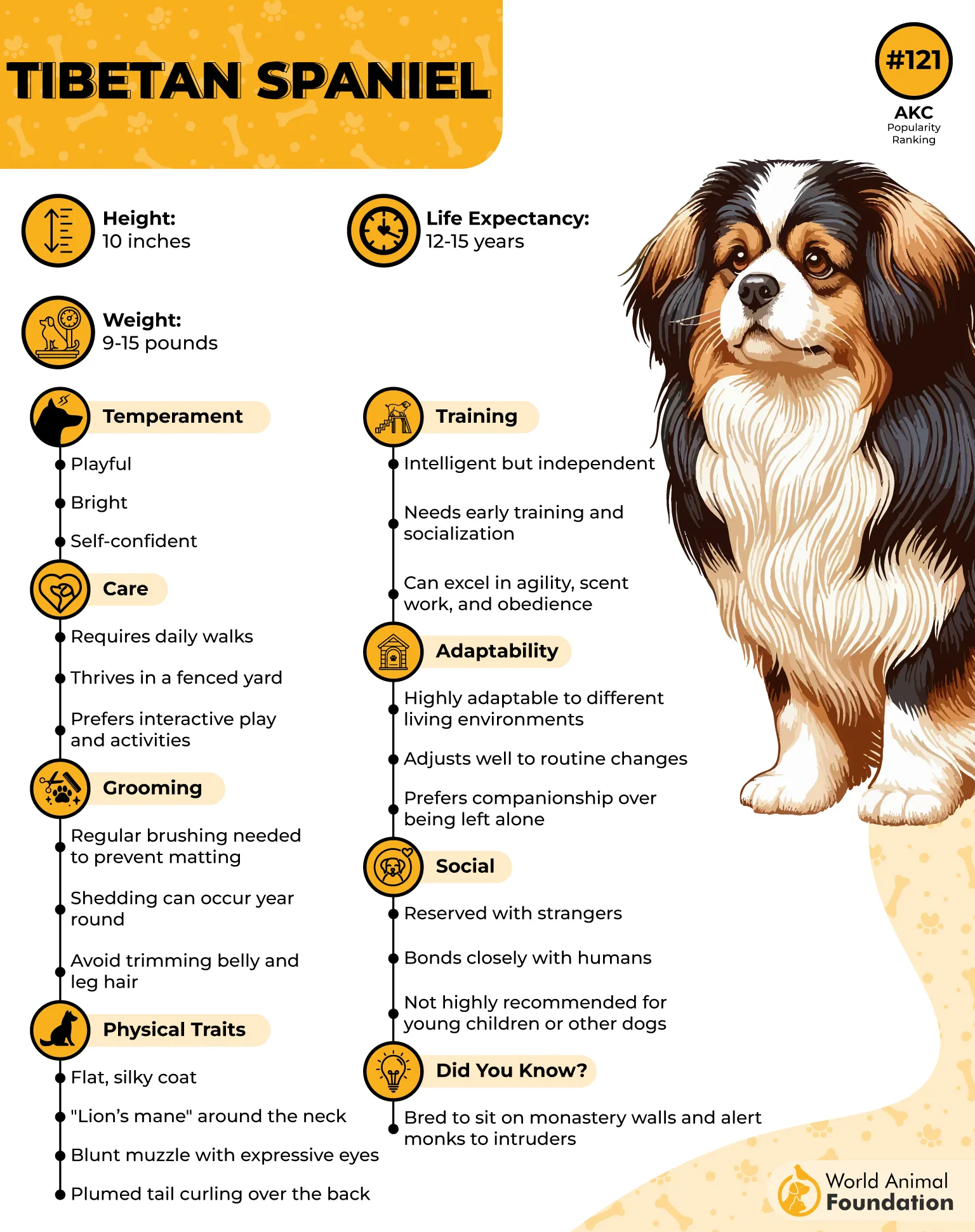
Temperament and companionship: The UKC describes the breed as curious and deeply bonded with its humans, making it especially suited to couples who spend plenty of time at home.
Short daily walks and indoor play generally meet its moderate exercise needs. Its independent streak makes reward-based training more productive than repeated commands.
Grooming and healthcare: Weekly brushing helps control loose hair, with extra attention needed during seasonal shedding. Regular eye and joint checks should be discussed with a veterinarian.
5. Yorkshire Terrier
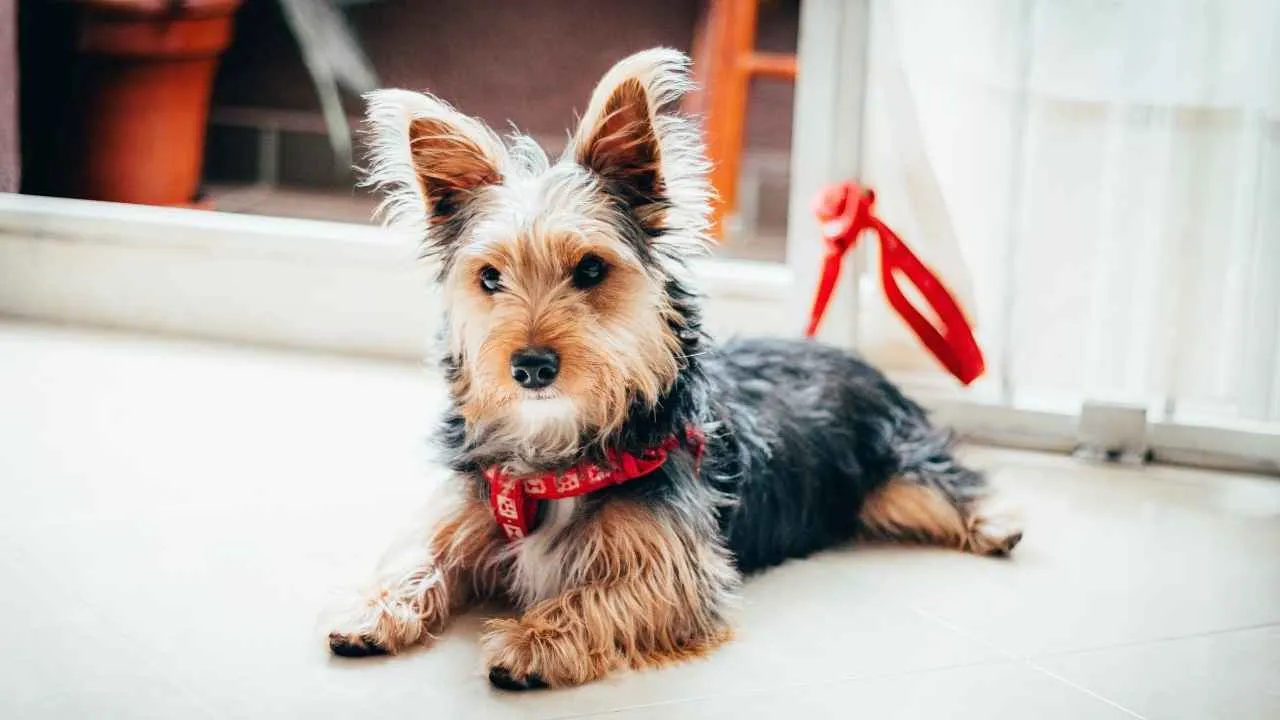
Never underestimate a seven-pound dog that believes it runs neighborhood security. Yorkies notice movement and unfamiliar sounds quickly, then announce them with surprising confidence.
Their vocal nature can support home awareness, but early reward-based training is essential if owners share walls with neighbors.
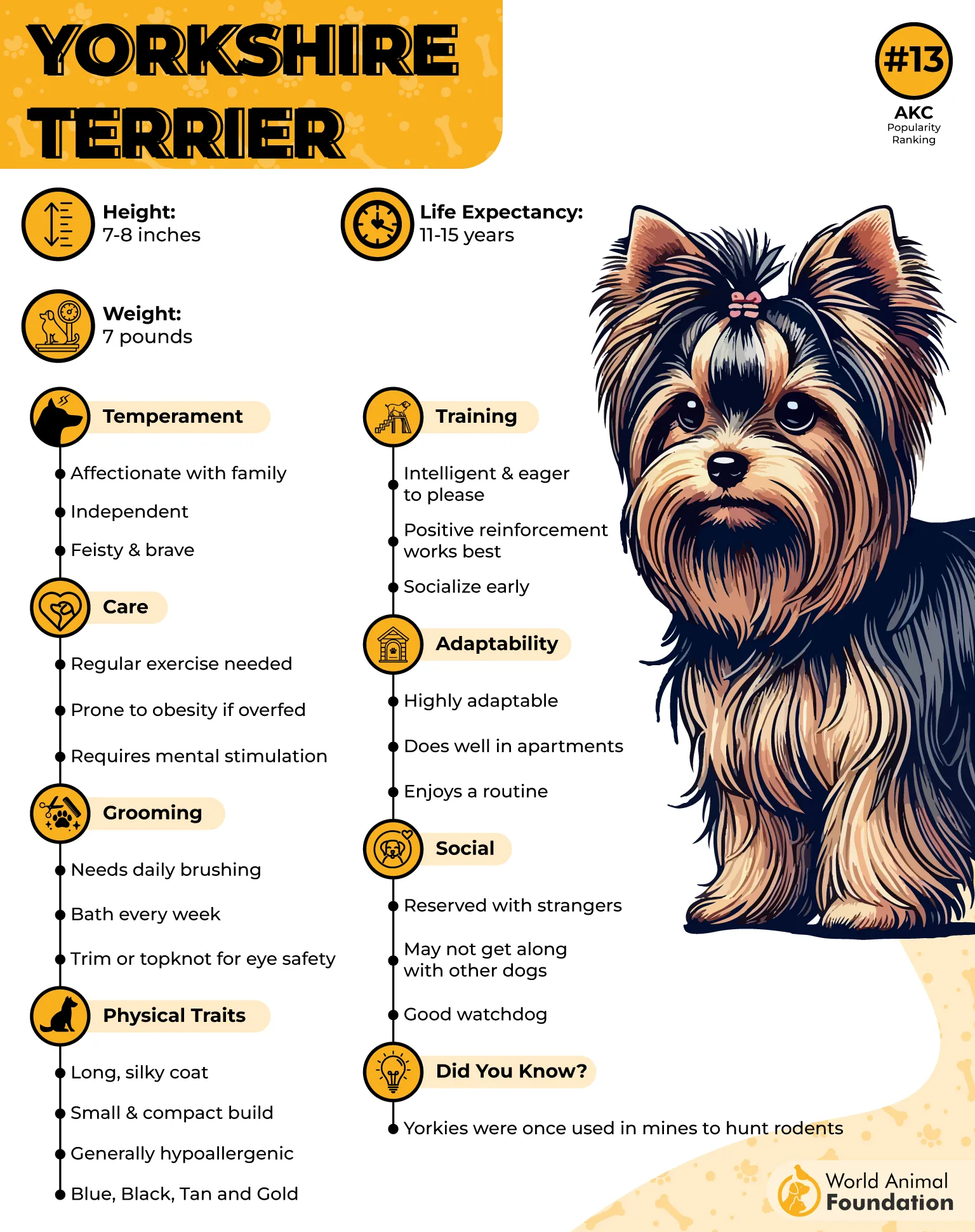
Grooming and healthcare: Daily grooming is needed to prevent tangles in the long coat. PDSA also lists fragile bones, dental problems, slipping kneecaps, and tracheal collapse among concerns worth discussing with a veterinarian.
Around 30–40 minutes of daily exercise, divided between walks and indoor games, can satisfy this lively little terrier. Its small body suits compact homes, though careful footing matters because it can easily disappear beneath a chair or shuffle underfoot.
Temperament and companionship: Affectionate but sometimes stubborn, the Yorkie responds best to patient, consistent training.
6. Lhasa Apso
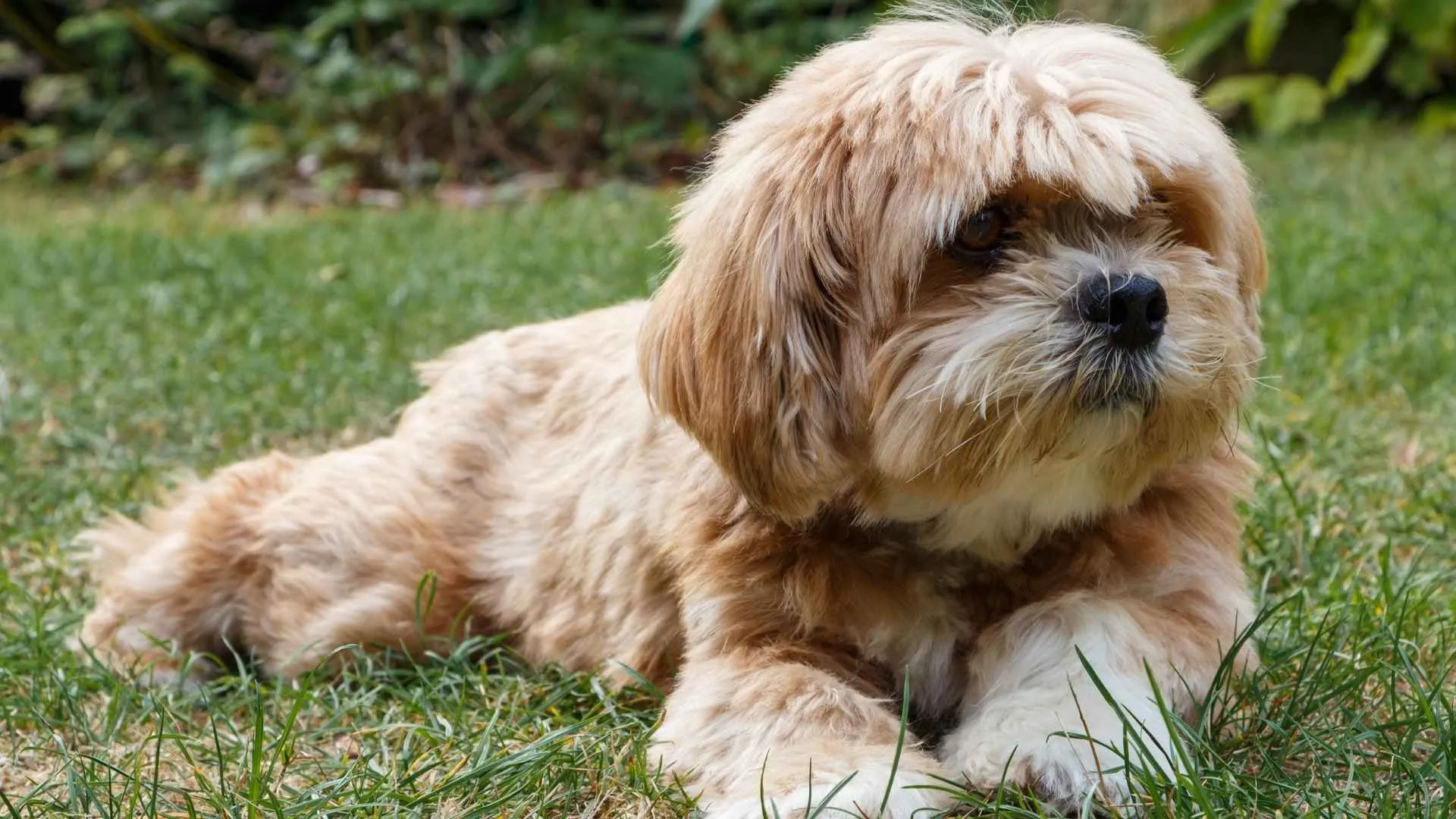
Behind that flowing coat sits a tiny security officer with centuries of experience. The Lhasa Apso was developed as both a companion and guard dog, so suspicion of unfamiliar visitors comes naturally.
Its loud alarm can be useful, but socialization and a “quiet” cue prevent every delivery from becoming a household emergency.
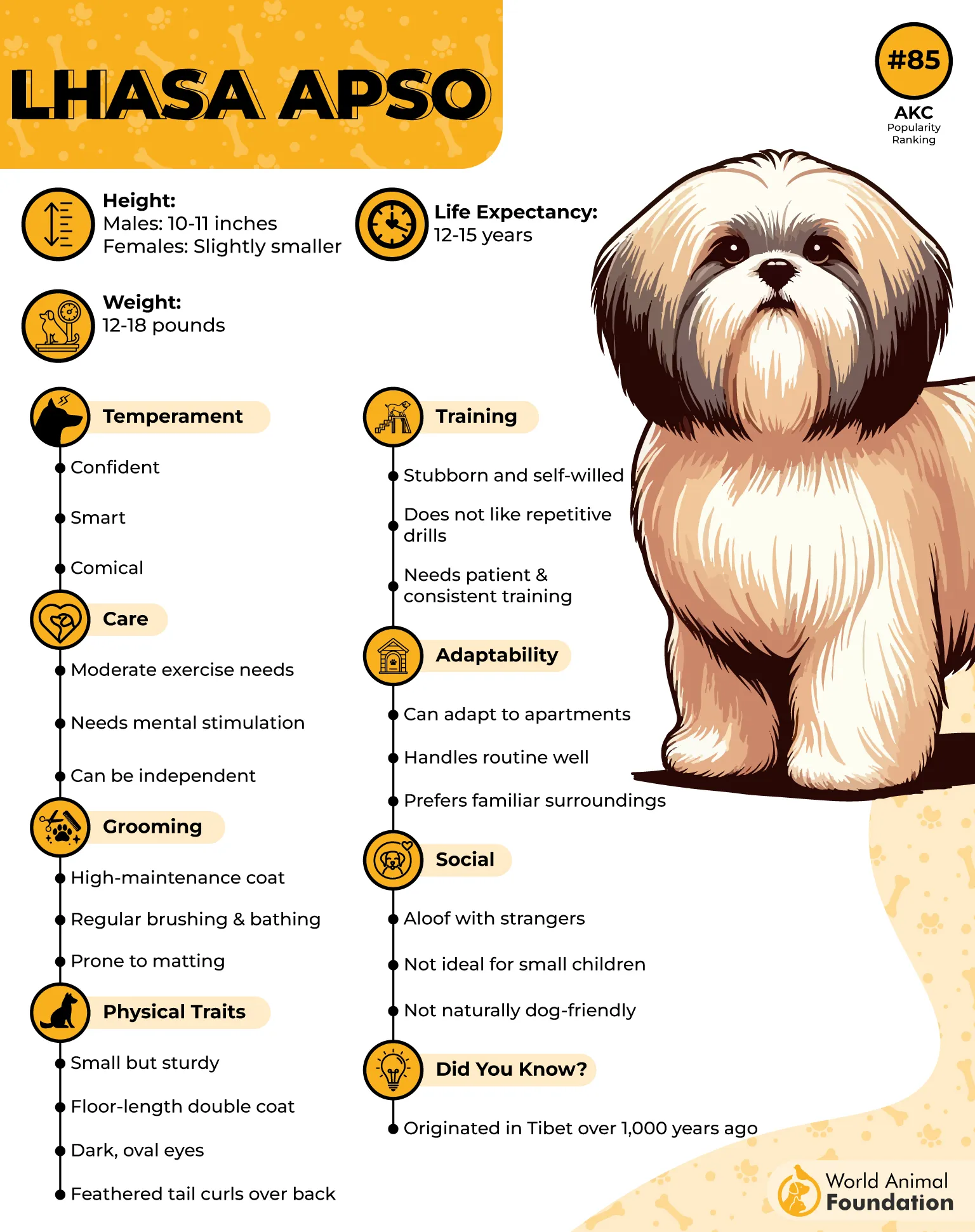
Temperament and companionship: Affectionate with trusted people yet independent in its decisions, this breed thrives on human company and patient training.
Omlet US suggests about 20 minutes of daily exercise, making two or three comfortable walks practical for many older couples. Treats need monitoring because this compact dog can gain weight easily.
Grooming and healthcare: A full coat requires careful brushing to prevent mats. Many owners choose a shorter clip twice yearly to simplify upkeep.
7. Dachshund
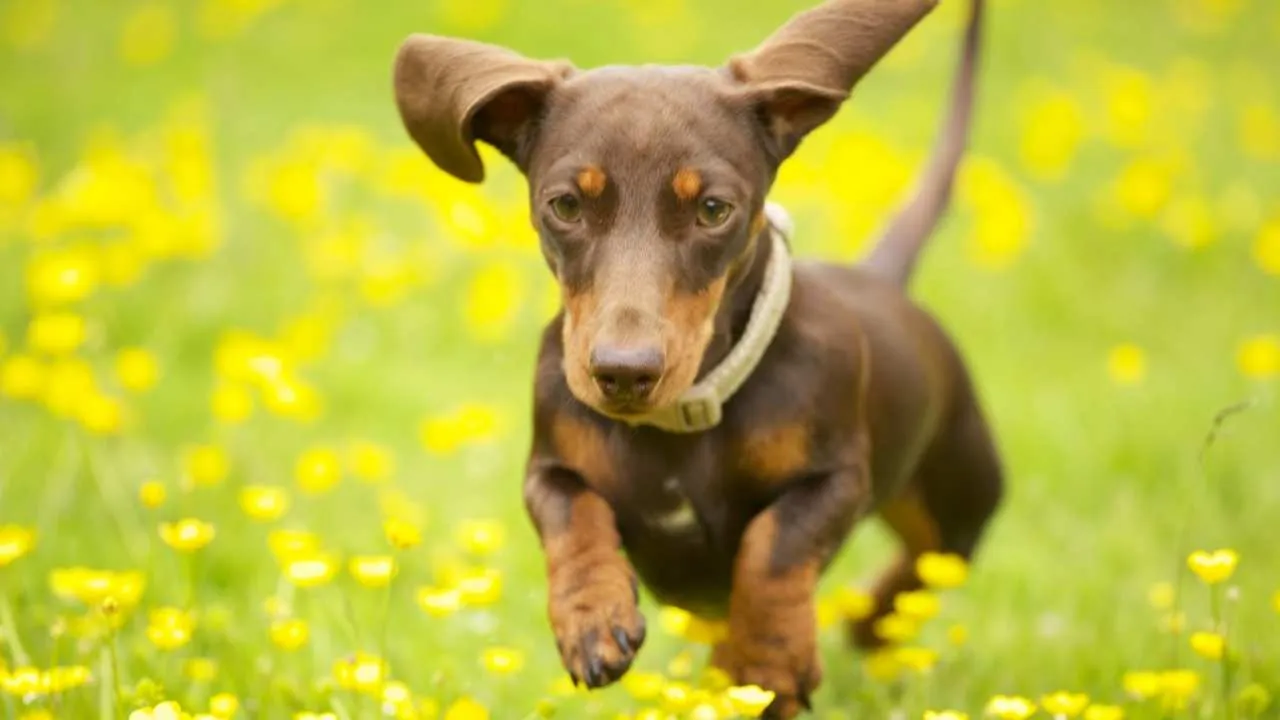
That low body comes with a bark and bravery far bigger than expected. Dachshunds were developed to face animals underground, and that courage now appears when unfamiliar sounds reach the front door.
Their strong voice makes an effective alarm, although consistent training is needed to stop repeated barking after owners acknowledge the visitor.
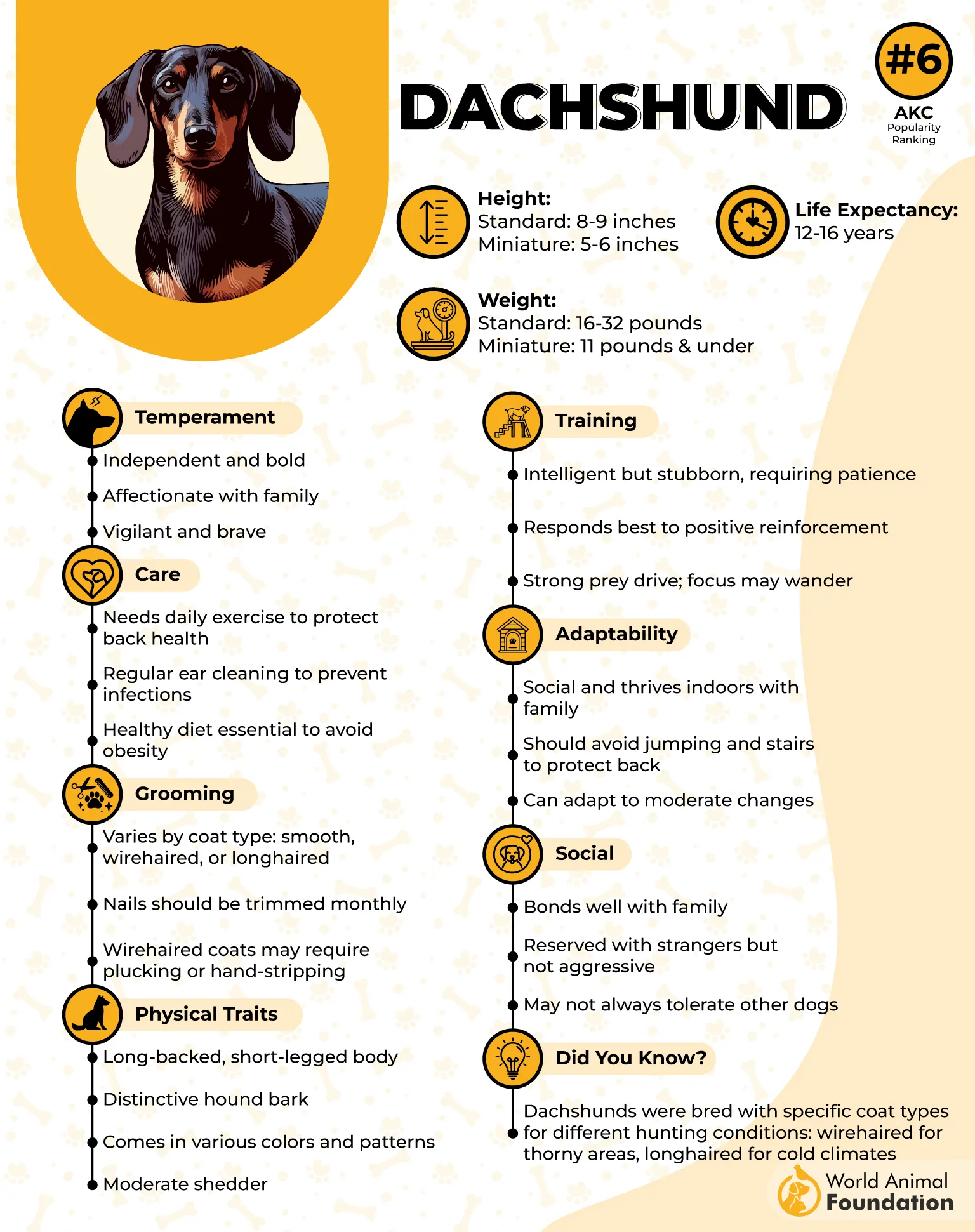
Temperament and companionship: Feisty, affectionate, and clever, they often bond intensely with one person and may become destructive when left alone too long.
Moderate daily walks and play keep them occupied without demanding marathon outings. Short training sessions work best because they learn quickly but can lose interest just as fast.
Grooming and healthcare: Weekly brushing for smooth coats and daily brushing for long coats. Prevent jumping from furniture, rough tugging, and repeated stair use because their elongated spines are vulnerable to disc injury.
Conclusion
The best dog breeds can help older adults feel safer through awareness, loyalty, and companionship, even though they are not substitutes for a trained protection dog. The right dog should match your mobility, budget, home, and lifestyle.
Each of these affectionate dogs on the list is worth considering, although energy, grooming, or health needs may limit suitability.
Visit a reputable shelter with your partner and meet an adult dog twice before you adopt. Ask about barking, leash manners, medical history, life expectancy, and behavior around children and other pets, then arrange a short home trial.
